Spotted Harrier …

Birds of prey make their living in different ways; Kestrels are fond of mice, Peregrines are fond of pigeons, Brown Falcons are fond of snakes. Hunting technique are appropriate to the creatures hunted.

Harriers go about their business fairly low over open country with wings upswept. In Australia we have a couple of members of the guild, Swamp Harrier and Spotted Harrier. One prefers wetter habitats the other drier habitats.

The dry plains around my home seem ideal for Spotted Harrier but for all that they are only occasional visitors. I was looking for quail when I encountered this one, so was he probably.
Spotted Harrier

When looking for mice in the grass slow flight is an advantage. Kestrels and Black-shouldered Kites can hover. They are both smaller birds, there is only so much energy in a mouse and hovering is expensive. The equation works for the small birds but hovering is too expensive for harriers to undertake except very briefly.

So slow flight it is. The upswept wings contribute to lateral stability, very helpful when flying close to stall speeds. If a wing stalls it drops relative to the other wing and the bird as a whole side slips to the affected side. Under these circumstances the lower wing develops more lift than the upper wing and tends to restore the bird to level flight (at a slightly lower altitude).

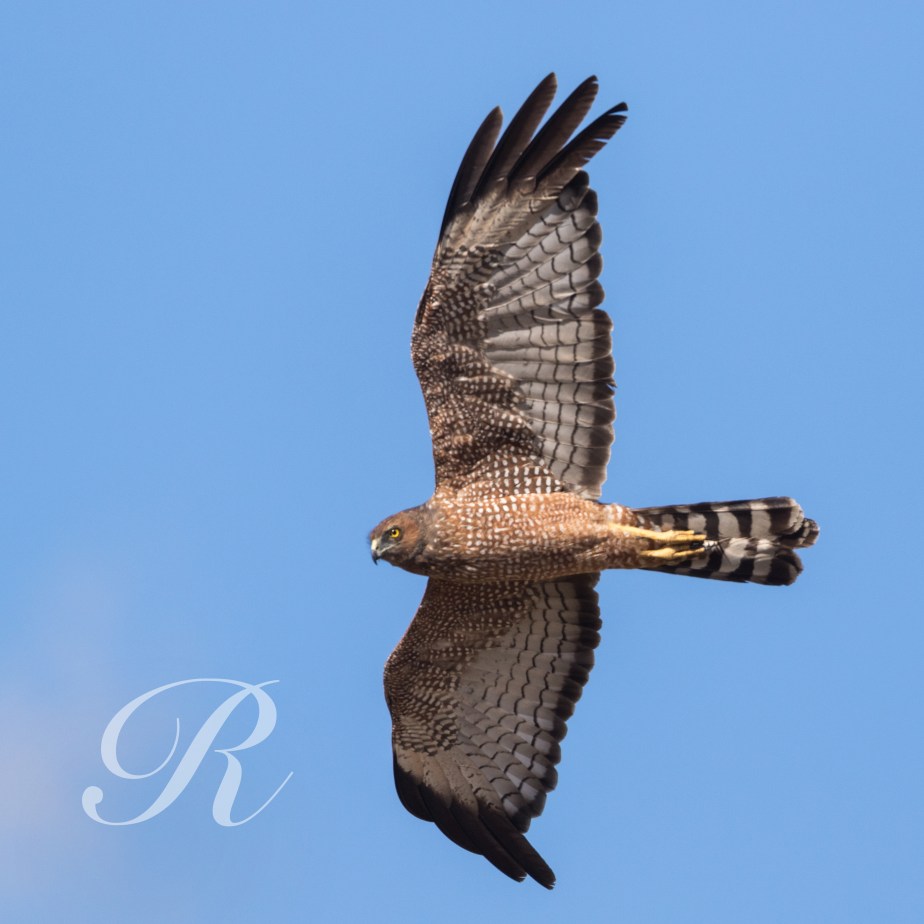
The upward angulation of the wings is called dihedral and it can be seen in this photo of our gliding harrier …

Spotted Harrier note the dihedral

Cool …

Well, yesterday it made it to the promised 44° …

This little fellow took shelter in the shade.

Swamp Wallaby

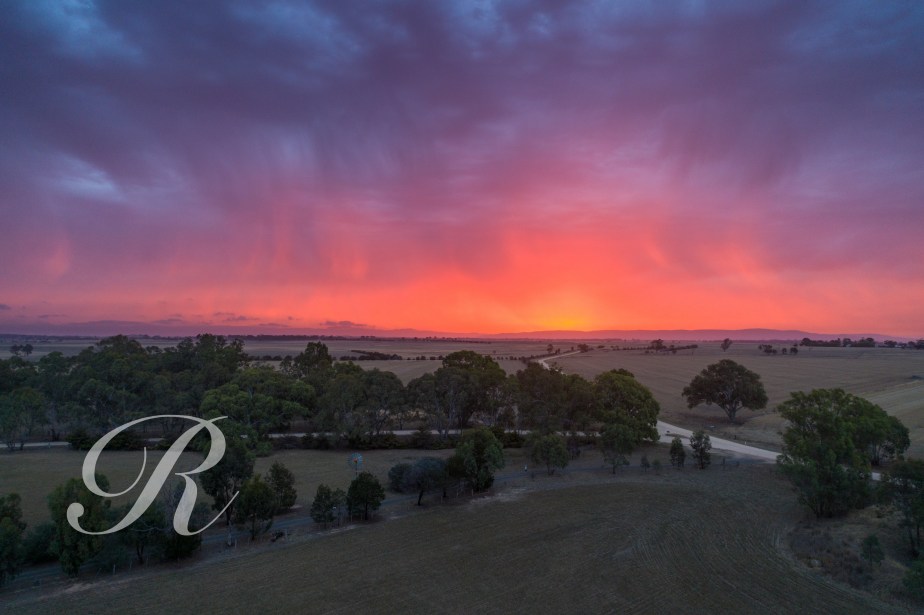
A welcome cool change came along in the afternoon dropping the temperature by 15°C in an hour. Strong winds brought raised dust which presented us with a gorgeous sunset.

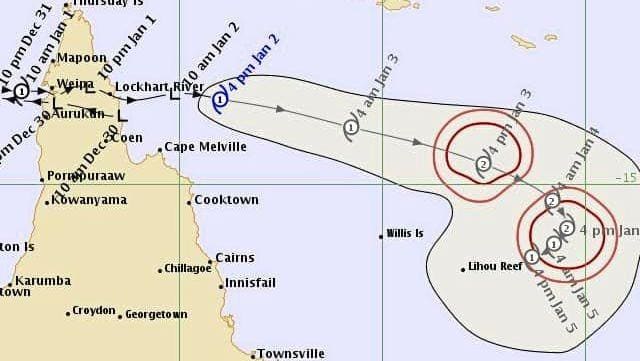
Meanwhile 2,600 plus kilometres north-east Cyclone Penny has both cleaned up her image and intensified in strength. It is expected to weaken before making land fall.

Today has been much cooler. But that won’t last long


Penny’s Dropped …

Down here in the south-east of Australia we’re bracing for 44°C (111°F in the old money) which brings the attendant risk of bushfire. We have our plan at the ready

but we still have the humanity to think of the folk in far north Queensland in the path of Cyclone Penny.

Facebook – Higgins Storm Chasing

They’ll, no doubt, be expecting a few inches from that.

Brains …

I recently spent a little time around Chimpanzees. They are our closest living relatives. Our common ancestors were around approximately  6 million years ago. Some of their descendants took to the savanna, adopted an upright posture and developed language and large brains.

We are proud of our large brains. I’m happy to concede that Chimps can climb trees better than me but surely when it comes to mental abilities there is nothing that they could beat me at.

This came as a surprise …

Virtue is its own reward …

The last couple of days have been days of laziness and overindulgence. Christmas is like that. They have also been hot … high 30’s. At five thirty last evening it was 38°C (100.4°F). Today we are expecting it to top 40° for the first time this summer.

With that in mind an early walk seemed like a much better idea than a later walk and for my enterprise I was rewarded …

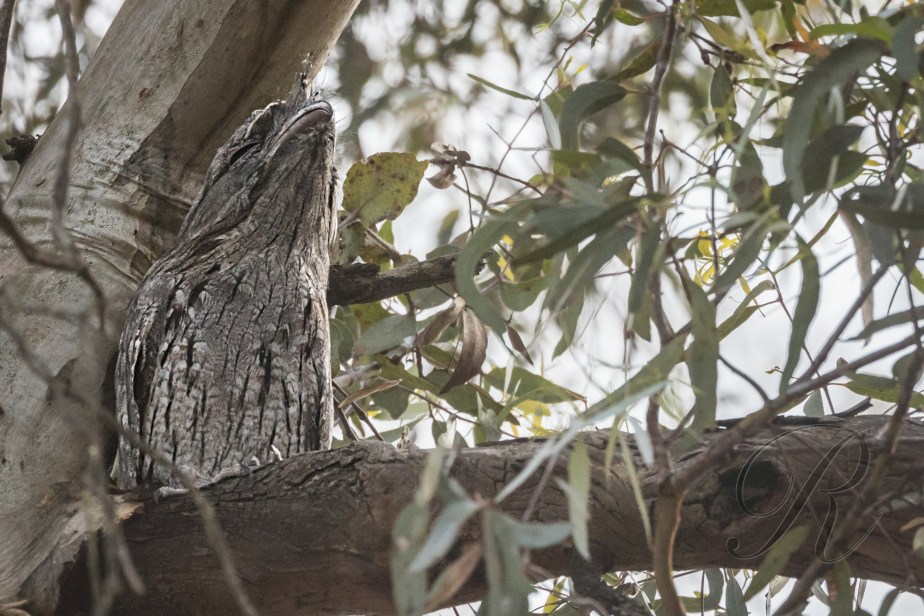
Tawny Frogmouth

Tawny Frogmouths are nocturnal. I quite often see them after dark hunting insects along my driveway.

During the day they roost in a tree and their plumage is so treelike that you can walk past them without a clue that they’re there. They tend to use the same place regularly so once you have a roost you can expect to see them whenever you wish. The only local roost I’ve been aware of is on someone else’s property and although the invitation has been extended I don’t like to visit with a camera in hand so I’ve reserved that for visitors who share my interest.

There is a small bushland reserve close to home. I walk through it several times a week. It’s anyone’s guess how many times I haven’t seen these guys but this morning I found them. I’d already thoroughly depixellated the first one before I saw the second one just a few metres away …

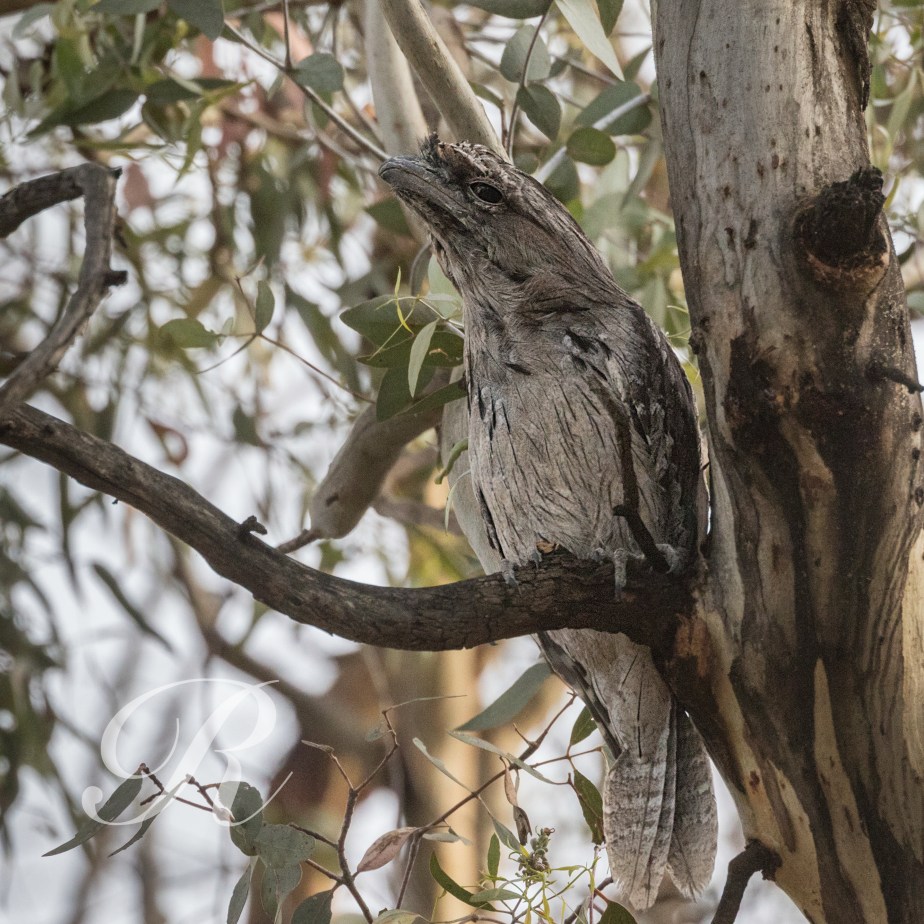
Tawny Frogmouth

When they’re relaxed they are rounder and dumpier. When they feel in danger of being discovered they stretch out like these and do their stick imitation.

It will be interesting to see if this is their regular roost.

Home Again …

So this African sojourn comes to an end. As always when I’m writing about travel I have picked up new subscribers. Welcome to you, it’s nice to know that there are people out there, but what have you got in store now?

My neck of the woods is the Goldfields region of Victoria, Australia. It has a rich history and is rich in wildlife. People travel long distances to see Australia so stick around and I’ll show you what I can of it.

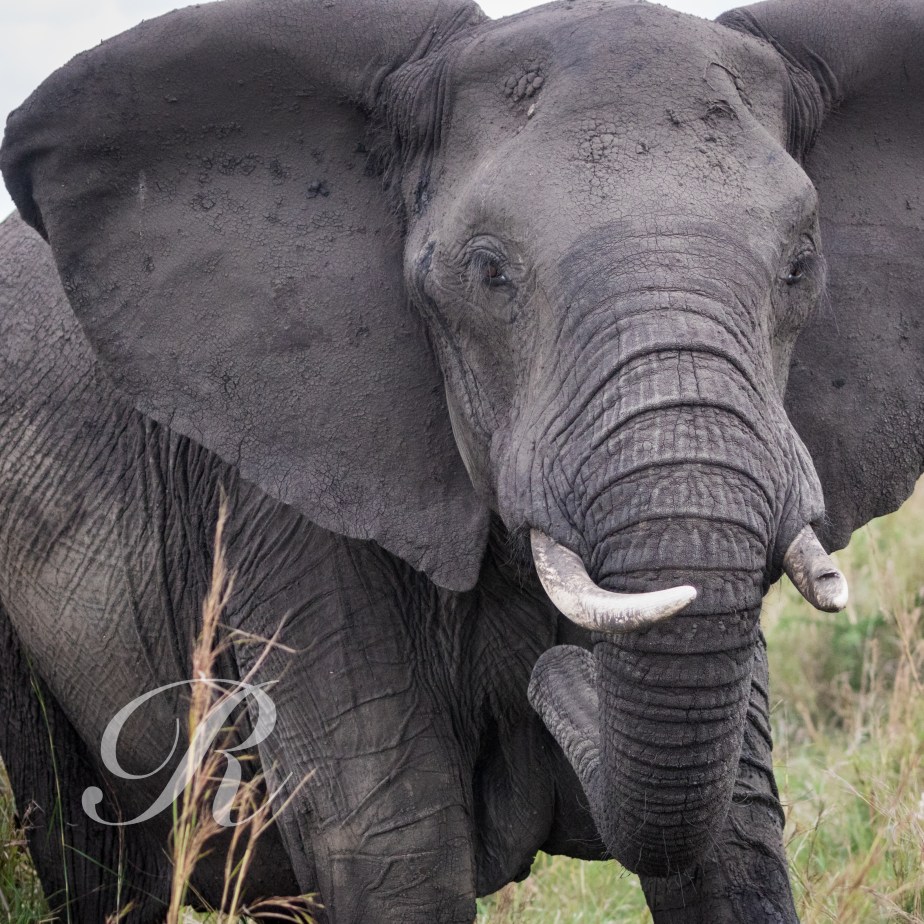
This may not be as exciting as an elephant about to charge the side of the vehicle but I took it this morning about 200 metres from my house.

Wallabia bicolor

Above the Clouds …

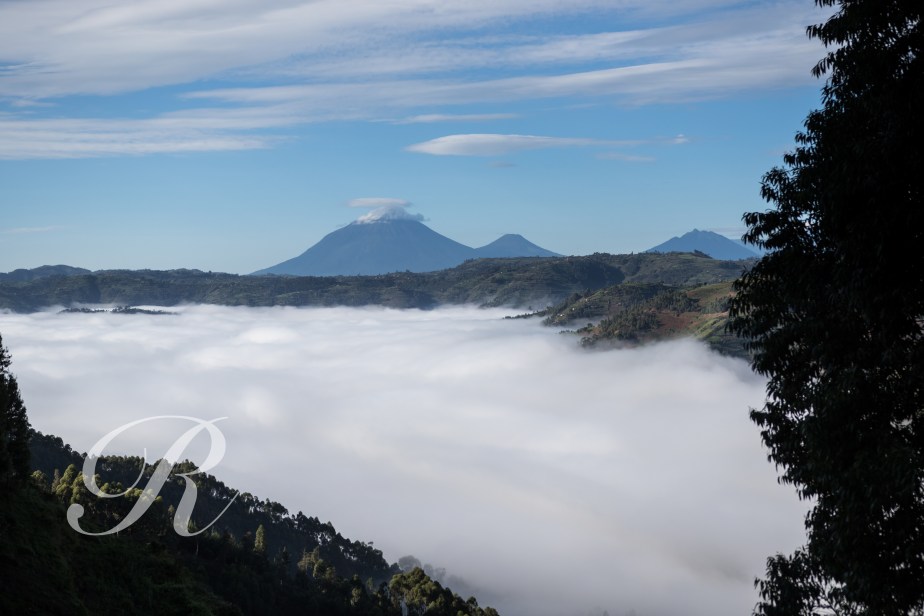
Mountains are often shrouded in cloud, rainforests wouldn’t be rainforests without the rain. Our stay in Bwindi was probably quite typically cloudy and rainy but the day we left was a gem. If you came here every day you could probably expect an experience like this about once every four hundred years.

The mountains in the background are the Virungas which mark the borders of Uganda, Rwanda and the Democratic Republic of the Congo. There are eight major volcanoes in the chain including Mount Nyiragongo, an active volcano that I climbed last year. See that account <HERE>. The night-time time-lapse is well worth a look.

From here it was a drive to Entebbe and a flight home.