Dr Bawa-Garba …

I was fortunate enough to get through my career as an Oral and Maxillofacial Surgeon without ever finding myself in court defending my practice. Not everyone is so fortunate and indeed some deserve to go the distance. The fact is that the majority of medical errors, even serious ones, do not result in litigation and the majority of cases that do are the result of a perceived lack of empathy rather than malpractice on the doctor’s part.

When a case does get to court the evidence is something like this …

On 18th February 2011 Jack Adcock was admitted to Leicester Royal Infirmary with a history of severe gastro enteritis. He had previously had an AVSD repair, doing well, on enalapril. He had a temperature of 37.7 degrees centigrade, dehydration and shock. A Blood gas showed a Ph, 7.0, base deficit, -14, lactate 11 mmols. He was prescribed a fluid bolus and maintenance fluids. Blood tests including CRP were undertaken and a chest x –ray ordered. There was a delay of two and a half hours in review of chest x-ray during which time Jack showed some recovery, playing with the radiographer, drinking juice from his beaker, improvement in blood gas, to ph 7.24. Jack was moved off the Children’s Assessment Unit (CAU) to the wards, where an unprescribed dose of enalapril was administered. Approximately one hour later he suffered a collapse from which he was very sadly unable to be resuscitated.

Which I’ve taken from a description of the case against Dr Hadiza Bawa-Garba. This is translated for the jury but just think how much information is packed in that single paragraph, multiply that by a large number of paragraphs and think about the volume of information that a jury has to process to arrive at its verdict. The medical defence organisations do their best to keep us out of trouble and I was often reminded that should a case go to court a matter that a trained doctor would regard as a lay down misere could very easily go either way.

Dr Bawa-Garba was a junior doctor just back from maternity leave. She had an unblemished record and had done good work for charitable causes. Young Jack was a much-loved six-year-old with a lot of medical problems stemming in the main from Down Syndrome.

On the day that Jack died …

  • The medical team was relatively new due to the February change over
  • Dr Bawa-Garba had not received an induction to the hospital
  • Another registrar did not attend work
  • Her supervising consultant was rostered elsewhere
  • The hospital computer system was down
  • A senior house officer was diverted to chasing test results by phone
  • When the computer did come on-line abnormal results were not flagged

On this day: Dr Bawa-Garba, a trainee paediatrician, who had not undergone Trust induction, was looking after six wards, spanning 4 floors, undertaking paediatric input to surgical wards 10 and 11, giving advice to midwives and taking GP calls.

Quite how long Dr Bawa-Garba was on duty is unclear but it is clear that she was involved in two instances of resuscitation 11 hours apart.

For large numbers of the medical profession who have read this account, the clinical circumstances surrounding Jack’s death sound exceptionally horrific, with Dr Bawa-Garba struggling against all odds to keep her young patients safe and undertaking the roles of 3 or 4 doctors in the absence of her supervising clinical consultant. It seems clear to us that even the most competent junior doctor would struggle to keep children safe under such conditions.

Appropriate tests were performed, results eventually received ,  a proper diagnosis made appropriate treatment was administered.  Jack showed initial improvement but then collapsed. Resuscitation was unsuccessful.

When she eventually discussed the case with her consultant Dr Bawa-Garba was encouraged to write a full and frank account of the events which she did. The logic behind this is obvious – no one learns from mistakes or system failures that are hidden. On the other hand what is good for the community may not be good for the doctor. There were errors in Jack’s management.

The crucial error was the administration of enalapril,  a medication used to treat high blood pressure, diabetic kidney disease, and heart failure. Jack’s blood pressure was in his boots. Dr Bawa-Gaba did not order the enalapril but she failed to make it clear to Jack’s mother that it should be stopped. Mum gave Jack his regular dose by mouth.

Four years after the event Dr Bawa-Garba and two nurses were found guilty of manslaughter. Dr Bawa-Garba was given a two year suspended prison sentence. The independent Medical Practitioners Tribunal Service (MPTS) ruled that she was a competent doctor who made mistakes in the context of serious systemic failures, and recommended that she should be allowed to continue to practise medicine. The General Medical Council (GMC) appealed the MPTS’s decision, and on 25 January 2018 the High Court allowed the GMC to permanently erase Dr Bawa-Garba from the medical register.

This is a dire miscarriage of justice.

You can do something about it and maybe help do some good. Visit this site www.crowdjustice.com.
 

Boort …

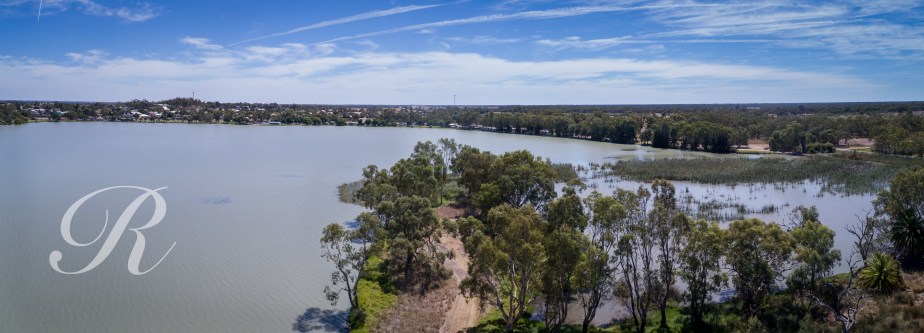
About 250km NNW of Melbourne the little town of Boort seems to thrive on tourism and agriculture. Its claim to fame is Little Lake Boort which I have never seen dry and is a popular water skiing destination. Lake Lyndger and (Big) Lake Boort are also adjacent but are often dry.

Major Mitchell and his party passed through the area in 1836 and gave a good report of its agricultural prospects. White settlers followed through the 1840’s. The town was founded in 1871. Prior to that the area had been the home of the Jaara people. There are still scar trees and shell middens around the lakes.

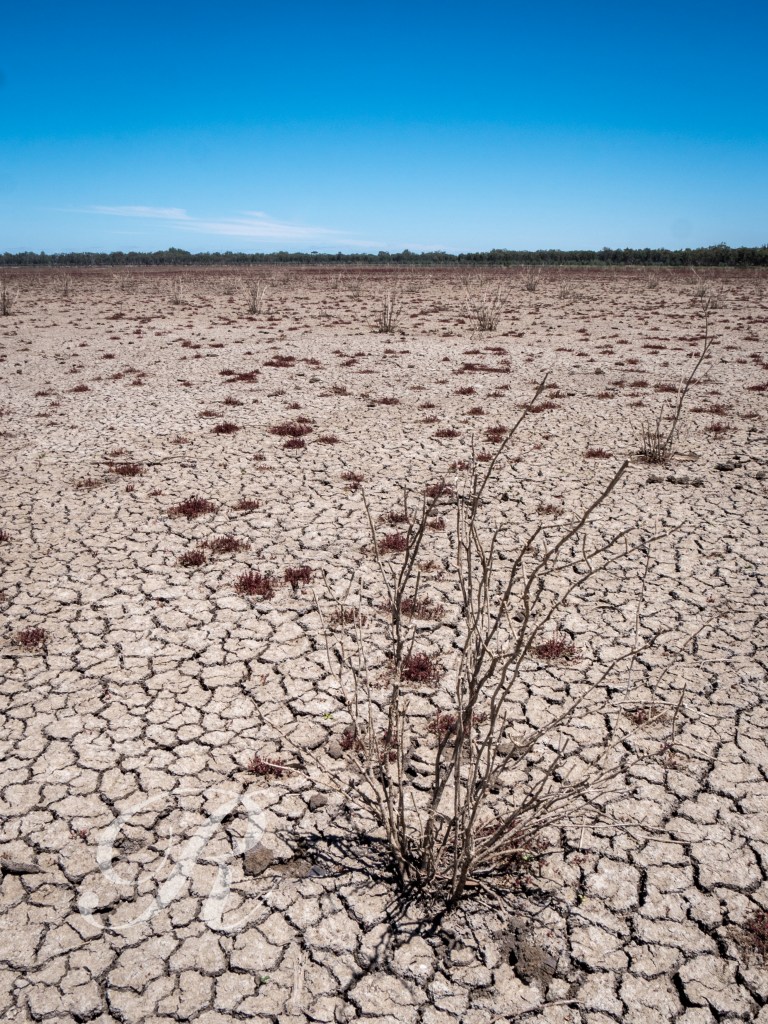
It’s a good spot to go birdwatching, and from where I live it is a pleasant day out. Today Lake Lyndger was dry …

Lake Lyndger

Lake Boort was mainly dry and nowhere near as green …

Lake Boort

but there was some water way out in the middle with some nice birds including Red-necked Avocets and Black-tailed Native Hens, always a pleasure to catch up with but too distant for portrait photos.

The top photo shows Boort looking across Little Lake Boort. Not surprisingly the birds were mainly around the margins of the water.

Great Cormorant
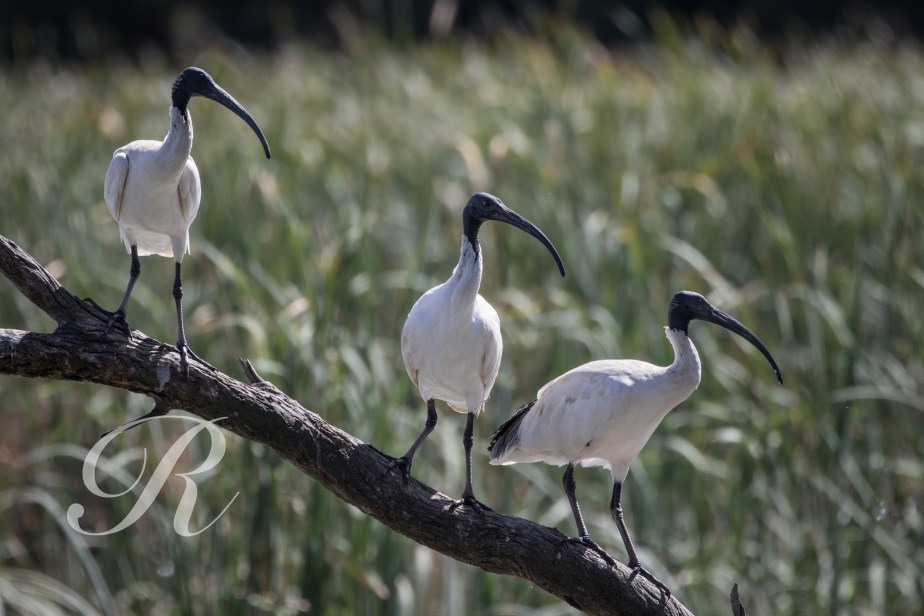
Australian White Ibis
Australasian (Purple) Swamphen

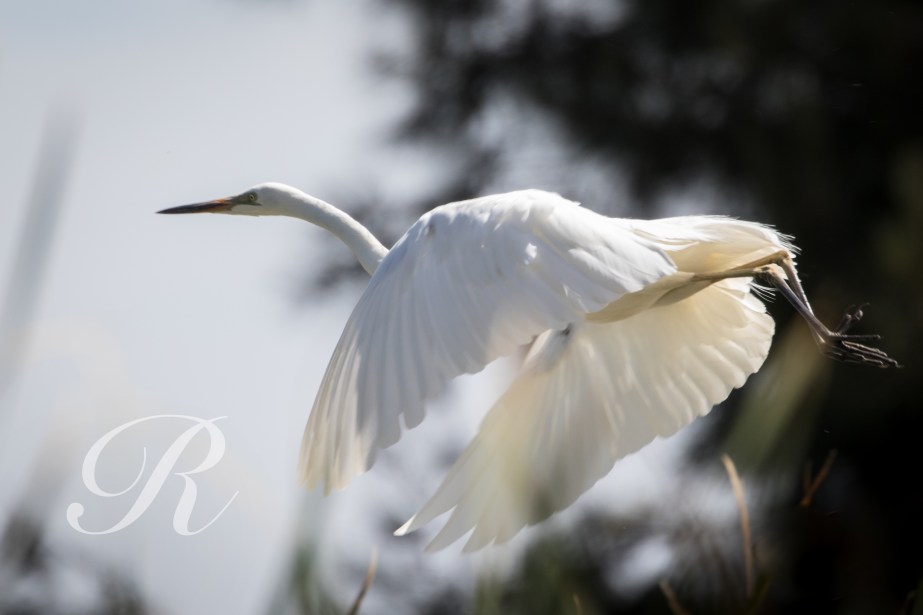
This Great Egret was quite skittish but I did get close enough to show off the breeding colours of its face and bill. When it gets over its reproductive urges the bill and facial skin will become yellow again. It also had a few plumes on its back although these are never as gorgeous as an Intermediate Egret’s finery …

Great Egret
Great Egret – breeding colours

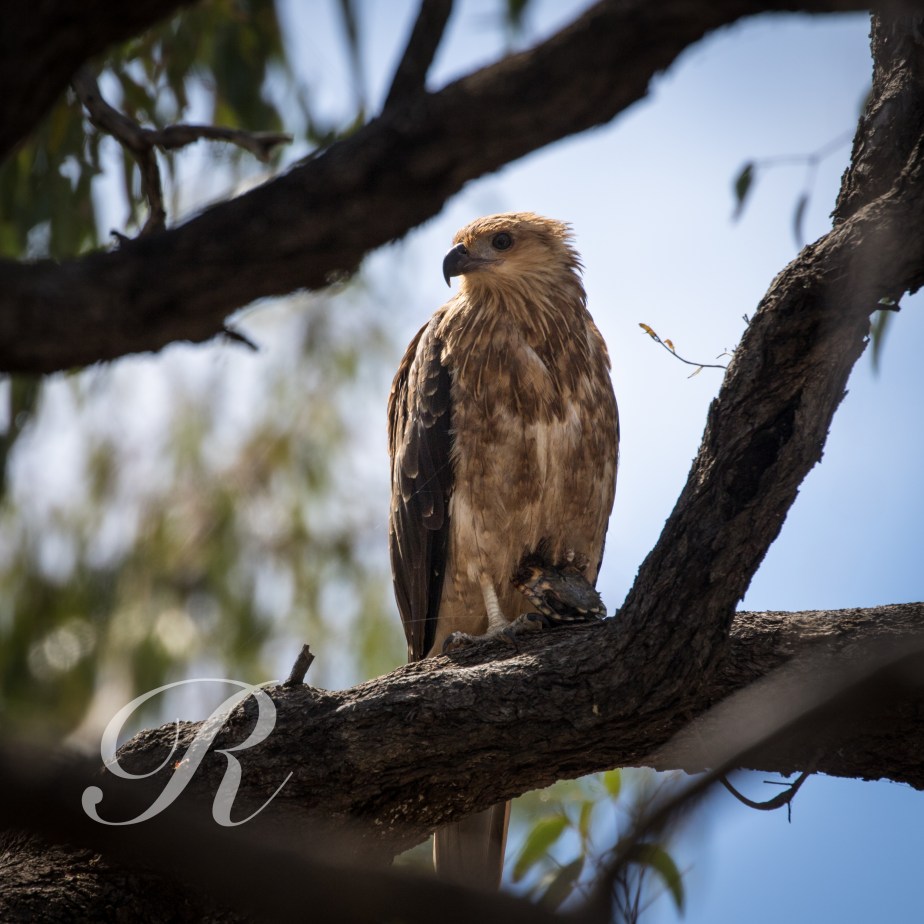
Whistling Kites were well represented. This one has taken a small tortoise …

Whistling Kite

Australasia’s largest bird family is the Meliphagidae – the Honeyeaters. The Noisy Miner is a common member of the family in south-east Australia. It is unpopular because of its aggression to other birds. The Miners hang around in flocks and where they are found other small birds are largely absent. It occurred to me that I had never bothered to work at getting a decent photo of them. Time to put that right …

Noisy Miner

Cheddar Man …

James Ussher (1581 – 1656) was the Archbishop of Armagh and Primate of all Ireland for about 30 years of his life. He is remembered today mainly for his  assertion that the earth was created at about 6pm on the 22nd of October 4004 BC.

I learnt from his Wikipedia entry that he was taught to read by two blind spinster aunts which must have been an interesting exercise.

Dating the creation has been quite a popular exercise among theologians. Ussher’s date falls in the mainstream for his era but more recently an older date has emerged as a contender.

In 1970 Harold Camping, an American radio evangelist, published his calculation moving the creation back to 11,013 BC.

This fits much better with what we know about Cheddar Man. His remains were discovered in 1903 in Gough’s Cave in Somerset, England. Sometime after the beginning of Climate Change he (or his immediate forebears) meandered across Doggerland which connected Britain to Europe before Sea Level Rise severed the connection. He made it to the south-west of England about 10,000 years ago. This was not long after ice sheets up to three miles thick had melted.

Scientists have recently extracted C M’s DNA from a small quantity of bone taken from his skull. The Guardian reports …

The team homed in on genes known to be linked to skin colour, hair colour and texture, and eye colour. For skin tone, there are a handful of genetic variants linked to reduced pigmentation, including some that are very widespread in European populations today. However, Cheddar Man had “ancestral” versions of all these genes, strongly suggesting he would have had “dark to black” skin tone, but combined with blue eyes.

About 10% of modern-day poms are descended from this early population. The sun rarely shines in England and sunlight striking skin creates Vitamin D without which children suffer Rickets. Subsequent generations have become lighter skinned.

A pair of very skilled modern Europeans have produced an extremely accurate model of C M’s head, and as you can see, incontrovertible evidence of the oldest known human head tilt.

Alfons and Adrie Kennis stand with their model on display in a big, dark lit museum hall

Post Script …

Wikipedia tells us that Ussher’s timing of the creation is …

frequently misquoted as being 9 a.m., noon or 9 p.m. on 23 October.

Is that really worth quibbling about when you’re out by more than 4 billion years?

Harold Camping not only dated the creation he was also kind enough to date the end of the universe. This occurred on May 21st, 2011. If you’re reading this he may well have been wrong.


Syzygy …

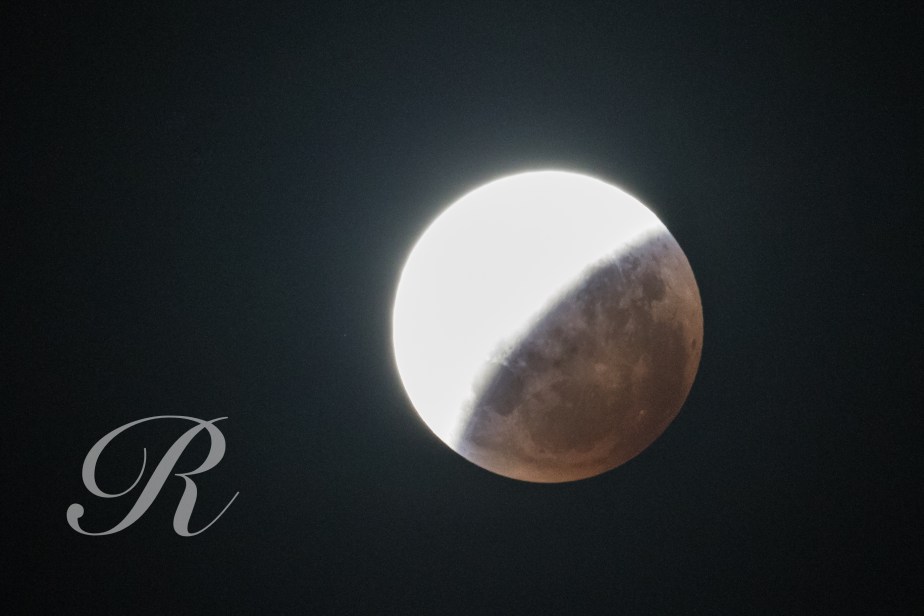
In case you missed last night’s lunar eclipse.

A lunar eclipse can only occur on the night of a full moon. The sun is on the opposite side of the earth. The photo was taken as the moon passed into the earth’s shadow. Light refracted through the earth’s atmosphere illuminates the moon and is reflected back to us. The colour is red for the same reason that a sunset is red – Rayleigh Scattering …

Rayleigh scattering is inversely proportional to the fourth power of wavelength, so that shorter wavelength violet and blue light will scatter more than the longer wavelengths (yellow and especially red light).

You can work it out for yourself from the formula …

Let me know the answer.

Phola …

For a black musician South Africa was a very tough place in 1959. Inspired by Art Blakely’s Jazz Messengers some relatively unknown young musicians formed The Jazz Epistles and recorded this track …


It was an even tougher place a year later after the Sharpville Massacre. Most of the band found themselves in exile. Abdullah Ibrahim (piano), Kippie Moeketsi (reeds) and Hugh Masekela (trumpet) went on to become the aristocracy of South African Jazz.

Hugh Masekela died the other day (January 23, 2018) age 78.

Much of his music concerned the struggle against apartheid but let’s hear something gentle on the flugelhorn. Farewell Hugh Masekela …

With A Pencil …

… you can write flowery rubbish …

In an era of infinite screens, the humble pencil feels revolutionarily (sic) direct: It does exactly what it does, when it does it, right in front of you. Pencils eschew digital jujitsu. They are pure analog, absolute presence. They help to rescue us from oblivion. Think of how many of our finest motions disappear, untracked — how many eye blinks and toe twitches and secret glances vanish into nothing. And yet when you hold a pencil, your quietest little hand-dances are mapped exactly, from the loops and slashes to the final dot at the very end of a sentence.

and with a camera you can make the most amazing images. If you’ve ever used either do yourself a favour and have a look at the images of a pencil factory made by Christopher Payne (no doubt using digital jujitsu). The words are by John McPhee … they’re optional.

Just click <HERE>.

You can chew a pencil but can a pencil eschew anything at all? Is this the first recorded instance of anthropomorphism concerning pencils? What did the pencil think about that?

Arse Feet …

… or for Americans Ass Feet. If you were a torpedo, a ship or a foot propelled diver having the means of propulsion at the rear end has its advantages.

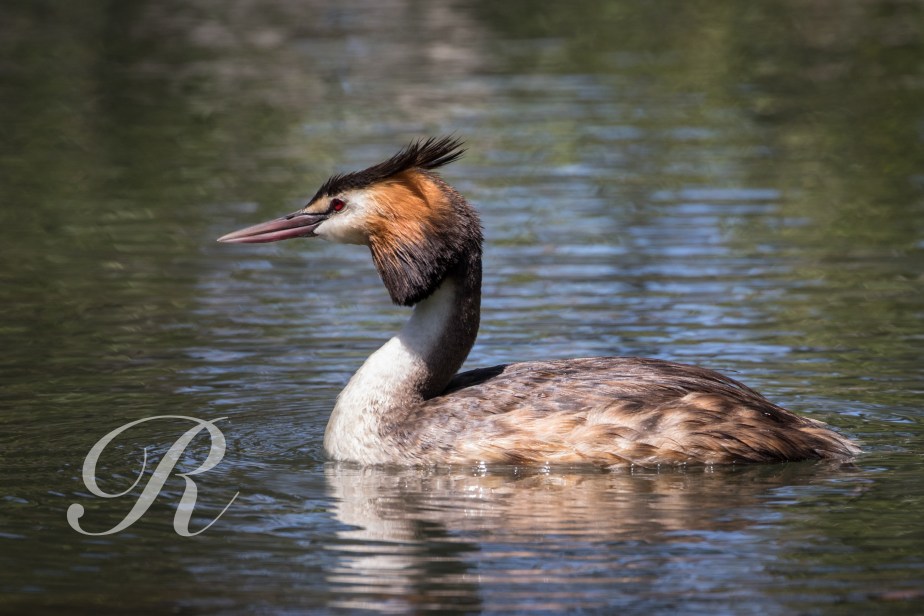
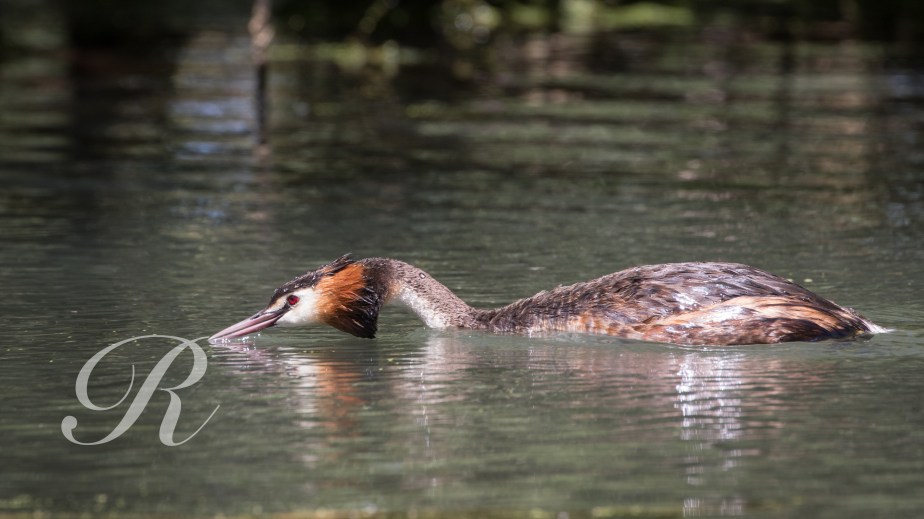
The Great Crested Grebe rejoices in the scientific name Podiceps cristatus … Latin for Crested Arse-foot. Along with the other grebes they are in the Family Podicepididae and the Order Podicepidiformes all celebrating the location of their feet … I did say rejoice.

Podiceps cristatus

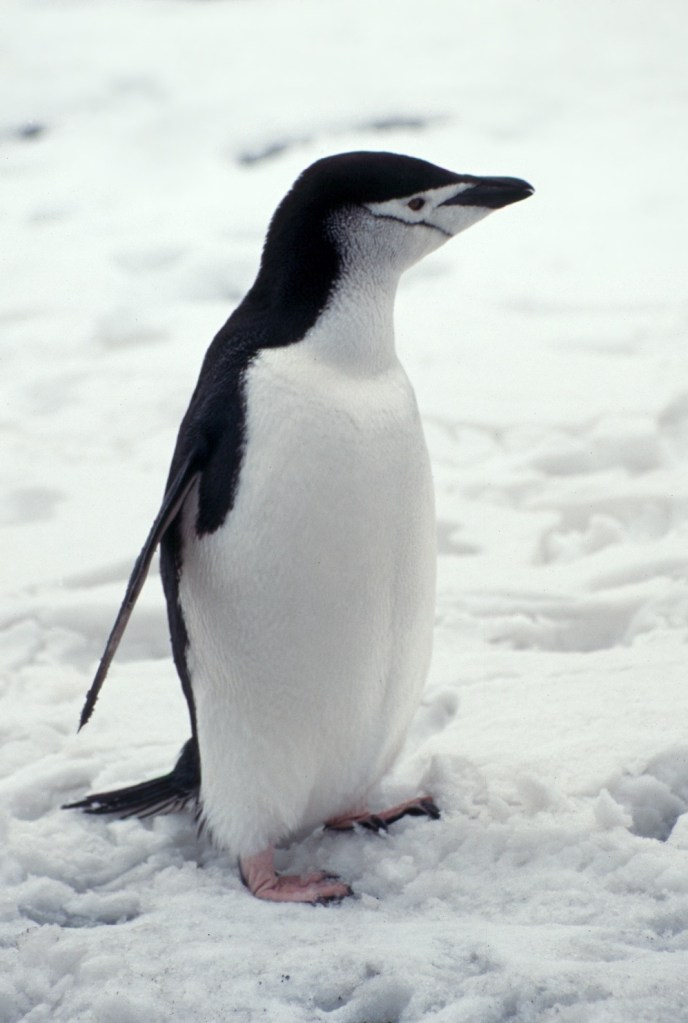
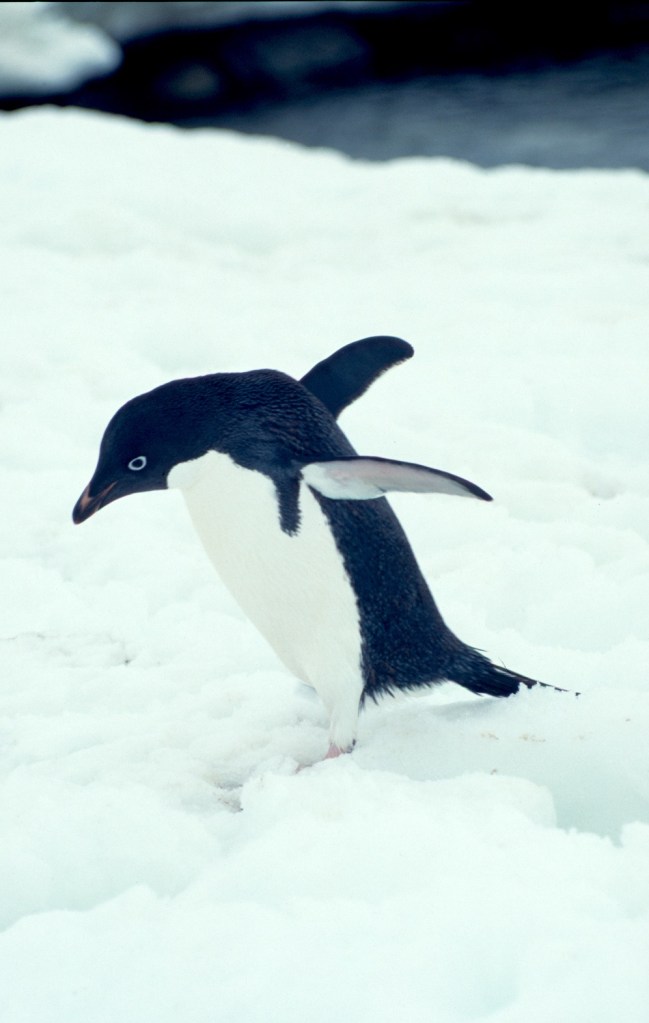
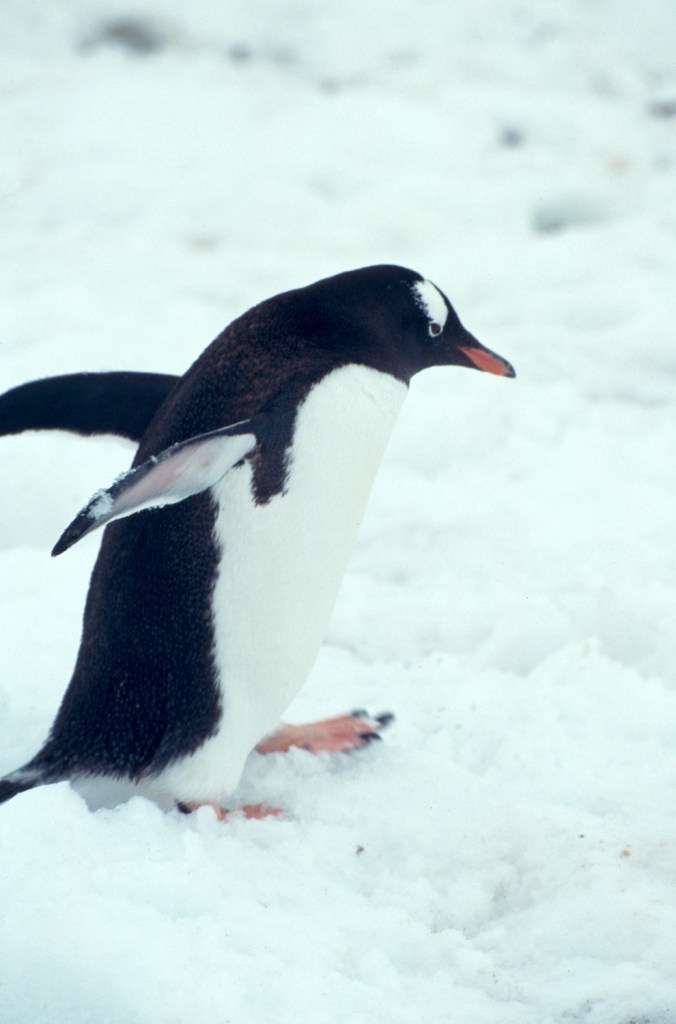
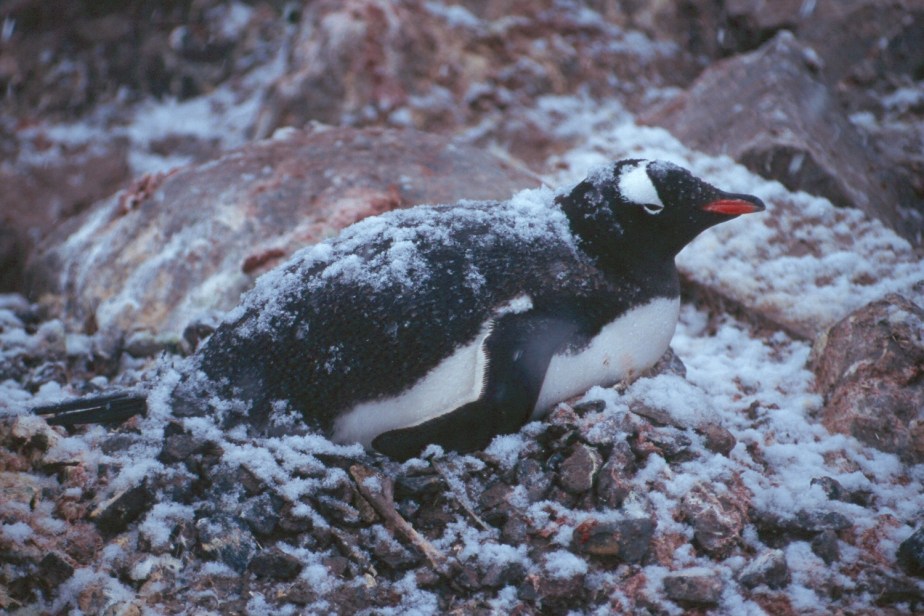
Penguins are wing propelled divers and one group, the stiff tails, are united in the genus Pygoscelis. If the grebes speak Latin among themselves then the stiff tails speak Greek. You guessed it – Arse-feet. The penguins so blessed are the Chinstrap, Adelie and Gentoo.

Chinstrap Penguin
Adelie Penguin
Gentoo Penguin

Gentoo, that’s an odd name for a penguin. I’ll come back to it.

Meanwhile, having your feet back there is not without disadvantage for the grebes. They are hopeless on land. The Great Crested Grebe nests at the water’s edge often on a floating mat of reeds tethered to standing reeds. They have freedom in the water and in the air but have surrendered their access to land. Ducks and swans have taken a different evolutionary journey. So have the penguins.

Penguins have surrendered their power of flight. In air that is. Their wings are adapted to flight in water a medium that is 784 times more dense than air (at sea level … such precision!). You can’t do both (which is what my mother said when I told her I wanted to be a musician when I grew up). They (penguins not musicians) need to come ashore to nest. Having their feet where they are enables upright bipedalism and, since they are webbed, they act in the same way as the elevators on the tail plane of fixed wing aircraft. Their feet have ended up in a similar location to the grebes but for quite different reasons and there seems little downside to the arrangement.

Back to the Gentoo, Pygoscelis papua. The scientific name is more easily explained than the common name. A French naturalist, Pierre Sonnerat (1748 – 1814), claimed to have discovered it in new Guinea. Neither he nor the penguin having ever been to New Guinea this seems unlikely.

In Voyage à la Nouvelle-Guinée (1776) Sonnerat details an expedition to the Spice Islands and New Guinea made in 1771. Some of which is pure fiction. The book though, contains good illustrations of three different penguins and the Laughing Kookaburra all signed with his name. The penguins are readily identifiable as the Emperor, King and Gentoo. None of these birds occur in New Guinea.

It seems that he was given the skins of these birds by Sir Joseph Banks at the Cape of Good Hope to pass on to fellow naturalist Dr Philibert Commerson in Mauritius.  He duly delivered them to Commerson’s illustrator, Paul Philippe Sanguin de Jossigny who made drawings of them. Poor de Jossigny died unexpectedly. Sonnerat took the opportunity to take the drawings, sign them and pass them off as his own.

When I arrived in Australia the Laughing Kookaburra was rather evocatively called Dacelo gigas but older Scientific names take precedence. So now we have Pygoscelis papua and Dacelo novaeguineae both named after places where they have never been found.

Gentoo is a word that has fallen out of common use it was formerly synonymous with Hindu. Australian Bird Names – A Complete Guide, by Fraser and Gray (CSIRO) suggests that the link between Hindus and the penguin “will remain one of the great mysteries of the universe“. Perhaps the head pattern reminded someone of a turban.

Gentoo Penguin

A link with my past …

My interest in birds goes way back to primary school in England. The reason for it is totally unfathomable, no one else in the family was so inclined although there were a couple of books about birds in our small collection. At the time I lived in Leyton, London within walking distance of Whipps Cross where there is some residual oak forest and the Hollow Ponds.

I doubt that parents these days would be comfortable with an eight year old wandering off by themselves to go bird watching but it seemed normal enough back then.

There were a couple of birds that I regarded as megastars – the Jay and the Great Crested Grebe. The Jay has a wide distribution across Europe and Asia but doesn’t make it to Australia which is where I now live. The Great Crested Grebe though does.

I went for a walk around Lake Wendouree in Ballarat the other day and there were several pairs swimming about.

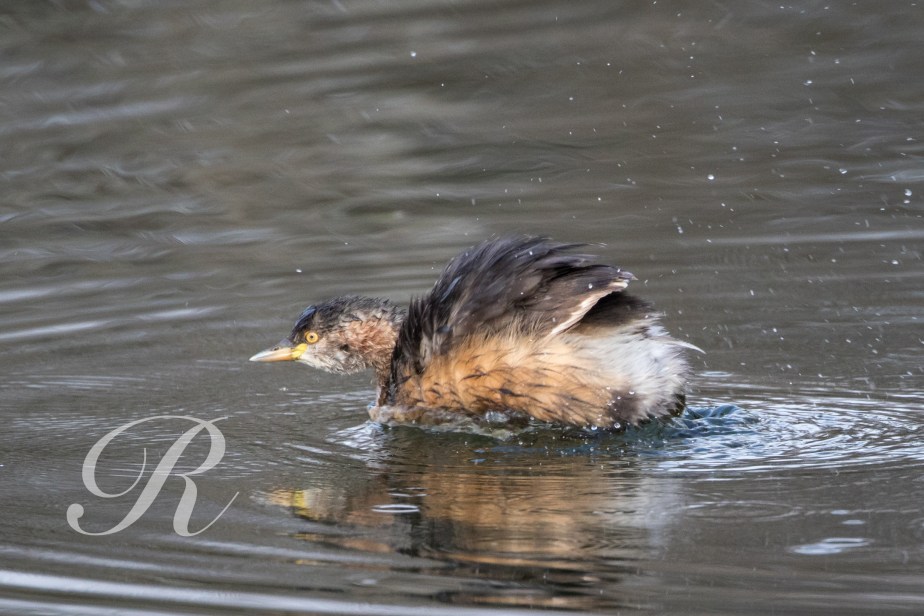
We have three species of Grebe in Oz. The Australasian Grebe is the smallest and occurs on shallow freshwater sometimes on surprisingly small ponds. The Hoary-headed Grebe is slightly larger and dives slightly deeper. It occurs on fresh water bodies and is also happy in sheltered salt water. The Great Crested is the largest of the three, dives deeper and is found on lakes rather than ponds.

Australasian Grebe
Hoary-headed Grebe

For the photographer none of the grebes are particularly cooperative.  They like a comfortable distance between you and them. When I found myself close to a pair of Great Crested Grebes in some reeds I sat on the bank and waited hoping that they would emerge and give me a shot. Eventually one did …

Great Crested Grebe

In concentrating on the first pair I had failed to notice a second pair coming from my right. They were quite close by the time I saw them, their necks stretched out in aggressive pose. Here’s a close up of one of them …

Great Crested Grebe

This was a territorial issue. Pair number one retreated into the reeds. Pair number two went in after them, there was a few moments of splashing, unfortunately hidden from my view. Pair number two re-emerged and stood guard for a couple of minutes. The edge of the reeds was clearly the territory boundary.

It was only then, it seemed, that they realised I was there.

Great Crested Grebe

The scientific name of the Great Crested Grebe is Podiceps cristatus, wherein lies a story …

While I was there …

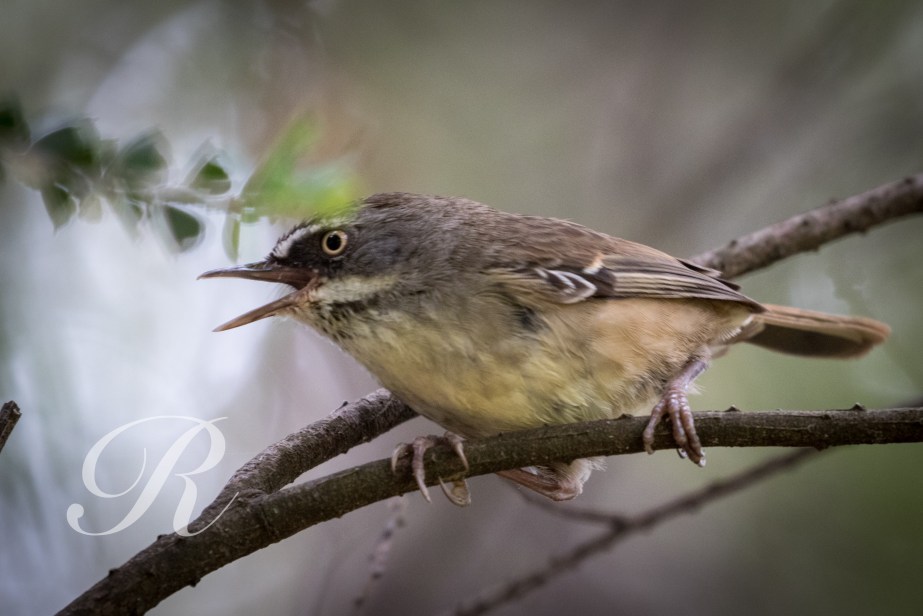
There wasn’t a lot of time in Harrietville for birdwatching but as I moved between my accommodation and rehearsal rooms I often encountered a bunch of Scrubwrens at one particular spot. They clearly resented my intrusion and would gather and scold me. I had to get a photograph.

White-browed Scrubwren

They are denizens of dense vegetation. In eastern Victoria it would be hard to go birding without encountering them. In the drier west of Victoria they are harder to find, streamside vegetation offers the best chance.

They are members of the genus Sericornis named by Gould in 1838. It is from the Greek and means silk bird apparently because of their silky plumage. I have banded many of these birds. Whilst handling  them it never seemed to me that they were silkier than other little birds from similar habitats.

White-browed Scrubwren