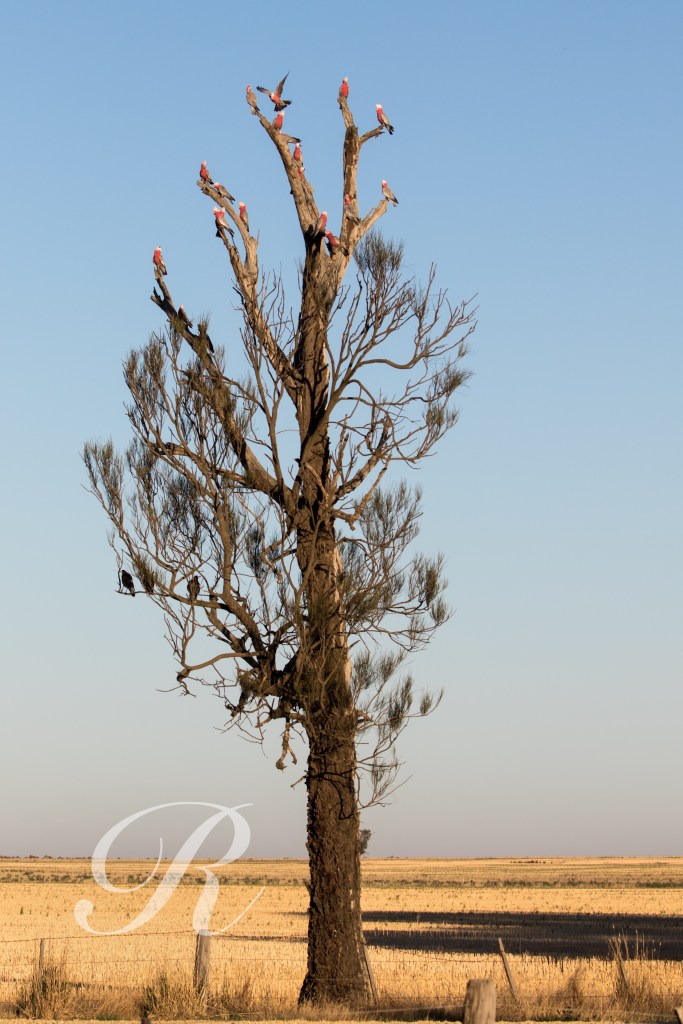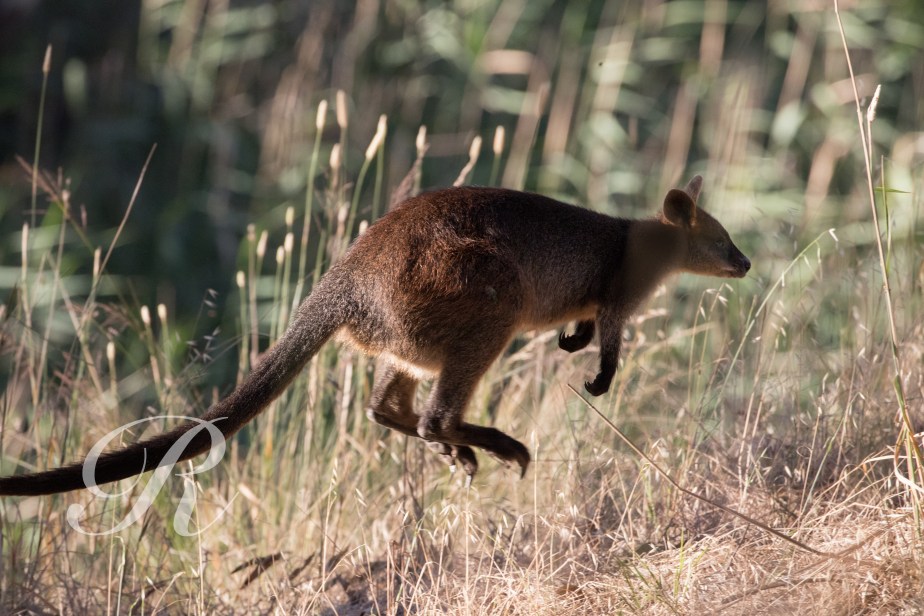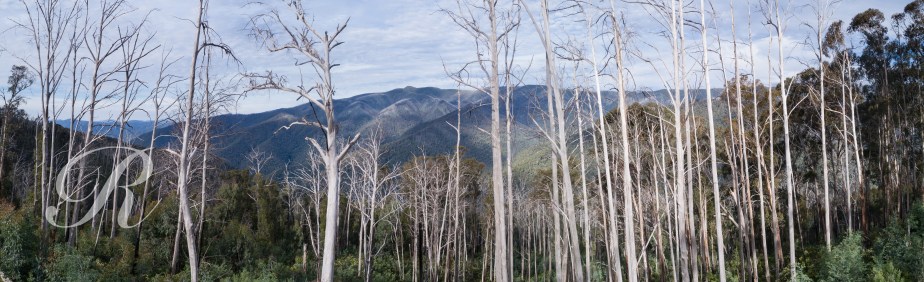
Harrietville …

I’ve been away, enjoying the mountain air.

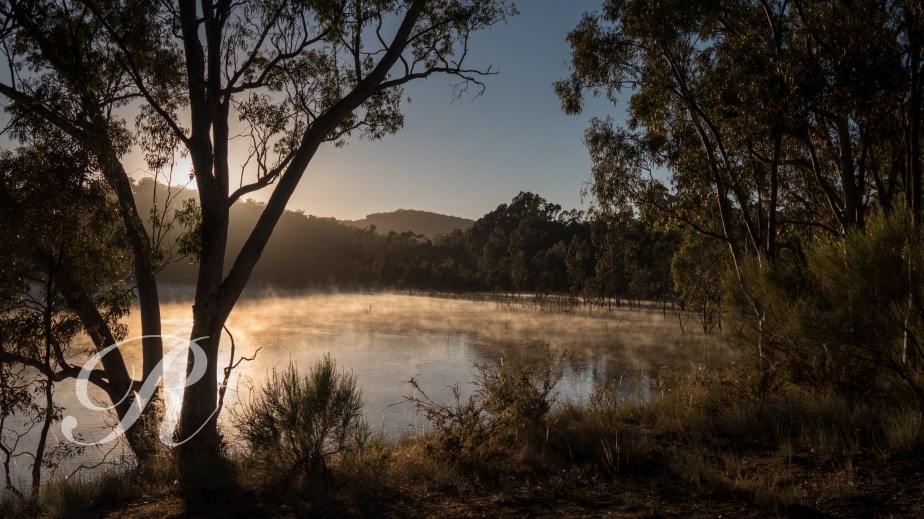
Harrietville lies at the foot of the grandly named Australian Alps in north-east Victoria. It got its start as a gold rush town and there are still a working mine or two. Gold was discovered in 1852, it was enough of a town to deserve a post office by 1865. It has a population of around 400 plus a good contingent of tourists at any season. It is a very beautiful spot.

After the alluvial gold was worked out attention turned to some reefs accessed by deep shafts. Then it was the turn of the Tronoh Dredge. This monster was 167 metres long and weighed 4,813 tonnes. It slowly chewed its way forwards to a depth of 41 metres floating in a lake of its own creation. The dredge dumped its tailings behind it. Operating from 1942 to 1954 it recovered 54,000 oz. of gold from the Ovens River flats. It has left a swimming hole for the citizenry to enjoy – it’s reputed to be somewhat chilly.

In 1883 the local Shire was awarded £1000 pounds to double the width of the existing four foot track enabling coaches to access the township. The old coach road pressed on through Harrietville and up the hill. It would have been a rugged ride. Nowadays the Great Alpine Road goes up to the Mount Hotham ski resort and on over the top to Omeo and then descends to the coast.

I was in Harrietville to take part in the 42nd Harrietville Music Camp. It’s run by the Whitehorse Orchestra and goes for an extremely busy week. Musicians enrol in a tutorial group appropriate to their instrument and have the opportunity to play in various ensembles and sing with the choir. There are performances of one sort or another every day leading up to public concerts at the end of the week.

If you visit the Whitehorse Orchestra home page you could get the impression that it is only for the classical musician but this is far from true. One of the ensembles is The Big Band run brilliantly by Geoff Earle who also takes the Saxophone tutorials. The Big Band takes the community by storm at one of Harrietville’s two pubs on the Friday night. It’s a blast.

The classical musicians get their turn at the Bright Community Hall on the Saturday where more formal standards are upheld.

It is a fabulous institution that has won not one international award, not two international awards, not three international awards … but it does deserve one.
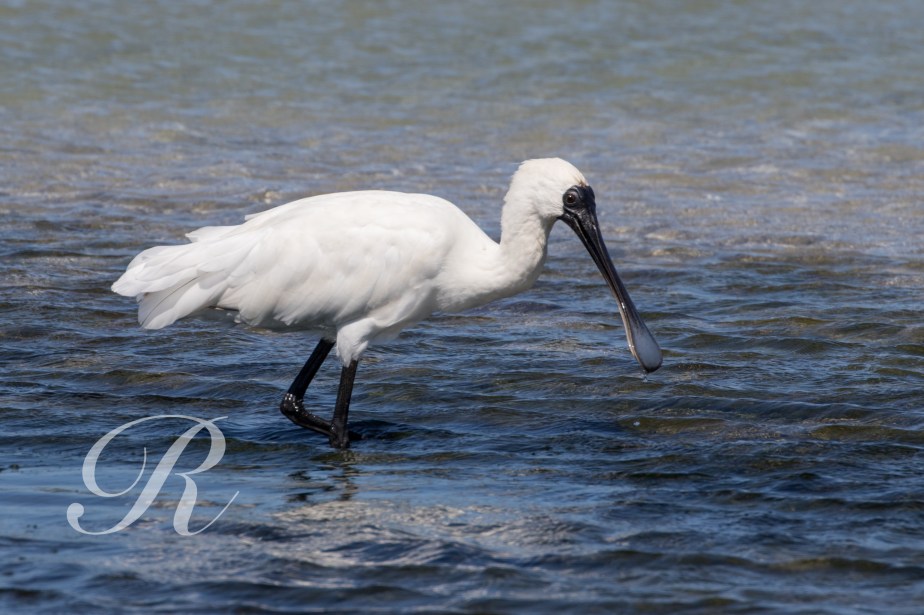
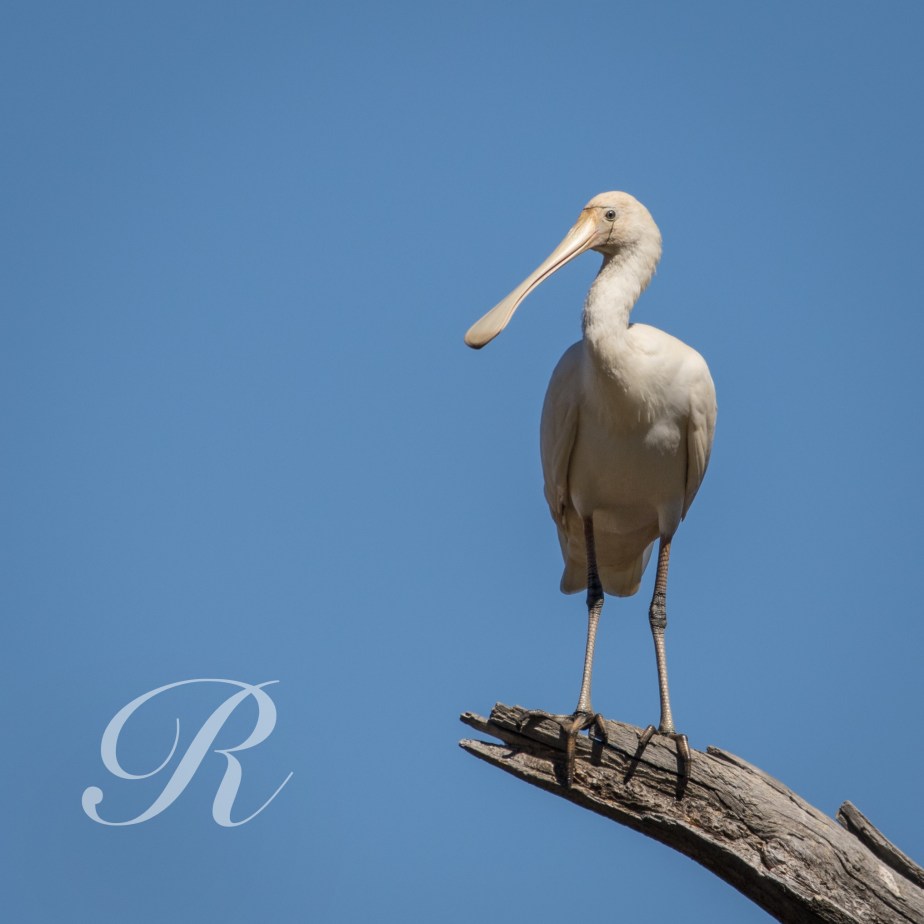


Spoony …

Scientific names are modern constructions of Latin or Greek or even Chinese. In fact there are almost no rules governing their construction. Even where they are in Latin or Greek in they would rarely convey much more than a vague description to a native speaker of the classic languages. Eucritta melanolimnes, for instance, translates roughly as “creature from the black lagoon”. The names would  convey even less where someone’s surname has been given a faux Latin ending. Which centurion would ever guess that Baeturia laureli and B. hardyi are species of cicada?

Platalea is an exception, it means Spoonbill and was used by Cicero in his De Natura Deorum (45BC).

There are six species of spoonbill in the world. Australia has two.

Platalea regia
Platalea flavipes

The Royal and the Yellow-billed Spoonbill. In breeding plumage the Royal does look the more aristocratic of the two.

They both spend a fair amount of time standing on one leg with their bill under the opposite wing. This is when it comes in handy to know that their legs are a good match for their bills. The scientific name of one of them is half way there, flavipes means yellow foot.

They have in the past been called Yellow-legged and Black-legged Spoonbills which had the benefit of being usefully descriptive and avoiding tautology. If I’ve told you once not to repeat yourself I’ve told you a dozen times.


Christmas Decorations …

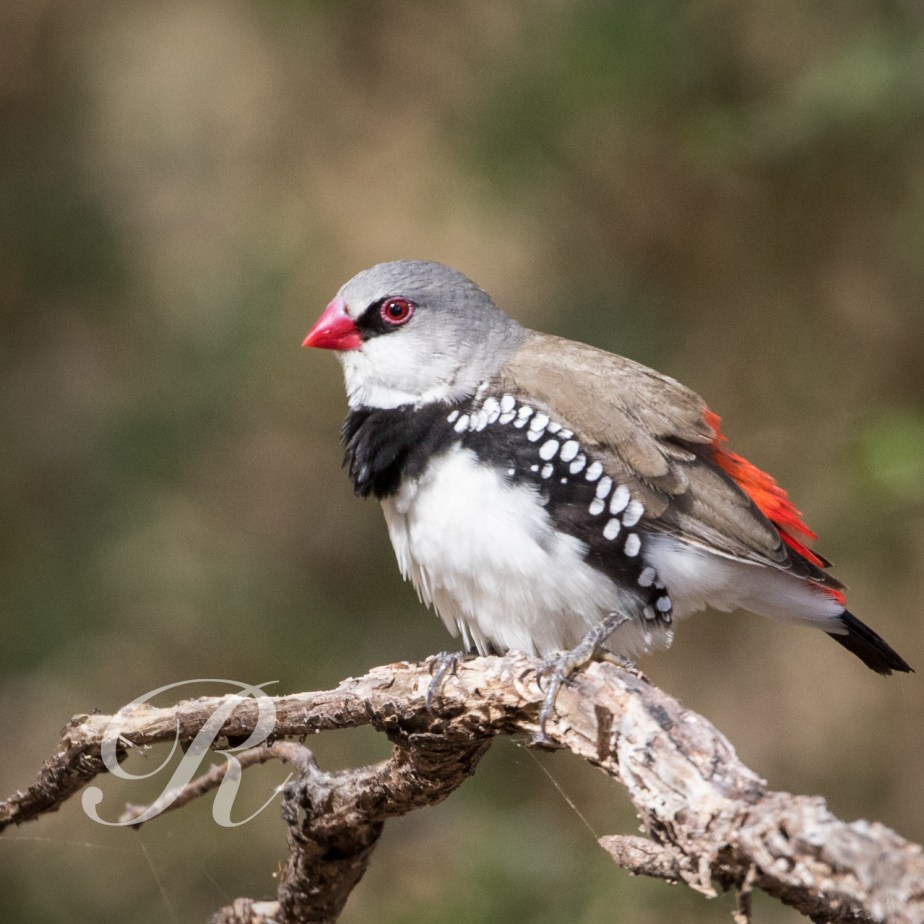
Diamond Firetails are occasional visitors to the neighbourhood. They feed on the ground usually on the margins of open woodland. A small flock will turn up, stick around for a while then move on. In winter flocks may coalesce and transform a familiar place. Next time you visit you may not find any.

I found this group on the outskirts of Maryborough where irrigated farmland abuts some Box/Ironbark Woodland. There were some youngsters among the adults.

Stagonopleura guttata

Quality …

On New Year’s Day many a birdwatcher likes to get their list off to a good start.

This year I decided to go for quality rather than quantity. I have in the past rushed around near home amassing a big list of birds. But these are birds I can go and find any time. This year I opted for a longish drive and a shortish list.

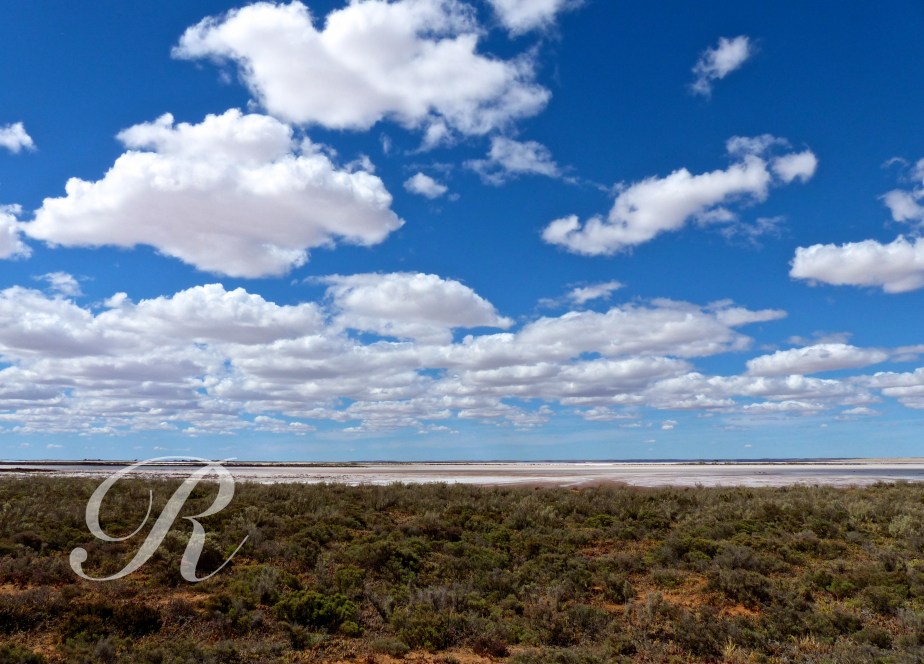
Lake Tyrrell is Victoria’s largest salt lake (20,860 hectares or ~51,550 acres) although there are far larger examples in other states. It is surrounded by saltbush and samphire which provides a home for some birds that are fairly restricted in their requirements. I was pleased to find White-winged Fairywrens, Rufous Fieldwrens and White-backed Swallows.

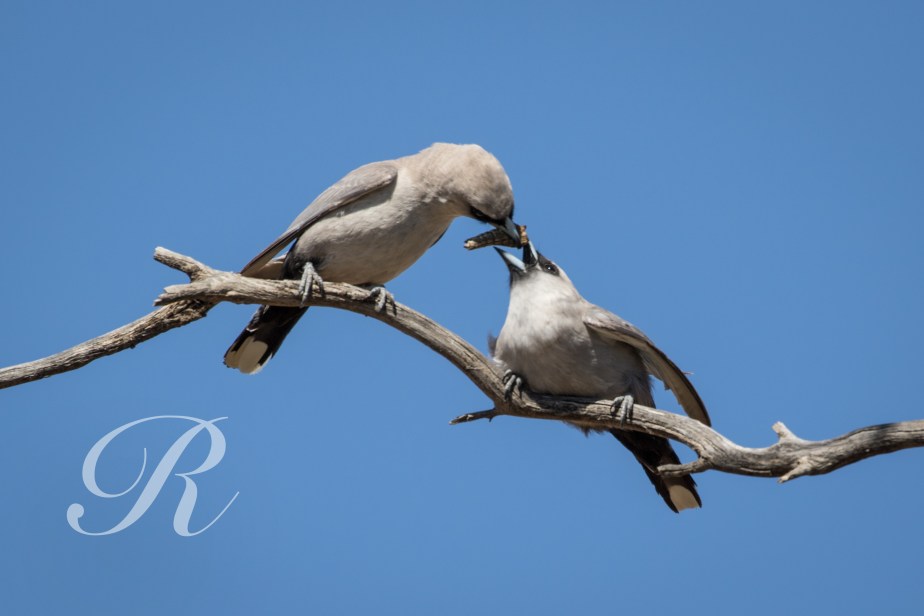
So what is a quality bird? Start with a bit of rarity and add some good looks. In Victoria this is a quality bird …

Black-faced Woodswallow

although further north in Oz Black-faced Woodswallows are commonplace.

If it can be persuaded to pose and maybe do something interesting it is even better.

You can usually find them at Lake Tyrrell and I have rarely seen them anywhere else in Victoria.

Lake Tyrrell is 360km northwest of Melbourne on the Calder Highway. If visiting do not venture onto the tracks around the lake after rain. Gates have been installed recently to help you make a smart decision but if you should find them open and the tracks wet don’t drive off the bitumen unless you want a prolonged stay. And please never drive on the lake bed itself.

Boobook …

Anticipating a hot day I got out early for my bird walk and had a fairly productive morning. After a swim I took refuge from the heat.

In the hottest part of the afternoon a visitor delivered the news that there was an owl near the front gate much to the annoyance of the small birds of the neighbourhood.

I hastened forth camera in hand, followed the protests of some White-plumed Honeyeaters and there he was …

Southern Boobook

I say he because it is quite a small individual. The females are larger. It puts up with the harassment of small birds with remarkable stoicism perhaps secure in the knowledge that it can take its revenge after dark. As well as small birds they also take mice and flying insects.

There are a number of subspecies (although what that number is varies from authority to authority). The chest marking of this character are typical of the race Ninox novaeseelandiae boobook.

Honey flow …

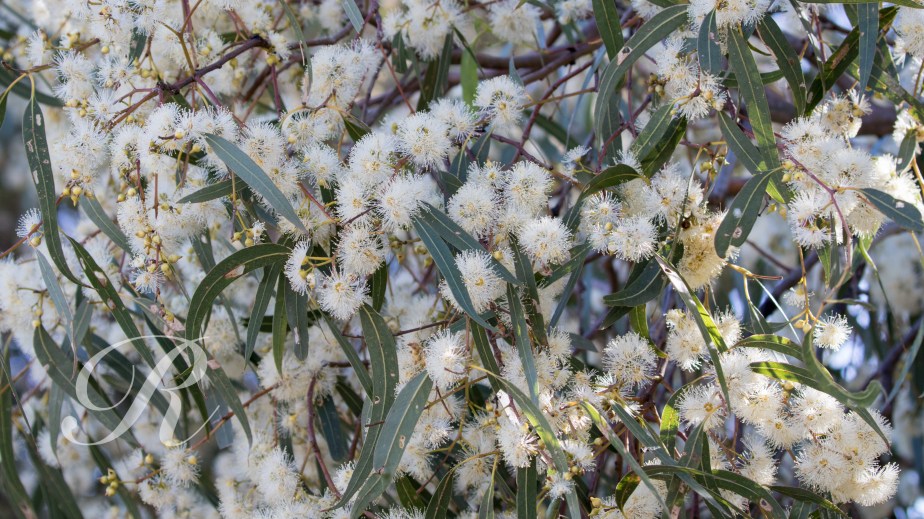
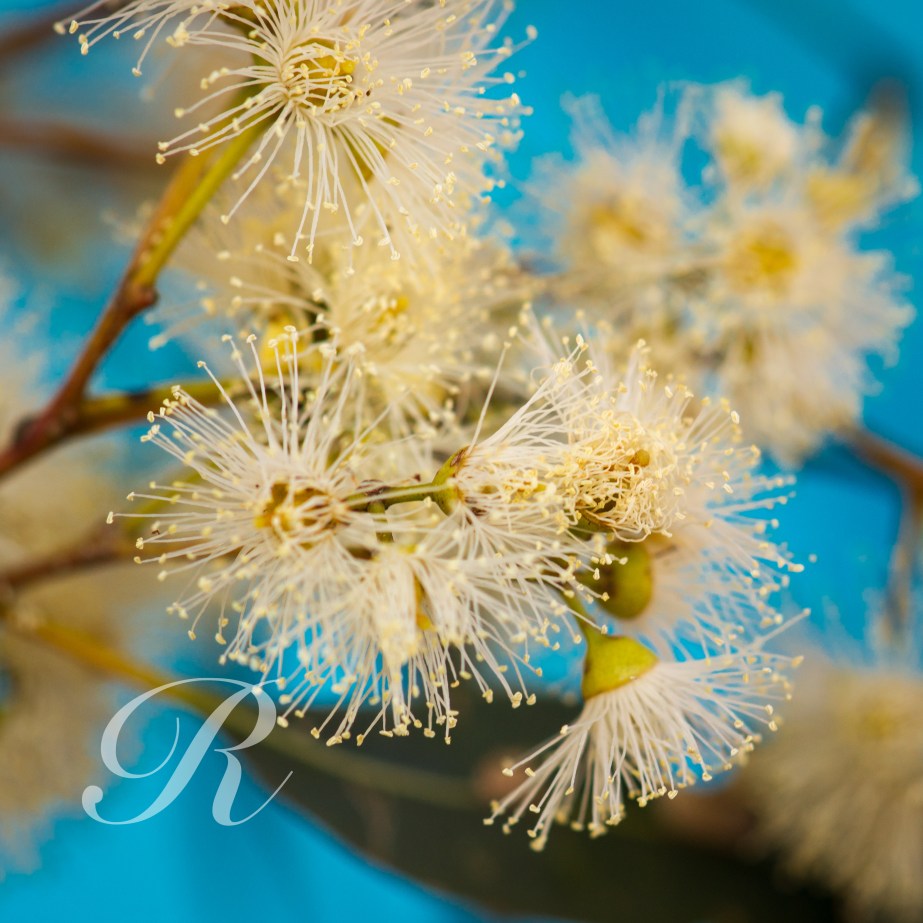
It started a week or so ago with a few isolated trees, now most of the River Reddies in the neighbourhood are in flower. The smell is just like honey.

Eucalyptus camaldulensis

The River Red Gum (Eucalyptus camaldulensis) is Australia’s most widespread eucalypt found mainly along watercourses in otherwise fairly dry country. Flowering occurs mainly in December and January but it’s not every year that we get a big flowering event like this one.

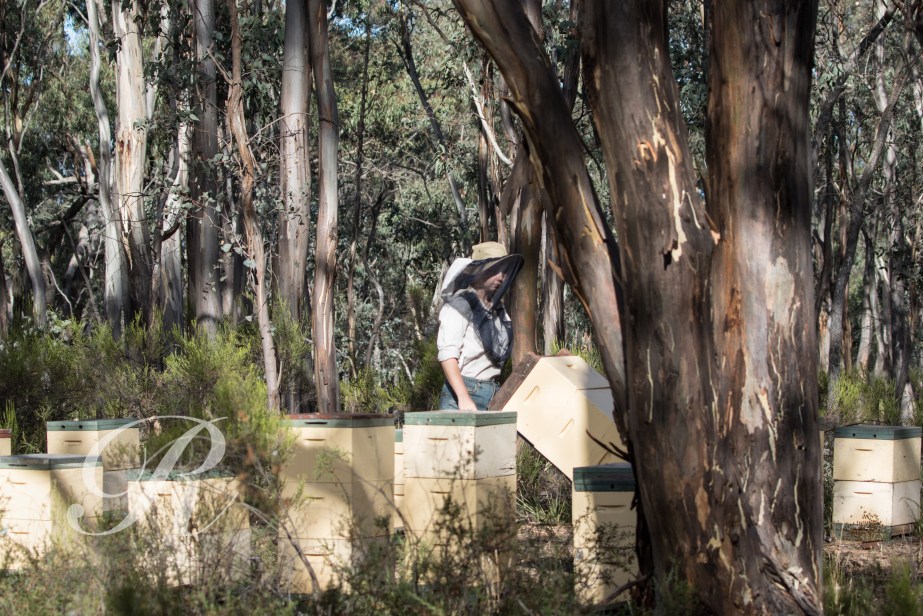
There are always a few hives in the local woodland reserve but the beekeepers have been quick to recognise the potential and were busy installing reinforcements this morning …

There haven’t been a lot of lorikeets or honeyeaters about lately but I expect that to change in coming days.