Lemur …

Lemurs are our very distant relatives although you would have to climb a very long way up our family trees before you found our last shared ancestor perhaps about 65 million years ago. That is when the Haplorhini and the Strepsirrhini went their separate ways. You and I, the monkeys and the apes are haplorhine.

Not too long after that the ancestors of today’s Lemurs made their split with the ancestors of the other Strepsirrhini, the Lorises and Galagos, by the not so simple means of migrating to Madagascar. That was somewhere in the vicinity of 60 million years ago. Madagascar was already an island having split from Africa about 100 million years  prior and from India about 30 million years prior. (There is, incidentally, a nice animation of the breakup of Gondwana <HERE> . You can drag the pointer through time and take in the break up at your own pace).

Nowadays such a journey would mean swimming, against the current, at least 560 km from Mozambique. 60 million years ago Africa and Madagascar were just as far apart but further south and ocean currents were likely to have been more favourable to animals washed out to sea on a raft of floating vegetation. Representatives of only five orders of terrestrial mammals established populations in Madagascar so it can’t have been too easy. It is considered most likely that the arrival of just one raft load gave rise to all the various lemurs.

The taxonomy is, of course, in a state of utter chaos. In 1994 there were 33 species, by 2008 there were about 100. DNA analysis is finding splits especially in the nocturnal species where the outward appearance is fairly uniform. I filched the version below from Wikipedia and modified it slightly …

The extant Lemurs comprise five families (and there are three extinct families)

  • Family:Daubentoniidae: aye-aye
    • Genus: Daubentonia (1 extant species, 1 extinct species)
  • Family:Cheirogaleidae
    • Genus: Allocebus: hairy-eared dwarf lemur (1 extant species)
    • Genus: Cheirogaleus: dwarf lemurs (6 extant species)
    • Genus: Microcebus: mouse lemurs (21 extant species)
    • Genus: Mirza: giant mouse lemurs (2 extant species)
    • Genus: Phaner: fork-marked lemurs (4 extant species)
  • Family:Indriidae
    • Genus: Avahi: woolly lemurs (9 extant species)
    • Genus: Indri: indri (1 extant species)
    • Genus: Propithecus: sifakas (9 extant species)
  • Family: Lemuridae
    • Genus: Eulemur: true lemurs (12 extant species)
    • Genus: Hapalemur: bamboo lemurs (5 extant species, 3 extant subspecies)
    • Genus: Lemur: ring-tailed lemur (1 extant species)
    • Genus: †Pachylemur (2 extinct species)
    • Genus: Prolemur: greater bamboo lemur (1 extant species)
    • Genus: Varecia: ruffed lemurs (2 extant species, 3 extant subspecies)
  • Family:Lepilemuridae: sportive lemurs
    • Genus: Lepilemur (26 extant species)

I was lucky enough to see and photograph at least one representative of every family except the Daubentoniidae … the Aye-aye is very hard to find in the wild.

Family: Cheirogaleidae represented by a Mouse Lemur

OLYMPUS DIGITAL CAMERA

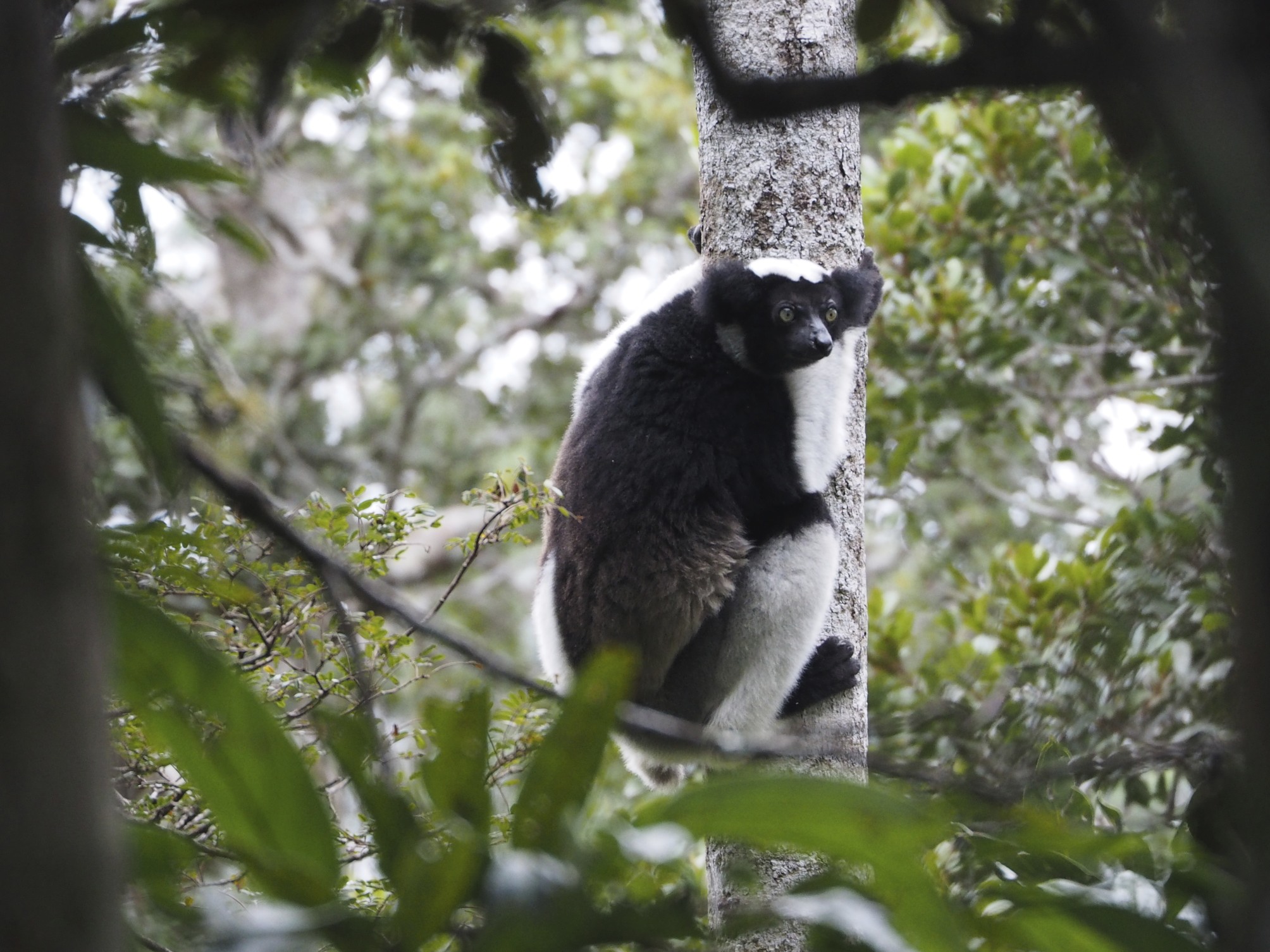
Family: Indriidae represented by the Indri
OLYMPUS DIGITAL CAMERA

Family: Lemuridae represented by the Common Brown Lemur

OLYMPUS DIGITAL CAMERA

Family: Lepilemuridae represented by the White-footed Sportive Lemur

OLYMPUS DIGITAL CAMERA

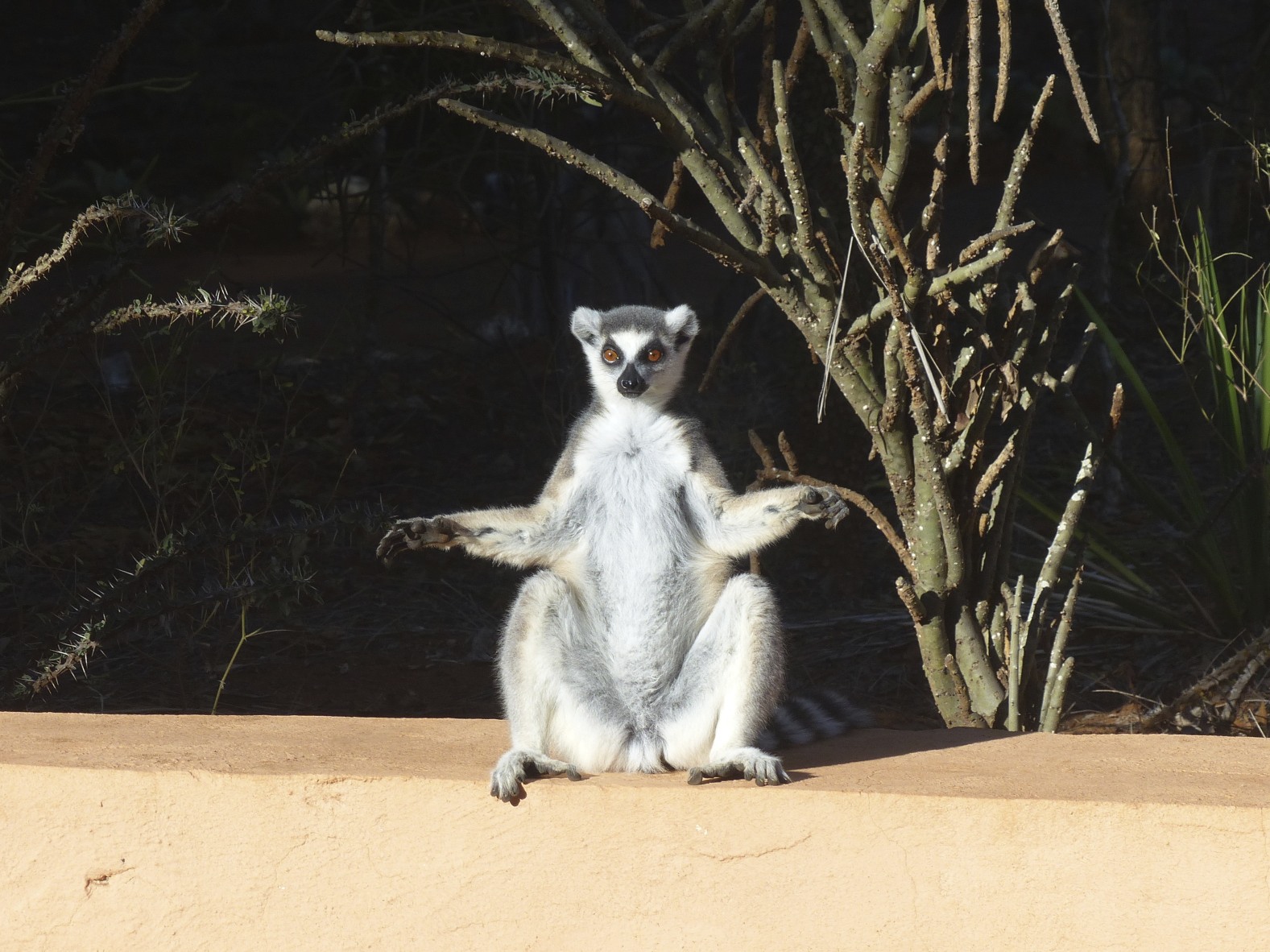
Lemurs have a low basal metabolic rate, as much as 20% below the values predicted for mammals of similar body mass. This may have been a trait that enabled the founding population to survive their time on the raft. It may also be as much as they can manage on their fairly energy poor diet, the larger lemurs mainly subsist on leaves, the smaller ones mainly on fruit. Various behaviours such as huddling and opening themselves to the morning sun serve to increase their body temperature …
P1030046

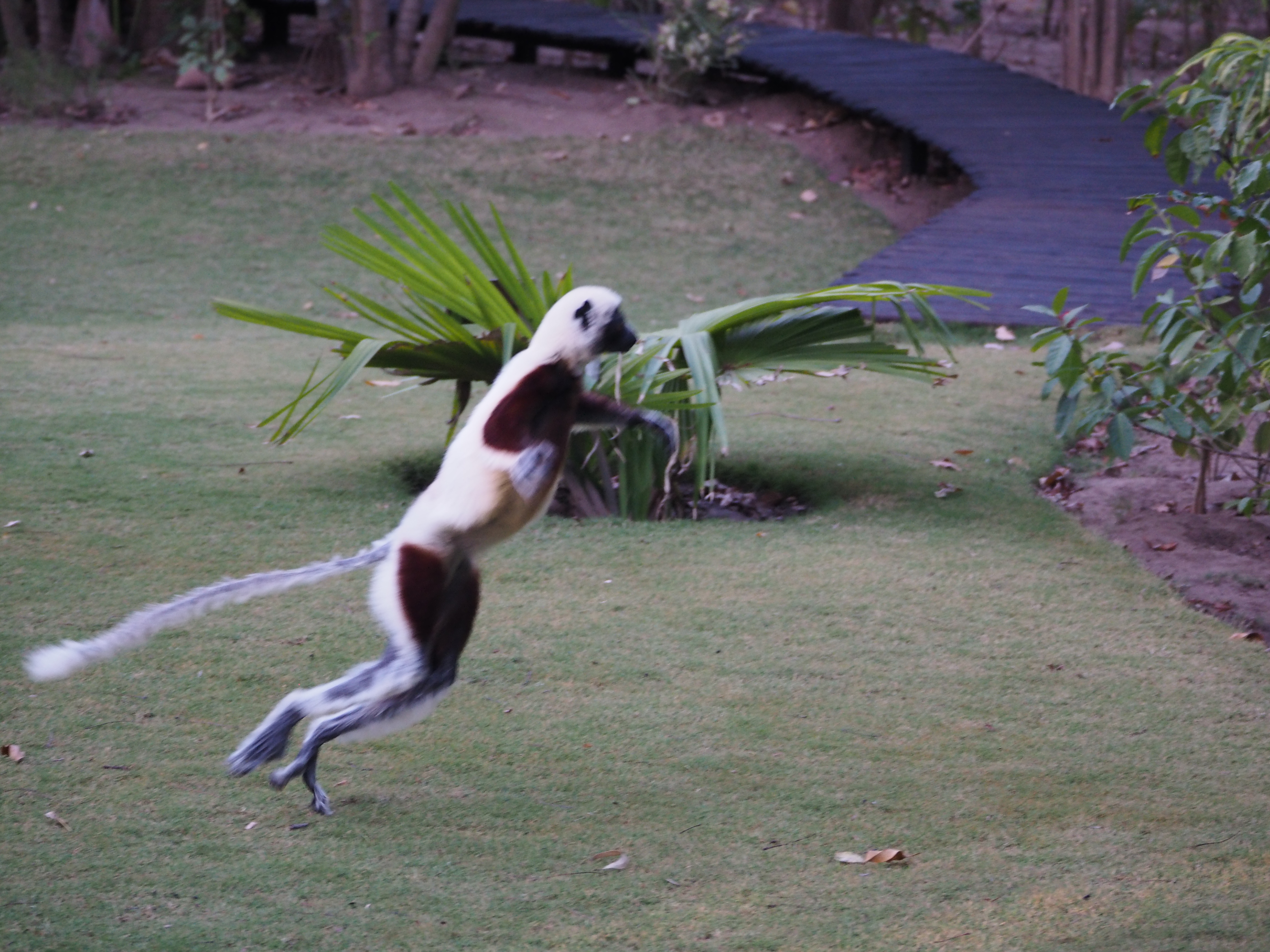
Nonetheless they are extremely agile and athletic. When Sifakas cross open ground they do so by bounding on their hind legs and are likely to finish the journey by bounding well up the trunk of the tree they are heading for.
OLYMPUS DIGITAL CAMERA

And if the trees are close together why not fly?

OLYMPUS DIGITAL CAMERA

An Australian is inclined to compare a lemur with the Koala, similarly arboreal, similar diet but one a gymnast and the other a couch potato. Why? The quick answer is the Fosa (pronounced Foossa – long O soft S). This is Madagascar’s largest carnivore, it is somewhat catlike but with a longer body. It will climb trees and it does take lemurs. Thus they need the agility to evade predation.

There is a major flaw in this argument. The DNA studies show that the Aye-aye split from the other lemurs early after colonisation. The radiation that brought about the diverse forms seen today occurred between 42 million years ago and 30 million years ago. Madagascar was without mammalian predators until about 20 million years ago. The Fosa may have sharpened their skills but the skill set existed for more than 10 million years before the Fosa arrived.

A bird’s eye view …

Anjajavy, a luxurious hotel in a spectacular setting, was the ideal place to finish a tour of Madagascar.

From there it was back into the Cessna Caravan for the flight to Antananarivo and the farewell Madagascar by South African Airlines to Johannesburg.

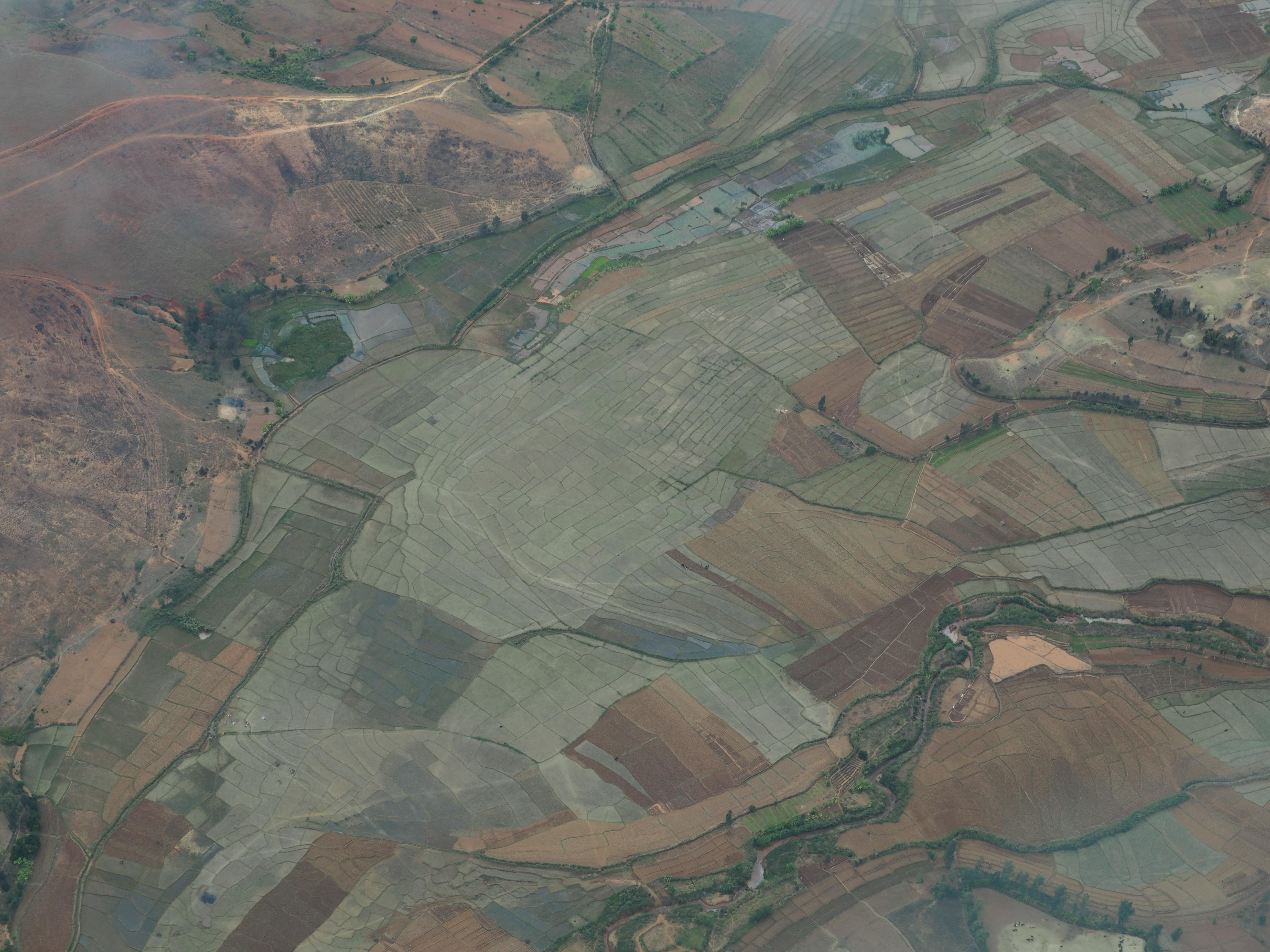
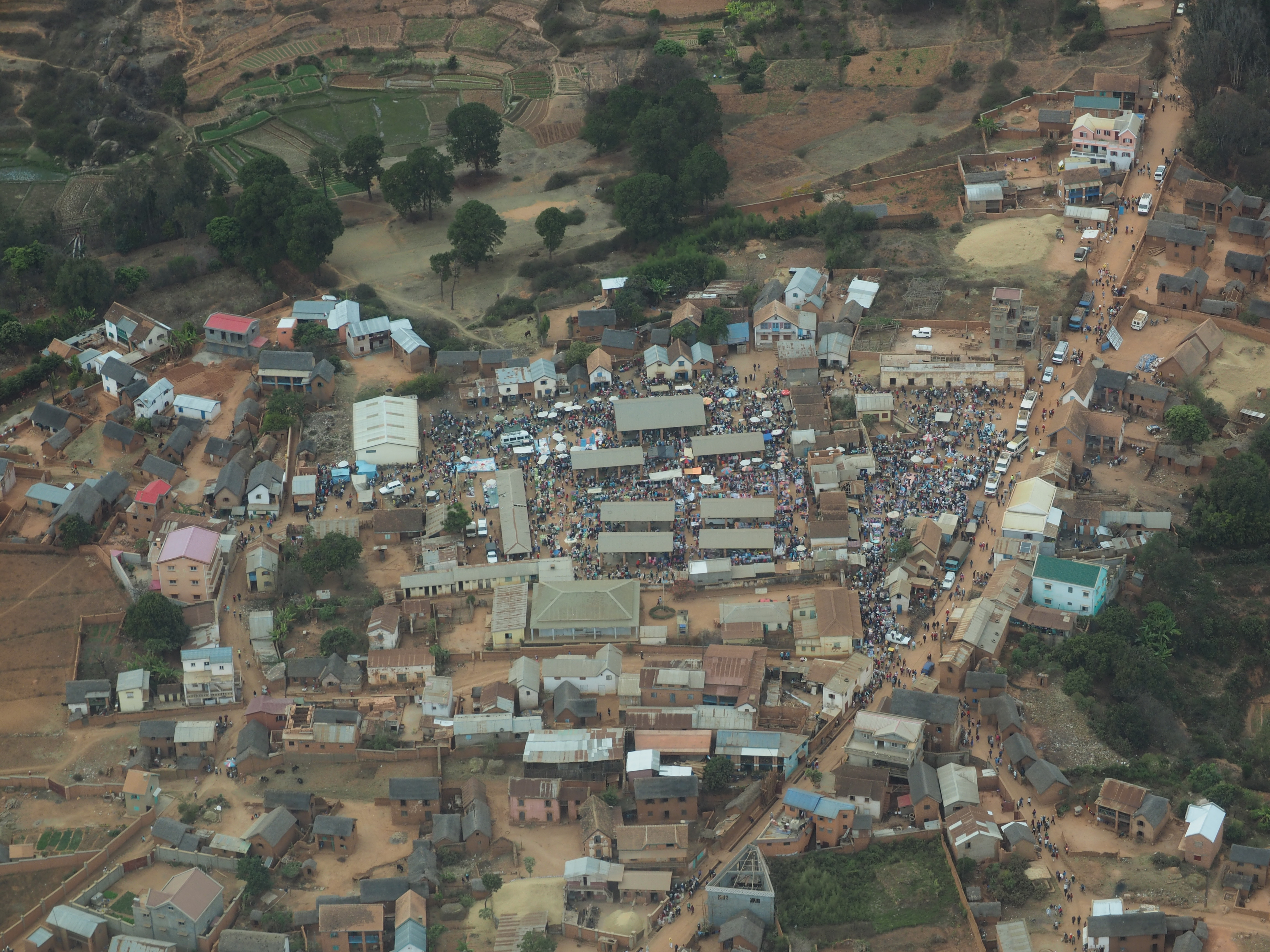
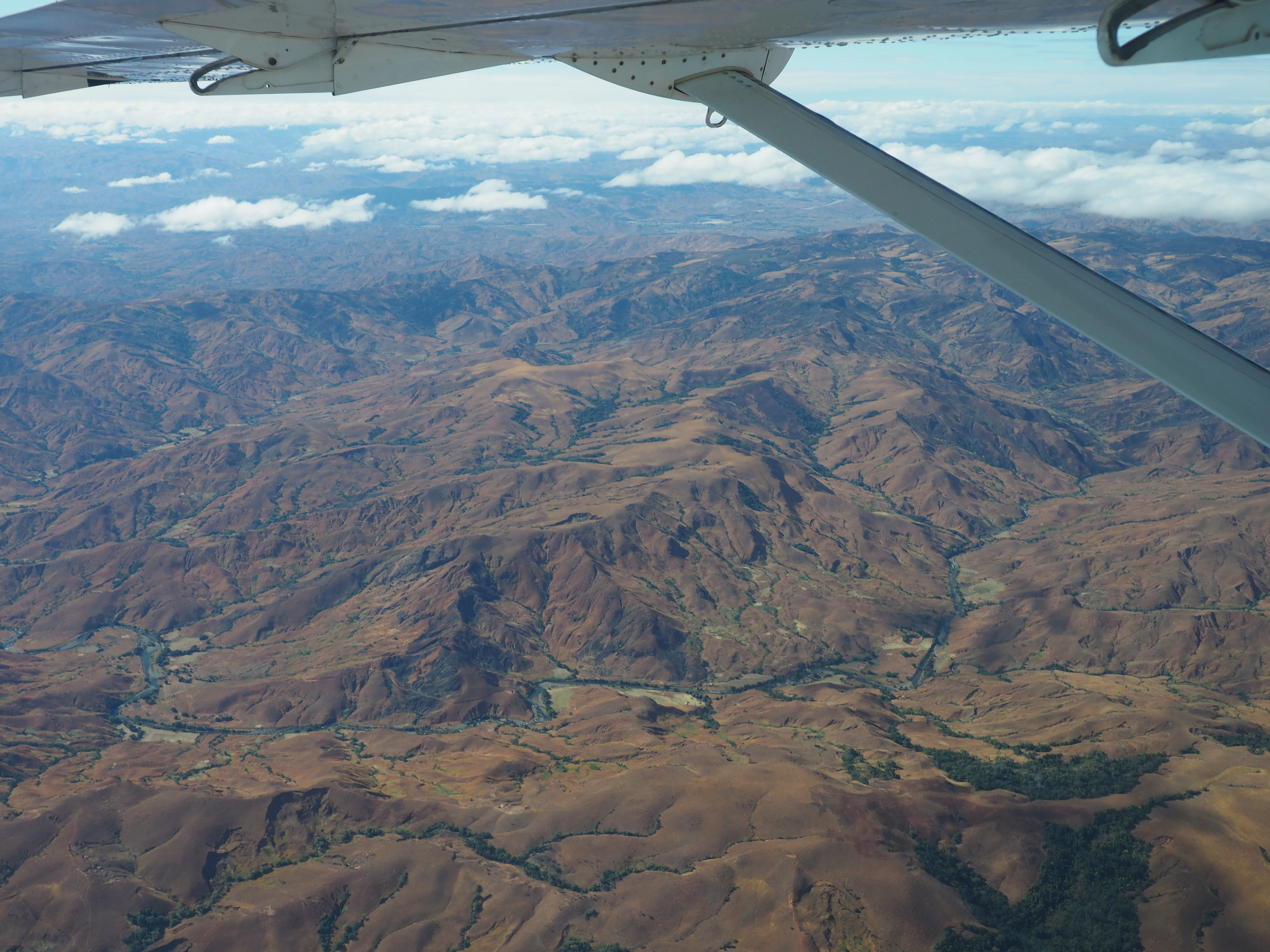
The two trips across country in the Cessna gave opportunities for some aerial photography …

OLYMPUS DIGITAL CAMERA

Starting from the west coast in the vicinity of Anjajavy.  Then leaving the coastal strip and climbing onto the central plateau.

OLYMPUS DIGITAL CAMERA

OLYMPUS DIGITAL CAMERA\

OLYMPUS DIGITAL CAMERAApproaching Antananarivo

OLYMPUS DIGITAL CAMERA

OLYMPUS DIGITAL CAMERA

In the last view we are looking almost exactly due south across the Ivato Airport, Antananarivo. In Google maps the tower behind the terminal is shown as the Sheraton Hotel, but a quick search of Antananarivo Hotels will not turn up a Sheraton. To the immediate right of the tower is the Madagascar International Conference Center built in 2008 for the African Union summit which was to be held in Madagascar the following year. The hotel was to have housed the visiting dignitaries. The 2009 coup put an end to Madagascar hosting the summit. The extravagant facilities have had very little use.

Cuvier’s Oplure …

The Anjajavy webpage burbles thus …

The forest sheltering rosewoods and baobabs is home to many animal species such as the famous Verreau lemur (Coquerel’s Sifaka), birds of paradise, the chameleon, the Cuvier oplure (a type of iguana)…

The range of Verraux’s Sifaka brings it nowhere near Anjajvy. It is reasonable to suppose that Coquerel’s Sifaka was inserted as a correction. The nearest bird of paradise is on an entirely different island – New Guinea, but considerable licence has to be allowed when dealing with common names. But what to make of the Cuvier Oplure? A google search turned up 358 results most of which bore a striking similarity to each other, this creature has an entirely new mode of reproduction, not sexual, not parthenogenesis but by an asexual means known as cut and paste.

In Madagascar Wildlife a Visitors Guide from Bradt Guides we find that “The presence of iguanids (family Iguanidae) is unexpected as the stronghold of the group is Central and South America“. There are no iguanas in Africa, nor have any fossils turned up there. The Madagascan representatives, seven species in two genera, were included in the Iguanidae on morphological grounds. DNA sequencing has opened up a whole new approach to working out patterns of descent and relationship and, as a result, taxonomy is undergoing considerable revision. The Madagascans now get a family of their own, the Opluridae. The genetic distance between them and the Iguanidae indicates that they shared a common ancestor well before the break up of Gondwana. It is likely that they rafted to their present position on Madagascar the Ark rather than by swimming.

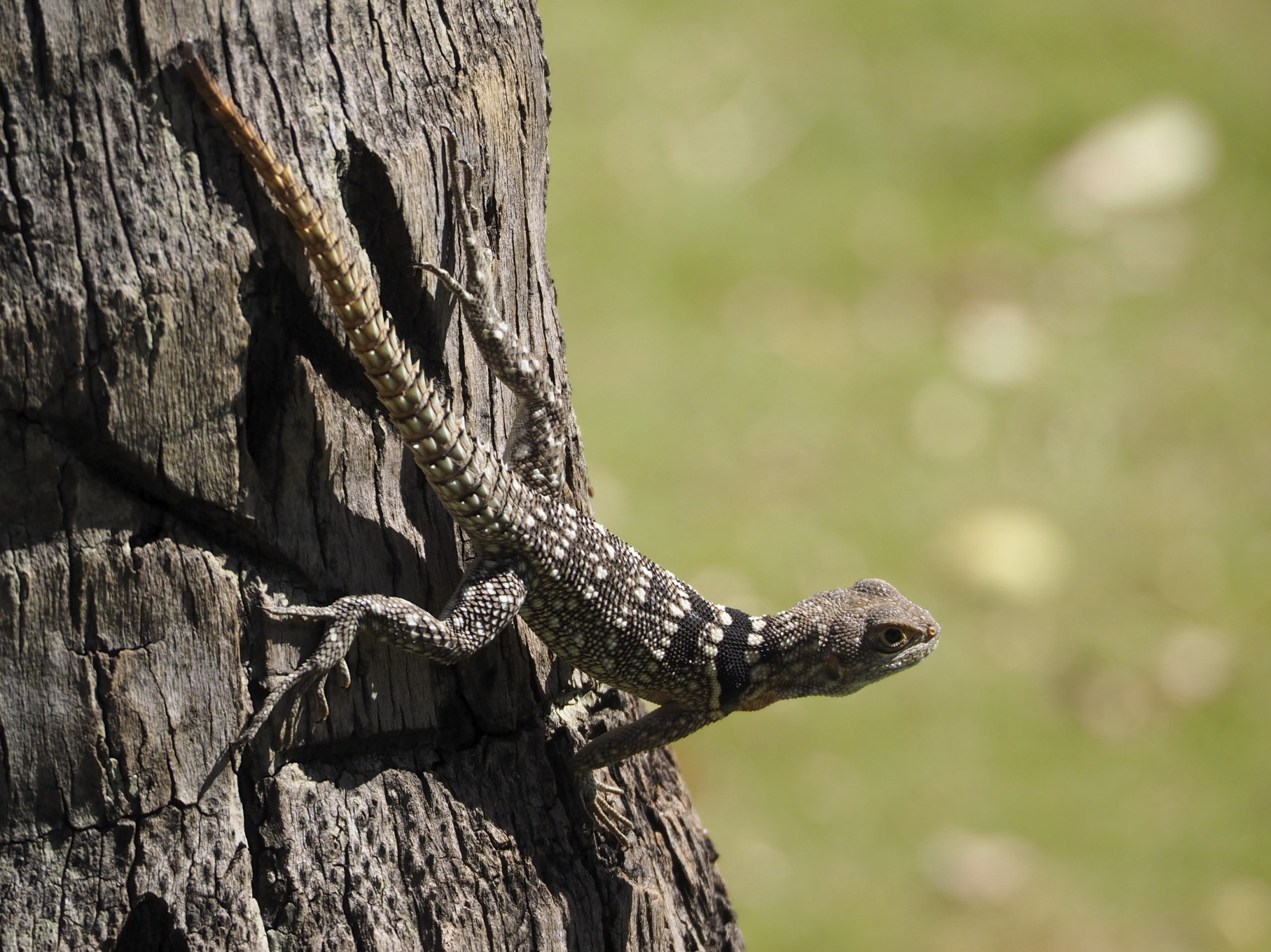
Georges Cuvier (1769-1832) was to all intents and purposes the founder of modern vertebrate paleontology, the guy who demonstrated the reality of extinction by the careful comparison of fossil forms with modern animals and was the first to describe a number of Iguanid taxa. He thoroughly deserves to be remembered in the name of a reptile and so I present to you Cuvier’s Oplure, Oplurus cuvieri

OLYMPUS DIGITAL CAMERA

Or in English English (and as we have seen, not quite accurately) the Black-collared Iguana. It may be found on the ground or climbing trees and is common around Anjajavy.

Anjajavy …

No roads lead to Anjajavy. It  sits on a peninsula that is not connected by road to the main highway system. We flew in …

OLYMPUS DIGITAL CAMERA

… this time by charter plane, the redoubtable Cessna Caravan, a splendid aircraft that will carry 10 to 12 people and a sensible amount of luggage about 1000 nm at 185 knots. It will make do with a fairly short dirt strip. There is only one engine and the undercarriage is fixed. Ideal for this sort of work. (Although if you’re thinking of buying one you should also consider this alternative). A short drive brings you to paradise.
P1030852

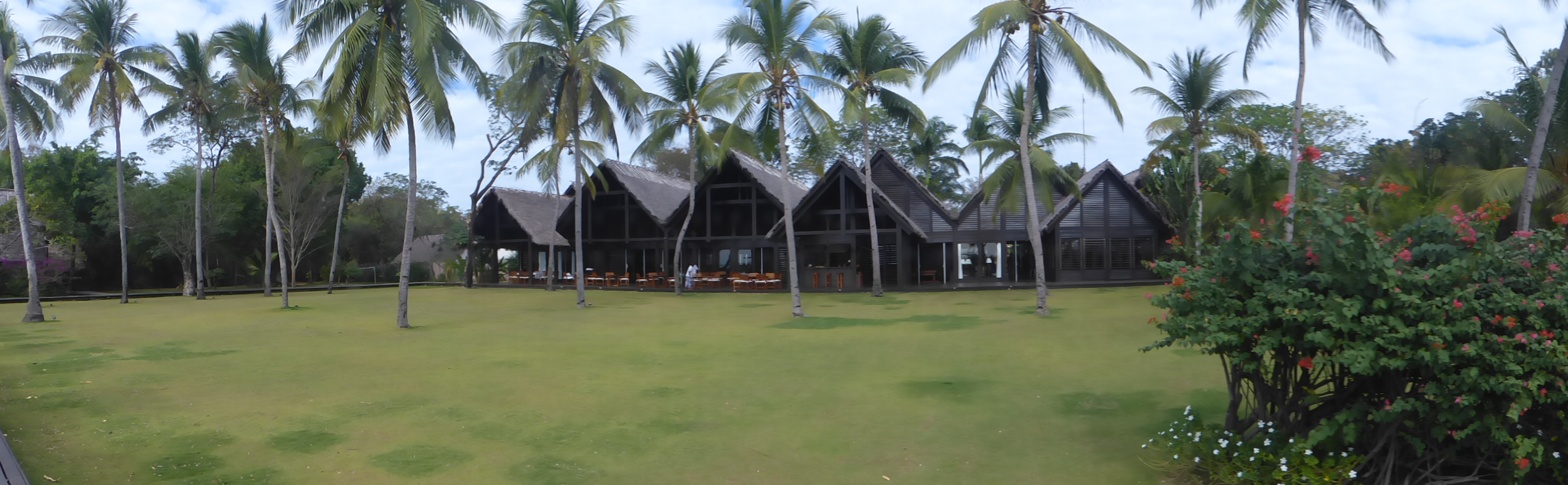
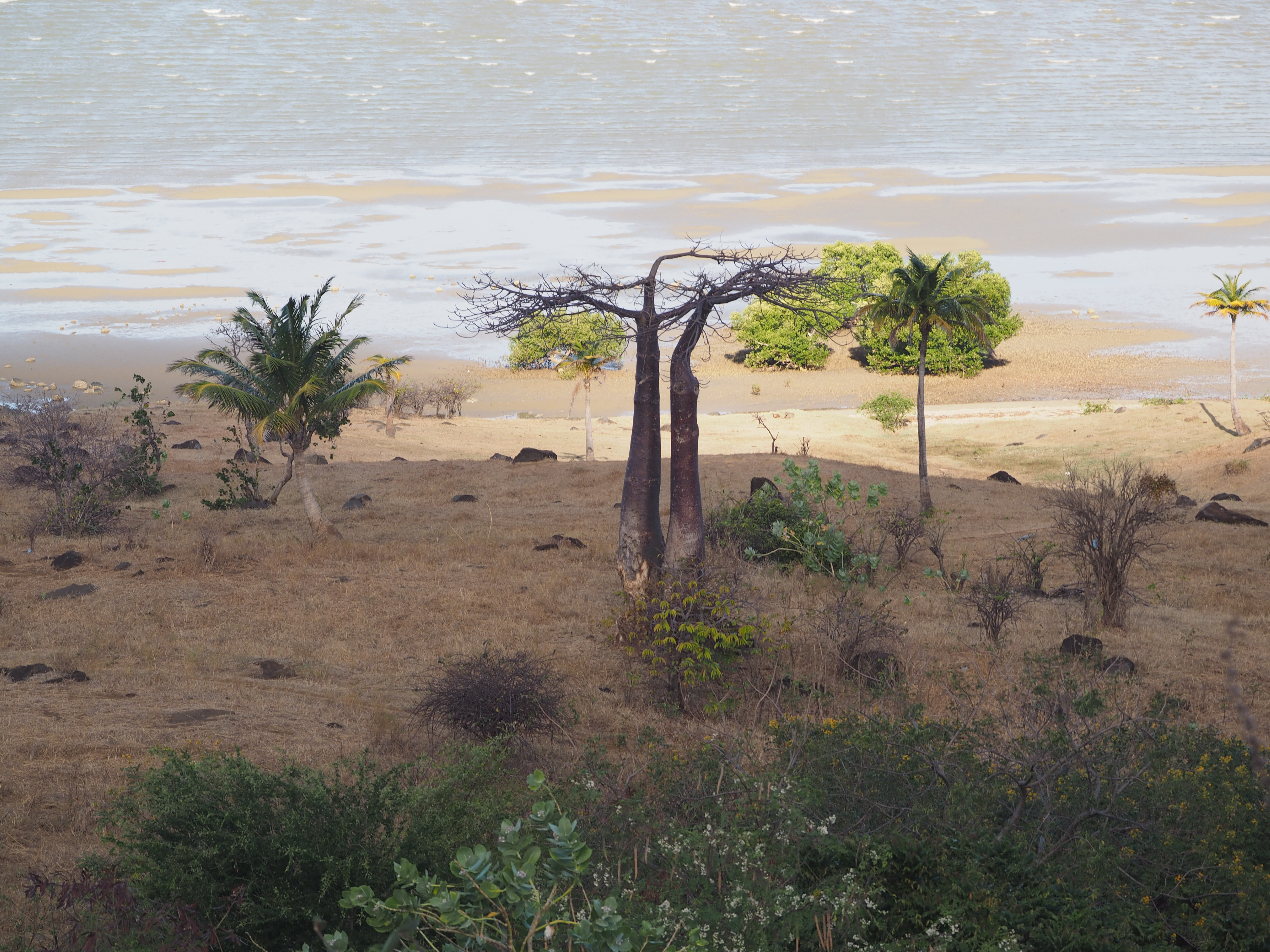
The hotel is set in gardens and looks out onto the sea, it is surrounded by native forest on a limestone landscape. Not far away there are mangroves. Coquerel’s Sifaka and Common Brown Lemurs roam the grounds. Cuvier’s oplure peeks at you through the cracks in the boardwalk (and from every webpage – if you want a good example of how far nonsense can be spread by cut and paste just google “Cuvier’s oplure” … I will demystify this creature in a post of its own).

The accommodation units are beautiful and comfortable. Anjajavy l’Hotel boasts membership of Relais et Chateaux.

The food is French and the waiters are not, what could be better than that?

Go boating, fishing, snorkelling, walking, caving, botanising, birding and take afternoon tea with the lemurs.

P1030964

P1030951

P1030941

P1040013

OLYMPUS DIGITAL CAMERA

OLYMPUS DIGITAL CAMERA

OLYMPUS DIGITAL CAMERA

When we arrived the Maître de Maison, Cédric de Foucault gave us a warm welcome and brief introduction. The impact of the place was such that when, at the end of his speech, he asked “Any questions?” the one that sprang to mind was “How much do you want for the place?”

The American Embassy …

Back again to Antananarivo and our last night in the Hotel Colbert.

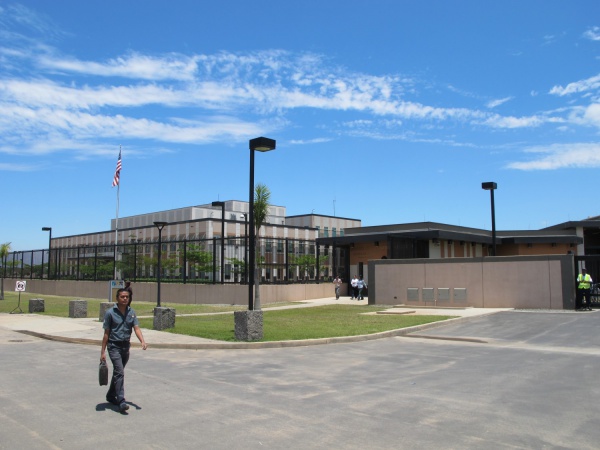
We had become quite familiar with the journey from airport to town and back again. It takes you past the impressive US Embassy which it is forbidden to photograph …

600px-US_Embassy_Antananarivo_002

Not to worry you can find some nice ones online, this one is from <HERE> where you will also find a map courtesy of Google.

There are a couple more here … http://diplomacy.state.gov/discoverdiplomacy/explorer/places/195861.htm

Ankarana …

Way back in the Jurassic the area that is now Ankarana was the floor of a shallow sea. This resulted in the deposition of  limestone more than 200 metres thick. The break up of Gondwana got underway at the end of the Jurassic, about 150 million years ago. The limestone has weathered to produce a karst landscape – caves, sinkholes, underground rivers. And where the limestone is uncovered the surface is very sharp and there are many pinnacles, the local term is tsingy from the Malagasy for a place where walking in bare feet is a really bad idea. What an economical language Malagasy must be.

The tsingy share the landscape with deciduous forest and all the good things that occur in the remaining Madagascan forest.

The Ankarana Special Reserve was declared in 1956 and protects about 182 km2. It has an annual rainfall that averages about 2,000 mm (79 in). Don’t forget the raincoat. About 100km of cave network has been mapped, some of which are home to Nile Crocodiles. It boasts 11 species of lemur and 14 species of bat. One species of Baobab is found only here, Andansonia perrieri.

OLYMPUS DIGITAL CAMERA

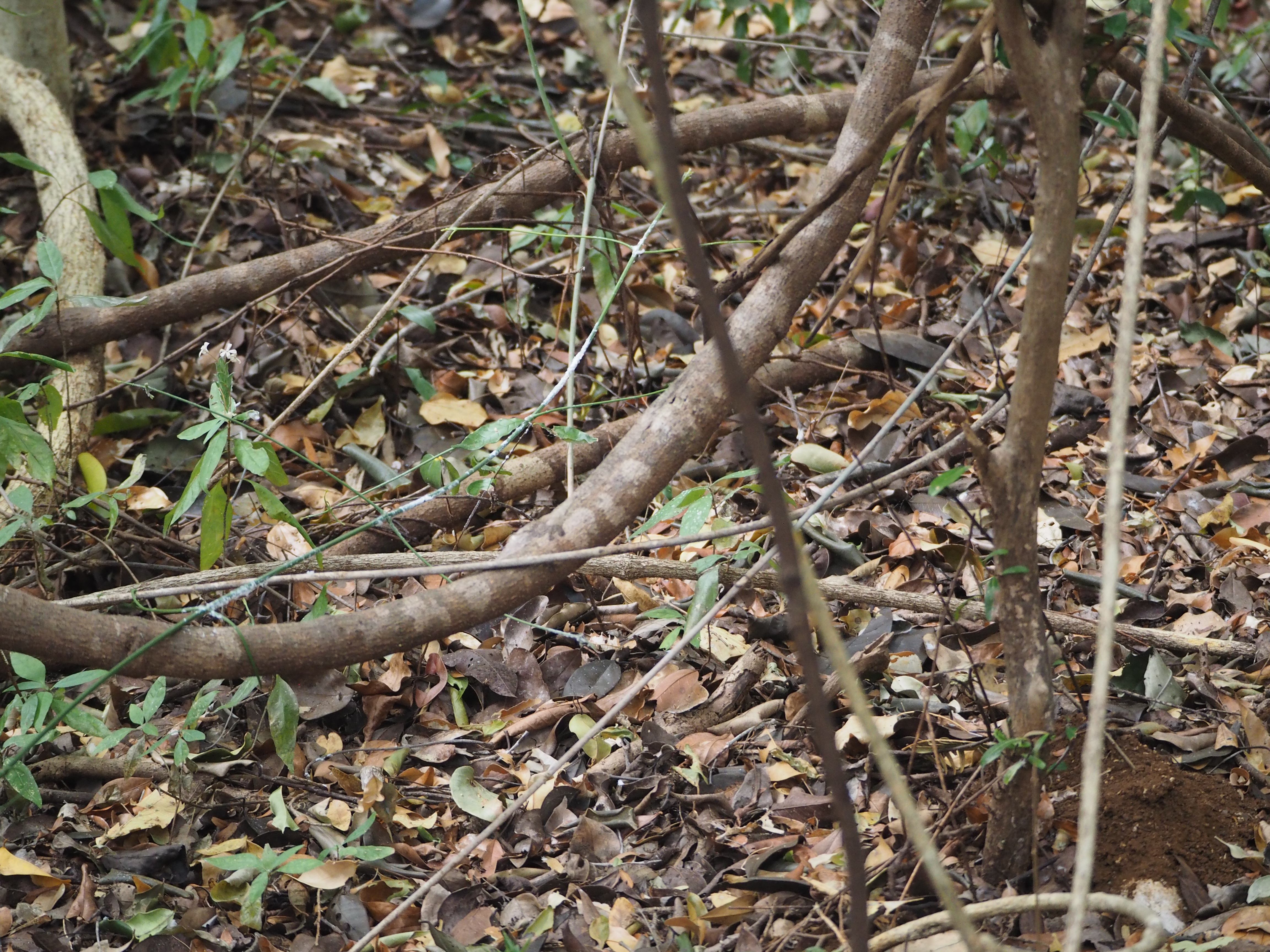
You should be getting quite expert at this by now … the answer’s below.

The view across an expanse of stingy …

OLYMPUS DIGITAL CAMERA

And some of the denizens of the forest …

P1030749

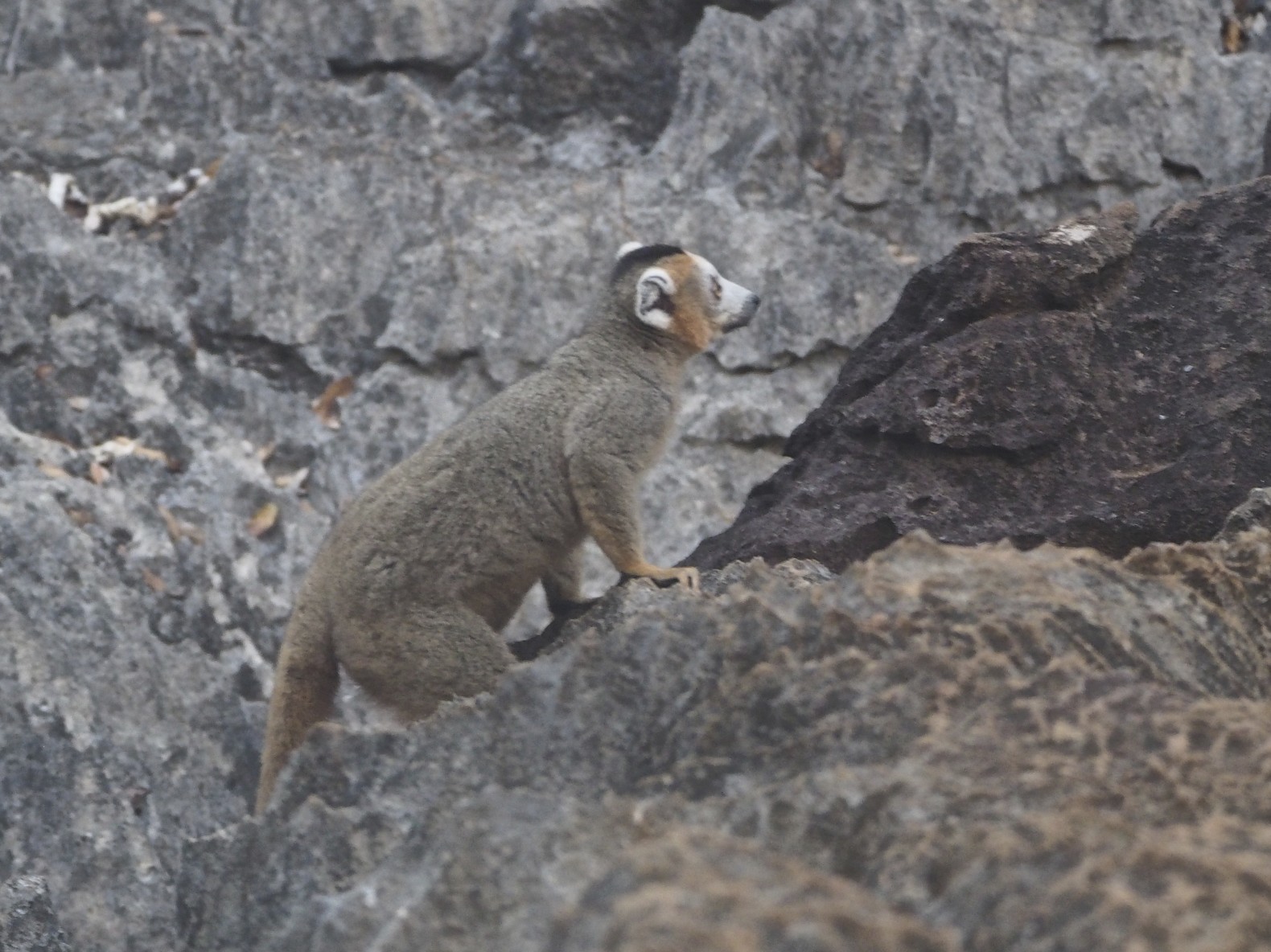
Sanford’s Brown Lemur above, Crowned Lemur below.

OLYMPUS DIGITAL CAMERA

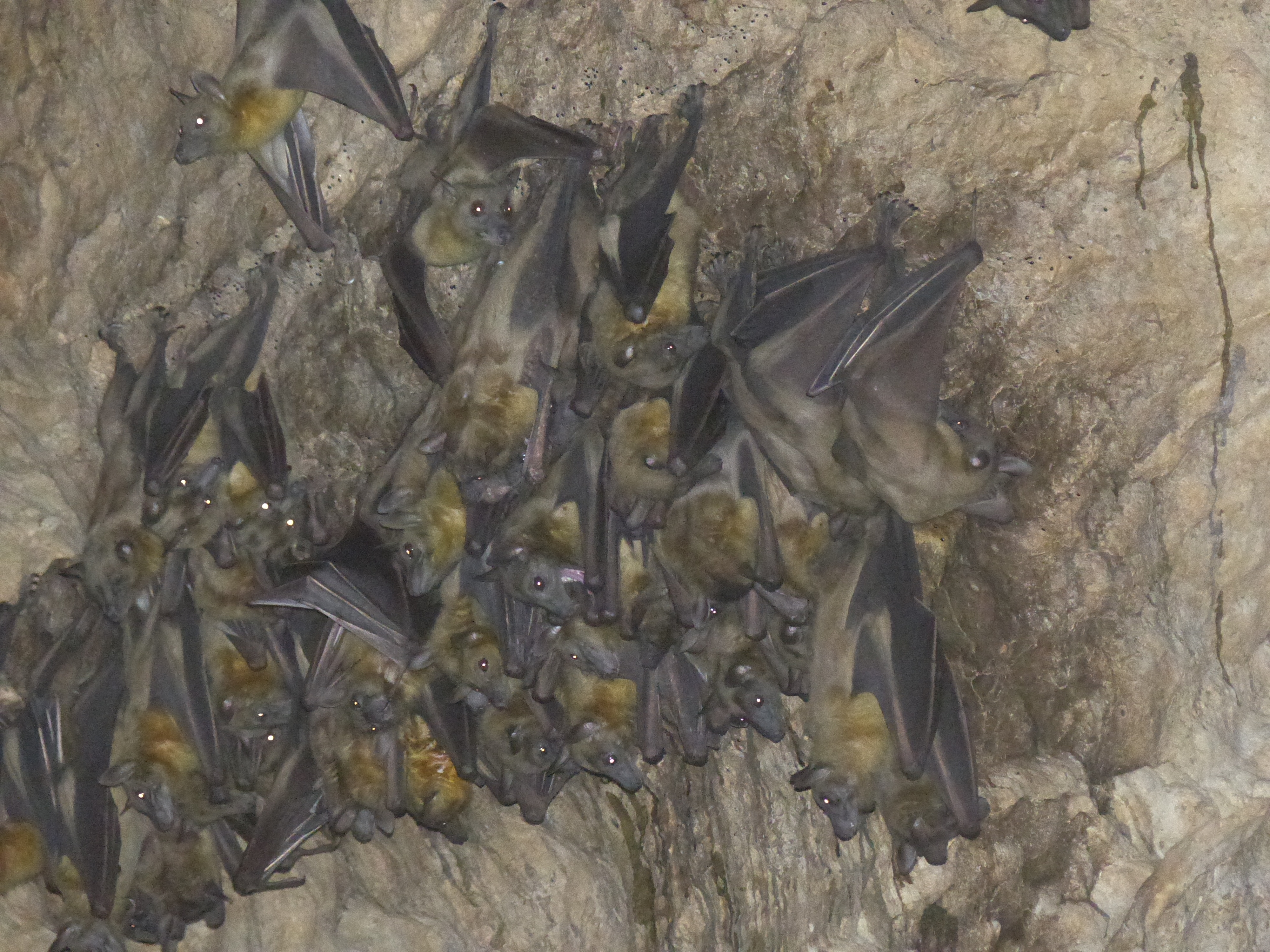
We ventured into one of the caves where we were warmly received by the locals …

P1030760

P1030769

At Ankarana we stayed at Ankarana Lodge, nice rooms, nice gardens and very enjoyable swimming pool. The restaurant next door did a splendid job of feeding us, especially considering the distance to the nearest significant shops.

And for anyone struggling to find the Leaf-tailed Gecko …

OLYMPUS DIGITAL CAMERA

Montagne d’Ambre …

… is about 30 km south of Diego Suarez. Established in 1958 it it covers 185km². The mountain rises from a dry region producing an isolated stretch of montane rainforest covering an area of more than 18,000 hectares  at an altitude between 800 and 1,500 metres. Not surprisingly, it holds a fantastic biodiversity, the scenery is pretty good, too. But take your raincoat.

It is about 45 minutes by 4WD from Diego Suarez and could be done as a day trip, but beware, if you do it that way you will wish you had spent longer.

Here are a few of the stars of the show …

OLYMPUS DIGITAL CAMERA

If you could just imagine me crouching for hour after hour, in the cold damp undergrowth with raindrops intermittently going down my neck, leaches going end over end, out of focus, up my nose in an effort to fasten on my eyeball to get this stunning photograph … so could I. The reality is this bird is an absolute tart, it lives at the picnic ground and starts posing the moment it sees a camera. For the splitters this is the Amber Mountain Rock Thrush Pseudocossyphus erythronotus, a thoroughly unique species in a small obscure genus restricted to one little mountain in Madagascar. To the lumpers this is the Forest Rock Thrush Monticola sharpei, found in forest throughout Madagascar, the local representative of a genus that is widespread through Europe, Africa and Asia.

Chameleons come in various sizes…

P1030636

P1030633

Amber Mountain is home to 8 species of lemur, but for a change here is the ring-tailed mongoose (Galidia elegans) and very elegans it is …

OLYMPUS DIGITAL CAMERA

Diego Suarez …

A four am wakeup call at the illustrious Hotel Colbert and a continental breakfast in the dining room! What service, and to think there are people who complain about feathers in the pillows. Through the streets of Antananarivo as the folk that will soon be selling breakfast are lighting their charcoal fires on the footpaths of the city. And once again at the mercy of Madagascar Airlines. Let me say, although we had been warned that they were less than entirely reliable, they flew us back and forth safely and courteously and never lost our luggage. One flight out of four was delayed and rerouted. They did a good job.
645x1026xemad1501-map.png.pagespeed.ic.Qf_n_AWnNe

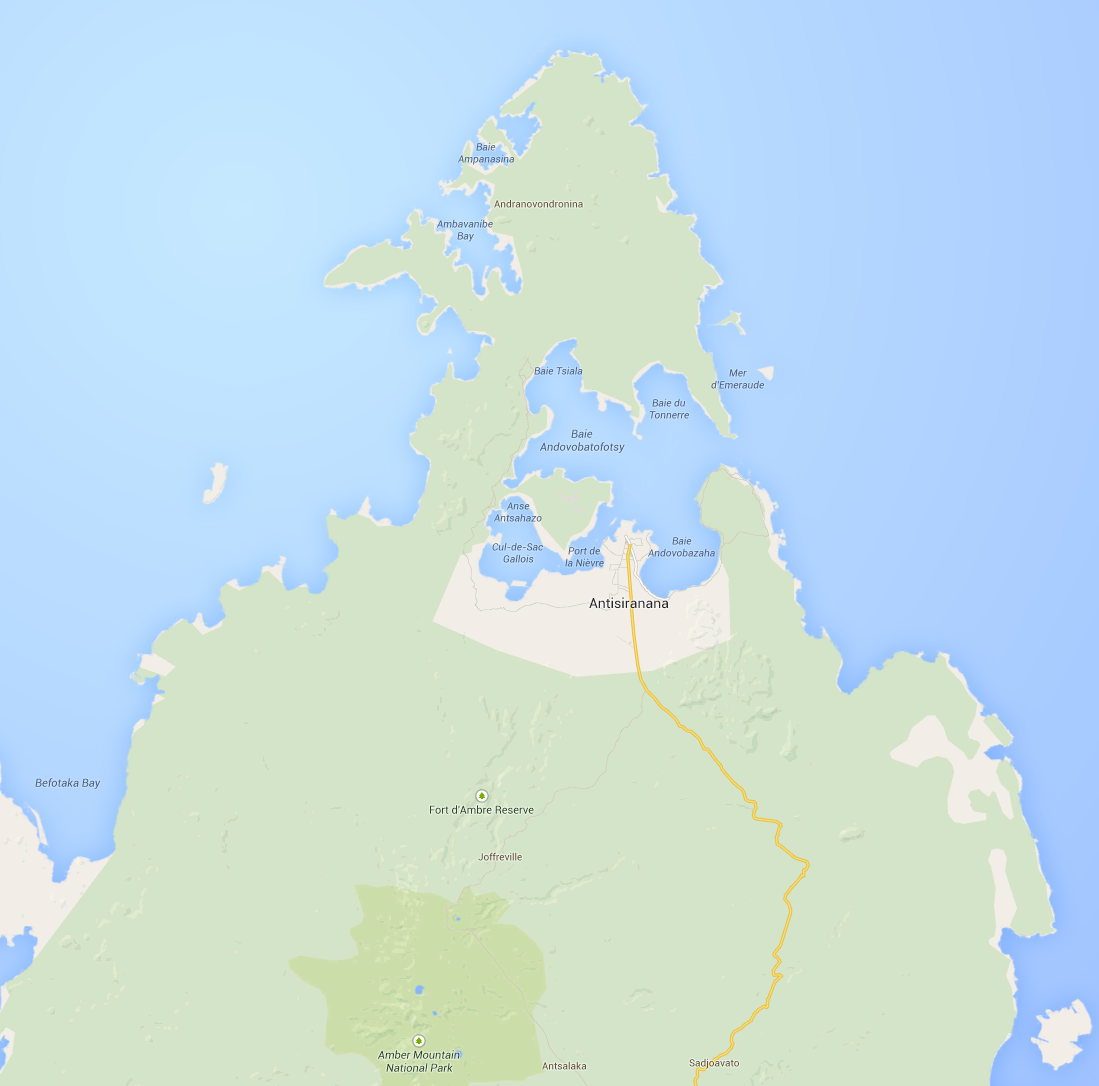
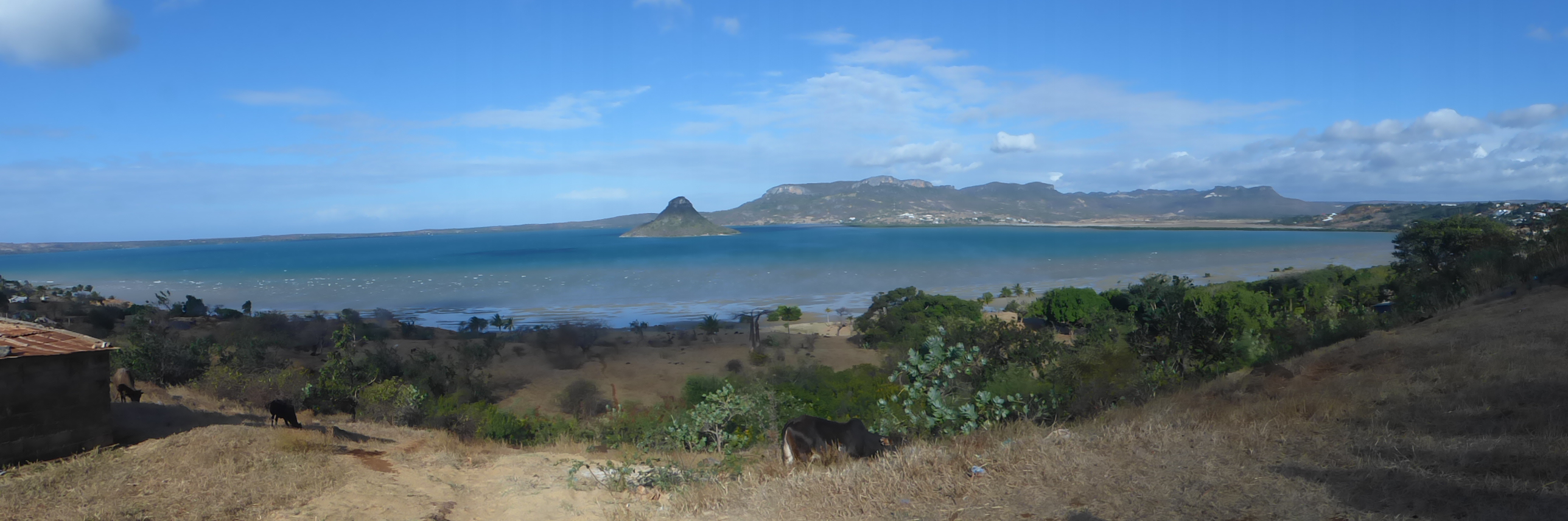
Diego Suarez is blessed with a wonderful natural harbour.

Because of Madagascar’s appalling roads the country as a whole benefits little from it but the harbour was the principle prize of French colonisation and one they had to fight for in the Second World War (they surrendered, of course).

The town was named for Diogo Soares, a Portuguese navigator who visited the bay in 1543. In this usage navigator is an all-encompassing term that includes pirate, mercenary, murderer, rapist, kidnapper and thief. He was stoned to death in Burma when he lost the protection of the king and his crimes caught up with him. The only place you could find such a scoundrel today would be the New South Wales Parliament. Hardly surprising then that the town changed its name, in 1975, to Antsiranana.

P1030608

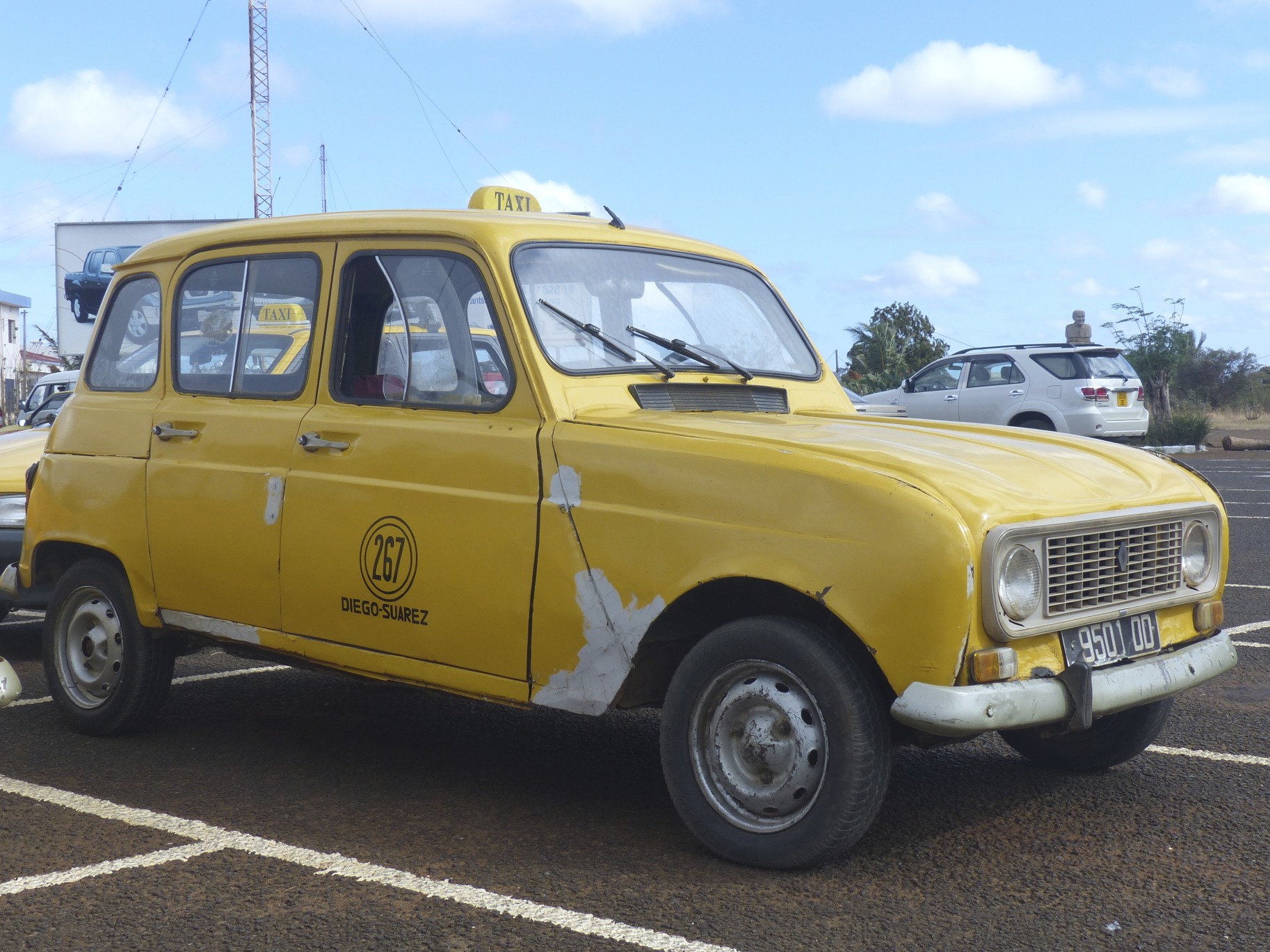
Either the change of name has not been uniformly embraced or the taxi fleet predates 1975. The name lives on in the scientific name of Adansonia suarezensis, one of the baobab trees, just possibly, this one …

OLYMPUS DIGITAL CAMERA

Here is the bay (a click enlarges any of these illustrations, the back arrow on your browser will bring you back) …

Screen Shot 2014-08-14 at 6.37.35 pm

From the shore it looks like this (you’ve gotta click on this one, and say isn’t that an Adansonia suarezensis?) …

P1030673

The French seized the harbour and then negotiated a protectorate agreement signed into effect in 1885. The process worked so well they then seized the rest of the country. For them it was a place to refuel their fleet travelling between France and the far east.

In the Second World War Madagascar was in the control of the Vichy French, the value of such a port to the Japanese submarine fleet was not lost on the allies. The British opened hostilities on 5 May 1942 and after a relatively brief campaign installed the Free French. At the end of the war the Malagasy sought their independence, talks did not go smoothly. An uprising commencing  in 1947 was brutally suppressed in 1948. So well did the French encourage les autres it was not until 1960 that Madagascar gained its independence.

Our accommodation in Antsiranana was at the aptly named Hotel Le Grand, in, wait for it, La Rue Colbert. The hotel was almost entirely to my satisfaction, the feathers in the pillows were as good as those in the capital but management wouldn’t rise to the occasion and serve an early breakfast.

So who was Colbert? It was probably Jéan Baptiste COLBERT, (1619–83). A French statesman and Minister of Finance (under Louis XIV) who reorganized the established colonies in Canada, Martinique, and Haiti, and founded those of Cayenne and Madagascar. It seems he sought obedience rather than popularity and, whilst not stoned to death, he was buried at night under military guard to prevent the mob from tearing his body apart. One of his notable sayings translates as “The art of taxation consists in so plucking the goose as to obtain the largest amount of feathers with the least possible amount of hissing“.

So, right from the outset, Antsiranana attracted more than its fair share of colourful characters. It is, I think, the most cosmopolitan city in Madagascar. It seems strongly influenced by Africa, the clothes are colourful, the whole place has a rhythm to it.

This is part of a series of posts on Madagascar that began on July 6 and is best read from the bottom up. To be continued …


Parc de Tsarasaotra …

Into the bus and back to Antananarivo. Before checking in to the Hotel Colbert we dropped in on Tsarasaotra. This is a privately owned estate surrounded by the city. It dates back to 1890 when Queen Ranavalona lll, the last monarch to rule Madagascar, and her husband Prime Minister Rainilaiarivony, built themselves a fine home here. By 1895 the French had taken over, Rainilaiarivony was exiled to Algiers. Ranavalona was exiled not long after to Réunion.

The estate is now a Ramsar site, it covers 27 ha (67 acres) and has a couple of fine lakes and a good bird list.

OLYMPUS DIGITAL CAMERA

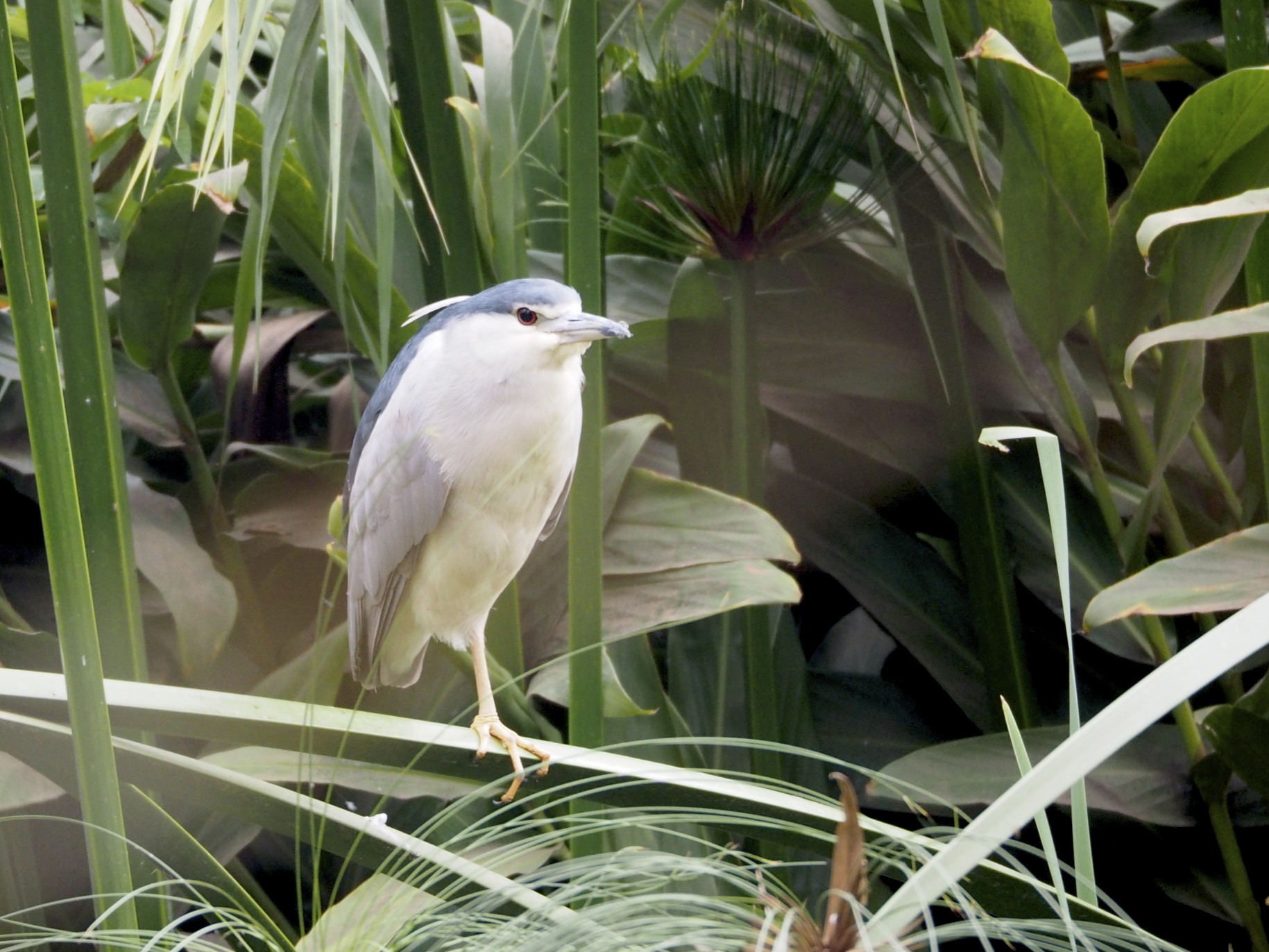
Red-billed Teal and White-faced Whistling Ducks can be seen above, Knob-billed Duck and Meller’s Duck were also present. A cooperative Black-crowned Night Heron was sitting near the main entrance.

OLYMPUS DIGITAL CAMERA

You can get a good view of both lakes by walking around the one nearest the entrance.

UPDATE …

Tickets to the park can only be purchased at BOOGIE PILGRIM: 1st floor Trio Property building, Tana Water Front, in Ambodivona. Their office is open Monday to Friday. So if you wish to visit the park at the weekend you will need to plan ahead.

Price: 12 000 Ariary/person (Mon-Fri)
14 000 Ariary/person (Week-end)