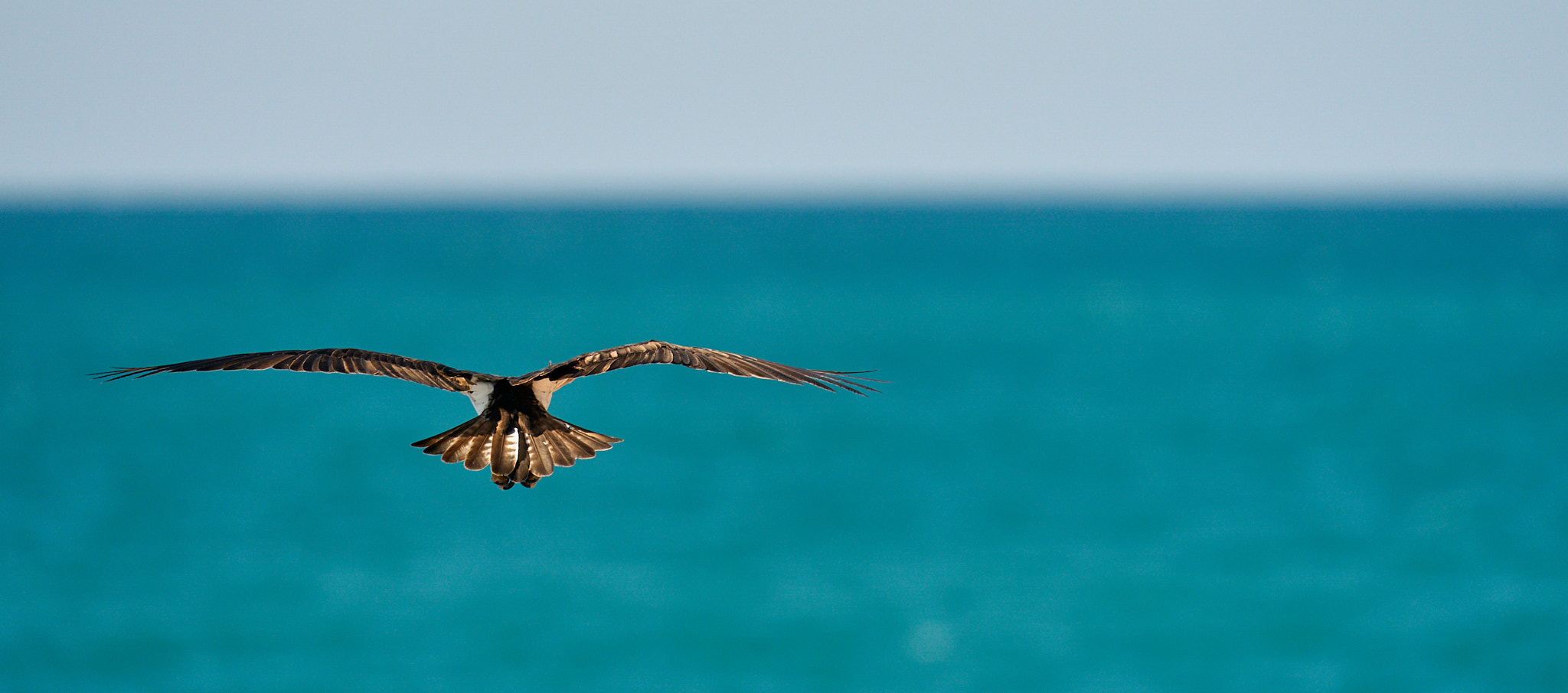
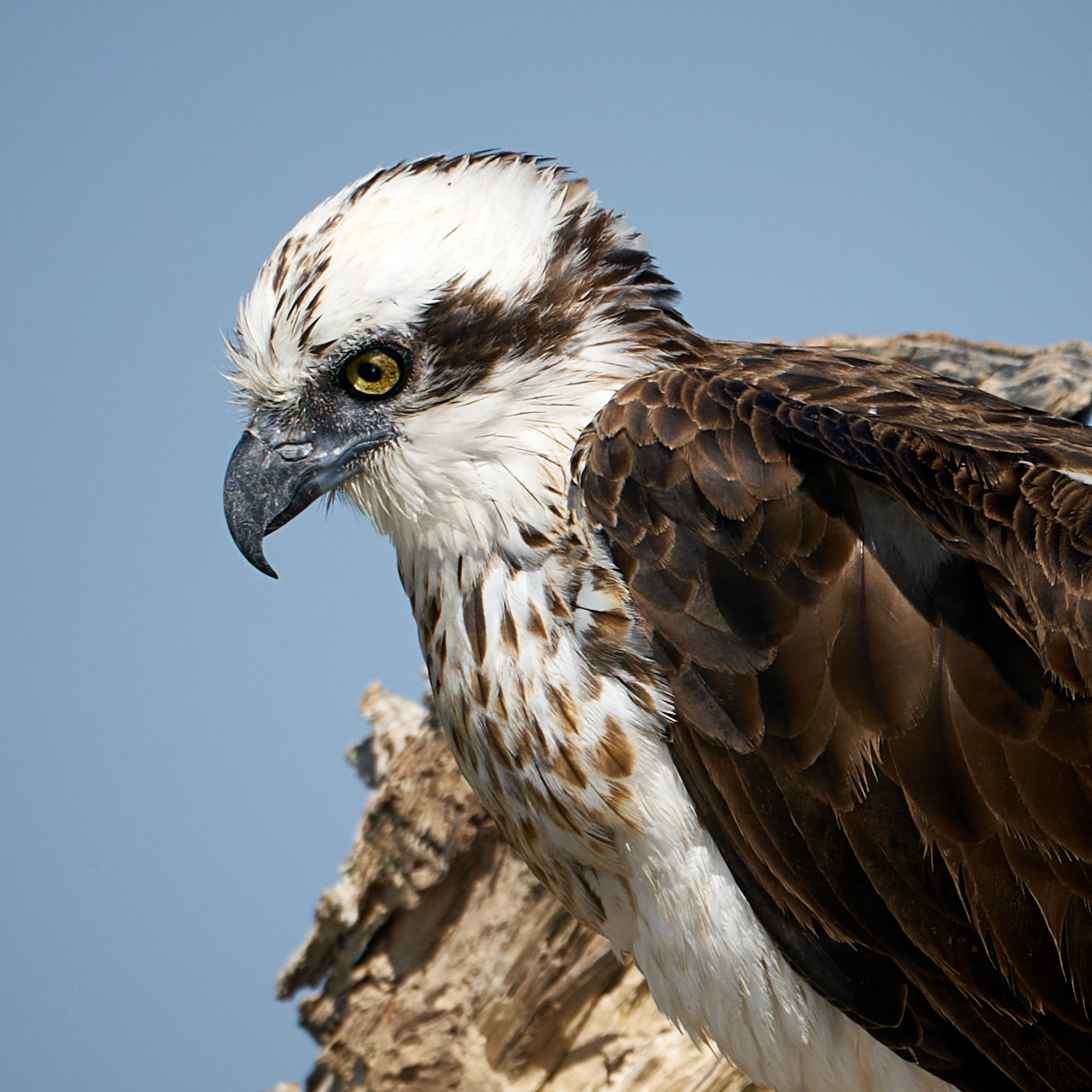
An Osprey heads out on a fishing trip …
and pray that there's intelligent life somewhere out in space
An Osprey heads out on a fishing trip …
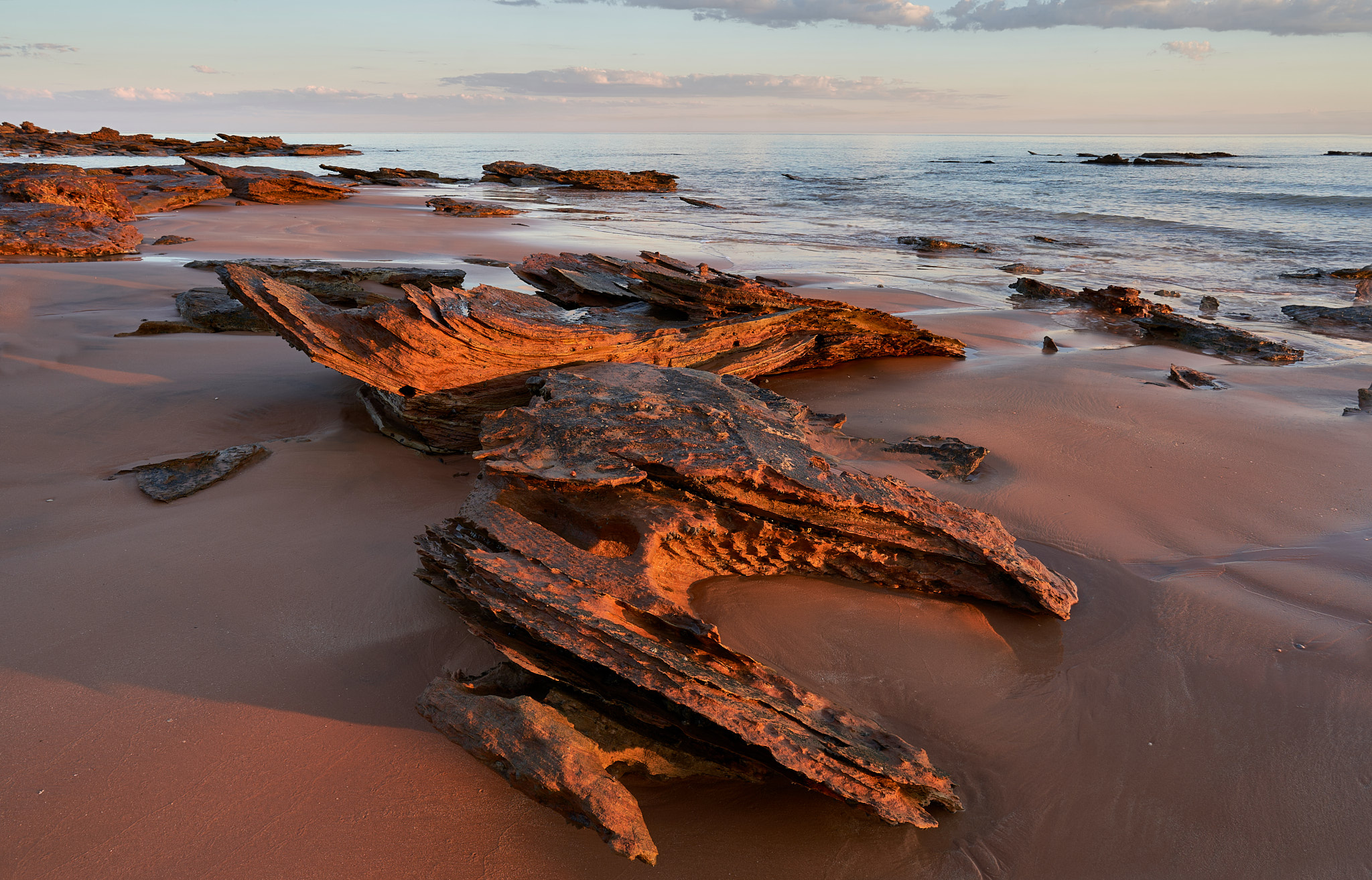
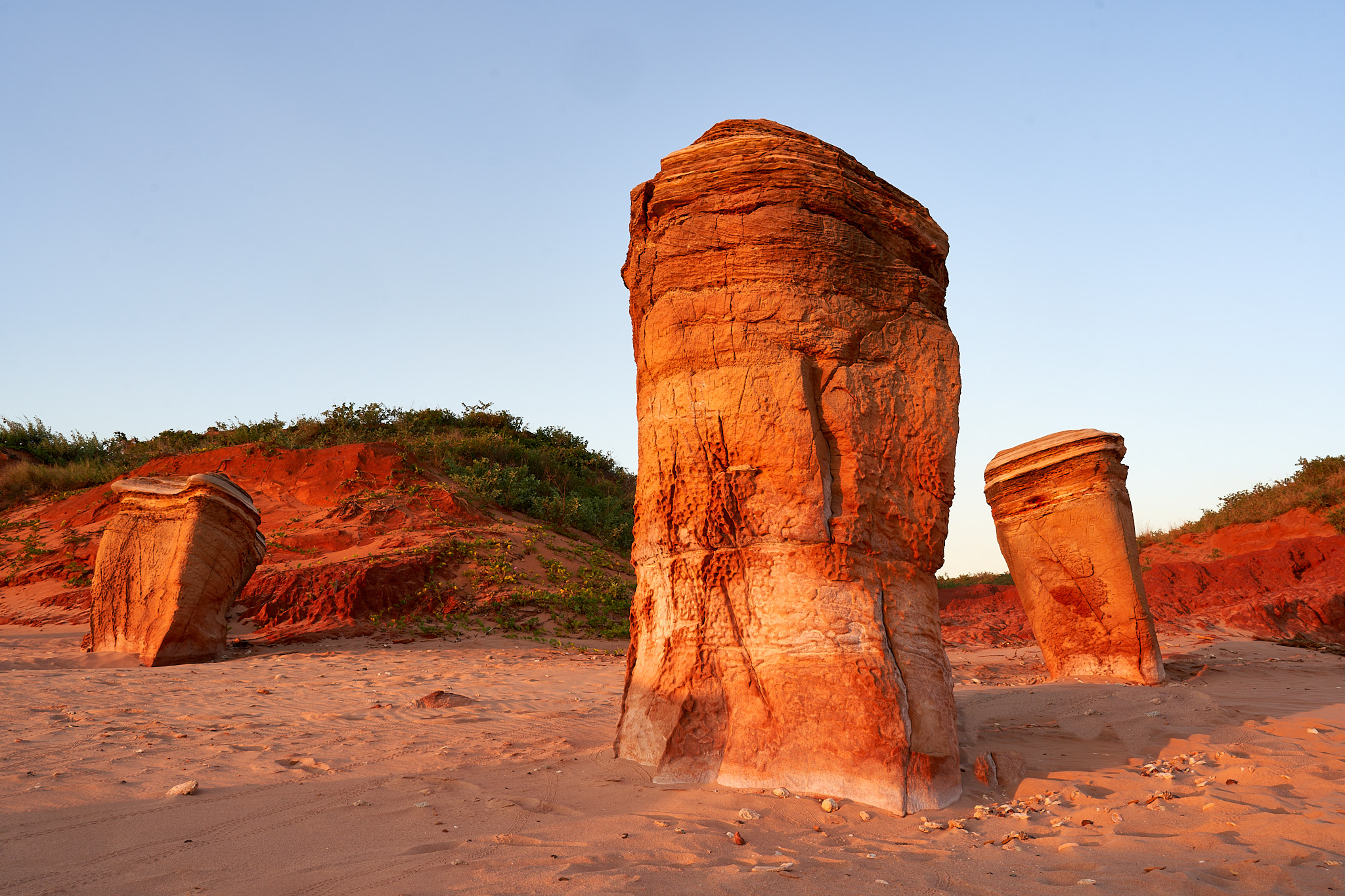
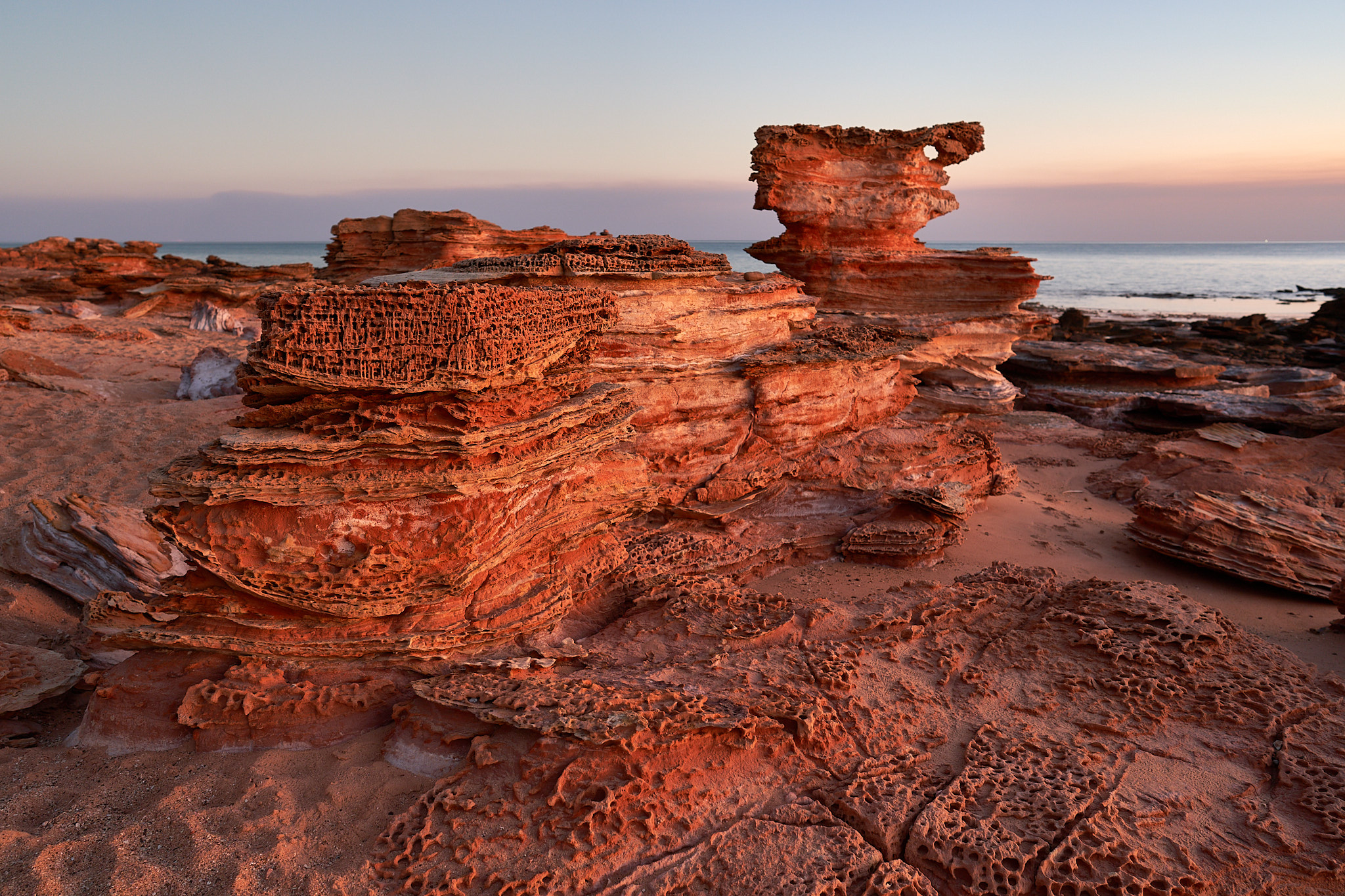
When the light is right every rock is a portrait …

… wait for no man.

My dissertation on the massive tides of north west WA was timely. Since I wrote that piece two more vehicles have drowned on Cable Beach. The photo above is from the Broome Advertiser in 2021 but it is by no means an isolated incident.
You can drive on Cable Beach. Fun. You need to negotiate some rocks at the entry point. For access and egress you must first head down towards the water. This can be significant.
In the latest cases one was a local guy in a friends car, the other a tourist in their own car. This did not require investigative journalism skills, this is a small town and they are the talk of it! In both instances the occupants parked and went for a walk.
Their return was timely but … the local guy had lost the car keys, the tourist vehicle had a flat battery (lights left on, perhaps – hard to tell now). Help was summoned but by the time it arrived the tide had reached the rocks. And like the people in the photo above all concerned could only stand and watch.
There are subjects that lend themselves to black & white and others that just don’t …

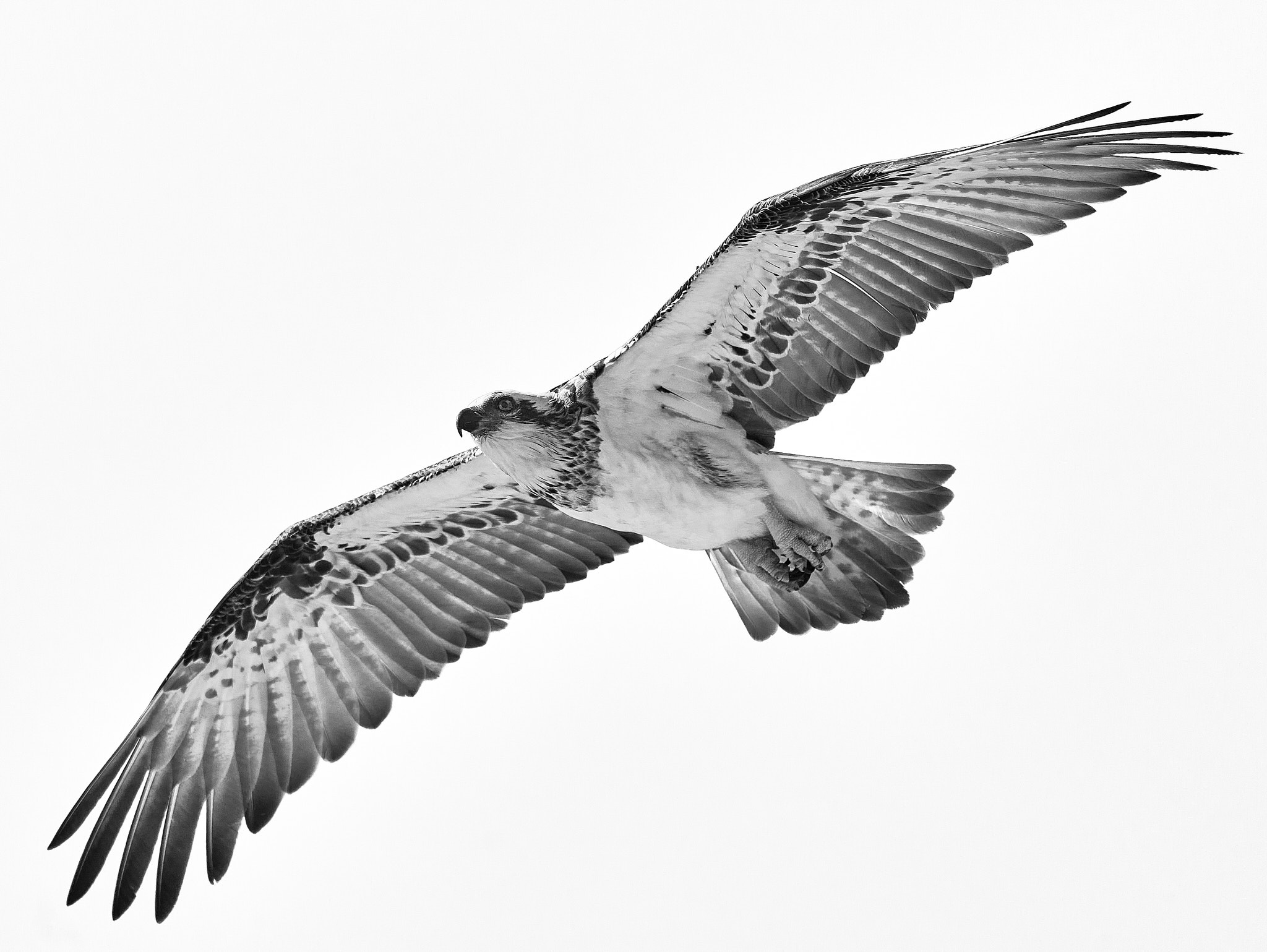
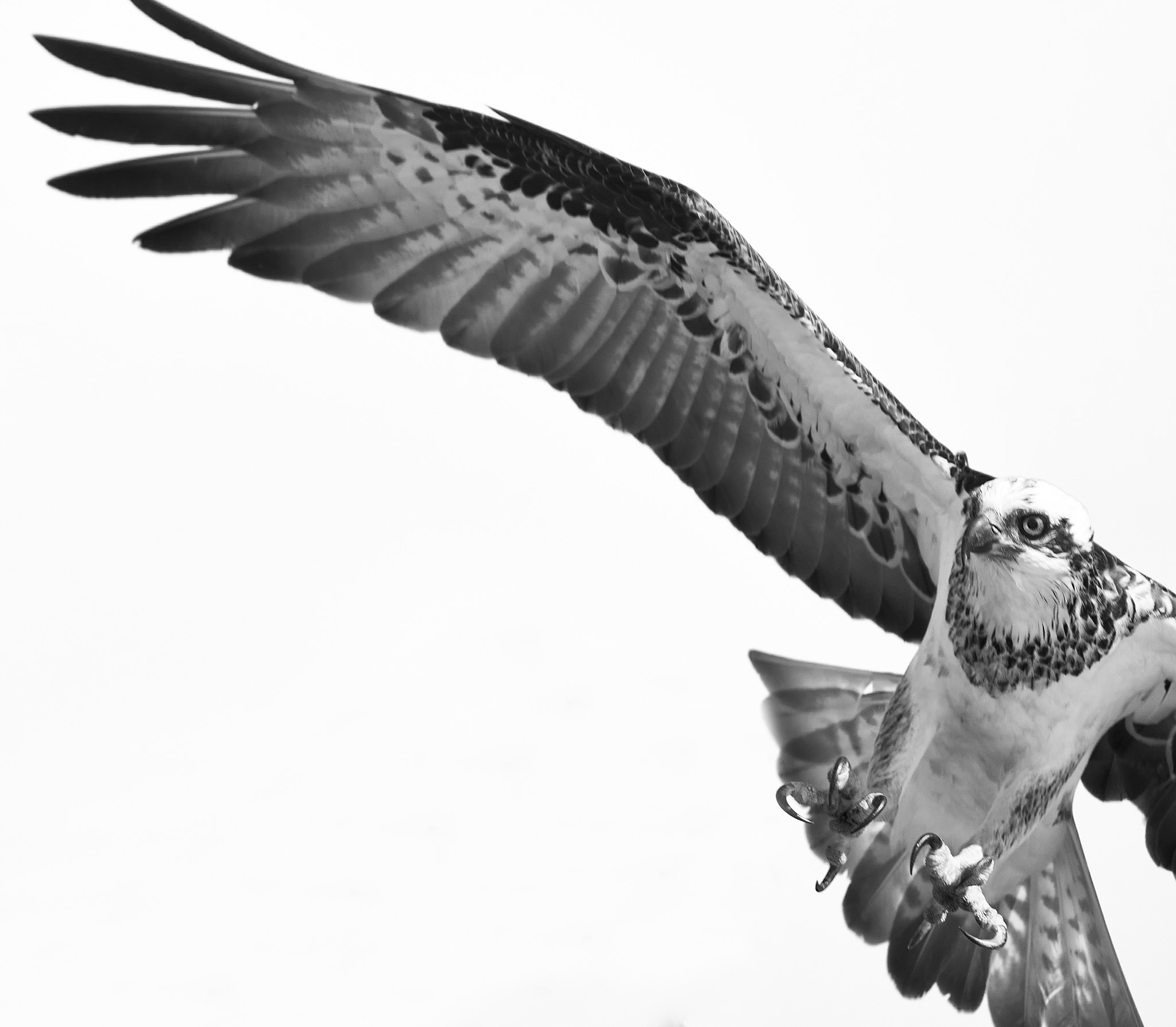
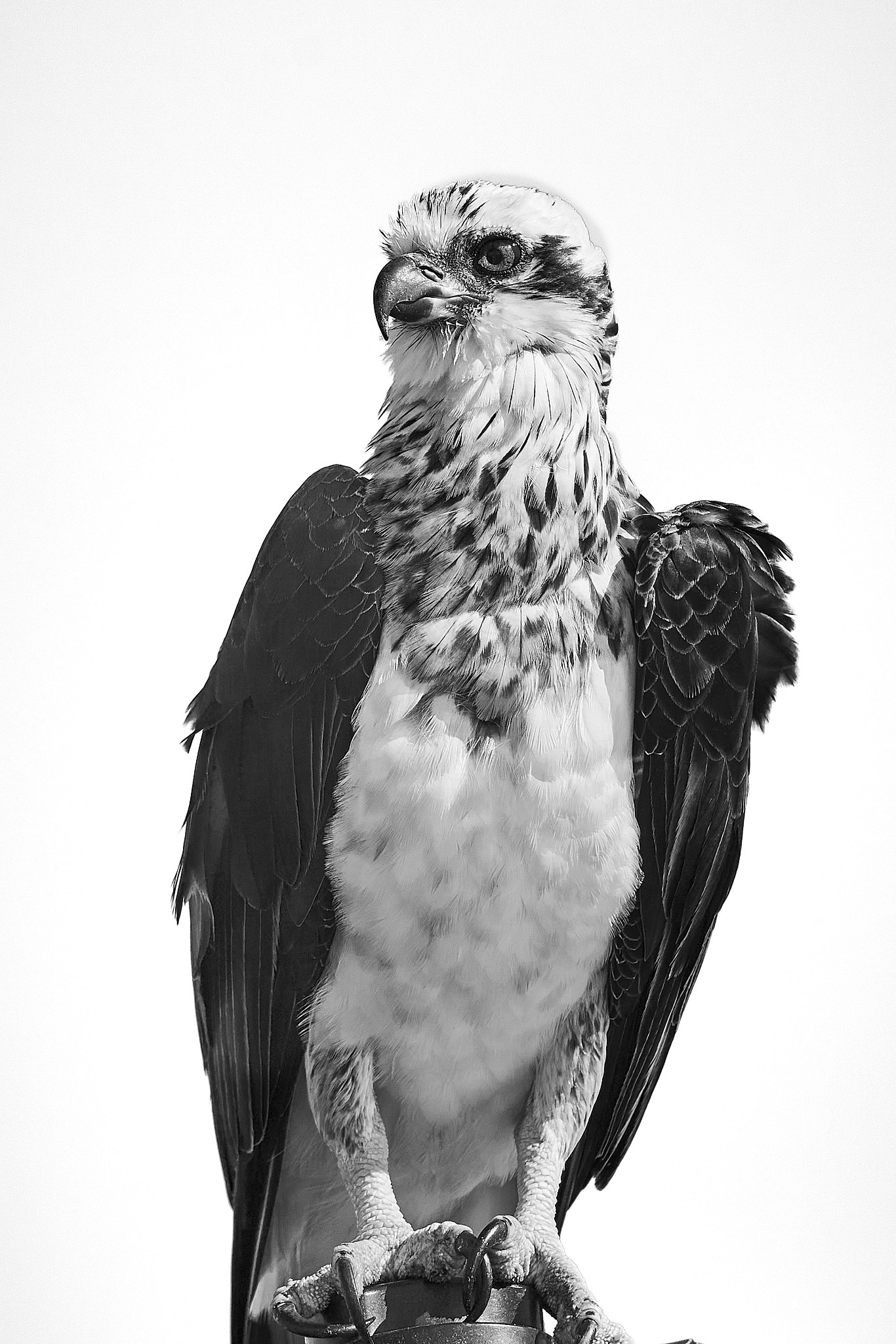
You need to click on the pictures to really appreciate them.
I haven’t been able to get close to one eating a fish and they often do that on top of lamp posts or other unattractive man made objects. When they have caught a fish they carry it head first with one talon behind the other to minimise aerodynamic drag – another photo on the wish list.
For most of my life I’ve lived not far from Victoria’s Port Phillip Bay. It is tidal but the range is small and variation in atmospheric pressure is enough to make a liar of the tide tables. Then I lived many miles from the sea for a decade. High tide, low tide, who cares.
In north west Australia you need to care. Whether you are a boatie, a birder or a photographer the tides are part of your planning because they are absolutely massive up here. Tidal range can be as much as ten and a half metres in Broome and even more in Derby. At spring high tide you could be paddling on the beach in Roebuck Bay. About six hours later the water’s edge may be as much as 12km away with 175km² of mud that was covered by the sea now available for shorebirds to feed on.
Why is it so?
The main engine is the moon. The sun also has its gravitational pull but it is a long way away. Depending on the spatial arrangement it may add to the moon’s effect (spring tide) or subtract (neap tide). The tide is a very long period wave moving around the earth. There is a corresponding bulge on the opposite side. Thus generally there are two tides a day. Big at full and new moon, smaller in between. The spring in spring tide has nothing to do with the season that follows winter.
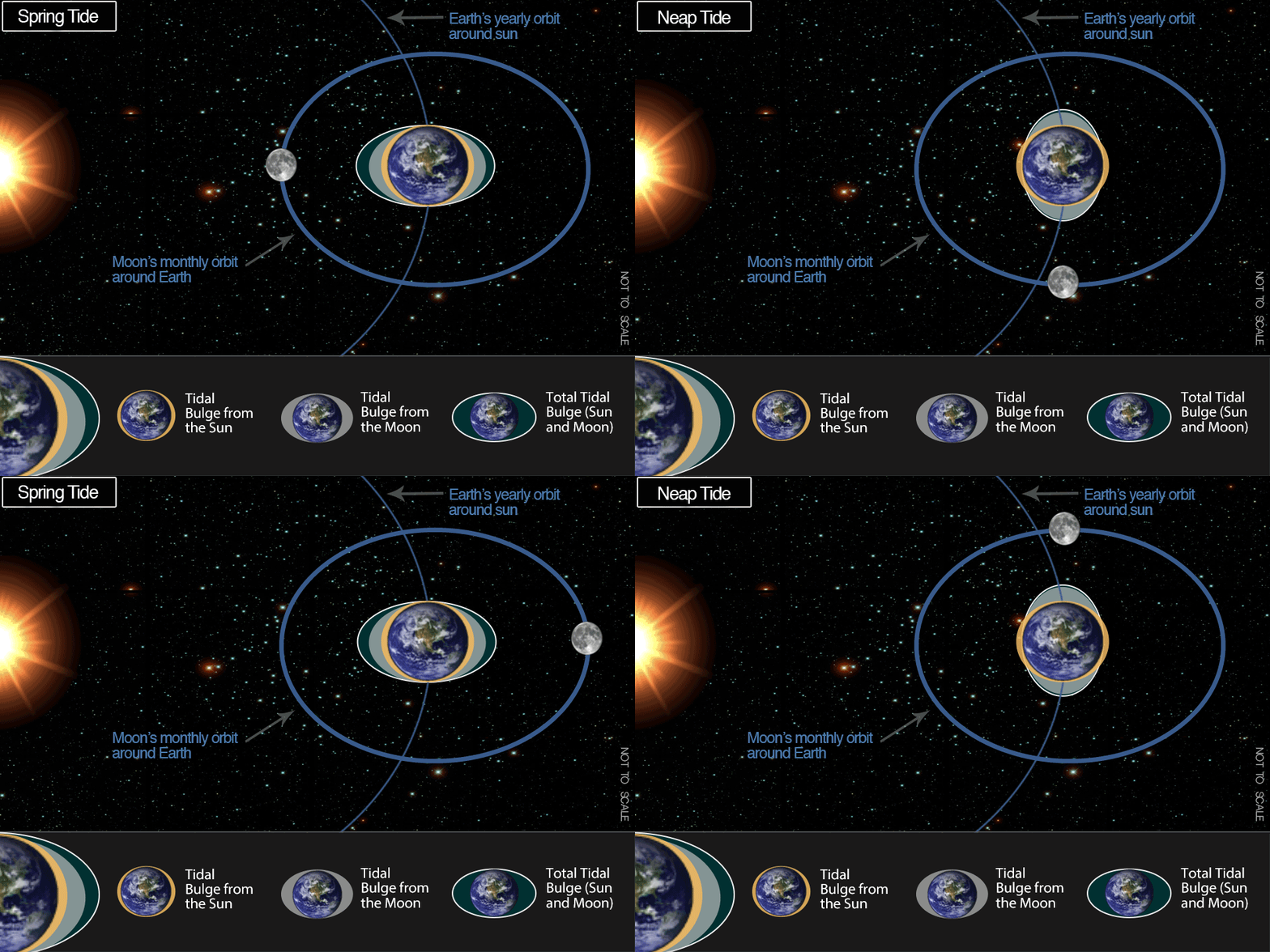
We all share the one moon and we all share the one sun so why is my tide bigger than yours (excluding those of you who live by the Bay of Fundy ou habitent près de Mont St Michel)? Well, there are local factors at play. Out in the middle of the ideal ocean the tidal range is about 18cm. Just as waves reaching the beach rise up for the benefit of surfers so the long period wave that is the tide rises as it reaches the continental shelf. North west Oz has has an enormous continental shelf that stretches almost to Indonesia. Derby trumps Broome because it is situated at the narrow end of the funnel otherwise known as King Sound.
We made a day trip to Derby.

If we’d turned right at Willare we’d have come to the town of Fitzroy Crossing where the bridge was recently destroyed by flood. The next major city in that direction is Darwin. Broome to Darwin is about 1800 km. With the bridge down Broome to Darwin became a 6,400km journey for a while.
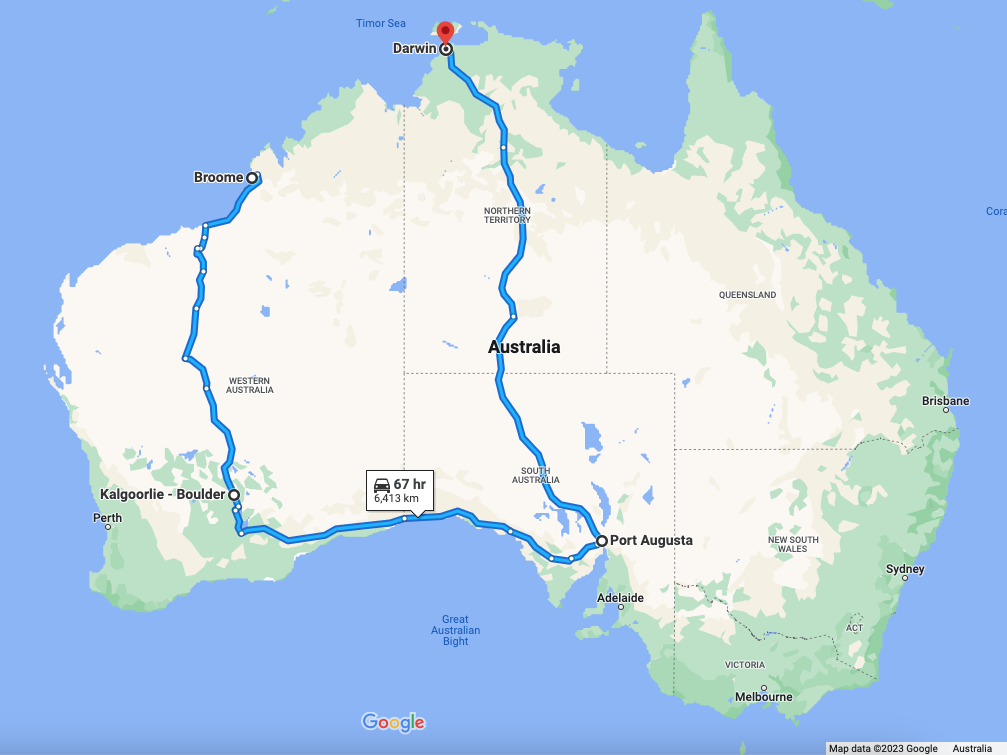
The Fitzroy River also runs through Willare where it took out the road leaving the bridges standing. Poor old Derby at that stage was a boat trip to anywhere. Roadworks are in progress but there is still a lengthy section of single lane alternating in direction.
The trip was essentially a scouting trip to find suitably photogenic Boabs. There are plenty in Broome decorating our parks and gardens and some are quite old and splendid but they don’t occur naturally. The authentic ones start to appear in the landscape about 120 km up the road.
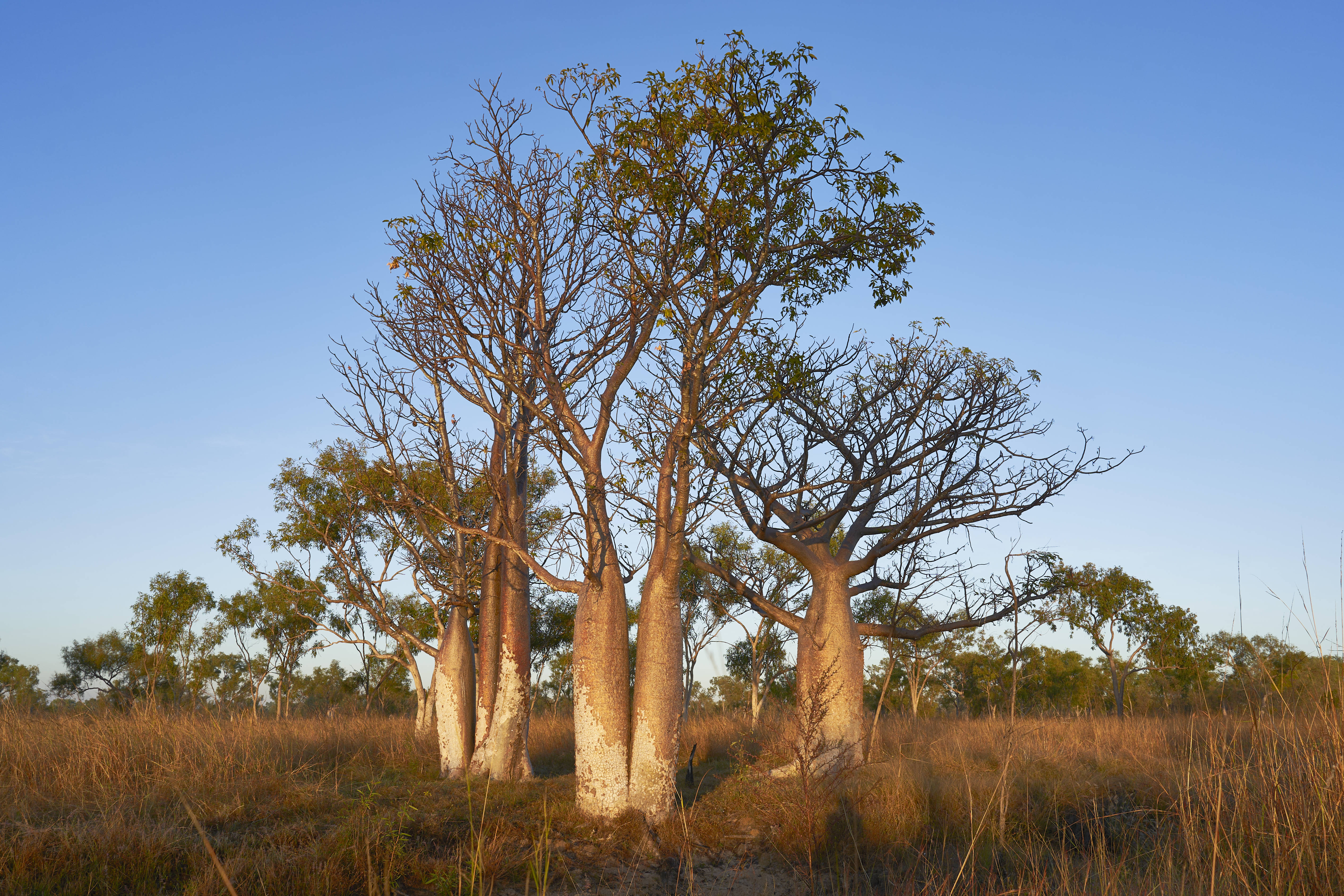
Baobabs belong to the genus Adansonia. The centre of their diversity is Madagascar where there are six native species, Africa has a seventh, we have the eighth. Ours is closely related to the African one. It found its way here as a floating seed.
Here its name was treated with the same respect accorded the Possum and Goanna.

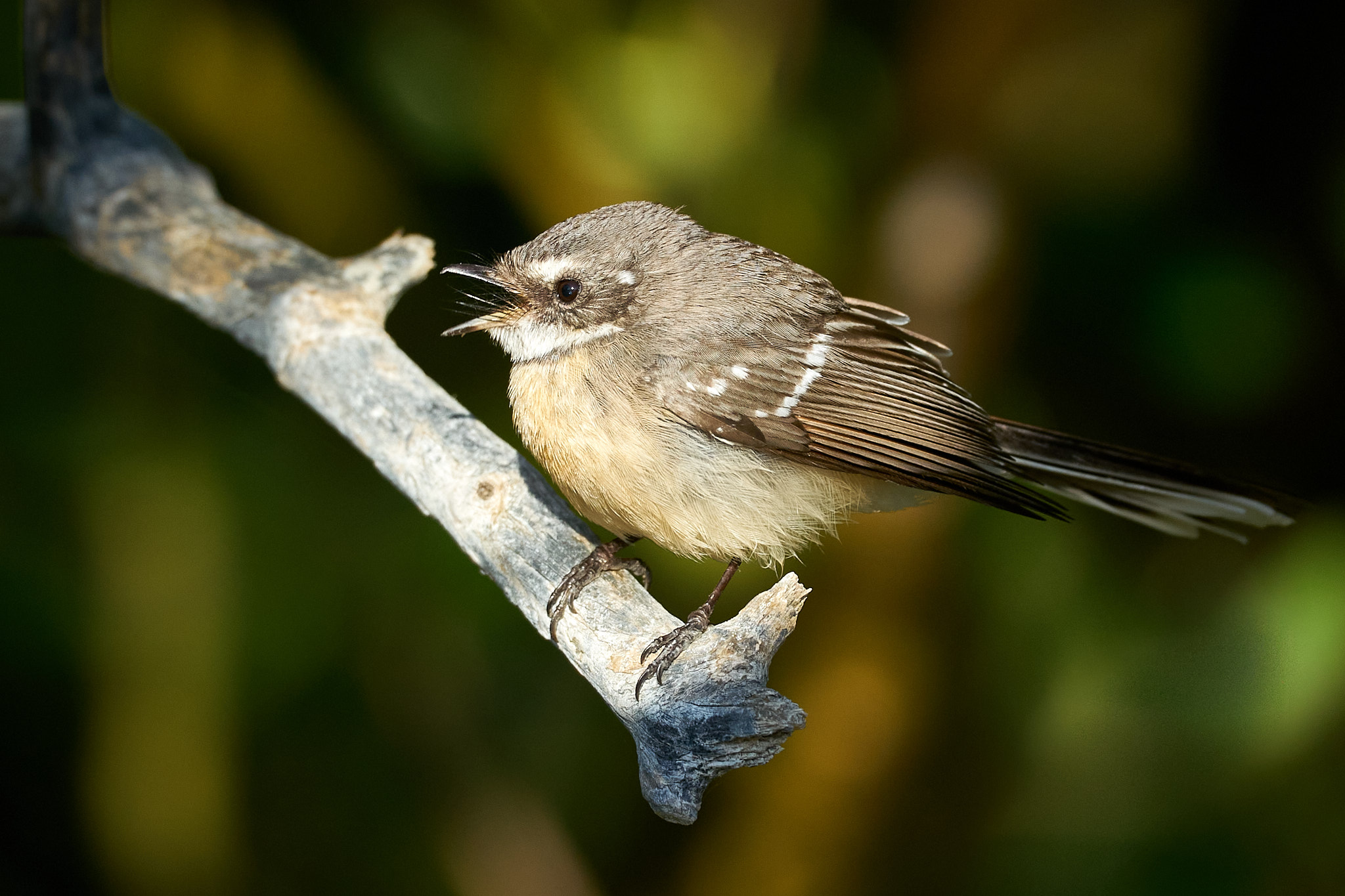
Into the mangroves once more, This time at Crab Creek out past the Broome Bird Observatory. The specific target was Dusky Gerygone which I found but it was too flighty to photograph. Other birds, though, were more accommodating like these very cute Mangrove Grey Fantails …


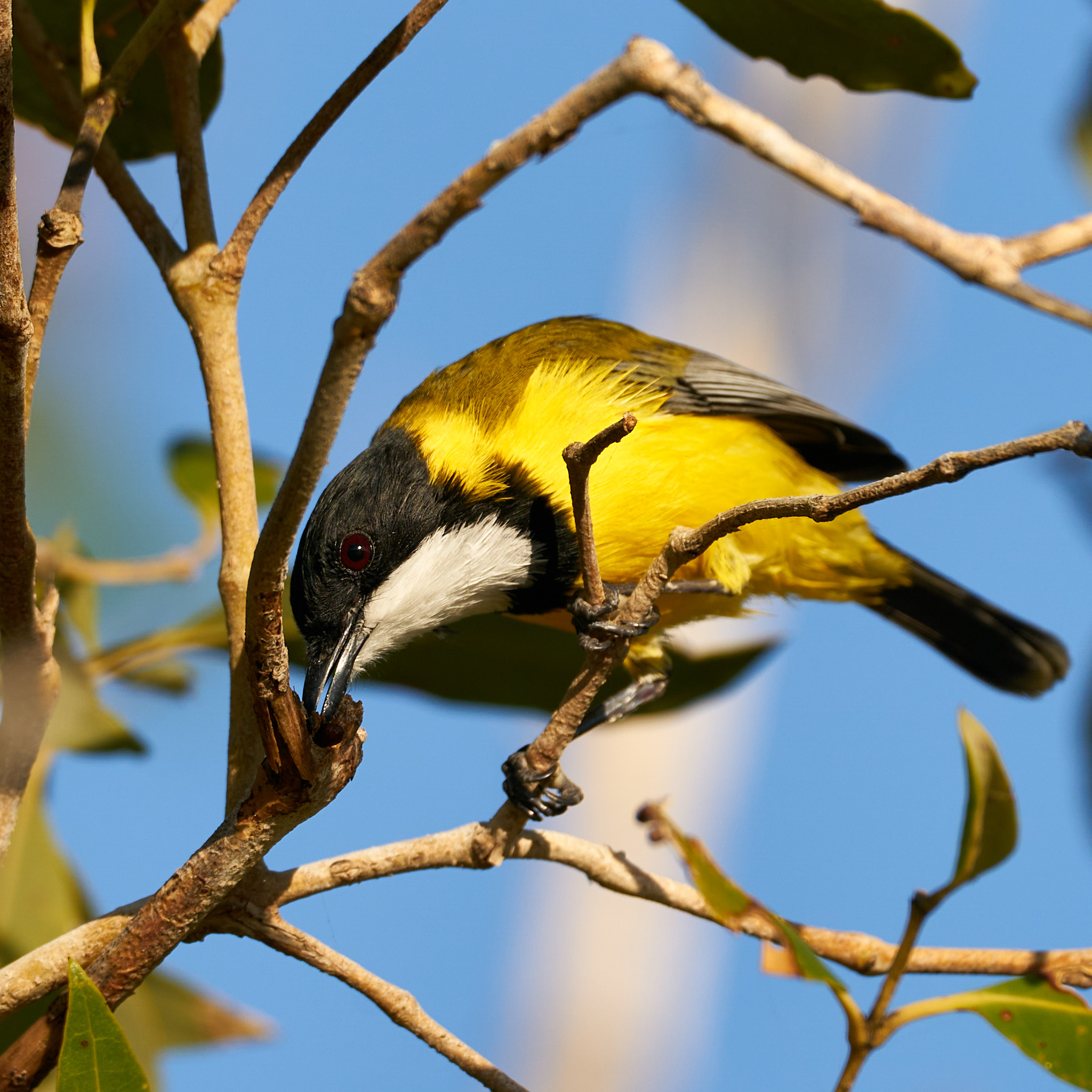
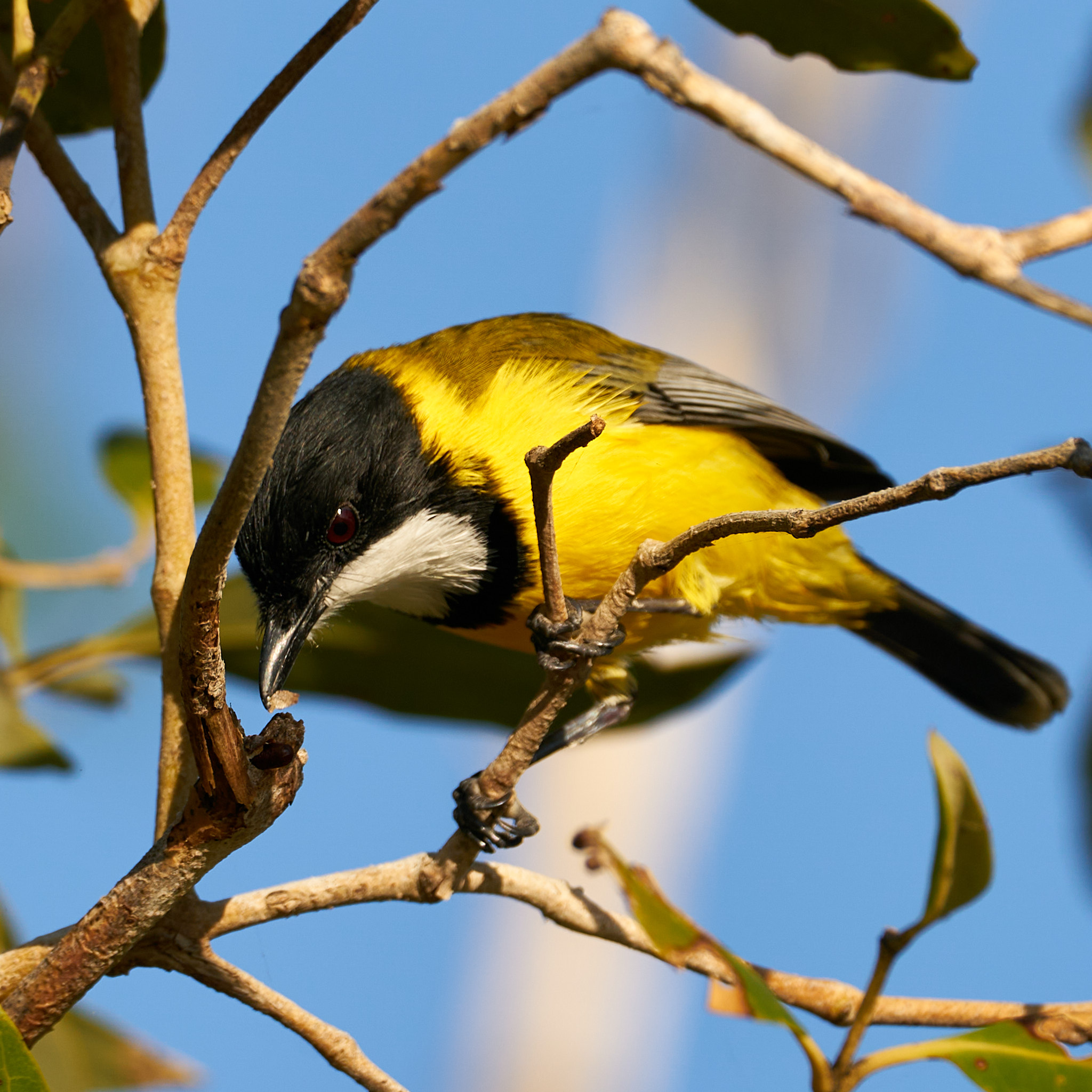
and I made progress on the Mangrove Golden Whistler. A few years ago these were almost unknown in this particular patch of mangroves. On the rare occasions they keep still there’s always a stick or two between the lens and the bird. One day …
I would found an institution where any person can find instruction in any study. – Ezra Cornell
Serious birdos need some means of recording their observations, preferably in a form that will spit out life lists, state lists, patch lists, backyard lists, birds seen out of the toilet window lists and a few more. Gazing at these lists will give them hours of pleasure especially if they are bigger than their frenemies.
Universities need data. This can be time consuming, tedious and costly to accumulate. So here’s the deal. We’ll keep your lists (on-line) for free and throw in an app that will help you get your ID’s right. You can use it on your laptop and/or your mobile device. So saith Cornell University of Ithaca, New York, USA, founded in 1865 (and at last they’ve done something useful).
But here’s the catch – you’ll have to do it our way.
The database is eBird. You access it through your web browser plus you can enter your observations on the mobile app available wherever you get your apps. The ID assistant is Merlin also downloaded to your mobile device. There is enough functionality in the mobile apps to go on working when there is no service. Essential for birding in Australia.
Off you go into the bush. Start your list. The app will track location and duration of the session. Input the species as you go. Upload the lot when you’re finished. If you have a target species looking it up in Merlin will give you pictures, a distribution map and in most instances recordings of its calls. All this information comes from those who went before you. You are standing on the shoulders of giants.
So far so good but doing it their way means taking a fine grained approach to location, counting birds – yes they want the numbers and writing notes to justify some of your observations. If you are really lucky and see something truly rare a moderator will take the fun out of it with naked skepticism – by email. Try not to be too precious – I console myself by checking where they are in the top 100. To date way behind me!
Cornell make it pretty easy to get up to speed via that other university – YouTube …
What of the data that Cornell gets in return? That’s their problem but its also a riveting topic among birdwatchers. Imagine a roomful of introverts who can barely make eye contact getting heated about the uselessness of the lists that some morons submit. Fortunately these discussions, as fiery as they may be, don’t last long, we’d all rather be home comparing our positions in the top 100.
But more on that another time.

Go on, click on it.
reaches the edge of the mangroves.
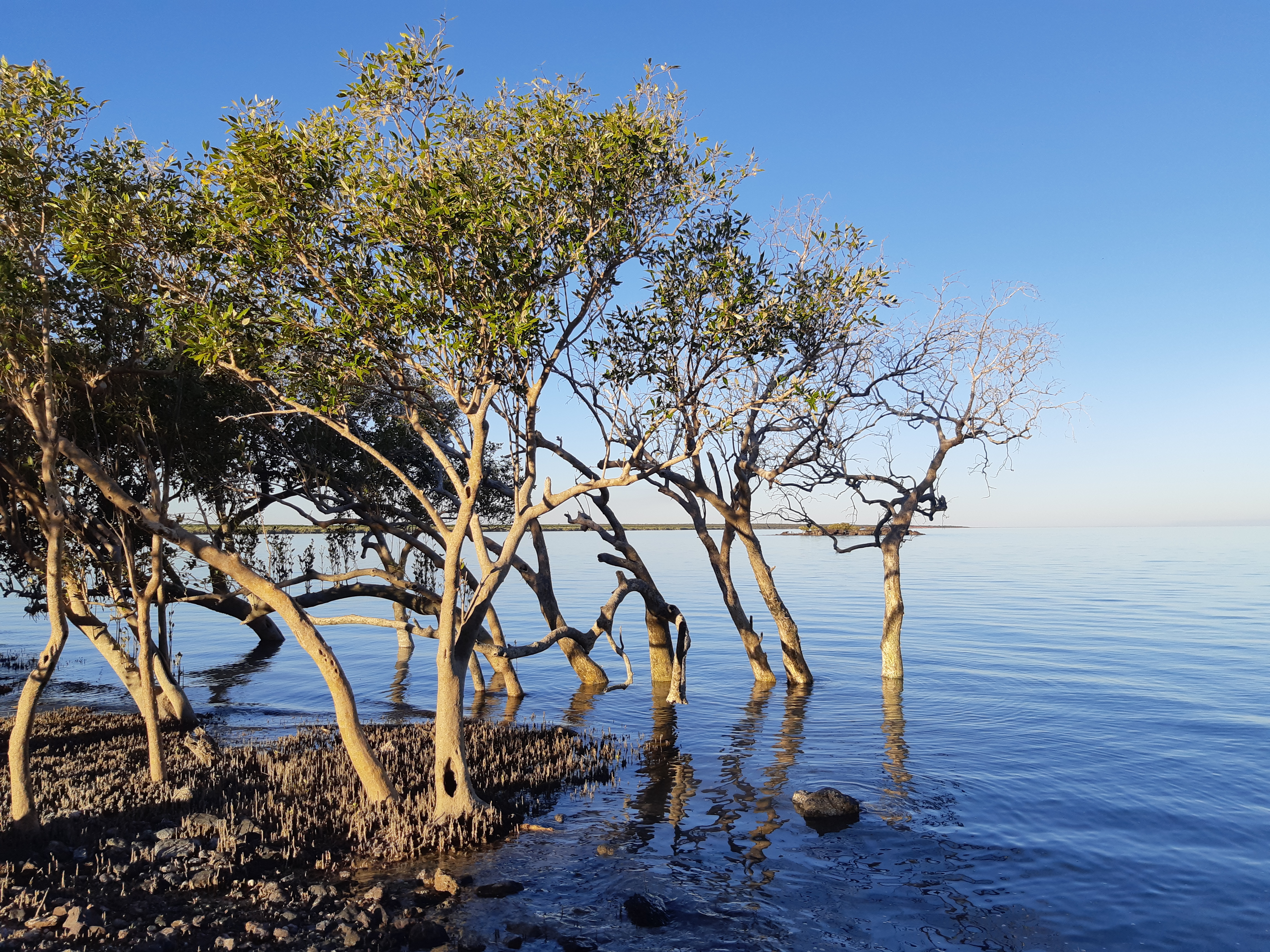
A dead mangrove, much bigger than the trees that now surround it, provides a convenient perch for an Osprey contemplating its next fish dinner. It regards me with total disdain as I wade into position for a photograph.
 bobmcgee