Was named in honour of Captain James Cook, the explorer who put the east coast of the great southern continent on the map. He was by no means the first European to visit Australia. That honour goes to one Willem Janszoon on the good ship Duyfken in 1606. More of him a little later.
The Dutch had mapped the west coast of Oz pretty thoroughly over the course of a century starting with Dirk Hartog in 1616. Abel Tasman put the southerly limit on the continent with the discovery of Van Dieman’s Land in 1642.
The first Brit to hit the shore was John Brookes who wrecked the Tryall off the WA coast in 1622. Survivors spent a week on the Monte Bello Islands. William Dampier made a far more successful visit in 1699 discovering an excellent site for a bird observatory.
Turn the clock forward to 1770. After making a thorough survey of New Zealand Cook sailed west heading for Van Diemen’s Land the next known spot in the ocean. The weather caused him to take a more northerly route and on 19th April 1770 Lieutenant Zachary Hicks, a Stepney lad, spotted the east coast of Victoria. Like a lot of Victorians since our James then headed north to Queensland. No landings were made in Victoria and only one in New South Wales, at Botany Bay (29th April).
Once in the future Queensland’s waters Cook made 13 more landings. None more important to the success of the voyage than the one at the mouth of the Endeavour River.
On June the 11thEndeavour struck a reef. It took 23 hours to get her off and she was badly holed in the process. A desperate bout of pumping followed until the inflow of water was reduced by passing a sail under the ship’s belly a process known as fothering. The ship could then be kept afloat by use of a single pump until a suitable landing site could be found. On the 17th the ship was beached at the mouth of the Endeavour River. Repairs took 7 weeks.
Relations with the locals were mainly good perhaps because Cook had unwittingly chosen to camp at a traditional meeting place where custom forbade the shedding of blood. Some aboriginal words and names were recorded for posterity. The word kangaroo was borrowed from the Guugu Yimithirr language. Subsequent scholarship has disproved the furphy that it meant “buggered if I know” and suggests that it was the name of a particular species of macropod.
One kangaroo had the misfortune to be shot. It was sketched by Sydney Parkinson then eaten by the officers and gentlemen. That sketch may have been the model for a painting by George Stubbs that was itself the source material for an engraving that appeared in John Hawkesworth’s 1773 book describing the voyage.
Cook and Banks are often credited with being the first to describe a macropod forgetting that Western Australia had been on the map for about 150 years at that time. The honour should go to Francois Pelsaert who described a wallaby from the other side of the continent in 1629.
Returning as promised to Willem Janszoon. In 1606 he sailed eastward in the Arafura Sea and bumped into land that he thought was a southerly extension of New Guinea. It was in fact the west coast of the Cape York Peninsula in the vicinity of present day Weipa. He then sailed south in the Gulf of Carpentaria charting the coast as far as Cape Keerweer. When Cook was at Cooktown he was just 437km as the crow flies from Cape Keerweer and 164 years too late to be the first European to visit Cape York.
It was a roundabout route, partly to avoid bad weather, partly for the hell of it.
How bad was the weather? Well here’s a river crossing we decided against …
Thirty three days covering 5 801km in slightly different style than the last grand road trip.
But the cast of characters remains the same.
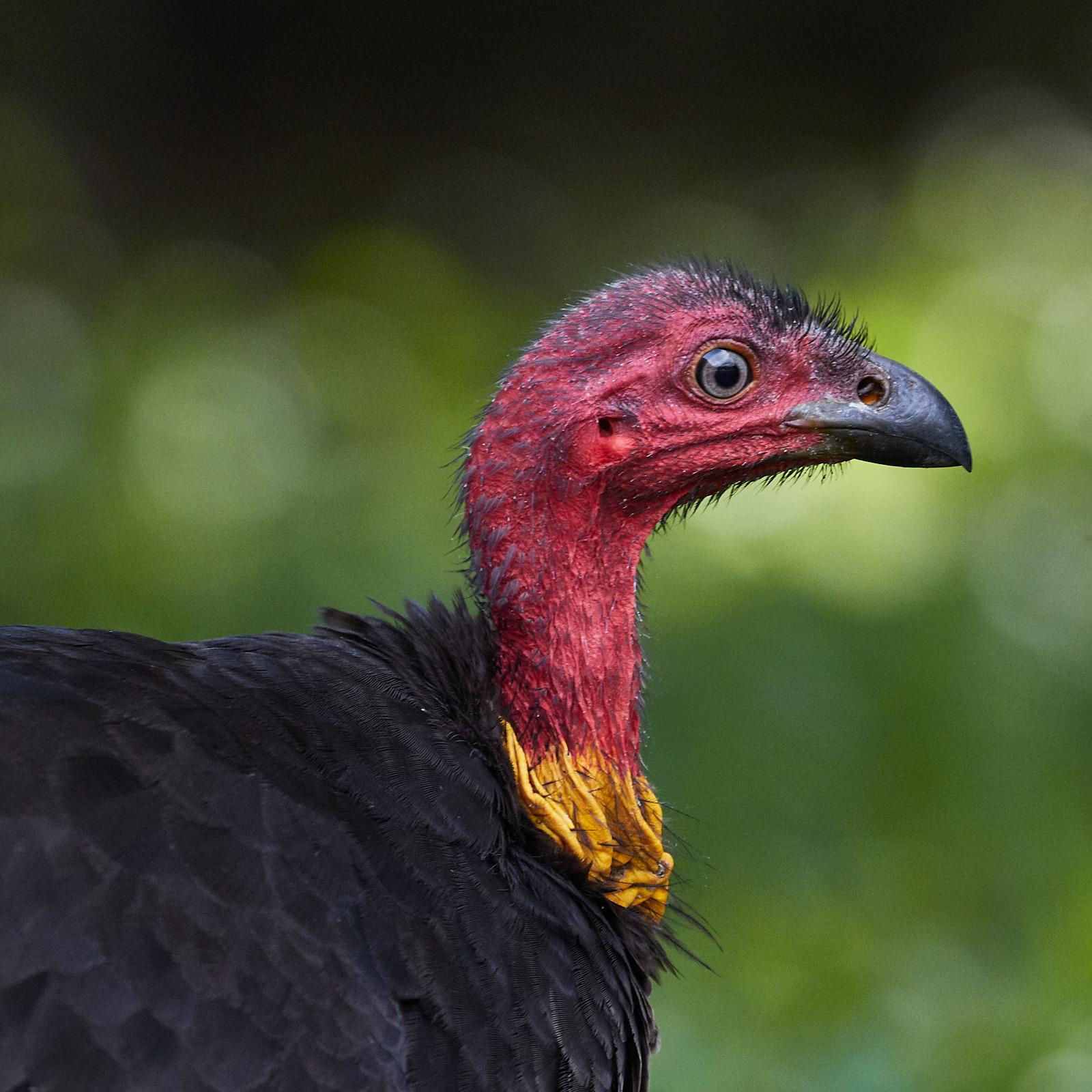
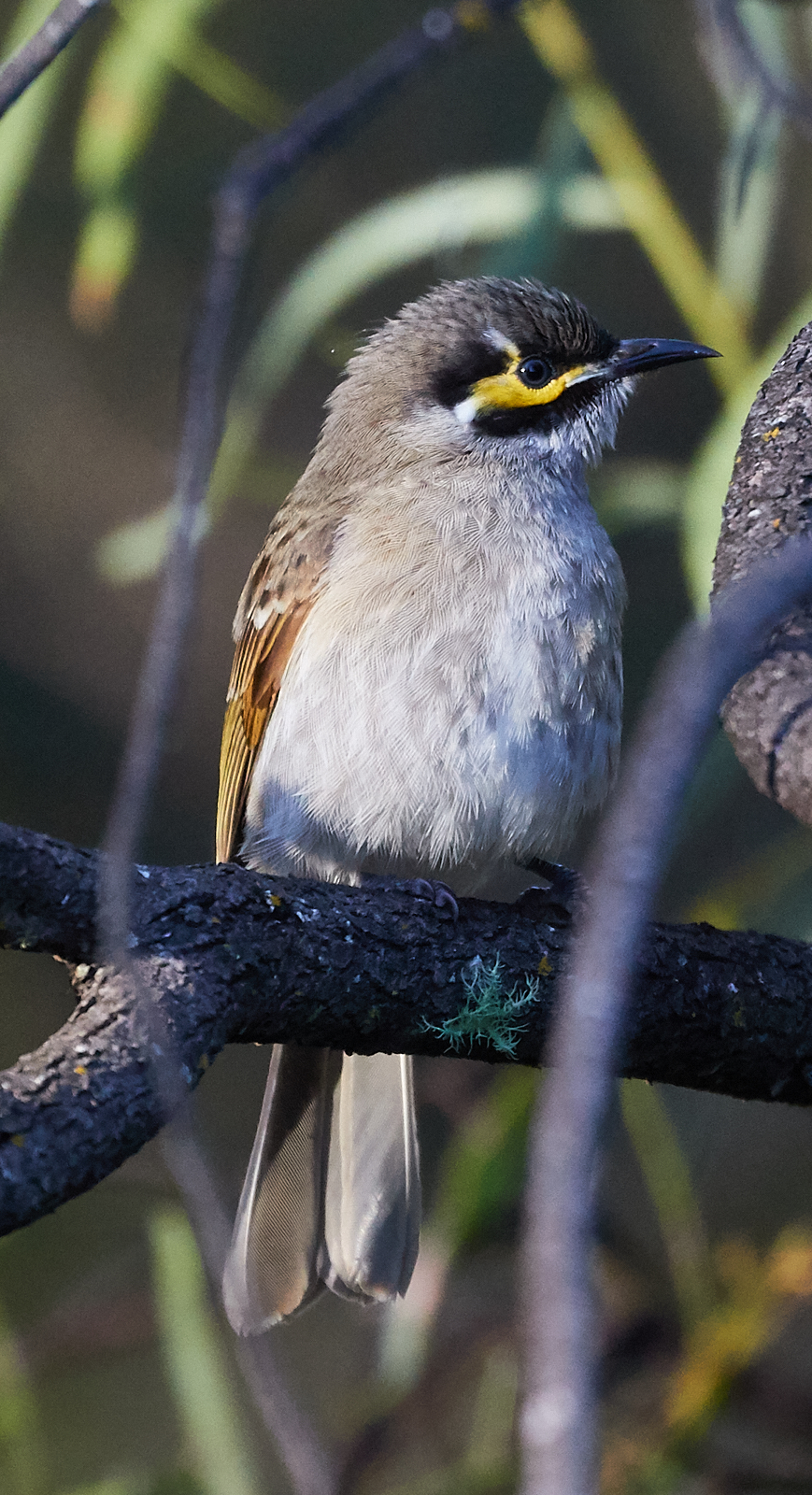
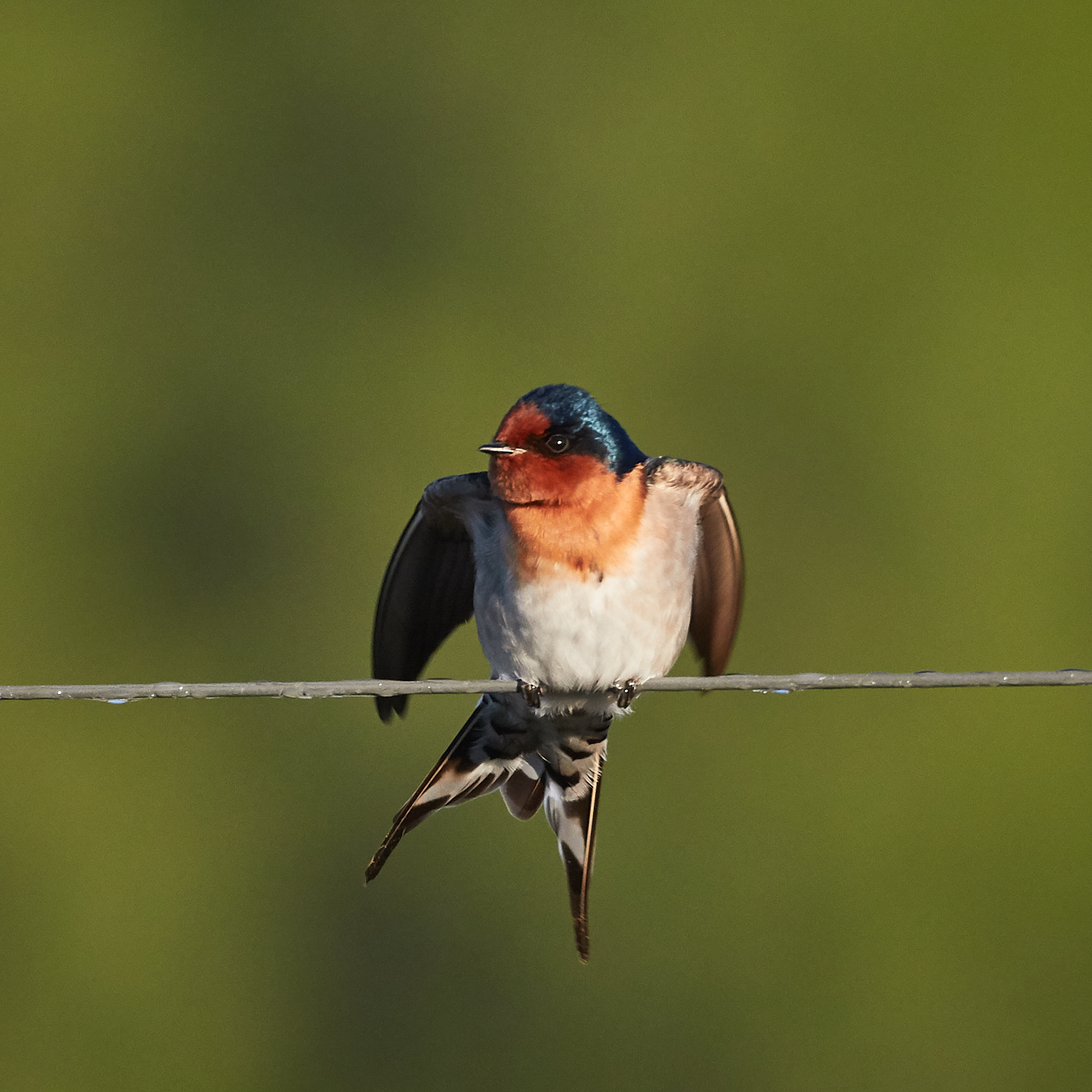
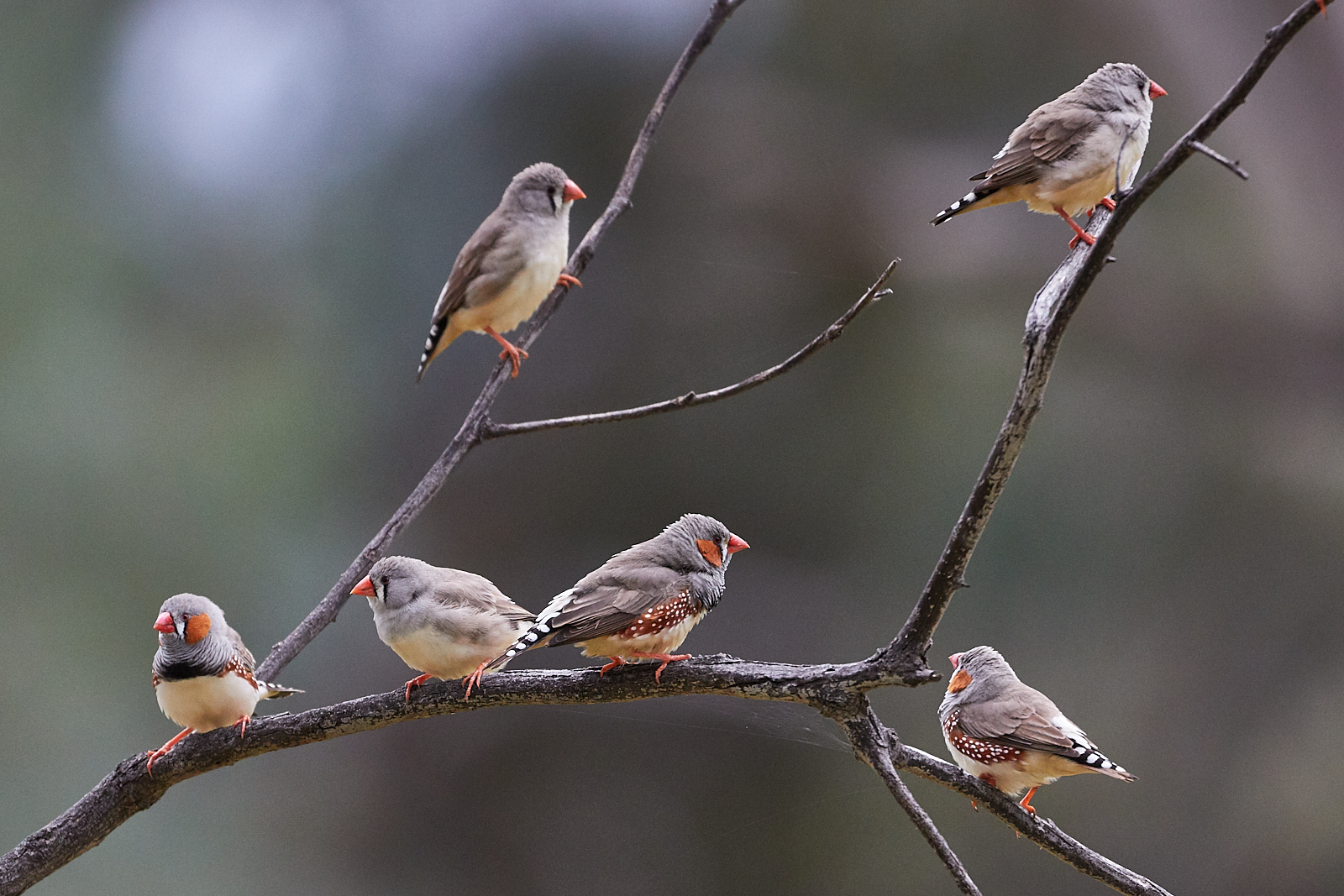
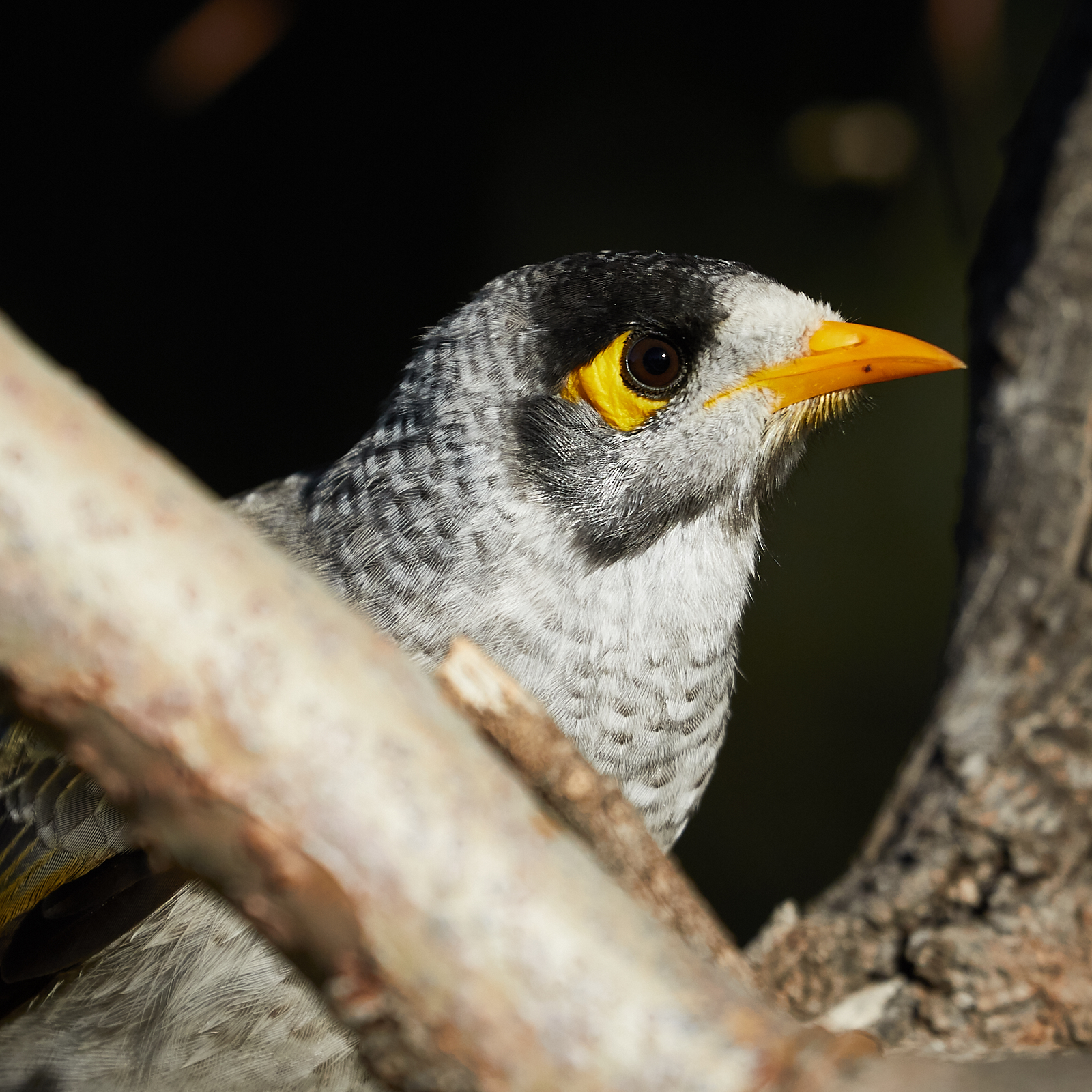
Along the way we’ve caught up with some lovely people, old friends and new. We’ve also racked up a bird list of 217 species some of which posed for a photo …
She has been ranked number one as a doubles player and as high as 14 as a doubles player. She’s not at the Australian Open so it seems a very interesting question. Especially since she has accused China’s former Vice-Premier Zhang Gaoli of sexual misconduct.
Don’t ask the question at the tournament. If you turn up in a “Where’s Peng Shuai” T-shirt Tennis Australia will ask you to take it off.
Controversy on controversy, The Djokovic saga could easily have been avoided if Tennis Australia had said that players had to be vaccinated to play. No fuss, no ambiguity. The notion that professional sports people are so medically compromised that they are unfit for vaccination beggars belief. Instead they chose to look for loopholes. Advised that historic infection would not fit the bill did Tennis Australia suggest “No worries, Novak, just catch it again”?
Looking for Peng Shuai at the open is going to be as successful as looking for any sign of intelligence in the leadership of Tennis Australia.
Over the years this blog has largely been driven along by travel and travel photography. The last couple of years has seen that shrivel because of our great pandemic. The blog has shriveled along with it. There is a limit to how many times you can spin a tale out of spending your two hours outdoor exercise riding your bike in circles. For the moment though country Victoria is off the leash – Victoria is my oyster, can’t leave the state, can’t visit Melbourne. The pearl in my little oyster is Port Fairy and that’s where I am.
I have been riding my bike in circles but at least the circle is a big one. What more could a girl ask for? I like to call the route L’Étape Charles de Gaulle …
Étape Charles de Gaulle
My accommodation here is built from bluestone which is basalt from the Newer Volcanic Province. Port Fairy’s basalt was donated by Mount Rouse 60km to the north. It seems a long way for the lava to flow. Perhaps it could have got further but sizzled to a stop in the sea. There is a closer but older volcano at Tower Hill which I have written about previously <HERE>. Rather than slowly boiling over it went off with a phreatic bang.
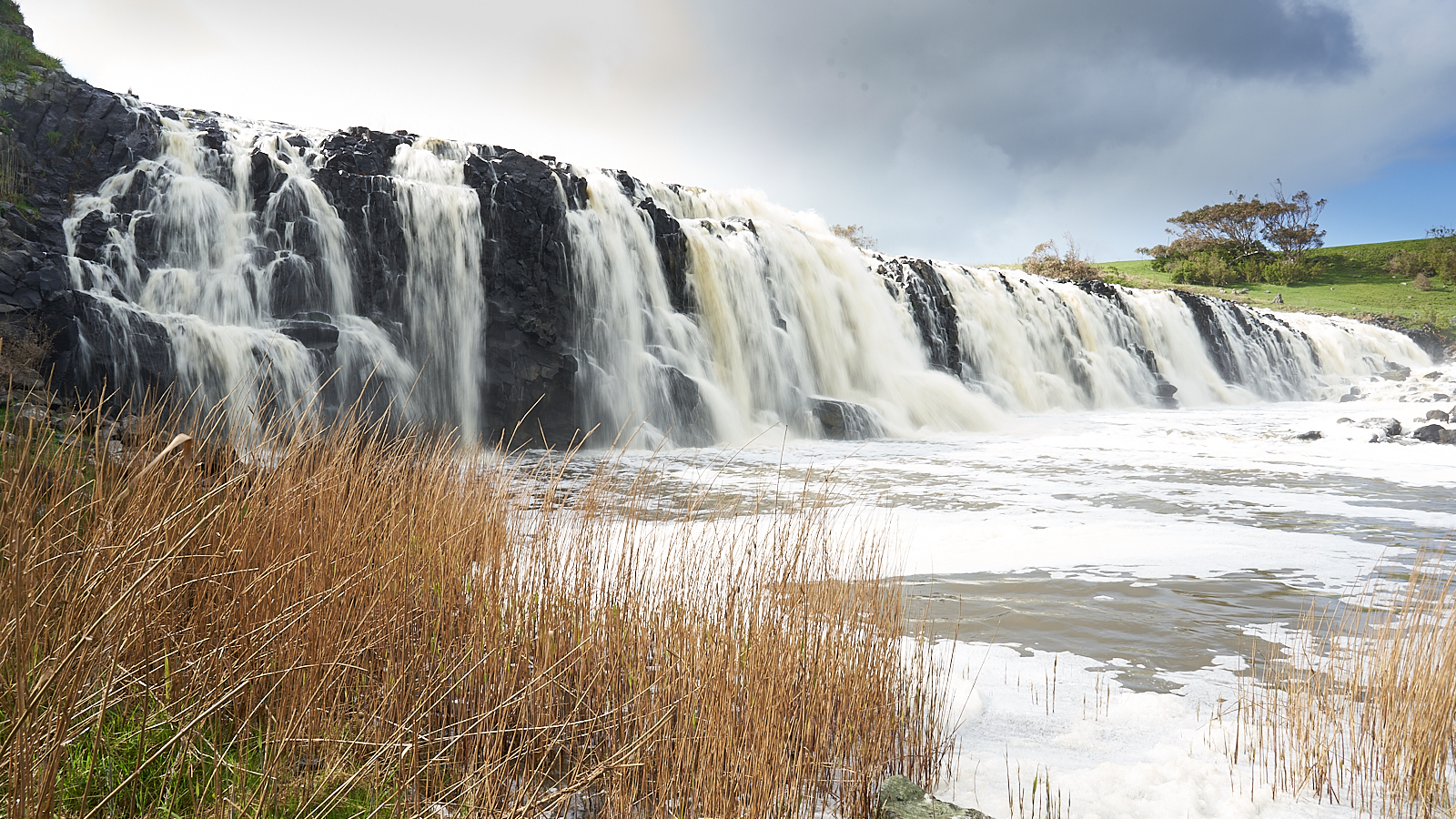
Hopkins Falls is about 40km east of Fairy and is another side effect of the newer volcanics. Said to be the widest waterfall in Australia at 90 meters in width it drops about 12 meters off a basalt shelf. It’s been a fairly wet winter. It’s quite a satisfying sight at present …
What about something very similar – Amy’s Gran Fondo on Sunday October 24 starting and finishing at Lorne. It’s a 130km course climbing over some now familiar hills and then running along the Great Ocean Road.
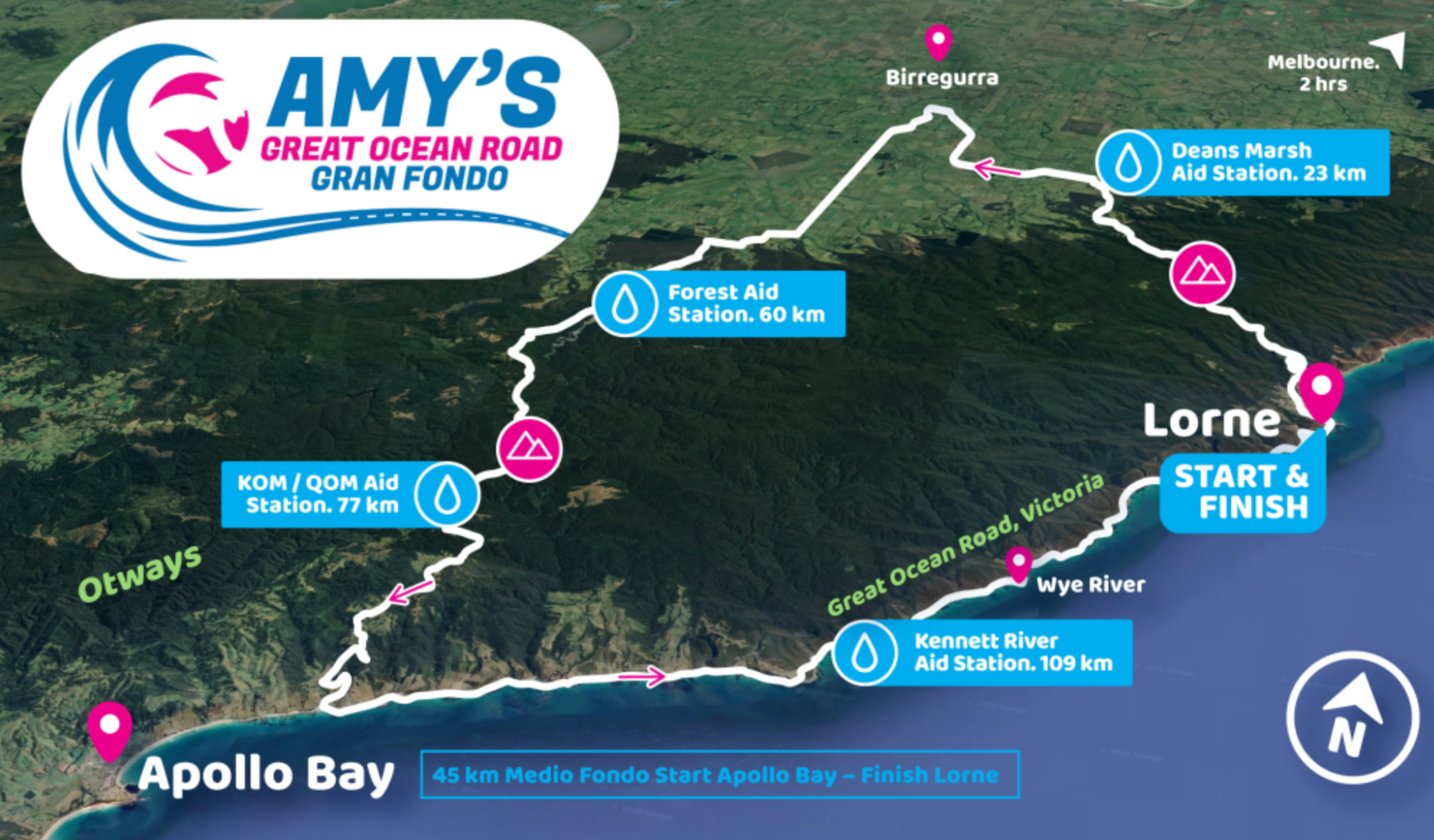
There’s a gravel ride the day before and a couple of shorter rides for the less obsessed. All the details can be found <HERE>
… worthy of a spectacular ride. The Great Ocean Road and Otway hills – all the ingredients needed. The 204km ride got away at 6.30 in the morning …
photo G D’Alton
Most of the first 80km or so is through undulating farmland. There was a decent headwind. Fortunately I was able to pick up a strong group and slipstream all the way to Forrest. Thanks are due to the heroes that took the lead. Average speed to Forrest was 31kph – no concern regarding the cutoff.
The climbing starts in earnest just before Forrest. My group took advantage of the rest stop there, I soloed on. Either the food was good or there was a long queue for the toilets. I didn’t see them again. In fact by that time you couldn’t see much at all. A mist had rolled in bringing a gentle drizzle.
Climbing is not my strong point. I just have to accept that it will be slow, settle into a rhythm and keep an eye on the power meter. The reward is that you then get to descend. This time the road was wet and windy but it’s still fun.
The foot of the descent is Skenes Creek on the iconic Great Ocean Road. The rain ceased and the wind dropped. Groups to parasitise became rare. So head down and tail up …
Time for another challenge, the Great Ocean & Otways ride beckons. It sets off from Torquay in Victoria, takes an inland route west before climbing over the Otway Range and returning via the iconic Great Ocean Road. It’s but a week away – Saturday 24th April 2021.
There is a ‘free’ jersey included. I liked the one for the 204km ride best so I have opted for the epic ride. They have already sent me the jersey so perhaps I’ll just stay home!
This course is also known as Amy’s Ride, named for Amy Gillett. She represented Australia in both Rowing and Cycling. She was killed in a collision with a car while training with the Australian cycling team in Germany in 2005. The Amy Gillet Foundation aims to make riding in Australia a safer activity. You can donate <HERE> if you wish.
The course is a little shorter than the Peaks Challenge and there is only half the climbing to be done. To make up for that they have been far more stingy with the time. The turn for home occurs at Skenes Creek about 120 km into the ride. By then most of the climbing is behind you. To make the cut-off that has to be completed at 23.6kph. A strong westerly wind would make that a fairly demanding effort. I will be looking to hide in a bunch wherever I can.
Along the Great Ocean Road the scenery will be fantastic but I doubt that will be what I spend most of my time thinking about. It’s not all flat. There are some nasty lumps to get over especially at Aireys Inlet and at Anglesea.
If I finish without being kicked off the course I will think it a day well spent. If the weather is nice, mechanical misadventure is avoided and I can hide in a decent bunch from time to time I should do it OK. Let’s make it interesting by setting a target of 7 hours 45 minutes.
Entries are still open <HERE>. I look forward to seeing you at the start.
You can find videos along the lines of “I did pushups every day for a month and this is what happened to my body”. Beware of riding a bike every day because this could happen to your mind …
Peaks Challenge is behind me. After about a week I cut off the wrist band and last night I went to bed without the finishers jersey on. Time now to think about the day and detail a few lessons. Some women give birth to more than one child. Maybe it’s time to conceive another challenge, perhaps consider repeating this challenge next year.
The event was brilliantly well organised but there is still room for improvement. There were almost 1,900 starters so getting us all away was a fairly time consuming exercise. A starting corral was filled and then opened every minute or so meaning that there were waves of riders heading off and not too much fighting and scratching. Those expecting to be the slowest were expected to let the hares go first. There was no penalty in this. Your time didn’t start until the chip on your bike crossed the start line.
The same chip recorded your progress at various points which was updated in real time on the web for your supporters to follow. Photographers were stationed around the place and you could track down your photos among the many based on the times that you passed those points.
The roads were not entirely closed to all other traffic but traffic management was excellent. Cyclists are expected to obey the road rules, infringement notices may be issued. I did exceed the speed limit under the watchful gaze of the police at one point but have yet to receive a ticket.
Mechanical assistance was available at rest stops and from motor cycle patrols. Medical assistance was also easily summoned. I was spared the sight of anyone’s blood but did see a couple of ambulances making their way through the field.
There were rest stops at reasonable intervals where you could fill up water bottles, grab a gel or bar and queue for a toilet. At three stops you could also retrieve a valet bag with your own nutrition. At the half way mark you could get a lunch and you could send a valet bag back to Falls Creek with any clothing you no longer required. Managing the valet bags, nutrition and hydration and time at rest stops are critical to a good performance.
Bicycle Network run the event and they provide sticky labels with the guide times that will enable you to pace the ride depending on what time you hope to achieve. I chose the 12 hour sticker. The Grim Reaper (officially the Lanterne Rouge) rides the 13 hour schedule. Fall behind him and you are asked to board the SAG Wagon. Think of him as the wave goodbye leader. There are also wave leaders that are riding to each of the practical hour targets.
I reached the top of the first climb, Tawonga Gap, ahead of schedule and was surprised to hear that the 12 hour wave leaders were 5 minutes ahead of me. I passed them at Harrietville still well ahead of schedule. They passed me on the Back of Falls whilst I was wrestling with a delinquent chain. I caught them again at Cope Saddle 15 km left to go and at least 20 minutes ahead of schedule. It was never my intention to ride on their tail but there must have been riders that had hoped to do that. Plenty of riders with 12 hour intentions started after me. Some might feel a little let down.
Another minor issue was waiting for us at the finish line. The run home was a single lane with barricades on each side. Absolutely familiar to Tour de France fans but there was no signage to say Bikes this Way! Some people rode on down the road before they realised their mistake. But wait there’s more. About 70 meters from the line there was a right-angle left hand bend. A number of participants fell on that corner. One poor bastard aiming for under 10 hours crashed there with about 30 seconds in hand. By the time he picked himself up he had just sufficient time to run the bike over the line. He just made it to a rousing reception from the crowd.
I had checked out the finish the day before and had already made note of the opportunities to get it wrong. The crowd at the finishing line were extremely generous. Thank you everyone of you. The lovely Gayle gave me a big hug and a nice young man gave me my finisher’s jersey and all was well with the world.
Kudos aplenty to Bicycle Network they got it mostly right but did I?
The bike had been serviced just a few weeks before the event and the bottom bracket given a once over days before the event. I was on tyres that had been replaced about a month prior to the big day. The chain came off during the event and jammed between the chain ring and the frame. It was only the second time in twelve months that I’d shed a chain. It cost me more time than it should. If it ever happens again I will wrench the bloody thing out much faster.
I was spared any punctures. The first one I saw was in the starting corral and there were a few more in the first couple of kilometers. More experienced and knowledgeable cyclists tell me these were likely because the tyres had been changed the night before the event in an effort to avoid any glass fragments that might be hiding in the rubber causing a puncture. Instead the inner tube was pinched when the new tyre was put on and failed soon after a load was applied. I’ve done that and the bang was memorable but it wasn’t during an event.
Eat before you’re hungry, drink before you’re thirsty is advice you hear over the public address system immediately before the count down at the start. For a training ride of say 100km I typically take a banana and a bottle of water. After it I drink another litre or more if it’s been hot. After the first hundred in the Peaks Challenge you have another 135km to go. You can’t afford to be behind with hydration. I managed to raise my game in this regard. So far as nutrition went I budgeted for an outlay of 460Cals/hour so for 11:40 I expected to expend 5,363 Cals. Strava estimated my actual consumption at 5,554. Close enough for jazz. I’m not good at eating as I ride so I decided to carry gels for on the bike but do most of my eating at the three major rest stops. In each valet bag I put a slice of fruit cake, a Mars bar and a chocolate milk plus another couple of gels. There was a salad roll available to me at the lunch stop. There was 100g of sugar in cordial in one water bottle.
My low-carb diet had gone out the window two days prior to the event replaced with rice and pasta. Breakfast was oats, sultanas and yoghurt.
During the ride I managed to down one Mars, two slices of cake, the sugar water, four gels, three chocolate milks and an energy bar and coke that I picked up en route. I passed on lunch. A total of about 500g of carbohydrate, about 2,500 Cals. The biggest obstacle to consuming more is that solid food seems too dry to swallow. Canned fruit would slide down nicely but it’s a bit inconvenient to manage.
The next major consideration is clothing. I took a range of clothing options with me and made the final choice with the aid of the weather forecast. It was bound to be a cold start what would follow that was largely up to the weather gods. Going up hill is hot work, going down can be frigid. Last year people were withdrawing because of hypothermia at the higher altitudes. The weather forecast was good and the situation wasn’t likely to change suddenly. I opted for shorts and short sleeves, a gilet and fingered gloves. For the initial descent I also wore a second pair of gloves, arm warmers, neck warmer and a cap under my helmet. It sufficed. The items stripped off during the climbs went back in the valet bag from the halfway mark.
A spare tube in the halfway bag could have replaced the one I was carrying in my repair kit had it been used for a puncture but was not needed.
I spent as little time as possible in rest stops. Using the toilets would have been a major time waster, the bushes are better, for boys at least.
My riding strategy can be summed up quite easily. When you’re climbing climb by numbers, when descending make the most of it. In between draft whenever you can. I aimed to climb at about 2.5watts per kilo and I was particularly disciplined about that on the first climb. You can save as much as a third of your power output drafting. I was shamelessly parasitic at every opportunity.
All in all things worked out pretty well.
At the end of the day I rehydrated with a few ginger beer shandies and had a light meal. I had a few minor cramps over night but running marathons in younger days was worse.
If you should stumble on this page while preparing for your first Peaks Challenge good luck and I hope this is useful. My apologies to regular readers for the boring details.