The Daintree …

Years ago any trip to Far North Queensland meant a trip on the Daintree River with Chris Dahlberg. He had a great deal of charm, knowledge and a boat. His patter included a routine that never failed to amuse. He would spot something and say “Come with me” which was of course unavoidable when captive in a boat surrounded by crocodiles. When Chris gave it away there was a vacuum into which came a guy with a boat … bring your own knowledge and charm. But now there is a worthy successor in Murray Hunt and the Daintree Boatman Wildlife Tours. Depart at 0630 from the Daintree Village boat ramp. Murray knows his stuff.

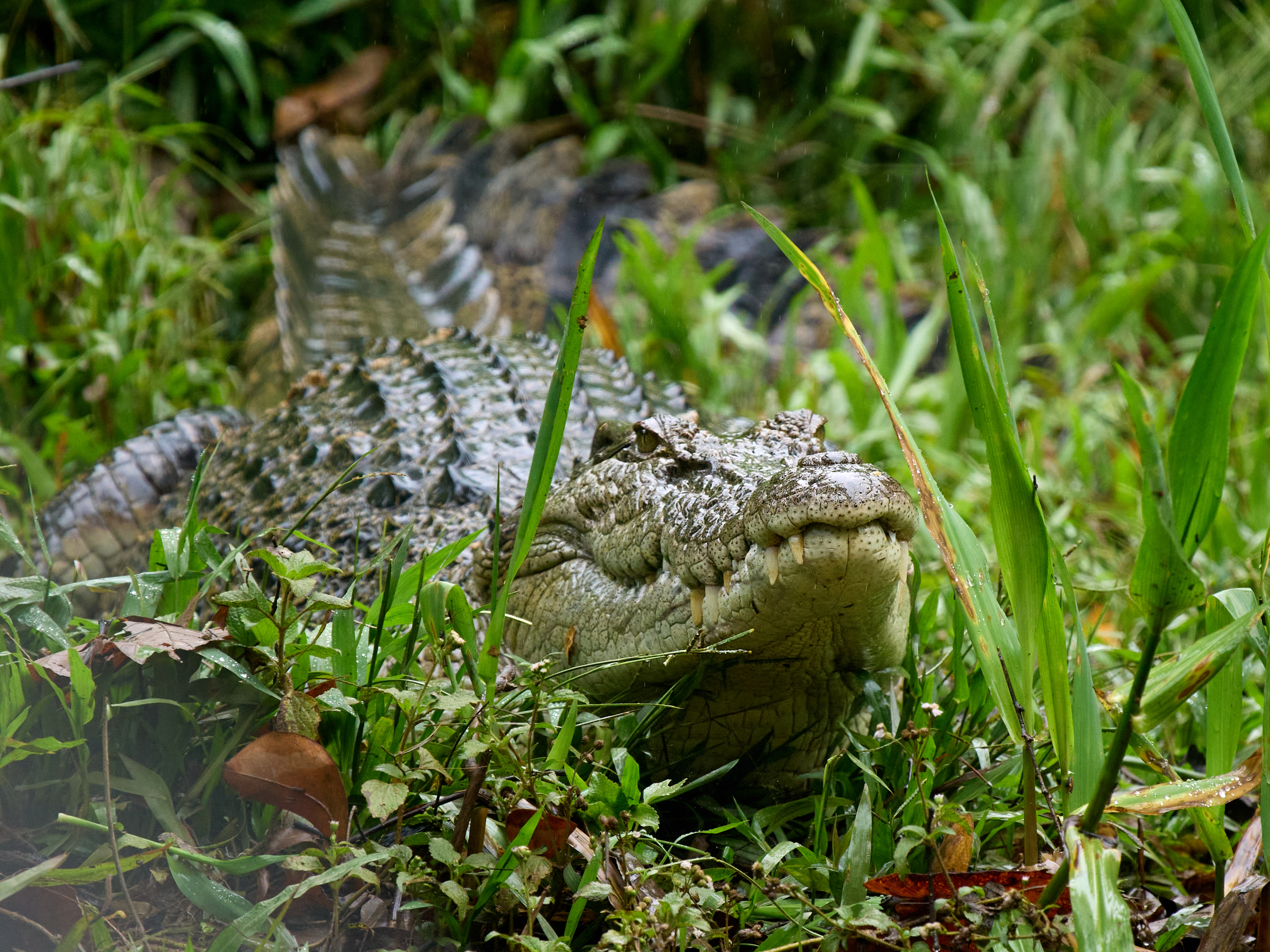
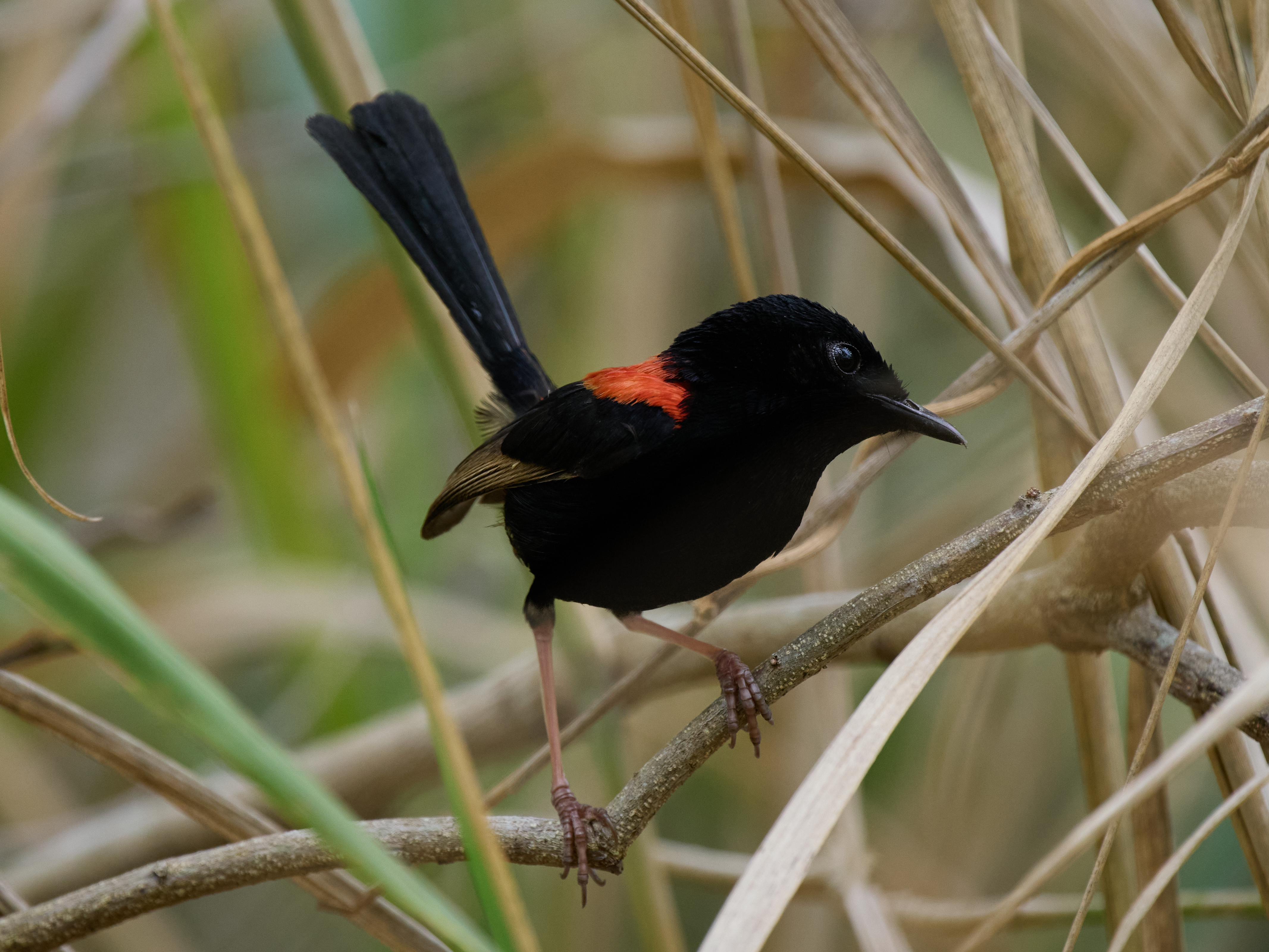
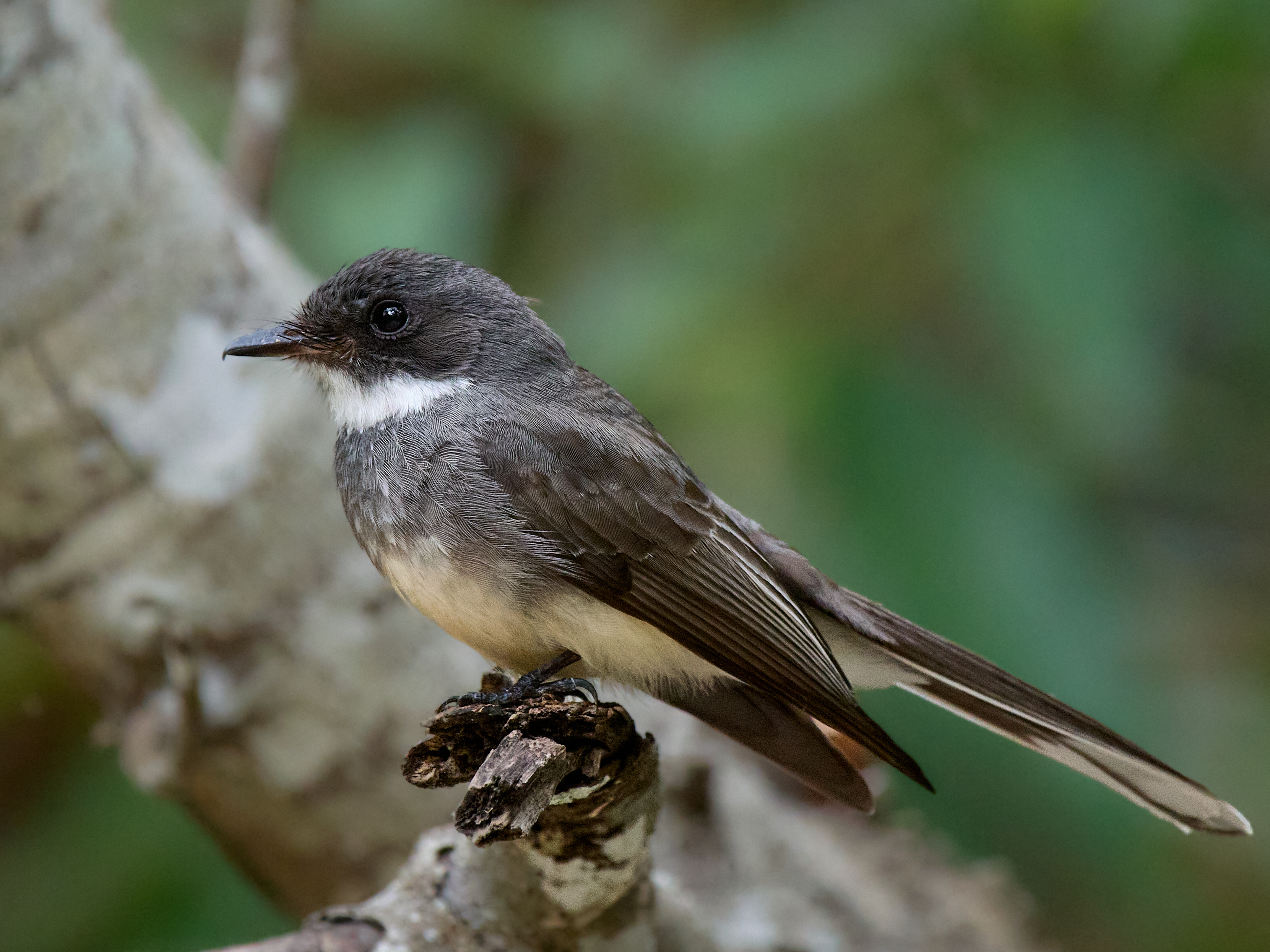
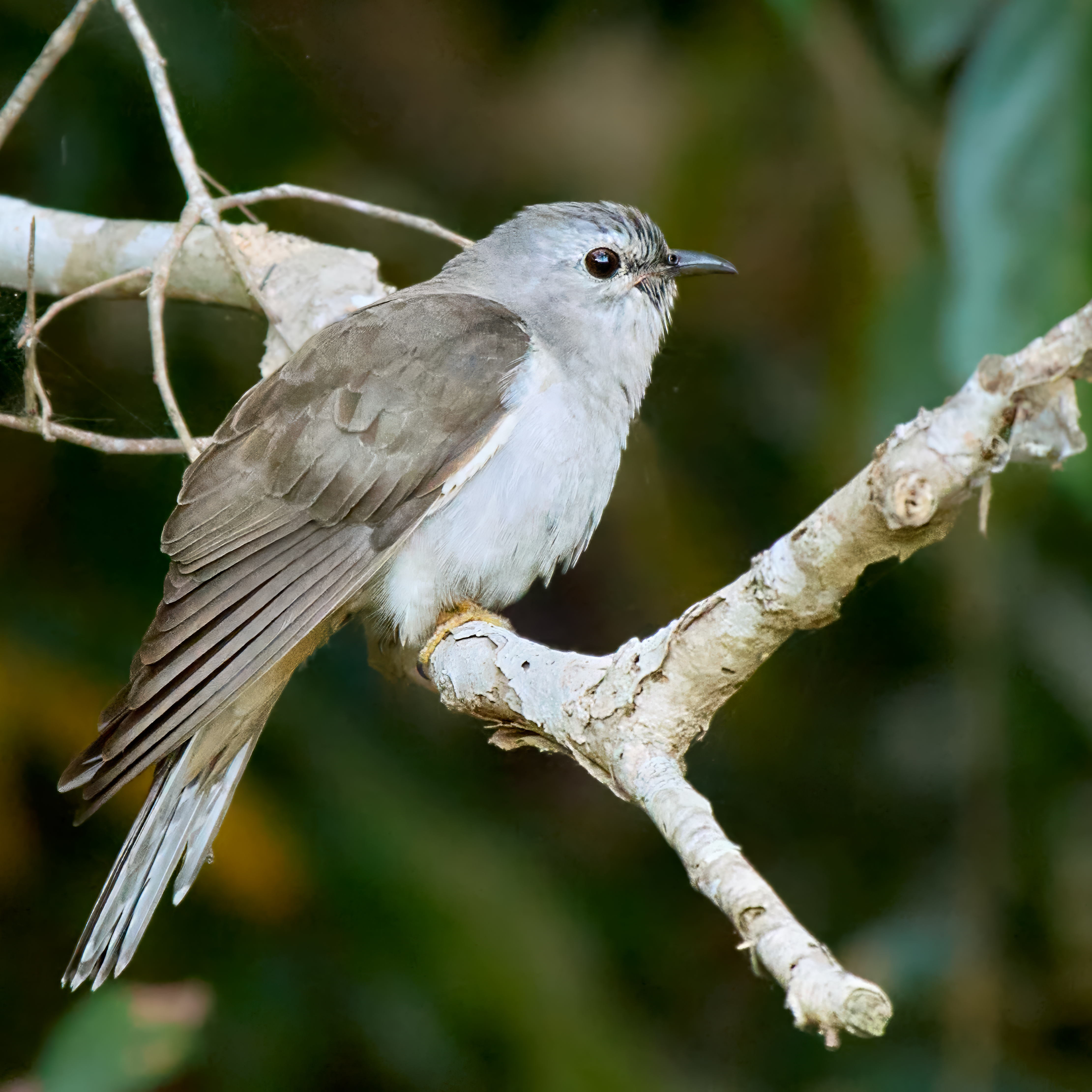
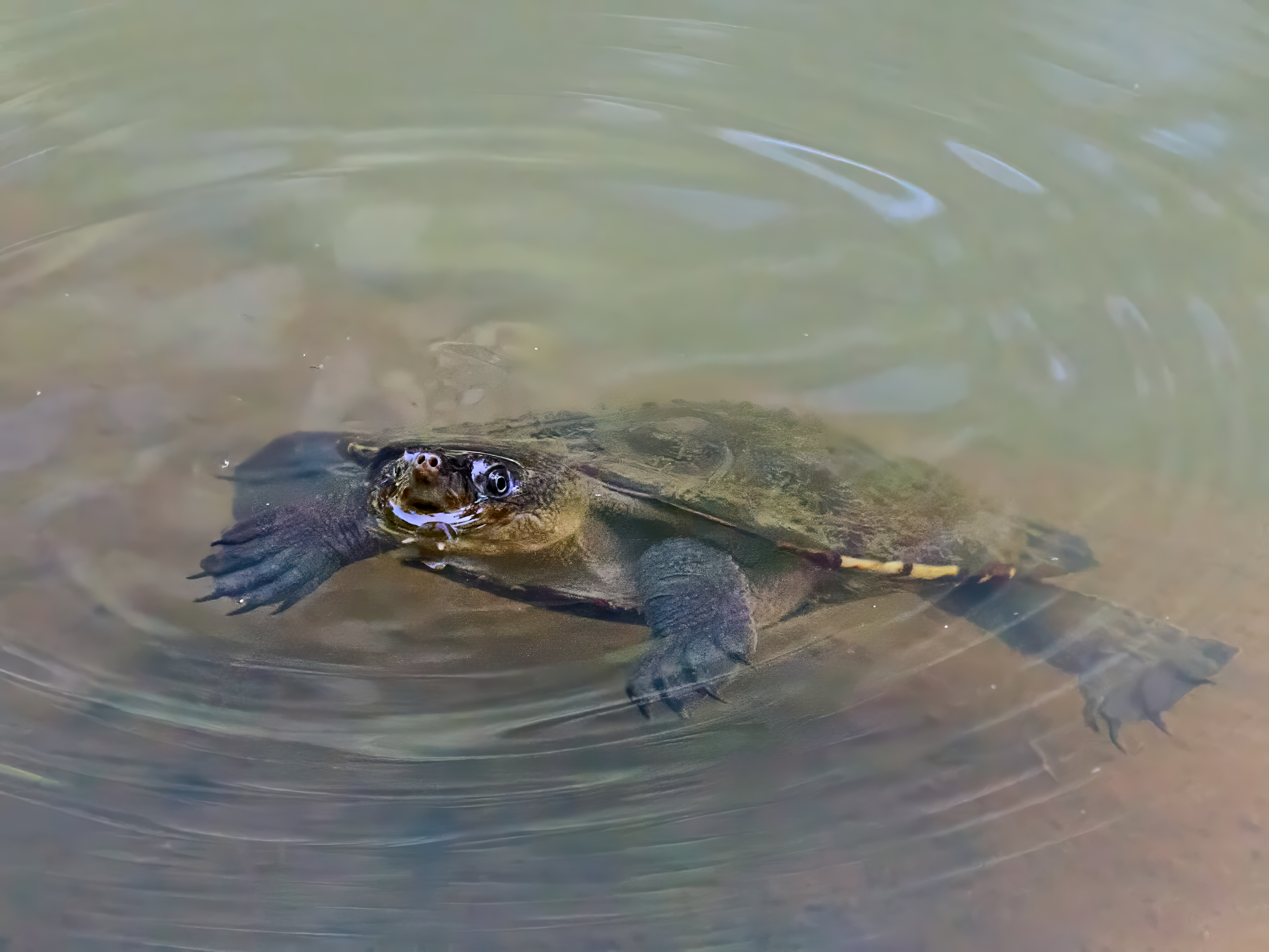
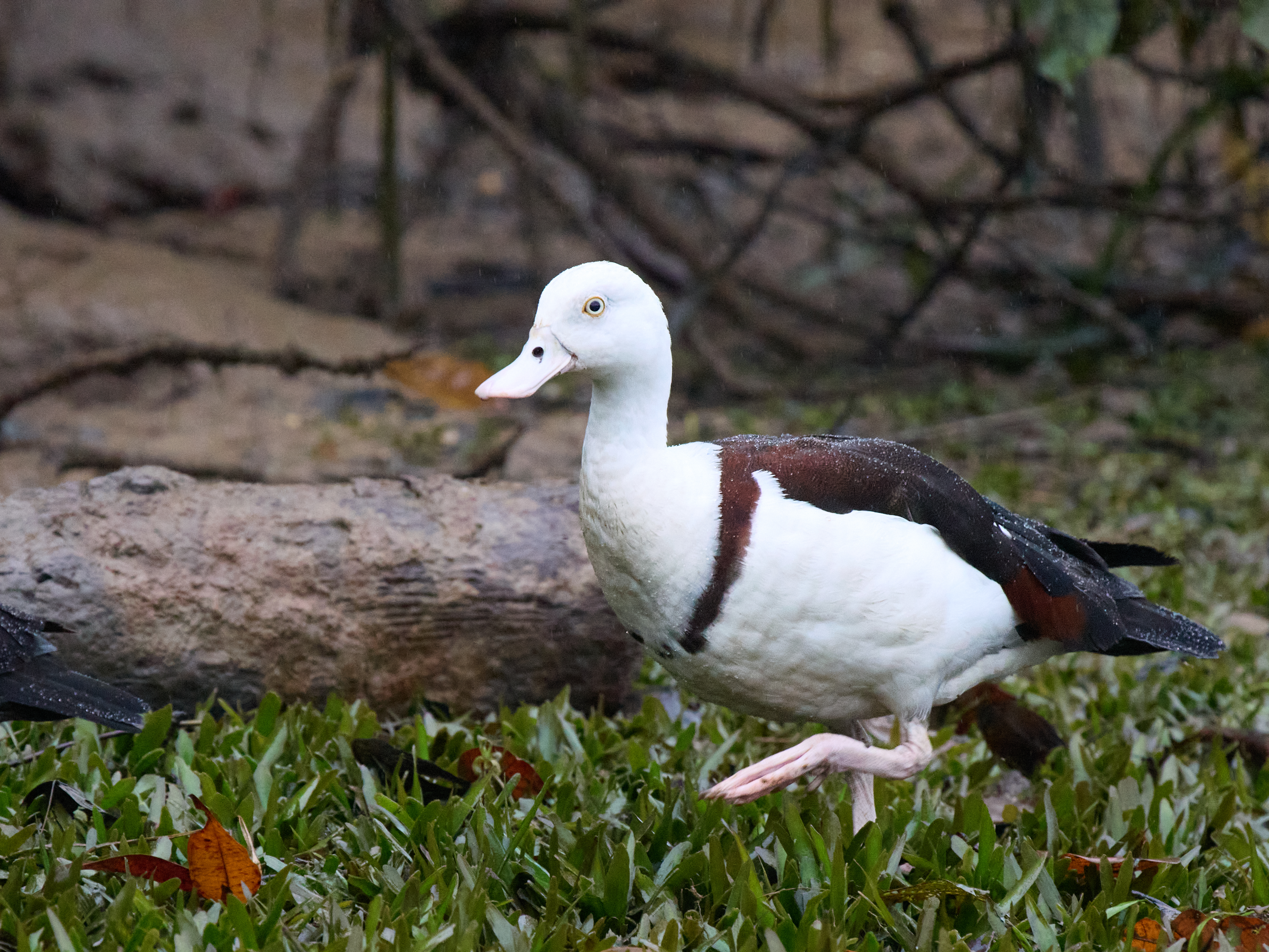
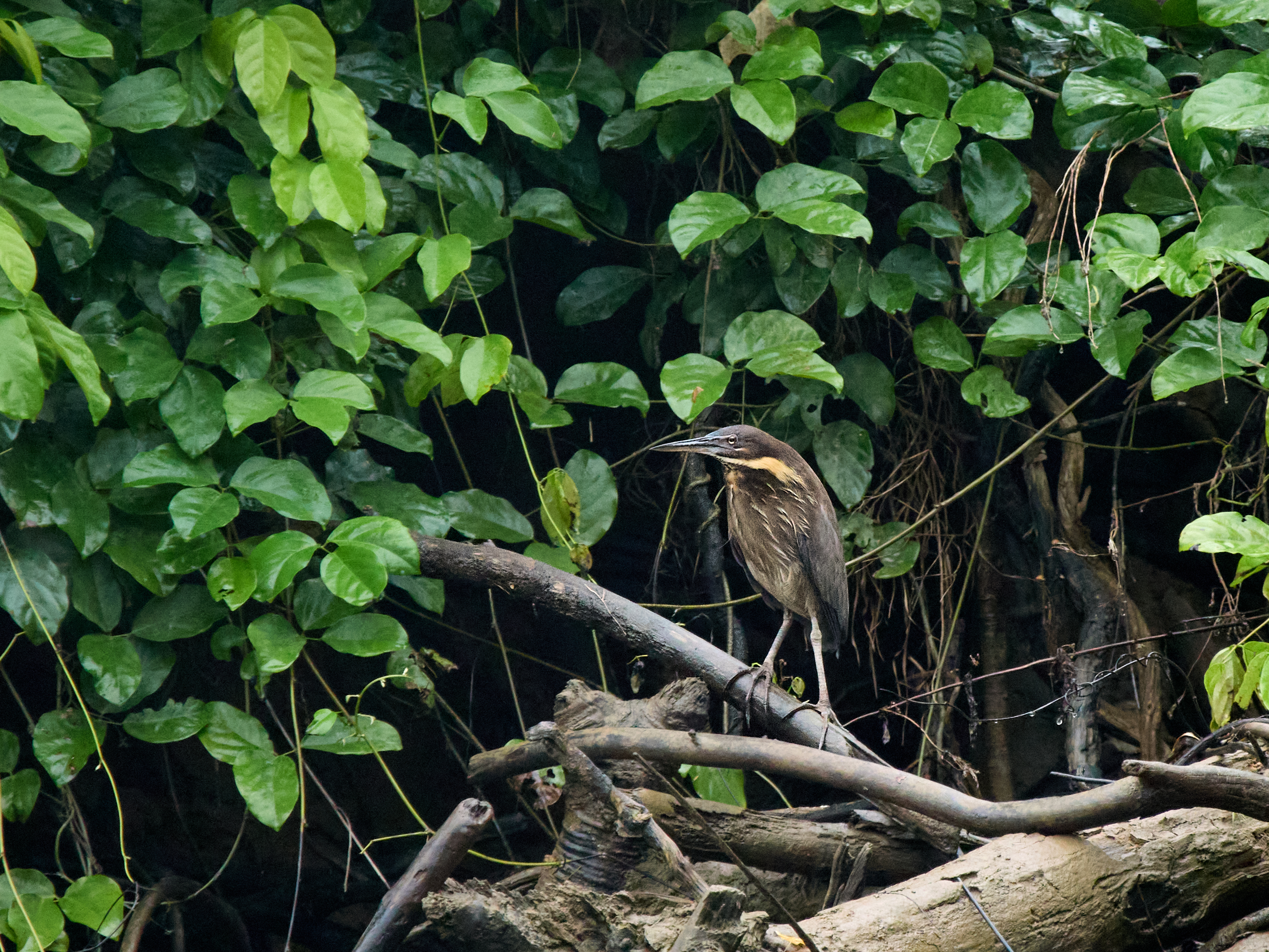
The tour officially lasted two hours But Murray could not drag himself and us away from a big male crocodile on a cow carcass so we got a bonus half hour. My bird list reached 27 species including three very lovely additions to the year total. Why could they not have been found in the Woolworths car park?

It was raining. So what.

We have a winner …

Woolworth’s car park, Mossman, Qld. You can already tell this is going to be an anticlimax. Lonchura punctulata, Scaly-breasted Munia, a plastic (twitcher term for an introduced species, pejorative). Bird number 365 in 2025, a bird for every day of the year.

The camera wasn’t handy and the setting was nowhere as pretty as this. Photo shamelessly filched from eBird, All credit to Ayuwat Jearwattanakanok for a very fine shot taken in Thailand where the bird belongs.

Wetherby …

From Cooktown we retraced our steps to Mount Molloy up on the tablelands. A hilly 227 km on good made road, enlivened on this occasion by a major bushfire near Palmer River. Traffic controls were in effect, a pilot vehicle led groups through at a decent pace but in one direction at a time. The fire was right up to the road with the Rural Fire Service in attendance. There was some delay but we were in capable hands. Big shout out to the Fireys and the traffic controllers for keeping us safe.

Our destination was Wetherby Station one of our favourite camping destinations in all of Oz. The station is owned and managed by John and Kathleen Colless. They run big black beautiful Brangus Cattle. The station was founded by William and Elizabeth Groves around 1878 and there is a fine old homestead and lovely gardens. The present owners have sustainability as a top priority. The cattle get plenty of grass but are kept out of the creeks and lagoons and the fencing around the main lagoon is designed to keep the modern scourge of feral pigs at bay while it is rehabilitated as a wooded swamp. Rifle and Spear Creeks run through the property which because of its location, climate and variety of habitats has an enormous bird list.
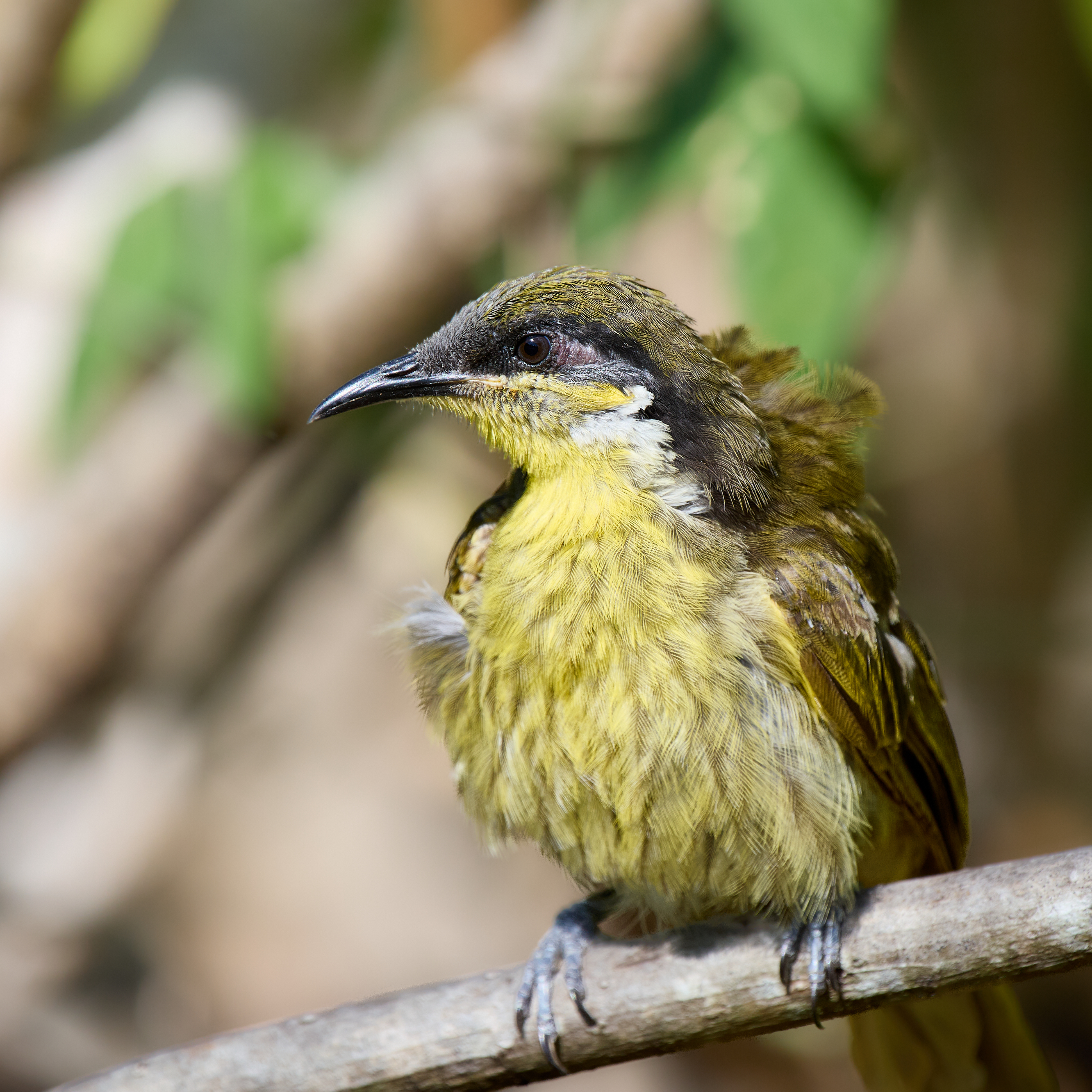
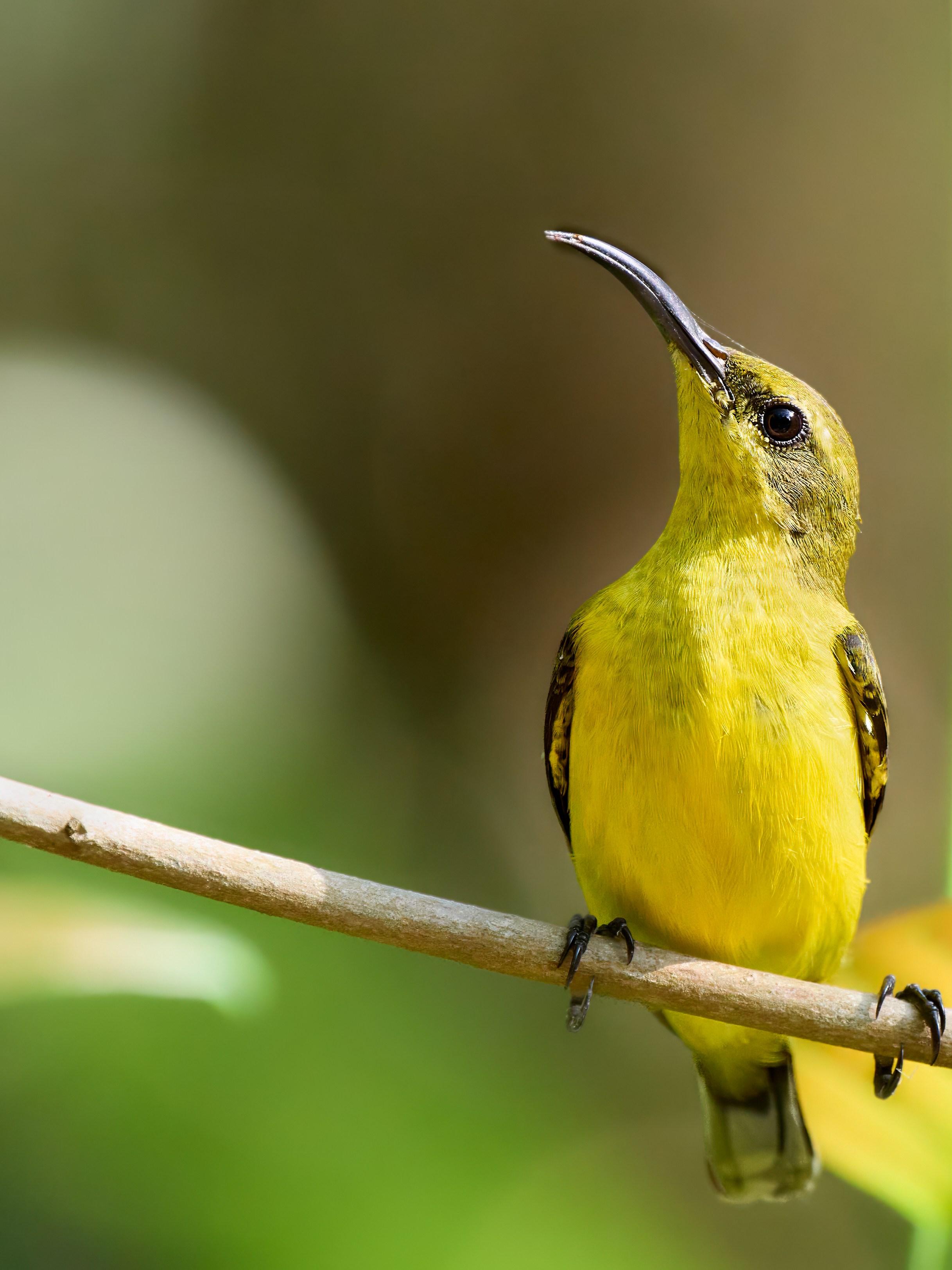
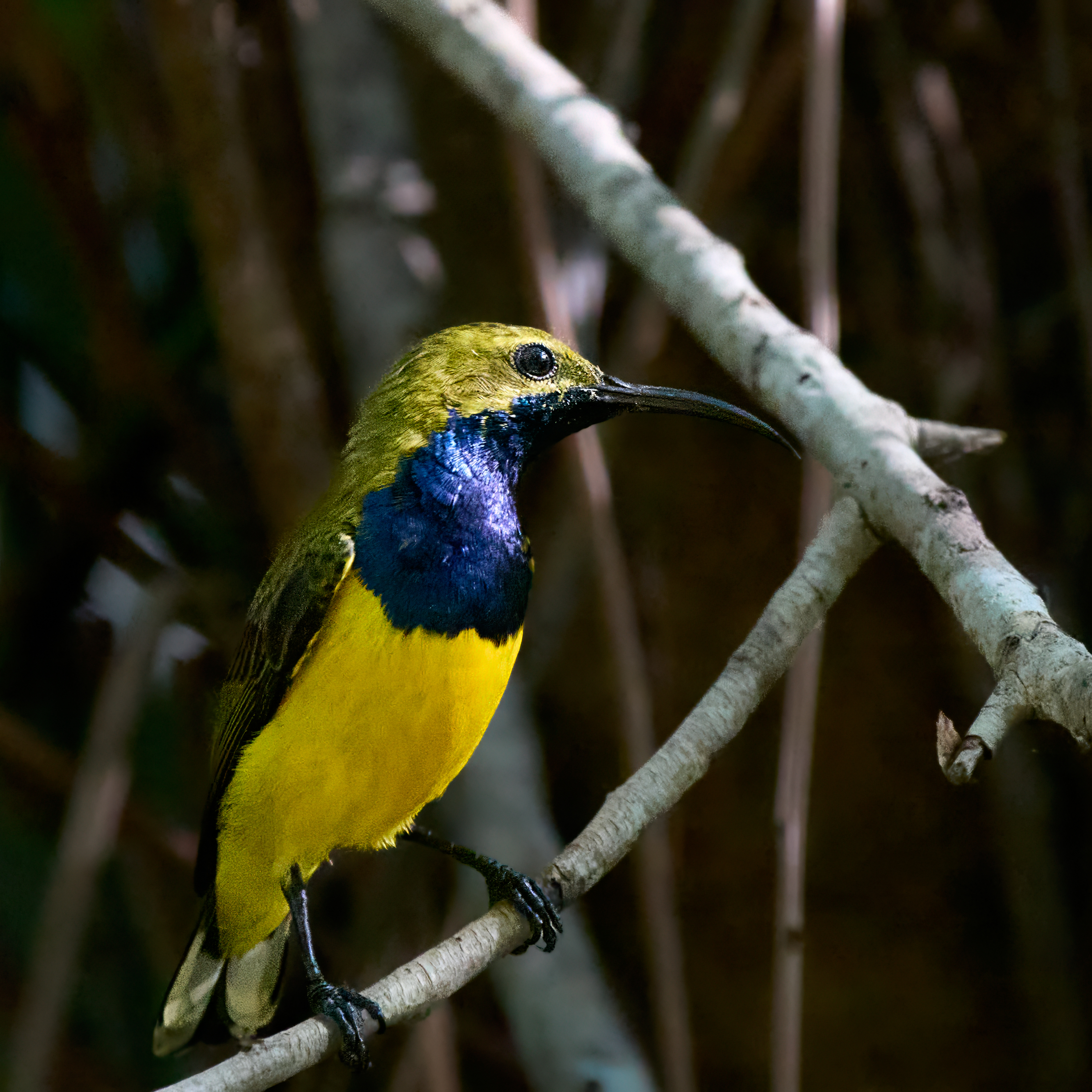
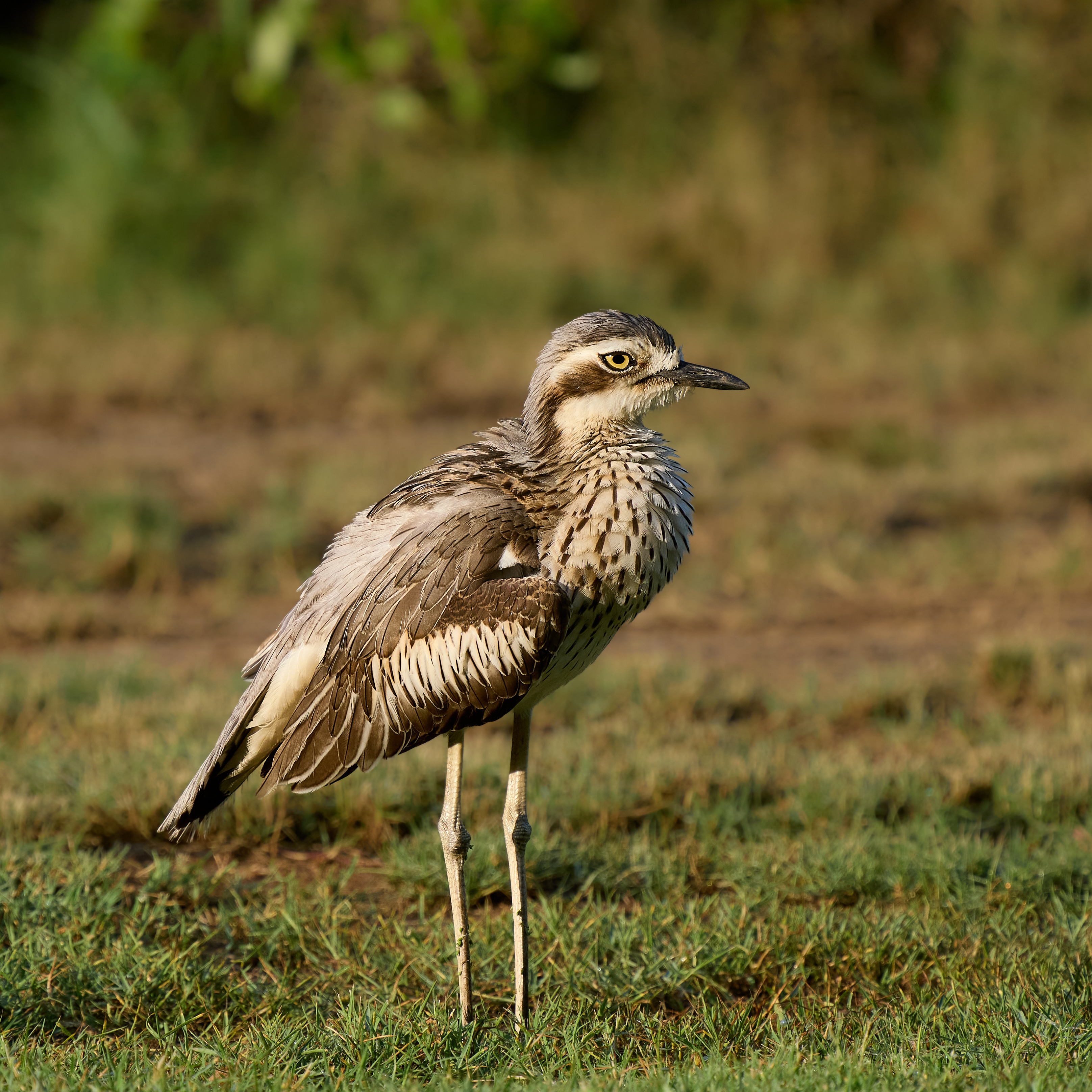
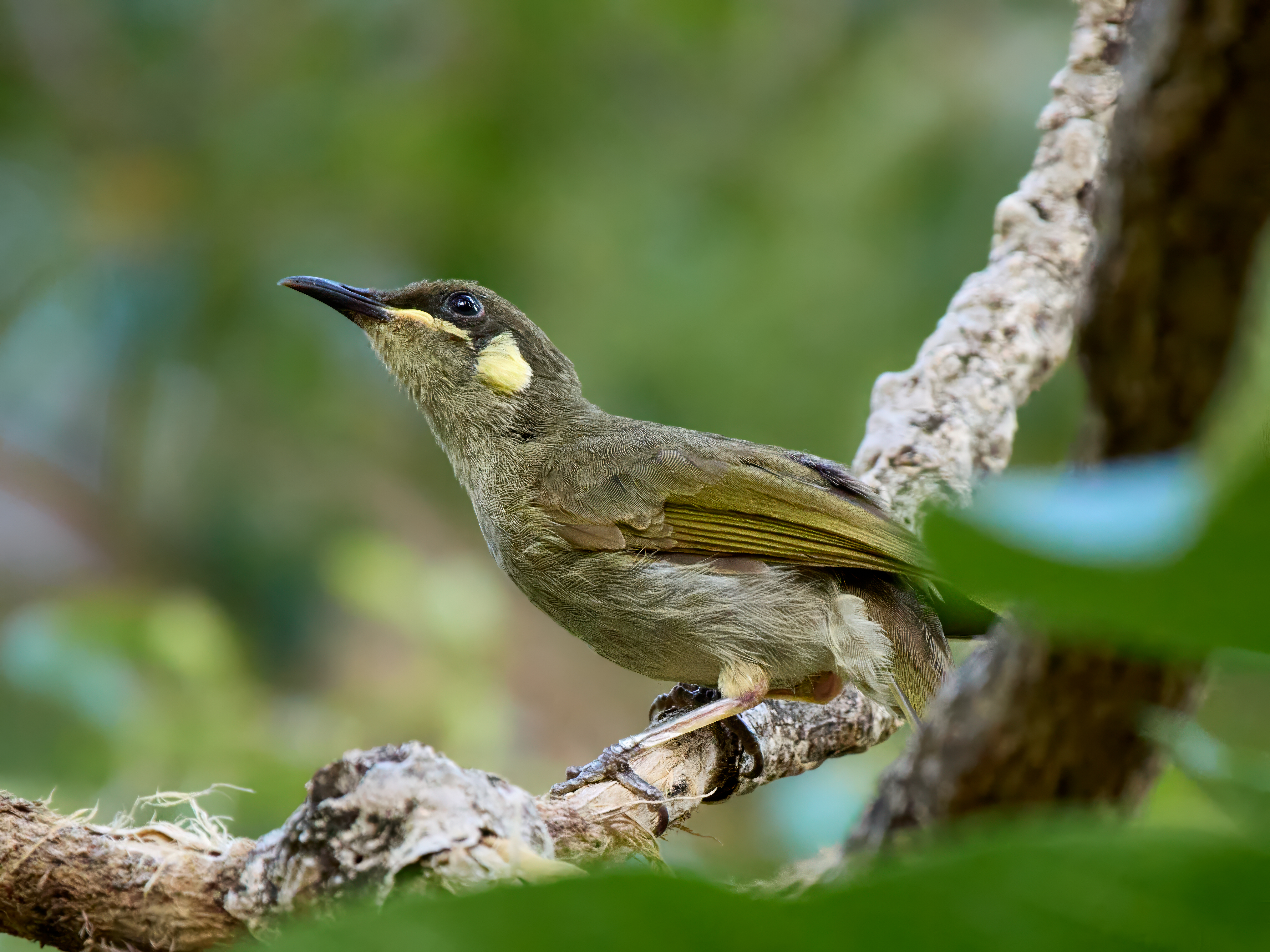
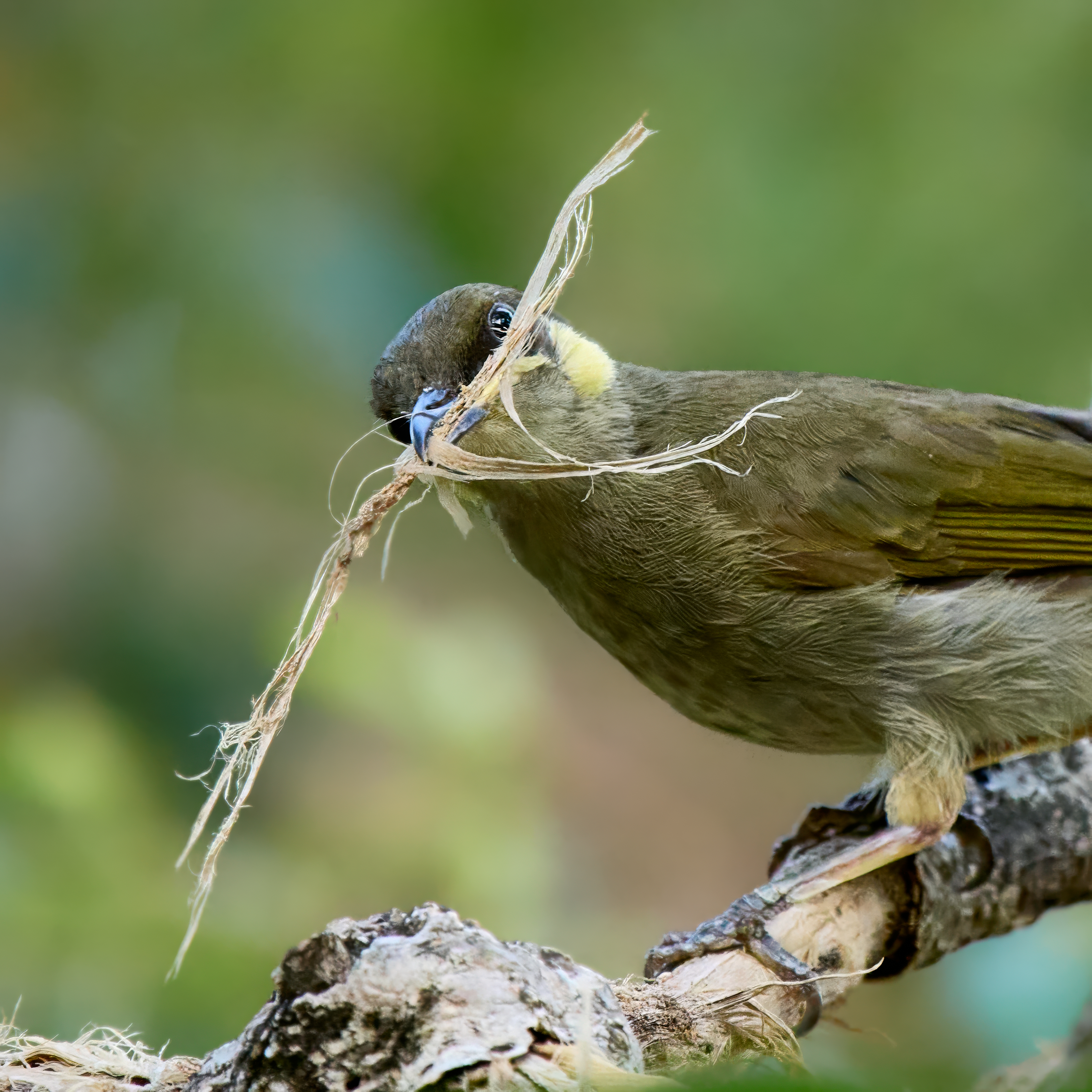
We spent two nights camped all by ourselves by Rifle Creek. It could easily have been more. (Certainly would have been if Mount Bloody Lewis was open). Birding in and around was good. We left on 364 species for the year. Bird number 6 in the count down was Cryptic Honeyeater. At number 5 – Scarlet Honeyeater, number 4 – Black-faced Monarch, a staggeringly beautiful bird in the forest gloom. Number 3 – Yellow Honeyeater, the label says it all. Number 2 – Fairy Gerygone, pretty enough. Number 1 cannot be far away. Please let it be worthy of the honour.

The last three birds were photographed within a few metres of our camp site.

The link you need Wetherby.

Cooktown …

On the 11th of June 1770 the bark Endeavour struck a reef. The ship was in serious trouble and needed to be beached urgently. The east coast of Australia stretched away behind her but no suitable place had been passed in a very long way. The situation was dire but to the captain’s great relief the mouth of a large river was not far ahead. She limped into its sheltered waters and a suitable beach was soon found to careen her.

It took seven very interesting weeks to repair and reprovision the ship. The residents and the visitors represented two vastly different cultures which, in this instance, rubbed along not entirely without friction but tolerably well. For the visiting scientists, Banks and Solander, this was their best chance to run amok in a virgin ecosystem. Among the many things collected was the word Kangaroo.

These days Cooktown is a town of about 2,800 people with a very decent hardware store not that I had a bark to repair but I did need to change a tap washer, fit a new Anderson plug and replace a dead compressor.

There is a very fine botanical garden here which has a Banks and Solander collection among many other things. The cafe opens at 8.30 am and serves a very nice breakfast. Coffee and poached eggs on the veranda, binoculars and camera at the ready. The birds enjoying the flowers in the cool hours of the tropical morning. Heaven.

The place on the Endeavour River where the Endeavour was beached is well marked. The Green Hill where James Cook RN stood and plotted his passage through the shoals is but a short steep car ride away (demanding walk though). The bird watcher can visit Keatings Lagoon, the lagoon we had to have, mangroves, rainforest and beaches. The history buff can visit the museum and then take the 30km drive to the historic Lion’s Den Hotel where the birdo will no doubt join them for a beer.

We spent three nights here. Bird number 7 in the countdown surrendered in the Botanic Gardens – Black Butcherbird, not colourful but a lovely call. Vicious beak.

Julatten …

The southern tablelands were good to me. The Calendar Game score jumped to 355. Time to move further north. It would be possible to hit 365 at Julatten with a day trip up Mount Lewis.

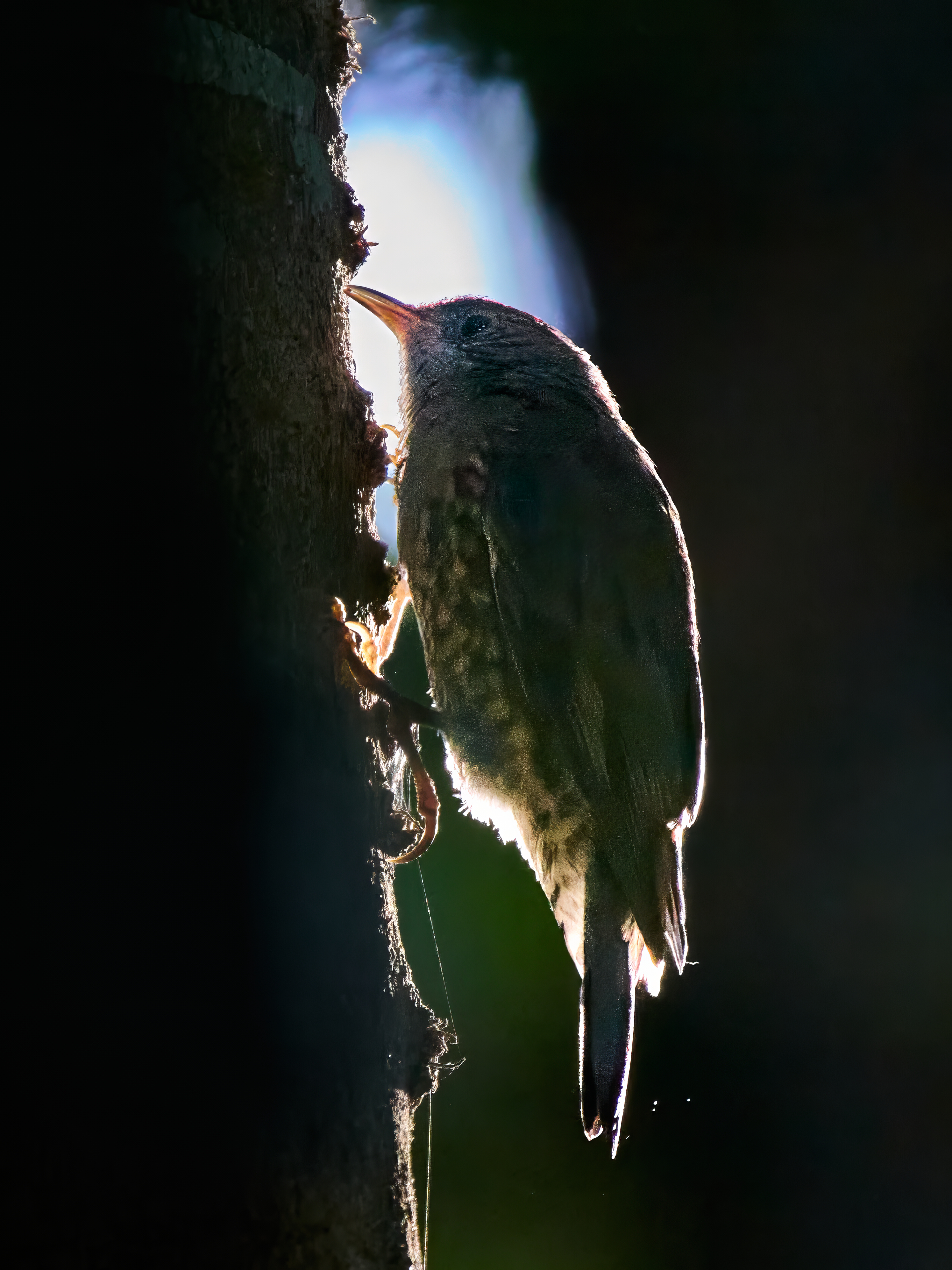
Photography in the rain forest is extremely hard. I’d show you photos of Eastern Whipbird if I could find the bird amongst the noise and a Musky Rat-Kangaroo loooking straight at me from two metres away if I could find it at all after upping the exposure in post. The little White-throated Treecreeper at least had the decency to move into a shaft of light.

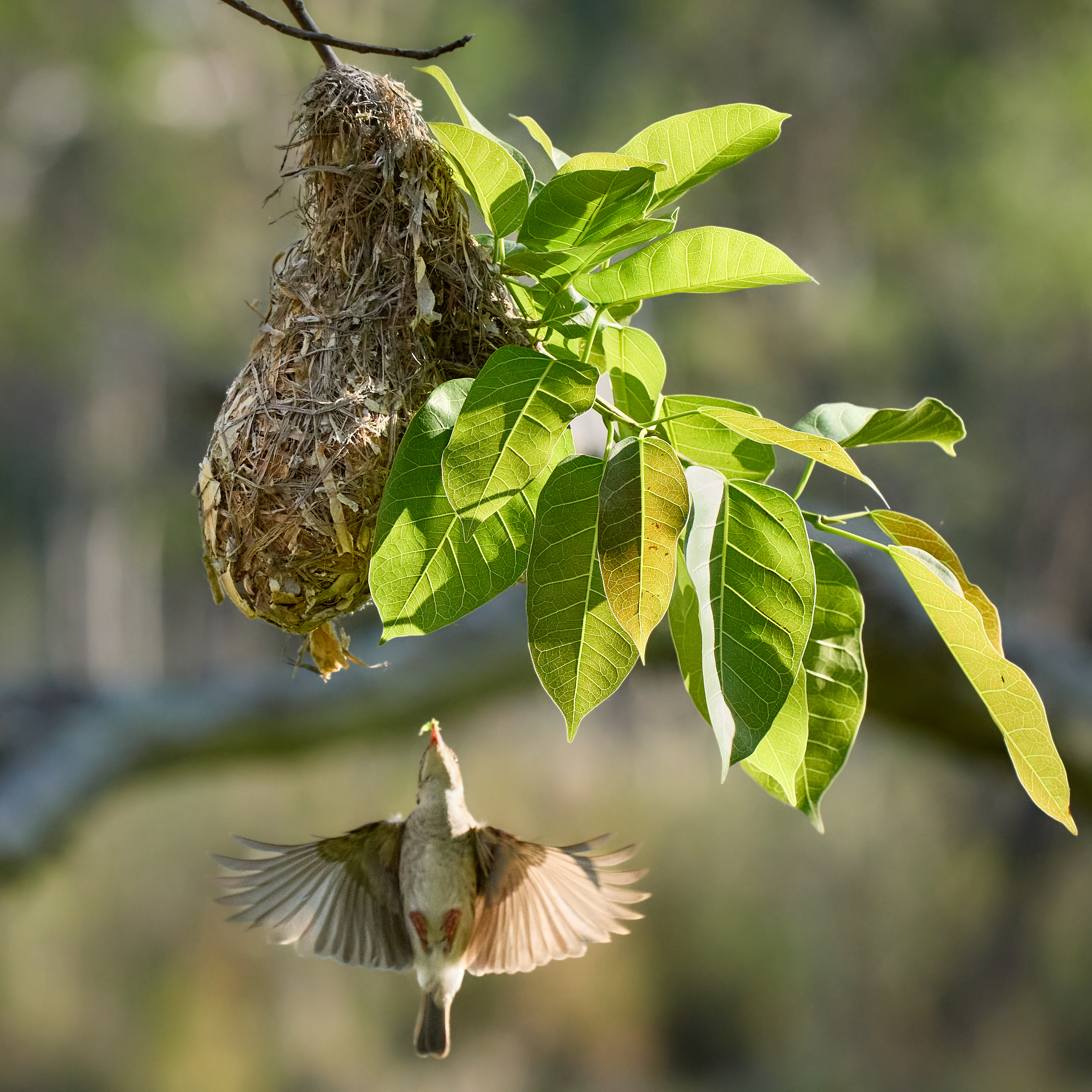
So we arrived in Julatten and quickly began the top ten countdown. At number ten we have Yellow-spotted Honeyeater. At nine Metallic Starling. Eight is Brown-backed Honeyeater with the added bonus of a photograph of an adult carrying food to the nest.

But Mount Lewis is closed. That’s National Parks for you. They can just shut the gate. Remember, Robert, it’s only a game. I’m not obsessed. The game will take a little longer. I hope I don’t have to fly to Tasmania before new year! It’s so bloody cold down there.

Crater Lakes …

The Atherton Tableland is a different world from the thousands of kilometres of savanna just a short distance behind us. It’s cooler, it’s very much greener and it’s much more populated. It would once have been a forest. Now it’s scattered remnants separated by farmland. We are camped at Lake Eacham just outside the National Park. This is home for four nights.

A short walk takes me into dense rain forest, the light hardly penetrates through the trees towering above. The birding is tough, done largely by ear. The photography is even tougher done largely without light! Bird density seems low but the variety is high. Lists are not long but there seems to be something new on every one.

The crater lakes are Lake Eacham and Lake Barrine. They formed when magma approached sufficiently close to the surface to turn the groundwater to steam producing explosions that created the craters now filled with water. These events were fairly recent. Barrine is the older forming about 17,300 years ago. Eacham formed about 9,130 years ago. Both are surrounded by lush rainforest and are National Parks.

The wet tropics has 23 bird species that are either endemic or largely confined to the region. Nine of those species are only found at higher altitudes, essentially the Atherton Tableland. And there’s no shortage of more wide ranging species. Those tall trees are so inviting you can even find Kangaroos in the canopy. It is a very special place.

That’s Lumholtz’s Tree Kangaroo, very hard to spot during the day. I took this photo on a previous visit.

Innot …

Karumba to Croydon an easy 224 km mostly on good dirt road. Croydon has a population of 215. Gold was discovered in 1885 by 1887 it was the fourth largest town in the colony of Queensland with 7,000 occupants. Gold was shipped out by train to Normanton, the railway still runs as a tourist venture, The Gulflander. Lake Belmore is a short drive from town, scenic and not bad for birding. Even better birding at Cemetery Swamp (called Croydon Lagoon on eBird). There is a caravan park or you can camp at the rodeo ground – get a permit at the visitor centre.

Croydon to Innot Hot Springs 379 km of made road although intermittently a single strip of asphalt shared with oncoming traffic.

The Savannah Way goes on another 145 km to Cairns but the savanna itself has just about run out. A new suite of birds is already intruding. Today introduced Pied Currawong, Crimson Rosella, Noisy Friarbird and Grey Butcherbird. Rainbow Lorikeets have replaced the Red-collared. Tomorrow we climb up onto the Atherton Tableland and the change will be even more dramatic. So this is where I will wind up the Savannah Way trip list.

The trip meter reads 4350 km, that’s Broome to Innot Hot Springs and the running around at each stopping place. Each symbol on the map represents a place where I submitted a bird list. It adds up to 146 species in two weeks.

I know you are waiting with bated breath for news on the Calendar Game. The trip has added five species to the year list, now at 335. Twenty-nine to get and only three month to do it. I’m feeling confident.

I shall now go and luxuriate in the hot spring water.

Tomorrow begins a new phase, the Atherton Biogeographic Region with Cooktown and Cairns thrown in.

Karumba …

Leichardt’s Falls to Karumba is 224 km on a mixture of good dirt road and bitumen. Nearing Normanton you cross paths with the Burke and Wills expedition and you can visit their most northerly camp site, camp 119. Burke, Wills, Grey and King spent three days here in February 1861. Burke and Wills pushed further north, reached the tidal zone of the Gulf but were halted by mangroves without seeing the sea.

As Burke and Wills found, the gulf is well protected by mangroves and mud. Karumba is the only seaside resort on the Gulf. There is even a beach, of sorts. Swimming is not advised. There is no shortage of large salt water crocodiles here. Birders and fishermen are better off staying at the point rather than in town. We favour the Sunset Caravan park but expect to be cheek by jowl with your neighbours. We could have had a conversation with the five adjacent vans without anybody getting out of bed this morning.

The birding is rich. We saw hundreds of Brolga between Normanton and Karumba. Among them there are a small number of Sarus Crane (about 3%). They are a slightly different shade of grey and the red band on the head extends down the neck. They seem more skittish than Brolga and so far I haven’t managed a photo that I am prepared to publish! There are plenty of mangroves and some accessible wetlands.

Tea at the Sunset Tavern this evening.

Leichardt’s Falls …

We are again in the footsteps of a great explorer, although we are going in the opposite direction. This time it’s Ludwig Leichardt. On his first expedition he and his party left Brisbane in 1844 and after traversing the Gulf of Carpentaria arrived at Port Essington (Darwin’s predecessor) in 1846. He’d been given up for dead by then. His third expedition has not yet been completed. He was last seen on 3 April 1848. I like to think he’s still out there exploring.

The journey from Hells Gate Roadhouse to Leichardt’s Falls was 249 km on a mixture of good dirt road and some made road. Easy driving in the main.

The scenery at the camp site is magnificent even though this late in the dry there is water above the falls and water below the falls but no water going over the falls. We had it all to ourselves. Access is via a downhill sandy track to a rocky area on the canyon edge. Easy. Egress is via the same track which suddenly seemed sandier and steeper. Less easy.

Getting to the water entails a fairly steep climb down the cliff on foot. I sat quietly at the water’s edge with my camera and was rewarded for my efforts.

Great-crested Grebe is rare at this location. They don’t roost in trees and they can barely shuffle along on land. They are either in the air or in the water. I couldn’t find it the following morning.

It wasn’t a great night for Milky Way photography, too much cloud and very windy. But hey, that’s not the only subject available …