The Silo Art Trail in western Victoria has grown a bit since I last drove it.
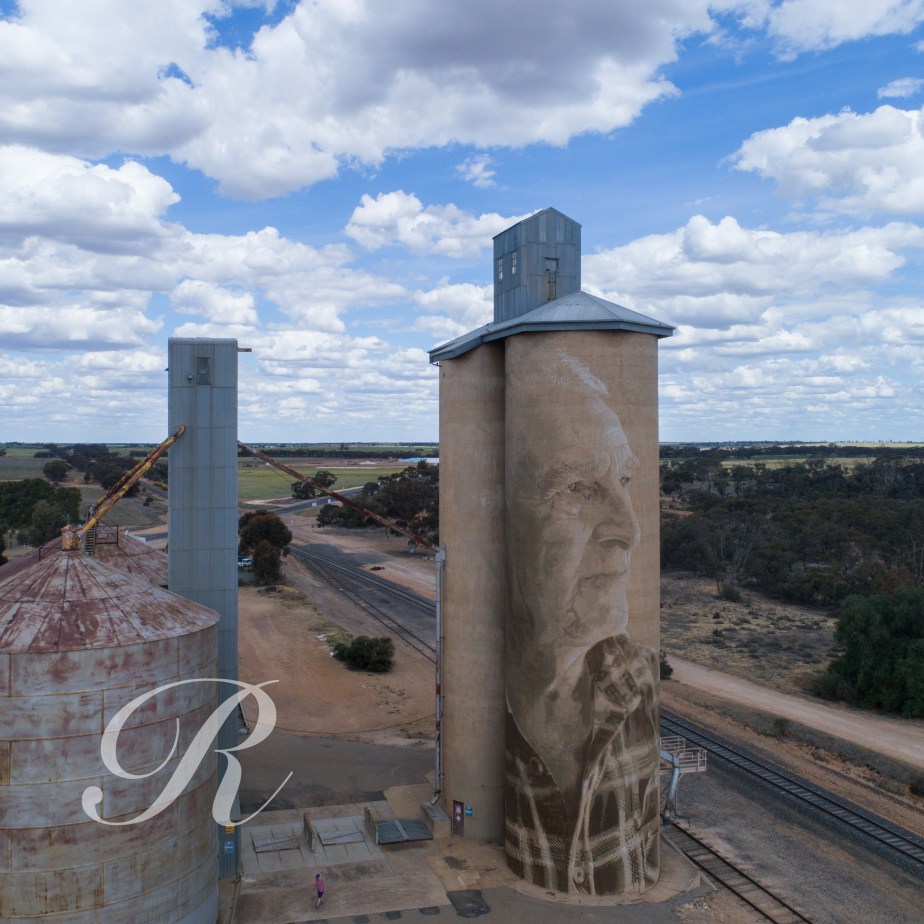
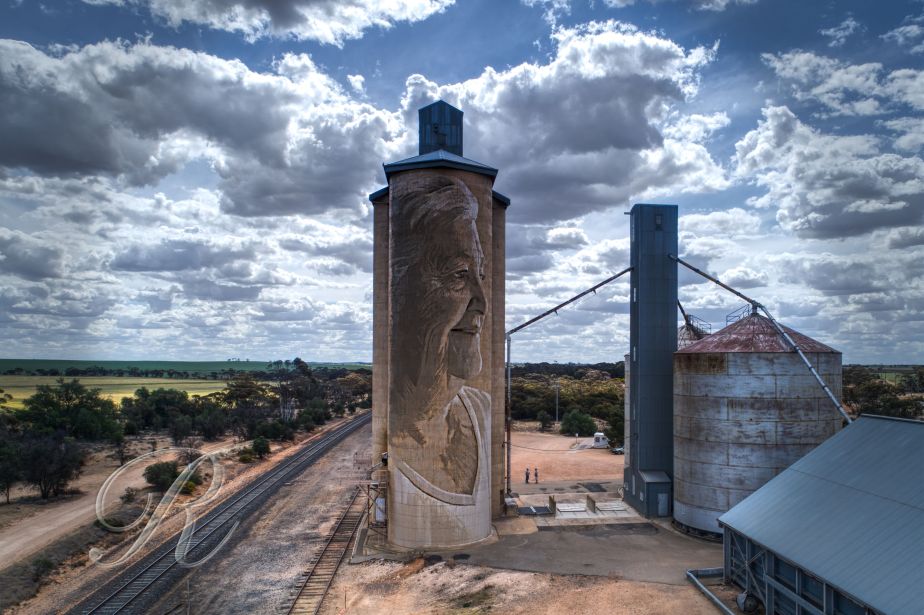
At Lascelles Rone has painted local farming couple Geoff and Merrilyn Horman, part of a family that has lived and farmed in the area for four generations. They occupy one silo each facing in opposite directions. Maybe they’re not talking to each other …
Lascelles … Geoff
It has an unwanted effect for the photographer. When Geoff is nicely lit Merrilyn is contra jour.
Lascelles … Merrilyn
I’ll have to go back on an overcast day. Although the sky that day was being generous in other ways …
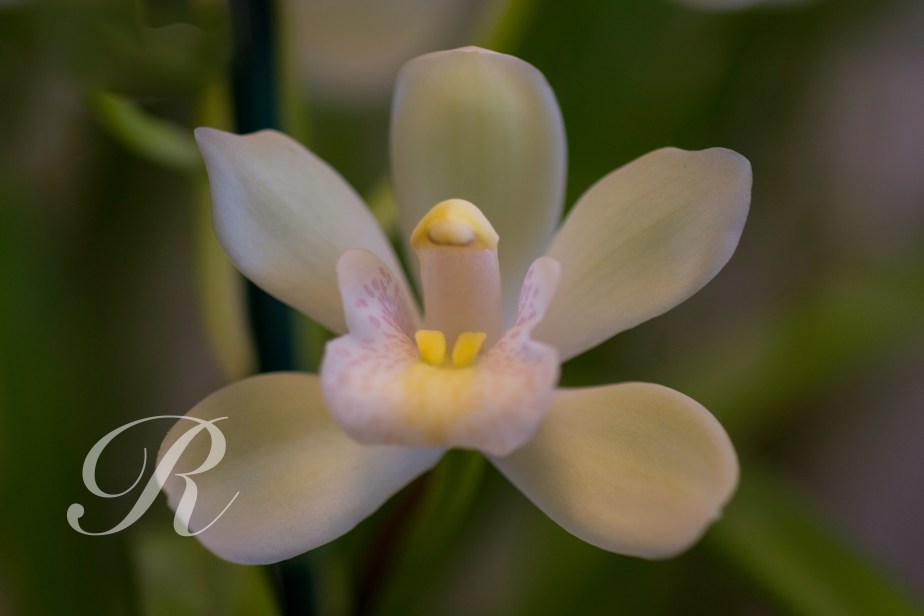
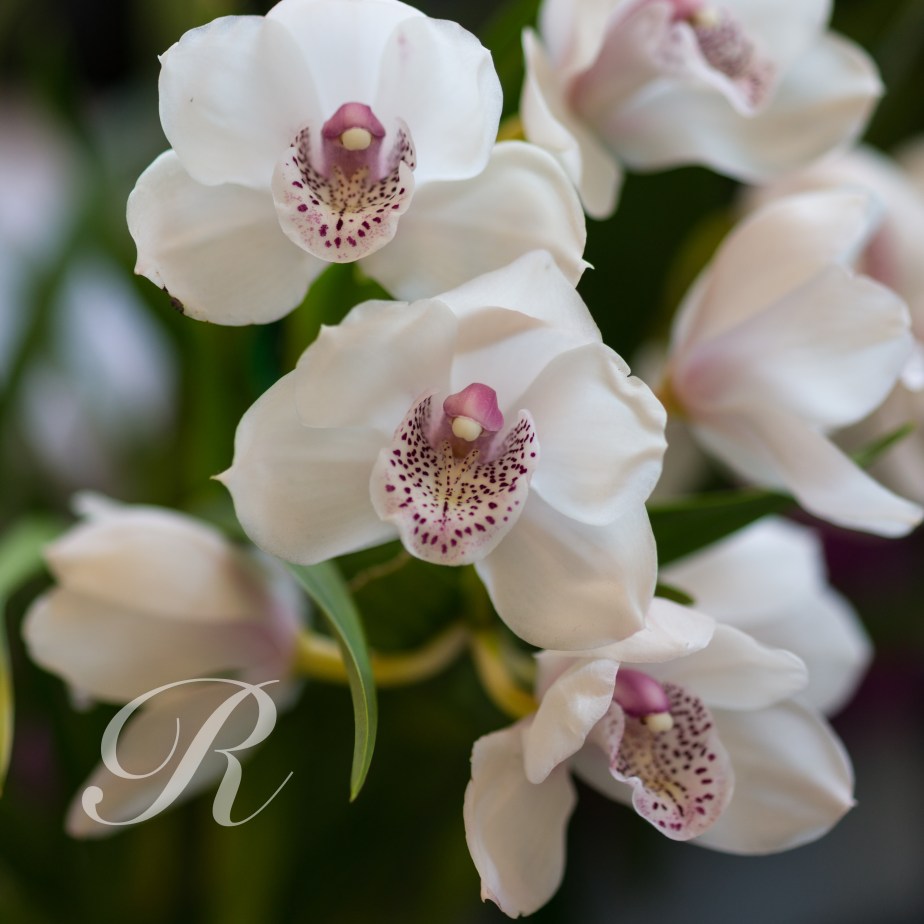
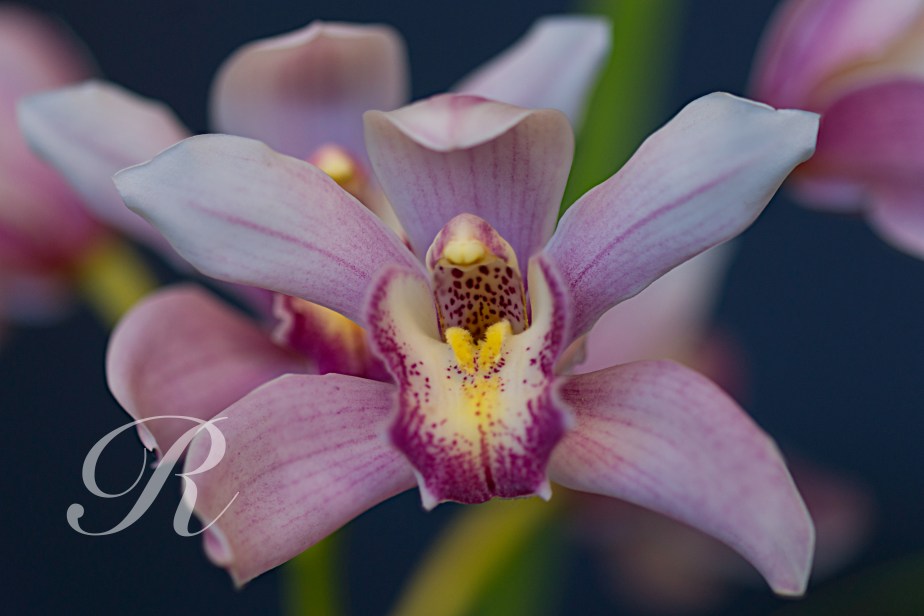
It’s not only time for the orchid society to flaunt the seasonally gaudy it’s also time for Victoria’s native orchids to show off their more subtle and delicate flowers. Here’s a couple that I’ve found in the past week.
This first one was in open woodland in the Grampians …
Caladenia tentaculata
This one was in the Wail State Forest …
Pterostylis maxima
Disclaimer … When it comes to matters botanical my id skills are suspect. Treat these names with caution.
An L bracket fits on your camera and enables you to quickly fit it to a tripod in landscape or portrait orientation. Without one switching between the two is a little tedious and in portrait mode the centre of gravity of the camera is not over the centre of the tripod. I decided to get one.
If you get one specific to your camera it doesn’t get in the way of changing the battery or attaching a cable release. Let’s track one down. Got it and the link leads to Amazon.com …
$50 – that’s US of course and today that equals Au$70. Cool. Eligible for shipping to Australia it says. Done. But at the checkout some bad news. Only digital goods now ship to Oz. So let’s see what we can find on Amazon.com.au.
This one looks very similar …
… identical, in fact, except it costs more than three and a half times as much. Must be the GST.
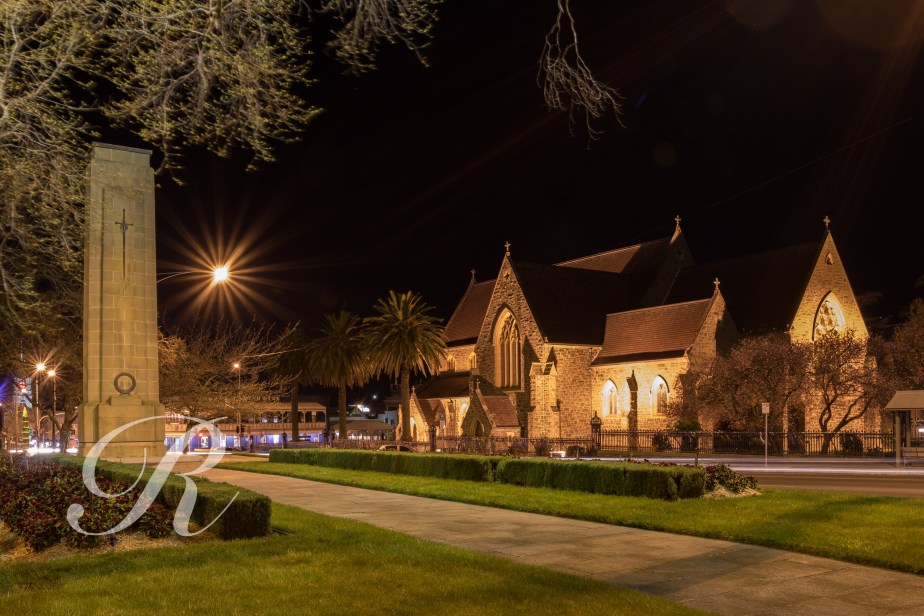
Bendigo, another of Victoria’s gold rush towns, is just a little smaller than Ballarat but I think it offers a little bit more to the night photographer.
Sacred Heart Cathedral
The plans hit paper in the late 1890’s, consecration occurred in 1901, the building was finished in 1977. It is the second tallest church in Australia (86.64 metres or 284 feet 4 inches). It’s the seat of the Roman Catholic Diocese of Sandhurst.
Alexandra Fountain
The fountain is 8.5 m (8.5m) tall in a 15 m (50 feet) diameter pool. Do not dive in it’s only 61cm (2 feet) deep. The grand opening was in 1881 and was attended by Princes Albert and George, sons of Alexandra Princess of Wales in whose honour the fountain was named.
The Post Office
Opened for business in 1887, they knew how to build them in those days.
Shamrock Hotel
The Shamrock began life in 1854, as a small hotel known as The Exchange Hotel, servicing miners during the Victorian gold rush including a Cobb and Co. office and a concert hall known as the Theatre Royal.
The hotel’s patronage had grown quickly with the booming goldfields and it was renamed the Shamrock in 1855. The same year the Theatre Royal hosted Lola Montez, performing for the diggers who threw gold nuggets at her feet, many of which the Shamrock staff took as tips while cleaning. Wikipedia.
The gold rush to Ballarat began in 1851. The gold hasn’t completely run out even now. The city has a population of around 100,000 making it the third largest in the state of Victoria and also the third largest inland city in Australia.
By Australian standards the central district is rich in heritage buildings and at night it’s quite a vibrant place …
The Arch of Victory
Gateway to the Avenue of Honour which extends westwards for 22km in remembrance of those that died in the First World War. It was opened by the Prince of Wales on 3 June 1920.
Turn smartly around and head east instead and you’re on the main drag – Sturt Street.
St Patrick’s Cathedral completed 1871
… And in the news recently for all the wrong reasons. But keep heading east.
Ballarat Town Hall
The original town hall was destroyed by fire, this one was commenced in 1859.
Around the corner in Lydiard Street something more modern …
Isolated locations, slippery and uneven surfaces and the unpredictable nature of the ocean, makes rock fishing the most dangerous sport in Australia. In just eight years, between 1992 and 2000, 74 people drowned while rock fishing just in New South Wales and the numbers are consistently high right around the country.
We passed through Bourke in the north-west of New South Wales fairly late in the afternoon and took the road less traveled to Shindy’s Inn at Louth. Population 35.
Like quite a few country pubs free camping brings in the grey nomads and sustains a business that could not survive on the local population alone. Indeed, at a pinch the entire population of Louth could fit in the dining room of Shindy’s Inn.
Shindy’s Inn
The small camping area overlooks the Darling River. Should there not be room at the inn there is plenty of free camping on the opposite bank of the river but no toilets or shower and a longer walk to the pub.
The pub is up for sale. Be quick.
All roads out of Louth are impassable after heavy rain. It was a warm evening with cloud building up. The prospect of a longer stay loomed.
The morning brought brought strong winds and a dust storm. We packed quickly and headed for Cobar under a threatening sky.
heading from Louth to Cobar, NSW.Major Mitchell’s Cockatoos
A flock of Major Mitchell’s Cockatoos was a welcome sight.
Rain came eventually but we’d made it to the bitumen by the time it caught up with us. Our destination was the Old School Caravan Park at Merriwagga. The hospitality here is almost embarrassingly good. Kel Fry is the man. He gets around the site on his quadri-cycle and makes sure everyone is happy.
It was cold, wet and very windy, the hotel was warm, dry and inviting. We succumbed. The wind died as the sun went down and the rain stopped soon after.
What a day … from the back of Bourke to beyond the Black Stump.
We pitched the tent after dark and it was dry in the morning.
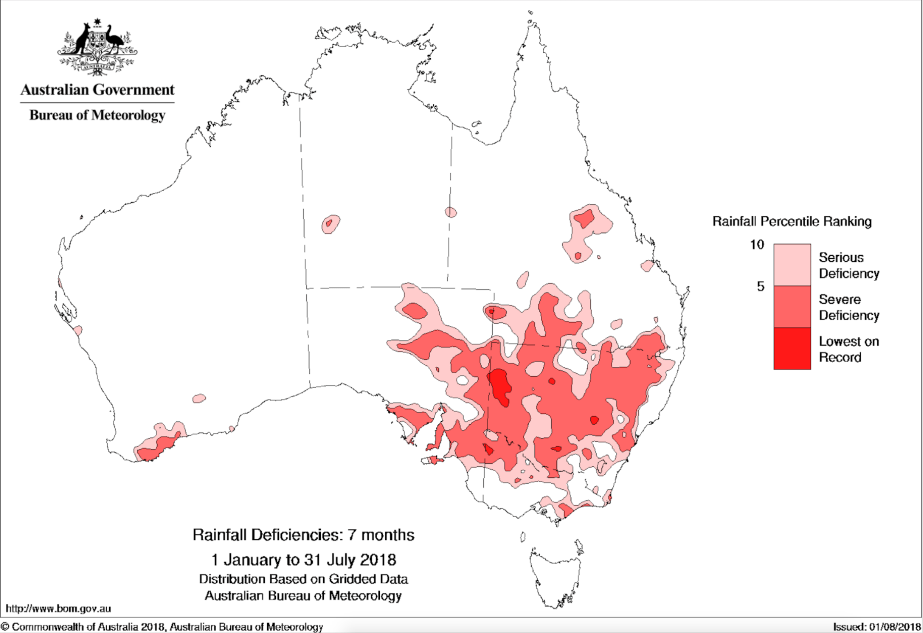
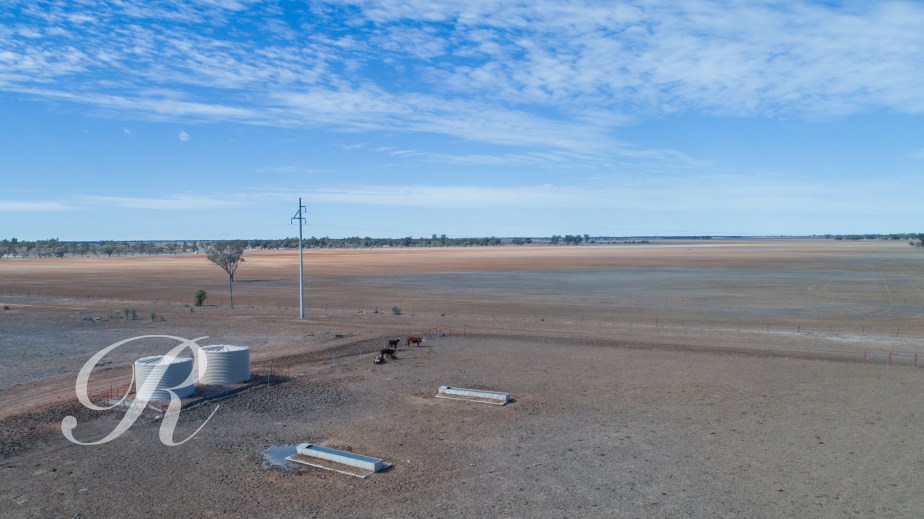
The drive from home in Victoria’s Goldfields to Byron Bay and back took us through the most seriously drought affected regions of south-east Australia. Ironically, whilst on our journey the first rains in a very long time reached much of the affected area. There is something inauthentic about photographing parched country under black rain clouds. On the return journey the sun came out for a while.
The dry July has exacerbated rainfall deficiencies already being seen over much of the southeast of the mainland … deficiencies have increased in severity and spread through most of New South Wales and northern Victoria (apart from the far southeast corner near the border), southern Queensland, the eastern half of South Australia in the Agricultural and east Pastoral regions and in the southwest coast of Western Australia. Bureau of Meteorology.
Not a lot of feed for the cattle but they are nonetheless in good shape. Testament to the hard work put in by the farmers. Same goes for the sheep …
We saw plenty of trucks loaded with hay rolling in and some loaded with stock rolling out.
Both those shots are from northern NSW. Further south we got talking to a sheep/wheat farmer. This time last year there were heads on the wheat. This year the wheat is barely a third of the height. He’d also planted a paddock with oats as a fodder crop. It has no chance of reaching a height at which he could cut it. He’s turned the sheep on it to reduce the work load of hand feeding. Fortunately he doesn’t have to cart water because he has a bore on his property. He was cheerful. He’d done quite well last year and the occasional drought is a fact of life.
He’d had a heart attack and triple bypass last year. He was cheerful about that as well. The air ambulance ride to Sydney was his first time on a plane.