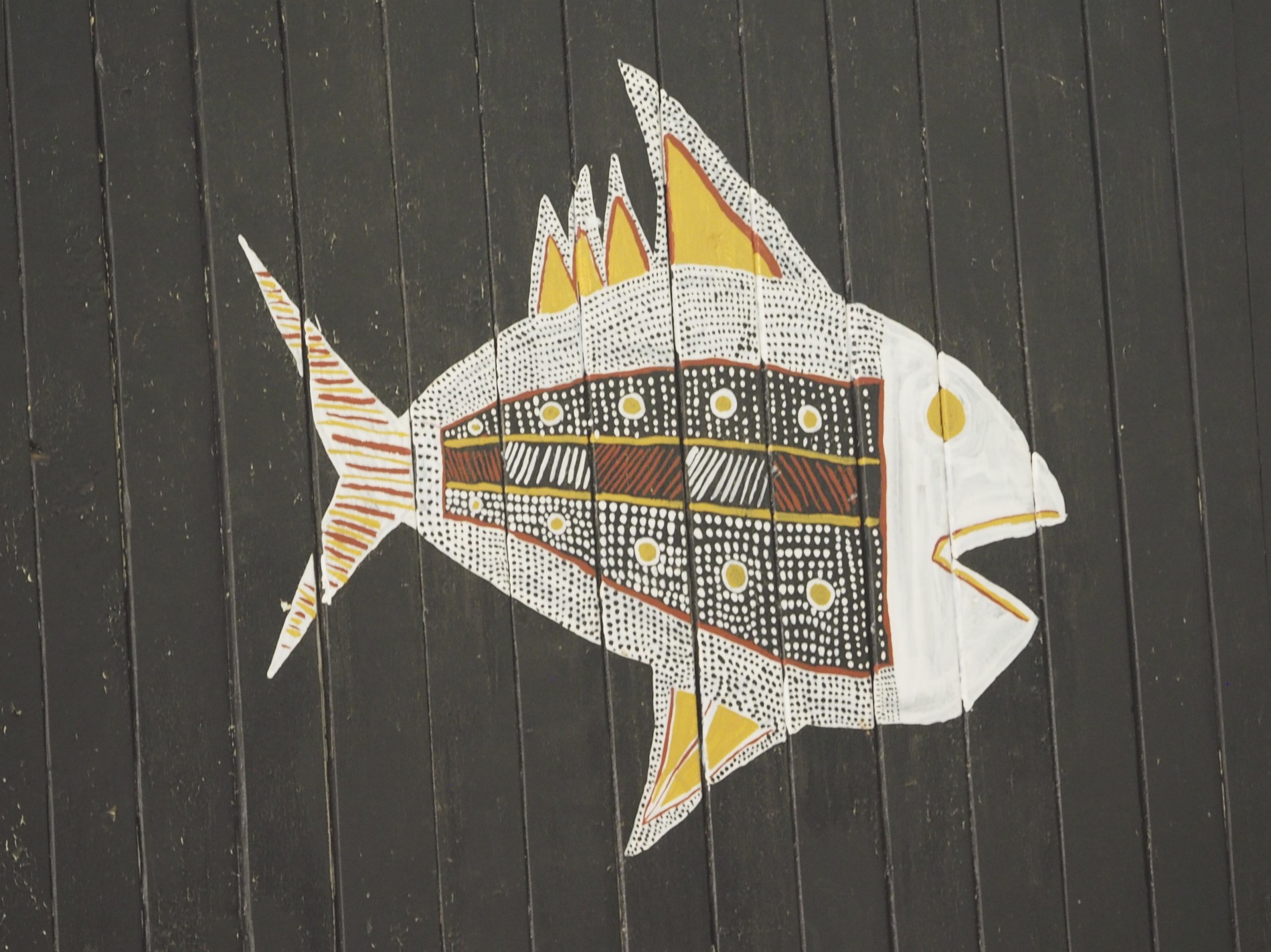
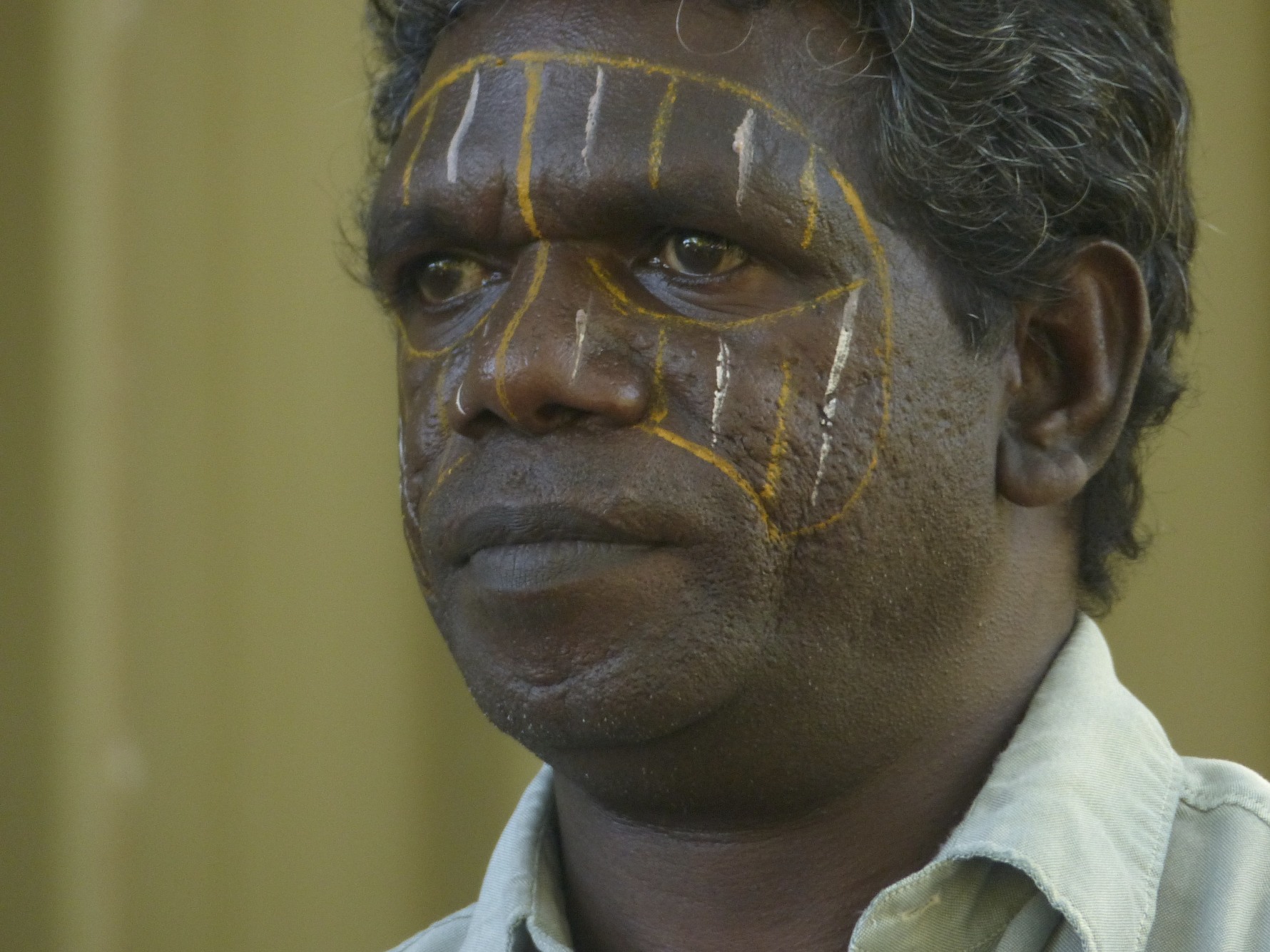
Gundabooka …

The expedition from north central Victoria to far north Queensland was some time in the making.

The lovely Gayle* would accompany me up, we would pick up Mark* in Townsville. Gayle would part with us in Cairns. Mark and I would return south via Birdsville in the far south west of Queensland. The trip was designed to take in the best of Australia’s tropical rainforest and the driest of desert.

The Toyota Prado was freshly serviced and fuelled up. The first day was intended to be a big step over all places close and familiar. Across the Murray River at Echuca, north east to the Kidman Way then north to Gundabooka National Park not far from Bourke in New South Wales, a little over 900km.

Not far from Echuca the fuel system warning light fired up! We’d hardly started. Out came the iPad, Toyota dealers … yes. We were on the doorstep when Toyota Echuca opened. They had replaced the fuel filter and reset the alarm within 30 minutes. That was the only mechanical problem we would have to face. Gotta love Toyota.

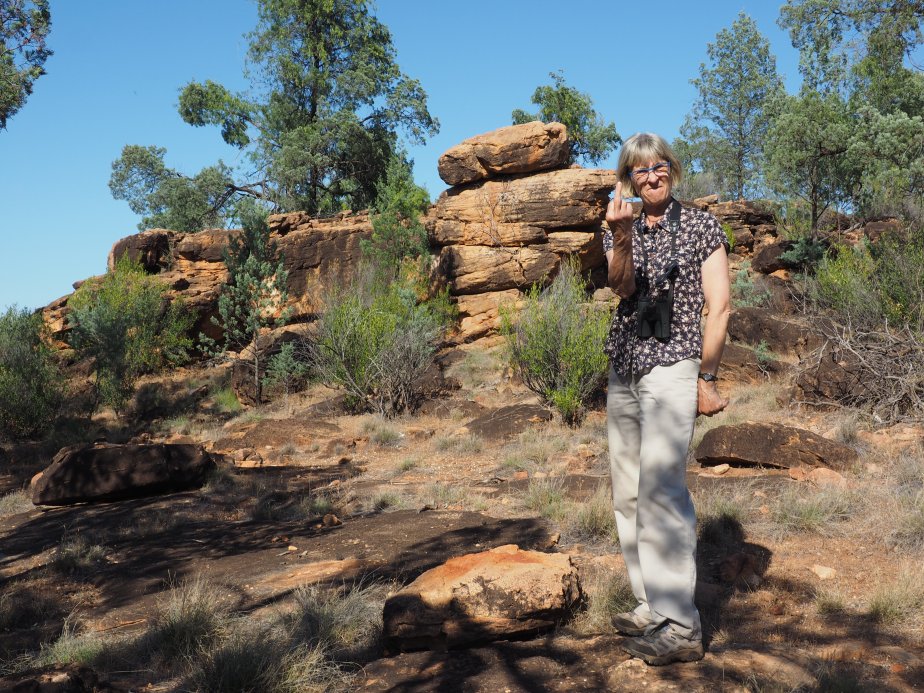
We made it to Gundabooka in daylight, set up our camp and had time for an evening walk. On this occasion it was to serve only as a stopover but it is a worthy destination in its own right. The park is mostly dry woodland with some rocky outcrops, hills and a gorge. The area is of great significance to the Ngemba aboriginal people and there are paintings at a rock shelter that can be visited.

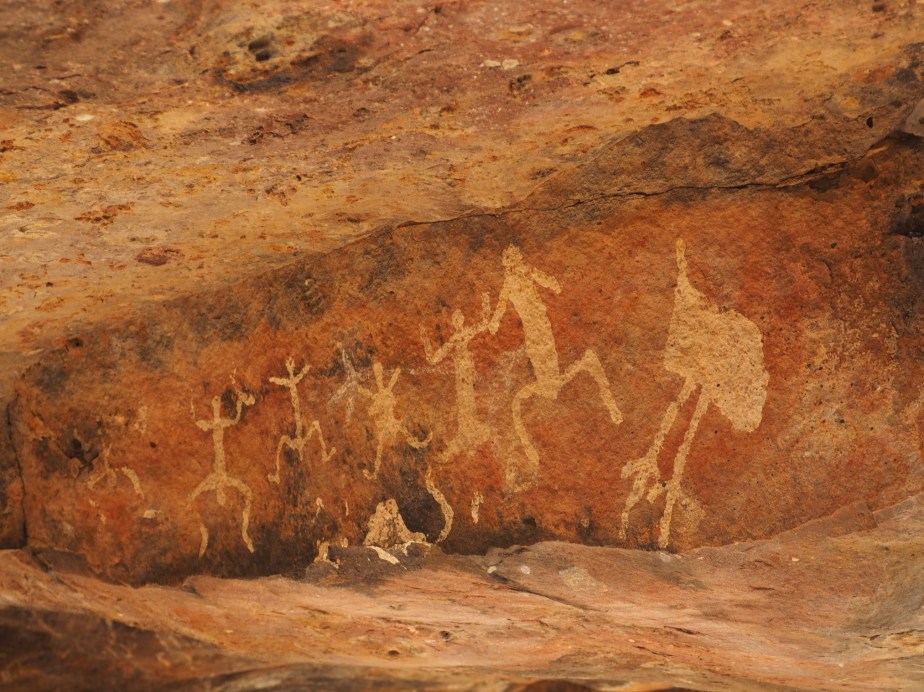
Gundabooka

Gundabooka

Some of the wildlife is quite friendly…
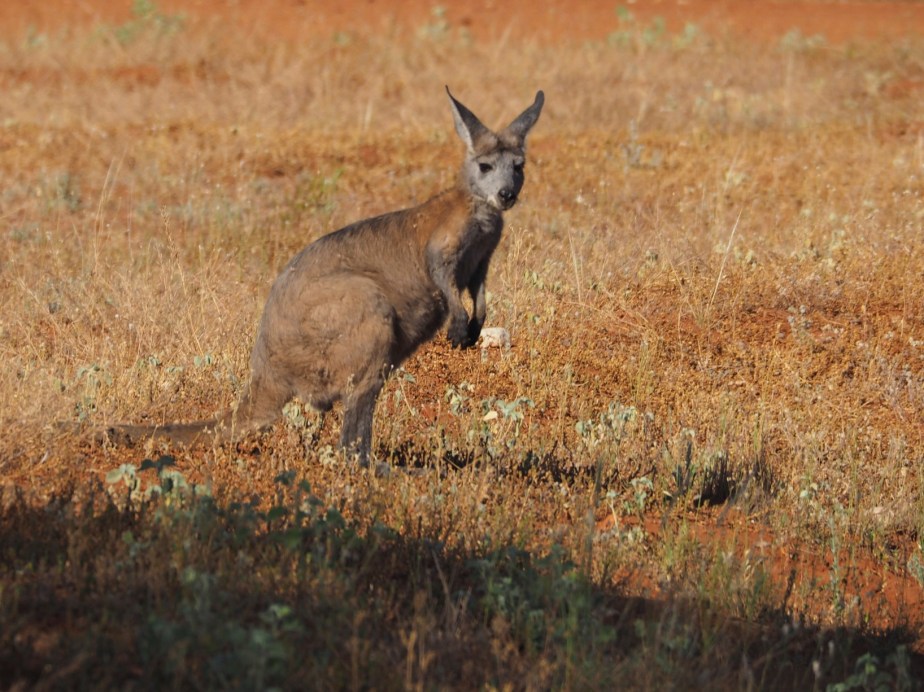
Gundabooka

Some less so …

Gundabooka

*Names changed to protect their privacy.

From here to FNQ …

Australia starts right at my doorstep.

It’s a huge place with many facets. The parts that most interest me are the natural ones, the more remote, less tamed places. To see these places you need a reliable vehicle and portable accommodation. So you buy your 4WD and ensure that it has a long range fuel tank, you mount a bull bar at the front to fend off the kangaroos. On goes the winch that will pull you out of the mud surrounding your axles. The suspension is improved and the body raised. The best camping equipment is purchased, tested, refined and ready to go.

Then you realise that you’ve only got two weeks holiday so you fly to your destination, rent a stock standard 4WD and stay in motels.

Here’s a picture of our stock standard vehicle stuck in a creek in the Kimberley …

No winch, but fortunately a wench that could cook, food for a fortnight and, as you can see, plenty of water. We were there for a little more than a day.

It happened back in 2002 that a young friend of mine had just finished his PhD and had not started work, therefore time rich, income poor. He drove my car from Melbourne to Cairns. I flew up and put my two weeks to good use with all the equipment my heart could desire. We even got to use the winch.

He is now a professional biologist and I am recently retired. My turn to drive from Victoria to far north Queensland. He flew up to Townsville.

Over the next few days I shall relate the adventures of the winch, the wench, the biologist and the senior citizen as they travelled to the rainforest and the desert in search of the wildlife of good old Oz.

The journey north


An unexpected source of irony …

Rice, the staple diet of half the world’s population produces about 17% of anthropogenic methane.

Methane traps about 20 times as much heat as carbon dioxide.

The world’s population is increasing.

Rice does the photosynthesis thing in its leaves. The resulting carbohydrates find their way to the seeds. That’s a good thing. Much also finds its way to the wet soil around the roots. That’s where microorganisms make the methane. That’s a bad thing.

The distribution of the carbohydrate is, to some extent under genetic control. You may have already caught on to where this is going.

the addition of a single transcription factor gene, barley SUSIBA2, conferred a shift of carbon flux to SUSIBA2 rice, favouring the allocation of photosynthates to aboveground biomass over allocation to roots. The altered allocation resulted in an increased biomass and starch content in the seeds and stems, and suppressed methanogenesis, possibly through a reduction in root exudates. Three-year field trials in China demonstrated that the cultivation of SUSIBA2 rice was associated with a significant reduction in methane emissions and a decrease in rhizospheric methanogen levels. SUSIBA2 rice offers a sustainable means of providing increased starch content for food production while reducing greenhouse gas emissions from rice cultivation.

G M Rice could feed the masses without pushing up the temperature. What will Prince Charles make of that?

Unprecedentedly accurate …

Thank goodness we got that settled …

The earth is 15 years from a “mini ice-age” that will cause bitterly cold winters during which rivers such as the Thames freeze over, scientists have predicted.

Solar researchers at the University of Northumbria have created a new model of the sun’s activity which they claim produces “unprecedentedly accurate predictions”.

They said fluid movements within the sun, which are thought to create 11-year cycles in the weather, will converge in such a way that temperatures will fall dramatically in the 2030s.

Solar activity will fall by 60 per cent as two waves of fluid “effectively cancel each other out”, according to Prof Valentina Zharkova.

In a presentation to the National Astronomy Meeting in Llandudno, she said the result would be similar to freezing conditions of the late 17th century.

Destination …

Darwin

From the Tiwi Islands to Darwin was an easy overnight cruise. We had an appointment with the pilot for first light.

Pilot climbs aboard

The travel company that managed the cruise was Zegrahm Expeditions and, as always, they added a great deal of value to the product. The cruise director made sure that we had the opportunity to extract the max and he was well supported by guides who really knew their stuff. They included Chris Done who had been the regional manager for the state’s Department of Conservation and Land Management, Terry Done, a marine biologist, Shirley Campbell, anthropologist from ANU and Brent Stephenson, a first rate ornithologist.

The ship was part of the Coral Princess fleet, first class facilities and a wonderful crew.

Off the ship early and flying late; what to do? Go birding.

The only disappointment of the day was finding a new fence around the Palmerston sewage ponds, you can no longer see the birds that it attracts. Yet another sewage pond falls by the wayside, every one of them a sad loss.


Tiwi …

Blown Apart Gulf was a mill pond.

The Tiwi Islands are in Australia’s Northern Territory about 100km north of Darwin. There are two large inhabited Islands, Melville and Bathurst and nine small uninhabited islands. The largest settlement is Wurrumiyanga on Bathurst Island with a population of about 1500. From there Melville Island is a short car ferry ride away.

The Tiwi are aboriginal folk that have a different language and some significant cultural differences from their neighbours in Arnhemland, the nearest part of the mainland. Local Government is the responsibility of the Tiwi Land Council, an outsider needs a permit to visit. This is true of a number of areas under aboriginal control. As an Australian I always find it odd that I need a permit to walk down an Australian street, a Tiwi Islander doesn’t need one to walk down my street. But hey, I had one, and the Tiwi guides made us very welcome.

Wurrumiyanga is a tidy little town of well maintained houses and gardens. We had the opportunity to visit three art galleries, the museum and the church. Along the way we got to see kids at a school that could have been anywhere in Australia.

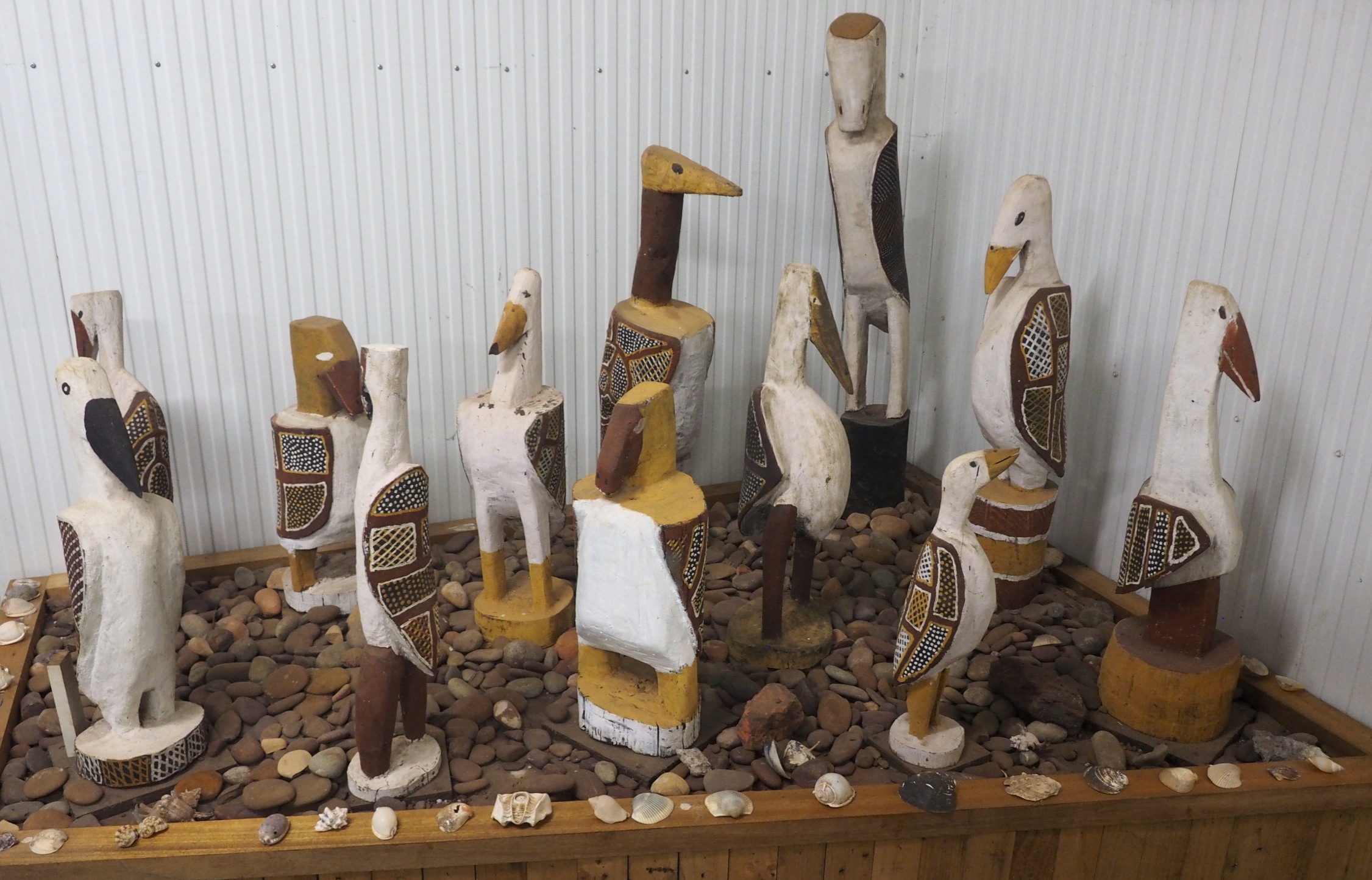
The strongest feature of the local art was, I thought, the carving which often featured birds. Here are some housed in the museum but there were many fine examples for sale.

Tiwi museum

Carving has its greatest significance in the Pukumani which are carved for the dead. The Pukumani poles are carved by men selected by the deceased’s family but not closely related. They are placed by the graveside in a ceremony that takes place two to six months after burial.

Some of the beautiful designs are also committed to fabric by a technique similar to batik.

As well as their indigenous culture two outside religions have been adopted … Aussie Rules football and Catholicism.

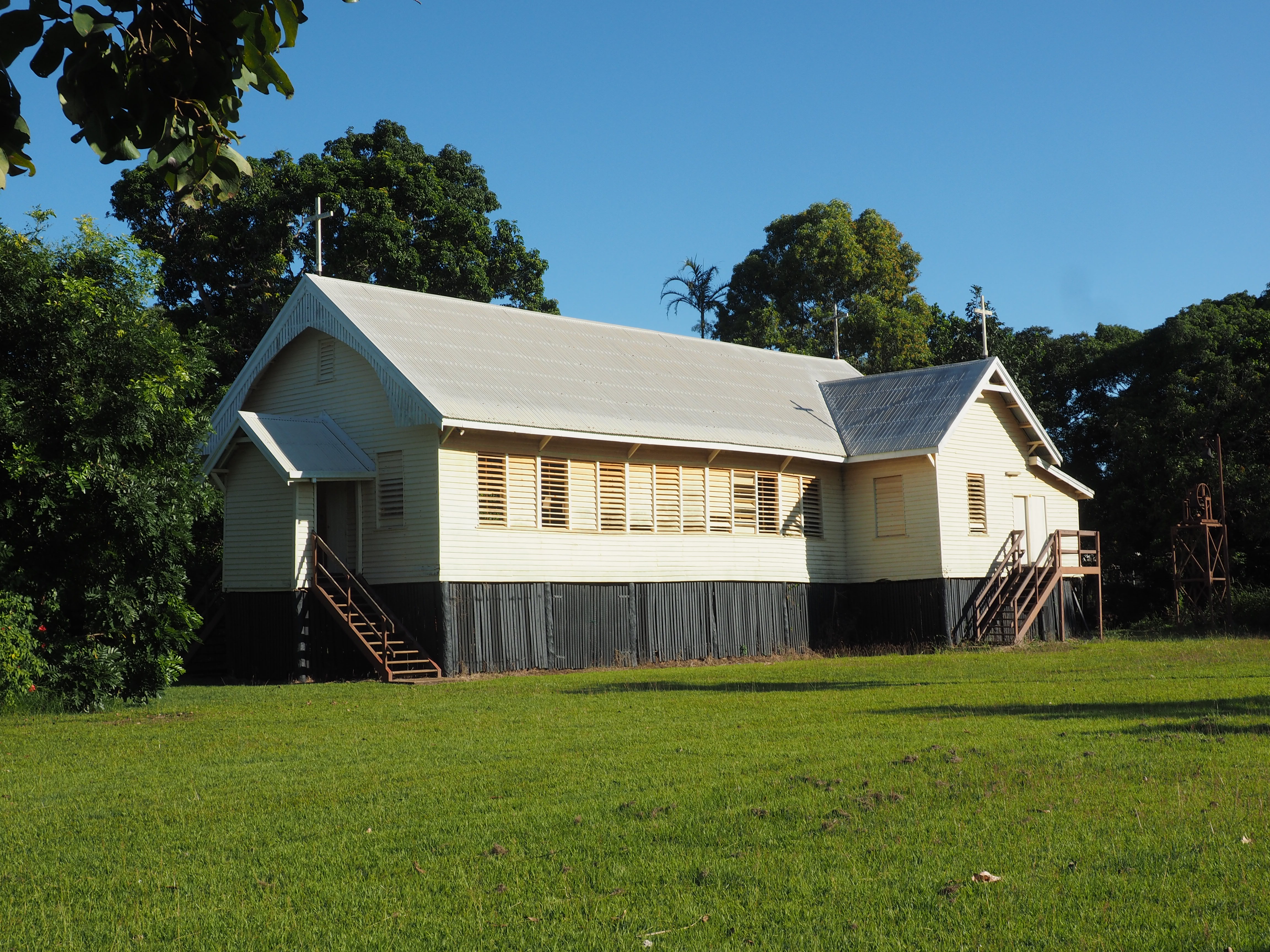
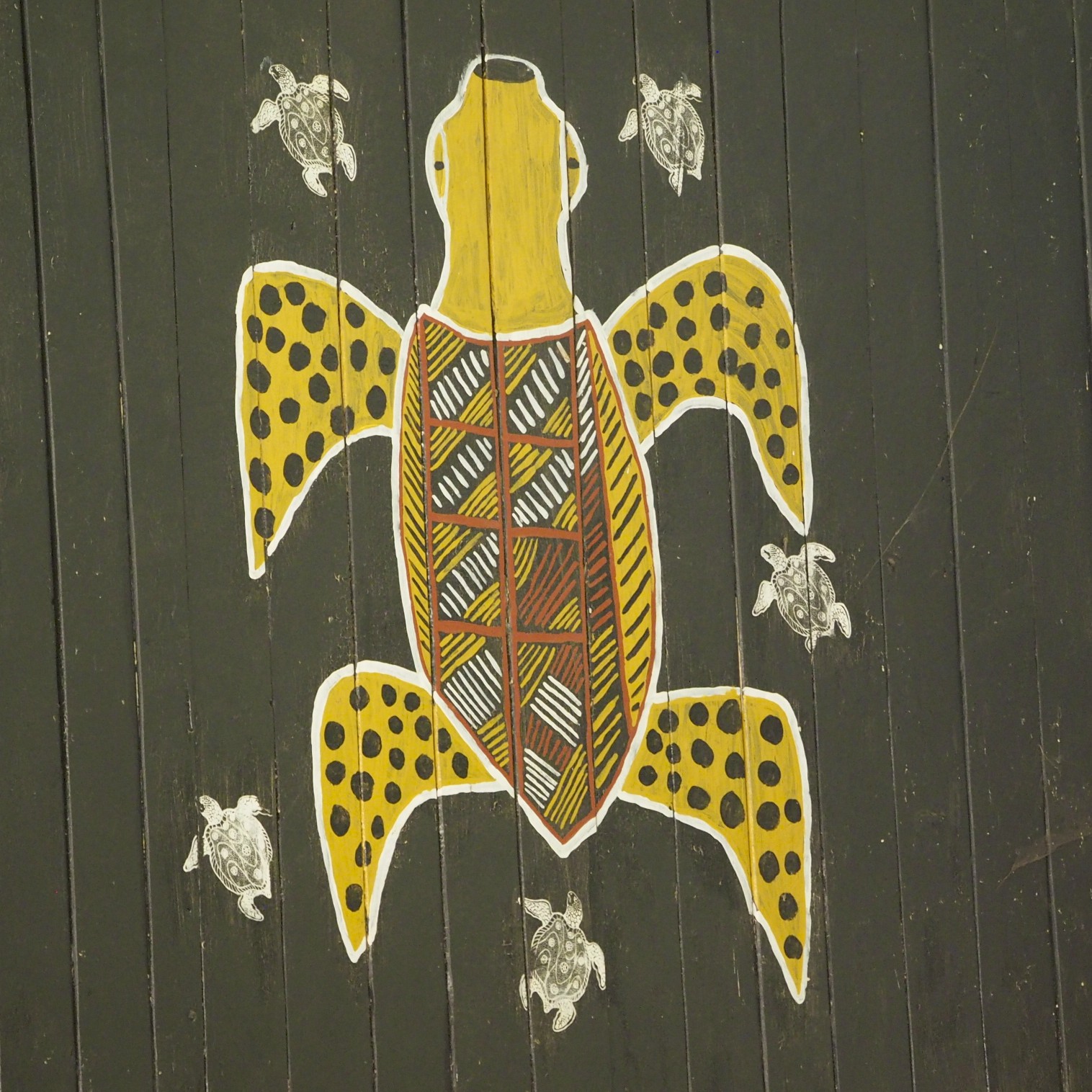
Catholicism came first, Father Gsell founded the mission in 1911. The Church is rather lovely with the interior decorated in the local style.

Tiwi church

Panels behind the altar …

Altar panel

Altar panel

Standing next to the church is a little radio shack. From here Darwin was warned of impending bombing raids during the Second World War. Local people also captured a Japanese pilot during the war as well as assisting in the rescue of some friendly combatants.

Combat these days is on the footy field. The Tiwi have taken to Aussie Rules with a passion, about a third of the population are active participants in the local league and some of the great AFL names learnt the basics right here, including Michael Long and Cyril Rioli.

The last activity on the agenda was tea and some traditional dancing. Here is one of our guides ready to impart some culture …

P1050779