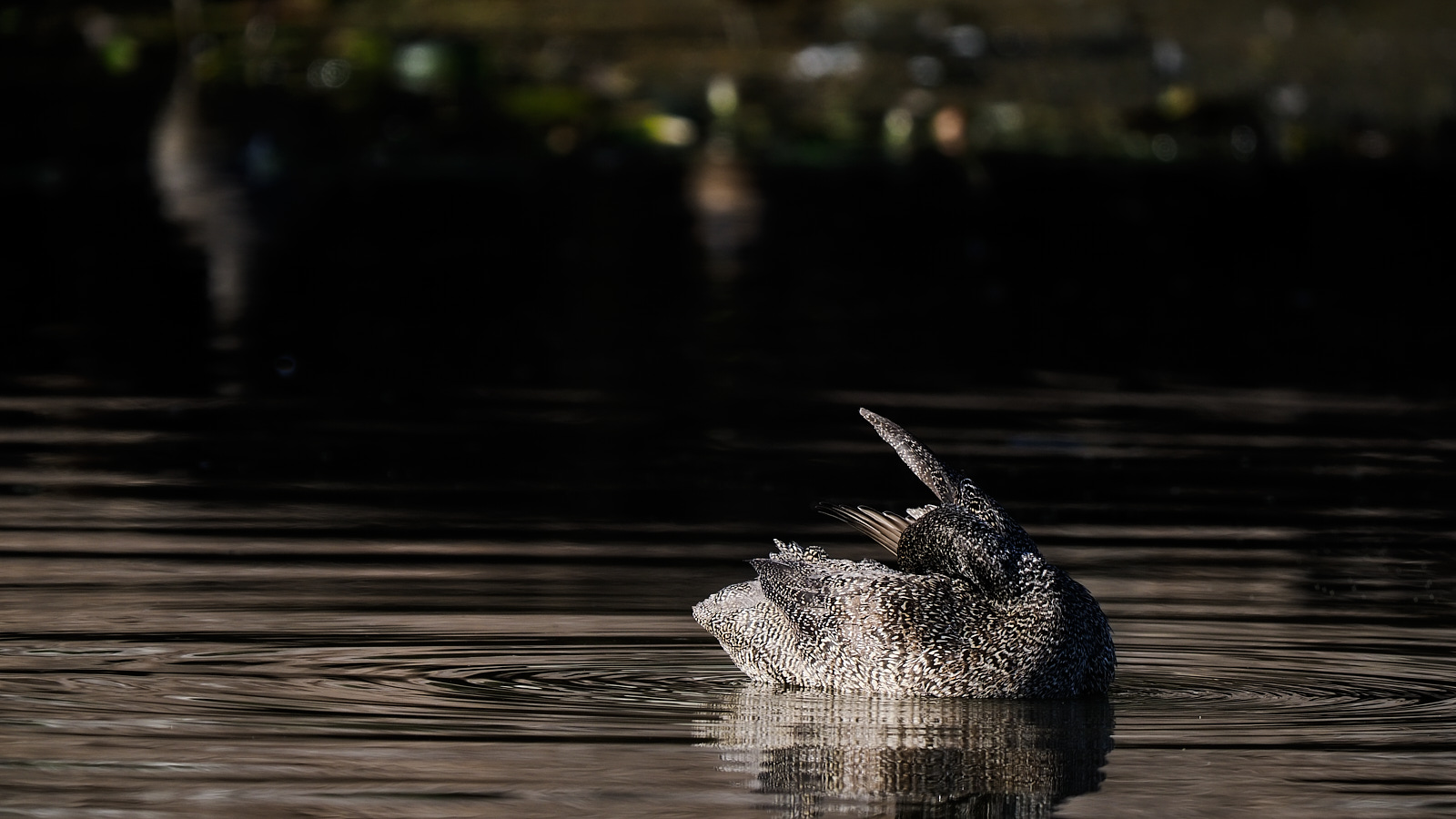
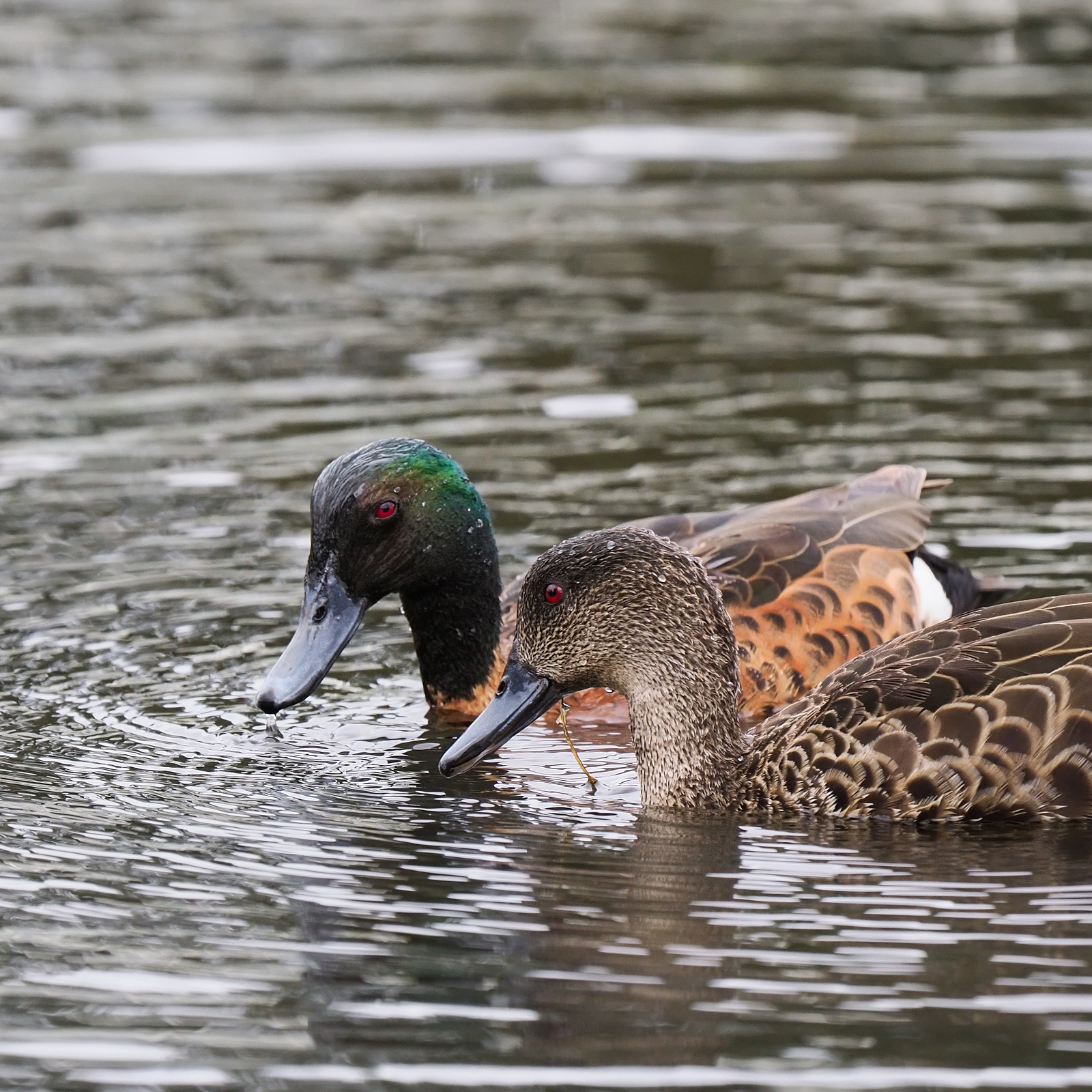
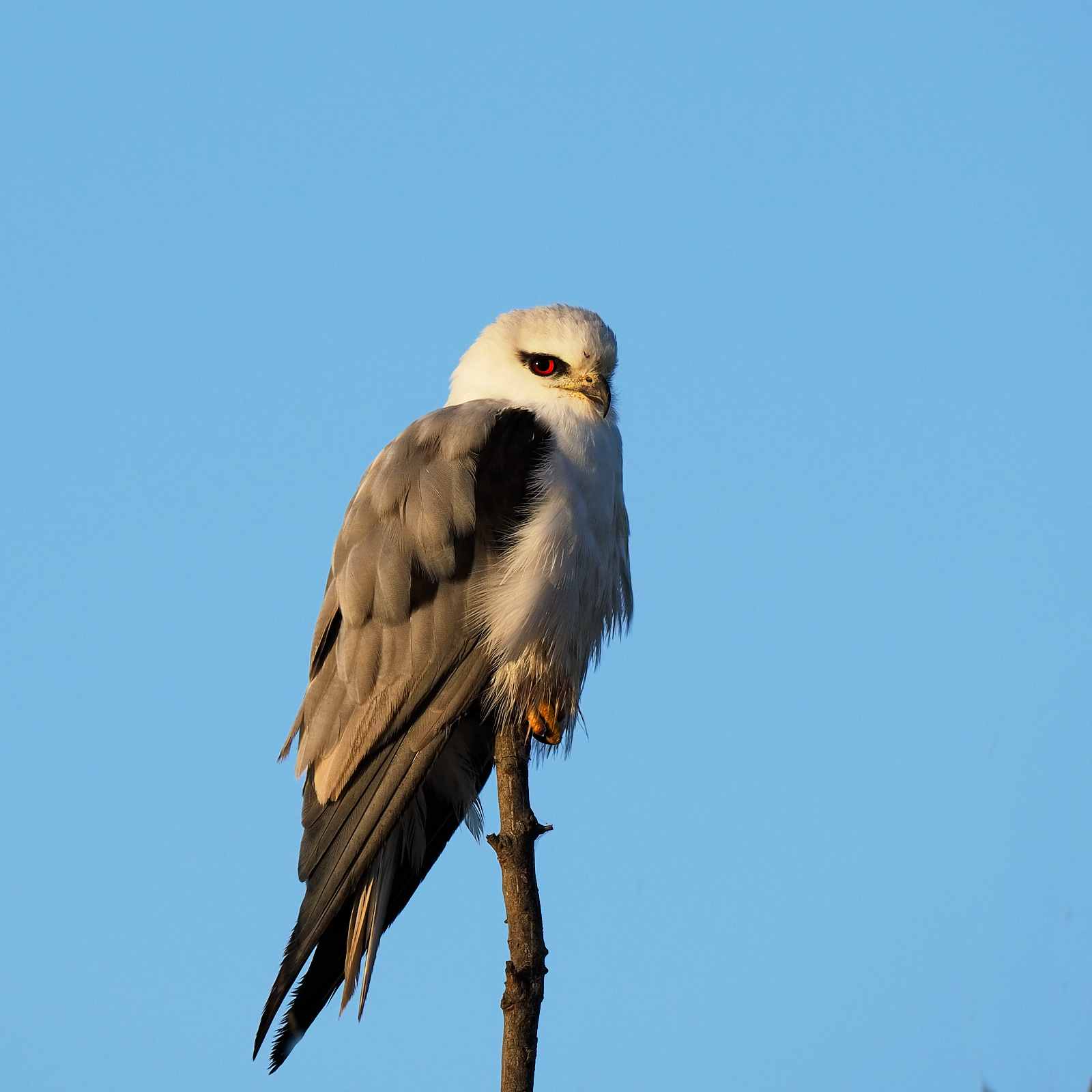
Statistics …

As I recall Statistics is something you can do with independent observations taken at random and assembled into a sufficiently large sample. It’s a dark art, lies, damn lies and statistics etc. Bird watching stretches it even further into the kingdom of the devil. Bird watchers choose their sites to generate large lists, large list are more fun. Will we turn left or right? Depends where the Red Goshawk’s nest is or the owl’s roost. It’s called bias. Bird watching and citizen science make for a turbulent marriage

The year list is coming along very nicely, thank you for asking. Bird watchers tend to disparage introduced species, the plastics, but we do make sure to get them on our lists. If numbers give you an inner glow then they all count. I have my Goldfinch for the year. Port Fairy is very good for Goldfinch. But where is my Greenfinch? If I don’t get it here I am unlikely to get it this year.

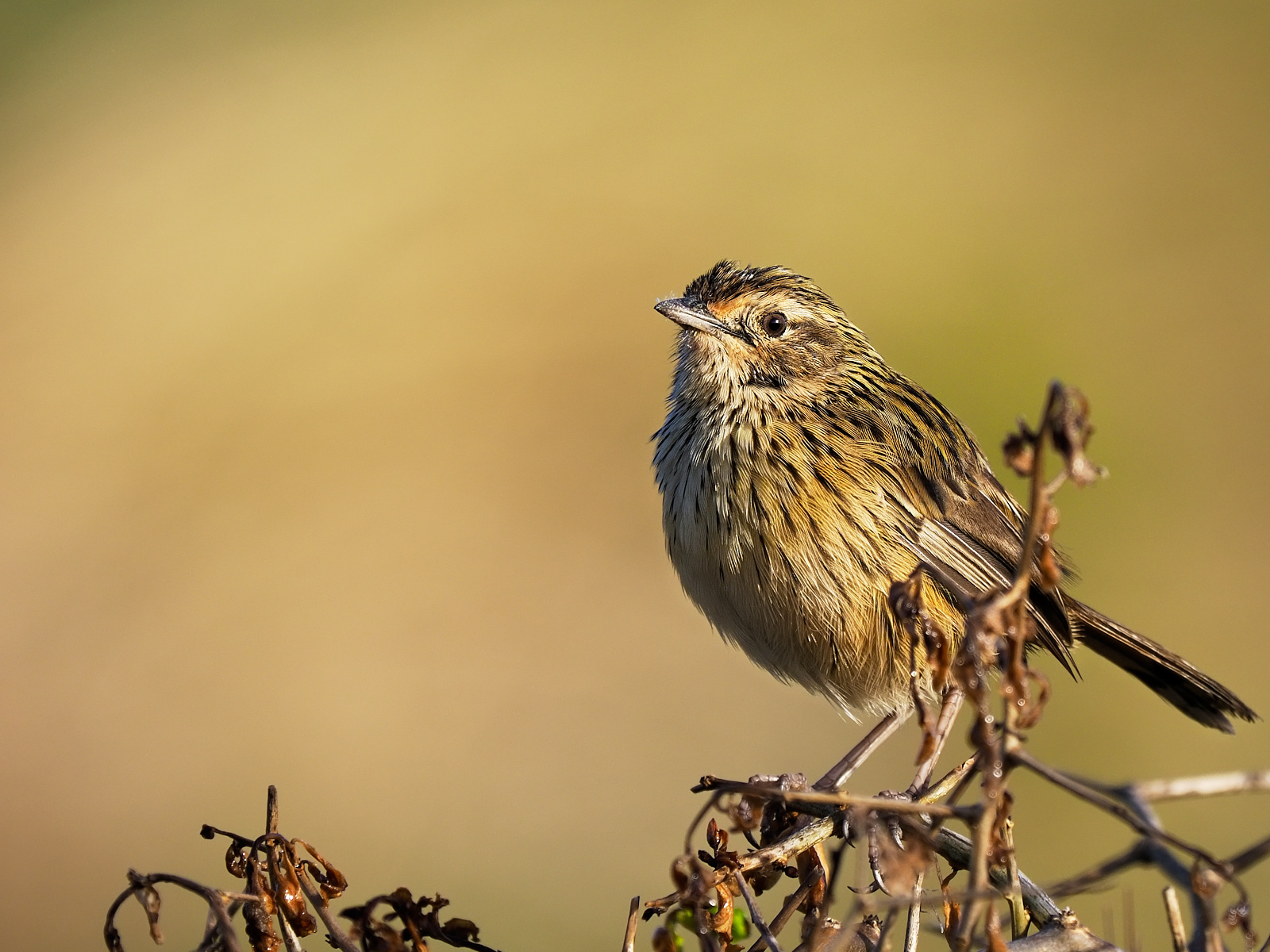
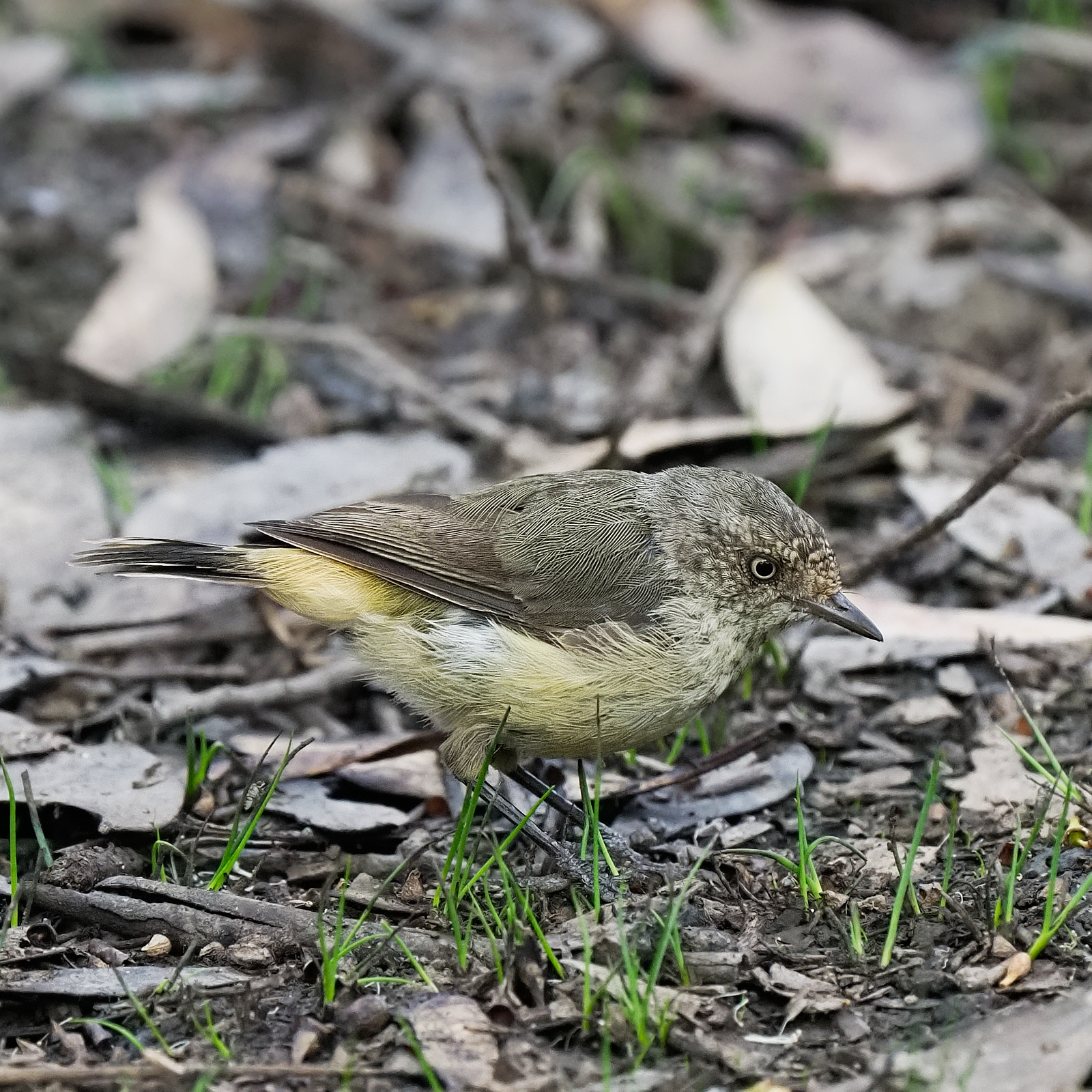
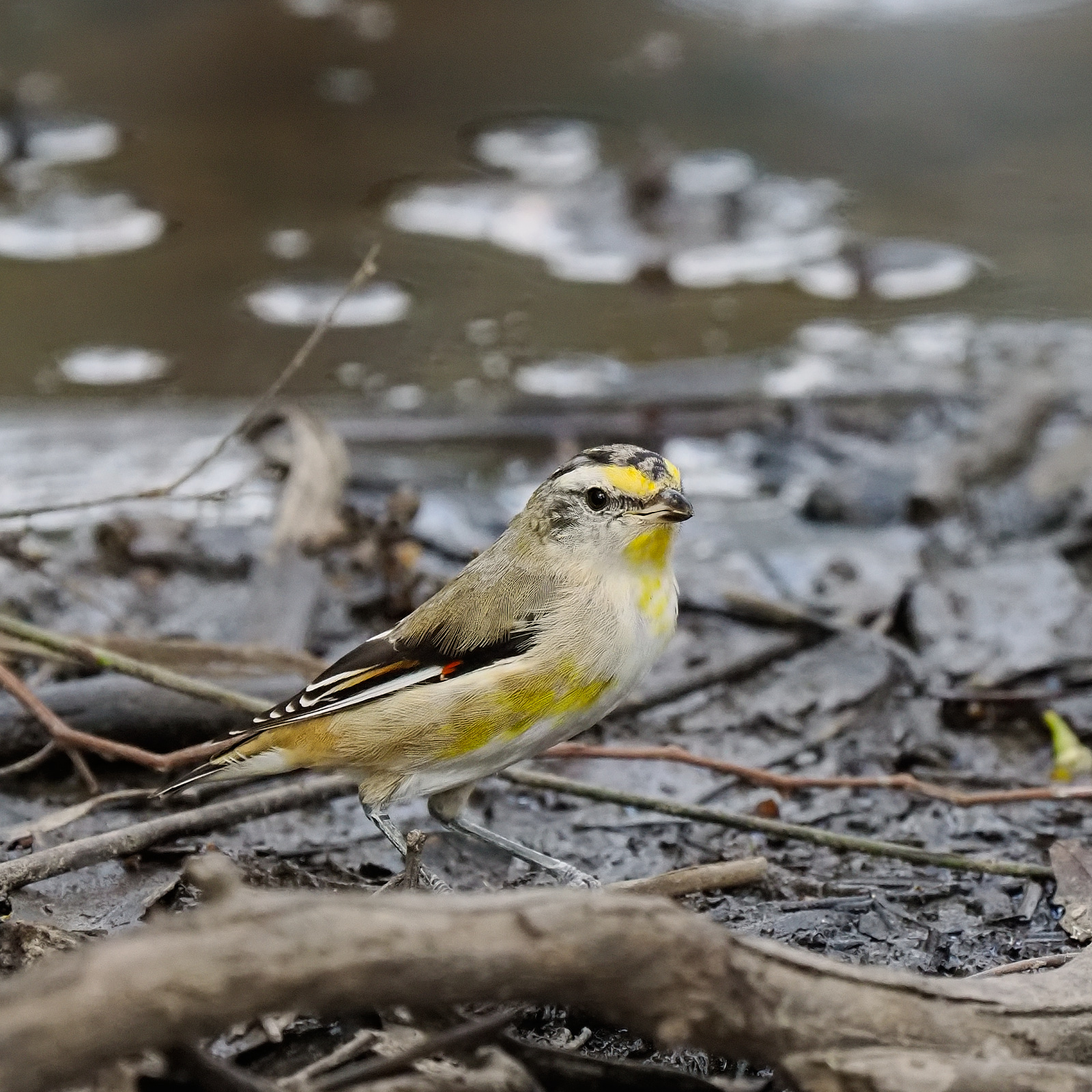
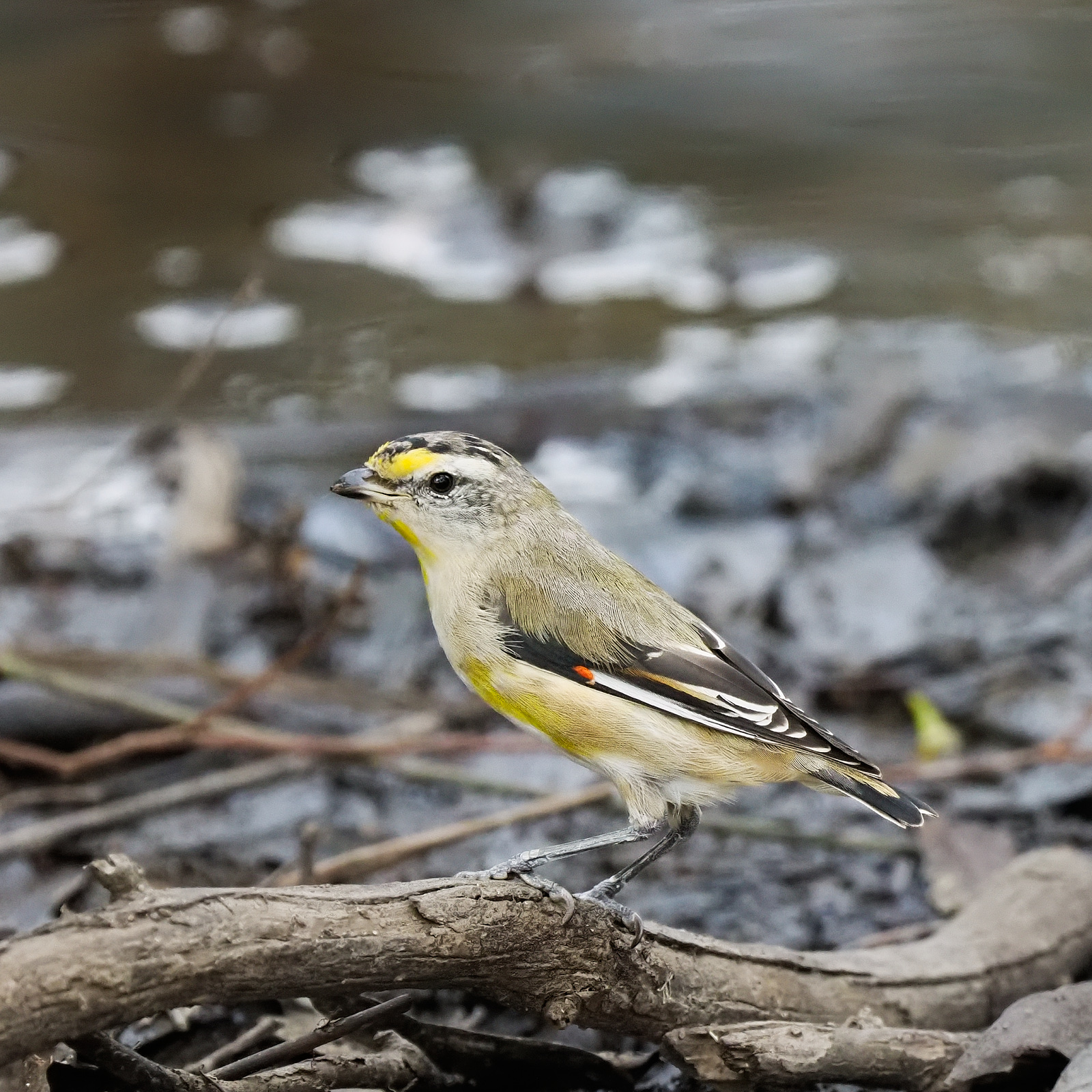
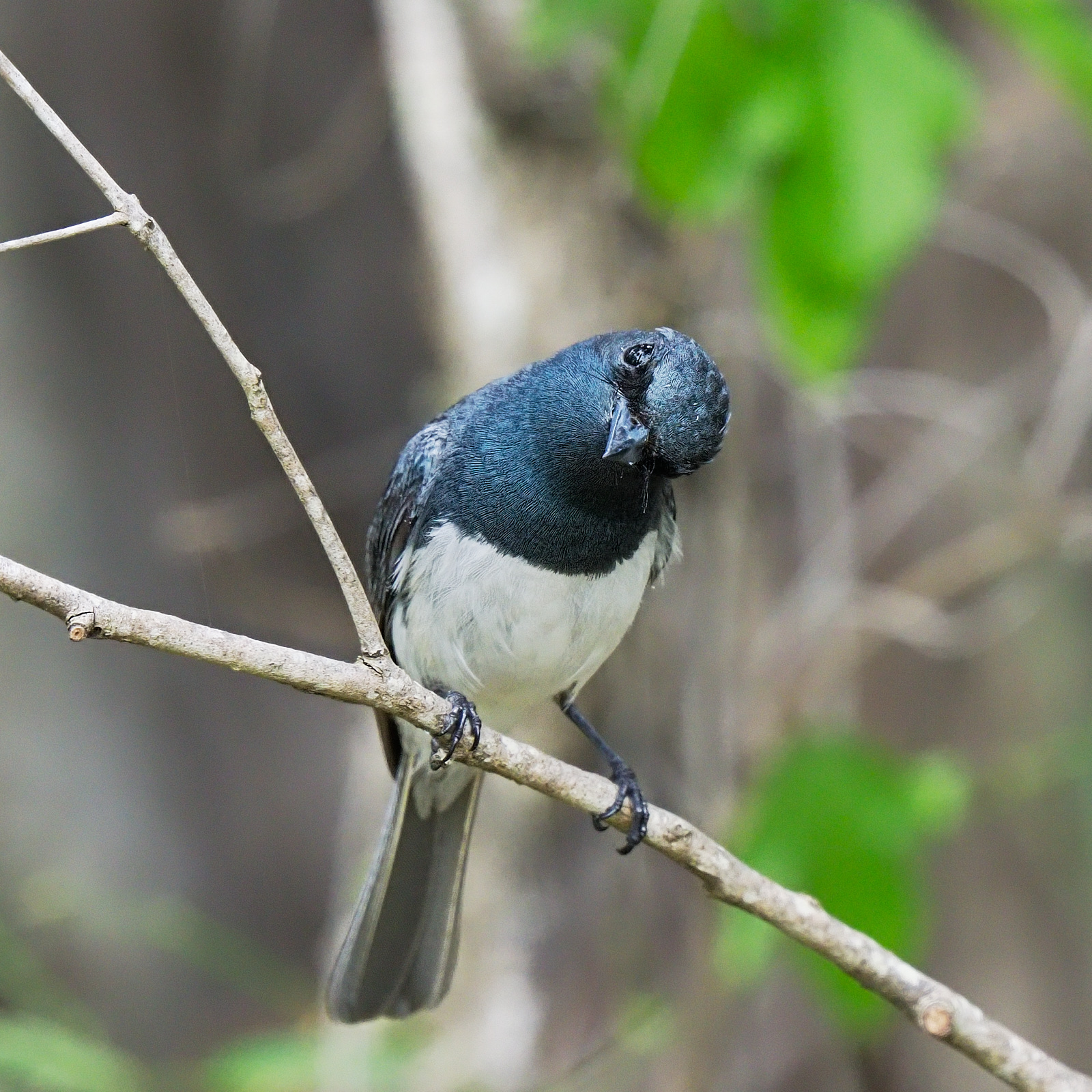
Port Fairy is also a very good place to find the Striated Fieldwren. They live in rank vegetation and low scrub. In spring the males get up on rocks or taller plants and sing their little hearts out. The rest of the time they are a challenge. It’s not spring but this visit they have been very cooperative. I even have photographs! (Notice they all face to the left, n=2, the sample size is too small, p is nowhere near significant).

That thing they do with their tail is very endearing. Shame the one in the better light didn’t do it.

Port Fairy is not only famous for Fieldwrens it is also home of the Port Fairy Folk Festival. Secombe Park has been transformed into a reasonable facsimile of the Field of the Cloth of Gold. The town benefits greatly from the revenue raised. Fortunately I will have left before the festivities reach full swing.

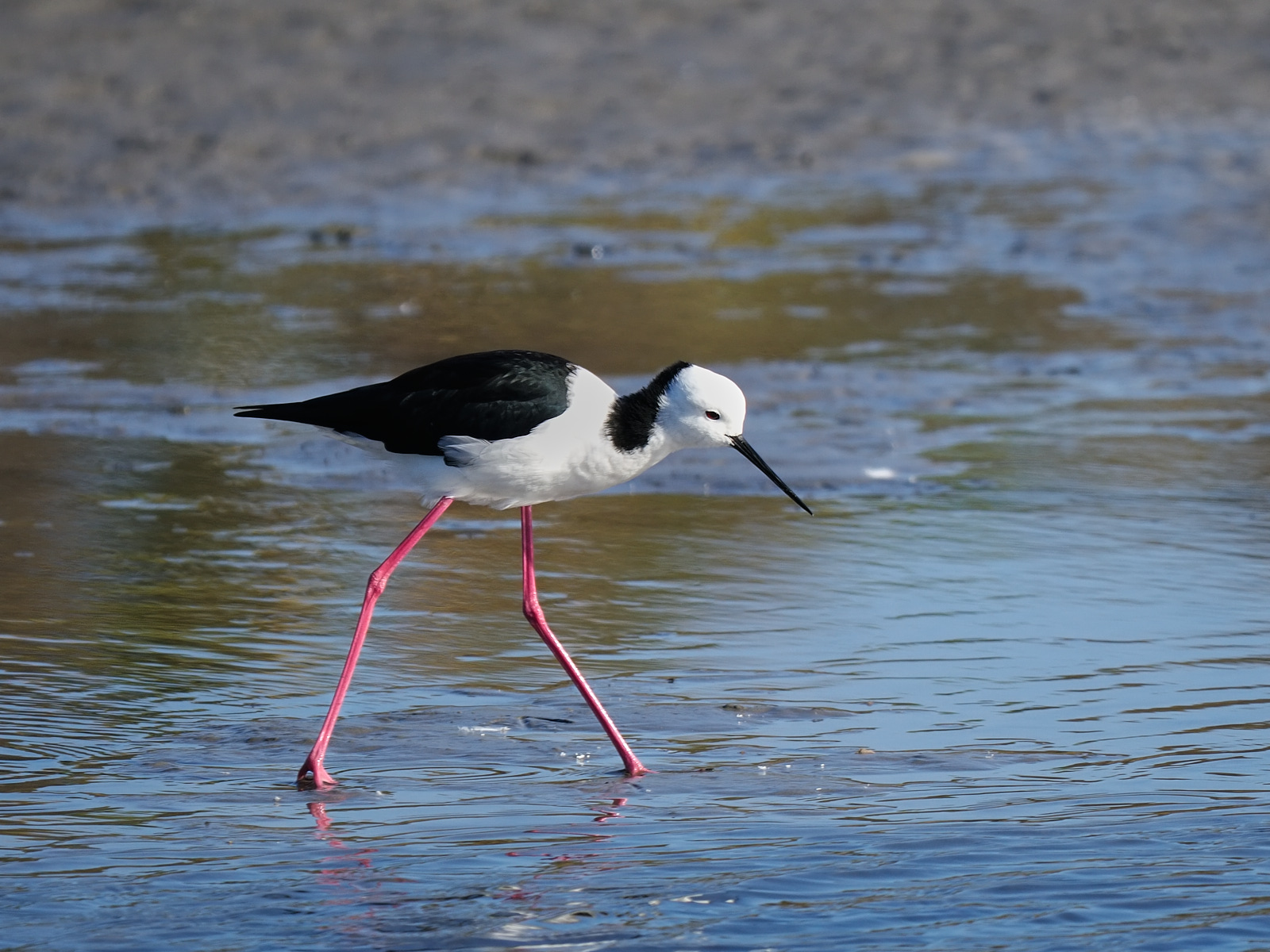
Just over a day to find the furtive finch. I haven’t connected with the snipe either, it may be too late in the season for them. I may have to come back in the spring. But the birding has been excellent …

Flitting About …

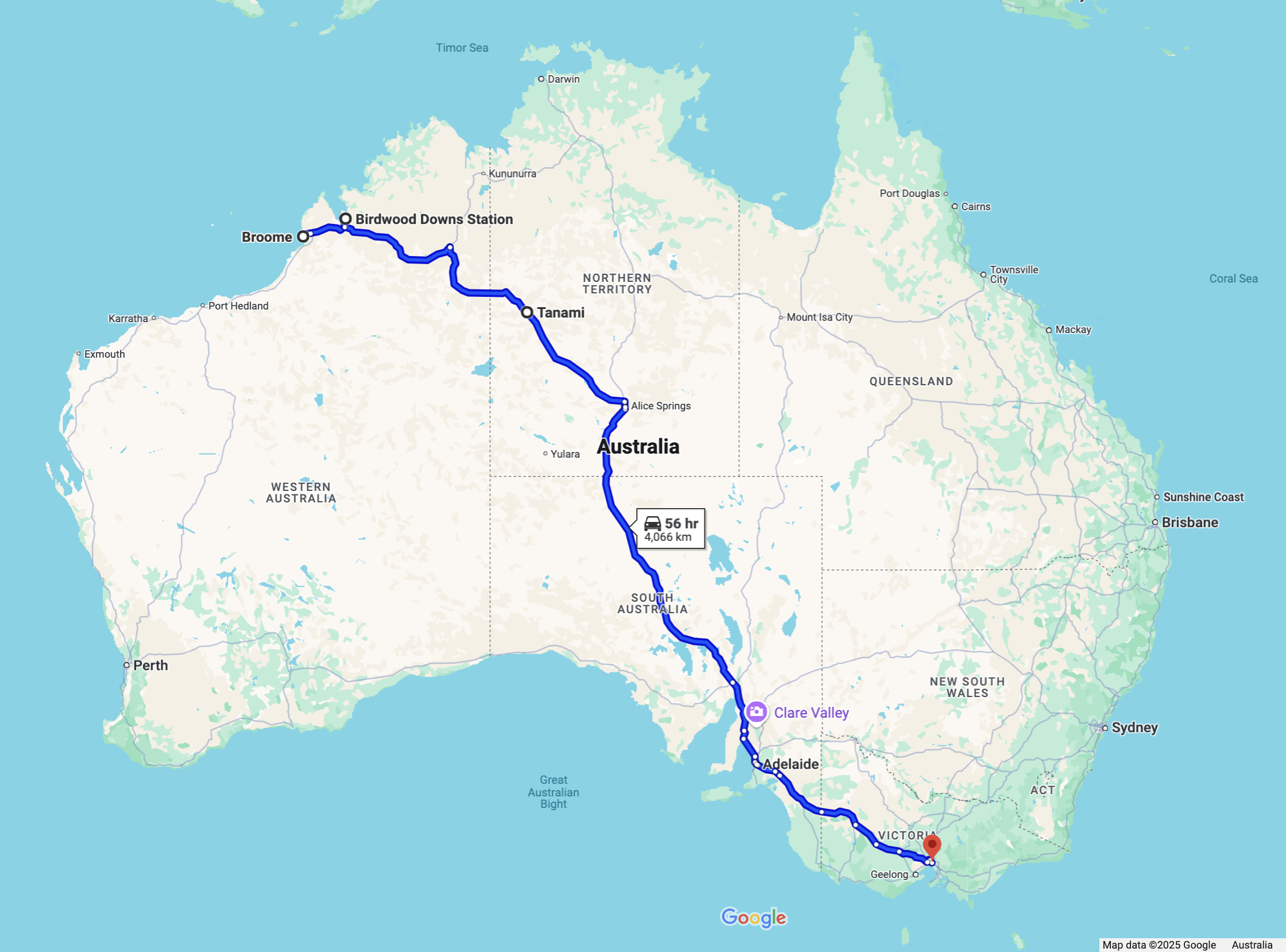
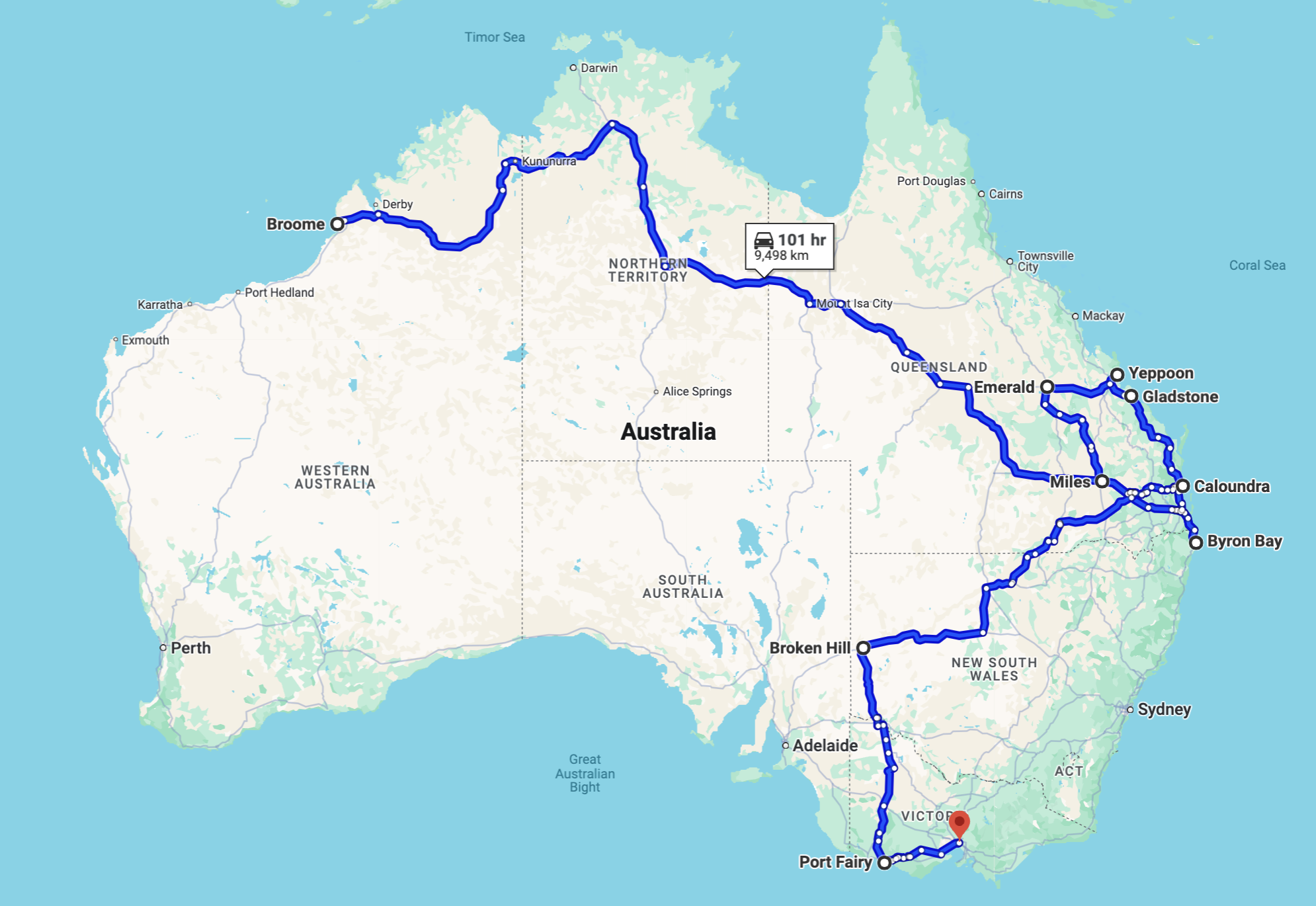
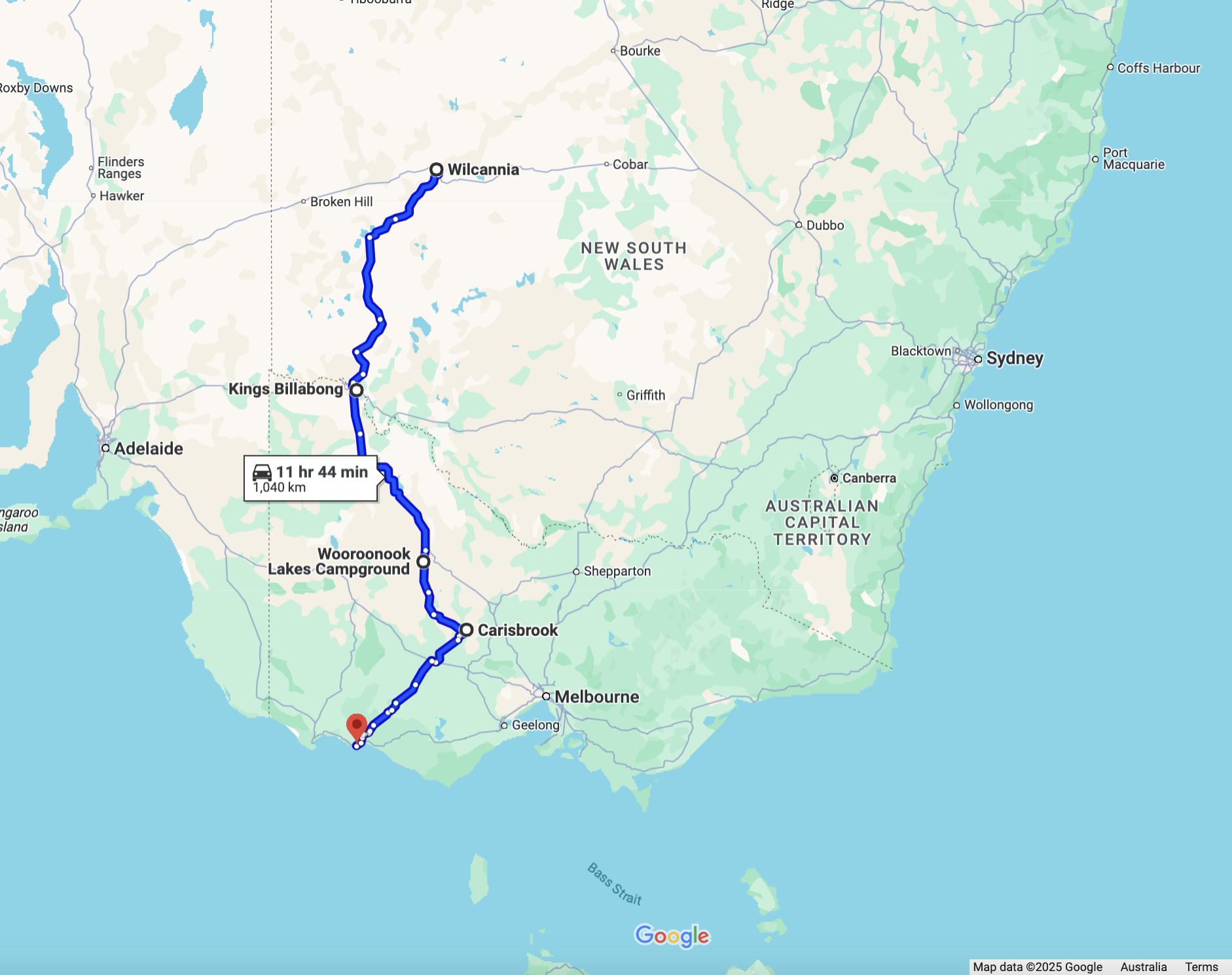
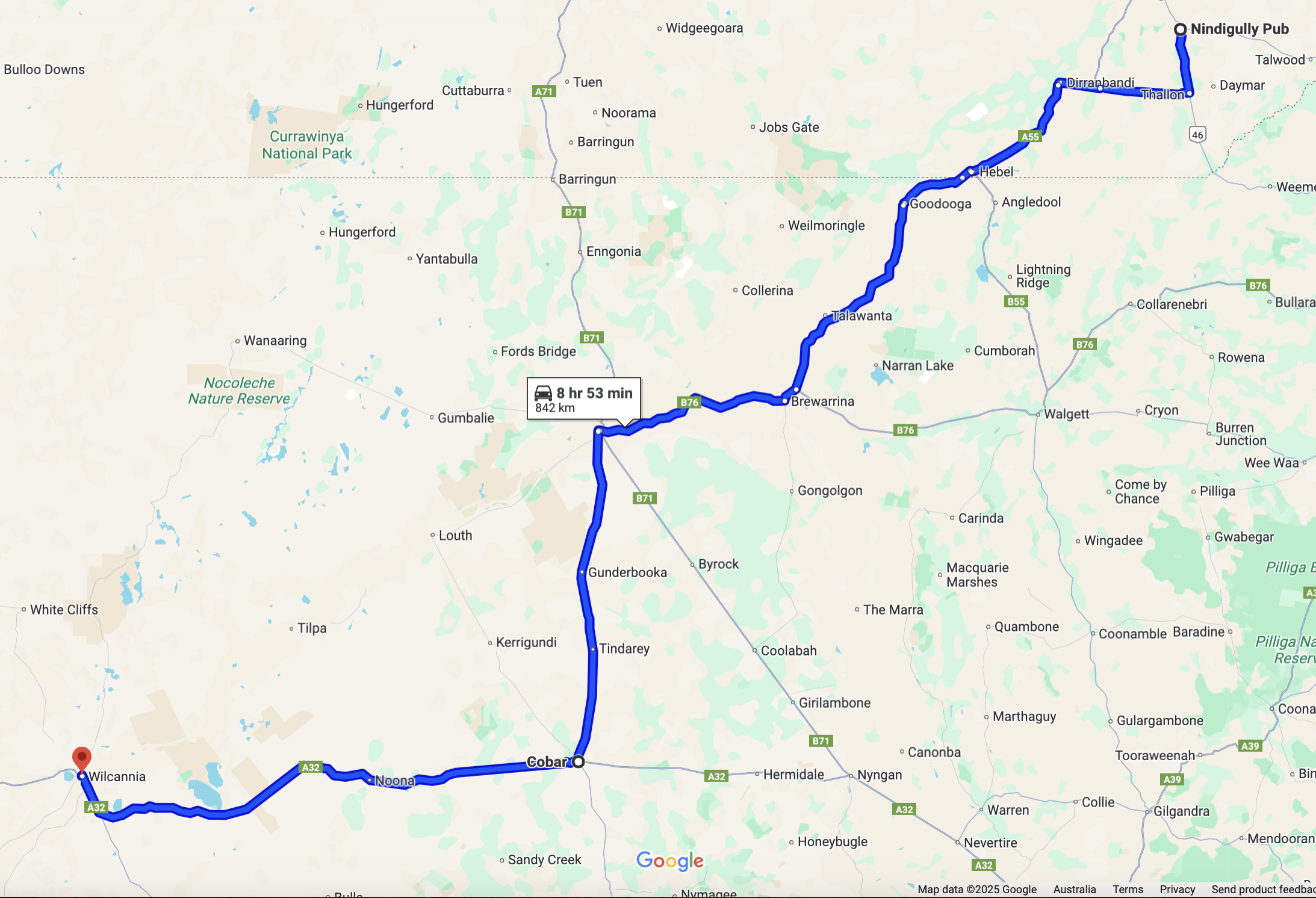
Yesterday we arrived in Port Fairy on Victoria’s south west coast and here we shall pause for a week . We will taking bracing walks in what passes for the summer heat and look for goldfinch and greenfinch to bolster our year list! Here is a simplified map of progress since Wilcannia. Simplified because since crossing the Victorian border we have been flitting about like flies on a cow pat visiting favourite places, favourite people and a caravan repair yard for a bit of plumbing work.

Rainfall in the interior of Australia and much of the west coast is unpredictable and usually sparse. For the north and east coastal fringes, north of Brisbane, summer rainfall is the norm. From Brisbane south and around the south coast and for a triangle in the south of Western Australia winter rainfall predominates. This pattern has held up on this trip, indeed it may be somewhat exaggerated this year. Since leaving Queensland the country has been as dry as a chip.

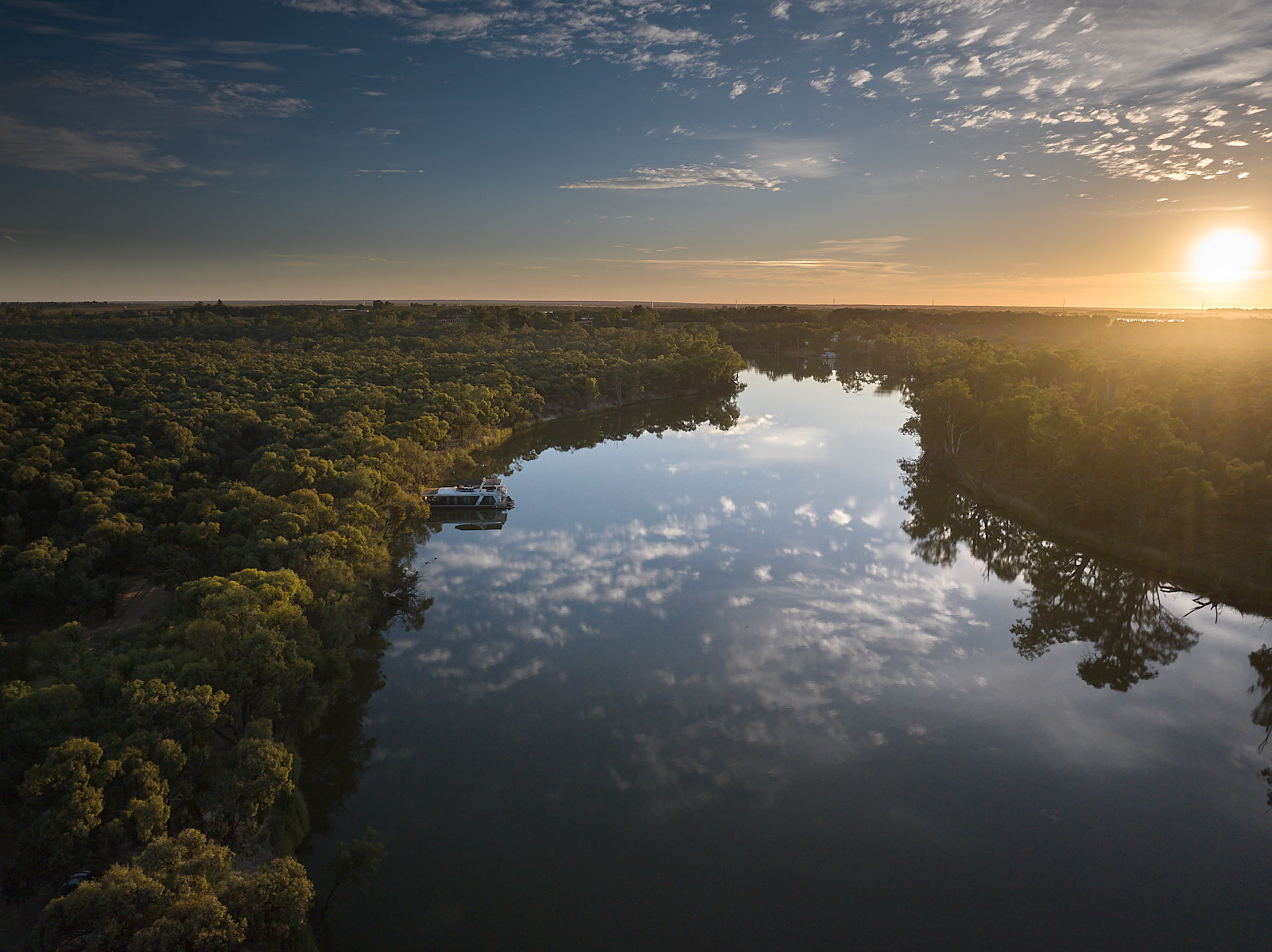
In Wilcannia the bird watcher should stay at Warrawong on the Darling. The camp ground is adjacent to a couple of billabongs. These are usually productive but on this occasion one had little water and the other was dry. The river Darling itself had plenty. There are some 4WD tracks across open plains to patches of River Red Gum woodlands along the banks and if clean toilets and warm showers are of any interest it even has those.
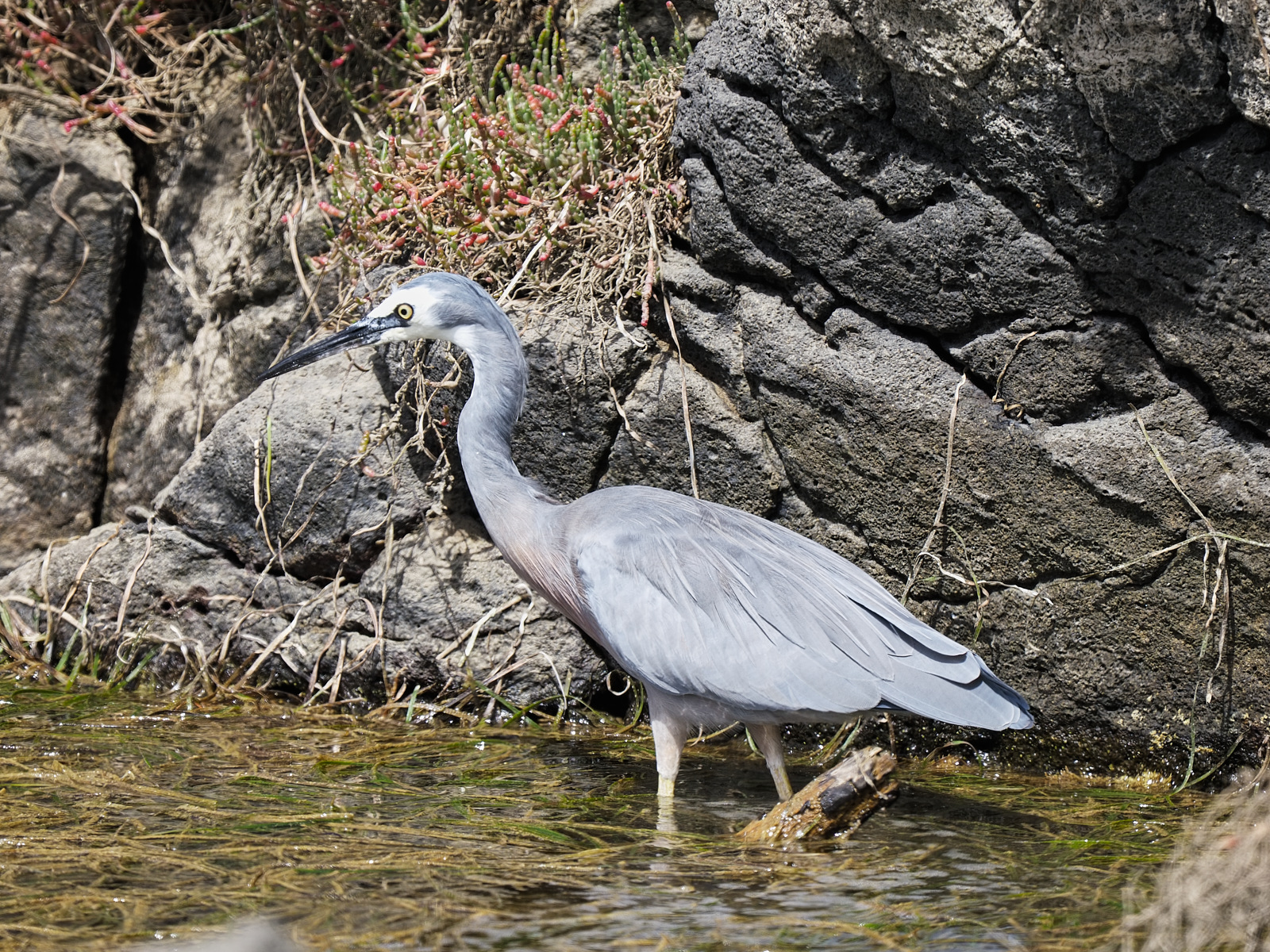
From there it was on to the banks of the mighty Murray not far from Mildura and then various much loved locations in the Victorian Goldfields. And now Port Fairy which is unique in Victoria in very nearly being quaint. The surrounding countryside, the Western District of Victoria, is brown and dry, drier than we have ever seen it.

There is a Short-tailed Shearwater colony in Port Fairy and I’ve just got back from watching the Shearwater parents returning to feed their chicks. They come in just after dark, land near their burrows and then run to the waiting chicks. It is a wonderful experience to sit in the colony and have them flying in around you.

Outback …

With our freshly serviced van we headed from Coloundra to Nindigully. By the time we got there the pull out fridge was firmly stuck in place. A phone call to AOR and the exercise of a little leverage under instruction and out it came. A cold beer was back on the menu.

The Nindigully Pub is a favorite and we had the free campground pretty much to ourselves. It was founded in 1864 and for a while it was a coach stop. Despite the fact that it’s in the middle of nowhere it continues to thrive. The food may have something to do with it, it’s great, but it’s also to do with the ambience, the Moonie River and the free camping. There is a good article on it <HERE> and you can find a blog of mine from a previous visit <HERE>.

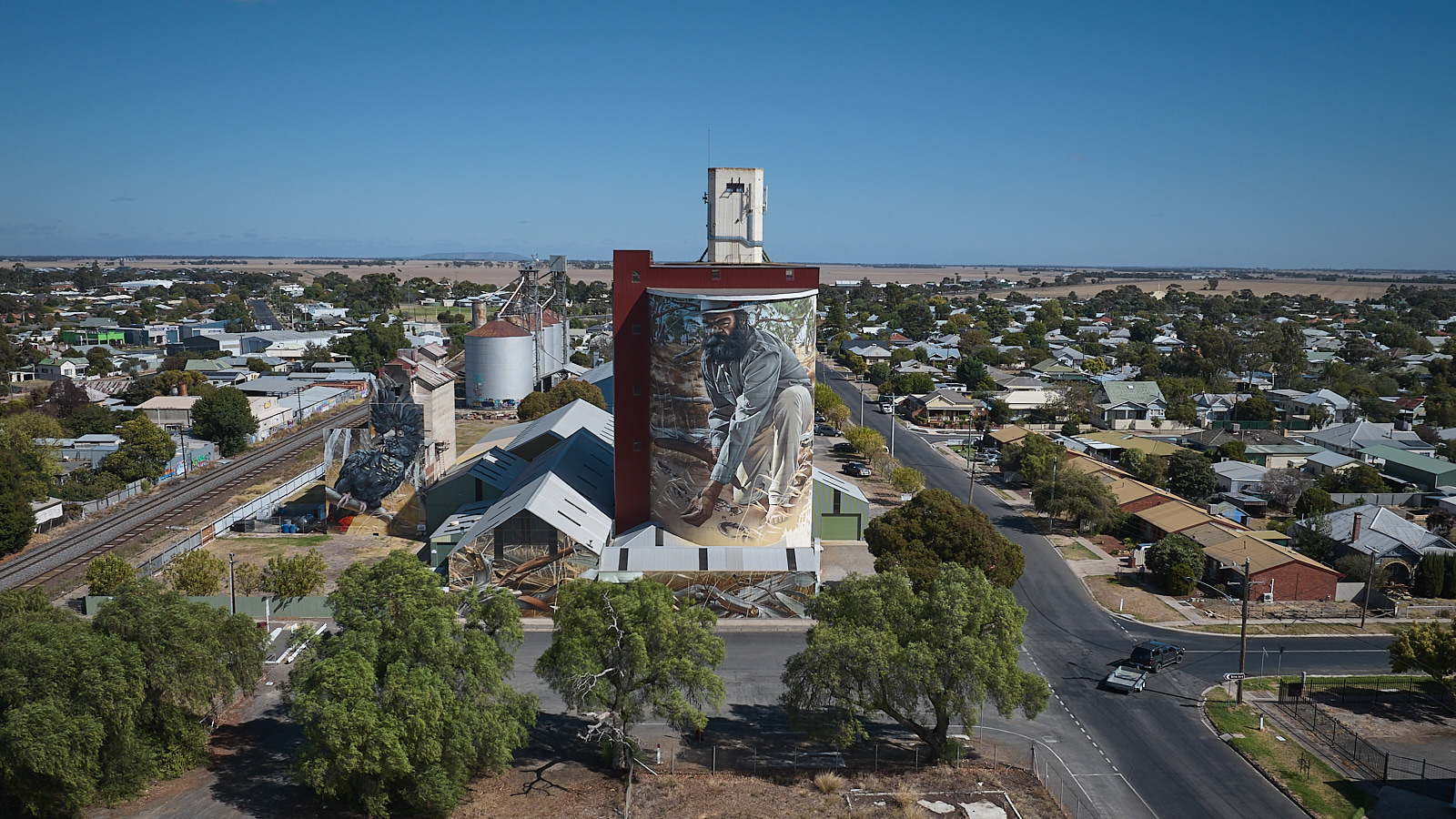
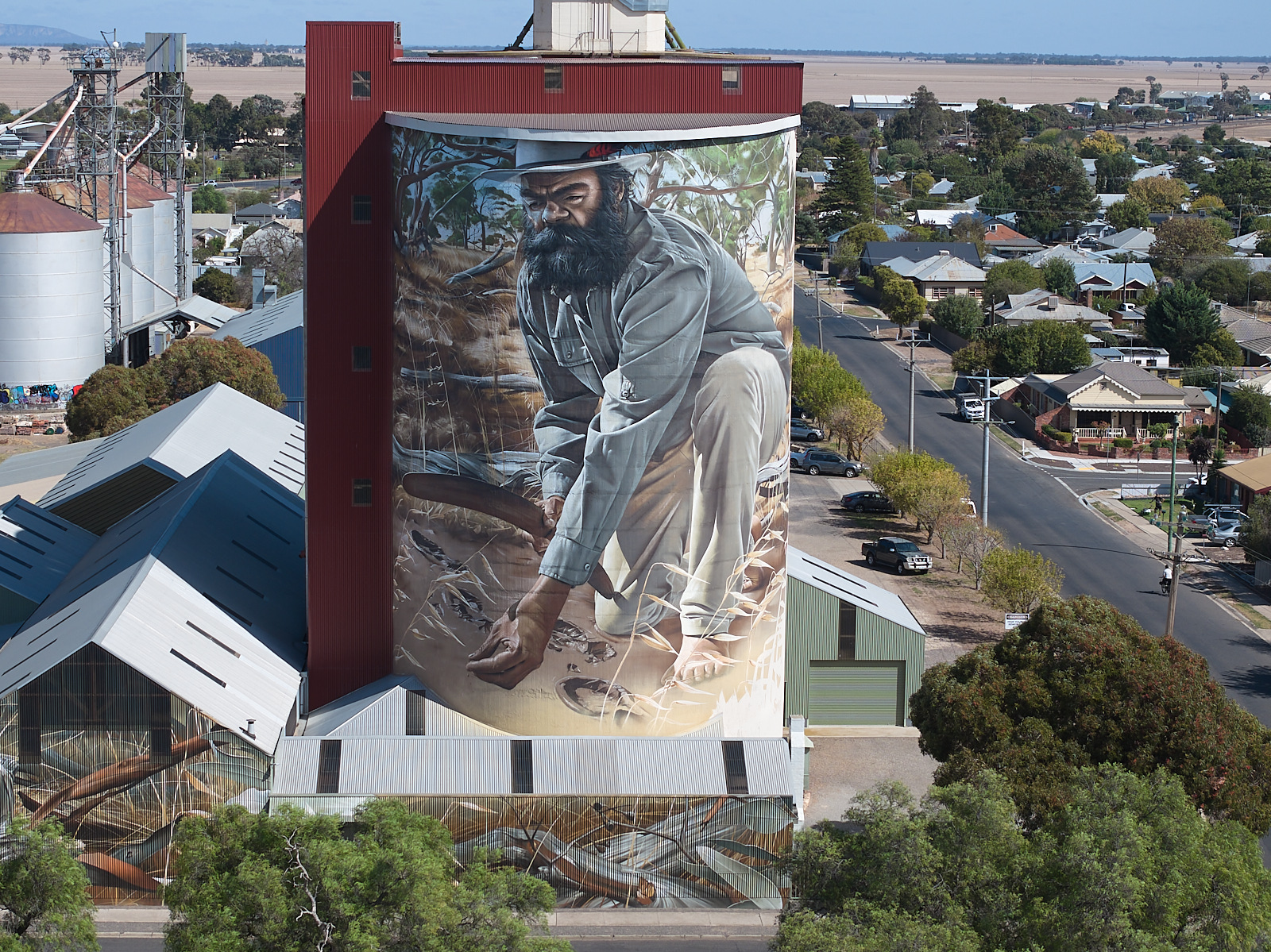
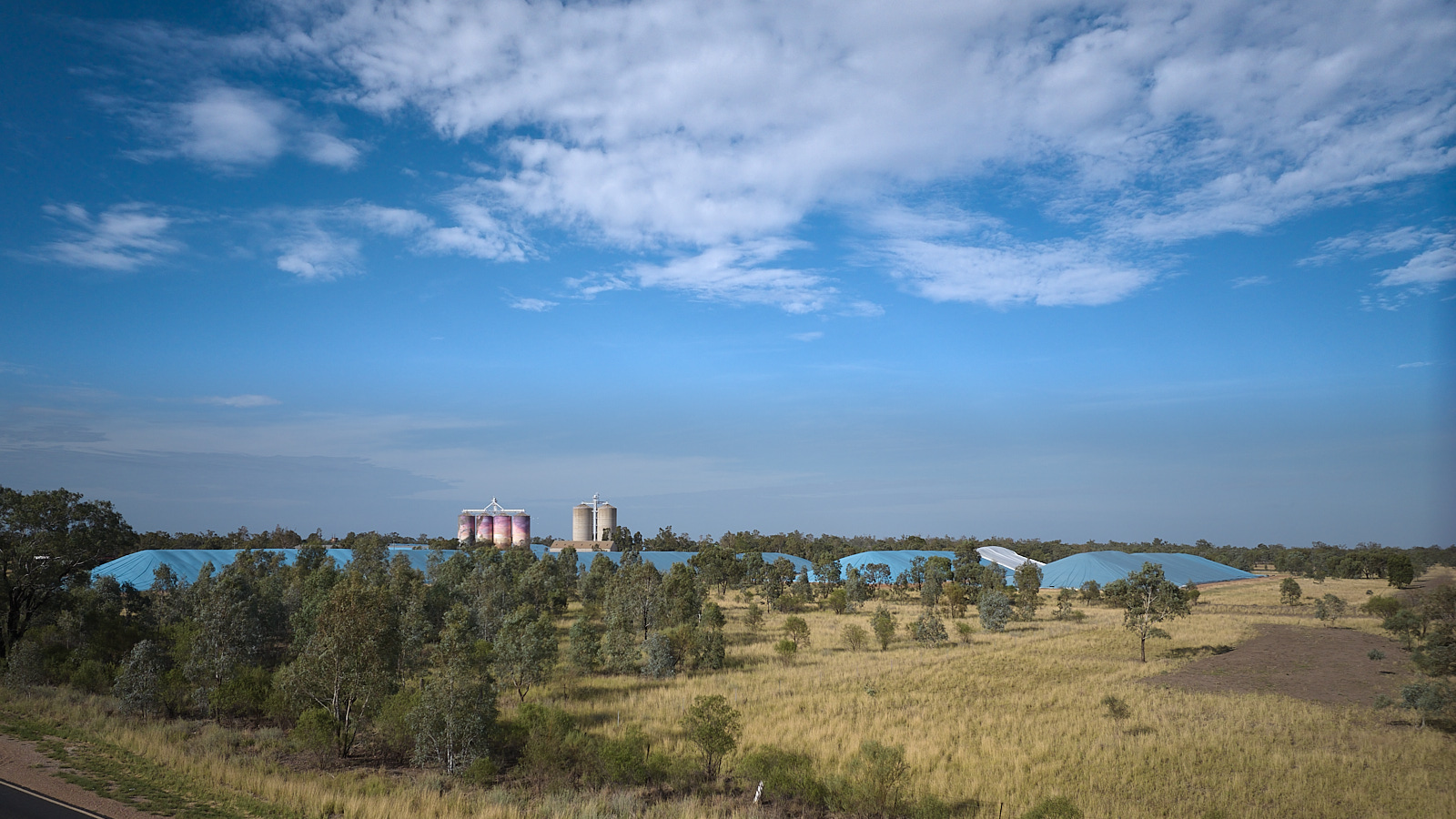
A little over 30km away is the wheat belt town of Thallon with some painted silos.

Our intentions for the next three nights involved following the Darling River down some black soil roads. They are just impassable after rain so we put in a big day through Bourke, the back of which is the proverbial outback, to spend the night just out of Cobar. And that’s where we discovered a leak under the van. Facetime with AOR, flat on my back under the van. I was talked through the process of isolating the affected plumbing. For the moment there is no water to the tap on the drawbar but everything else is working. It’s a brand new van, this series of irritations should not be happening. But the response from AOR has been very supportive.

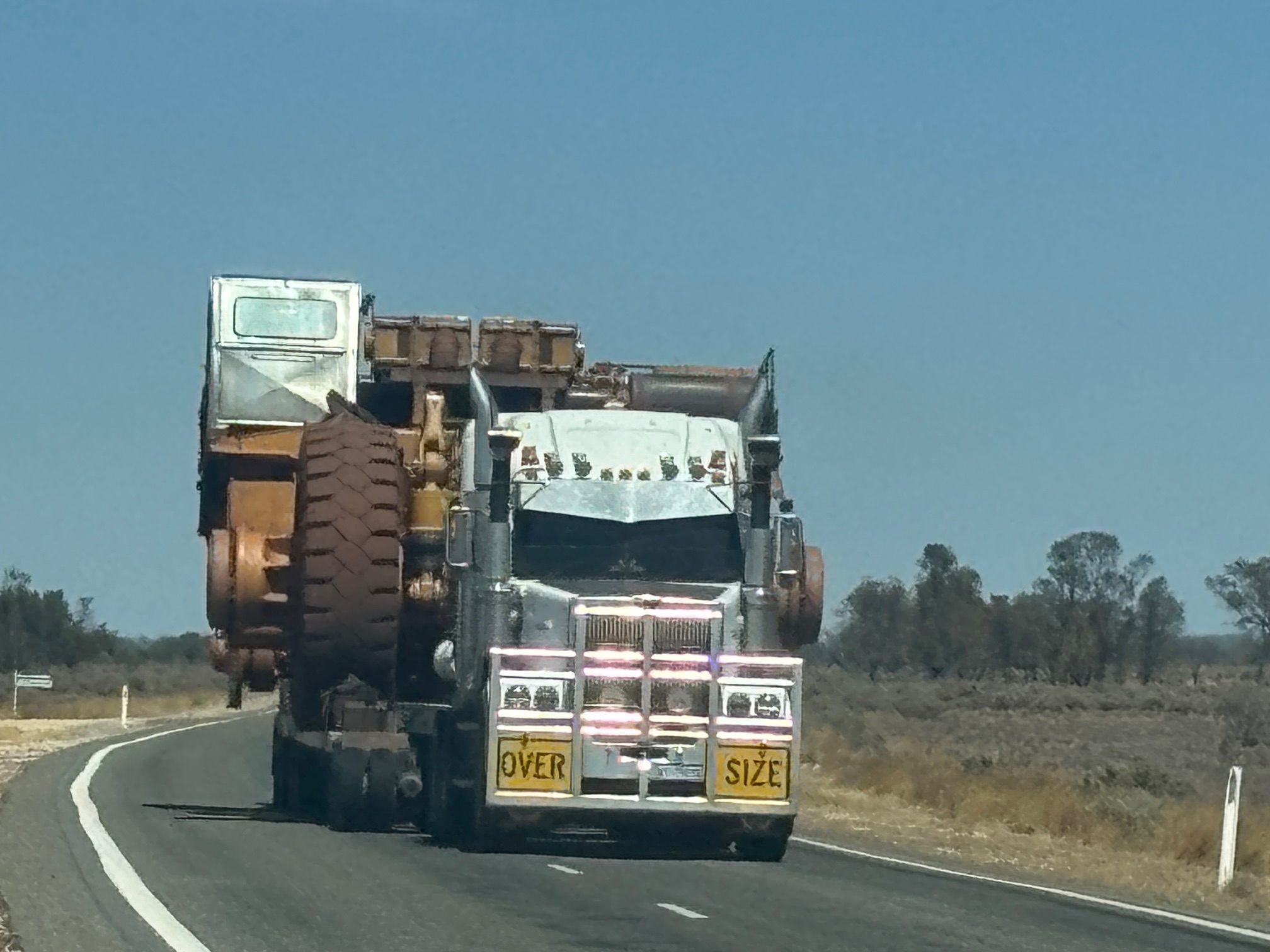
Then it was the Barrier Highway to Wilcannia. Once again on the Darling River but on a sealed road – not trying to teach a caravan to skate. There were some very big loads on the move. Once again the radio came in handy and the standard of pilotage was high. The instruction “One at 6 metres. Take a spot” means get right off the road and wait until it passes. We passed half a dozen at 6m and one at 8.

Along the way we crossed the border into NSW. Back in my Melbourne days we occasionally saw cars with NSW number plates. It was obvious from the way they were driven that NSW stood for No Sense Whatever. Out here in the far west of New South Wales the locals tell me that it stands for Newcastle, Sydney and Wollongong which is where the state government focuses all its attention.

The last hamlet in Queensland was Hebel, home to another classic outback pub.

The birding around Wilcannia is excellent although paradoxically the billabongs don’t have a lot of water in them.

Back home in Western Australia the coast just north of Port Hedland has been battered by Cyclone Zelia. Homes have been lost, livelihoods have been wiped out, stock are swimming for their lives. We are told that Broome got off lightly but the road in is closed. The supermarket shelves will soon be bare. If you’re flying there take a sandwich or two and a roll of toilet paper.

The Shakedown Tour …

… is complete. The AOR Quantum plus has had its first trial and its first service. Tomorrow we cut the umbilical cord and head into the outback.

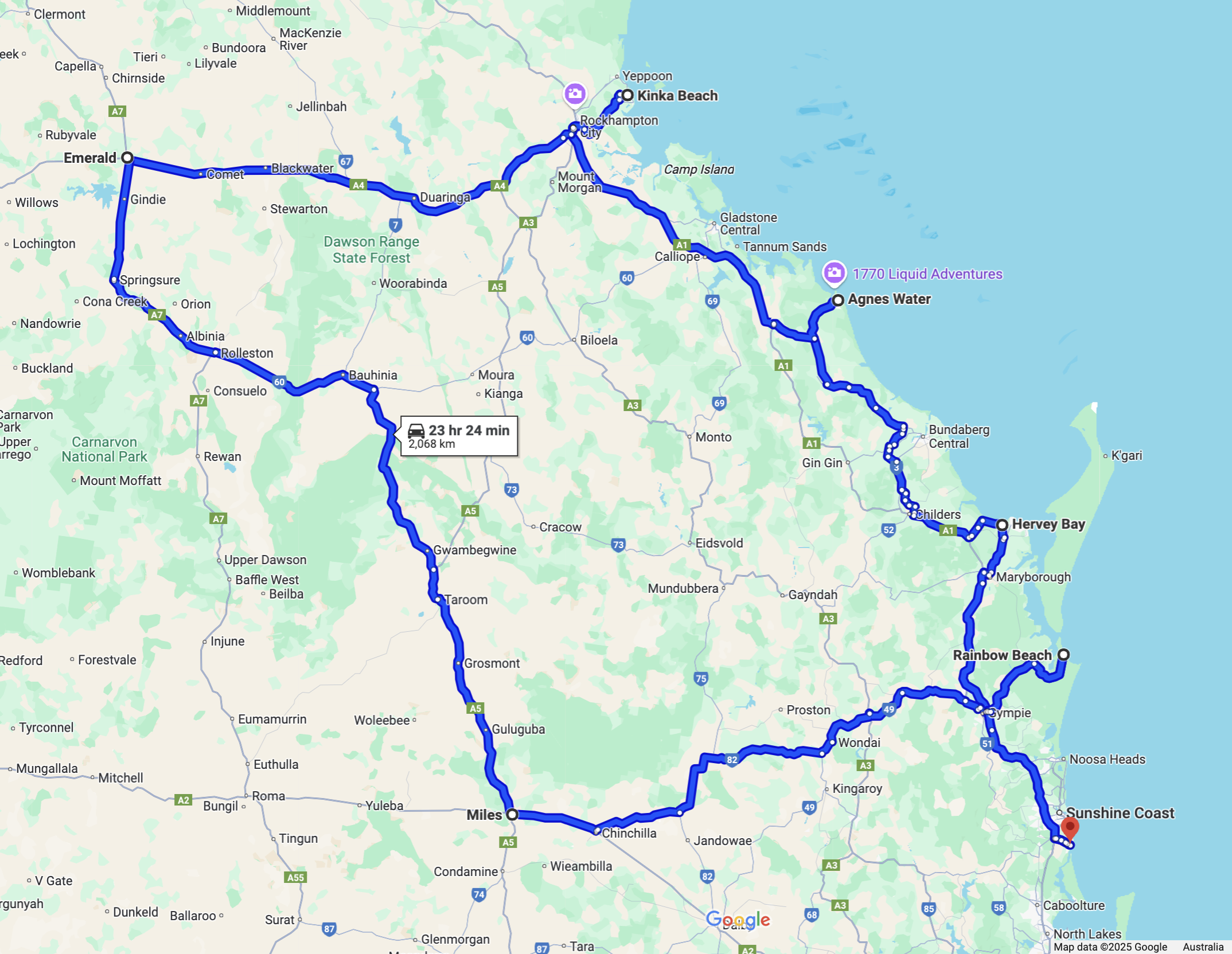
The tour took in a circuit of south east Queensland, covered just over 2000km of towing over two weeks and looked something like this …

The Quantum plus passed with flying colours. Minor teething troubles have been fixed. The three burner stove was fixed before leaving Caloundra. A stabiliser leg needed minor attention and a shock absorber was replaced on our return. I have tried to avoid a millimetre by millimetre account of the rainfall but the weather has been dreadful. The Quantum+ does not leak and the awning can withstand some hefty gusts.

Rocky …

Just north of the Tropic of Capricorn and about 40km from the coast lies the City of Rockhampton. European settlement occurred for the grazing, the discovery of gold in 1859 gave it a push on elevating it to the city of “sin, sweat and sorrow” according to Anthony Trollope. Some of the fine Victorian buildings still survive, the population now stands at close to 79,000 and the general look of the place is more tired old lady than red light district.

It stands on the Fitzroy River which floods occasionally and the city is also subject to cyclones. Possibly the earthquake of 1918 was the most exciting thing that happened here, but give it its due, the weather is quite nice in winter.

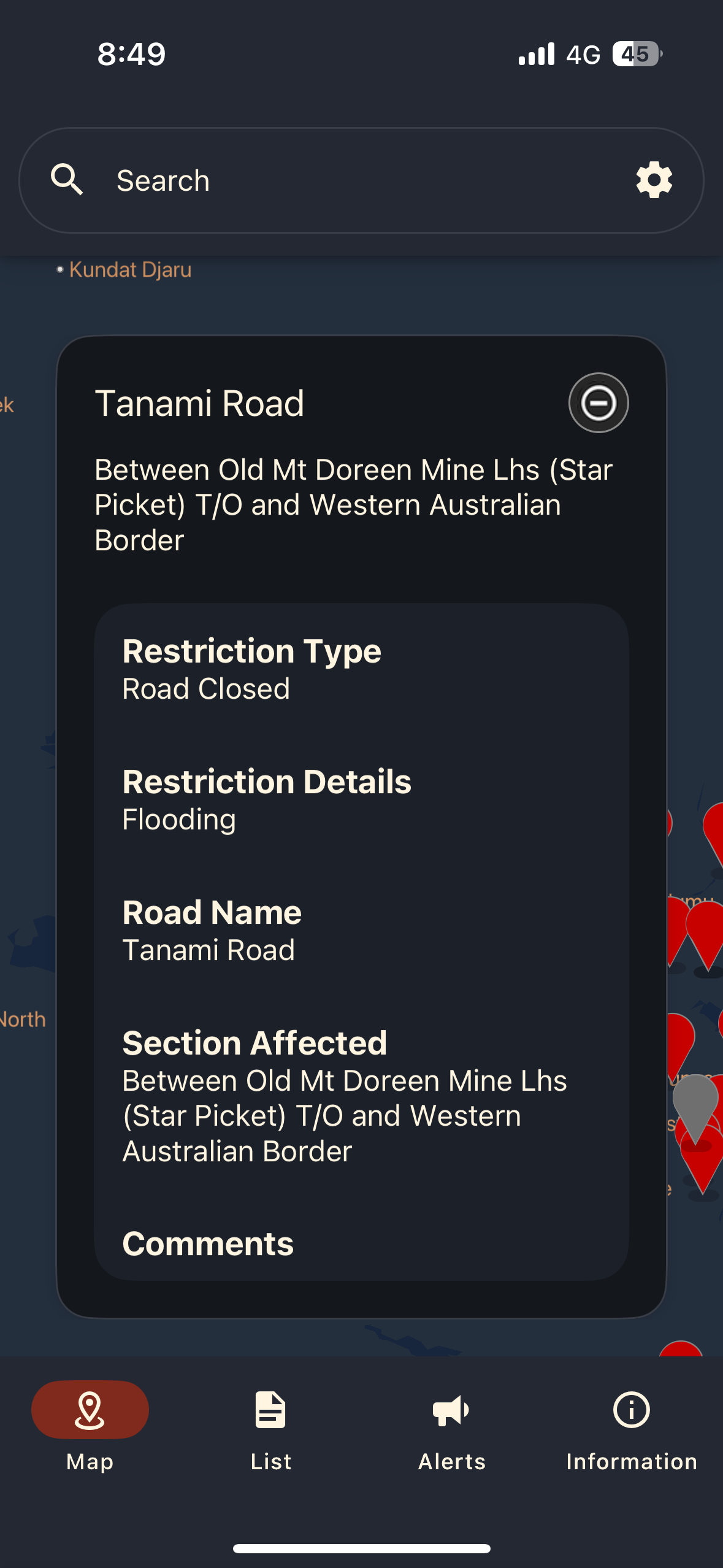
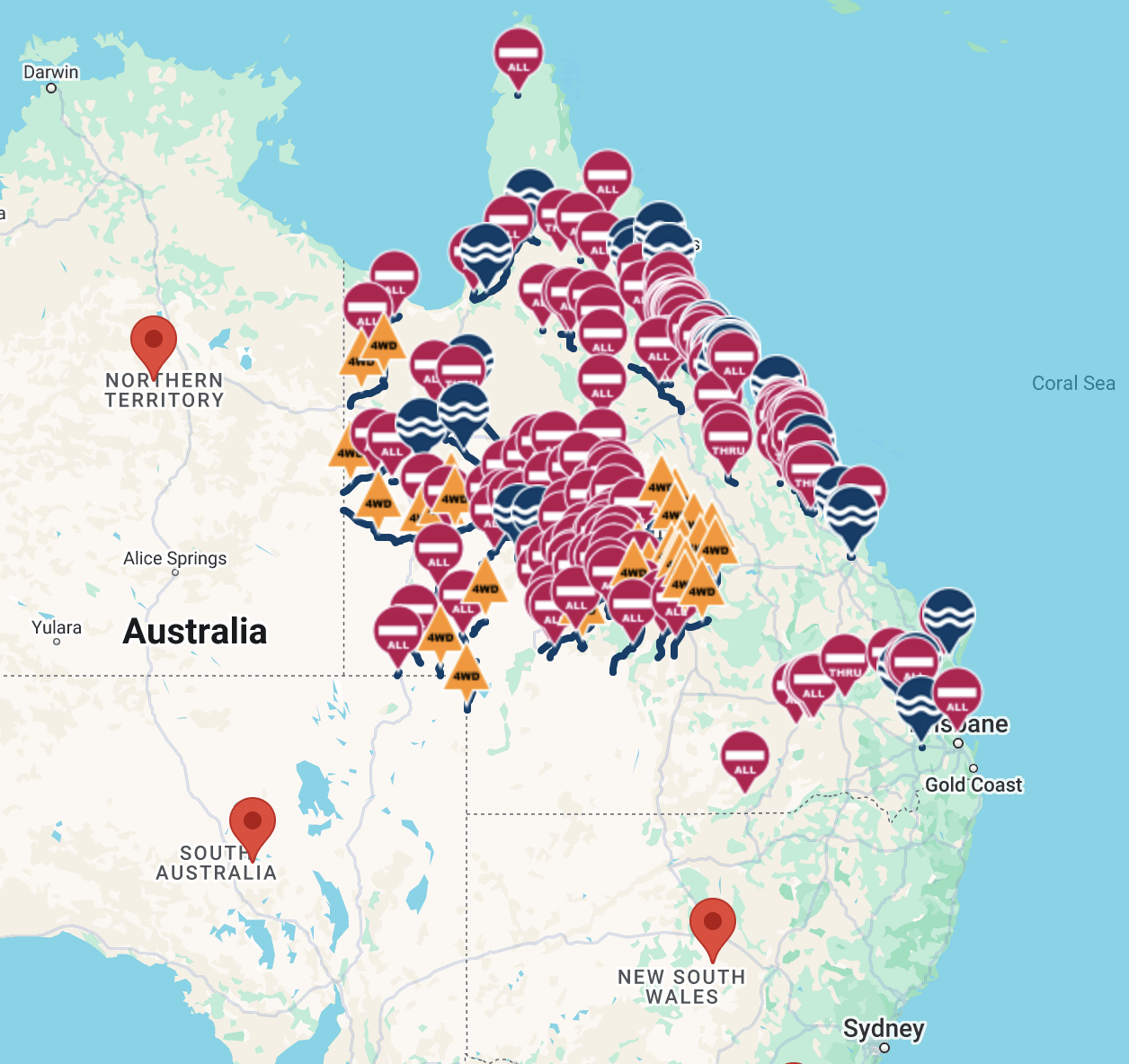
Our planned itinerary would have taken us further north but flooding has closed a few roads. The traffic Queensland map looks like this today.

This is a shakedown tour for the van, we have to be back in Caloundra for a service in a week. So time to turn. Presently we are at Kinka Beach which has been quite productive for bird watching between the showers.

The highlight was Kinka Wetland. This is about 1km off Kinka Beach Road via Young Avenue. Despite its name the alleged avenue is an unmade track currently subject to many puddles. The surface is nice and solid despite all the rain, no problem with traction but having 4WD in reserve was a source of great comfort. Kinka Beach and the Causeway Lake are also worth a look.

Speccy …

We are still ensconced on our hill above Agnes Water. The weather has been terrible. An intense low pressure system centred off to our north has been wreaking havoc on the coast of Queensland. We have got off quite lightly compared to Townsville where flooding has caused mass evacuation and, sadly, loss of life. We have explored the nearby country and made the most of our time.

I had to take just a few steps from the van to take these shots of a beautiful Pale-headed Rosella.

It’s all there, honest. You just have to click on the gallery.

This is a species restricted to eastern Queensland and north-eastern New South Wales. They usually move about as pairs and they are fond of grass seed. They are rarely as confiding as this one.

1770 …

Our little van is now parked on then side of a hill above Agnes Water, Queensland. Not far away is the little town of 1770. Lieutenant James Cook, captain of the good ship Endeavour made landfall in only four spots on Australia’s east coast and 1770 was one of them.

Cook’s voyage had as its first objective to make observations of the transit of Venus in June 1769 from Tahiti. Once this was completed his instructions were to unravel the problem of terra incognita australis. Having unraveled New Zealand he sailed west until Lieutenant Zachary Hicks espyed Australia on April 19 1770. Cook bestowed the name Point Hicks on the spot now in Victoria.

Hicks is one of the unsung heroes of the voyage. He was born in Stepney in the east end of London not far from where I was born, one of the reasons I have a soft spot for him. The far more famous Cook, Banks and Solander owed their lives to Hicks’ quick thinking when they were attacked by Maori in New Zealand. Sadly he died on the voyage home probably from tuberculosis.

Cook turned right, sailed up the coast and made his first landing at Botany Bay. It didn’t take him long to realise that New South Wales was a dreadful place and sail north to Queensland where he made three stops. The first was on May 17 1770 at Bustard Bay now called 1770 (AKA Seventeen Seventy and The Town of 1770 because just calling it 1770 leads to confusion). The second Queensland stop was at Cooktown in far north Queensland to repair the Endeavour after she struck the Great Barrier Reef.

His final Queensland stop was on a small island off the tip of Cape York, Posession island, where he hoisted the flag and claimed everything he’d set eyes on for His Majesty King George lll (more than adequate compensation for America).

Made it …

We made it for our appointment at the AOR showrooms in Caloundra and picked up our hybrid camper trailer. Broome to Caloundra is quite a hike. The journey was uneventful and we had time to catch up with friends.

Our Quantum+ van looks like something like this this …

although this photo was filched straight from the AOR Website. Ours is a much nicer colour. Here we are driving it away …

So far we are very happy. The handover was very thorough. It took about 4 hours. We left with a reasonable chance of putting up the awning and managing the various facilities. We stayed that night at the nearest caravan park.

There was a small problem with the stove but that was fixed the next day. We are now at Hervey Bay. I suspect the van will meet our expectations but let’s not attempt a review until we know what we are talking about – this is not Youtube after all.

Bigfoot …

At Byron Bay we found our first Brushturkeys of the trip. They are found in rain forest of Australia’s east coast. They have large strong feet which they use to rake the leaf litter to find their food. Along with the Junglefowl and the Malleefowl they make up the Australian contingent of megapodes.

Megapodes have a very specialised mode of reproduction. The male megapode uses his big feet to create and maintain a mound which includes enough composting leaves to create heat. The females visit and once the eggs are fertilised they are laid in an excavated hole in the mound which then provides all the heat needed for incubation.

When the chicks hatch they have to dig their way out. They emerge into the domain of a father who wants nothing more to do with them and is very jealous of his territory. They must find shelter from him and from predators. Fortunately they can already fly and feed themselves. Henceforth they are on their own.

When the boys grow up they must either inherit or create a mound of their own. If they choose your back yard the petunias are in big trouble.

The road trip has moved up the coast to Brisbane.

Not exactly Game of Thrones …

Byron Bay is full of surprises, there is a dragon in the garden.

An Eastern Water Dragon  (Intellagama lesueurii) to be precise. This guy, and it is a male because of the clarity of its markings and his size, is about a metre long and is reasonably tolerant of human presence. Thery are found along the east coast of Oz down to Gippsland in Victoria.

The guy in the first photo is all there, you just need to click on the gallery to get the whole picture.