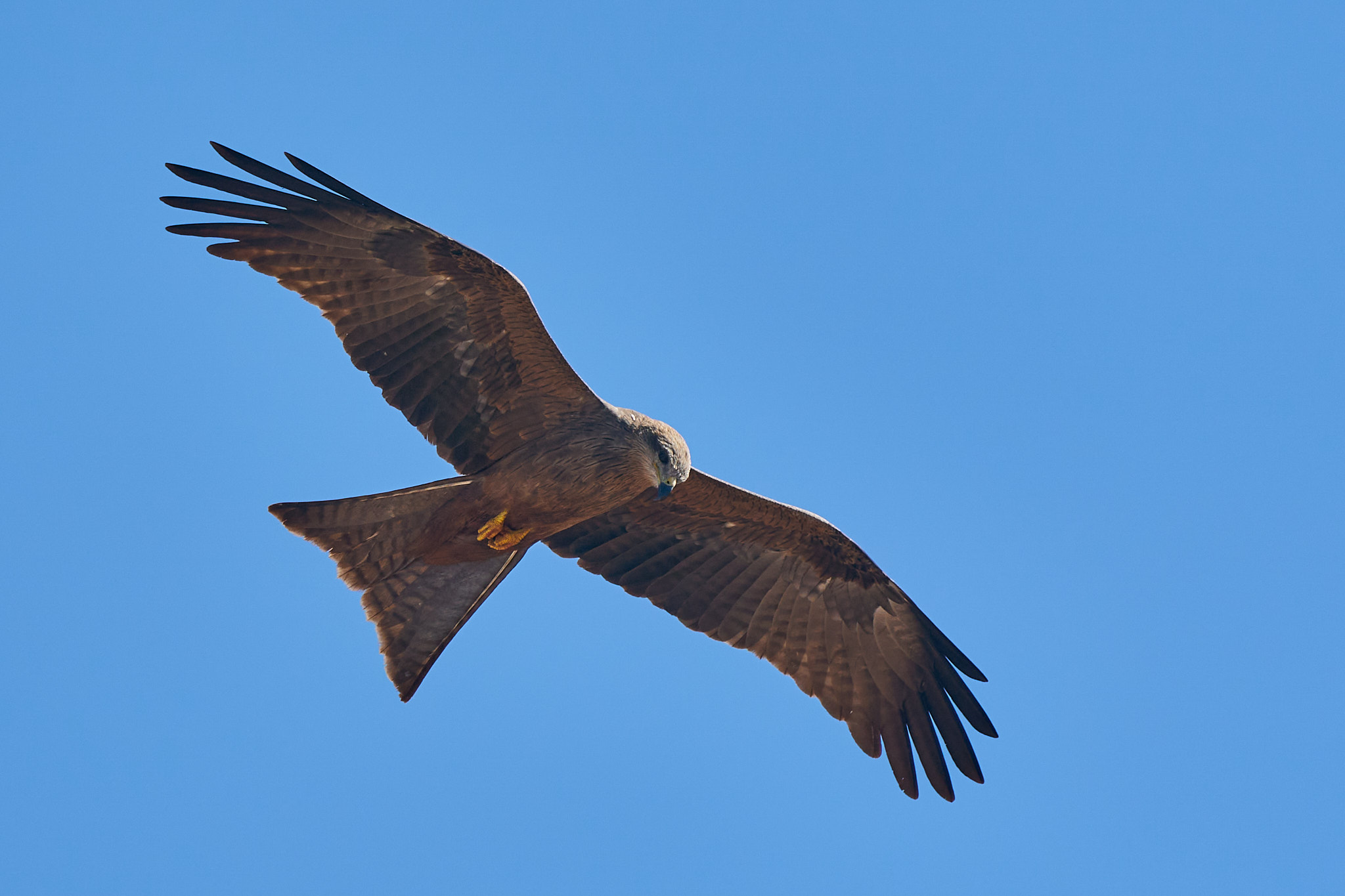
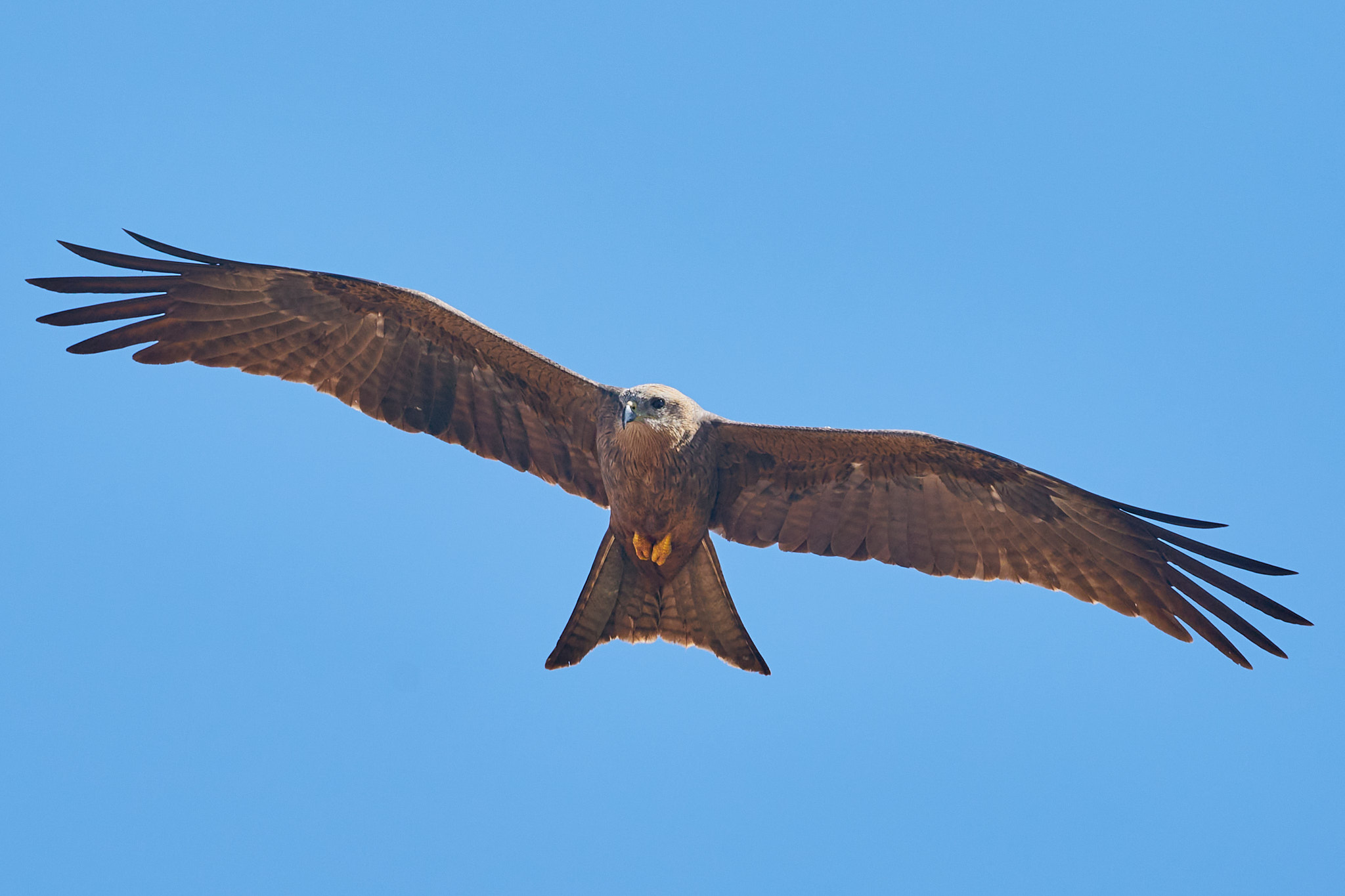
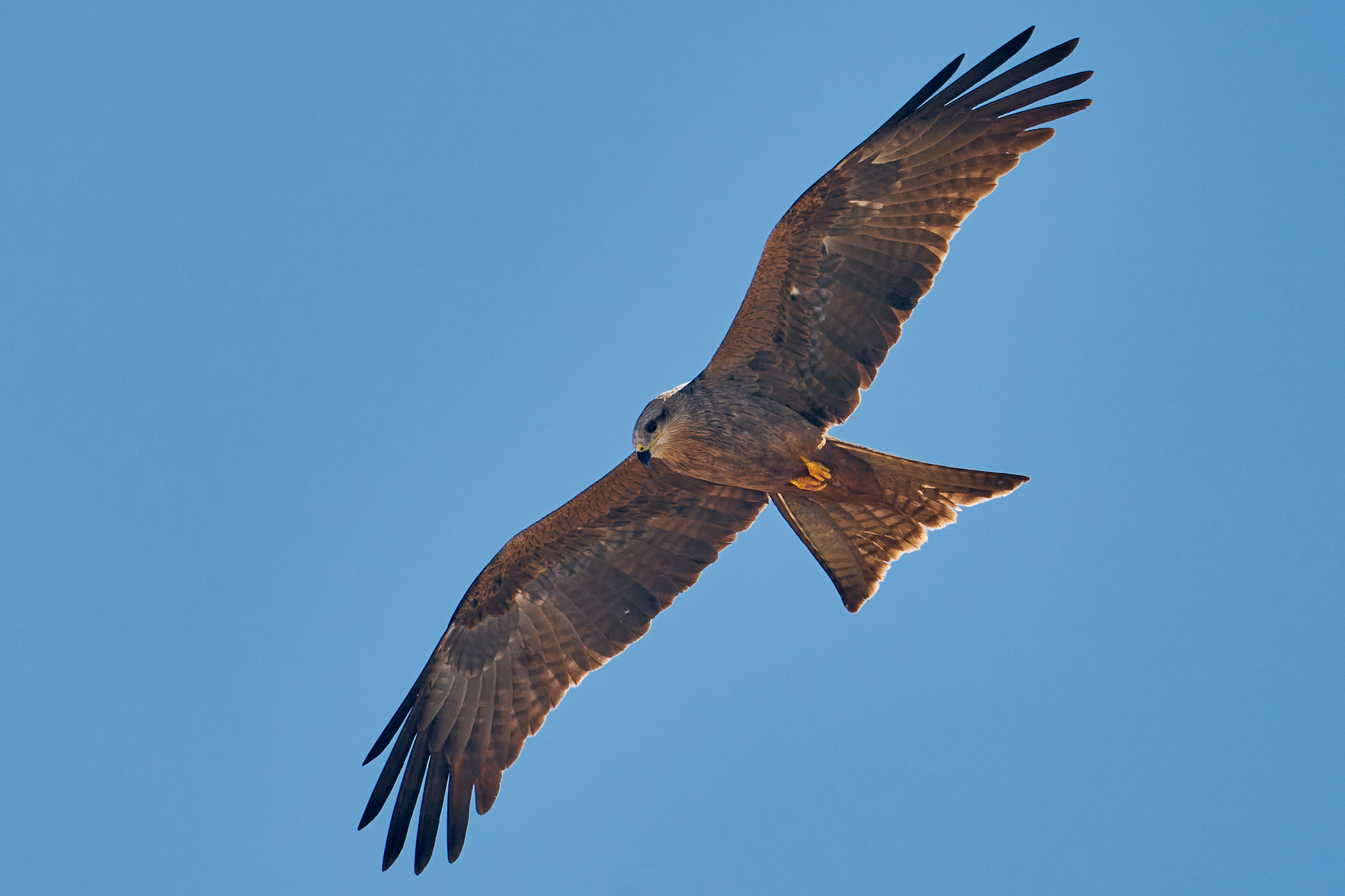
Some birds seem to fly with very little effort. Many seabirds fit the bill but still give an impression of great dynamism. Black Kites just float with a lazy nonchalance. They are common over Broome and are found throughout Australia. They are also found in Papua-New Guinea, Eurasia and Africa. Australian cricket fans will have seen them on TV when we play in India and South Africa.
Their legs are short and their talons are not especially powerful. They enjoy a bit of carrion, large insects and small mammals like mice. They congregate at rubbish tips and over bushfires. They have been known to help fires spread by carrying smouldering sticks into unburnt areas.
If you’re having a picnic watch out for your sandwich – pro tip, stay close to the trees.
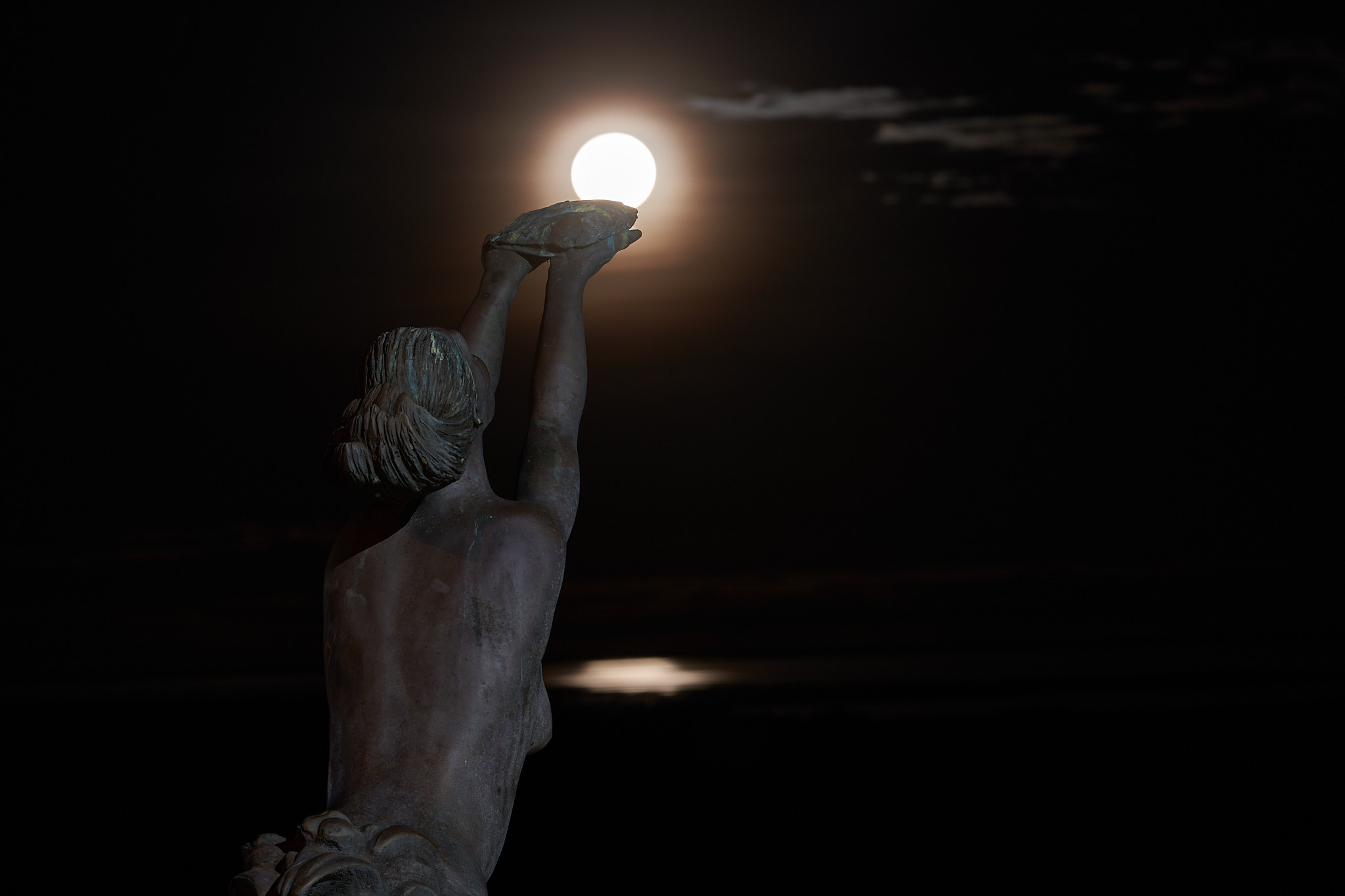
According to Pliny the Elder Cleopatra was keen to impress Mark Antony …
“At this moment she was wearing in her ears those choicest and most rare and unique productions of Nature; and while Antony was waiting to see what she was going to do, taking one of them from out of her ear, she threw it into the vinegar, and directly it was melted, swallowed it
In other versions it is wine. Vinegar is sufficiently acid to dissolve a pearl (eventually) wine is not, Coke would certainly have tasted better. The story is probably untrue but there are two things we can say for certain … Cleopatra was cultured, the pearls of the time were not. Nor were the pearls from prewar Australia. Indeed the WA Pearling Act of 1912 prohibited the production, sale and possession of cultured pearls. That section of the Act remained in force until 1947.
It was buttons and pearl shell inlays that sustained the industry. Pearls were a welcome bonus but a master pearler of the time could not have put together a finely matched necklace in an entire career. The war stopped the industry in its tracks. The ports and airports of Northern Australia were of stategic importance pearl shell was not. The fleet was dispersed.
National WW2 Museum New Orleans
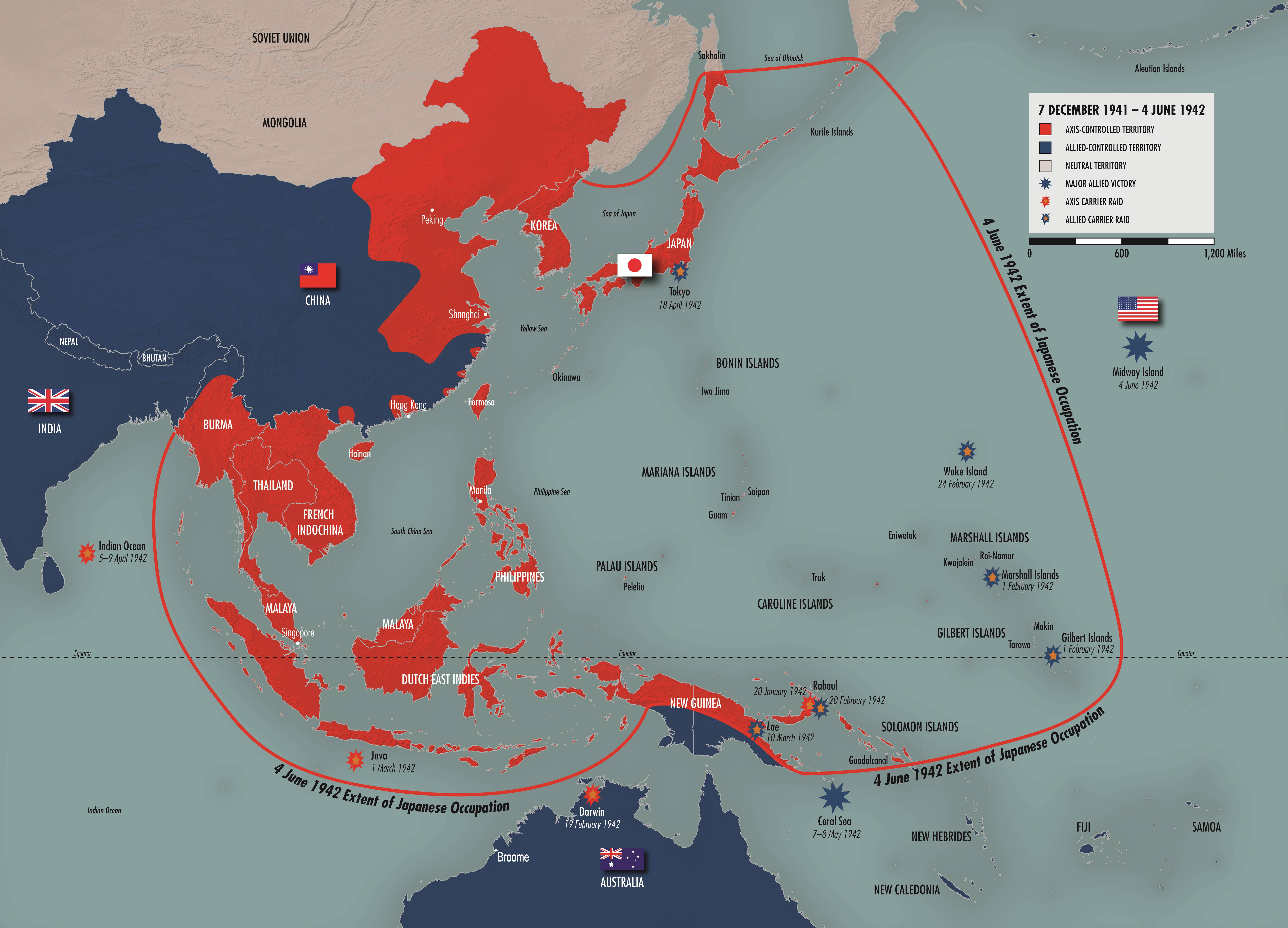
The map, filched shamelessly from The National WW2 Museum New Orleans, to which I’ve added Broome, shows the maximum extent of Japanese expansion and how close the war came to Australia.
Pearling resumed in 1946. The work force was about a quarter the prewar figure. There were no Japanese represented, nor would there be until 1953. A shortage of Luggers hindered production but the fishery had been rested for four years and buttons were in short supply. The industry picked up quickly in a world that was changing rapidly.
As a kid, if I lost a button, my mother would sort through her sewing box to find a matching replacement. Would it be a pearl one or one of the new and cheaper plastic ones?
Hard hat diving gave way to hookah diving, air was still delivered by hose from the surface but to a mouthpiece giving the diver greater freedom of movement. He was now looking for small specimens of the same species of oyster to take home live for cultivated pearl production.
The end product was no longer high volumes of low value shell. Pearling was now truly about the pearl, little balls of calcium carbonate but with a lustre and size that would have so shamed Cleopatra she’d have shoved a snake down her cleavage.
The seasonal rhythm in Broome ticked along. The population of Japtown was a few hundred in the dry when the Pearlers were at sea. At the end of the season the population would quickly swell to more than three thousand for the wet. The Japanese had a long association with the sea and with pearling. In 1940 they constituted about 27 % of Broome’s pearling workforce. They were outnumbered by the Koepangers – indentured labourers recruited in Timor. (45%). By comparison the Chinese constituted just 0.5% 0f the pearling workforce. Smaller numbers of other Asian people and aboriginals made up the balance. Then add the merchants and those not employed in pearling. All manner of businesses thrived. It was a happy little melting pot living in vibrant harmony – between riots.
At dawn on November 7th 1941 the Japanese struck Pearl Harbour. Eight U.S. battleships were in port. All were hit, 5 being sunk and 1 heavily damaged; also sunk were 3 destroyers. Nine other ships were sunk or severely damaged; 140 aircraft were destroyed and 80 more damaged. 2,330 military personnel were killed and 1,145 wounded. It was the start of the War in the Pacific. For the next 6 months the Japanese carried all before them.
In Broome Pearling came to a halt. Women, children and nonessential workers were evacuated. The Japanese were interned. Many of the luggers were commandeered by the Navy – imagine the terror of the Japanese at the prospect of a fleet of luggers bearing down on them.
On February 19th 1942 Darwin was bombed. Japanese fighters and bombers attacked the port and shipping in the harbour twice during the day, killing 252 Allied service personnel and civilians.
On March 3rd 1942 nine Zero fighter planes strafed the moorings at Mangrove Point where there were 15 Flying Boats parked for refuelling. The airport was also attacked. The Flying Boats and 9 other aircraft were destroyed. At least 89 people were killed. The Flying Boats were carrying refugees from the Dutch East Indies. Most of the dead were women and children fleeing the Japanese advance. There were three further attacks on Broome.
In succeeding months air attacks were made on Wyndham, Port Hedland and Derby in Western Australia, Darwin and Katherine in the Northern Territory, Townsville and Mossman in Queensland, and Horn Island in the Torres Strait. In all Darwin was hit 64 times.
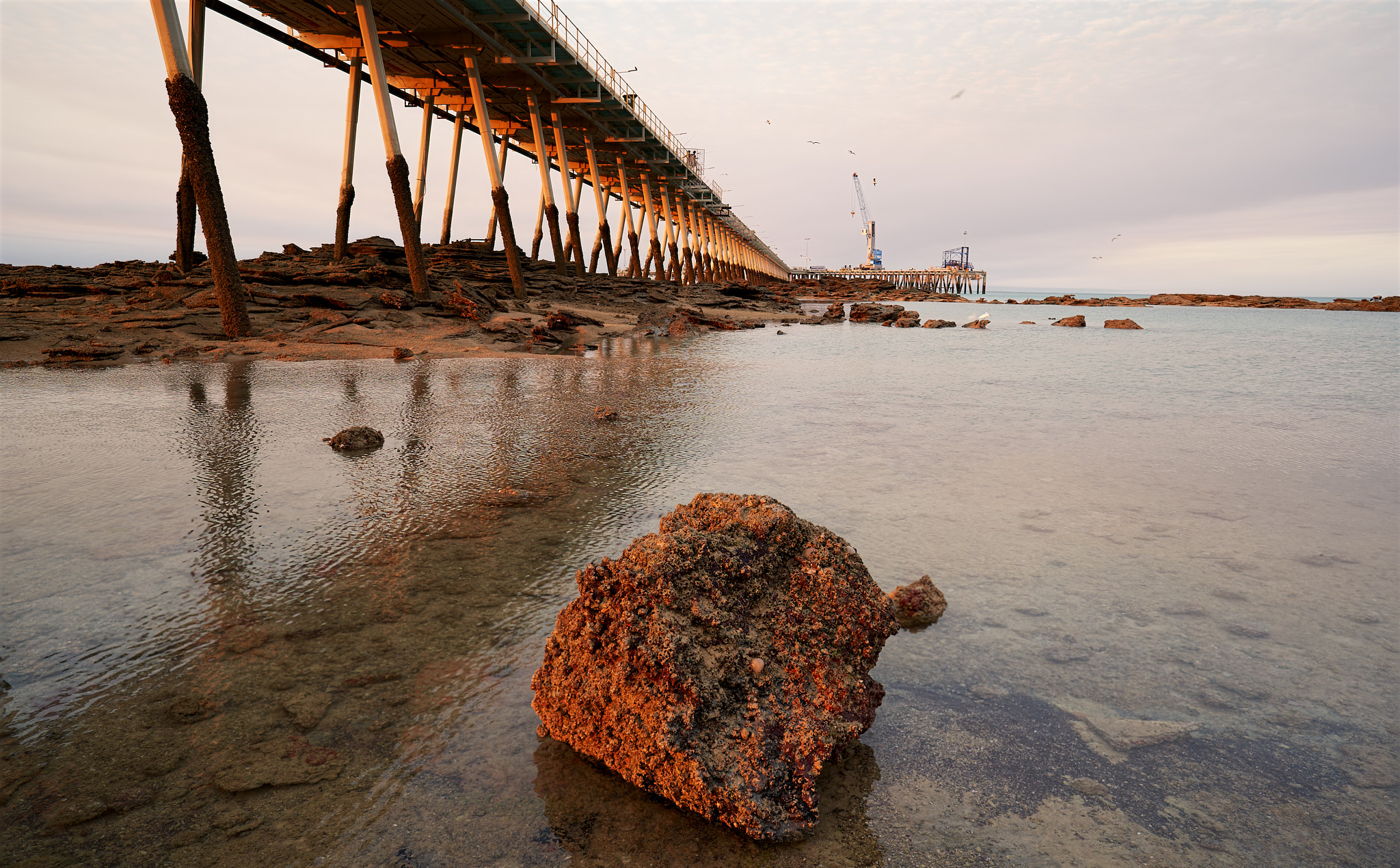
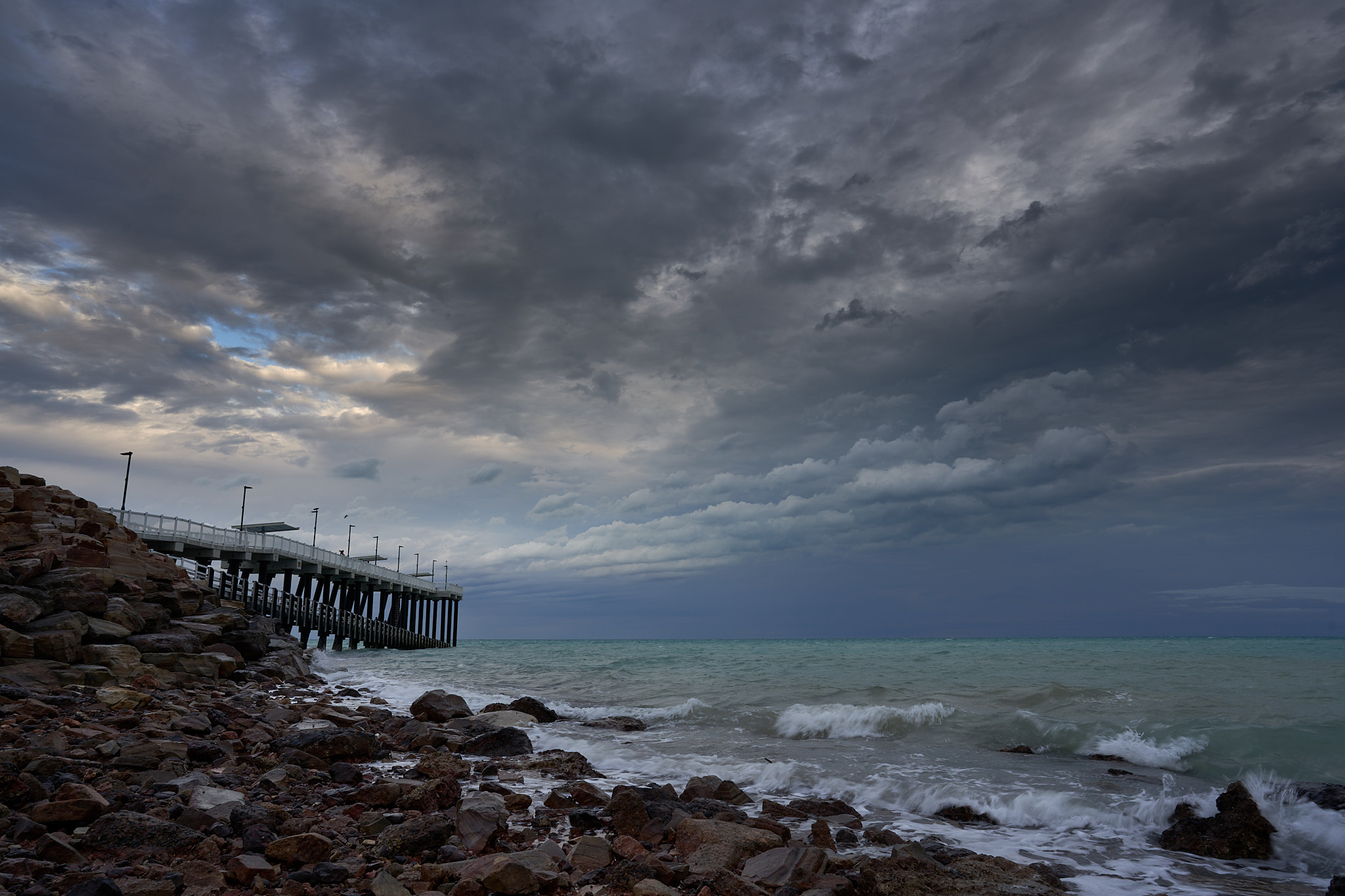
The shore of Dampier Creek offered a place where boats could be hauled out and there were fresh water soaks close at hand. It was a useful base for the pearlers. Streeter and Male founded a store nearby, a passage was cut through the mangroves and a jetty was built. It seems that the exact date is unknown but it was in existence prior to 1897. Streeters Jetty is still there and has recently been given a major facelift. It is as fine an example of a plain wooden jetty that you will find anywhere in Broome.
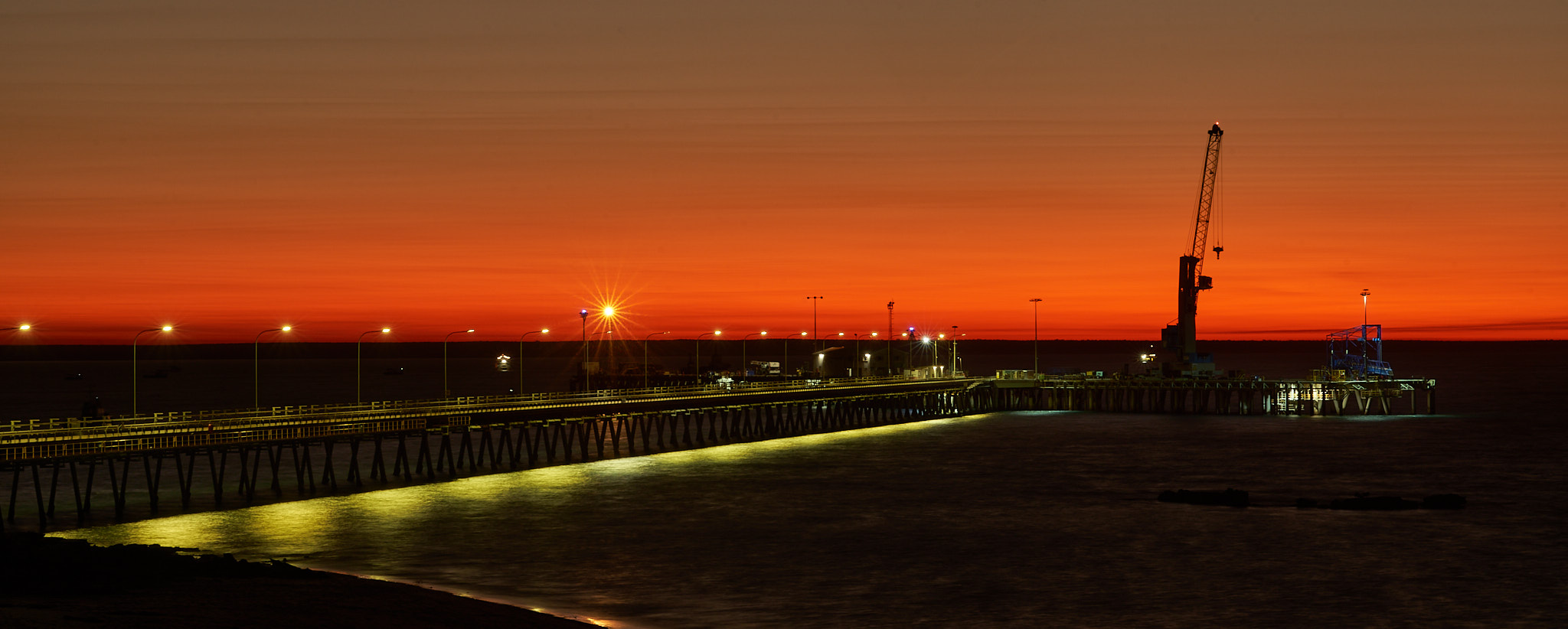
It had its limitations being useful only for small boats at high tide. It was underwater at very high tides and a long way from water at low tides. In 1897 a government jetty was constructed at Mangrove Point now called Town Beach. This served until the 1960’s. It was an improvement but ships still had to take the bottom between high tides.
Between Streeter’s and Town Beach there is a spot that gives a good view over the mangroves to what was then the port. There is a monument here to the womenfolk who waited here for the return of the luggers and schooners. If that gives the impression that life was a picnic spent sitting on the grass waiting for their men to turn up forget it. Think instead of the anxiety that would follow a storm. Who will return and who will not?
It arrived last night and a tropical downpour has been drumming on the roof ever since, a soothing and hypnotic sound. Tourists were not expecting this in the dry season. Caravan parks are overflowing – just like the gutters. By road Broome is a long way from anywhere else. City dwellers may be challenged by the notion that roads will be flooded and impassable.
The Gibb River Road winds through the remote KImberley region. If you take it easy in fine weather your 4WD will get you through, with skill and care your caravan may even survive and you can pick the contents of the cupboards up off the floor when you reach your destination. If anything goes wrong you are a long way from assistance.
This gem was posted on Facebook this morning …
“During the GRR closure, are we still able to use the road to leave? We’re currently at Drysdale River Station and urgently need to get to Derby to get our fridge fixed 🙄 “
… and pray that there’s intelligent life somewhere out in space – everybody knows you can’t get a fridge repaired in Derby!
Warnings are in place for the KImberley and Pilbara. the Gibb River Road is closed, the Fitzroy Crossing causeway is restricted. This could stretch all the way to Birdsville.
The monsoonal parts of Australia have simplified the calendar to just two seasons but that is nothing compared with what Broome has done to the clock.
Ask a tradesman when he can come and fix something, measure up, give you a quote, whatever. He’ll tell you next week, maybe. If you eventually get a quote you ask him when he can start. He tells you next week, maybe. If he starts its likely that he will disappear for a while. You ring him up and ask when he might finish. He tells you next week, maybe.
If you complain about it to a friend they are are likely to nod wisely and say Broome time.
Broome time is very similar to the Spanish concept mañana but without the urgency.
I woke this morning to the sound of a gentle rain. It is the first time I’ve heard it since moving to Broome about six weeks ago. So in my limited experience this is unusual. The recent settlers of tropical Oz have dispensed with spring and autumn as far to subtle to detect. Impressed by the big changes we have ended up with just two seasons, the wet – November to April and the dry – May to October.
The people who have lived here for millennia had more to consider than whether the roads were passable or impassible. They had six seasons summed up by the school children of Ardyaloon thus …
So currently it is Barragana and yes, I have heard people complain about the cold (mean daily maximum 29.3°C, mean overnight minimum 15.2°C).
How rare is rain in June? The average is in fact 18.2mm. It doesn’t seem likely that we will break any records. The wettest June on record was in 1968 at 208.1mm.
When living in country Victoria I saw Eastern Grey Kangaroos and Swamp Wallabies almost every day. The thrill never seems to wear off. Now living in town in Broome the common macropod is the Agile Wallaby and I’m not likely to see one on my front lawn. They are smaller than their Victorian cousins and abundant when you get out into the countryside.
Boys are bigger than girls, body length 85cm versus 72, 27kg versus 15 when fully grown. Their tails are long and flexible doubling their length overall. As is typical of kangaroos reproduction is very efficient. There may be a joey in and out of the pouch, another small baby in the pouch fastened to a teet and a fertilised egg in a state of suspended development waiting for lactation to cease – a condition known as diapause.
Agile Wallaby distribution.
They are the commonest macropod in their range and they have been successful over a very long time period. Their fossils have been found from Pliocene deposits in Chinchilla, Qld – that’s four million years ago. They were slightly larger back then but otherwise identical. Their future is secure in Oz but, like everything that moves, they are hunted mercilessly for bush meat in New Guinea.