We could be in for some weather …
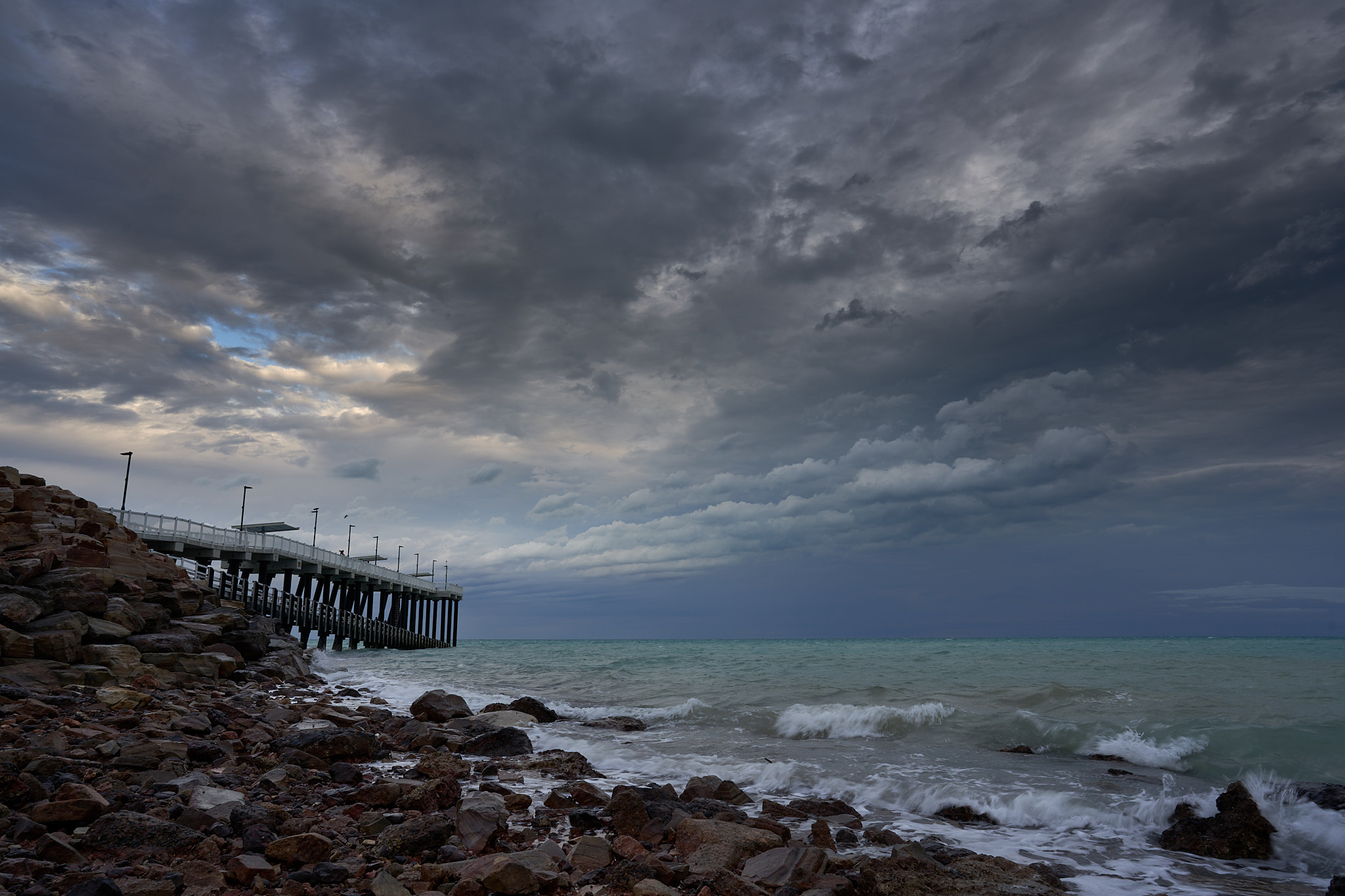
Warnings are in place for the KImberley and Pilbara. the Gibb River Road is closed, the Fitzroy Crossing causeway is restricted. This could stretch all the way to Birdsville.
and pray that there's intelligent life somewhere out in space
We could be in for some weather …
Warnings are in place for the KImberley and Pilbara. the Gibb River Road is closed, the Fitzroy Crossing causeway is restricted. This could stretch all the way to Birdsville.
The monsoonal parts of Australia have simplified the calendar to just two seasons but that is nothing compared with what Broome has done to the clock.
Ask a tradesman when he can come and fix something, measure up, give you a quote, whatever. He’ll tell you next week, maybe. If you eventually get a quote you ask him when he can start. He tells you next week, maybe. If he starts its likely that he will disappear for a while. You ring him up and ask when he might finish. He tells you next week, maybe.
If you complain about it to a friend they are are likely to nod wisely and say Broome time.
Broome time is very similar to the Spanish concept mañana but without the urgency.

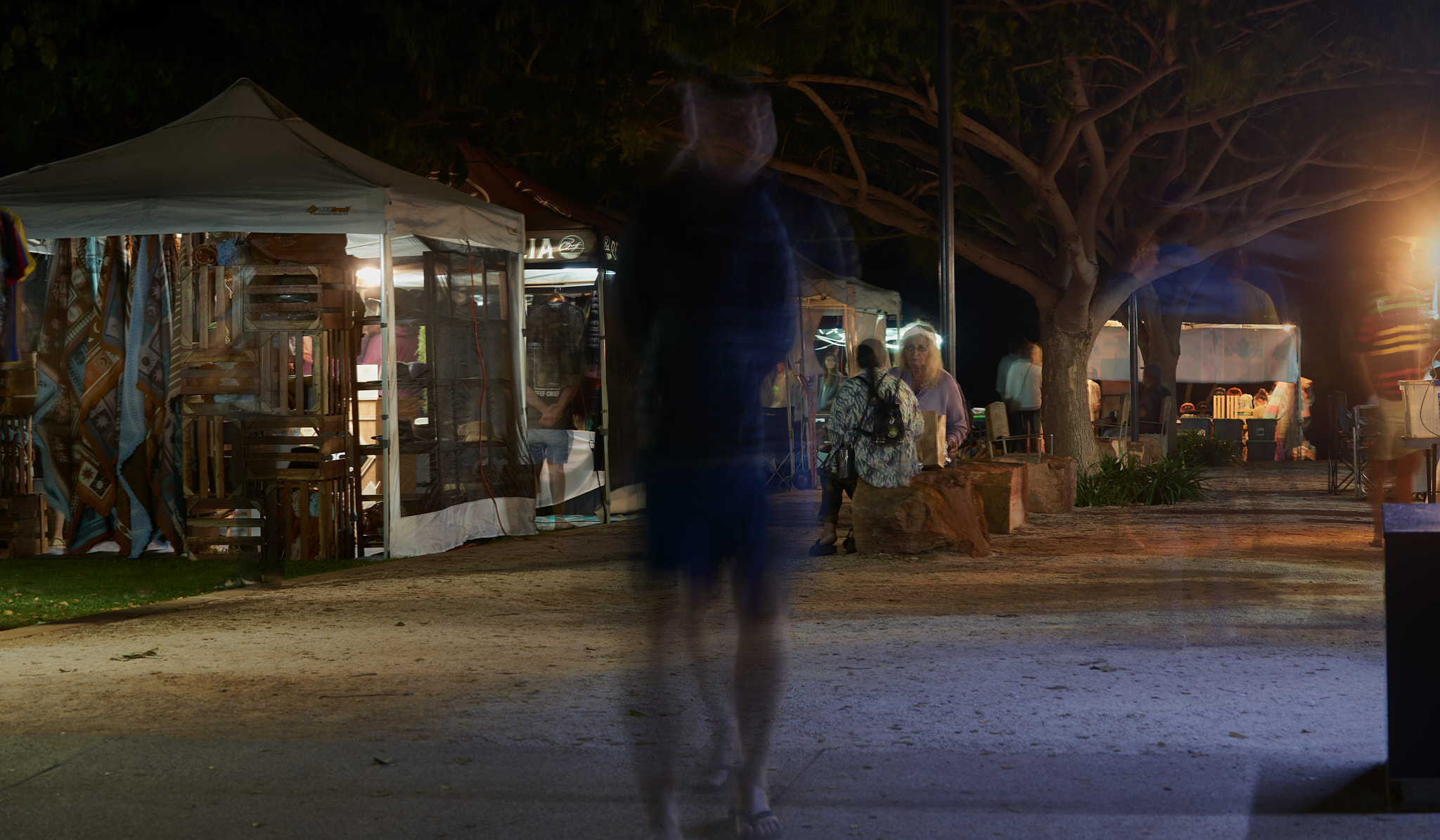
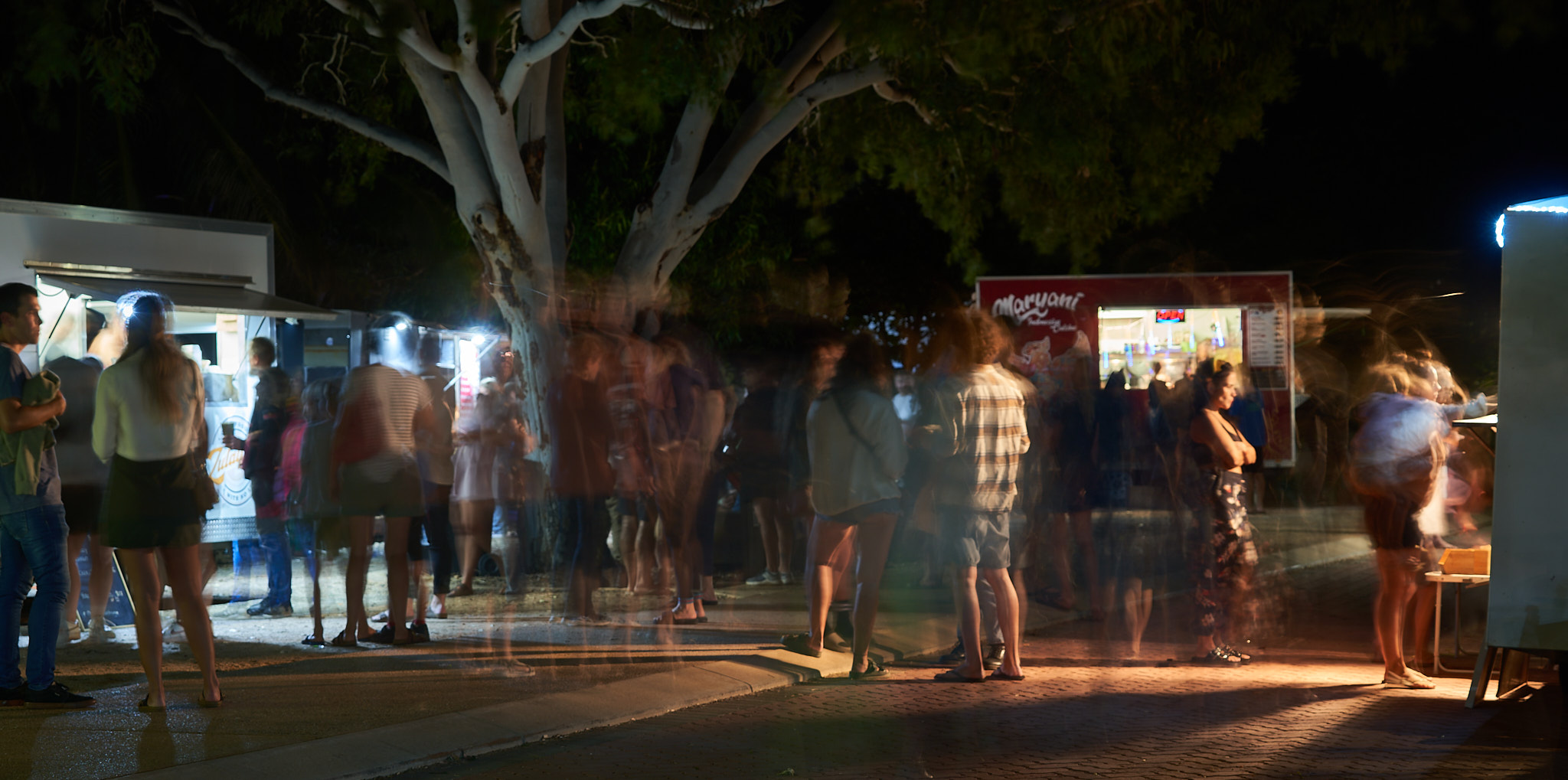
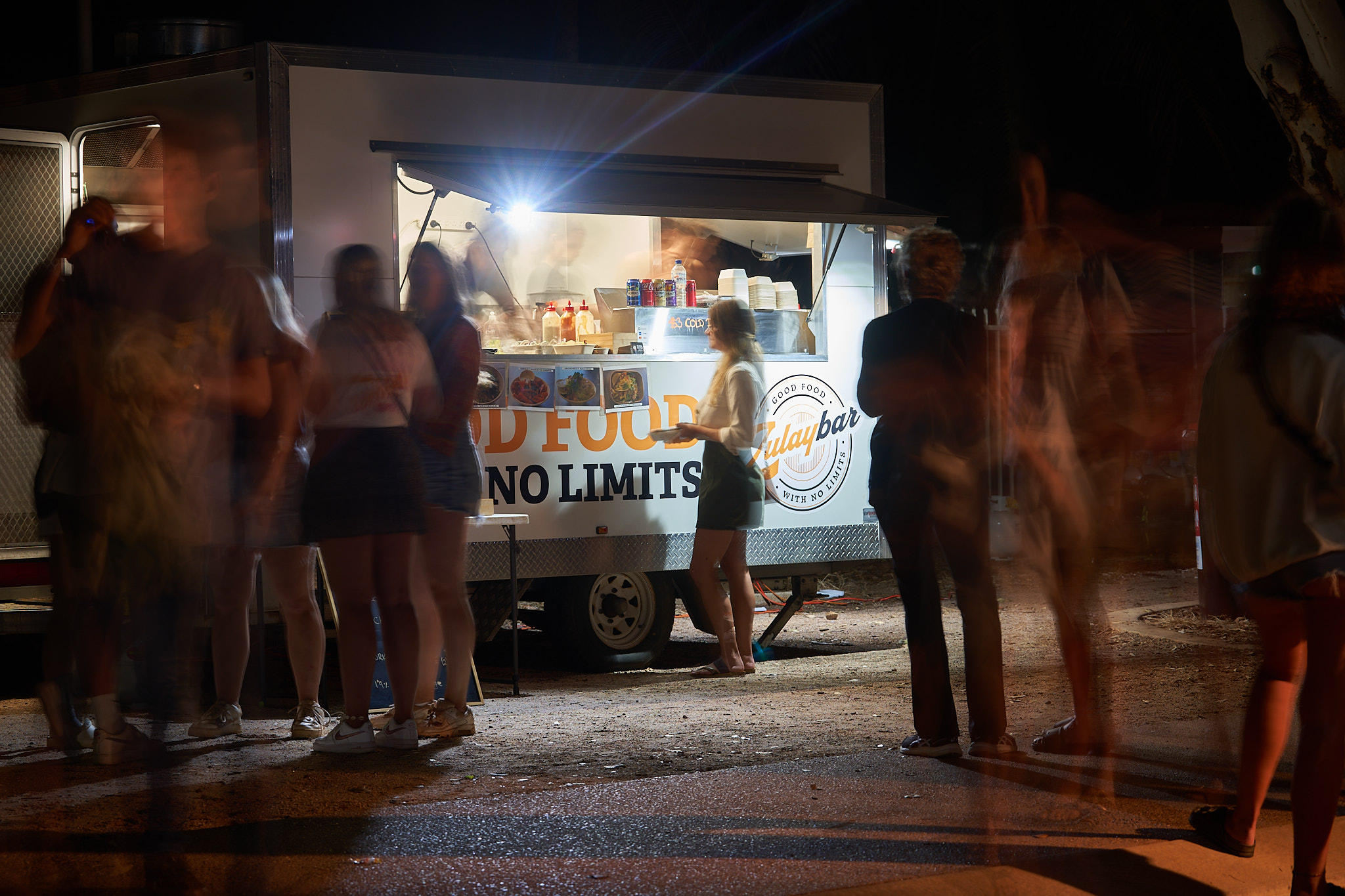
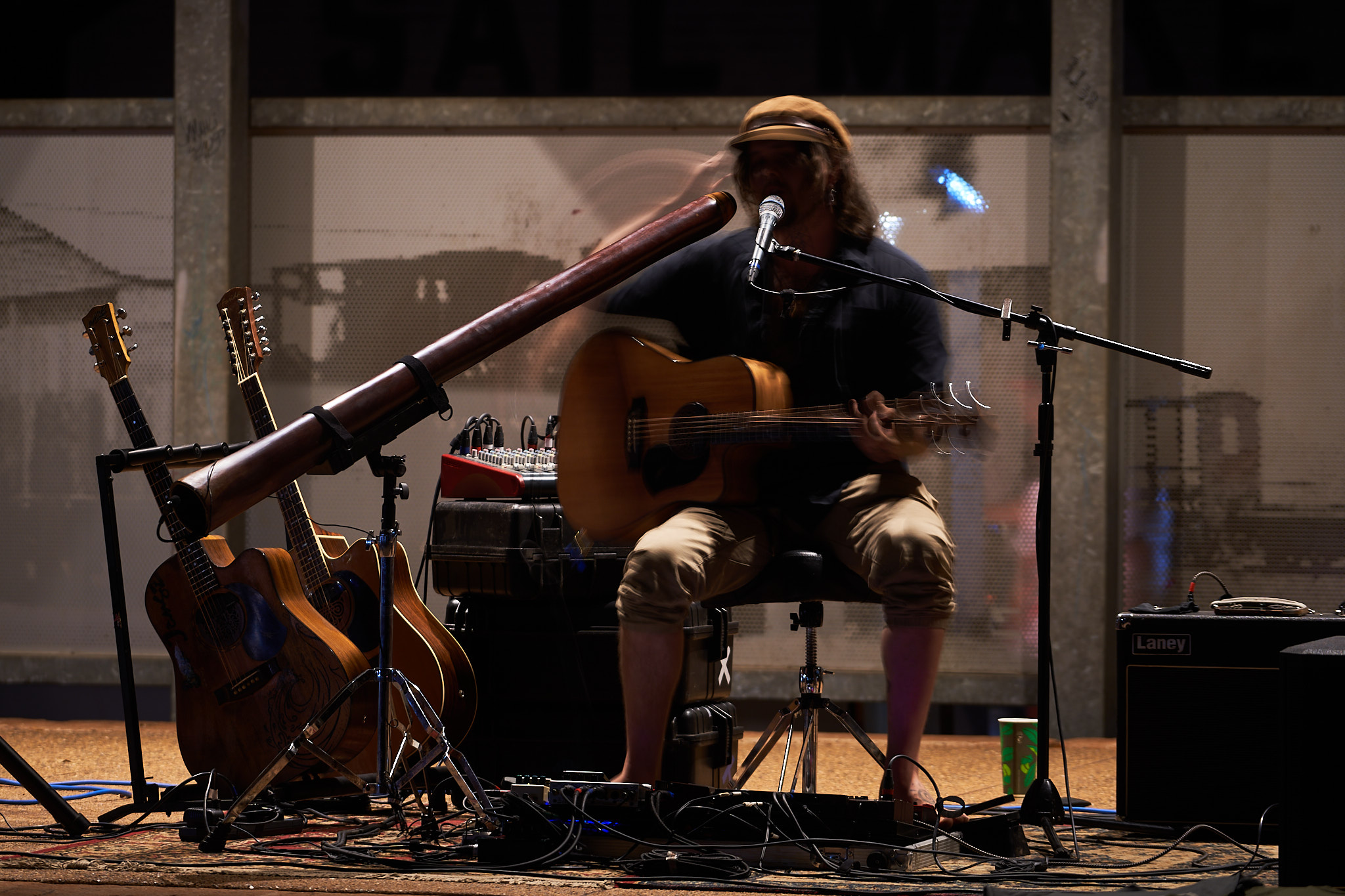
Town Beach Broome, every Thursday evening, June to September, 4pm until 8.
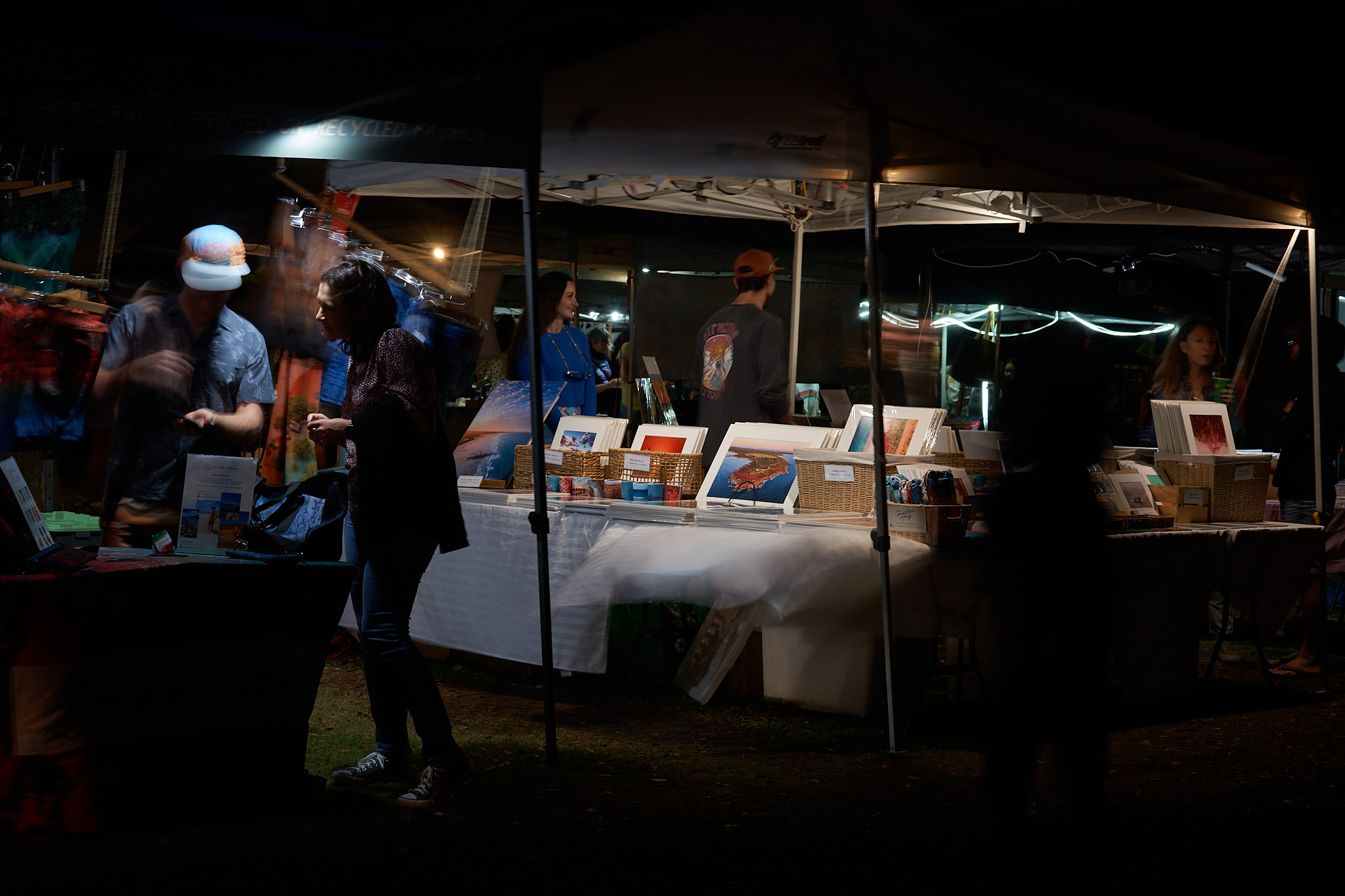
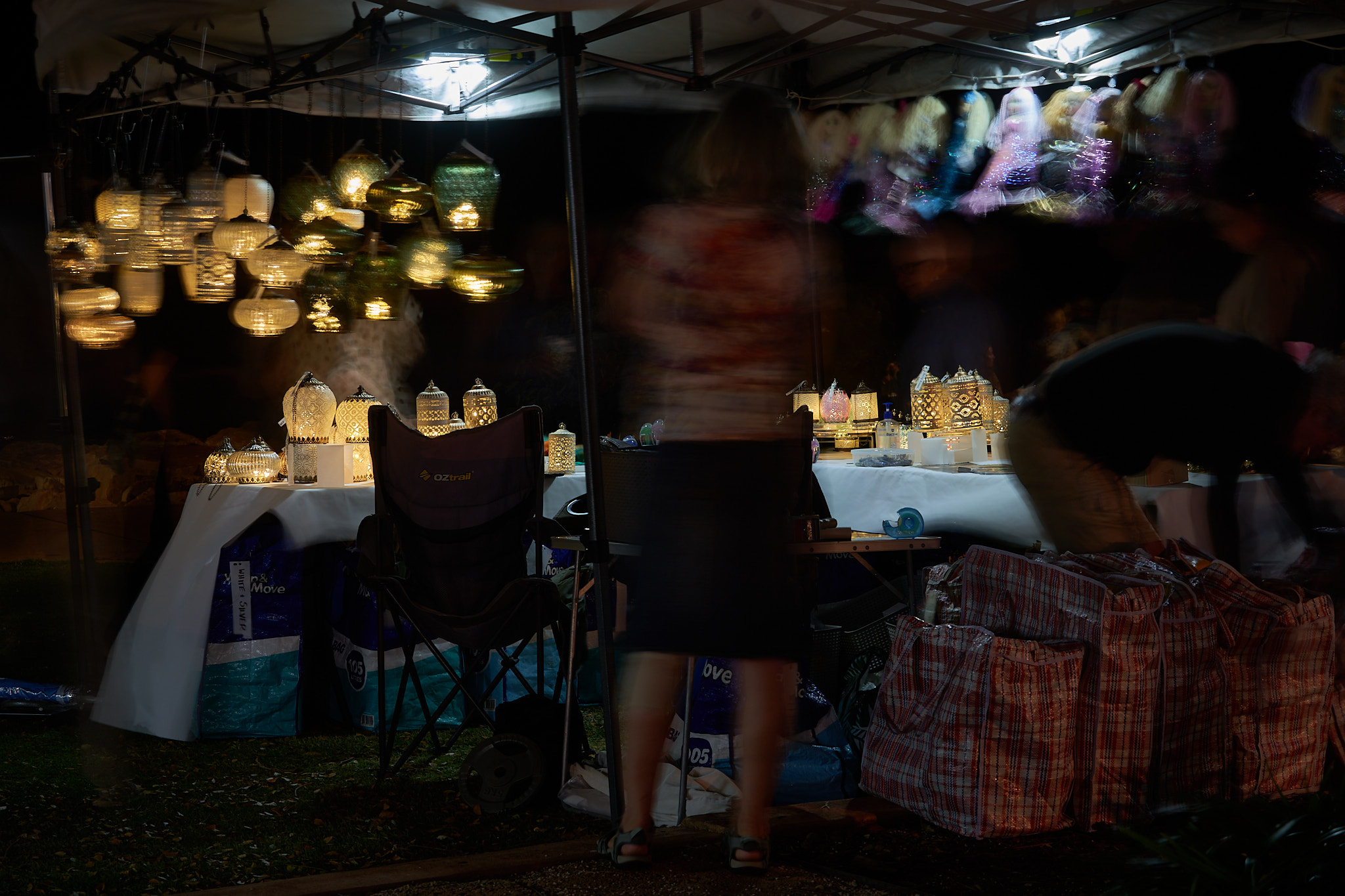

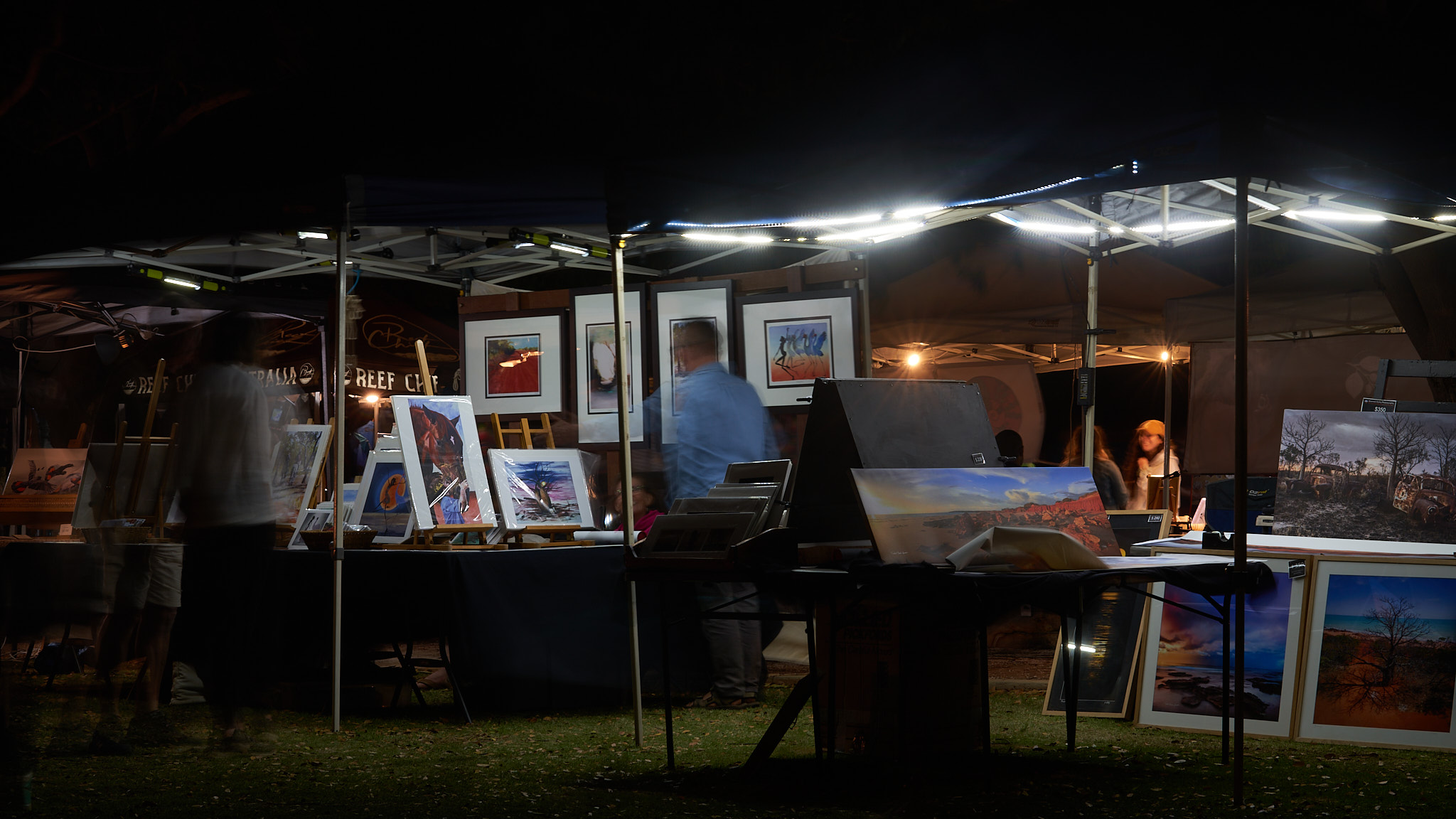
But it’s the dry!
I woke this morning to the sound of a gentle rain. It is the first time I’ve heard it since moving to Broome about six weeks ago. So in my limited experience this is unusual. The recent settlers of tropical Oz have dispensed with spring and autumn as far to subtle to detect. Impressed by the big changes we have ended up with just two seasons, the wet – November to April and the dry – May to October.
The people who have lived here for millennia had more to consider than whether the roads were passable or impassible. They had six seasons summed up by the school children of Ardyaloon thus …
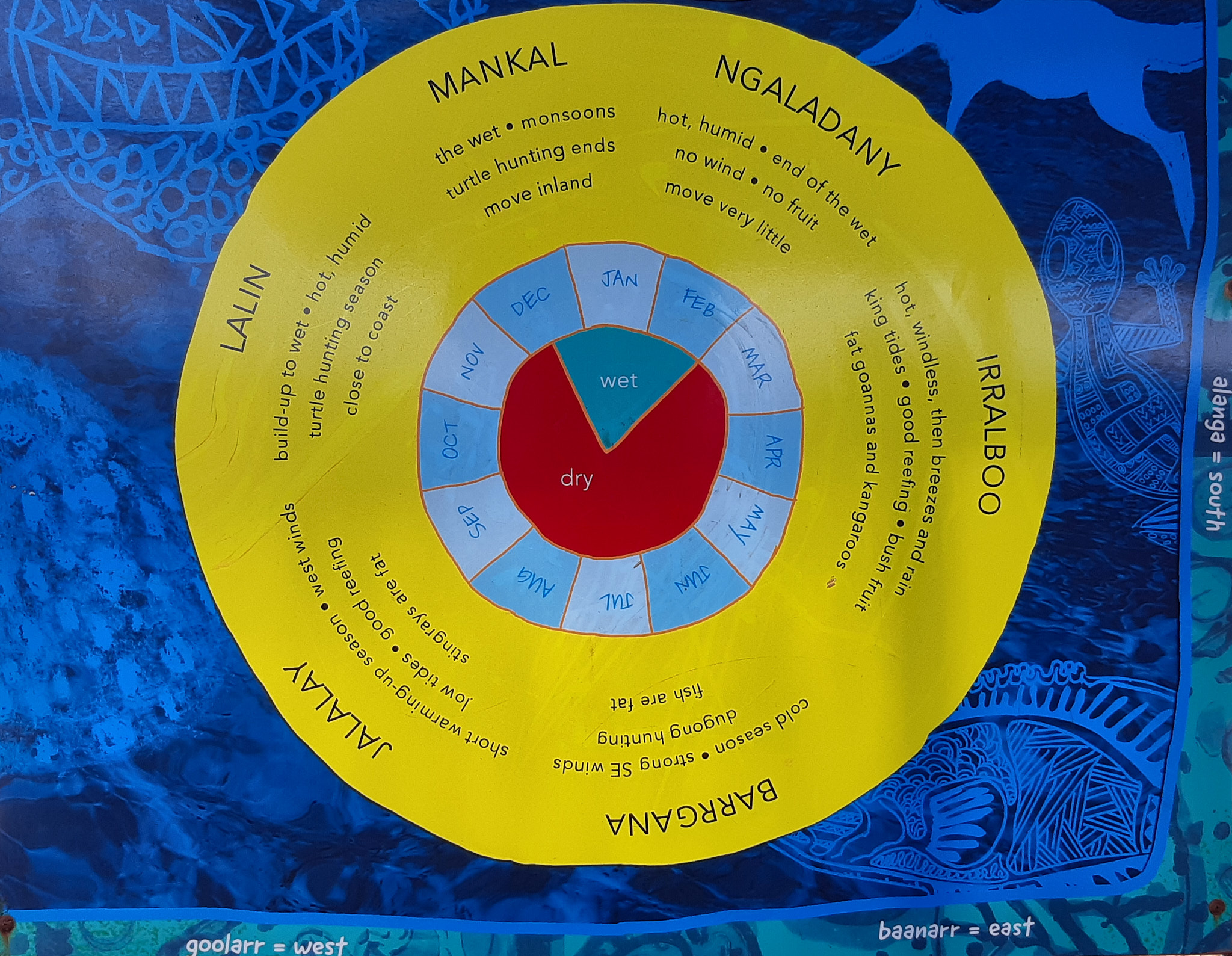
So currently it is Barragana and yes, I have heard people complain about the cold (mean daily maximum 29.3°C, mean overnight minimum 15.2°C).
How rare is rain in June? The average is in fact 18.2mm. It doesn’t seem likely that we will break any records. The wettest June on record was in 1968 at 208.1mm.
There were clouds in the sky last night.

When living in country Victoria I saw Eastern Grey Kangaroos and Swamp Wallabies almost every day. The thrill never seems to wear off. Now living in town in Broome the common macropod is the Agile Wallaby and I’m not likely to see one on my front lawn. They are smaller than their Victorian cousins and abundant when you get out into the countryside.


Boys are bigger than girls, body length 85cm versus 72, 27kg versus 15 when fully grown. Their tails are long and flexible doubling their length overall. As is typical of kangaroos reproduction is very efficient. There may be a joey in and out of the pouch, another small baby in the pouch fastened to a teet and a fertilised egg in a state of suspended development waiting for lactation to cease – a condition known as diapause.
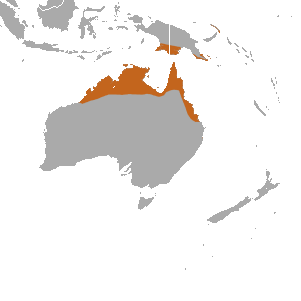
They are the commonest macropod in their range and they have been successful over a very long time period. Their fossils have been found from Pliocene deposits in Chinchilla, Qld – that’s four million years ago. They were slightly larger back then but otherwise identical. Their future is secure in Oz but, like everything that moves, they are hunted mercilessly for bush meat in New Guinea.
Yeah, I missed you too. We went away for a few days.

William Dampier and the crew of the Cygnet were the first Englishmen ashore in Australia in 1688. The ship was beached for urgently needed repairs. They spent two months in Cygnet Bay near the tip of what became Dampier Peninsula and enjoyed good relations with the local people.
On his return to England Dampier wrote a very successful account of his travels which earnt him the opportunity to visit Oz as leader of a scientific expedition in 1699. This time as master of the Roebuck, which unfortunately was falling apart underneath him. The expedition spent three months charting 1400 km of coast from Shark Bay to Broome before heading home with meticulous notes and important biological specimens.
The Roebuck sank at Ascension Island on the way back to England but the crew, the notes and the specimens escaped intact. Dampier is described by the National Museum of Australia website as “explorer, naturalist, author, hydrographer and pirate.” He was the first to circumnavigate the globe three times.
In 1960 a pearl farm was established at Cygnet Bay by Lyndon Brown a second generation pearler and the first non-Japanese to penetrate the well guarded mystery of culturing pearls using the Pinctada maxima, an oyster famous for its huge size and the lustre of its shell and its pearls. Visitors can tour the farm, visit the shop, stay in diverse types of accommodation, swim in the pool, eat at the restaurant and go bird watching if that takes their fancy. It is a place of great beauty.
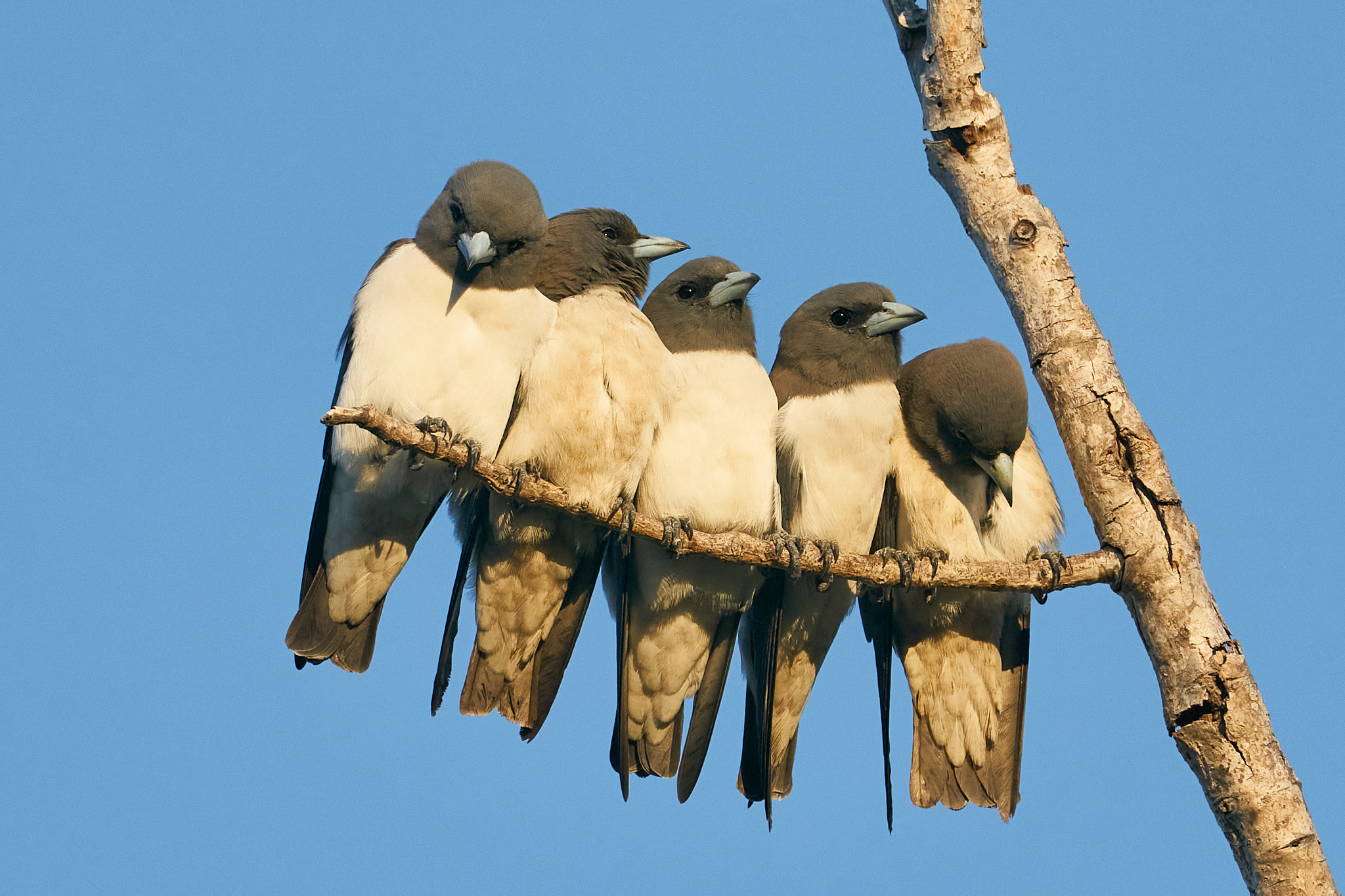
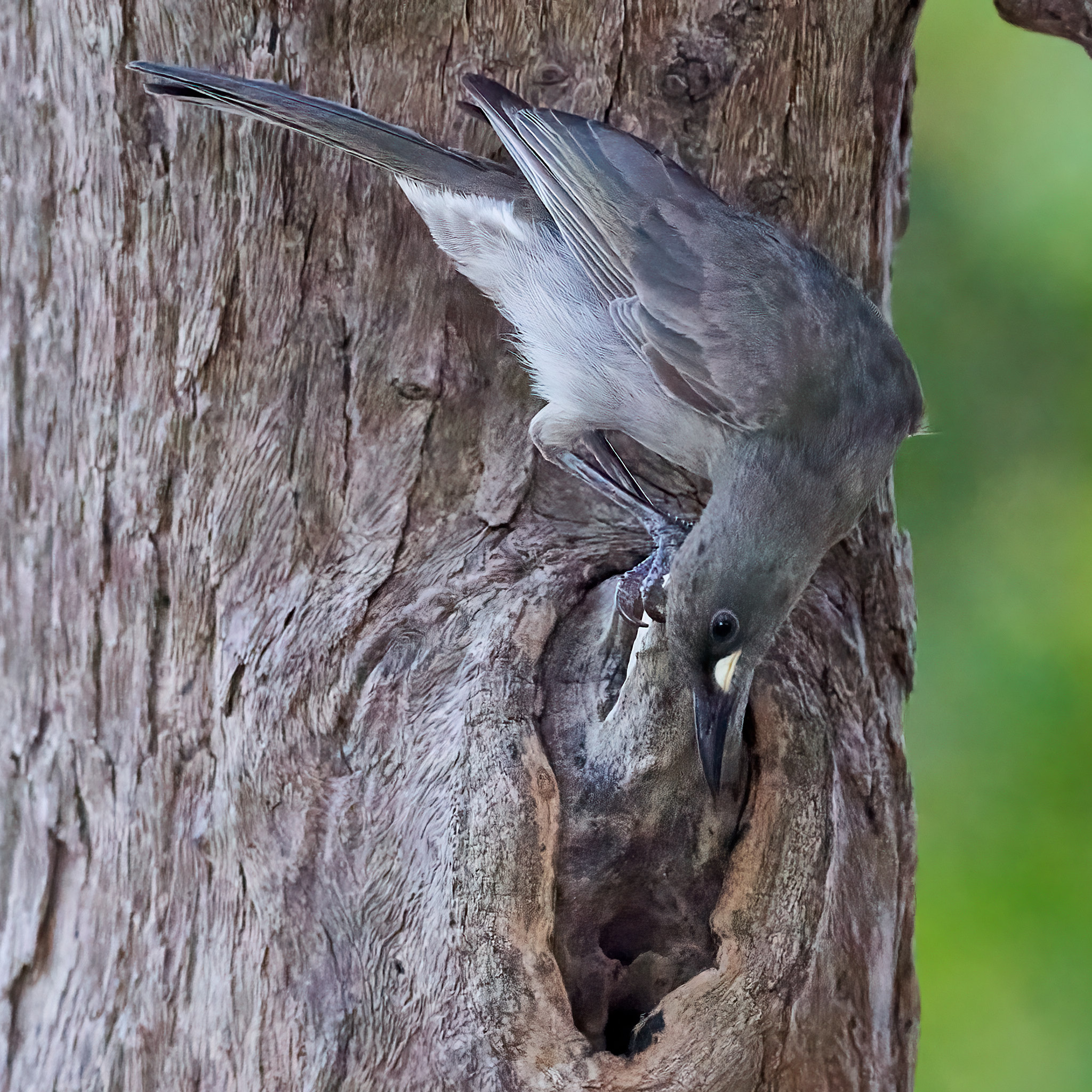


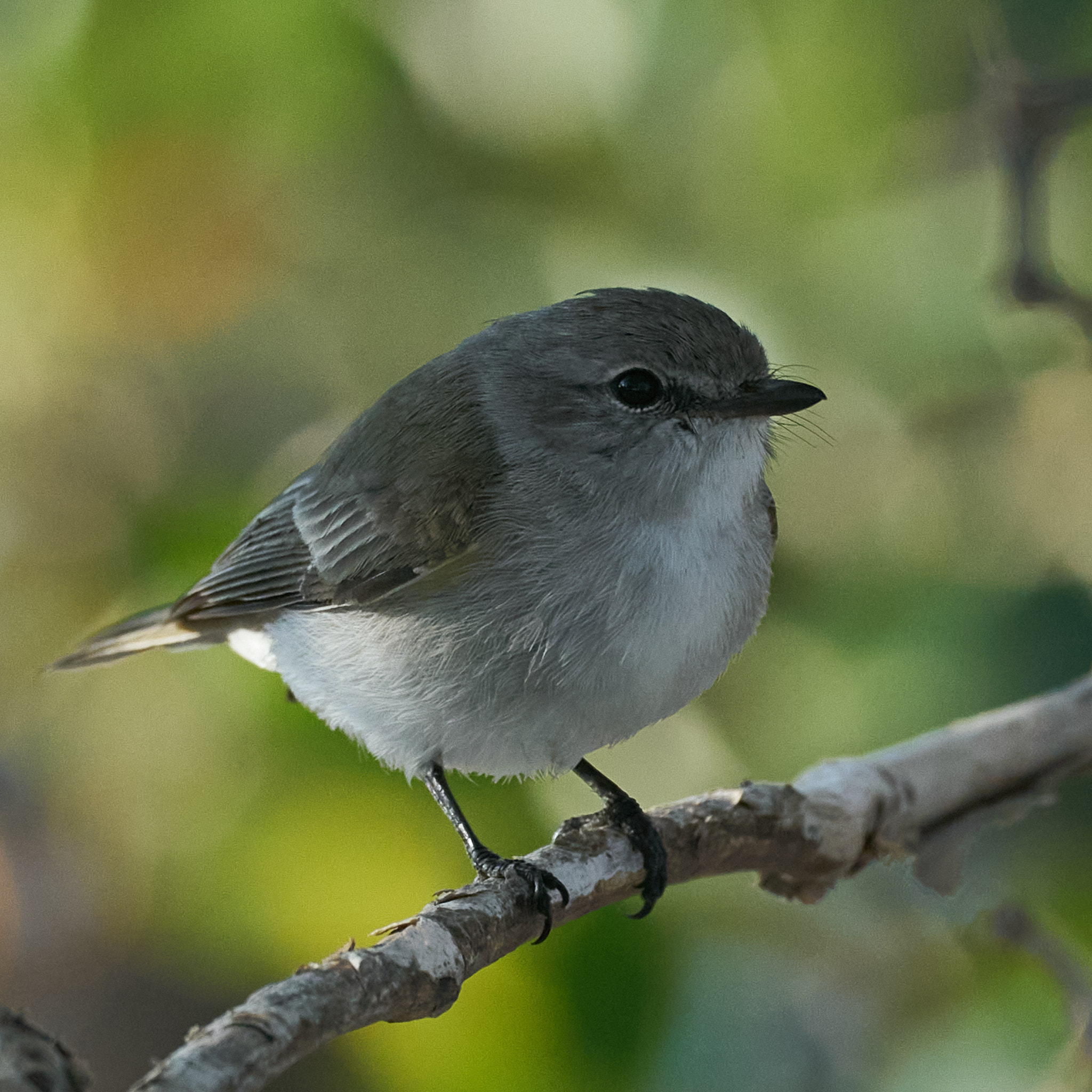
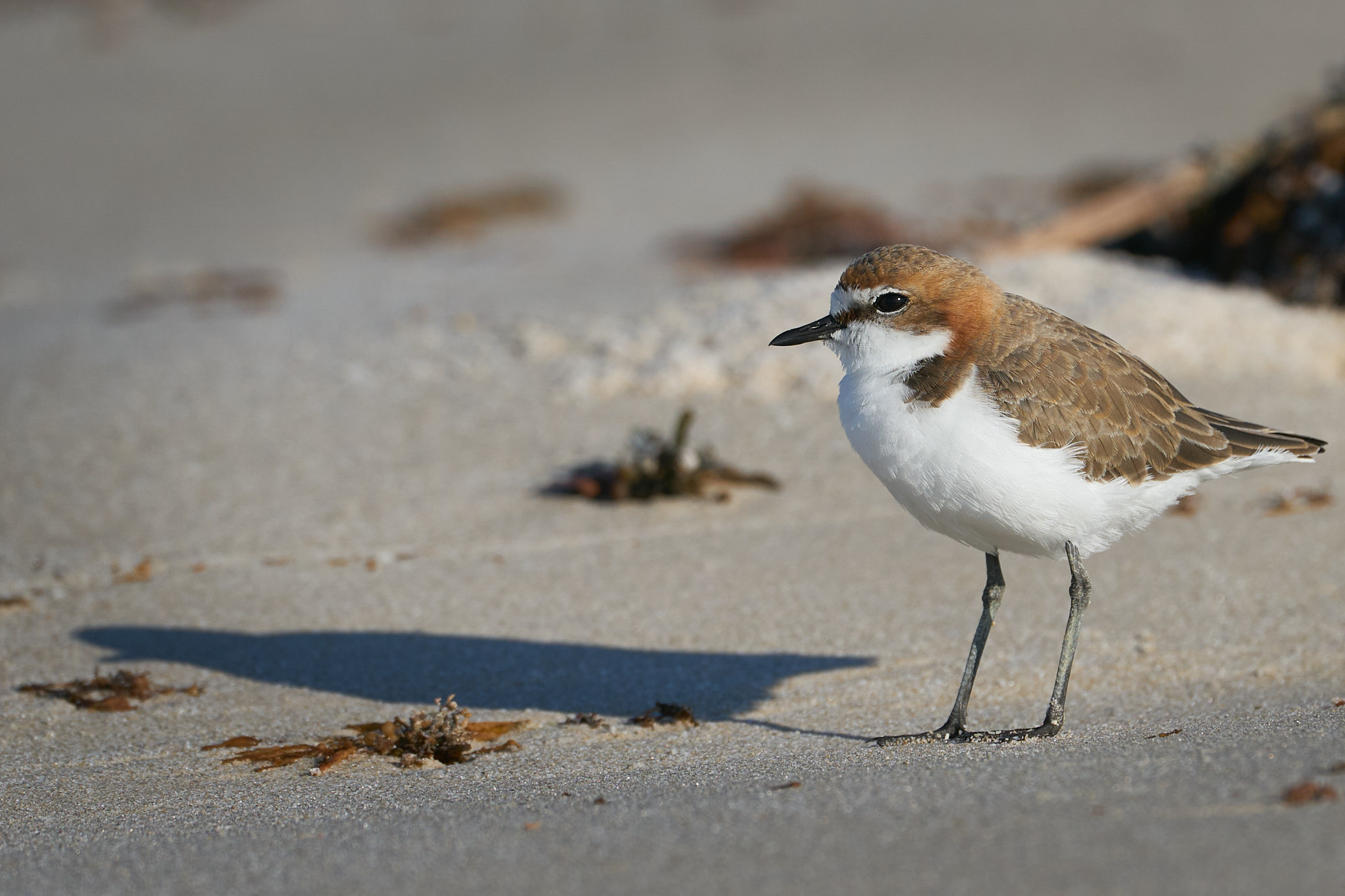
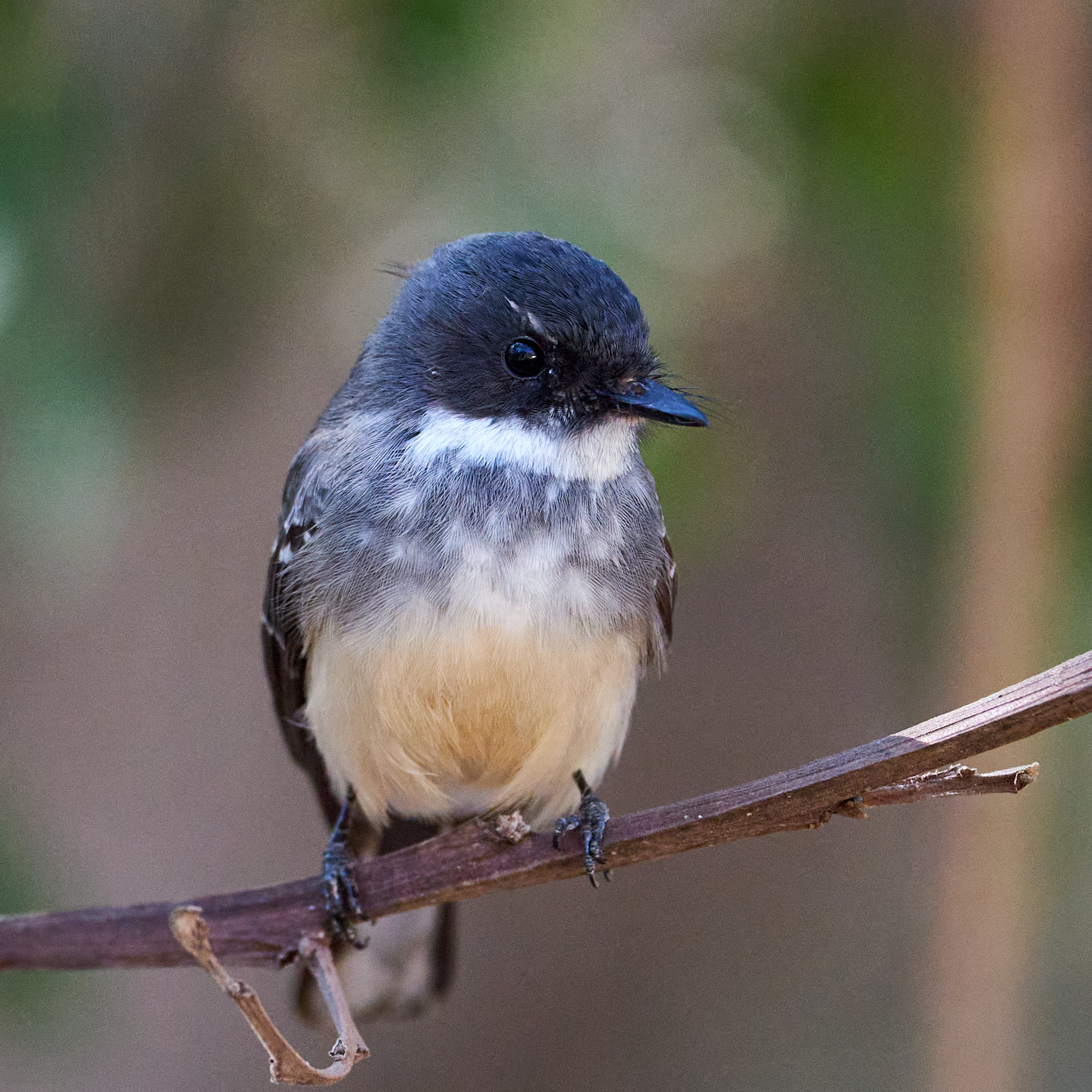
Just up the road is the aboriginal settlement of Ardyaloon. You need a permit to visit but this is no big deal, they are available for purchase at the Gallery on the way into town. It entitles you to visit the hatchery, very interesting, and the beaches. It, too, is a place of great beauty.


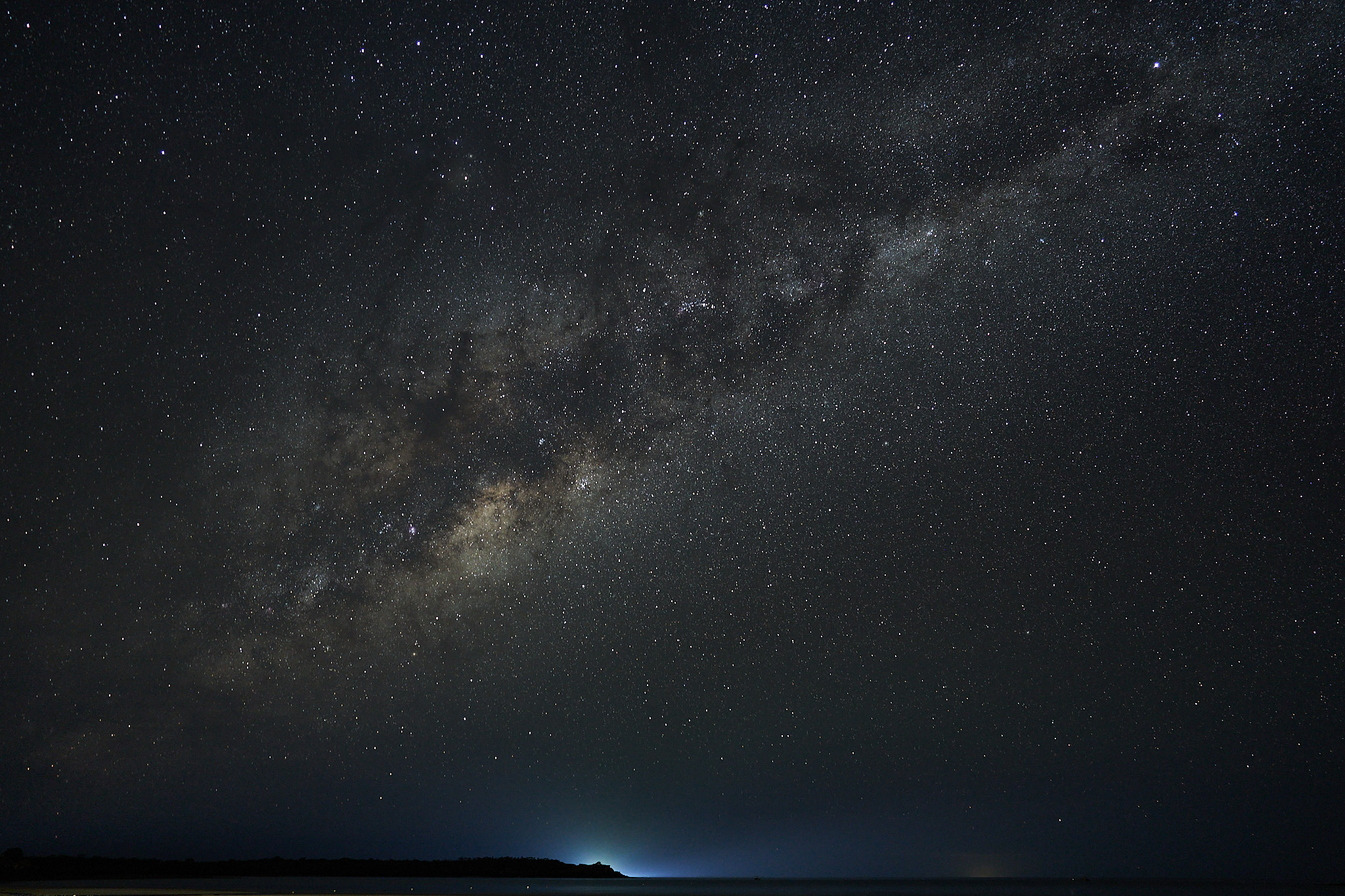
On our last night at Cygnet Bay I ventured down to the beach to take in the Milky Way before the waning crescent moon had a chance to climb above the horizon. The lights of Ardyaloon were visible in the distance. Click on any of the pictures for a better look – especially this one!
A romantic footnote … some years ago I took Gayle to the Willie Creek Pearl Farm on her birthday and bought her a cold drink and an ice-cream.
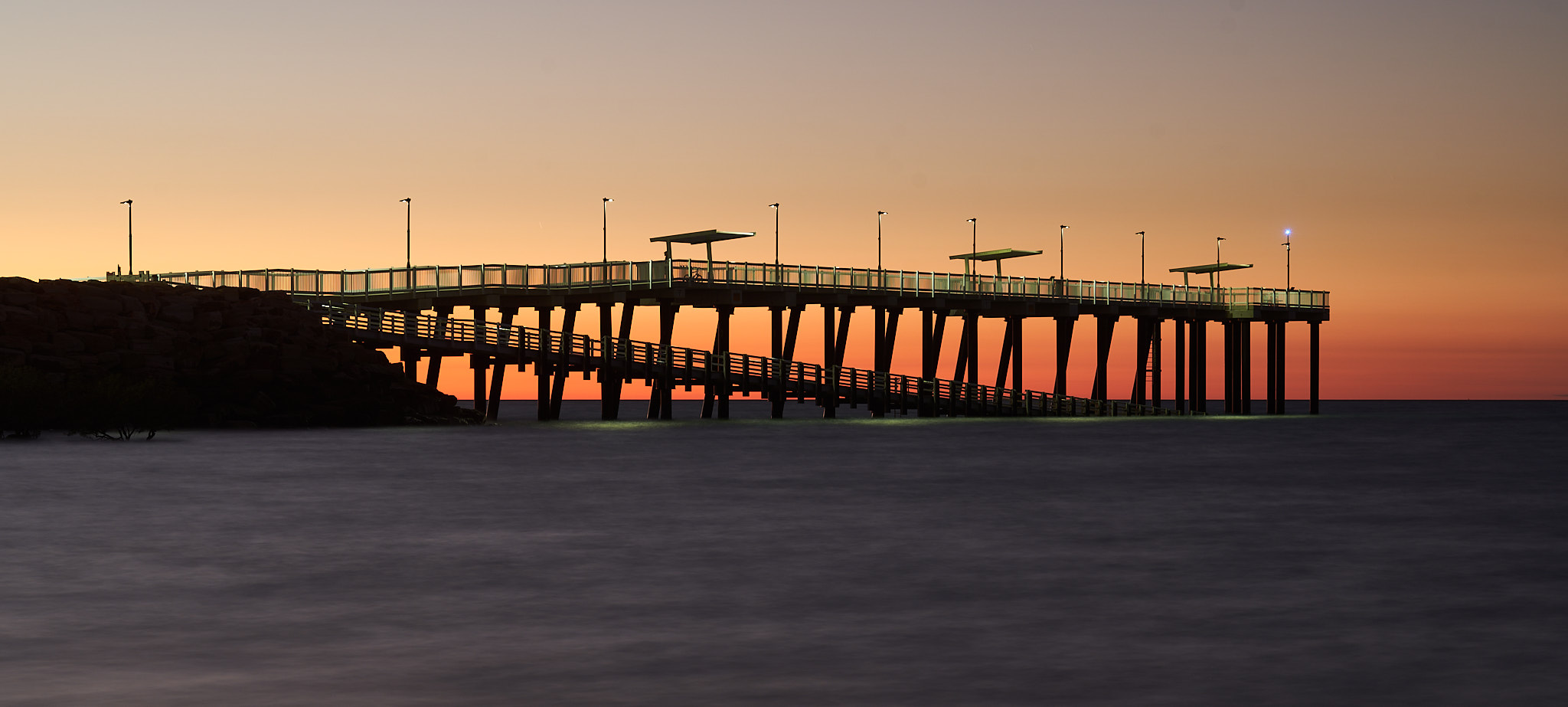
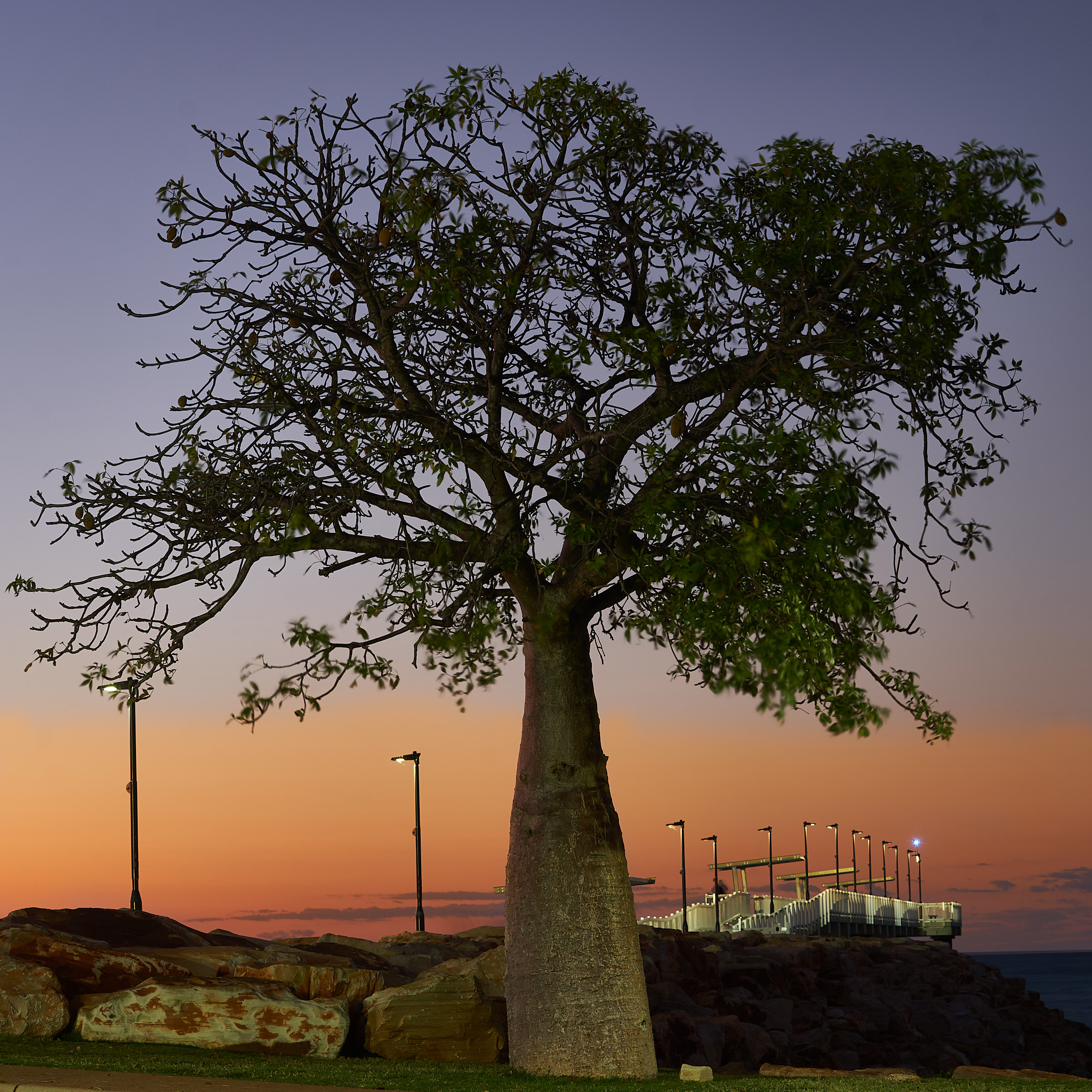
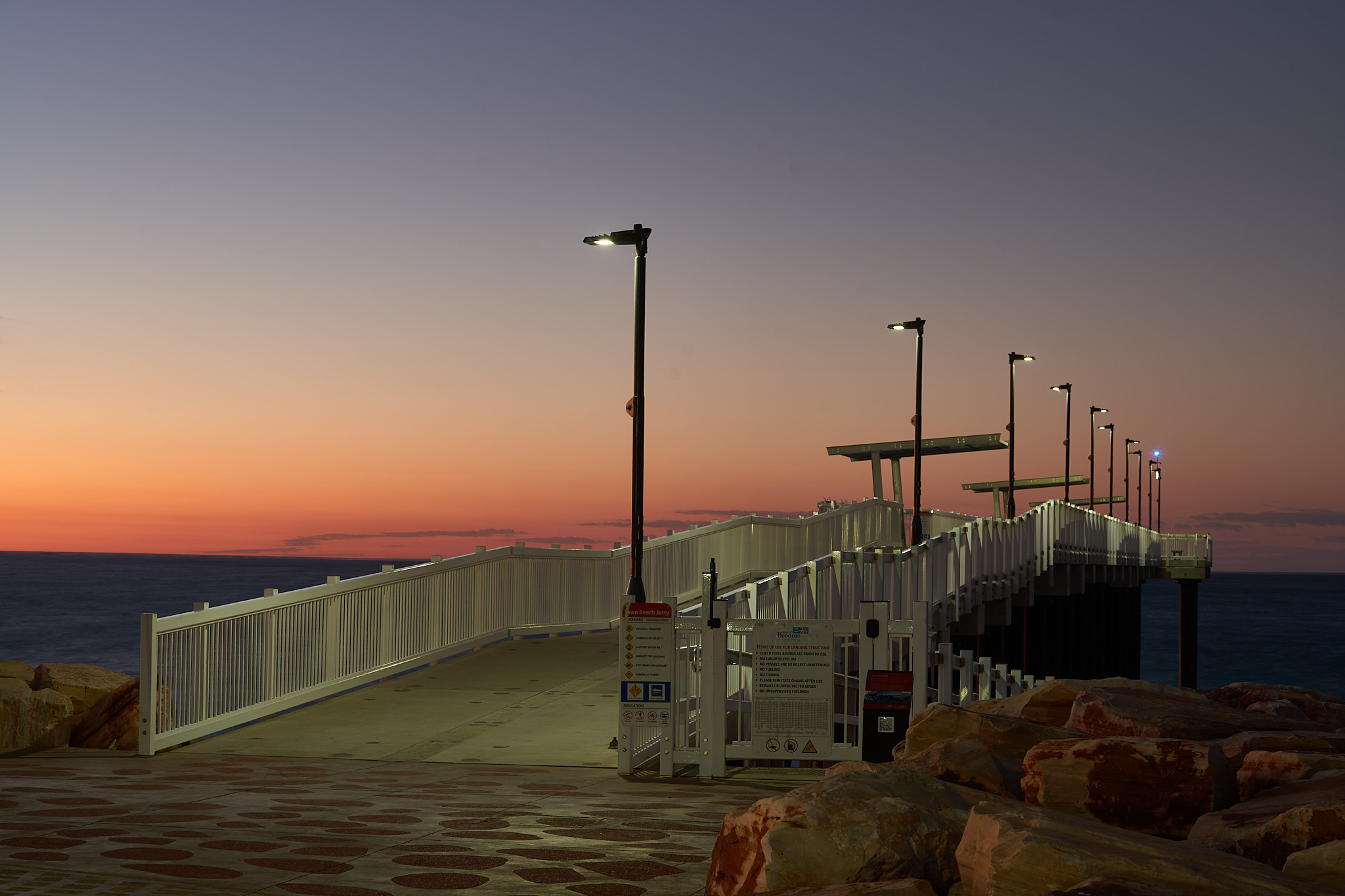
If Cable Beach is Cinderella then poor old Town Beach was one of the ugly sisters. But, she’s had some plastic surgery – nice gardens, a performance space and a new pier. All this has happened in the last couple of years. It has transformed her into a great place to have a market, a concert or to sit and watch the moon come up.
I was there before dawn this morning …
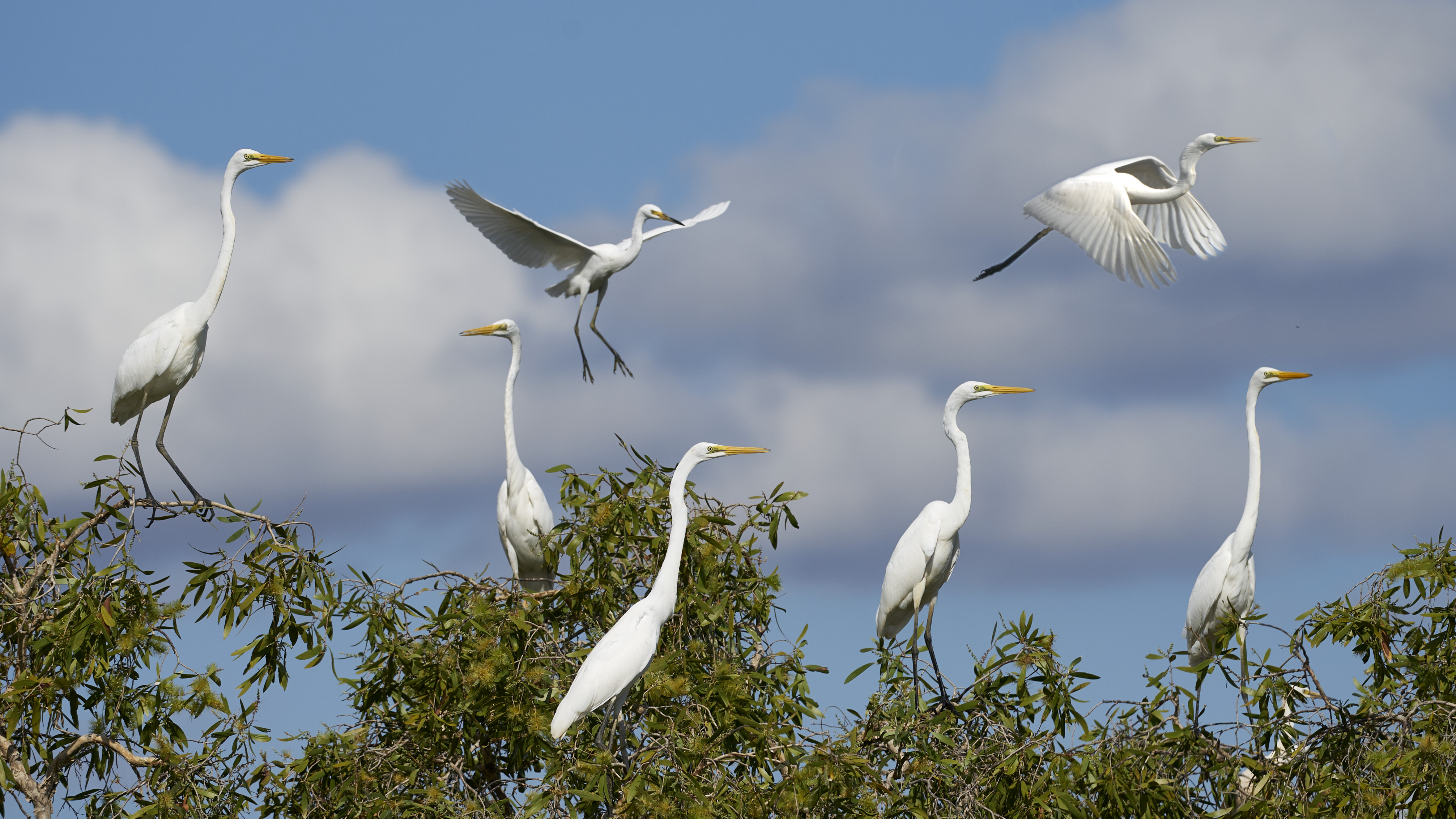
Big birds perched on impossibly slender branches, these are Great Egrets with the exception of one Little Egret (in flight, third from the left).
It’s the sort of image one finds painted on porcelain plates.

Boabs are remarkable trees but for a successful photograph the intricate tracery of branches needs to stand out not be lost in the foliage of the trees behind. What was I thinking?
Having the camera on a tripod does encourage you to think about your composition. In the good old days I had a cable trigger so as not to jiggle the set up when pressing the button. These days I use a two second timer.
In that two second interval two Australian Bustard flew through the scene, the second hasn’t quite made it out. So let me present for you an unremarkable photo of twin Boabs and an unremarkable photo of a Bustard combined in a picture I am never likely to take again.
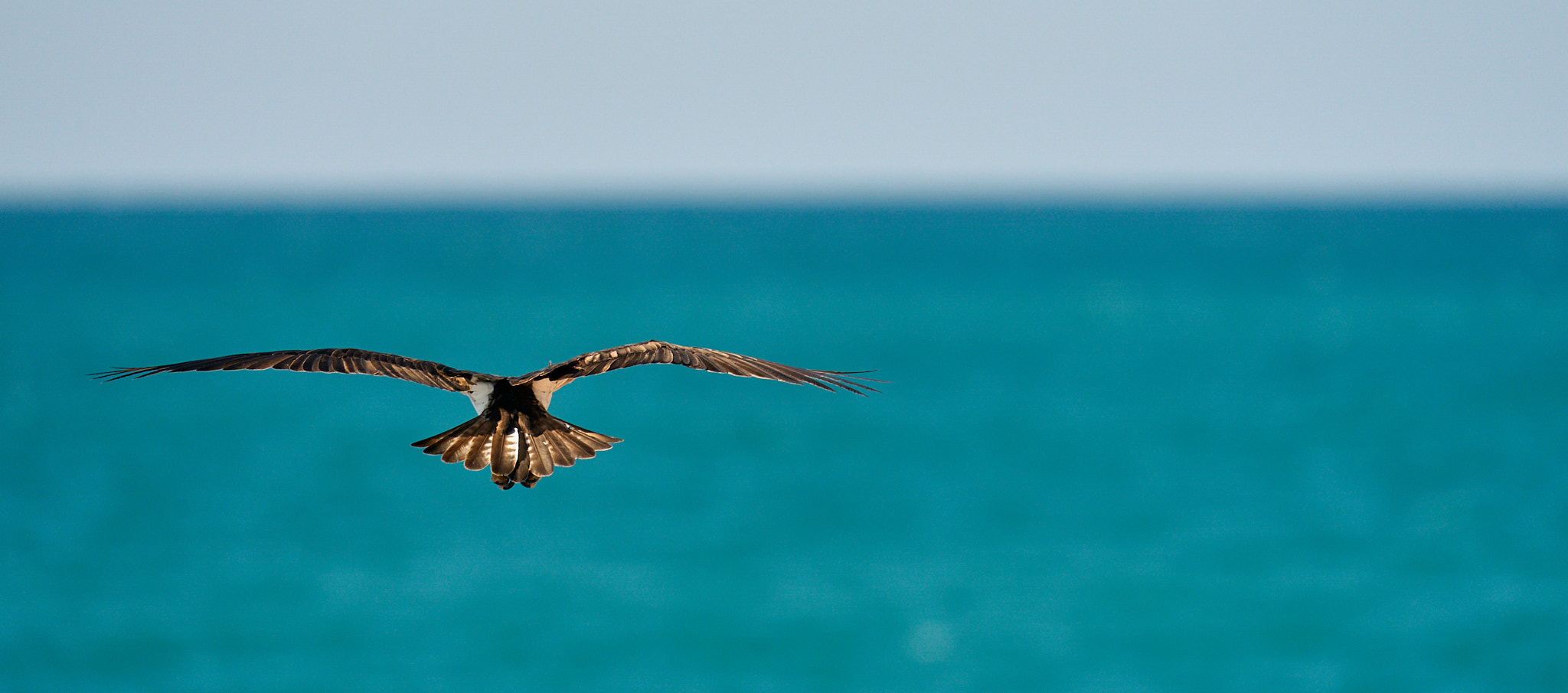
An Osprey heads out on a fishing trip …
 bobmcgee