It almost seems like cheating. Pools left behind by the tide’s retreat are places where the little fish can take a break from the dangers posed by the big fish but they are by no means safe. Eastern Reef Egrets are very efficient hunters in the small pools.
Into the mangroves once again. There’s no shortage but Streeters Jetty is easy of access and quite productive. The jetty is at the site of Broome’s very first jetty although what stands there now is a recent replacement. It is not faring too well, already showing signs of rotting boards. It certainly doesn’t have an easy life. The walkway is inundated by the highest tides which will happen again in the next few days.
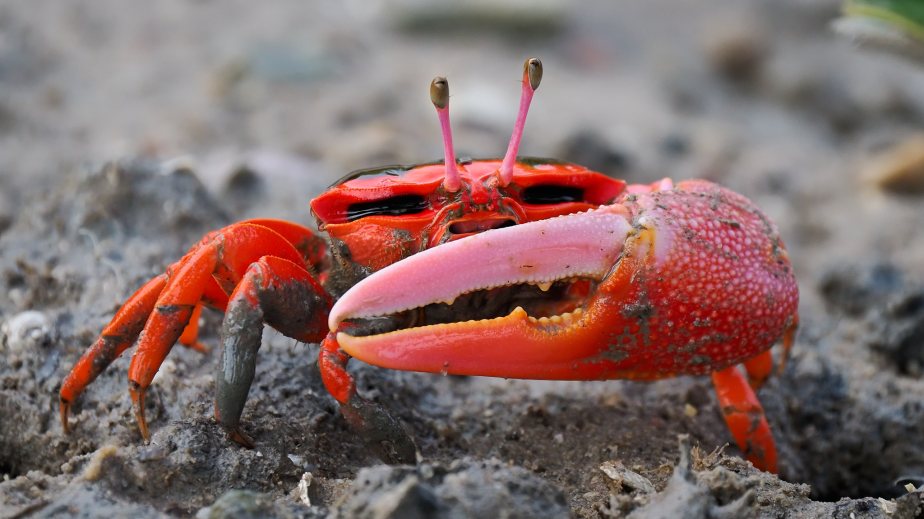
The common mangroves here are Avicennia marina and Rhizophora stylosa and they provide habitat for an amazing menagerie. I’m always impressed by the Flame-backed Fiddler Crabs, Tubuca flammula. I have a friend who thought it would be interesting to find out what a nip from one would be like. Not only interesting, but for me also very entertaining as he danced around trying to shake it off. Don’t try it at home. It’s best left to the experts.
Rhizophora stylosaTubuca flammulaTubuca flammula
It’s the males that have the enormous dominant claw. Note that one is left handed and the other right. Females are equipped with a pair of small nippers.
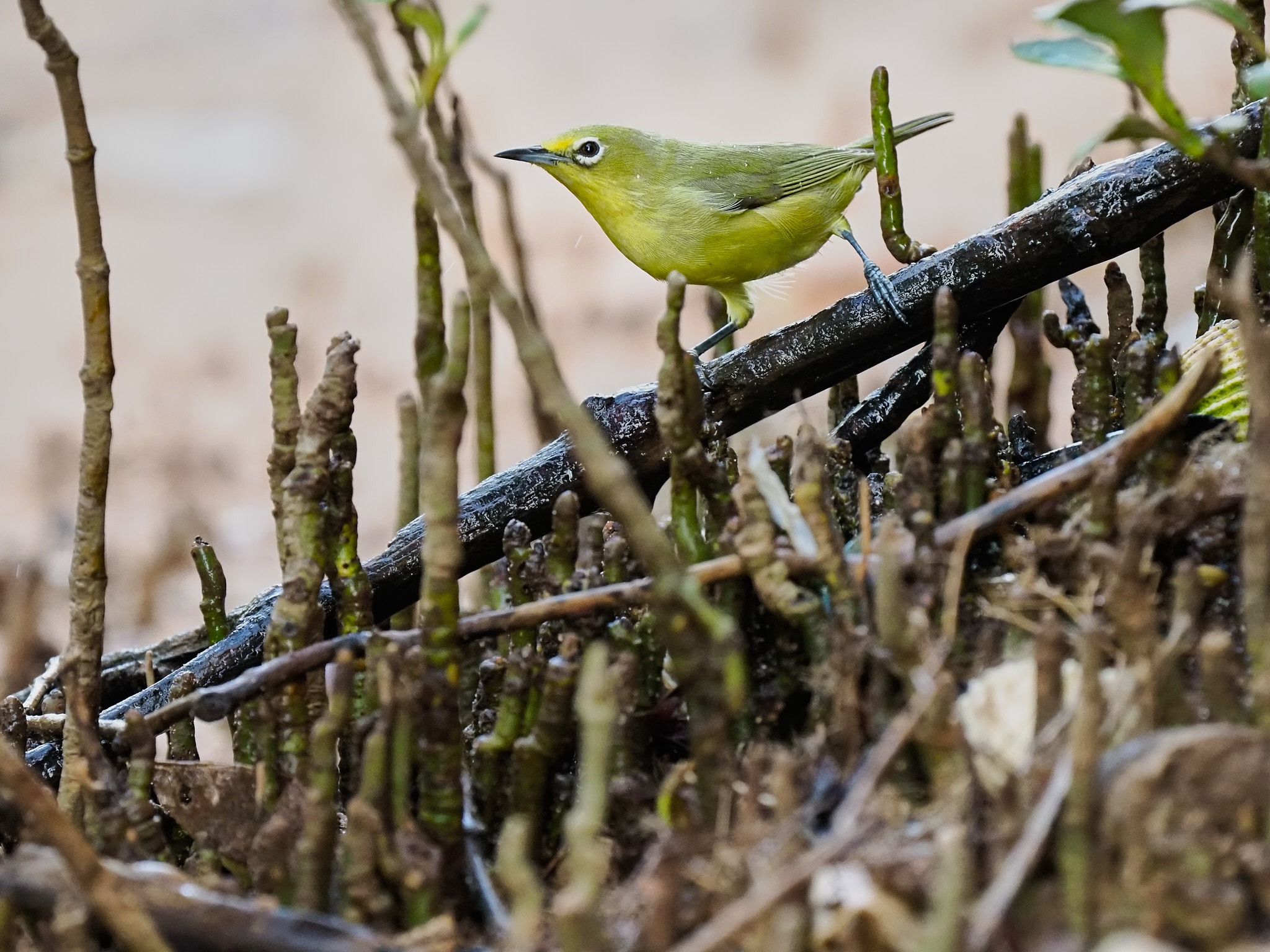
A few of the regular avian suspects were ready to pose.
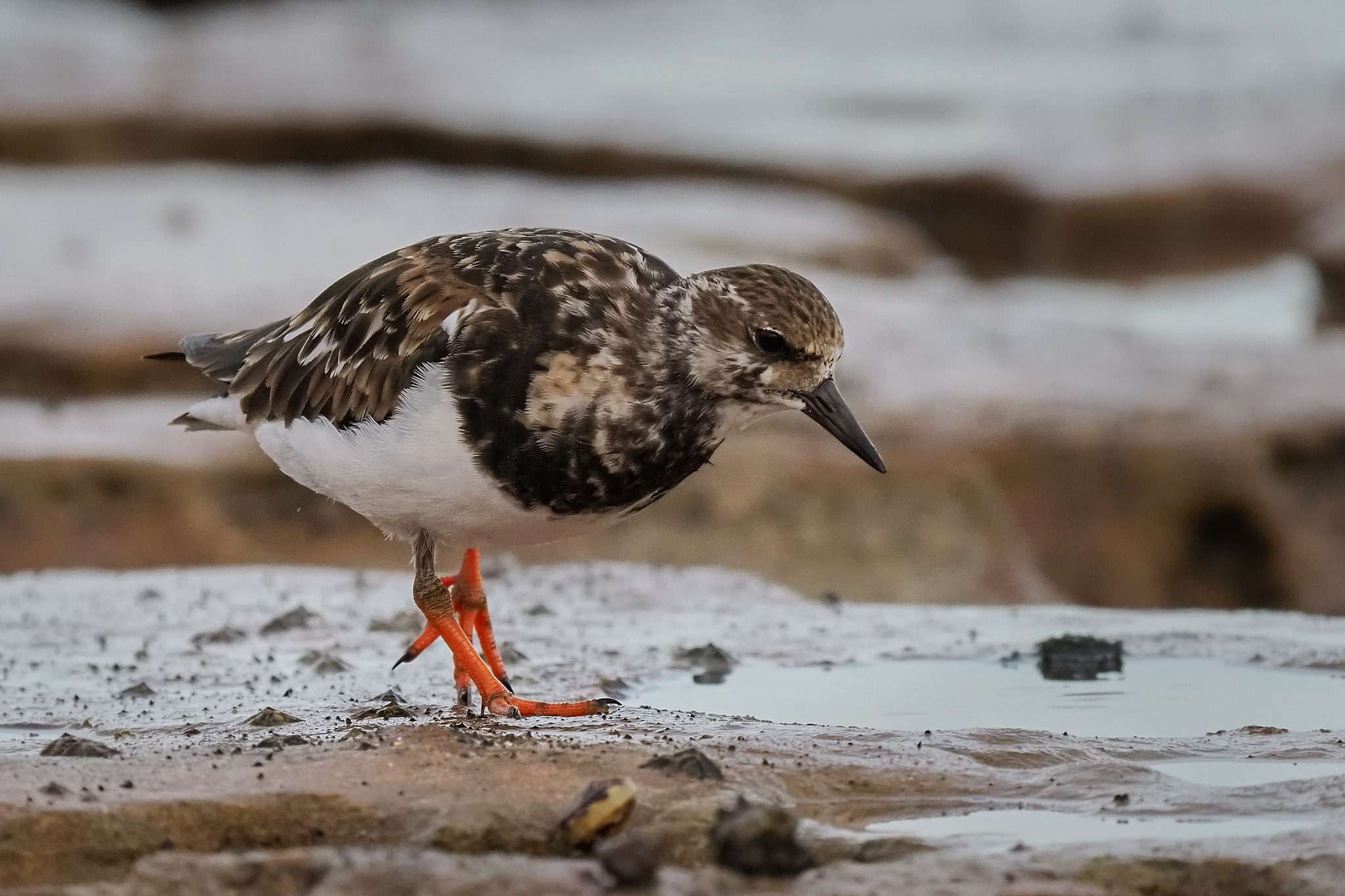
They are not especially uncommon but they do not permit close approach. The extra reach of the 150-400mm lens and the built in 1.25 teleconverter and some superb field craft has enabled me to get the best Ruddy Turnstone shots of my career. The field craft, I confess, consisted of sitting on a rock and being patient.
So, I’ve had the wife’s OM1 mark ii in my hot sweaty hands for a few days now. I am so in love … with the camera that is. I have been shooting with subject detection on and set to bird. I have set focus area to full. The results are impressive. This first gallery shows that if there’s a bird in the scene, no matter how busy the background is, the camera will find it.
If an eye is showing it will put a small square around it, if the eye is not in view or the bird is very distant it will put a frame around the bird. When multiple birds are in the frame each one will have its own box one of which will be highlighted. Why would you ever have more than one in a shot?
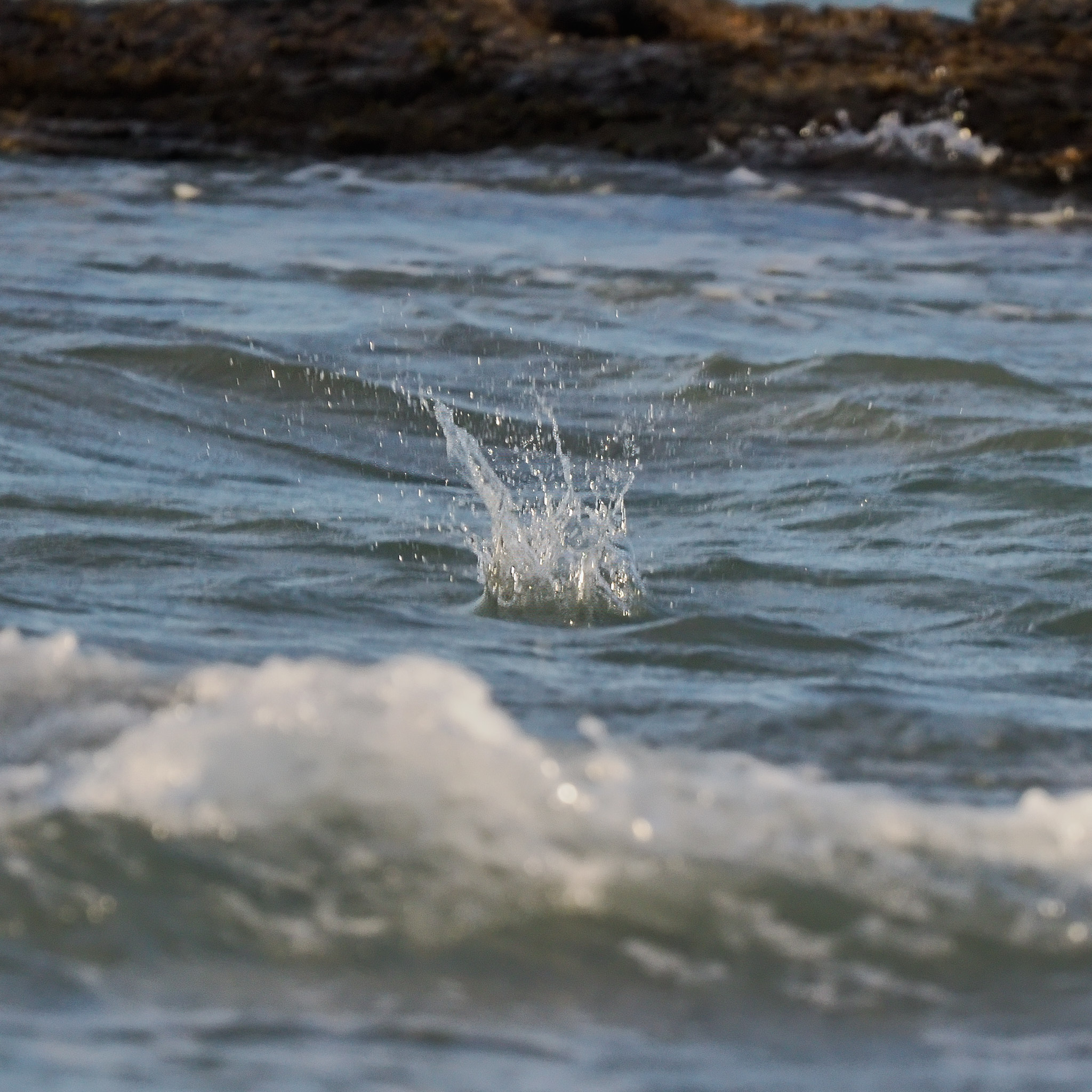
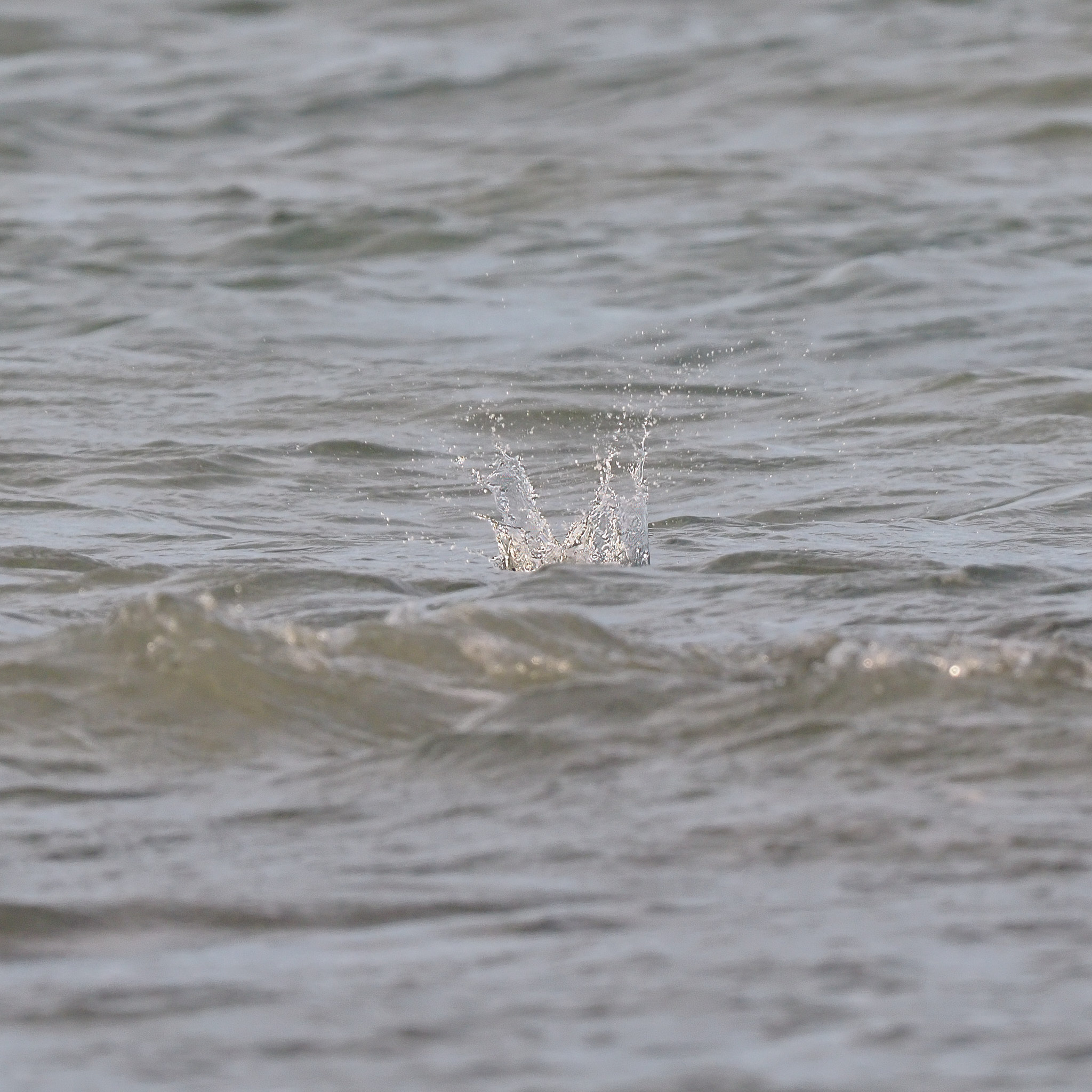
Can you fool it? Yes you can. Distance, poor light, no eye in the frame may lead to failure but not very often. It’s no longer necessary to switch to single point focus to find a bird in a bush. Does the focus stick if the bird moves? Little Terns fly along about 15m above the sea surface looking down. When they see their supper they dive. Focus will stick as long as you can keep the bird in the frame. In the example below focus is perfect all the way to the water. There are 17 frames between the splash and the bird reappearing. At 50 frames per second that’s 0.34 sec. In that time focus had been captured by a wave in the foreground.
Skill it seems is still required. The finger needs to come off at the water and then back on again for the bird’s re-emergence. (You’ve got a third of a second what’s the matter with you!)
My wife doesn’t realise how lucky she is. I have bought her a brand new camera and lens. Not any old camera, an OM1 mark ii micro four thirds camera and the amazing (and expensive)150 to 400mm pro lens. In full frame camera terms that has the same reach as a 300 to 800mm lens but weighs about half as much. Very convenient for carrying about in the field. Superb in-body and in-lens stabilisation combine to make a tripod unnecessary. A flick of a lever adds an inbuilt extender that takes the reach to 500mm, equivalent of 1000mm in full frame terms. It has fast autofocus, bird and mammal recognition and pretty good low light performance. If she ever develops an interest in photography it will give her hours of pleasure. In the meantime I will familiarise myself with it so that I can help her manage its sophistication if the need arises.
Broome has no camera store it’s either online or telephone. A Perth shop seems the obvious choice – same state, same time zone, but Darwin is a fraction closer (1,871km as opposed to 2,045km) and rather than wait a couple of weeks for the mail you can have it sent by pony express. Actually Greyhound Bus. I am writing this to pass the time as I sit at the bus stop. Scheduled arrival is 3pm but there is water over the road along the way and in recent days the bus has been as much as two hours late. I could pick it up at the depot tomorrow but, child that I am, I can’t contain my excitement that long. I won’t post until I’ve got some photos to share.
The bus was on time to the minute. When I congratulated the driver she said that a bunch of screaming children made sure there was no hanging about. I flourished my consignment note and the parcel was in my hands.
I am at home now. Batteries are charging. According to the manual two and a half hours to wait. It will be dark by then. Sunrise tomorrow is at 05.45.
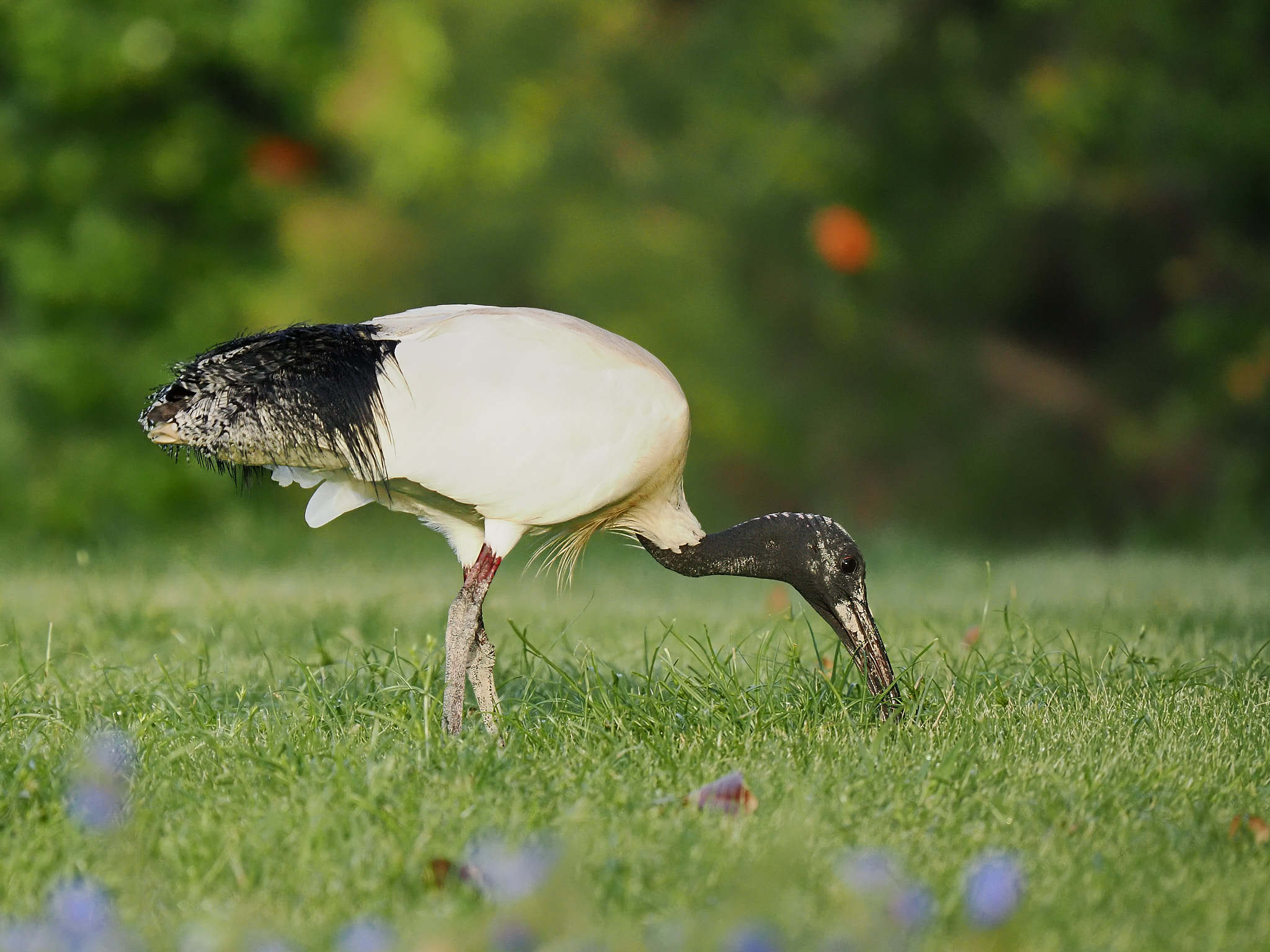
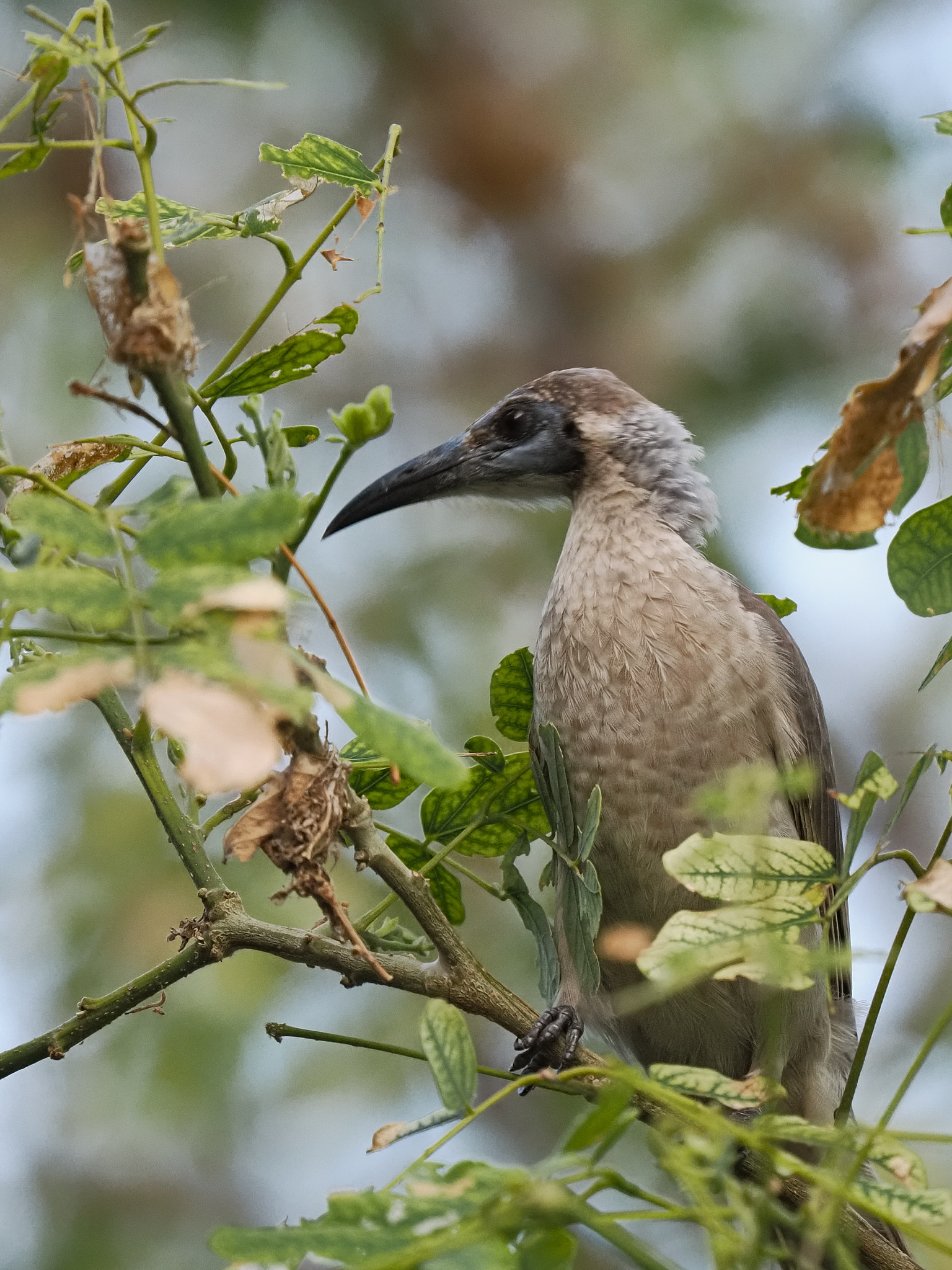
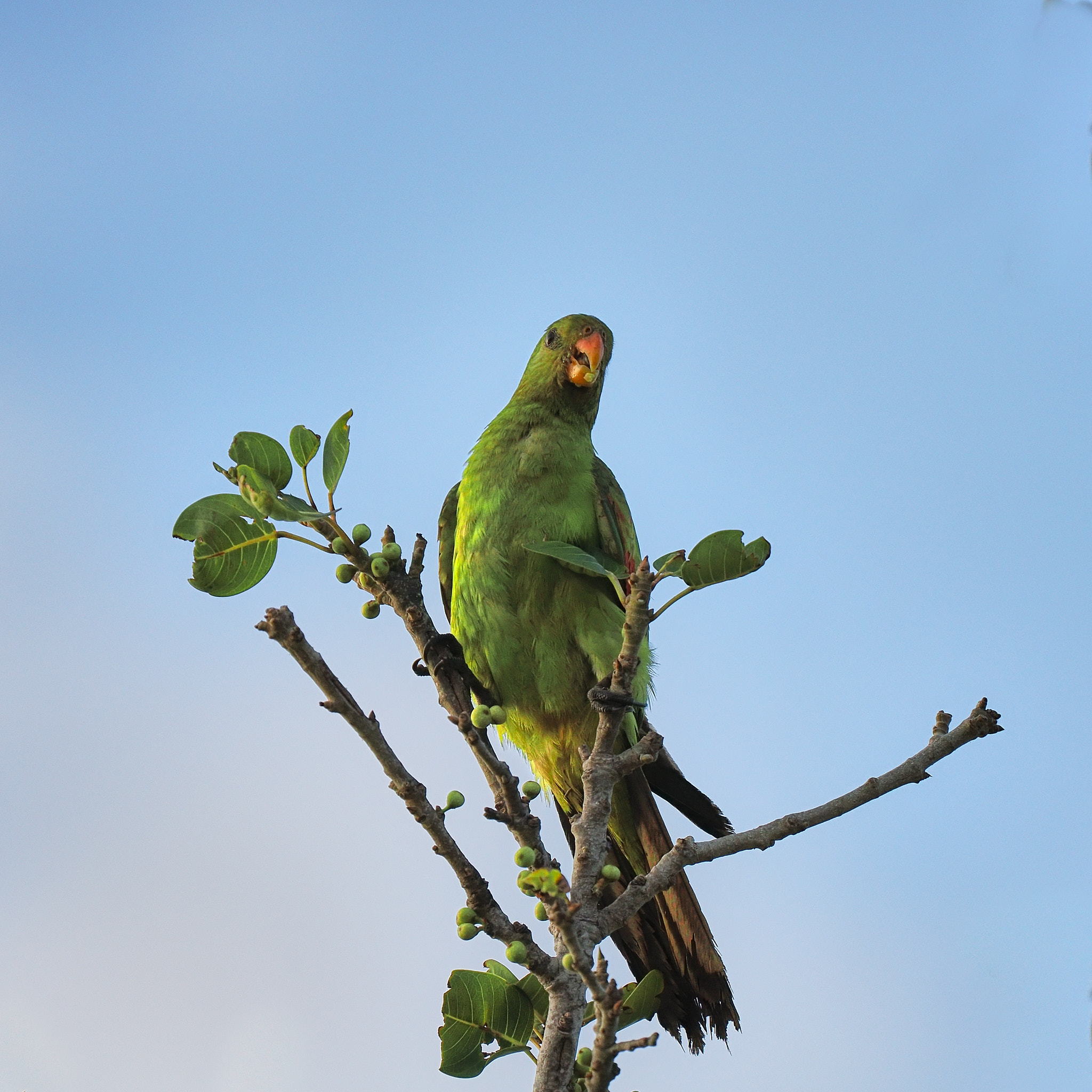
Just to be sure I was out and about at 5.30. Here’s a few examples …
Australian White IbisLittle FriarbirdLittle FriarbirdLittle FriarbirdRed-winged Parrot
Most recent bird photos on the blog have been taken with a Sony 200 to 600m lens on a Sony A9. That’s a full frame camera. The extra reach on the new camera means that I will be cropping in less which is just as well as there are fewer megapixels on the OM1. It also means that I will have to pay more attention to composition because less cropping means less opportunity to recompose the shot. This sequence is all from the one photo. The first frame is as it was shot, the poor composition is evident. Cropping in gives a better image. Cropping in further eventually brings about an obvious drop in quality …
Don’t think of this as a review. I need to work my way around the various shooting options, with enough practice I may get to be as good as the camera. Then I will be in a position to give an opinion.
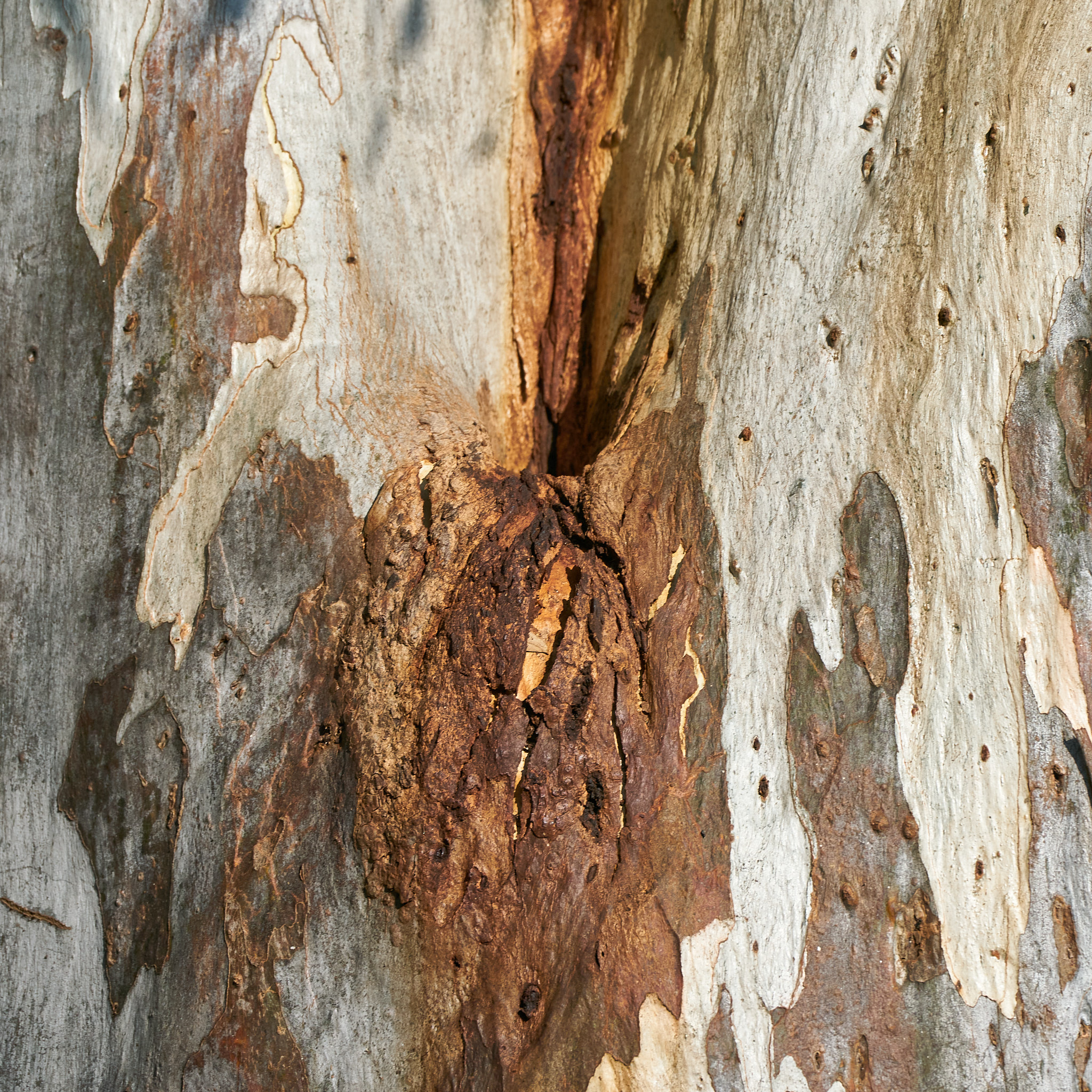
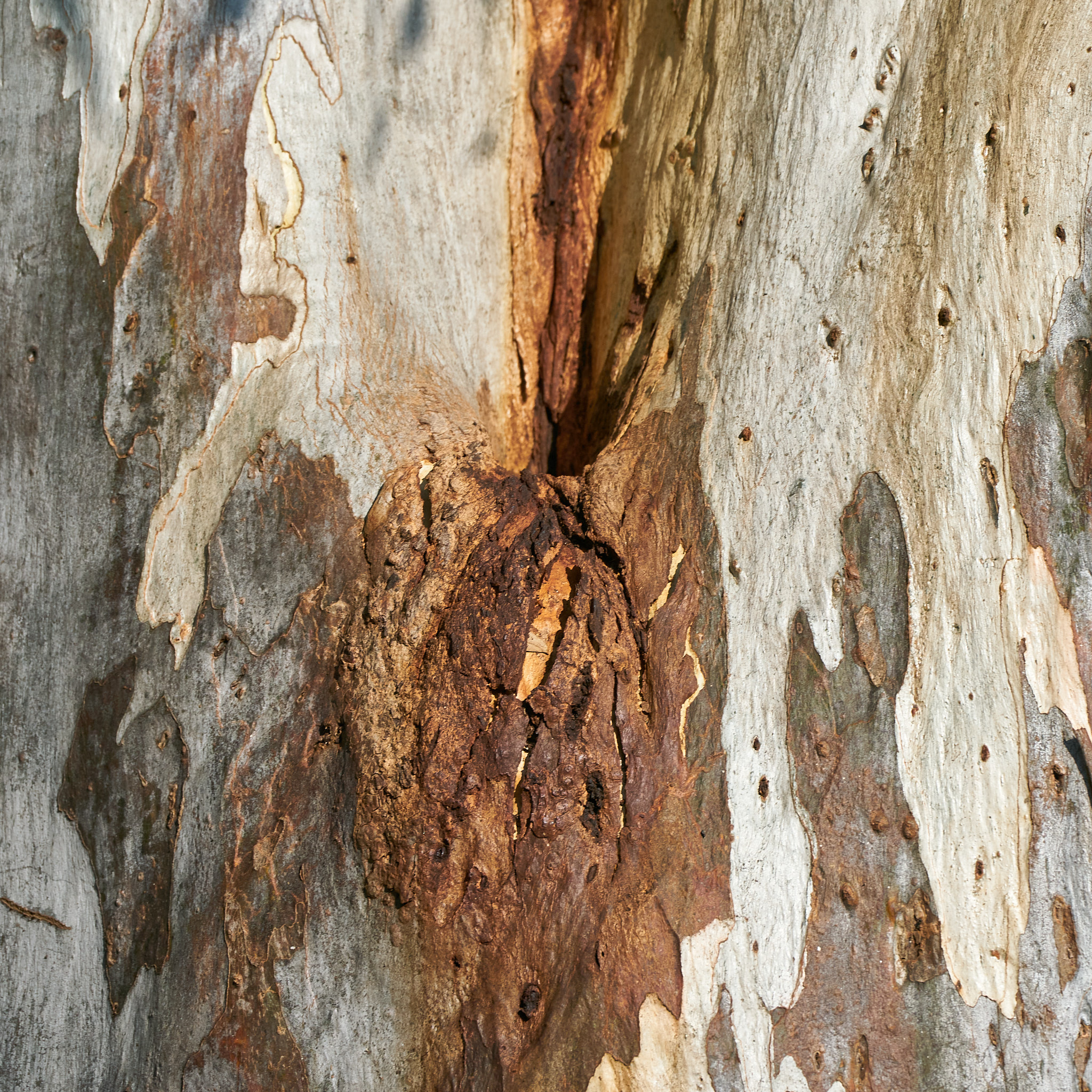
The story starts with a small and inconspicuous hole in a River Red Gum …
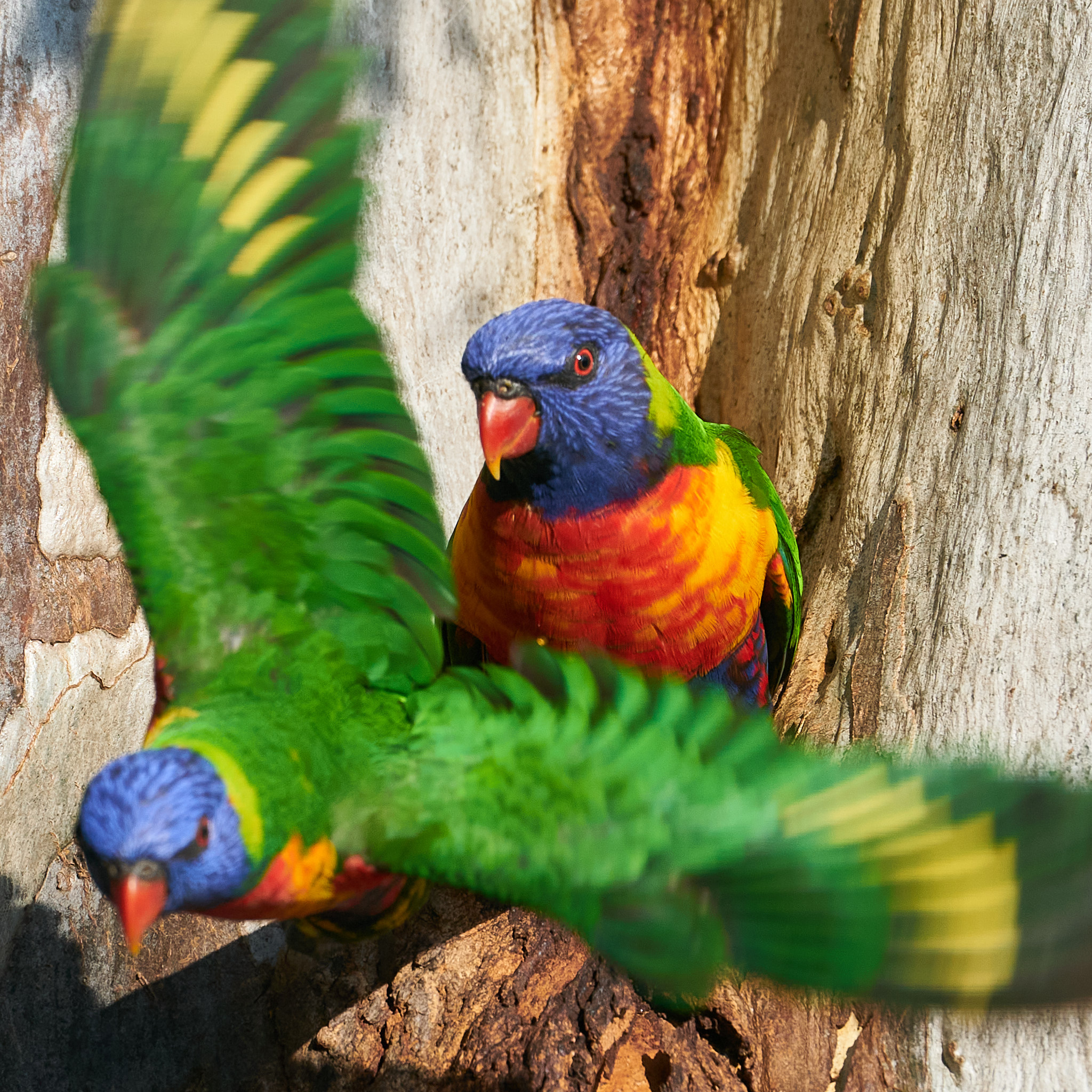
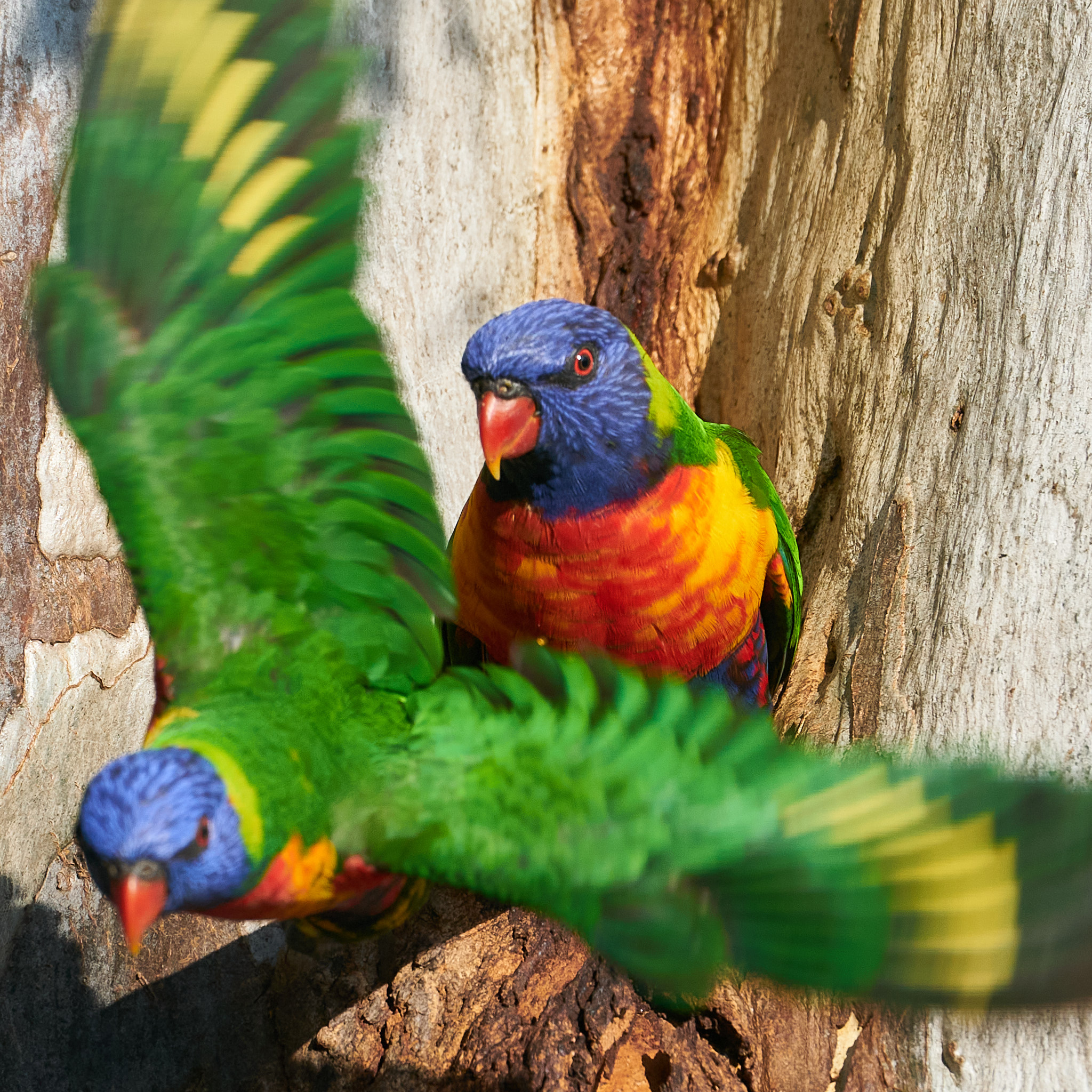
from which the colourful head of a Rainbow Lorikeet emerges …
It’s a tight squeeze …
and there’s limited space on the veranda.
Which won’t stop another one making their debut …
but one of them will have to make way.
I knew they were in there because I saw them go in. Given the size of the hole I was surprised when the first one disappeared. Even more surprised when the second one disappeared. The cavity inside must be bigger than the opening suggests. There may be a nest full of baby lorikeets in there. It was a good five minutes before the adults reemerged.
Here they are again in a gallery that you can run through at bigger scale. Enjoy.
A number of rare birds have shown up in Broome since I went wandering. “How come they only show up when I’m not there?”, I asked. A good friend replied that “They’re there all the time but we only tell you about them when you’re not around.”
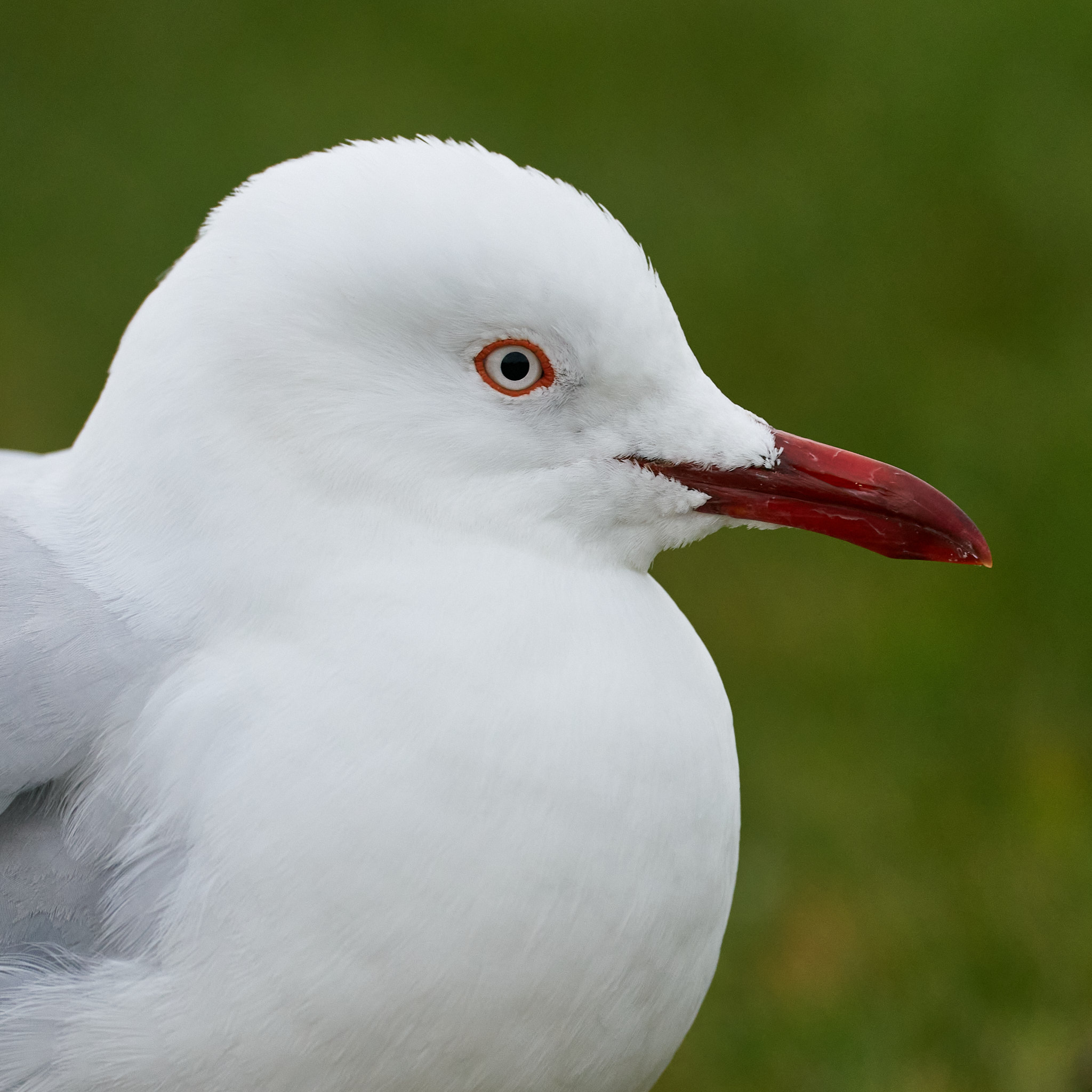
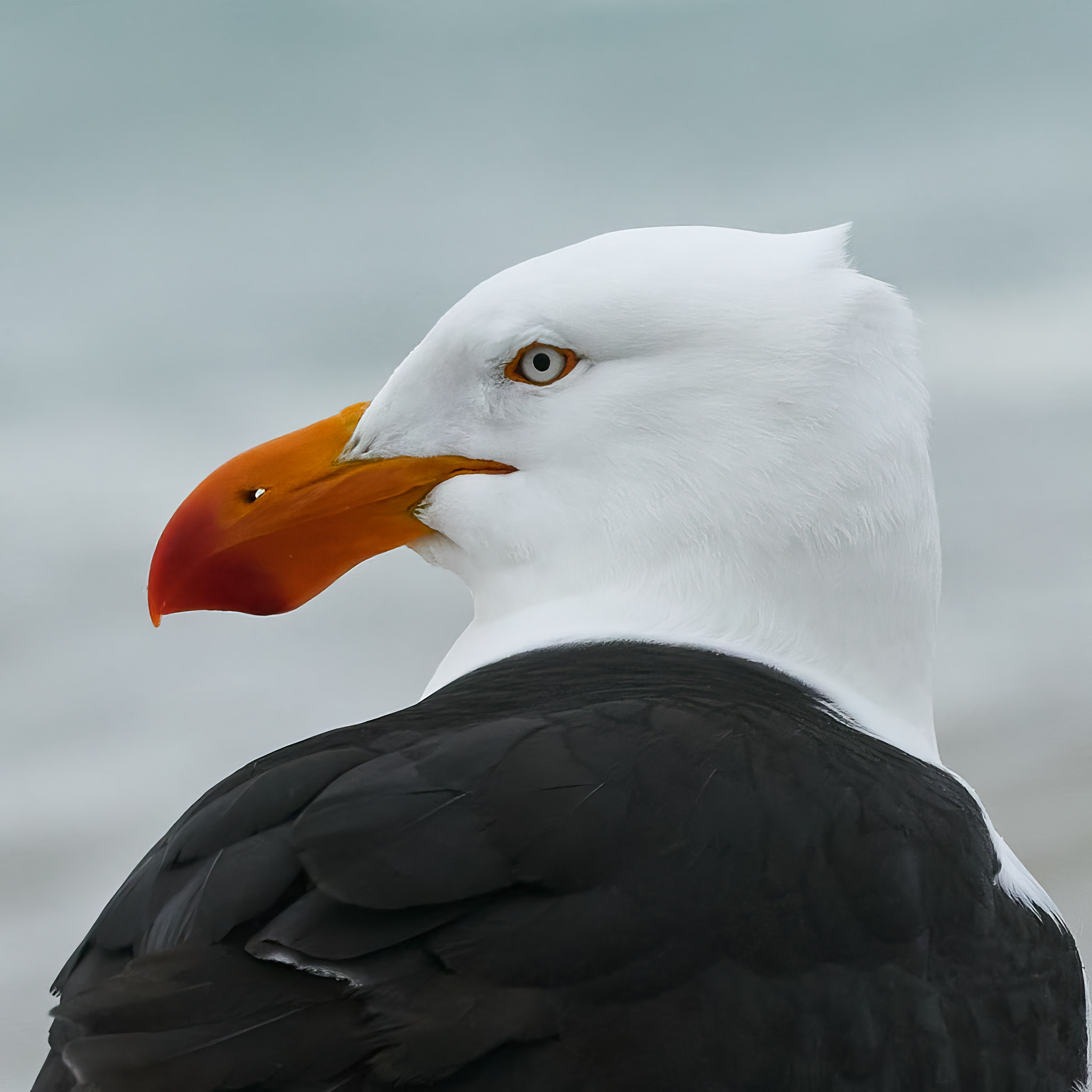
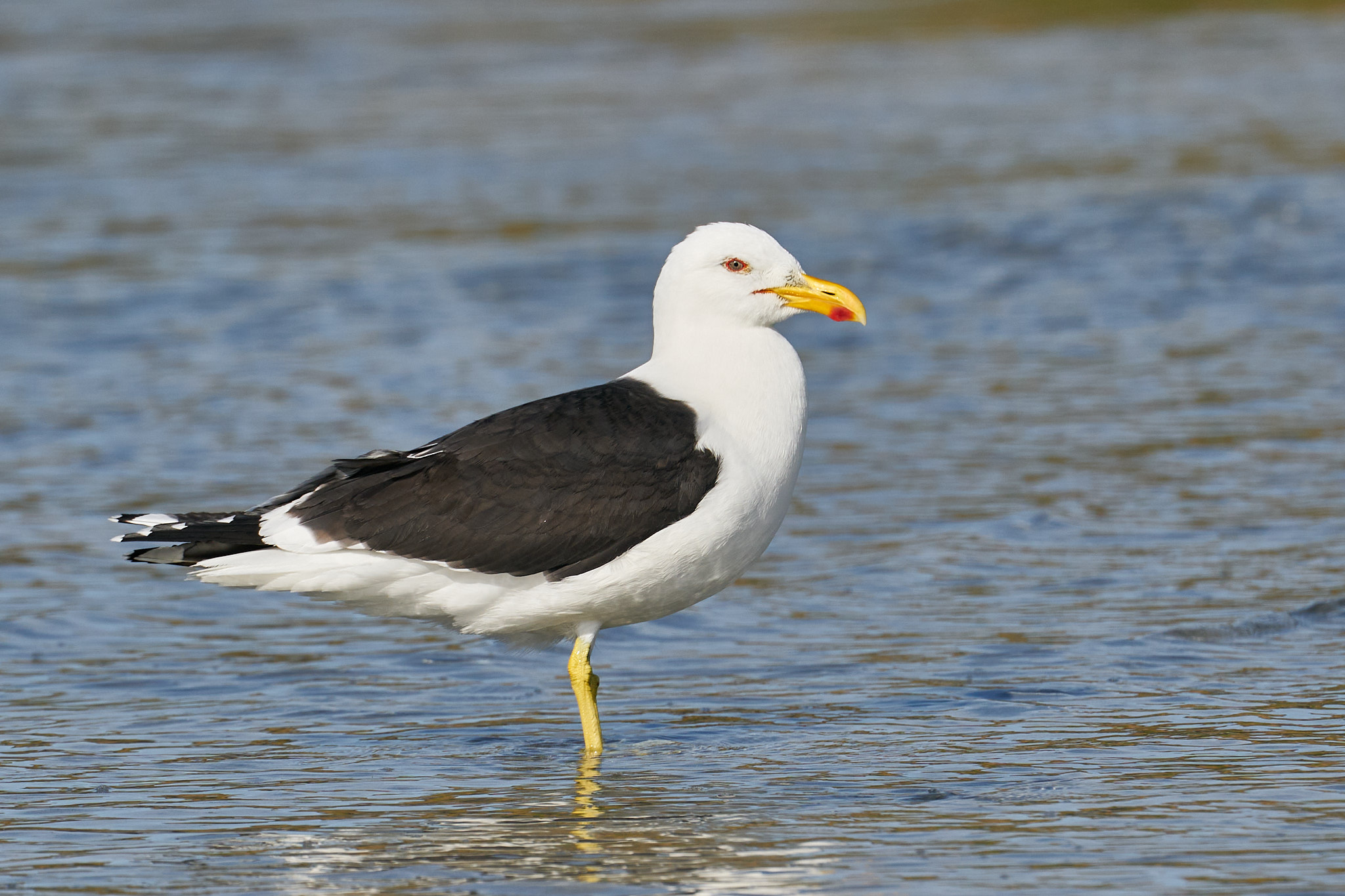
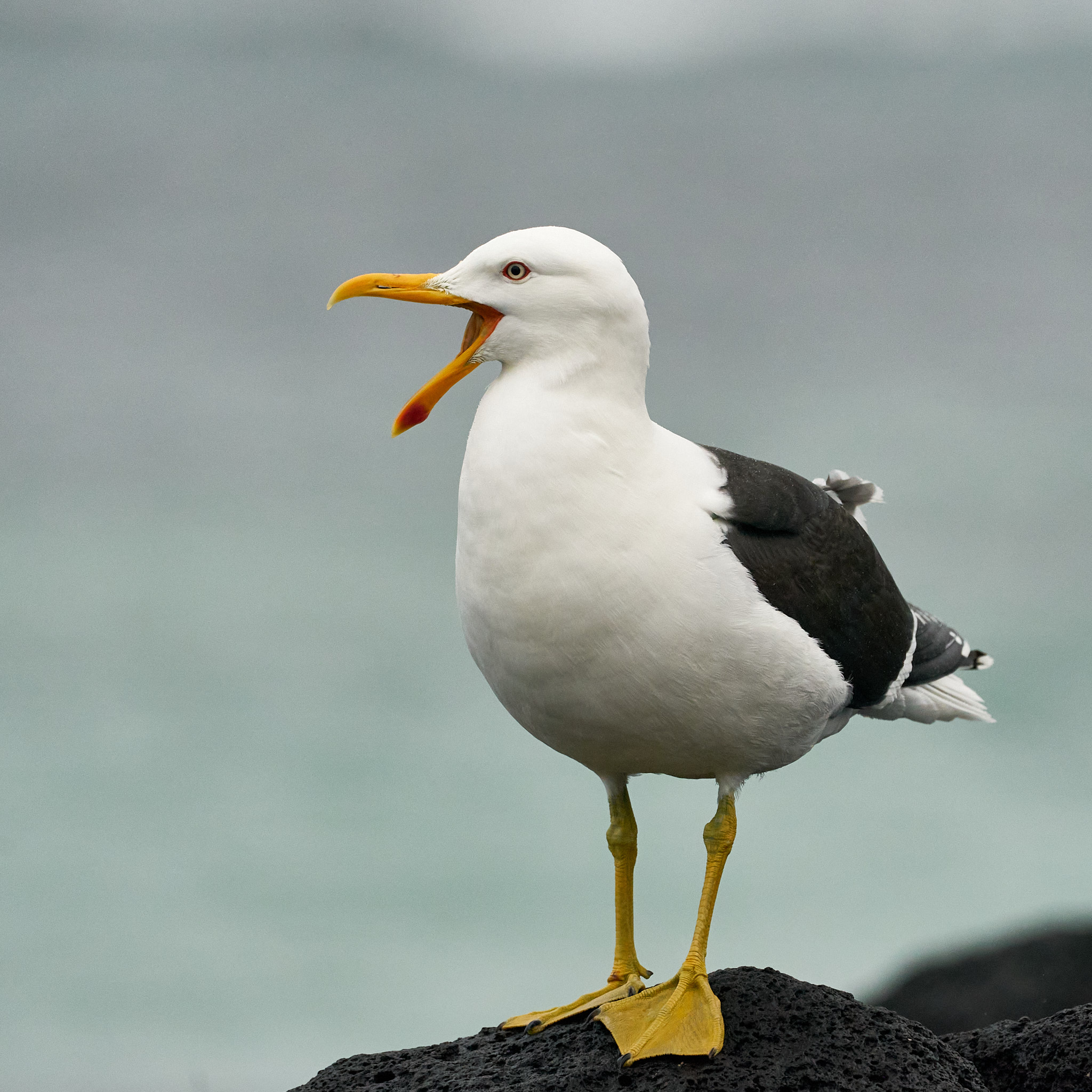
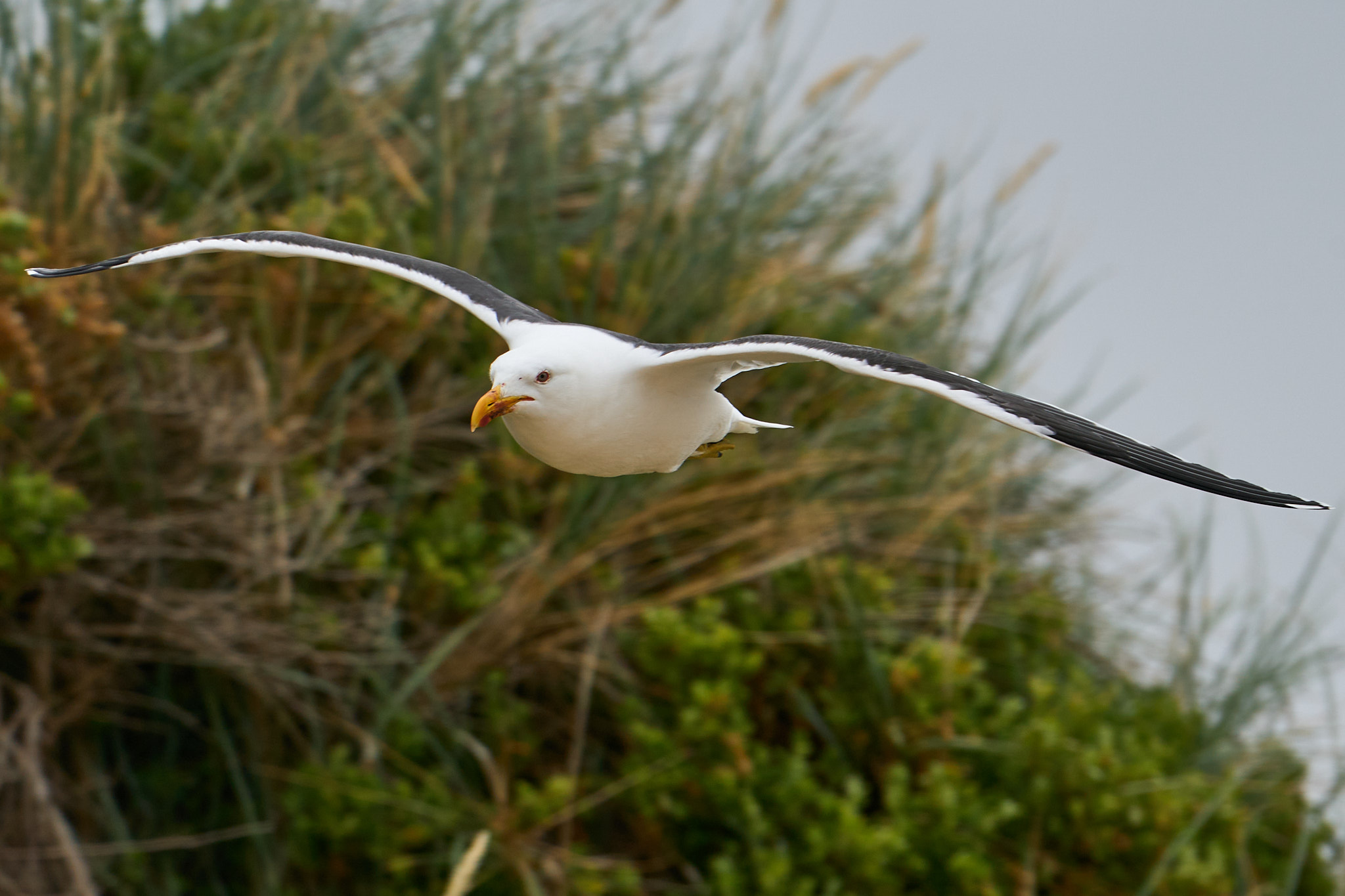
One of the current blow-ins is a Black-tailed Gull more at home in coastal China and Japan. It wanders south in the northern winter but rarely as far as Australia. Some parts of the globe are richly endowed with gulls. They are often challenging to identify and some take three years to reach full adult plumage. Their appearance can vary between seasons. In gull rich parts of the world there are keen birders that specialise in gulls. You couldn’t really make a hobby out of them in Oz. We only have three regular species and identifying them is reasonably straight forward. Kelp and Pacific Gulls are large, have black backs and take three years to reach maturity and can be aged reasonably accurately by their plumage as they make that journey. Silver Gulls are smaller, have light grey backs and reach adulthood in one year.
Silver Gulls …
Pacific Gulls …
the red tip to the massive bill extends to the upper mandible, there is a black bar in the tail. The adult legs are a richer yellow colour than Kelp Gulls.
Kelp Gulls …
The bill is less impressive than the Pacific Gull and the red spot is confined to the lower mandible. There is no black in the adult tail. The legs are a washed out yellow.
The bill is the best starting point when deciding which large juvenile gull you’re looking at.
Victoria was our home for most of our lives. Our return is mostly about catching up with family and friends. They are well worth traveling 5000km for but are not riveting material for a blog.
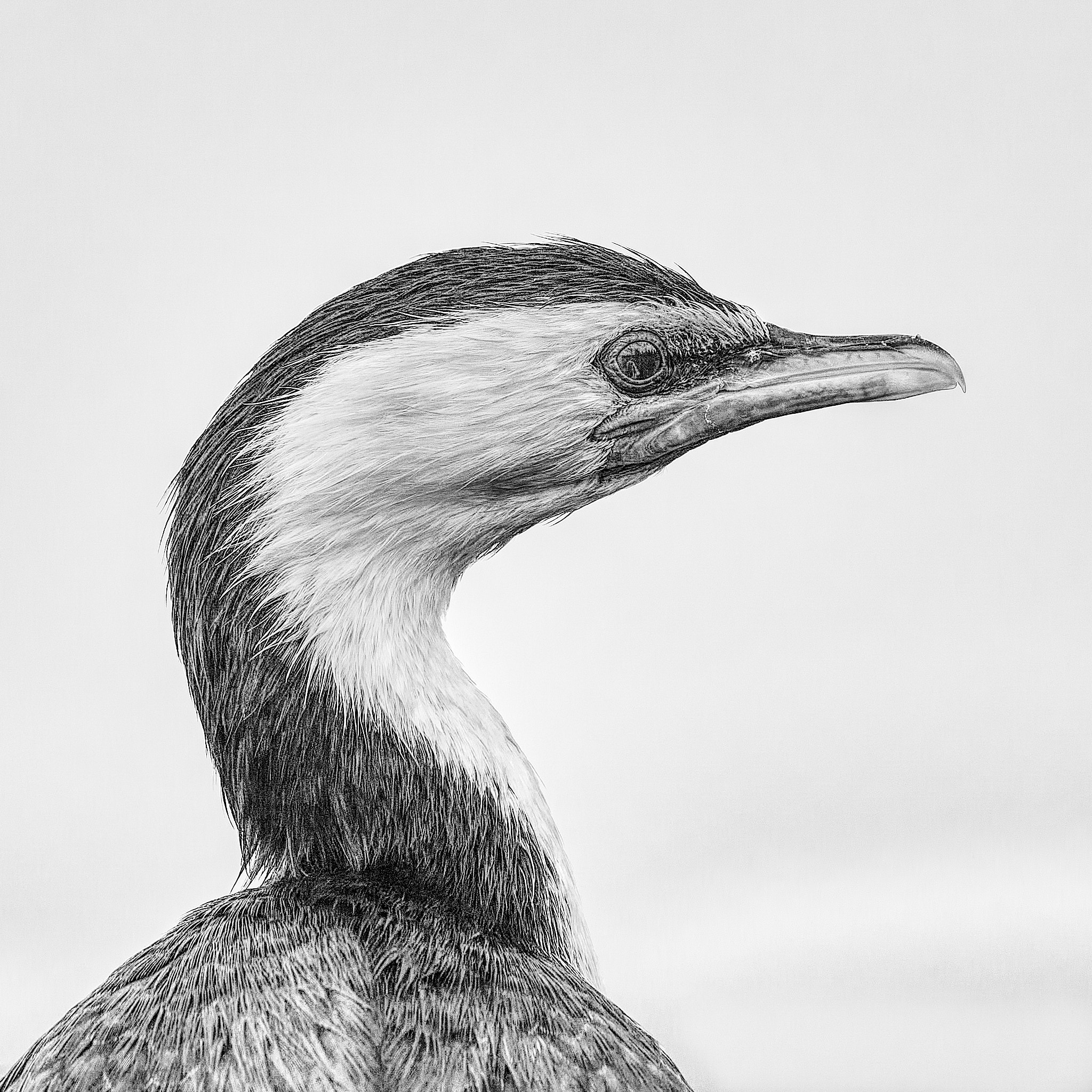
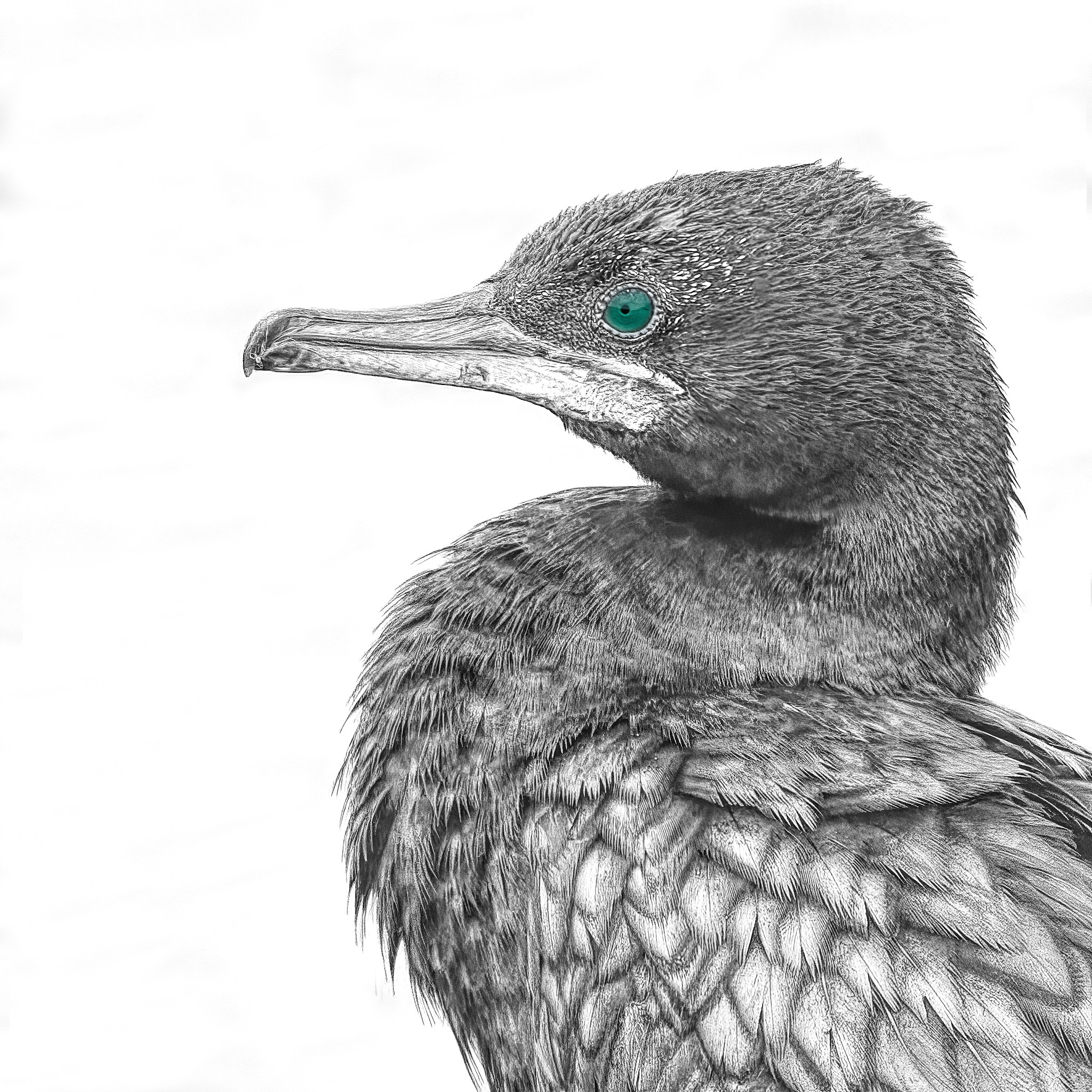
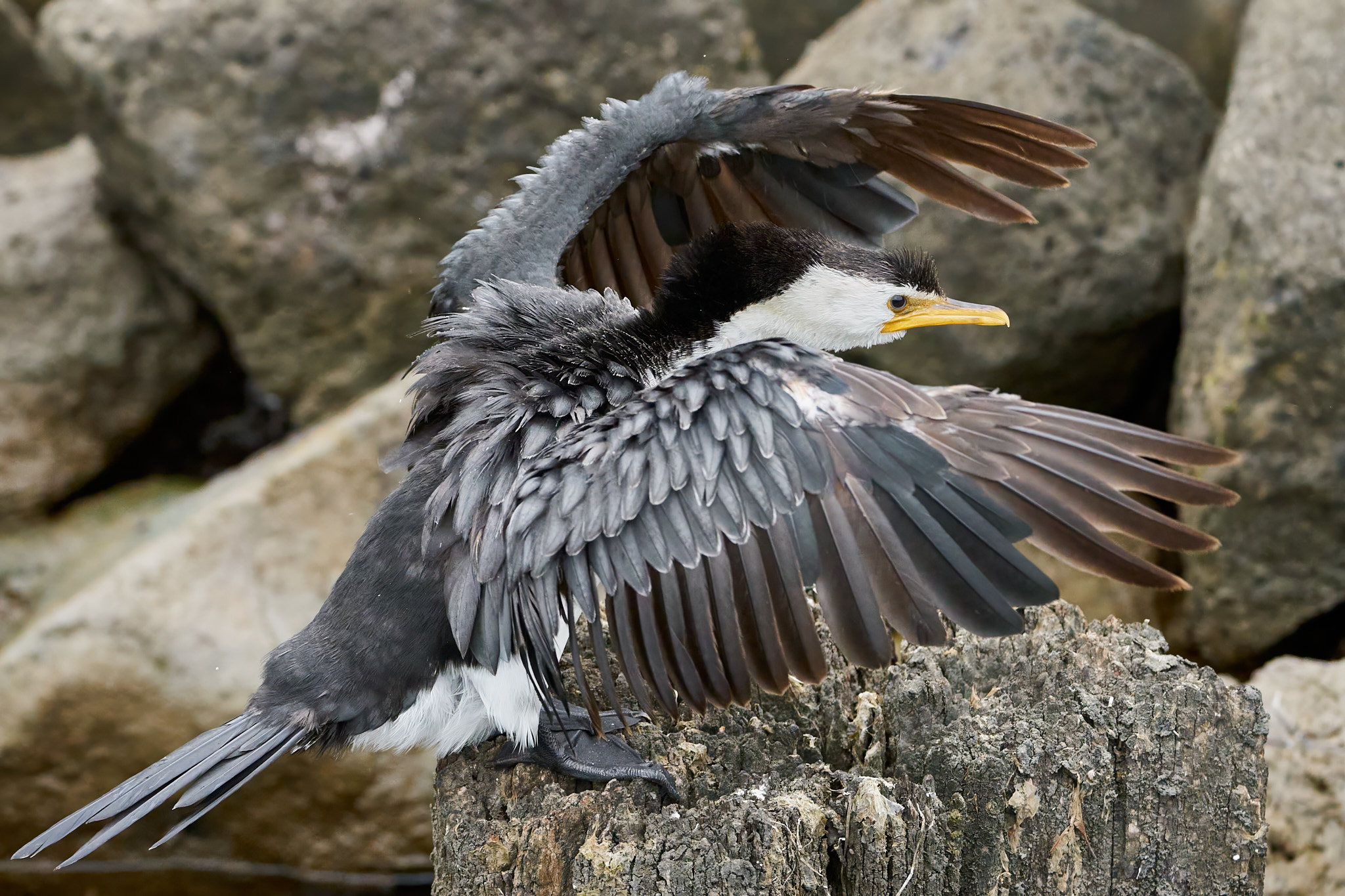
After two weeks here I am beginning to cope with the cold. It’s 2:30pm and just 17° (it could be worse, it could be Fahrenheit). We’re in Port Fairy. It’s raining. Of course it’s raining, we’re in Port Fairy. It is one of my most favorite places in all the world despite its weather.
I was out before the rain. An overcast sky is actually very good for the bird photographer. Colours are vivid, there are no harsh shadows. The light is kind. And processing the files is something you can do to pass the time while it’s raining. Did I mention the rain?
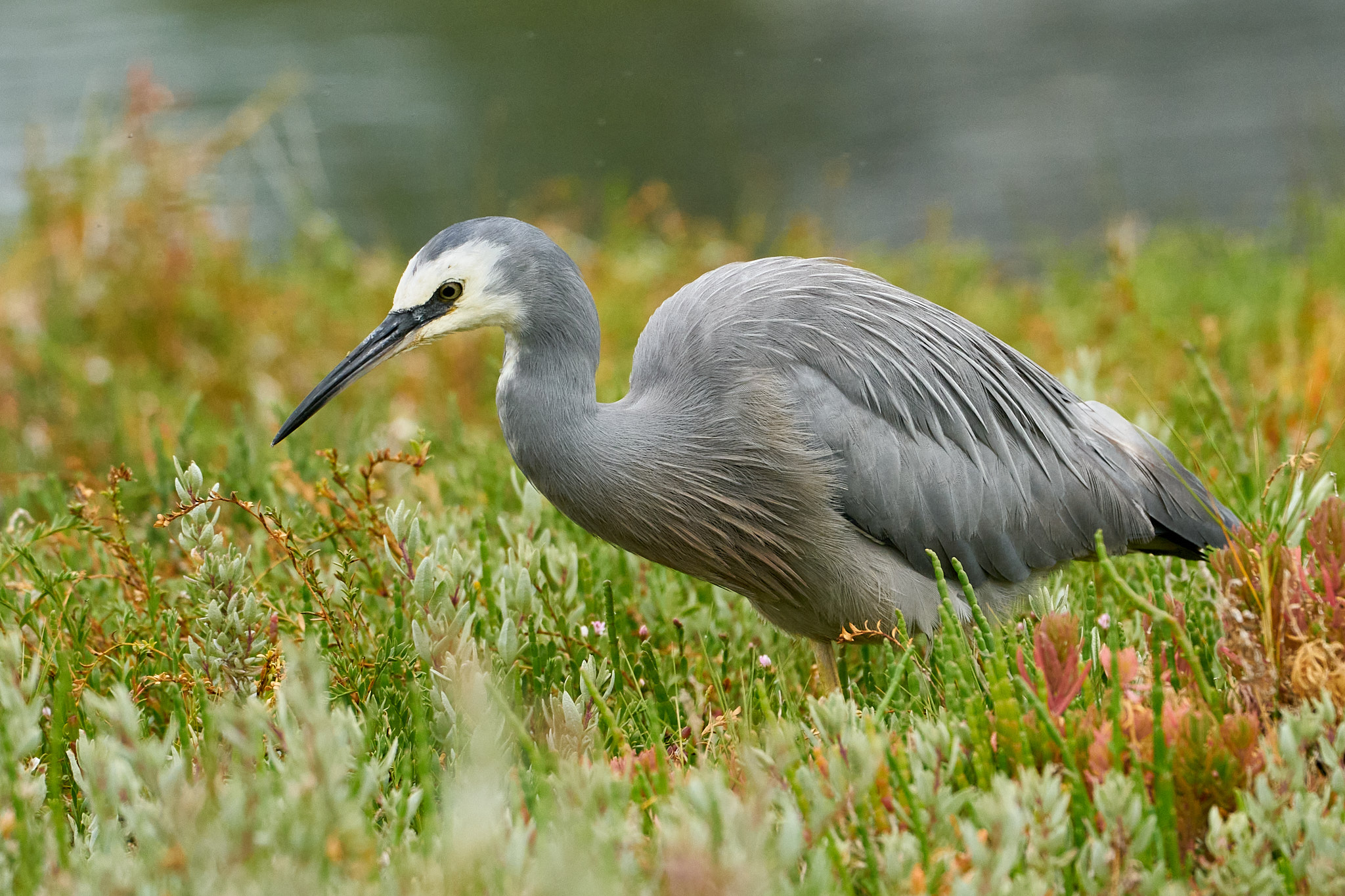
Australian MagpieLittle Pied CormorantLittle Pied CormorantWhite-faced Heron
Do click on the gallery.
Friends back in Broome are finding the Build Up a bit oppressive. Between the Dry and the Wet seasons temperatures and humidity soar and begin to wear on you. The nights are uncomfortable. Tempers fray. The Build Up is a season of black eyes and broken jaws . Rain and the relief it brings will be more than welcome when it comes. Meanwhile they have cloudy skies and lightning shows.
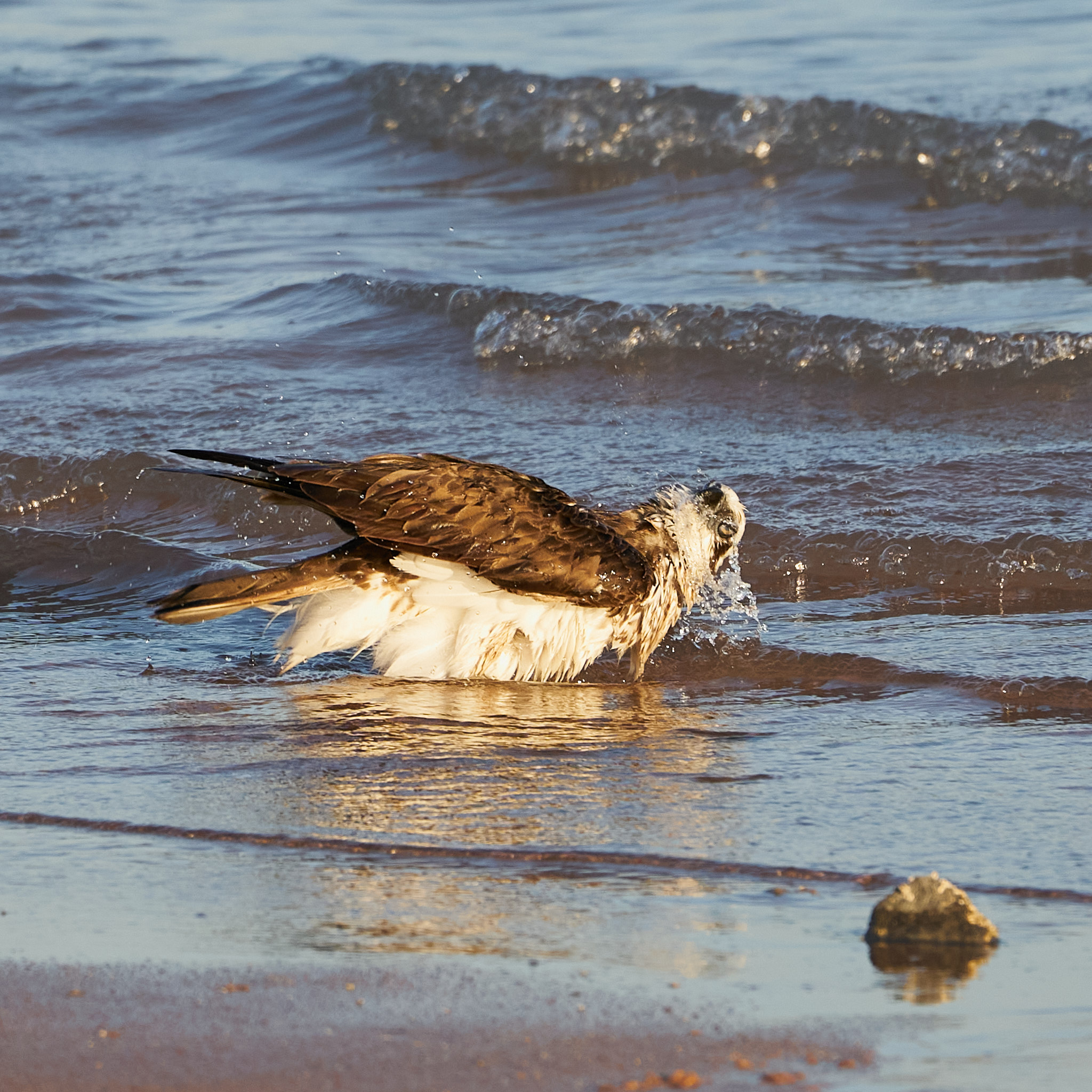
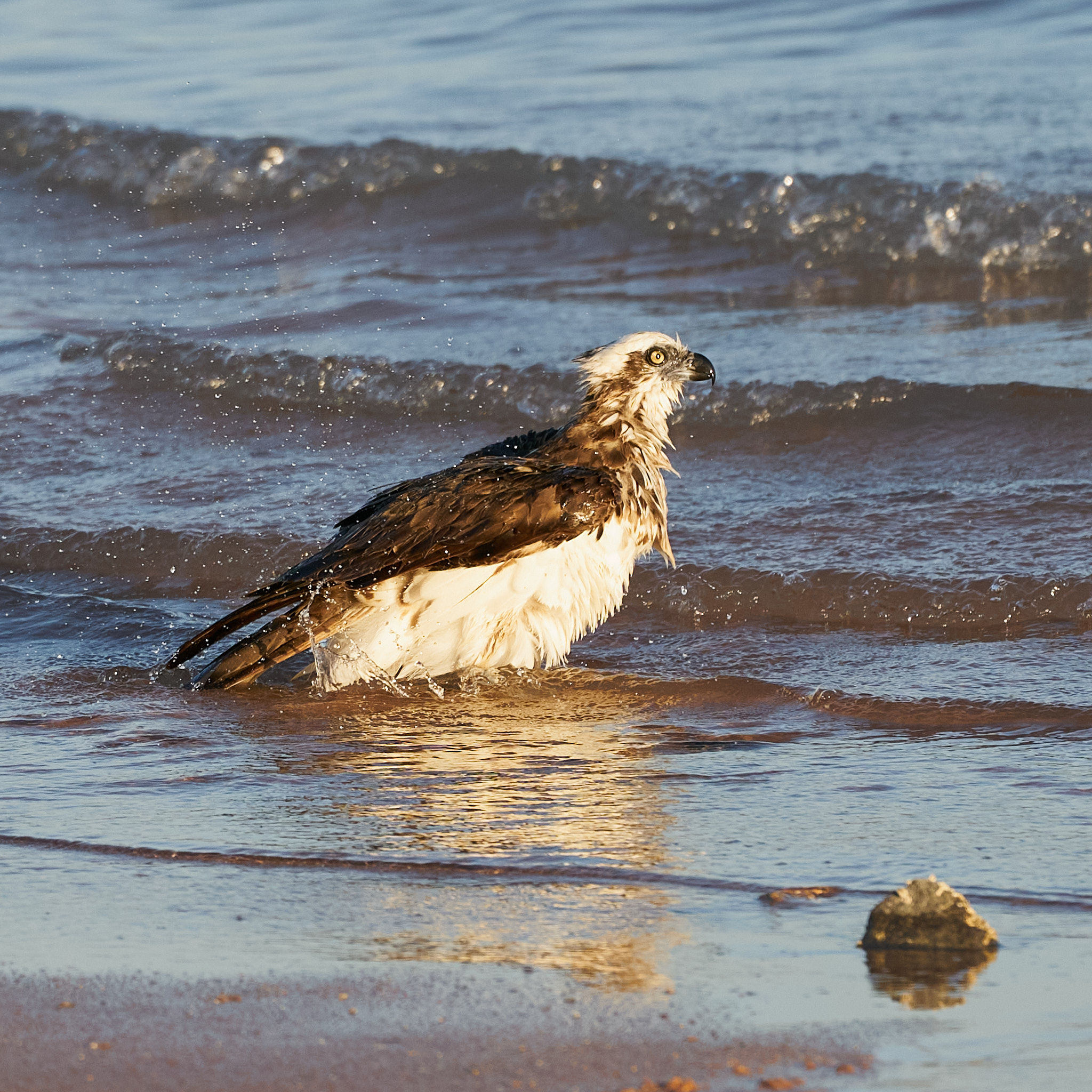
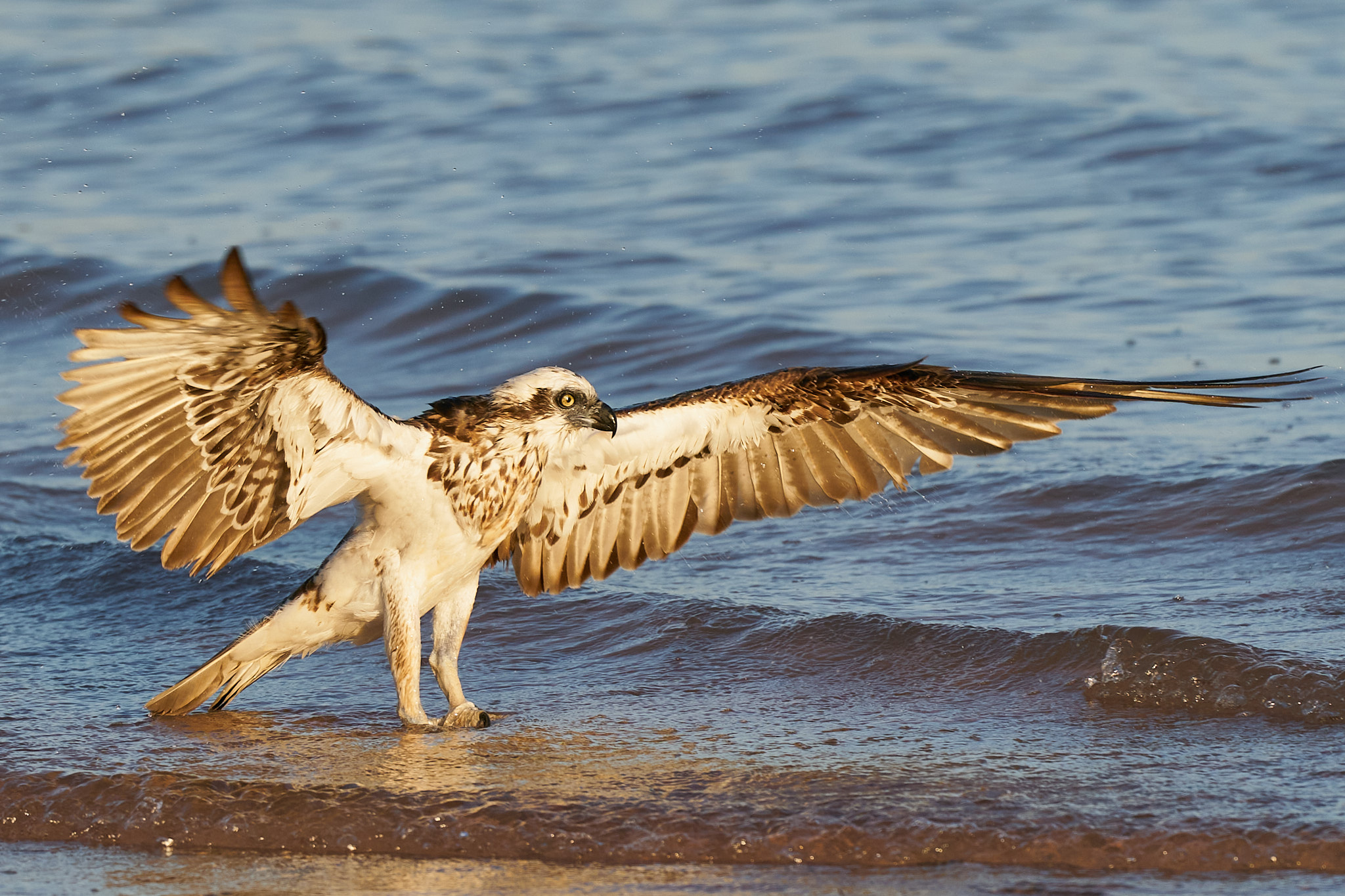
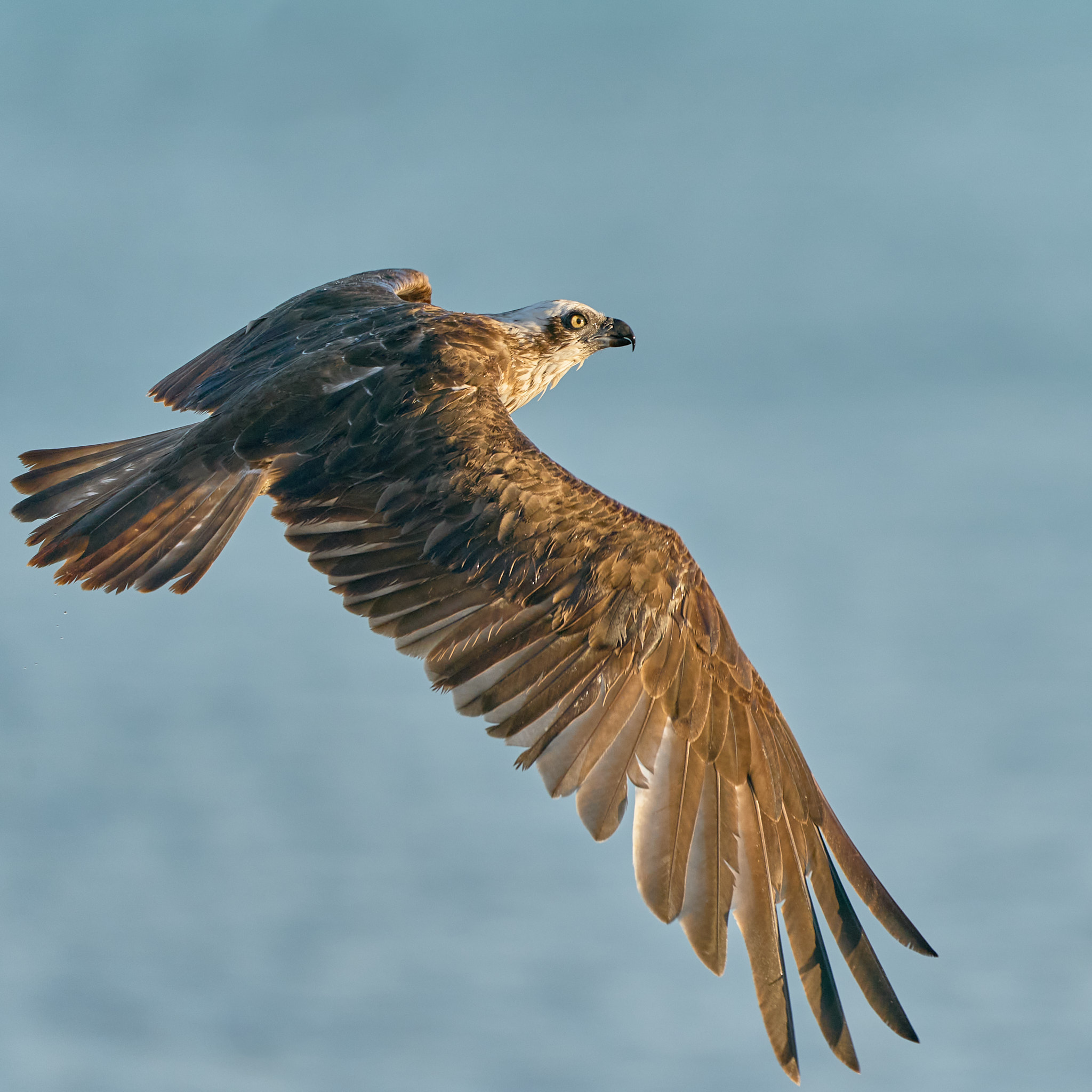
Ospreys have taken to nesting on man made structures. This can be inconvenient. The answer has been to put up a more attractive platform nearby. The most accessible of these from a human’s point of view is at Broome’s Town Beach. The platform there has a mess of sticks on top and a solitary bird is frequently in attendance. One day I hope to see a partner.
Yesterday It was taking a bath in the sea.
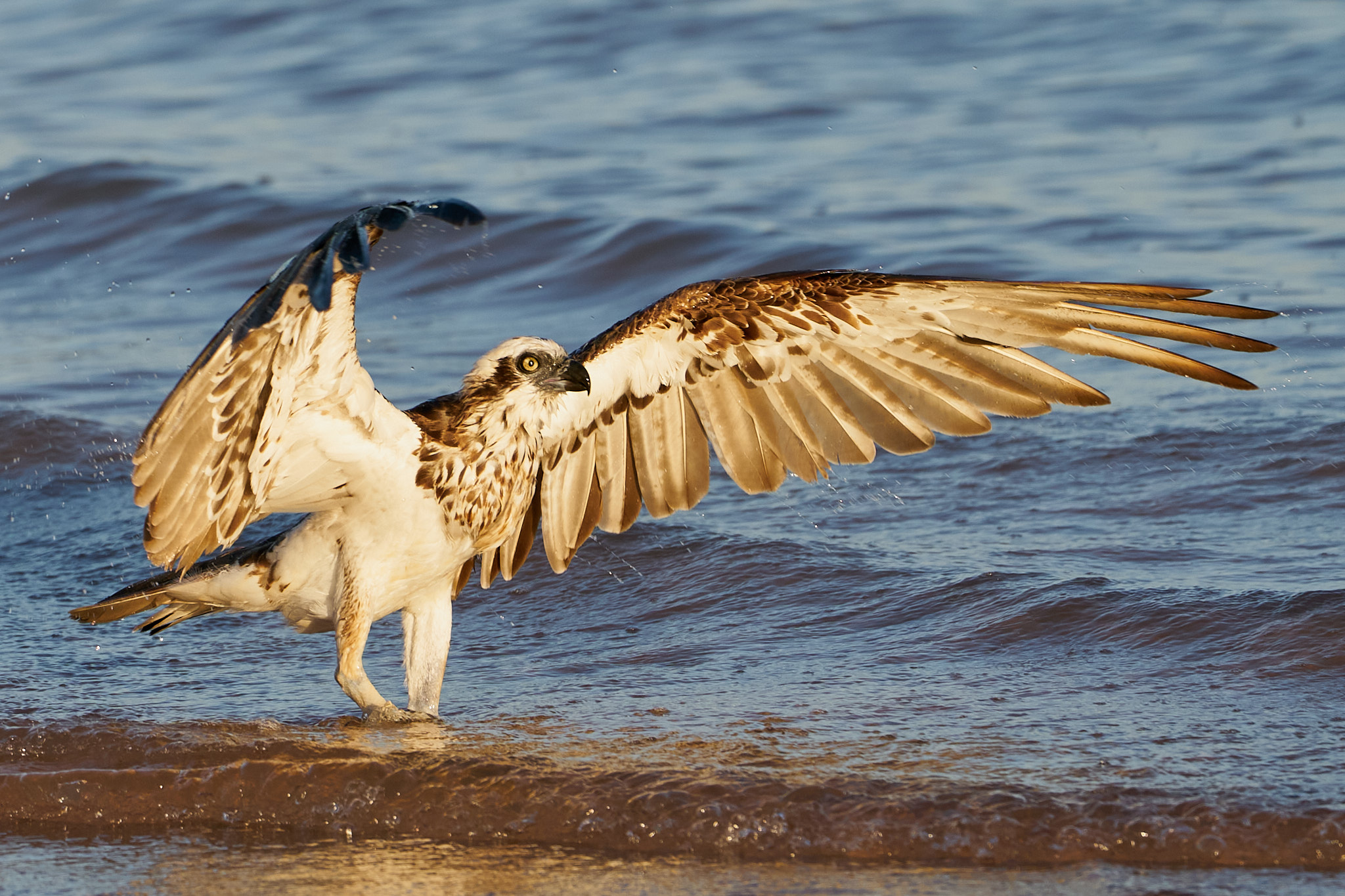
When it had finished it dried its wings with a few vigorous flaps before flying off.



































 bobmcgee