For such a densely populated place Singapore is remarkably green. Water and sunshine obviously help, but there has been a deliberate policy that nature should not miss out completely in the scramble for land. And it hasn’t. There are birds, mammals and reptiles in parks and gardens that are big enough parcels to sustain them. Yes, the glass is not full but don’t think of it as half empty.
In six days I visited ten parks and gardens. They were all worth visiting. My main interests are birds and wildlife so let me rate them with that in mind. (Gardens by the Bay is unmissable for different reasons). I’ll list them below the photos for any one planning a visit themselves. There are two groups – my favorites and the merely marvelous.
Watching videos like this one is what put Singapore back on my bucket list …
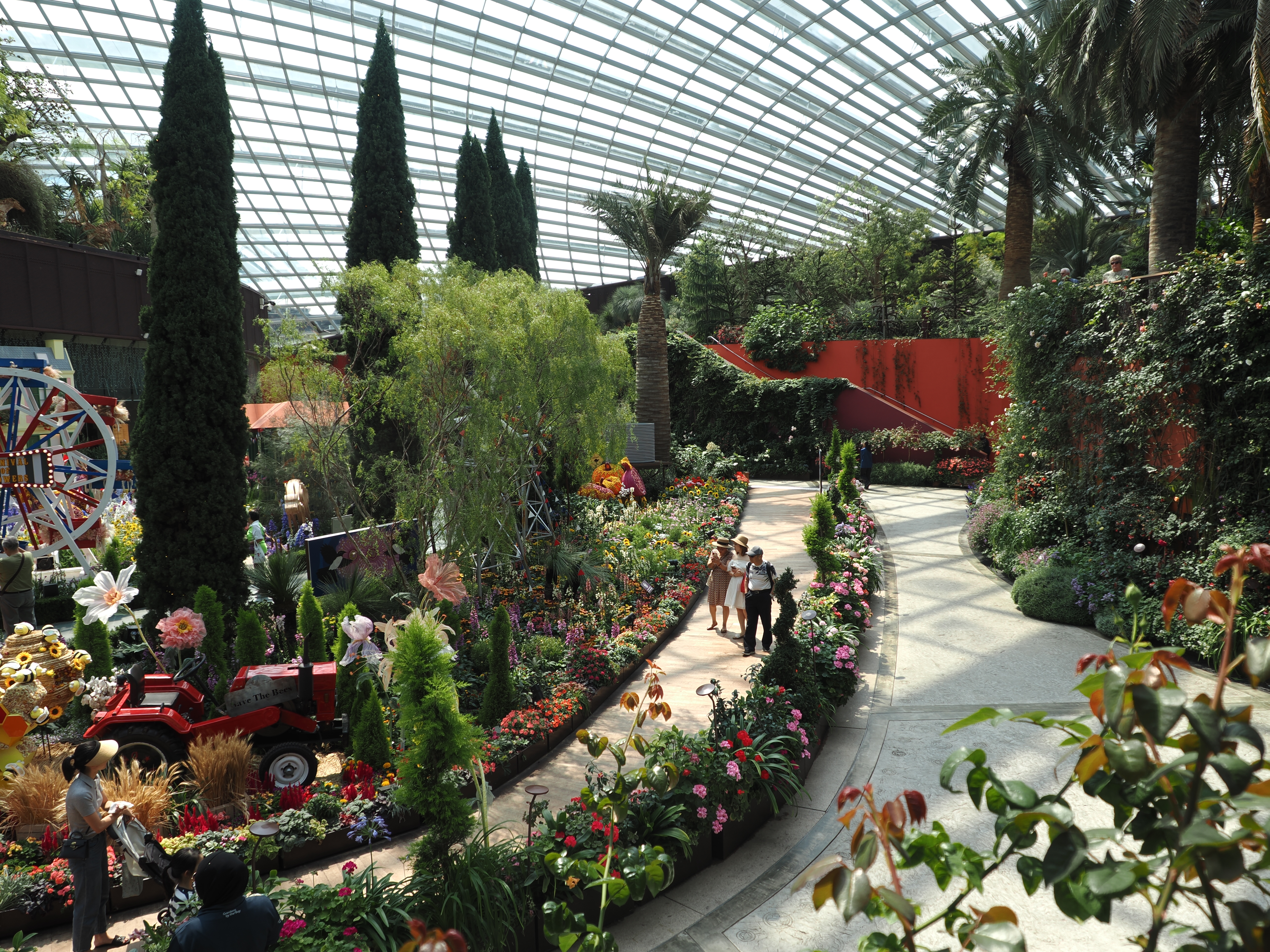
The gardens were opened to the public in 2012, they cover 105 hectares (260 acres) and as well as being very beautiful gardens they include two very large green houses and some interesting treelike things. The gardens are free. The green houses are not. But hey, you got here what’s another $53?
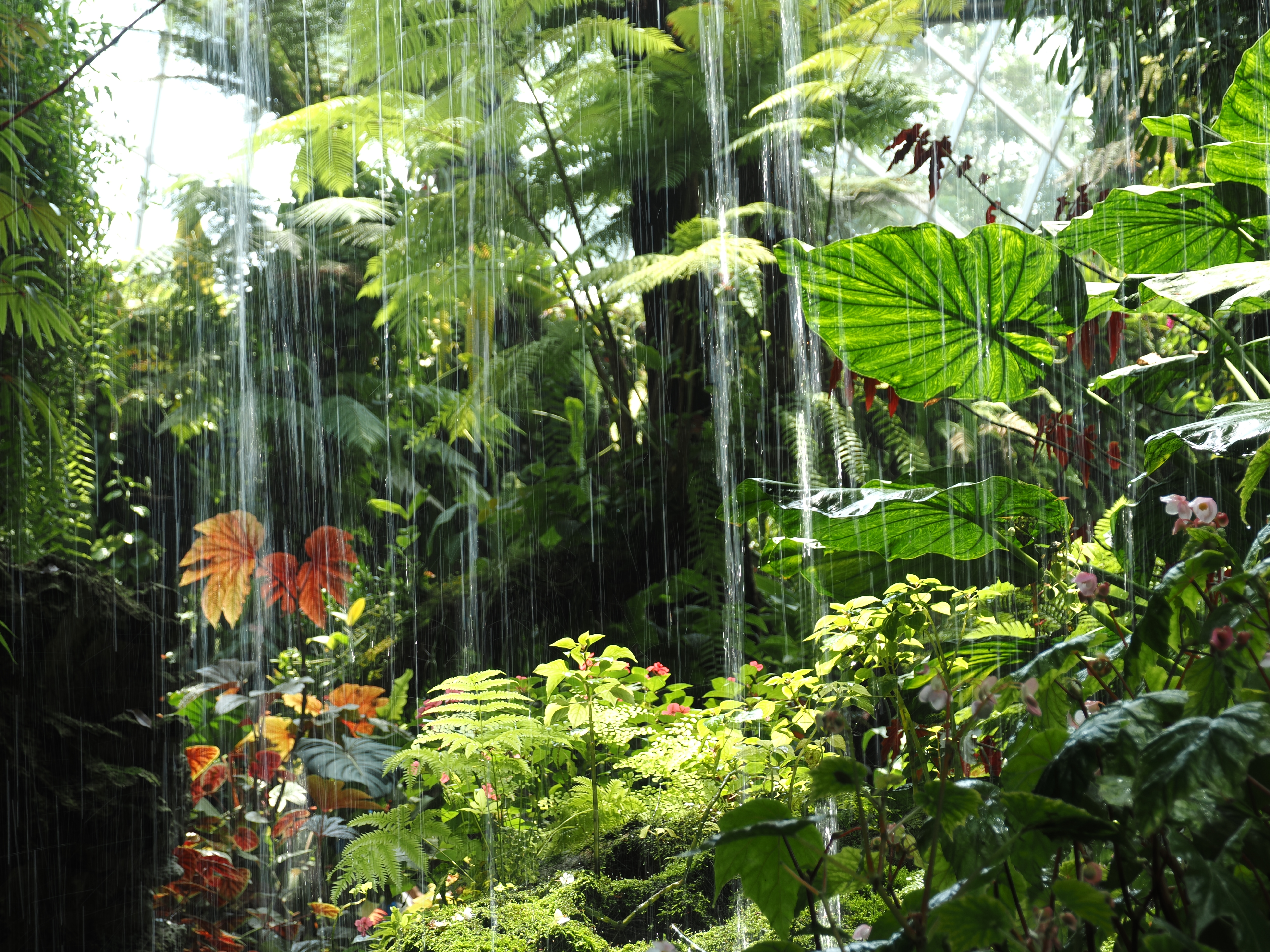
Do the flower dome first while it’s still a climax. After the misty mountain it’ll be a long time before a green house impresses you again. The Flower Dome is the largest green house in the world. The Cloud Forest enclosure is taller but has slightly less of a footprint. Keeping these structures cool and running is a unique feat of engineering.
There are a lot of flowers, plenty of trees and some kitsch. I’m a big fan of botanical gardens, not a fan of Disneyland. The overall effect is sufficiently restrained, my sensitivities emerged with only scrapes and bruises. I enjoyed the Flower Dome … a lot.
And in botanical gardens I am much more a fan of foliage than the seasonally gaudy (although orchids are very hard to dislike). And water features, give me a water feature. I was very much looking forward to the next house.
When you enter the Cloud Forest it hits you in your soul. Pause. Gaze in wonder. Move on a short distance, turn and look back. Watch the new arrivals. What’s happening to their faces is what happened to yours as you came through the door. This way you can share the moment and enjoy it twice.
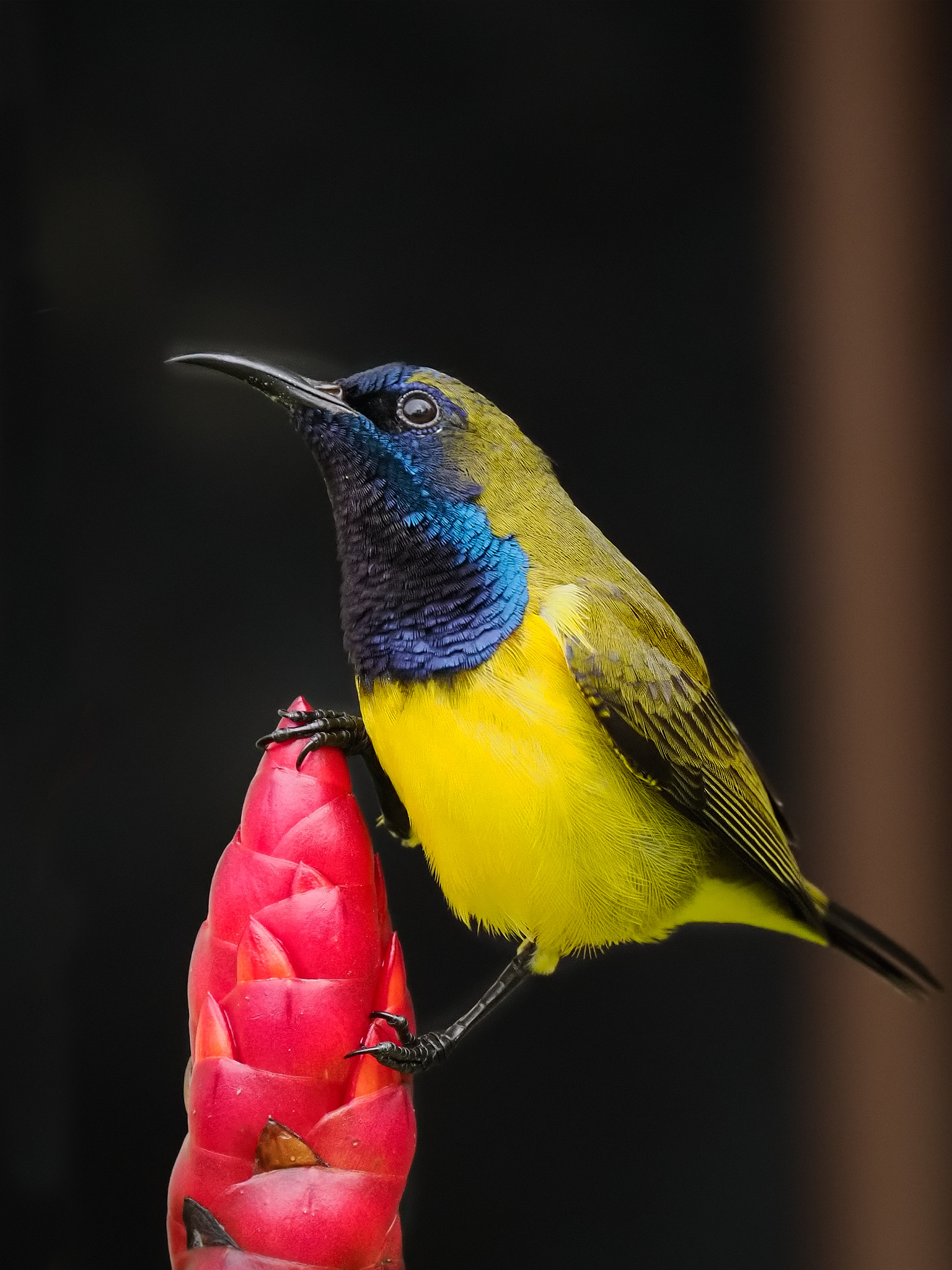
Satay by the Bay is a hawker centre adjacent to the Kingfisher Wetland and close to the MRT. Good food, a Tiger Beer and watching the sunbirds or kingfishers rounds off the experience … very nicely.
Spring has sprung and the migratory waders are back in Roebuck Bay. These are birds that breed in the far north of the northern hemisphere taking advantage of their short summer period of great abundance. The abundance is so great that the hatchlings feed for themselves. That’s a great saving in effort for the parents but at the expense of a long flight to escape the coming winter and capitalise on abundance elsewhere.
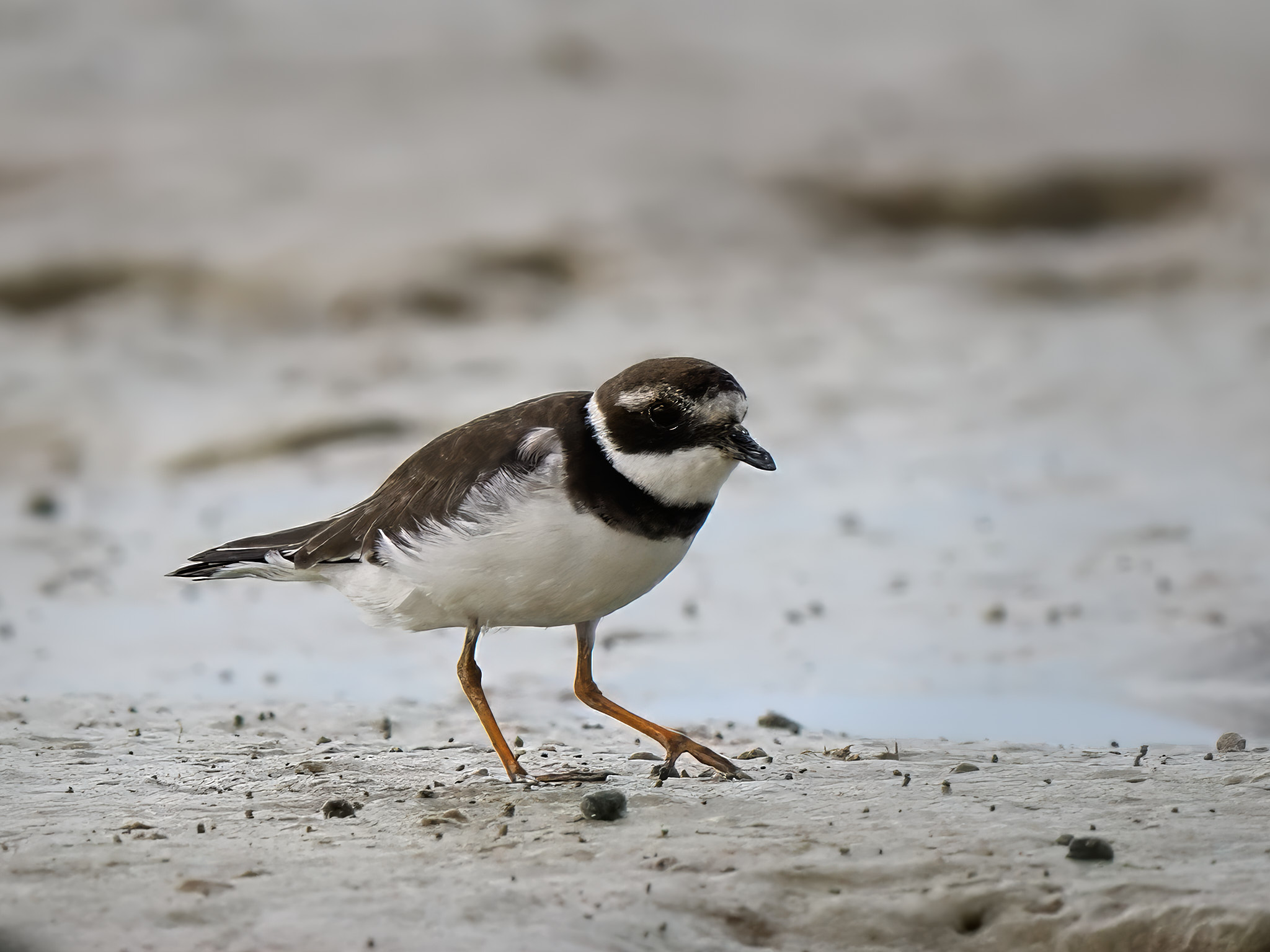
In those species that breed across a range of latitudes those that breed furthest north generally winter further south than those that breed in the southern part of their range. This leapfrog pattern of migration appears to have been brought to science’s attention by J A Palmén as long ago as 1874. One particularly good example of this is the Common Ringed Plover Charadrius hiaticula. Those that breed in southern Sweden or Britain winter in southern Europe whereas those breeding in the arctic mostly take the trip to Africa.
Mostly, but for the last three or four years a single bird has been turning up a stone’s throw from the Broome Bird Observatory in Roebuck Bay. This is presumably the same individual which must make it a leapfrog champion. There have been sightings of Common Ringed Plover further south but they are decidedly rare here in Oz.
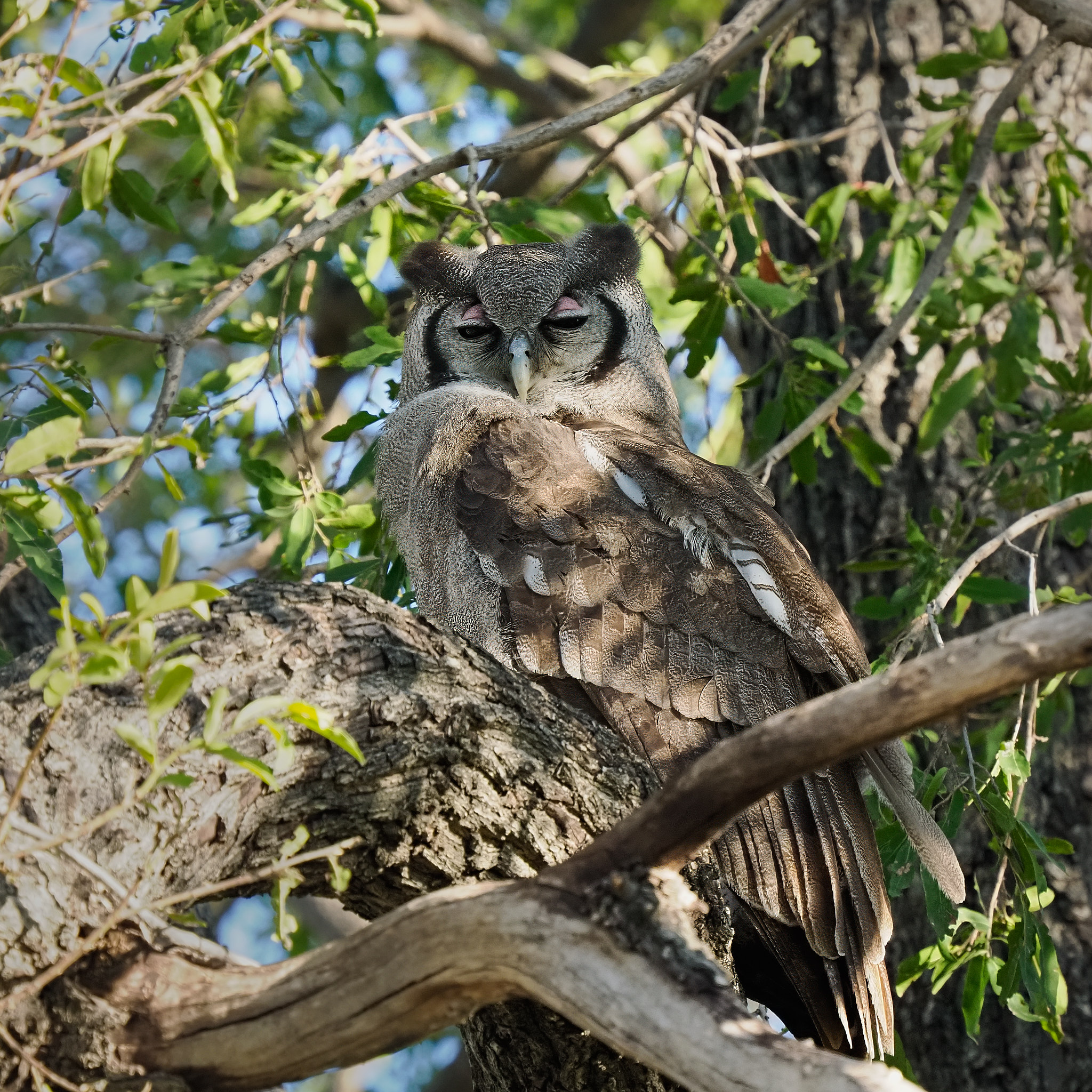
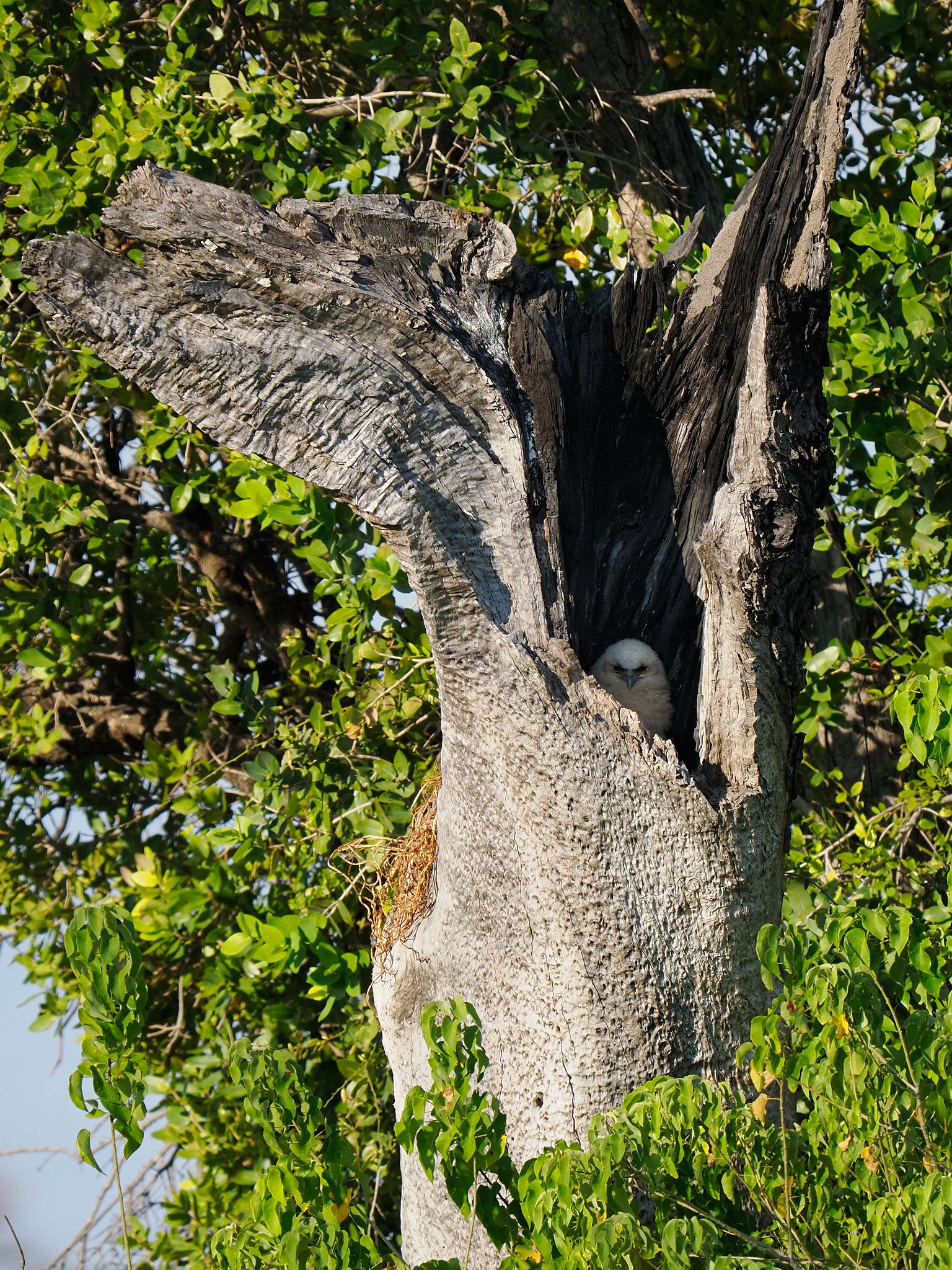
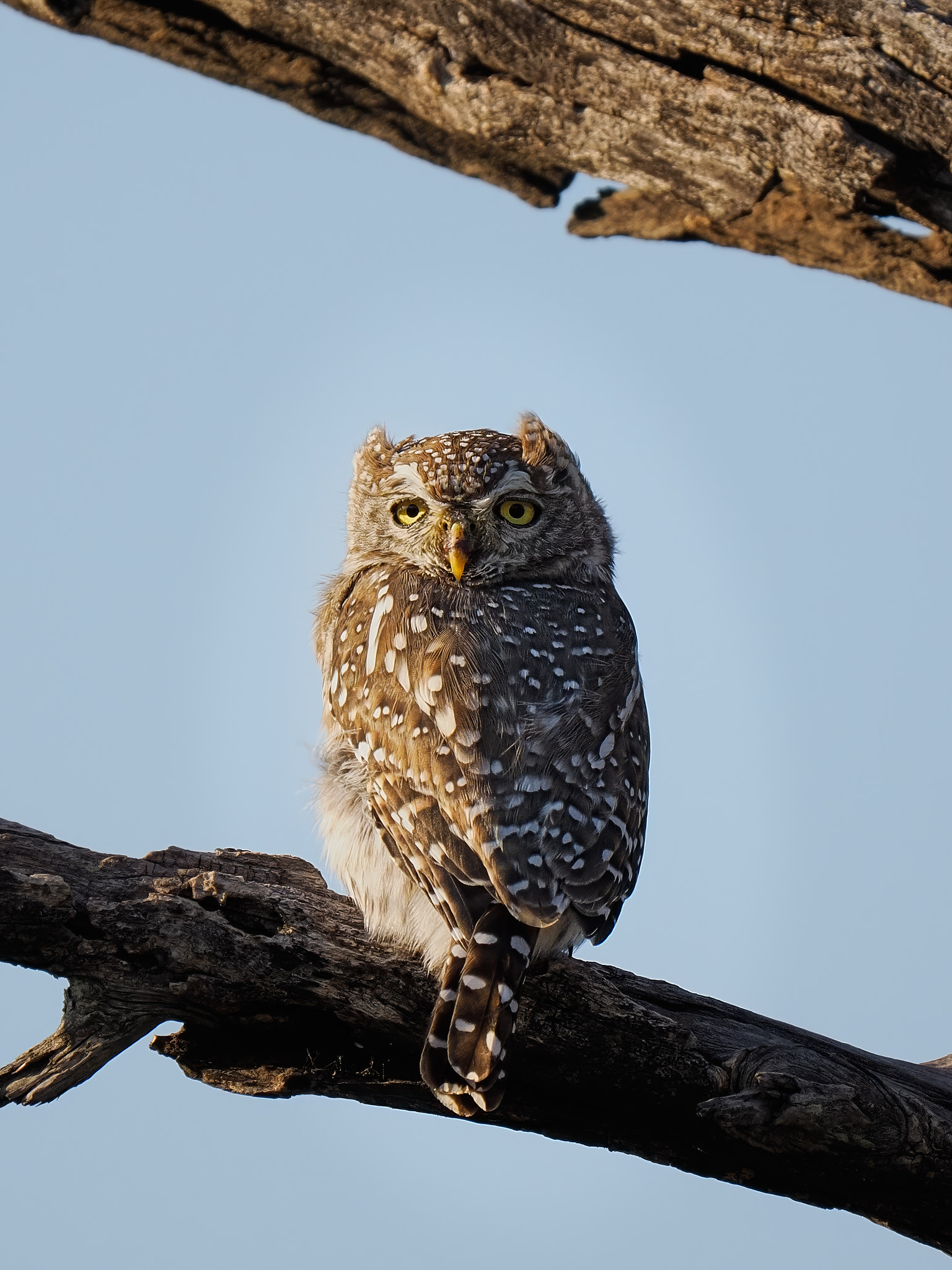
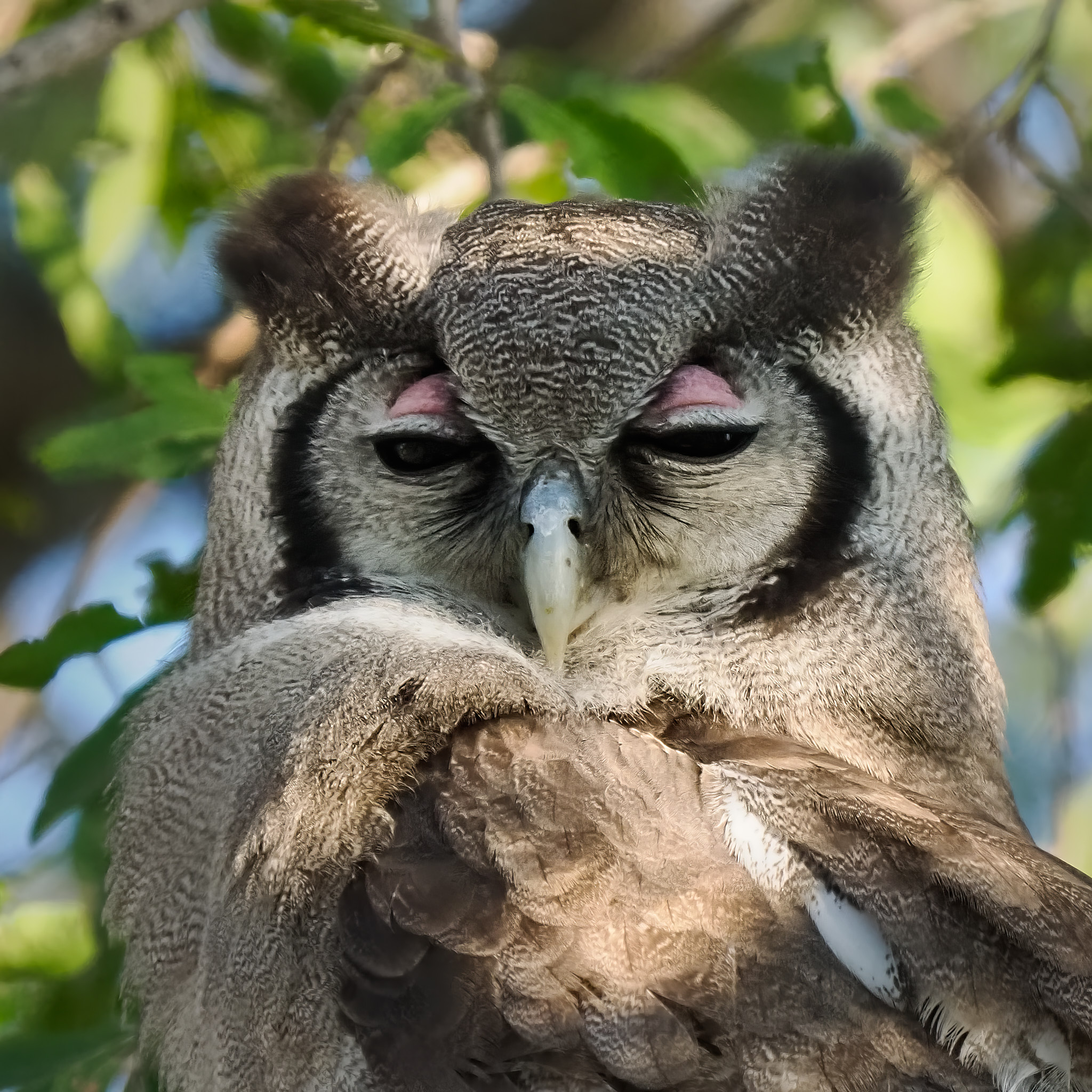
One of our local driver/guides found us a large owl, Verreaux’s Eagle-Owl. He recalled that as a child the call of the owl would strike fear in his heart and send him running home. To his family the owl was a bad omen. For other African people it was the wise owl or even the nocturnal protector of the village.
In the fairy tales I grew up with the owl was wise but in European folklore it has also figured as the harbinger of death, an associate of witches or the protector of barns from lightning although to fulfill that duty it first had to be nailed to the barn door.
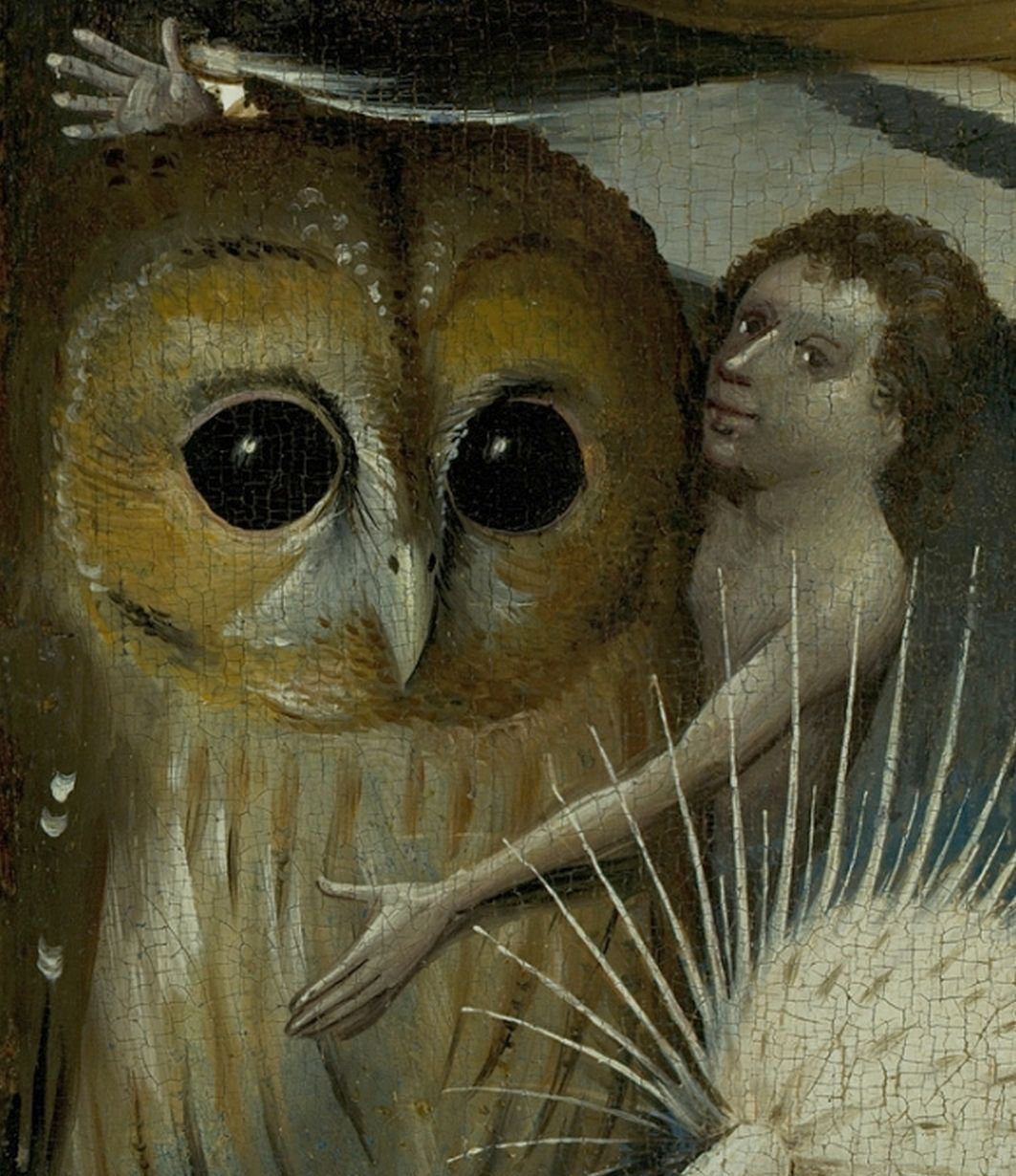
The Dutch painter Hieronymus Bosch ((c. 1450 – 1516) depicted owls in many of his works. He was either a deeply religious man seeking to demonstrate the dreadfulness of sin (the orthodox view) or someone who’d found a neat loophole in the censorship laws. He may have seen owls as wise in that knowing too much, cynical sort of way, having eaten from the tree of knowledge etc or he just had a fetish. A detail from The Garden of Earthly Delights …
Verreaux of the Eagle-Owl and also the Eagle, Coua and Sifaca (and also celebrated in the scientific names of a dove, a parrotbill, a skink, a gecko and an eel) is Jules Pierre Verreaux (1807 – 1873) a French botanist, ornithologist and professional collector and trader in natural history specimens. He earns a mention in the Biographical Notes of the Australian National Herbarium for his plant collecting activities in New South Wales and Tasmania. They don’t go into much detail about his exploits in Africa.
Whilst in Botswana in 1830 Verreaux observed the burial of a Tswana Warrior. He returned that night , dug up the corpse, took the skin, skull and a few other bones, crated it all up with a few other specimens and sent them off to Paris. I wonder if the owl was part of the same shipment.
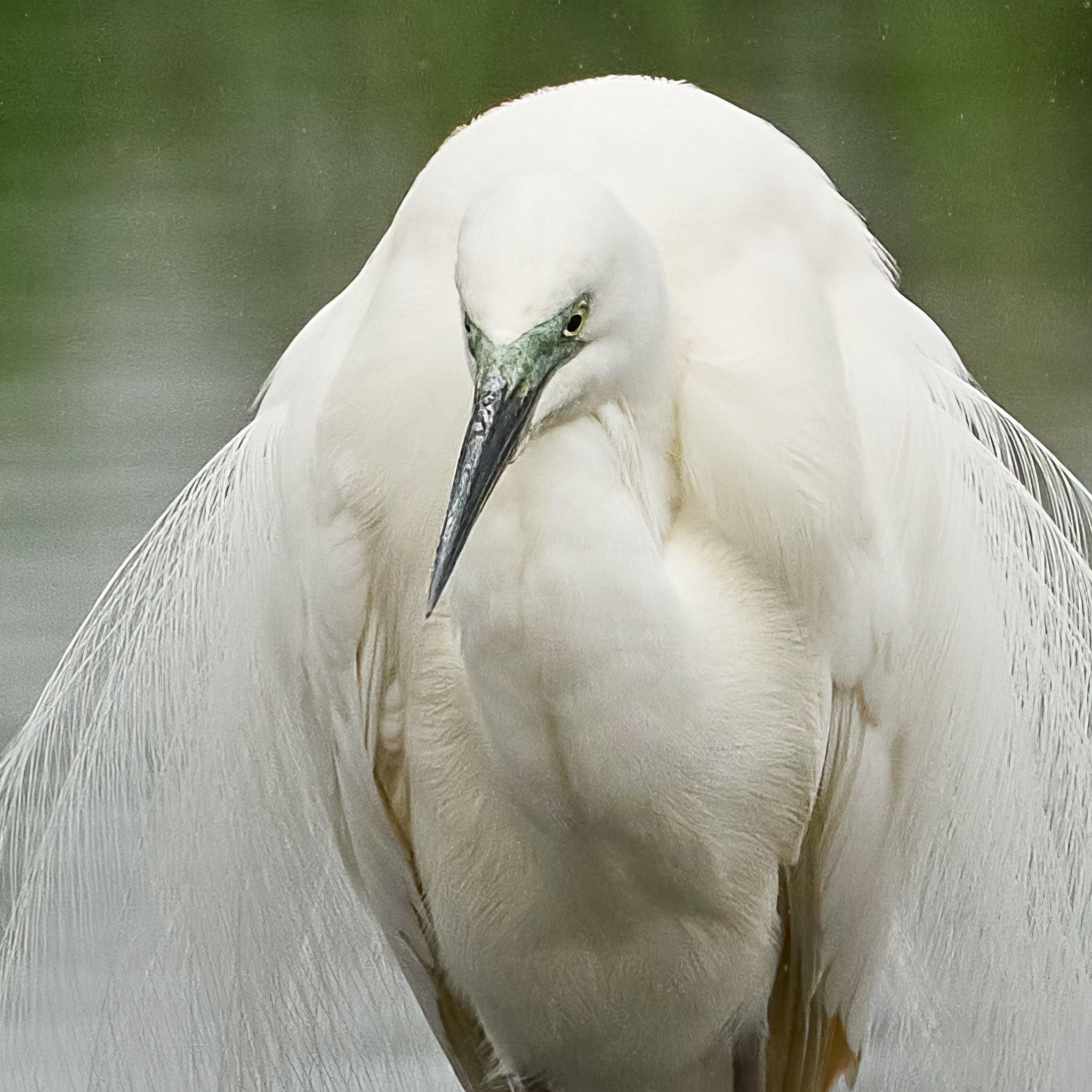
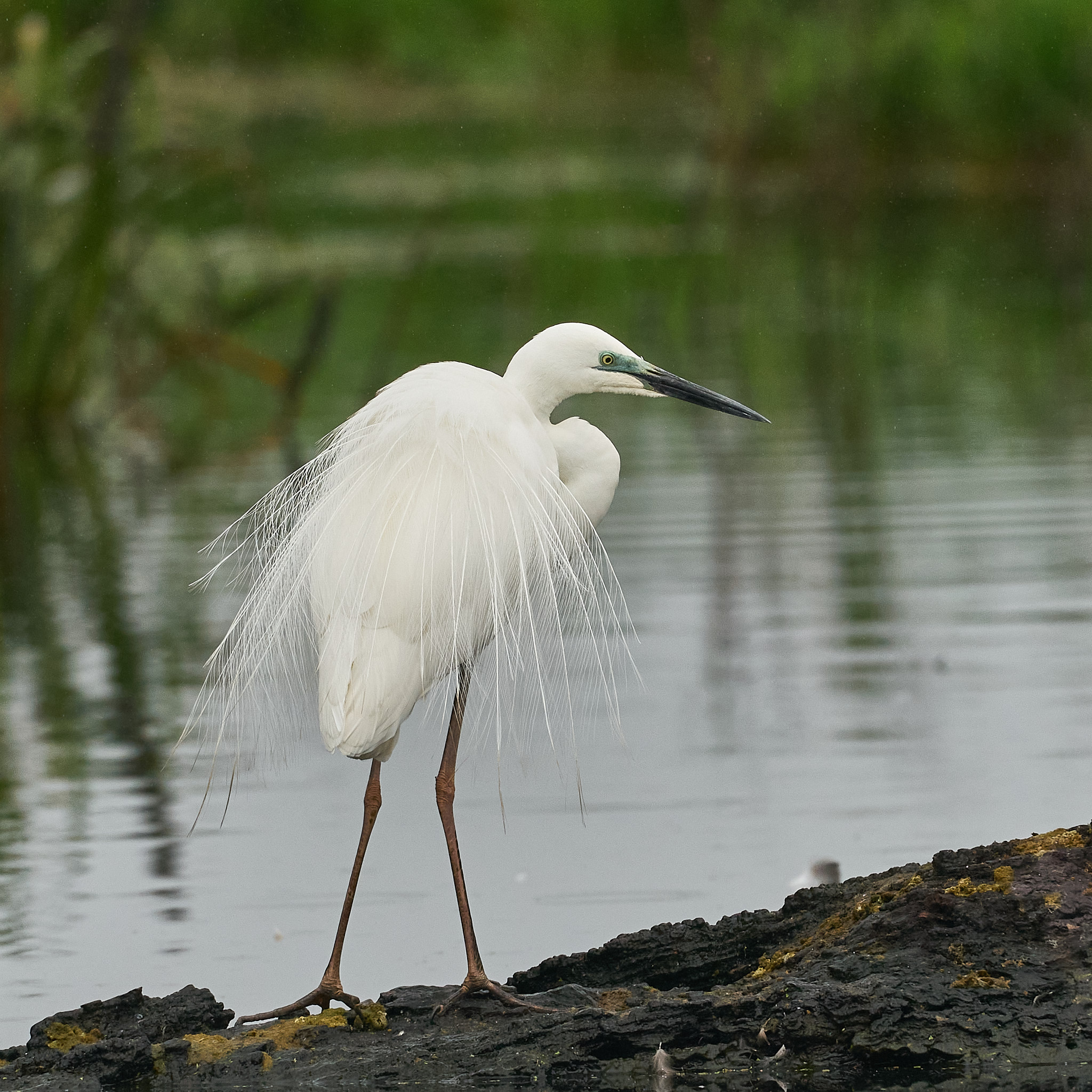
I was lucky enough to come across this Great Egret in all its breeding finery the other day. I don’t know whether this is the bride or the groom but the dress is absolutely splendid.
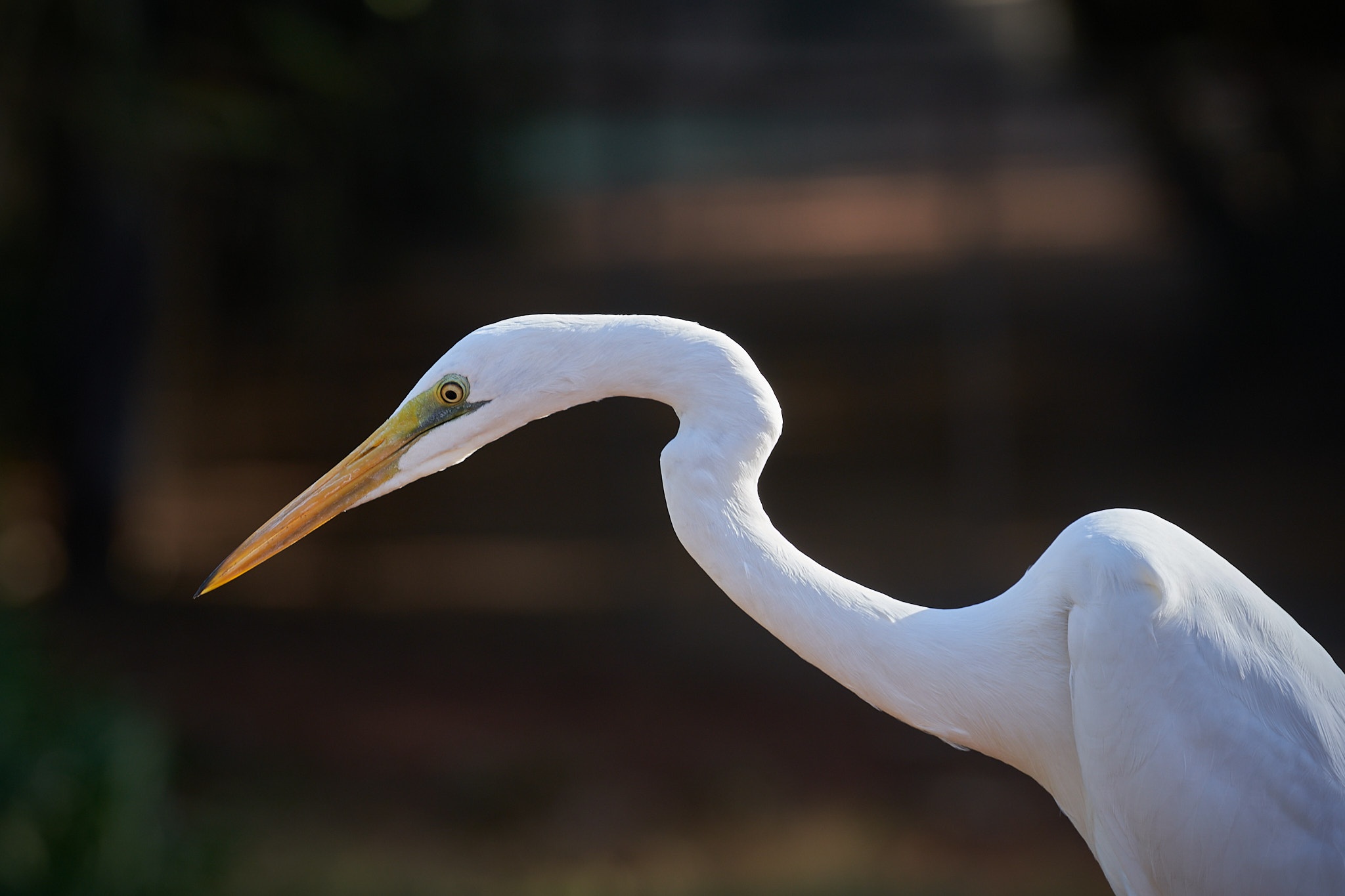
Regular plumage is devoid of the lacework, the bill is yellow and the bare parts of the face are also mostly yellow. You can see this in a photo that I took in WA a few months ago. The remaining photos were taken at Braeside Park, Melbourne, Victoria. The sufficiently obsessed can confirm the ID by looking at the angle of the mouth, it is behind a line dropped from the back of the eye.
non-breeding plumage
Great Egrets nest in trees over water often in association with other egrets, Ibis or cormorants. They lay two to six eggs.
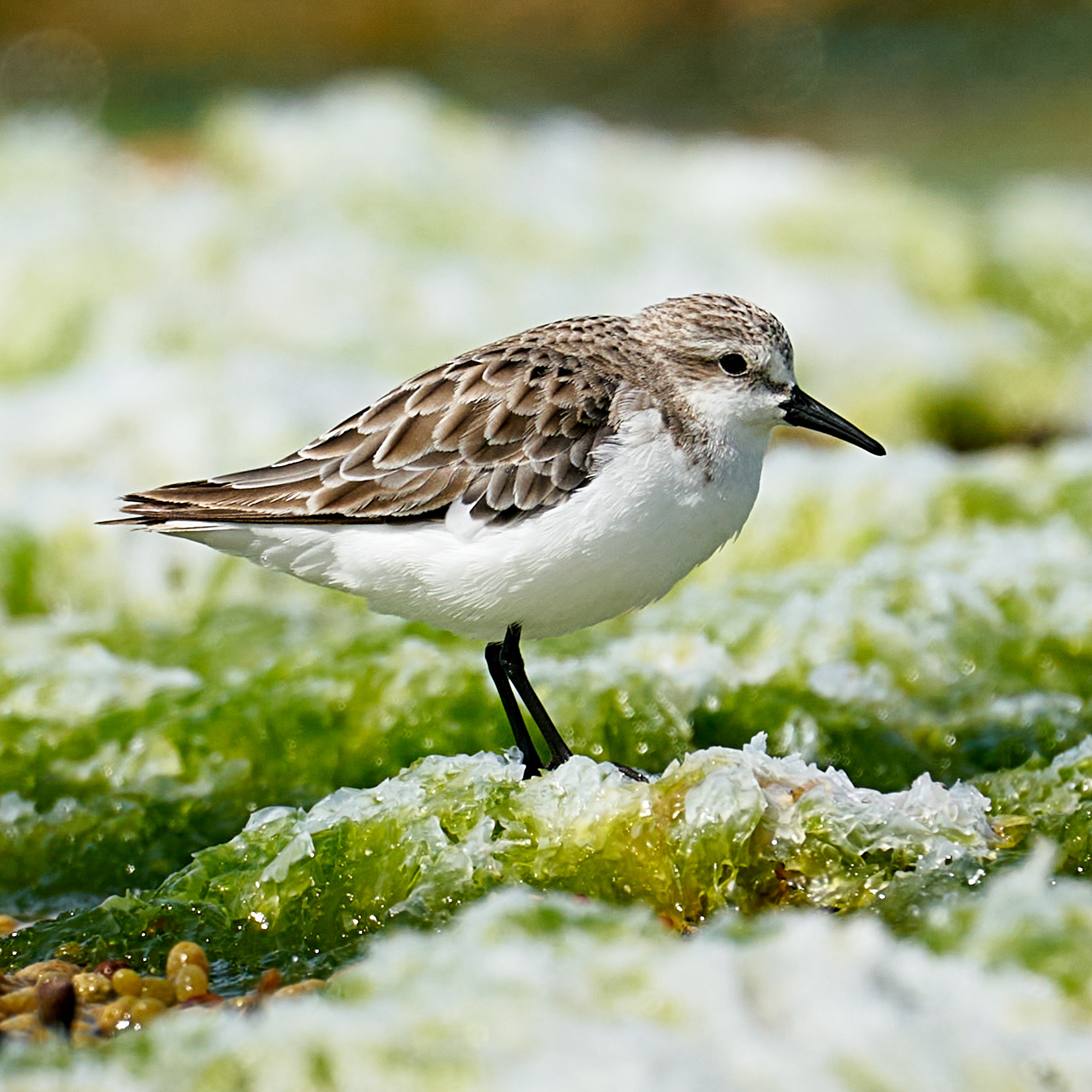
A few months ago this little guy hatched in the Siberian tundra. He or she started feeding themself almost immediately, grew fairly quickly and soon outfitted themself in their first suit of feathers. The parents provided some measure of protection at first but then abandoned it. Our little hero then flew 12,000 km to Australia’s south coast. It weighs about 30g. (Barely more than an ounce for American readers).
Red-necked Stint (juvenile)
When overwhelmed by the need to procreate it will fly all the way back again. What a crazy strategy but it’s one that millions of migratory shorebirds will pursue. Thirty-seven species regularly spend the northern winter in the Australian summer sun.
The route these birds follow is the East Asian Australian Flyway or EAAF for short. There are other flyways in the Americas and Europe to Africa. The birds that do this perform amazing feats of endurance. Read about the Bar-tailed Godwit that holds the record non-stop 13,500 km flight Alaska to Tasmania <HERE>. That tiny Red-necked Stint will overwinter in Oz this year but after that it will do the 24,00 km round trip every year for the rest of its life. And its life span may well be as much as 18 years.
How do we know this? The answer to that is that interested people have caught them and put bands on their legs and caught them again in subsequent years, sometimes numerous times. Scientific bird banding started in Denmark in 1899 when bands were placed on 162 young Starlings. The first recovery of a banded bird in Australia predates that and has nothing to do with science. In 1887 an albatross was found near Triggs Island, Western Australia, with a tin collar around its neck carrying the message “13 naufrages sont refugies sur les iles Crozet 4 Aout 1887′. (13 shipwrecked sailors have taken refuge on the Crozet Islands, August 4 1887). Sadly they perished about a month before the help summoned by their ingenuity reached them.
One drawback of numbered metal bands is that you need to catch the bird to read it. In recent years engraved flags enable birds to be identified in the field. That’s handy for life span studies. Not so handy over the horizon on their long journeys but advances there mean that our 30g stint can now be followed by means of 0.3g geolocator.
I’ve spent the last couple of weeks in Port Fairy on Australia’s south coast and I’ve come across a number of flagged birds. I photograph these when I can and report them, a minor contribution by way of citizen science.
Bird banding is heavily regulated. In Oz it’s by the Federal Government through the Australian Bird and Bat Banding Scheme and it’s to them that you report your observations – online <HERE>. Similar bodies exist in other countries and these too can be found online. A photograph is nice but isn’t essential just a sight record will do. If you come across a dead bird with a band on make a note of the numbers on it and submit that. Use the same form.
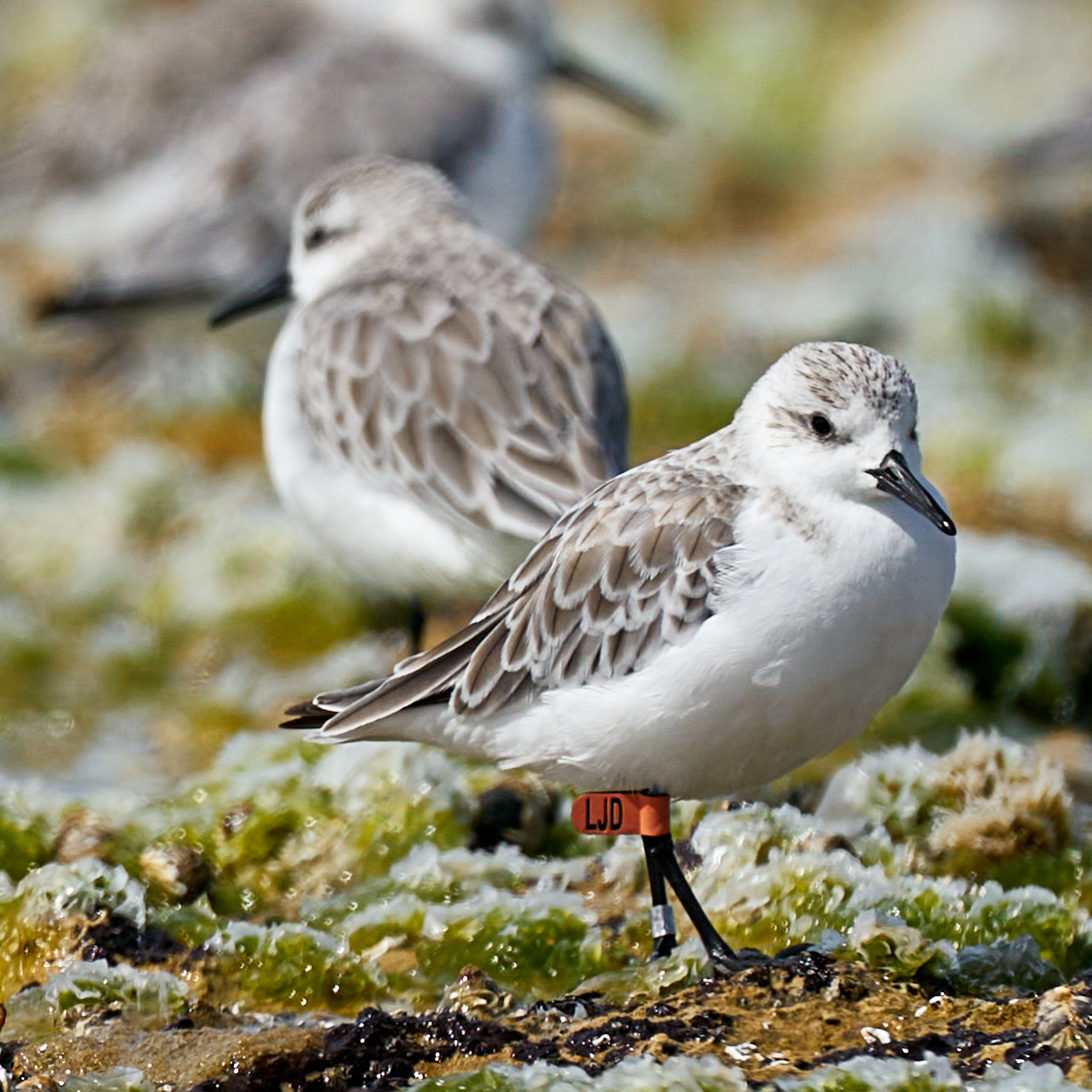
The ABBBS will eventually get back to you with a report. The scientist that placed the band will also get details of your interaction. In the case of the Sanderling, the only migratory wader in the gallery above – the other two breed locally, I now know that it was banded at Killarny, Victoria 11 months ago. It was 2+ at the time meaning it was in its second year of life or older (in other words an adult). I found it at Yambuck 26 km away. It may have flown a lot further than that given that it is an adult and there has been a breeding season between banding and sighting. Sanderling breed in the arctic as far north as they can get before finding themselves in the sea.
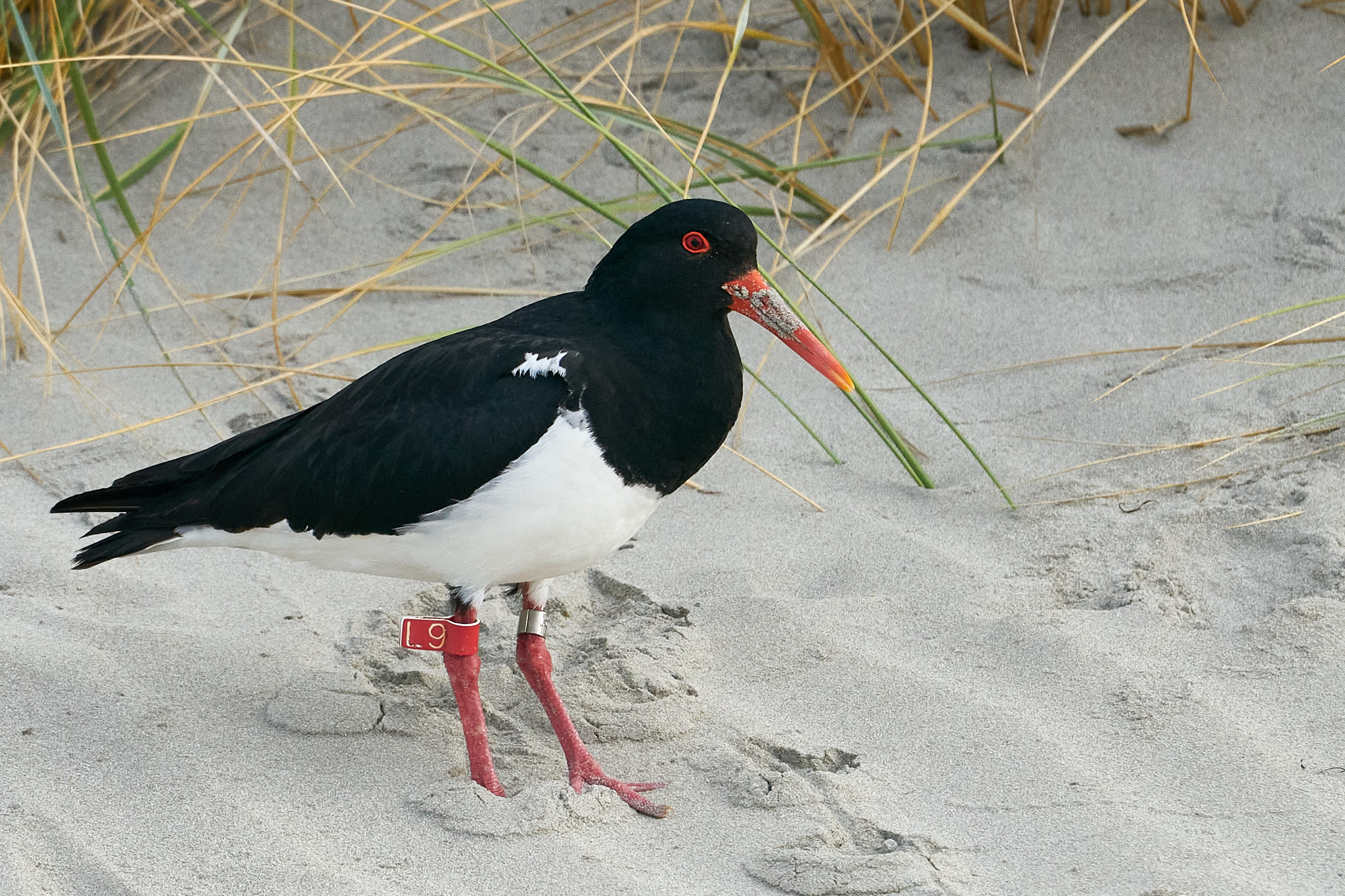
Many birds can be aged accurately from their plumage in their first year of life, some even into their second or even third year. If a flag is placed on a bird of known age its age at subsequent sightings can be determined. The Pied Oystercatcher was judged to be in its third year when it was banded 12.5 years ago which makes it 15 years old now. It was banded by the Victorian Wader Studies Group 286 km east of where I found it. Long may it prosper.
I haven’t received the report for the Red-capped Plover yet.
It’s impossible to mount an argument for conservation without data. A sighting you make on an ordinary day out is a valuable contribution but only if you submit it.
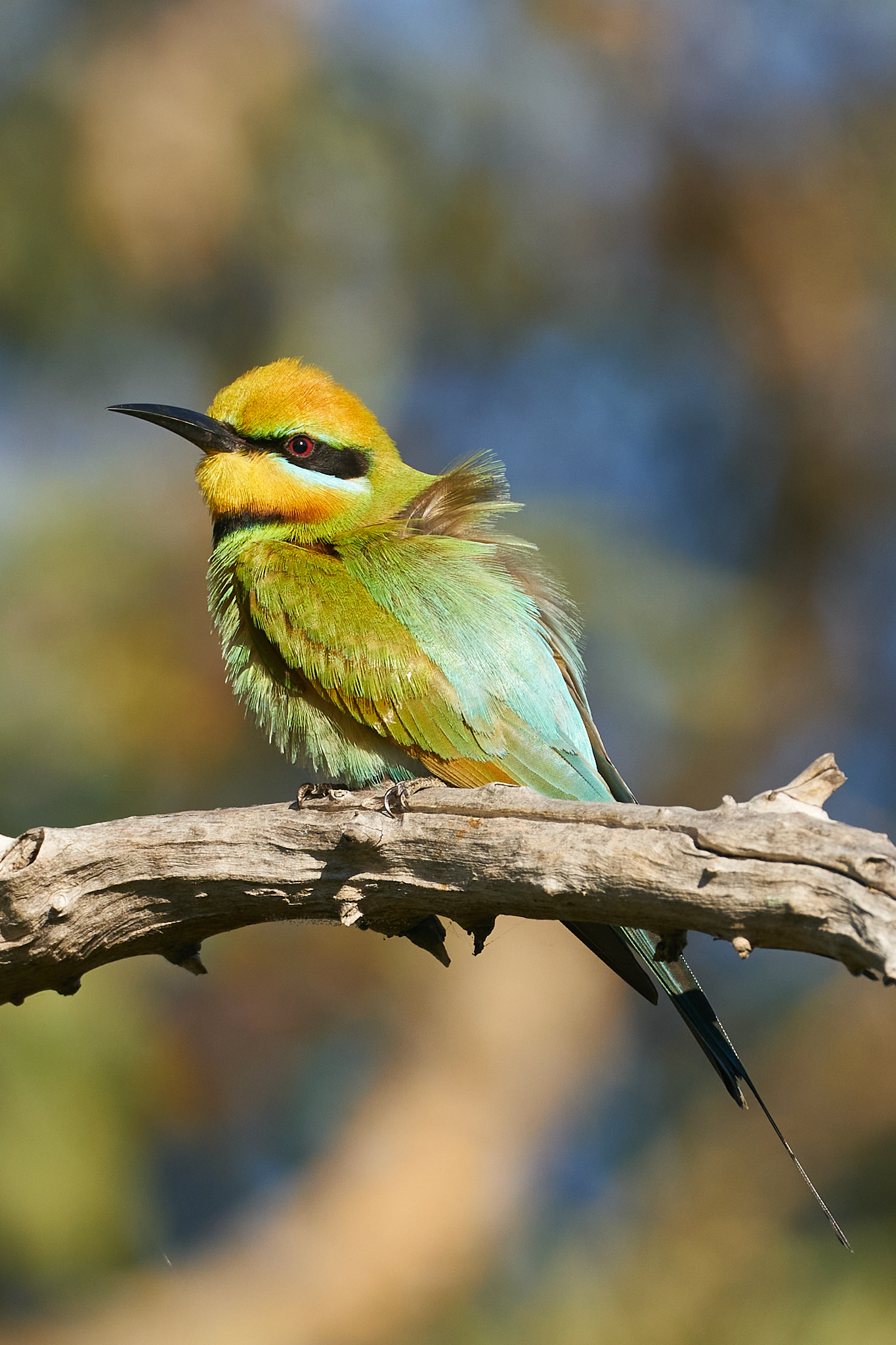
It was a windy morning, the feathers are somewhat ruffled but the plumage is otherwise in excellent nick. Rainbow Bee-eaters nest in tunnels in river banks, cliffs or any near vertical surface in soil that’s light enough to burrow into. By the end of the breeding season they look pretty battered.
The long central tail streamers indicate that this one’s a boy. Click on the photos for a better view.
Well of course it is, the mince pies are back in the shops. No carols yet, though.
In Darwin, Australia’s most northerly state capital, the inhabitants from the dawn of time identified six seasons. Presently it’s Gurrung, the hot dry period, time to hunt file snakes and long-necked turtles. When the white fellah showed up he simplified matters to just two seasons, wet and dry.
Melbourne, the most southerly capital of mainland Australia, has four seasons … most days.
In my little patch of Victoria it’s spring. The last week or so of winter was very summery. I do occasionally see a long-necked turtle but I’d starve to death if I had to rely on hunting them. I tend to notice the passage of the seasons by the birds. I heard the first Rufous Songlark on October 29. The following day they were everywhere singing and displaying for all they were worth.
Rufous Songlark
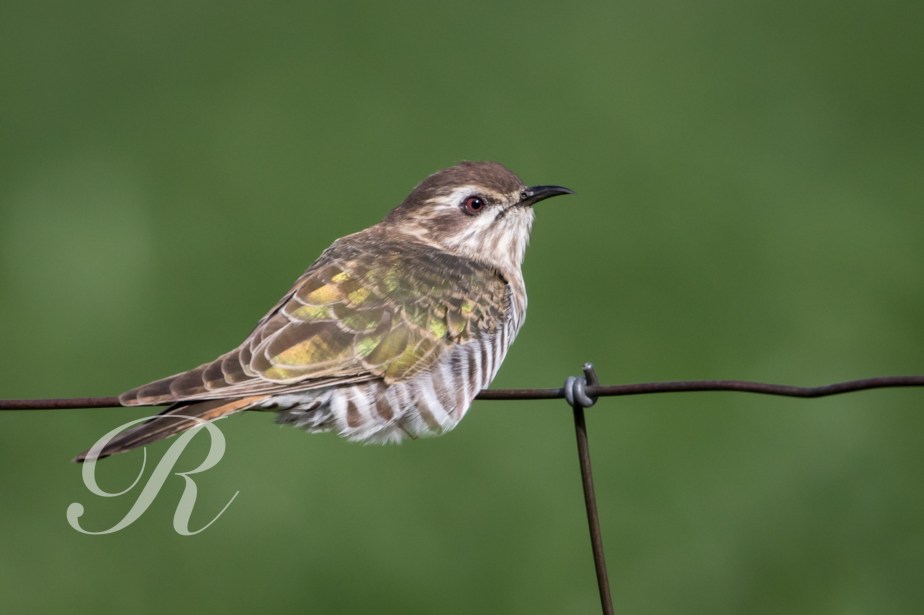
Horsefield’s Bronze-Cuckoos were hot on their heels.
Horsfield’s Bronze-Cuckoo
No sight or sound yet of the Sacred Kingfishers.
They were all greeted by an icy blast. Since the calendar ticked over the weather seems determined to return to winter.
Despite the cool weather the first Brown Snake of the year turned up in the dog yard this morning.
My neck of the woods is nice and green. Winter rain was about average and the crops locally are looking good. That’s not true for inland Australia even as close as north-west Victoria it’s been very dry. This has brought a few nomads into the state. It was my chance to add Pied Honeyeater and Crimson Chat to my Vic List. To find them I headed to Goschen and I found them both within an hour or so.
Crimson Chat has to be the most gorgeous bird in the Australian Field Guides but they are rarely as attractive in real life as they are on the page but some of the males on this occasion were at their finest …
The Yellow Robin that showed up recently in the driveway is still around. I hold out little hope for it finding a mate however.
Back in the 1840s John Gould, who was so important in the early cataloguing of Australia’s birds, described the Crested Pigeon as one of the “loveliest in its tribe … not surpassed in beauty by any other form from any part of the world”. This could be overstating it a bit.
But rare birds do tend to be admired more than the common ones and in those days he said that it could only be seen by “enterprising countrymen … prepared to leave the haunts of civilised man and wander in the wilds of the distant interior”. And the best parts of that distant interior were the marshes and ephemeral lakes of the Murray-Darling and Eyre Basins where they followed a nomadic lifestyle to cope with the frequent droughts.
Its range began to increase in the 1920s and since then it has arrived in most of the major cities of Australia and is now a fairly common bird in areas where it was formerly unrecorded. The reasons for this success have been much discussed. Climate change has got a good run and since the temperature has been slowly rising since the Little Ice Age it may have played a part. Other more major changes have occurred however. The reduction of tree cover, creation of permanent watering places and the introduction of exotic weeds all associated with pastoral activity have greatly changed the environment in its favour.
The Crested Pigeon showed great flexibility in its food requirements, consuming seeds and some leaves of many pastoral plants and weeds, notably Paterson’s Curse/Salvation Jane, Echium plantagineum, and with native plants of little importance in its diet. See Andrew Black
I came across a pair the other day that were quite confiding. This is unusual in pigeons because, as a rule, they make good eating. Perhaps they recognised me as a well educated human likely to have read the verdict of Charles Sturt, one of Australia’s great explorers, that their flesh is neither tender nor well flavoured.
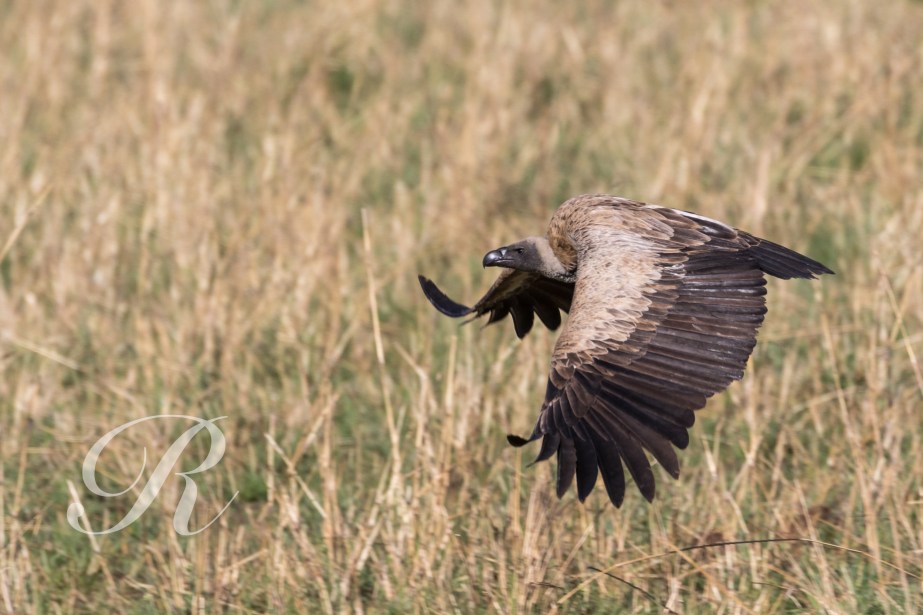
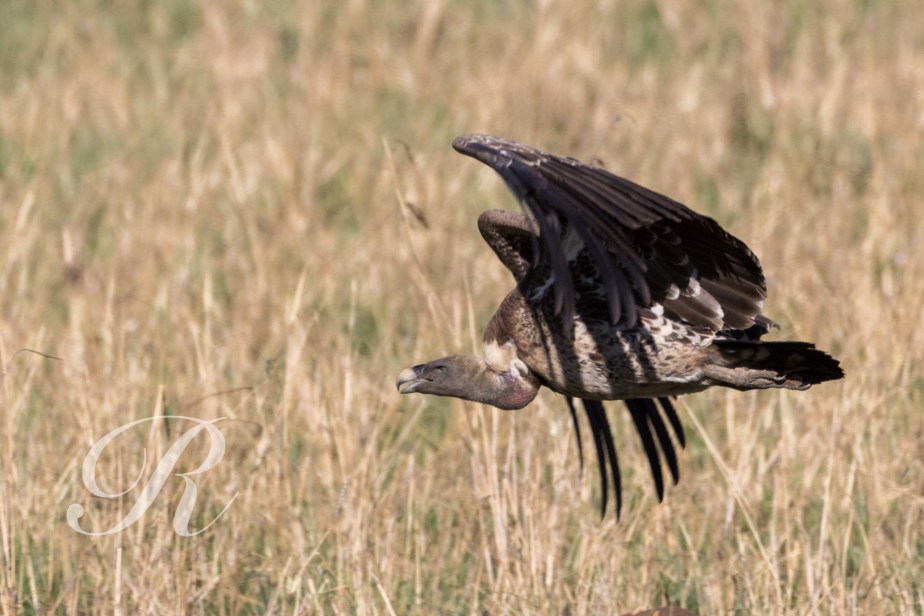
East Africa has seven species of vulture. They are members of the Accipitridae the family that includes eagles, buzzards, hawks and some of the kites. They are united by the fact that they live mainly on carrion but they are not necessarily each others closest relatives within the family. They are unrelated to the New World Vultures and Condors that evolved separately in the Americas to look quite similar.
Like a lot of heavy birds in warm climates they prefer to wait until the sun has cooked up a few thermals before they take to the wing. Then it’s time to hunt for the day’s meal which they find by sight.
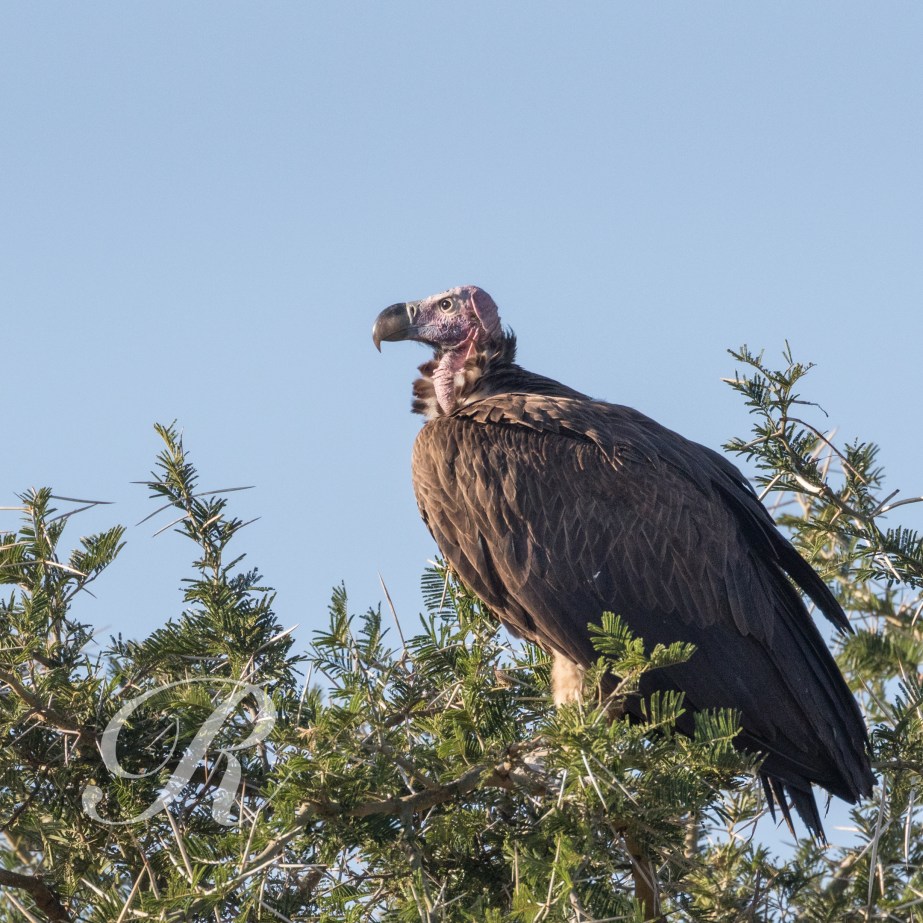
Lappet-faced Vulture waiting for the thermals
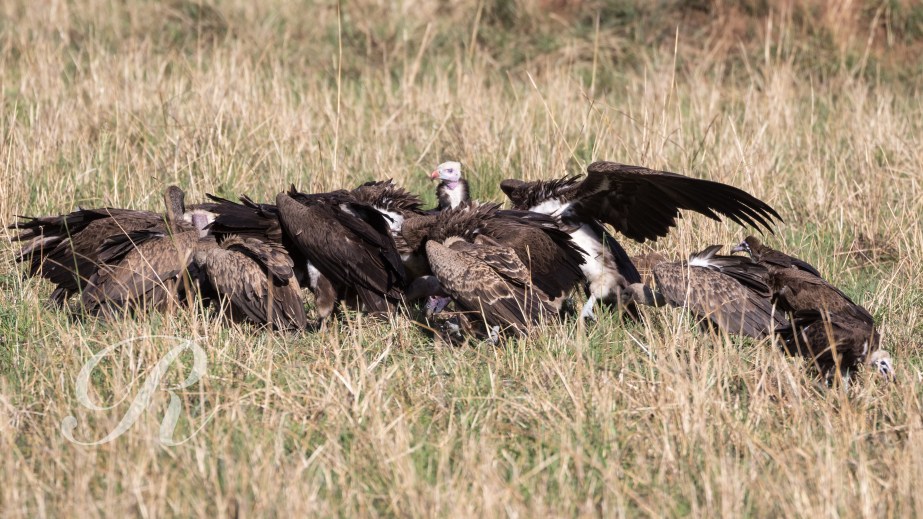
It’s not difficult for a human to find dead animals in the savanna – just watch the vultures. Initially they all seem to be going the same way. As you get closer they’re converging from all points of the compass.
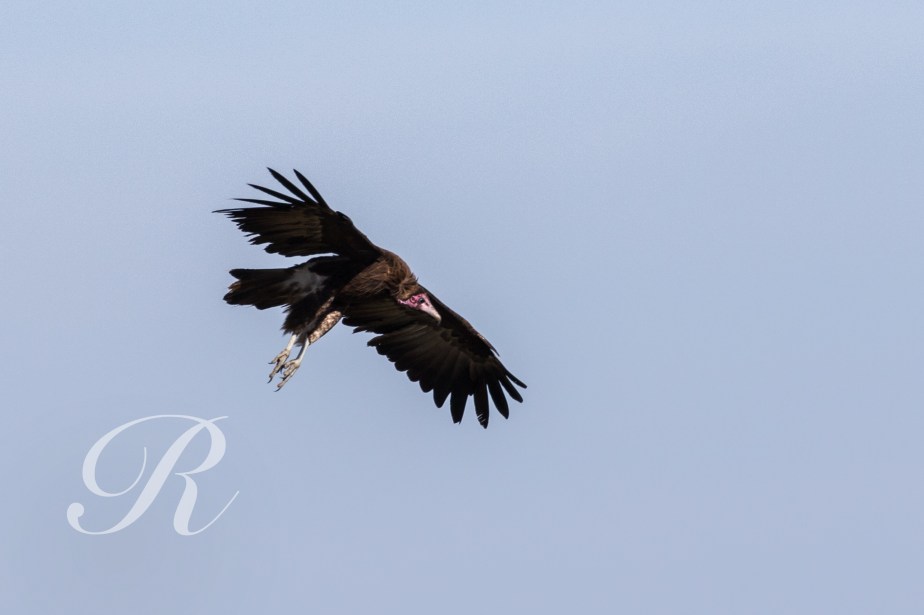
Hooded Vulture
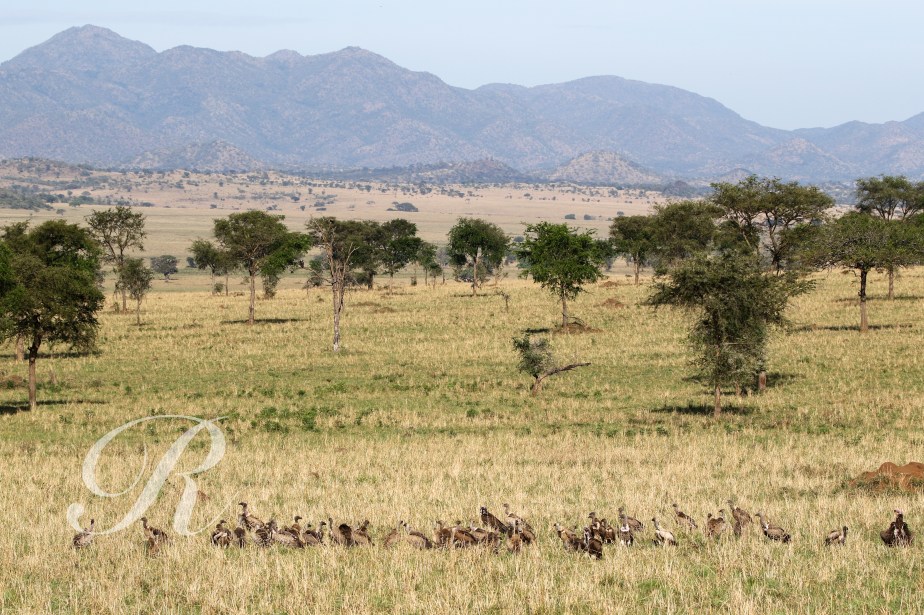
There were more than fifty vultures of five different species in this assembly in Kidepo National Park.


























 bobmcgee