… has finally moved from above Broome. It had been raining all around us and, at last, it has dropped a couple of decent showers on us. The frogs were very happy this morning.
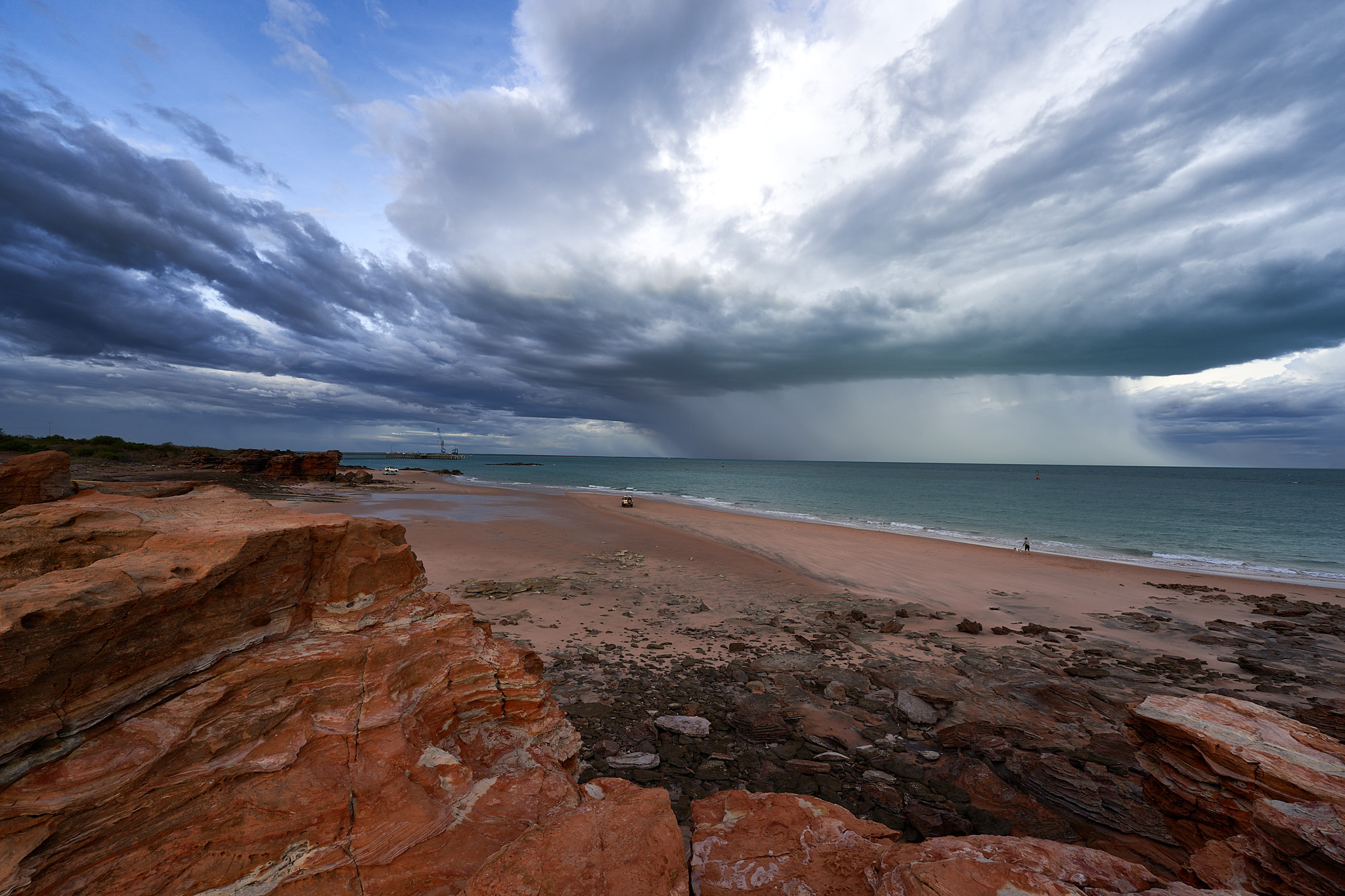
There has been enough cloud around to give us moody skies for a few days. The rainfall that you see over the sea moved fairly quickly ashore to drench the photographer. We must suffer for our art.
When the moon and the sun are in line high tide is really high and low tide is as low as it goes. These are spring tides, even in summer, autumn or winter. It’s got nothing to do with the season. Seven days after a spring tide the sun and moon are at right angles, tides are moderate. These are neap tides.
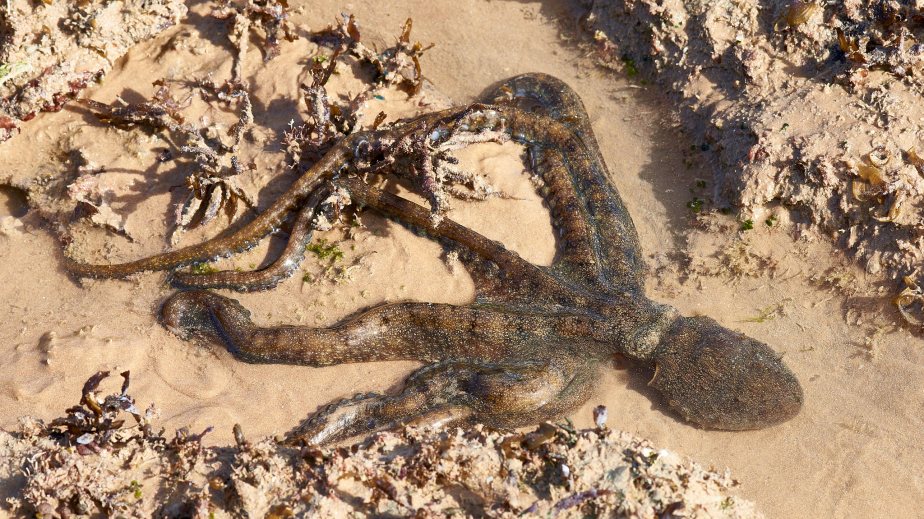
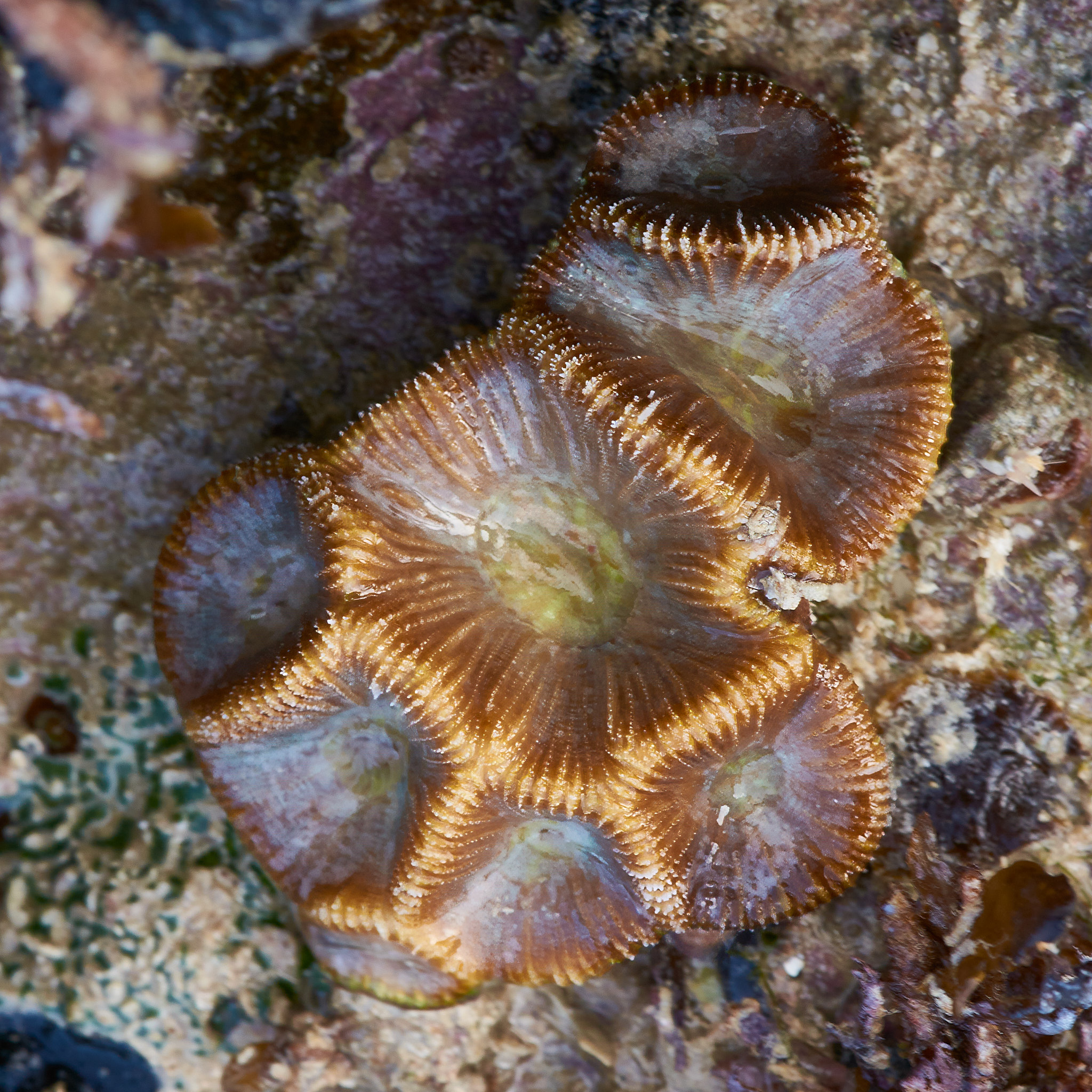
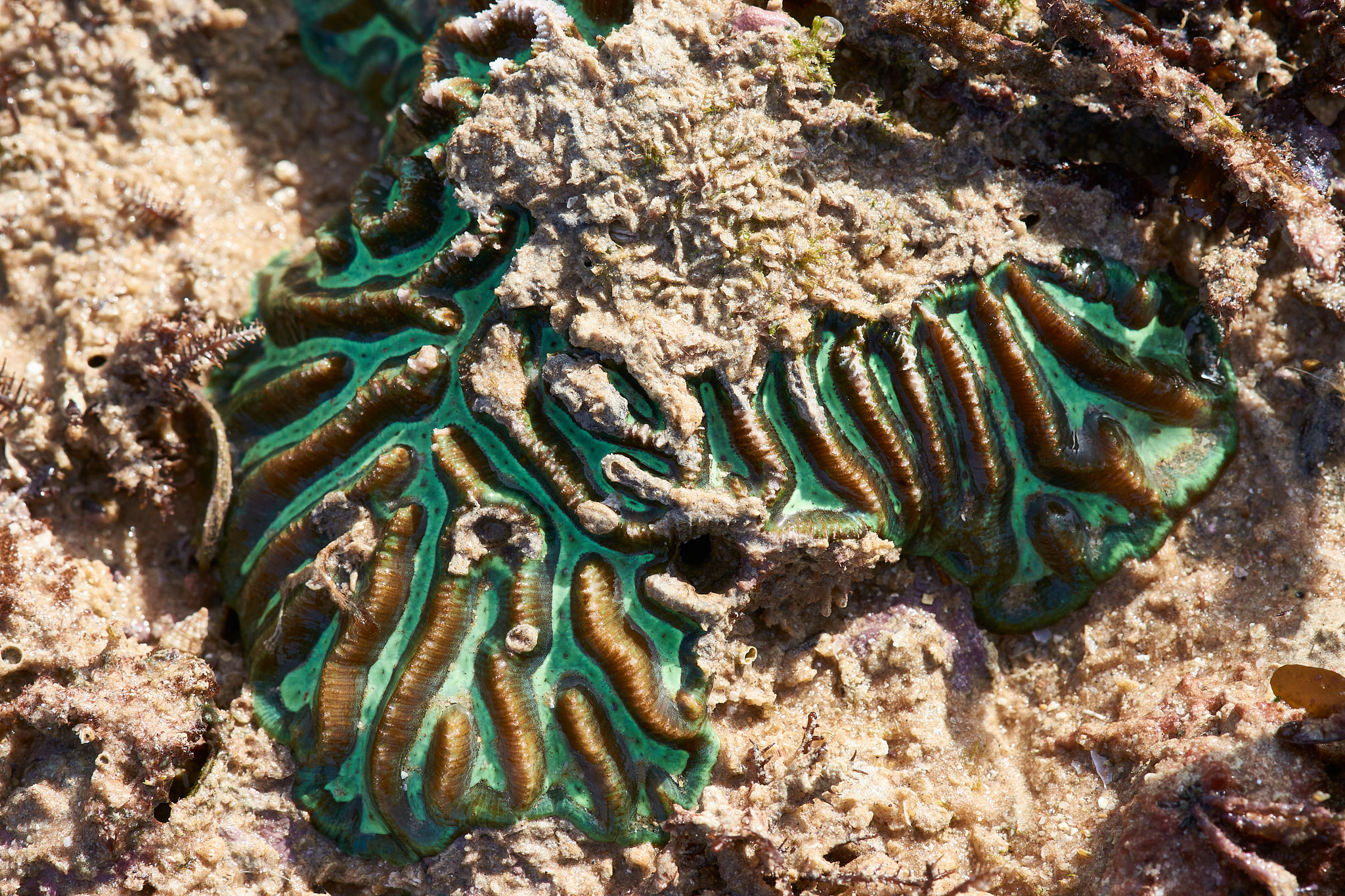
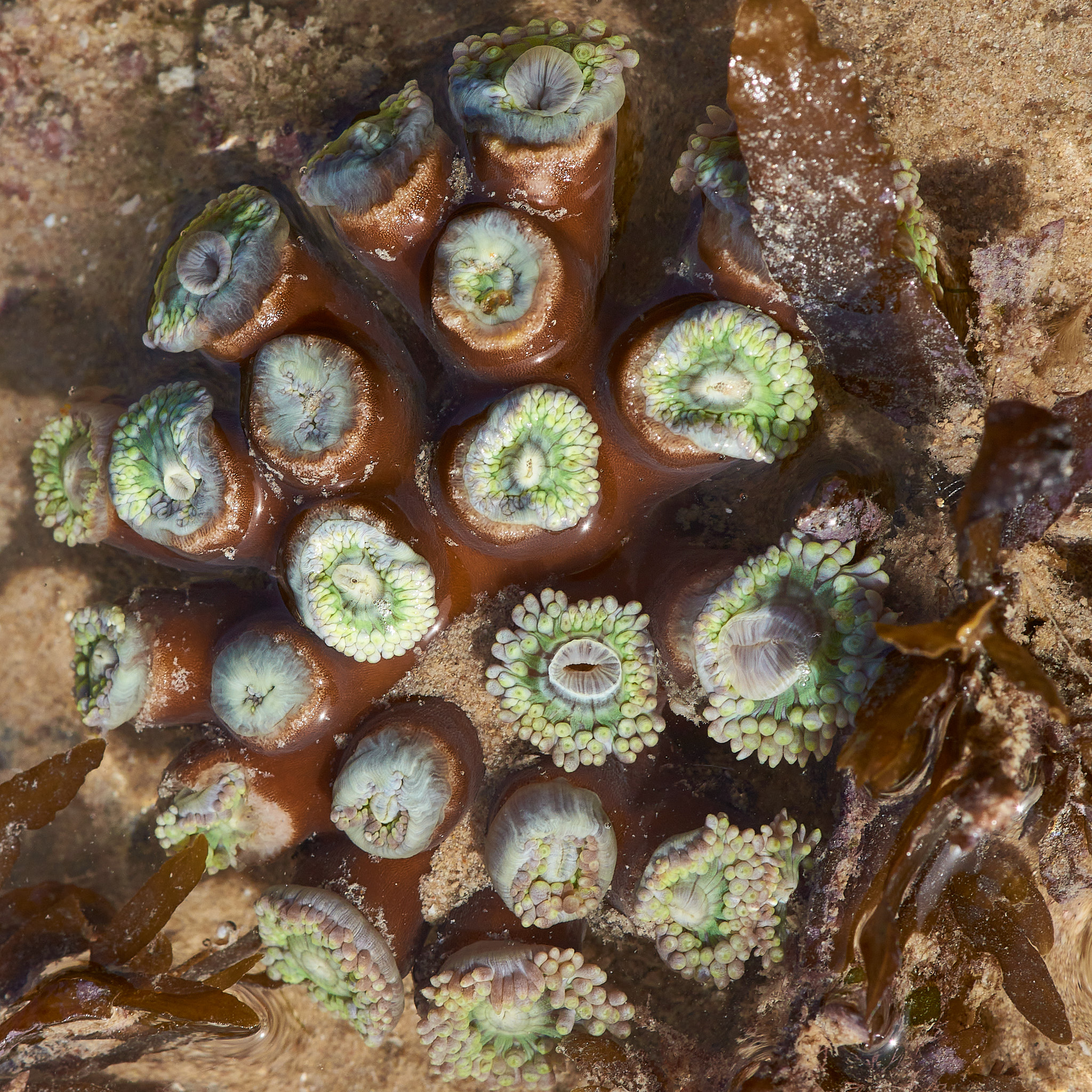
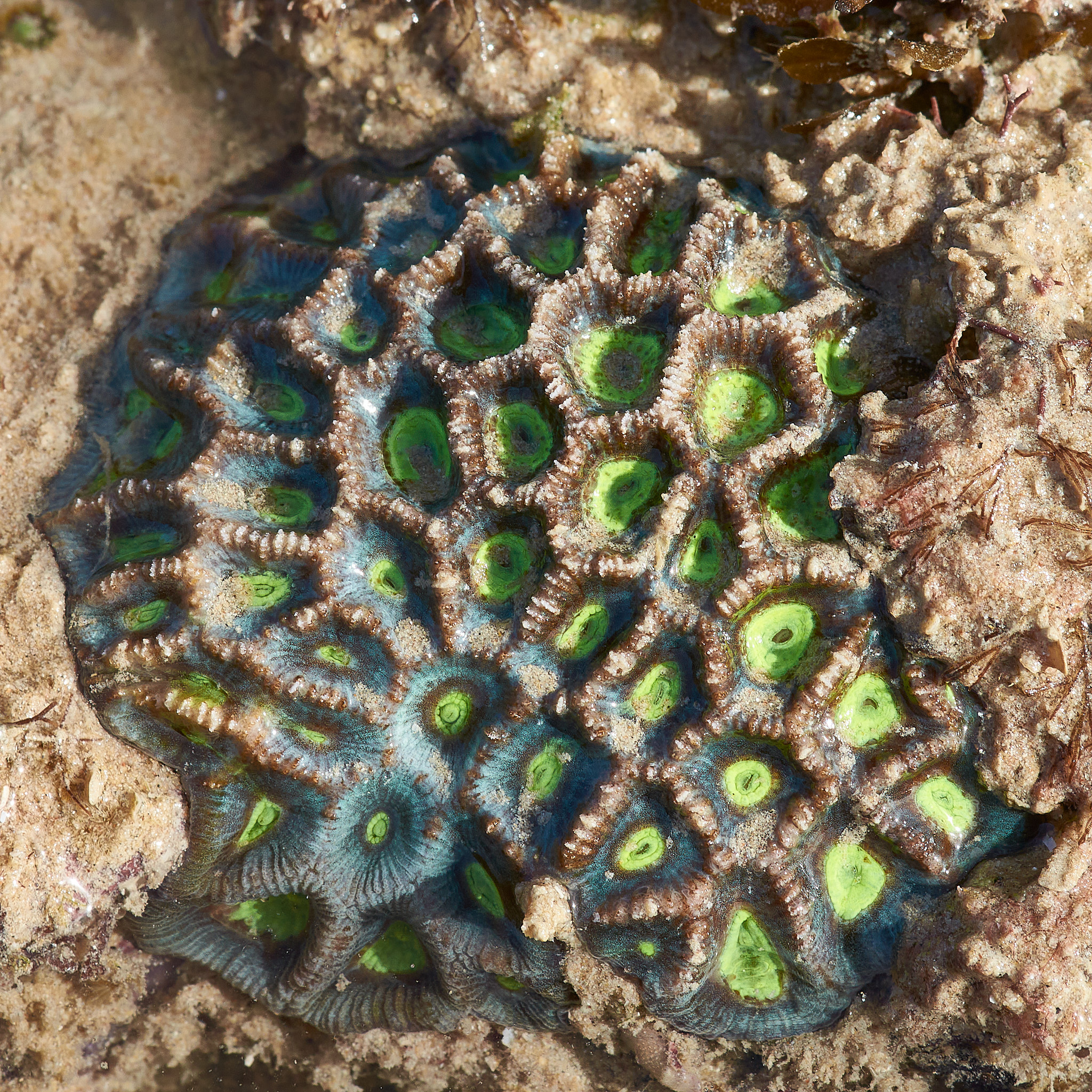
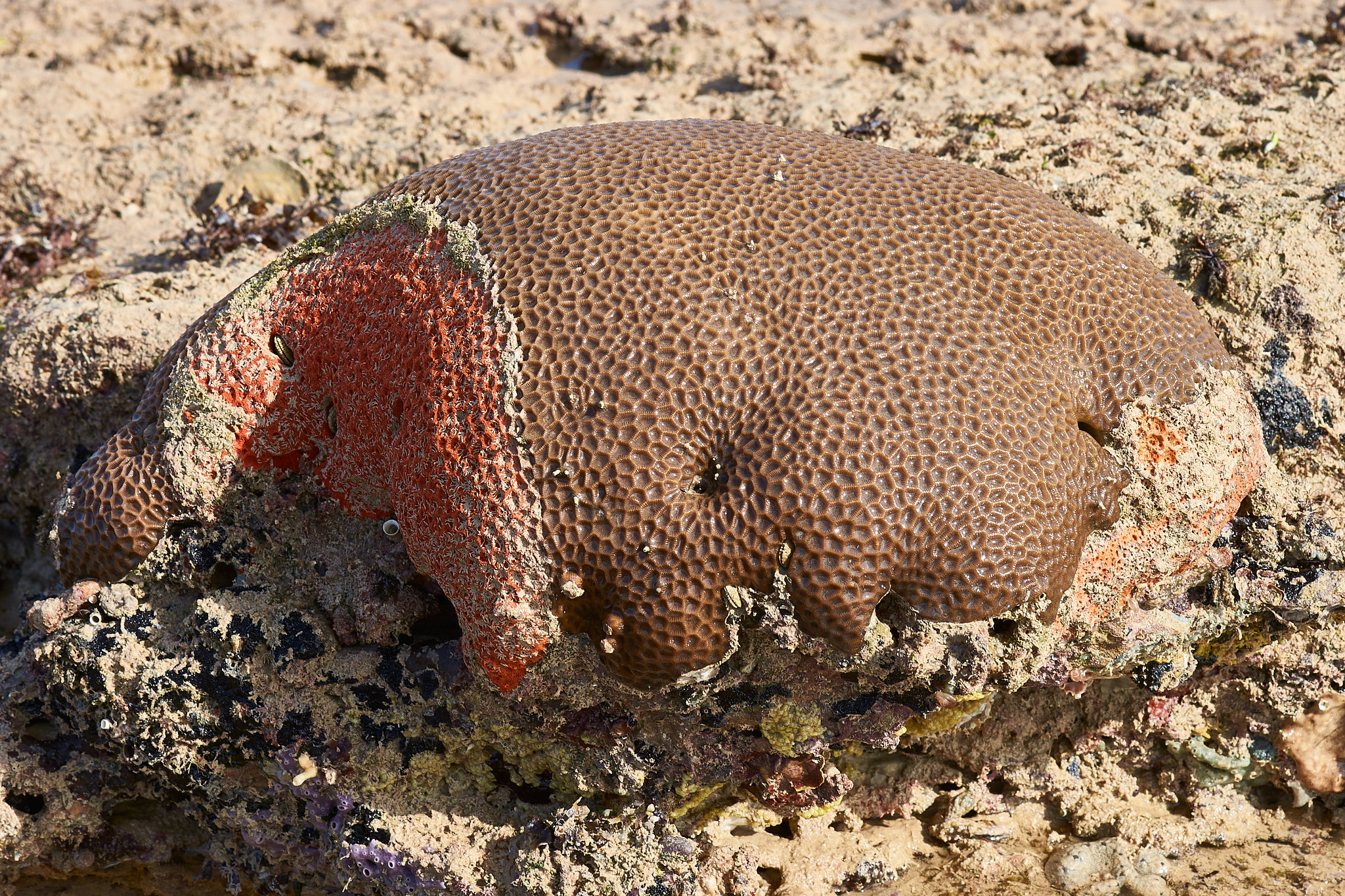
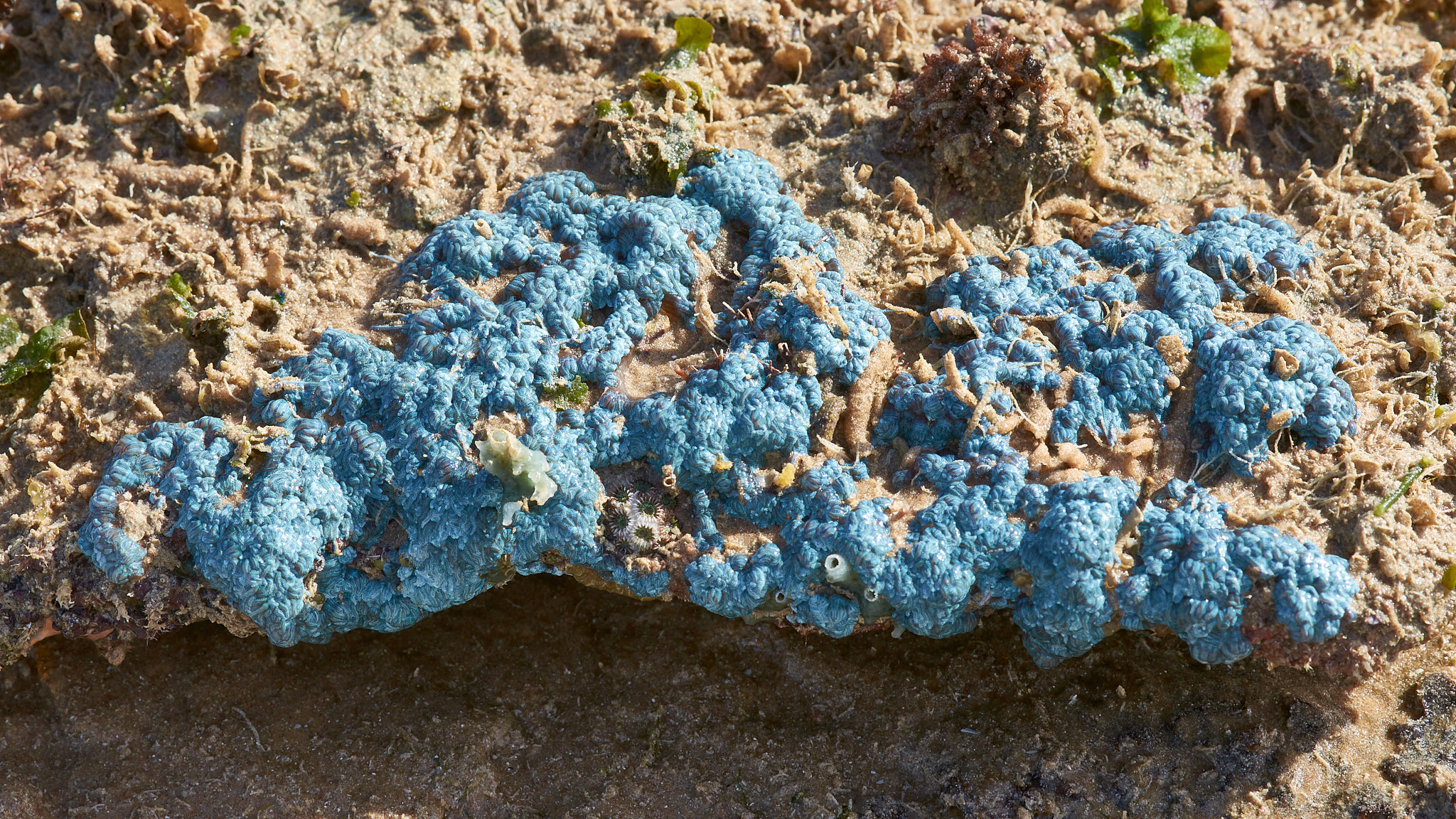
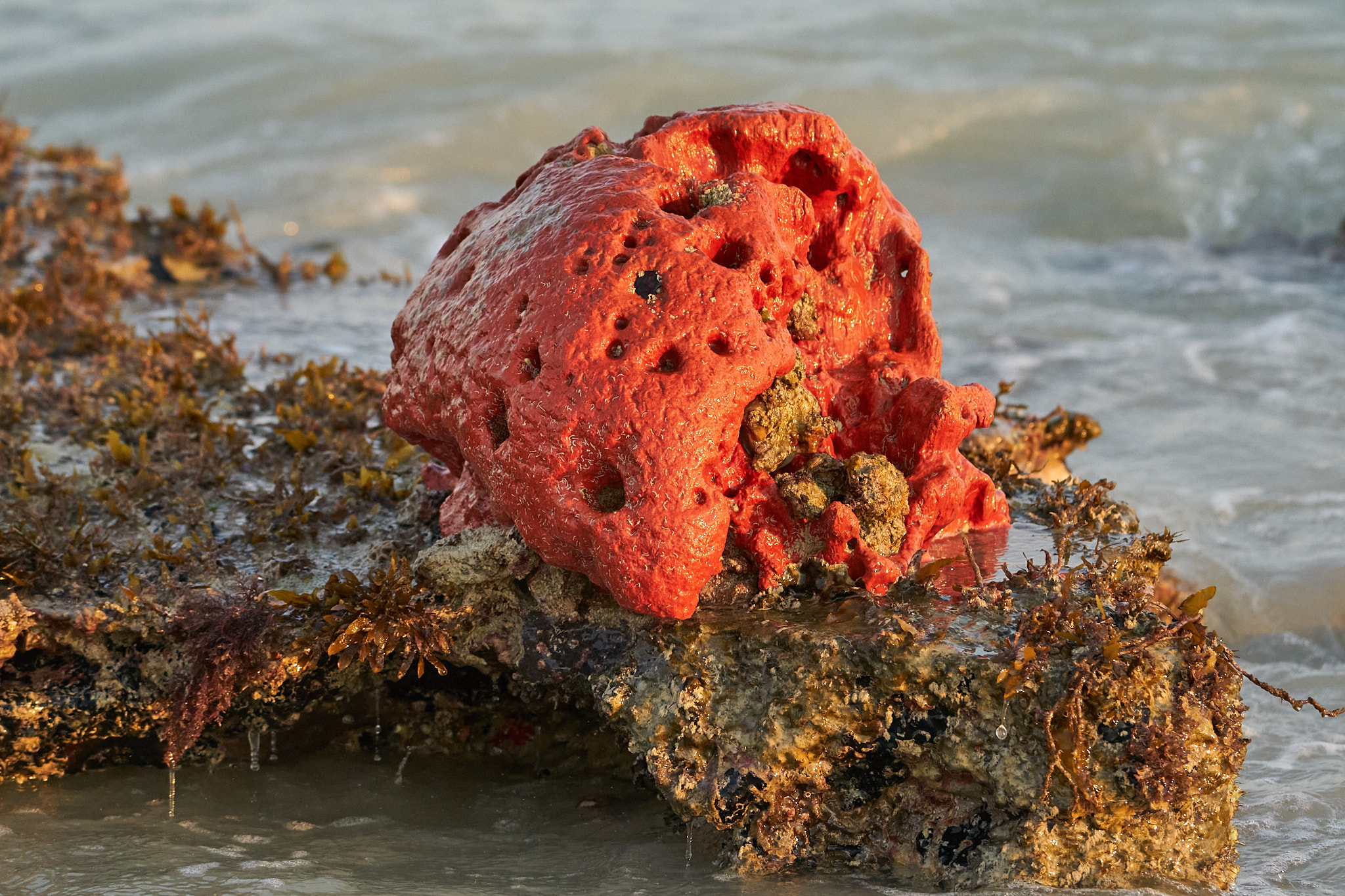
The last couple of mornings have been excellent times to explore the intertidal zone. The low water springs had uncovered territory not seen every day. I’ve come across Squirrelfish, Sergeant Fish and even an octopus in tidal pools. Corals, sponges and anenomes have been exposed, colourful, utterly fascinating and mostly a mystery. For the best viewing experience click on the first picture and wander through the gallery.
The last post featured birds at Streeters Jetty. I had company while I was there although I saw no sign of it. The area was closed for a few days. It was caught and turned out to be 3 meters long. It is now a resident at the Malcolm Douglas Wildlife Park. Some photos shamelessly filched off the internet …
I hope you enjoyed the gallery of birds that I risked life and limb to bring you. There may not be another for a while. The autofocus on my beautiful 200 to 600mm Sony lens has given up the ghost. An opportunity to buy a new lens! At least I’m trying to look at it that way.
It rained yesterday. Just a few millimeters. It was about 4.45 in the afternoon. It took a while to work out how to turn on the windscreen wipers it’s been so long. After the rain the temperature dropped to a mere 26°C. Overnight temperatures have been higher than that in recent days. It was too late and too little to avoid this being a record. Forget living memory. It is now the driest start to the wet since records began in 1939.
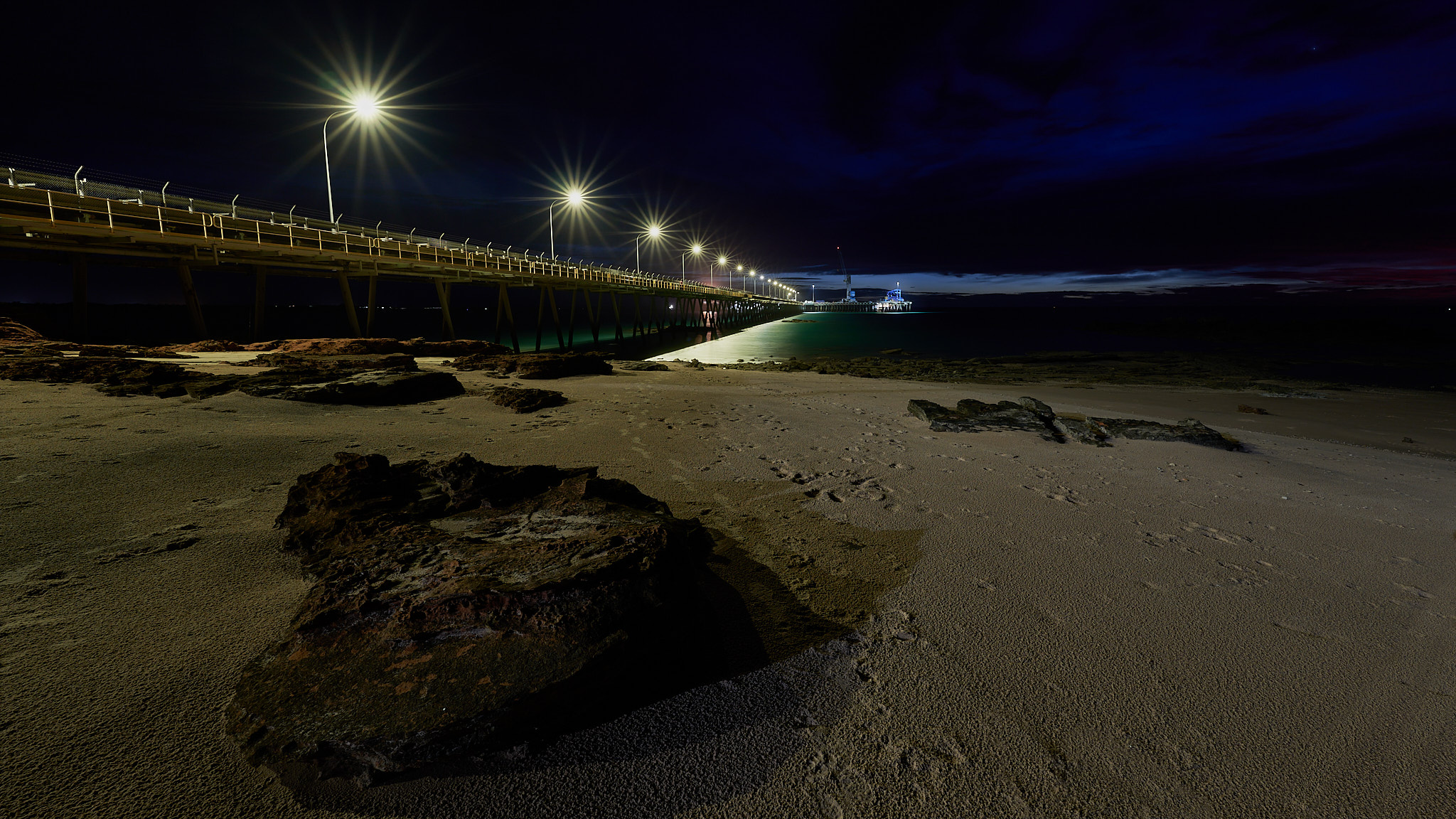
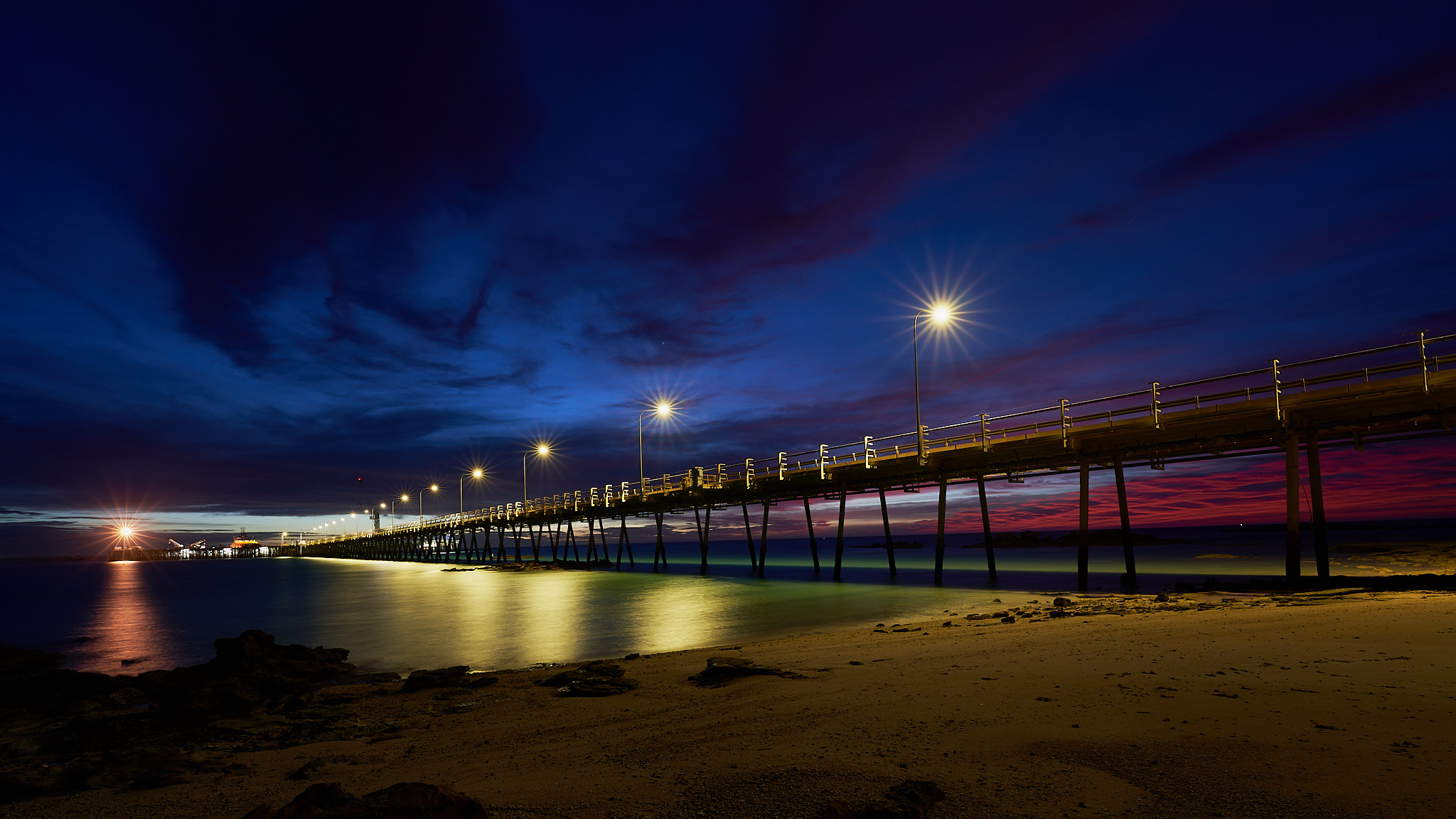
But at least we have cloud. I was out just prior to dawn. This was Town Beach.
I’m not trying to get a good finish. I’m talking about the weather. Broome’s average rainfall in December, January and February is 441mm (a little over 17 inches). We’ve had just under 29mm so far. January was the third lowest rainfall total on record. It’s the slowest start to the Wet season in living memeory (Yes, Dr John, several years at least.)
A cyclone or a decent tropical low can deliver sufficient rain in a single event to put us back on track – we may yet be cut off by flood – it’s just that no such event has hit us yet. My garden plants have their tongues hanging out.
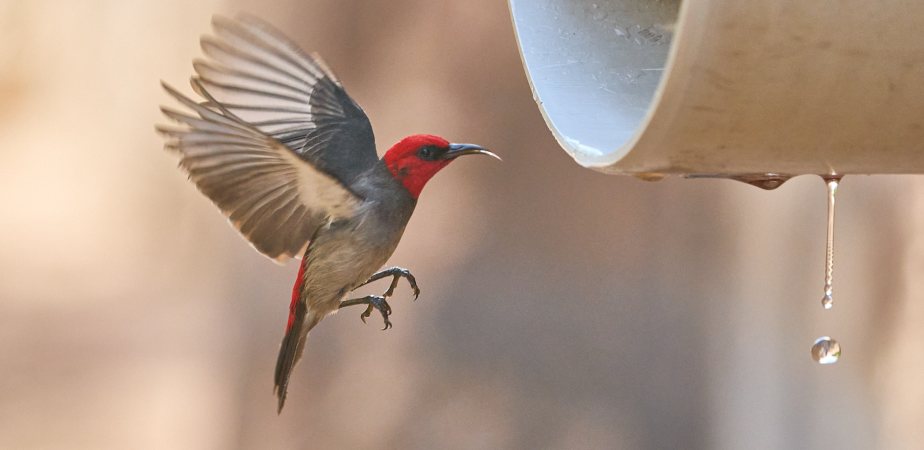
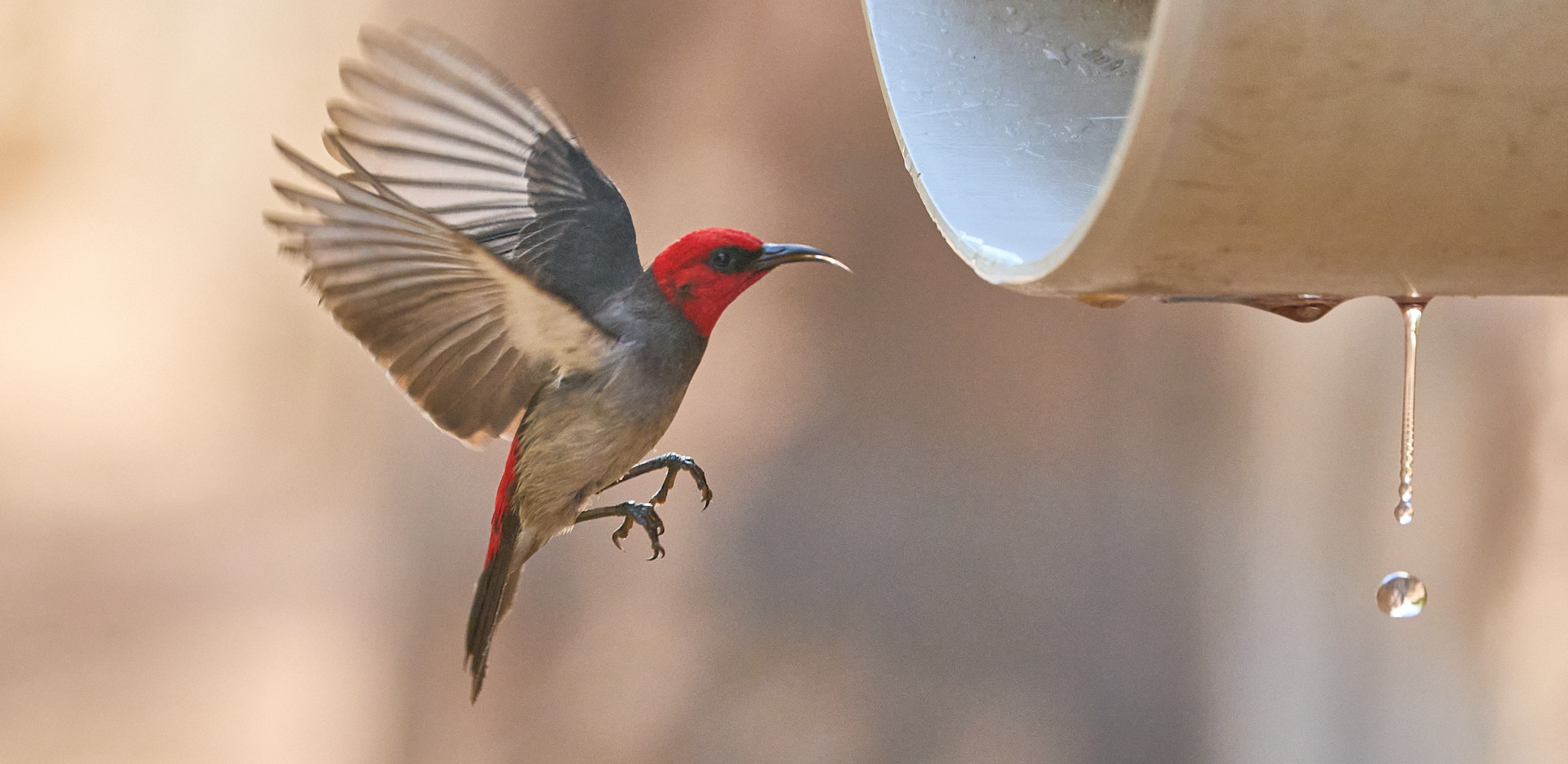
I know a place where an air conditioner serves fresh water straight into the mangroves. I was there this morning. The birds were queuing up.
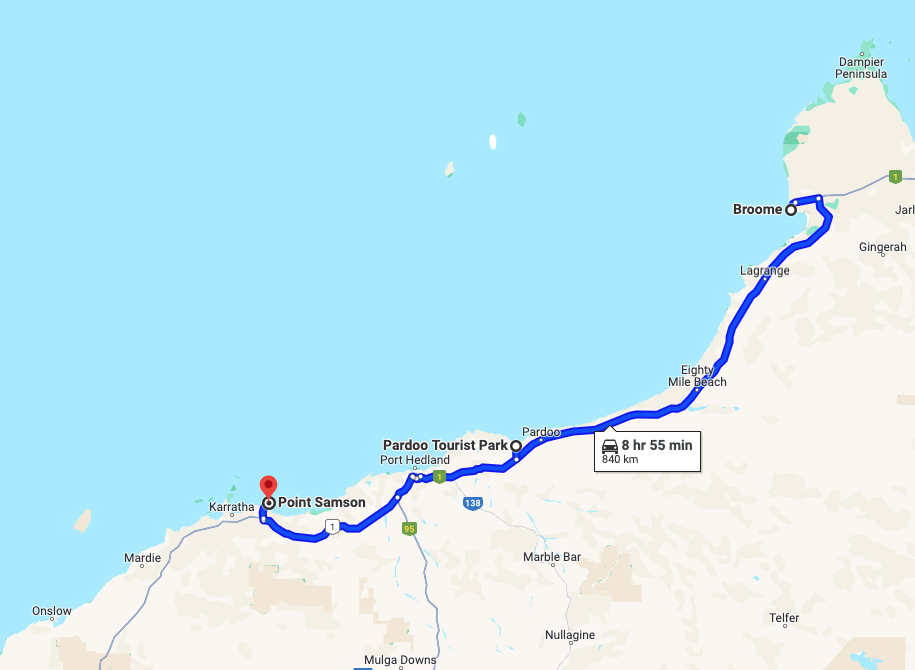
Heading south. The first day’s drive took us from Broome to Pardoo Station. We left with clear blue skies but soon were traveling through a very smoky atmosphere. The Pindan scrub was on fire in many places. Smoke was everywhere but we only saw flames by the highway in a couple of spots.
Just north of the road house at Sandfire the scrub gives way to more open country and the atmosphere cleared up considerably. The next road house is at Pardoo. This was knocked over by cyclone Ilsa in April earlier this year. It didn’t look as though rebuilding had made any progress since we passed it last. There will be no fuel at Pardoo for a while yet. Our first night was at Pardoo Station. Ilsa seems to have snapped the tops off most of the gum trees but they are sprouting nicely.
Top temperature for the day was 45°C (113 in the old money).
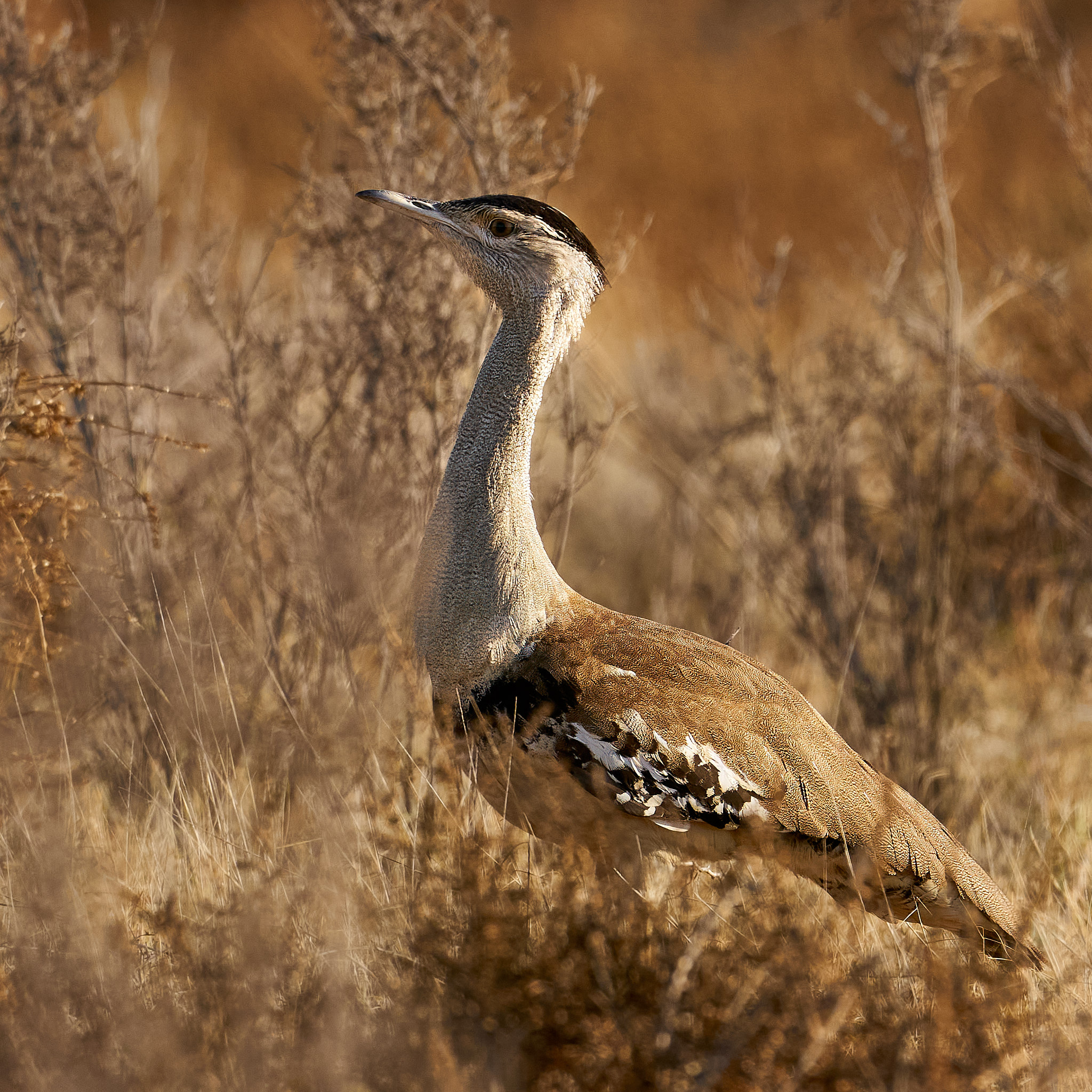
There is some nice country to explore beyond the caravan park. Birding was good. Australian Bustards were the star of the show …
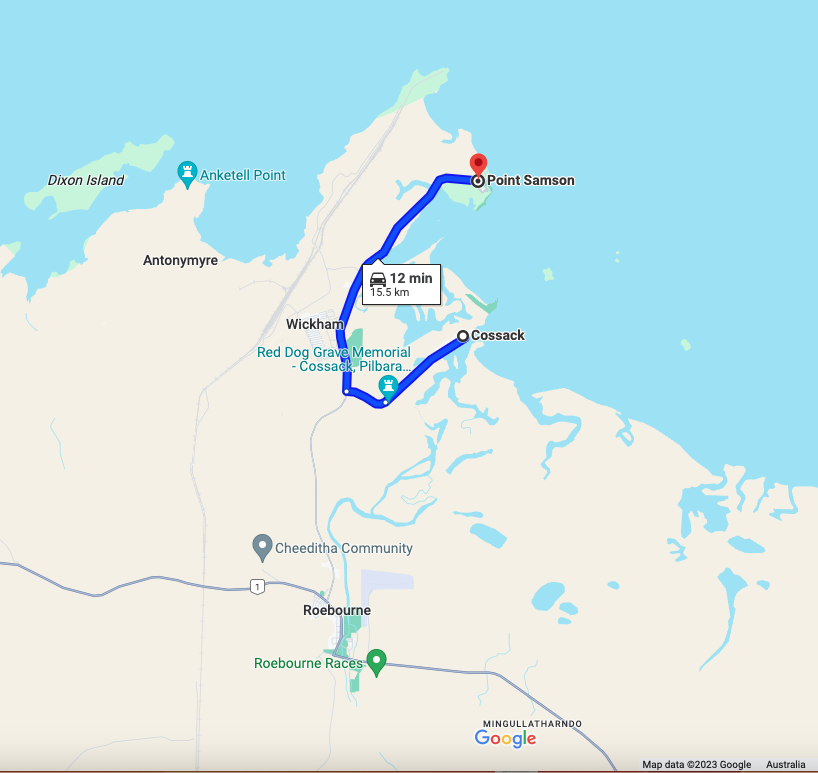
Day two took us on to Point Samson where there are two caravan parks. I am typing this in a shady corner of the boutique one. We stopped for fuel at Roebourne where the lady taking our money declared that it wasn’t hot til it hit fifty.
Western Australian pearling began at Shark Bay in the 1850’s. The Pinctada albina oyster was collected by dredging and as well as pearl shell yielded some small straw coloured pearls. Cossack followed and it was the where commercial exploitation of Pinctada maxima began. That is the oyster that later made Broome famous.
White settlers arrived in what became Cossack with their stock in 1863 after favorable reports of the area by the F T Gregory expedition a couple of years earlier. In the early days the settlement enjoyed various names probably because there wasn’t enough there for anyone to notice until pearling commenced in 1866. The name Cossack was adopted in 1871 and by 1875 there were 57 licensed vessels operating out of the town. The next few years were about pearl shell, wool, a gold rush and cyclones. In 1886 most of the pearling fleet sailed off to Broome. After that Cossack entered a slow decline. In 1910 the town was dissolved and was eventually abandoned.
The National Trust rode to the rescue, Cossack was classified in 1970. Some restoration was carried out over the next couple of decades. Today it’s on the WA Heritage Register. There is a court house, the old school, a museum, some accommodation, a cafe and a couple of store houses. It can be seen well from the Tien Tsin lookout.
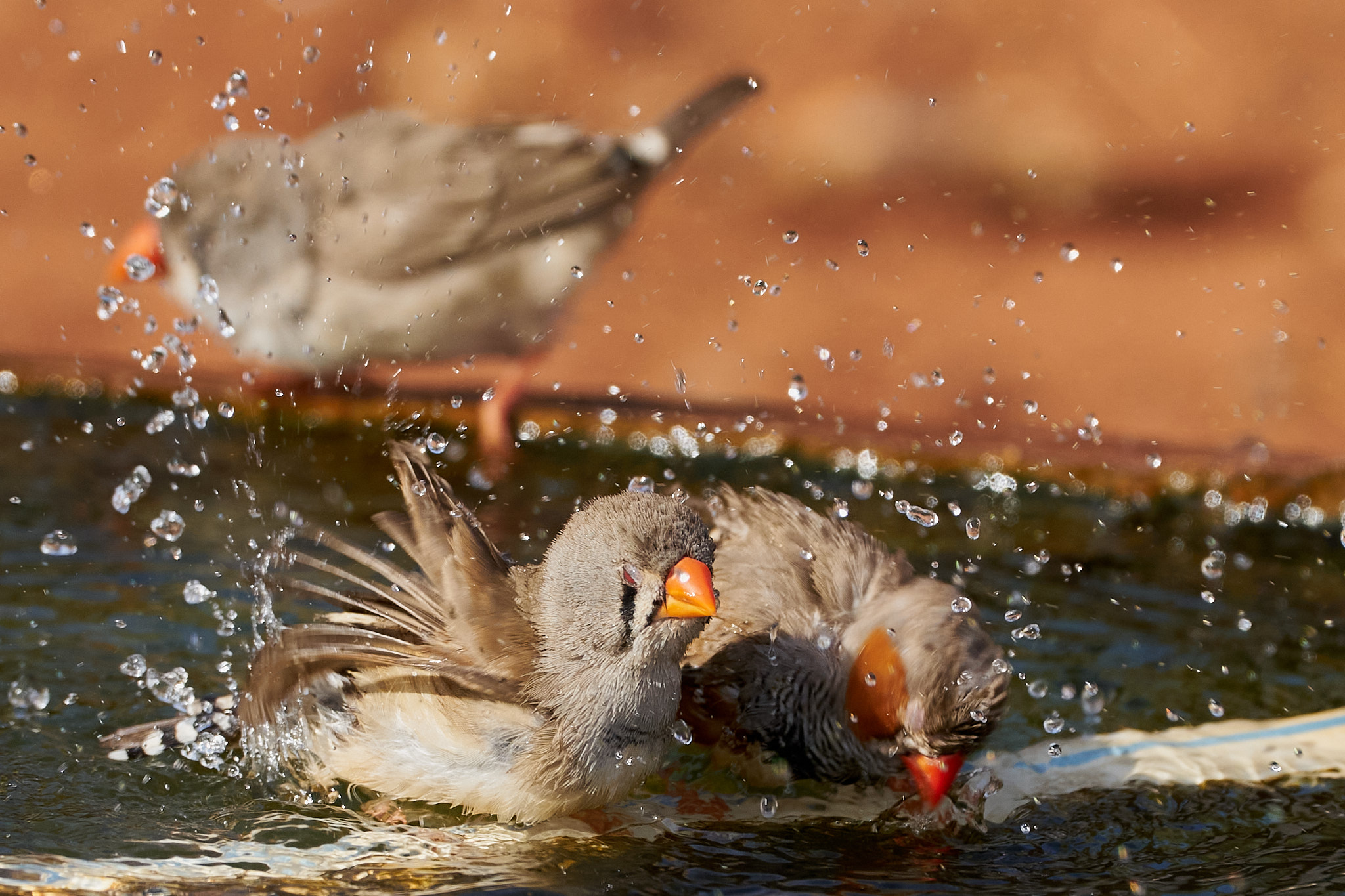
Outside the court house there is a horse trough. Not a lot of horses these days but the birds approve …
Brown HoneyeaterZebra FinchMore Zebra Finch
If you head north east from the court house the road takes you to the cemetery and to Settlers Beach.
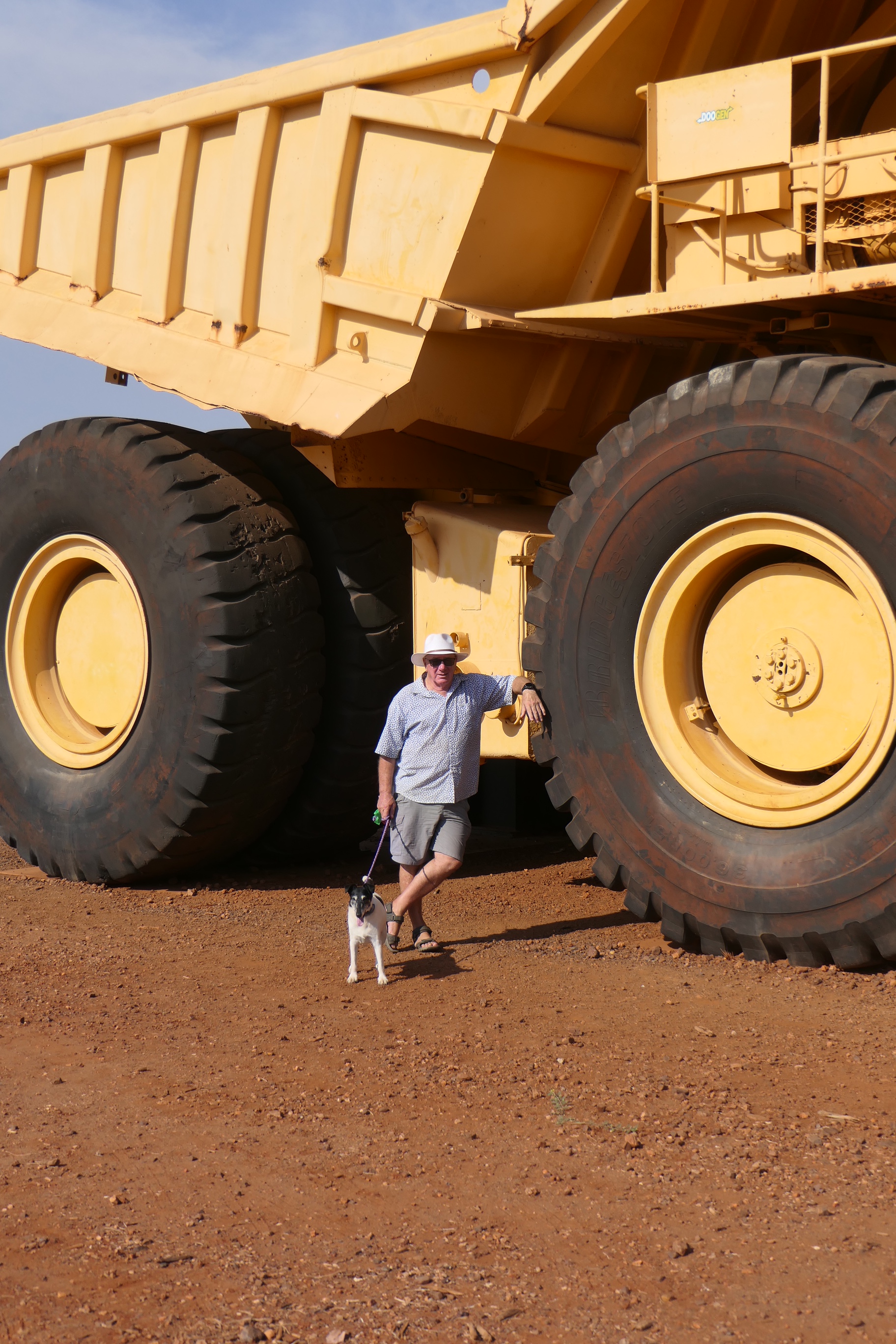
These days it’s mining that brings the big bucks to the Pilbara. Rio Tinto’s Lambert Project (iron ore)is close by Point Samson. At Wickham you can star in Honey I shrank the Kids with a Tonka Truck or play with a train.
In Sams Creek road there is an oyster hatchery that you are told not to enter so there may still be a little pearl farming going on.
It was full moon the other day. Big moon big tide. Not only is high tide higher than average, low tide is lower. It gave me the opportunity to explore parts that are infrequently exposed.
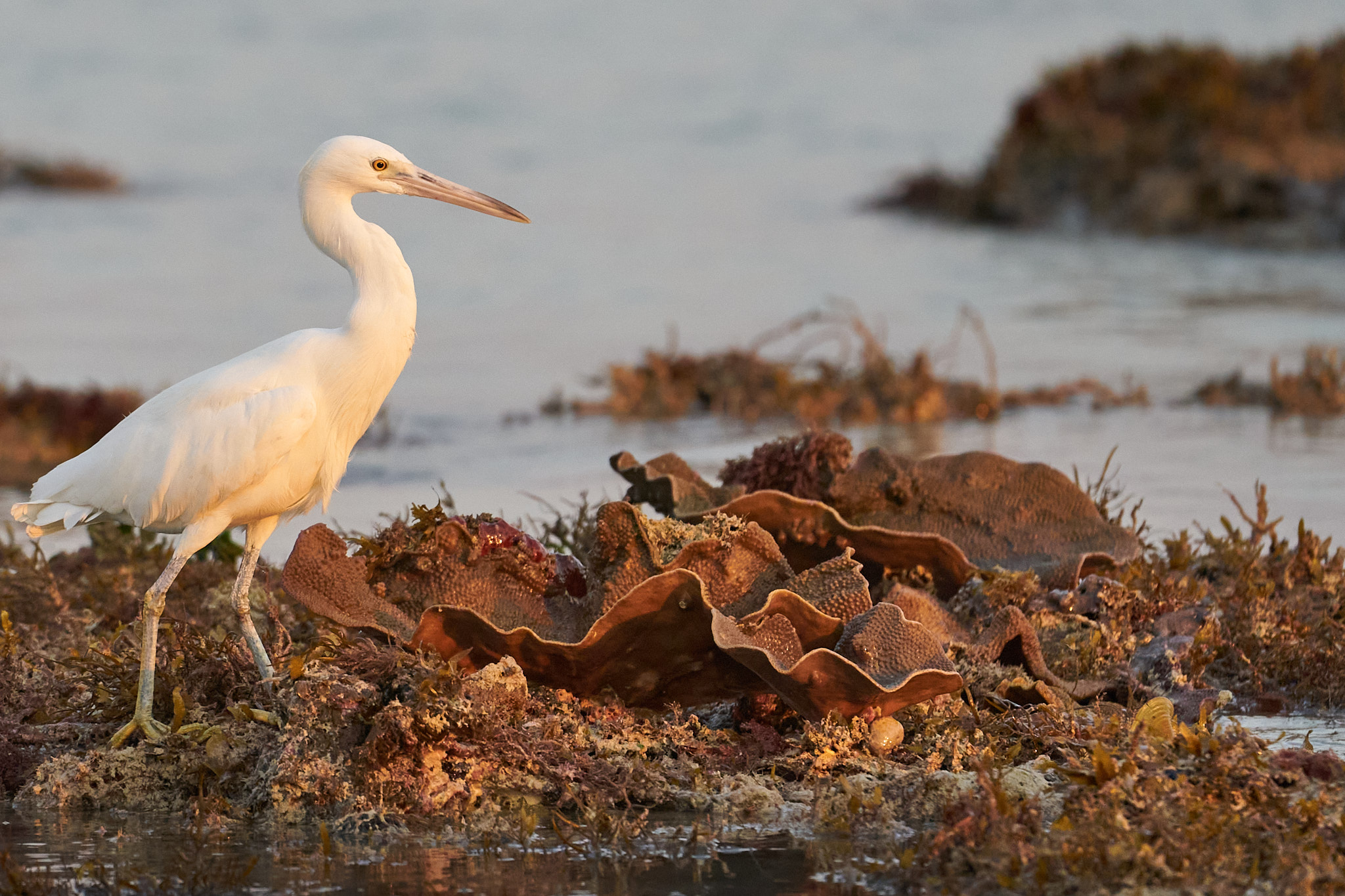
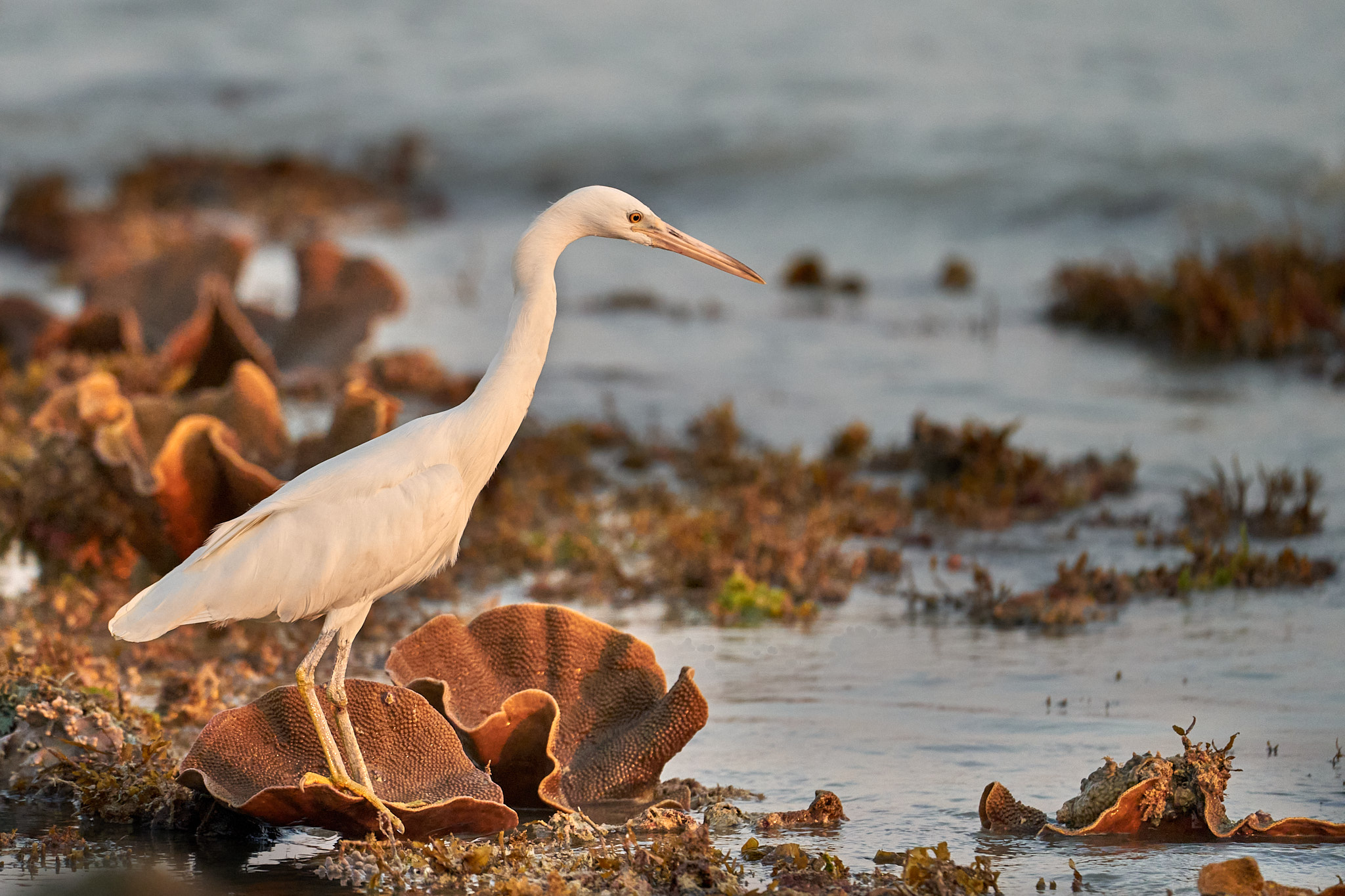
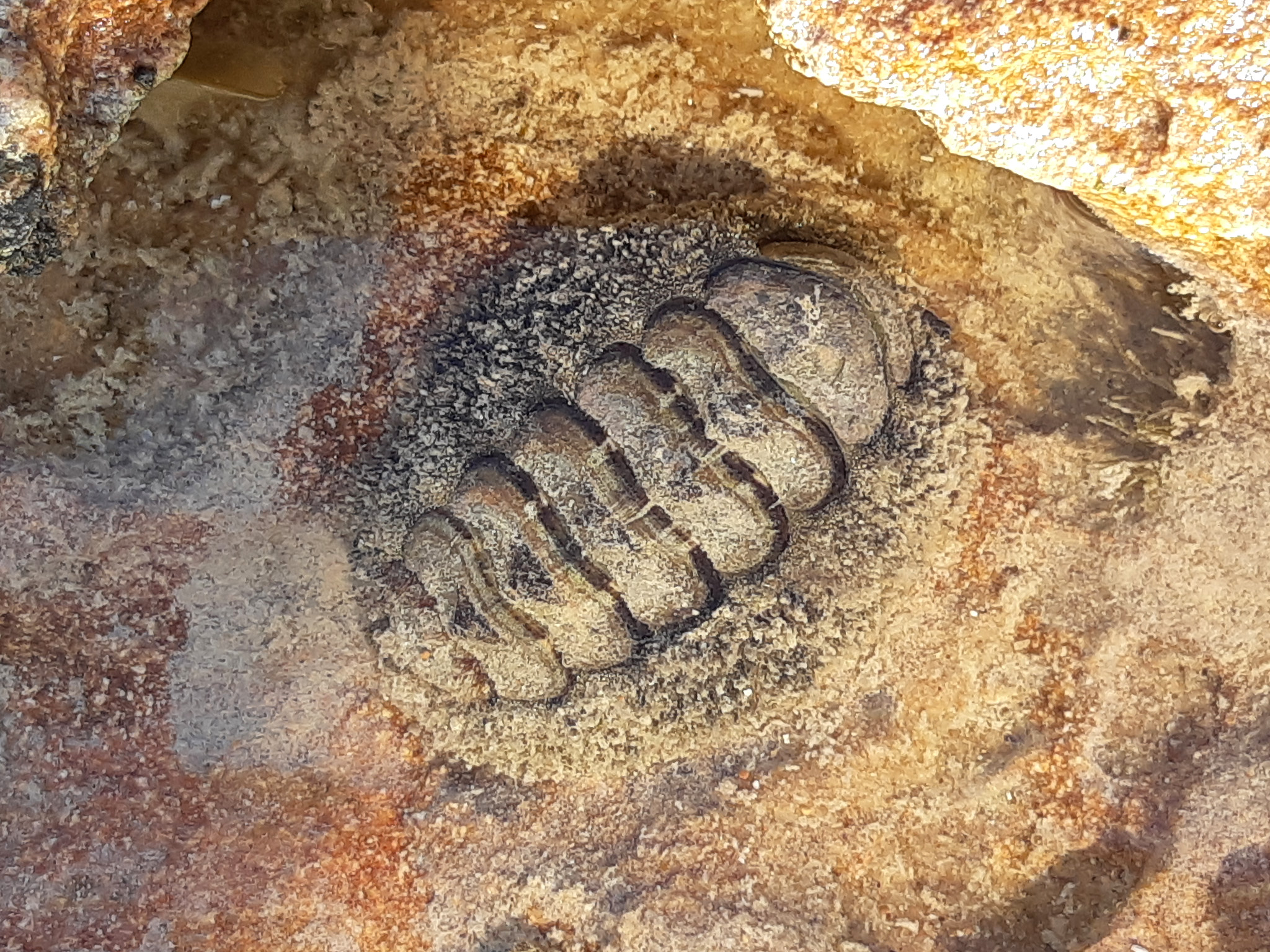
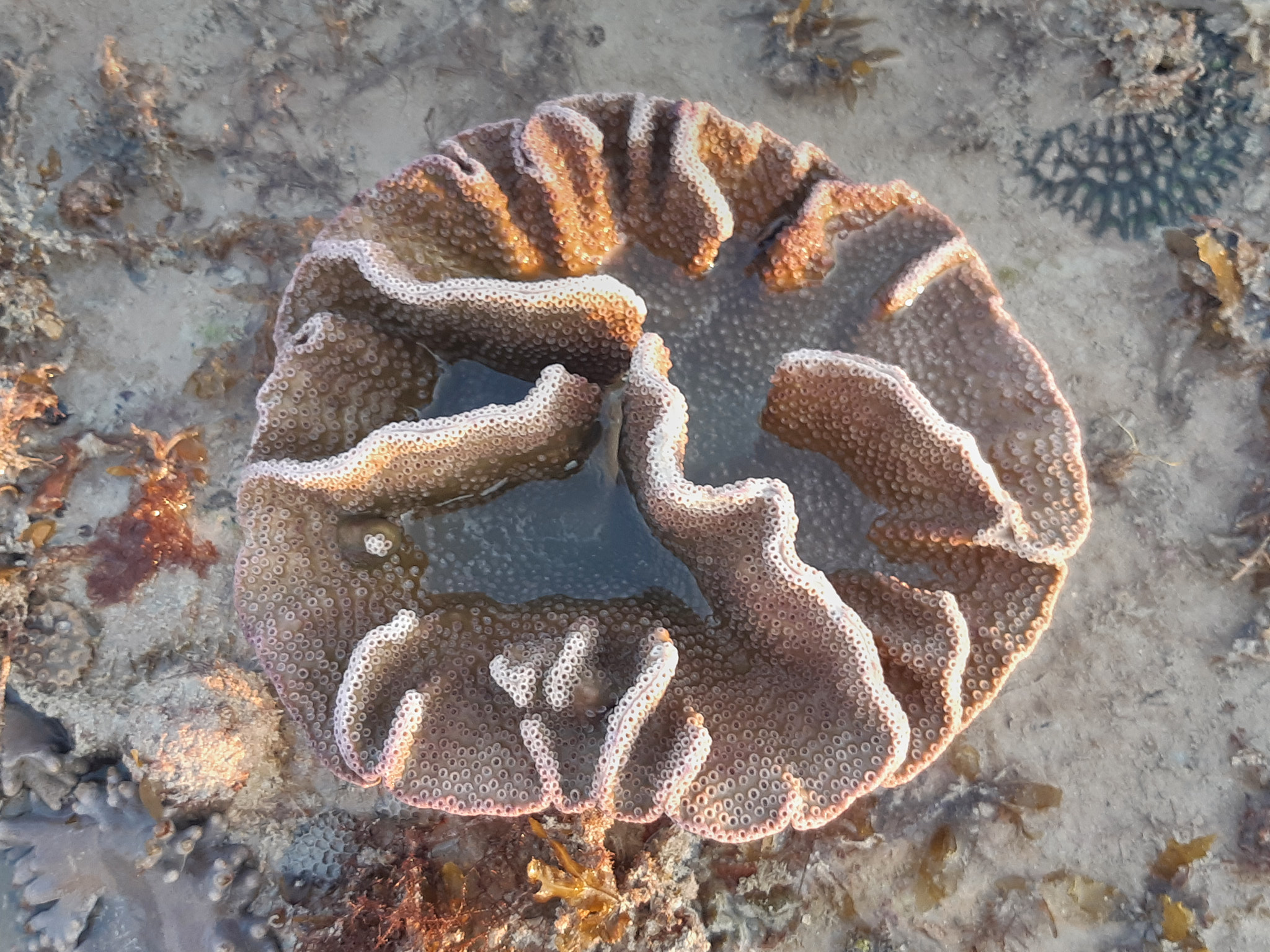
This Eastern Reef Egret is striding among the exposed coral, in the second photo it’s doing what I was being careful not to do, stand on the hard coral. But then it weighs a lot less than me. Surrounded by hard and soft corals, crinoids, sponges, chitons and a whole load of things beyond my identification skills, it was hard to keep my mind on the bird watching.
chitonbrain coralsoft coralsoft coral (from above)fire spongefeather star
Click on the galleries for a better look and feel free to narrow these critters down to species level in the comments.
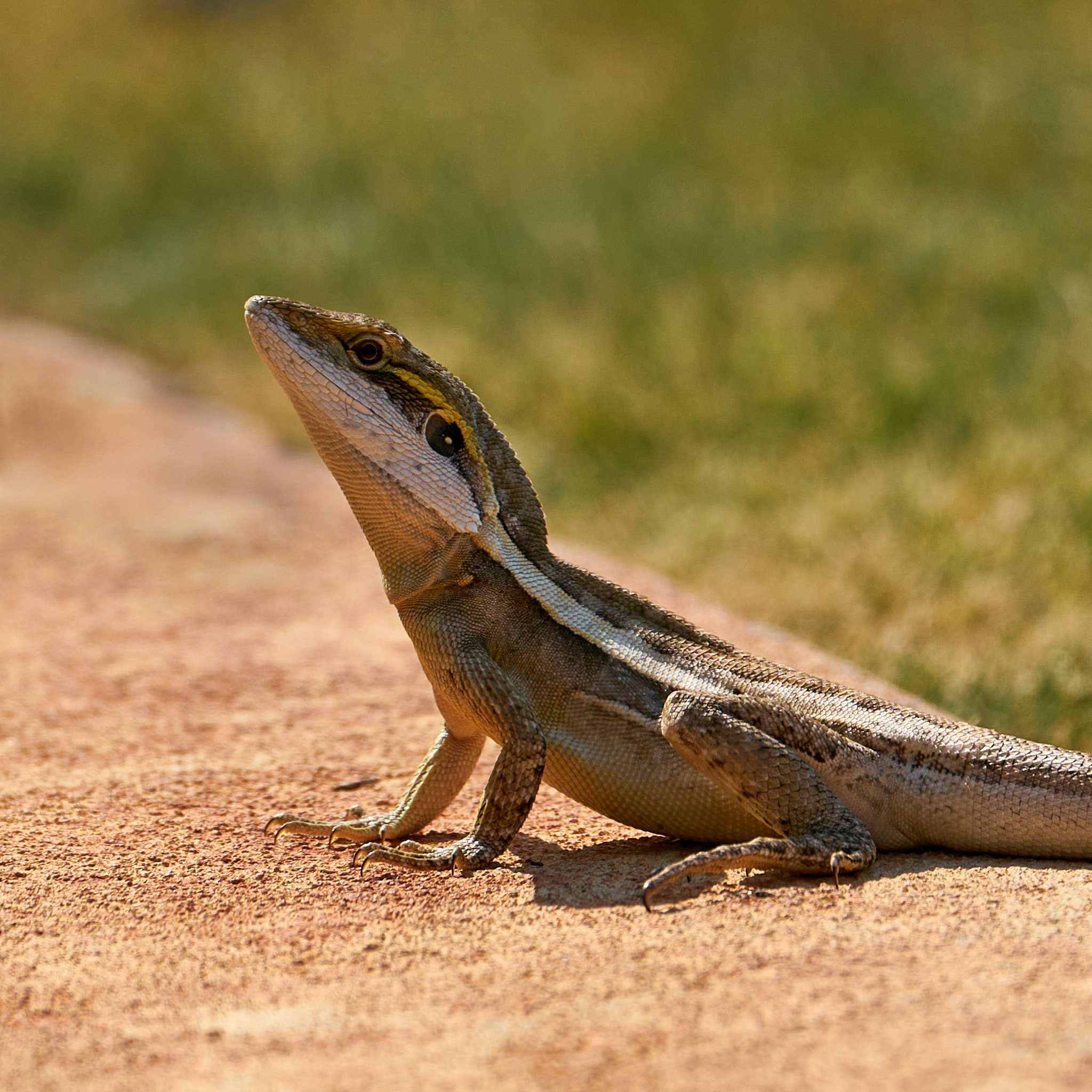
Gilbert’s Dragon (Amphibolurus gilberti) is one of the icons of Broome. Popularly known as the Tata Lizard because when resting they often wave an arm. They rarely let you get close, they race away on their hind legs. This one is a mature male, the females are drab imitations.
It’s getting warmer here in Broome. The local Yawuru people have a calendar with six seasons. Presently we are in Wilburu, the last part of the Dry. Average rainfall for September is 1.4mm. If it rains for five minutes this month we will exceed expectations.
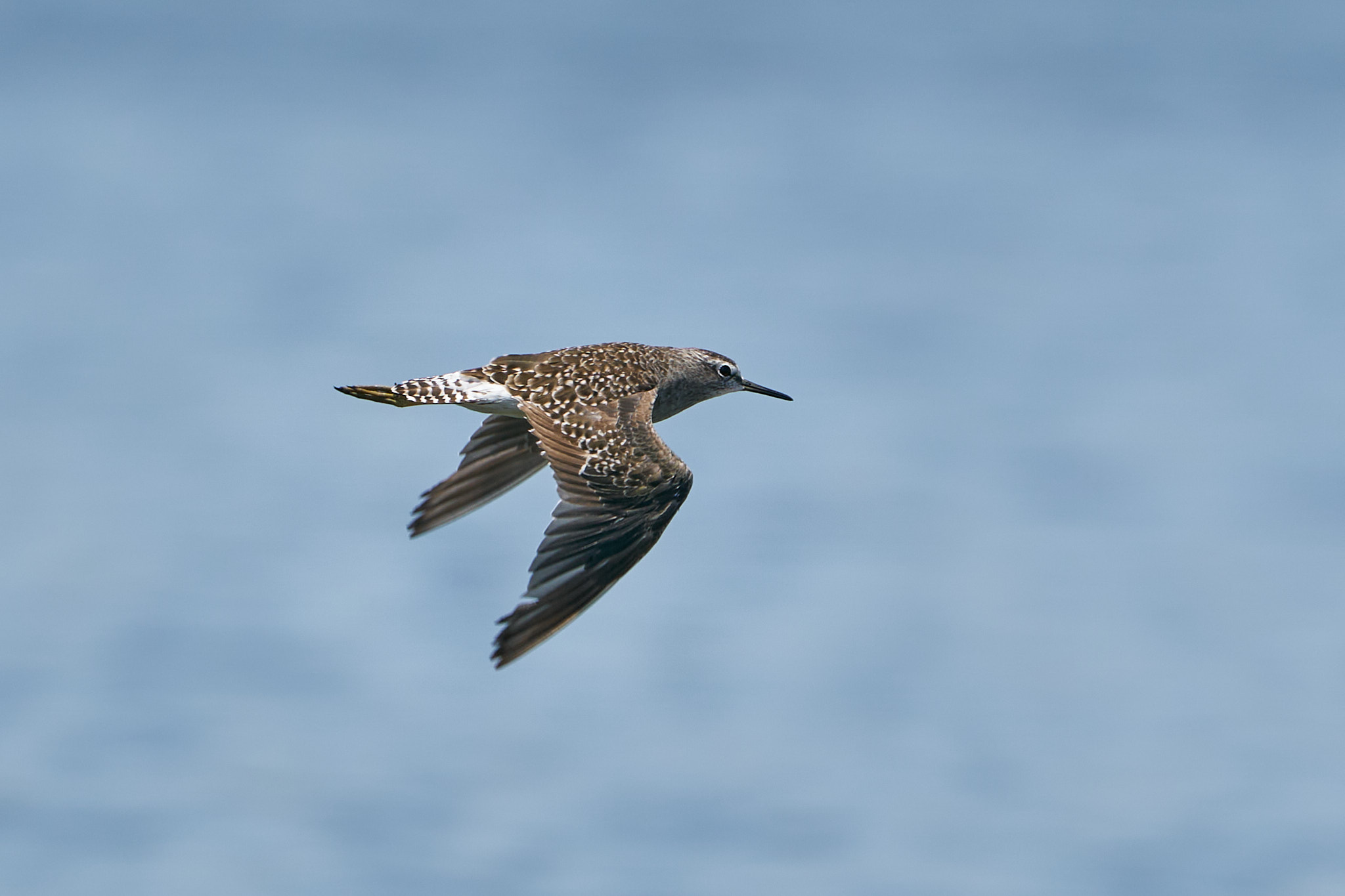
The spring equinox is not far off – 23rd September, this will bring our biggest tides. Other changes are also evident. The migratory shorebirds that have nested in Siberia are returning to Roebuck Bay to avoid the hard winters on their breeding grounds. The local reptiles are becoming more active and more frequently seen.
There is still hardly a cloud in the sky but some days are quite smoky from fires. Water birds would usually be concentrated on the few remaining lakes but the last two wet seasons have been more than generous. There is still a fair bit of water about. The ground is still too soggy to reach one of my favourite birding spots.
Broome Whale Watching again but this time their dolphins and turtle tour in Roebuck Bay. It was a windy morning which necessitated a change of starting point but didn’t interfere too much with the trip.
Roebuck Bay is about 550 km2 in area and shallow. The tidal range is huge – as much as 10.5m and at low tide exposes as much as 160 km2 of mudflat. Seagrass meadows lie just below the low tide line, Mangroves are inundated by the high tides. The tidal flow stirs up sediment that makes the sea a beautiful turquoise which teamed with the red cliffs and red sand gives Broome its characteristic vibrant palette.
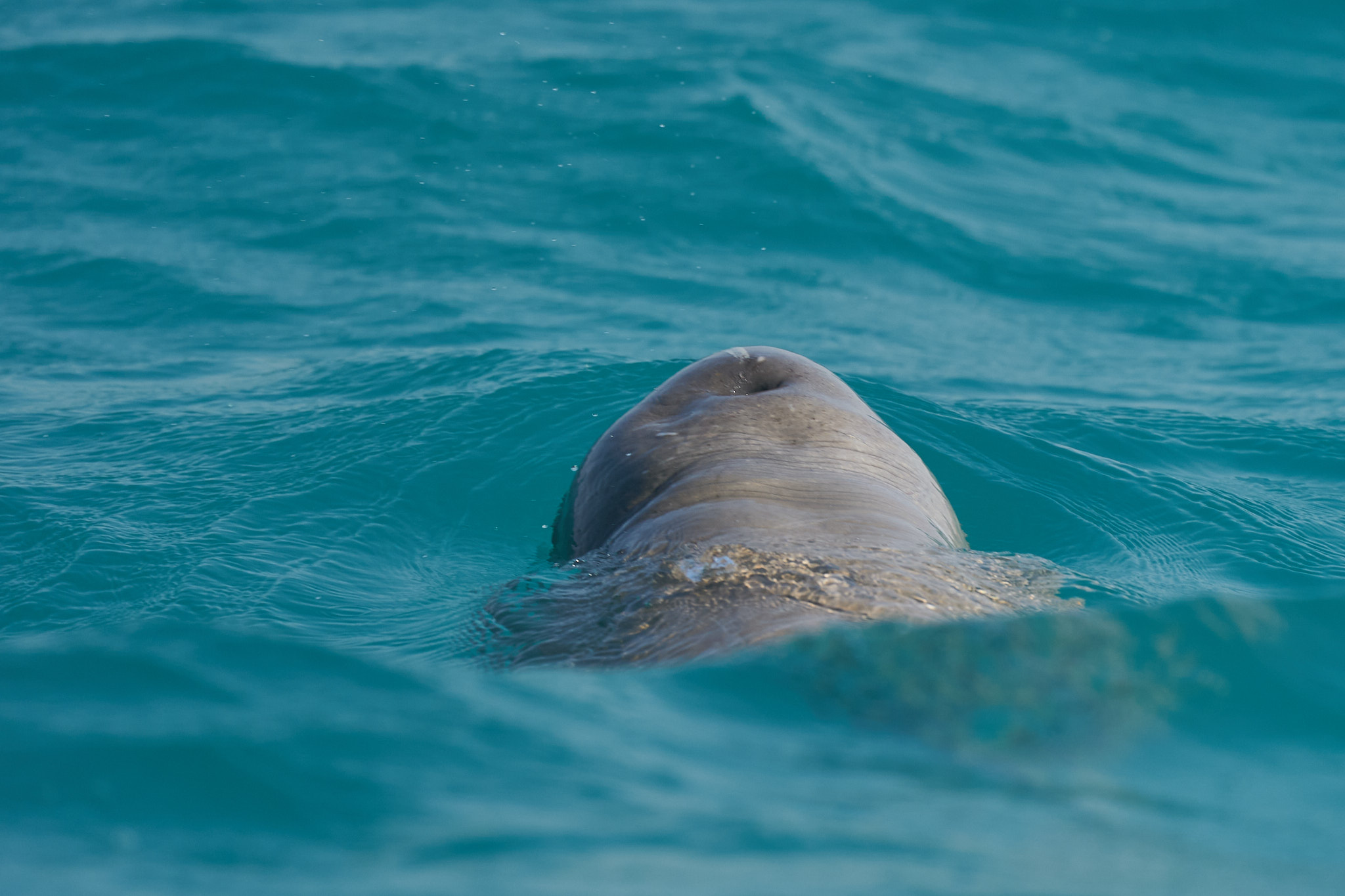
It wasn’t long before we encountered our first Snubfin Dolphins. They are rather sedate as dolphins go, no leaping out of the water or dashing to the boat for a ride on the bow wave. They have heads like a melon and tails like little Humpbacks. They move relatively slowly but tell that to the photographers … the best chance to get a head shot is when they surface. Where will they surface? Good luck with that.
They were lumped with the Irrawaddy Dolphin from the Bay of Bengal until DNA studies earned them an identity of their own in 2005. They are found around the coast of northern Australia and presumably southern New Guinea. They are reliably found in Roebuck Bay but rare elsewhere.
Snubfins grow up to 2.7m and weigh up to 133kg. Males are typically larger than females. They get around in small groups that may join another group at a feeding site. Their diet consists mainly of fish and cephalopods. They have been seen at the surface spitting water over fish to fool them into swimming towards them.
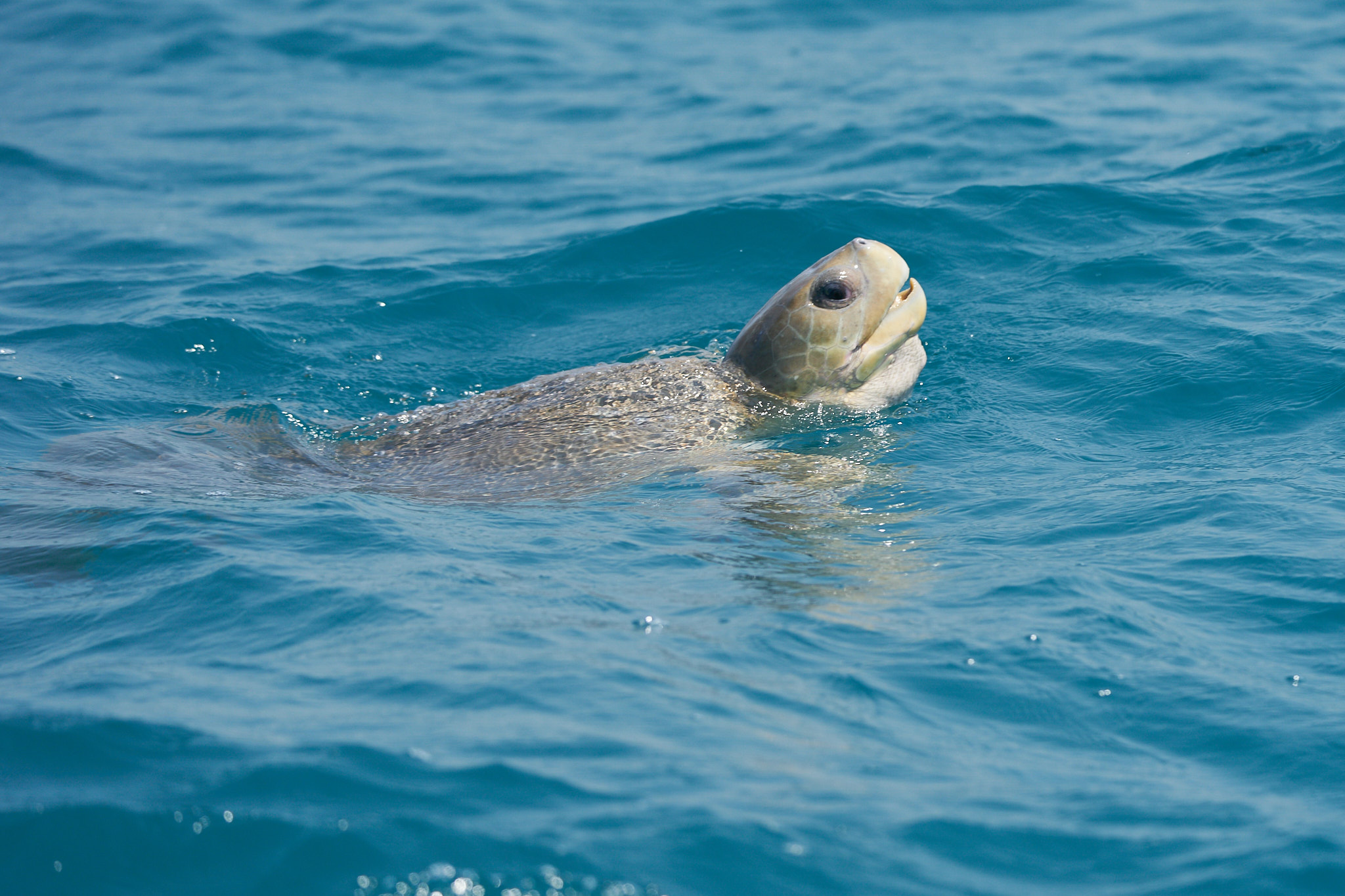
Next on the agenda was the Flatback Turtle. These are another denizen of Australia’s northern waters but wander a little further than the Snubfins. Their carapace gets to about a meter from front to back and adults weigh 60 to 90kg. Females are sexually mature from about seven years of age. Mating takes place at sea, the females come ashore to lay clutches of about 50 eggs in a nest dug in the sand. The sex of the offspring is determined by the ambient temperature – below 29 °C (84 °F), the hatchling will be a male.
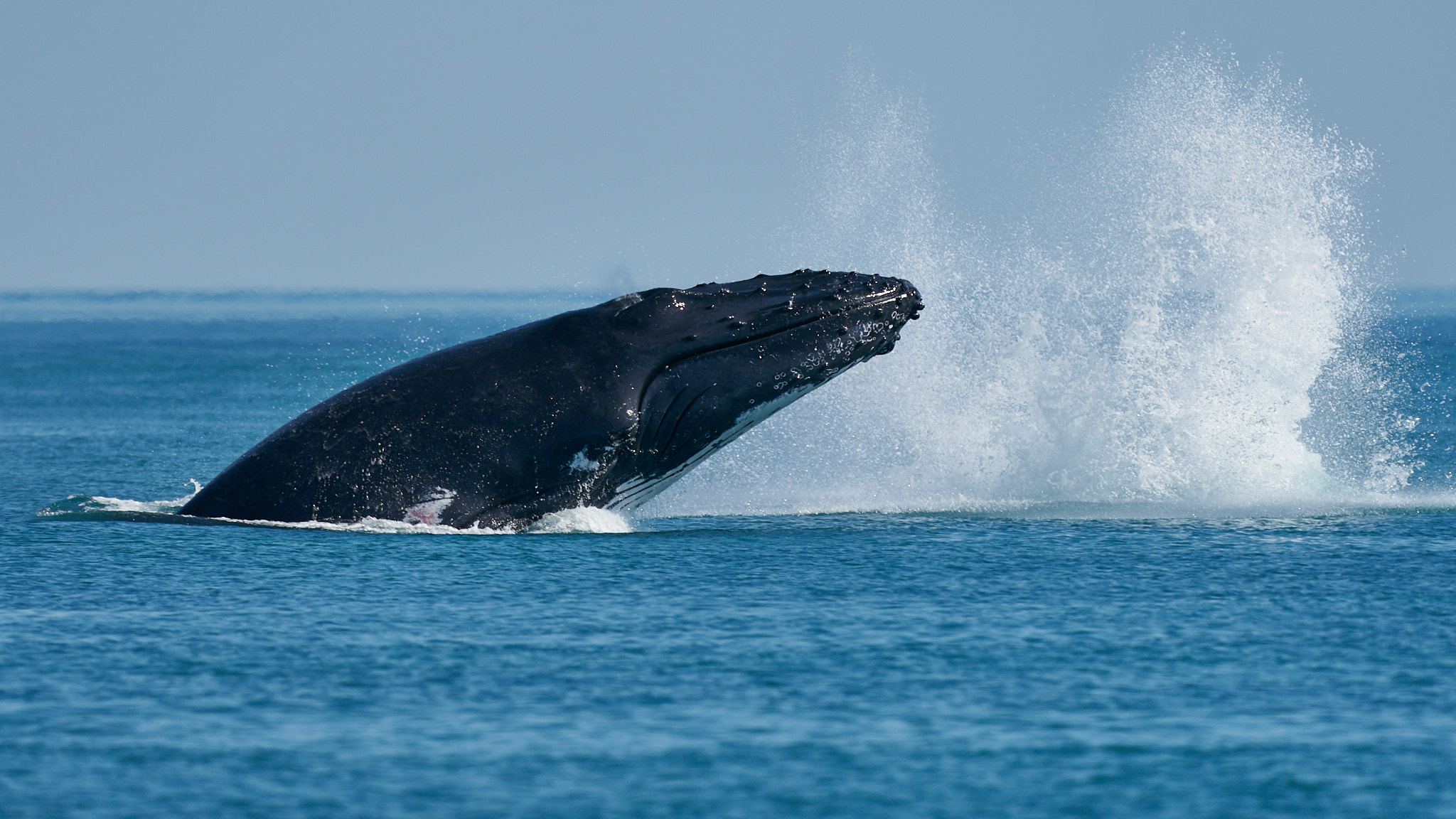
Humpback Whales are moving south down Australia’s coast on their migration to and from antarctic waters. Mothers have had their babies and are busy feeding them prodigious quantities of milk despite the fact that they haven’t eaten since they moved north. The boys are gathering together and showing off trying to impress the girls so that the cycle can start again. I’ve been treated to distant sightings from the shore over the last week or so. Time to get out in a boat.
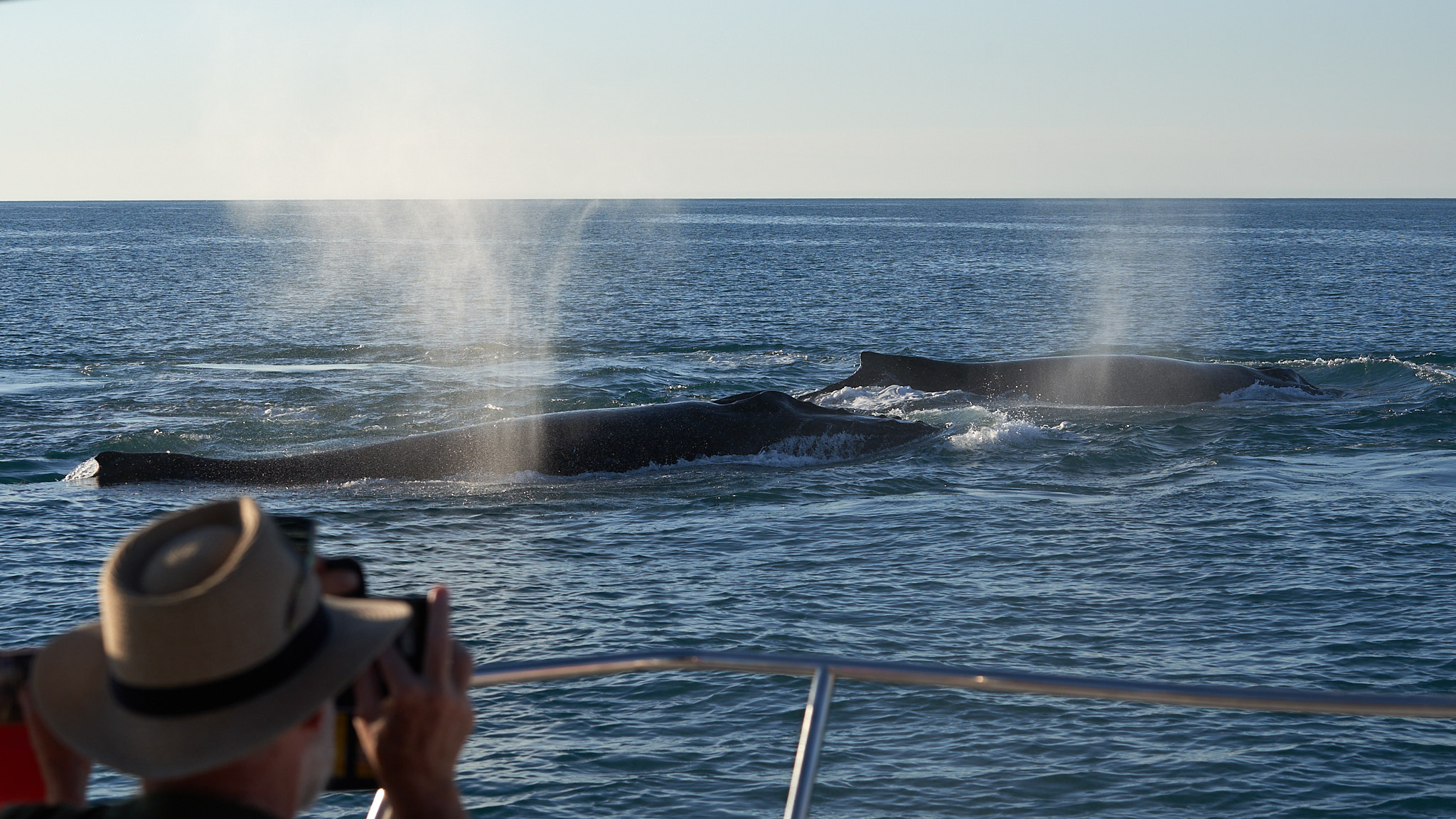
I went on a commercial tour with Broome Whale Watching. It was an afternoon trip coming back just after sunset. They say that they can’t promise whales but they delivered in spades. How close can you get? Well, if the whales decide to come to the boat – this close …
The breaching photos were shot with a 600mm telephoto but I soon had to switch to a shorter lens (70 to 200). The tour company did a splendid job and the sun pitched in to finish things splendidly.
For those too young to recognise the musical allusion in the title check out the Rufous Thomas hit from 1964. You can find it on YouTube – Jump Back.

























 bobmcgee