Bigfoot …

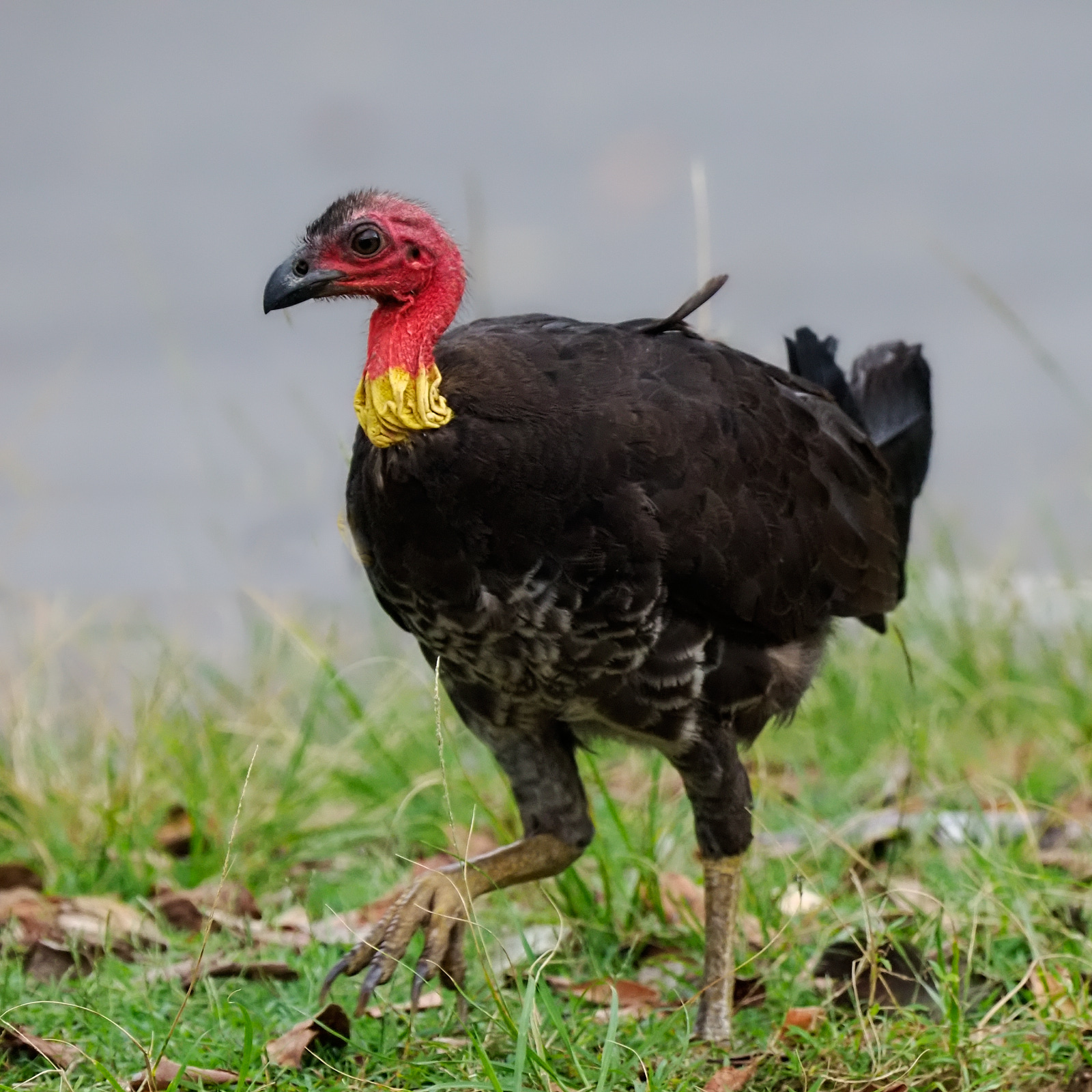
At Byron Bay we found our first Brushturkeys of the trip. They are found in rain forest of Australia’s east coast. They have large strong feet which they use to rake the leaf litter to find their food. Along with the Junglefowl and the Malleefowl they make up the Australian contingent of megapodes.

Megapodes have a very specialised mode of reproduction. The male megapode uses his big feet to create and maintain a mound which includes enough composting leaves to create heat. The females visit and once the eggs are fertilised they are laid in an excavated hole in the mound which then provides all the heat needed for incubation.

When the chicks hatch they have to dig their way out. They emerge into the domain of a father who wants nothing more to do with them and is very jealous of his territory. They must find shelter from him and from predators. Fortunately they can already fly and feed themselves. Henceforth they are on their own.

When the boys grow up they must either inherit or create a mound of their own. If they choose your back yard the petunias are in big trouble.

The road trip has moved up the coast to Brisbane.
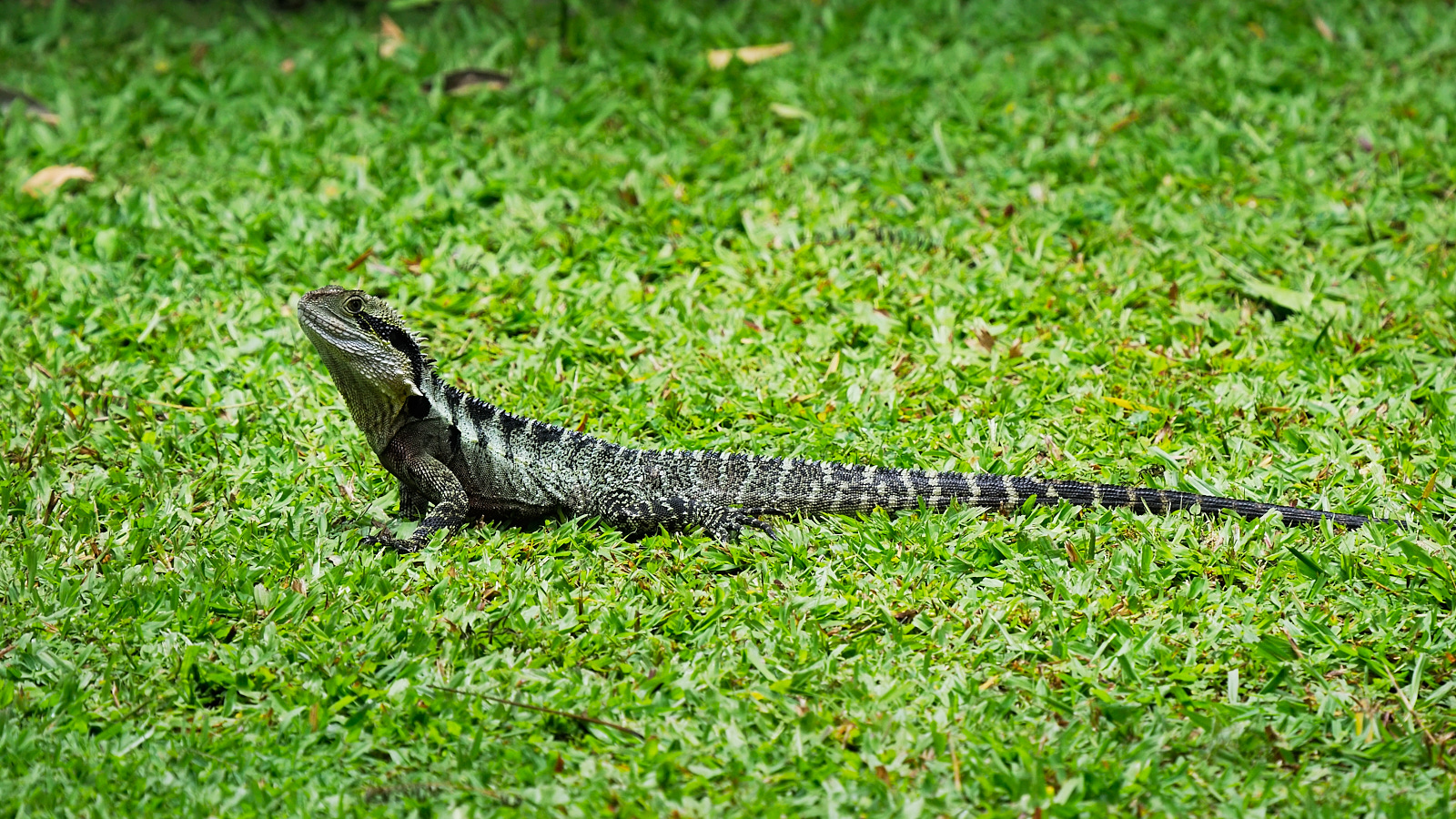
Not exactly Game of Thrones …

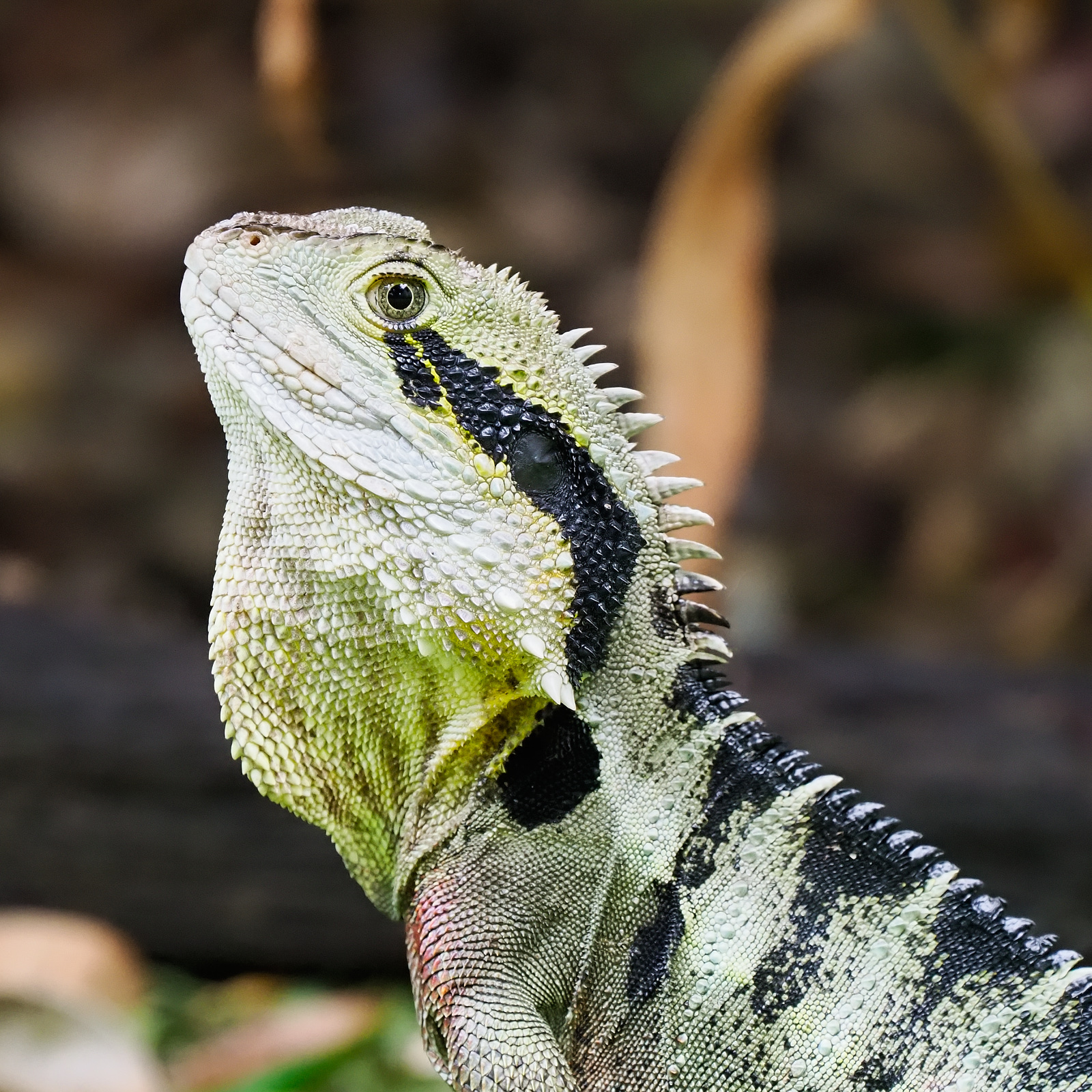
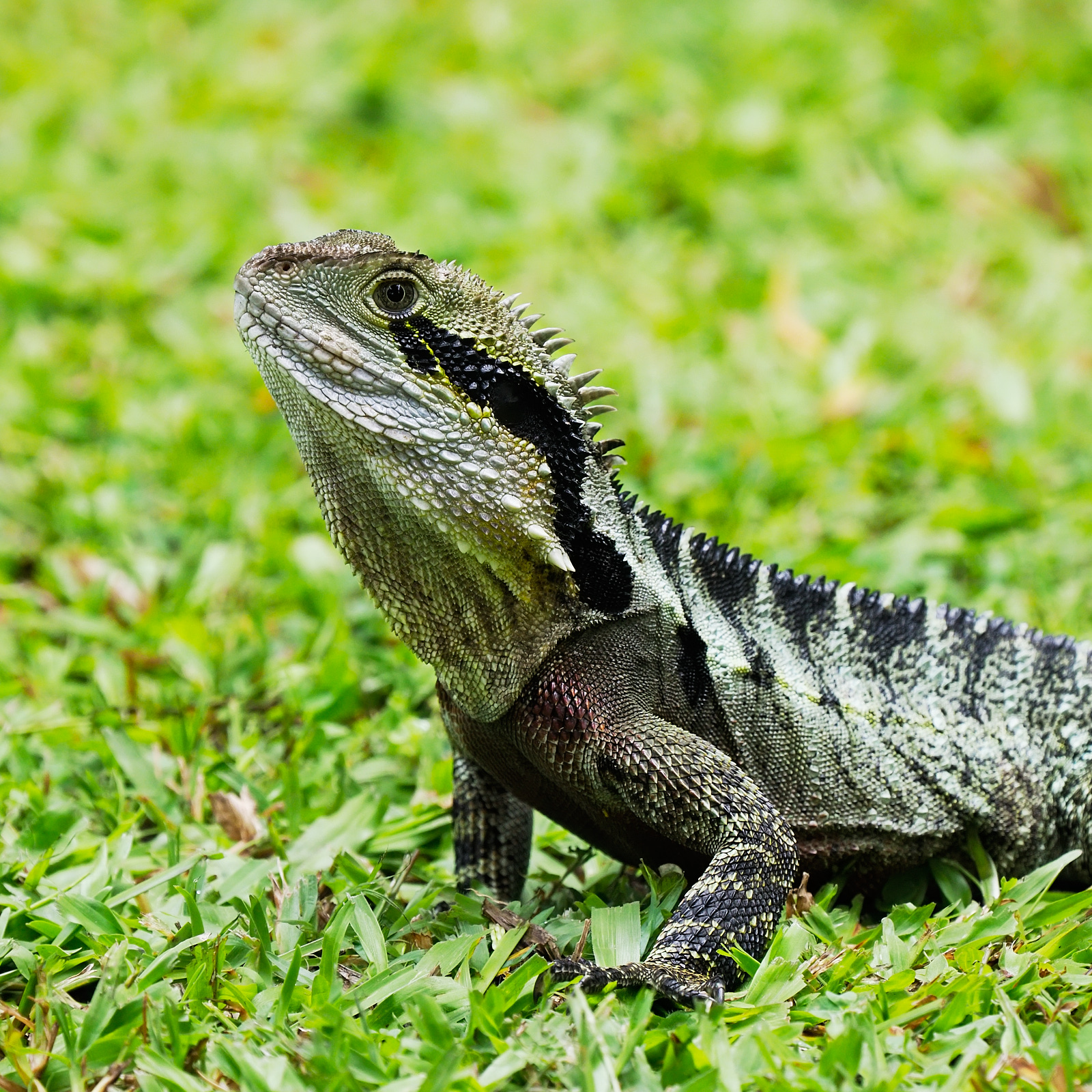
Byron Bay is full of surprises, there is a dragon in the garden.

An Eastern Water Dragon  (Intellagama lesueurii) to be precise. This guy, and it is a male because of the clarity of its markings and his size, is about a metre long and is reasonably tolerant of human presence. Thery are found along the east coast of Oz down to Gippsland in Victoria.

The guy in the first photo is all there, you just need to click on the gallery to get the whole picture.

A Byronic Garden …

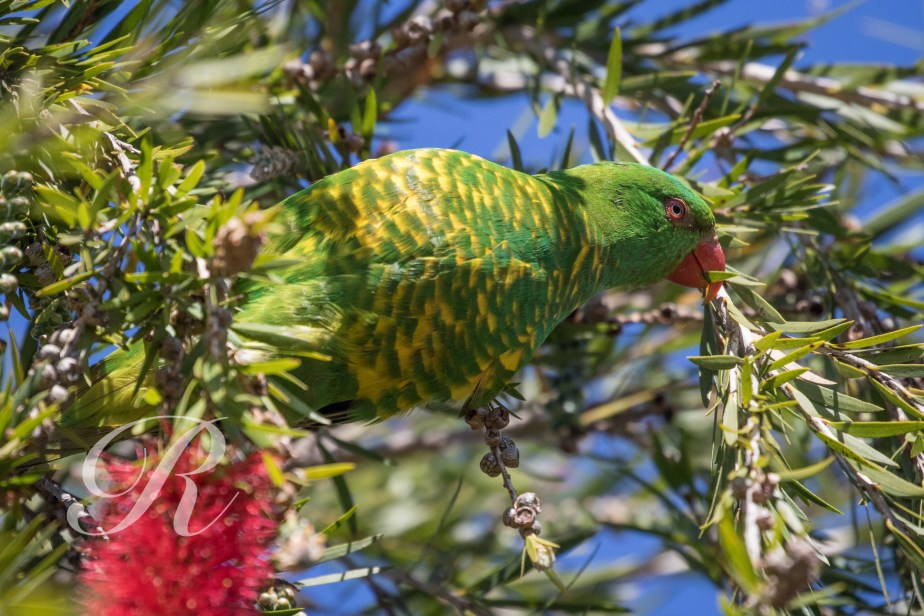
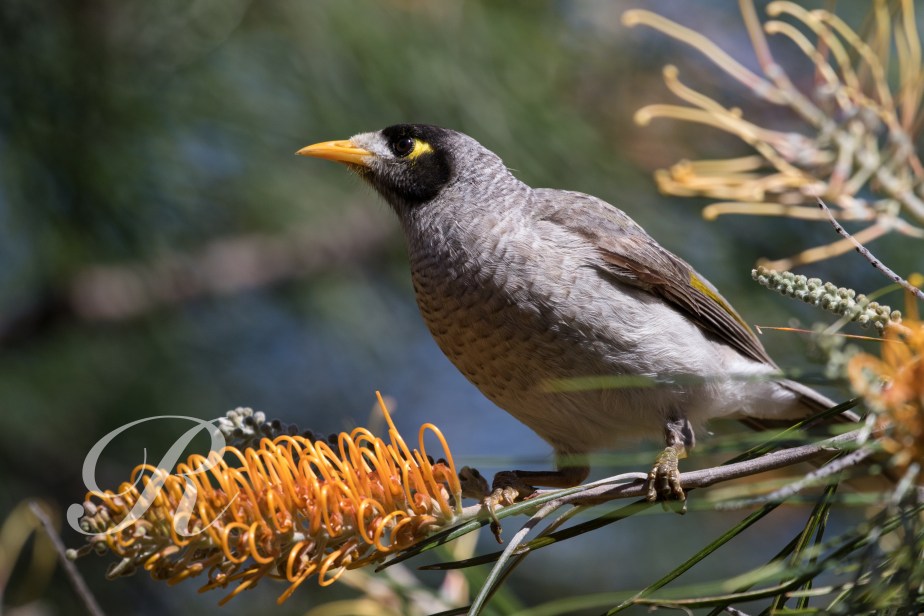
In Byron I’m staying at a friend’s house. Carole has the most amazing Grevillias, Callistemons and red pom-pommy things …

Scaly-breasted Lorikeet

Noisy Miner

Blue-faced Honeyeater

Rainbow Lorikeet

Birdlife Australia have a very handy pdf on the birds and birding spots for Byron Shire. The bird watcher should google “Birds of Byron Bay – Birdlife Australia”.

Byron Bay …

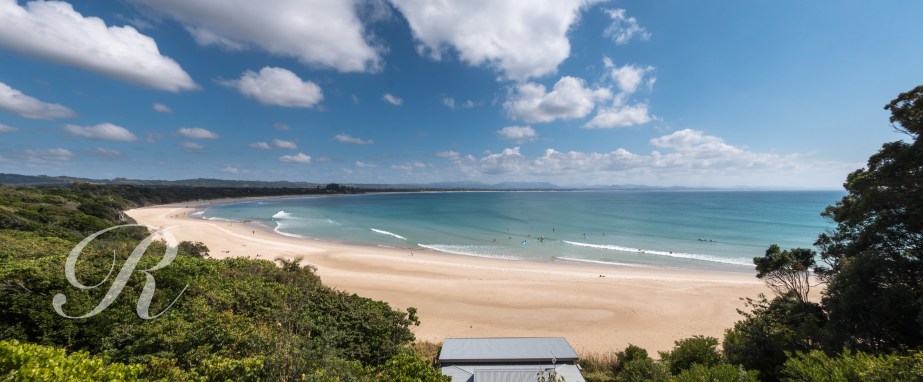
Captain James Cook was the first tourist here and he started quite a trend. He could hardly miss the most easterly point of the mainland which he named after John Byron a mariner of note (and the grandfather of the overrated poet). Early European settlers developed serious pursuits such as timber getting and gold mining but these days it’s all about hedonism, sun-worship, yoga, coffee any style and very expensive houses. There are little pockets of residual rainforest and extensive areas of heath dominated by Banksias.

It is very different from the country on the inland side of the ranges.

Byron Bay

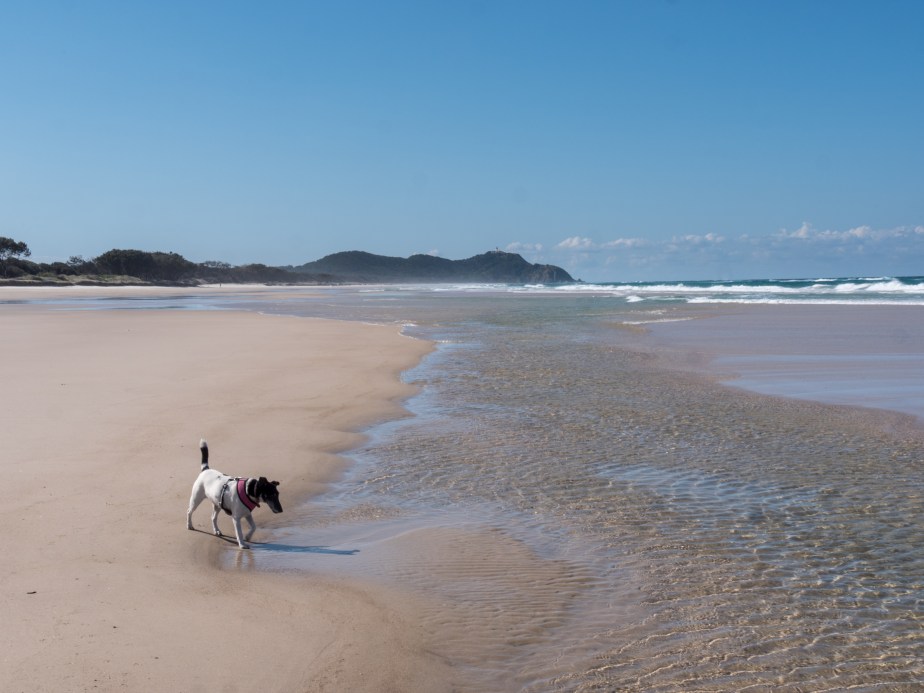
Tallows Beach

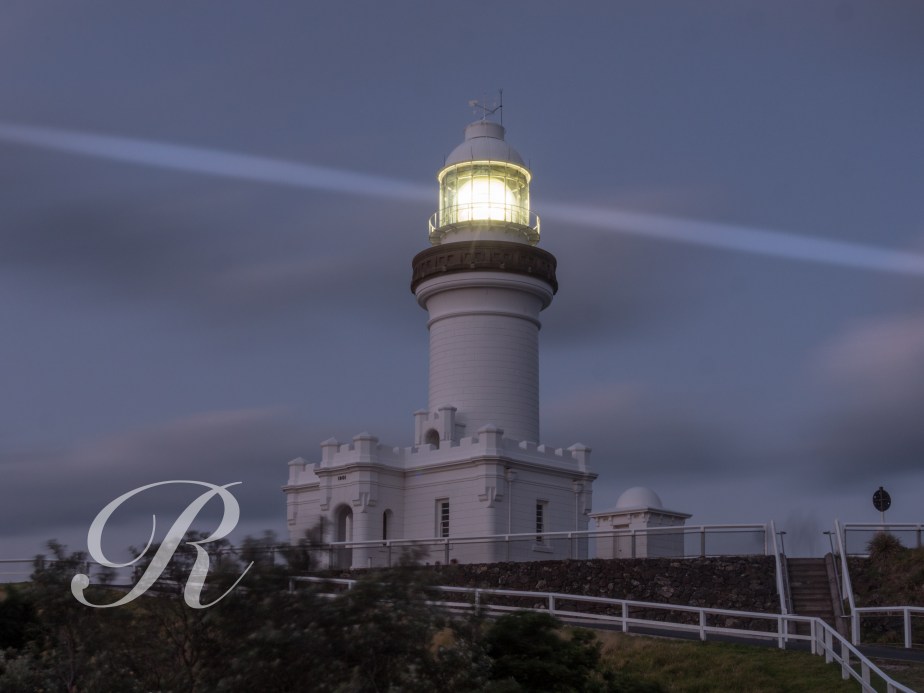
Byron Bay Lighthouse