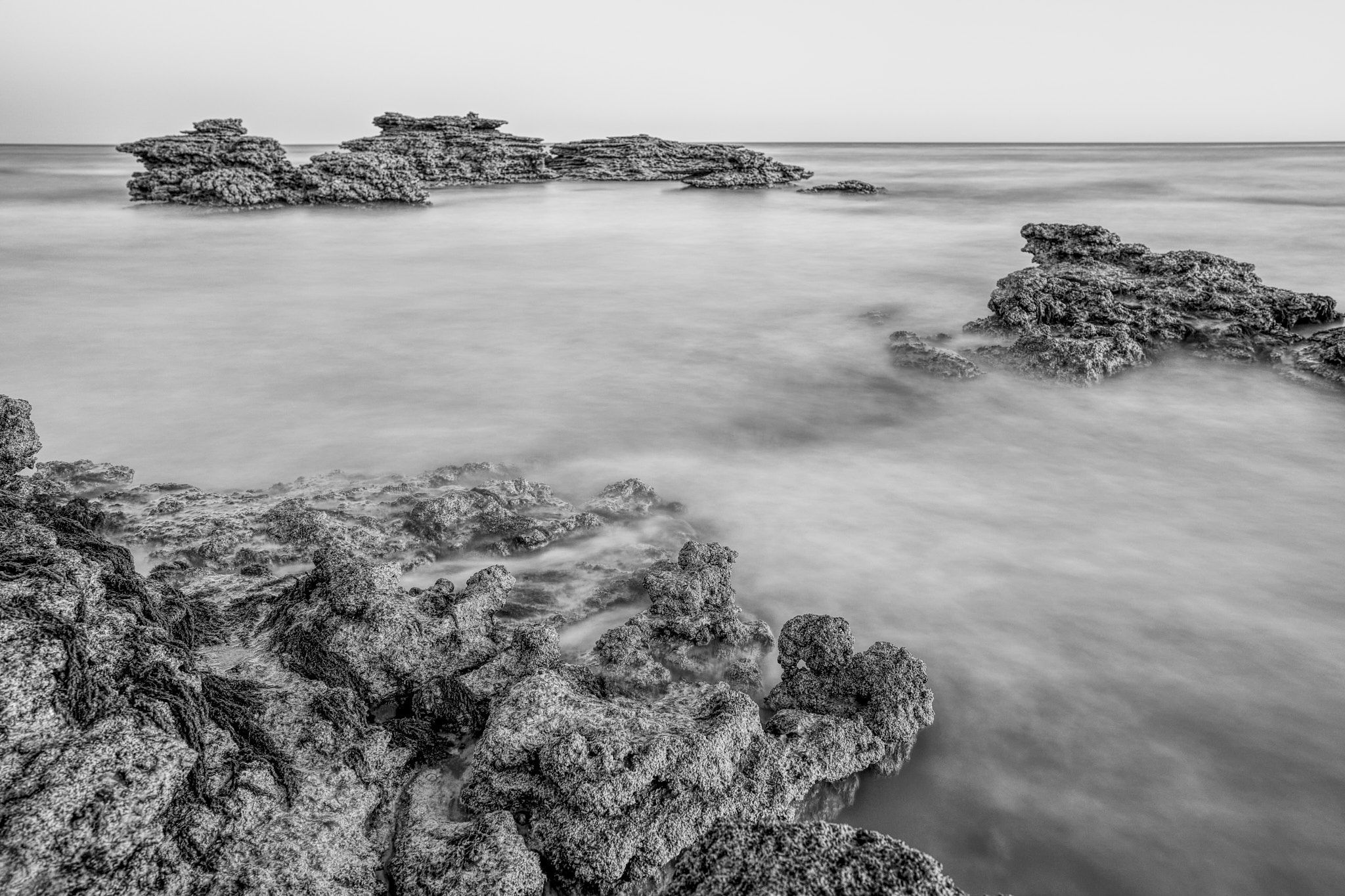
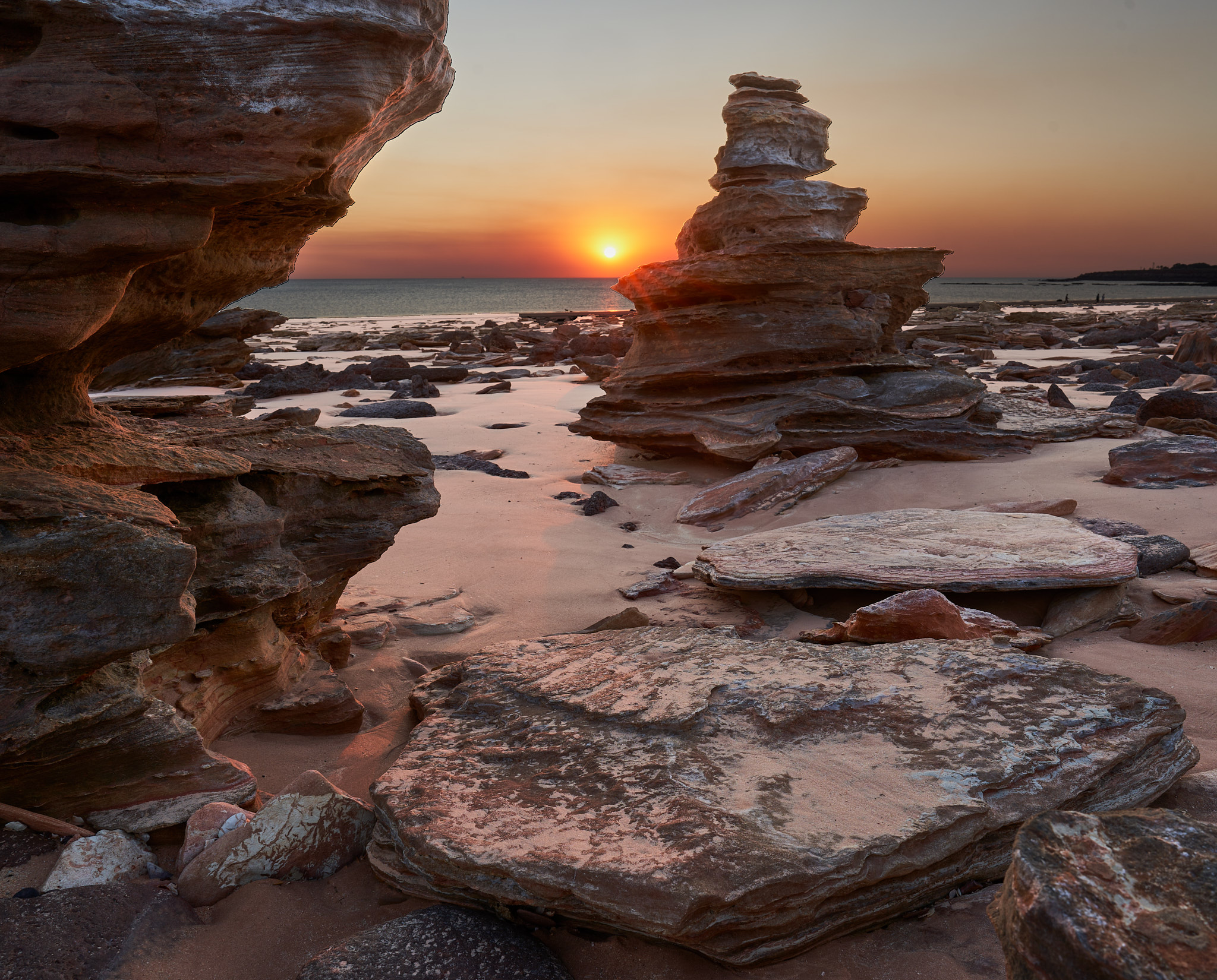
Rocks at Low Tide …
and pray that there's intelligent life somewhere out in space
If Cable Beach is Cinderella then poor old Town Beach was one of the ugly sisters. But, she’s had some plastic surgery – nice gardens, a performance space and a new pier. All this has happened in the last couple of years. It has transformed her into a great place to have a market, a concert or to sit and watch the moon come up.
I was there before dawn this morning …
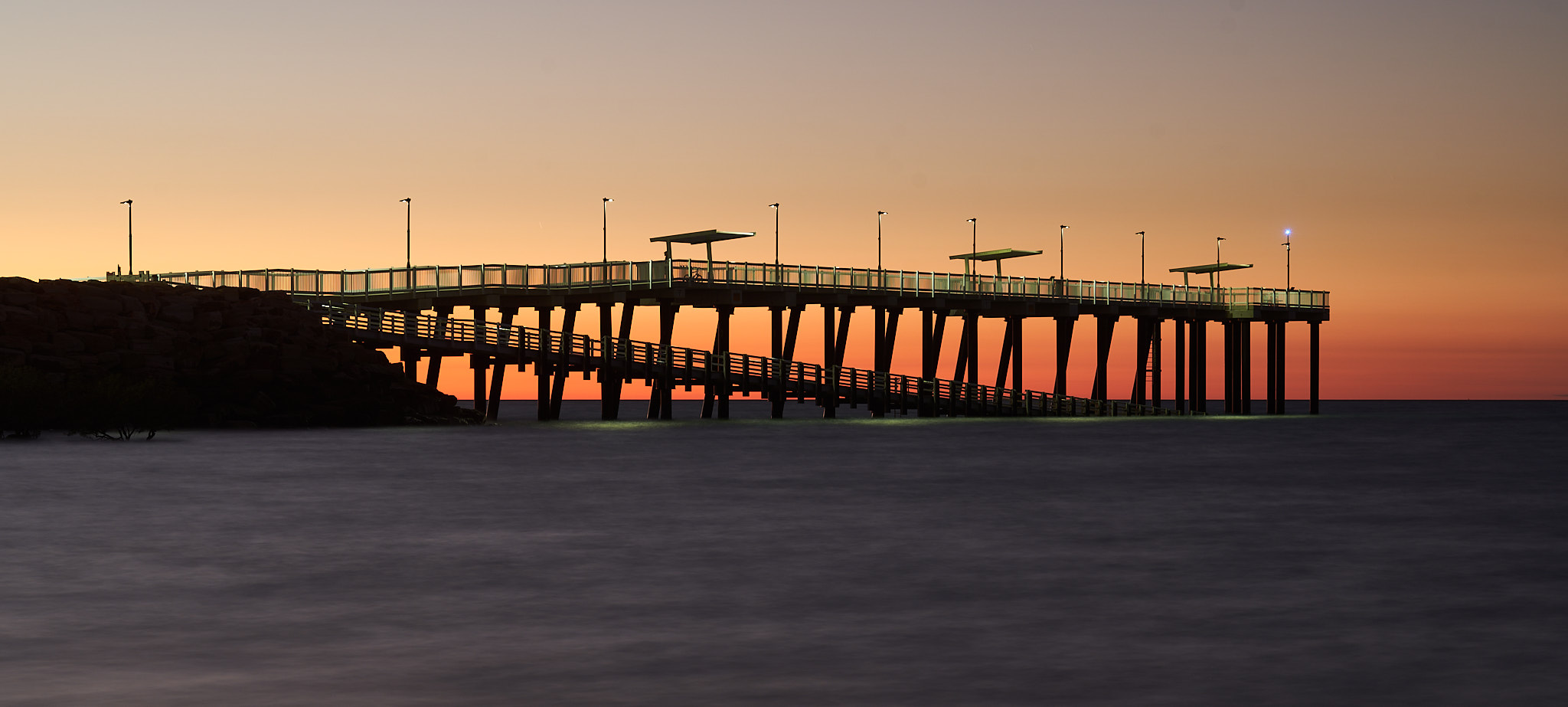
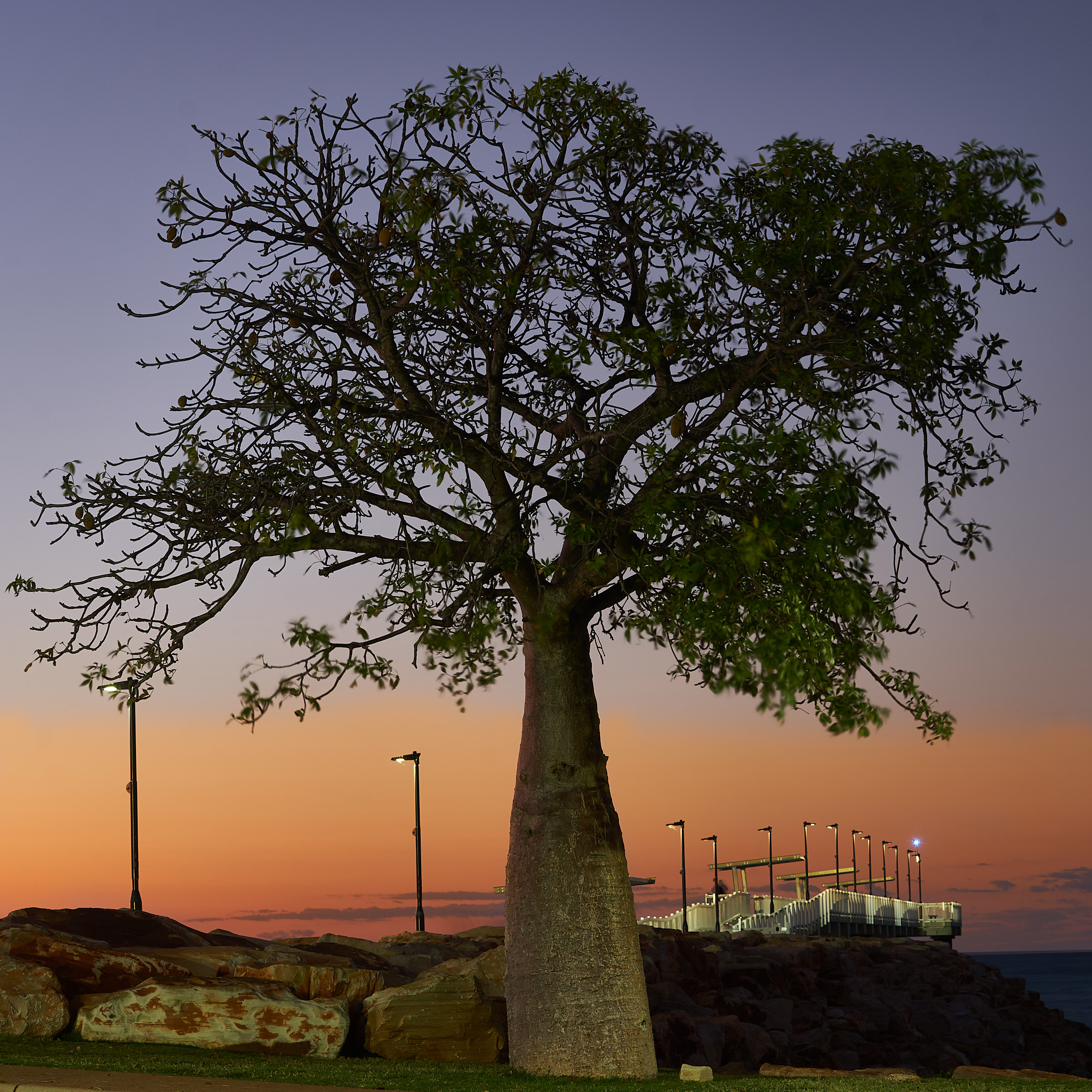
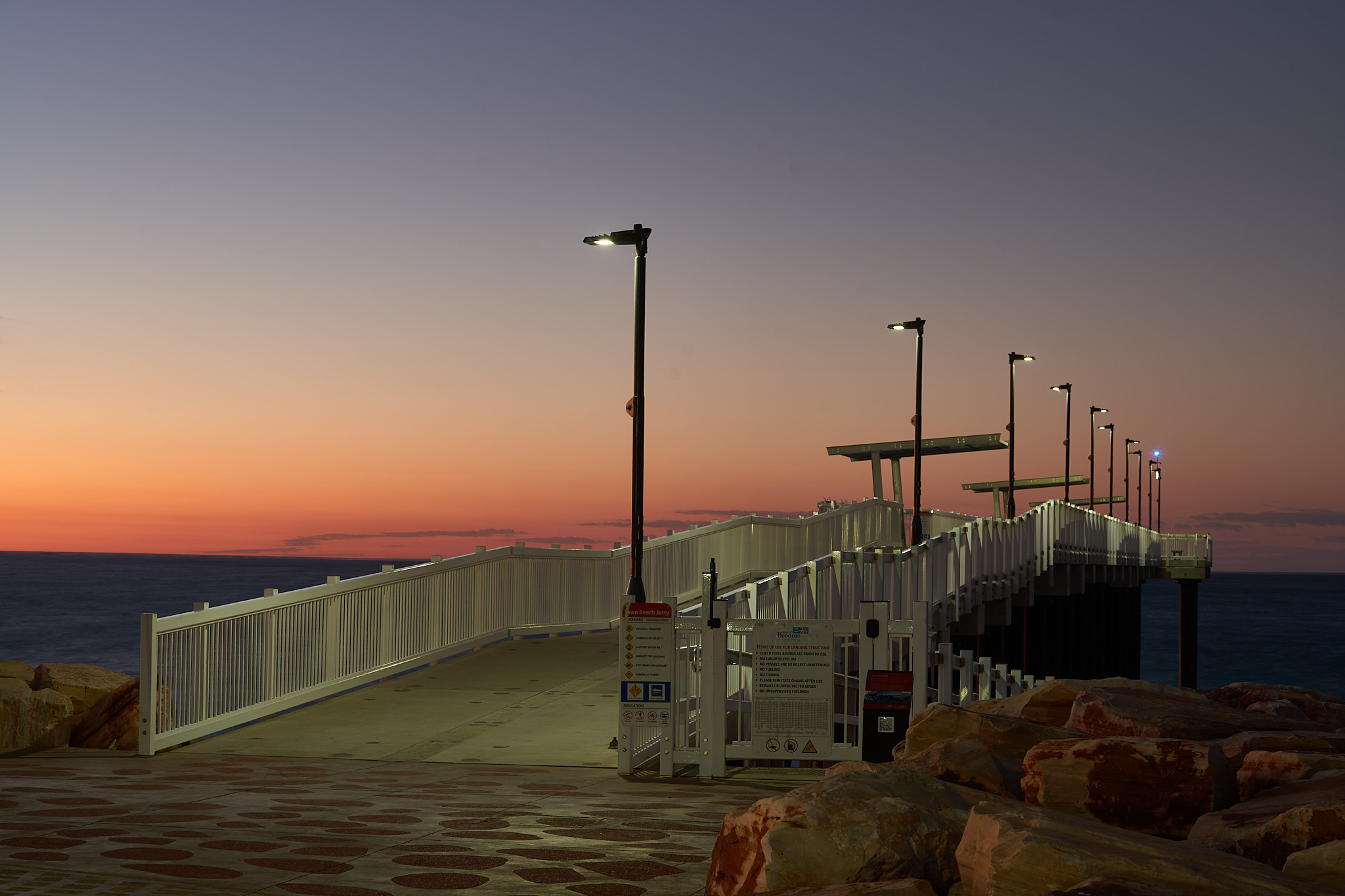
When the light is right every rock is a portrait …
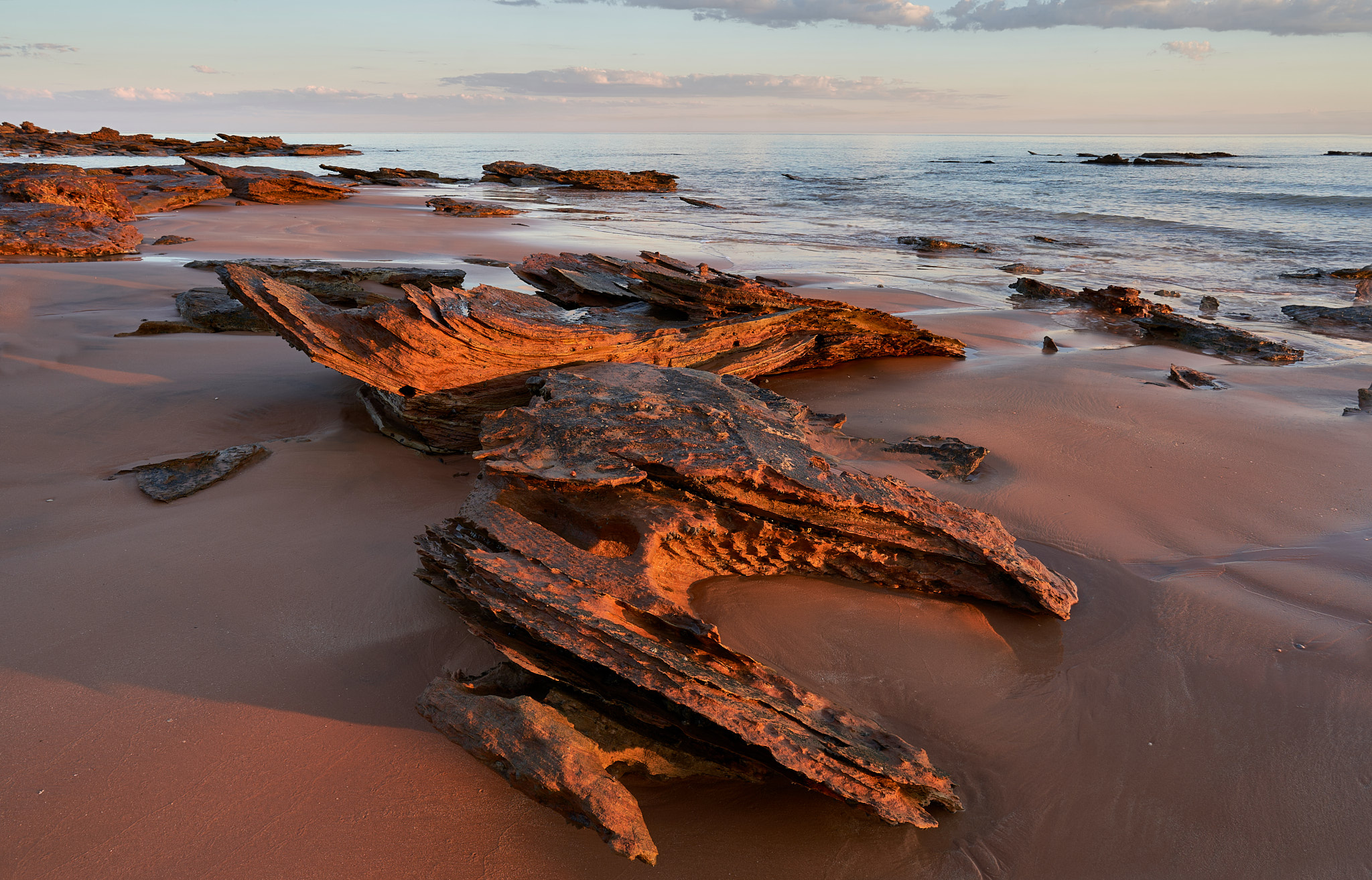
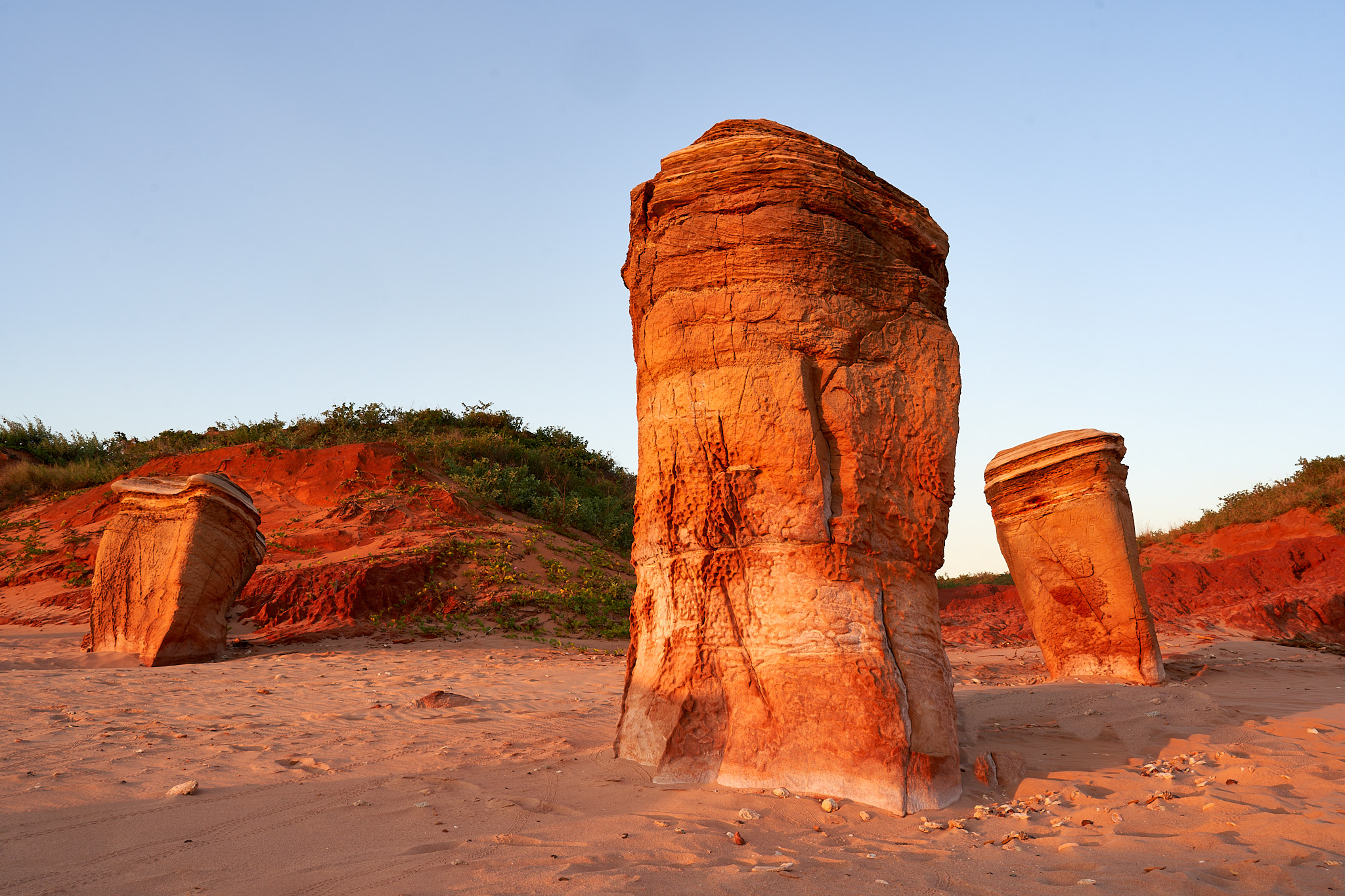

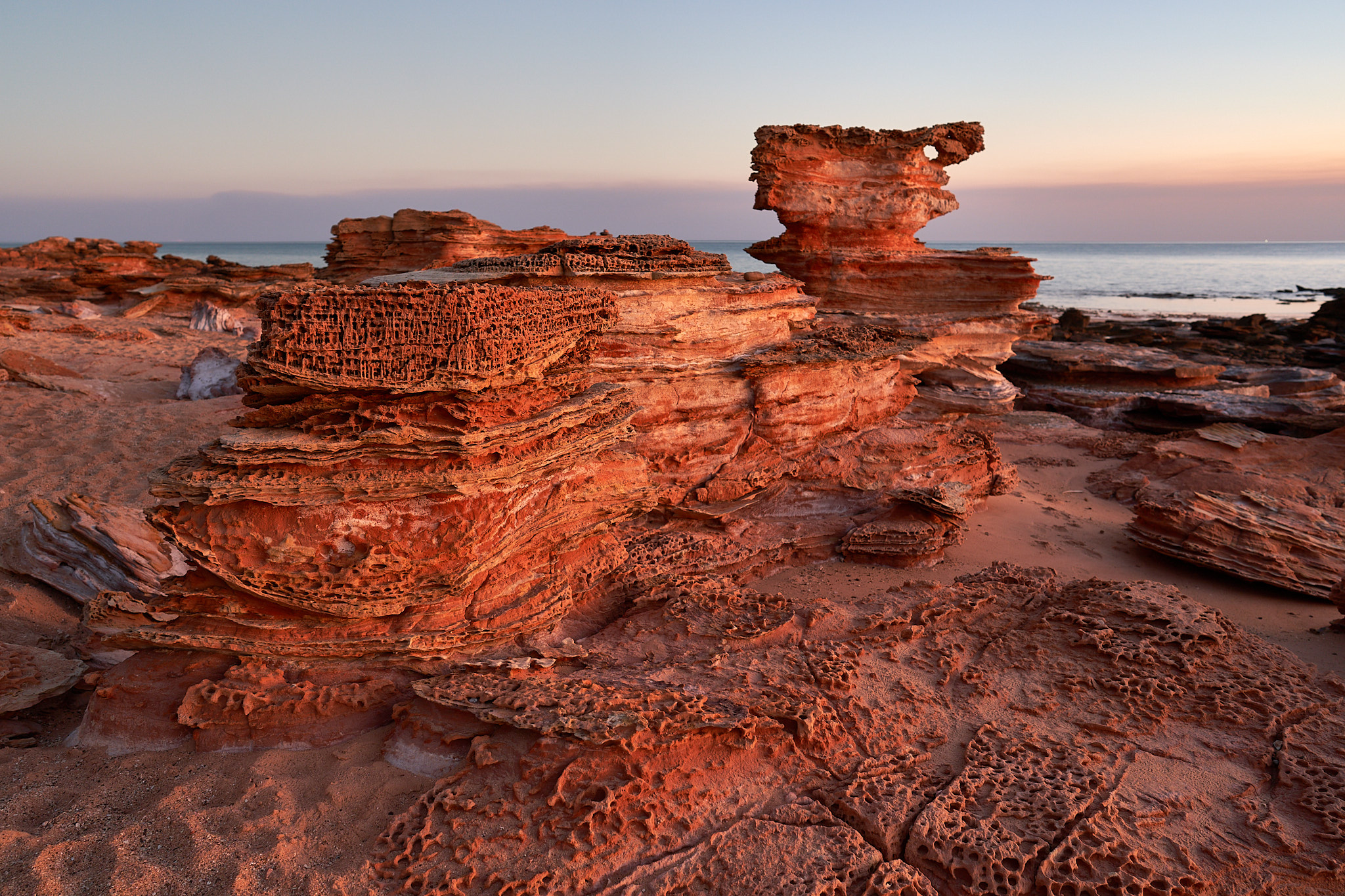
There are subjects that lend themselves to black & white and others that just don’t …

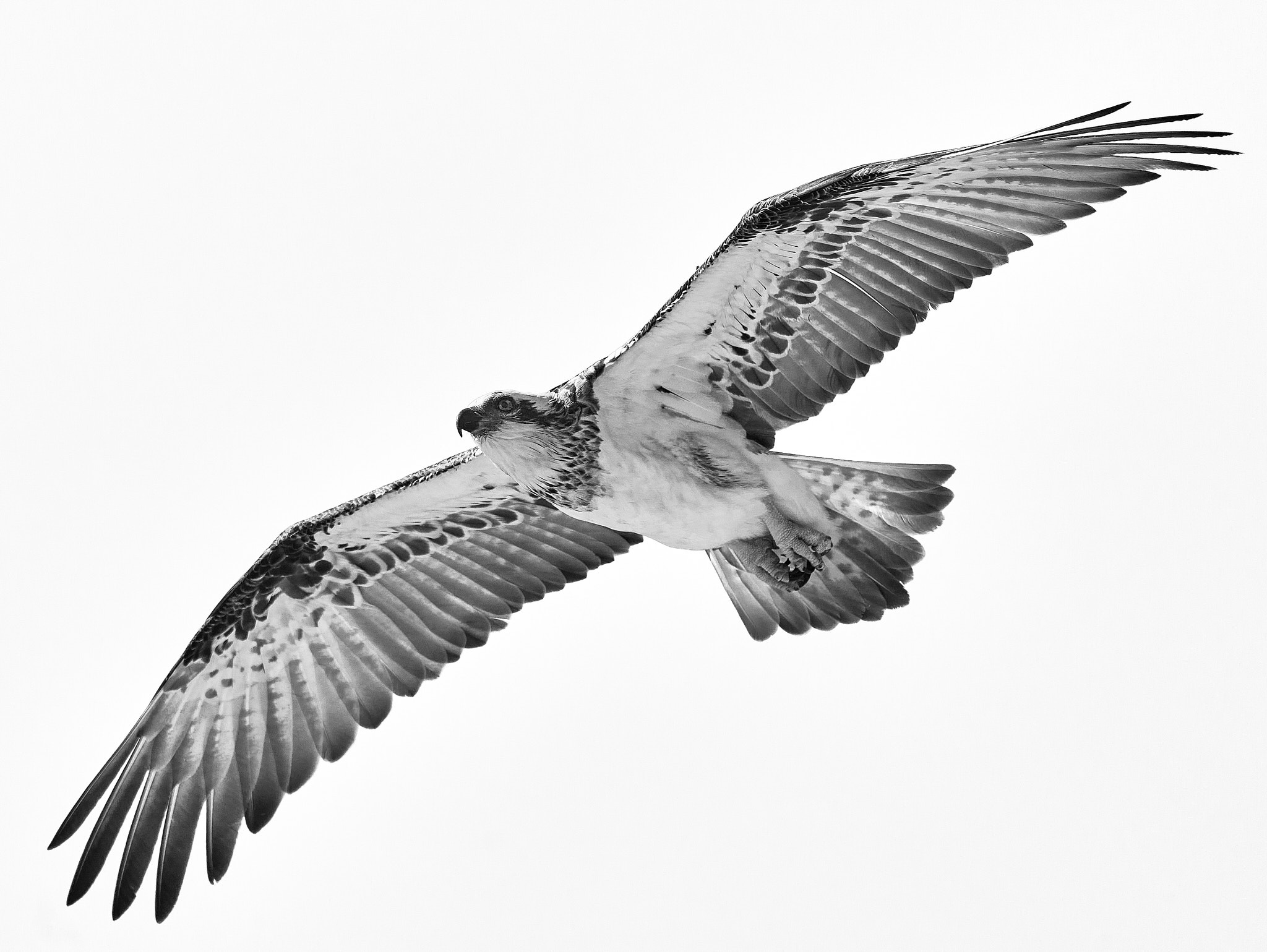
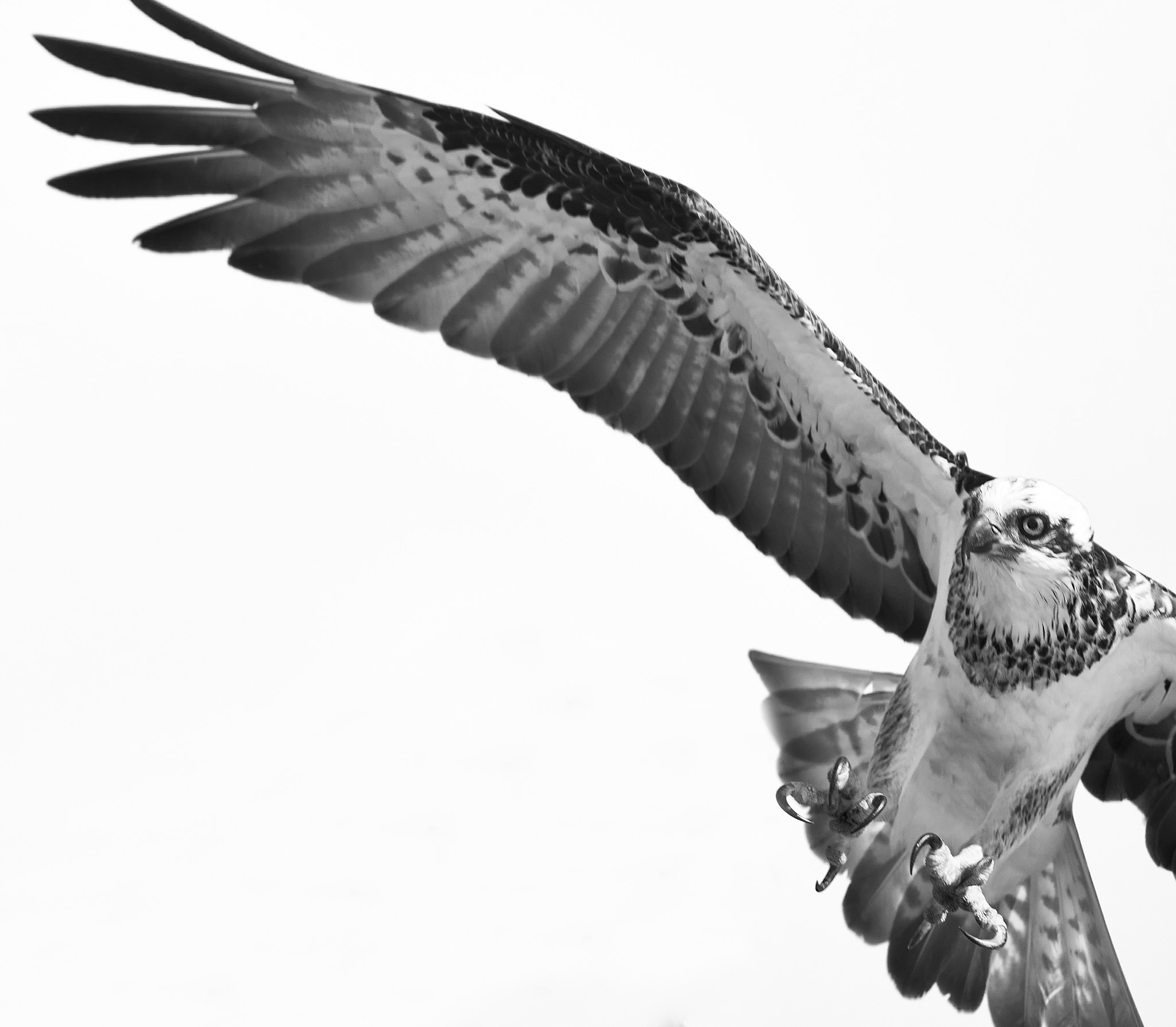
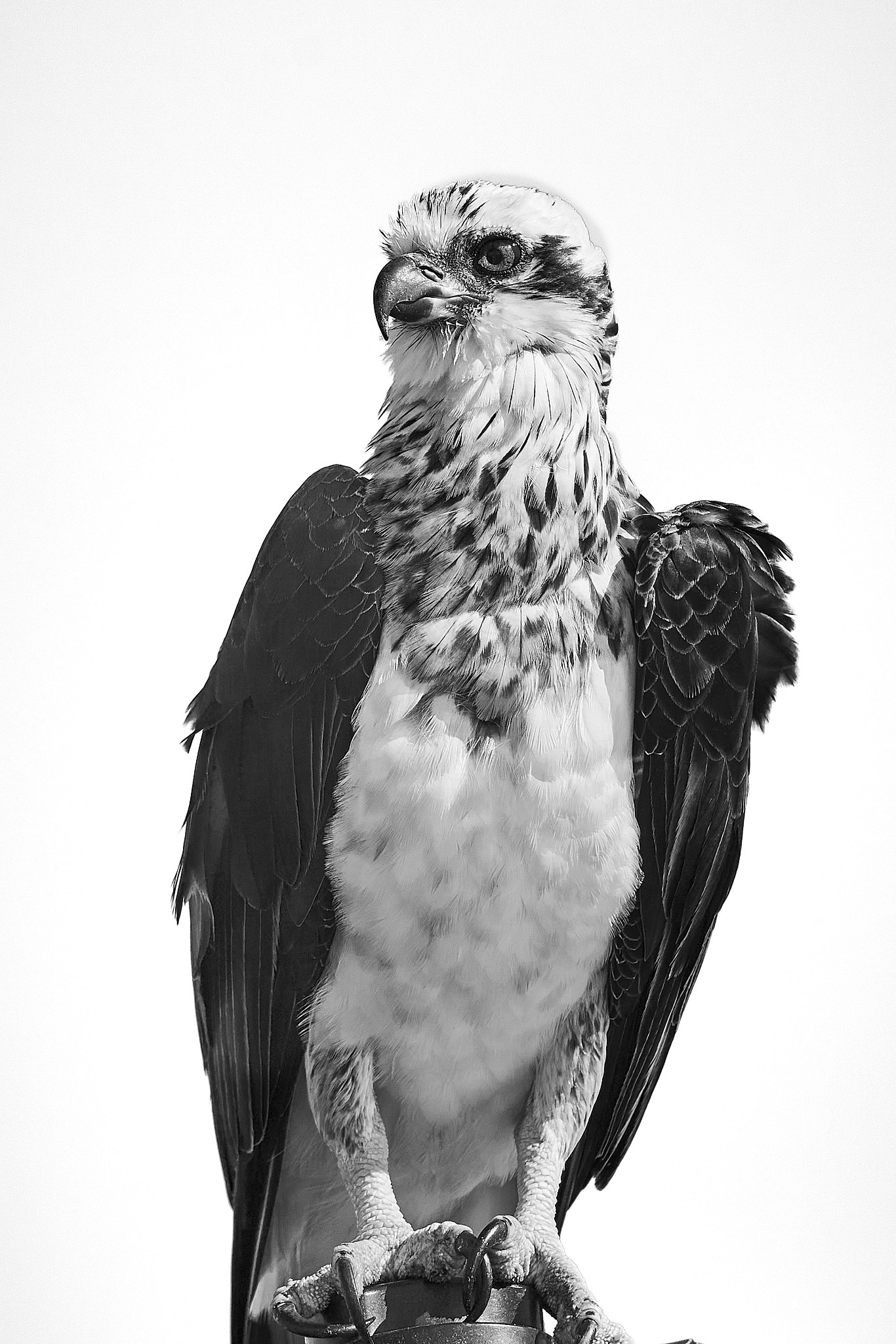
You need to click on the pictures to really appreciate them.
I haven’t been able to get close to one eating a fish and they often do that on top of lamp posts or other unattractive man made objects. When they have caught a fish they carry it head first with one talon behind the other to minimise aerodynamic drag – another photo on the wish list.
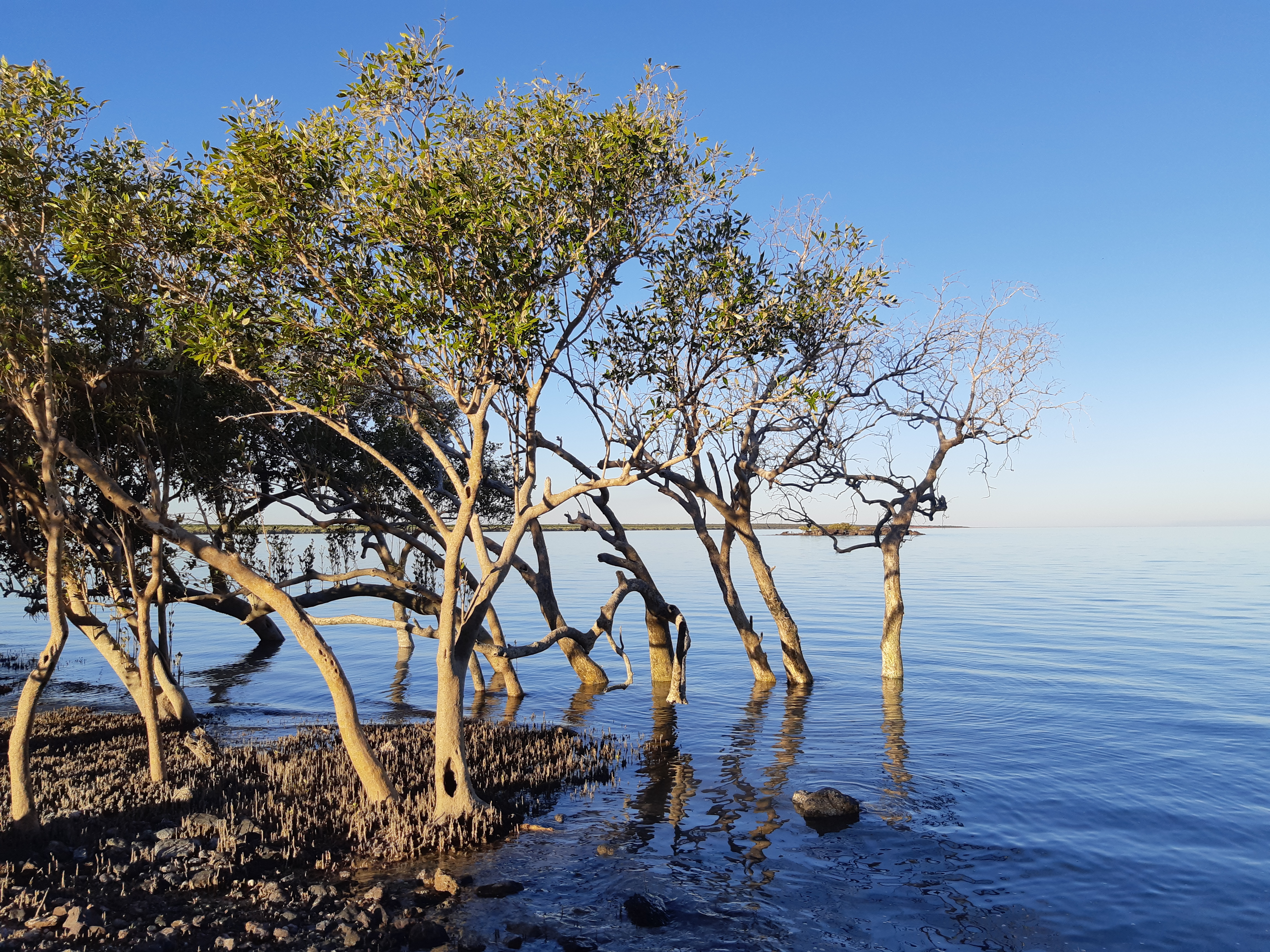
reaches the edge of the mangroves.
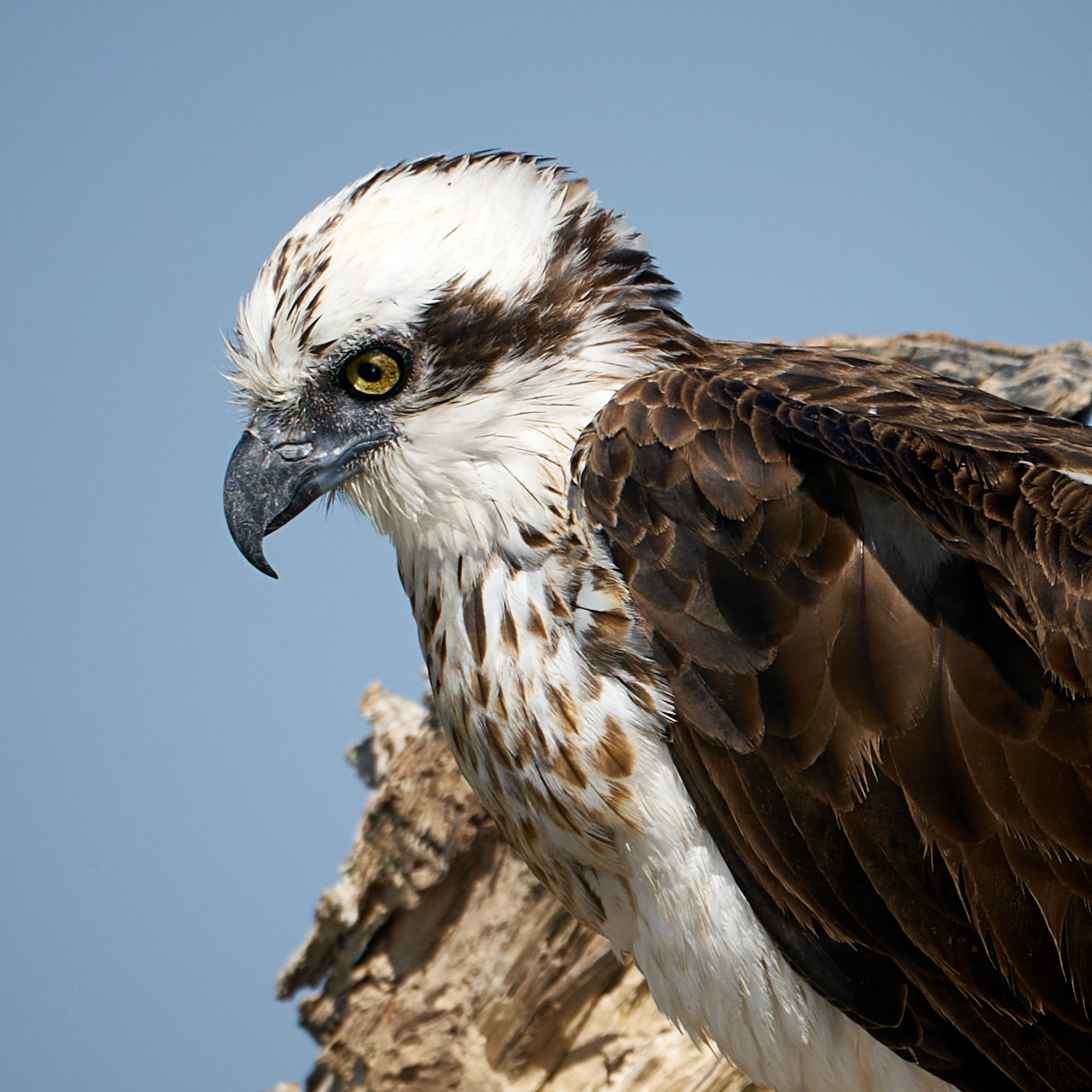
A dead mangrove, much bigger than the trees that now surround it, provides a convenient perch for an Osprey contemplating its next fish dinner. It regards me with total disdain as I wade into position for a photograph.
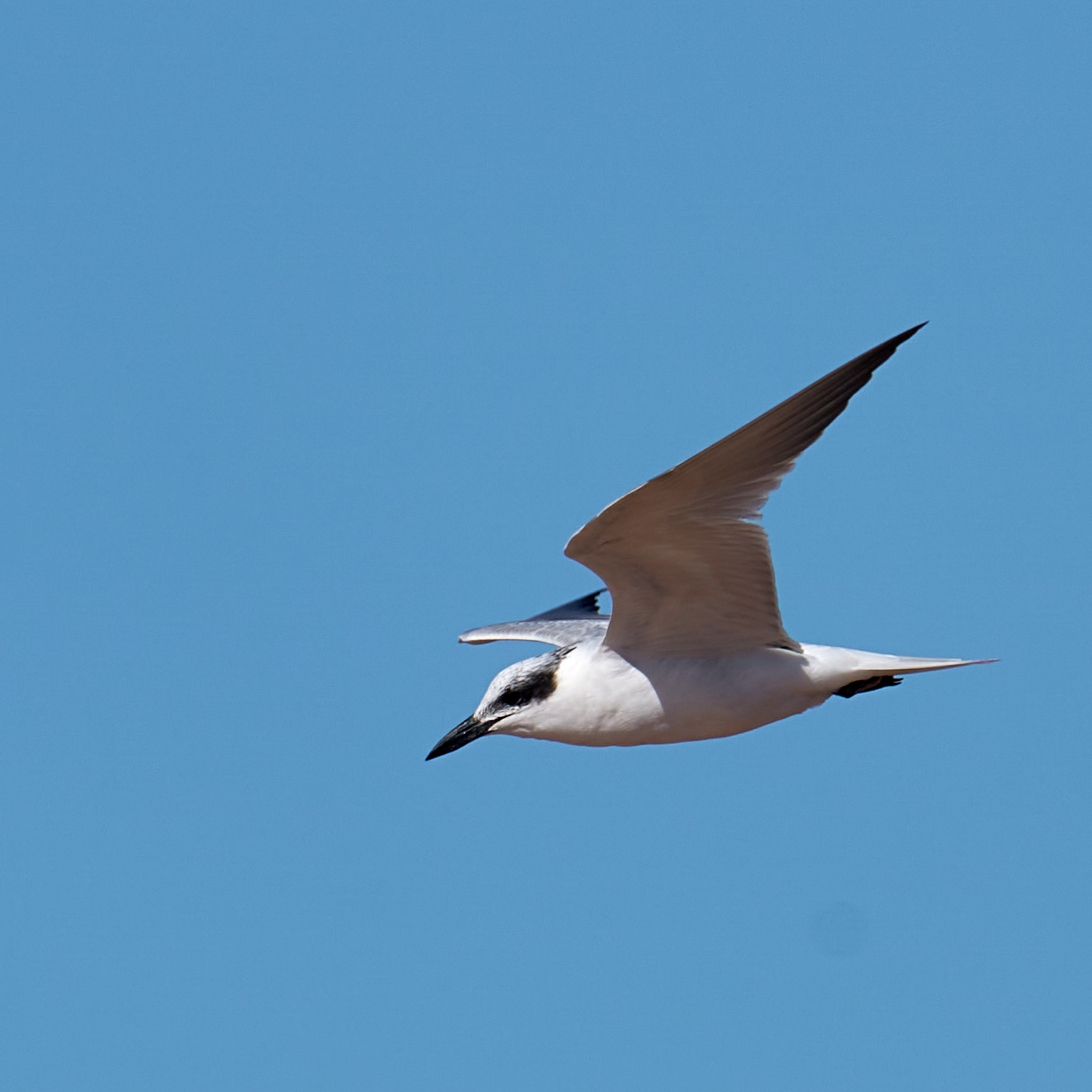
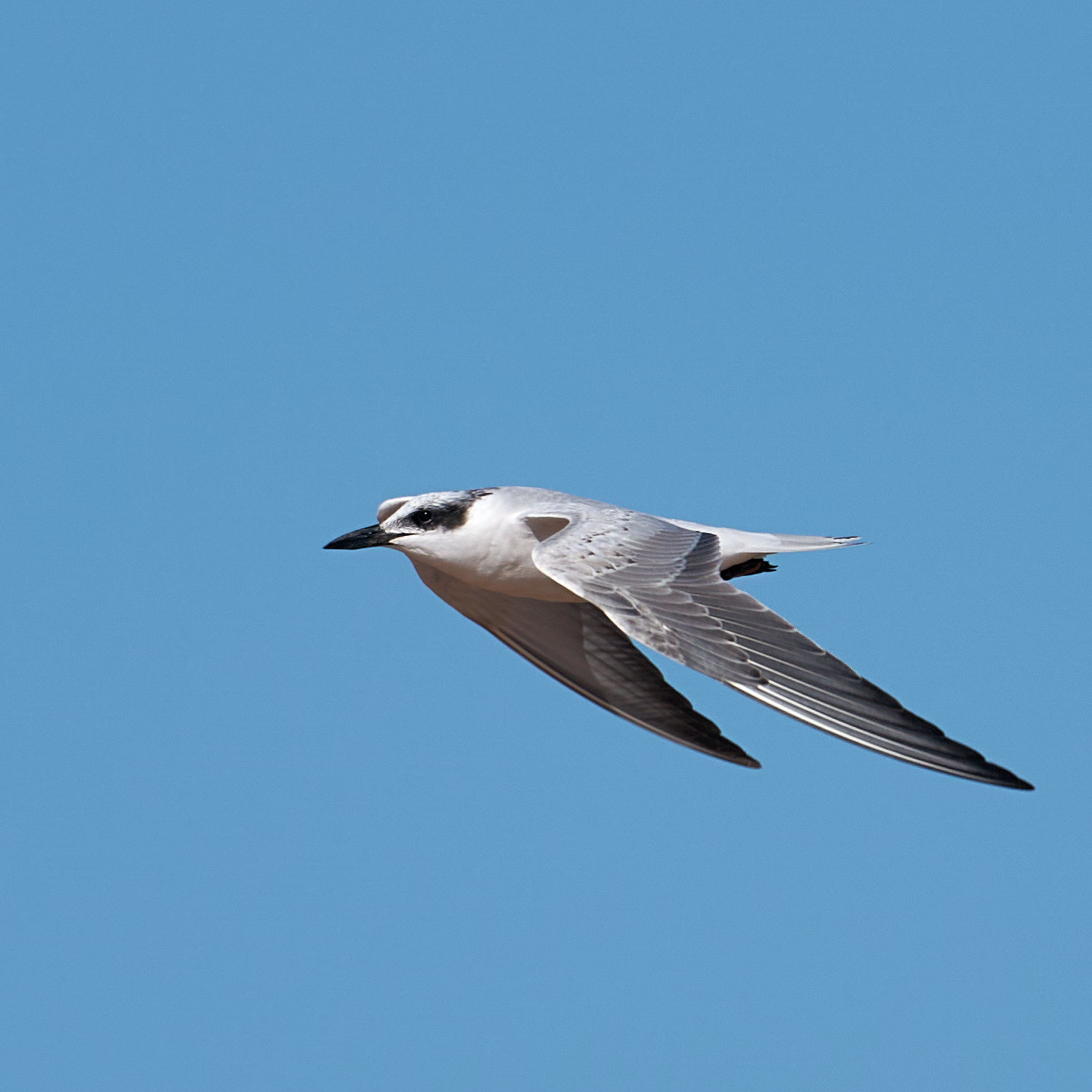
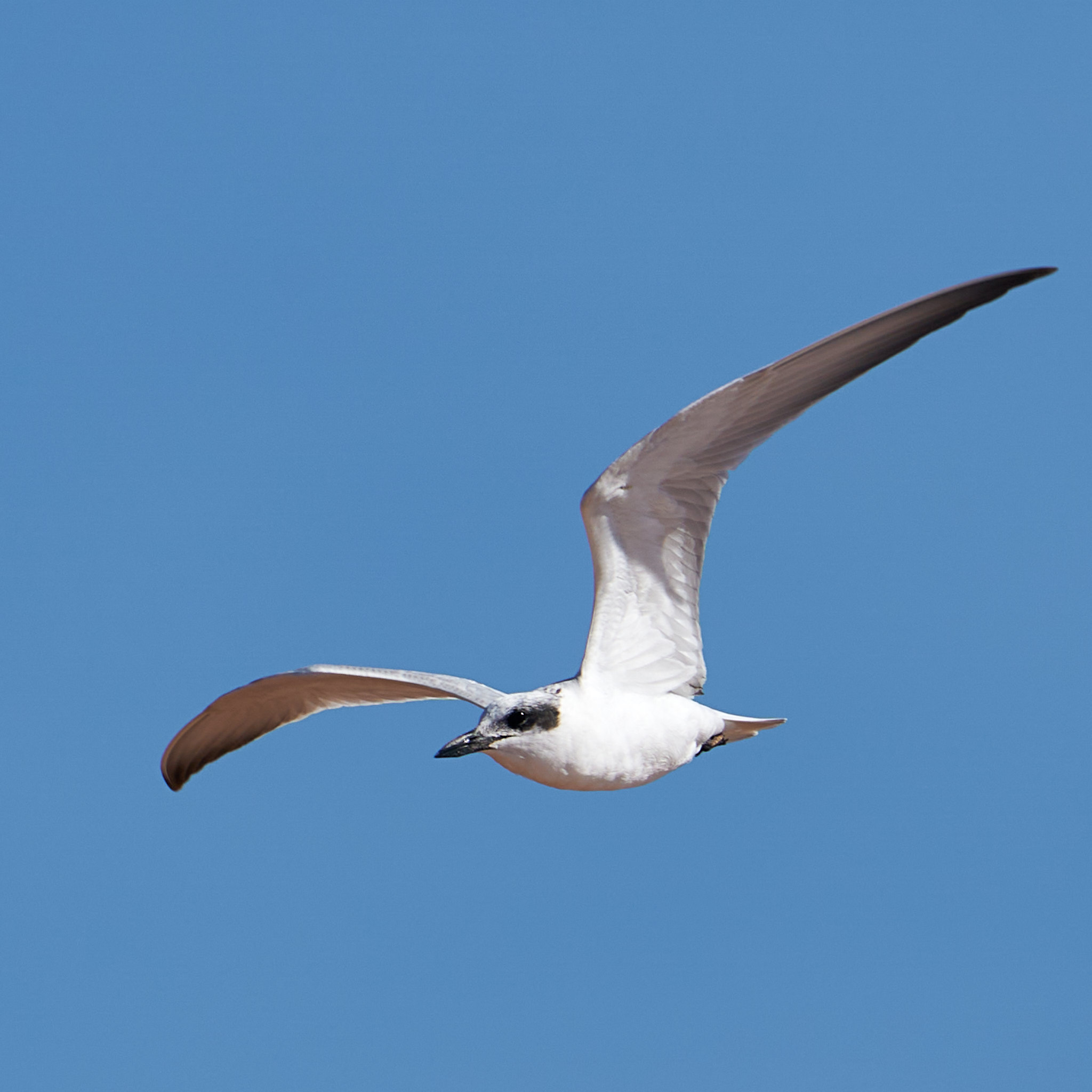
These photos of a Gull-billed Tern were taken at one two thousandth of a second so fortunately there was plenty of light. I prefer flight shots with wings up. I feel they convey a greater dynamism but they are often marred by the shadow cast by the wing. If you click on the wing down shot the feather detail on the wing makes up to some extent for the less dynamic pose.
What you really need is a well trained Tern that will expose its armpit to the sun.
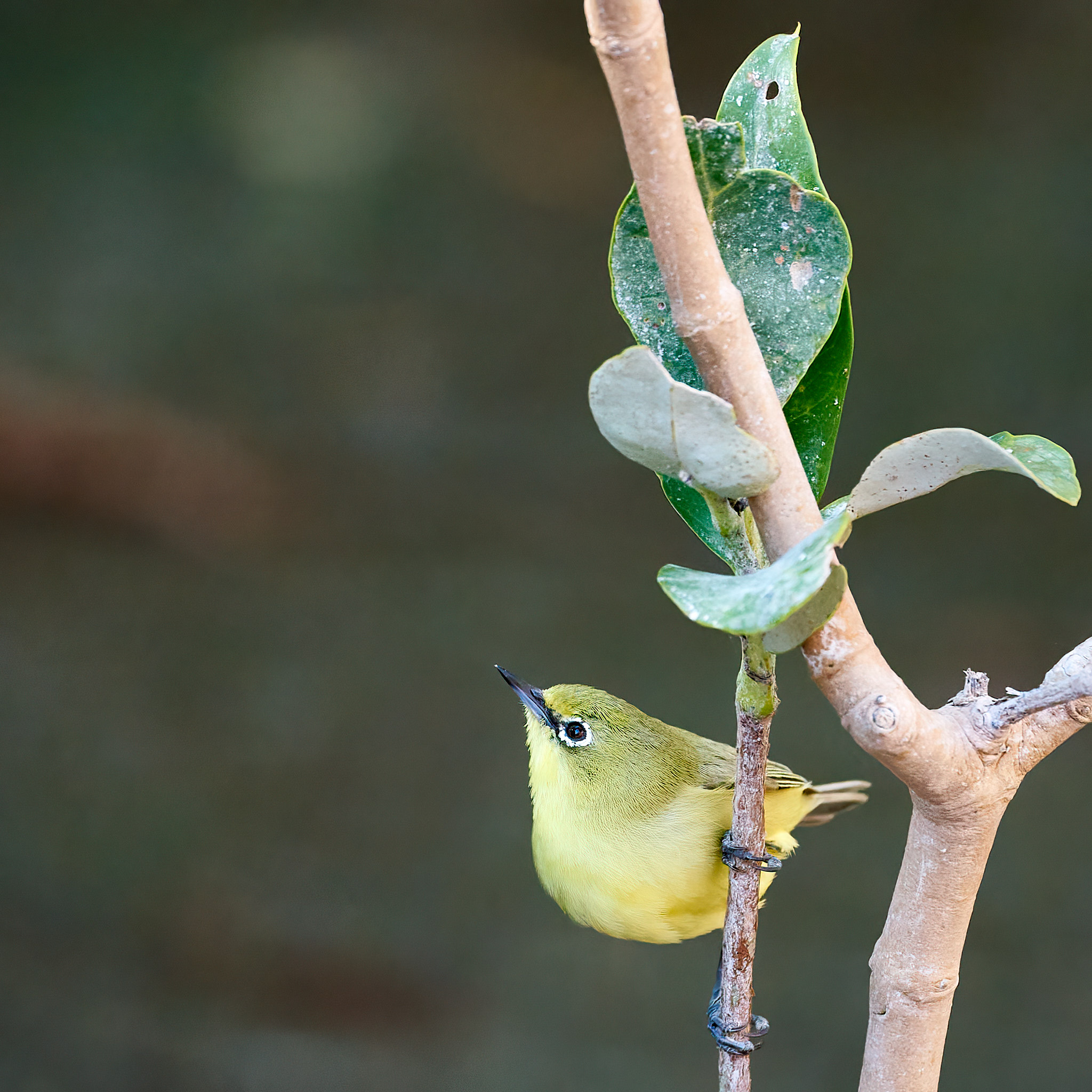
I’ll be visiting the Mangroves frequently because, like Tilly, a recent commenter from Kingaroy or some place in Queensland, I still need a male. It’s another Whistler, the Mangrove Golden. My best efforts to date are not up to scratch. Meanwhile I take whatever is offered. Like this young male Red-headed Honeyeater …
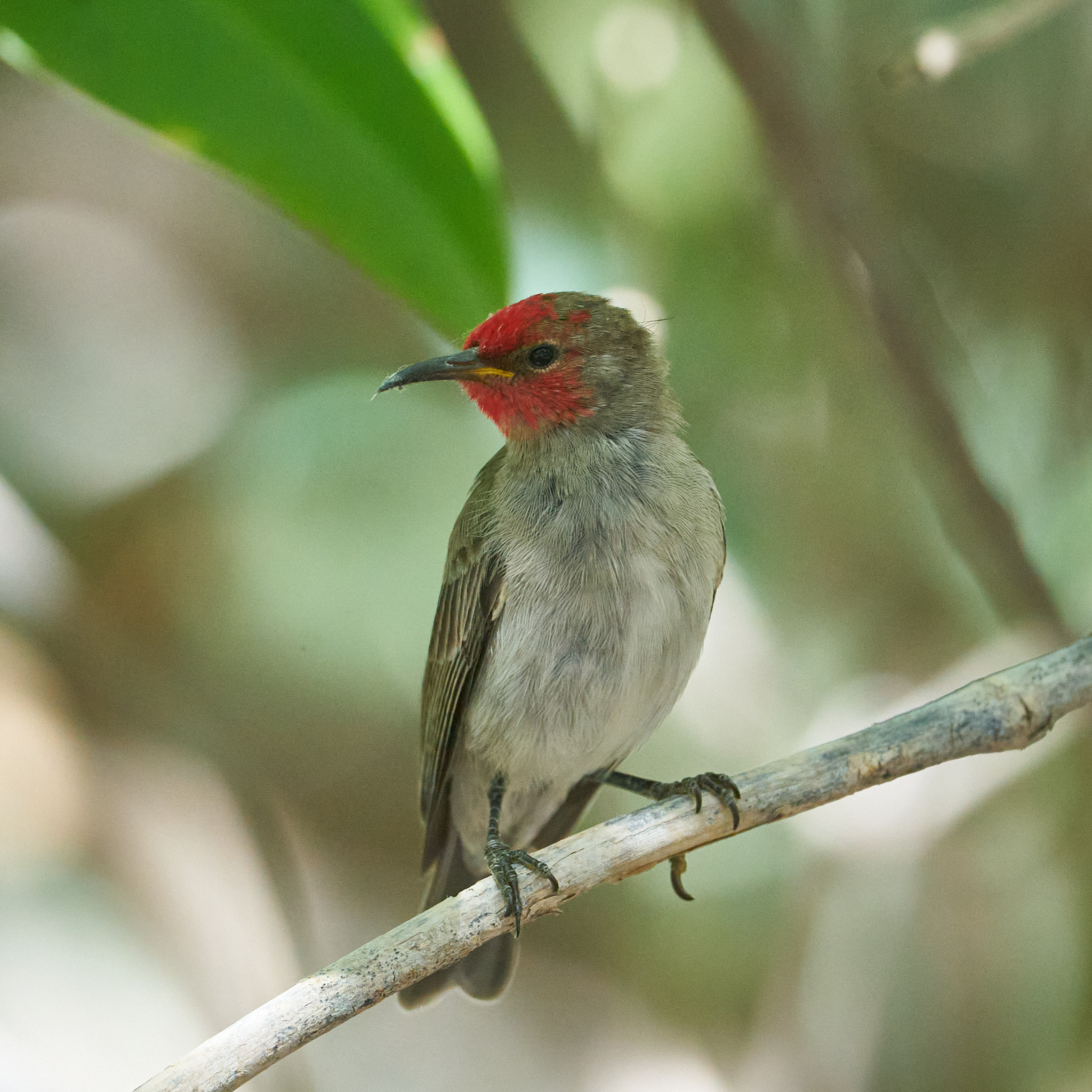
Presently he’s merely blushing but when he’s all grown up he will be positively glowing.
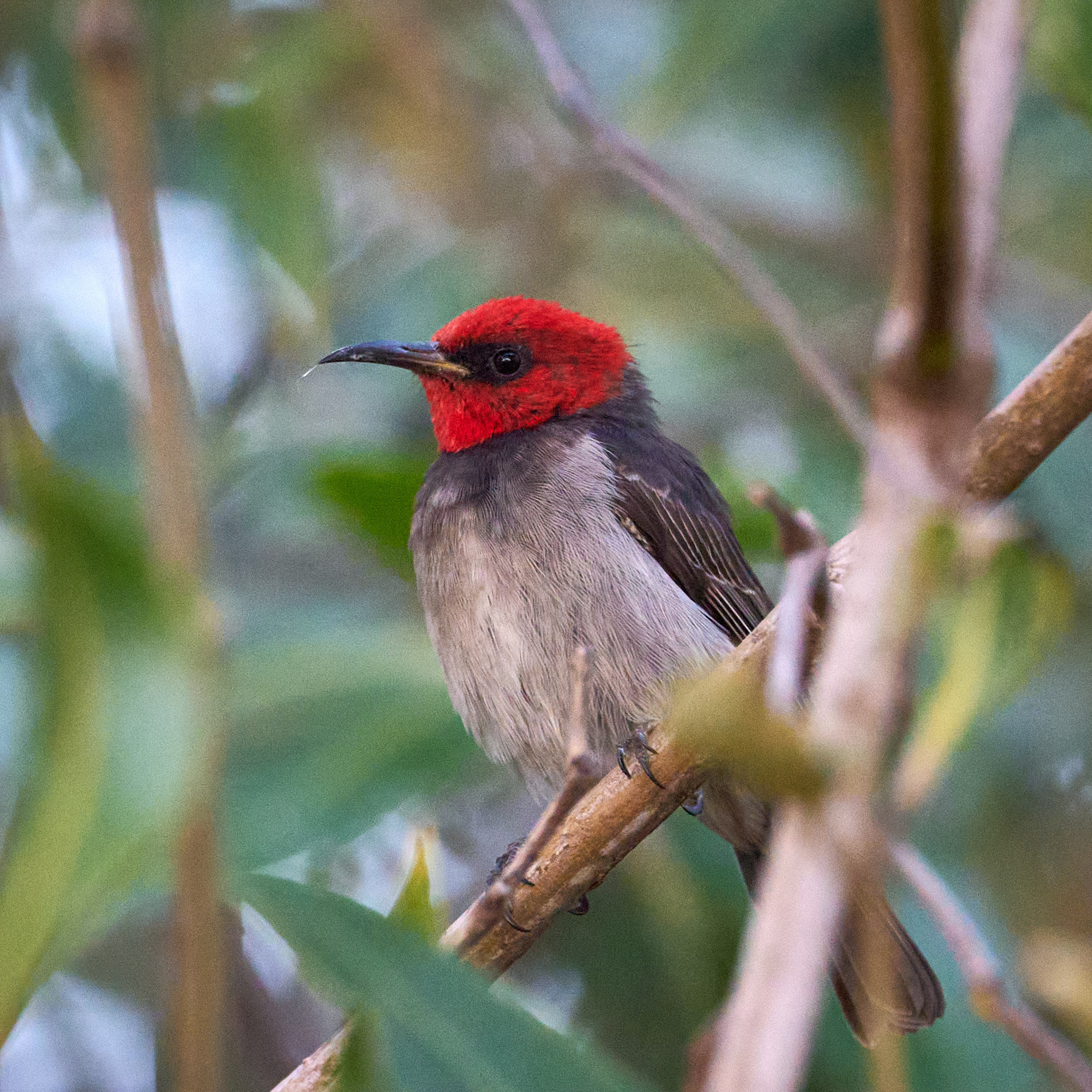
The rump is also scarlet so the shot of one with its back to the camera looking over the shoulder is on the wanted list.
The Broad-billed Flycatcher is another adorable denizen of the mangroves.

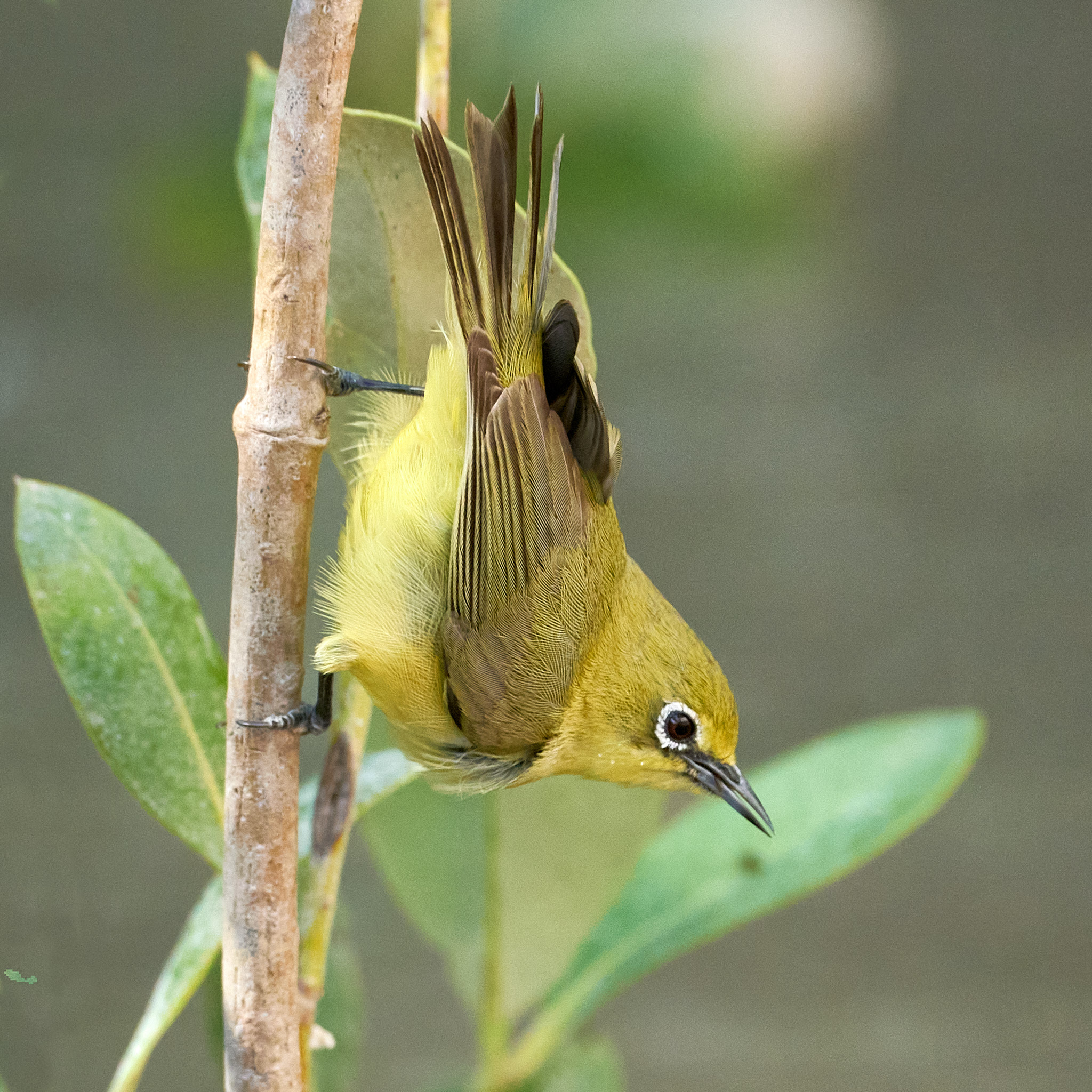
Once again the male is more striking, darker above and brighter below than the female but not all birds are sexually dimorphic. In the Yellow White-eye sexes are similar.
The lovely Gayle and I are soon to embark on a road trip and I used the weekend to iron out any problems with the camper trailer which has recently undergone some modifications. Terrick Terrick National Park is a couple of hours drive from home. It’s 65km north of Bendigo, 225km north-west of Melbourne.
The park protects four quite heavily wooded blocks, the two eastern blocks include some impressive granite outcrops while the western blocks are home to a rapidly recovering forest of Callitris pines. The surrounding grasslands were lightly grazed sheep country in the past, the land management favoured the rare and endangered Plains Wanderer. Indeed it was their Victorian stronghold. A patchwork of old farms has been added to the park for its protection. Despite this the odd one still turns up occasionally.

The campsite is at the foot of Mt Terrick Terrick which is probably the most visited feature of the park. In its great wisdom Parks Vic put it on a slope that enjoys a flash flood every time it rains, this in a park where 75% of the terrain is flat. They do provide a composting toilet which is very pleasant after cleaning which I think happens sometime in June. Do remember to take your own toilet paper.
The weather forecast was dire but it was fine when I arrived and I explored the granite boulders with camera in hand.
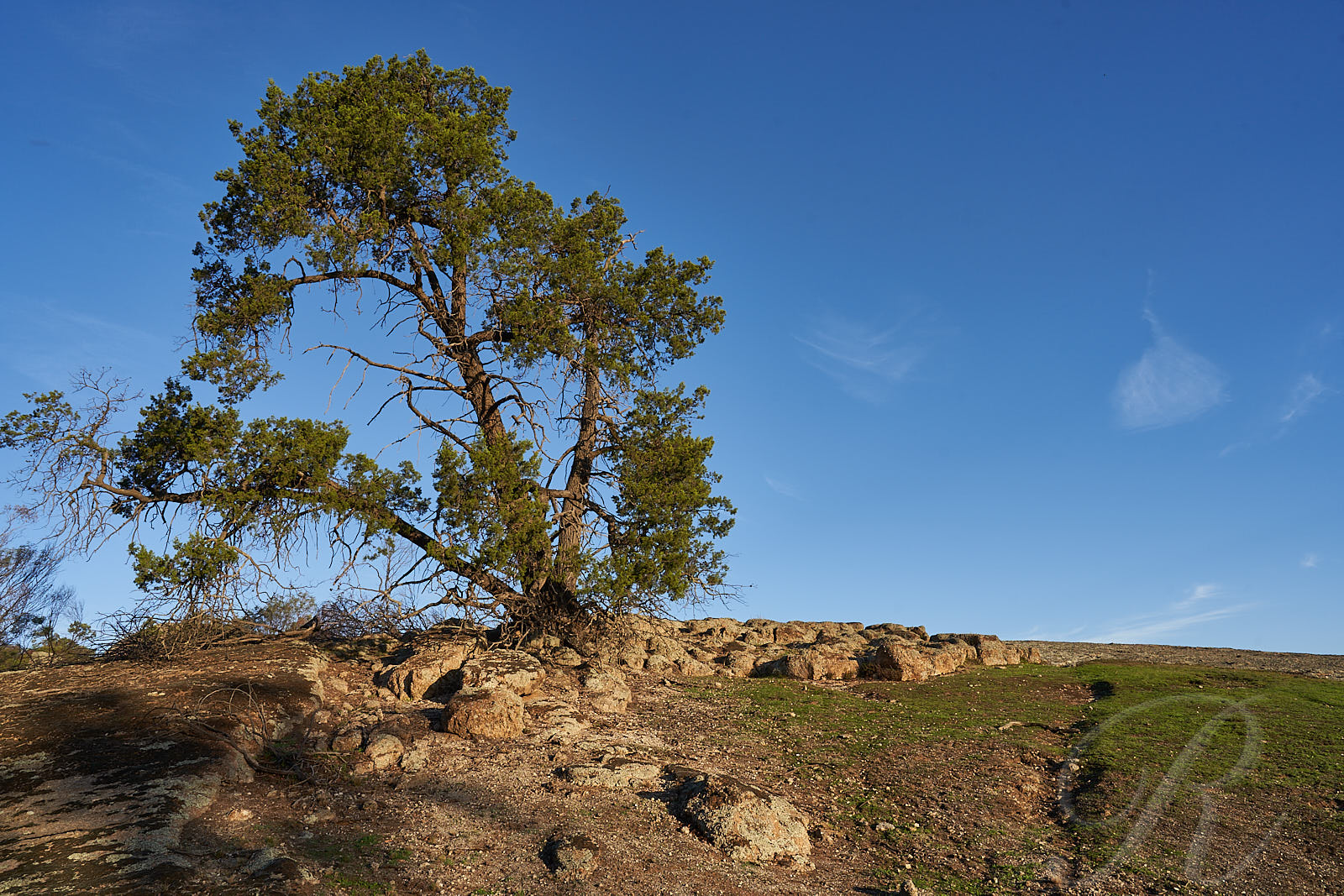


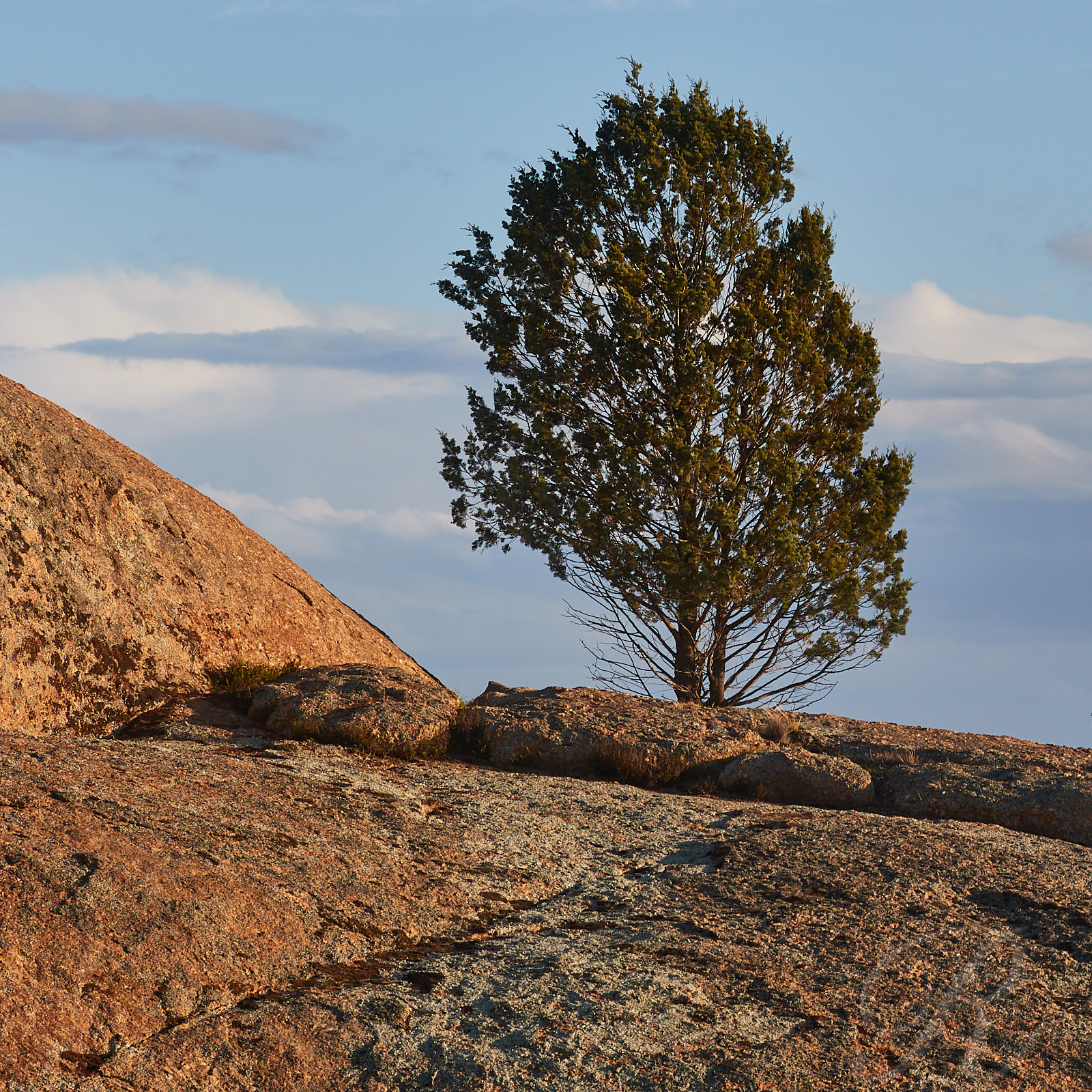
But before sunset the cloud rolled in rapidly and a rainy night followed. The following morning was misty and somewhat atmospheric …

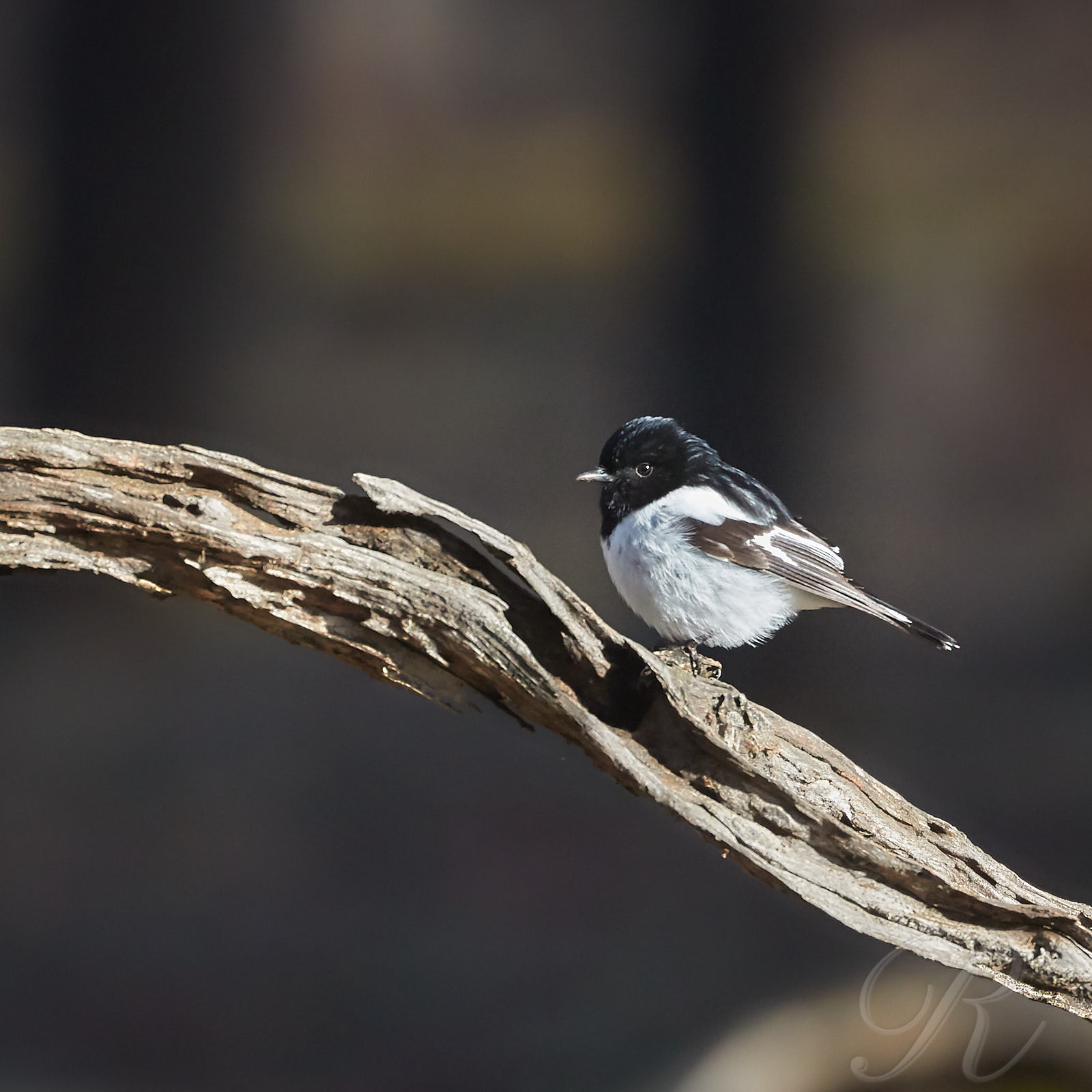
Some good birds turn up in the Terricks but on this occasion I encountered nothing out of the ordinary. Still, Galahs and Hooded Robins are always good to see.

Then it was a case of packing a wet tent and heading for another spot – the Barmah National Park.
Well, yes, that was the objective …
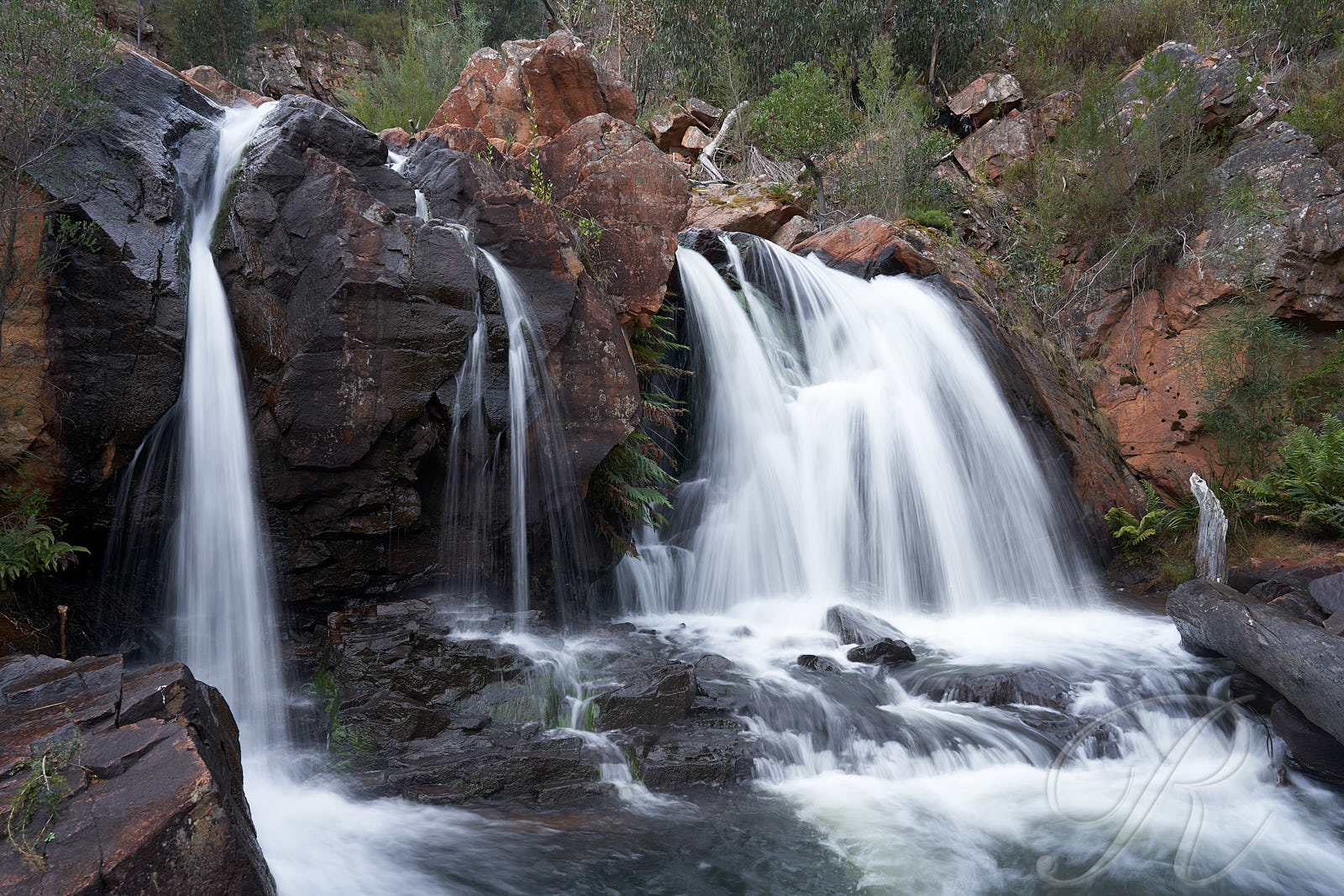
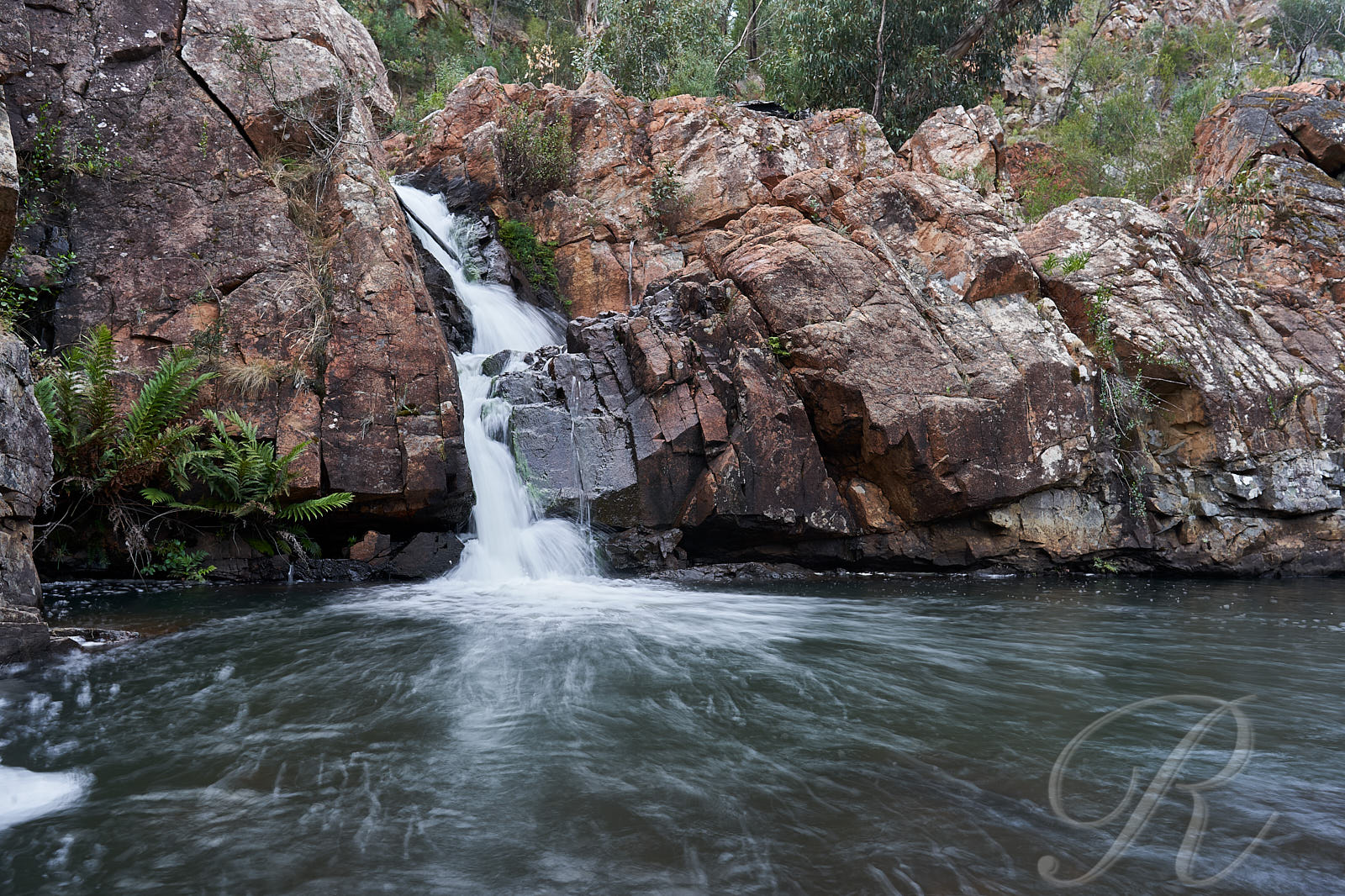
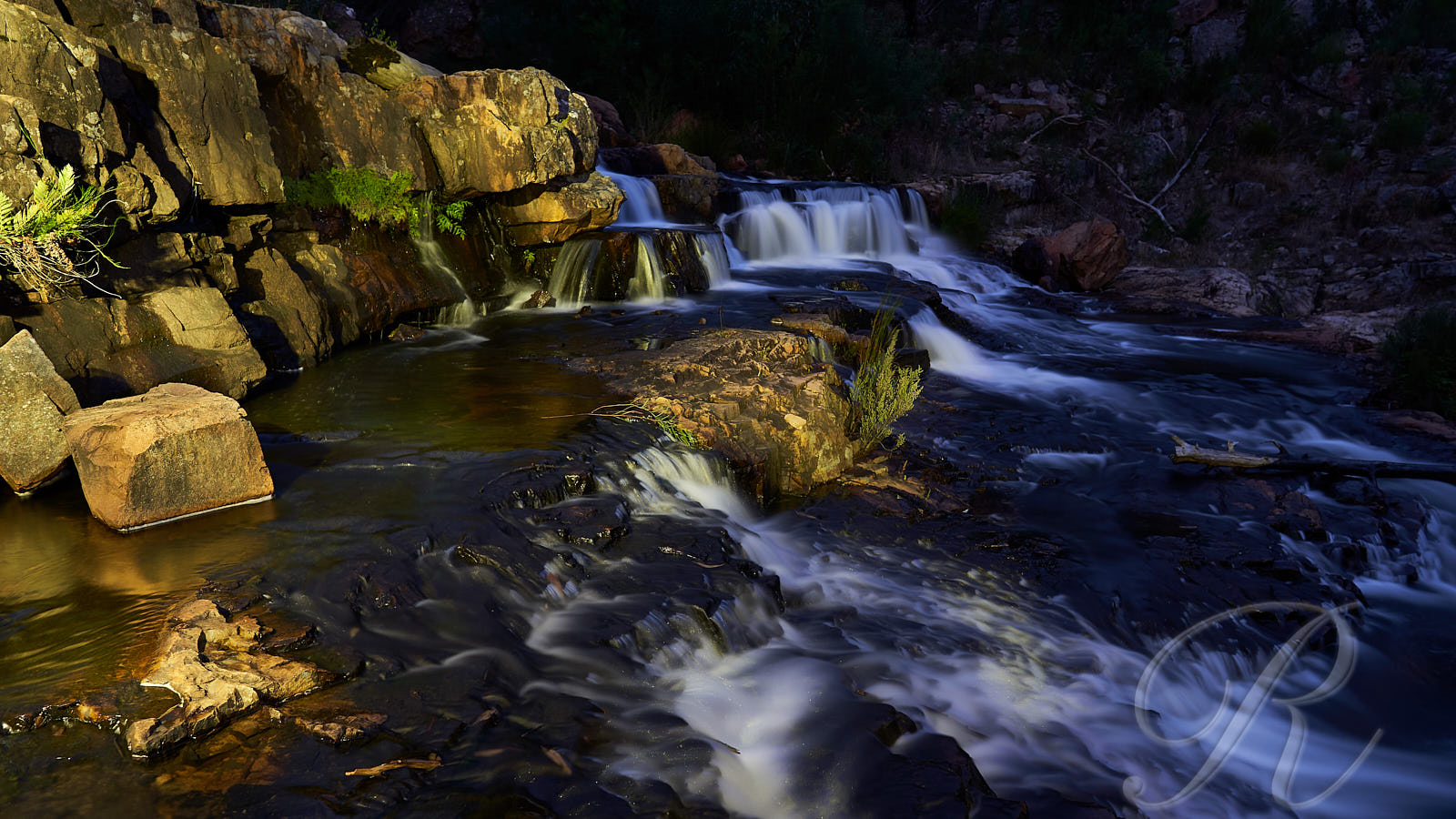
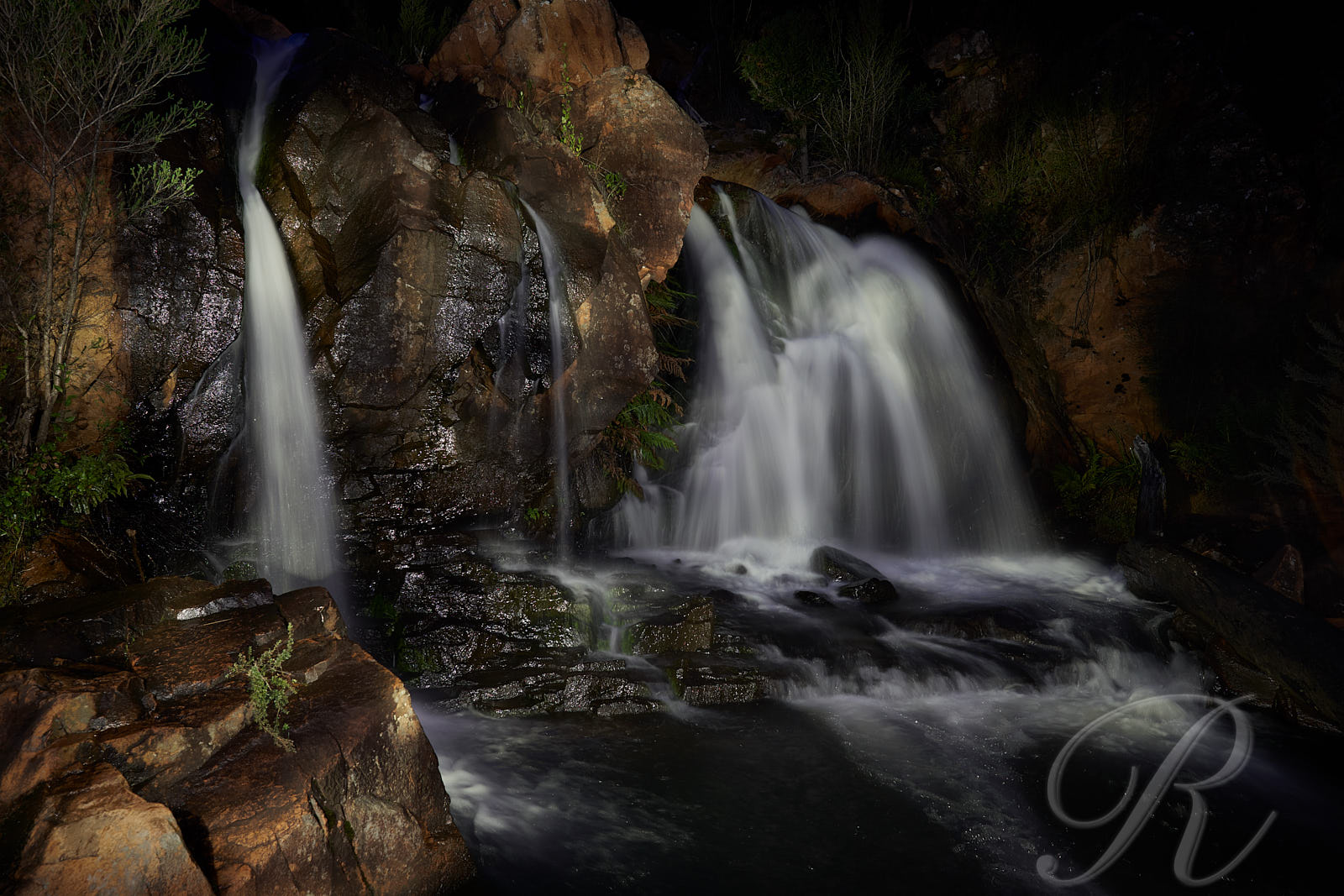
I was particularly keen to see how the falls would look when light painted. So I tucked into some sandwiches and waited for the light to fade. What do you think?

 bobmcgee