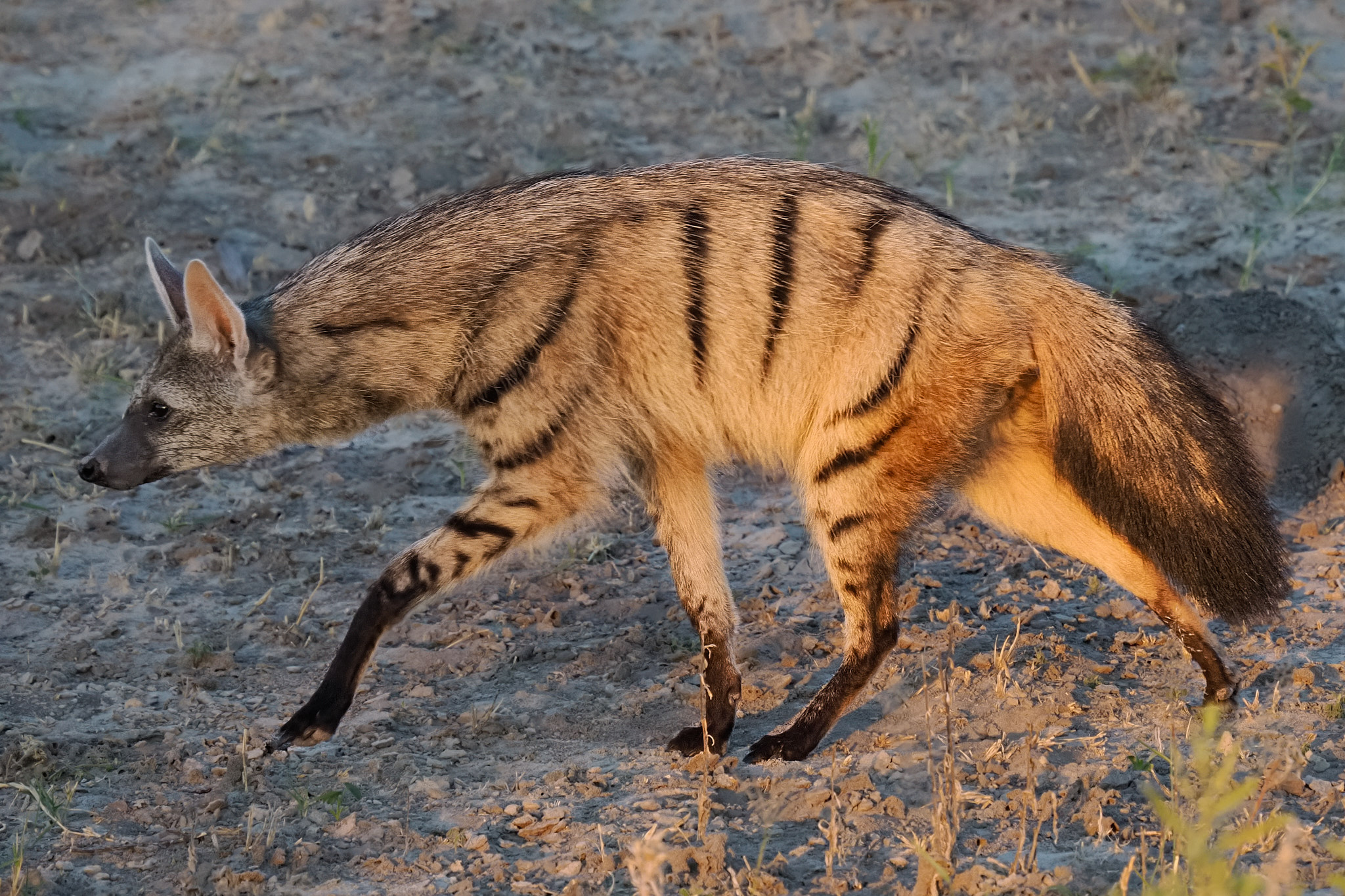
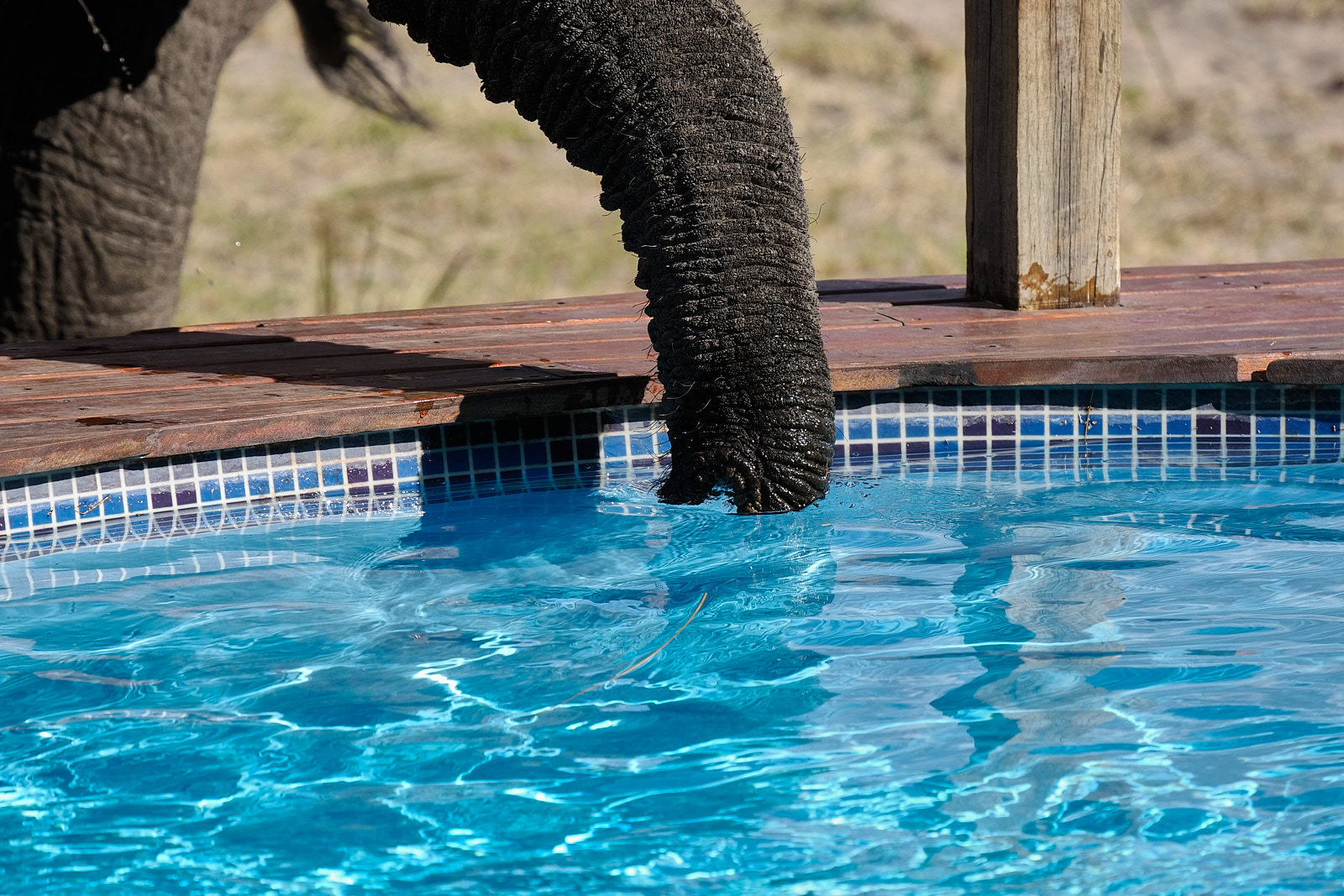
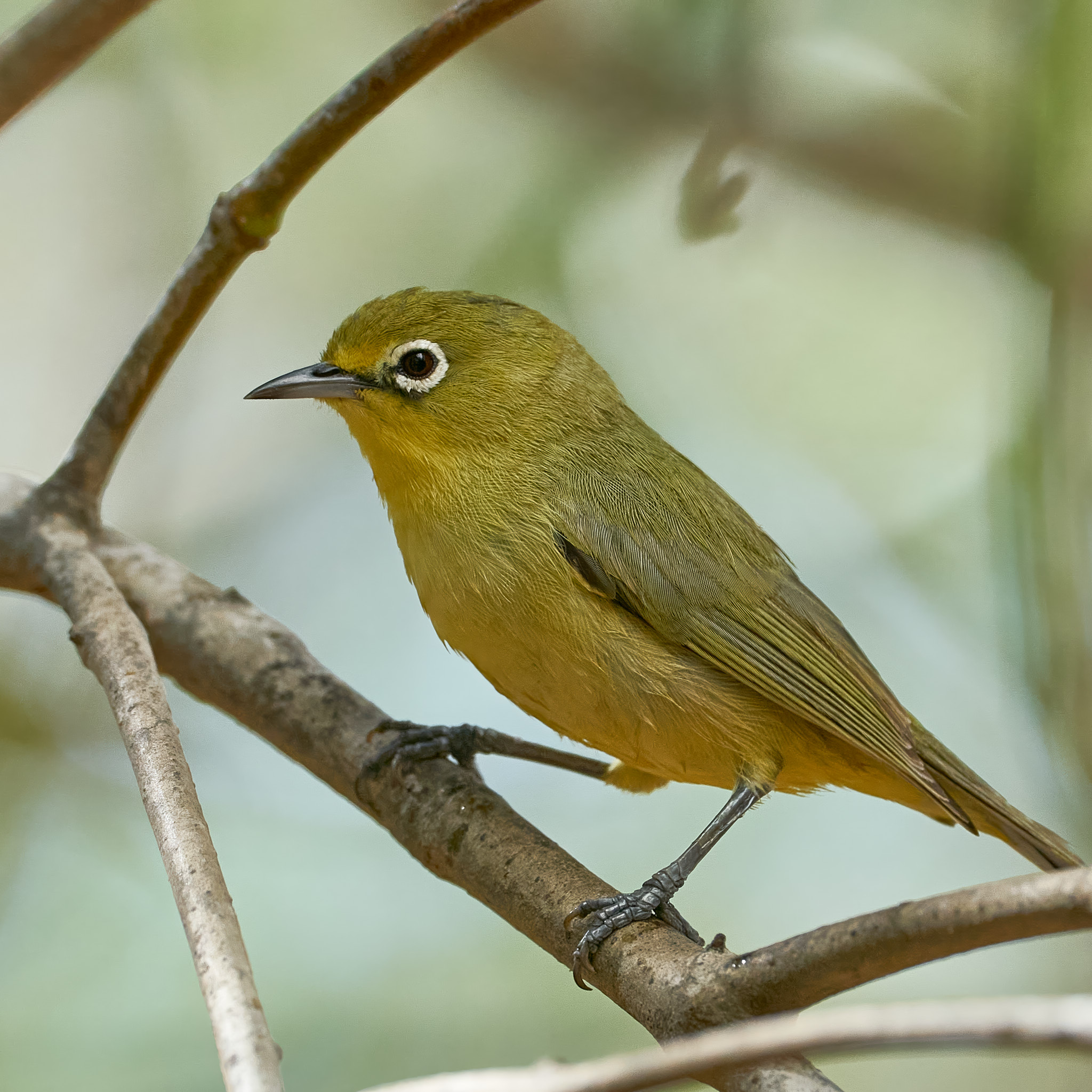
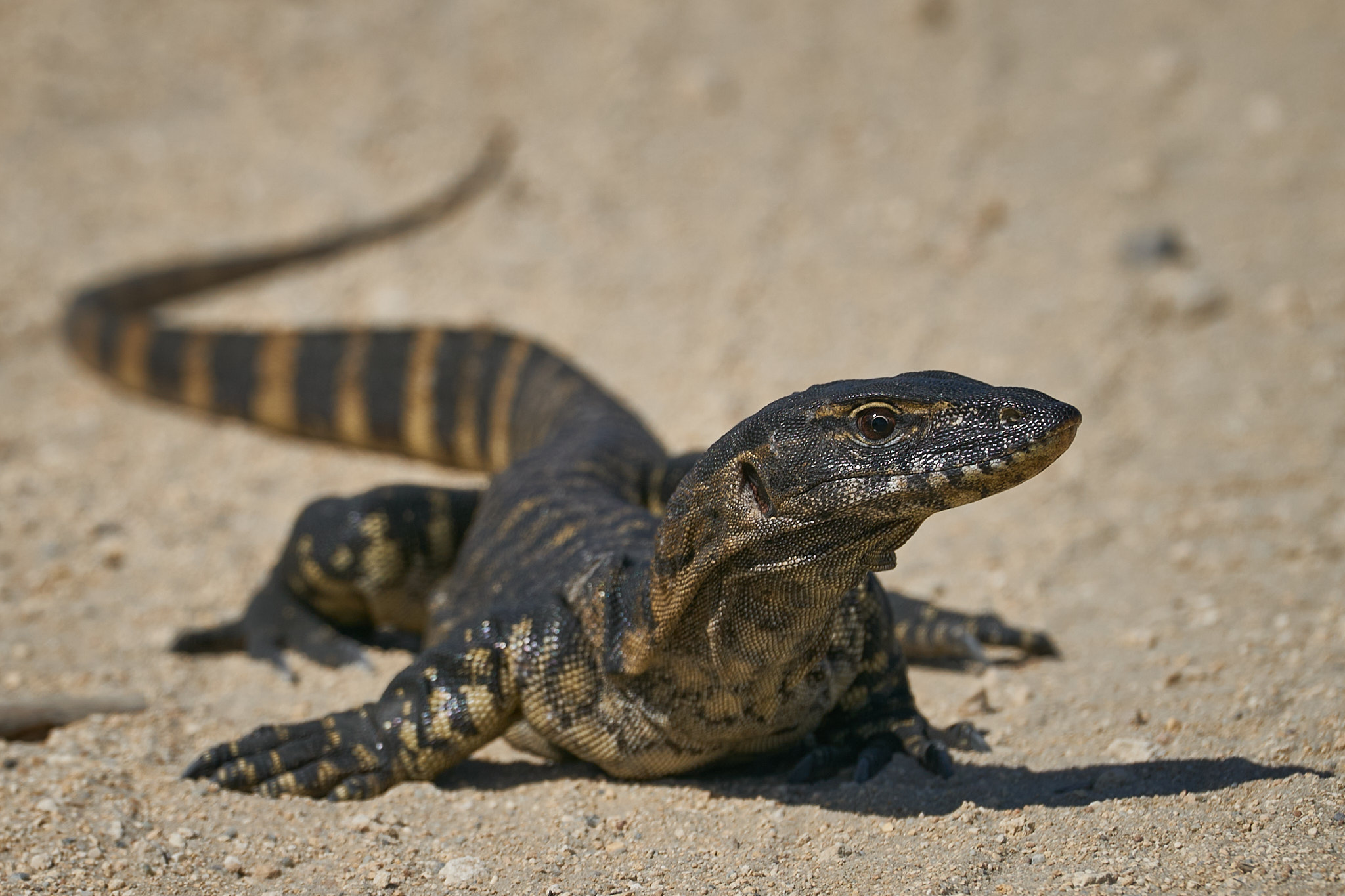
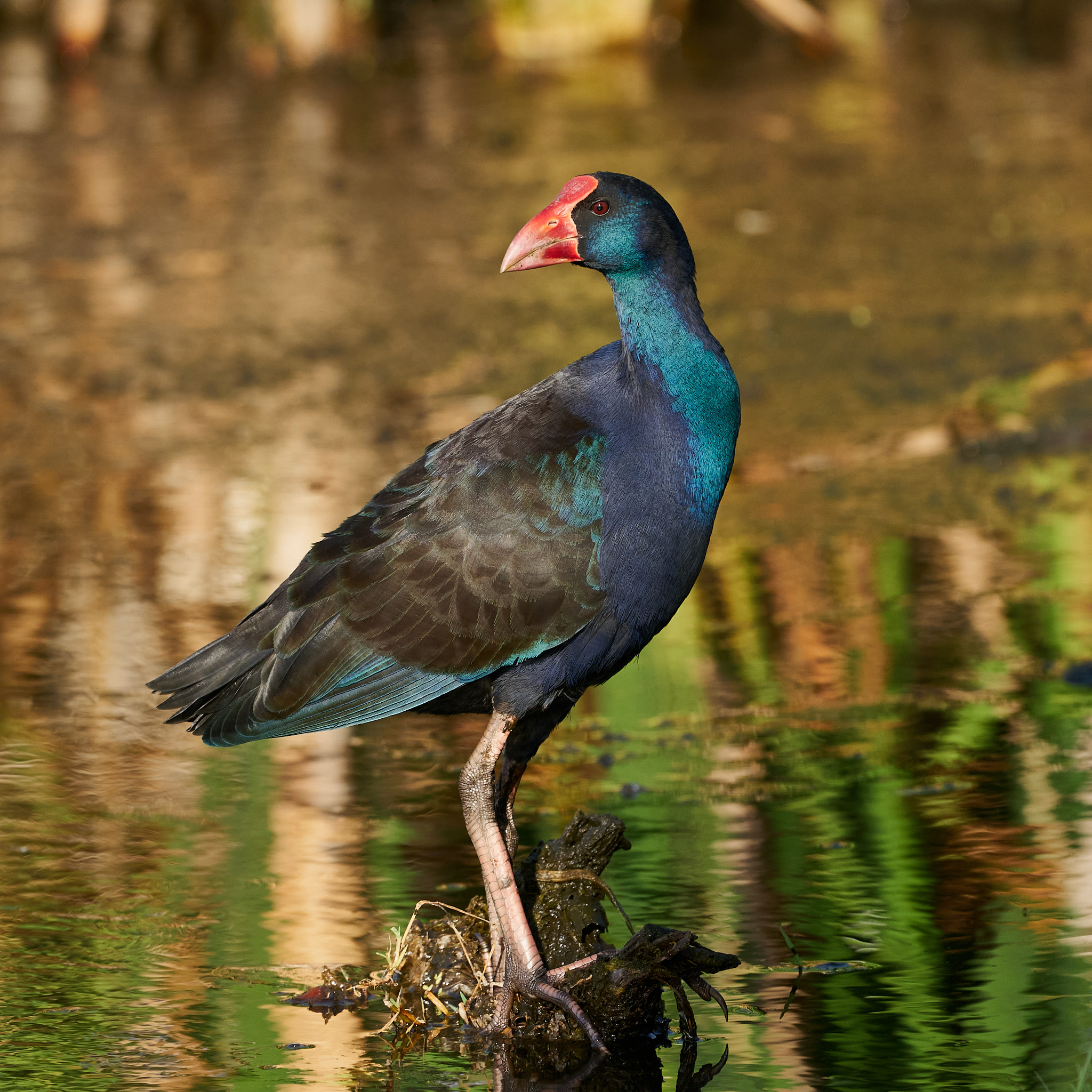
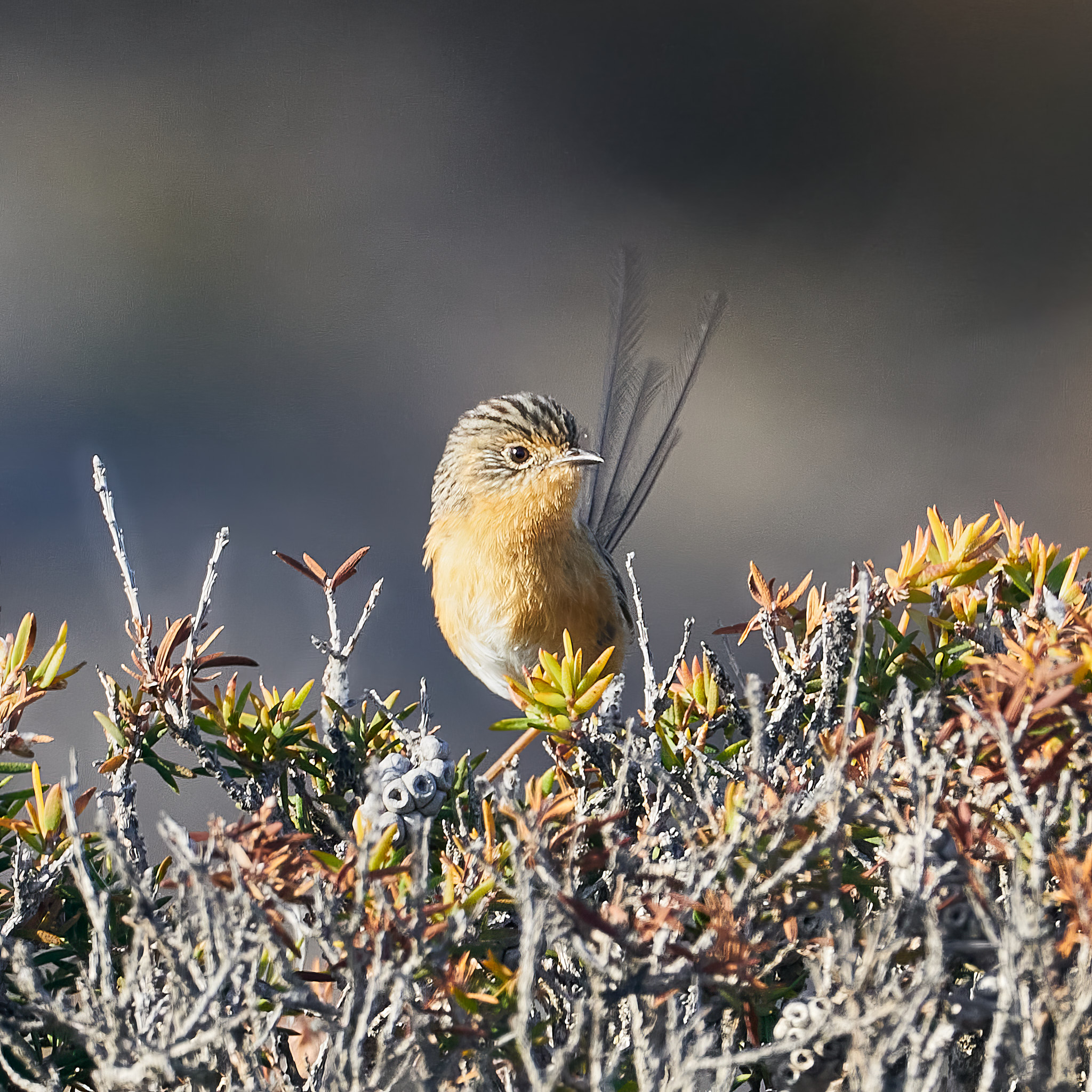
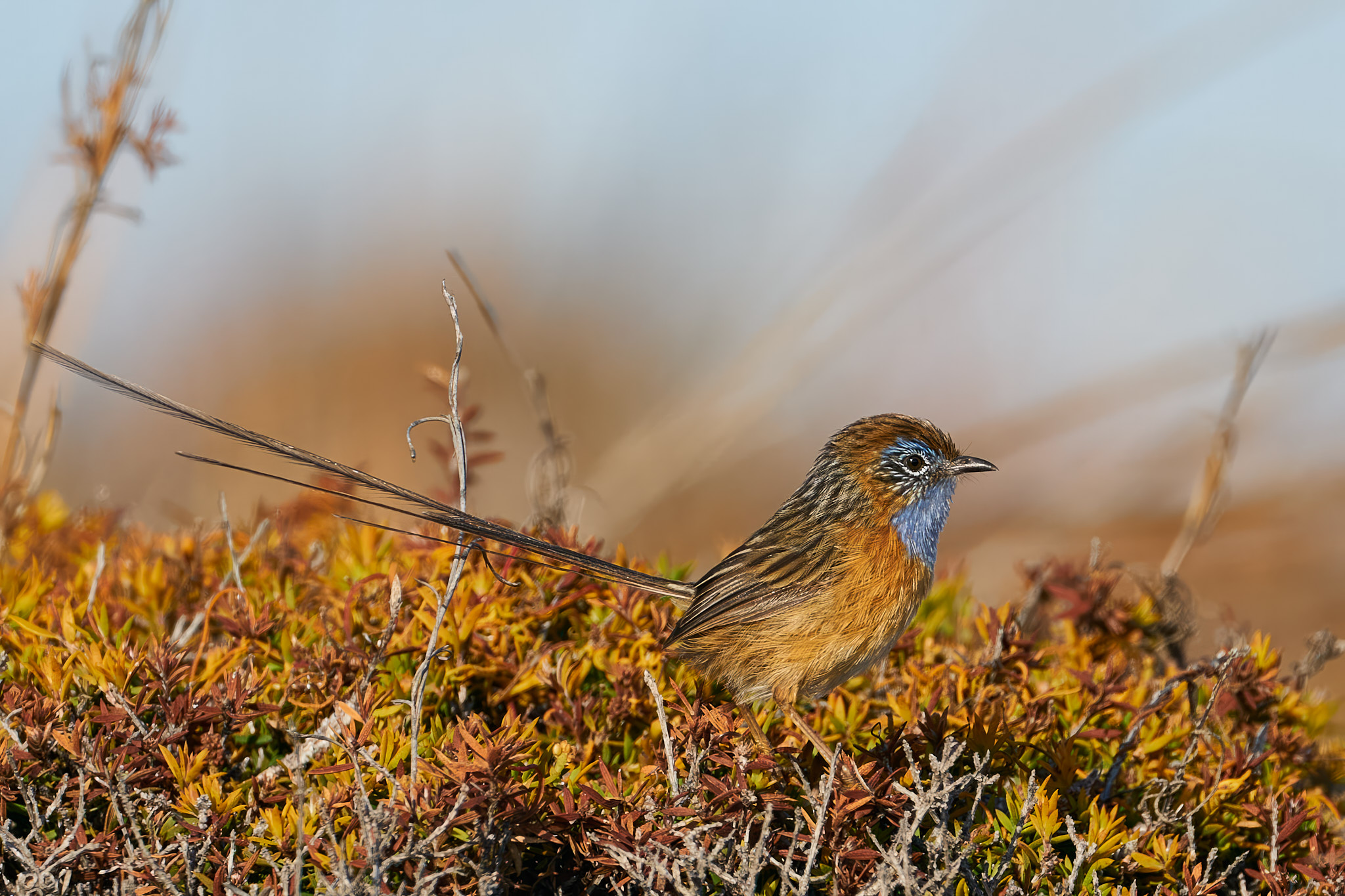
Zimbabwe at the beginning of the journey and Broome at the end, not the route most traveled. In fact it’s a journey of connections that don’t quite connect. As a consequence Gayle and I will be over-nighting in Johannesburg tonight and then again in Perth. There’s a time change of 6 hours to contend with as well.
Not a moment left spare, game drives, night drives, river cruises. Details will have to wait until I’ve caught up on sleep! Next stop a very brief visit to Zimbabwe.
A crazy Pete Oxford Expedition, rarely a moment to edit the photos and I think my record so far is 1600 images in one game drive. I may be publishing them way after I get home. But here’s one as proof of life.
The Thalamakane River is due to arrive in June. Like some inland Australian rivers it depends on rainfall in distant parts, in this instance it’s the highlands of Angola. Meanwhile I can forget about hippos and crocodiles and wander along the river bed with the cattle, donkeys and goats.
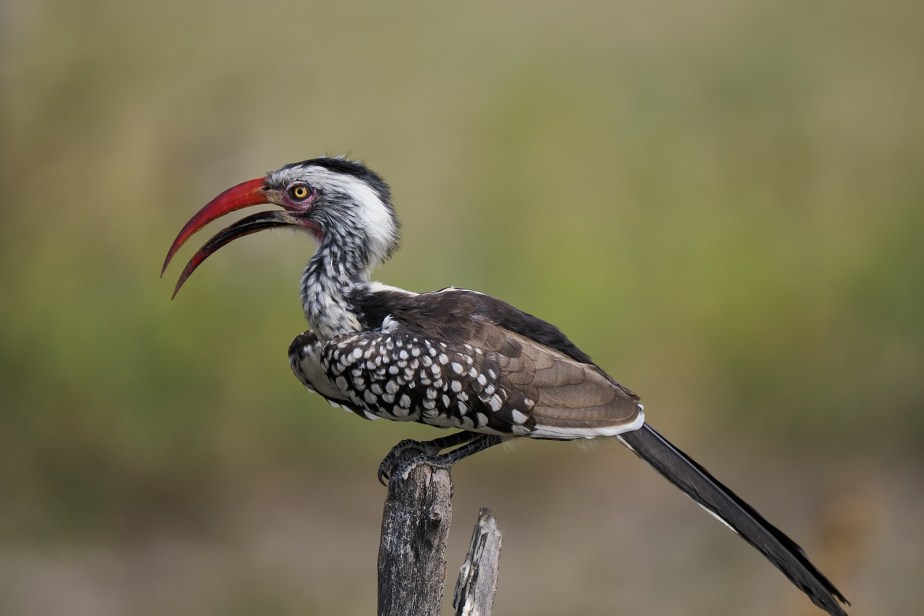
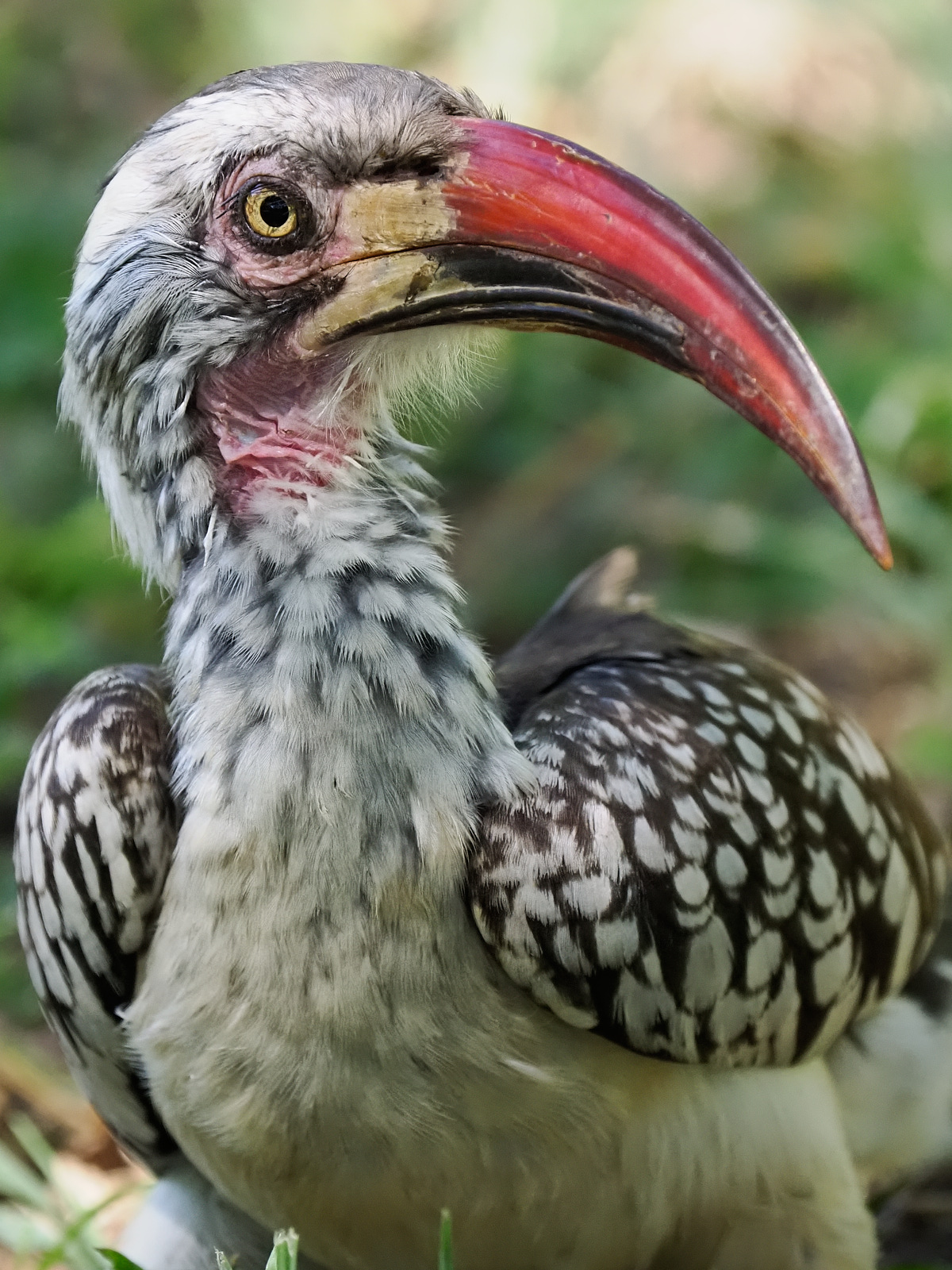
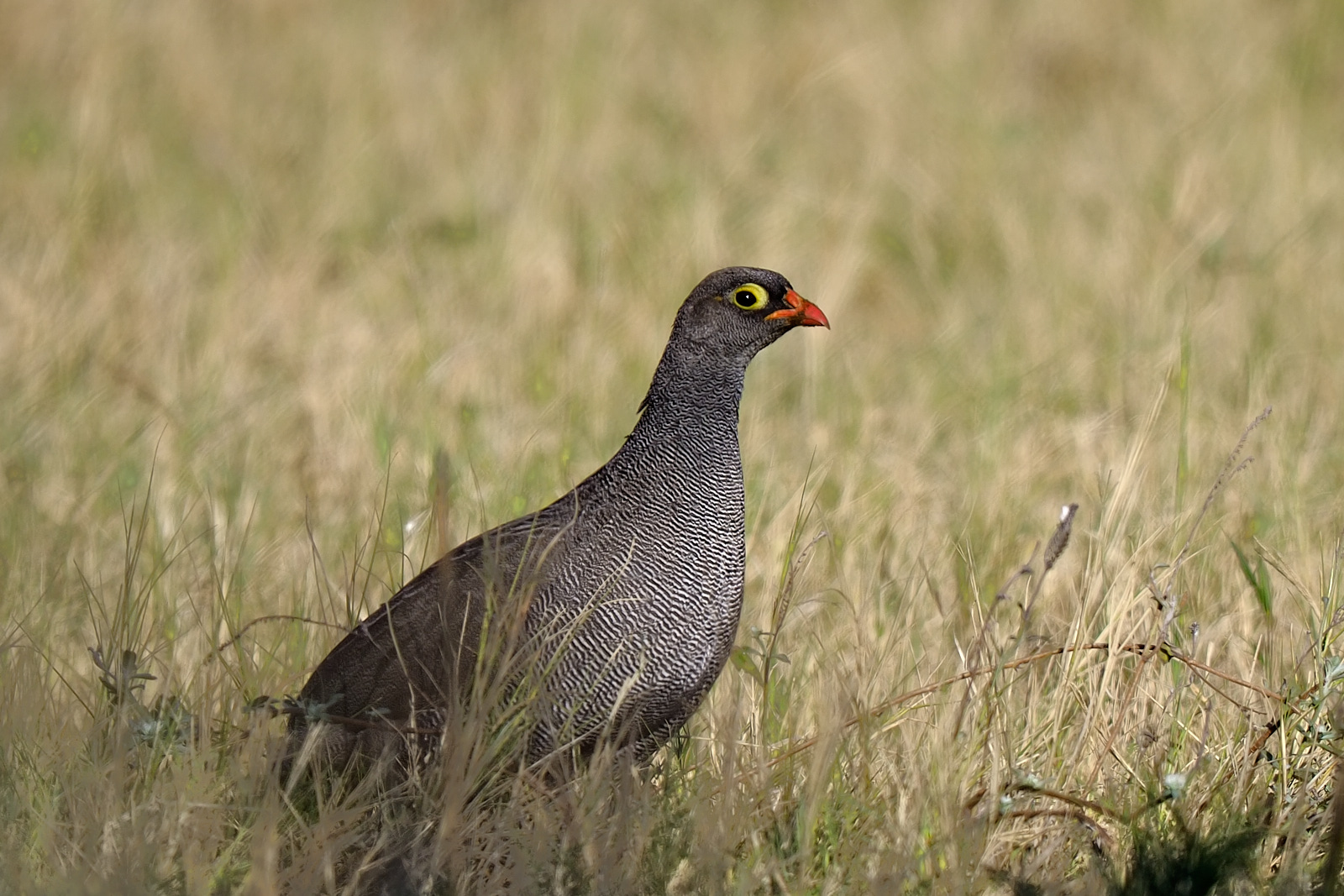
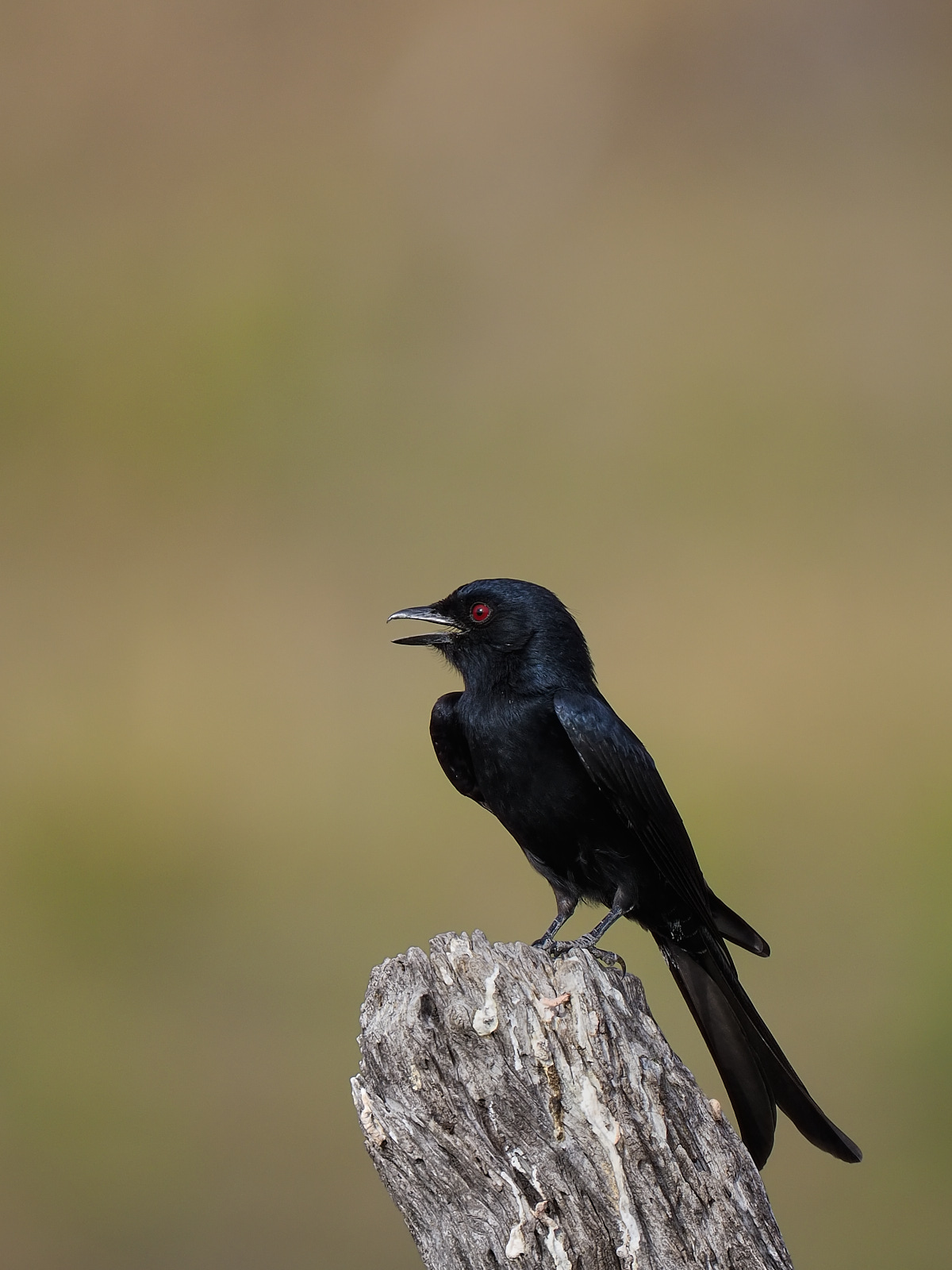
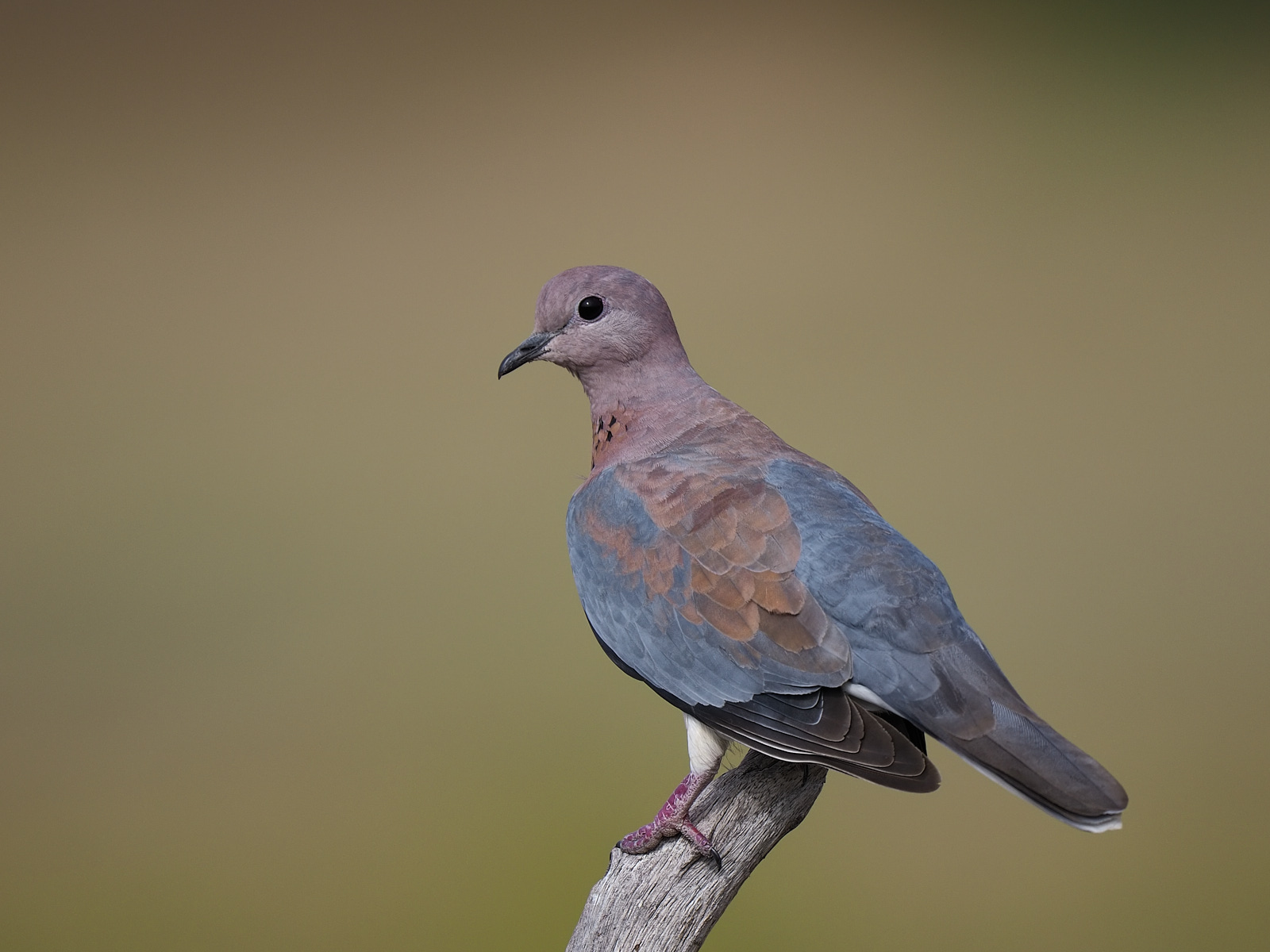
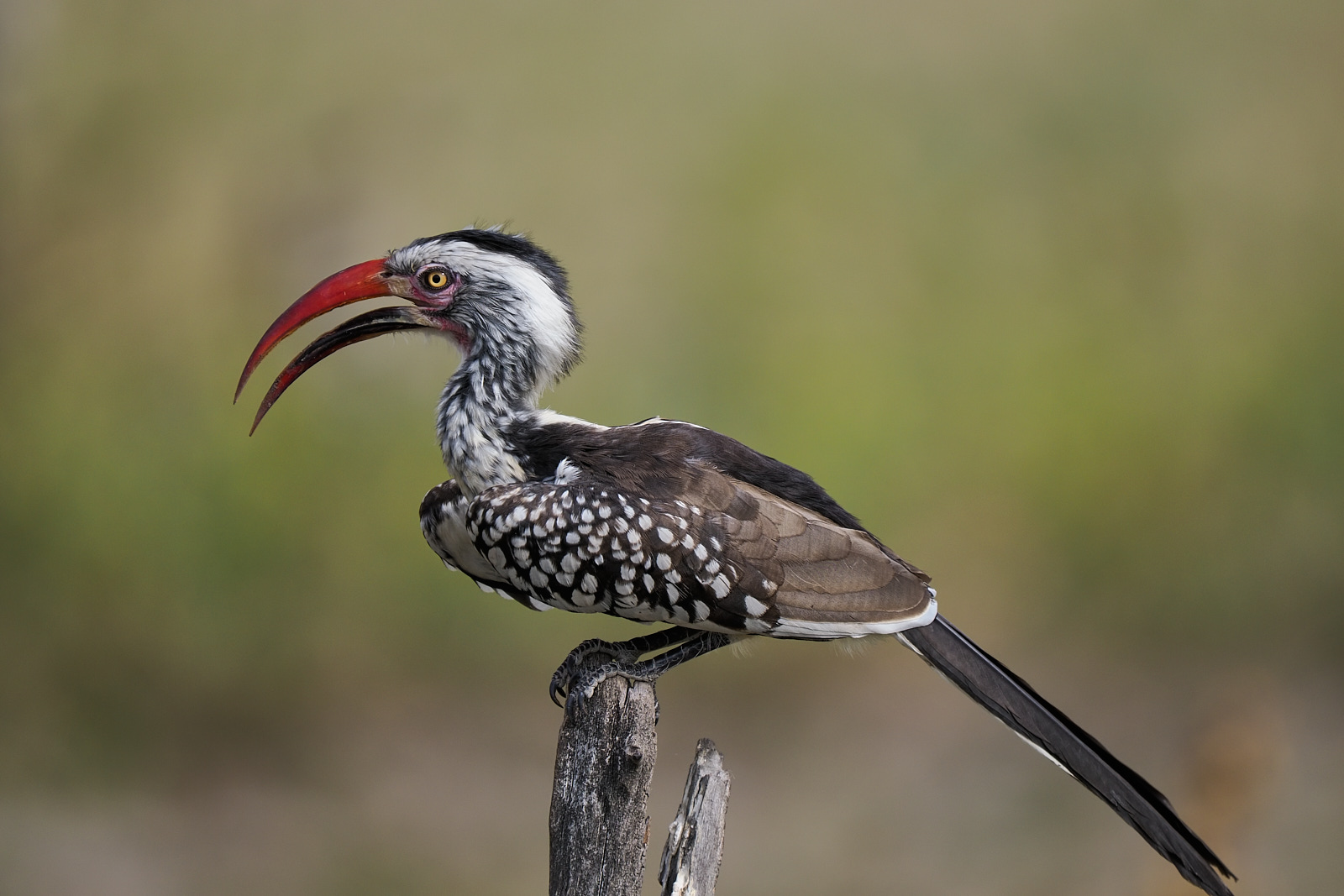
Southern Red HornbillCrested BarbetHartlaub’s BabblerSquirrelRed-billed Spurfowl
Today we fly from Maun into the Okavango Delta. I’ll post when I can. Internet speeds are excellent at the Thalamakane River Lodge. So is the food.
Only four letters. How many ways can you pronounce it? So far I’ve heard a lazy two syllable version – mah oon, or make the au a diphthong and say it quicker as a single syllable. Or make it rhyme with lawn. Or from our pilot (white South African from the voice) – Marn. The local who drove us from the airport to the Thalamakane River Lodge said mound without the final D. Should be definitive.
However you choose to say it Maun is in the north of Botswana, the fifth largest town in the country with a population getting on for 66,000. It’s close handy to the Okavango Delta so it’s the unofficial tourist capital of Botswana. Presently it’s dry and dusty.
The Thalamakane River Lodge is lovely but no river cruises or risk from crocodiles just at the moment – the river is bone dry. I had a couple of hours yesterday afternoon to get a handle on some of the common local birds. More revision today. Tomorrow on safari.
I’m not trying to get a good finish. I’m talking about the weather. Broome’s average rainfall in December, January and February is 441mm (a little over 17 inches). We’ve had just under 29mm so far. January was the third lowest rainfall total on record. It’s the slowest start to the Wet season in living memeory (Yes, Dr John, several years at least.)
A cyclone or a decent tropical low can deliver sufficient rain in a single event to put us back on track – we may yet be cut off by flood – it’s just that no such event has hit us yet. My garden plants have their tongues hanging out.
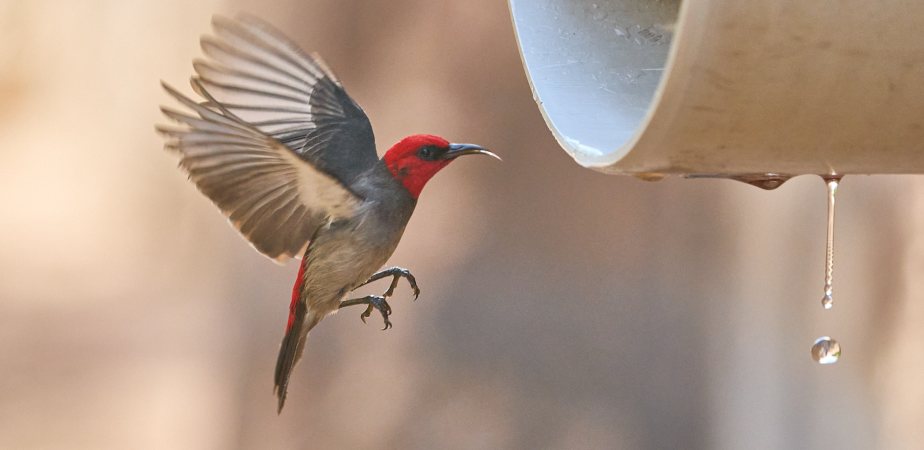
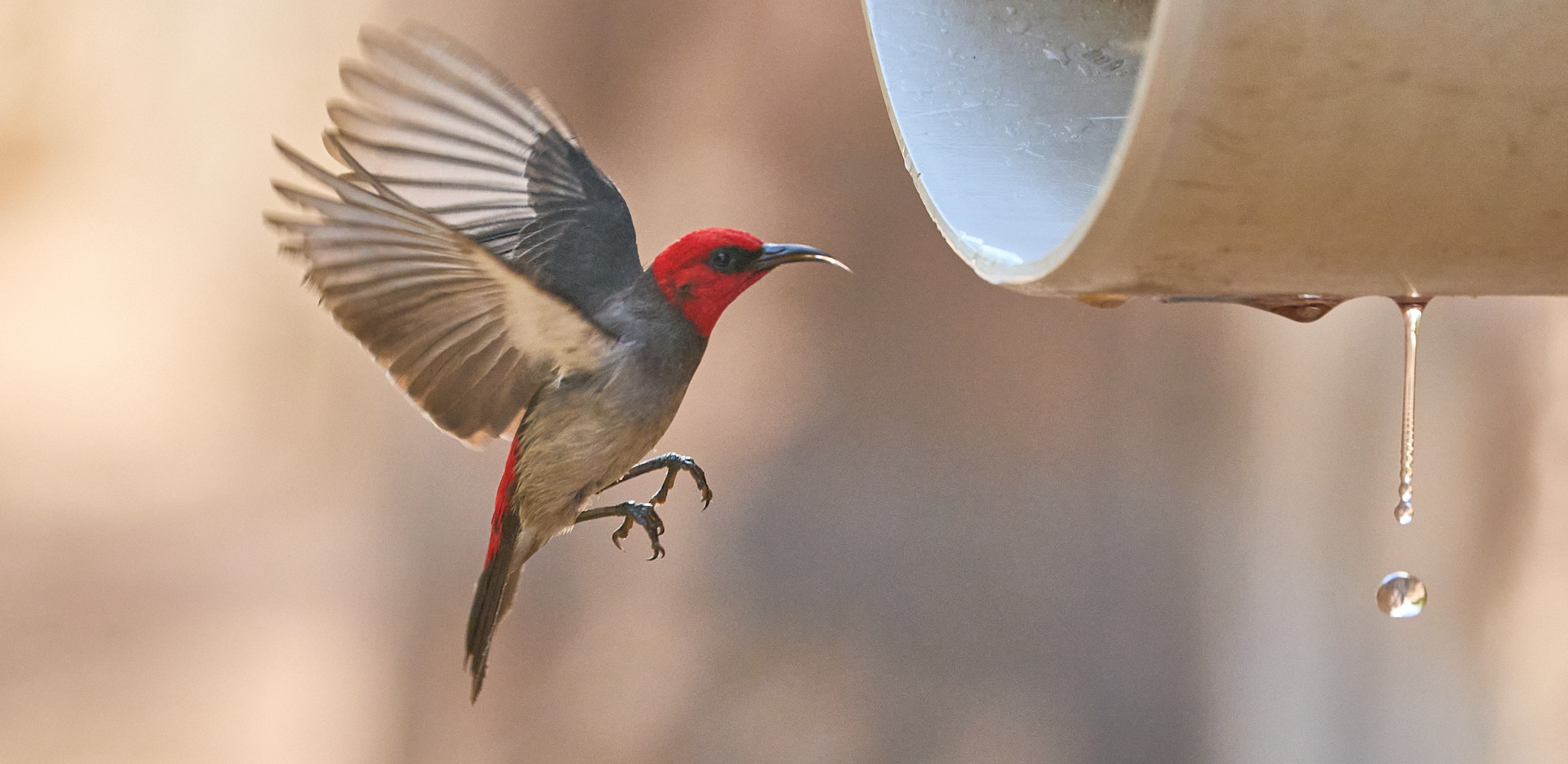
I know a place where an air conditioner serves fresh water straight into the mangroves. I was there this morning. The birds were queuing up.
Next stop after the coast was Northam home of the sublime Mute Swan …
and also the decision point. Two roads lead from Perth to Broome, an inland route 1970km or a coastal route 2368km.
The inland route has the advantage of being 400km shorter and in the event of a cyclone there would be a greater chance of the caravan staying on the ground. We’d have chosen the shorter route but it was closed by flood.
In particular, the Fortescue River near Newman was close to setting new records. The coastal route was open but what falls inland then sets off towards the sea. We decided to put in a couple of very long days in order to get north of the Fortescue and the De Grey.
There is a roadhouse overlooking the Fortescue River and we stopped for a yarn. A young lady working there had been looking for the water coming down for a couple of days but not a trickle so far. A local elder was of the view that the desert would swallow it all on the way and there’d be little or none to see. It just hadn’t rained for long enough. A trucky taking a break had caught the arrival of a flood in 2021 and recalled how impressive it was on that occasion. When we crossed the bridge there were just a few puddles to be seen.
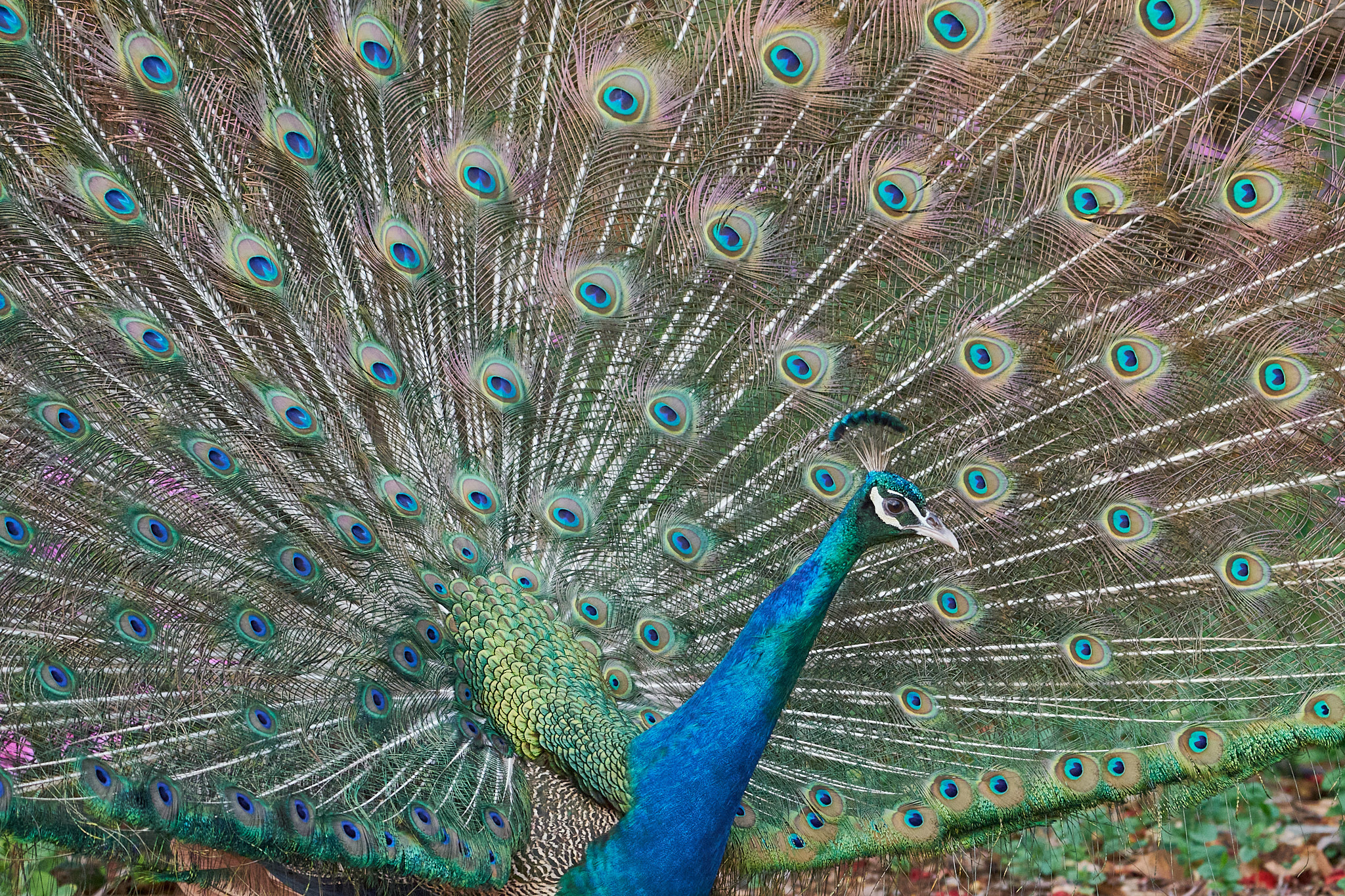
On the second long day we crossed the De Grey. It too was underwhelming. That night we stopped at the Sandfire Roadhouse. Home of the ridiculous Peafowl.
Last night we slept in our own bed. It was a bit on the warm side!
Because we made good time across the Nullarbor we have had four nights in the Great Southern region of WA. The first was on the edge of the Sterling Range National Park and then three on the Kalgan River just outside Albany. The birding has been excellent, Two Peoples Bay and Lake Seppings especially. My target species was Western Whipbird and, once again, I managed not to see it. Regional endemics such as Red-capped Parrot and Red-eared Firetail have been easier to find but not prepared to pose for me. Here are some of the photographic highlights …
Our decision not to travel north via the Stuart Highway then west through Fitzroy Crossing was a good one. Flooding has closed roads in a number of places and it will be a while before they reopen. Not that we are completely out of the woods. Our intended route was closed by fire a day or so ago near Newman. That problem is solved – the road is now closed by flood. Hopefully that will soon reopen. No cyclone brewing off the west coast presently. We head north tomorrow, only 2000km to go.
We made good progress on the Eyre Highway. Kimba is very much a wheat growing area. The next sizable town is Ceduna on the coast. It has a more mixed economy. Going west from there you encounter a few more small wheat growing towns until at Penong you find a store that declares that it’s the last shop for a thousand kilometers.
The mallee woodland slowly peters out until you’re on the treeless plain that is the Nullarbor. There is practically no surface water out there partly because not a lot of rain falls but also because the limestone lets it all run straight through. In the summer of 1841 Edward John Eyre set out to walk from Fowlers Bay to King George Sound – the modern day Albany which is just down the road from where we are camped on the bank of the Kalgan River. He covered the 1368 km trip in about 5 months, five men set out, two arrived.
Eyre found water at Eucla. The modern day traveler finds a quarantine inspection site. The rules are complicated but basically fruit, vegetables, honey and soil can’t go with you into Western Australia.
From there west the landscape changes back into patchy woodland, then the trees become taller and more continuous and, once you’re off the Eyre Highway you enter wheat country again.
Australian RingneckCaspian TernSilvereyeAustralian Ringneck
… is often the day on our travels when tempers tend to fray. This time it has passed without incident bringing us to Kimba in South Australia’s wheat belt. Established in 1915, population 1,300 it took its name from the local aboriginal word for bushfire. It’s now the home of the big Galah, some silo art and the Kimba Tigers footie team.
Our first day out took us to the Victorian Goldfields for a farewell dinner with some of our good friends there. Gayle and I have an association with the district that stretches back more than three decades. We have never seen it so green in January in all that time …
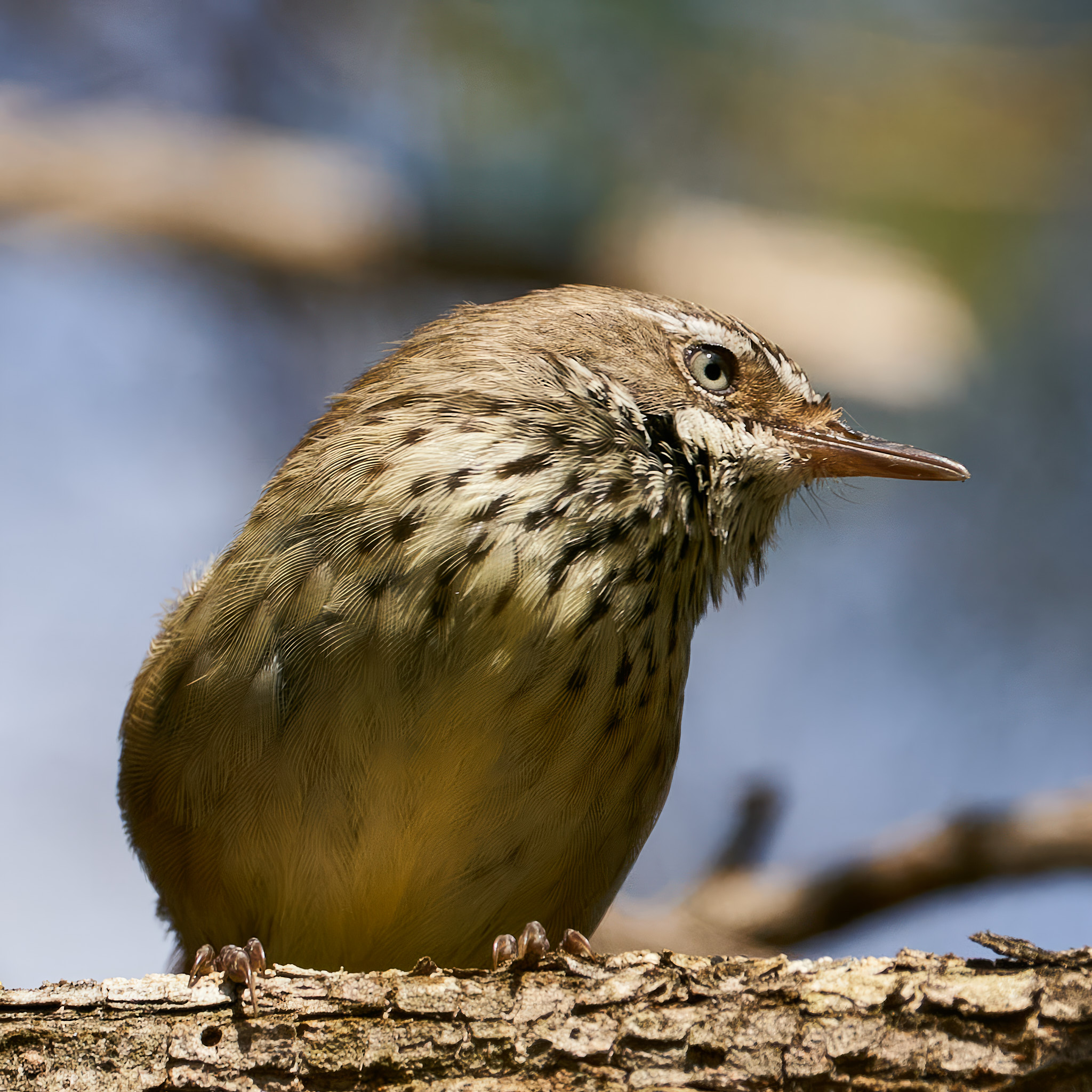
The next day we crossed the border into South Australia and spent the night at Tailem Bend. The day had reached 38°C but overnight rain cooled the world down considerably.
We made an early start this morning and drove through Adelaide (founded 1836, population about 1.4m about 1.2m of whom have hyphenated surnames.) 77% of South Australians live in Adelaide because most of the rest of the state is covered by salt lakes.