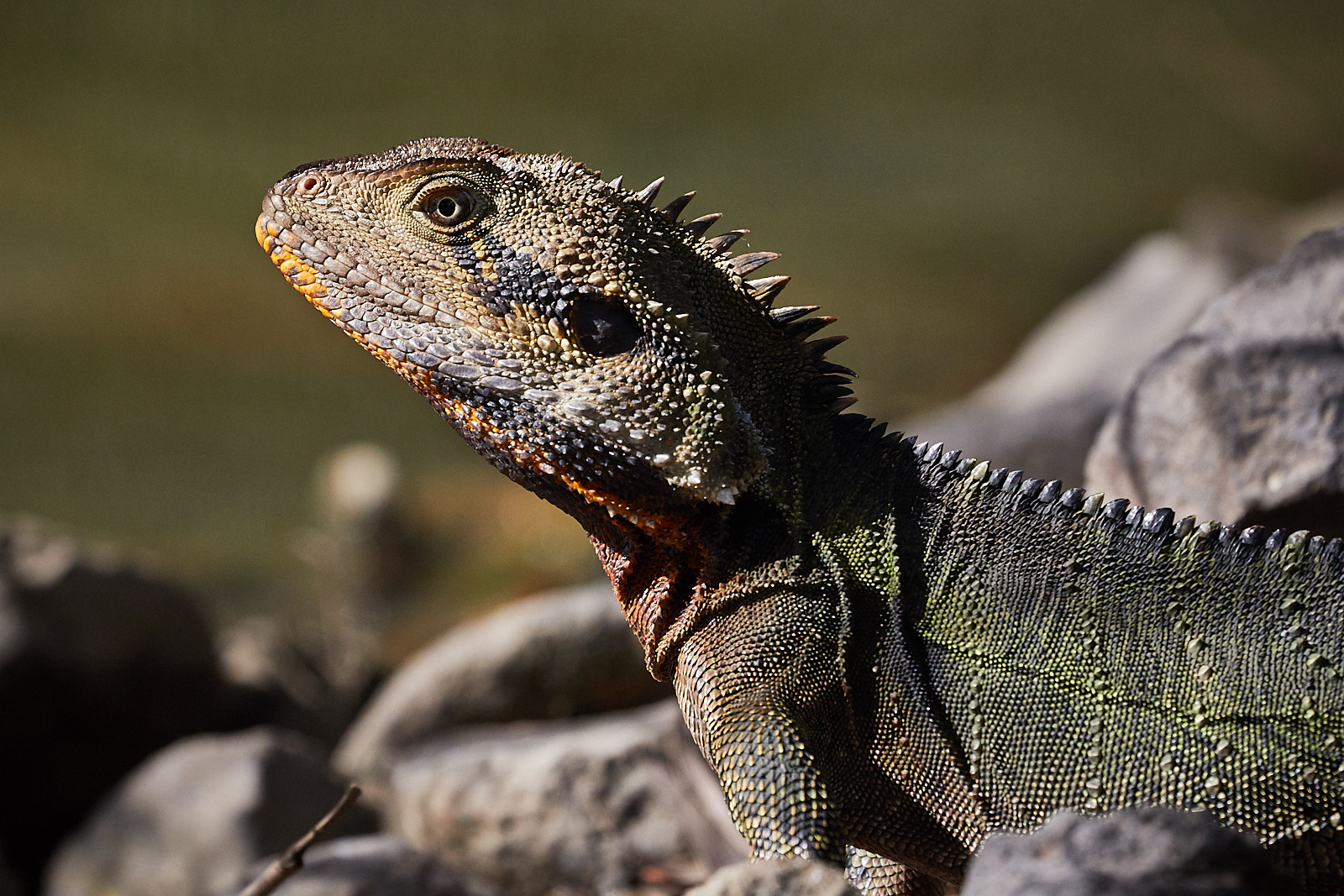
We left Hervey Bay and Southeast Queensland heading north on the Bruce Highway. Sugar and bananas soon the order of the day. Bundaberg turns sugar into rum and ginger beer and it also has a very lovely botanical gardens where the Kreffts Turtles will chase after you as you walk around the pond. They show little more than their nostrils so not particularly photogenic. On the other hand these guys are way more impressive …
Eastern Water Dragon
… not to be confused withe the accounts lady at the Water Supply company.
You cross the Tropic of Capricorn just before reaching Rockhampton. From now on a swim in the sea comes with the risk of Saltwater Crocodiles, Irukandji and Box Jellies. Kookaburras that do not laugh become more common …
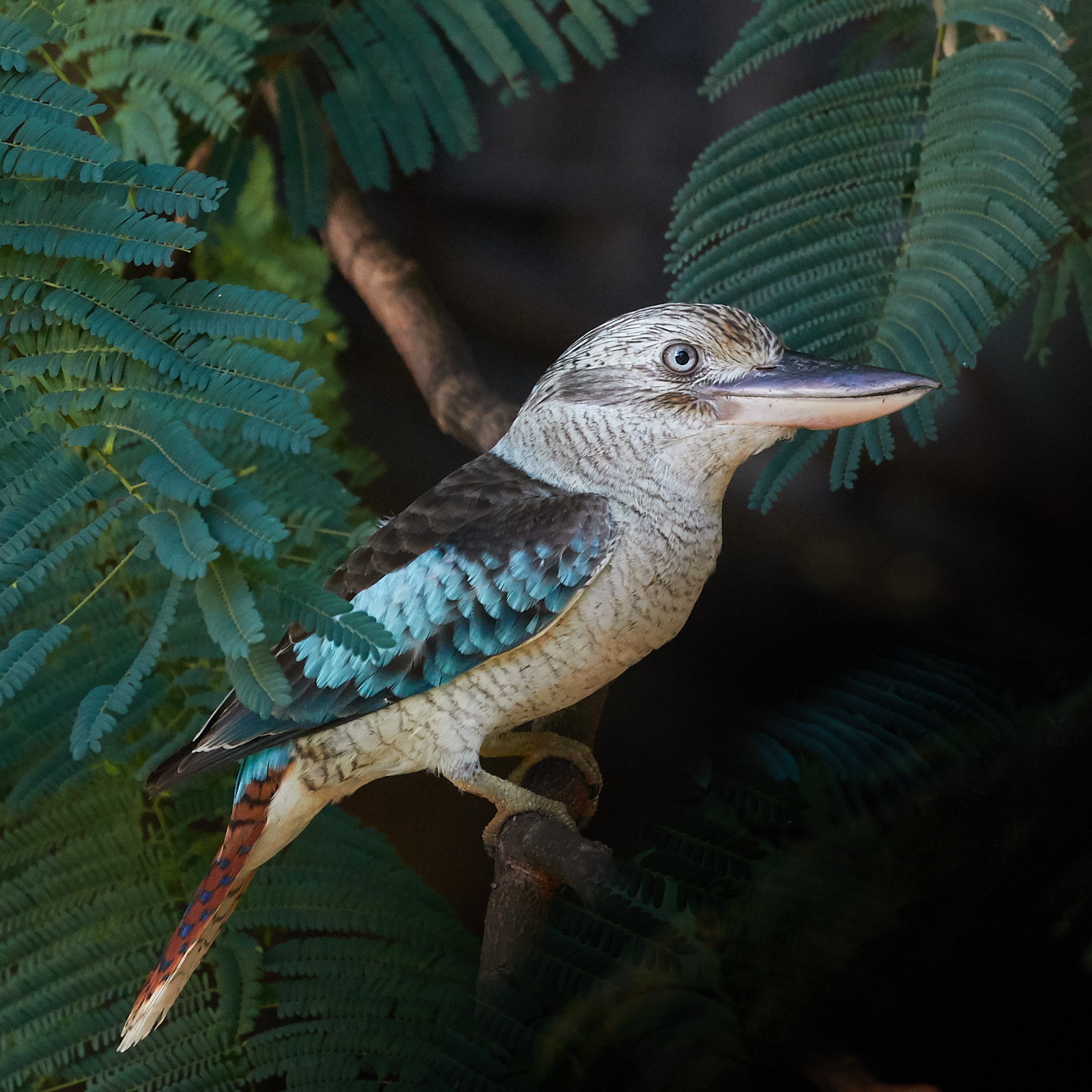
Blue-winged KookaburraLaughing Kookaburra
The Blue-winged Kookaburra has a pale eye and a hoary head. The Laugher has a broad dark line through its dark eye and the crown of its head is pale. Both have some blue in the wings, one more than the other. The Blue-winged Kookaburra has a raucous call but never breaks into a full hearty laugh.
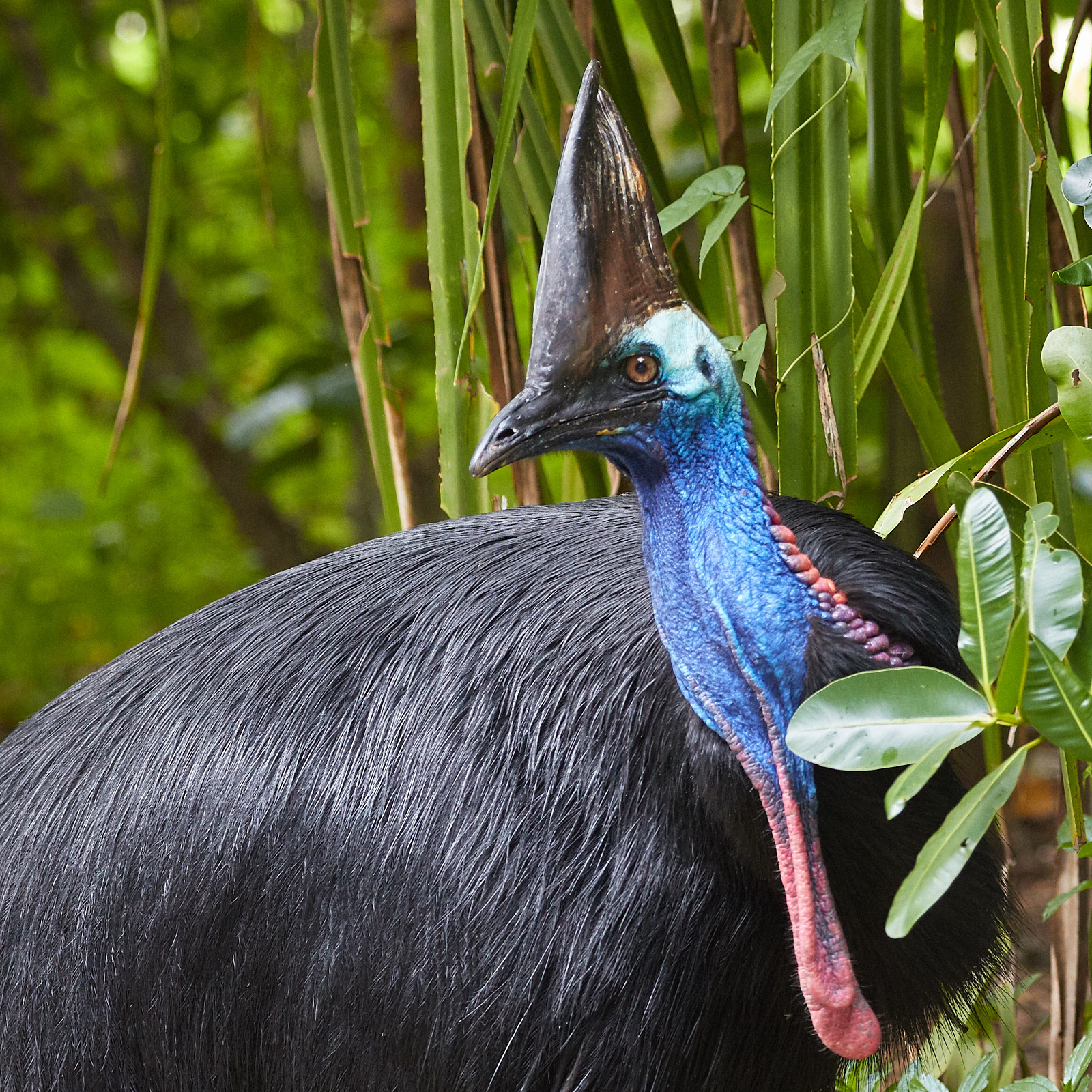
The Cassowary Coast is next and Etty Beach and Coquette Point near Innisfail are fairly reliable spots for finding the elusive and magnificent Cassowary …
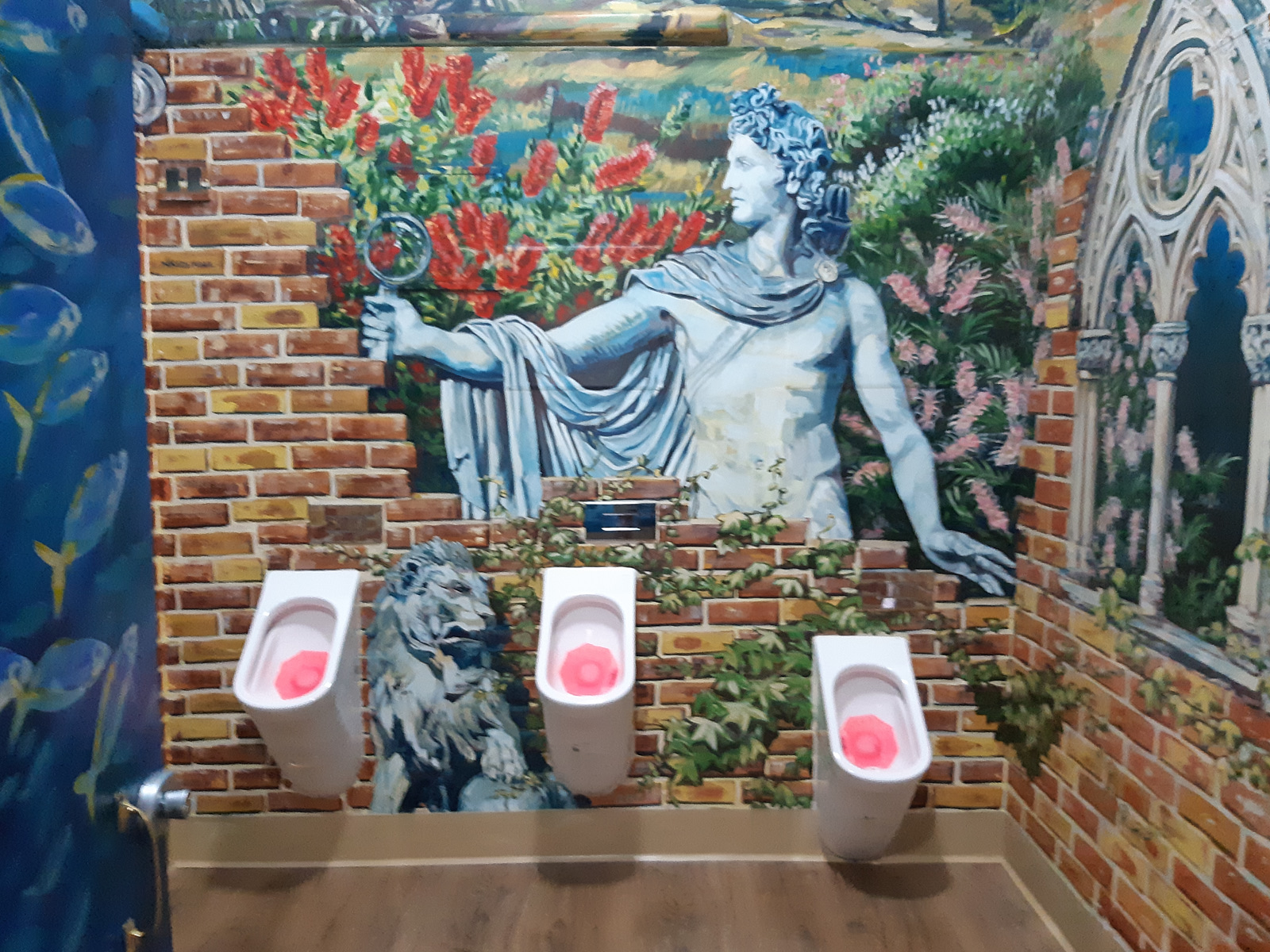
The toilets in Maryborough are so much better than the toilets in Maryborough. On the other hand the train station in Maryborough knocks the train station in Maryborough into a cocked hat.
I have good friends at home in Maryborough, Vic who rode their bikes to Maryborough, Qld. Hats off to them, sterling work. They rode from a goldrush town of about 8,000 souls about 1,900km to a goldrush town about three times as large (and wetter and warmer).
Currently putting a smile on many a face in Maryborough, Qld is the Cistern Chapel, public toilets that have been given a bit of a lift …
The railway station though is a superannuated wooden shack from which you can catch a bus to a real station. Whereas in Victoria we have a grand edifice.
VicQld
Any Victorian Marybourian will tell you that Mark Twain described the place as a train station with town attached (although any Twain scholar will tell you he said no such thing). Queensland Marybourians sometimes say that the plans simply went to the wrong address like half their mail, although I have heard that it was Mumbai that was expecting the plans to be delivered there.
The other big difference is the pronunciation. In Vic we are rather formal and say Maryborough. In Queensland they shorten it to Mary-bra (think Edinburgh).
It has a lovely park by the Mary River in which I saw a Kooka-bra.
Another world, beautiful one day perfect the next, where education is so lacking that beer is spelt XXXX and the premier can’t even pronounce her own name. But beautiful nonetheless, even in the rain. First priority in South East Queensland was the endemic Black-breasted Buttonquail. I recruited expert help in the form of Roy Sonnenberg, bird guide extraordinaire. We found many good things …
but we did not find the Buttonquail. As they feed they clear away the leaf litter leaving cleared circular areas called platelets. Roy regaled me with tales of the many occasions he had watched them at work rapidly churning out platelet after platelet. He found me excellent examples of platelets. The Buttonquails themselves were not to be found.
We hit the coast at Byron Bay, the most easterly point of the continent. A lot of the locals lead an unhealthy lifestyle tending to be red in the face and prematurely wrinkled …
Was named in honour of Captain James Cook, the explorer who put the east coast of the great southern continent on the map. He was by no means the first European to visit Australia. That honour goes to one Willem Janszoon on the good ship Duyfken in 1606. More of him a little later.
The Dutch had mapped the west coast of Oz pretty thoroughly over the course of a century starting with Dirk Hartog in 1616. Abel Tasman put the southerly limit on the continent with the discovery of Van Dieman’s Land in 1642.
The first Brit to hit the shore was John Brookes who wrecked the Tryall off the WA coast in 1622. Survivors spent a week on the Monte Bello Islands. William Dampier made a far more successful visit in 1699 discovering an excellent site for a bird observatory.
Turn the clock forward to 1770. After making a thorough survey of New Zealand Cook sailed west heading for Van Diemen’s Land the next known spot in the ocean. The weather caused him to take a more northerly route and on 19th April 1770 Lieutenant Zachary Hicks, a Stepney lad, spotted the east coast of Victoria. Like a lot of Victorians since our James then headed north to Queensland. No landings were made in Victoria and only one in New South Wales, at Botany Bay (29th April).
Once in the future Queensland’s waters Cook made 13 more landings. None more important to the success of the voyage than the one at the mouth of the Endeavour River.
On June the 11thEndeavour struck a reef. It took 23 hours to get her off and she was badly holed in the process. A desperate bout of pumping followed until the inflow of water was reduced by passing a sail under the ship’s belly a process known as fothering. The ship could then be kept afloat by use of a single pump until a suitable landing site could be found. On the 17th the ship was beached at the mouth of the Endeavour River. Repairs took 7 weeks.
Relations with the locals were mainly good perhaps because Cook had unwittingly chosen to camp at a traditional meeting place where custom forbade the shedding of blood. Some aboriginal words and names were recorded for posterity. The word kangaroo was borrowed from the Guugu Yimithirr language. Subsequent scholarship has disproved the furphy that it meant “buggered if I know” and suggests that it was the name of a particular species of macropod.
One kangaroo had the misfortune to be shot. It was sketched by Sydney Parkinson then eaten by the officers and gentlemen. That sketch may have been the model for a painting by George Stubbs that was itself the source material for an engraving that appeared in John Hawkesworth’s 1773 book describing the voyage.
Cook and Banks are often credited with being the first to describe a macropod forgetting that Western Australia had been on the map for about 150 years at that time. The honour should go to Francois Pelsaert who described a wallaby from the other side of the continent in 1629.
Returning as promised to Willem Janszoon. In 1606 he sailed eastward in the Arafura Sea and bumped into land that he thought was a southerly extension of New Guinea. It was in fact the west coast of the Cape York Peninsula in the vicinity of present day Weipa. He then sailed south in the Gulf of Carpentaria charting the coast as far as Cape Keerweer. When Cook was at Cooktown he was just 437km as the crow flies from Cape Keerweer and 164 years too late to be the first European to visit Cape York.
It was a roundabout route, partly to avoid bad weather, partly for the hell of it.
How bad was the weather? Well here’s a river crossing we decided against …
Thirty three days covering 5 801km in slightly different style than the last grand road trip.
But the cast of characters remains the same.
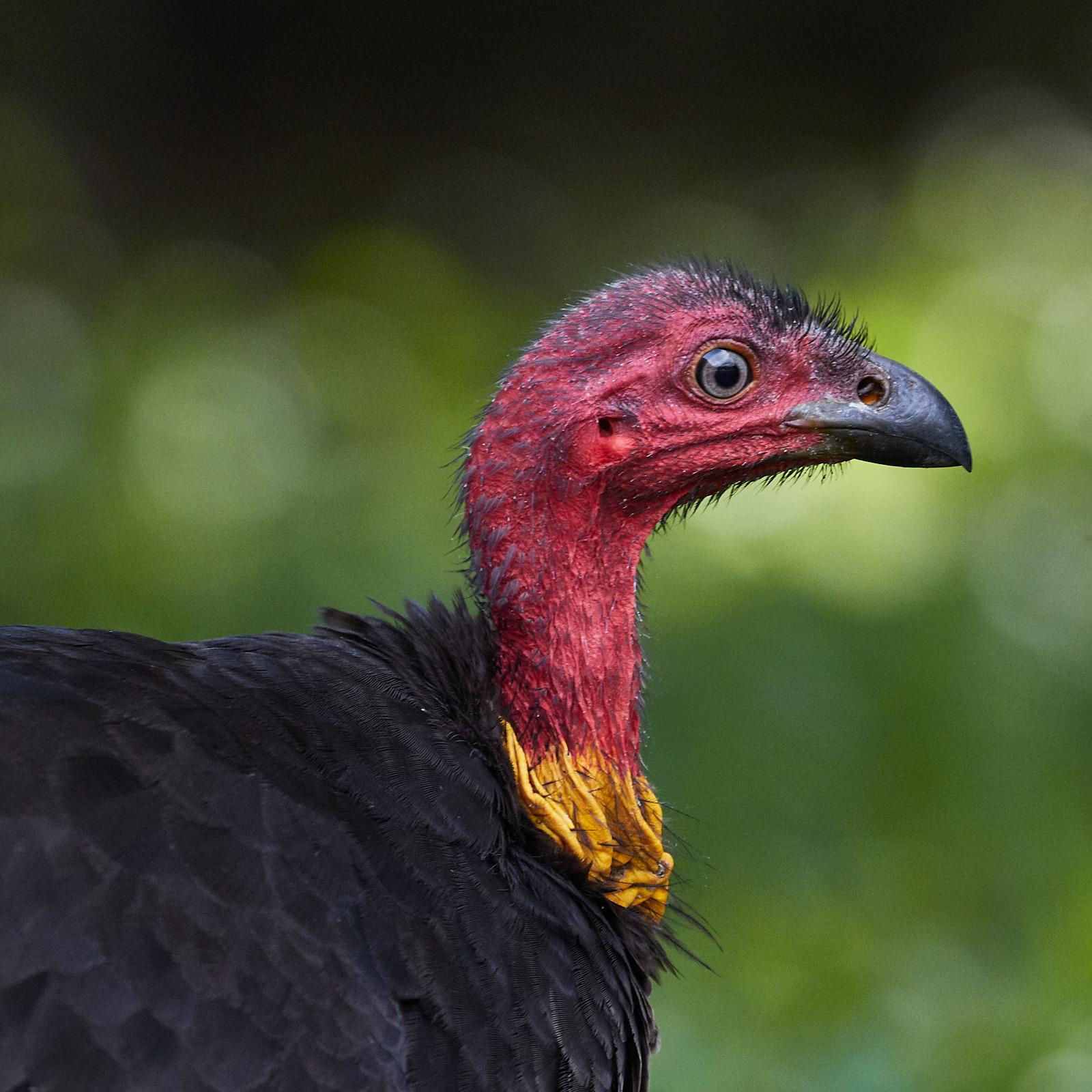
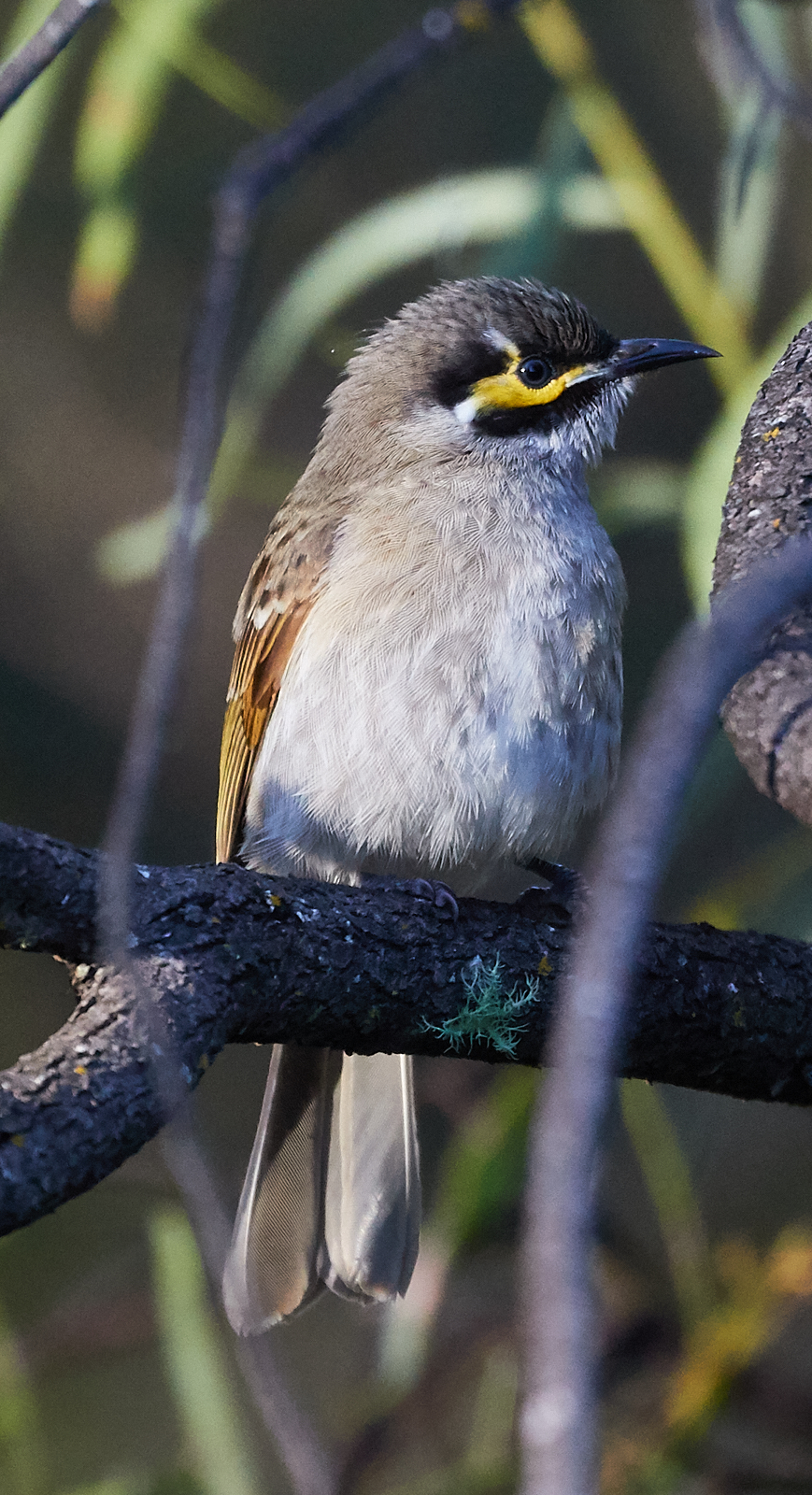
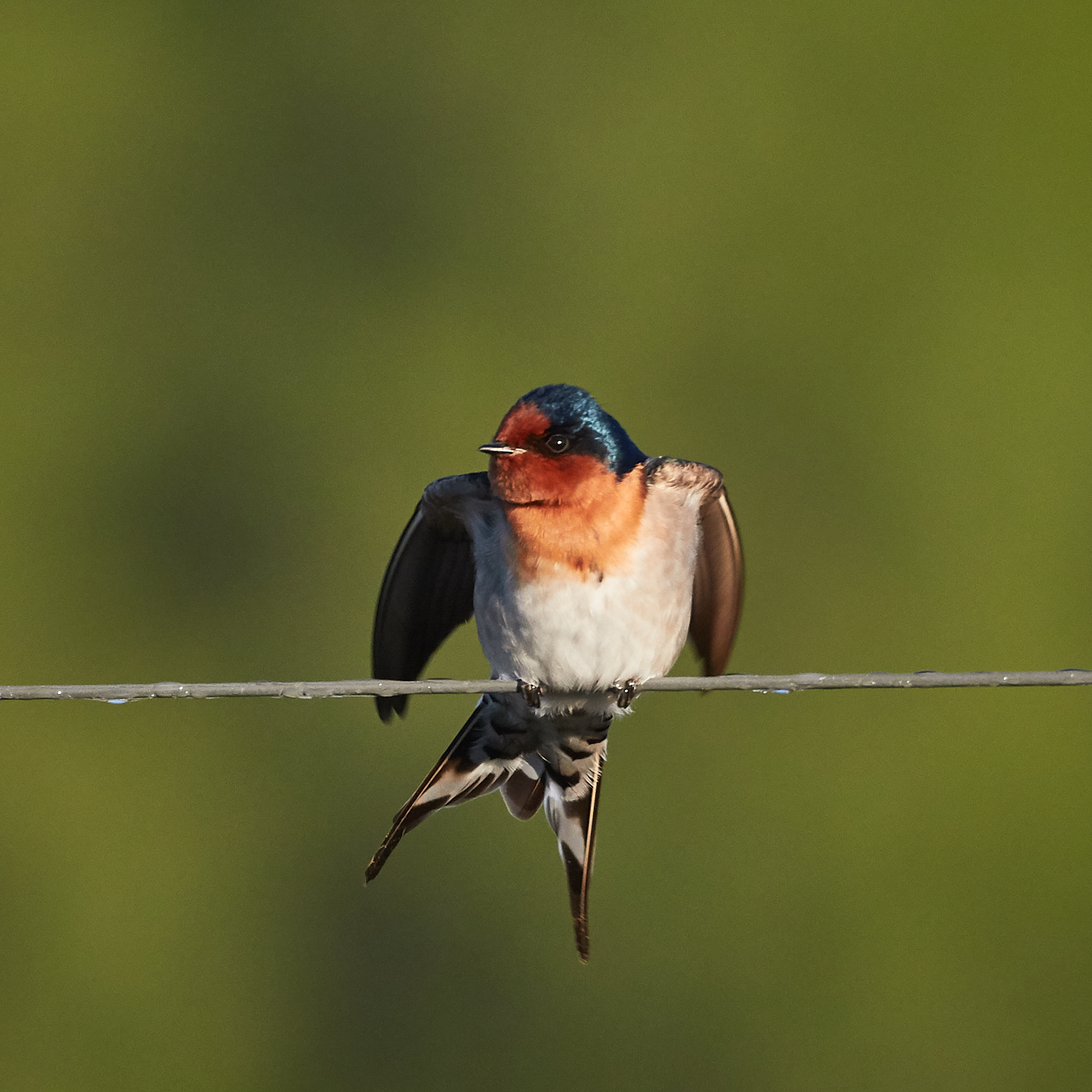
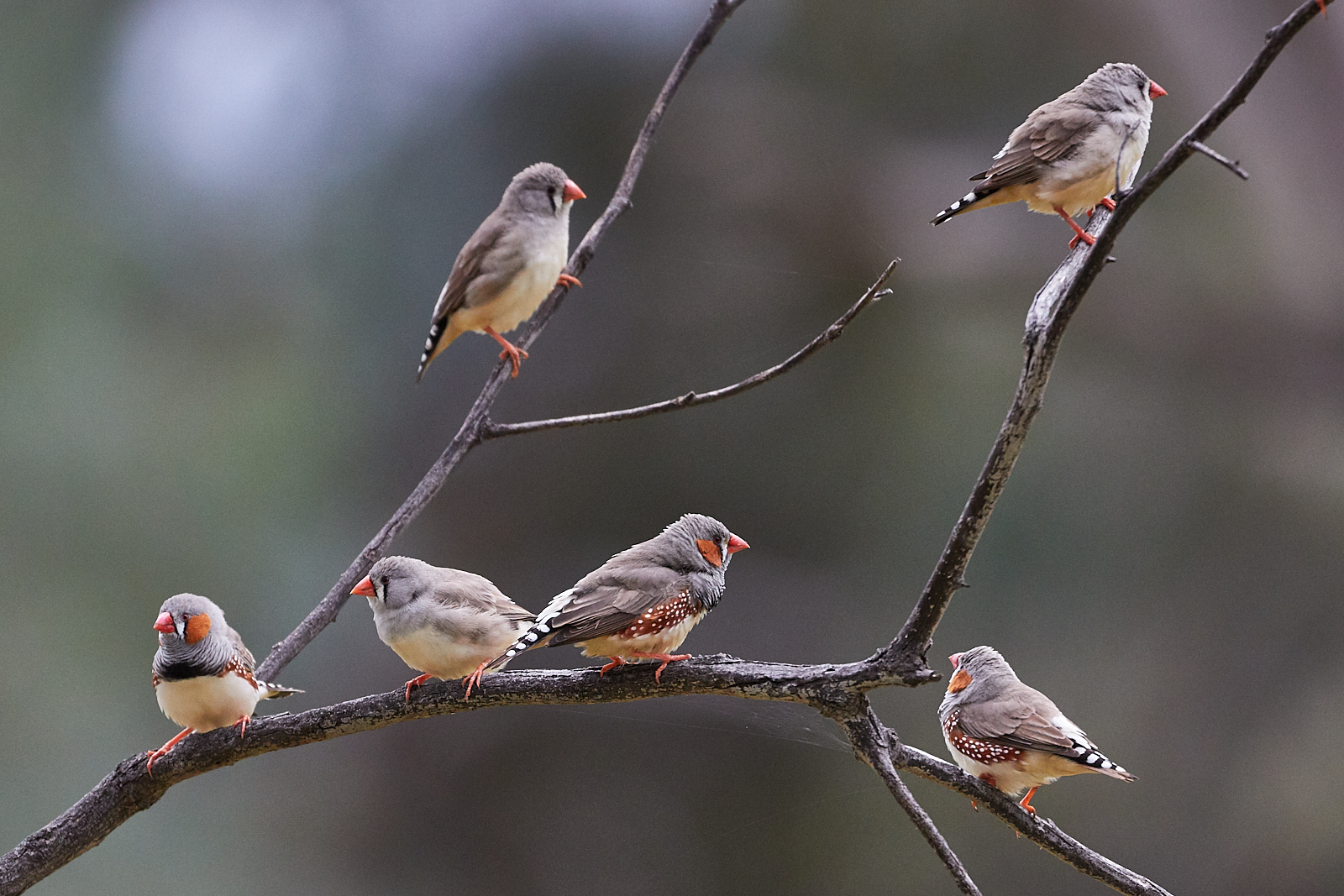
Along the way we’ve caught up with some lovely people, old friends and new. We’ve also racked up a bird list of 217 species some of which posed for a photo …
Over the years this blog has largely been driven along by travel and travel photography. The last couple of years has seen that shrivel because of our great pandemic. The blog has shriveled along with it. There is a limit to how many times you can spin a tale out of spending your two hours outdoor exercise riding your bike in circles. For the moment though country Victoria is off the leash – Victoria is my oyster, can’t leave the state, can’t visit Melbourne. The pearl in my little oyster is Port Fairy and that’s where I am.
I have been riding my bike in circles but at least the circle is a big one. What more could a girl ask for? I like to call the route L’Étape Charles de Gaulle …
Étape Charles de Gaulle
My accommodation here is built from bluestone which is basalt from the Newer Volcanic Province. Port Fairy’s basalt was donated by Mount Rouse 60km to the north. It seems a long way for the lava to flow. Perhaps it could have got further but sizzled to a stop in the sea. There is a closer but older volcano at Tower Hill which I have written about previously <HERE>. Rather than slowly boiling over it went off with a phreatic bang.
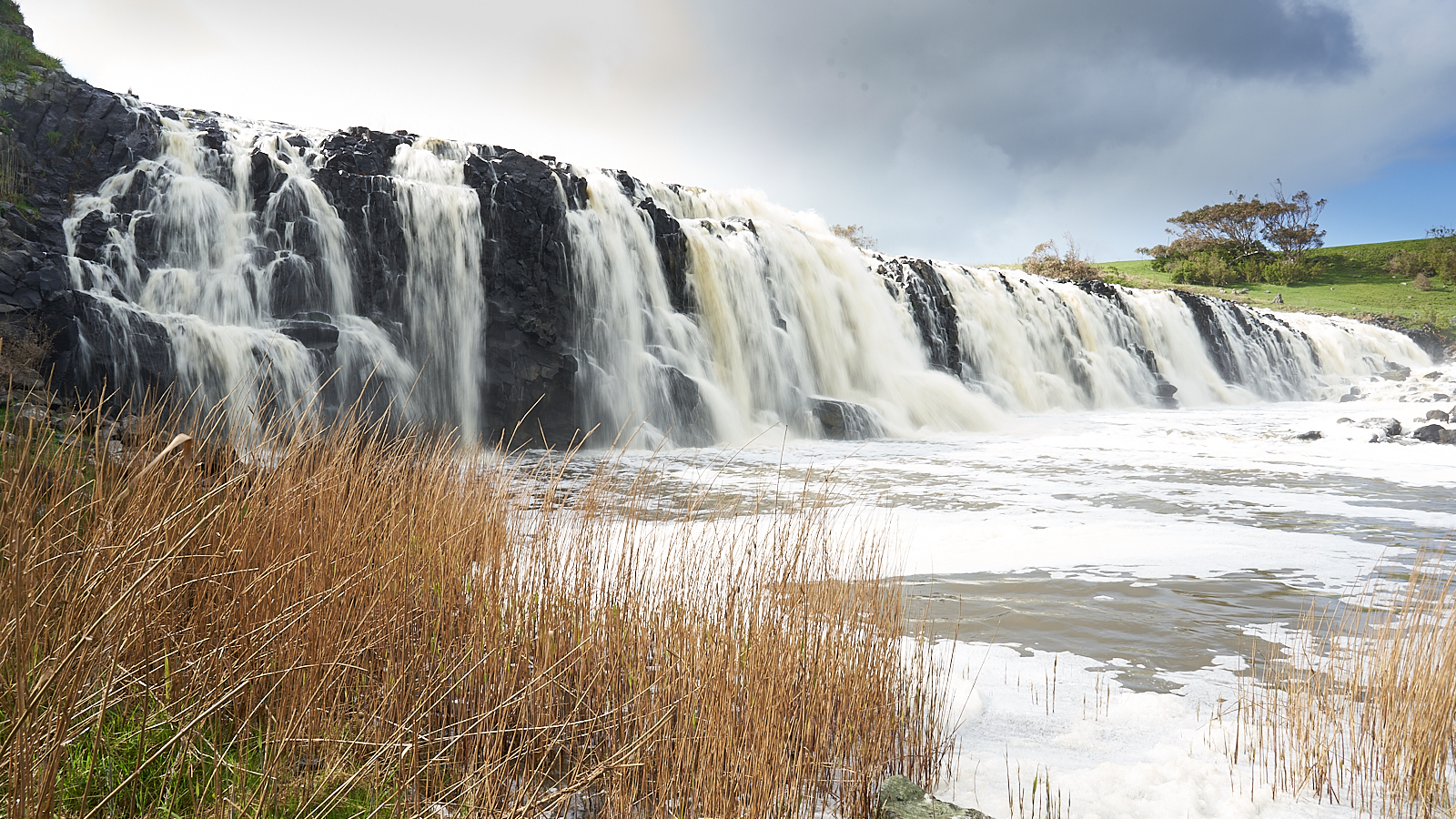
Hopkins Falls is about 40km east of Fairy and is another side effect of the newer volcanics. Said to be the widest waterfall in Australia at 90 meters in width it drops about 12 meters off a basalt shelf. It’s been a fairly wet winter. It’s quite a satisfying sight at present …
The accursed Covid has certainly changed our lives. Gayle and I were not intending to spend the winter in Victoria. Another road trip to the tropics looked good. It wasn’t to be. Nonetheless we are better off than many. Locked in a tower block apartment has got to be a nightmare. Fortunately for us we live in a sparsely populated rural location which wasn’t locked down when restrictions were reimposed on Melbourne.
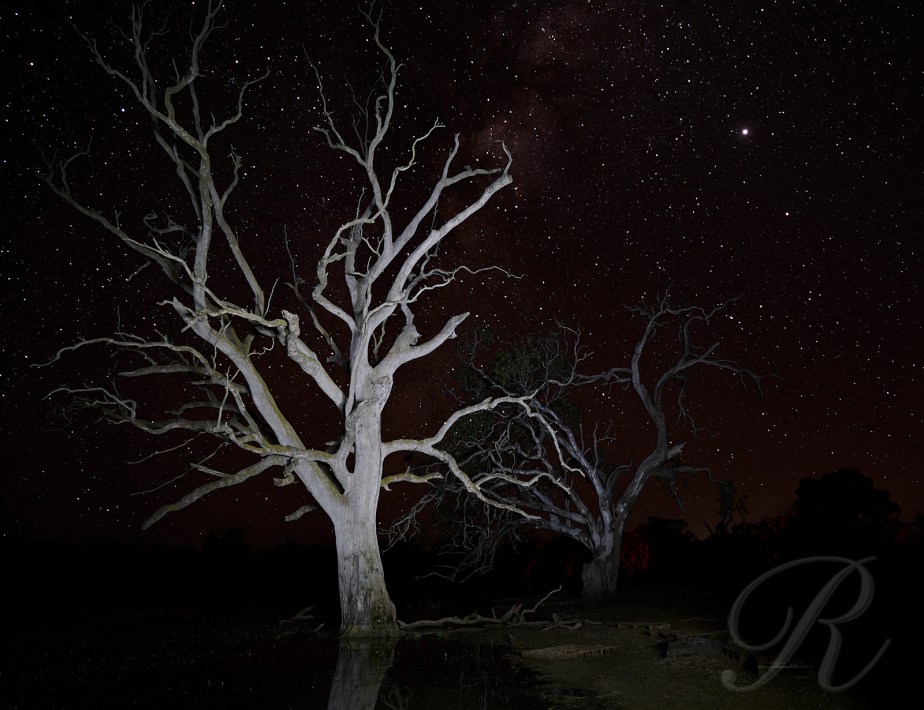
We can’t go far but western Victoria is available and we’ve been keen to go to Woomelang for a look at their little silos. We camped by the lake at Wooroonook the first night. It’s a spot we can reach in little more than an hour. We were blessed with a clear sky, a perfect night for a glass of red by a campfire.
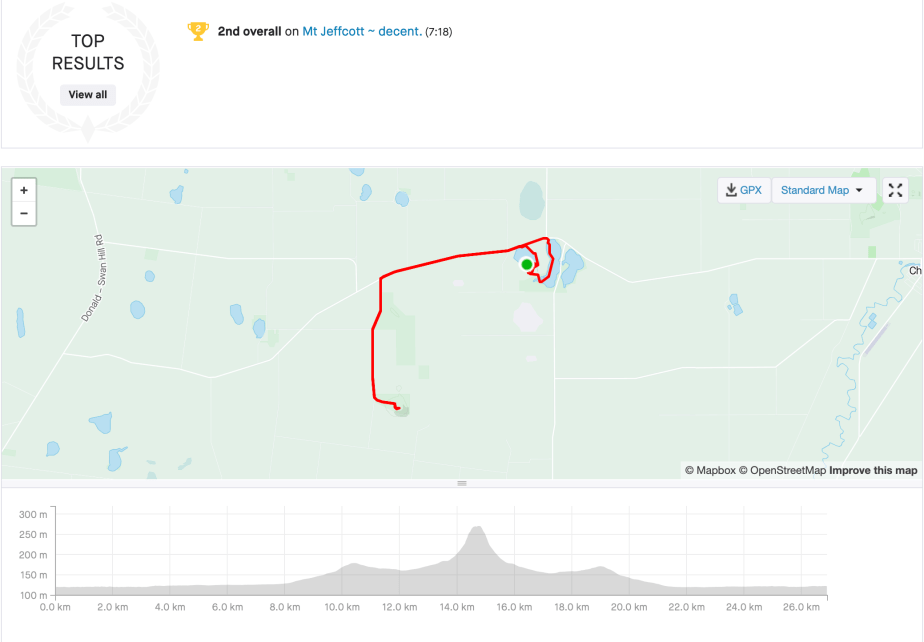
The landscape is pretty well flat but 8km away there is an isolated hill that gives a good view of the surrounding country. The mountain bike and I made it to the top of Mt Jeffcot. The view was splendid and the descent was terrifying.
Strava segments are named by their creator. Presumably this one is not part of a naked bike ride. And for a timid rider like myself you’d want shorts on to hide the fact that you’d packed your daks.
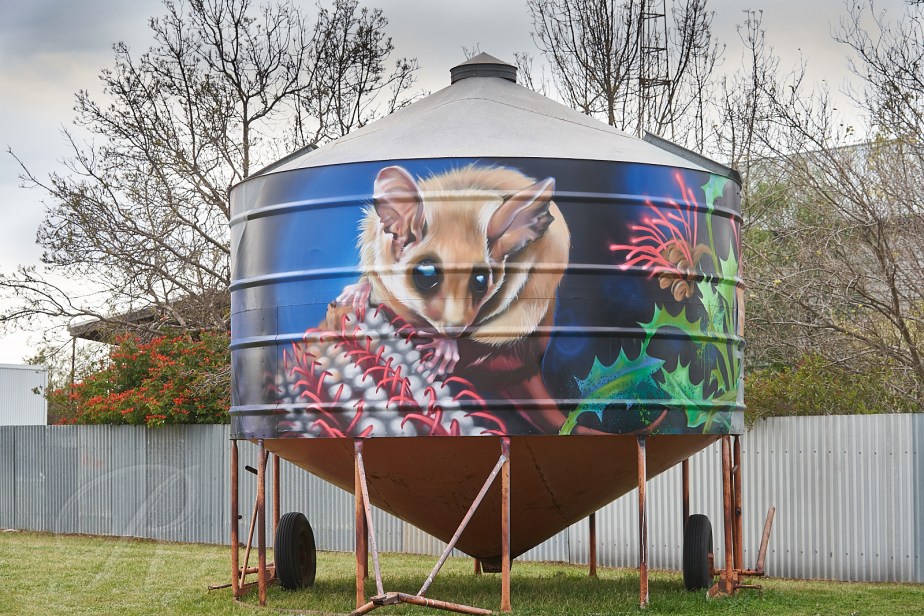
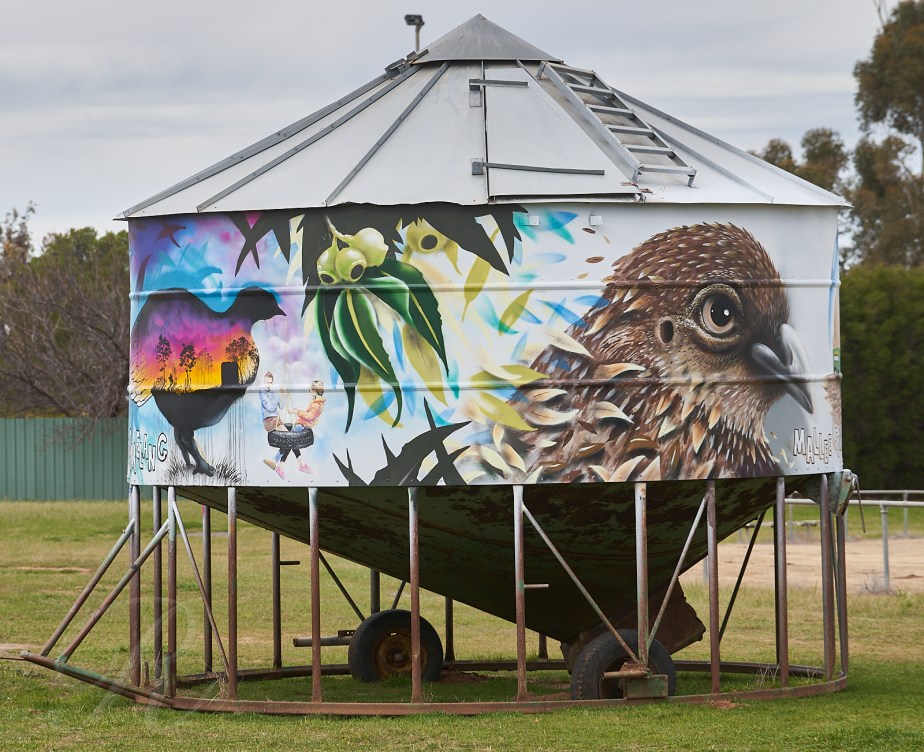
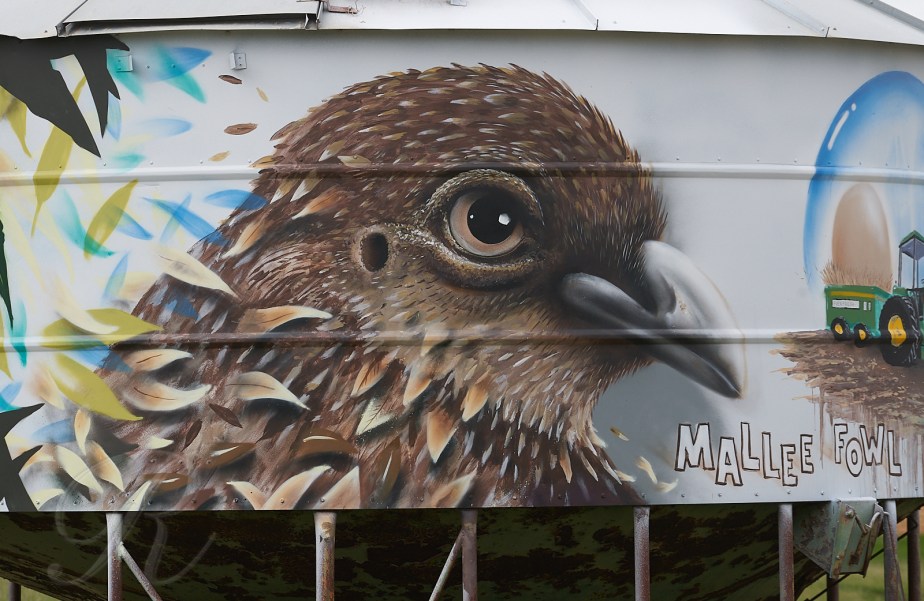
After lunch it was off to Woomelang for some small scale silo art. There are seven portable silos with work by a variety of artists scattered around. This sort of silo is often called a field bin. The artists that were issued with corrugated ones got the short straws. They were definitely at a disadvantage. I was particularly struck by the Western Pygmy Possum and the Mallefowl …
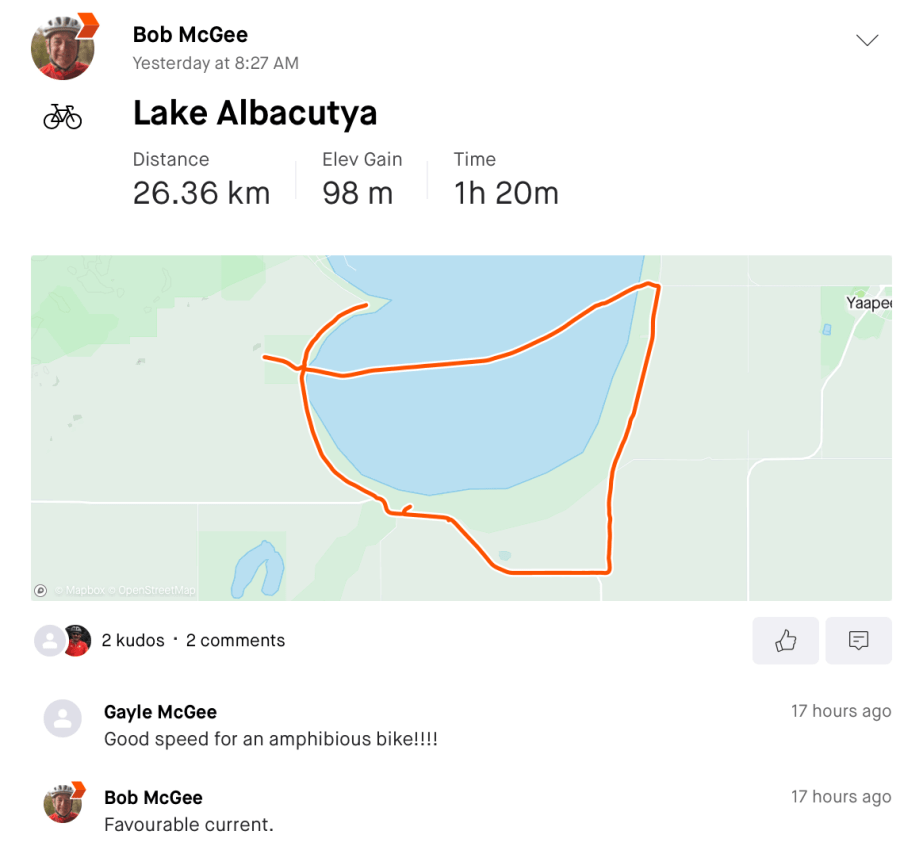
The camp that evening was in Black Box woodland at Lake Albacutya.
In the morning it was back on the bike …
The lake was dry as it usually is. When the Wimmera River carries enough water it spills through Lake Hindmarsh to Albacutya and then into Wyperfeld National Park. It hasn’t happened so far this century! It does have a nice concrete boat ramp for the next occasion.
A walk turned up some nice birds including Chestnut-rumped Thornbill and Scarlet Robin. My second cuckoo for the “spring” was calling prominently – Pallid Cuckoo.
After that it was home again, home again as a westerly front blew in bringing a gale and some heavy rain.










 bobmcgee