The lovely Gayle and myself are safely in Ohio looking out onto Lake Erie.
Until a few days ago we were staying on St Simon’s Island in Georgia, guests in the house that you can see in the video below. This was shot by a neighbour, our friends evacuated to South Carolina and are also safe but have a lot to do when they are eventually allowed home.
Currently residents are not allowed to return, a curfew is in force for those who chose not to leave. 90% of Glynn County is without power, trees are down, roads and bridges are being checked for damage.
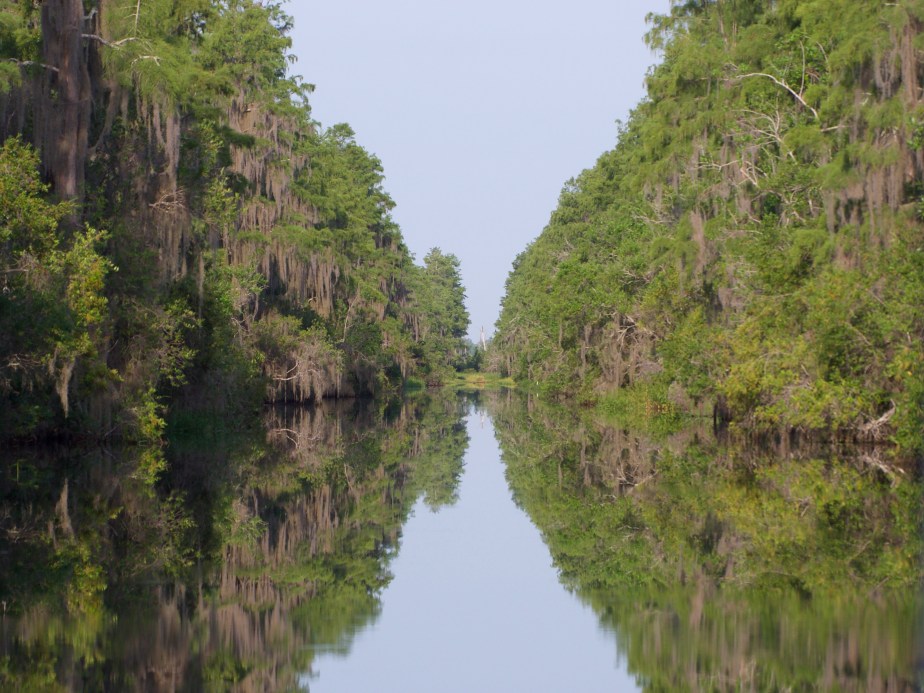
Down in the south-west corner of Georgia you can find the largest swamp in the USA, the Okefenokee. It covers about 700 square miles (1,800 square kilometres). It is the source of the Swanee River. Fifty inches (127cm) of rain a year provide the water. Shallow waterways wind through cypress trees and peat bogs, canoes are the simplest means of getting about. We settled for a motorised pontoon boat.
It’s a great place for Alligators …
… and interestingly, a great place for Black Bears who like to raid Alligator nests and plunder the eggs. Female Alligators guard their nests, large ones can fight off a bear, smaller ones are likely to come off second best. Since the swamp has been protected the bear population is recovering from past persecutions. None volunteered to be photographed.
It’s also a great place for birds, especially those with long legs …
Little Blue Heron
We got a glimpse, as well, of a pair of Sandhill Cranes.
The trees and shrubs in the swamp provide opportunities for a different suite of birds.
Barred Owl
The waters are acidic and nutrient poor, ideal for pitcher plants …
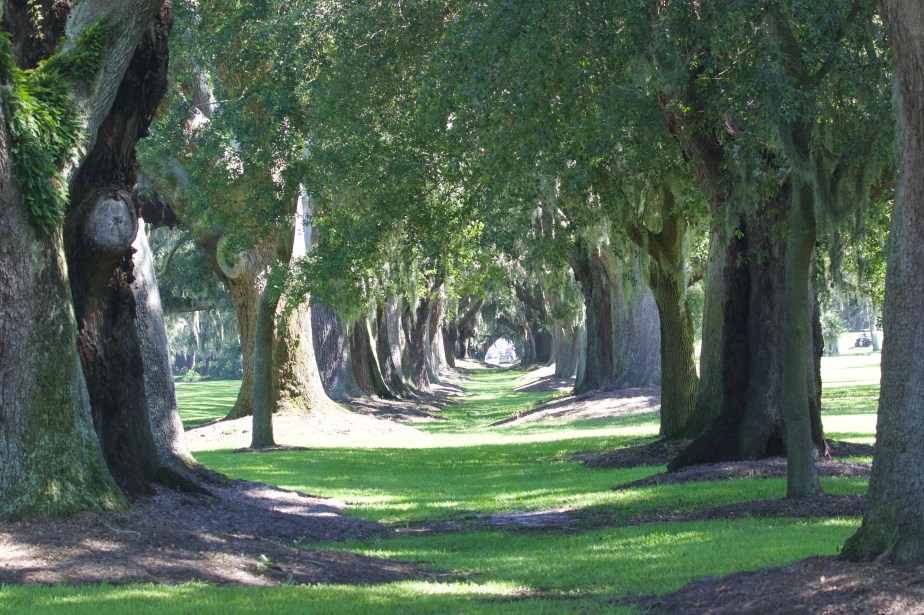
Is one of a string of sand barrier islands along the coast of Georgia. It is quite densely settled but the homes and businesses are tucked away amongst a forest of Live Oaks (Quercus virginiana) draped in Spanish Moss (Tillandsia usneoides). Add extensive marshes, numerous golf courses and land set aside as green space by the island’s Land Trust and you have a community that merges comfortably into nature … Except, perhaps, when a hurricane bears down on it. The highest ground on the island is about five metres above sea level.
White-tailed DeerEastern Grey Squirrel
It was home to Creek Indians for millenia. After the Americas were put on the European map by Mr Columbus the Spanish were quick to explore Florida and Georgia but the French were the first to found a colony. In 1564 René Goulaine de Laudonnière built Fort Caroline in what is now Jacksonville, Florida. It was short-lived. The Spanish founded their own colony at St. Augustine a little further south. Before long they attacked Fort Caroline and slaughtered most of the garrison.
The Spanish spread their influence northwards founding missions to convert the native inhabitants. The missionaries were accompanied by soldiers to establish Spanish authority and ensure the safety of the priests.
After 1600 the pace of colonisation picked up considerably. The French, the English, the Scots and the Dutch all founded colonies in North America.
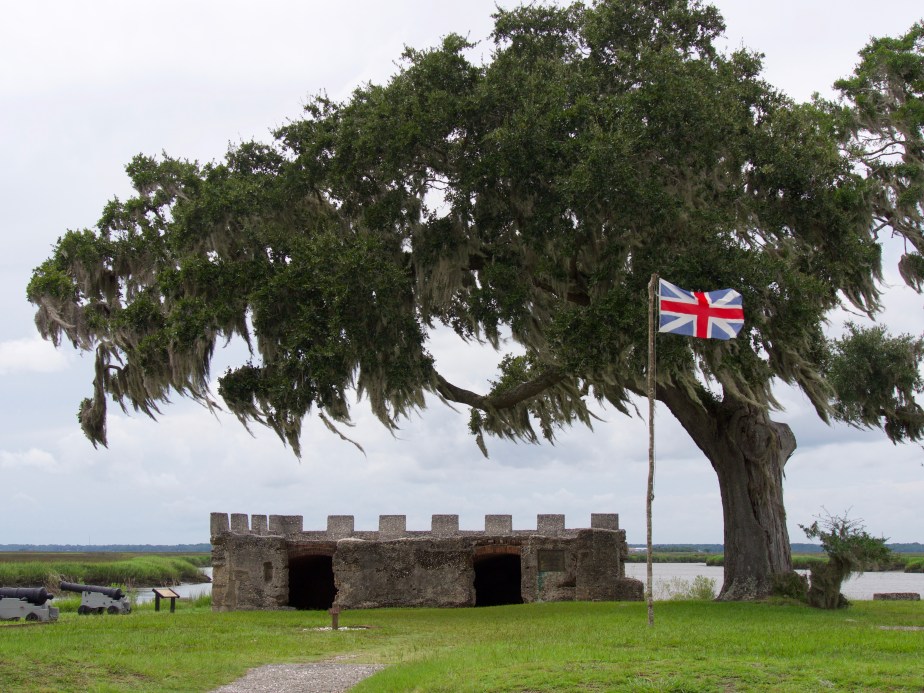
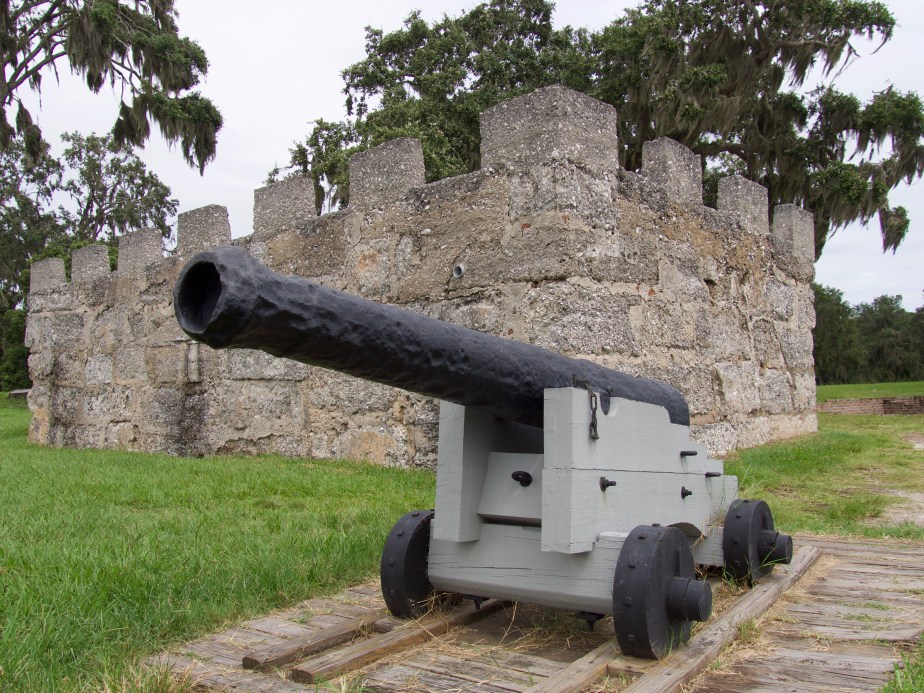
A century later St Simon’s Island lay at a strategic position between Spanish Florida centred in St Augustine and the British in Virginia. A Spanish mission on the island had fallen into disuse. Spain and Britain were not getting along all that comfortably. James Oglethorpe was sent to erect a fort on the island. In 1736 he founded Fort Frederica with a small town adjacent. Not far away on the mainland Fort King George was built and the town of Darien grew up adjacent to it, settled mainly by Scots.
In 1713 the British had wrung from the Spanish the right to sell slaves and some goods into South America. In 1731 the brig Rebecca was boarded by the Spanish off Florida. The captain, Robert Jenkins was accused of smuggling and suffered the indignity of having his left ear cut off. It was but one of a number of irritants that led to war, again, with Spain, a war that came to be called the War of Jenkins Ear.
It began in 1739 and ran on into the broader War of the Austrian Succession which finished in 1748. It was largely a naval affair fought in the Spanish colonies in the Caribbean and South America.
In 1742 the Spanish landed 2000 troops on St Simon’s Island in an attempt to push Britain out of its colony in Georgia. Oglethorpe’s men from Fort Frederica fought off the Spanish in two engagements, the Battle of Gully Hole Creek and the Battle of Bloody Marsh. The Spanish withdrew from the island, probably unaware that they had a numerically superior force.
The lovely Gayle and I flew into Jacksonville, the largest city in the contiguous United States. By area that is, and of course, that depends on where the lines are drawn on the map. The metropolitan area has a population of about 1.6 million people. That’s considerably more than Miami proper with a mere 400,000 but if you throw in the rest of the conurbation – Miami-Dade, Broward and Palm Beach you’ve drawn a line around 5.5 million people. So which gets to be state capital, Jacksonville or Miami? Neither, it’s Tallahassee with a smaller population than either.
Anyway you will be pleased to know that Jacksonville has recovered well from the Great Fire of 1901 which started as a kitchen fire , spread to Spanish Moss in a mattress factory. In just eight hours, it swept through 146 city blocks, destroyed over 2,000 buildings, left about 10,000 homeless and killed seven.
During the silent movie era it was the centre of the film industry but then Hollywood came along.
Hurricane Matthew made itself felt in 2016.
We didn’t stay long in case something bad happened. It seems ill-fated.
The truth is we were picked up by friends and whisked away to the beautiful St Simons Island over the border in Georgia. They have a really fabulous house backing on to a lake.
Whilst having breakfast the next morning we could see this guy without getting up from the table!
I guess a swim is not on the agenda.
As beautiful as the house is all the light switches are up side down. How odd.
‘He didn’t discover America he invaded it’: Protesters now rally to REMOVE statue of Christopher Columbus from Manhattan after NYC Mayor Bill de Blasio said it was under review as a ‘symbol of hate’ The Daily Mail.
As an Australian heading for the New World one of the first things to strike me is that it’s not all that new. By the time Captain James Cook found the east coast of Australia in 1770 Columbus had found an island near the east coast of America (1492), the Mayflower had deposited the Pilgrim Fathers in Massachusetts (1620) (an event that captured the American imagination far more successfully than the first English Colony at Jamestown, Virginia founded 13 years earlier) and about 2 million colonists had followed them. The struggle for independence was underway.
On the 4th of July six years after Cook named Point Hicks America declared its independence. The loss of America may well have been the catalyst for British settlement of Australia in 1788.
Indeed, so ancient is the New World that the Scots were founding colonies in North America prior to Union with England in 1707.
Australia, as a country rather than a bunch of colonies, dates from just 1901. It’s brand new.
Although I must point out that both continents were inhabited long before our European explorers put them on Europe’s map. Wouldn’t want the blog to be considered a symbol of hate. And just for completeness let’s add that neither of these great explorers were the first Europeans to reach the respective land masses. History can be so fickle.
Just imagine those heady days of pride and optimism. Days when we could celebrate the 4th of July or the 26th of January or erect statues to our heroes.
Obliterating history doesn’t change it – just makes it harder to learn from. Civic pride seems so much more constructive than communal self loathing.
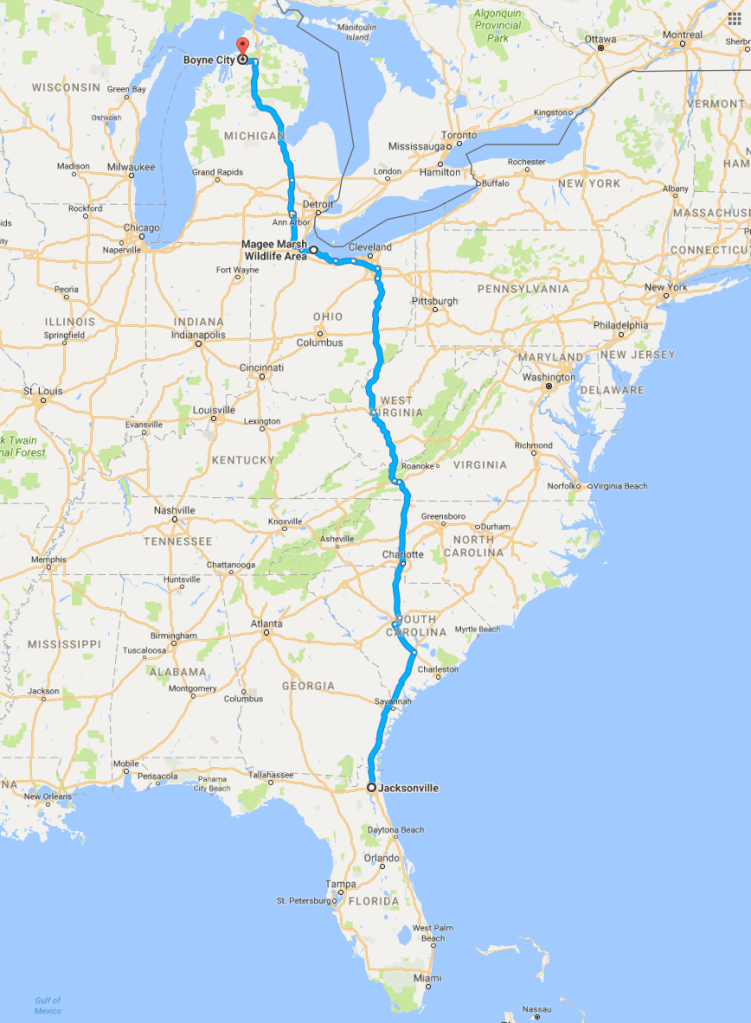
From south to north. 1,297 miles. I maybe running into some fall colors as I go. Expecting temperatures in the south of around 86°F dropping to maybe as low as 50°F overnight in the north.
As you can see I’m practicing the language, could be bilingual by the time I get back.
“I now belong to a higher cult of mortals, for I have seen the albatross!” – Robert Cushman Murphy, 1912.
Murphy, ornithologist, ecologist, conservationist, was writing to his wife from the whaling brig Daisy in the vicinity of South Georgia. He describes the Albatrosses “Lying on the invisible currents of the breeze” which beautifully portrays their flight in light airs but it’s when the wind rises to a gale that I find them most impressive. When your hands are clasped tightly on the ship’s rail and you hope your pyloric sphincter will maintain an equally strong grip on your gastric contents, the Albatross passes elegantly by demonstrating a complete mastery of its elements. I saw my first Wandering Albatross just outside Sydney Heads and I remember it well.
The Albatross family is one of the four (extant) families making up the order Procellariiformes. When you go to the seaside you encounter numerous seabirds, gulls, cormorants, and gannets for instance, but most of them don’t venture too far out to sea. The procellariiiforms are true ocean goers, they may spend years at a time without coming ashore something that they usually do only to mate.
To get amongst them you have to go to sea. This weekend I did exactly that sailing about 30 nautical miles south of Port Fairy to the edge of the continental shelf.
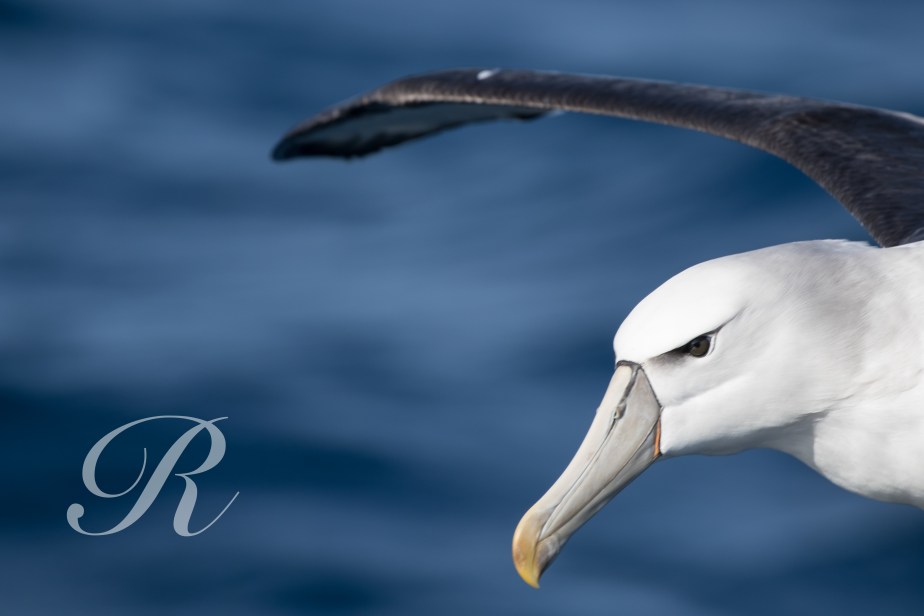
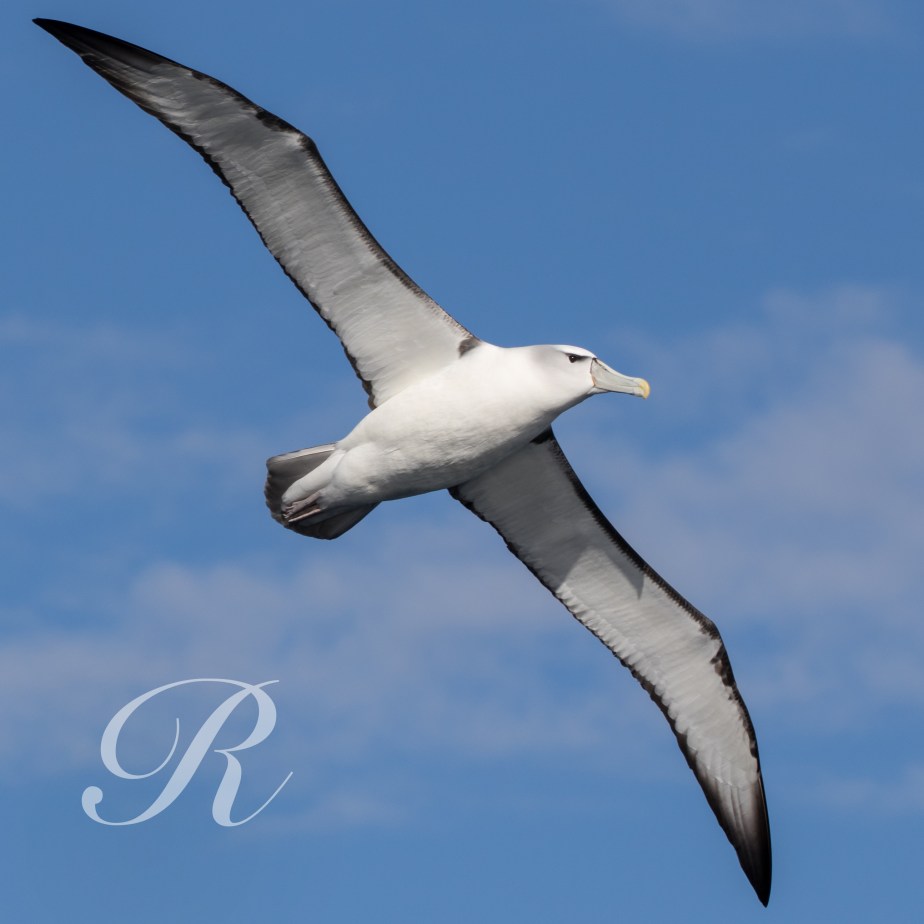
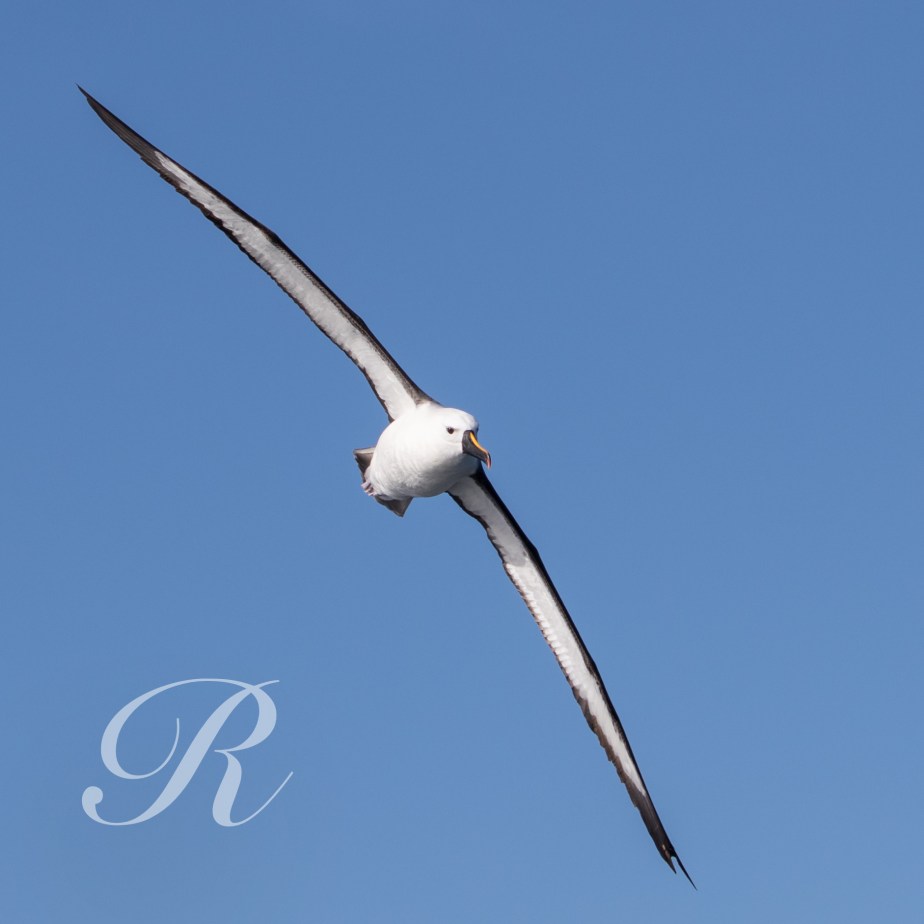
Shy Albatross
The largest albatrosses are the Wanderers and the Royals but they didn’t put in an appearance this time out. The largest on this occasion were the Shy Albatross. They were present in good numbers and not at all shy. Slightly smaller and rather more numerous were the Black-browed Albatross …
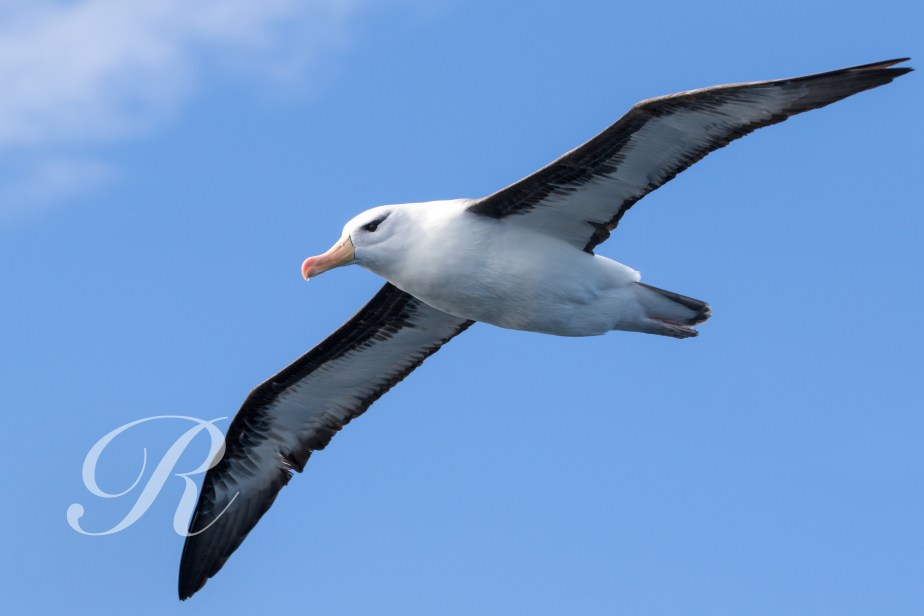
Black-browed Albatross
The black margin on the underwing is broader, the bill a different colour. They come in two subspecies (full species according to some) which can be distinguished by the colour of the iris, yes you do need to get reasonably close. One has a dark eye, the other is honey coloured, both were present.
Smaller still is the Yellow-nosed Albatross …
Yellow-nosed Albatross
Sea birds tend to be black, white, gray or combinations of black, white and grey! Diagnosis has its challenges. Albatrosses are actually the easy ones.
All the procellariforms have tubes leading to their external nose. If you look at the top close up of a Shy Albatross you can see that there is a small nostril on the side of its beak. The Albatrosses all have two quite small nostrils, in all the other families that make up the order the tubes merge into a single opening on top of the beak.
The four families are :-
Family Procellariidae (shearwaters, fulmarine petrels, gadfly petrels, and prions)
Family Diomedeidae (albatrosses)
Family Hydrobatidae (storm petrels)
Family Pelecanoididae (diving petrels)
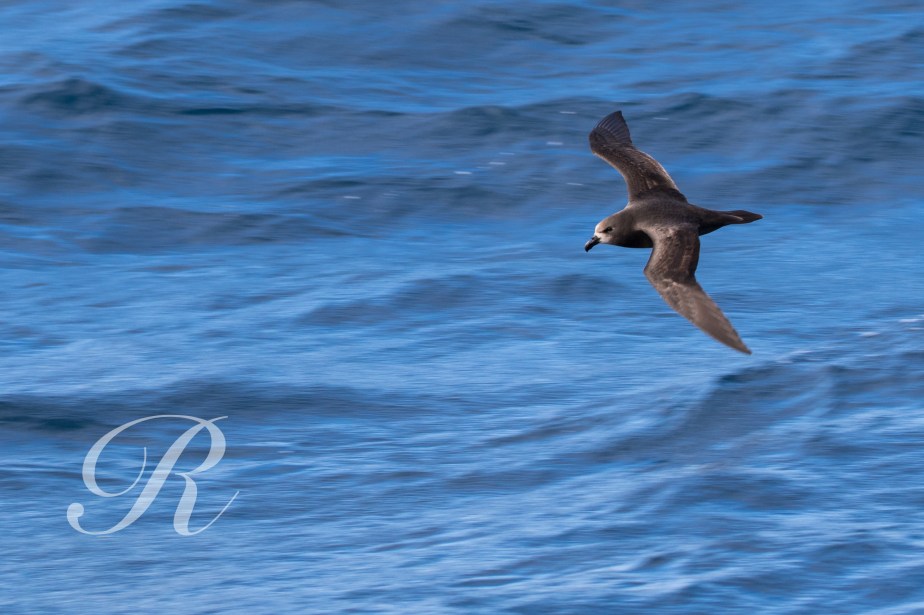
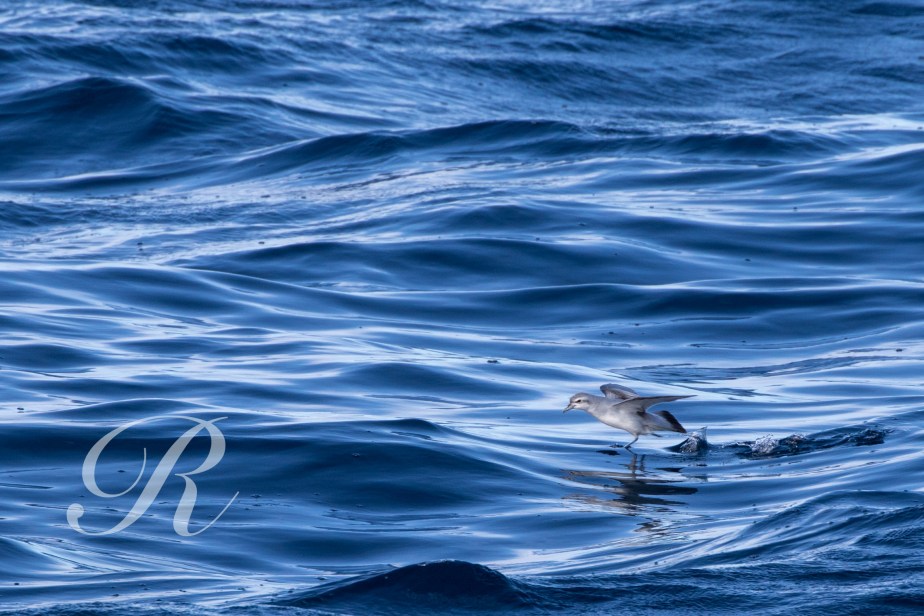
and at least one member of each family turned up. Here are a few of them …
Australian landscapes are ancient, the heady days when rift valleys tore Gondwana apart, and sea floor spreading propelled its fragments around the globe are long gone. It’s hard to imagine a Mt Nyrigongo popping up and obliterating Adelaide. And I do so miss her warmth, the twinkle in her magma and her sweet sulphurous perfume.
But the reality is that western Victoria is littered with volcanoes. It’s just the timing that’s out of kilter.
Ken Grimes, of the Hamilton Field Naturalists Club has written a very nice paper on the subject which you can find <HERE>.
In the Western District there are mainly three types of volcano, though combinations of these also occur. About half of the volcanoes are small steep-sided scoria cones built from frothy lava fragments thrown up by lava fountains. Most of the remainder are broader but flatter lava volcanoes formed from relatively gentle flows of lava welling out of a central crater. A group of about 40 maar craters
near the coast formed from shallow steam-driven explosions which produced broad craters with low rims. These now often contain lakes.
These are the New Volcanics, they started about 5 million years ago. The most recent eruptions occurred about 5000 years ago. They seem to have occurred about every 5000 years so we may be due. According to Ken they erupt for a few weeks or months and never again, the next eruption being at a new site.
Melbourne University’s Professor Joyce anticipates that the next eruption would be “the sort of thing that would be interesting for tourists”. I’m sure it would, and Dr Lin Sutherland of the Australian Museum reassures us that
… no panic is needed. It probably would be a small discharge and a temporary nuisance, rather than the large eruptions we see in the Pacific ‘Rim of Fire’.
This assumes that it isn’t a Phreatic (15 points, more if you can get it on a double or triple word square) eruption. Boil one cubic meter of water and you have 1,600 cubic meters of steam. If magma comes into contact with ground water the result is an explosion. Such
explosions crush the overlying rocks and launch them into the air along with steam, water, ash and magmatic material. The materials usually travel straight up into the air and fall back to Earth to form the tephra deposits that surround the crater.
Thus producing a maar, these are usually a few hundred to a thousand meters in diameter and less than one hundred meters deep. Nothing to panic about.
Tourists do enjoy them but not until they’ve settled down a bit! My favorite is at Tower Hill near Port Fairy, incidentally this vicinity is high on the list for the next eruption.
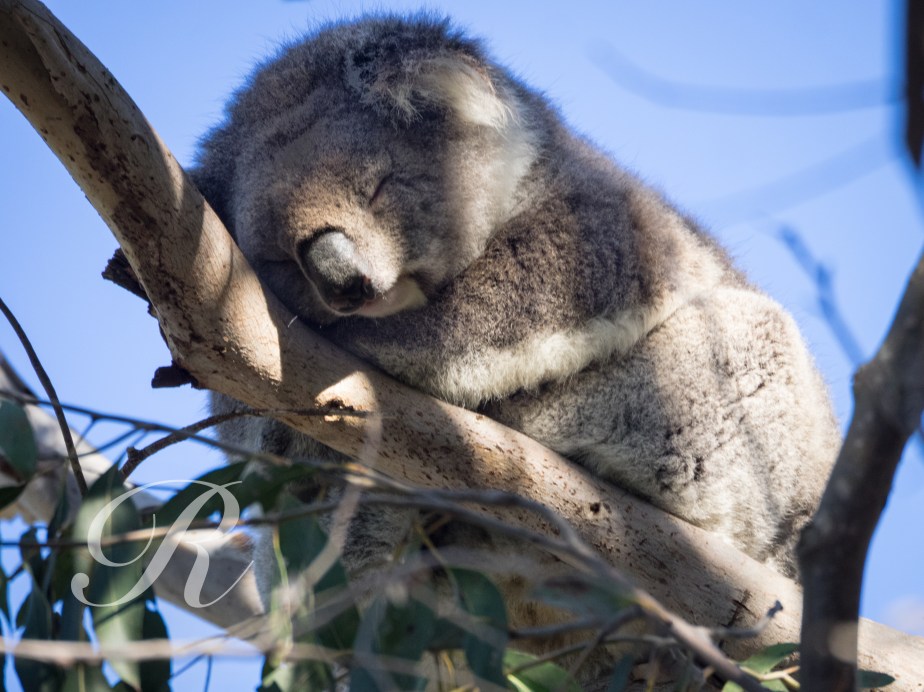
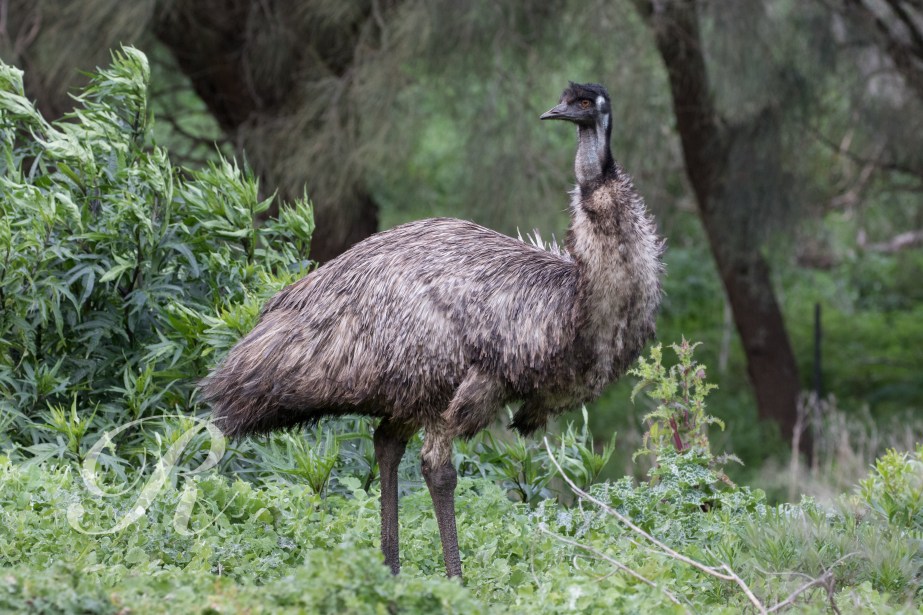
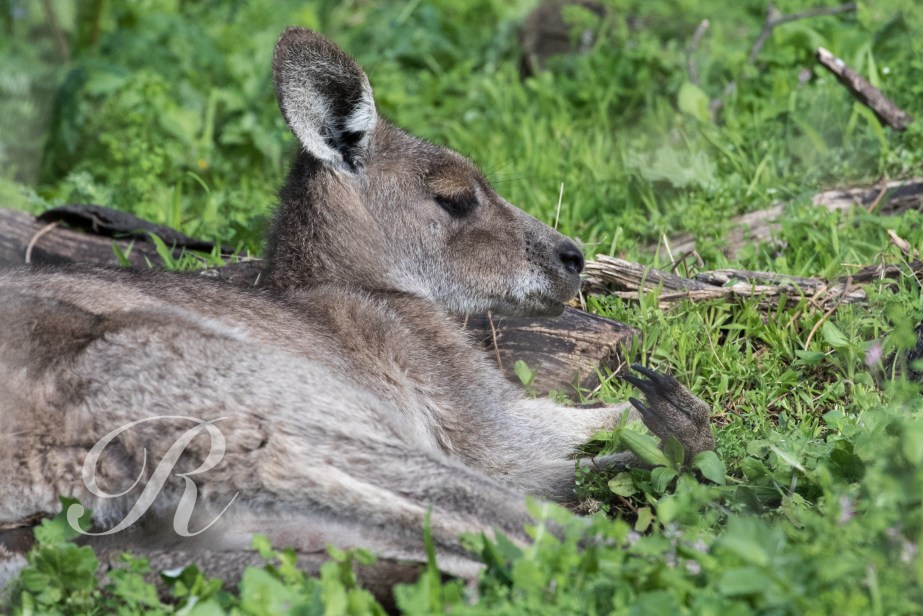
It’s probably about 25,000 years since it went bang. It is now a very attractive game reserve, home to koalas, emus and kangaroos. Interestingly, you can’t take your dog there but during duck season you can take your gun.
Koala – Tower Hill
Emu – Tower HillEastern Grey Kangaroo – Tower Hill
So there you have it … photographic evidence of life on maars.
A story that was recently in the news is worth a review.
You can read it at PerthNow where you can also watch a film clip. To summarise, a couple travelling on the Canning Stock Route, one of Australia’s more demanding 4WD tracks in remote Western Australia got bogged and weren’t able to get their vehicle out.
So they reached for their satellite phone, well no they didn’t, no mention of a satellite phone. So they separated and set off walking. Worked well enough for the girlfriend, she walked into a campsite where she was able to raise the alarm. The search started on Friday morning, the boyfriend was found on Sunday …
The Perth man who almost perished in the WA outback has credited skills he learnt on Bear Grylls TV shows for his survival.
Anthony Collis says he ate flowers and bugs during the three days he spent lost in the Pilbara.
The press run this sort of story every chance they get, if I’m ever rescued from the bush I am going to say I survived by eating spiders. It raises the game to a whole new level. He didn’t survive by eating bugs and flowers, he survived despite eating bugs and flowers. Going without food is very uncomfortable but it would take him three or four weeks to die from starvation. He was intending to travel quite a distance up the track, there are no McDonalds on the route so surely there was food in the ute.
How long you can last without water is another issue. It could be just a few hours of heavy exercise in the hot sun, probably three days in shade rigged by the ute, a week at room temperature in comfortable surroundings. And, surely there was more water in the ute than he could carry.
It is winter and it was difficult to keep warm. So Mr Collis buried himself in the sand just like Bear Grylls did in his show. An unexpected side effect of that was to make him invisible to the heat seeking device the police, in their helicopter, were using to locate him.
As always the starting point for the search was the car. Had he been there it would have been a very short search. He wasn’t there. He was three kilometres away. What is the point of being three kilometres away?
You can bury yourself just as well at the car, we know the sand was soft, the car was bogged in it. Three days, three kilometres. It defies logical explanation.
Good preparation for a 4WD trip includes a means of communication, some self rescue equipment, water and food. Both of these people are lucky to have escaped with little damage. Caroline Grossmueller wasn’t so lucky.
It’s a pity that Bear Grylls didn’t tell them to stay with the vehicle, I guess that doesn’t make for spectacular TV.