Broome …

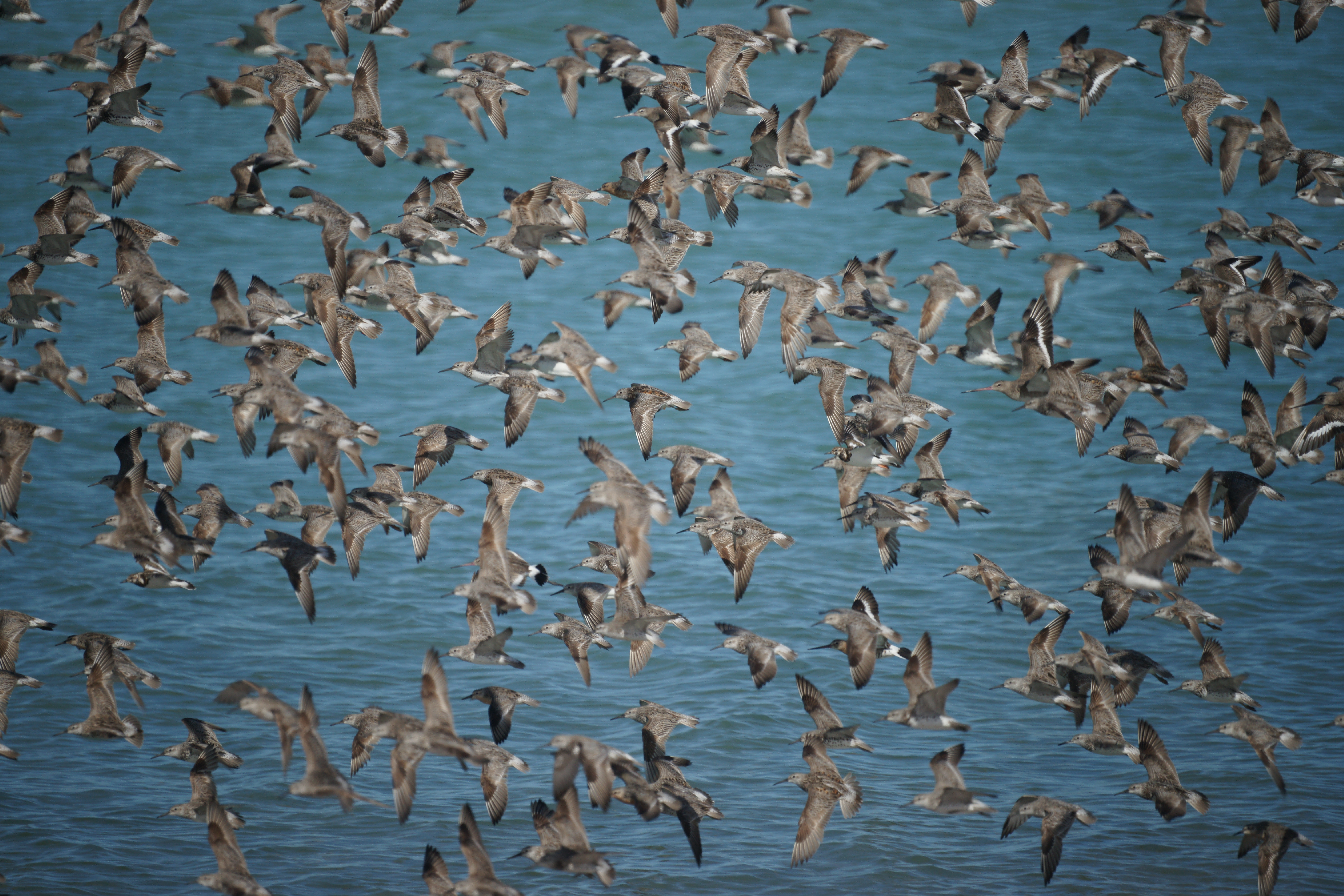
I first visited Broome in 1996. I played a small part in an Australian Wader Studies Group expedition that caught and banded birds like these …

If you click on the picture it will fill your screen and you can test your diagnostic skills. The back arrow on your browser will return you here. (This is true of almost all the photos on this blog).

It’s a place that has a great magnetic pull. A couple of the guys on the expedition stayed on and made it their home. I have been back many times and usually stay with one of them.

Most of the waders nest in Siberia and come to Oz to escape the winter snow of their breeding grounds. Roebuck Bay is a key resource for enormous numbers of them. It is the premier site for shore birds in Australia.

William Dampier explored the northern coasts of Western Australia back in the 17th century. The bay is named for his ship. By the 1880’s the surrounding waters were being exploited for pearl shell. In 1883 John Forrest chose the site for a port town that would serve the pearlers as a base. He named the place after Sir Frederick Broome who was the Governor of WA at the time. Sir Fred was not much impressed to have his name associated with such a humble outpost.

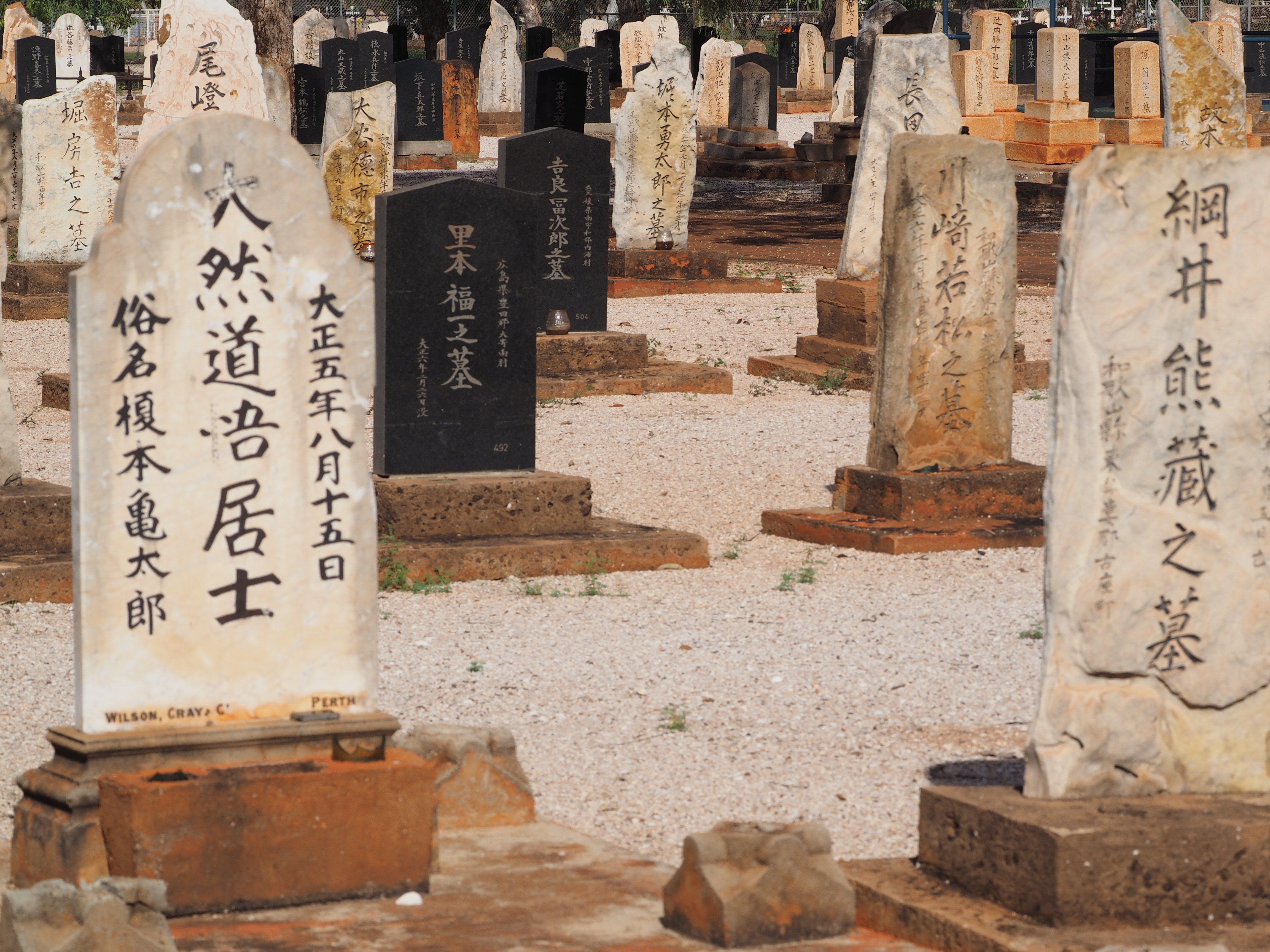
Quite an assortment of humanity worked in the pearling industry. The Japanese were especially prominent and there is a cemetery that provides a last resting place for many of their dead.

OLYMPUS DIGITAL CAMERA

They also exerted their influence in the Second World War when they bombed the place four times killing 88 on one occasion.

The pearl industry is still important but has changed considerably. In past times it was all about pearl shell which was used extensively for buttons. Nowadays buttons are made of plastic and the industry makes its money out of pearls, mainly cultured.

Broome is the administrative centre for the Kimberley and is a base for the mining and gas extraction industries.

Above all, though, it’s a tourist destination. It boasts an international airport, an open air cinema, dinosaur footprints, camel rides, spectacular sunsets and a nude beach that extends some 17km from Cable Beach to, believe it or not, the mouth of Willie Creek.

This visit was part of a package with Zegrahm Expeditions so I got to stay at the Cable Beach Resort, such luxury. Nonetheless I played hookey the first day and went birding with my good friend Chris Hassell who is a professional ornithologist with Birdlife International and the Global Flyway Network.

A splendid day was had and at the end of it I was deposited at the port and embarked on the Oceanic Discoverer for a voyage to Darwin via the Kimberley coast.

And a splendid vessel she is.


The Kimberley revisited …

Back in 2013 I made a 4WD trip to the Kimberley in search of the Black Grasswren. It was a splendid adventure which I described on my return.

The Kimberley is a remote and sparsely populated part of Western Australia. It is located entirely in the tropics. In summer it’s hot and wet, in winter it’s hot and dry.


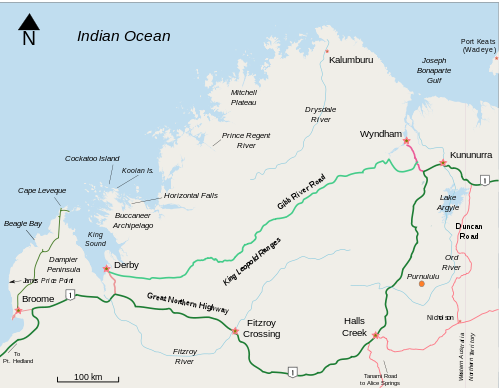
270px-KimberleyHere is the red bit in a little more detail …

500px-Kimberleys,_Western_Australia_map,_labelled.svg

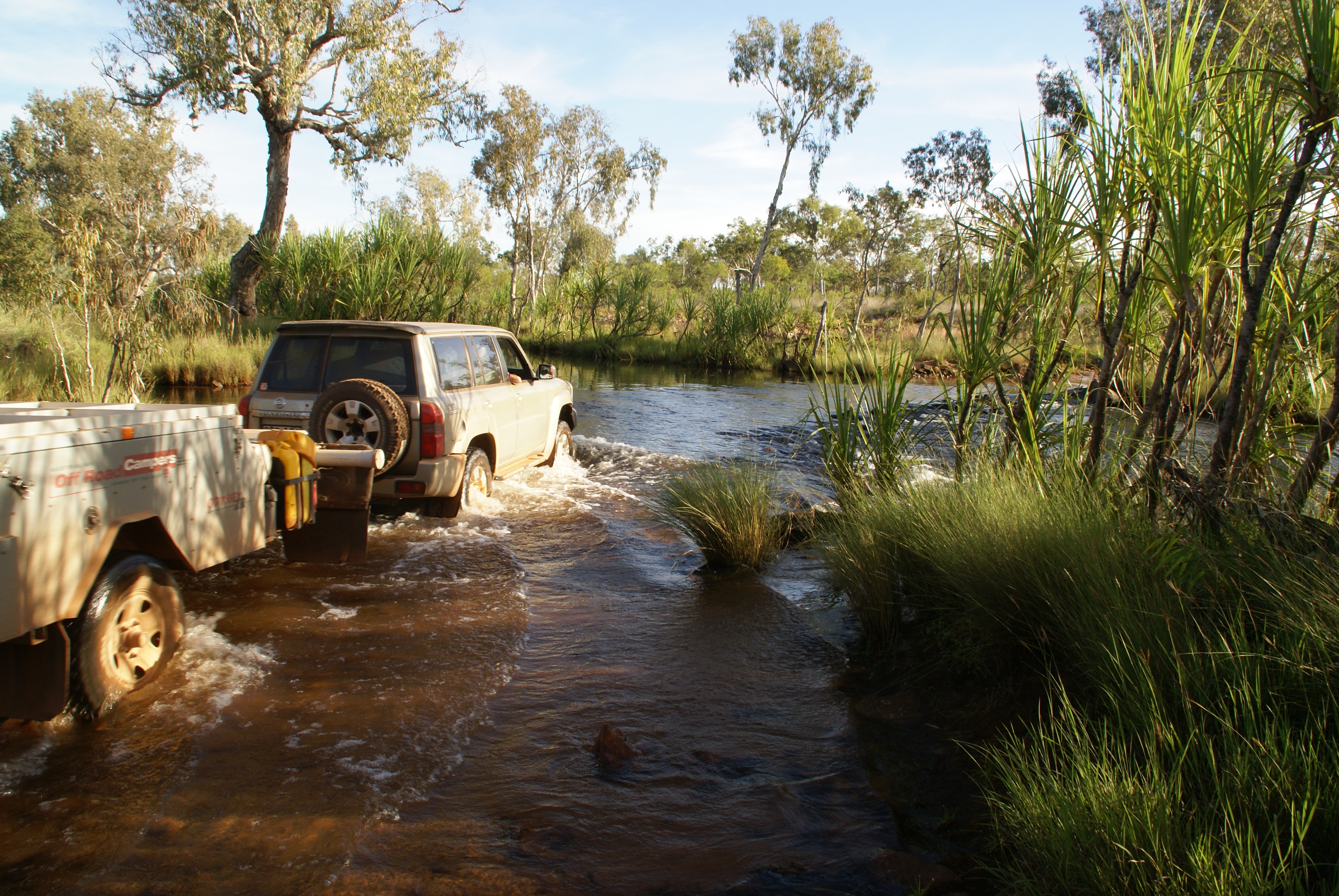
As you can see, between Derby and Wyndham the “main road” is always more than one hundred kilometres from the coast. The Gibb River Road is a modest expedition in itself but to really get to grips with the Kimberley you have to do battle with situations like this …

King Edward River

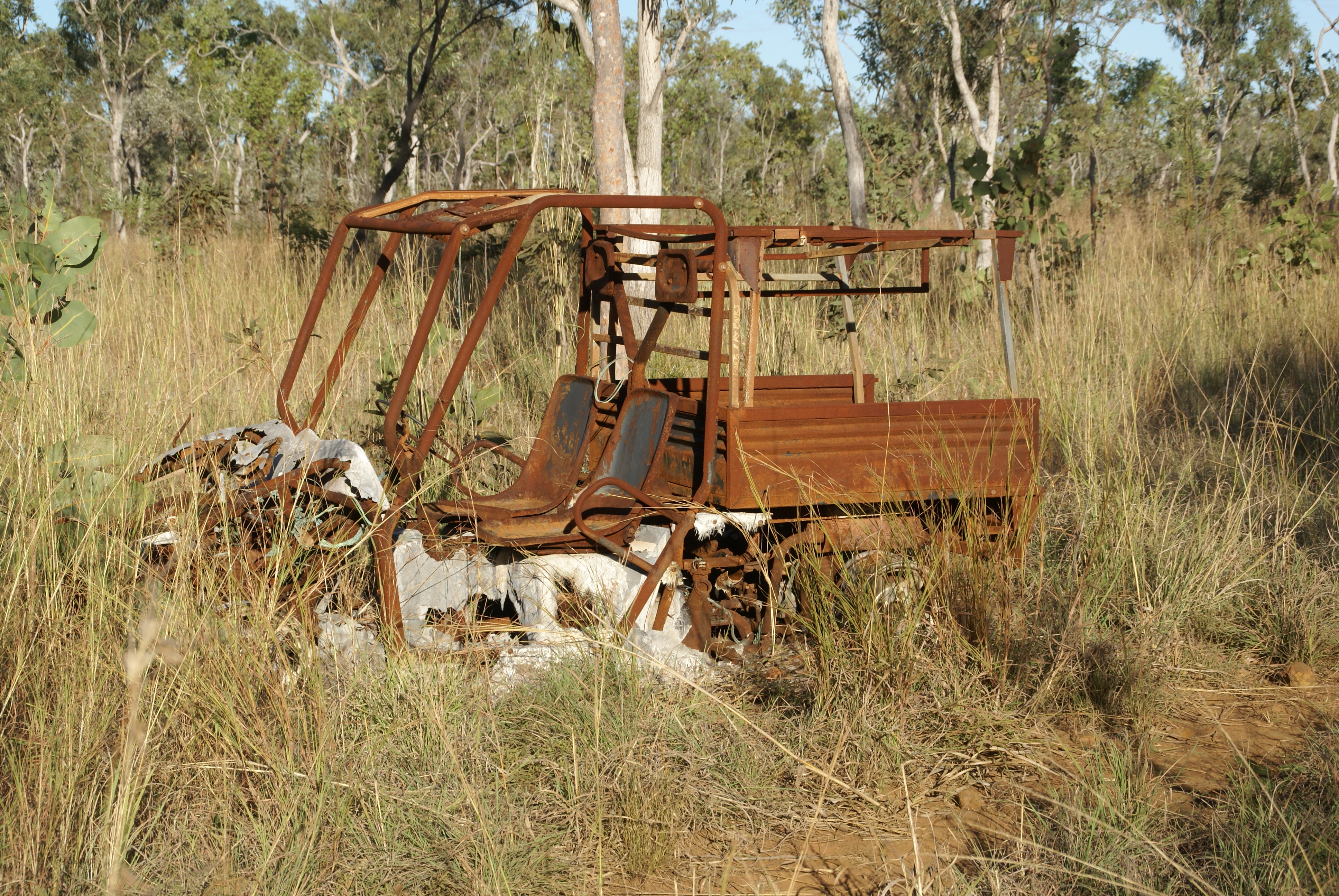
and from time to time you pass the skeletons of the vehicles that didn’t make it …

SONY DSC

Your rewards are the bush, the waterfalls, the wildlife, the rock art and the exhilaration of getting out intact. All of which just makes you want to see more … and the way to do that is by ship.

OLYMPUS DIGITAL CAMERA


Brazzaville …

King Leopold ll of Belgium managed to convince the world that he had the best interests of the African people in his heart as he sponsored exploration of the Congo Basin. Whilst projecting a virtuous image he carved out not a Belgian colony but a personal fiefdom in what is now the Democratic Republic of the Congo.

The local people were enslaved and treated most brutally. As mighty as the river Congo is, it is not navigable from its mouth. Having staked his claim, Leopold’s first objective was to make a route from the coast, around the rapids that hindered exploitation. This was initially a foot slog with humans forced to be the beasts of burden, it ultimately became a railway.

With that achieved lucky Leo began enriching himself by extracting as much ivory as he could. When Mr Dunlop working in Belfast in 1887 reinvented the pneumatic tyre in a form that would become a commercial success the new commodity was rubber. Initially this was harvested from wild growing vines. Until plantations of rubber trees took over the natives could be persuaded, usually by holding their wives and children hostage, or by killing the reluctant, to get out there and bring in an increasingly burdensome quota of rubber.

To ensure that bullets weren’t going to waste in Leopold’s Congo an ingenious accounting method was devised. For each bullet issued a human right hand had to be returned. If you wanted to shoot something other than a human, say for the pot, the problem could be solved by amputating the right hand of someone not yet dead. If you want to learn more on this grisly subject I recommend the book King Leopold’s Ghost by Adam Hochschild.

The Belgian Government did eventually take over the colony but continued in the same style.

Leopold’s ambitions on the north bank of the Congo were checked by the French. In 1880 Pierre Savorgnan de Brazza, a naturalised Frenchman of Italian origin, reached the river from Gabon and persuaded the local king to accept the protection of France. Thus the modern day Republic of Congo was once part of French Equatorial Africa.

De Brazza returned in 1886 as Governor-General but lacked the capacity or rapacity to deliver the sort of profits his masters desired. He was replaced in 1897. By 1905 the civilised world was waking up to the realities of colonial excess. De Brazza was sent back to investigate the goings on. His report was scathing and quickly buried. Conveniently, he died soon after. And was also buried. Given a state funeral but little recognition, his widow had his remains exhumed and reinterred in Algiers.

The Congo became independent of France in 1960. The city founded by de Brazza and named Brazzaville by the colonisers managed to keep its name. In fact further honour was heaped on de Brazza in the form of a splendid mausoleum, his remains and the remains of his wife and children were brought from Algiers and treated to a state funeral again.

OLYMPUS DIGITAL CAMERA

Brazzaville is an unpretentious city. A few notable buildings stand out …

OLYMPUS DIGITAL CAMERA

OLYMPUS DIGITAL CAMERA

The old religions of Christianity and Islam are represented and also the new religion of Association Football …

OLYMPUS DIGITAL CAMERA

The stadium is going up for the 2015 African Games. The architects are PTW, an Australian firm. It is being built by the China State Construction Engineering Corporation.

The Nabemba Tower is the tallest building on the skyline. It is named after the Congo’s highest mountain. It is 106 metres or 30 floors high and supposedly costs £3,000,000 a year to maintain, in a city that struggles to provide garbage removal, dumps its sewage in the river and has only rudimentary hospital facilities.

OLYMPUS DIGITAL CAMERA

I walked around the city by day and after dark, I was never pestered or fearful for my safety. Poto Poto market and the nearby Cathedral are well worth a visit. Razor wire and private security suggest that burglary might be a problem. Expat South Africans that I spoke to uniformly said it was safer than South Africa. Almost every vehicle on the road is a taxi, price is fixed for the central area of the city and very reasonable. Negotiate the fee for longer journeys before getting in … the vehicle behind is also likely to be a taxi, if your French is up to it you can conduct an auction from the footpath!

Sadly there is little opportunity to access and enjoy the river frontage.

The African Queen …

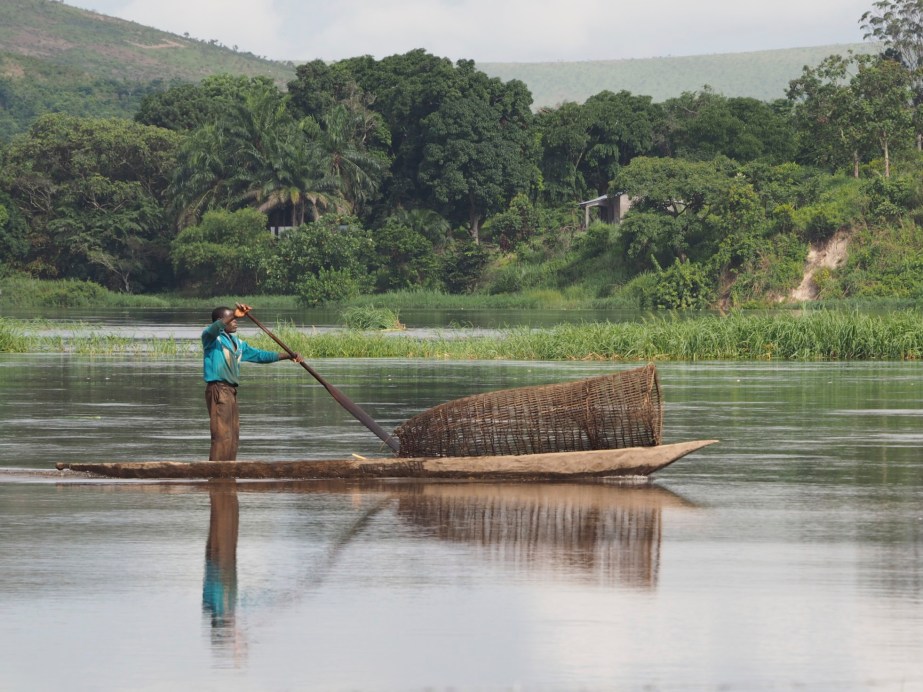
My African sojourn was coming to an end but there would be one last adventure, a two day cruise on the Congo River. It is the deepest river in the world and second only to the Amazon in the water it discharges to the sea. Home of the Mokèlé-mbèmbé, boundary between nations, highway of colonial subjugation, heart of darkness or artery of Africa, take your pick. Mark, my traveling companion, had done all the travel organisation. So far a splendid job. He was a little nervous about this final flourish. It was all organised by email, no receipts, no address, no phone number. Would our guide pick us up at Mikael’s Hotel?

OLYMPUS DIGITAL CAMERA

Would the African Queen still be afloat?

The guide was ten minutes late. We took a taxi to the supermarket where we had to buy food for on the boat. Then we took a taxi to the docks. We were walking boldly into the docks when the police picked us up. The police station was very bare. We stood in front of a wooden counter that ran the width of a narrow room, there was a window on our left, no glass just a grill. There was a cage on our right, running the length of the room and about a metre and a half deep. The room was narrow enough for the prisoner on our right to be in conversation via the grill on our left with someone outside. I think he was pleading for someone to post bail.

There were three policemen, we handed over our passports. The largest policeman was in great spirits. Identifying us as Australians he began hooting at us. At the time it made little sense but afterwards I realized he had confused us with New Zealanders and was performing a Haka. A nice touch. Our passports were inspected thoroughly and failed to pass muster. We would have to go see the big boss.

The big boss gestured to some chairs in front of his desk, his office was a room that was bare apart from a bed, a bicycle, his desk and the chairs. Small windows, concrete walls. He inspected our passports carefully … and they failed to pass muster.

The next office belonged to the Chief of Immigration. Also bare, small windows. No bed, perhaps he expected bribes to be in the form of cash. No bicycle. He did have a computer. In a cardboard box, no doubt to be unpacked any day. Our guide explained our intentions. The chief inspected our passports. He explained, at great length, that this was the frontier, we did not have the necessary permit from the necessary bureaucratic entity. We could not board a vessel here. Our guide remonstrated. The chief became angry. Remonstrations became more subdued, anger diminished, time passed, the obstacle remained, the discussion went on. Clearly the exchange of as little as 20 would solve the problem, our problem, but would then pose a continuing problem for the guide who would have to find a small present on every occasion thereafter. Eventually he accepted the chief’s decision and we left.

Outside he explained that we would try another departure point, at Mami Wata, which is quite close to Mikael’s Hotel. He called the boatman on his mobile phone. We took a taxi to Mami Wata’s where we had a beer. After a while the boat turned up. It was not the African Queen, it was a canoe, holes in it had been patched with metal strip. Two plastic garden chairs had been placed amidships for the European guests. It had an outboard motor at the stern, held together by clear sticky tape. And God bless all who sail on her.

OLYMPUS DIGITAL CAMERA

We headed up river.

We explained our intense interest in birds, even little brown ones, with limited success.

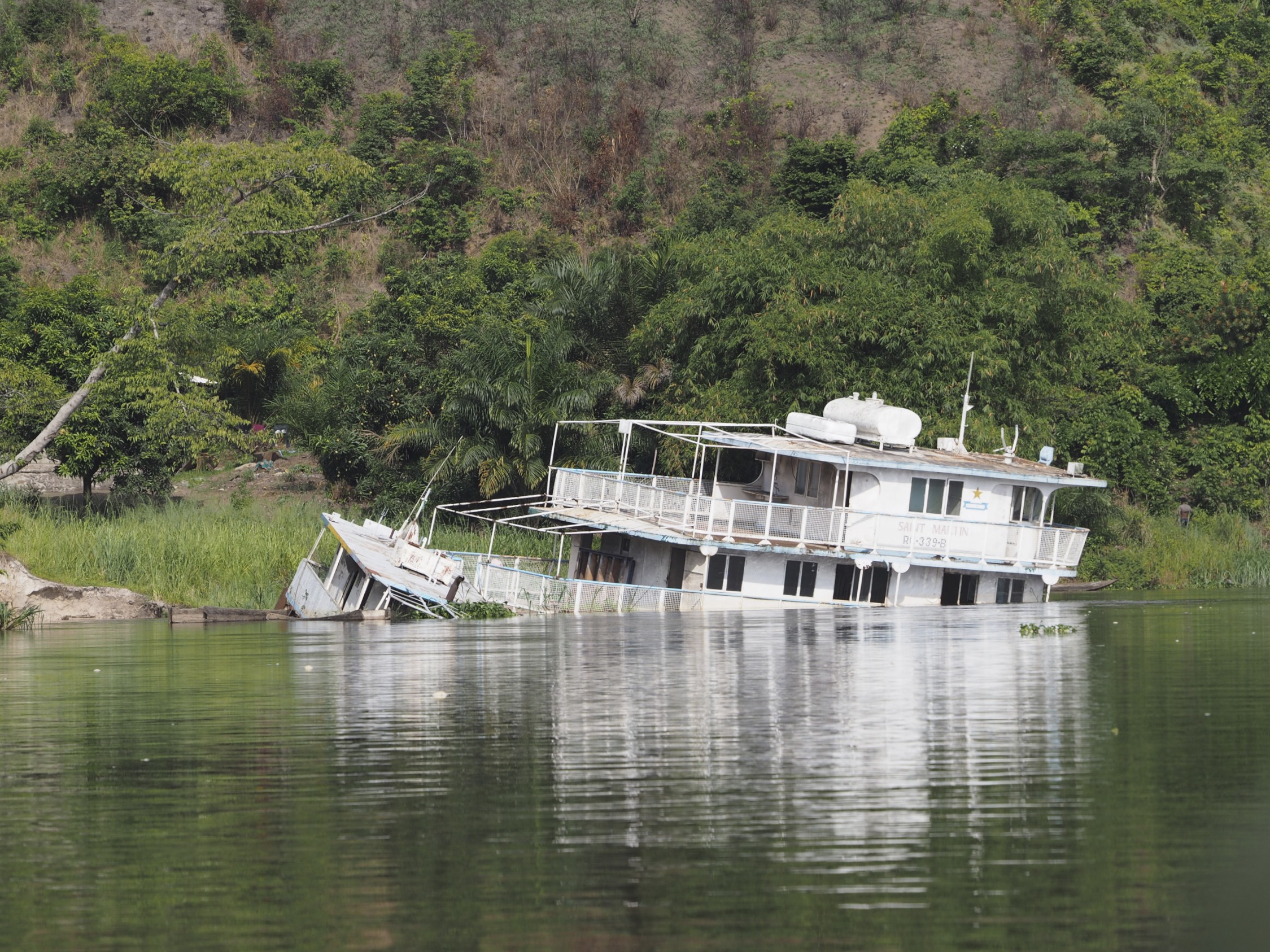
The Congo is very broad where Brazzaville faces Kinshasa (once known as Leopoldville) across the Stanley Pool. There are numerous islands and the intervening passages are not deep. The world’s deepest river it may be but it’s the shallows and the rapids that determine where it is and isn’t navigable.

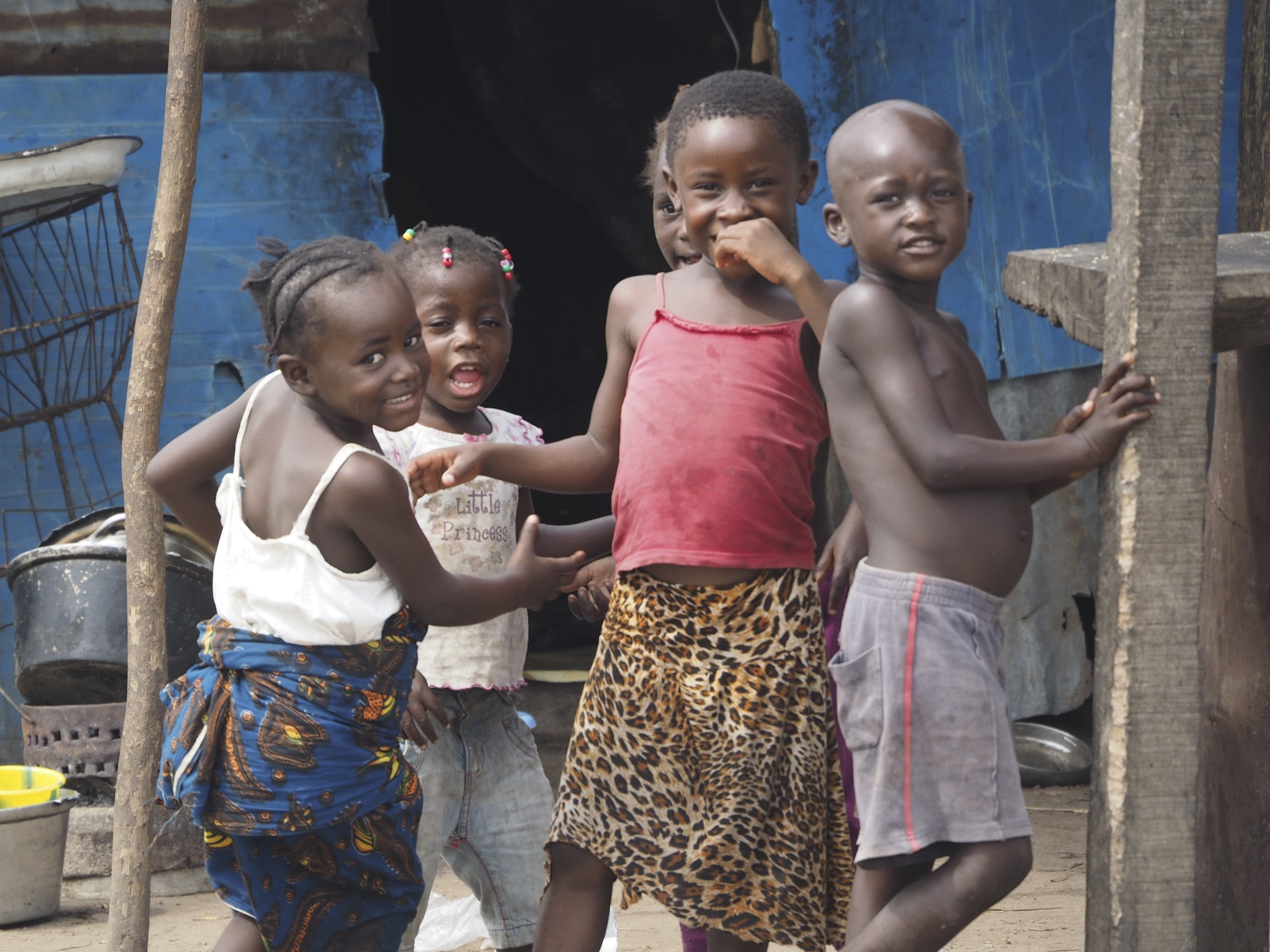
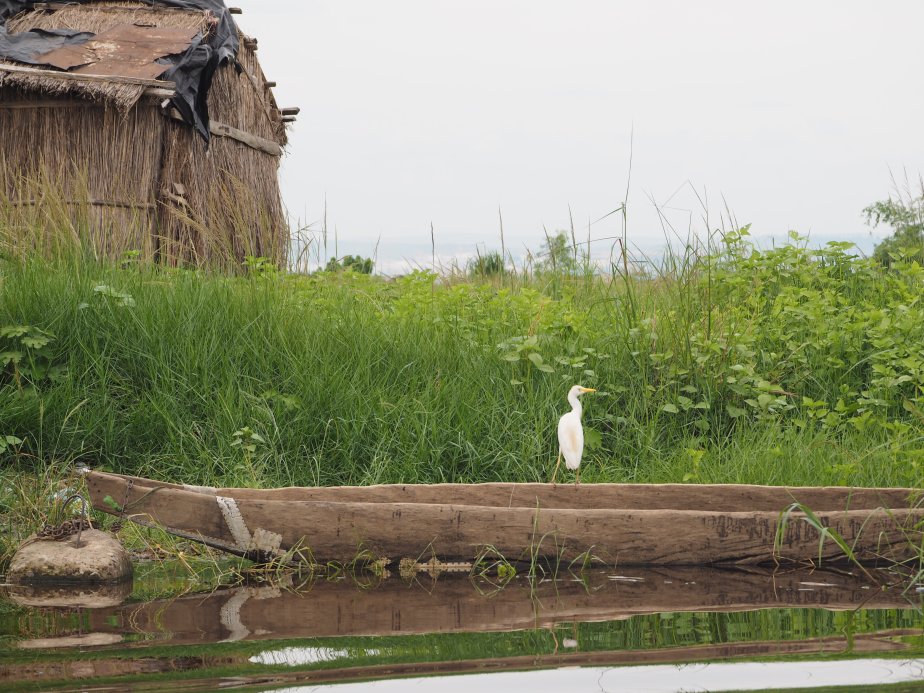
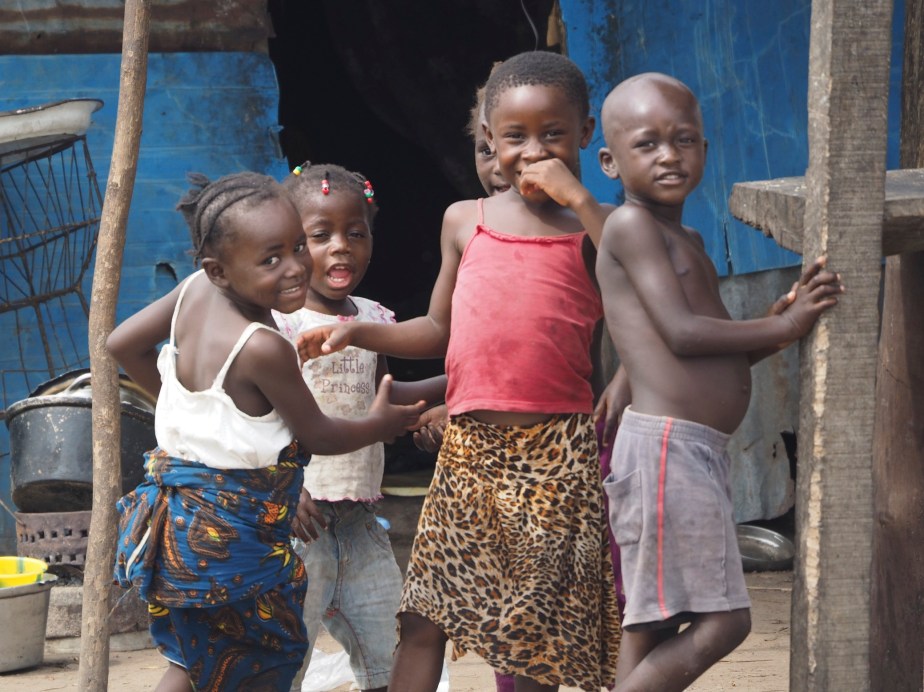
Some of the islands are home to fishing folk. Our boatman was keen to show us his village.
OLYMPUS DIGITAL CAMERA

Where Mark captivated the youngsters by discovering a bag of bonbons in his pack …
OLYMPUS DIGITAL CAMERA

In return, our hosts lit a small fire, practically at his feet, and cooked a fish for him to eat.

We explored the river until late afternoon, landed on an uninhabited island, managed to find a few birds along the way. Ultimately we reached our destination, a hotel on an island. The owner, hotelier, chef and bottle washer was clearly surprised to see us … when she was eventually discovered, but yes, if we liked we could stay. It was clean, we each had a bedroom of our own. We shared a bathroom which did have a shower and a flush toilet. We had a lounge where we would also eat. Cool.

There was no running water, which relegated the shower to decorative status only. There was a line of buckets next to the toilet so no problem there. A generator provided electricity in the evening. And the boatman would be back at eleven the next morning. The evening meal was delicious.

Birding on the island was good. Amongst those prepared to pose were Little Bittern …
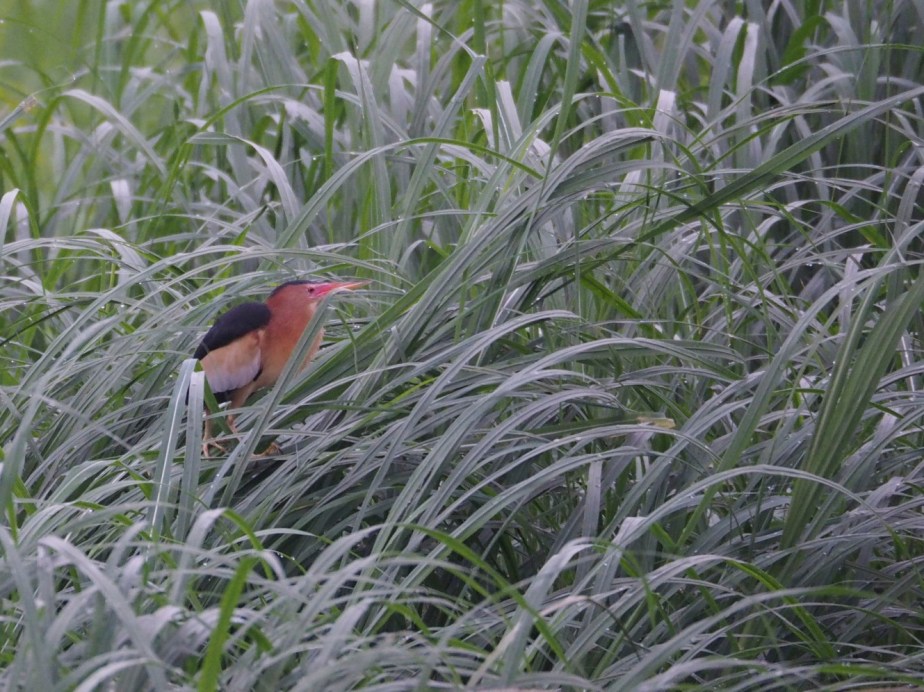
OLYMPUS DIGITAL CAMERA

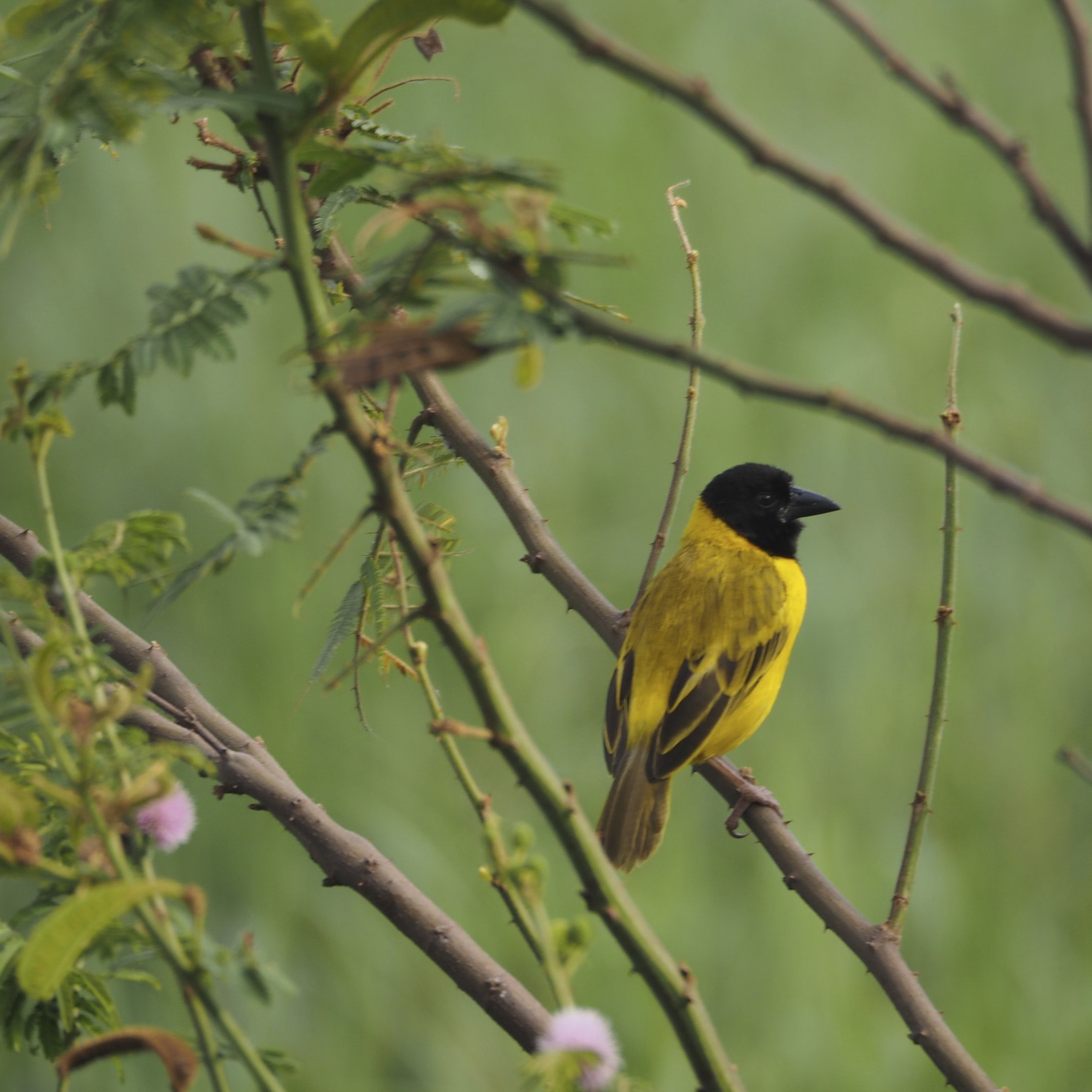
… and Yellow-backed Weaver.

OLYMPUS DIGITAL CAMERA

Daily life passed by …

OLYMPUS DIGITAL CAMERA

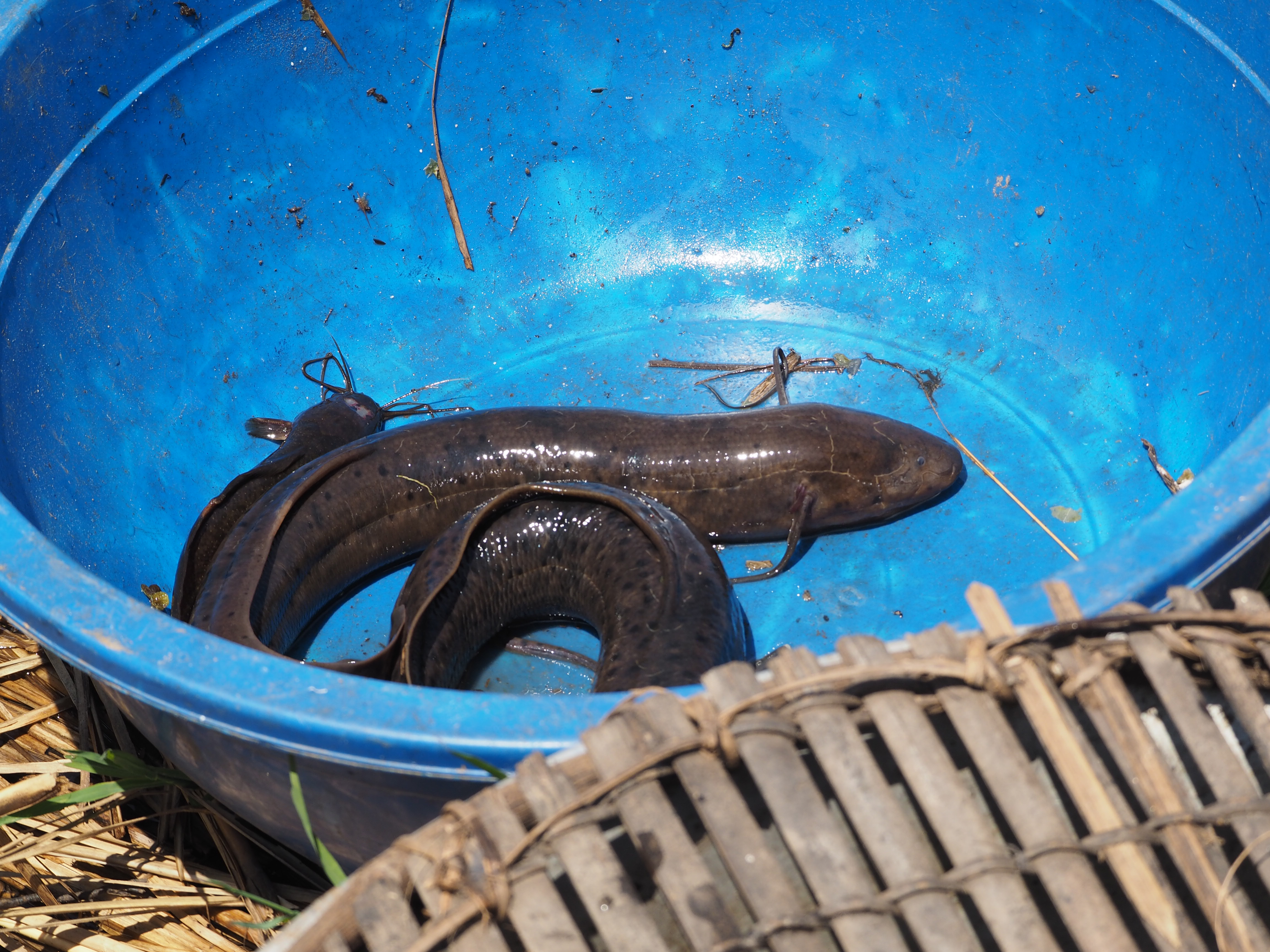
Not long after noon the boat man did turn up and we made our way back to Brazzaville. Along the way we encountered the African Lungfish, sadly awaiting an unpleasant fate.
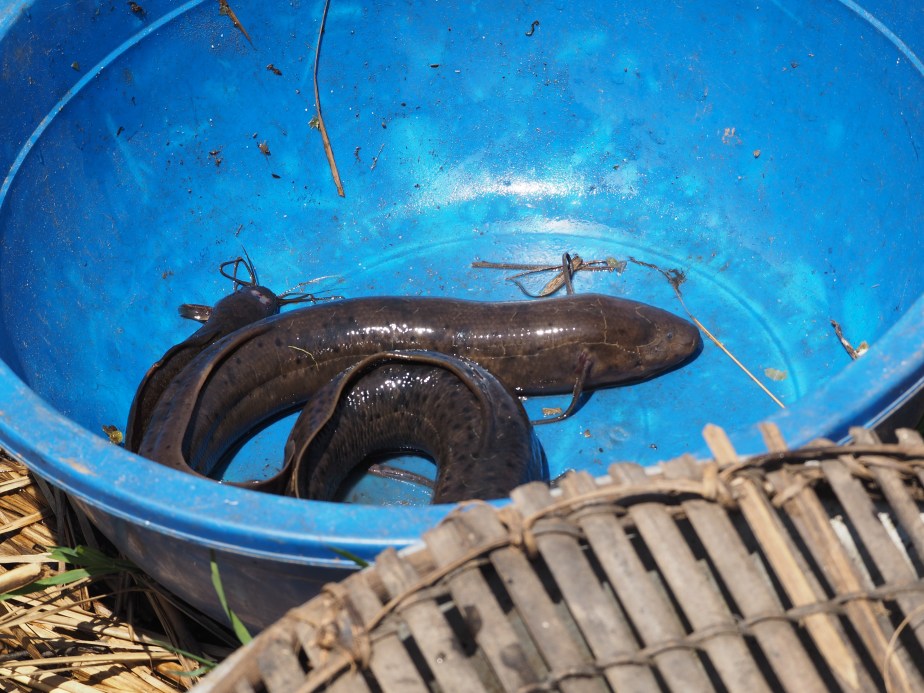
OLYMPUS DIGITAL CAMERA

All that was left to do was to find some way of getting ashore without being arrested. We headed first to Mami Wata. For some reason, however, after a close inspection no landing was attempted. We then did an impersonation of a drunk driver crawling along in the gutter, up past the ferry terminal, a sniff around the port, hid behind other boats then back down to Mami Wata an hour or so later. Attempts to elicit an explanation of what we were up to met with no success.

We got off finally at Mami Wata where a little money changed hands to smooth our passage. A taxi ride took us back To Mikael’s for our final night.

Australians take freedom of movement for granted. Without it a small tourist business cannot be sure of being able to provide a service, a small enterprise stifled by a corrupt bureaucracy.
 

Lango farewell …

Lango camp, Odzala National Park, Republic of Congo. A beautiful spot, home to some creatures that are happy to pose for photos …

OLYMPUS DIGITAL CAMERA

and some that attack the offending camera …

OLYMPUS DIGITAL CAMERA

This was a camera trap set near the camp. Not mine, I’m pleased to say. It was discovered by a hyena who did a full Kanye West on the camera. The offender took its own photo in the process, the SD card survived. I will update this post with a photo if I can get the owner to share it.

Sadly, time to go. Back to Brazzaville and a cruise on the Congo.

Smelling the roses …

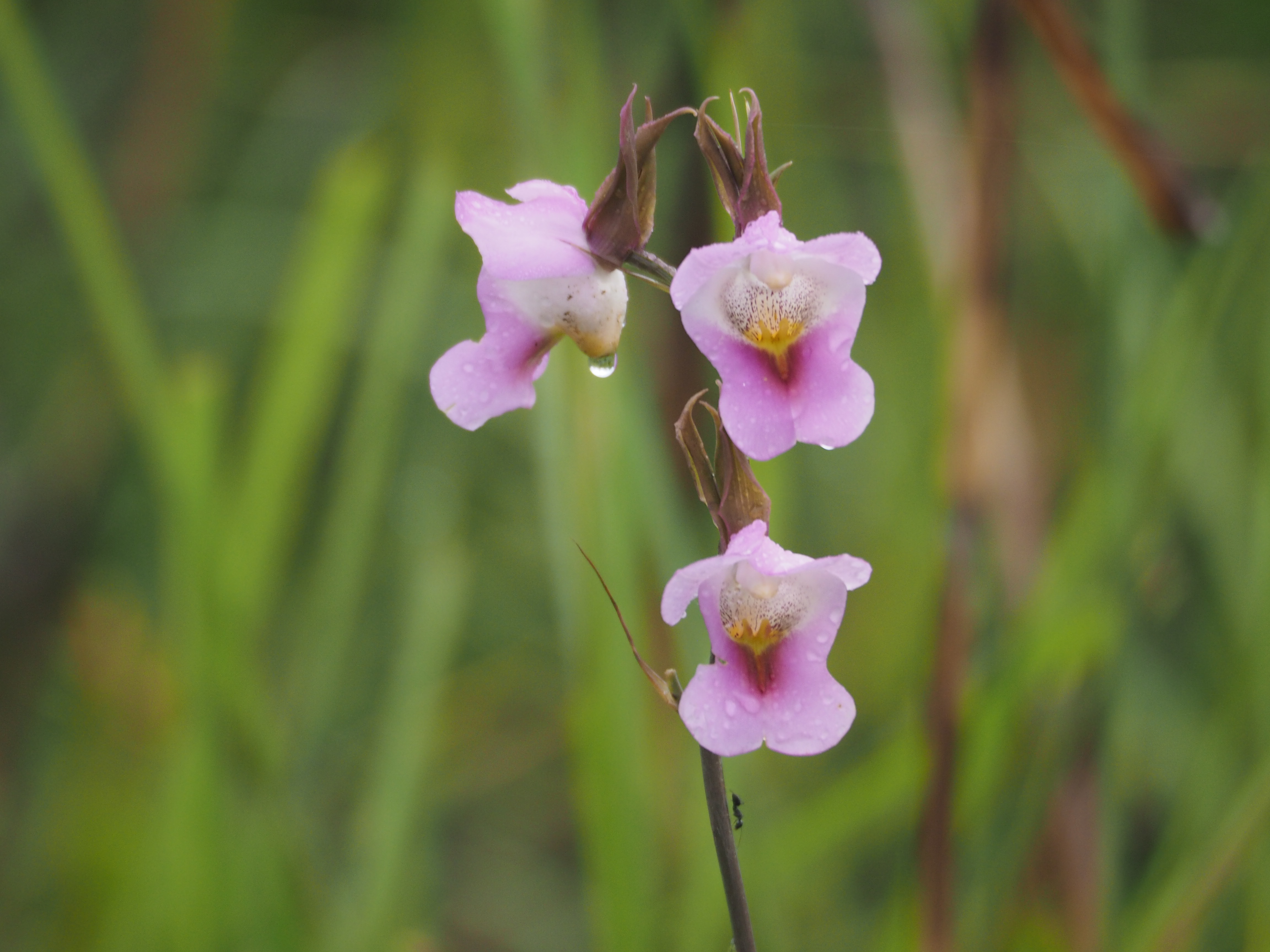
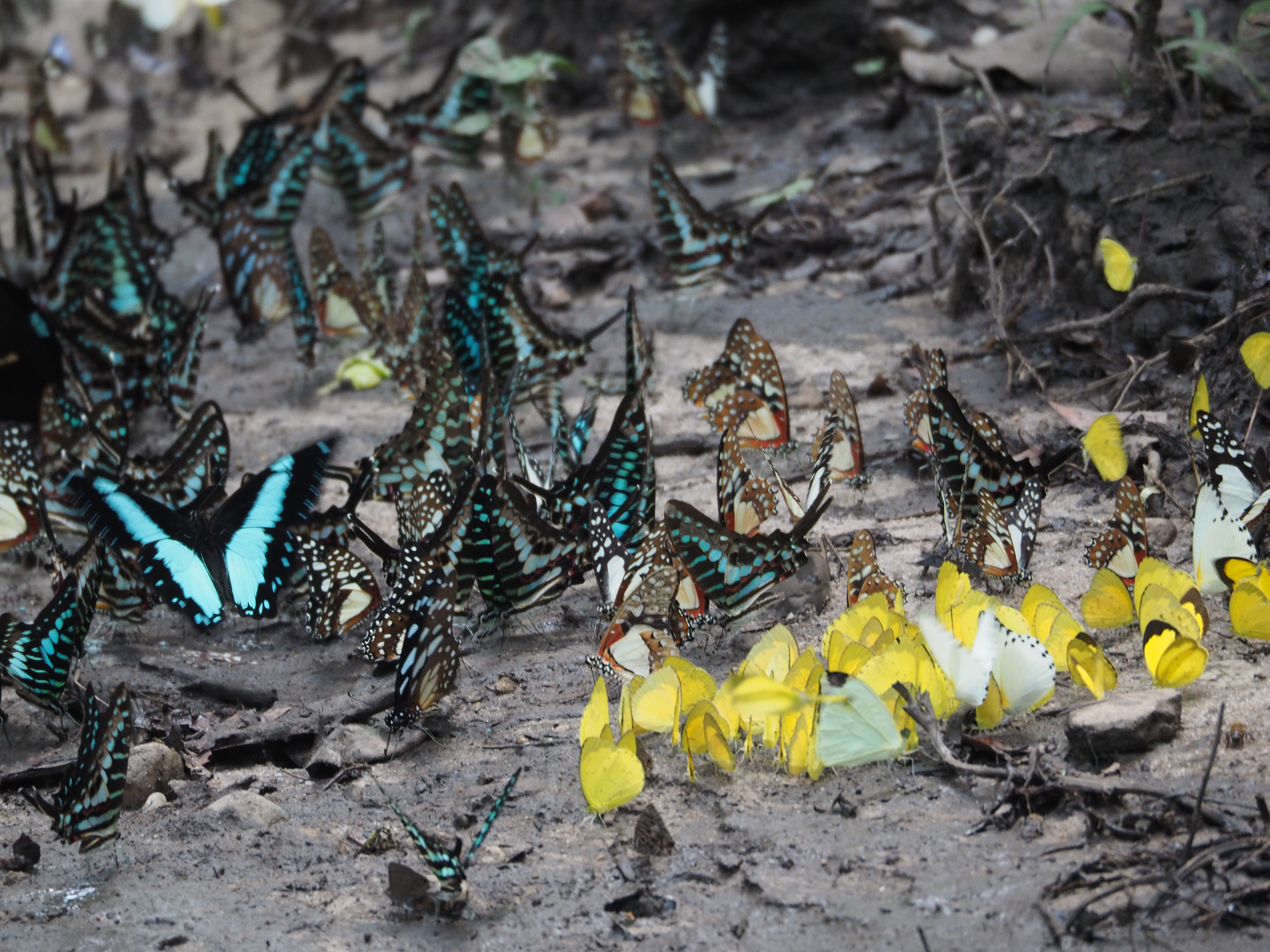
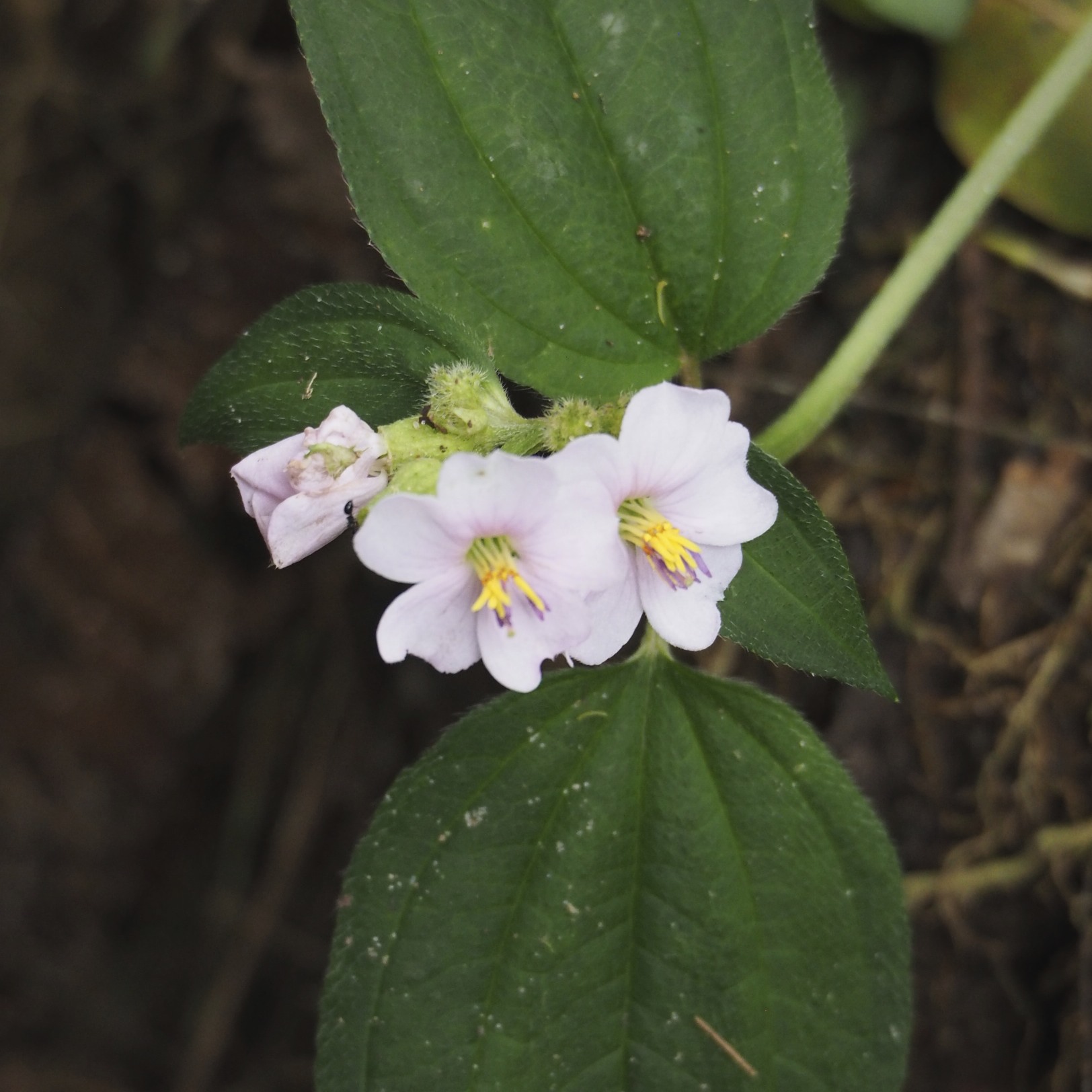
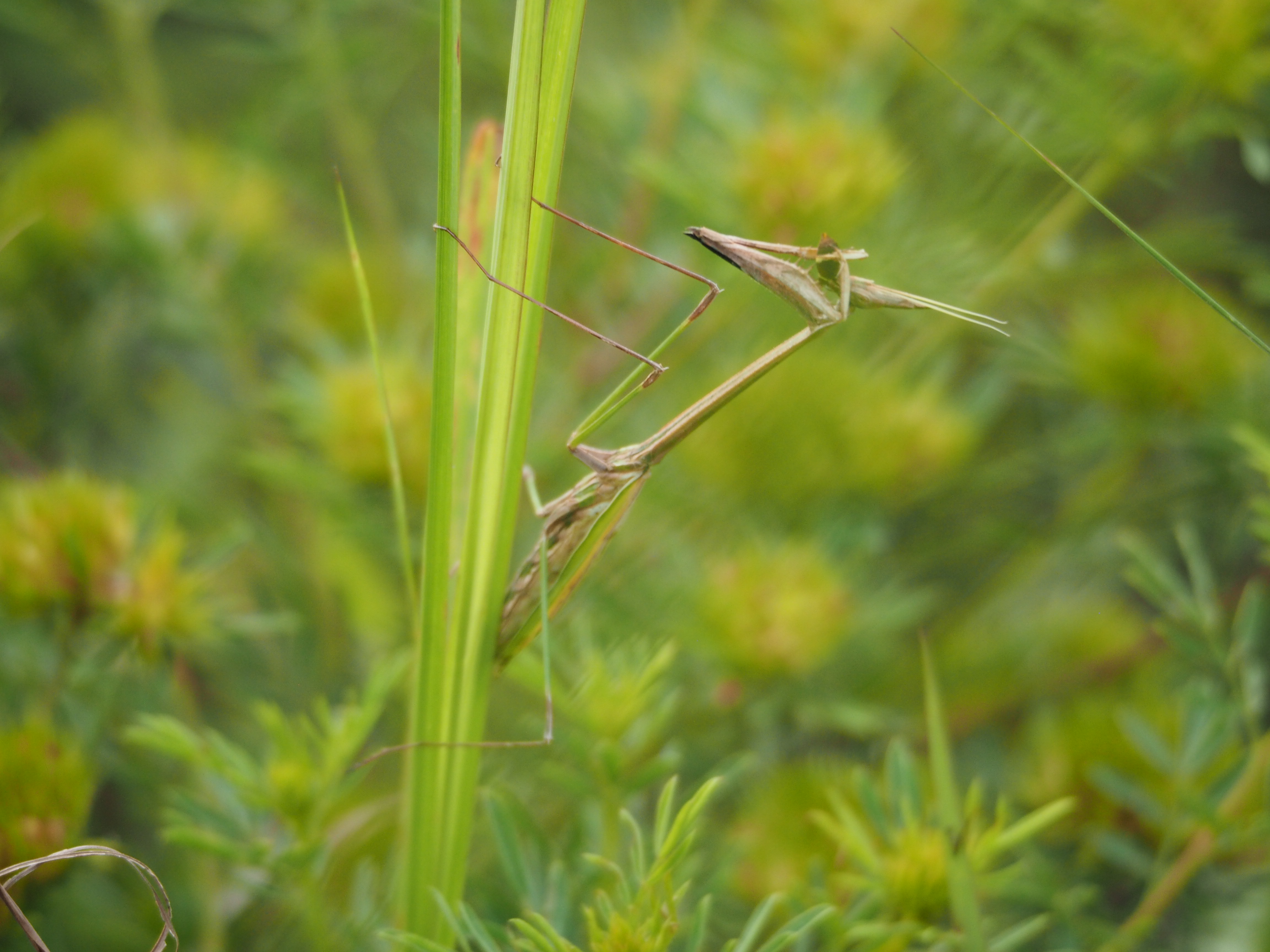
Maybe orchids rather than roses but traveling through Odzala National Park largely on foot does bring you close to some of the smaller things that might otherwise be missed.

OLYMPUS DIGITAL CAMERA

OLYMPUS DIGITAL CAMERA

OLYMPUS DIGITAL CAMERA

OLYMPUS DIGITAL CAMERA

OLYMPUS DIGITAL CAMERA

OLYMPUS DIGITAL CAMERA

OLYMPUS DIGITAL CAMERA

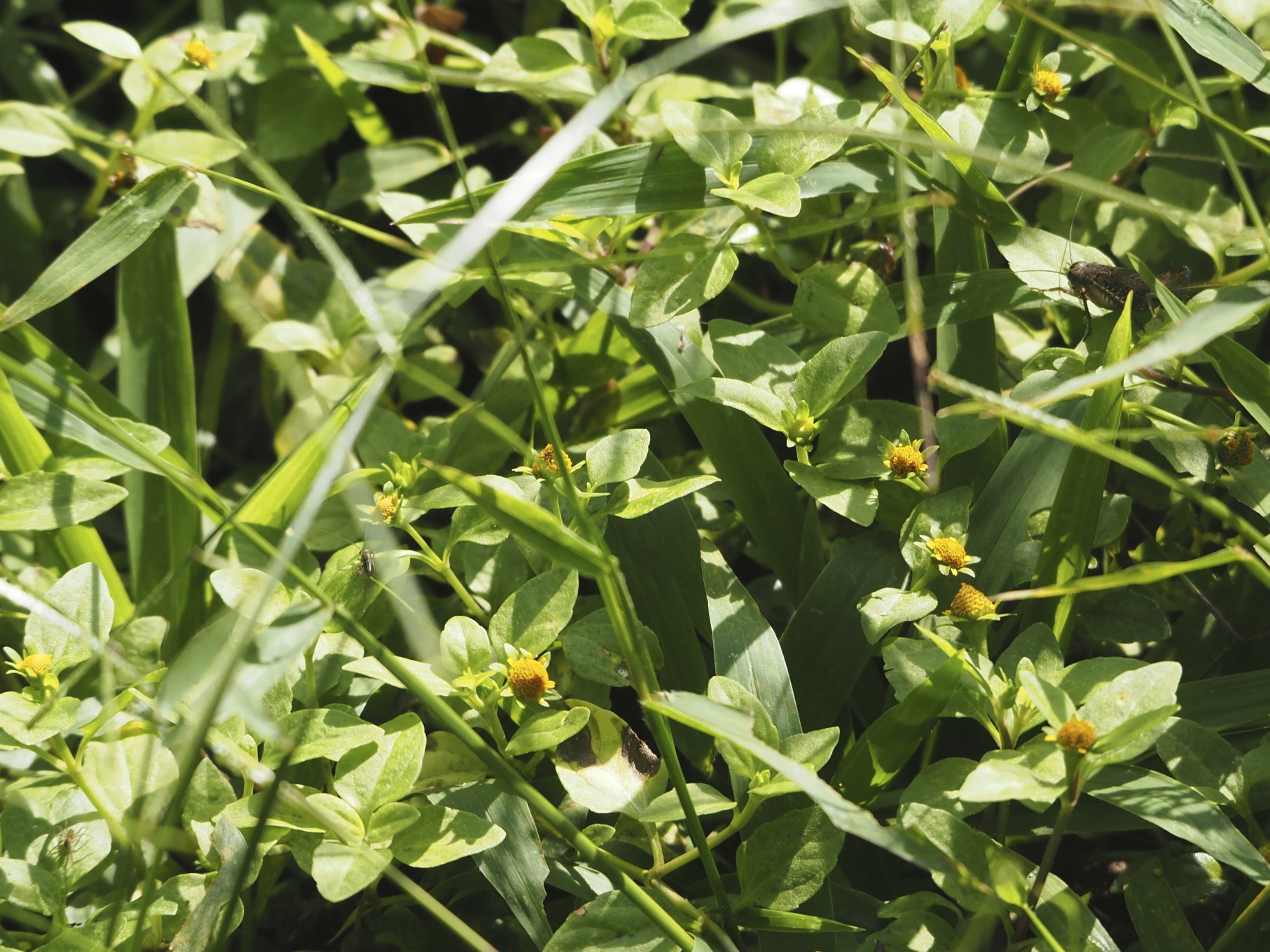
And if smelling the flowers fails to excite then you could chew them. A few of these little yellow flowers growing on the margin of a swamp will give you numb lips and tongue for about half an hour …

OLYMPUS DIGITAL CAMERA

Sundowner …

One evening sitting on the deck overlooking Lango Bai, drink in hand, the conversation turned to the extraordinary perils of my homeland. This was a theme already explored by Leon Varley in Zimbabwe and encountered again on the TV in a Johannesburg hotel. Everyone, it seems, is aware that Australia is home to the world’s most poisonous snakes and deadliest spiders. A swim entails the risk of Great White Sharks, marine stingers, crocodile attack, blue-ringed octopus and killer stingrays. Less well known are the stinging trees that when touched cause pain that recurs for months on contact with water. It takes courage to be an Australian, it’s a miracle any of us grew up.

It’s much safer sitting here on this deck, isn’t it?

Walking through the bai earlier my socks got wet. They have been hanging outside my little thatched hut all afternoon. I slapped a fly or two whilst we were walking, nasty little bite. Is that a mosquito now that the sun has gone? Slap … no appears to have been just a beatle.

Fortunately the last paragraph was a flight of fancy. No one leaves wet socks or any clothing out to dry. That would be an open invitation for the Mango Fly to lay its eggs. The larvae appear in two or three days and can penetrate intact skin. An itchy and later painful swelling follows, the little maggot lives happily in your flesh until maturity then it finds its way out, metamorphoses into a fly and heads off to find some more damp washing.
The day biting flies could be the vector of a number of other nasty problems. The tsetse fly has a most unpleasant bite and they tend to hunt in packs. Bad enough for that reason alone but worse still they may spread sleeping sickness. The agent is a trypanosome, a single celled organism, that when injected in the sub-cutaneous tissue …

moves into the lymphatic system, leading to a characteristic swelling of the lymph glands called Winterbottom’s sign. The infection progresses into the blood stream and eventually crosses into the central nervous system and invades the brain leading to extreme lethargy and eventually to death.

If diagnosed early sleeping sickness can be cured relatively easily these days. But the biting fly may have been carrying filaria instead producing a disease called Loa loa …

Some patients develop lymphatic dysfunction causing lymphedema. Episodic angioedema (Calabar swellings) in the arms and legs, caused by immune reactions are common. Calabar swellings are 3-10 cm in surface non erythematous and not pitting. When chronic, they can form cyst-like enlargements of the connective tissue around the sheaths of muscletendons, becoming very painful when moved. The swellings may last for 1–3 days, and may be accompanied by localized urticaria (skin eruptions) and pruritus (itching). They reappear at referent locations at irregular time intervals. Subconjunctival migration of an adult worm to the eyes can also occur frequently, and this is the reason Loa loa is also called the “African eye worm.” The passage over the eyeball can be sensed, but it usually takes less than 15 minutes.

Eosinophilia is often prominent in filarial infections. Dead worms may cause chronic abscesses …

In the human host, Loa loa larvae migrate to the subcutaneous tissue where they mature to adult worms in approximately one year, but sometimes up to four years. Adult worms migrate in the subcutaneous tissues at a speed less than 1cm/min, mating and producing more microfilaria. The adult worms can live up to 17 years in the human host.

It is better not to slap any creepy crawly it might just be a Blister Beatle …

They squash easily and … emit cantharidin. Blisters and slight irritation will appear quite soon after contact with cantharidin. RESIST the temptation to rub or scratch AT ALL COSTS as this will spread the problem. Fullblown blisters will develop, accompanied by inflammation and an aching pain as the poison penetrates deeper.

The liquid from the blisters will itself cause new blisters if allowed to come in contact with fresh skin!

And the mosquito, of course, is the most dangerous animal in Africa. Children under five are especially vulnerable to malaria. The WHO tells us that somewhere in Africa a child dies every 30 seconds.

In the Congo McGee wore long-sleeved shirts and long pants, all his clothing was soaked in permethrin prior to leaving home. DEET was spread on exposed skin. He took his Malarone every day and slept under a mosquito net whenever one was available. His flesh may well have been rendered unfit for human consumption but he actually doesn’t give a shit for the welfare of anyone wishing to eat him.

And he made it safely back to Australia where …


Wet foot safari …

Although the tourist concession in Odzala is in the hands of Wilderness Safaris you must deal with a travel retailer if you want to go there. One such is Classic Africa. I particularly like this little quote from their webpage …

The Odzala Safari is unlikely to be the ideal choice for a first safari, due to the remoteness of the Park and the specialized nature of its wildlife.

I don’t necessarily disagree with the first half of that sentence but I don’t think the reason has anything to do with the second half. In the typical safari setting you jump into a vehicle early in the morning. An experienced, knowledgeable driver/guide pilots you to the first target species. Parks with the light behind you and does his David Attenborough impersonation as you take photographs of creatures that you know well from your television. Just as safe and effortless, if somewhat more expensive, than staying at home and watching your television.

In Odzala you jump into your shoes, walk out of the camp and get right in amongst it. Here is a pretty little scene near Lango camp …

OLYMPUS DIGITAL CAMERA

It’s actually the path, hop in …

OLYMPUS DIGITAL CAMERA

Getting deeper …

OLYMPUS DIGITAL CAMERA

It is entirely possible that you will meet an elephant or buffalo coming the other way.

This is more than a safari, this is an adventure.


Lango …

To the gorillas at Ngaga we were now yesterday’s people, they were looking forward to the next group. That’s a gorilla’s way, an endless quest for novelty.

We took to the road. The trip to Lango takes about three hours by four-wheel drive vehicle.

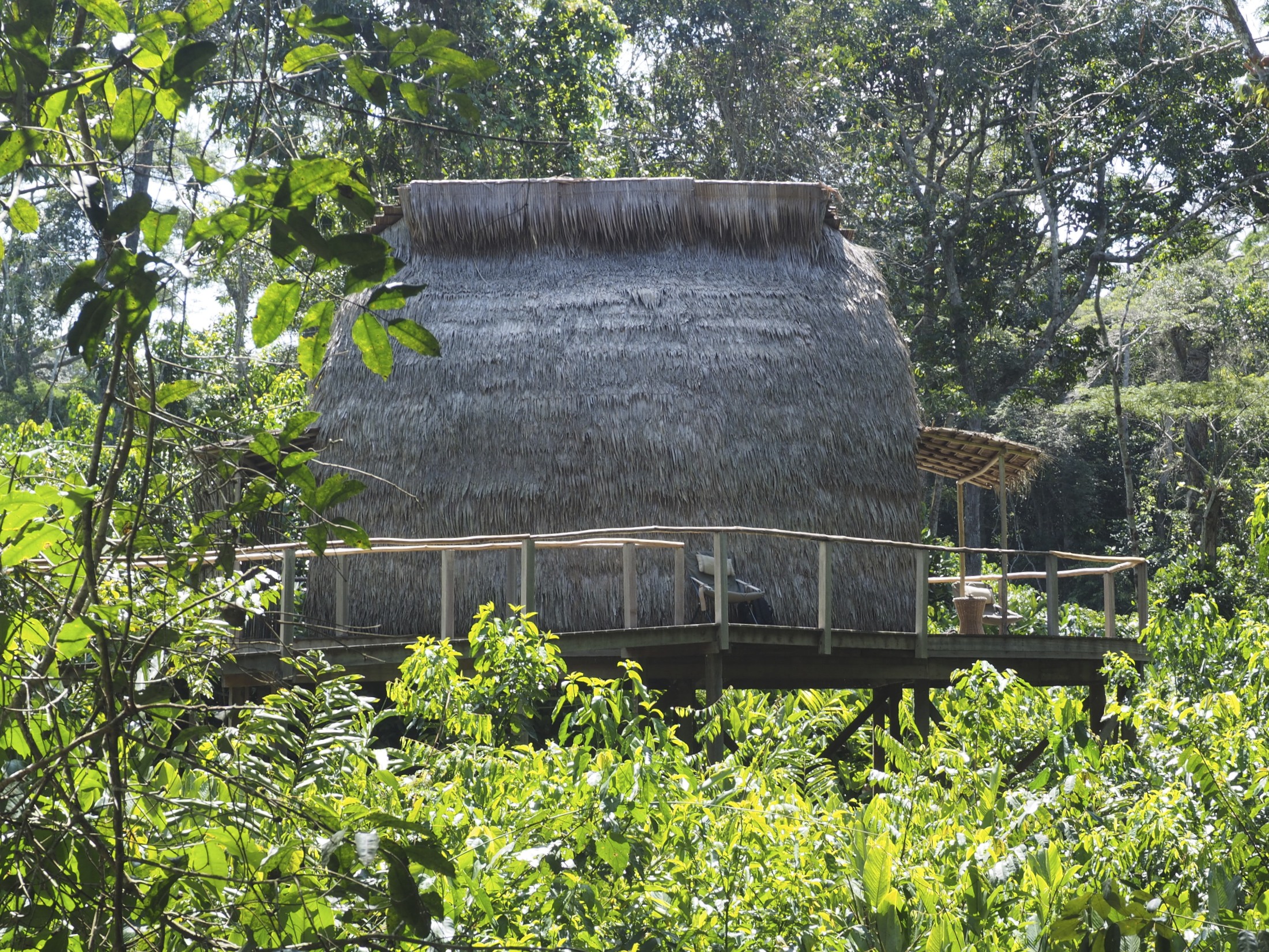
Ngaga is set in forest that seems endless, Lango is surrounded by a mosaic of forest and savanna. It is set on a Bai or saline marsh and the salts attract animals from the surrounding area. The camp is raised and set back in the trees. Here is a photo of the camp from the bai.

OLYMPUS DIGITAL CAMERA

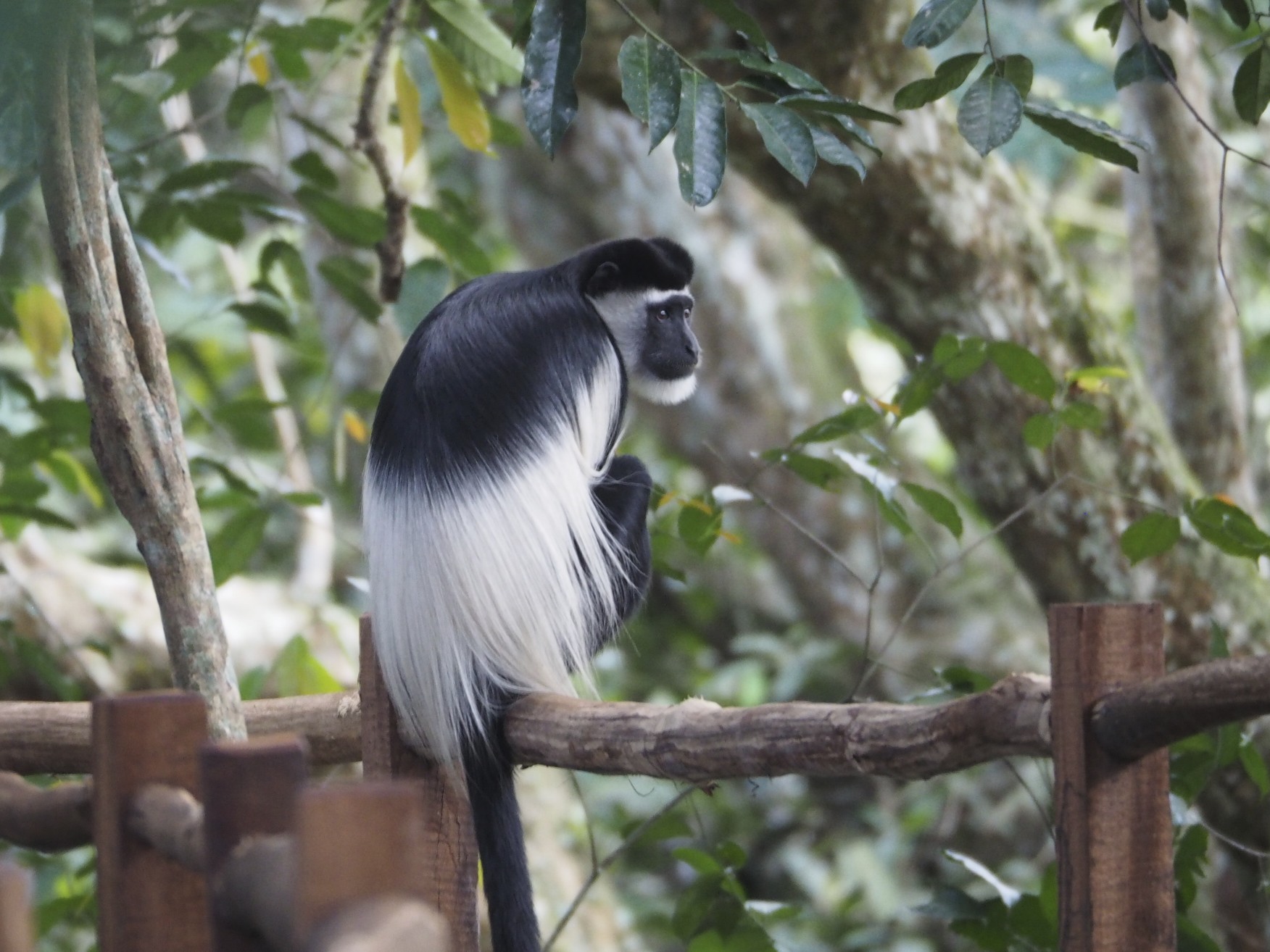
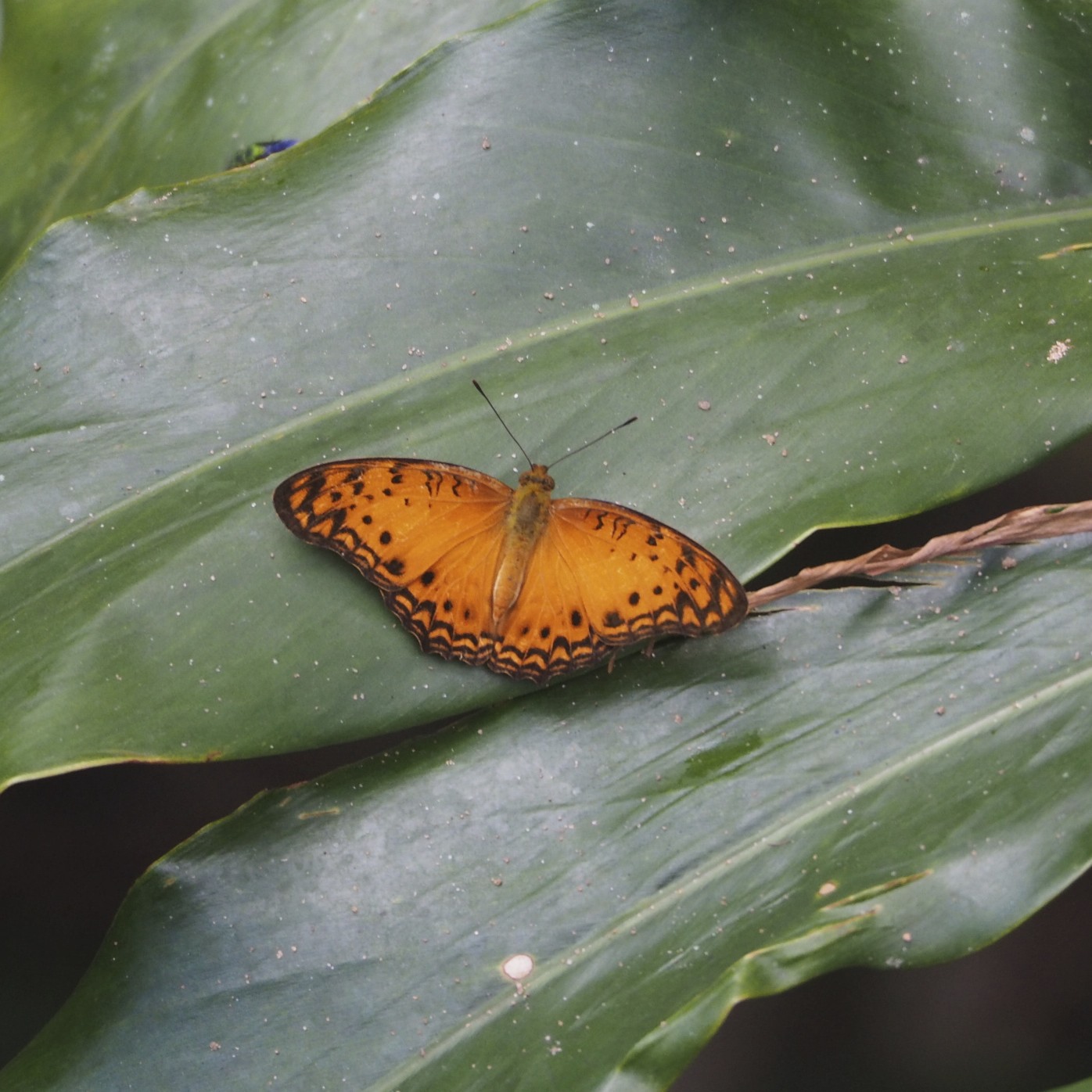
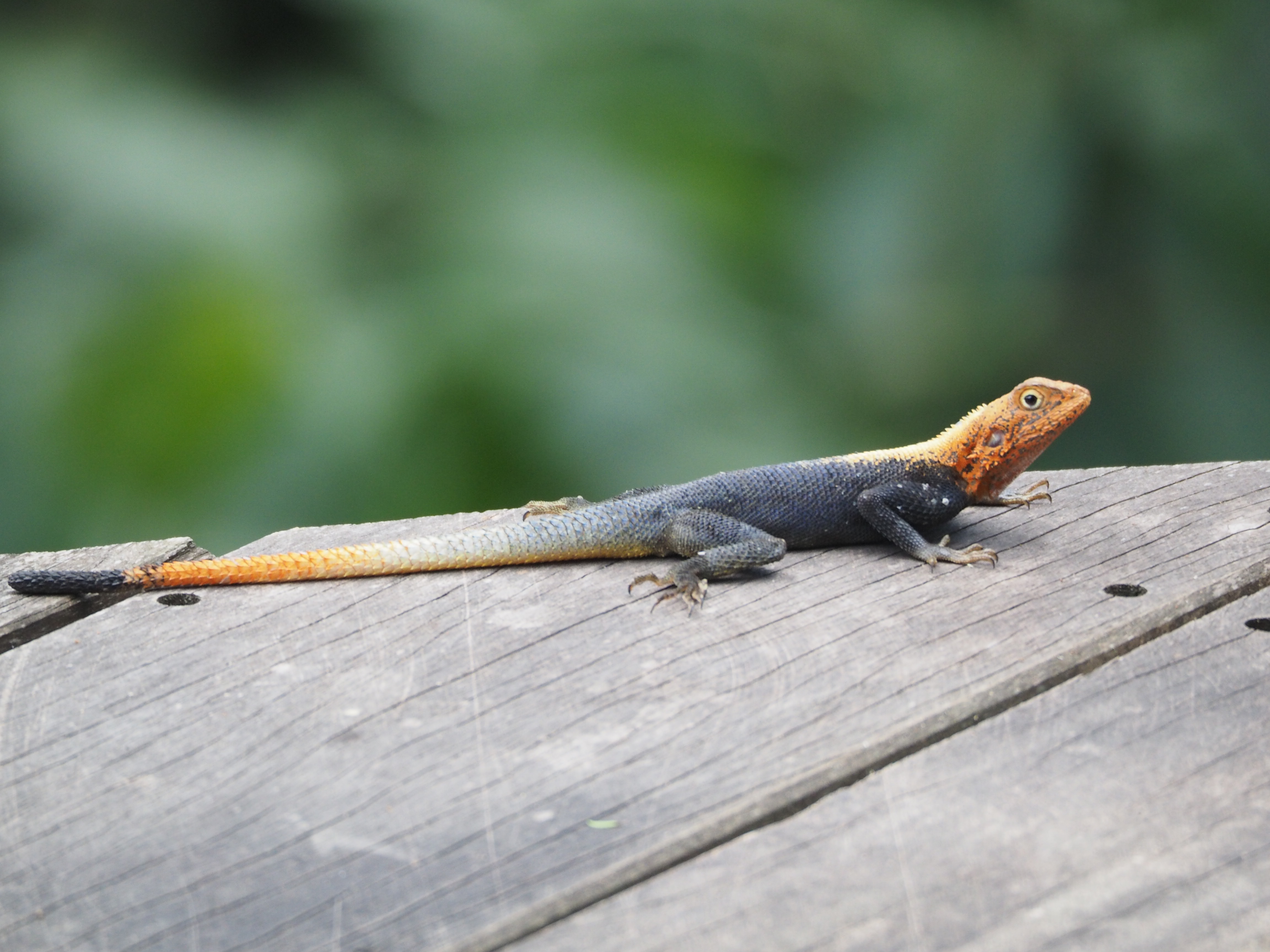
Activities here are mainly on foot or by boat. There is heaps to see, large game, monkeys, birds, butterflies, lizards, flowers. Chimpanzees are present but not habituated and unlikely to be encountered. We did hear them. The Forest Buffalo, on the other hand, are not shy.

OLYMPUS DIGITAL CAMERA

They are included in the same species as the Cape Buffalo but they are smaller, redder, their horns are different and they do not form large herds, twenty or so would be a large gathering. They do need to be treated with similar respect. Each tends to have an attendant Yellow-billed Oxpecker or two. These provide the service of removing insects from the skin. It comes at a price, they also peck at any wounds and drink the resulting blood.

OLYMPUS DIGITAL CAMERA

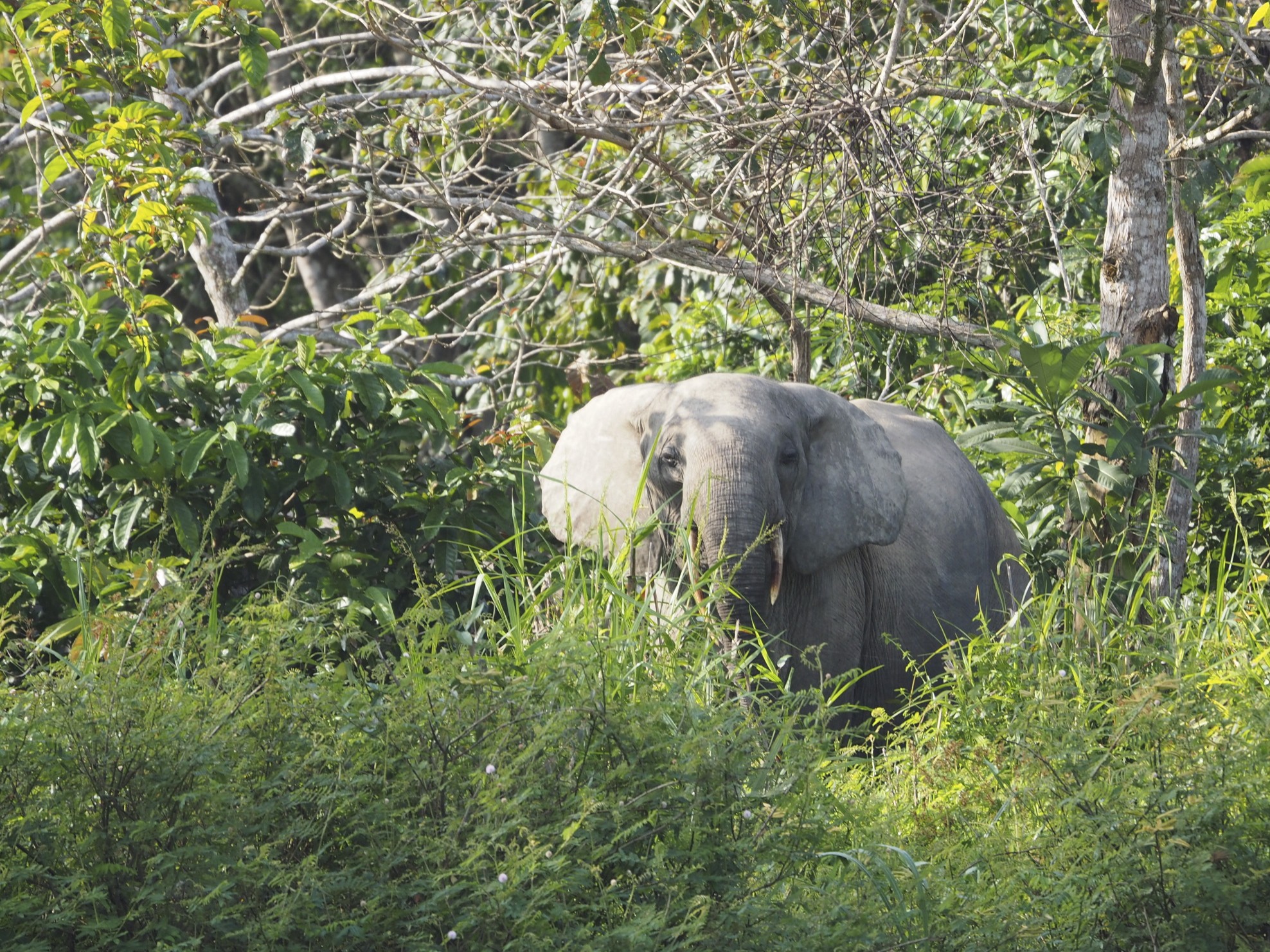
At first glance the Forest Elephant is not as different from the Bush Elephant as the Forest Buffalo is from the Cape Buffalo but DNA evidence reveals that they split somewhere between two to seven million years ago, they are consequently considered full species. They tend to be smaller and darker and have more rounded ears. If you get to count their toenails you are likely to find five on the forefoot and four on the hindfoot, like the Asian elephant but unlike the African bush elephant which normally has four toenails on the forefoot and three on the hindfoot, although I can’t personally vouch for that. Their tusks are longer and stronger, suited to their denser habitat. They rejoice in the scientific appellation, Loxodonta cyclotis, the creature with oblique sided teeth and rounded ears.

OLYMPUS DIGITAL CAMERA

Not far from camp is the Lekoli River which we explored by boat.

OLYMPUS DIGITAL CAMERA

The switch in the skipper’s hand is to beat off the tsetse flies, an ominous sign, but fortunately not much needed. We racked up a good bird list including Finfoot and Hartlaub’s Duck. We capped the first river trip off, though, with something that is locally very rare …

OLYMPUS DIGITAL CAMERA

Gorilla …

The Congo Basin contains the world’s second-largest tropical rainforest, surpassed only by the Amazon. It is home to both the Western Lowland Gorilla, the Chimpanzee and the Bonobo (although for the last you would need to visit the Democratic Republic of the Congo). Dr Magda Bermejo of the University of Barcelona has been studying gorillas in this region for over fifteen years, since 2010 her team has been based at Ngaga camp where three groups of gorillas have become used to the prying eyes of researchers.

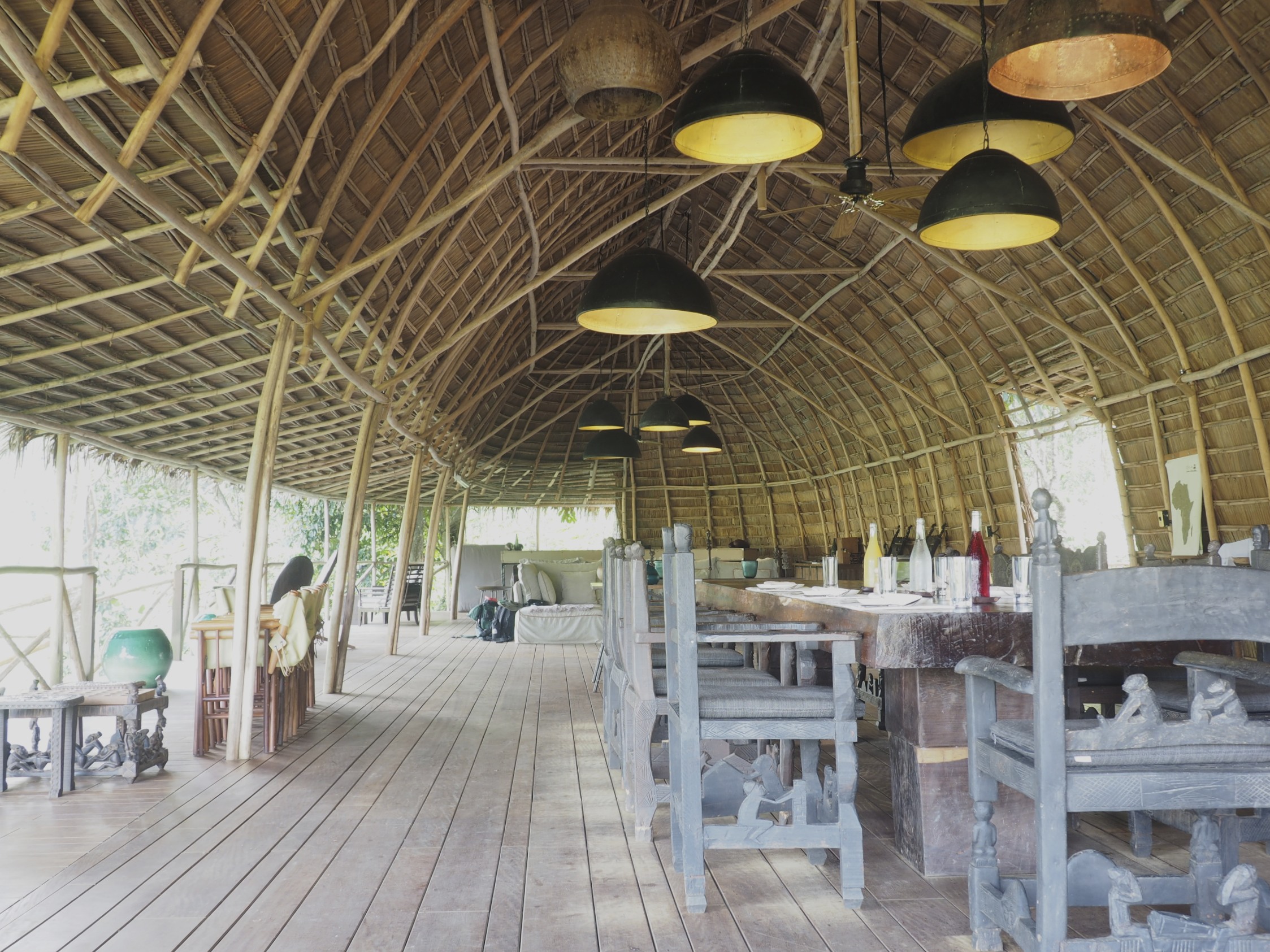
Wilderness Safaris have the tourist concession in the region and as well as Ngaga they have a second camp, Lango. A well choreographed shuffle moves the visitor from Brazzaville to Ngaga (three nights) to Lango (three nights) and back to Brazzaville. At both camps the accommodation is constructed of mainly local materials in a style that might be called thatched hut chic. The beds are mosquito netted with a fan inside the net, what luxury, toilet and shower en suite, electricity to recharge the camera and computer. The food is amazing although by the time it arrives from Paris it does have a few food miles up. Alcoholic drinks are included.

OLYMPUS DIGITAL CAMERA

OLYMPUS DIGITAL CAMERA

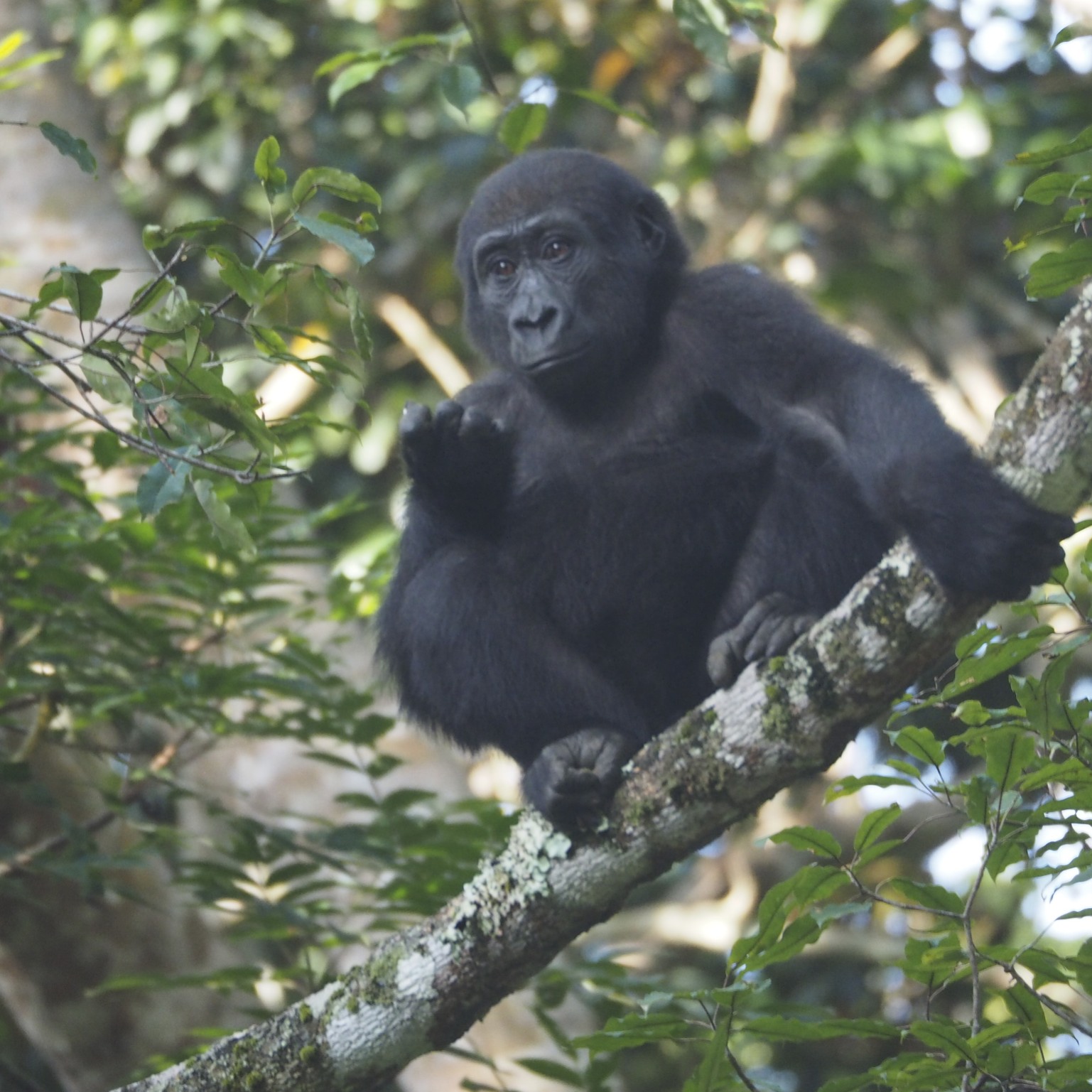
At Ngaga the main focus is the gorillas. We were divided into two teams of four and assigned to a tracker. On each of two days we set out soon after dawn in search of that day’s target group of gorillas. We headed towards the site where the gorillas were known to have spent the night, unless we crossed the track of the group on the way, that would be the beginning of the tracking process. It could be a long hike or a short one. Once we found the group we donned surgical masks, gorillas can suffer from infections that humans carry. The minimum distance permitted was seven metres. In the Antarctic one could get away with the excuse that the penguin came up to me, here that didn’t wash, if a gorilla infringed the seven metre rule and it was safe to do so we were told to back off. The gorillas would have to put up with our company for a maximum of one hour.

Of the three groups that had developed some tolerance to human visitors one group was only ever visited by researchers. The two groups visited by tourists would have to put up with that indignity for just four hours per week. We had a talk from Dr Bermejo one evening, the tourist activity has obviously been developed under her watchful gaze. Physical contact with humans puts gorillas at risk of potentially lethal infections and if she wanted to study zoo animals there were easier places to do it! The program, I think, is a very sensitive means of looking after the welfare of the animals, has low impact on their behaviour whilst giving the tourist a fair chance to observe and photograph their nearest relative in exchange for money that benefits local people. Putting a value on wildlife gives government a good reason to conserve it.

OLYMPUS DIGITAL CAMERA

We fared extremely well on both days. The trek was not too long, the gorillas were relaxed and good views could be had. Low light and condensation on the camera lens hampered photography. The groups are named for their silverback elder statesmen. The first day we visited Jupiter and his group, about 25 individuals. The second day we visited Neptuno and his smaller group. This also entailed a change of tracker because each tracker stays with their own group. The trackers would go out again late in the afternoon to find where their group would spend the night.

OLYMPUS DIGITAL CAMERA

The Marantaceae plants this individual is walking through form part of its diet. I tried the stems, they are quite fibrous but with a bit of effort the pith can be extracted and doesn’t taste quite as bad as Crocodile Dundee would have you believe.

Bird watching around the camp was reasonably productive. There were lizards, butterflies and squirrels around as well. We visited a local village one afternoon which took us past a road sign that one doesn’t see often …

OLYMPUS DIGITAL CAMERA

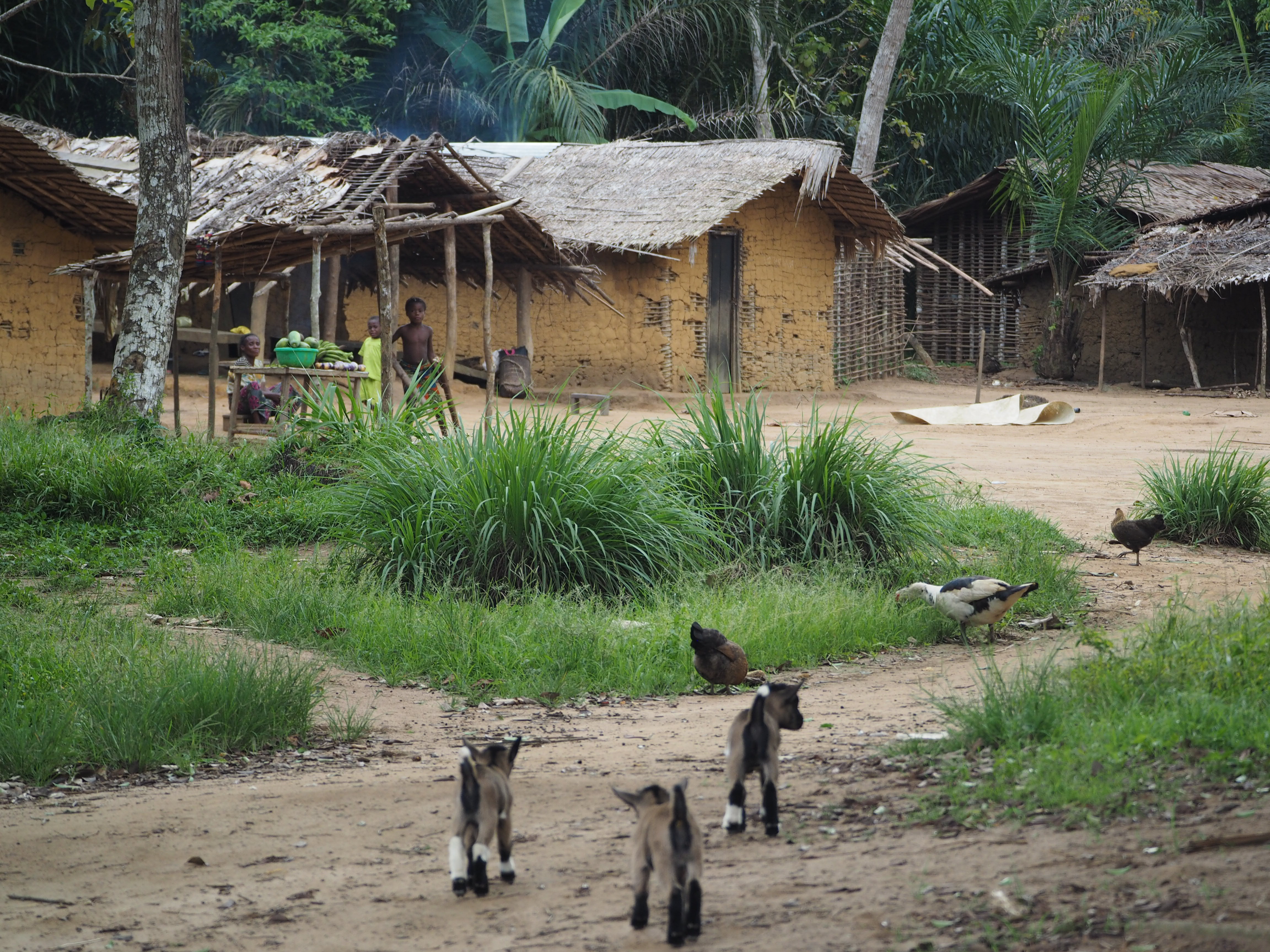
The villagers were welcoming. The tourist development provides some employment and a visit like ours was a chance to sell some local produce. The houses were mostly of wattle and daub construction with thatched roofs.

OLYMPUS DIGITAL CAMERA

Bananas and paw paws were purchased. Cassava is their staple diet, grown in forest plots that are first cut and burnt. Goats, ducks and chickens were in evidence and could be supplemented with a bit of hunting.

OLYMPUS DIGITAL CAMERA