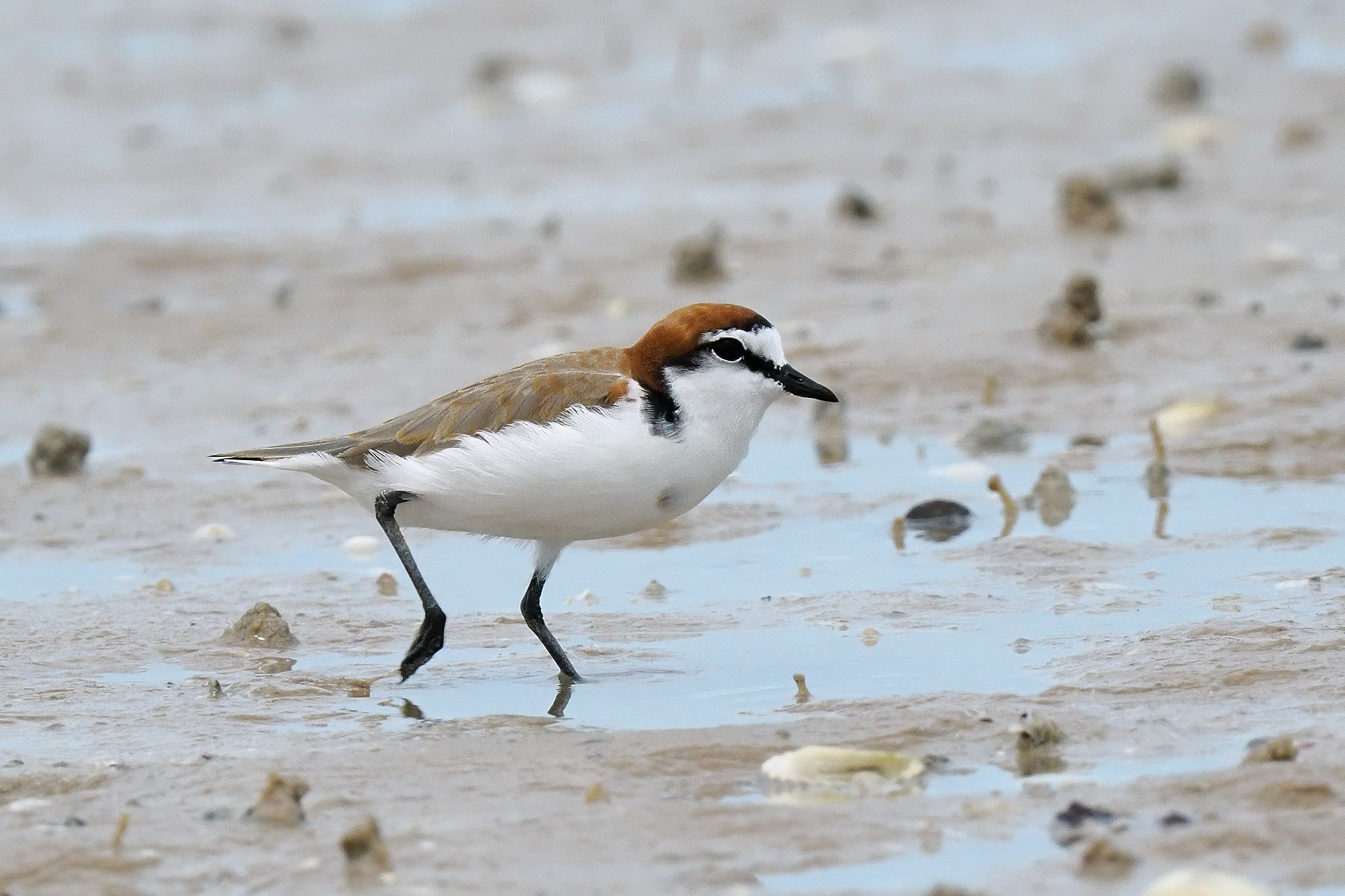
It almost seems like cheating. Pools left behind by the tide’s retreat are places where the little fish can take a break from the dangers posed by the big fish but they are by no means safe. Eastern Reef Egrets are very efficient hunters in the small pools.
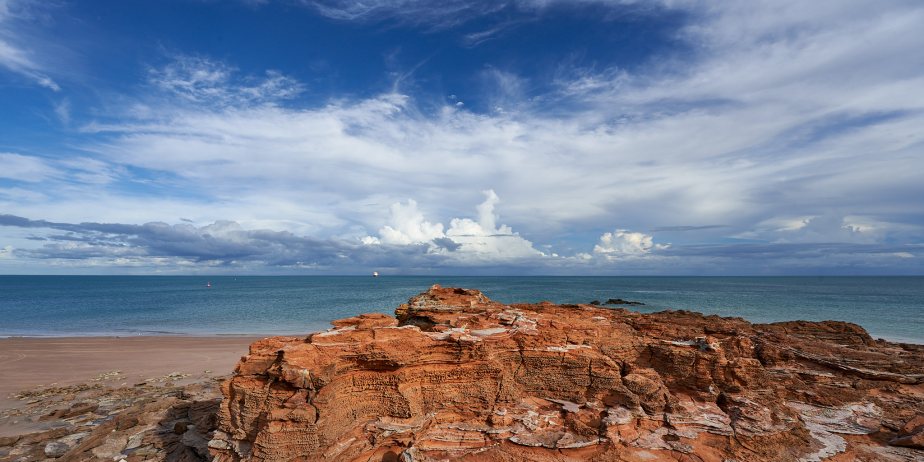
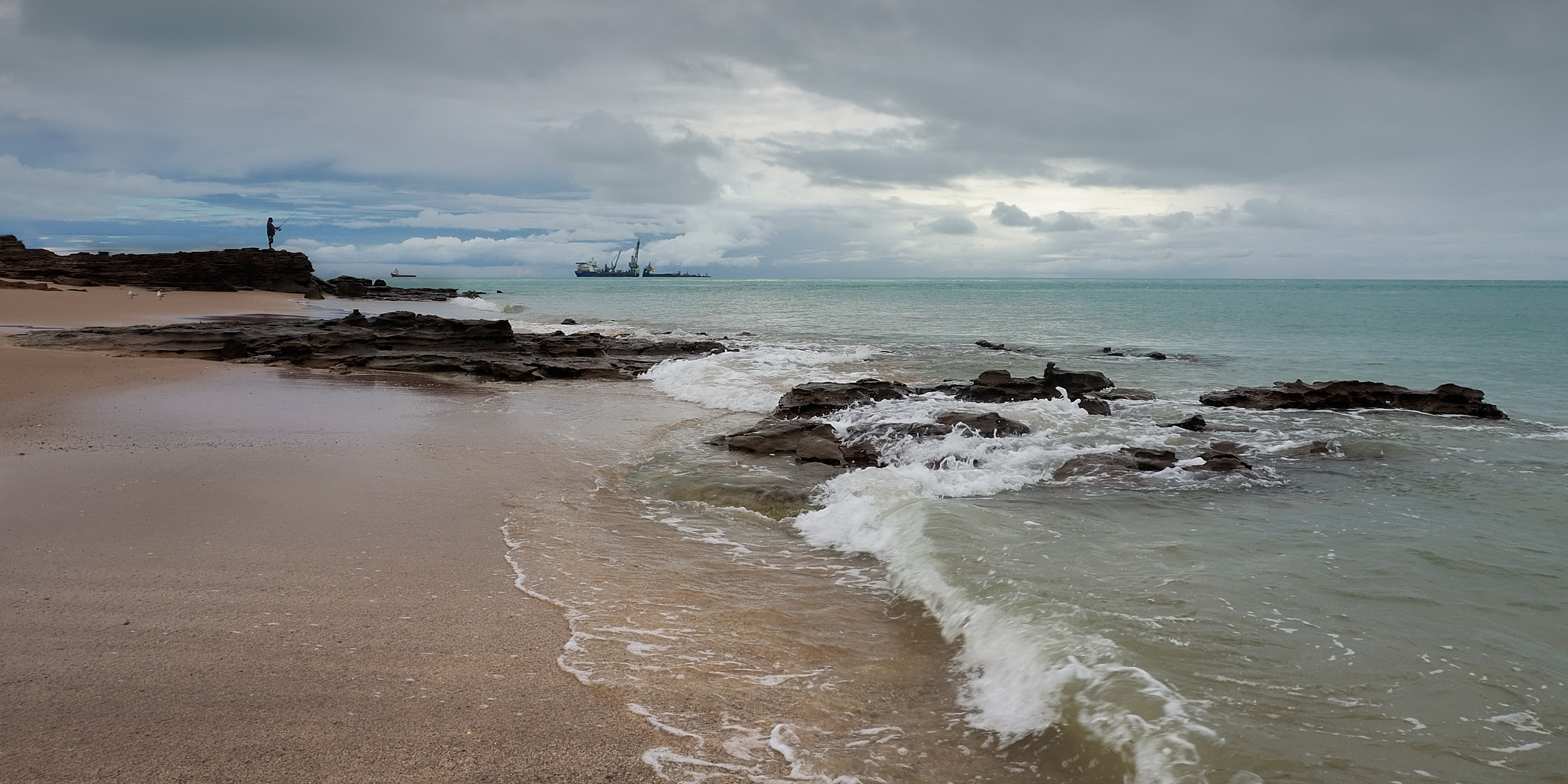
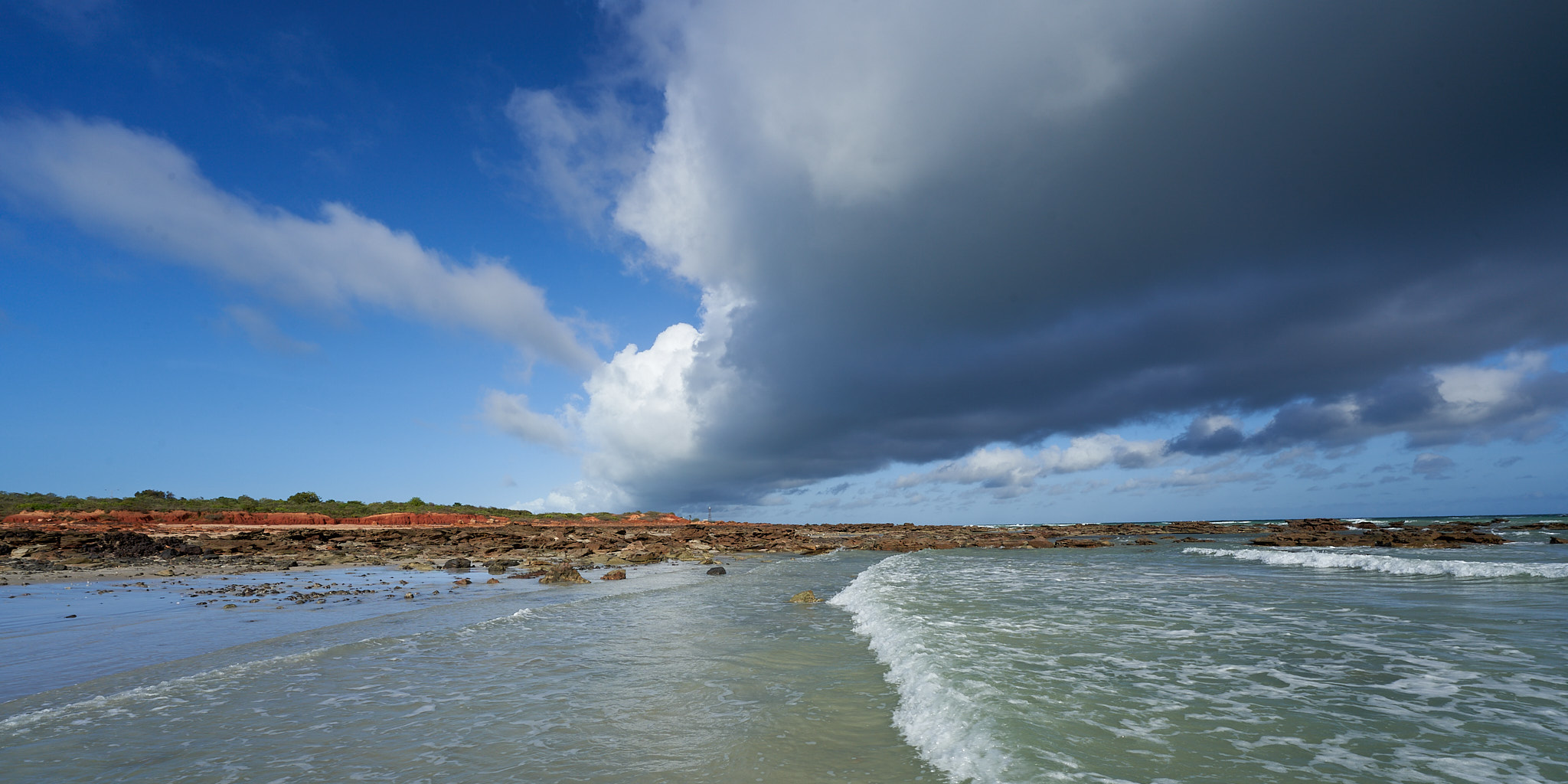
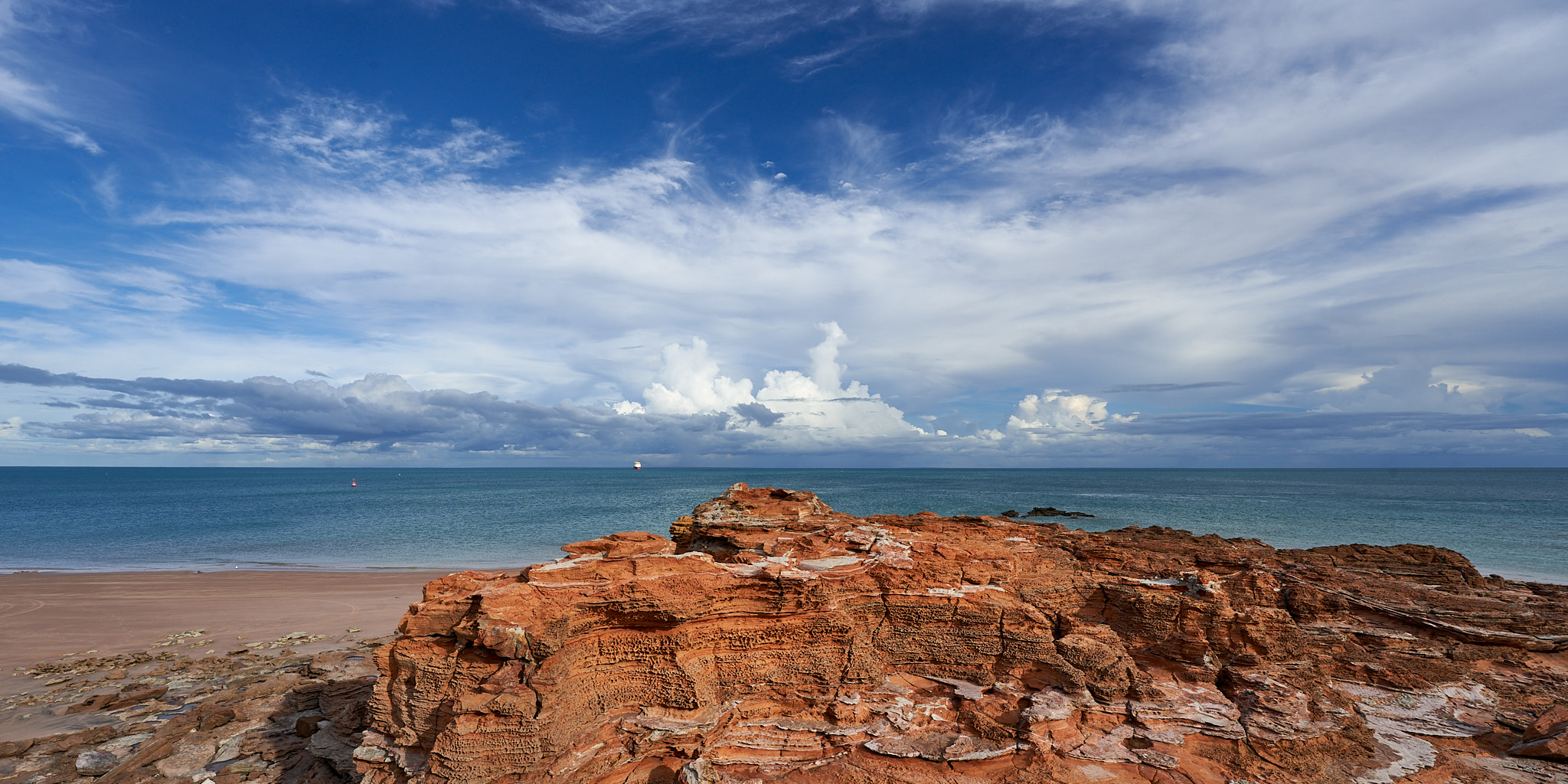
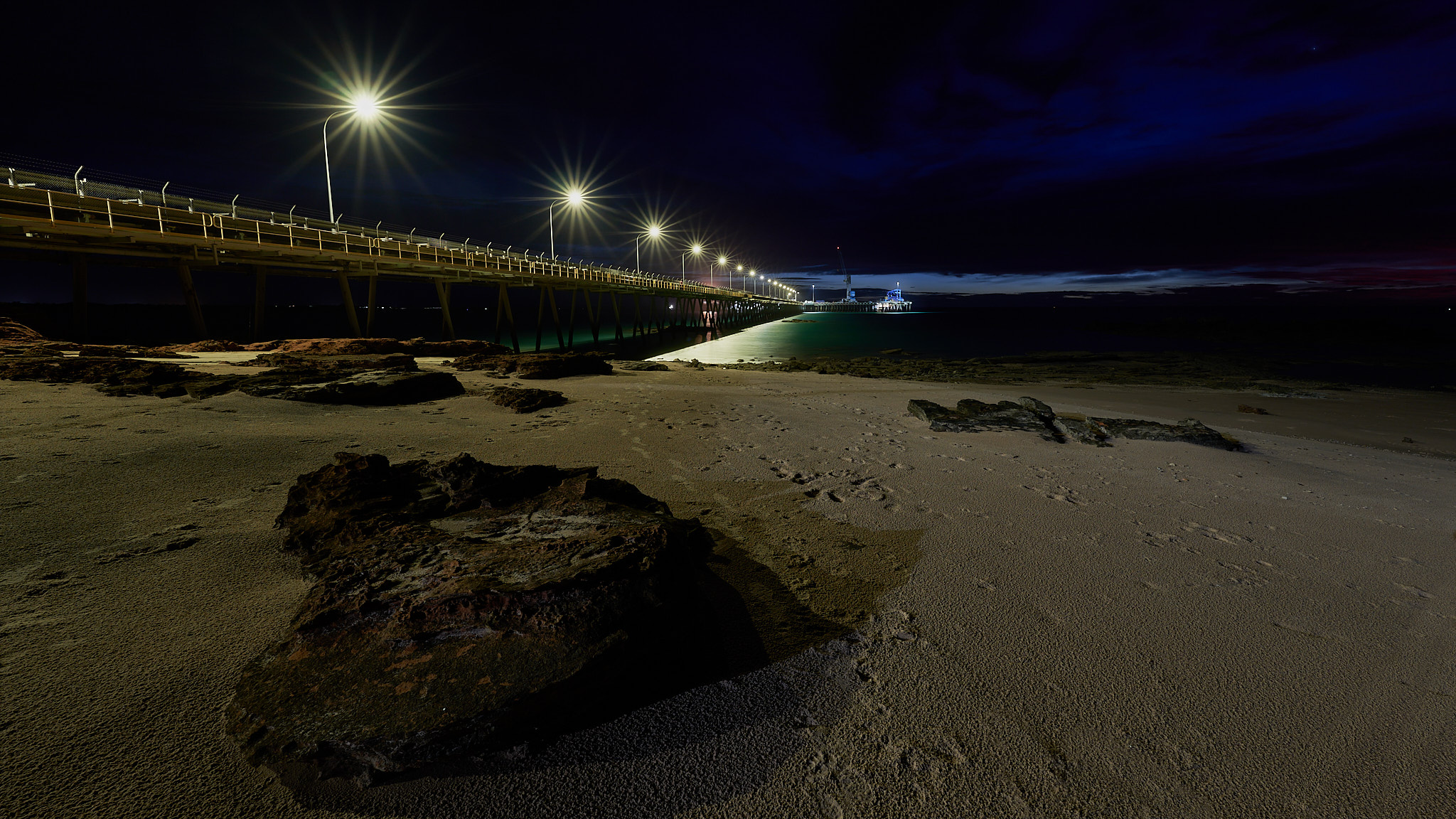
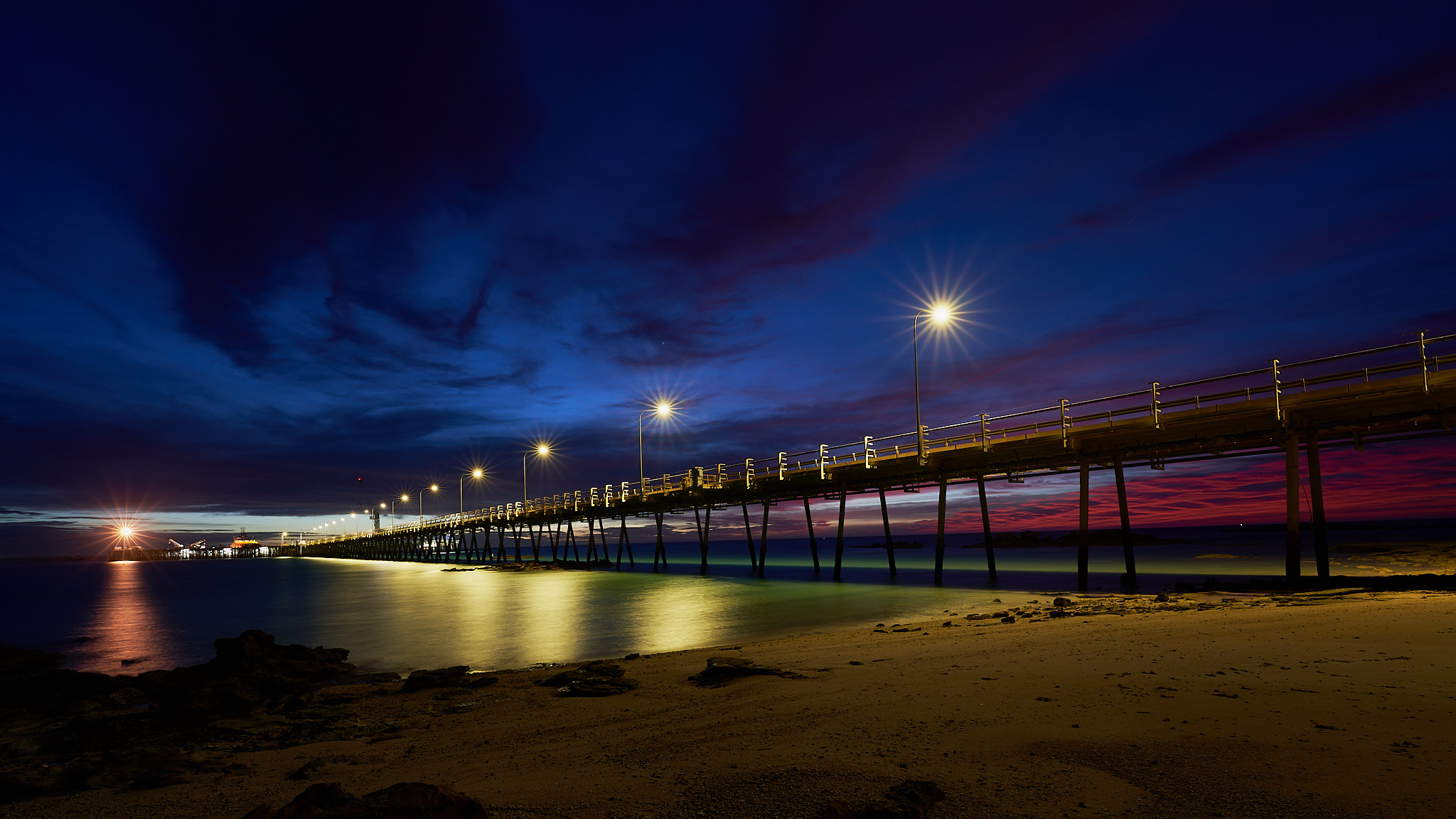
Nature has been serving up so photogenic skies in recent days …
Click on the gallery to get a good look.
And some house keeping …
It seems that Telstra is draining the pond. Australian followers with a bigpond address may soon lose their email address. As well as losing your username in virtually everything you subscribe to you will also not get this blog by email. Quel dommage. My preferred solution is for you to make bobmcgee.live your home page. A more sensible solution may be to re-subscribe once you have sorted your email woes out.
What a beautiful word. I wonder who made it up. It crops up because I was discussing with a friend the fact that tide heights are greater at the equinoxes. Here in Broome we had particularly high (and low) tides a couple of days ago. “Ah, but,” he said “it’s not the equinox until the 20th of March”. “Ah, but” I said and changed the subject.
But he’s right of course and I went looking for the explanation and found that the biggest tide is the syzygial tide falling closest to the equinox. Progress, well given that I thought Syzygy was a Polish surname, limited progress. So I went looking for a definition I could cut and paste and found this …
“Syzygy definition: an alignment of three celestial objects, as the sun, the earth, and either the moon or a planet.” Thank you Dictionary.com.
I also found this from the Cambridge Dictionary …
“an arrangement in which two or more planets, stars, etc. are in a straight line.”
Perhaps someone should point out to the Cambridge Dictionary that two objects are always in a straight line.
The three objects with maximum impact on the tide are of course the sun, moon and earth. Their syzygy occurs twice every lunar month and gives us the spring tides (and if I’ve told you once I’ve told you a dozen times that has nothing to do with the seasons). Why should the tide be even bigger at the equinox? I am indebted to Incnis Mrsi for this explanation …
“The Moon’s orbit is inclined to the ecliptic by about 5° only (cos 5° ≈ 0.996), so two tides are aligned almost perfectly on a Moon’s syzygy during whichever season. The difference is that, during/near an equinox, this line also lies in the equatorial plane and rotational motion of Earth’s surface/hydrosphere/crust can direct the stuff to move along this tidal line to a maximal range possible. At least, on the equator.”
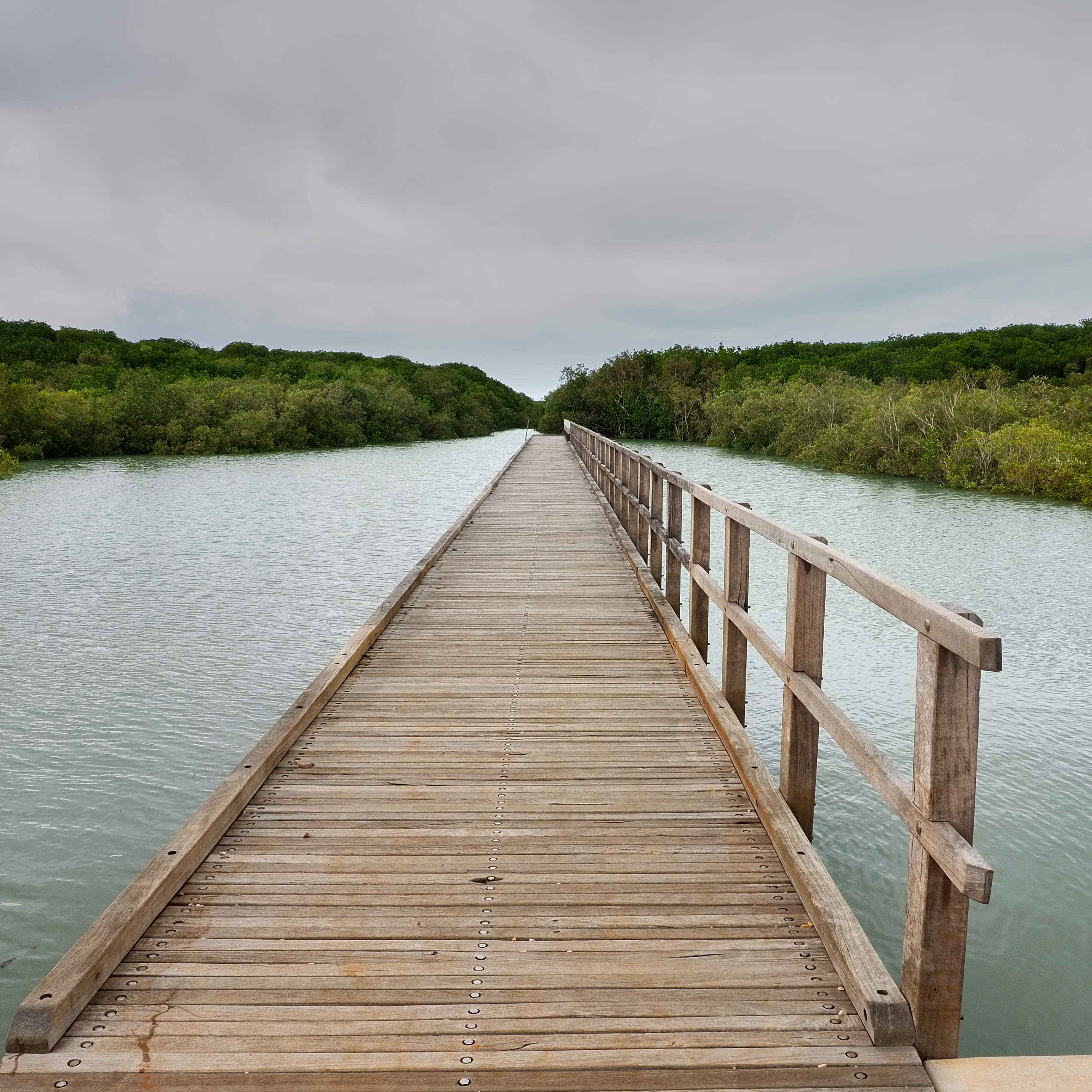
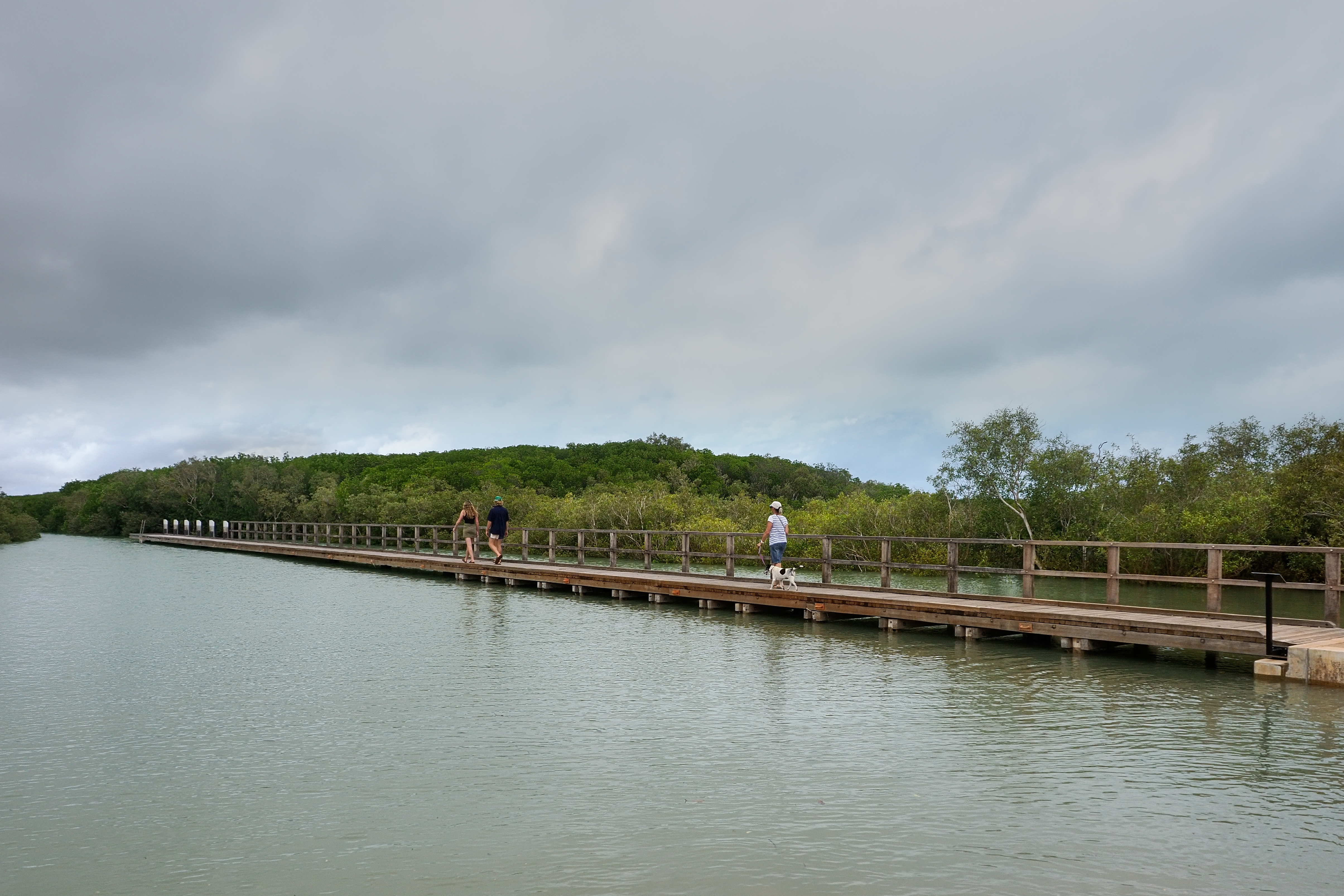
Streeters Jetty at low and a high spring tide, Mrs Syzygy can be seen walking her dog …
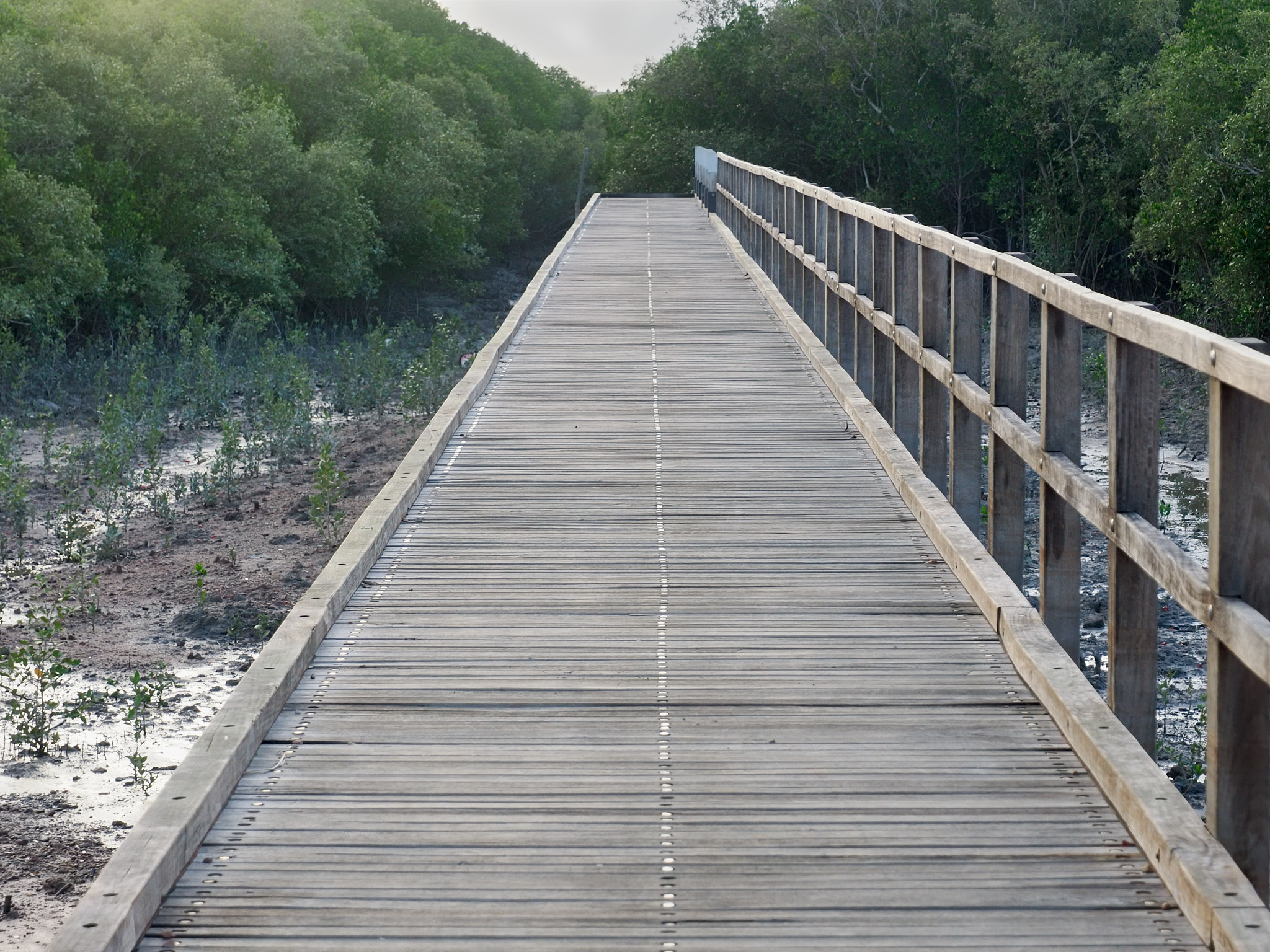
Into the mangroves once again. There’s no shortage but Streeters Jetty is easy of access and quite productive. The jetty is at the site of Broome’s very first jetty although what stands there now is a recent replacement. It is not faring too well, already showing signs of rotting boards. It certainly doesn’t have an easy life. The walkway is inundated by the highest tides which will happen again in the next few days.
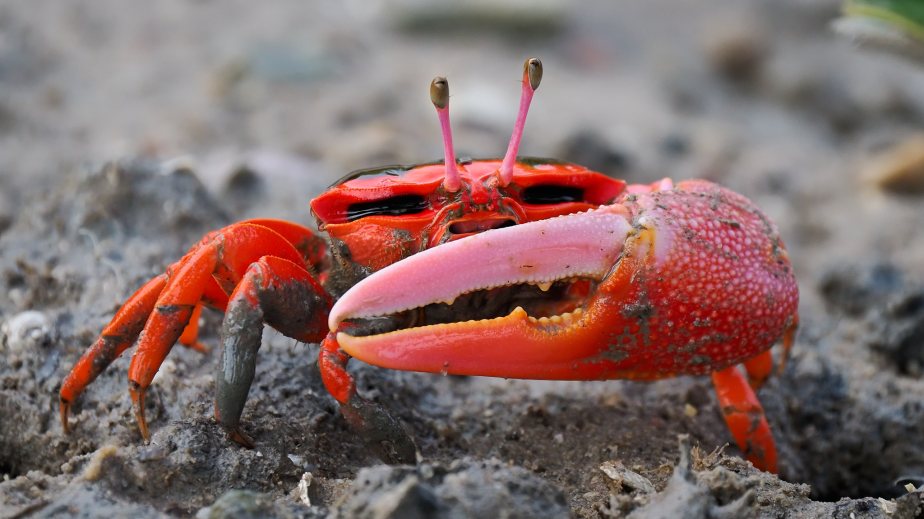
The common mangroves here are Avicennia marina and Rhizophora stylosa and they provide habitat for an amazing menagerie. I’m always impressed by the Flame-backed Fiddler Crabs, Tubuca flammula. I have a friend who thought it would be interesting to find out what a nip from one would be like. Not only interesting, but for me also very entertaining as he danced around trying to shake it off. Don’t try it at home. It’s best left to the experts.
Rhizophora stylosaTubuca flammulaTubuca flammula
It’s the males that have the enormous dominant claw. Note that one is left handed and the other right. Females are equipped with a pair of small nippers.
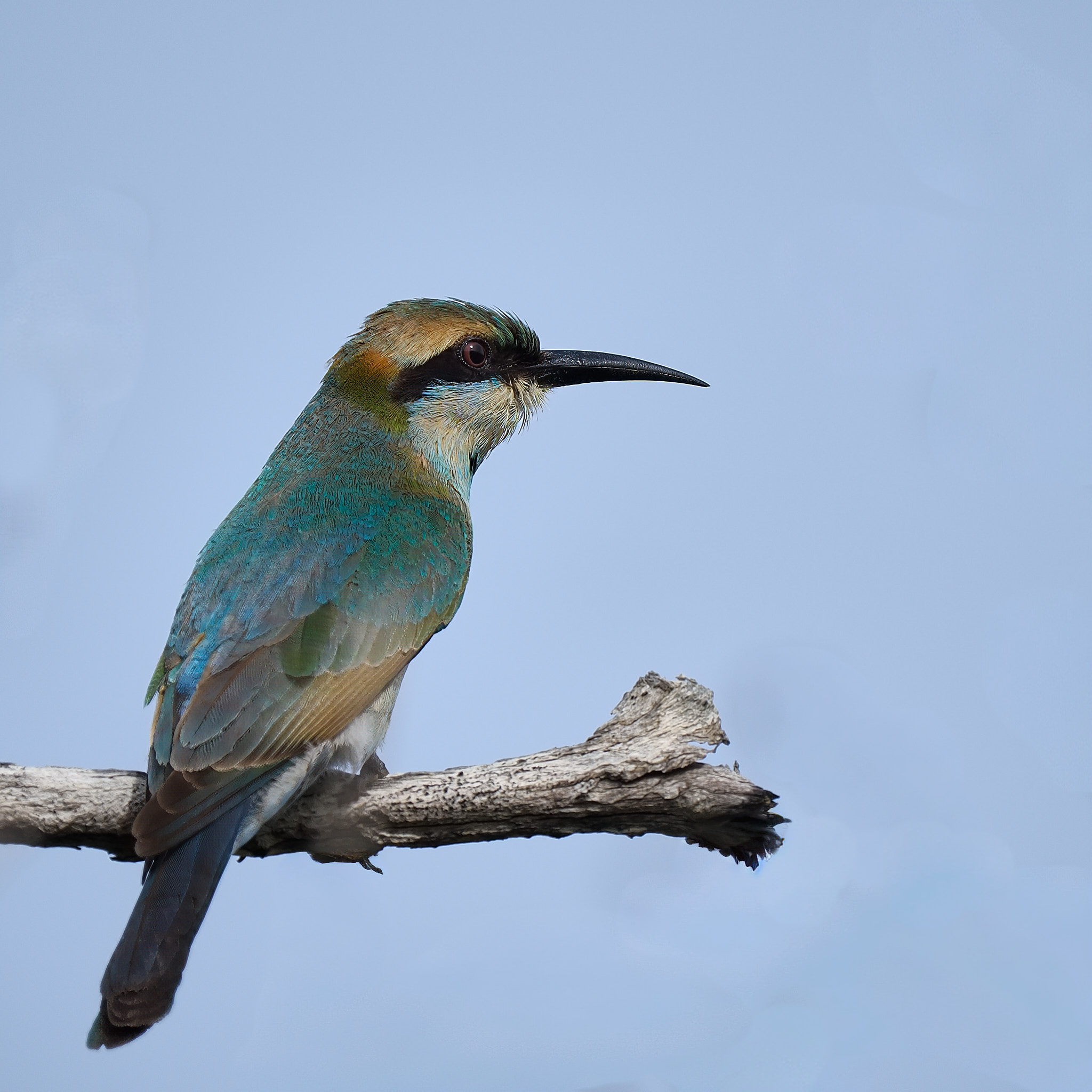
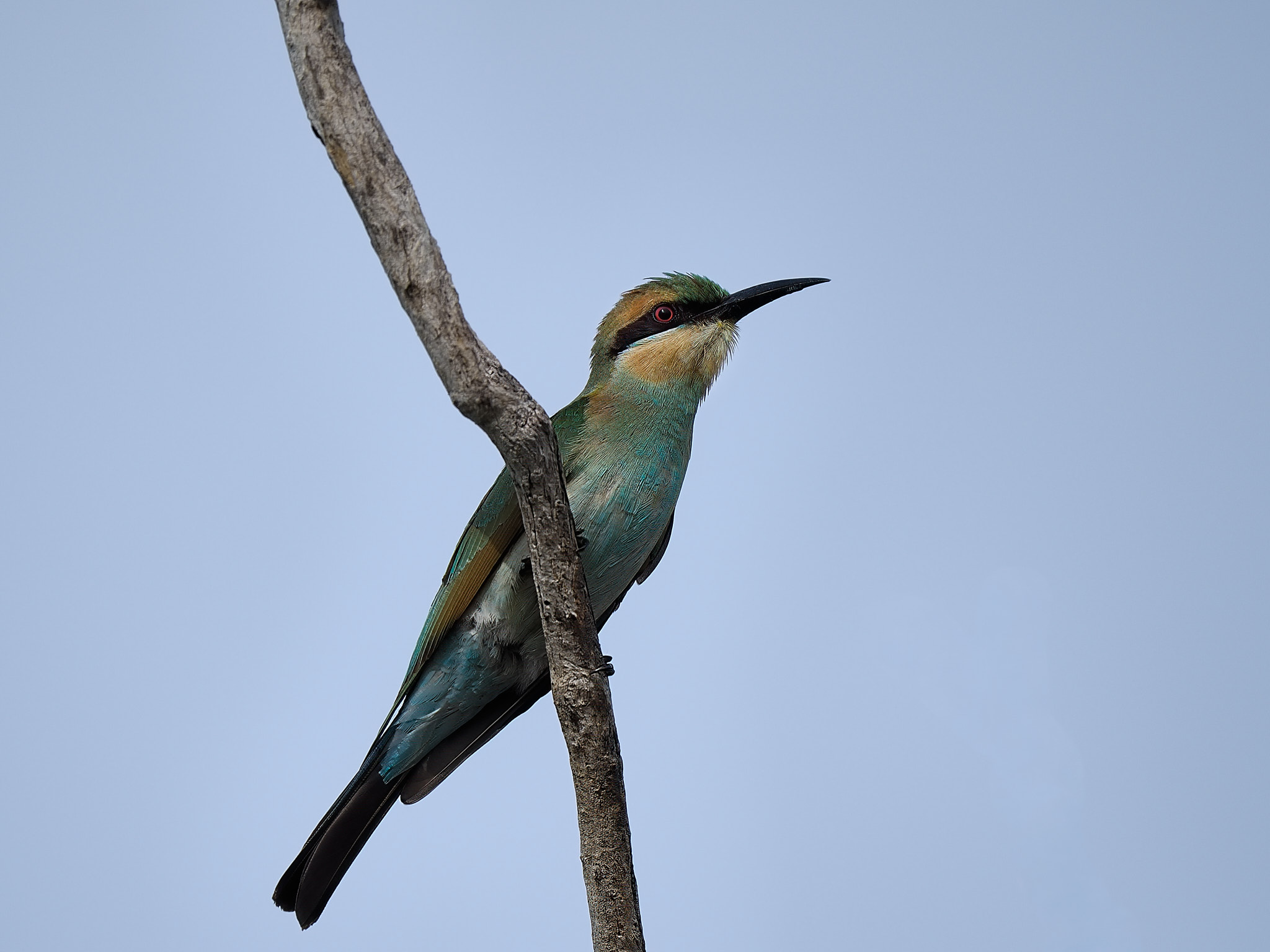
A few of the regular avian suspects were ready to pose.
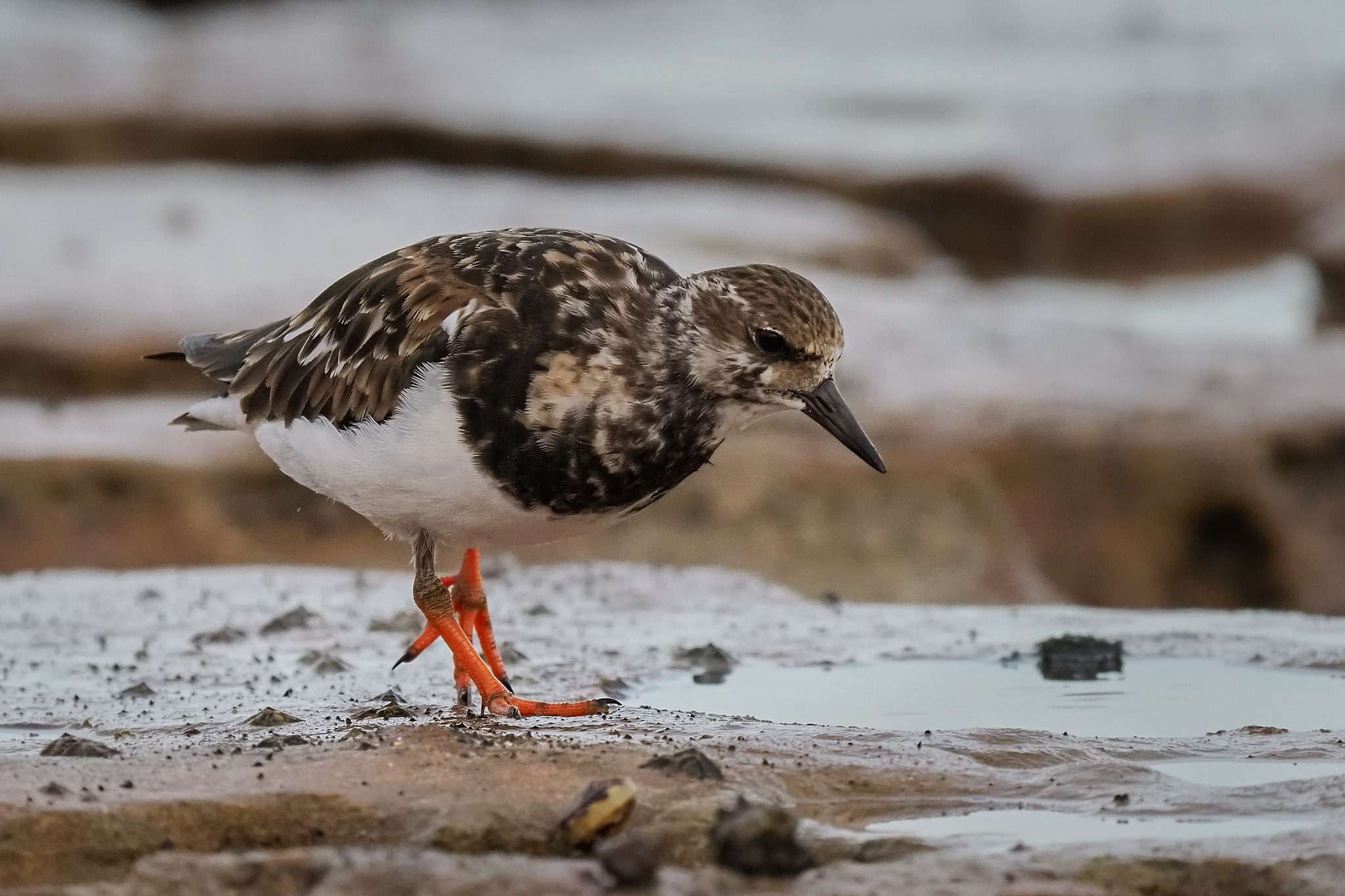
They are not especially uncommon but they do not permit close approach. The extra reach of the 150-400mm lens and the built in 1.25 teleconverter and some superb field craft has enabled me to get the best Ruddy Turnstone shots of my career. The field craft, I confess, consisted of sitting on a rock and being patient.
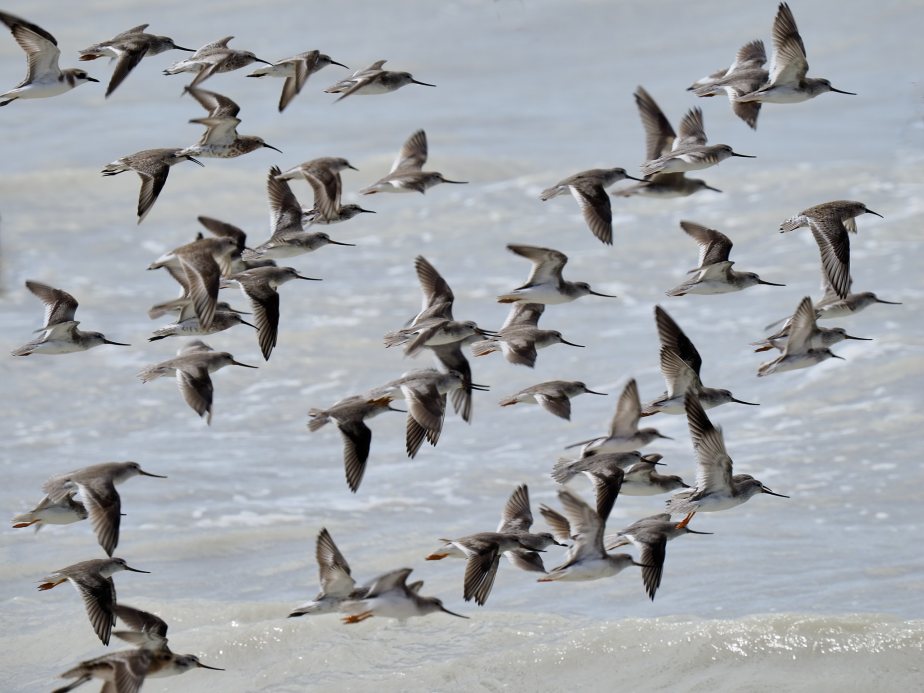
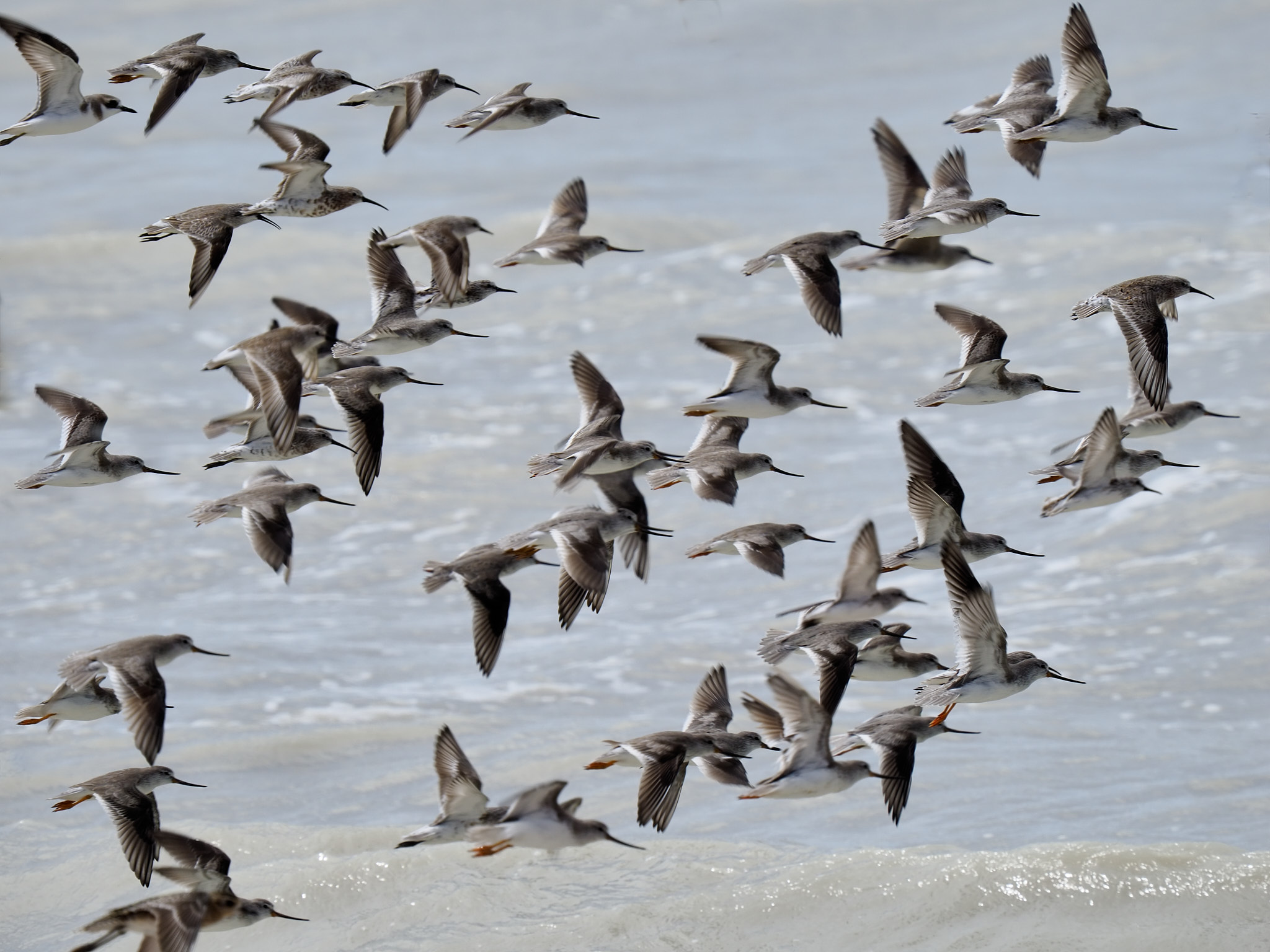
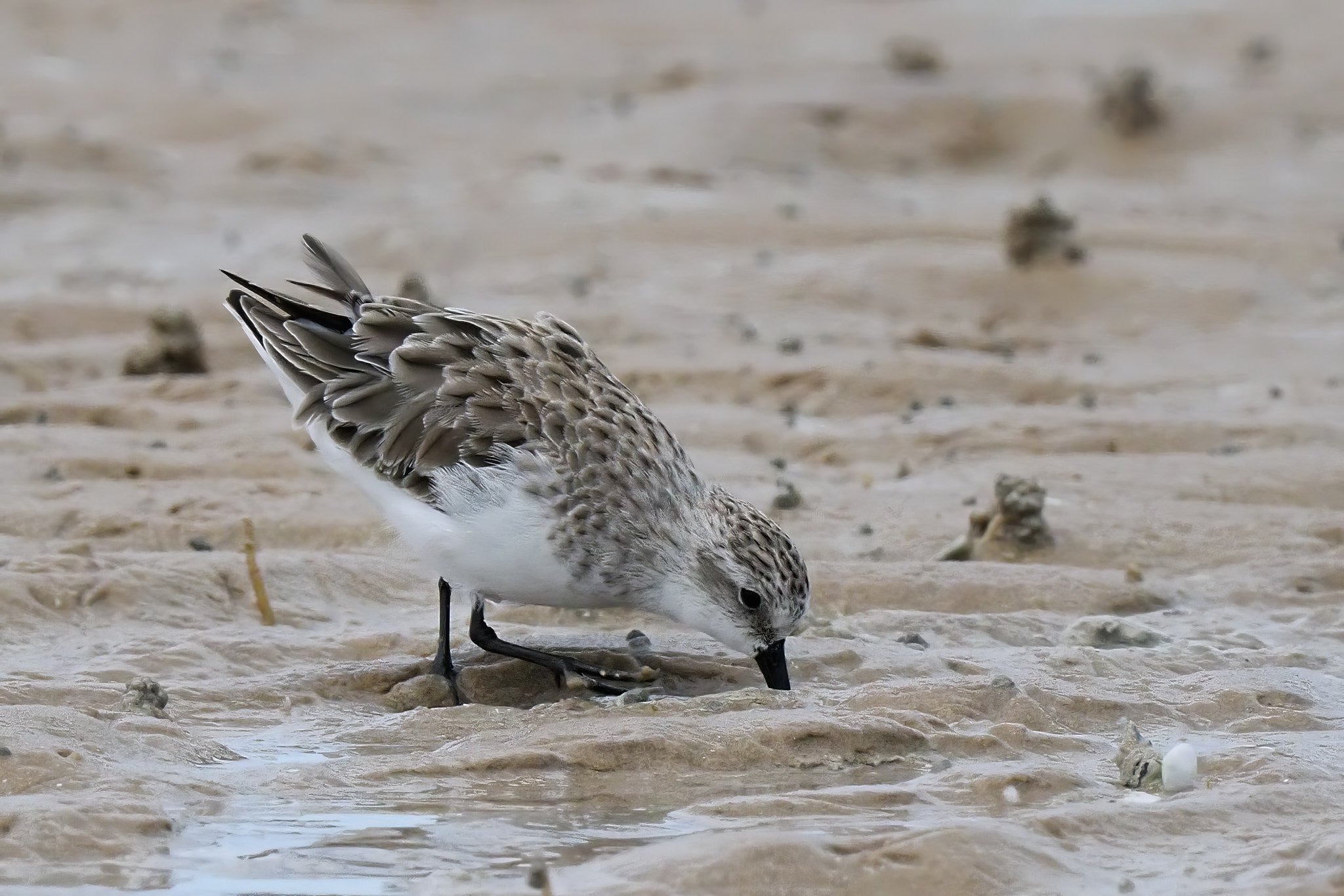
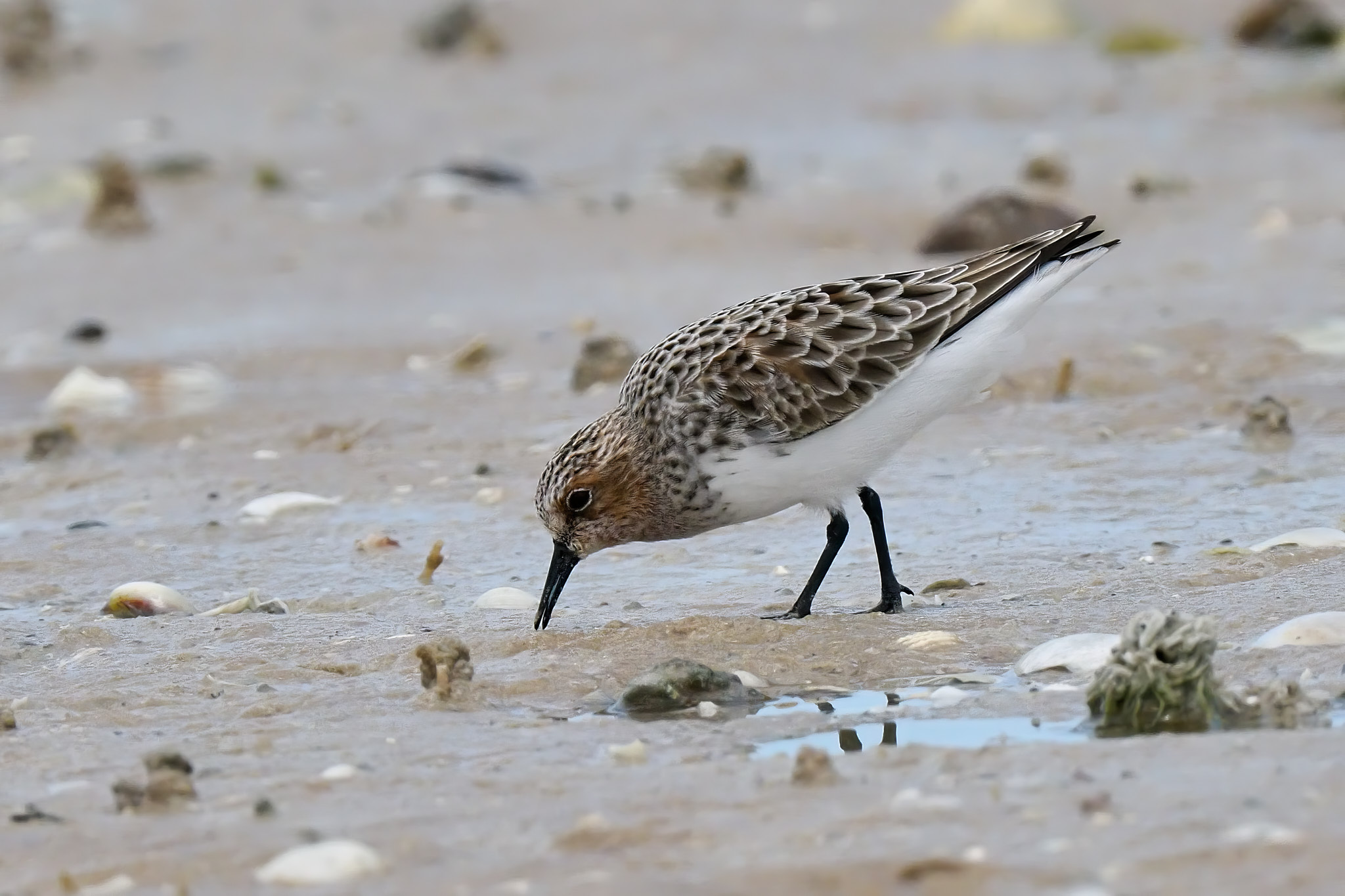
One of the features that make Broome famous is the sheer number of migratory shorebirds that visit Roebuck Bay. The big tides and extensive mudflats make it the best wader watching site in the country. Many of our visitors are getting ready for the long flight to their breeding grounds in the high latitudes of the northern hemisphere. Their priority is to feed up big to fuel the journey.
Over the next month a huge number will go but the bay will not be empty. There will still be any number of resident shore birds plus the younger birds of some migratory species that wait a year or two before making their first trip back to Siberia.
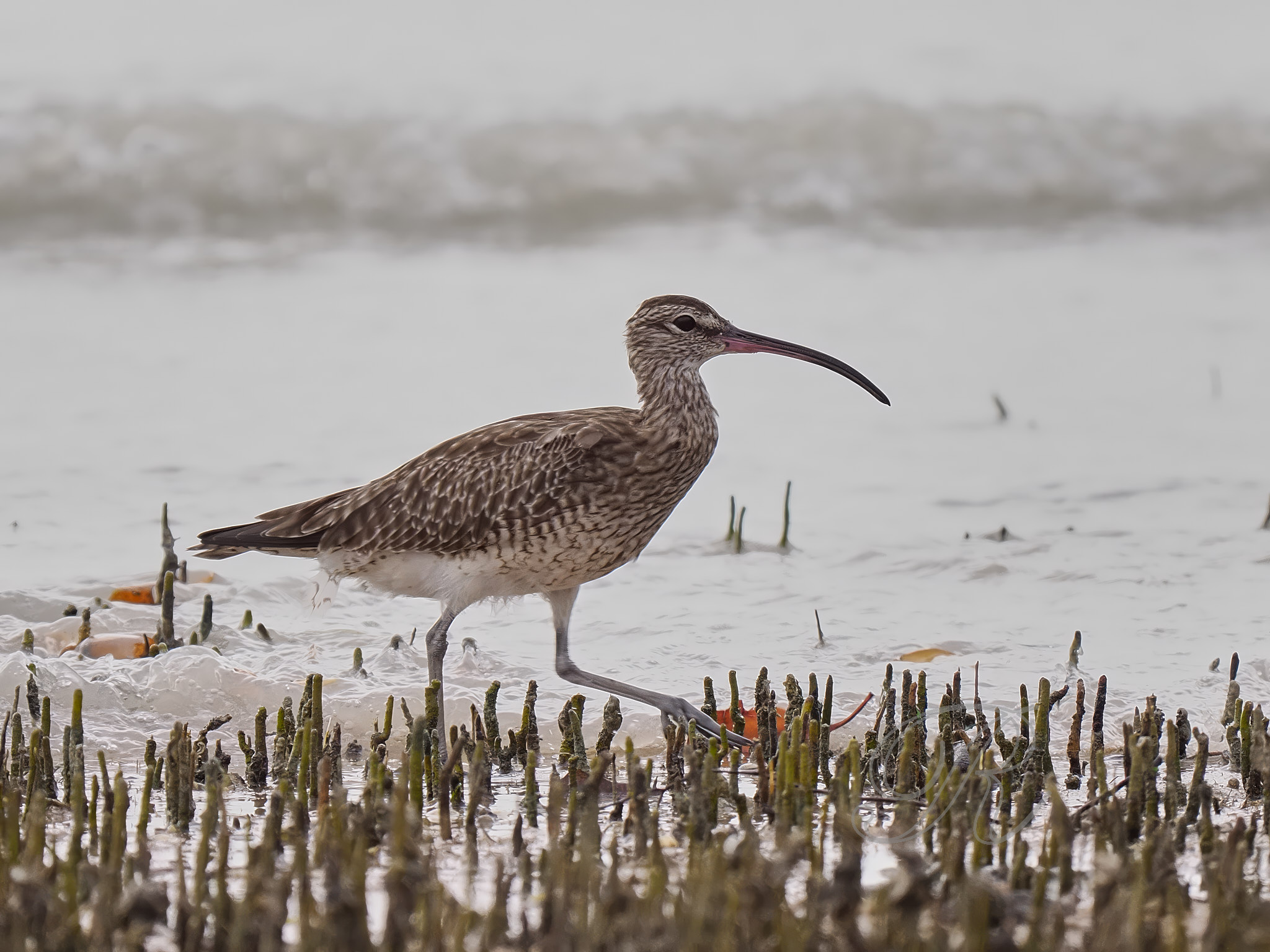
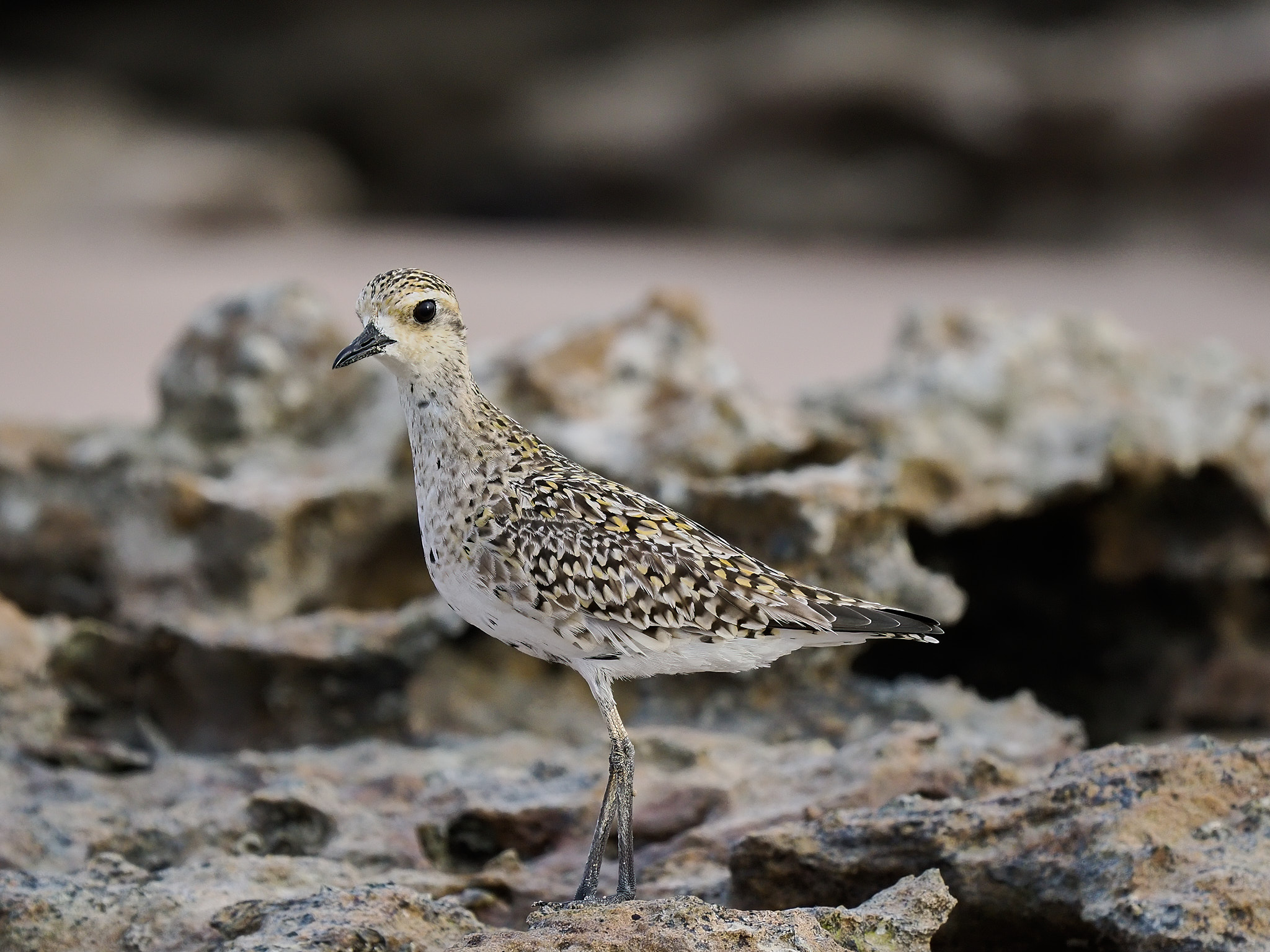
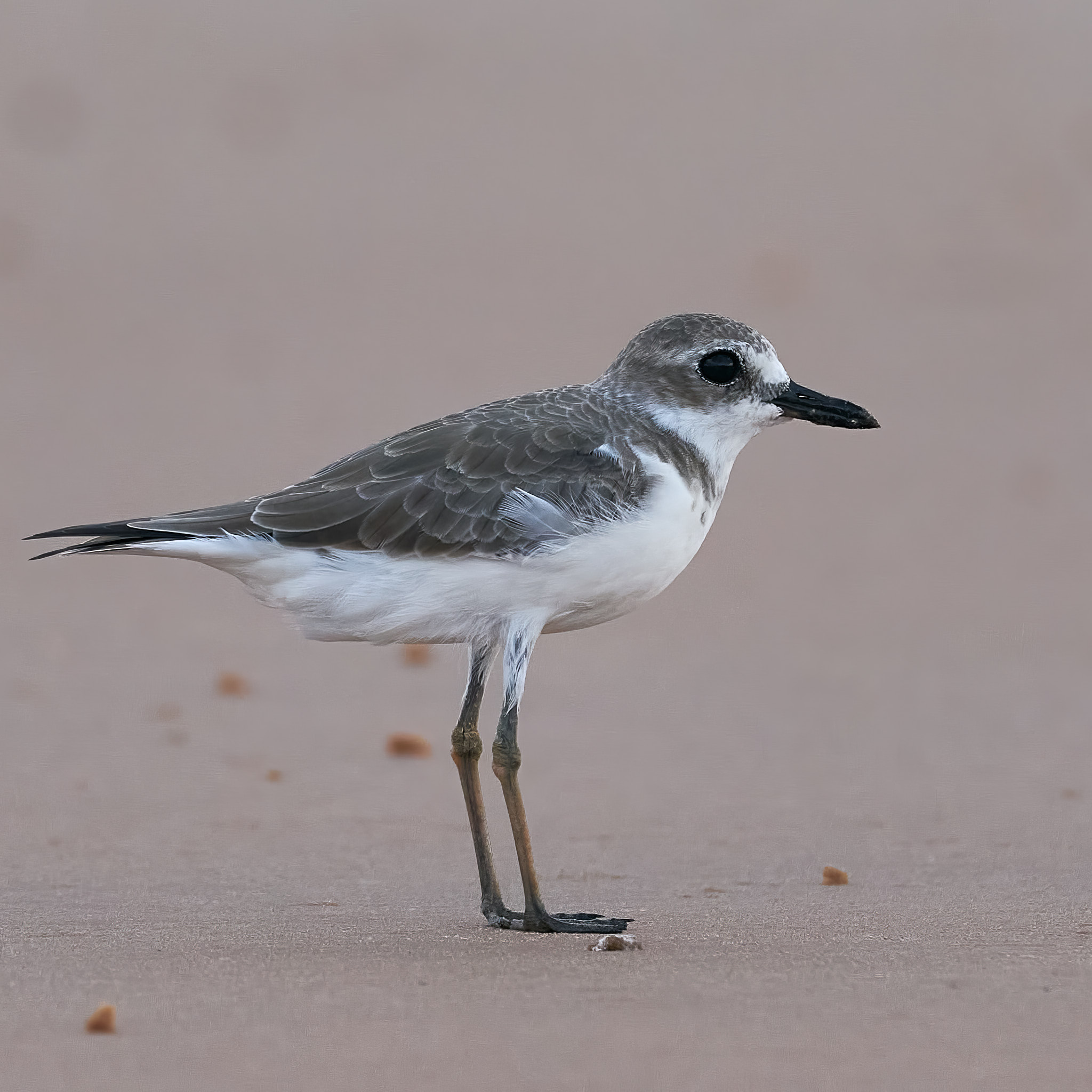
Red-necked StintRed-necked StintWhimbrelPacific Golden PloverGreater Sandplover
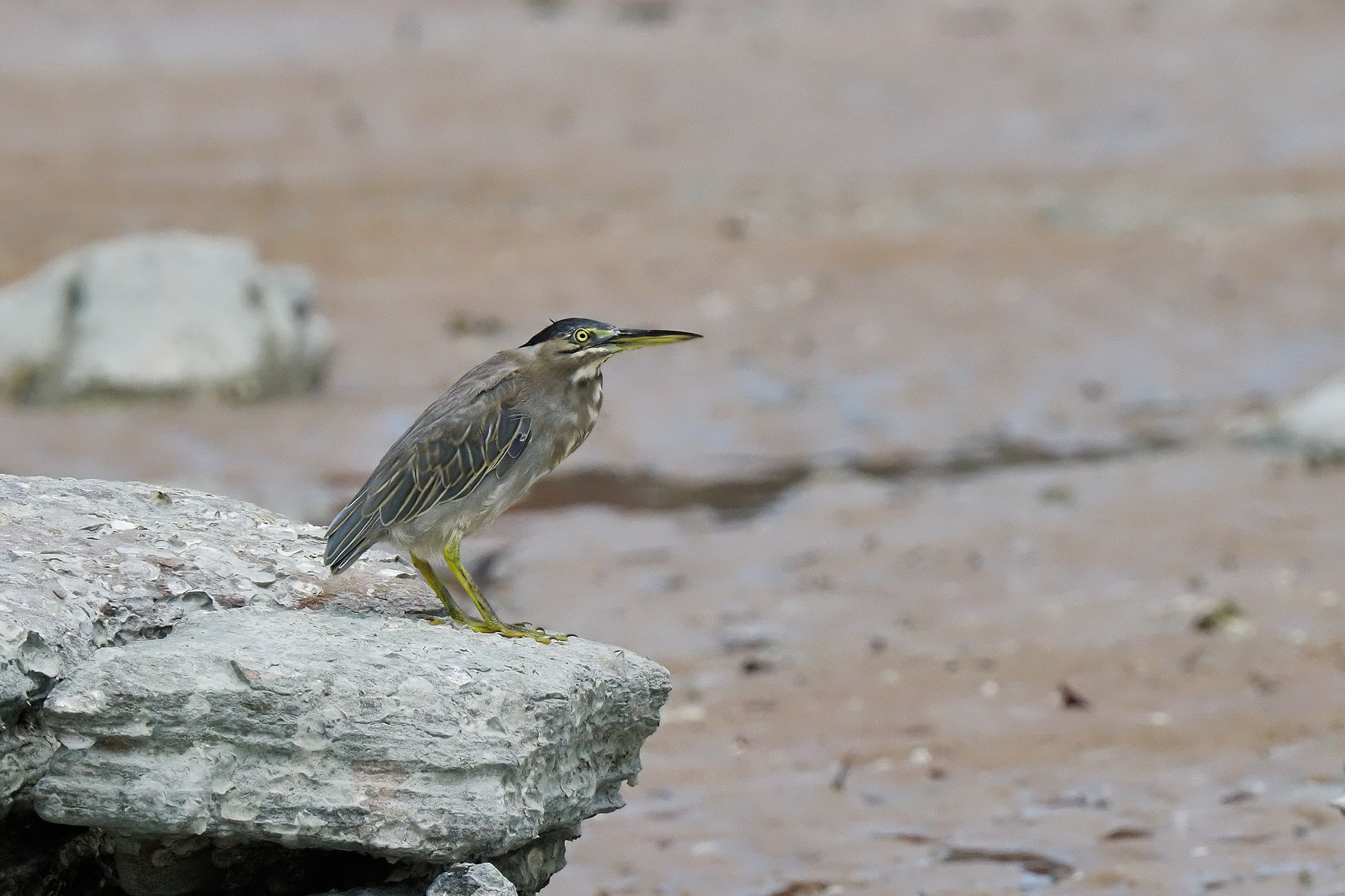
The bay is home to a number of birds that live and feed along the shore. Some are in the same order as the migratory waders, the Charadriiformes, but there are herons and egrets as well.
… has finally moved from above Broome. It had been raining all around us and, at last, it has dropped a couple of decent showers on us. The frogs were very happy this morning.
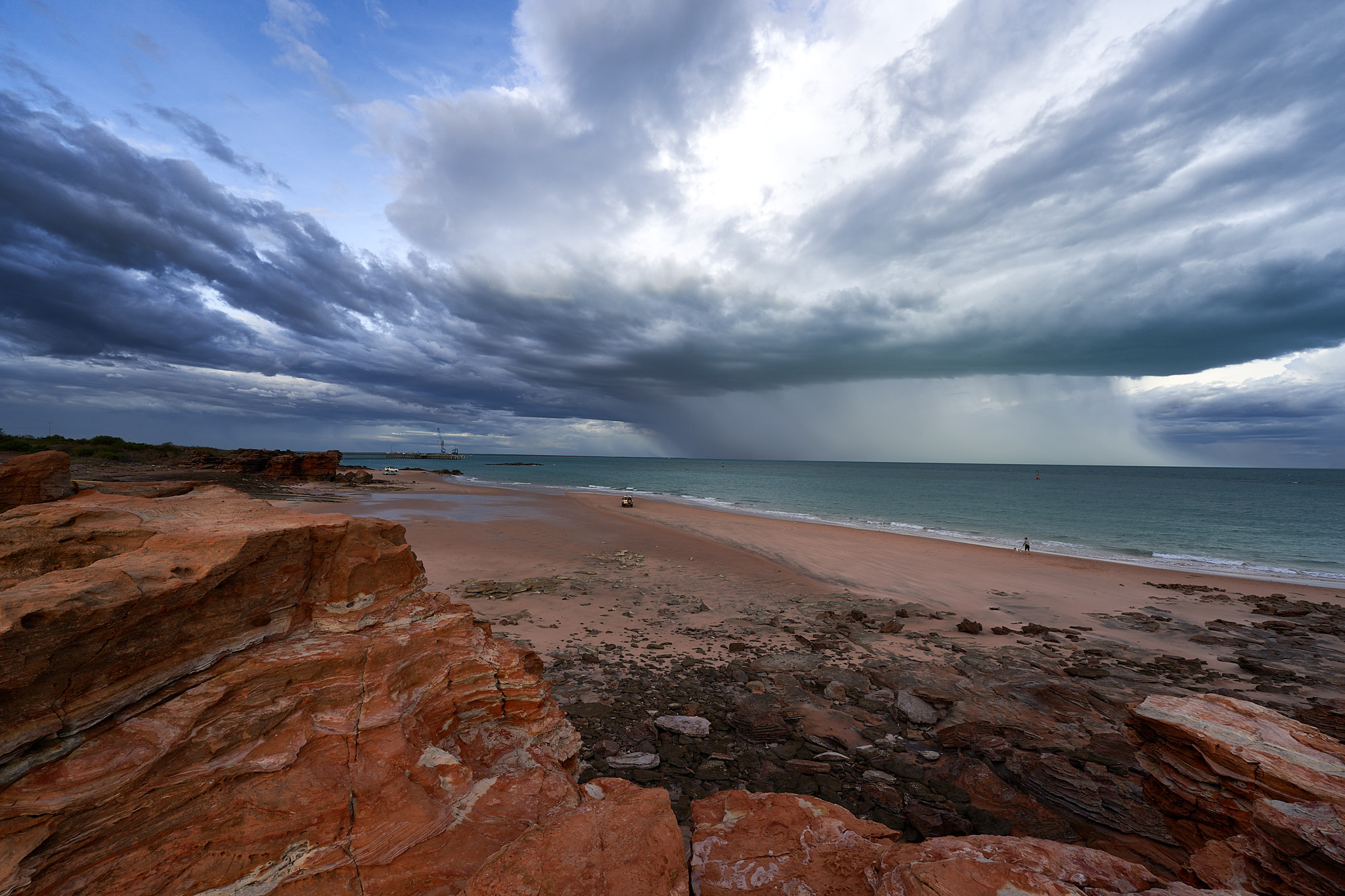
There has been enough cloud around to give us moody skies for a few days. The rainfall that you see over the sea moved fairly quickly ashore to drench the photographer. We must suffer for our art.
When the moon and the sun are in line high tide is really high and low tide is as low as it goes. These are spring tides, even in summer, autumn or winter. It’s got nothing to do with the season. Seven days after a spring tide the sun and moon are at right angles, tides are moderate. These are neap tides.
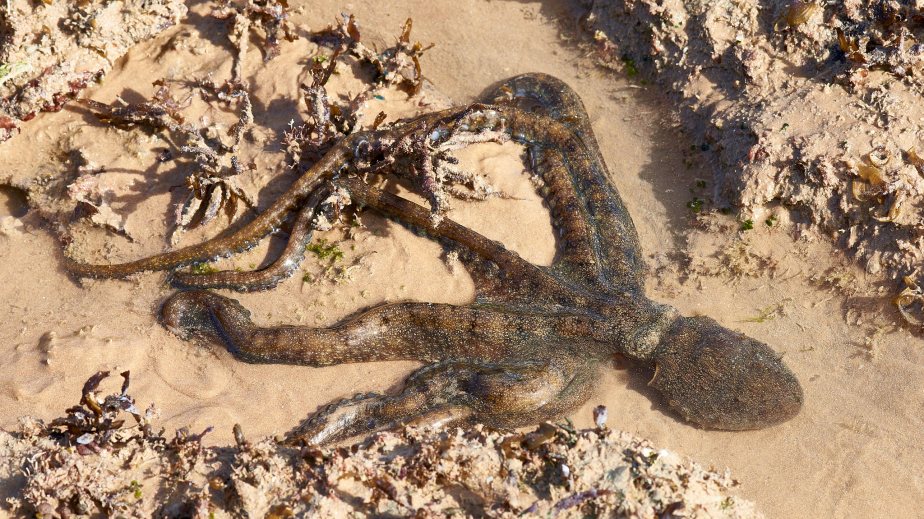
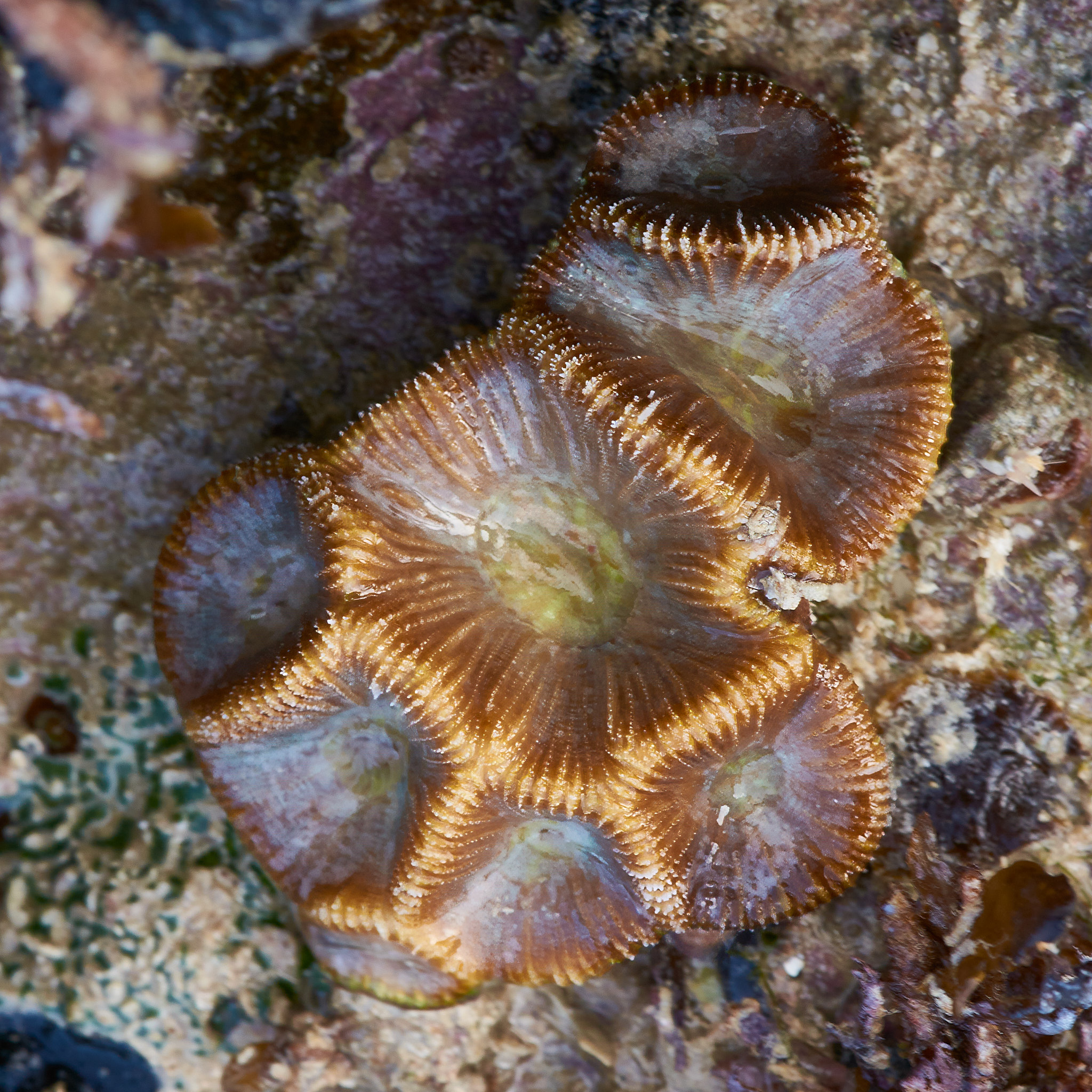
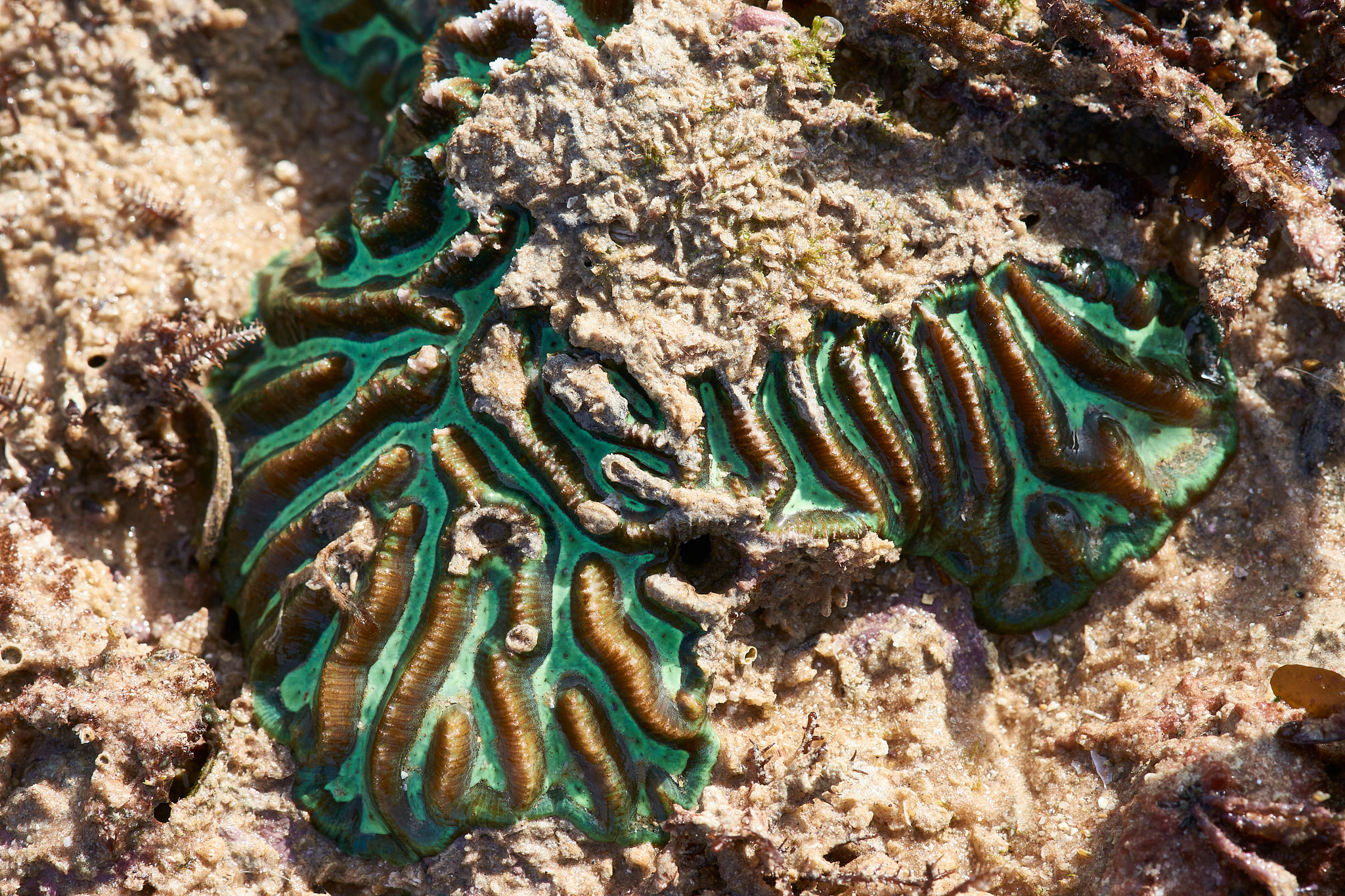
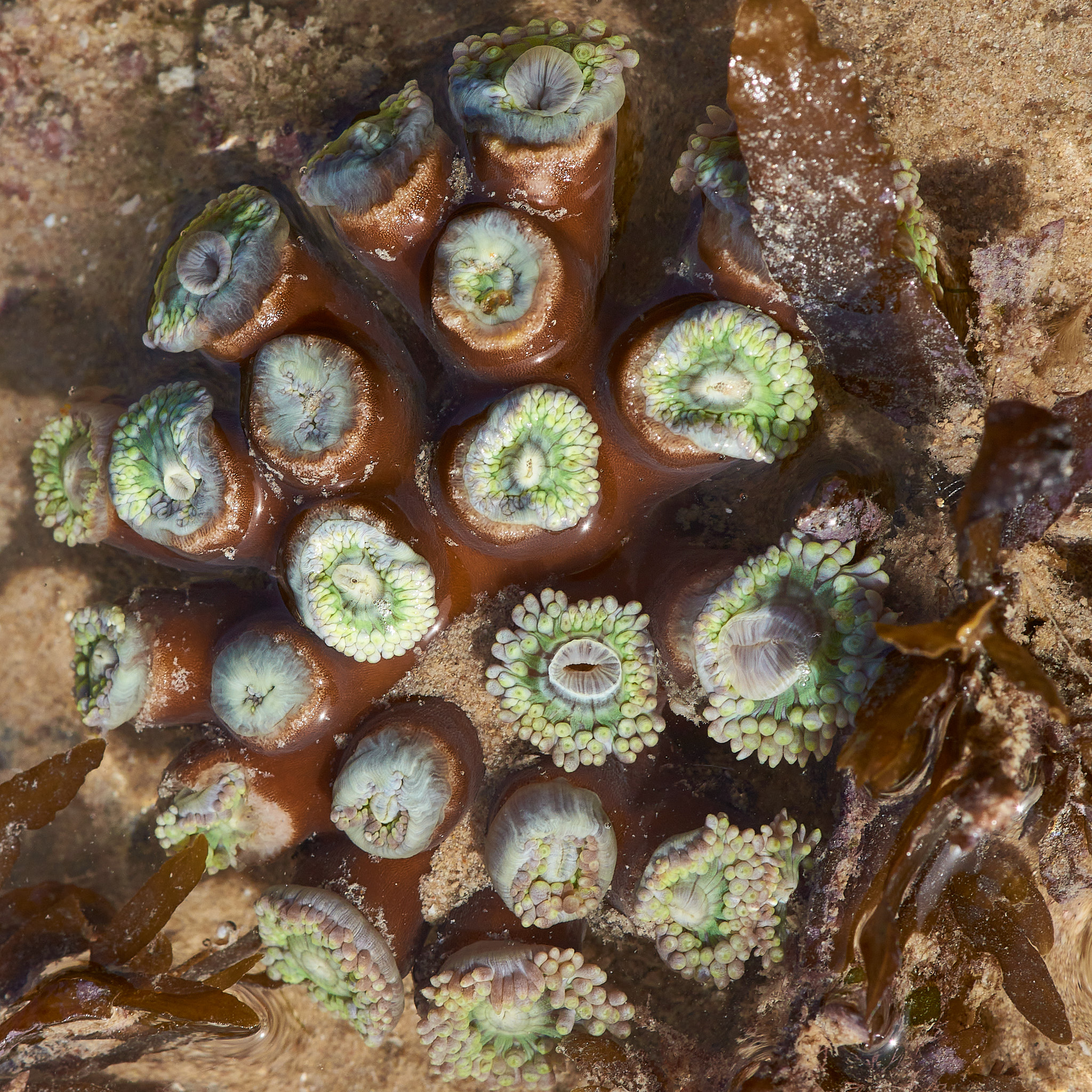
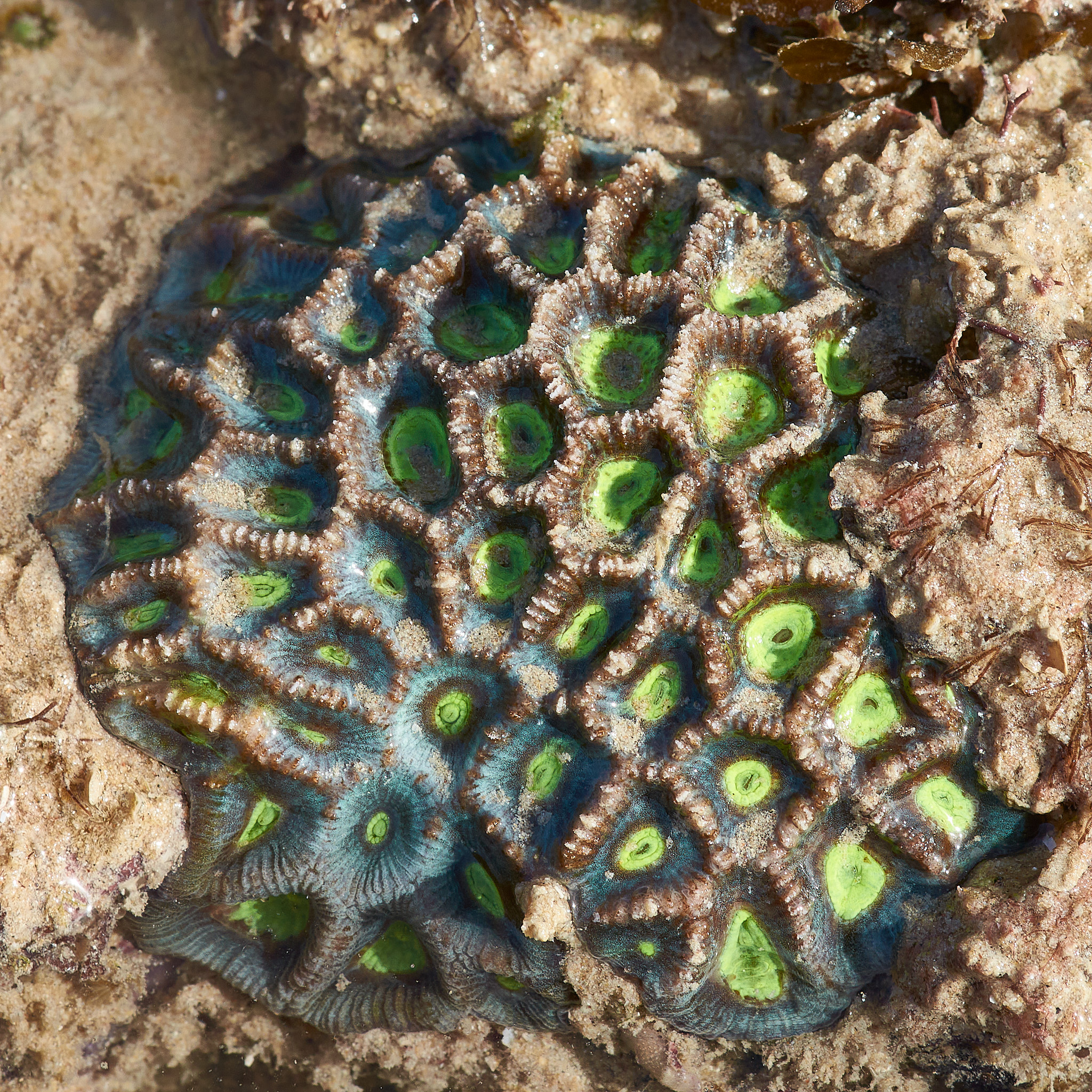
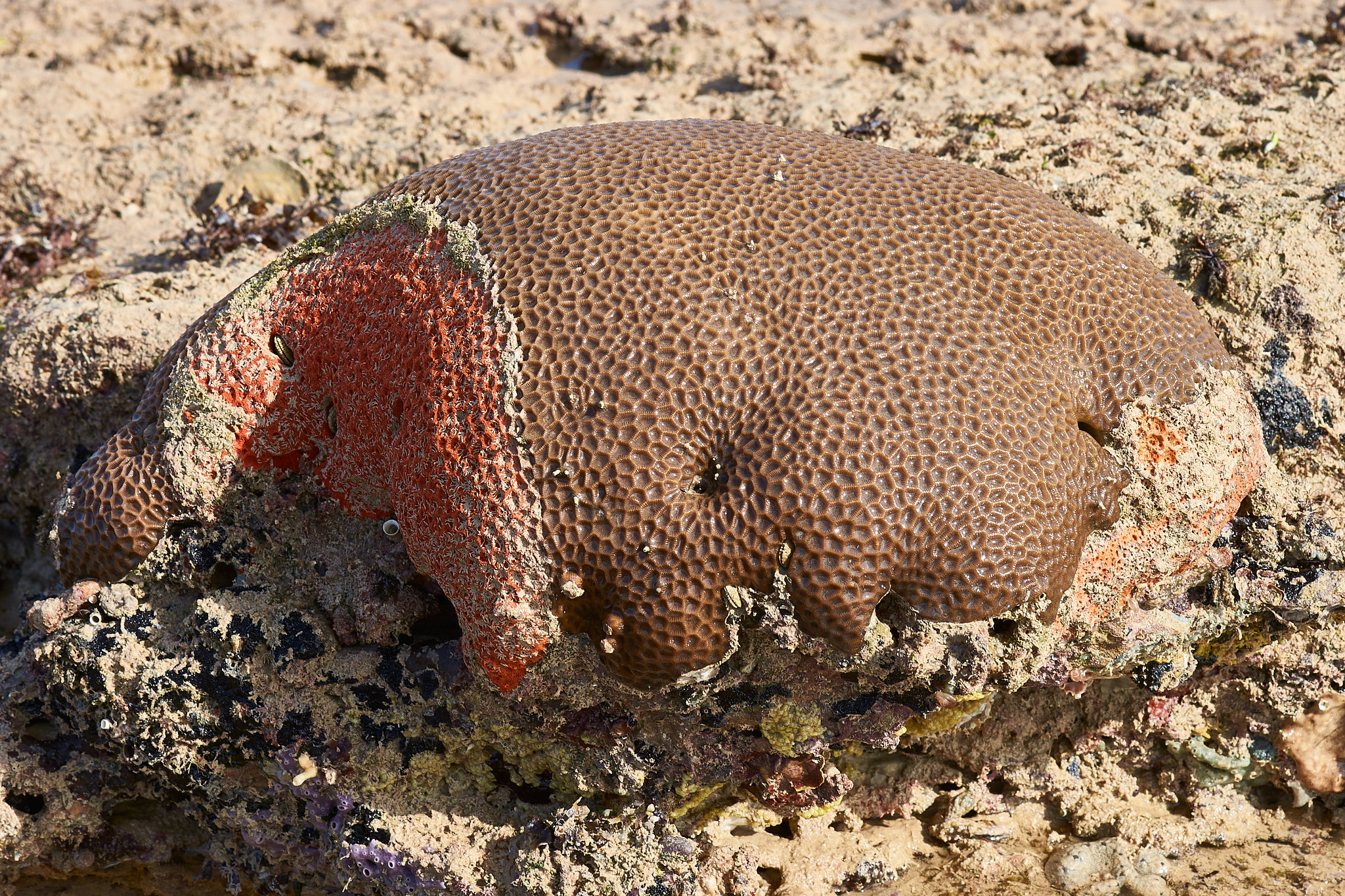
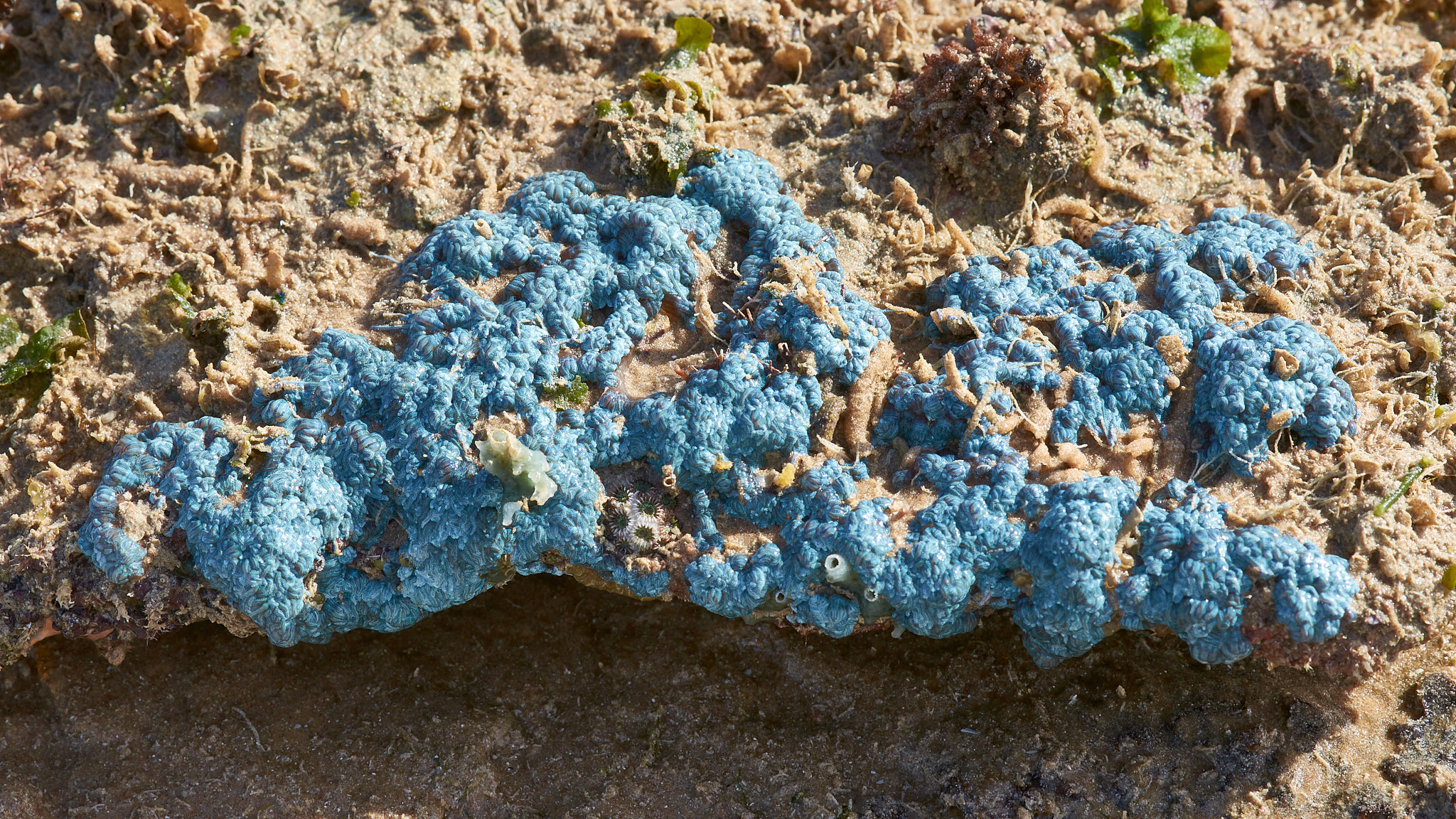
The last couple of mornings have been excellent times to explore the intertidal zone. The low water springs had uncovered territory not seen every day. I’ve come across Squirrelfish, Sergeant Fish and even an octopus in tidal pools. Corals, sponges and anenomes have been exposed, colourful, utterly fascinating and mostly a mystery. For the best viewing experience click on the first picture and wander through the gallery.
The last post featured birds at Streeters Jetty. I had company while I was there although I saw no sign of it. The area was closed for a few days. It was caught and turned out to be 3 meters long. It is now a resident at the Malcolm Douglas Wildlife Park. Some photos shamelessly filched off the internet …
I hope you enjoyed the gallery of birds that I risked life and limb to bring you. There may not be another for a while. The autofocus on my beautiful 200 to 600mm Sony lens has given up the ghost. An opportunity to buy a new lens! At least I’m trying to look at it that way.
It rained yesterday. Just a few millimeters. It was about 4.45 in the afternoon. It took a while to work out how to turn on the windscreen wipers it’s been so long. After the rain the temperature dropped to a mere 26°C. Overnight temperatures have been higher than that in recent days. It was too late and too little to avoid this being a record. Forget living memory. It is now the driest start to the wet since records began in 1939.
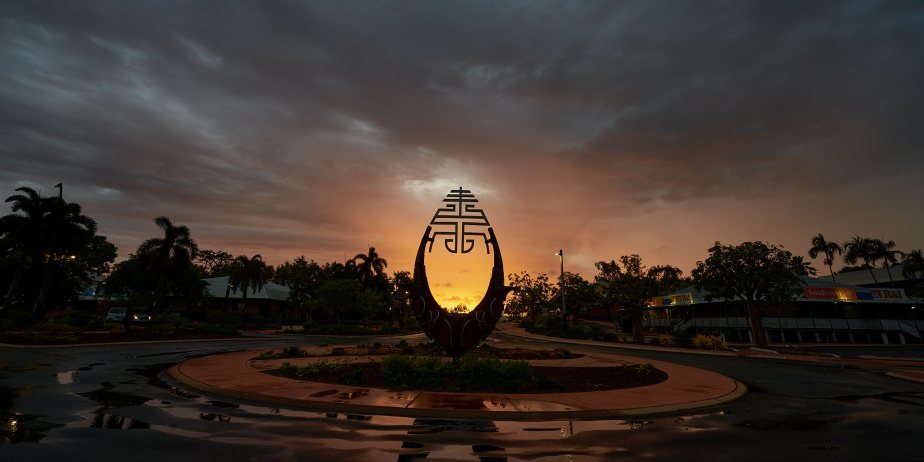
But at least we have cloud. I was out just prior to dawn. This was Town Beach.


















 bobmcgee