Banana Well …

In recent years the road from Broome to the tip of the Dampier Peninsula has been sealed. About 16km off the highway about half way up the peninsula there is a quiet camping spot called Banana Well. It’s where I spent the last few days.

The campsite itself is in open woodland adjacent to some ponds fed from underground. From there to the sea is about a two and a half kilometre drive, 4wd only on a sandy track and across some mud flats. The adventurous can also visit the Burrguk Creek, keep your dog away from the crocodile and your wheels away from soft mud.
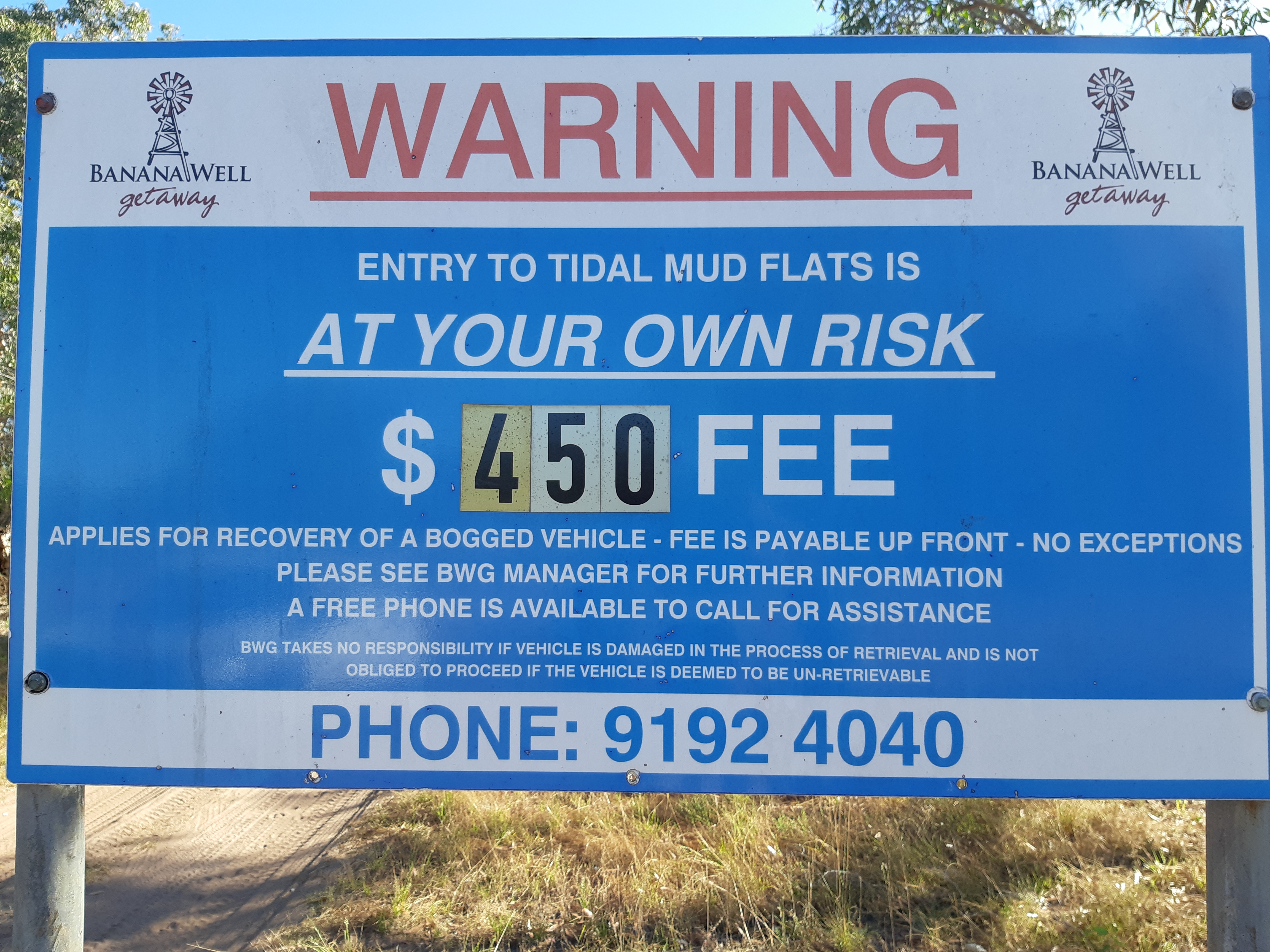
The facilities are somewhat run down but certainly not overcrowded. It’s a great spot for the birder and it also attracts some fishing enthusiasts. Other than that maybe hermits might like it. Mosquitos and Sandflys abound. I discussed the fishing prospects with some other campers. They had launched a boat the day before, a process they described as “Not for the faint-hearted”, caught nothing and got bogged retrieving their vessel. Fortunately they had gone with two vehicles and one was able to tow the other out. They had no intention of doing that again.
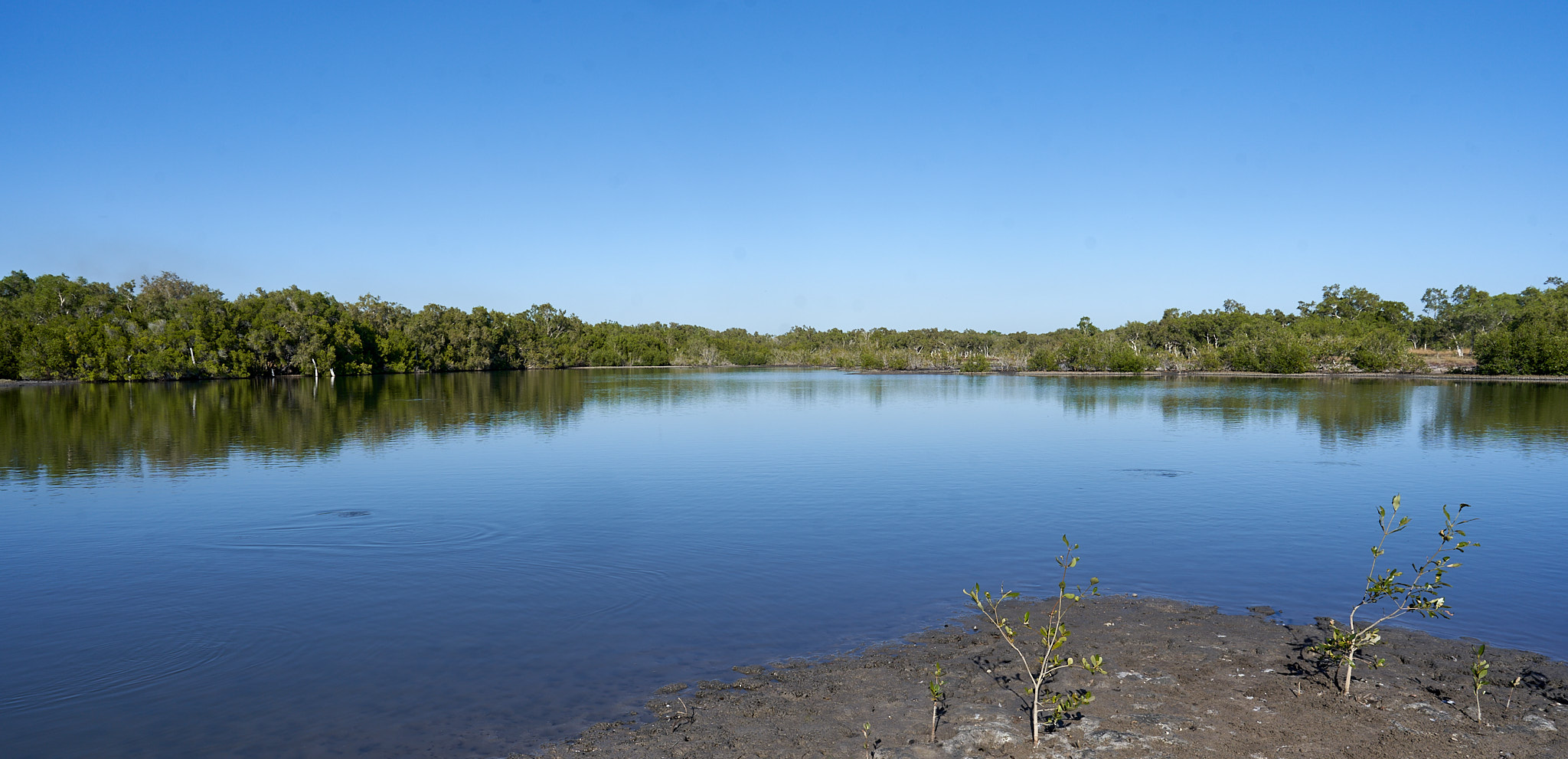
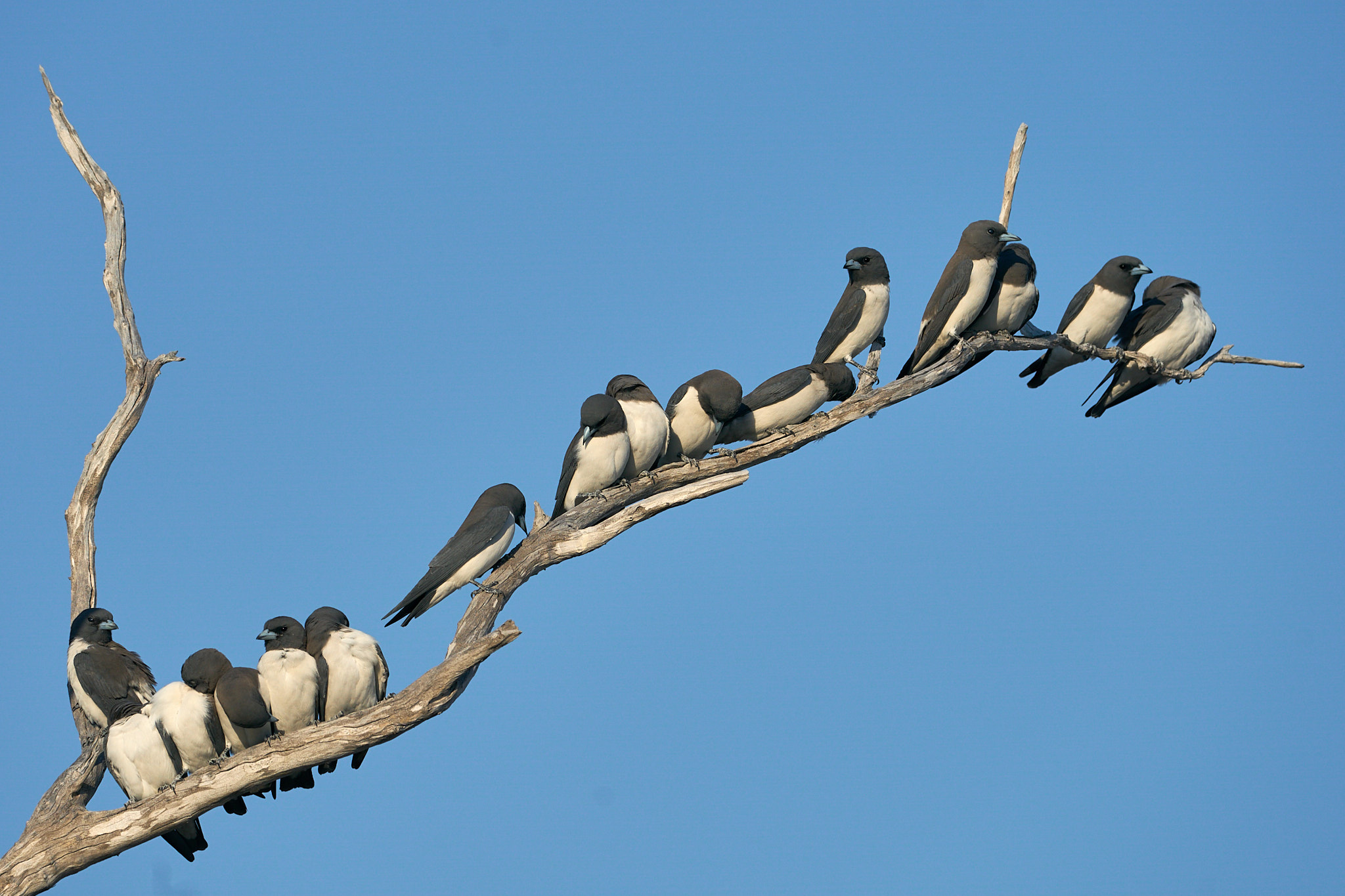
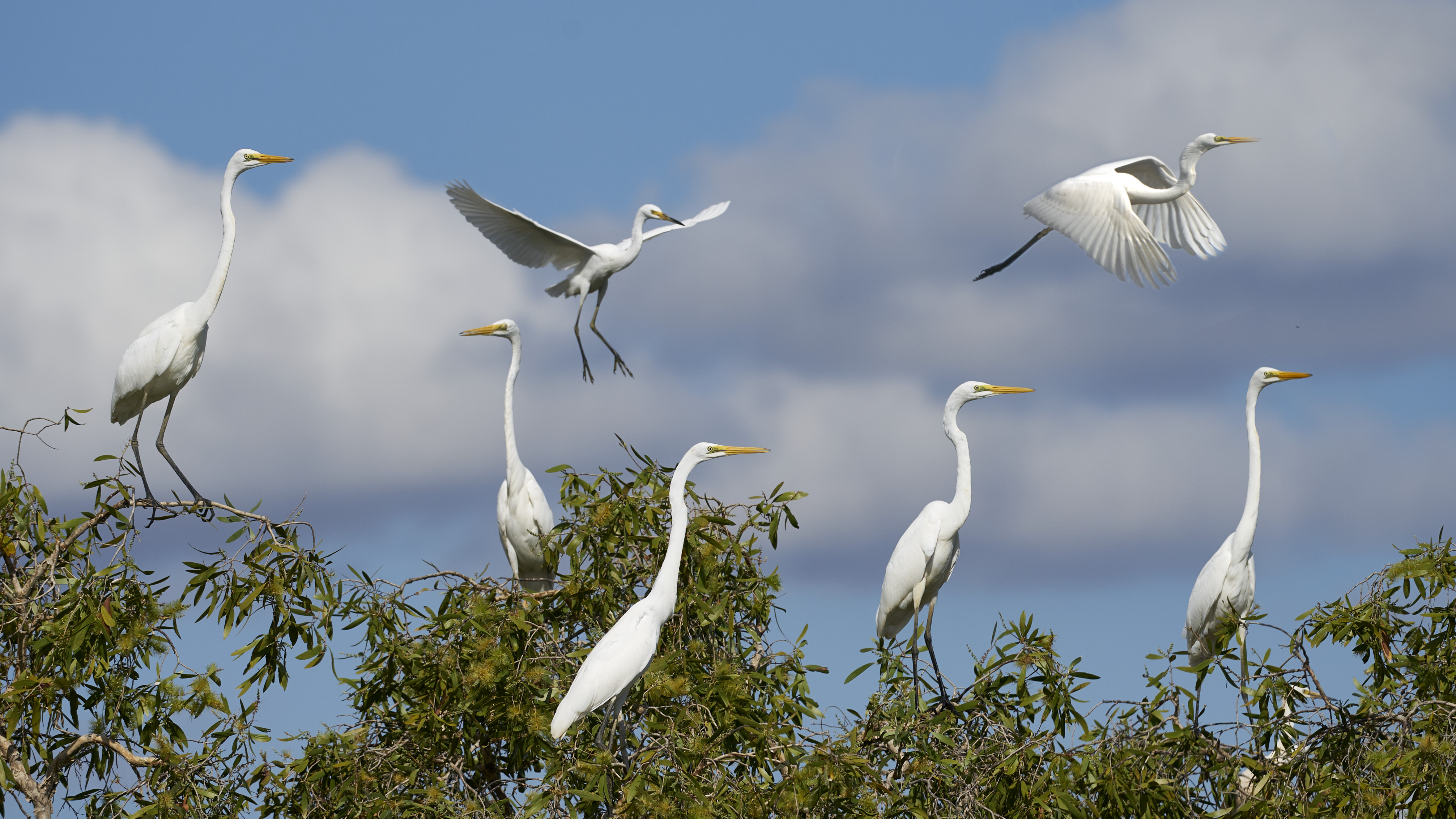
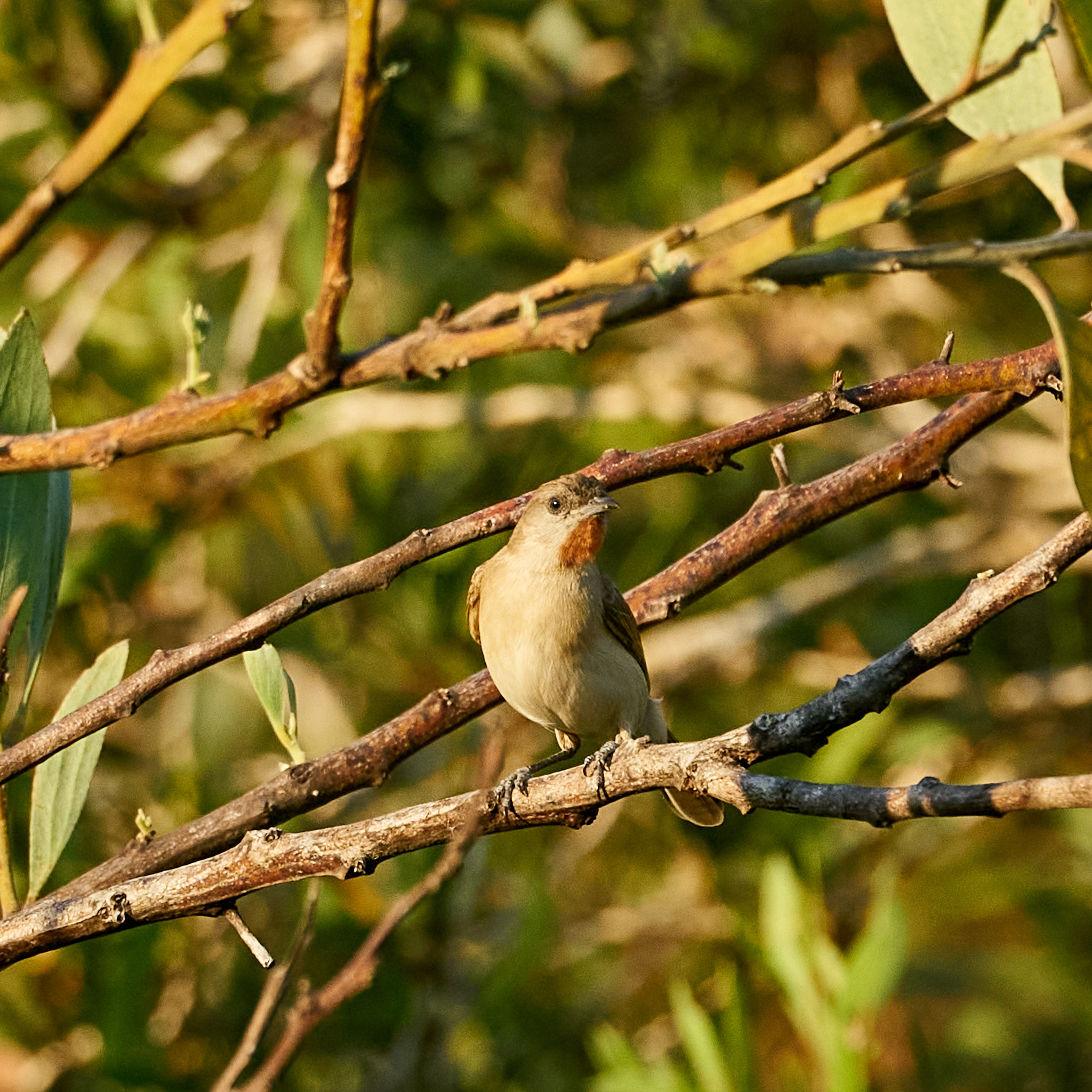
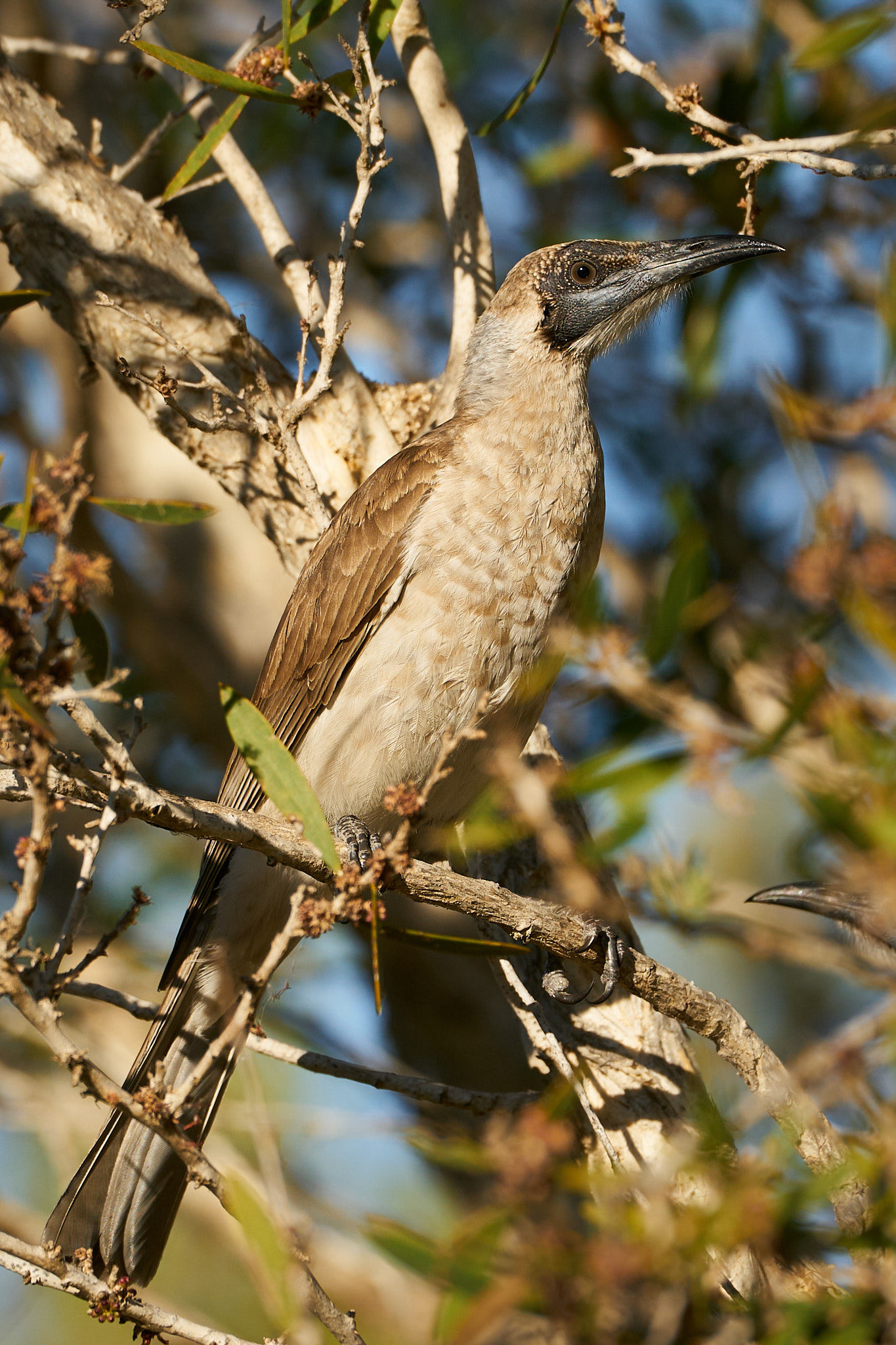
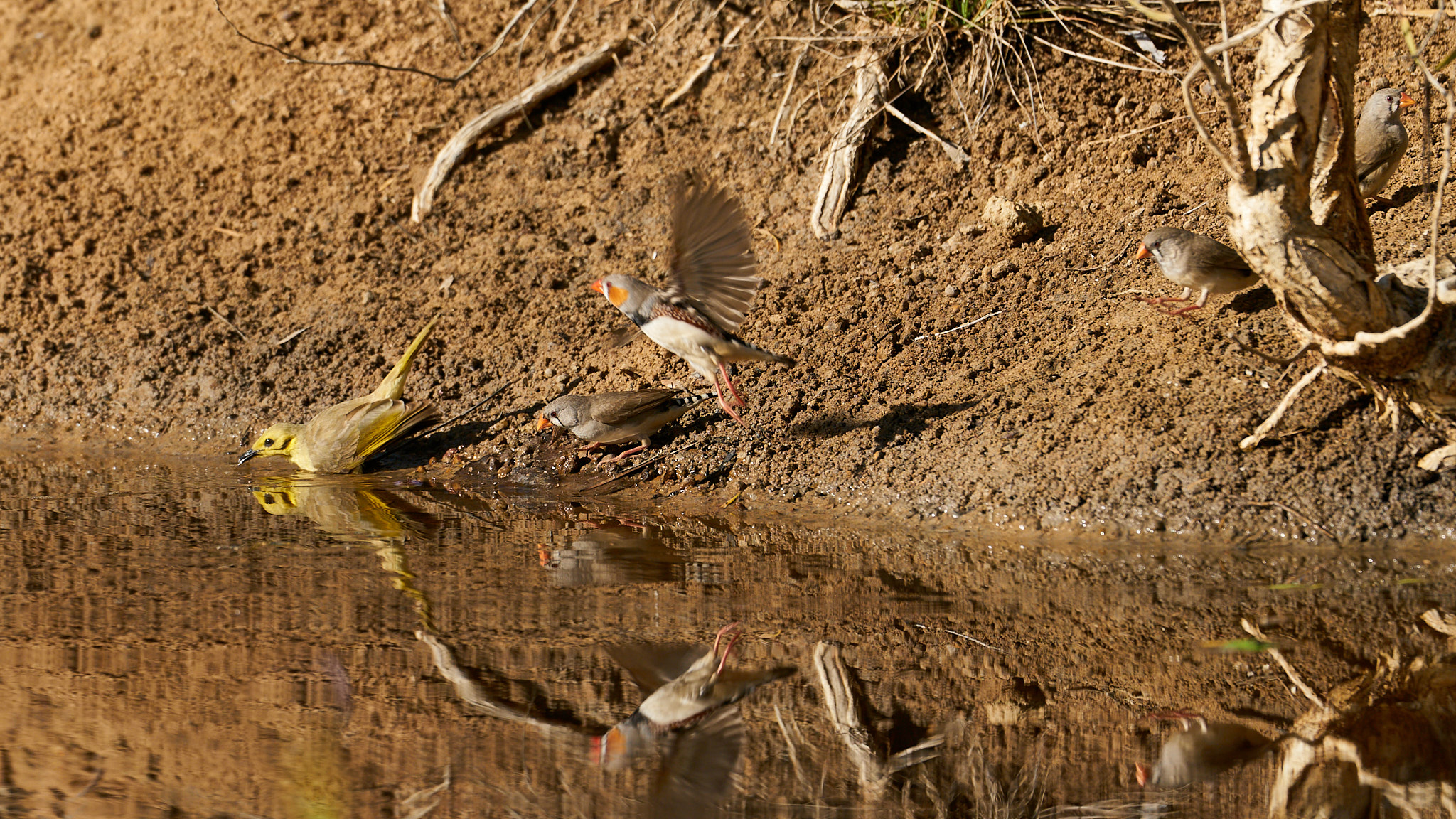
For the birdo there is a lot on offer, Melaleuca woodland around the ponds, Savanna woodland, mangroves and at low tide extensive mud flats.
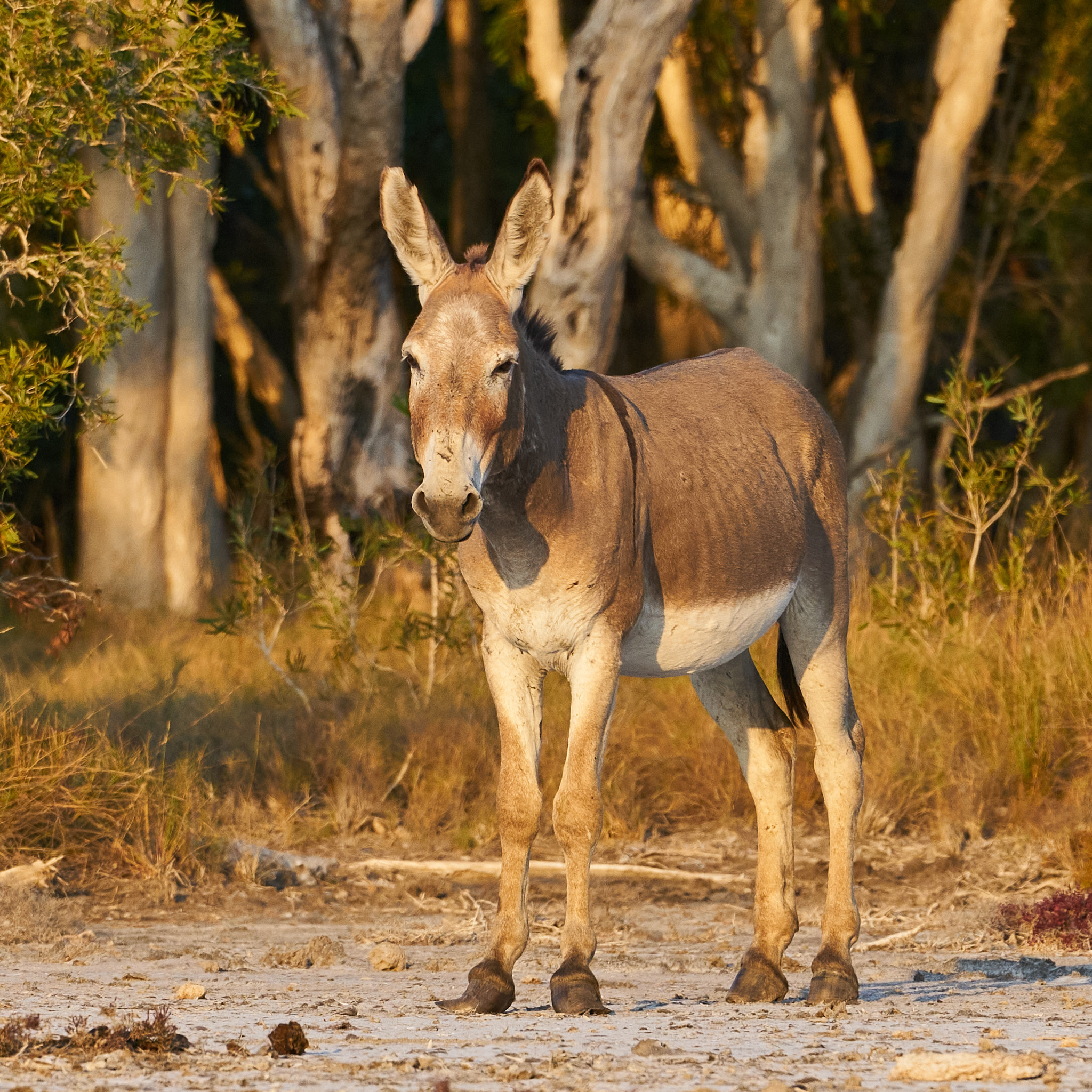
At night the sounds of feral donkeys ring through the camp ground but you rarely get to see them.
Other noises through the night included Barking Owls, Bush Stone-curlews and the crazy calls of the Brain Fever Bird, Brush Cuckoo – do they never sleep?

Here are some of the scenic shots, as always, clicking on a gallery opens it up for a better look …

The mud flats are inundated on king tides and some areas on moderate tides. One way to get into trouble is to venture into areas covered by yesterday’s tide. This guy was heading east on our last morning. The sun was in his eyes. He made another 150m after the wheels started slipping! More than enough to ensure that no one could get near enough to tow him out.
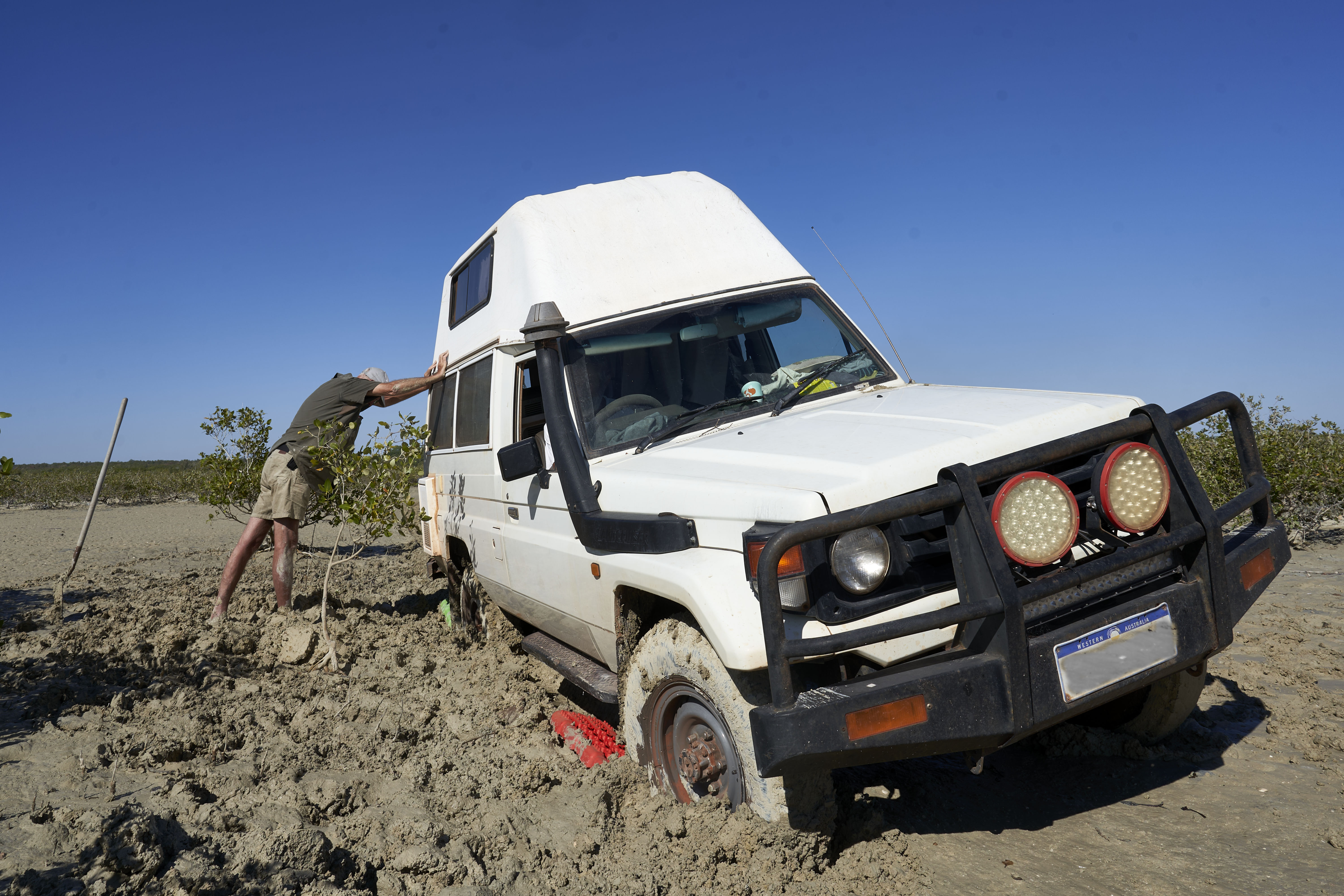
Remember the warning sign at the top of the post? It’s out of date. We were unable to extricate the vehicle despite a lot of digging and the deployment of the rescue boards (I have only seen them work on one occasion – much over-rated bit of kit). When the futility of our efforts was eventually acknowledged a tow truck was summoned. The quote was $5,000. There was no way that it could arrive before the next high tide which will have reached above the bottom of the doors but probably not far up the engine. The poor guy was sure his wife was going to kill him.

The Port …

Ten metre tides, mangroves and vast expanses of mud complicated matters for the fledgeling settlement of Broome. Coastal shipping brought supplies in and the shell and cattle out. A jetty was commissioned and began operation in 1897. Even though it was 900m long ships could only arrive or leave on high spring tides. Henceforth the good people of Broome could take advantage of the West Australian Steam Navigation Company’s fortnightly mail steamer service to travel to Perth or Darwin. SS Charon and SS Gorgon of the Blue Funnel Line traveling between Perth and Singapore called at Broome en route. At low tide they sat on the mud.

The original pier was at Mangrove Point now called Town Beach. It was connected to the commercial centre in Japtown by a tramway. The port was administered by the Department of Harbours and Lights. Names were so much more romantic in those days.

On the morning of October 11th 1935 a fire broke out. It was extinguished in about half an hour but destroyed about 50 feet (15m) of the jetty. Steele Rudd died the same day. The incidents were not related.

A new port was deemed necessary and was opened in 1986. It is situated a little less than 4km southwest of the old port at Entrance Point and offers improved freight handling and deeper water. It is managed by the Kimberley Ports Authority.

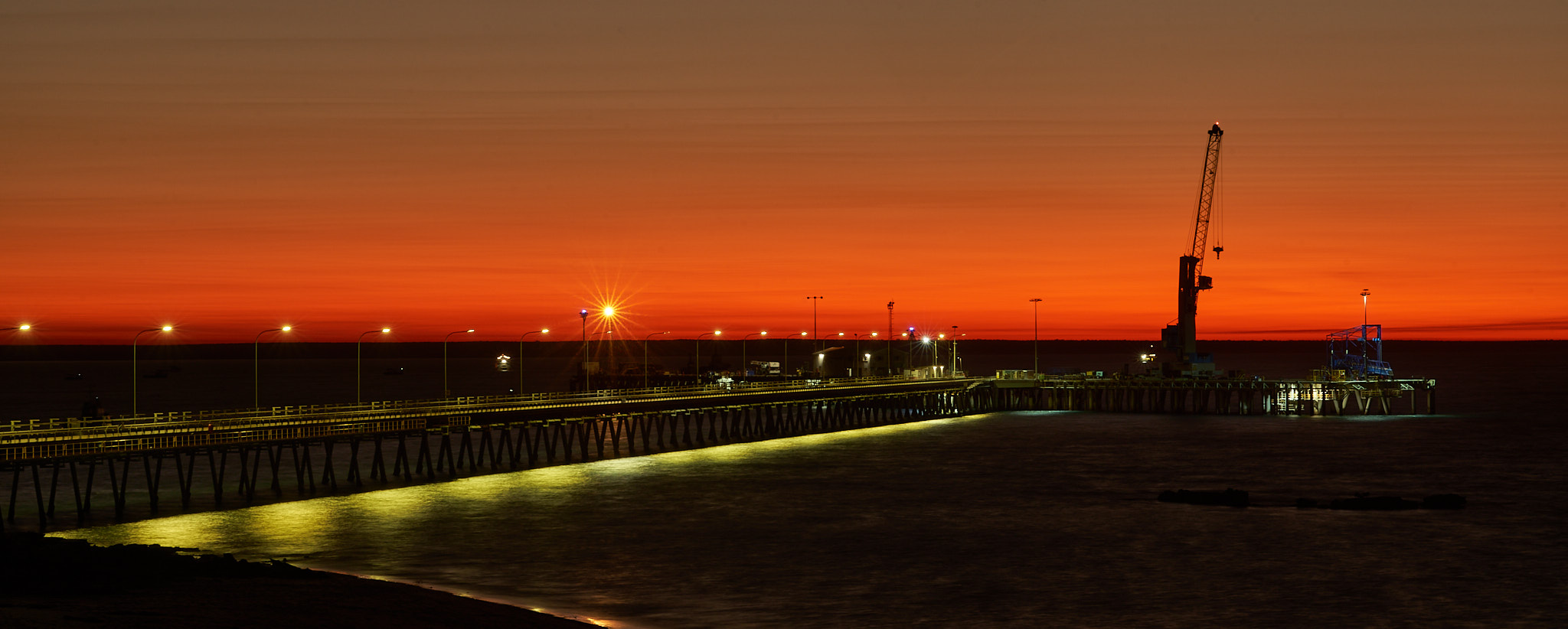
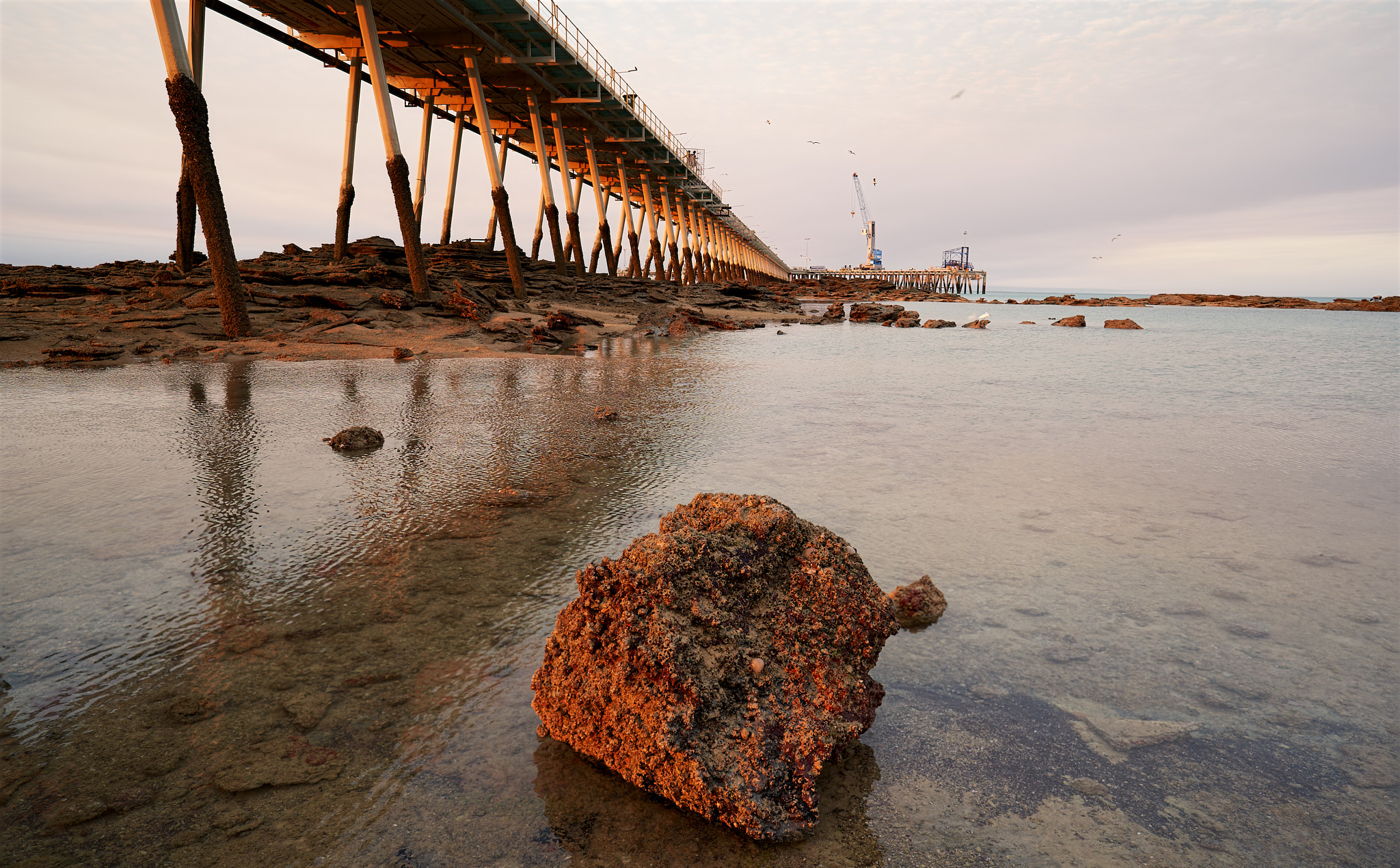
After the old port was retired the wharf was dismantled. In the last couple of years a new pier has been constructed which provides a fine promenade for tourists and somewhere for fisherpersons to reach deep water at high tide. It’s only about 200m long so high and dry at low tide. High and dry? Rather high and squishy, you can walk around it if you don’t mind muddy shoes. It makes a fine sight as the moon comes up …

Offering …

The shore of Dampier Creek offered a place where boats could be hauled out and there were fresh water soaks close at hand. It was a useful base for the pearlers. Streeter and Male founded a store nearby, a passage was cut through the mangroves and a jetty was built. It seems that the exact date is unknown but it was in existence prior to 1897. Streeters Jetty is still there and has recently been given a major facelift. It is as fine an example of a plain wooden jetty that you will find anywhere in Broome.

It had its limitations being useful only for small boats at high tide. It was underwater at very high tides and a long way from water at low tides. In 1897 a government jetty was constructed at Mangrove Point now called Town Beach. This served until the 1960’s. It was an improvement but ships still had to take the bottom between high tides.

Between Streeter’s and Town Beach there is a spot that gives a good view over the mangroves to what was then the port. There is a monument here to the womenfolk who waited here for the return of the luggers and schooners. If that gives the impression that life was a picnic spent sitting on the grass waiting for their men to turn up forget it. Think instead of the anxiety that would follow a storm. Who will return and who will not?

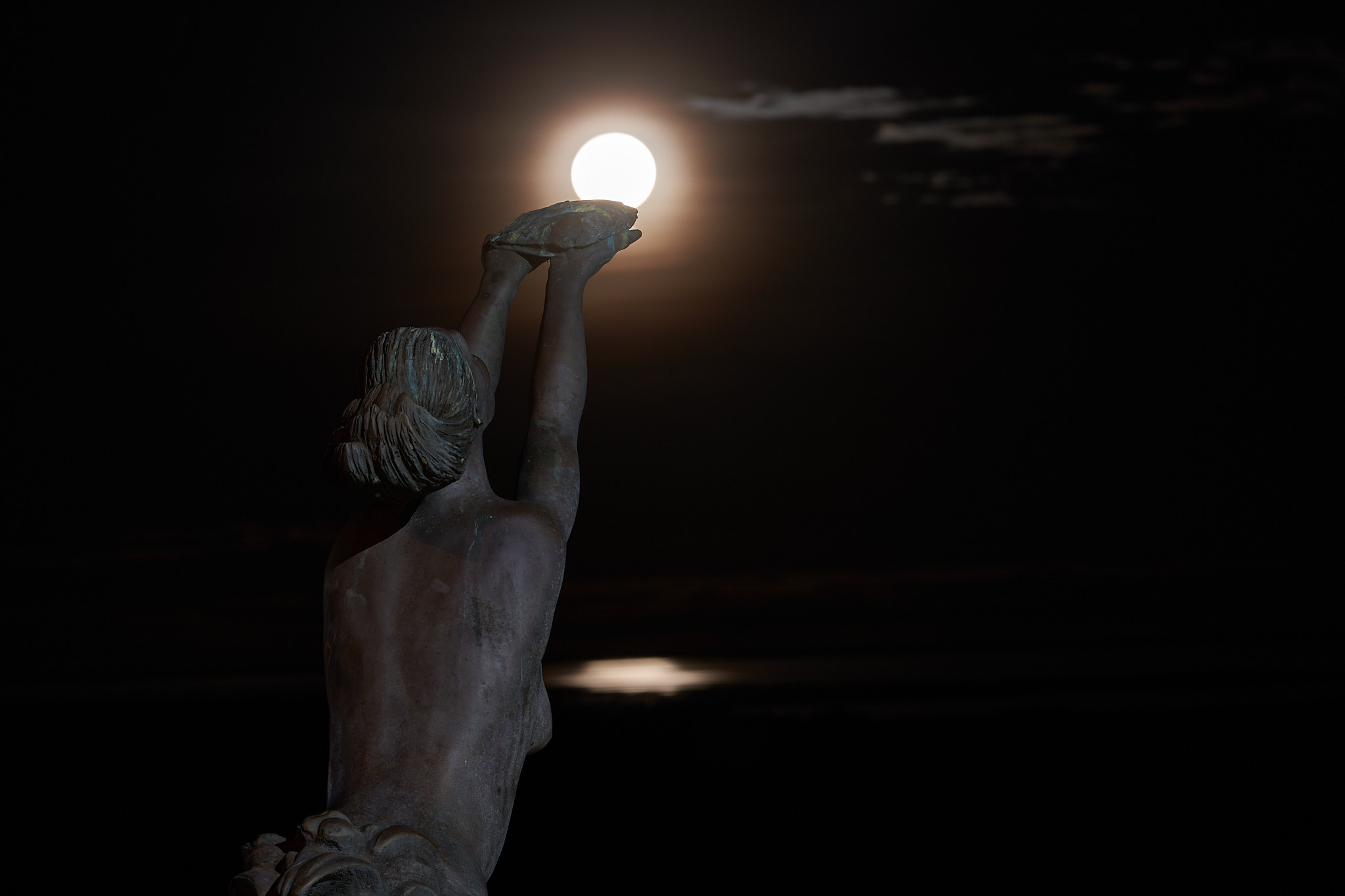
A fine pearl resembles the full moon …

Weather …

T’is nobler to stay in bed.

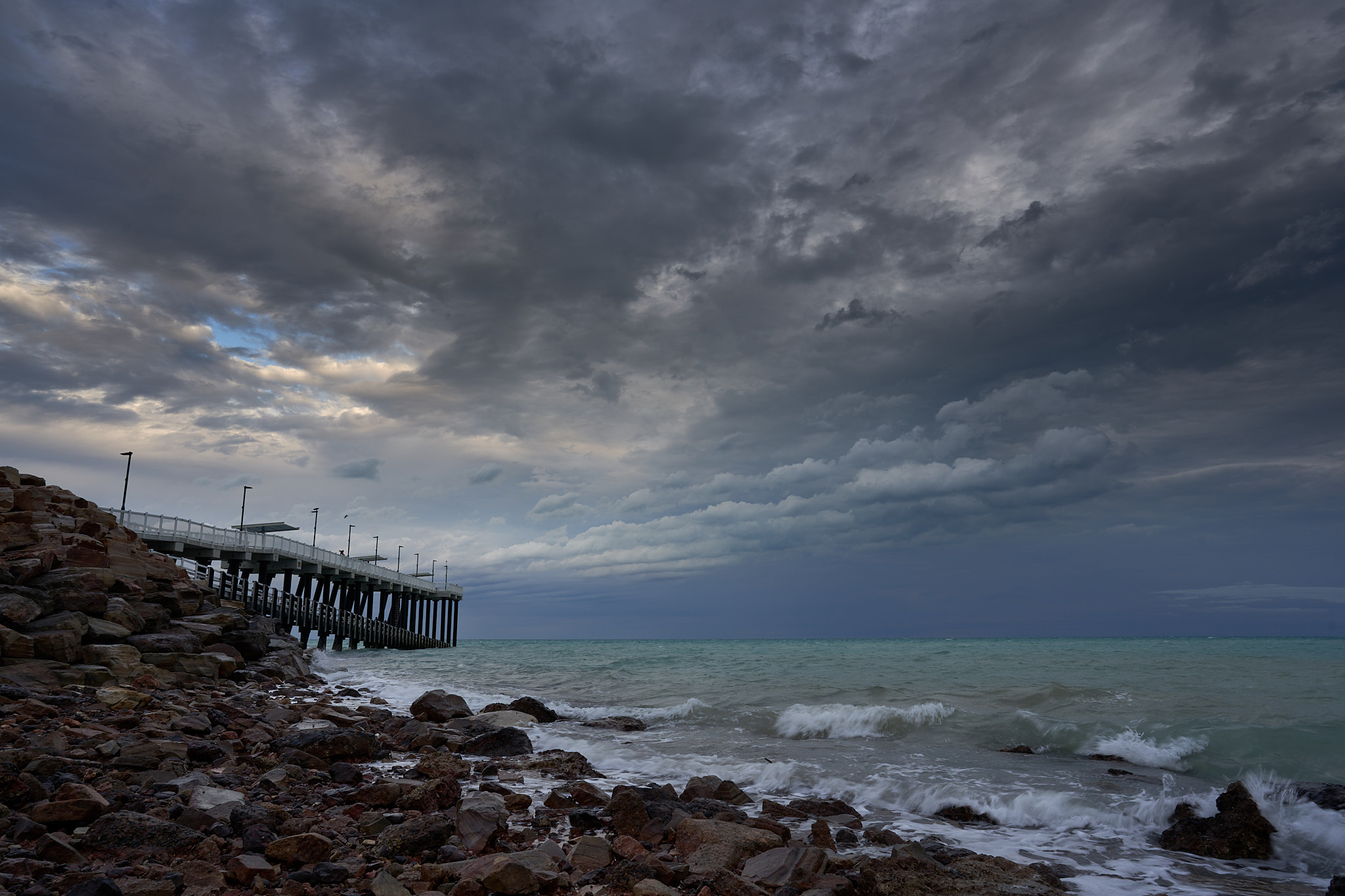
It arrived last night and a tropical downpour has been drumming on the roof ever since, a soothing and hypnotic sound. Tourists were not expecting this in the dry season. Caravan parks are overflowing – just like the gutters. By road Broome is a long way from anywhere else. City dwellers may be challenged by the notion that roads will be flooded and impassable.

The Gibb River Road winds through the remote KImberley region. If you take it easy in fine weather your 4WD will get you through, with skill and care your caravan may even survive and you can pick the contents of the cupboards up off the floor when you reach your destination. If anything goes wrong you are a long way from assistance.

This gem was posted on Facebook this morning …

“During the GRR closure, are we still able to use the road to leave? We’re currently at Drysdale River Station and urgently need to get to Derby to get our fridge fixed 🙄 “

… and pray that there’s intelligent life somewhere out in space – everybody knows you can’t get a fridge repaired in Derby!

A Change of Wallaby …

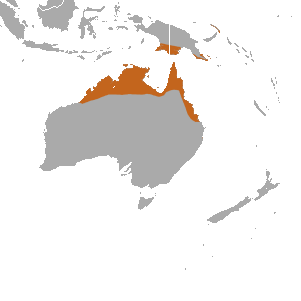
When living in country Victoria I saw Eastern Grey Kangaroos and Swamp Wallabies almost every day. The thrill never seems to wear off. Now living in town in Broome the common macropod is the Agile Wallaby and I’m not likely to see one on my front lawn. They are smaller than their Victorian cousins and abundant when you get out into the countryside.

Boys are bigger than girls, body length 85cm versus 72, 27kg versus 15 when fully grown. Their tails are long and flexible doubling their length overall. As is typical of kangaroos reproduction is very efficient. There may be a joey in and out of the pouch, another small baby in the pouch fastened to a teet and a fertilised egg in a state of suspended development waiting for lactation to cease – a condition known as diapause.

Agile Wallaby distribution.

They are the commonest macropod in their range and they have been successful over a very long time period. Their fossils have been found from Pliocene deposits in Chinchilla, Qld – that’s four million years ago. They were slightly larger back then but otherwise identical. Their future is secure in Oz but, like everything that moves, they are hunted mercilessly for bush meat in New Guinea.

Time and tide …

… wait for no man.

Onlookers watch on as two vans are swallowed by the Cable Beach tides.

My dissertation on the massive tides of north west WA was timely. Since I wrote that piece two more vehicles have drowned on Cable Beach. The photo above is from the Broome Advertiser in 2021 but it is by no means an isolated incident.

You can drive on Cable Beach. Fun. You need to negotiate some rocks at the entry point. For access and egress you must first head down towards the water. This can be significant.

In the latest cases one was a local guy in a friends car, the other a tourist in their own car. This did not require investigative journalism skills, this is a small town and they are the talk of it! In both instances the occupants parked and went for a walk.

Their return was timely but … the local guy had lost the car keys, the tourist vehicle had a flat battery (lights left on, perhaps – hard to tell now). Help was summoned but by the time it arrived the tide had reached the rocks. And like the people in the photo above all concerned could only stand and watch.

Ospreys …

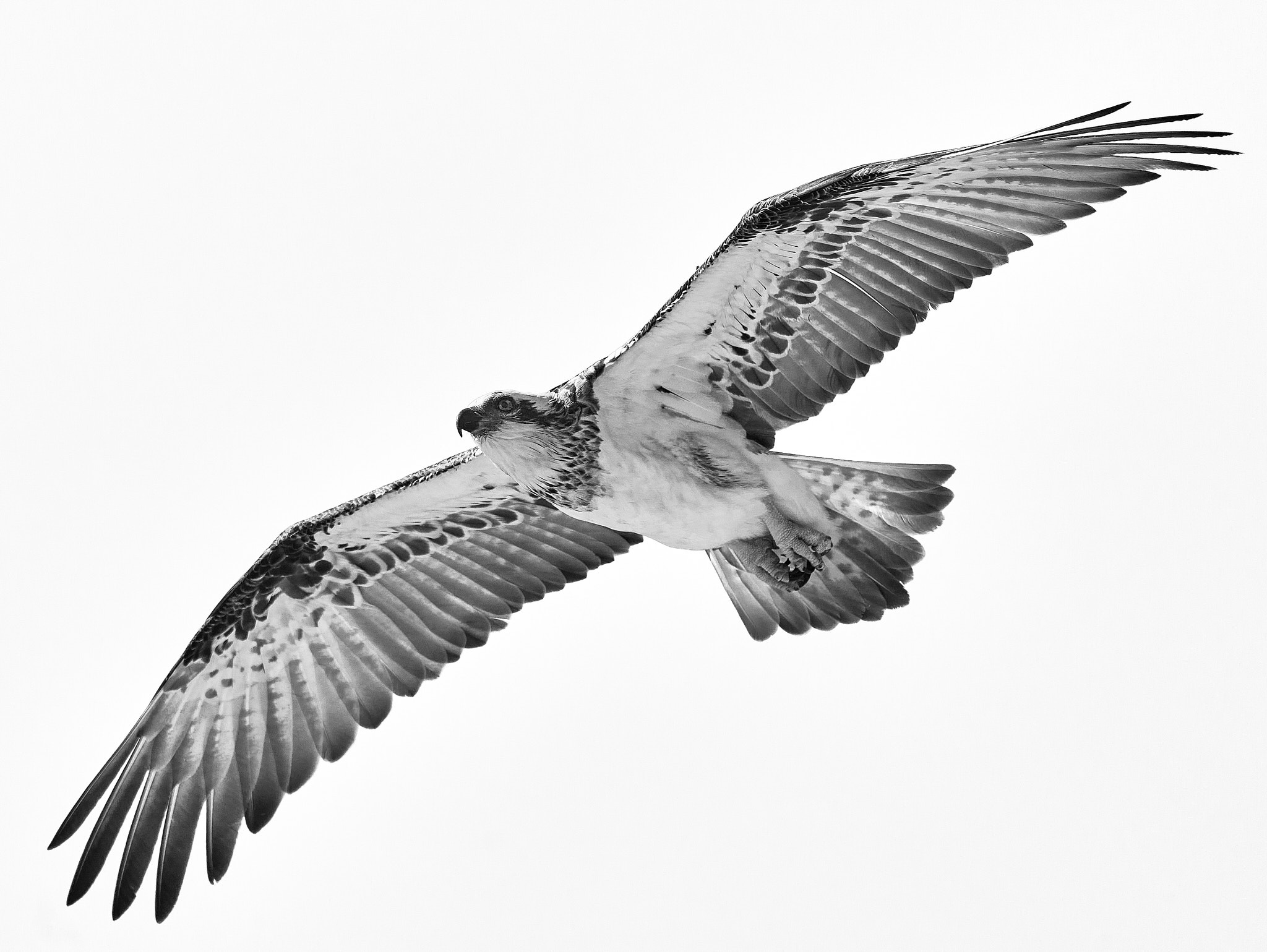
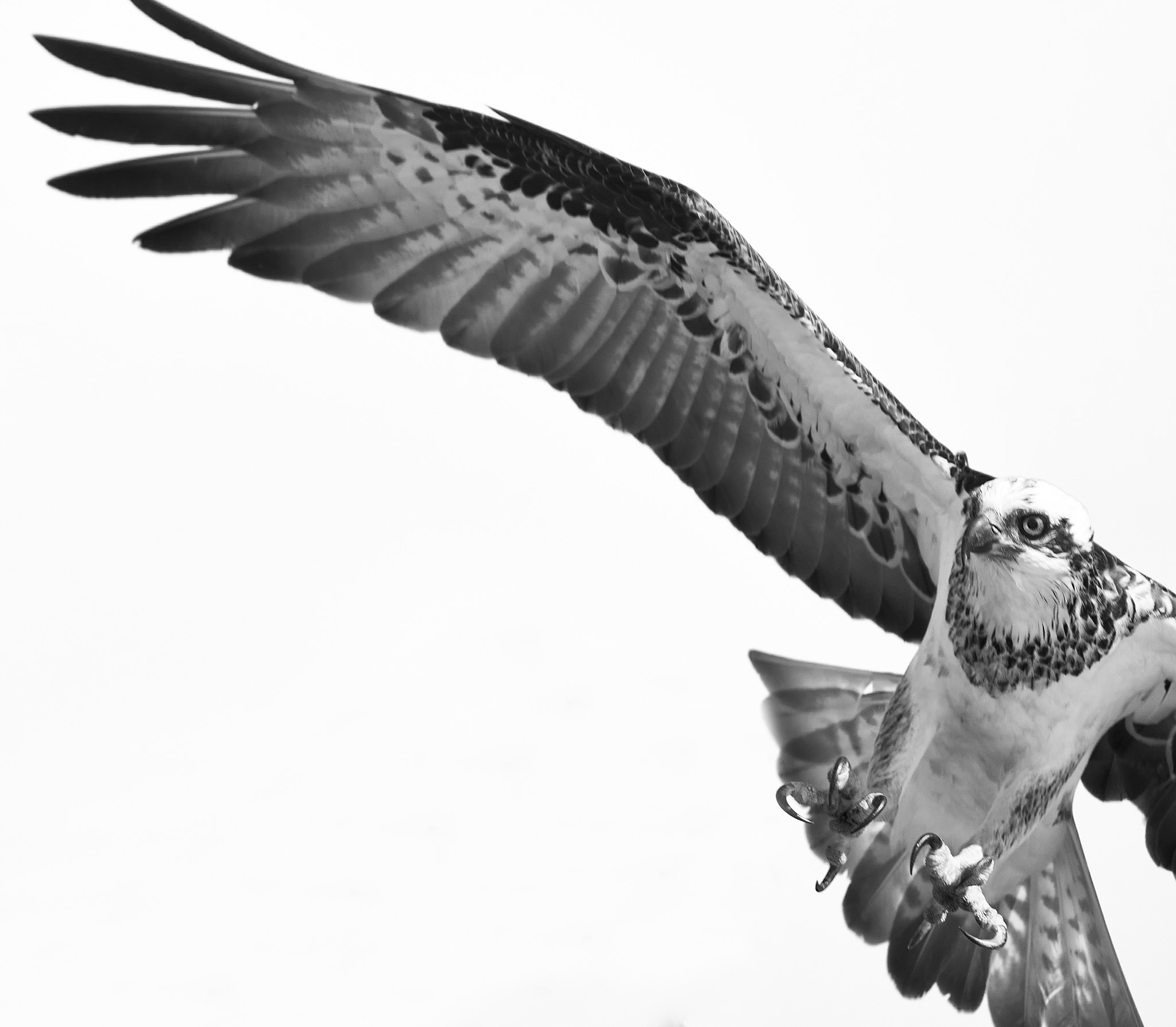
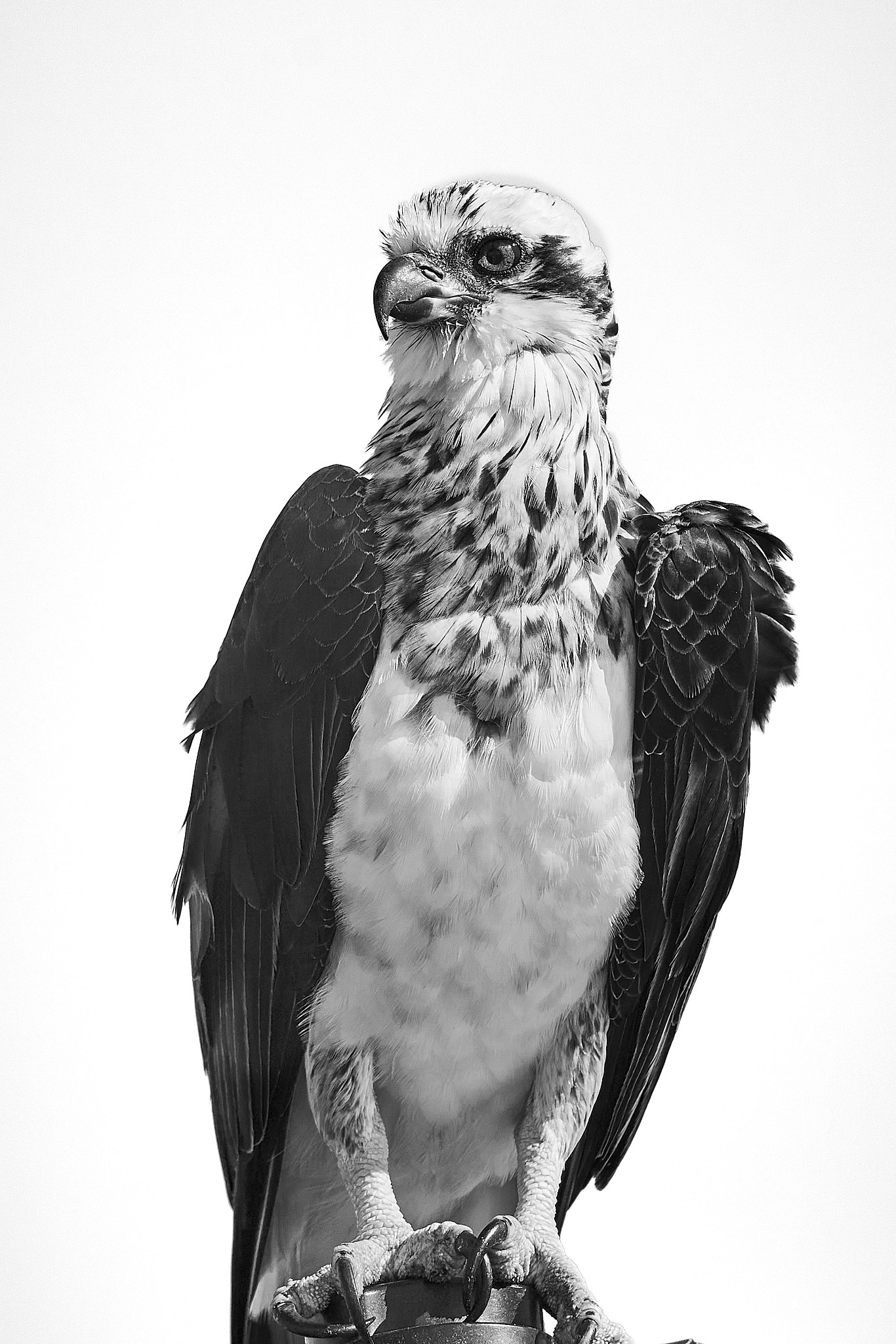
There are subjects that lend themselves to black & white and others that just don’t …

You need to click on the pictures to really appreciate them.

I haven’t been able to get close to one eating a fish and they often do that on top of lamp posts or other unattractive man made objects. When they have caught a fish they carry it head first with one talon behind the other to minimise aerodynamic drag – another photo on the wish list.

The Tide …

For most of my life I’ve lived not far from Victoria’s Port Phillip Bay. It is tidal but the range is small and variation in atmospheric pressure is enough to make a liar of the tide tables. Then I lived many miles from the sea for a decade. High tide, low tide, who cares.

In north west Australia you need to care. Whether you are a boatie, a birder or a photographer the tides are part of your planning because they are absolutely massive up here. Tidal range can be as much as ten and a half metres in Broome and even more in Derby. At spring high tide you could be paddling on the beach in Roebuck Bay. About six hours later the water’s edge may be as much as 12km away with 175km² of mud that was covered by the sea now available for shorebirds to feed on.

Why is it so?

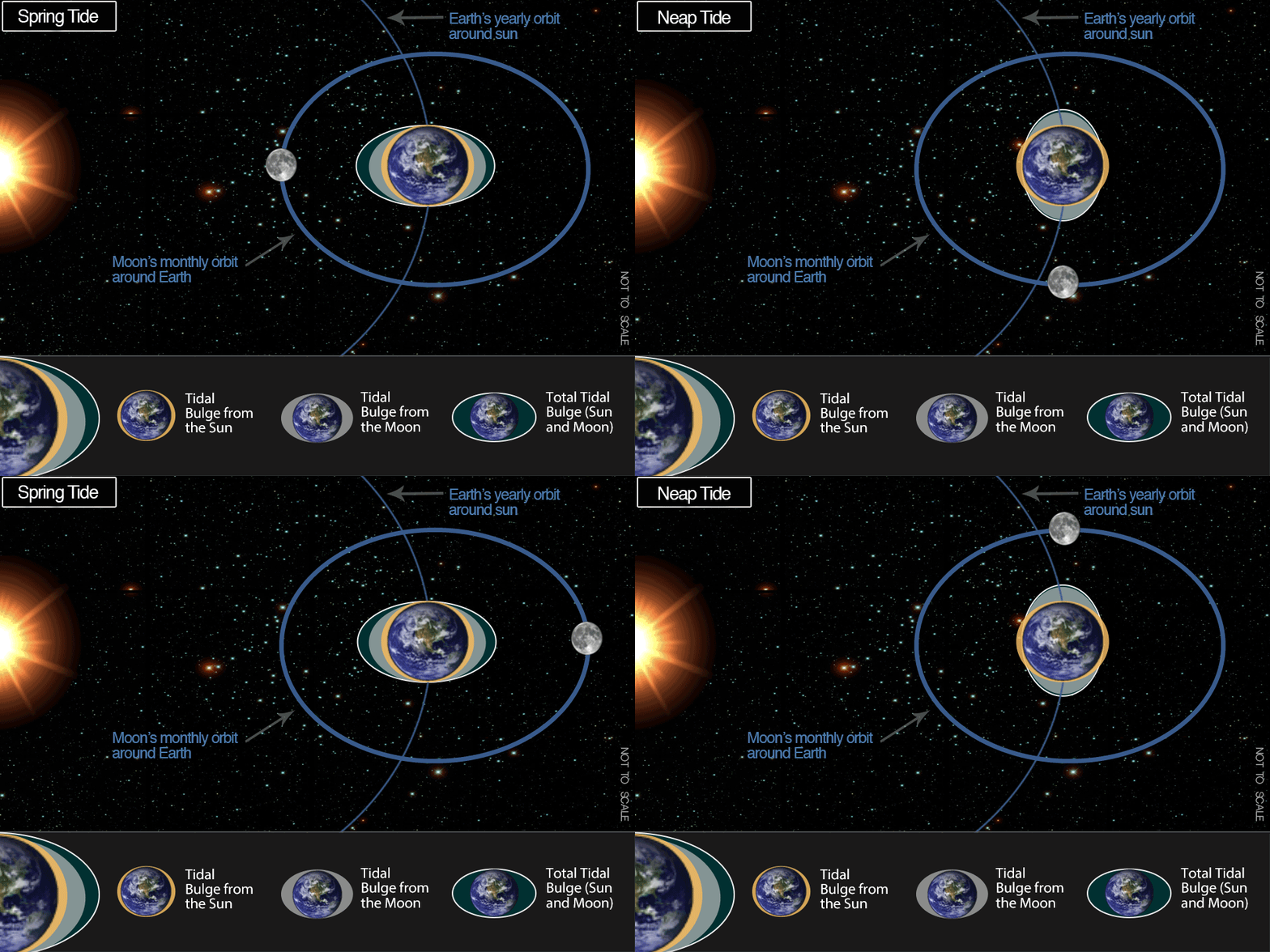
The main engine is the moon. The sun also has its gravitational pull but it is a long way away. Depending on the spatial arrangement it may add to the moon’s effect (spring tide) or subtract (neap tide). The tide is a very long period wave moving around the earth. There is a corresponding bulge on the opposite side. Thus generally there are two tides a day. Big at full and new moon, smaller in between. The spring in spring tide has nothing to do with the season that follows winter.

Shamelessly filched from the NOAA website

We all share the one moon and we all share the one sun so why is my tide bigger than yours (excluding those of you who live by the Bay of Fundy ou habitent près de Mont St Michel)? Well, there are local factors at play. Out in the middle of the ideal ocean the tidal range is about 18cm. Just as waves reaching the beach rise up for the benefit of surfers so the long period wave that is the tide rises as it reaches the continental shelf. North west Oz has has an enormous continental shelf that stretches almost to Indonesia. Derby trumps Broome because it is situated at the narrow end of the funnel otherwise known as King Sound.