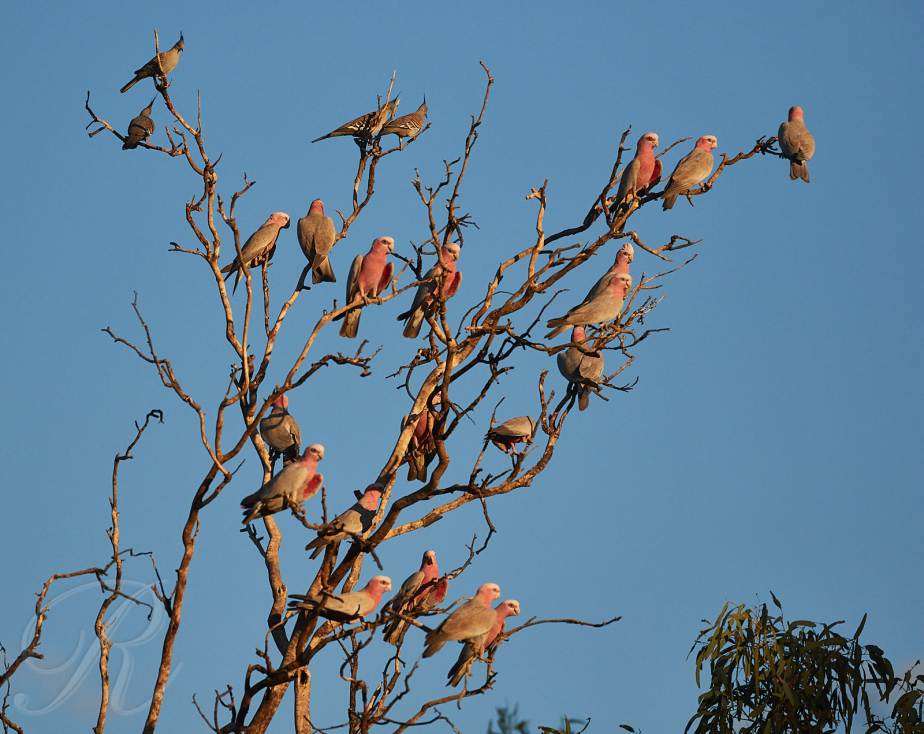
The Kimberley part 2 …

Dragging ourselves away from Parrys Creek it was time for the Gibb River Road. It’s sealed as far as the entrance to El Questro, the famous dude ranch. I understand that the drive in from there comes as a bit of a shock to the dude caravaners but I haven’t tried it. In any case the Gibb will rattle their crockery if they are driving the full length of it.

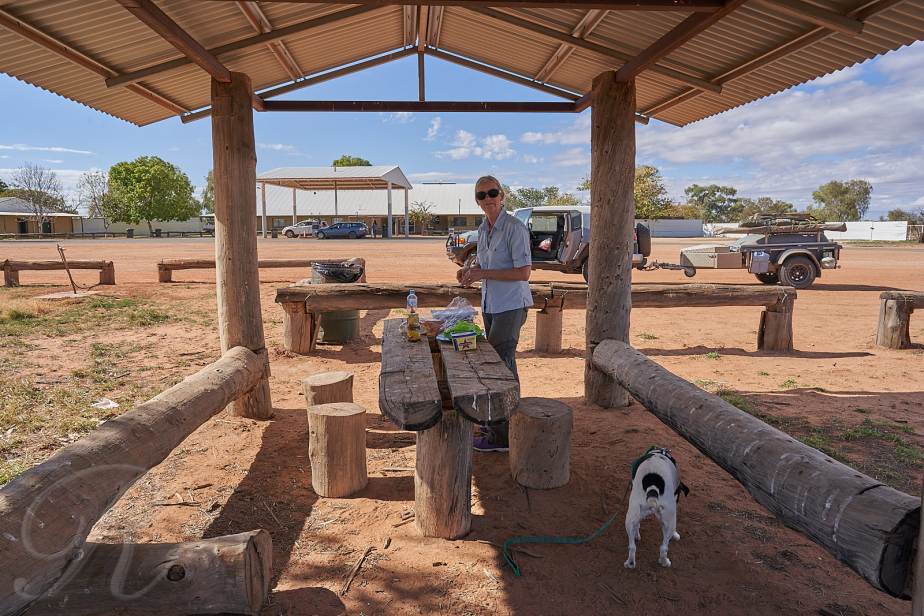
On this occasion our destination was Mount Barnet and Manning Gorge, about 390km for the day. Once we reached Mt Barnet turning right off the main road the steering felt rather heavy. It’s a popular camp site and dog friendly. We tucked ourselves way down the back where we could enjoy the illusion of bush camping.

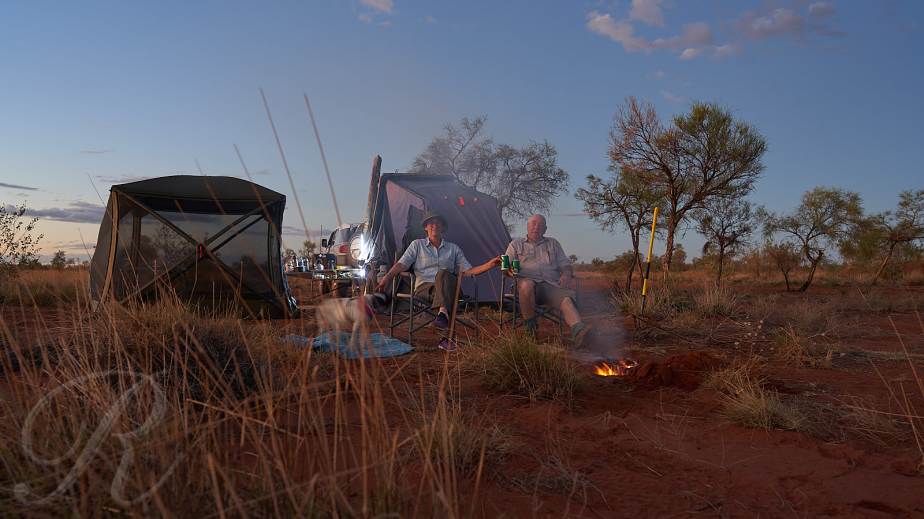
We set up camp, had a swim in the waterhole, drank a beer and plucked up the courage to look under the hood. Searching amongst the tightly packed mysteries we located the reservoir for the power steering fluid. It was empty. Bugger.

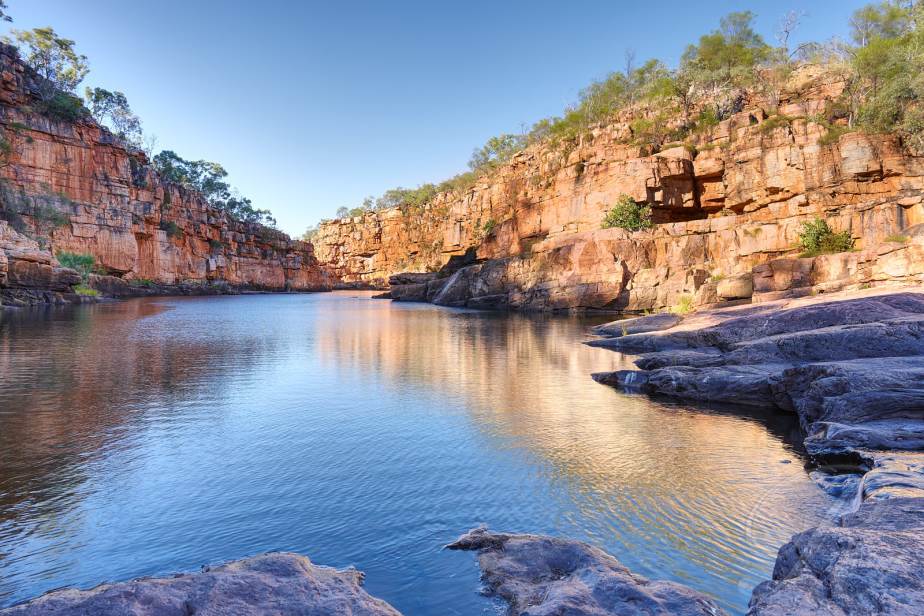
Early next morning I abandoned Gayle and the dog and hiked the waterfall trail. First you pull yourself across the creek in a tin boat by a rope and pulley arrangement. Then it’s about a 40 minute walk, some of it uphill and rocky underfoot. Your reward is an amphitheatre into which pours a cascade that thrills the onlooker. Well it would when it’s more than the current trickle. It’s pretty and a nice place for a swim. Most visitors content themselves with that but for the intrepid a scramble down stream leads to a truly beautiful gorge.
It’s a spot where you may see one of the Kimberley’s special birds, the White-quilled Rock Pigeon. Look for them in the shadows and ovehangs.
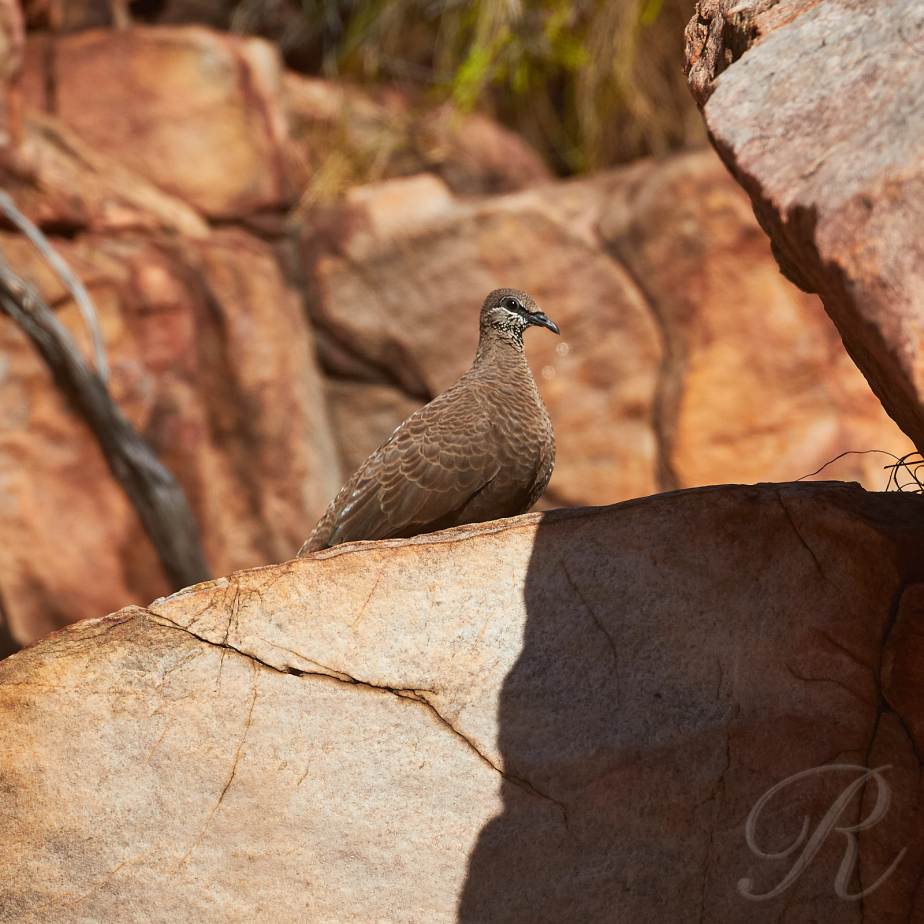
Petrophassa albipennis

The waterhole back at the camp is also very charming.
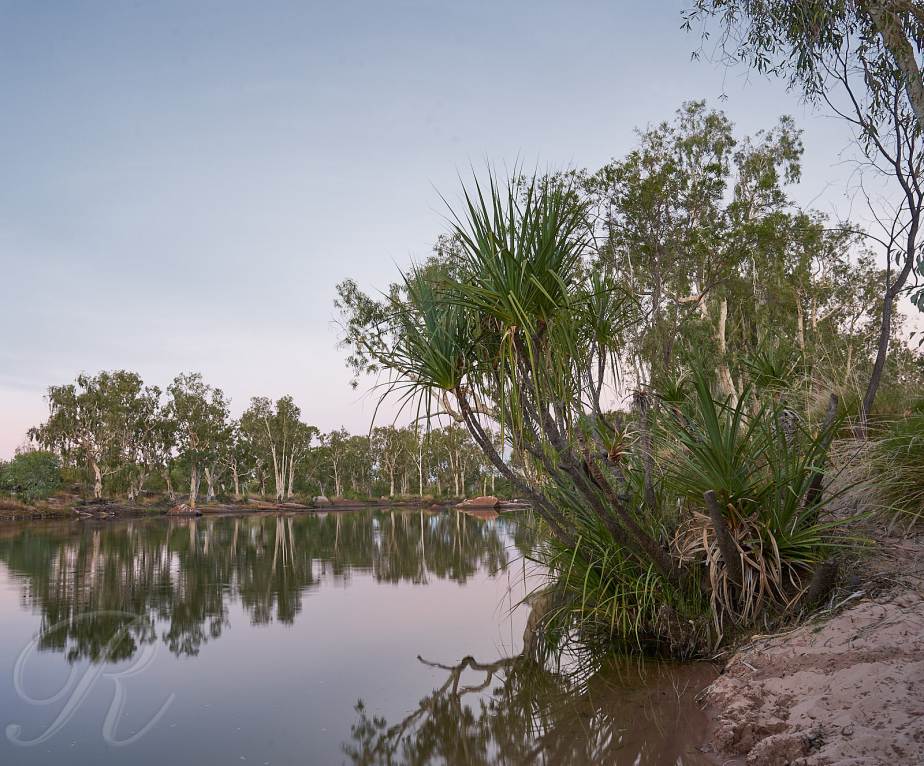
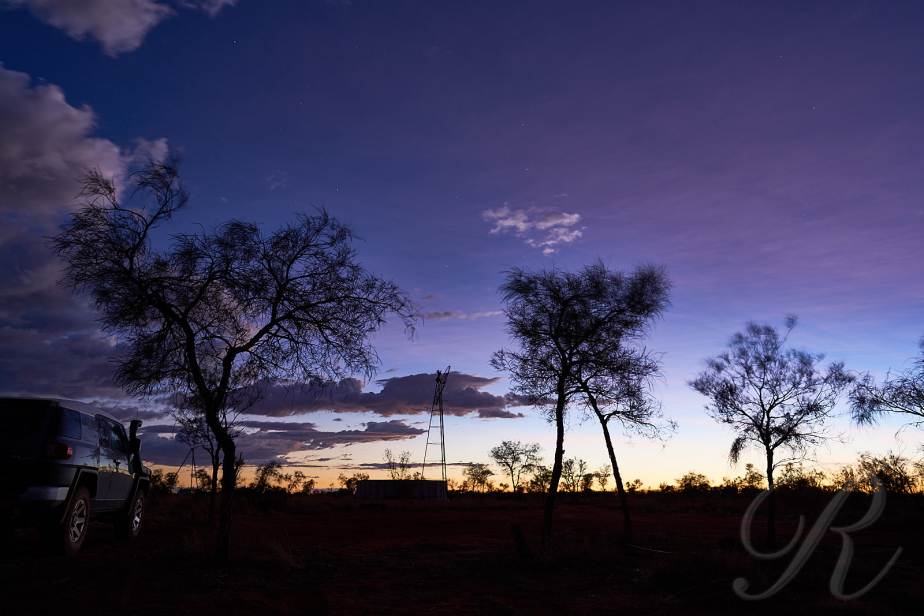
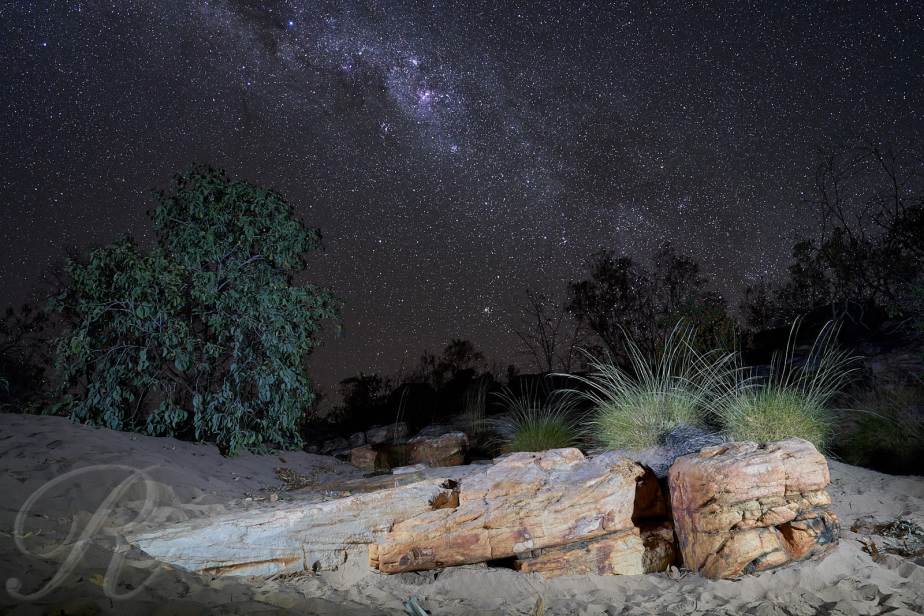
The moon is a few days past full now so it rises more than an hour after sunset. This means a good look at the milky way is now available.
 

The Kimberley part 1 …

We arrived in Halls Creek, Heart of the Kimberley, from the Tanami and headed for Broome, the administrative centre via Wyndham and the Gibb River Road.

I could spend six months here without getting bored and without seeing it all. On this trip we would dash around in under a week.

The Kimberley is huge … 423,517 square kilometres (163,521 sq mi), and has a permanent population in the order of 35,000 (many more in the winter). That’s just 0.8 of a person per square kilometre. Two thirds of those live in the towns of Broome, Derby and Kununurra.

Our first stop was just outside Wyndham at Parrys Creek Farm. This is situated on the margin of a large conservation area. The camp site is by a lagoon and is dog tolerant. We spent three nights here giving me the chance to visit the Marlgu Billabong at dawn and dusk (no dogs here) and for the three of us to visit Wyndham and Kununurra during the day.

The billabong is in the Ord River flood plain and rivals any tropical Australian wetland that I’ve visited. I won’t bore you with lists, let’s just say I cleaned up and the bird numbers were impressive. The site has a short boardwalk to a well situated hide.

Marlgu Billabong from Telegraph Hill
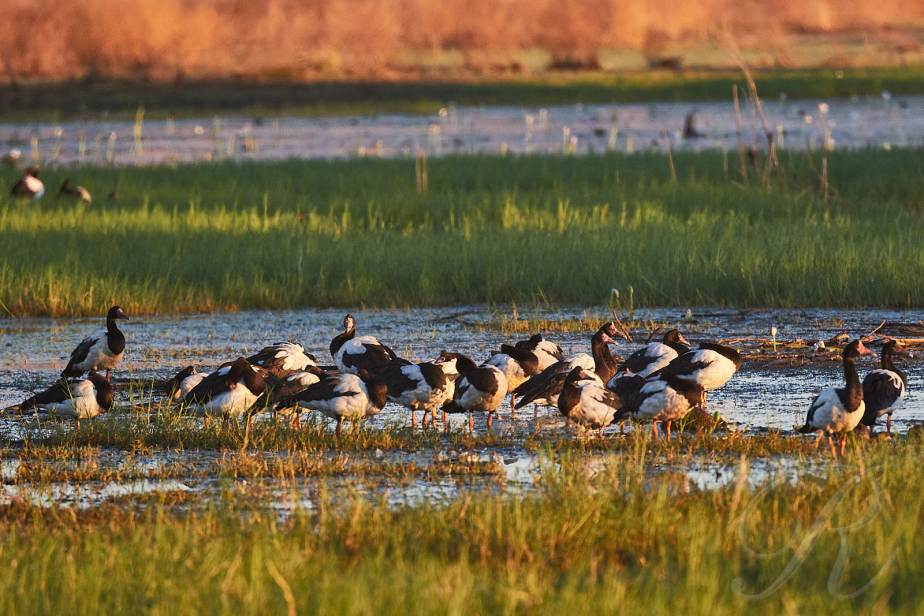
Magpie Geese at dawn
Pied Heron
Australasian Grebe

Poor old Wyndham has a somewhat sad aspect to it. The website Aussie Towns puts it this way …

Wyndham, Western Australia’s most northerly town, sits on the edge of the Cambridge Gulf surrounded by uninviting salt lakes, desert and mudflats which stretch to the horizon.

The town was founded in 1885. It got off to a good start as the gateway port to the Halls Creek gold rush. From 1919 to 1985 there was a meat works in operation. The port still functions serving mining operations.

Wyndham Port from Five Rivers Lookout

There is a Big Crocodile on the outskirt of town (which is adjacent to the opposite outskirt and doubles as the town centre). You could probably find some real ones if you went wading.

The population is less than 700 people. It has a hospital and an excellent cafe called The Croc Cafe.

Wyndham is on a side road that leads no where else and is bypassed by most travelers. Kununurra is right on the highway and on a scenically splendid lake. It  is a stark contrast. There is good shopping and the caravans are inserted with surgical precision at impressive densities in the caravan parks. Give me the quiet of Parry Creek Farm.

Coming across the arid interior of Australia after a brutal summer and a poor wet season the birding was very quiet. Fortunately I’m past peak obsession. At Parrys Creek we had a good dawn chorus at last, you’ve got to love the Blue-winged Kookaburra, poor thing can’t raise a laugh.Add to it a polyphony of White-gaped Honeyeaters and screeching Little Corellas … you won’t be sleeping in.

There is opportunity to get close up to some beauties …

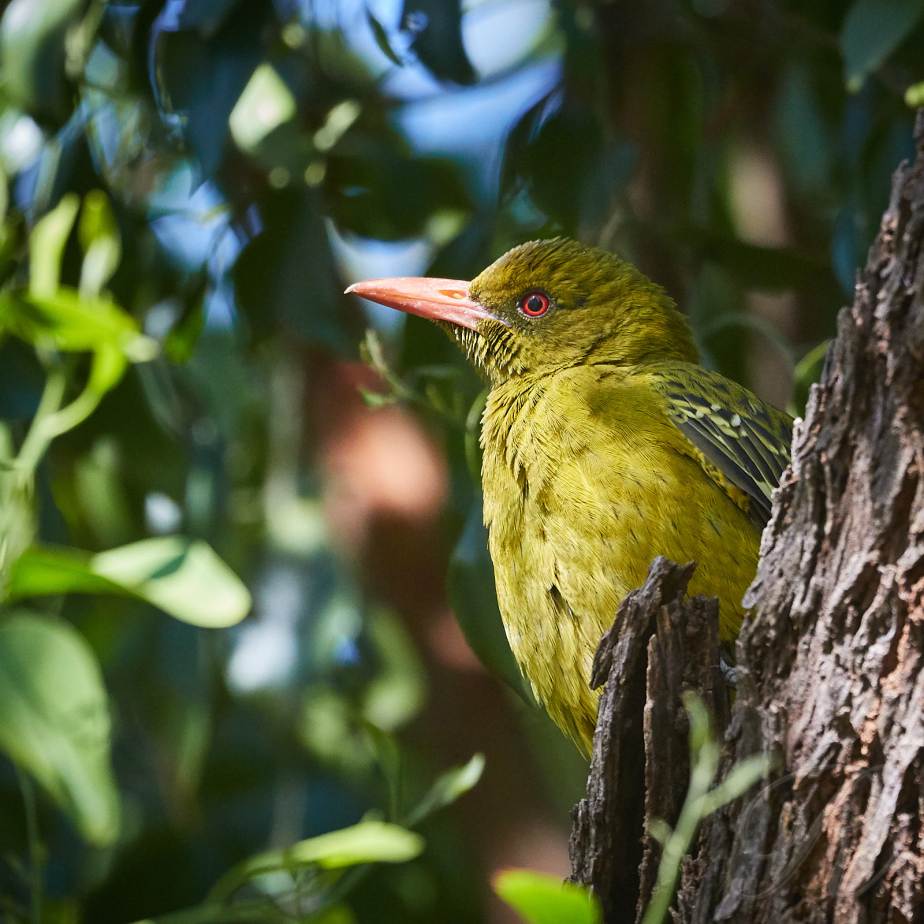
Yellow Oriole
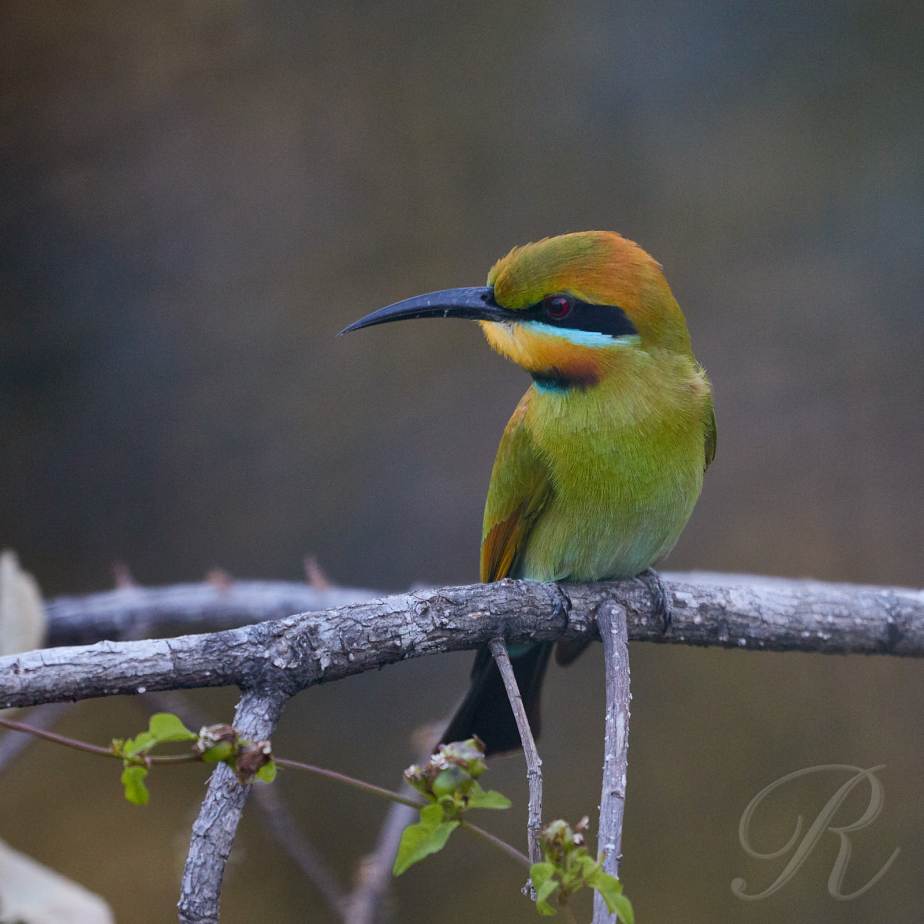
Rainbow Bee-eater

And it’s easy to find a subject at sunrise …


The Tanami …

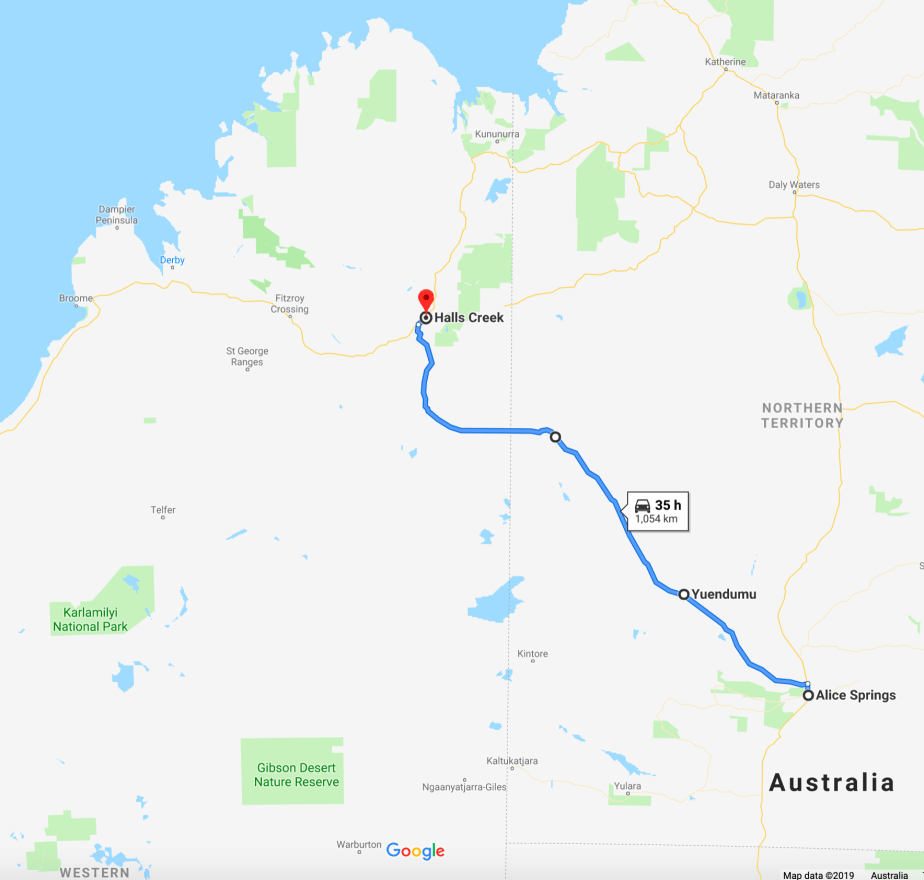
The adventurous way from Alice to the Kimberly is via the Tanami.

The route runs through Aboriginal controlled land and a permit is required to visit the various settlements. Fuel is available at Tilmouth Well half way to Yuendemu and in emergency might be sought at one of the settlements but the traveler is encouraged to stick to the road and make it to Halls Creek, a stretch of about 900km. The road is sealed to Yuendemu and can be rough beyond that.

There are some operating gold mines along the way and road trains ply the route. It’s arid, remote and a test of the vehicle and to top it off the only beer you can buy at the takeaway in Halls Creek is Cascade Light.

We took the journey at a very leisurely pace over four days and three nights. It could be done in a calm two days or an arduous and frenetic single day.

We refuelled and had lunch at Tilmouth and spent the first night at Renehans Bore.

We encountered a lone camel the following day in country that was fairly typical of the Tanami.

We got a puncture just as we stopped for lunch. Gayle who rarely hears anything I say heard the hissing. We had the wheel changed before it fully deflated. We carry an extra spare and a repair kit for remote journeys.

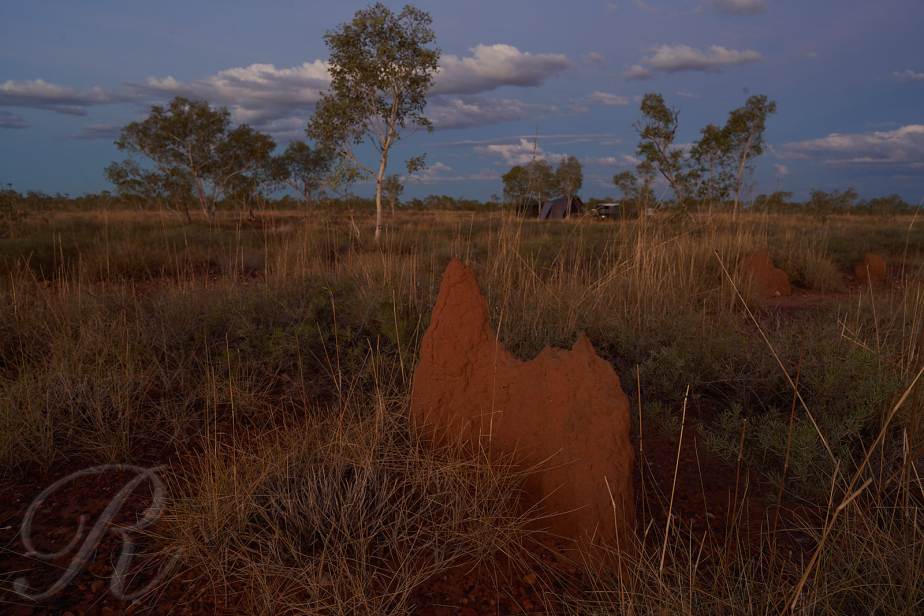
That night we camped among the termite mounds just on the Northern Territory side of the border.

From there on the country was dry savanna rather than desert. We spent the final night on the bank of Sturt Creek, WA, where wild horses and Galahs were enjoying some surface water, the first we’d seen for a while.

Shortly after Sturt Creek we passed Billiluna, the top end of the Canning Stock Route – must do that one day – and also Wolfe Creek, site of a meteor impact crater which we have visited in the past.

Then we were refueling in Halls Creek which bills itself as the Heart of the Kimberley. We got the tyre fixed and bought some light beer.