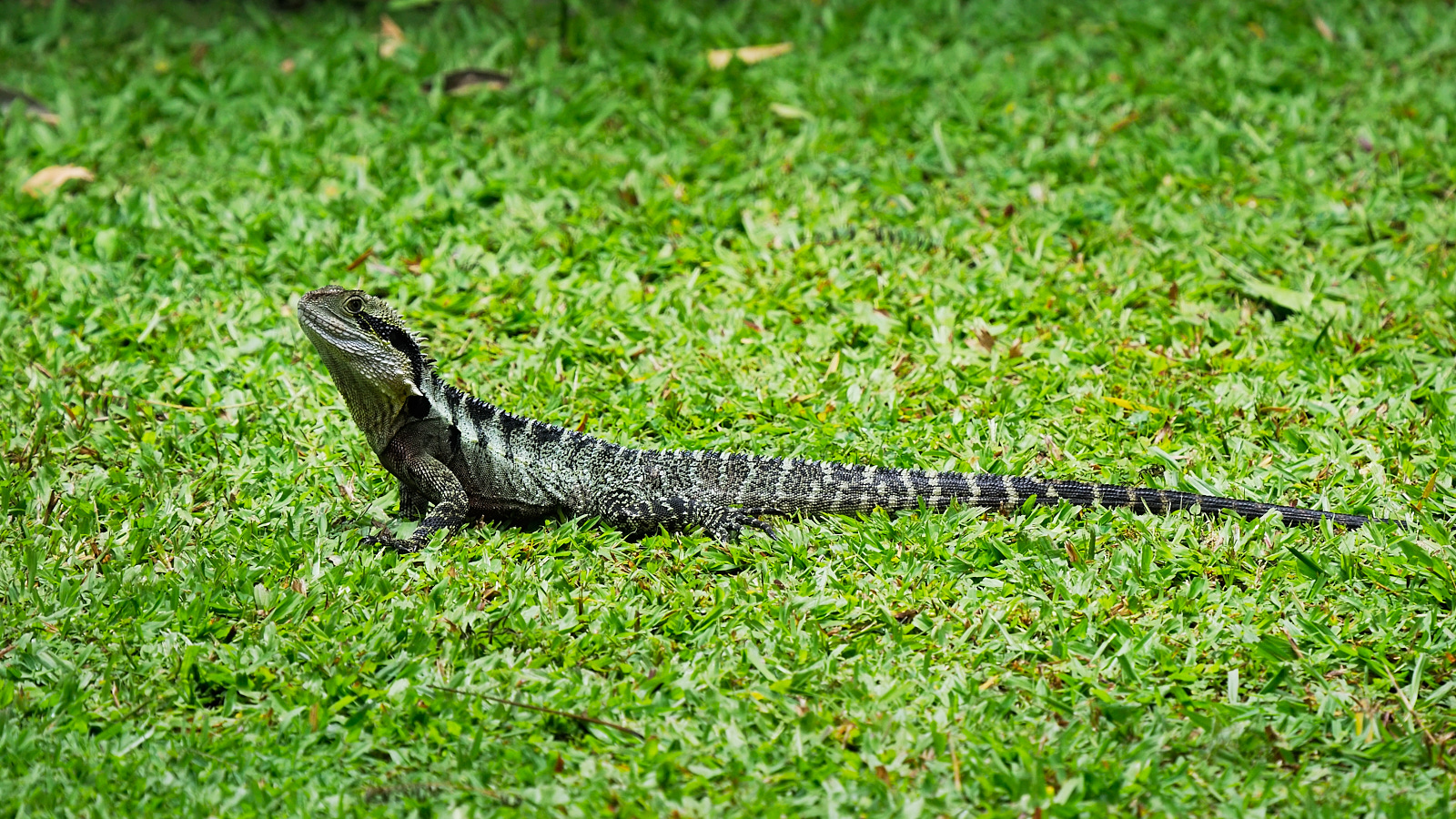
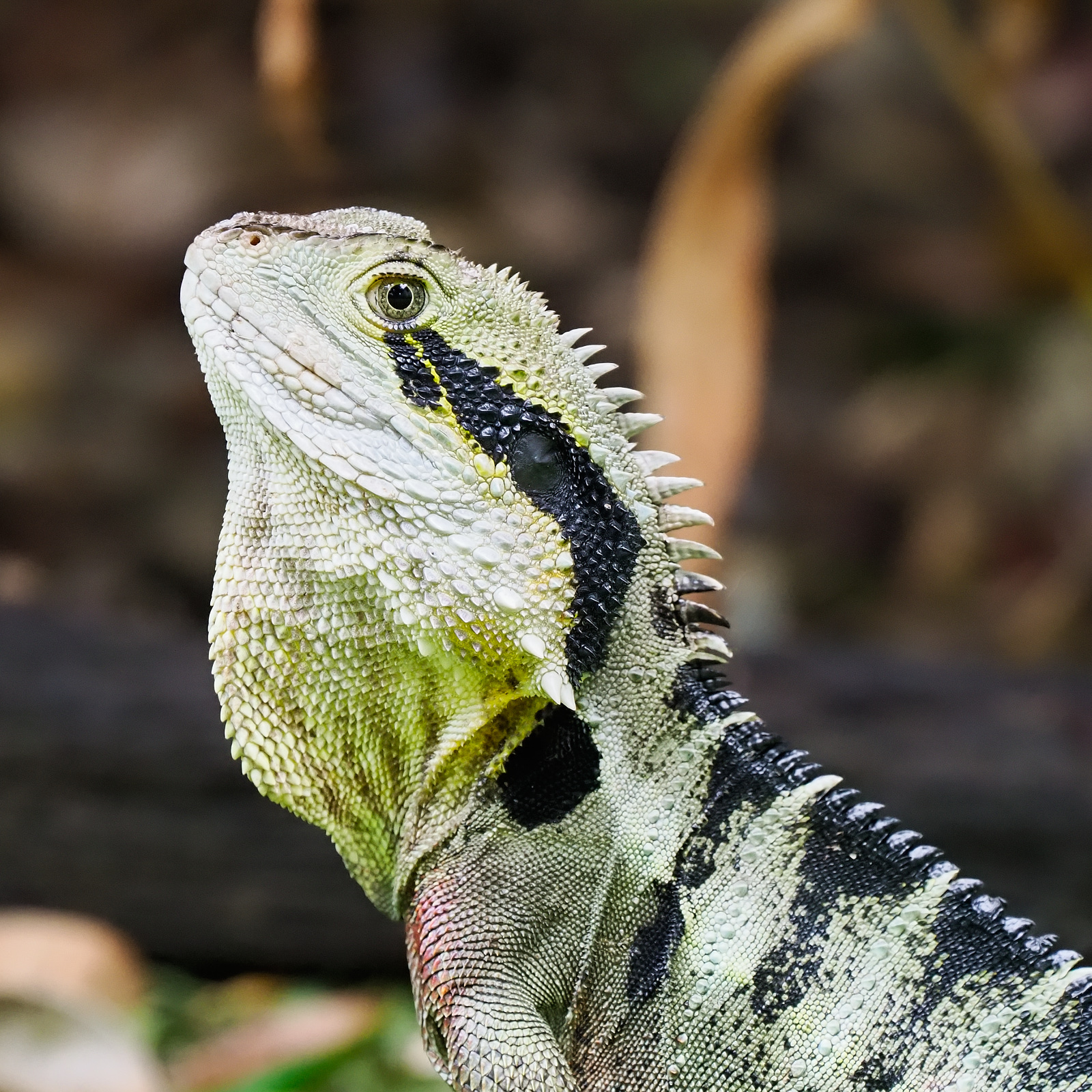
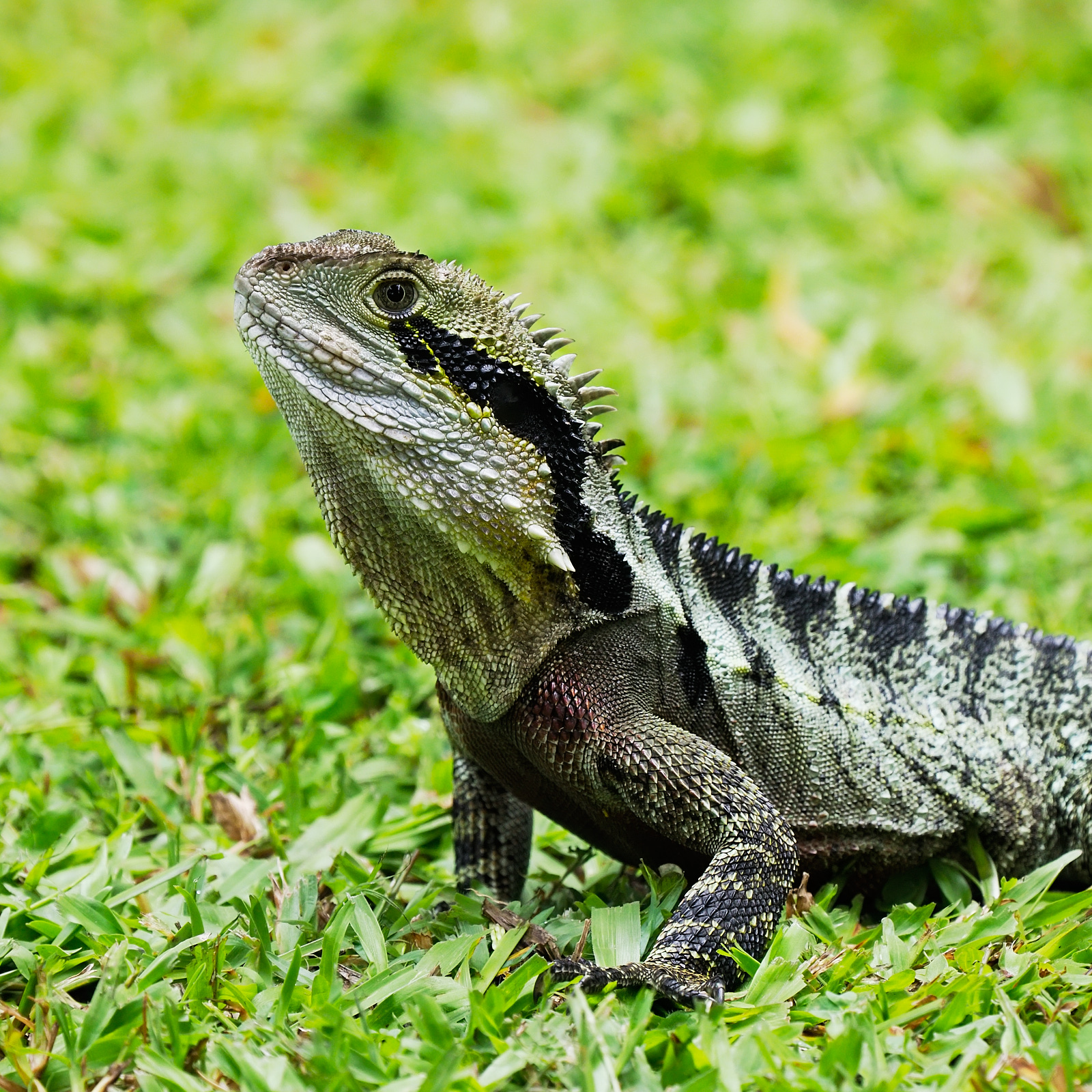
Byron Bay is full of surprises, there is a dragon in the garden.
An Eastern Water Dragon (Intellagama lesueurii) to be precise. This guy, and it is a male because of the clarity of its markings and his size, is about a metre long and is reasonably tolerant of human presence. Thery are found along the east coast of Oz down to Gippsland in Victoria.
The guy in the first photo is all there, you just need to click on the gallery to get the whole picture.
Bird watchers around the globe have been out chasing a big day to get their year list off to a good start. Me too. I was introduced to a competition of sorts by birders on Townsville Common. It’s simple. Your list has to be bigger than the number of days elapsed in the year. Easy at first, it gets tougher as you get deeper in the year. When you fall behind you’re out. I call it the Calendar Game and play just against myself. I have lost every year since the Big Panic changed my travel habits.
So on the first of the new year I got ahead of January and February. I have a road trip coming up so the list should move along well for a while.
While having a look at Broome’s Entrance Point a couple pulled up near me and asked, had I seen it? Not only had I not seen it, I didn’t know what it was. They’d found it on the oval in town and alerted the bird watching community. I was the last birdo in town to reach the oval … not long after it had gone. The alert had come through on my watch, which was at home charging.
It was a gull. It had been very happy to hang out with other gulls especially around anybody who looked like they had food. Next stop all the other places that I knew gulls congregated starting with Town Beach …
Americans will be wondering why the fuss? A Laughing Gull, so what?
It’s the first record for WA and new for my Australia list. Thank you Clare and Grant.
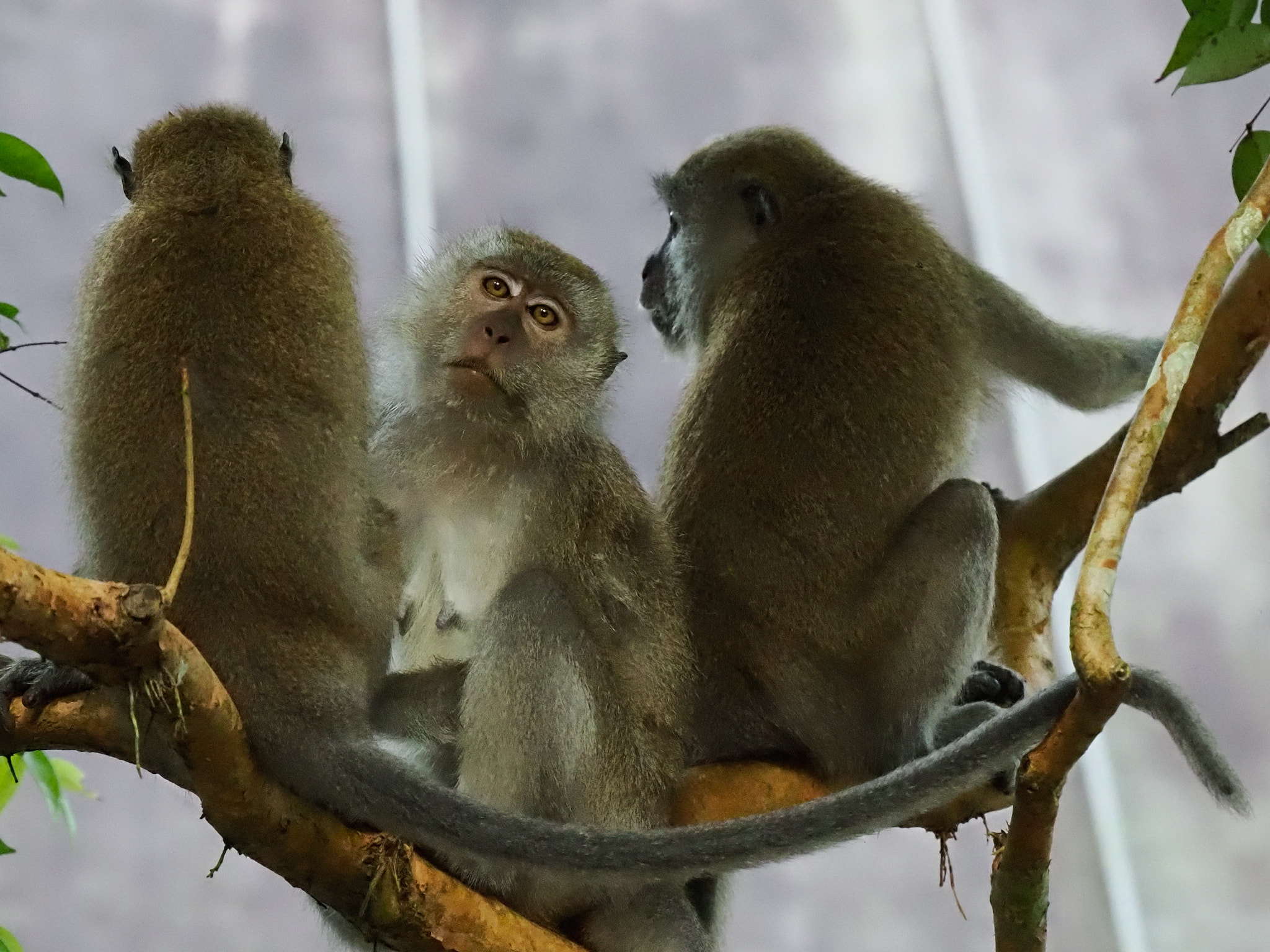
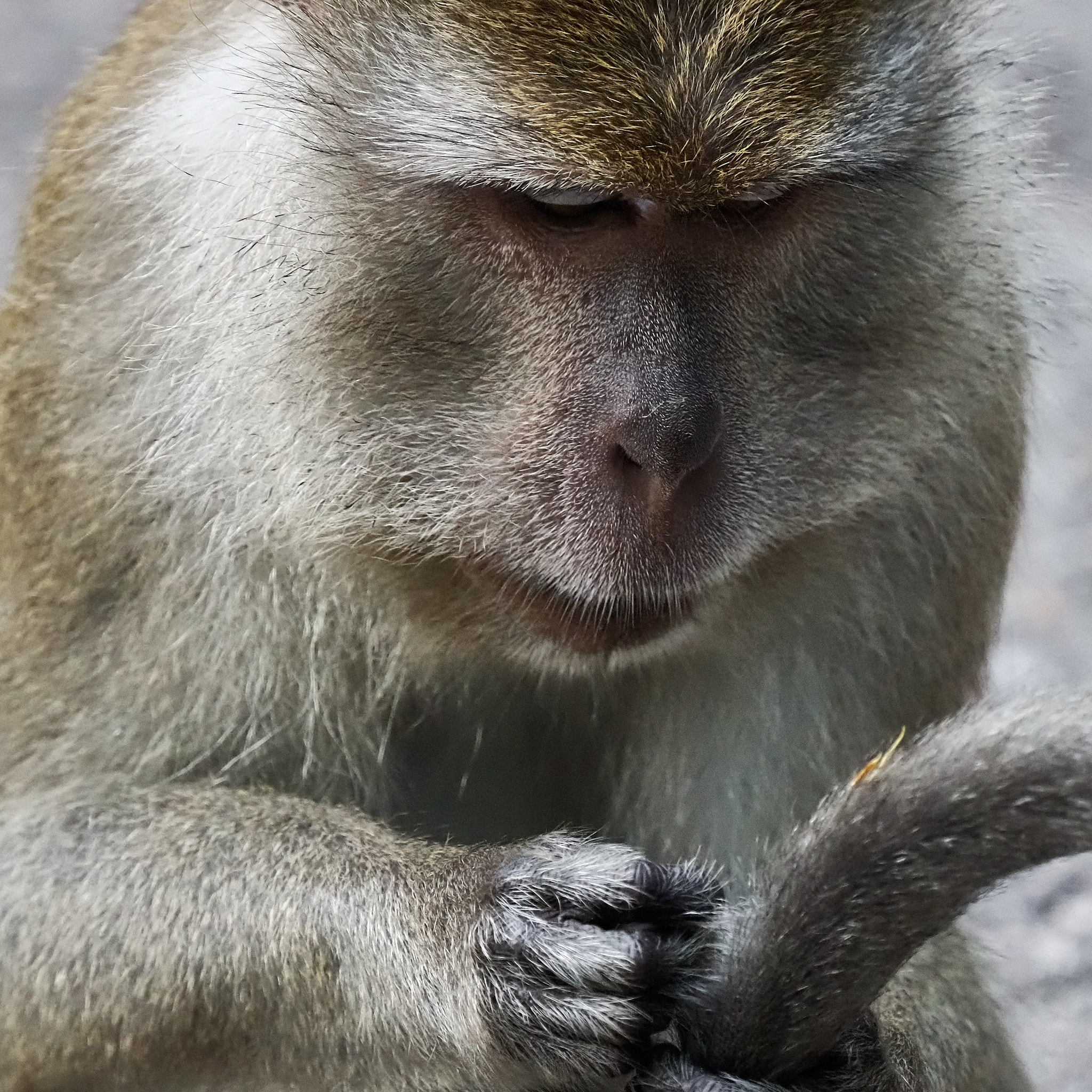
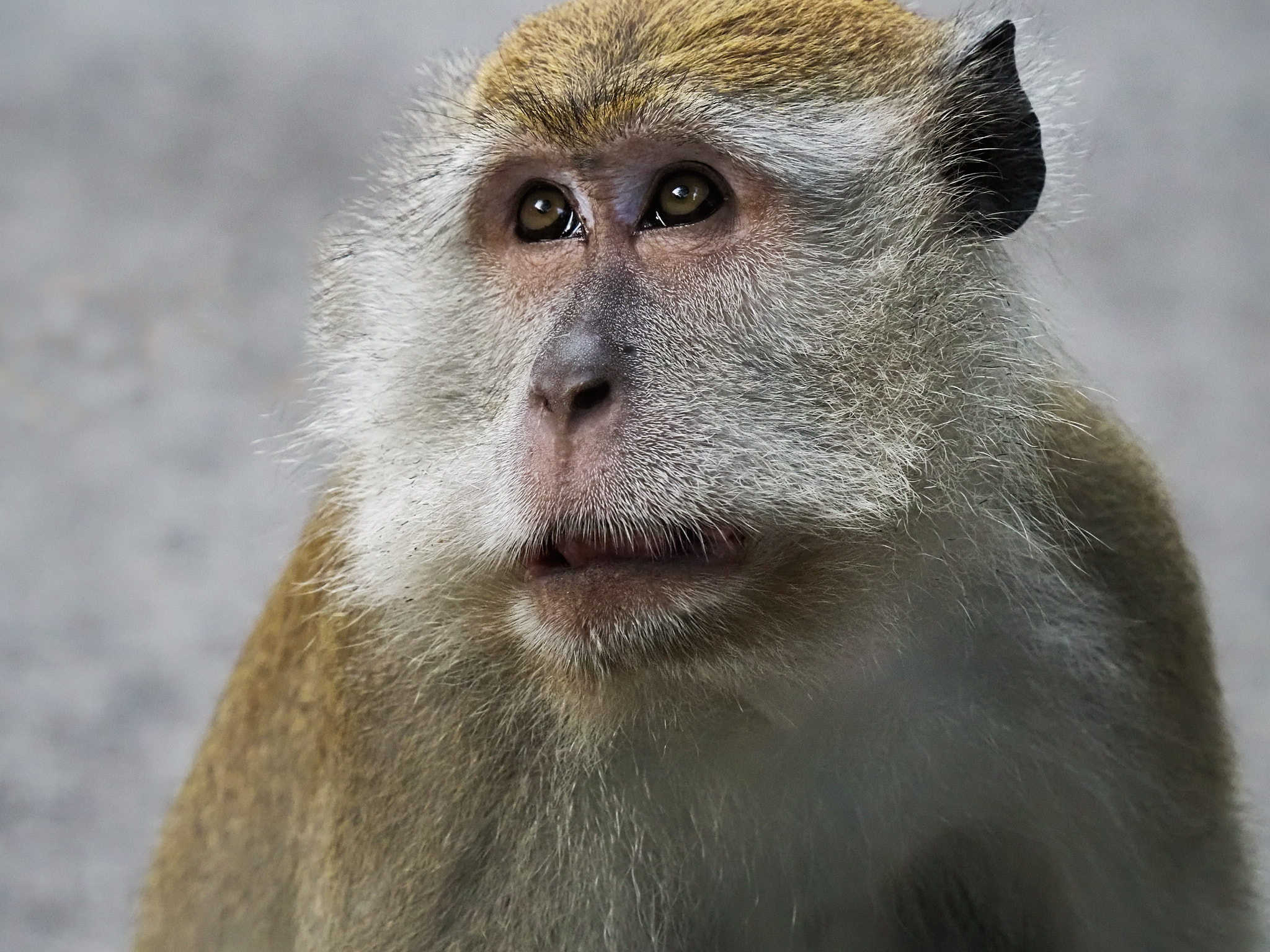
I came across a group of Long-tailed Macaques, Macaca fascicularis at Dairy Farm. This wasn’t the only encounter but it was the only occasion that they consented to a photo shoot. Some were on the footpath, others were in an adjacent tree. Some youngsters were engaged in a rough and tumble game. If otters are largely approved of, with a few detractors, monkeys elicit a much broader range of attitudes. Are they wise, are they mischievous, will they steal my phone or my Mars Bar? I find them very engaging but yes they will steal your Mars Bar. Or steal your phone and barter it for your Mars Bar. A few walkers turned around and went back the way they came, others gave them a wide berth.
Macaques are synanthropous, that is while not domesticated they are well adapted for life around people. So are bedbugs, so are House Sparrows.
There is a second monkey native to Singapore Raffles Banded Langur, Presbytis femoralis. They are not synanthropes. A population of about 70 survive in the central catchment area. I did not get to see them.
I grew up in the East End of London. A family outing once took us to, as I recall, The Owl, a pub in High Beech in Epping Forest. The beer garden had a nice view and a water feature, I’m tempted to say a fake well but it may have been nothing more than a big tub of murky water. If this all seems vague forgive me. It was a long time go. A sign said something along the lines of, “Pull the chain to see the Water Otter” and there was indeed a chain leading into the water. When you pulled the chain a battered old kettle came up out of the murk. It was a major disappointment.
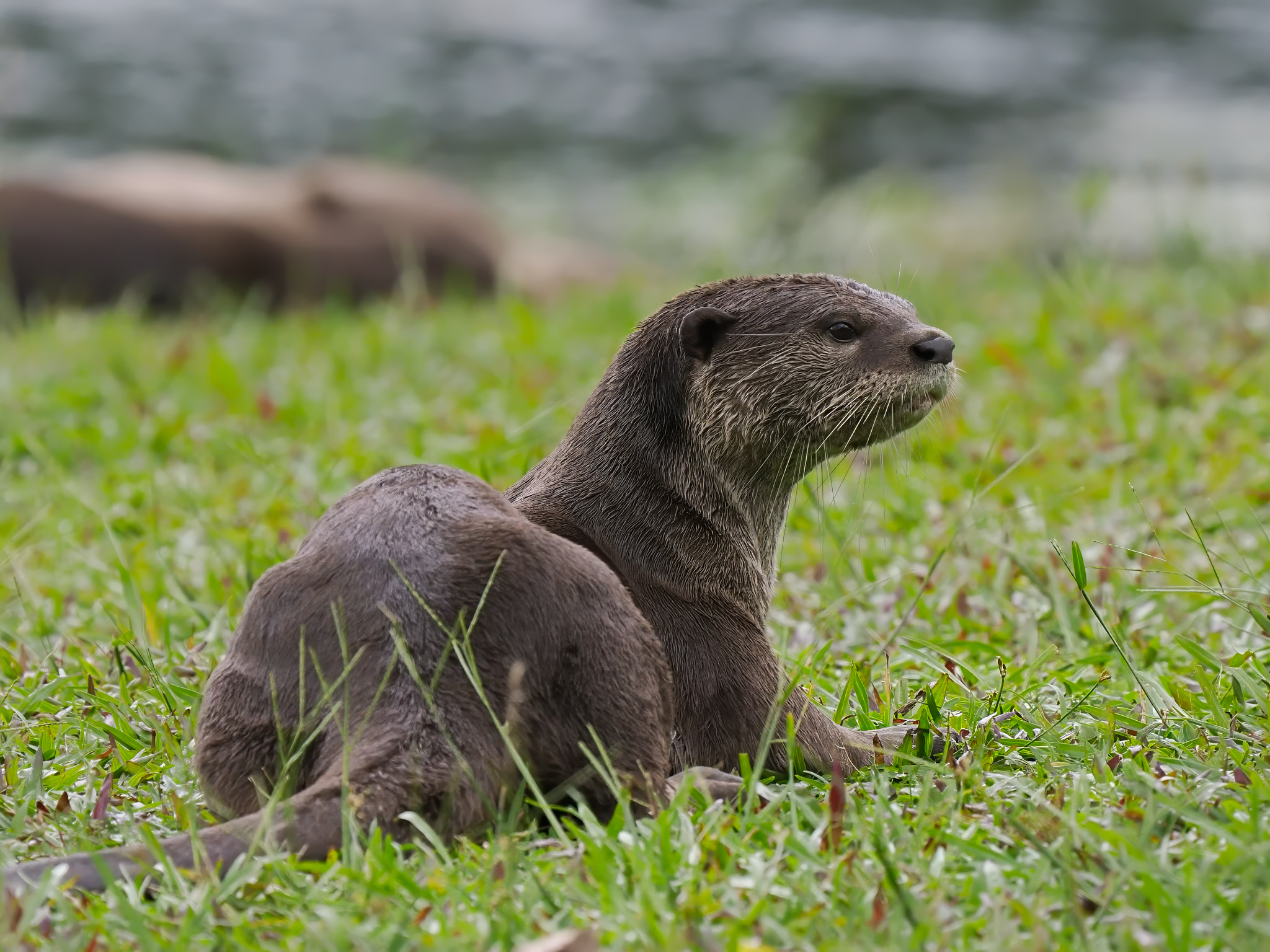
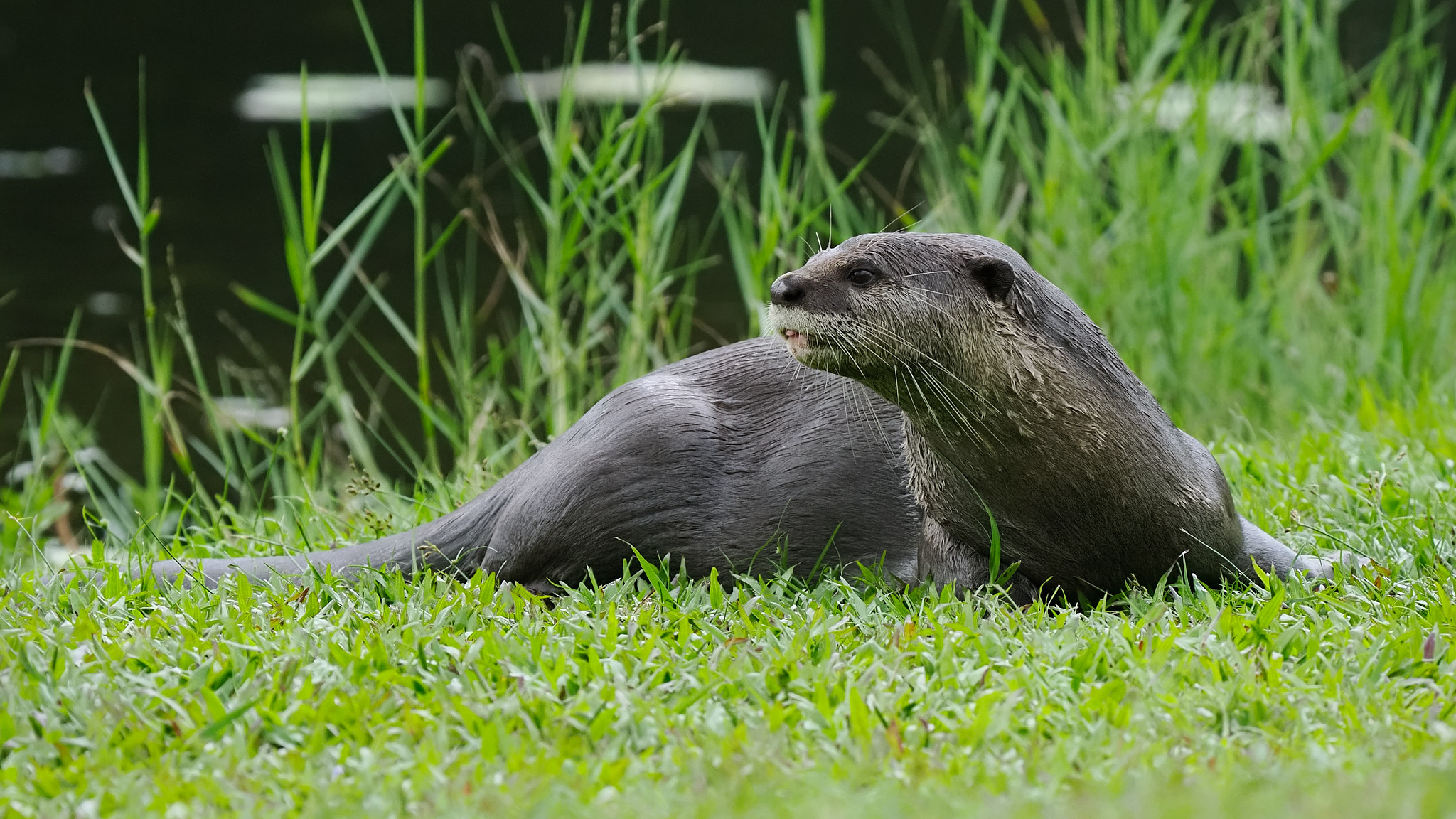
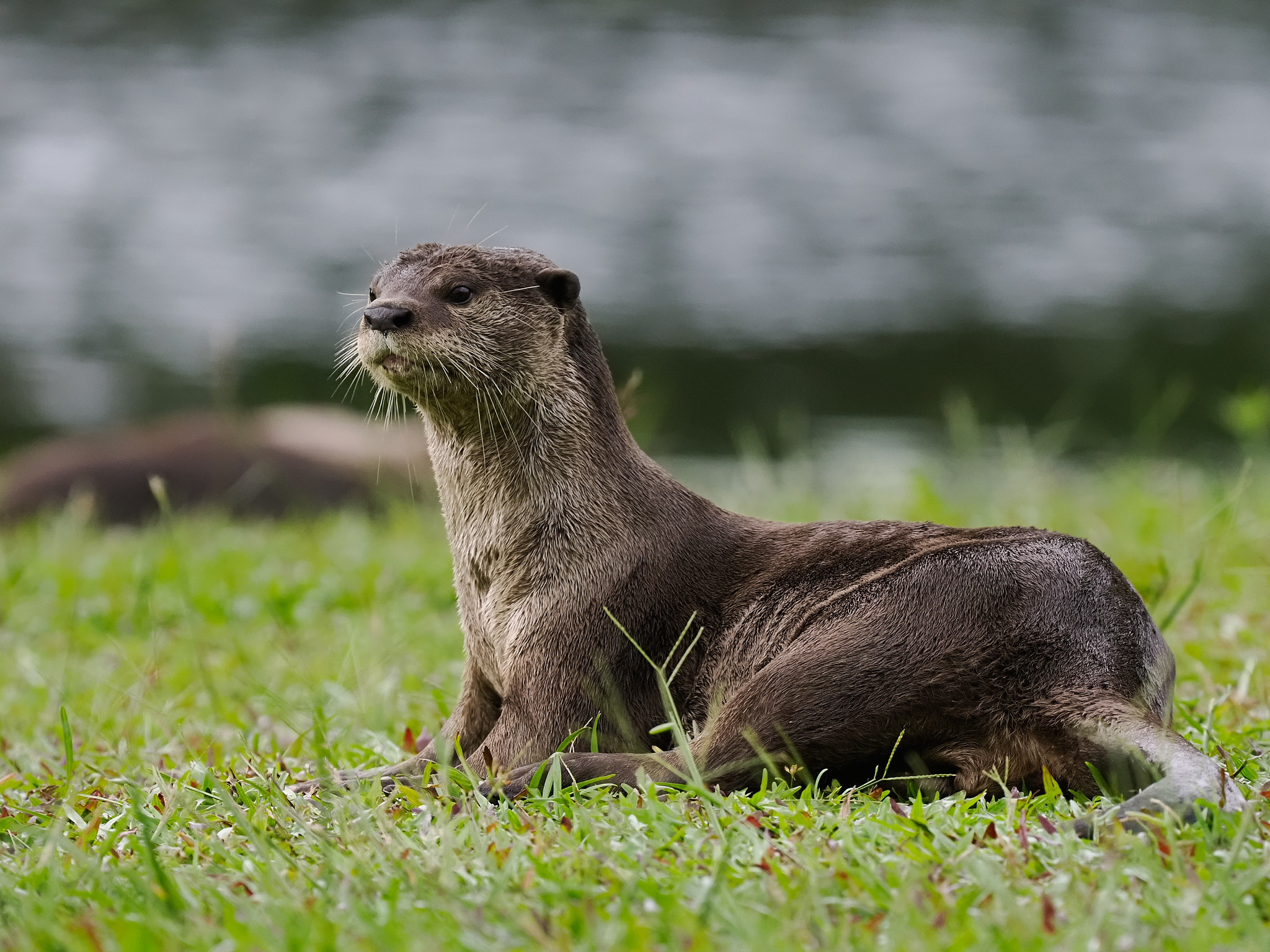
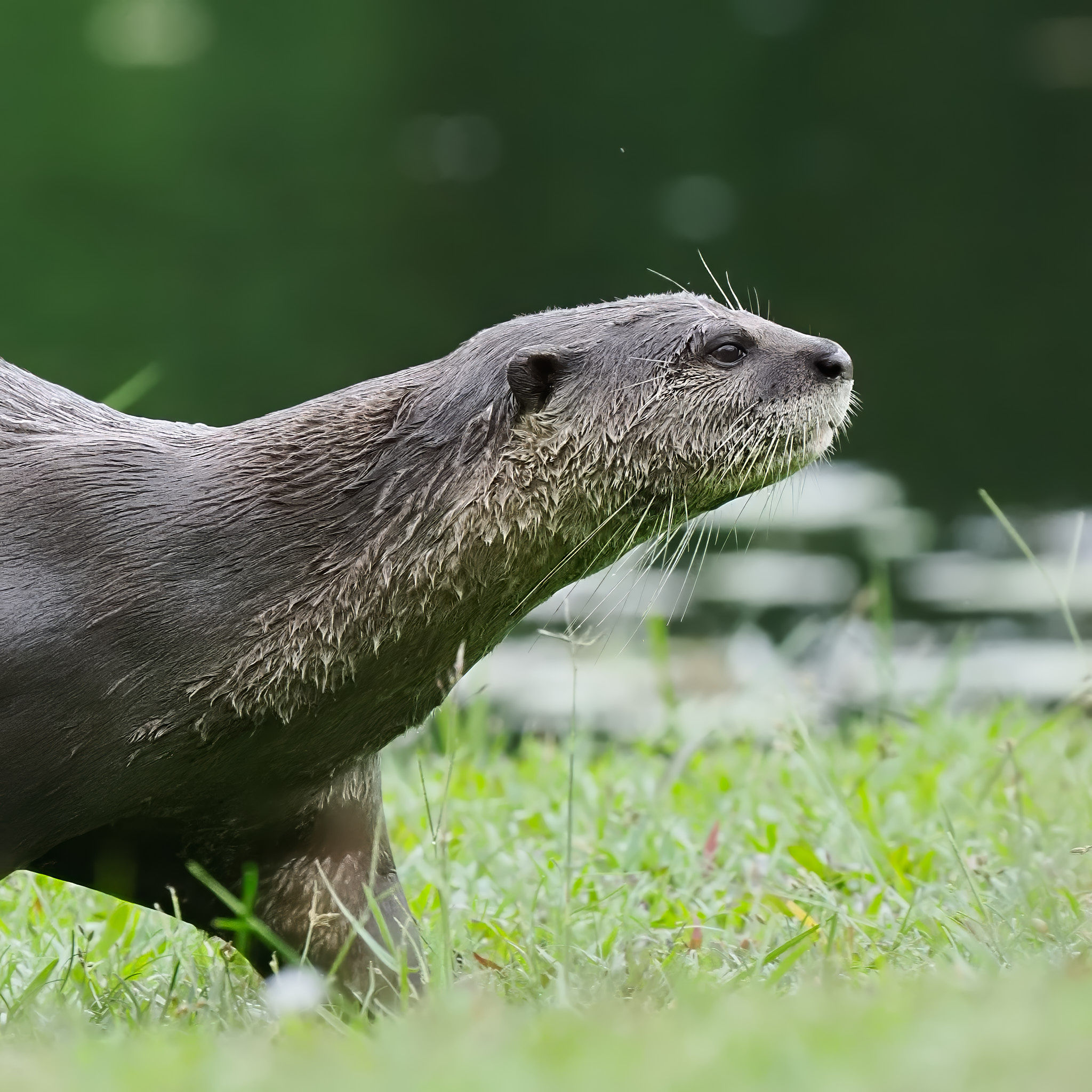
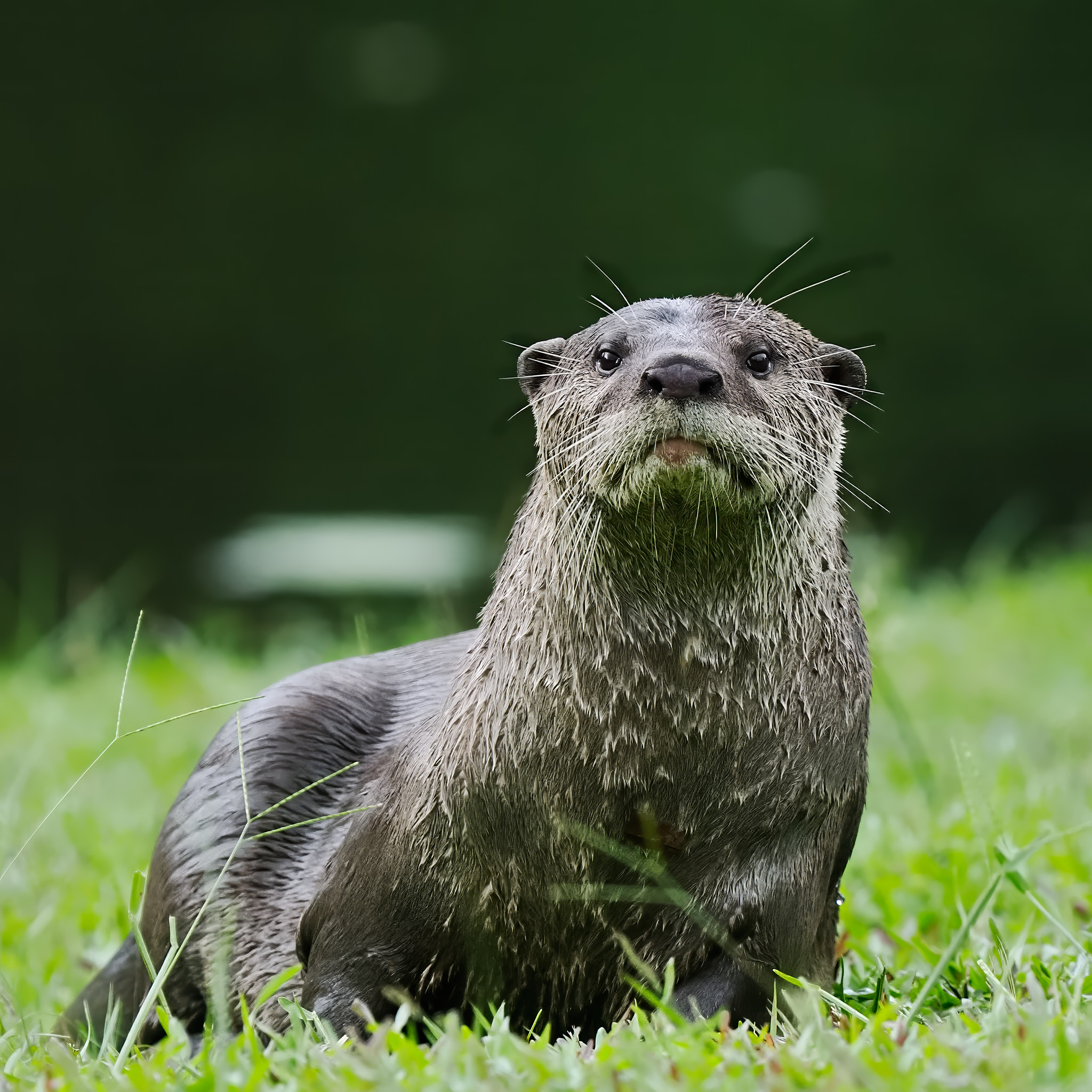
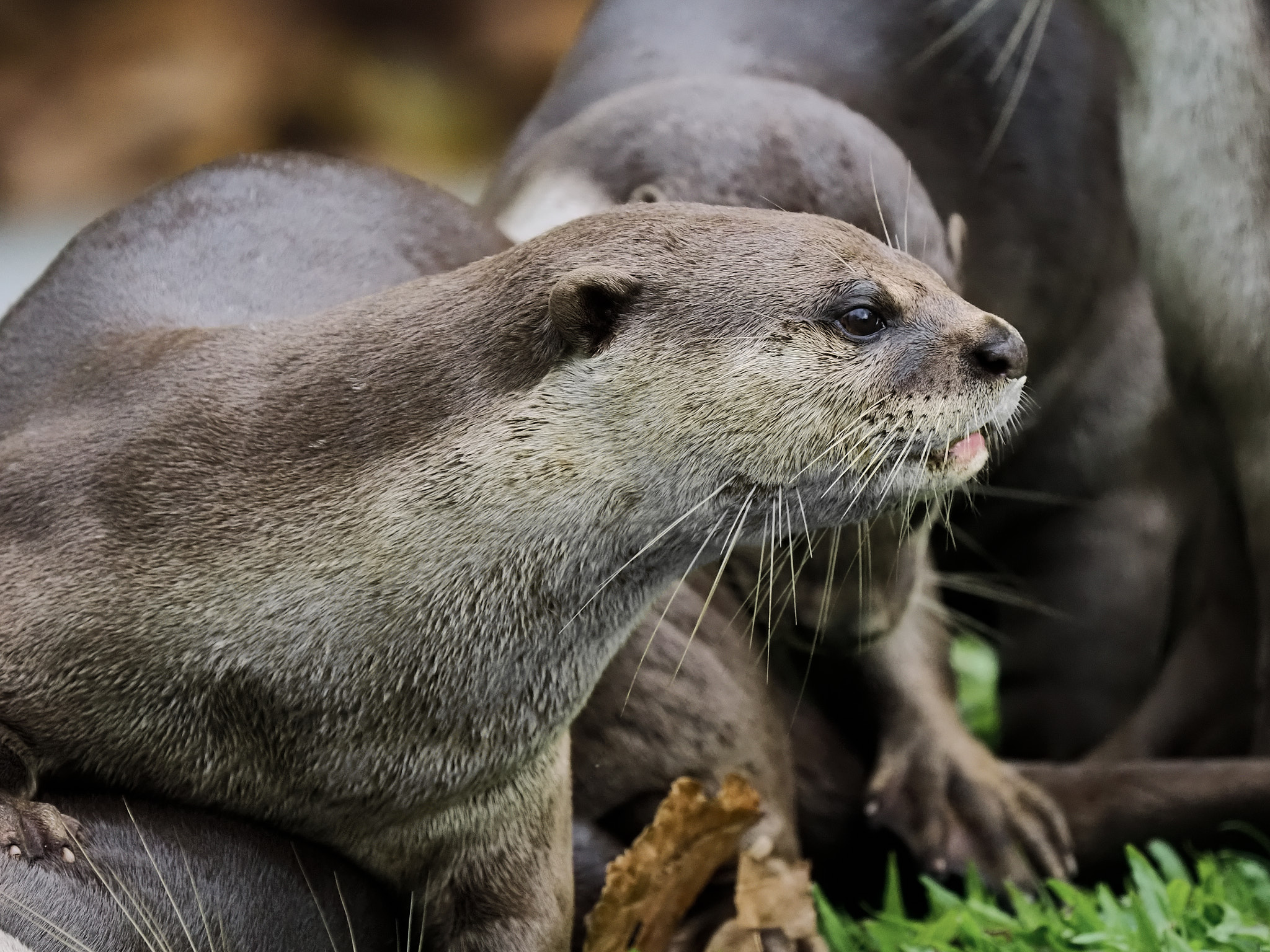
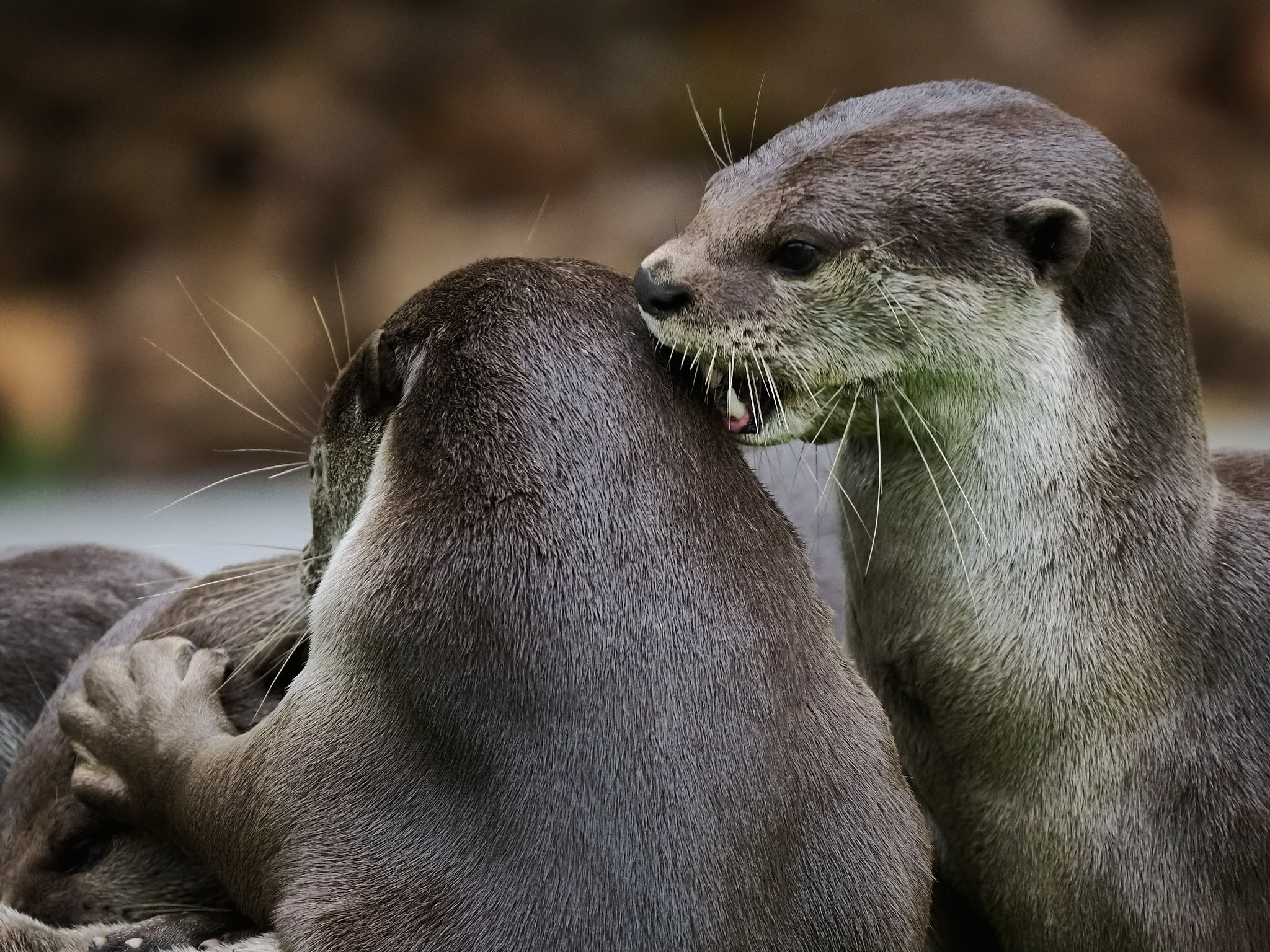
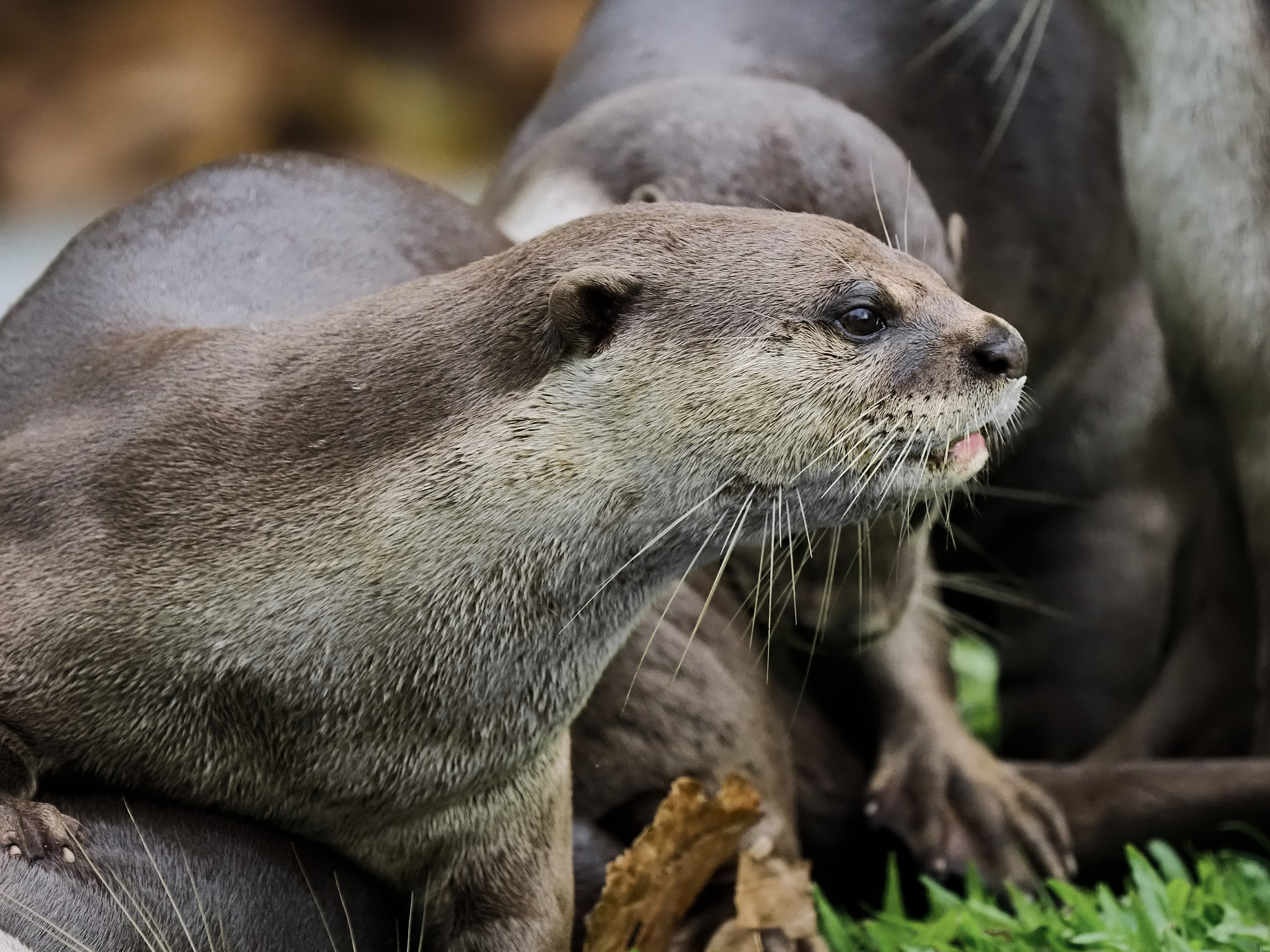
Real live otters are never a disappointment especially when seen in the wild. Singapore is the natural home of two species of otter, the Oriental Small-clawed Otter (Aonyx cinereus), which is rare and the Smooth-coated Otter (Lutrogale perspicillata) which you have a good chance of seeing in a number of places including The Botanical Gardens, Gardens by the Bay and Sungei Buloh.
Otters live in small groups. They eat fish. Their behaviour is very engaging and best enjoyed quietly from a respectful distance especially when they have young ones.
Not everyone in Singapore is a fan of otters. There has been at least one attack on a human requiring hospital treatment. I have seen an interview with the man involved. The otters were upset when a jogger ran through their group. He kept running. They attacked the nearest person who was taken to the ground. He sustained bites to the legs and his face which he described as like having staples punched into his skin. The other group in conflict with otters are those privileged enough to have a koi pond in their back yard. Koi are expensive, long-lived and apparently people become quite attached to them.
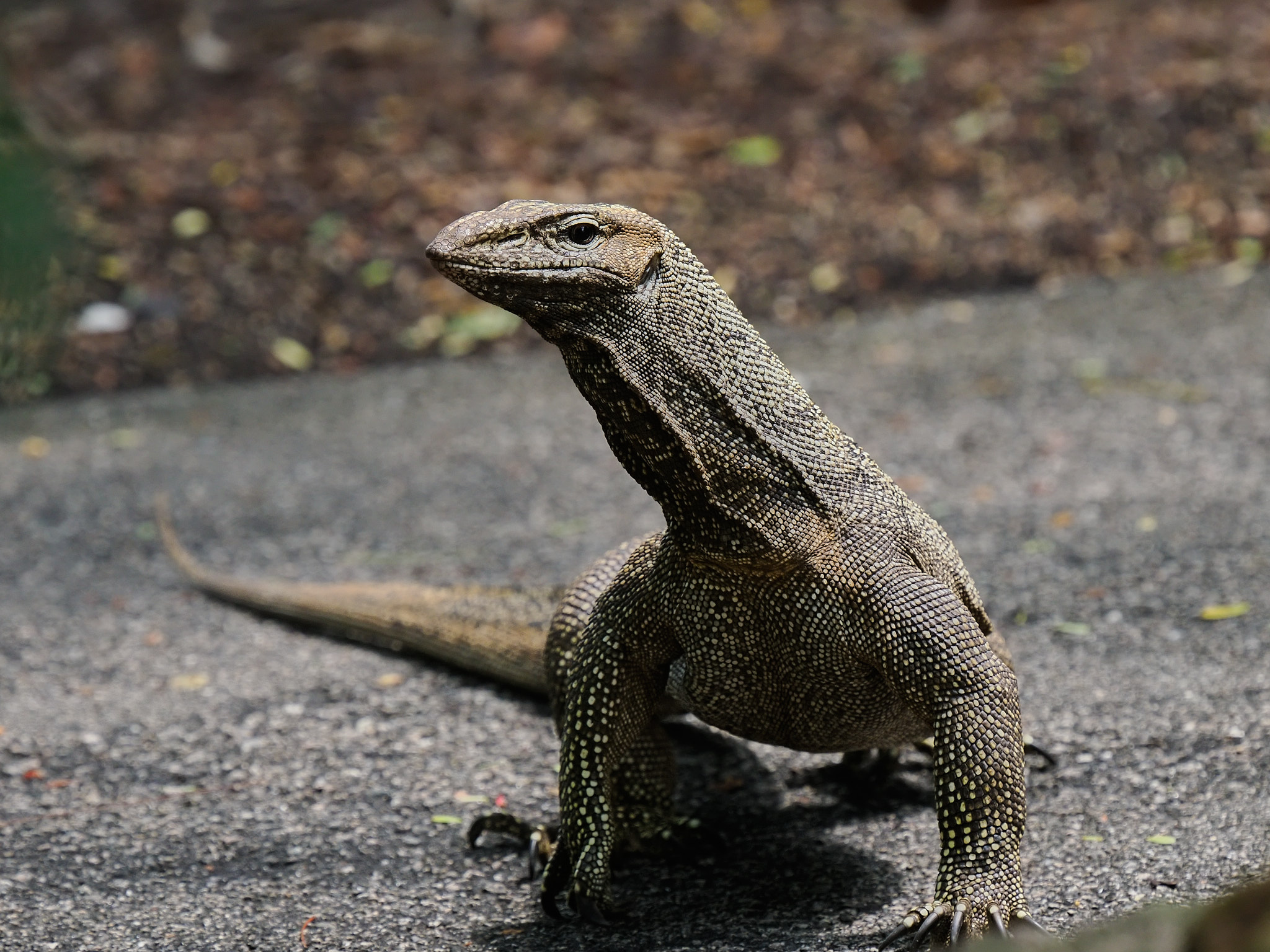
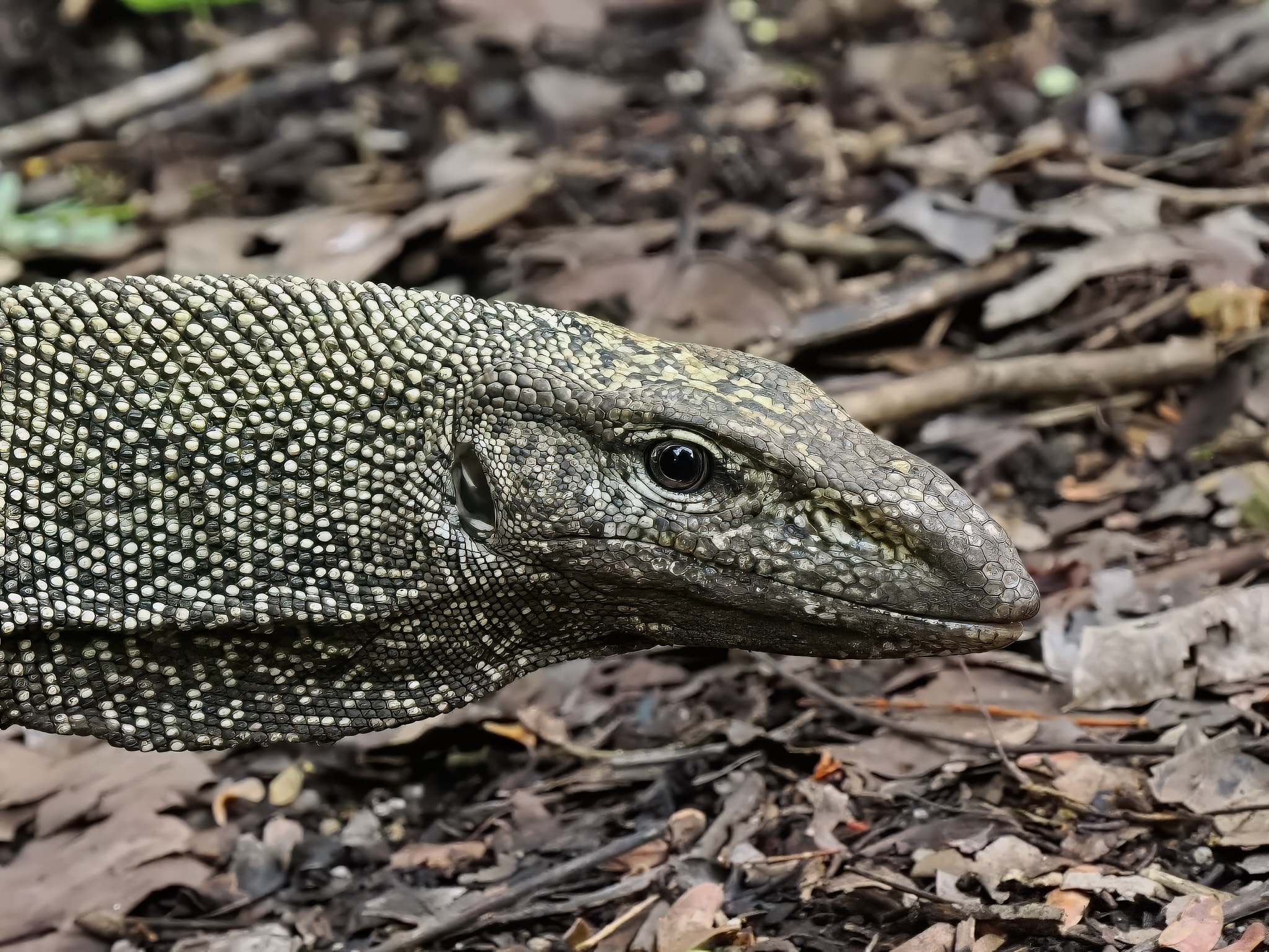
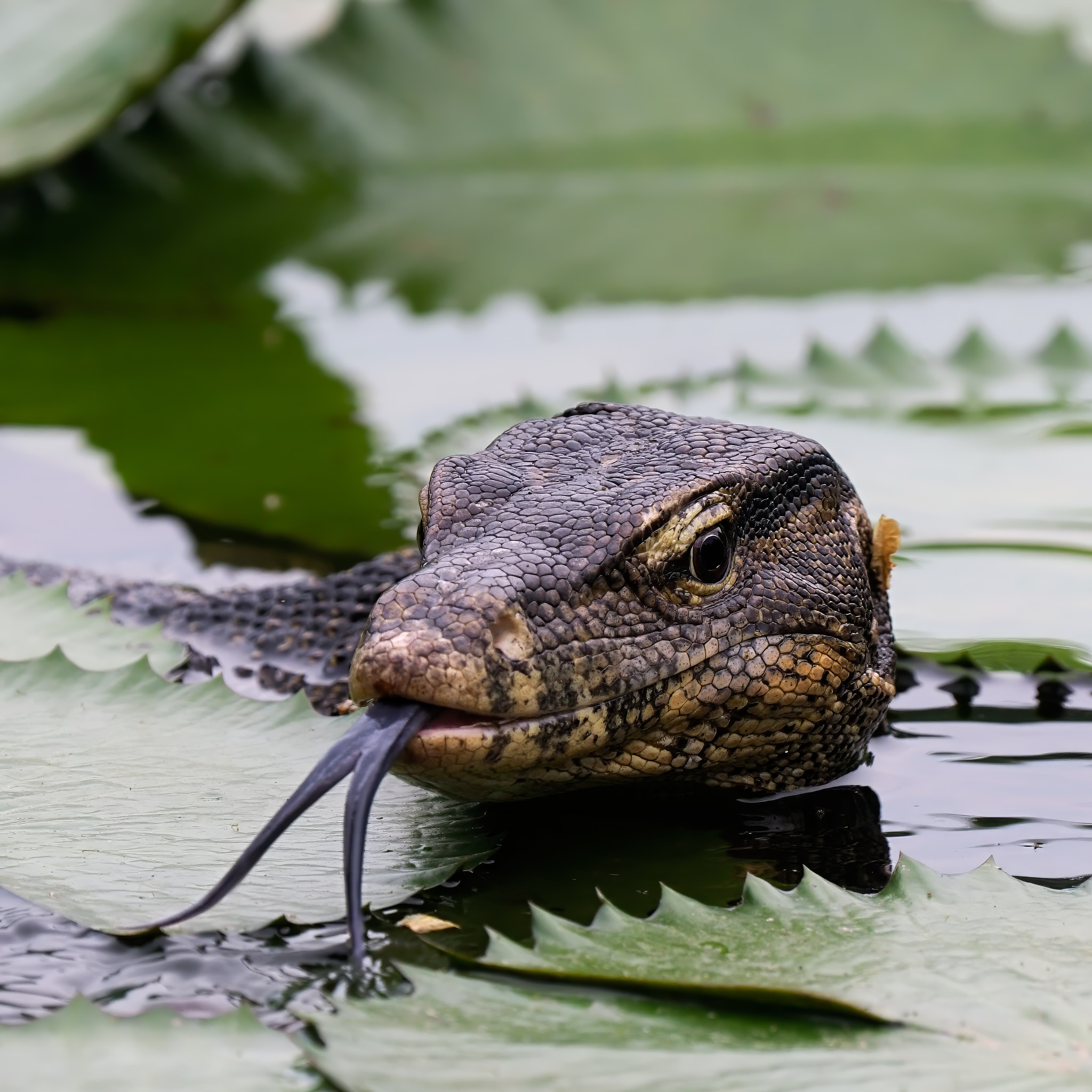
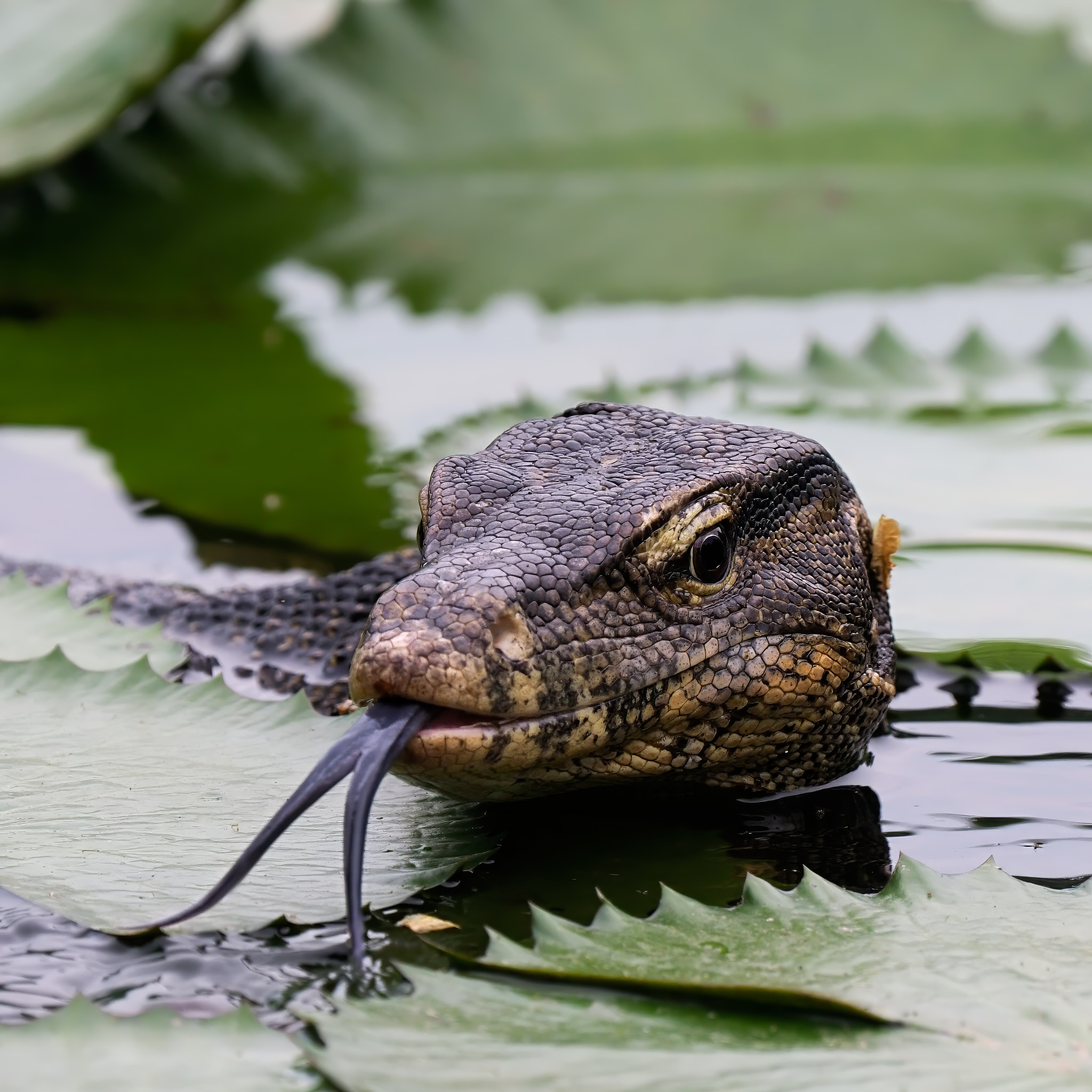
The list of reptiles to be found in Singapore is very extensive. Most are small or shy, unobtrusive creatures. Two that you are likely to see are rather more spectacular. These are both monitor lizards in the genus Varanus. Australia also has a few Varanids including the rather impressive Lace Monitor while the island of Komodo has the biggest and most dangerous of them all, the Komodo Dragon. Singapore has three monitors. Dumeril’s Monitor (Varanus dumerilii) is rare. The other two are quite common and with reasonable luck will be seen in the Singapore Botanic Gardens. They are the Malayan Water Monitor (Varanus salvator) as much as 3 metres long and the Clouded Monitor (Varanus nebulous) which tops out at a mere 1.5m.
Monitors are carnivores that supplement their diet with carrion. Venom helps to kill their prey and the wounds they inflict tend to become infected so an animal that survives an attack now is likely to be carrion later. Don’t let that worry you. They are shy(ish) of people. Leave them alone and they will leave you alone.
Water Monitors are usually seen in the water but can wander about on land. Cloudies are forest dwellers but I bet they can swim when they want. They can be told apart from the front end. Water babies have a blunt snout, the nostrils are close to the tip. Cloudies have a pointier snout, the nostrils are about half way between the tip and he eyes.
For such a densely populated place Singapore is remarkably green. Water and sunshine obviously help, but there has been a deliberate policy that nature should not miss out completely in the scramble for land. And it hasn’t. There are birds, mammals and reptiles in parks and gardens that are big enough parcels to sustain them. Yes, the glass is not full but don’t think of it as half empty.
In six days I visited ten parks and gardens. They were all worth visiting. My main interests are birds and wildlife so let me rate them with that in mind. (Gardens by the Bay is unmissable for different reasons). I’ll list them below the photos for any one planning a visit themselves. There are two groups – my favorites and the merely marvelous.
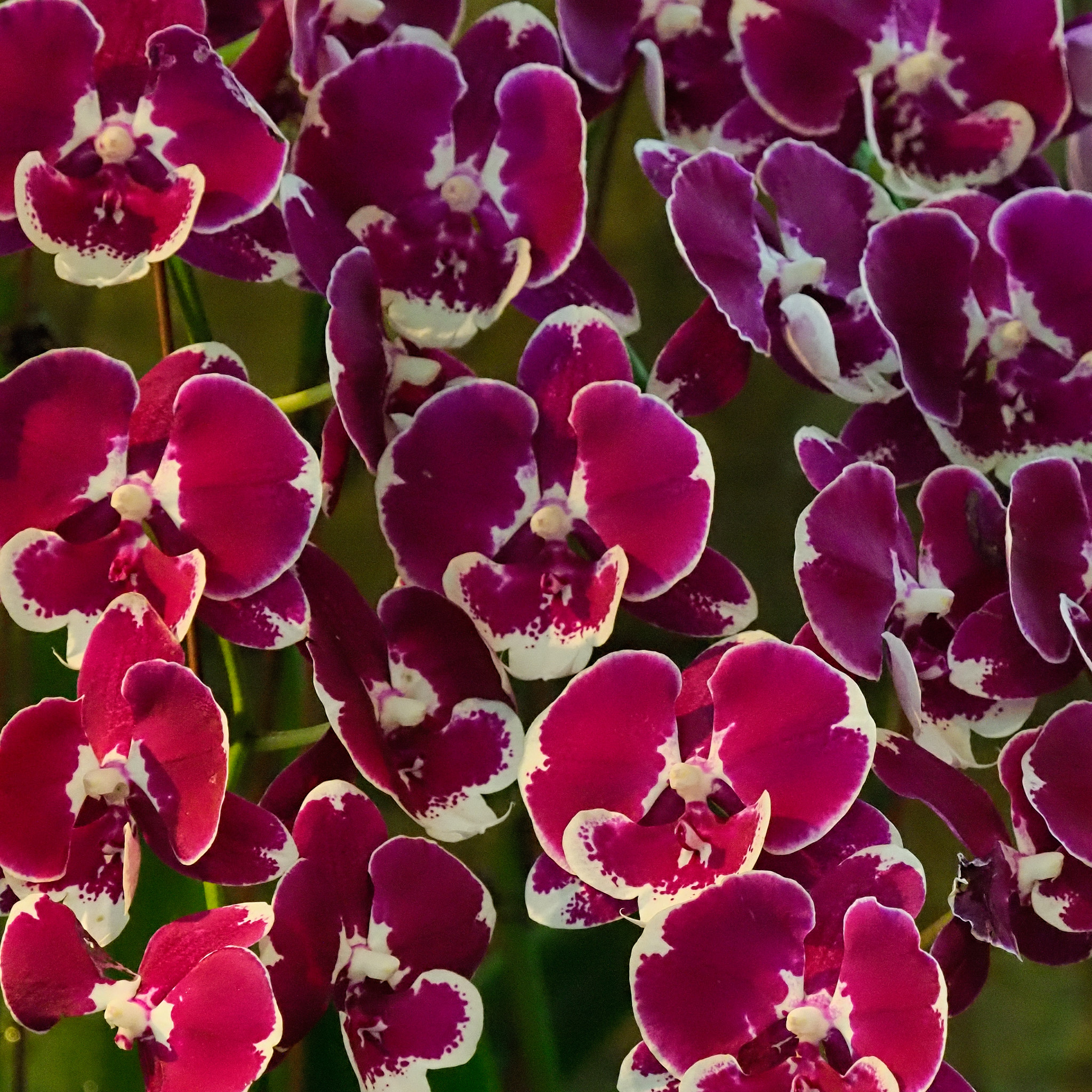
The Singapore Botanic Gardens were founded by the Agri-horticultural Society in 1859 in the days when Singapore was the British administrative centre of Malaya. The first superintendent, Lawrence Niven, laid out a tropical facsimile of an English pleasure garden where bands could play and the gentry stroll. In 1888 a new director, Mad Henry Ridley, took the gardens in a new direction contributing mightily to the development of the rubber industry. Professor Eric Holttam, director of the Gardens from 1925 to 1949 moved the focus to the cultivation and hybridisation of orchids. The gardens are now World Heritage listed, house the National Orchid Garden and continue to provide commercial expertise in Orchid production and much of the expertise valuable in making Singapore the green city which it is.
Admission to the gardens is free. The National Orchid Garden is not. But hey, you got here what’s another $3? Yes, that’s right, a lot less expensive than the Green Houses at Gardens by the Bay and definitely not to be missed.
Note that north on the map ain’t where it generally is. The Botanic Gardens MRT station is adjacent to the northern entrance. The National Orchid Garden is way down the other end. The walk will bring peace to the psyche.
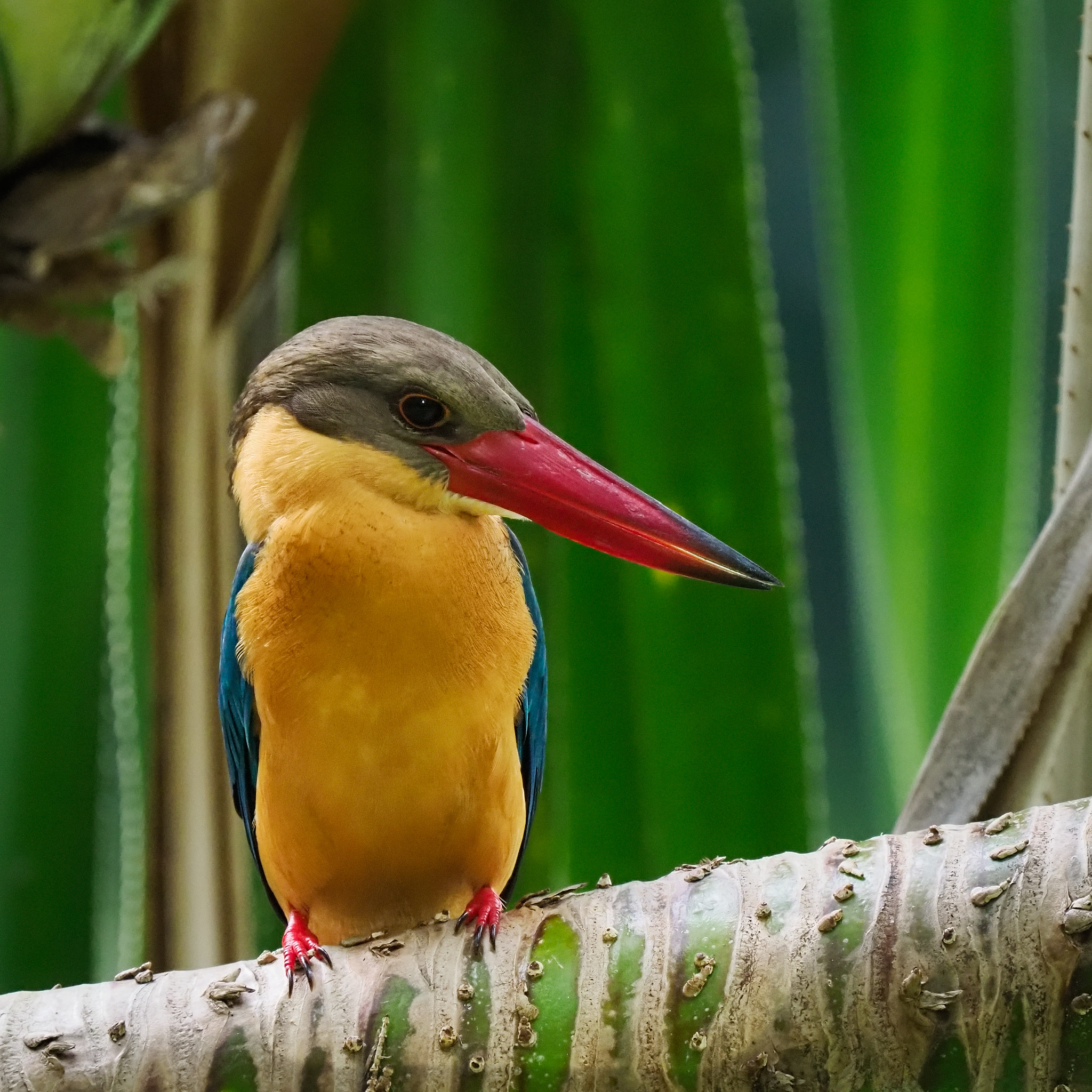
The Eco Lake is a must in both directions. With a few colourful Kingfishers and a family of Otters, some very large lizards, exquisite flowers you have one of the finest gardens in the world. It even has pet swans, black ones and white.
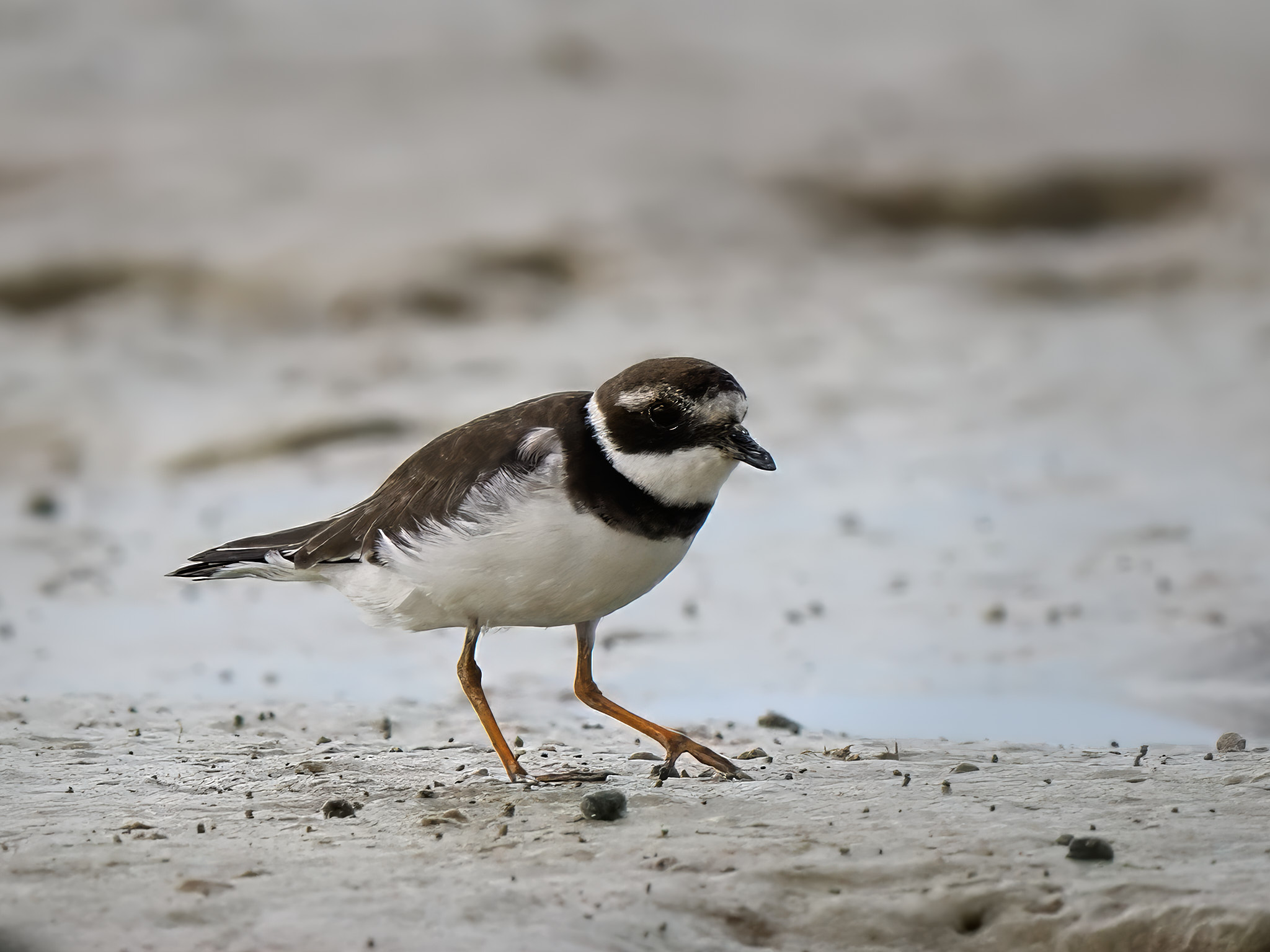
Spring has sprung and the migratory waders are back in Roebuck Bay. These are birds that breed in the far north of the northern hemisphere taking advantage of their short summer period of great abundance. The abundance is so great that the hatchlings feed for themselves. That’s a great saving in effort for the parents but at the expense of a long flight to escape the coming winter and capitalise on abundance elsewhere.
In those species that breed across a range of latitudes those that breed furthest north generally winter further south than those that breed in the southern part of their range. This leapfrog pattern of migration appears to have been brought to science’s attention by J A Palmén as long ago as 1874. One particularly good example of this is the Common Ringed Plover Charadrius hiaticula. Those that breed in southern Sweden or Britain winter in southern Europe whereas those breeding in the arctic mostly take the trip to Africa.
Mostly, but for the last three or four years a single bird has been turning up a stone’s throw from the Broome Bird Observatory in Roebuck Bay. This is presumably the same individual which must make it a leapfrog champion. There have been sightings of Common Ringed Plover further south but they are decidedly rare here in Oz.
Guys, this was your big chance but no, I was not inundated with ID suggestions for the snake with the paddle for a tail. Fortunately there is iNaturalist and the snake now has a certified, research grade identity (drum roll) …
photo Tiffany Kosch
It is, of course, an Olive Sea Snake Aipysurus laevis. It is reasonably common and one of the better studied sea snakes. It feeds on fish, fish eggs and crustaceans utilising a particularly nasty venom. One of its most interesting features is its photosensitive tail. It spends its off-duty moments hidden in holes in rock or coral when it must feel a lot safer knowing that its tail is not sticking out in the sunlight.
The flattened tail tells the tale. It’s a sea snake. I found it at Broome’s Town Beach. About 31 species are known from Australian waters, not all come to this part of the coast. They are mostly found in the tropics. Most feed on fish and are highly venomous but not aggressive to people. They swim well but cannot slither along on land. They are live bearers which enables to spend their entire lives in the water but they do need to come to the surface to breath. They are closely related to Australia’s terrestrial elapids.
I can’t identify this one to species. About 10 species are known from this area but that doesn’t guarantee that it’s one of them. It has a relatively large head which does rule out a few species. If you can solve the mystery please let me know in the comments.





















 bobmcgee