How to Photograph Lightning …

That’s a question, don’t expect a tutorial!

You don’t know when it’s coming. By the time you find your gear it’s gone. If it hasn’t in fact gone you then need to guesstimate some camera settings. You try them and when you think you have the right ones … it’s gone.

OK, it’s not gone. Where will the next flash be?

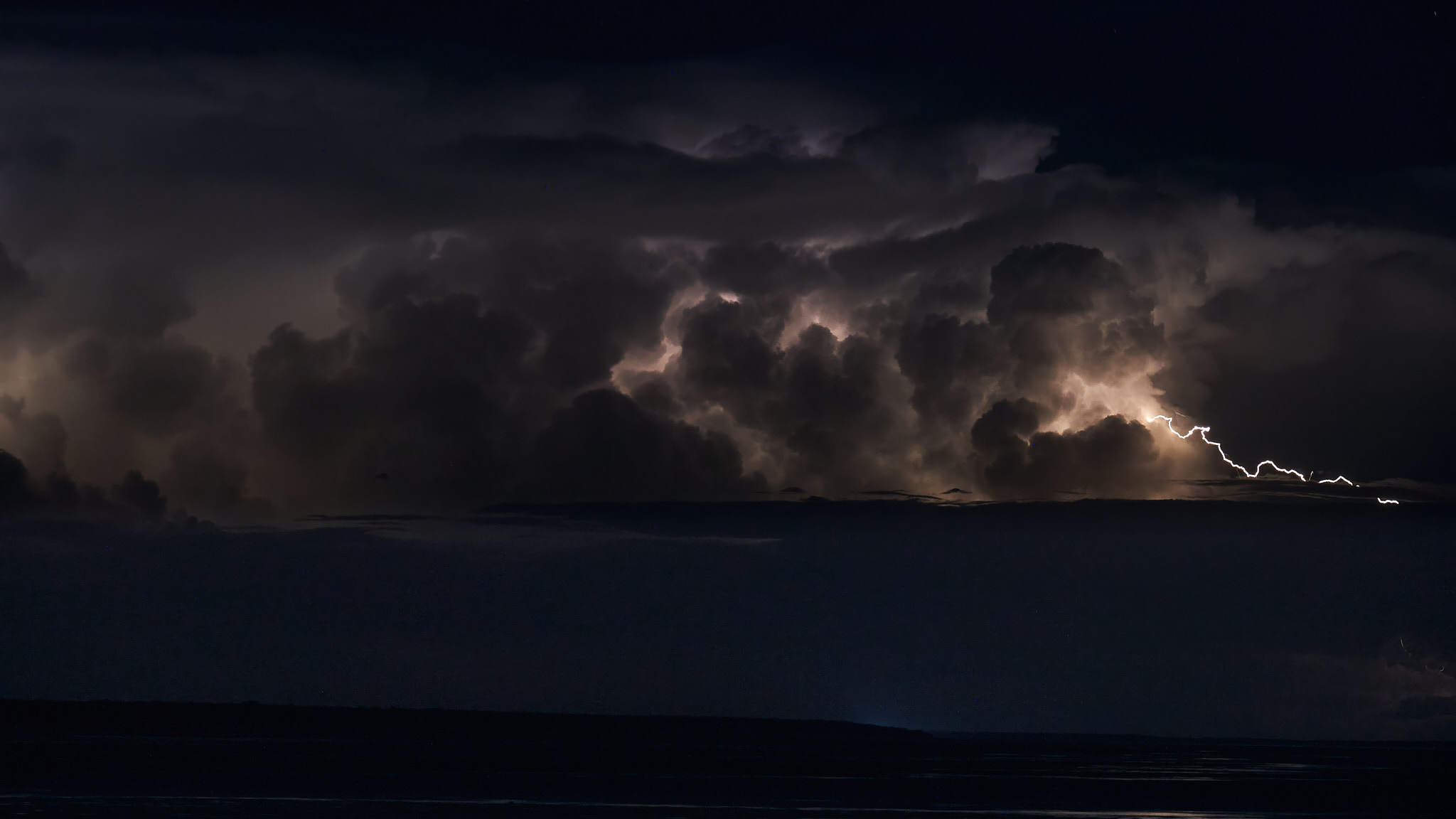
The whole sky was going off last night so I tried a wide angle lens. I got the whole storm in the frame. Actually I got the whole storm in the bottom millimeter of the frame. A fifty millimeter lens maybe. None in my bag. 70 to 200 then. Where to point it now. Mostly the wrong place.

I never have had much success with lightning. My worst effort was when I lived in the Victorian Goldfields. I dashed out chasing a storm and a half decent composition. Got nothing except soaking wet and got home to find my step daughter had a nice series of shots taken on her phone off the back verandah. Such humiliation.

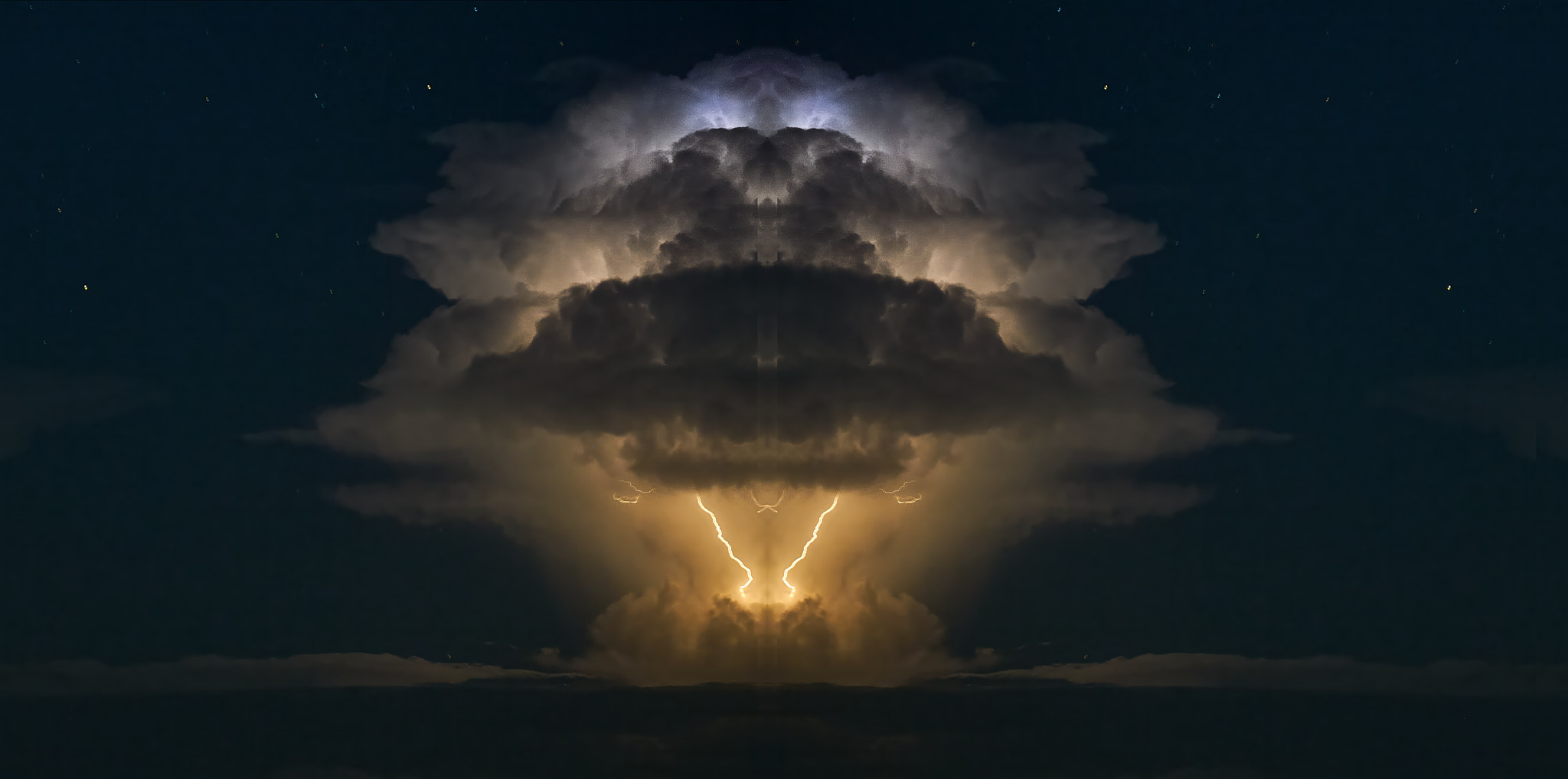
The best lightning bolt (of about 200 photos) was in a shot that had half a good flash hanging off the left side of the frame and a better half flash hanging off the right side. Black sky in the middle, oh, what could have been. One or two other frames were passable. After careful consideration I decided not to slash my wrists. Instead I took the right side of the frame and moved it to the left. Flipped a copy horizontally and moved the two halves together. I did this in Affinity Photo.

A New Year …

I do wish you a happy and trouble free 2025.

Bird watchers around the globe have been out chasing a big day to get their year list off to a good start. Me too. I was introduced to a competition of sorts by birders on Townsville Common. It’s simple. Your list has to be bigger than the number of days elapsed in the year. Easy at first, it gets tougher as you get deeper in the year. When you fall behind you’re out. I call it the Calendar Game and play just against myself. I have lost every year since the Big Panic changed my travel habits.

So on the first of the new year I got ahead of January and February. I have a road trip coming up so the list should move along well for a while.

While having a look at Broome’s Entrance Point a couple pulled up near me and asked, had I seen it? Not only had I not seen it, I didn’t know what it was. They’d found it on the oval in town and alerted the bird watching community. I was the last birdo in town to reach the oval … not long after it had gone. The alert had come through on my watch, which was at home charging.

It was a gull. It had been very happy to hang out with other gulls especially around anybody who looked like they had food. Next stop all the other places that I knew gulls congregated starting with Town Beach …

Americans will be wondering why the fuss? A Laughing Gull, so what?

It’s the first record for WA and new for my Australia list. Thank you Clare and Grant.

No Gutters …

So Singapore is wrapped up and it’s home to Broome, just in time for the wet. That’s Man-gala in the local Yawuru language. Last year’s wet was largely spent wondering when the rain would come. This year is a different story. Gayle insisted on our morning bike ride. We got back looking like drowned rats. 54mm in 34 minutes. That’s 2¼ inches in neolithic money.

You rarely see any guttering in Broome. No need at all for half the year. In the other half when it rains it’s with such intensity that gutters wouldn’t cope.

Macaque …

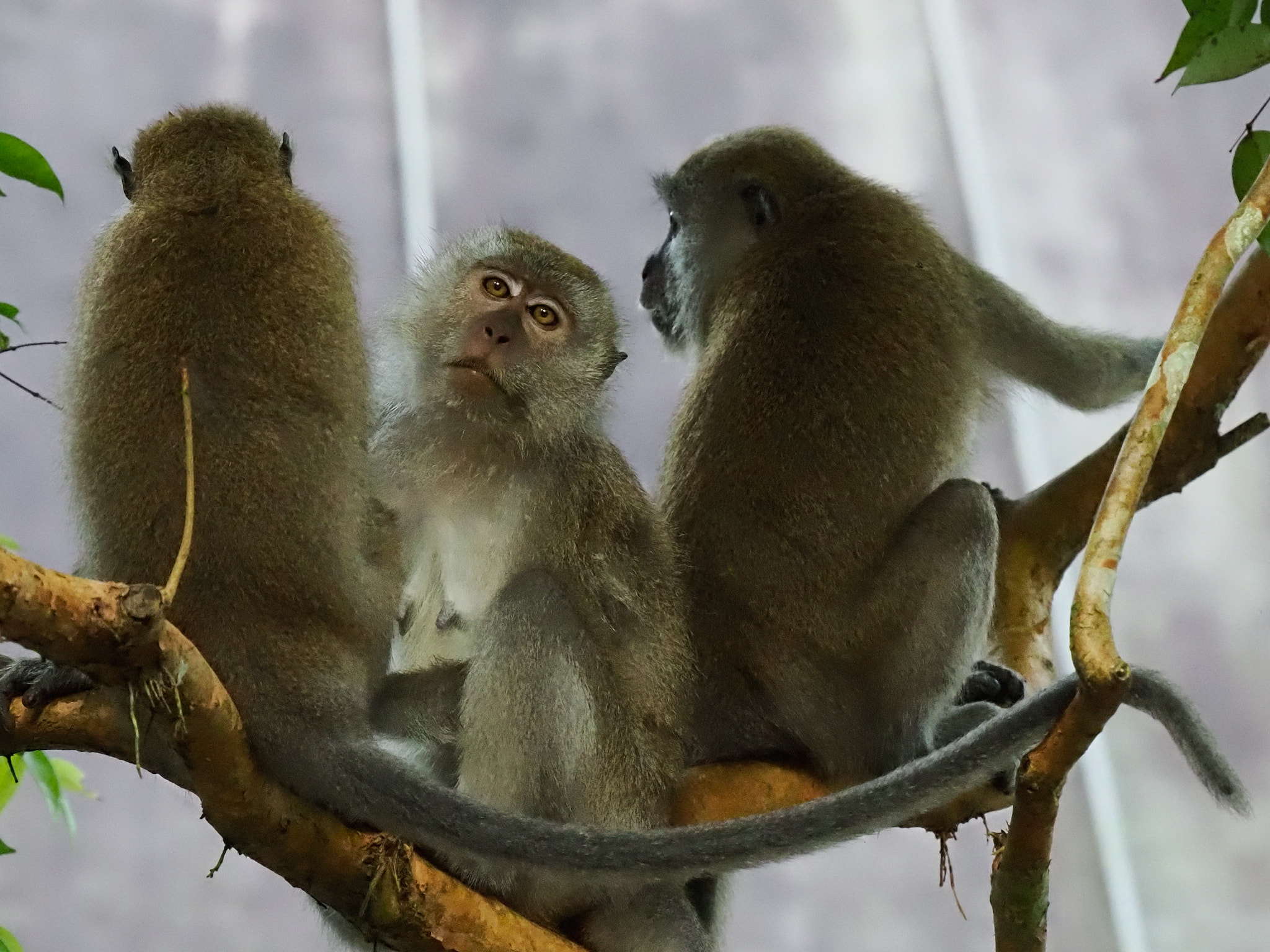
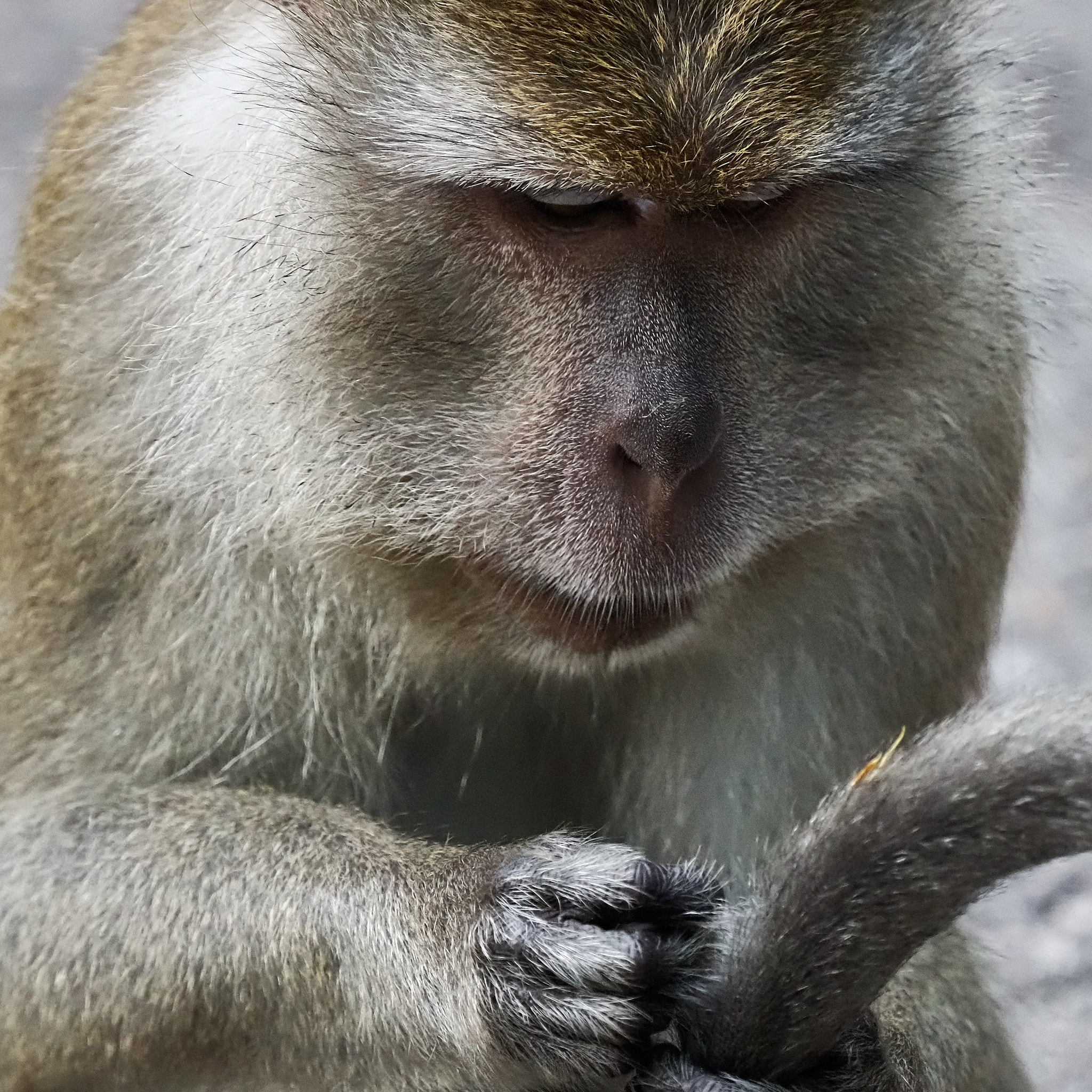
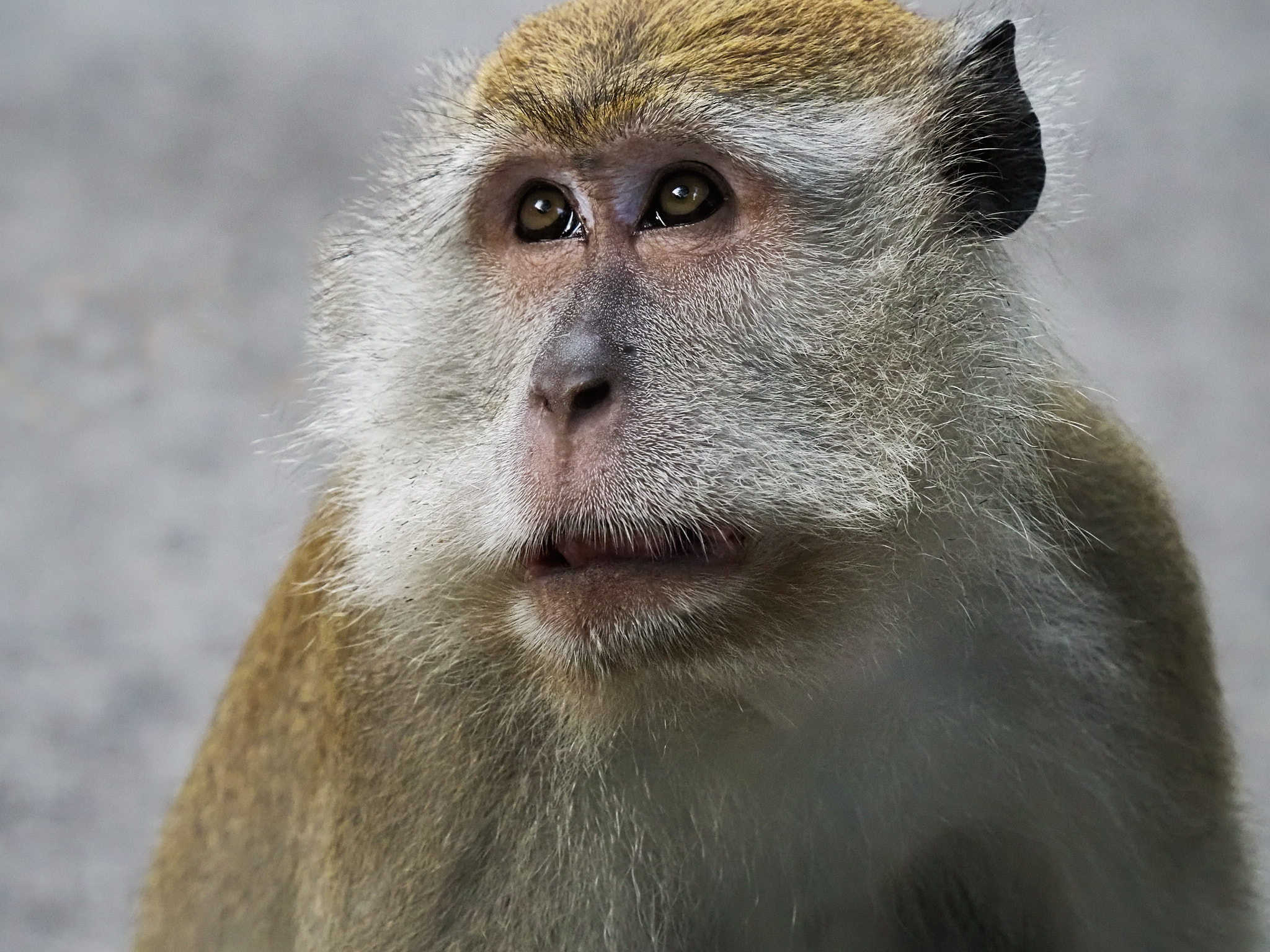
I came across a group of Long-tailed Macaques, Macaca fascicularis at Dairy Farm. This wasn’t the only encounter but it was the only occasion that they consented to a photo shoot. Some were on the footpath, others were in an adjacent tree. Some youngsters were engaged in a rough and tumble game. If otters are largely approved of, with a few detractors, monkeys elicit a much broader range of attitudes. Are they wise, are they mischievous, will they steal my phone or my Mars Bar? I find them very engaging but yes they will steal your Mars Bar. Or steal your phone and barter it for your Mars Bar. A few walkers turned around and went back the way they came, others gave them a wide berth.

Macaques are synanthropous, that is while not domesticated they are well adapted for life around people. So are bedbugs, so are House Sparrows.

There is a second monkey native to Singapore Raffles Banded Langur, Presbytis femoralis. They are not synanthropes. A population of about 70 survive in the central catchment area. I did not get to see them.

The Otter …

I grew up in the East End of London. A family outing once took us to, as I recall, The Owl, a pub in High Beech in Epping Forest. The beer garden had a nice view and a water feature, I’m tempted to say a fake well but it may have been nothing more than a big tub of murky water. If this all seems vague forgive me. It was a long time go. A sign said something along the lines of, “Pull the chain to see the Water Otter” and there was indeed a chain leading into the water. When you pulled the chain a battered old kettle came up out of the murk. It was a major disappointment.

Real live otters are never a disappointment especially when seen in the wild. Singapore is the natural home of two species of otter, the Oriental Small-clawed Otter (Aonyx cinereus), which is rare and the Smooth-coated Otter (Lutrogale perspicillata) which you have a good chance of seeing in a number of places including The Botanical Gardens, Gardens by the Bay and Sungei Buloh.

Otters live in small groups. They eat fish. Their behaviour is very engaging and best enjoyed quietly from a respectful distance especially when they have young ones.

Not everyone in Singapore is a fan of otters. There has been at least one attack on a human requiring hospital treatment. I have seen an interview with the man involved. The otters were upset when a jogger ran through their group. He kept running. They attacked the nearest person who was taken to the ground. He sustained bites to the legs and his face which he described as like having staples punched into his skin. The other group in conflict with otters are those privileged enough to have a koi pond in their back yard. Koi are expensive, long-lived and apparently people become quite attached to them.

Is That a Dragon …

The list of reptiles to be found in Singapore is very extensive. Most are small or shy, unobtrusive creatures. Two that you are likely to see are rather more spectacular. These are both monitor lizards in the genus Varanus. Australia also has a few Varanids including the rather impressive Lace Monitor while the island of Komodo has the biggest and most dangerous of them all, the Komodo Dragon. Singapore has three monitors. Dumeril’s Monitor (Varanus dumerilii) is rare. The other two are quite common and with reasonable luck will be seen in the Singapore Botanic Gardens. They are the Malayan Water Monitor (Varanus salvator) as much as 3 metres long and the Clouded Monitor (Varanus nebulous) which tops out at a mere 1.5m.

Monitors are carnivores that supplement their diet with carrion. Venom helps to kill their prey and the wounds they inflict tend to become infected so an animal that survives an attack now is likely to be carrion later. Don’t let that worry you. They are shy(ish) of people. Leave them alone and they will leave you alone.

Water Monitors are usually seen in the water but can wander about on land. Cloudies are forest dwellers but I bet they can swim when they want. They can be told apart from the front end. Water babies have a blunt snout, the nostrils are close to the tip. Cloudies have a pointier snout, the nostrils are about half way between the tip and he eyes.

Singapore, A Garden City …

For such a densely populated place Singapore is remarkably green. Water and sunshine obviously help, but there has been a deliberate policy that nature should not miss out completely in the scramble for land. And it hasn’t. There are birds, mammals and reptiles in parks and gardens that are big enough parcels to sustain them. Yes, the glass is not full but don’t think of it as half empty.

In six days I visited ten parks and gardens. They were all worth visiting. My main interests are birds and wildlife so let me rate them with that in mind. (Gardens by the Bay is unmissable for different reasons). I’ll list them below the photos for any one planning a visit themselves. There are two groups – my favorites and the merely marvelous.

Favorites

  • Sungei Buloh Wetland Reserve
  • Singapore Botanic Gardens
  • Jurong Lake Gardens
  • Dairy Farm Nature Park

Silver Medalists

  • Fort Canning Park
  • Gardens by the Bay
  • Hindhede Nature Park
  • Pasir Ris Park
  • Mount Faber Park
  • Punggol Waterway Park

Botanical Gardens …

The Singapore Botanic Gardens were founded by the Agri-horticultural Society in 1859 in the days when Singapore was the British administrative centre of Malaya. The first superintendent, Lawrence Niven, laid out a tropical facsimile of an English pleasure garden where bands could play and the gentry stroll. In 1888 a new director, Mad Henry Ridley, took the gardens in a new direction contributing mightily to the development of the rubber industry. Professor Eric Holttam, director of the Gardens from 1925 to 1949 moved the focus to the cultivation and hybridisation of orchids. The gardens are now World Heritage listed, house the National Orchid Garden and continue to provide commercial expertise in Orchid production and much of the expertise valuable in making Singapore the green city which it is.

Admission to the gardens is free. The National Orchid Garden is not. But hey, you got here what’s another $3? Yes, that’s right, a lot less expensive than the Green Houses at Gardens by the Bay and definitely not to be missed. 

Note that north on the map ain’t where it generally is. The Botanic Gardens MRT station is adjacent to the northern entrance. The National Orchid Garden is way down the other end. The walk will bring peace to the psyche.

The Eco Lake is a must in both directions. With a few colourful Kingfishers and a family of Otters, some very large lizards, exquisite flowers you have one of the finest gardens in the world. It even has pet swans, black ones and white.

Gardens by the Bay …

Watching videos like this one is what put Singapore back on my bucket list …

The gardens were opened to the public in 2012, they cover 105 hectares (260 acres) and as well as being very beautiful gardens they include two very large green houses and some interesting treelike things. The gardens are free. The green houses are not. But hey, you got here what’s another $53?

Do the flower dome first while it’s still a climax. After the misty mountain it’ll be a long time before a green house impresses you again. The Flower Dome is the largest green house in the world. The Cloud Forest enclosure is taller but has slightly less of a footprint. Keeping these structures cool and running is a unique feat of engineering.

There are a lot of flowers, plenty of trees and some kitsch. I’m a big fan of botanical gardens, not a fan of Disneyland. The overall effect is sufficiently restrained, my sensitivities emerged with only scrapes and bruises. I enjoyed the Flower Dome … a lot.

And in botanical gardens I am much more a fan of foliage than the seasonally gaudy (although orchids are very hard to dislike). And water features, give me a water feature. I was very much looking forward to the next house.

When you enter the Cloud Forest it hits you in your soul. Pause. Gaze in wonder. Move on a short distance, turn and look back. Watch the new arrivals. What’s happening to their faces is what happened to yours as you came through the door. This way you can share the moment and enjoy it twice.

Satay by the Bay is a hawker centre adjacent to the Kingfisher Wetland and close to the MRT. Good food, a Tiger Beer and watching the sunbirds or kingfishers rounds off the experience … very nicely.