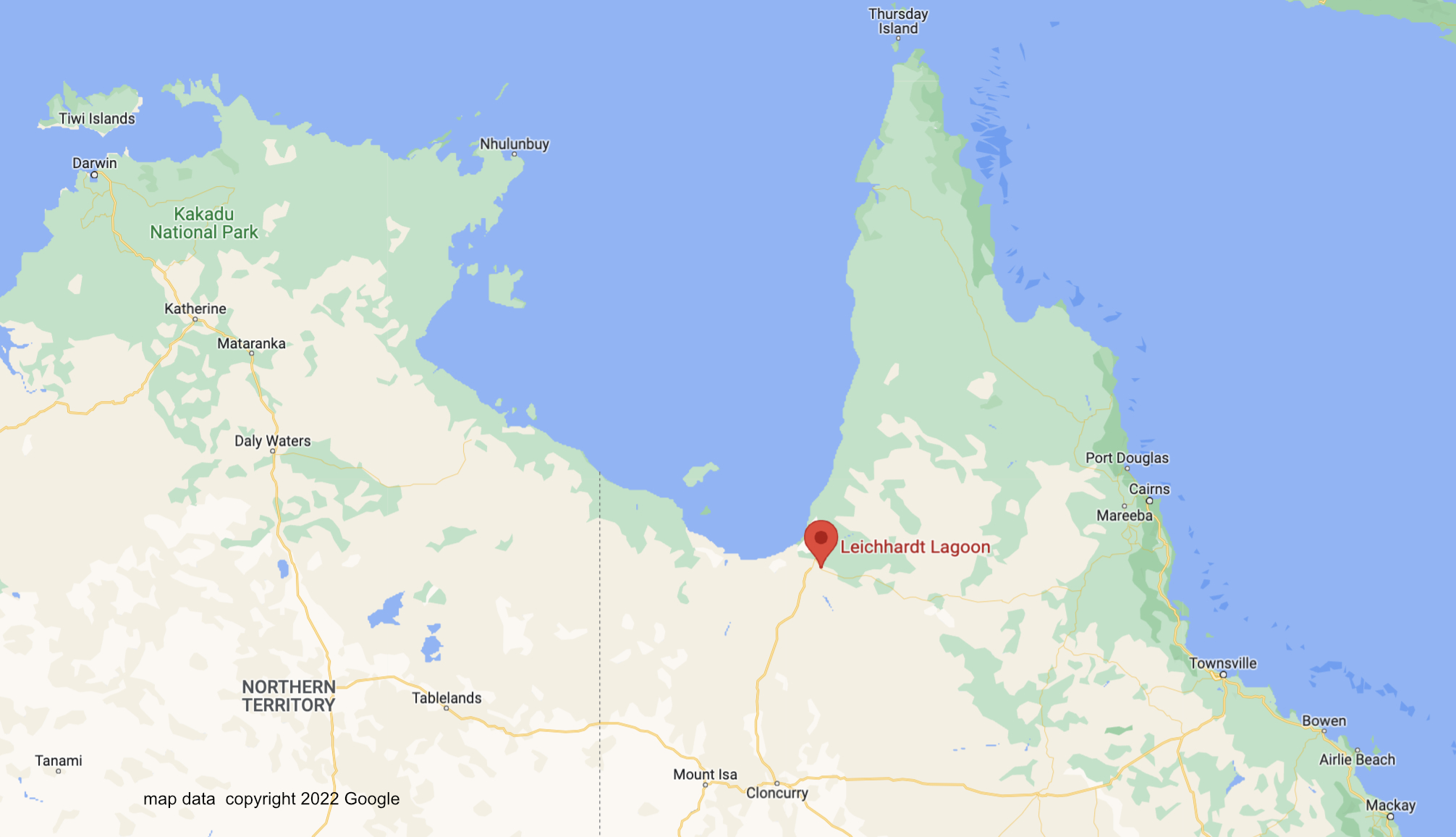
Coming from the east on Highway 1 from Croydon you cross the Norman River a little more than 20km shy of Normanton. Leichhardt’s Lagoon is on the left soon after. It’s one of my favourite camp grounds. No streams run in or out. Flood waters from the river fill the lagoon in summer, the level drops during the dry but it remains a refuge for water birds until the next wet. It’s not a flash camp site but for ambiance and natural values it’s hard to beat and the manager is the most obliging man in the gulf.
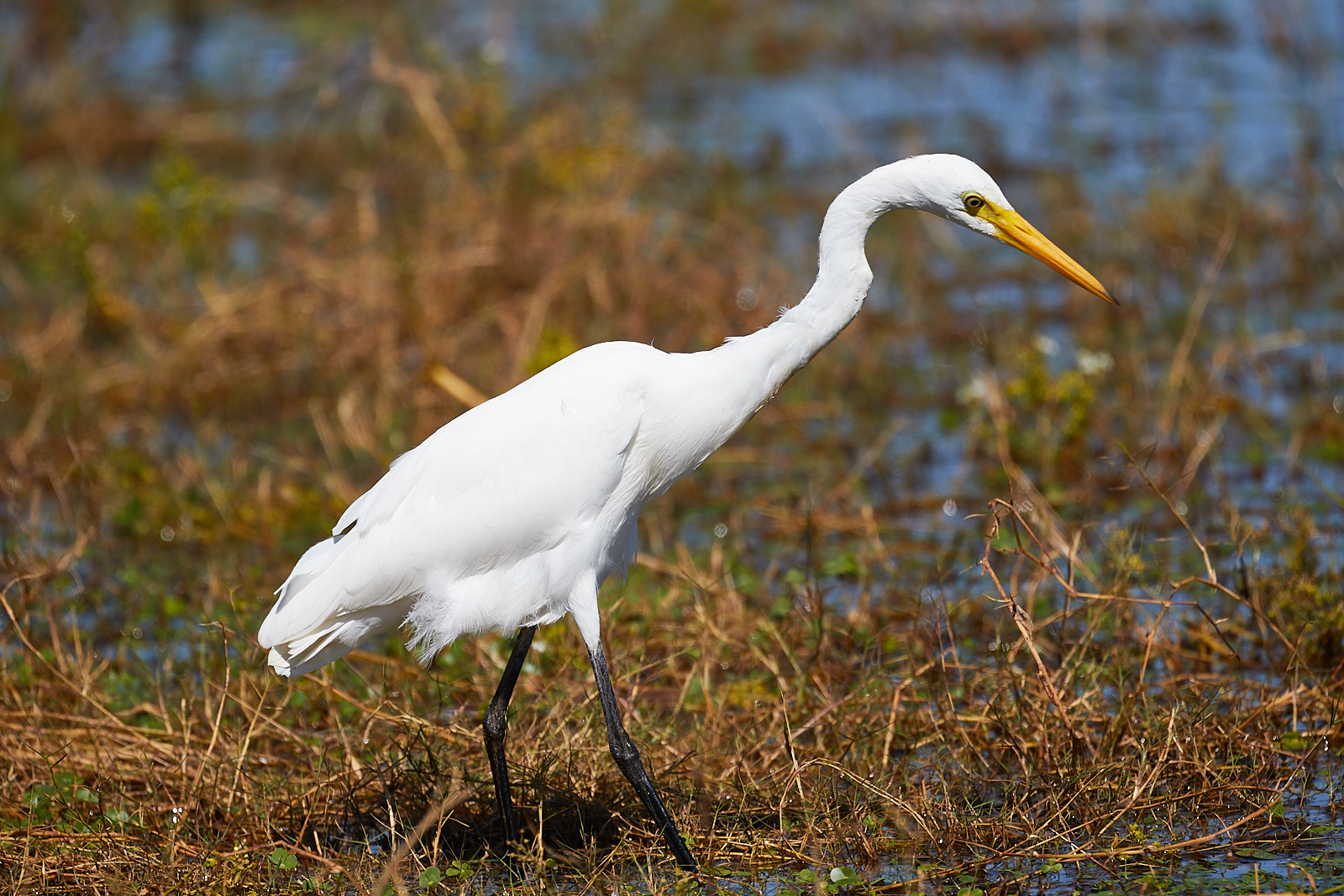
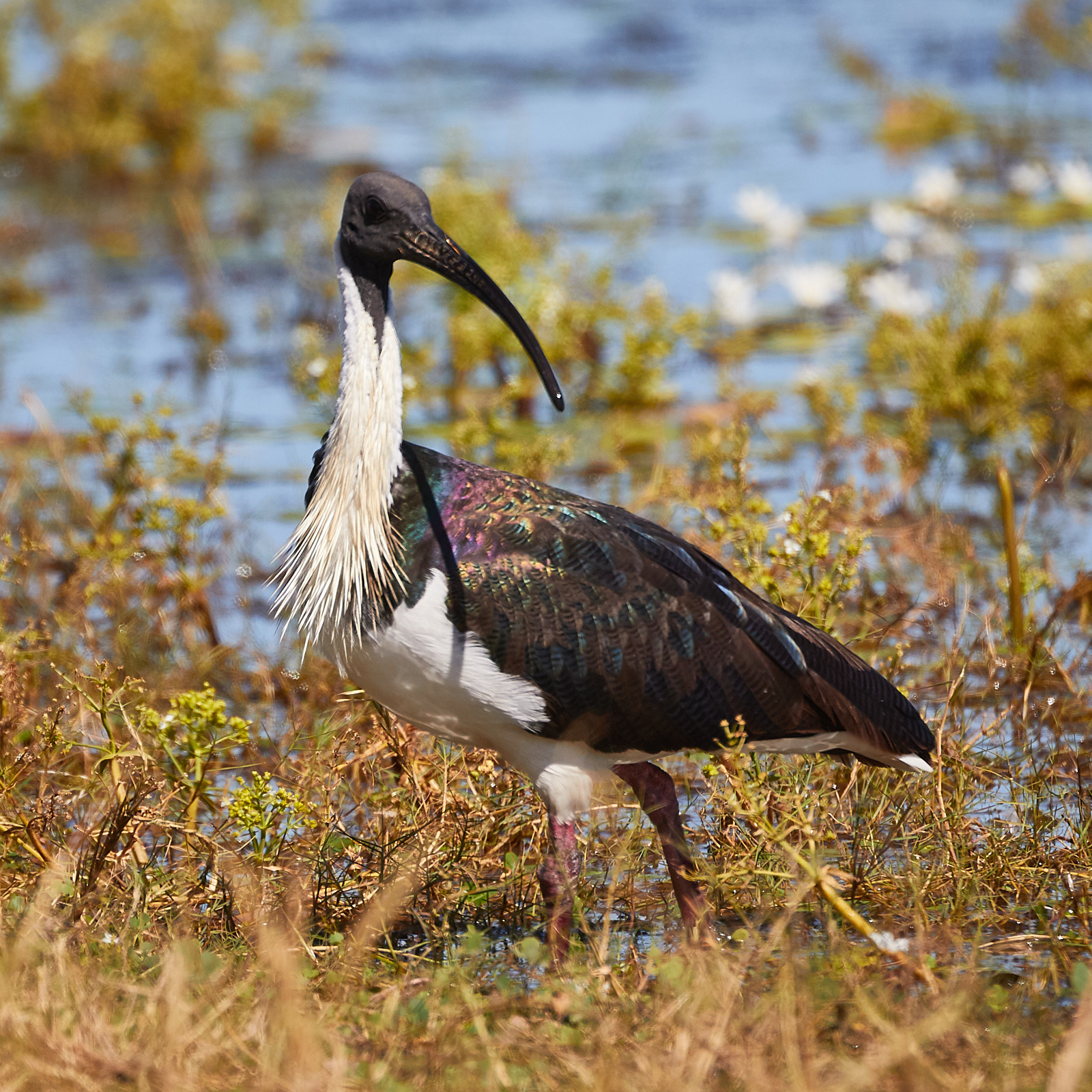
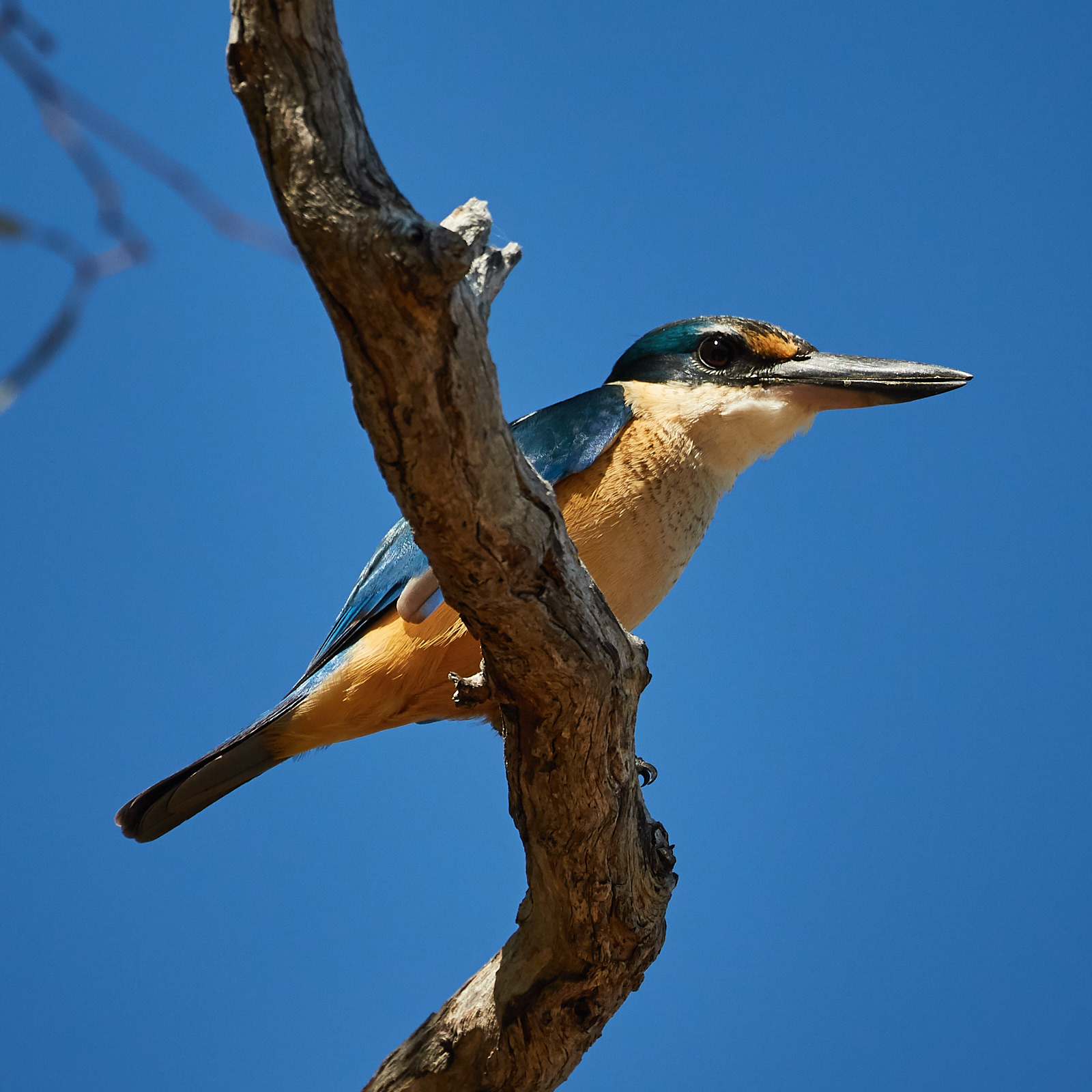
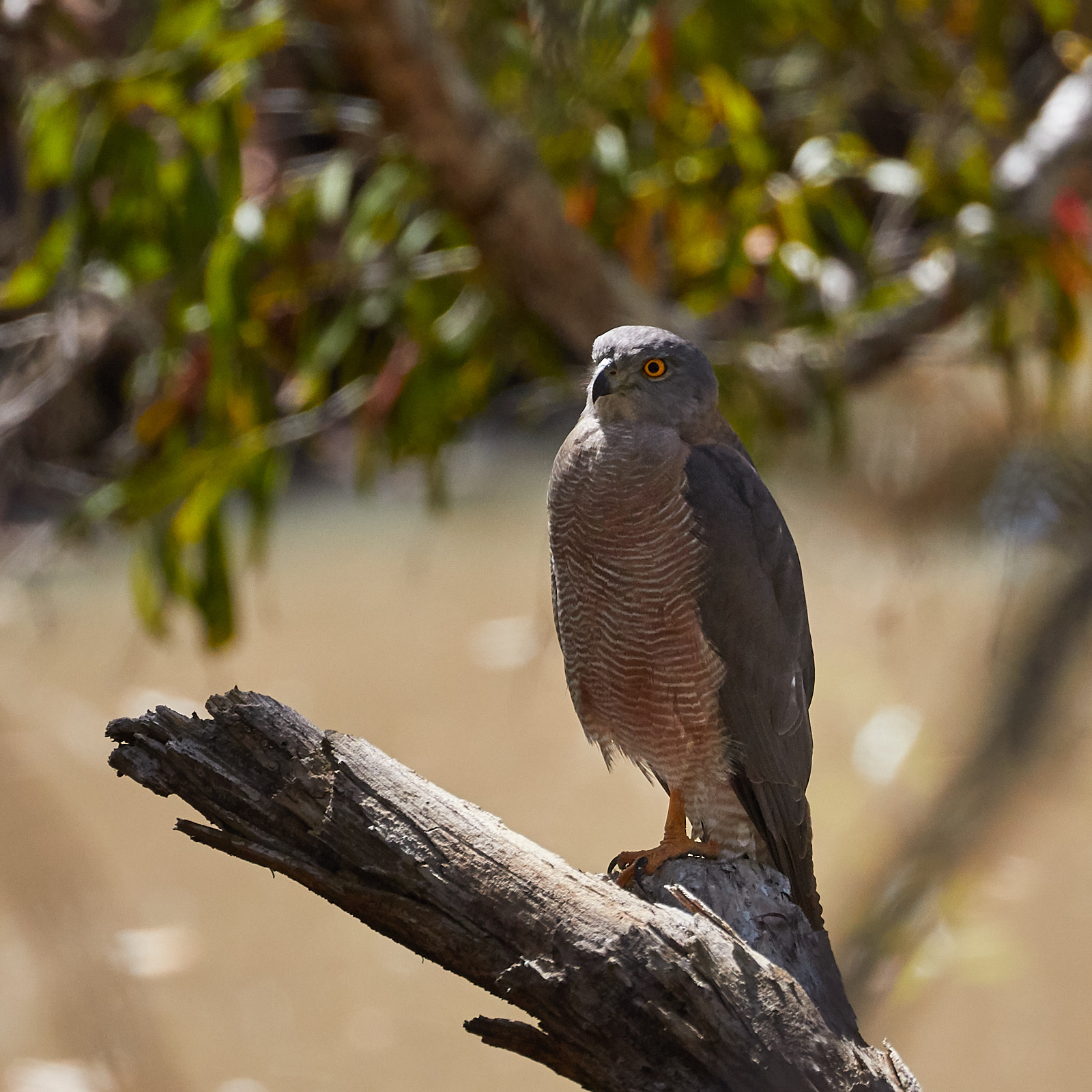
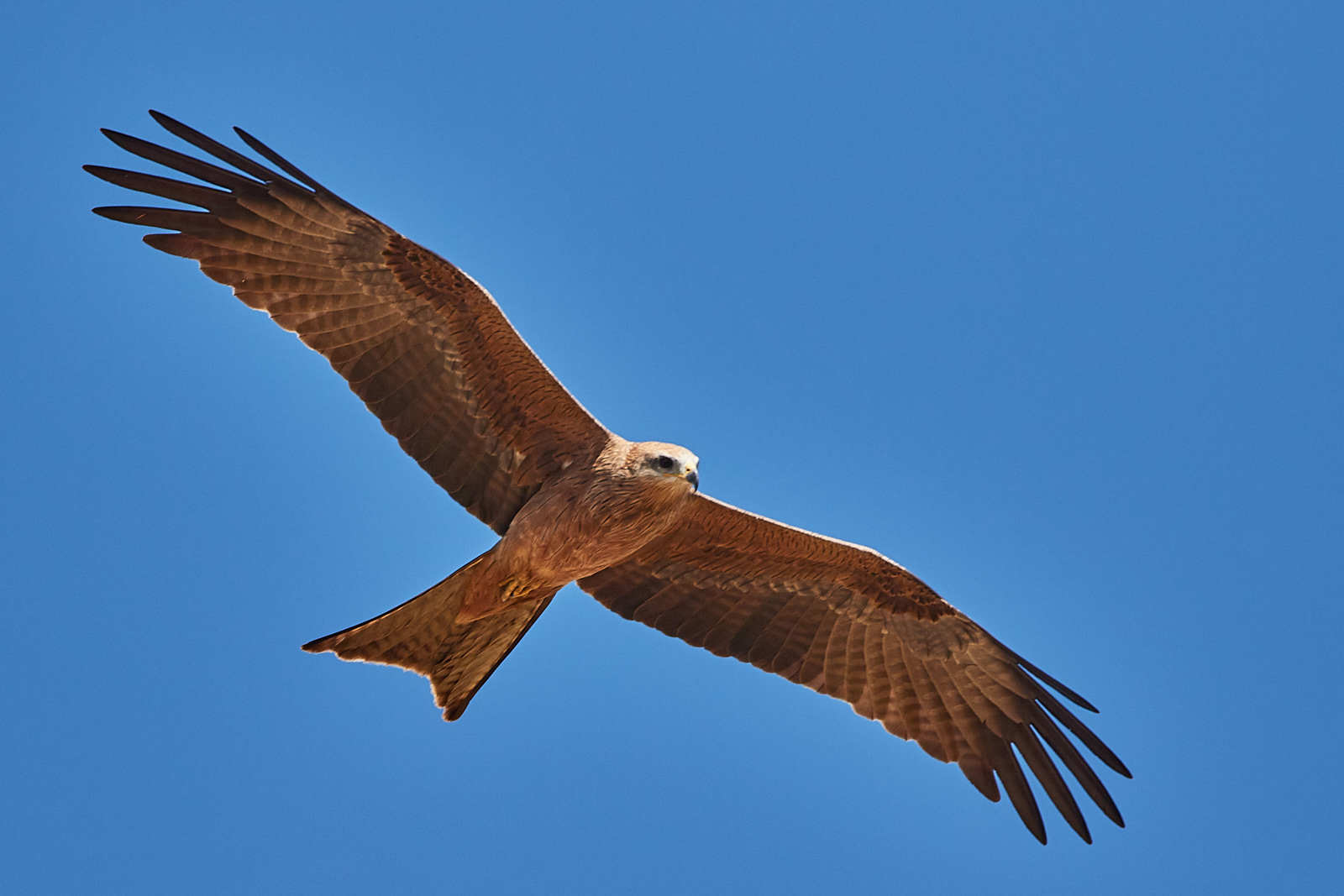
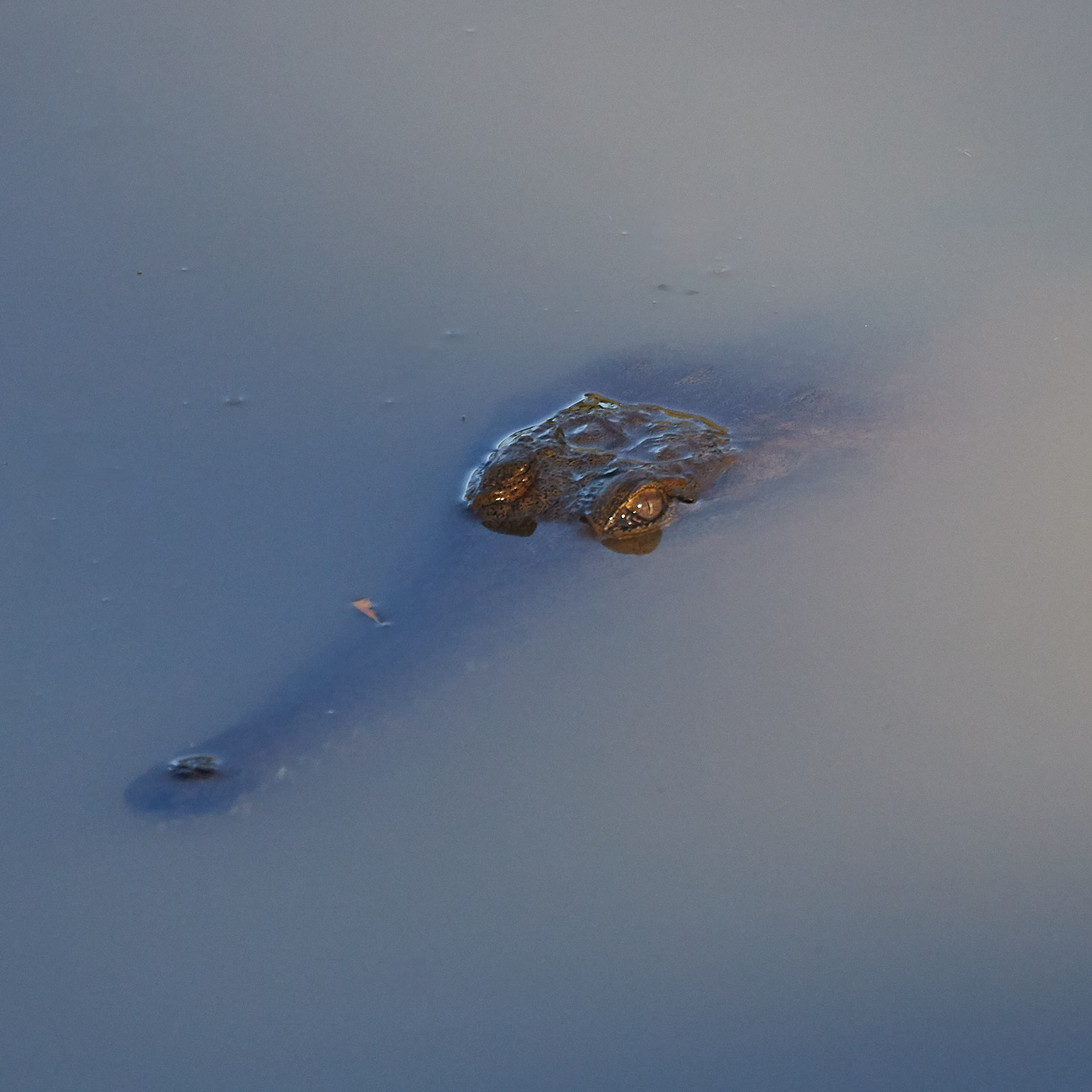
Bee-eaters and Kingfishers plied their trade around the van while Egrets and Cranes wandered along the shore 25 meters away. Magpie Geese browsed in the shallows, Cormorants and Darters fished in deeper waters. On the far bank a crocodile sunned itself. The raptors patrolled overhead.
Our last night in the Atherton Tablelands was spent at Innot Hot Springs. The west side of the tablelands is drier, the forest in the uncleared areas tends to be eucalypt rather than rainforest and the birdlife slowly changes too but we were there mainly for the hot springs. You can enjoy the raw product just by wading into the creek. The disadvantage of that is choose the wrong spot and you could be on your way to the burns unit or you could be up to your knees in cold water wondering what all the fuss is about.
Somewhere in between is the place that is just right. It’s a shallow pool scraped out of the gravel. Goldilocks has already claimed it, she’s nowhere near as attractive as you imagined and she’s probably brought the three bears with her.
The better option is to stay at the campground and enjoy the nice man-made pools within. Entry is included in the price of your accommodation. The pools are deep enough to immerse yourself in and you can choose one at a temperature that suits. Some are outdoors but the hottest are indoors. It’s not quite up to Japanese standard, you would be out of place naked, but very refreshing and extremely relaxing.
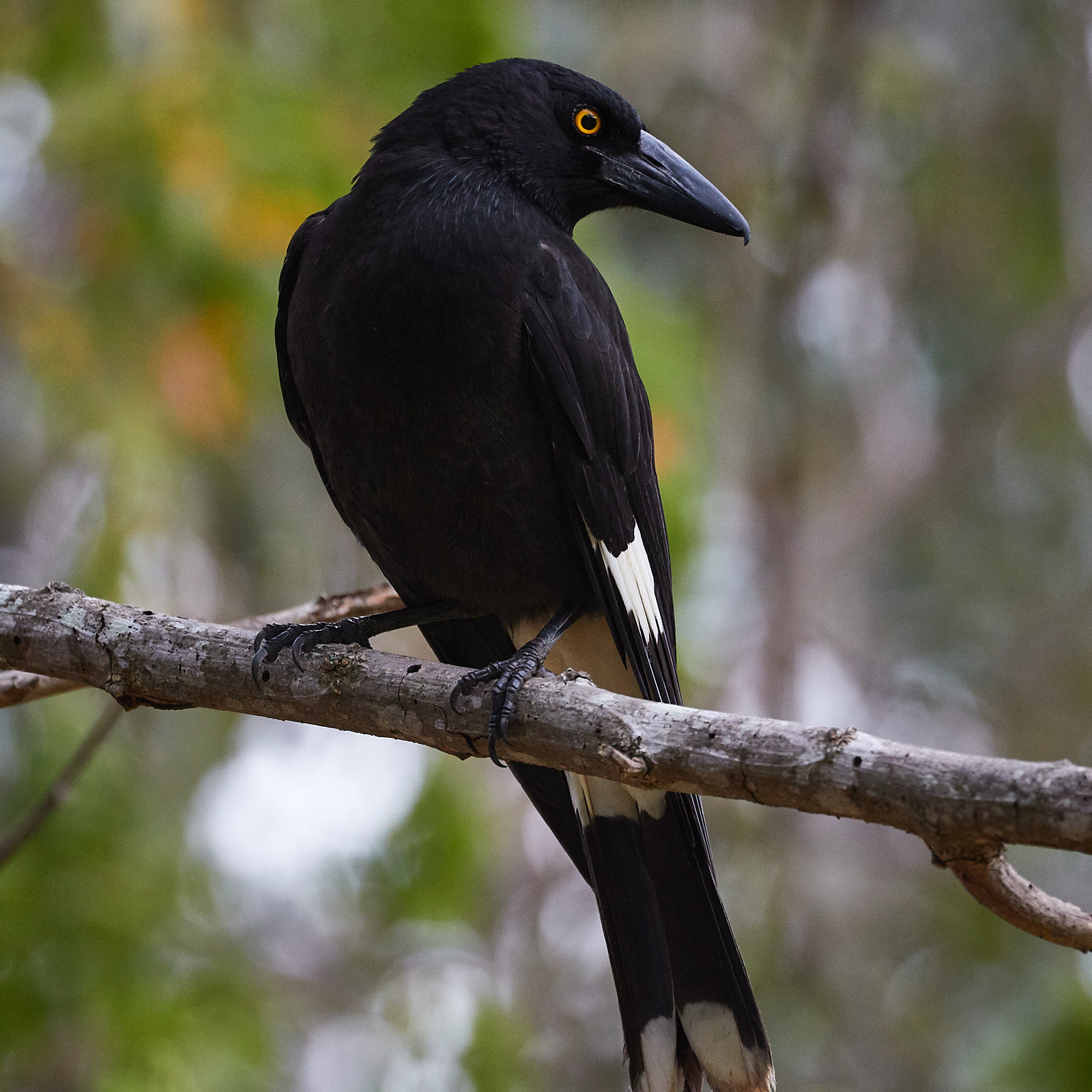
As a bonus the campground is quite pleasantly grassed and treed and adjacent to a billabong. The birds like it here too.
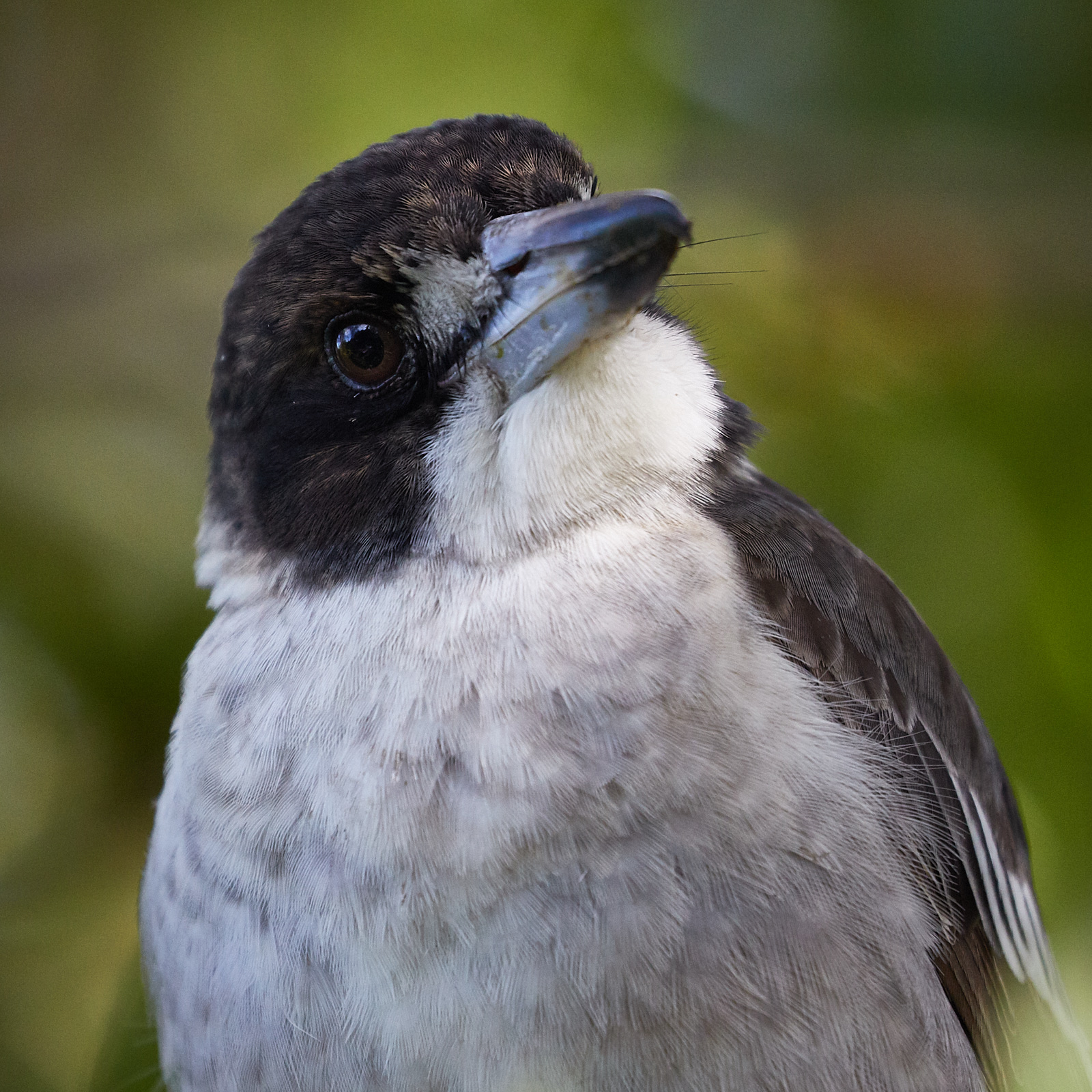
Pied CurrawongPied Butcherbird
Innot Hot Springs is on Highway 1. That is the gentler road across the base of Cape York which is the way we went this time, via Croyden to the eastern corner of the Gulf. The adventurous can take a more northerly route via the Burke Development Road – carry an extra spare wheel and don’t forget the jack!
The Dutch started the process of mapping the coast early in the 1600s as the Dutch East India Company sought to extend its profits and increase its influence. Willem Janszoon on the good ship Duyfken got the process started in 1606 sailing south of New Guinea and reaching the eastern shores of the Gulf of Carpentaria. He was followed in 1623 by Jan Carstenszoon with two vessels, the Pera and the Aernem. Their findings failed to impress the Company bosses who decided not to deploy further resources in that direction.
Notice that I always refer to mapping rather than discovery. That neatly sidesteps the fact that people had been living in the gulf country for thousands of years prior to Europeans showing an interest. There is an open question regarding the Macassan trepangers who sailed from Sulawesi in search of “edible holothurians” AKA trepang, sea cucumbers, bêche-de-mer or sea slugs. Interaction with the locals brought about some exchange of language, genes and perhaps germs and was underway before the poms began their colonisation. Did they tell the Dutch where to look or did the Dutch tell them where to go? None of the parties left a written record of how and when trepanging started.
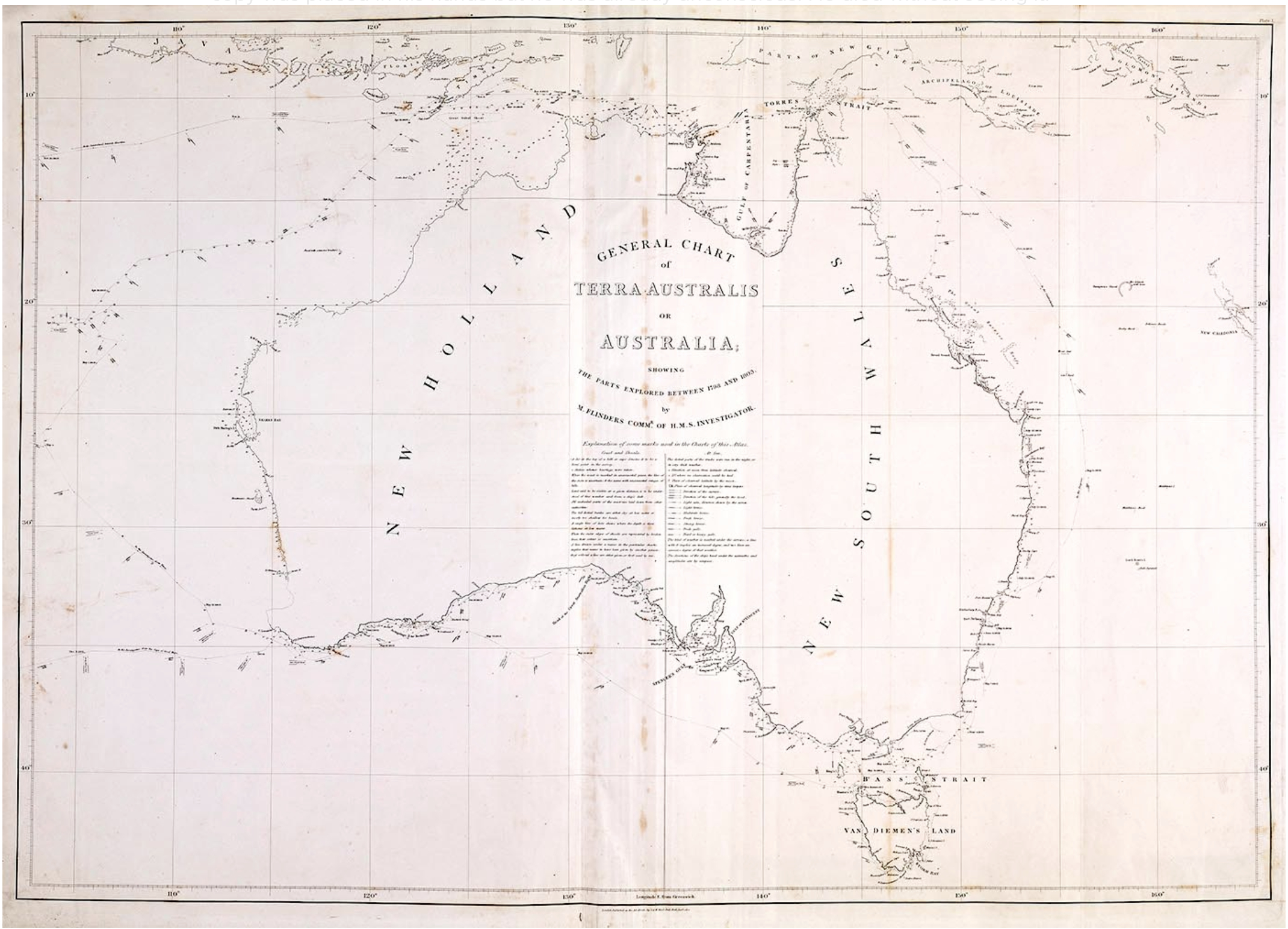
Written history recommences when the English come on the scene and get antsy about the French poking around the remoter parts of the continent. Enter Matthew Flinders and the first recorded circumnavigation. In 1802 Flinders in the Investigator charted the Gulph shores. You can read his account on the Gutenberg Project website for free at https://gutenberg.net.au. He had the Dutch charts with him and found that he had a lot of tidying up to do. As well as the surveying he also took a keen interest in the birdlife …
“Birds were rather numerous the most useful of them were ducks of several species, and bustards and one of these last, shot by Mr. Bauer, weighed between ten and twelve pounds, and made us an excellent dinner. The flesh of this bird is distributed in a manner directly contrary to that of the domestic turkey, the white meat being upon the legs, and the black upon the breast. In the woody parts of the islands were seen crows and white cockatoos; as also cuckoo-pheasants, pigeons, and small birds peculiar to this part of the country. On the shores were pelicans, gulls, sea-pies, ox-birds, and sand-larks; but except the gulls, none of these tribes were numerous.“
A Voyage to Terra Australis Vol 2
By the end of the voyage the map looked like this …
and note the name “Australia”. The word first appeared in print on a world map in a German astronomical treatise published in 1545. It is unknown if Flinders knew this and adopted it or coined the word anew.Certainly he popularised it so either way it is to him that we should give thanks for our name.
The Gulf was left to itself for a while. Meanwhile King in HMS Mermaid surveyed the Kimberley region and also found a suitable place for a settlement north of present day Darwin. A colony was founded at the second attempt in 1838 at Port Essington. It would be abandoned in 1849.
In 1841 attention swung back to the gulf when J. Lort Stokes in the Beagle refined some of Flinders work and discovered the Albert River which he ascended in a longboat for a considerable distance. He was impressed with the grazing prospects on the banks.
With the seaside sorted it was now time for a land based expedition to find where to put the hotels and ice-cream parlours and establish a route for the cattle to reach the rich grazing lands. First out of the blocks was the enigmatic Ludwig Leichhardt leading a private expedition. He gets a mixed press. Sometimes portrayed as a hero sometimes as a bit of a nutter. He was from Germany via England. He had studied at university but never received a degree, continued a study of natural history and botany in England and France again without gaining formal qualification. He and his party with one exception had little or no experience in the Australian bush. He was volatile and involved in at least one fist fight in the course of the expedition.
At the last minute the party was joined by John Gilbert a distinguished ornithologist and collector who did know what he was doing. Unfortunately he died of a spear wound along the way.
The party sailed to Moreton Bay then set off overland in October 1844. Leichhardt arrived in Port Essington on 17 December 1845 after traveling roughly 4800km. The return journey was by ship. He received a hero’s welcome. He went on to lead two more expeditions neither of which was a great success. The second was quickly abandoned due to illness. The outcome of the third is unknown – no one returned to tell us. It may have ended somewhere in the Great Sandy Desert.
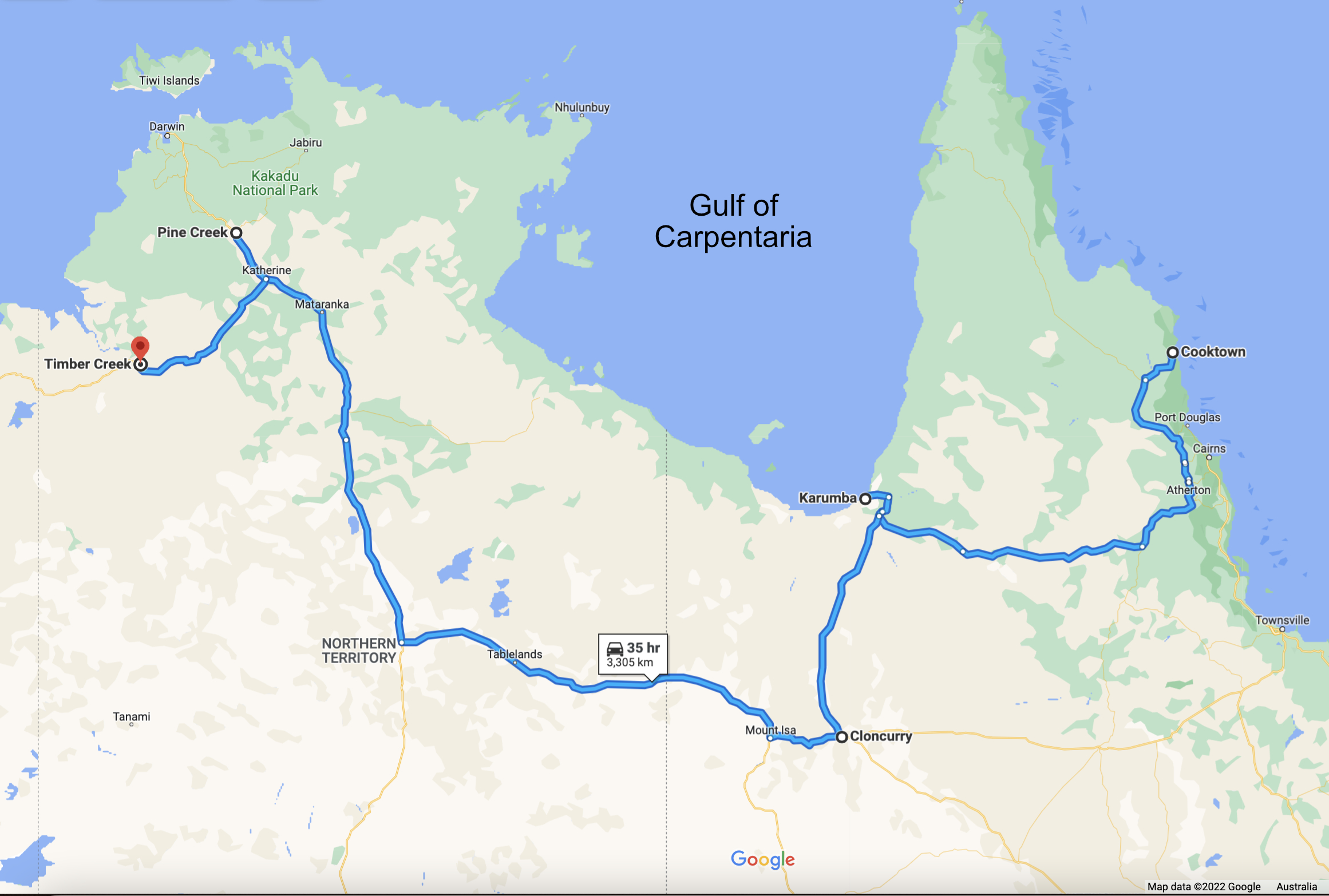
Next up was Augustus Charles Gregory. His party sailed from Moreton Bay in August 1855 around Cape York and west past the then abandoned Port Essington to the Victoria River not far from the present day town of Timber Creek NT and the WA border. After exploring south and west he headed east across the gulf pretty much retracing Leichhardt’s steps. Along the way he found a river that Leichhardt had misidentified as the Albert and was kind enough to name it the Leichhardt River. Gregory went on to a very distinguished career.
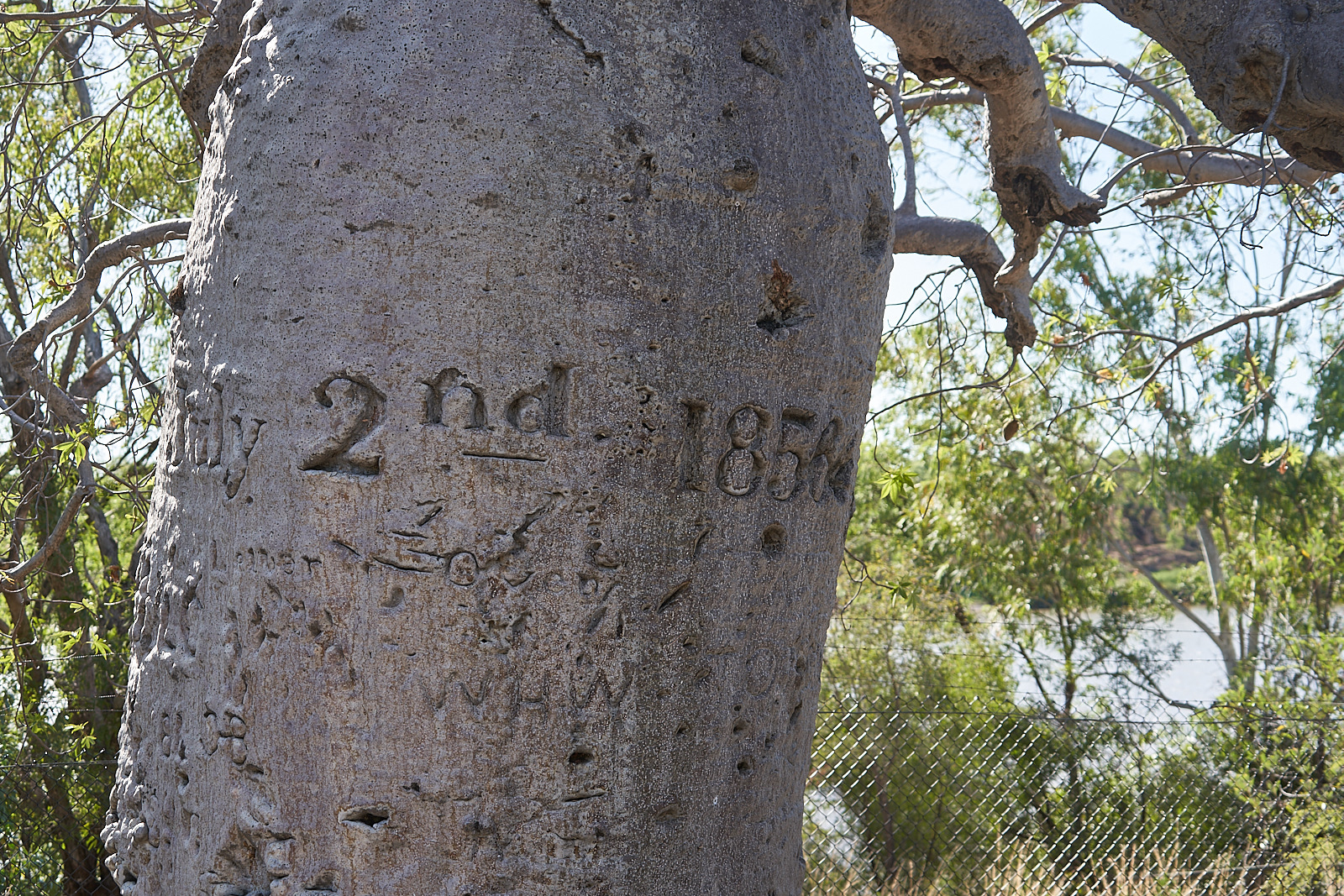
Gregory’s tree with the Victoria River in the background
There is a Boab at Gregory’s base on the Victoria river bearing an inscription. Sir Ferdinand Jakob Heinrich von Mueller, Australia’s most famous botanist described and named the species Adansonia gregorii in honour of his leader. So it truly is Gregory’s tree.
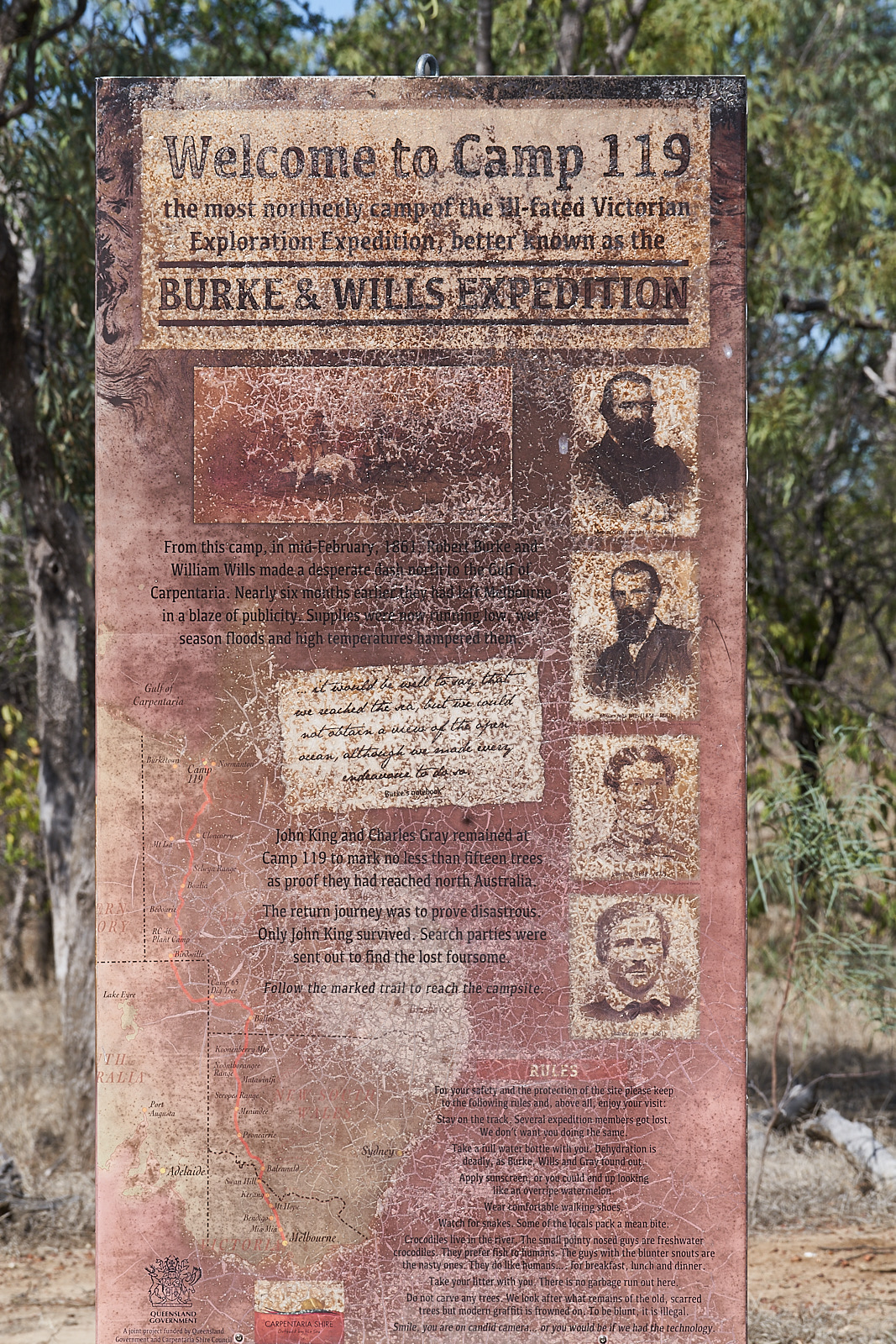
In 1861 Burke and Wills on their expedition north from Melbourne crossed the tracks of these parties on the east side of the gulf.
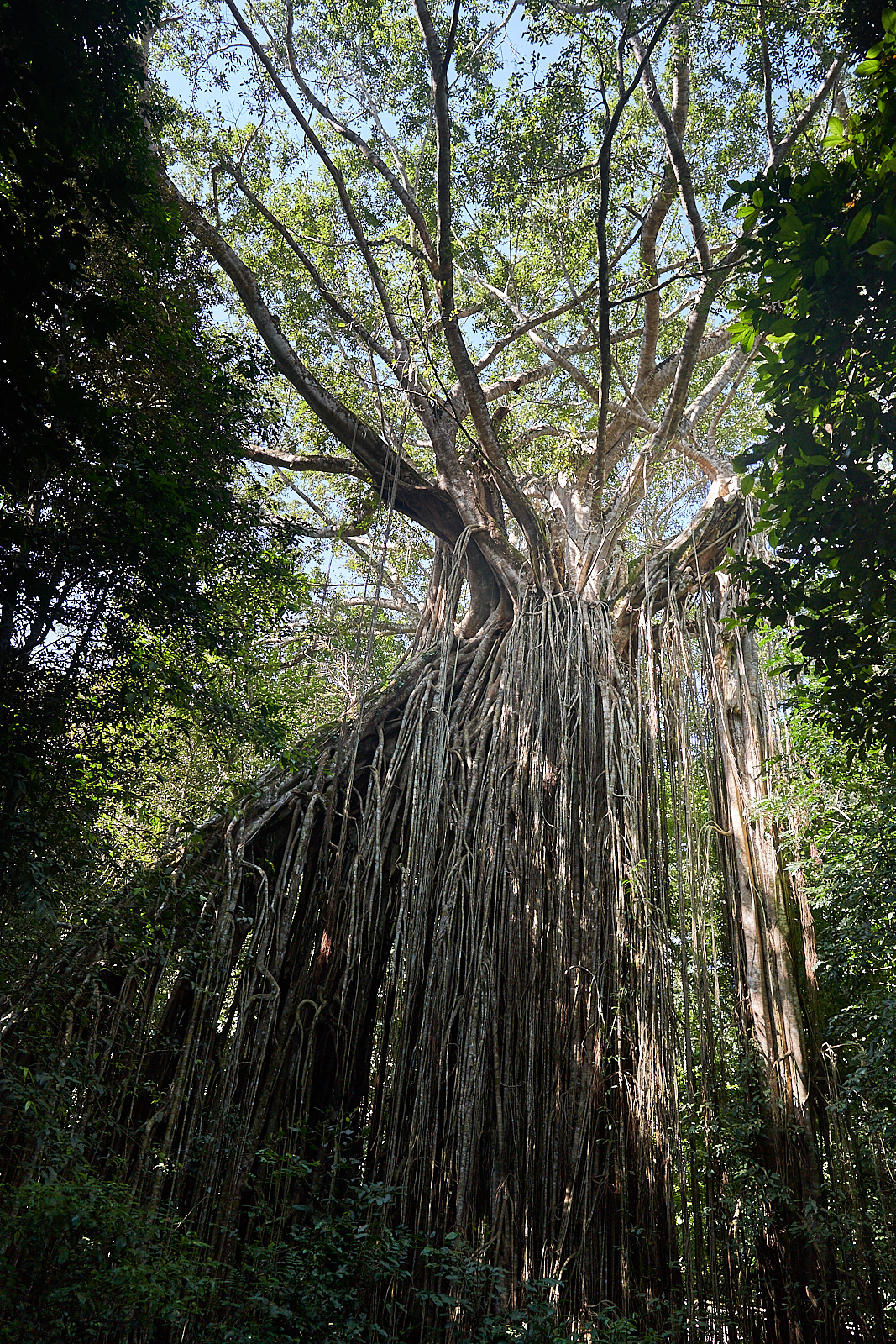
Moving south on the Atherton Tablelands brings you in easy reach of the crater lakes and some fine rainforest remnants. Lake Eacham and its surrounding forest survived because of its scenic splendour when surrounding land was carved up for agriculture and is now preserved as national park in the World Heritage listed Wet Tropics. It makes a good base for exploring the region.
The lake originated when molten magma came into contact with ground water suddenly producing so much steam that an explosion ensued. In other words it’s a maar. Lake Barrine is another example. The Atherton Volcanic Province covers an area of 1800 square kilometers with 52 eruptive centres. It’s been quiet for the last 10,000 years which may mean it’s extinct … or perhaps not.
The avid bird watcher will want to visit both these lakes as well as other rainforest remnants, Hasties Swamp and Hypipamee National Park. One evening the sunset should be enjoyed at Bromfield Crater where hundreds of Brolga and Sarus Cranes fly in to spend the night. Spectacular but dress warmly!
The Atherton region is the richest birding hot spot in Australia. From mangroves and mudflats at the coast via lowland rainforest, wetlands, agricultural country to cool tropical forest at the top of Mount Lewis there is diversity every step of the way. Any budding birder would do well to make it their next holiday destination.
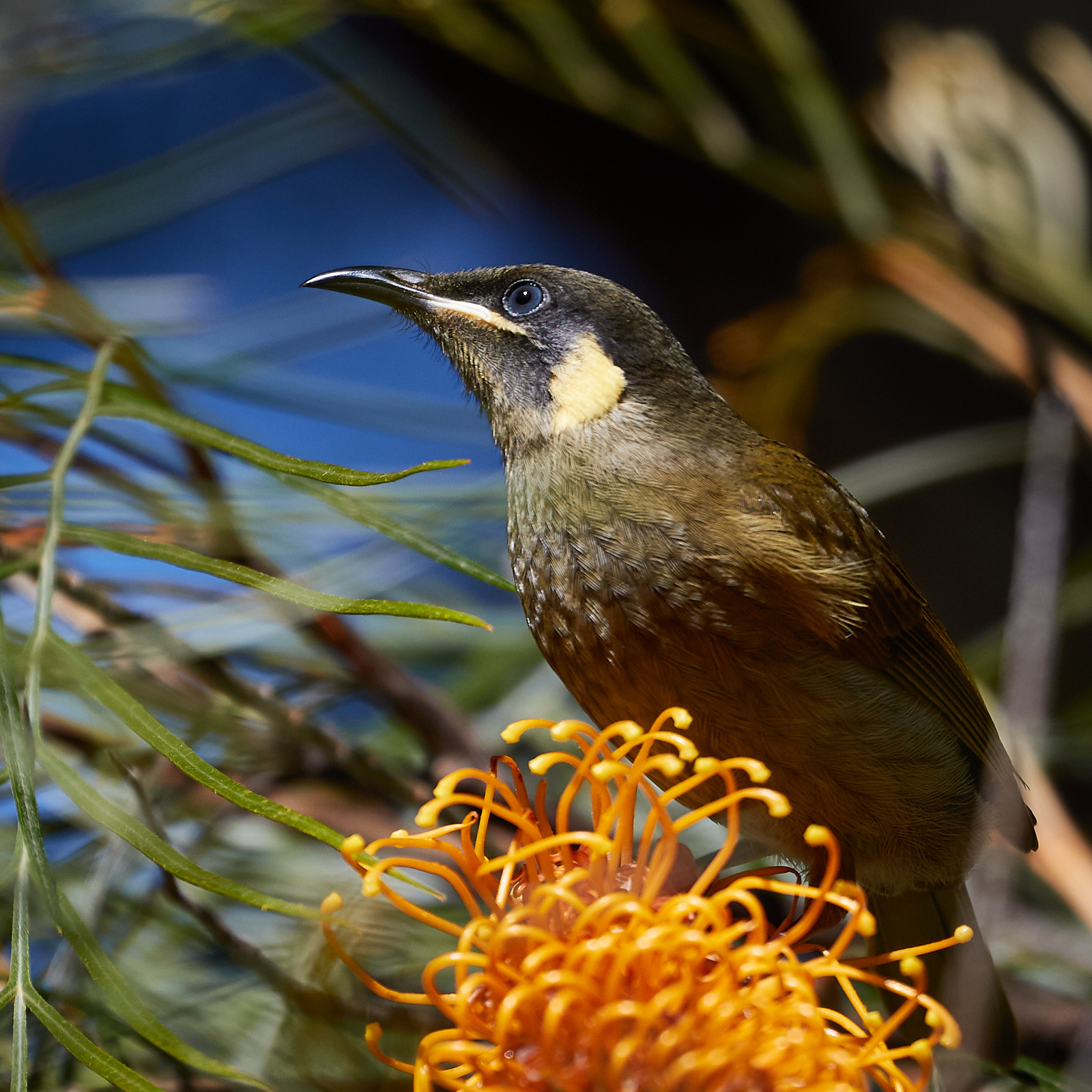
We stayed at Wetherby Station for a few days. It’s an old favorite of mine because it is handy for Mount Lewis and beautiful in its own right. It is a working cattle property which offers some accommodation options. It seemed to be just waking up from a covid induced slumber, hopefully it will be in full swing again soon. Without going out the gate you have three lagoons, some gardens, woodland and pasture. Just down the road along Rifle Creek there is some rainforest where you can find Pale Yellow Robin and Lovely Fairywren.
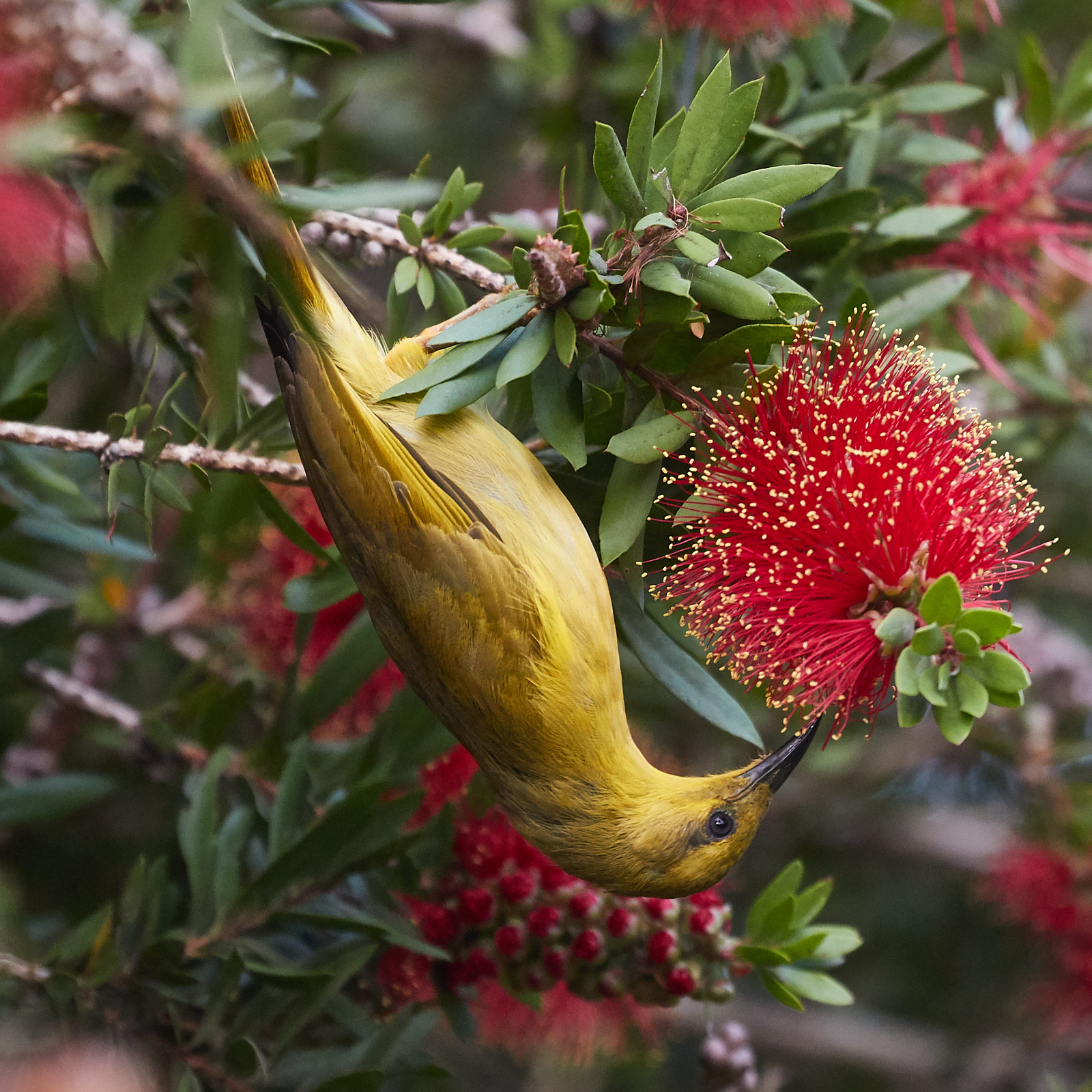
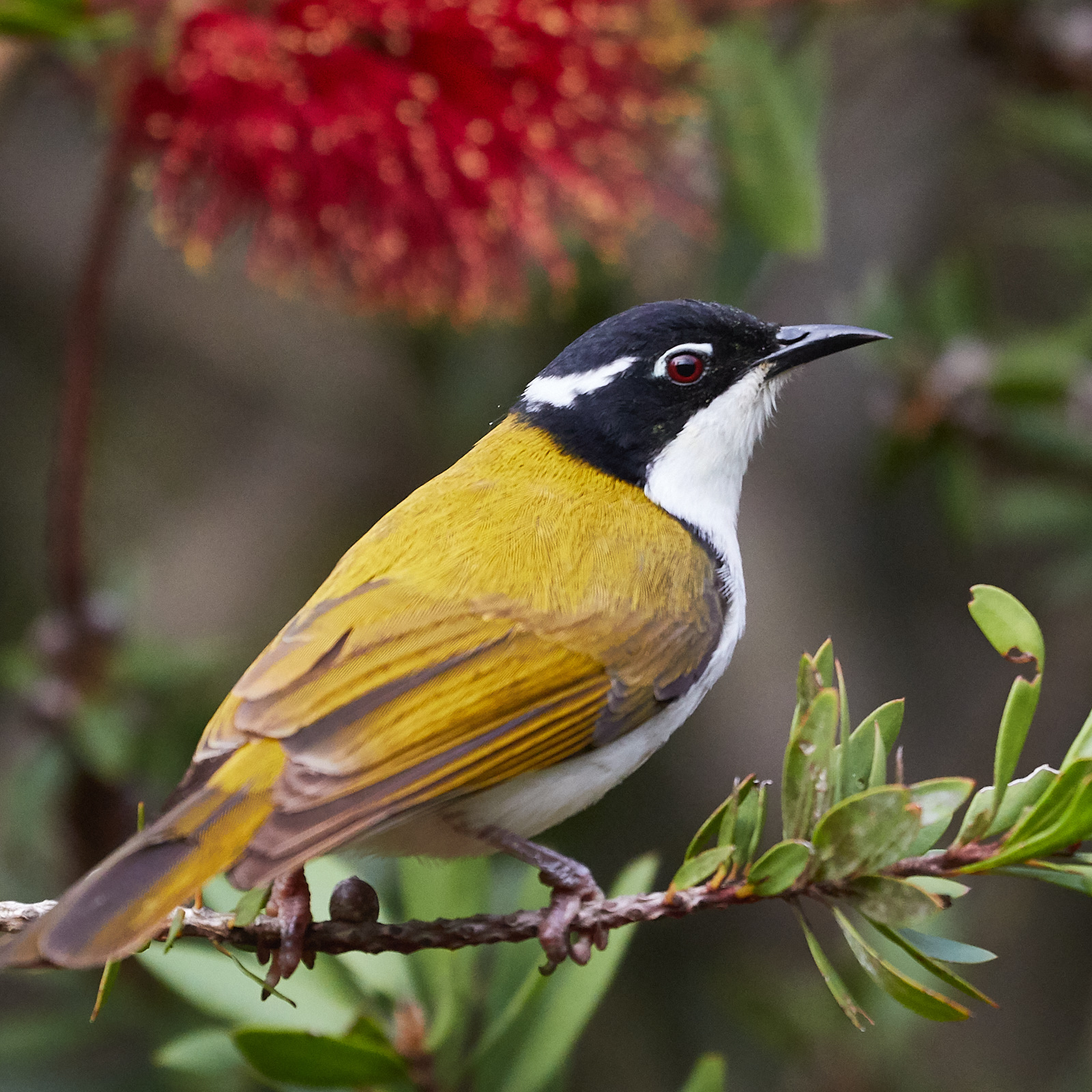
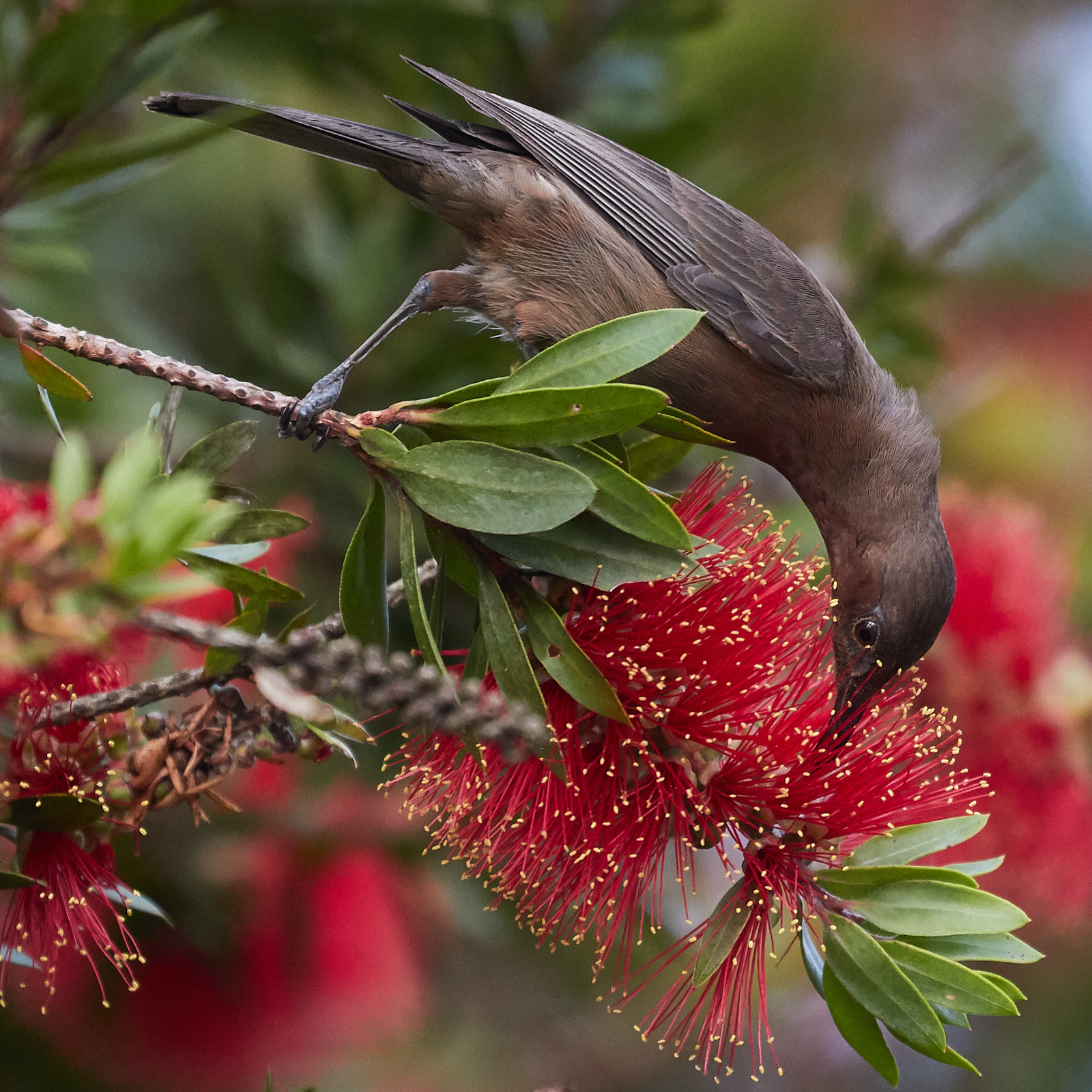
Some time in the garden was well rewarded. You’ve gotta love callistemon …
The starting point for the westerly leg of this year’s big trip, a journey that will follow the paths of great explorers and cross the paths of other great explorers. But before we leave let me revisit Cook’s contribution to the map of Australia.
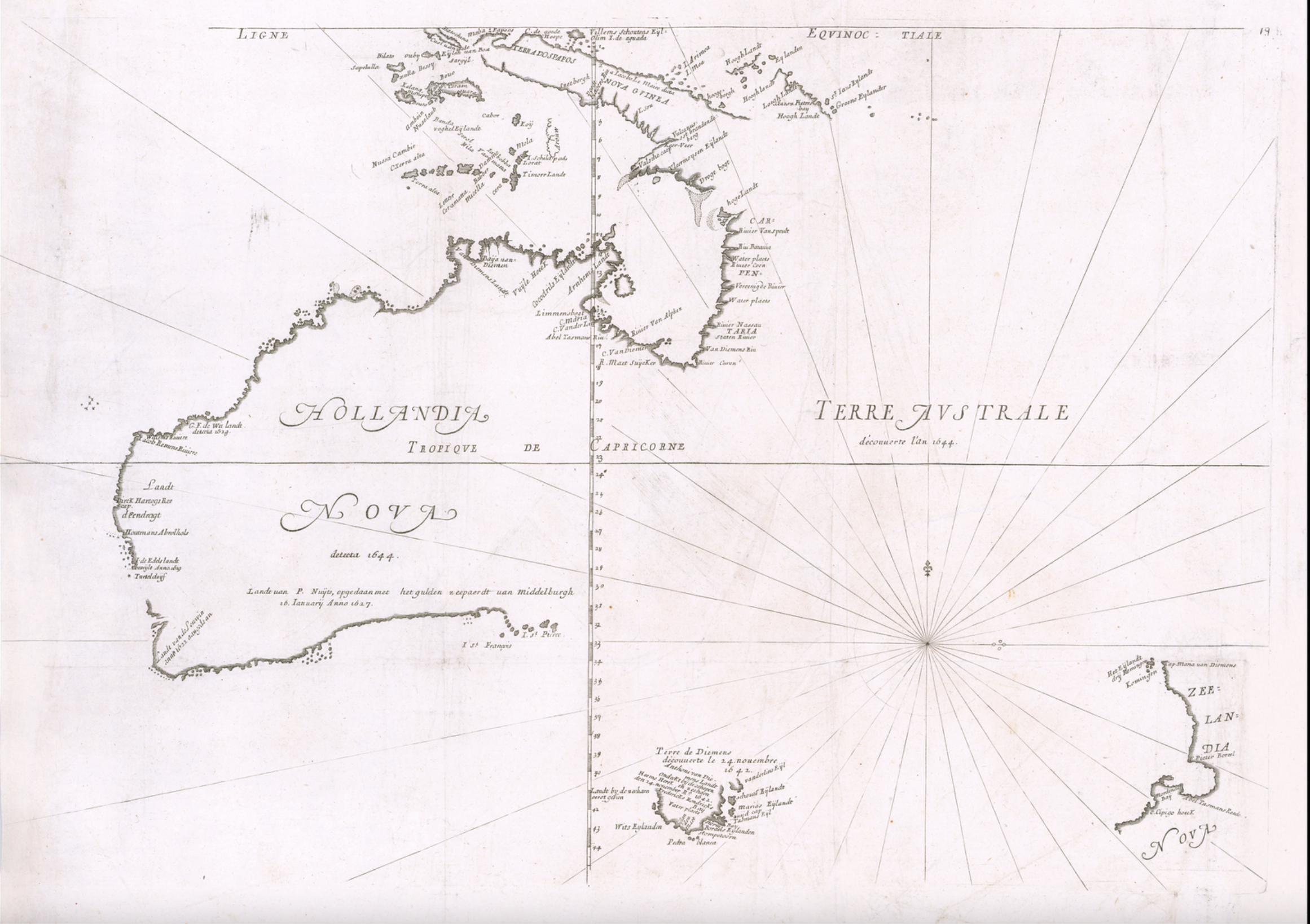
Take a Captain Cook at this map …
It was published around 1672 by Melchisédech Thévenot in his famous Relations de divers Voyages. It’s based on the work of the Dutch explorers including the then recent discovery of Van Dieman’s Land and Nova Zeelandia by Abel Tasman. Note that New Holland is still attached to New Guinea despite Luís Vaz de Torres having sailed through the strait that now bears his name in 1606. New Zealand is pretty sketchy although the Banks Peninsula helps align it with modern maps.
What Cook did do was put the east coast of Terre Australe and the west coast of Nova Zeelandia in something like their proper places. He knew they had to be there, in 1770 he went and found them. What he didn’t do was discover Australia. I don’t think that diminishes his achievements in any way. He was an outstanding mariner, explorer and servant of his country. They did it tough in those days.
So now to the next leg of my little foray equipped with inner spring mattress and air conditioning.
Don’t miss the next exciting episode in which we visit the Atherton Tablelands.
Posted from Coober Pedy which looks very much like the moon will look when we get around to mining it.
I have a friend whose mother used to send her to school with garlic sandwiches for lunch. For me it could be banana mashed onto bread, sprinkled with sugar and covered with another slice of bread. By lunch time it was slightly liquid and somewhat brown but still better than garlic. Bread and jam, cheese and pickle, gee they were the days.
Sugar cane is a grass. It can be grown from seed but commercially it is grown from cuttings. It takes 12 to 16 months to reach 2 to 4 meters tall before being harvested between June and December. Two or three harvests are taken from a stand before replanting. It requires plenty of rainfall and will not tolerate frost.
When the harvest is in full swing in Queensland narrow gauge railway trains ferry the cane to the mills frequently crossing the roads keeping drivers on their toes. The traffic may well be traveling slower already because of more cane being moved by tractors and trucks.
The cane goes into the mill. Sugar comes out. Bags of mulch also come out. These are shipped to Victoria where we put it on our gardens. Does anything else come out?
Sugar Mill, Tully, Qld.
Banana is not a grass nor is it a tree. It is a large flowering herb. The banana fruit is technically a berry but these days berries without seeds. The wild bananas that the modern varieties hail from had large seeds that tended to break teeth.
After planting it takes 12 to 18 months to produce a bunch of 150 to 200 bananas. After harvesting the trunk (stem) of the plant is cut through at about head height. The standing part nourishes new sucker plants that go on to produce the next crop.
Within the plantation different plants are producing bunches at different times. The forming bunch is bagged to protect the fruit. The bags are usually colour coded to simplify harvesting fully formed but still green bunches. These are broken into hands, packed and shipped at 14-16°C. Mothers then mash them and sprinkle on some sugar.
I am a long way behind in this account of my travels partly because of poor internet access. This will only get worse as I disappear into the red centre. I will post again when I can.
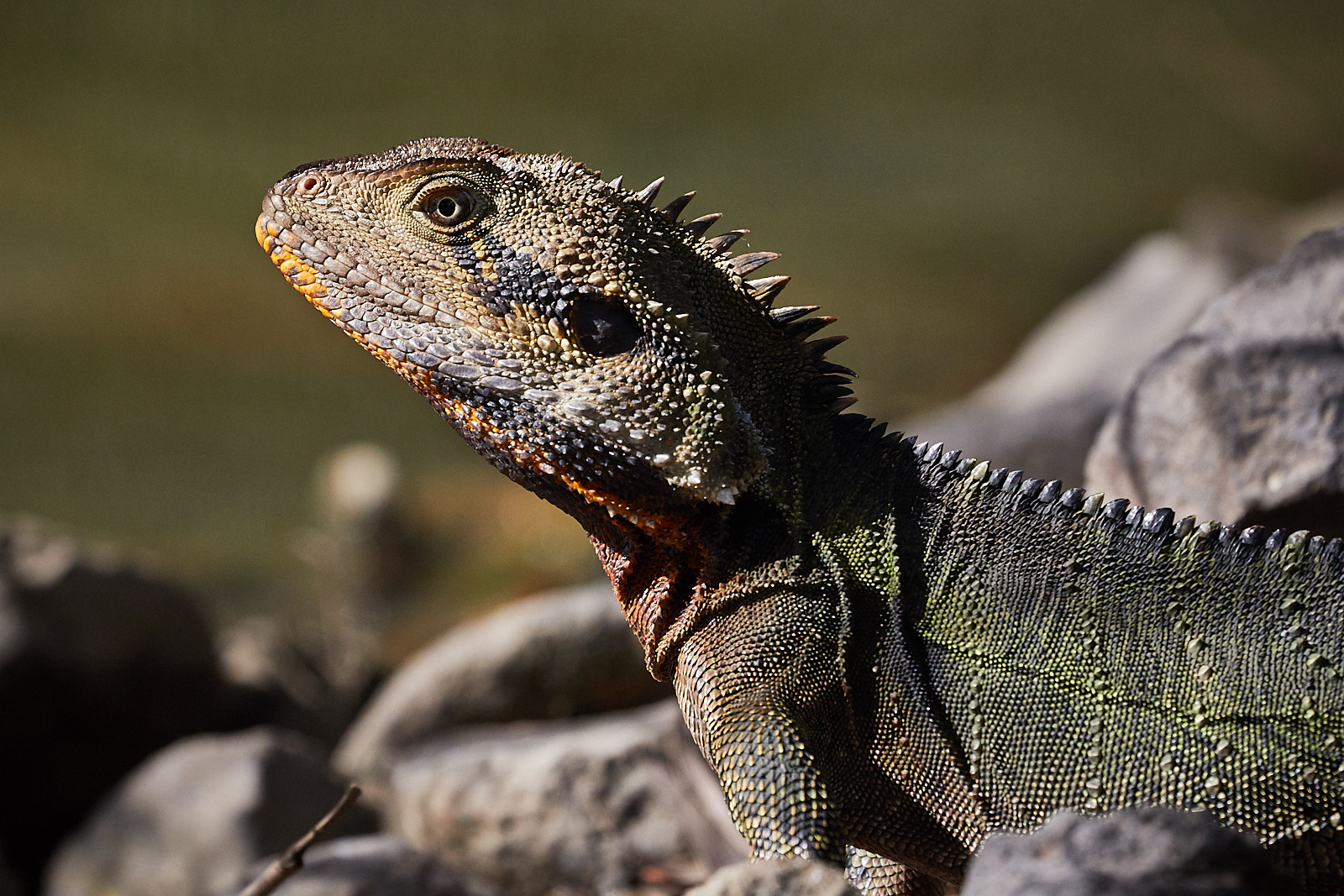
We left Hervey Bay and Southeast Queensland heading north on the Bruce Highway. Sugar and bananas soon the order of the day. Bundaberg turns sugar into rum and ginger beer and it also has a very lovely botanical gardens where the Kreffts Turtles will chase after you as you walk around the pond. They show little more than their nostrils so not particularly photogenic. On the other hand these guys are way more impressive …
Eastern Water Dragon
… not to be confused withe the accounts lady at the Water Supply company.
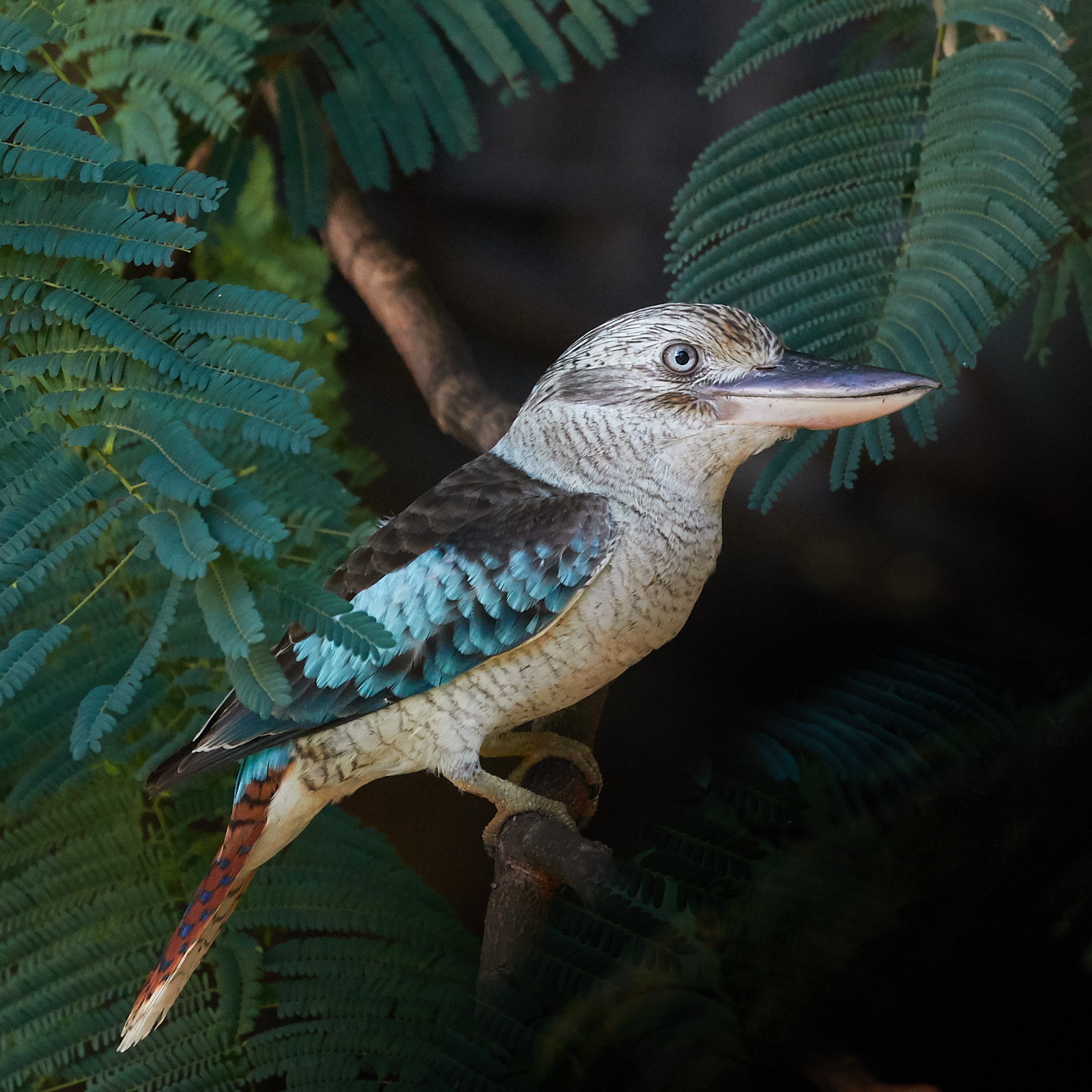
You cross the Tropic of Capricorn just before reaching Rockhampton. From now on a swim in the sea comes with the risk of Saltwater Crocodiles, Irukandji and Box Jellies. Kookaburras that do not laugh become more common …
Blue-winged KookaburraLaughing Kookaburra
The Blue-winged Kookaburra has a pale eye and a hoary head. The Laugher has a broad dark line through its dark eye and the crown of its head is pale. Both have some blue in the wings, one more than the other. The Blue-winged Kookaburra has a raucous call but never breaks into a full hearty laugh.
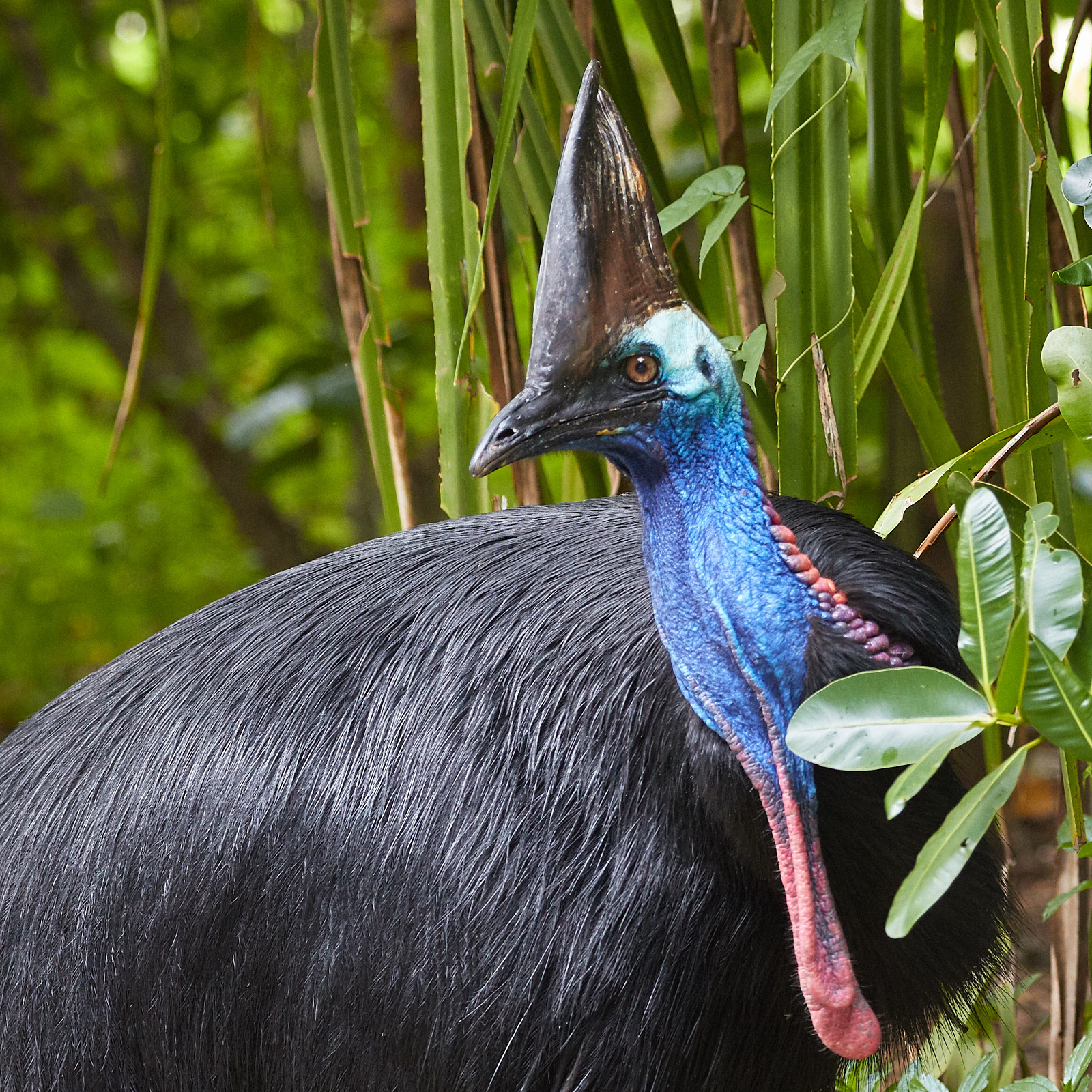
The Cassowary Coast is next and Etty Beach and Coquette Point near Innisfail are fairly reliable spots for finding the elusive and magnificent Cassowary …
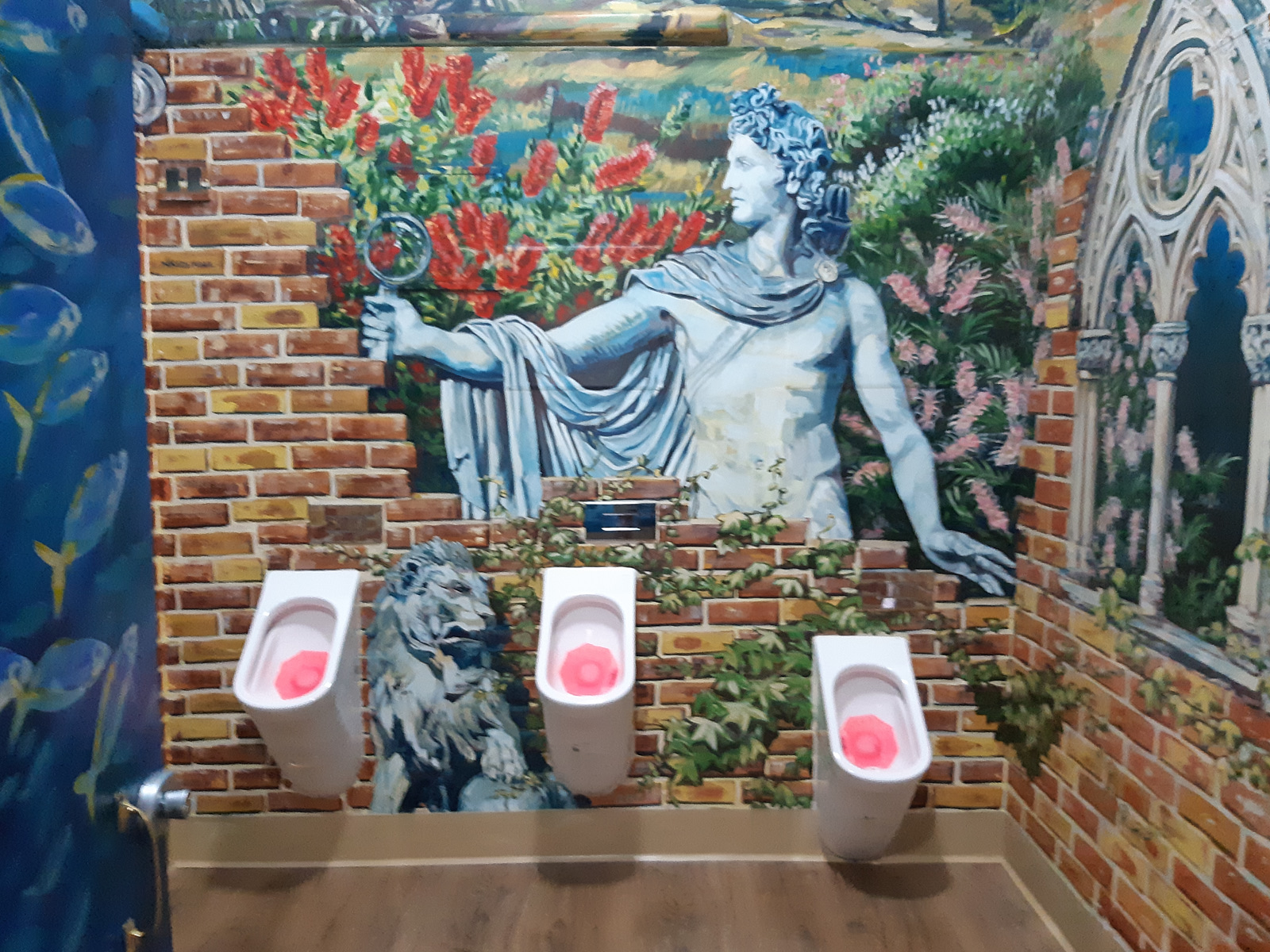
The toilets in Maryborough are so much better than the toilets in Maryborough. On the other hand the train station in Maryborough knocks the train station in Maryborough into a cocked hat.
I have good friends at home in Maryborough, Vic who rode their bikes to Maryborough, Qld. Hats off to them, sterling work. They rode from a goldrush town of about 8,000 souls about 1,900km to a goldrush town about three times as large (and wetter and warmer).
Currently putting a smile on many a face in Maryborough, Qld is the Cistern Chapel, public toilets that have been given a bit of a lift …
The railway station though is a superannuated wooden shack from which you can catch a bus to a real station. Whereas in Victoria we have a grand edifice.
VicQld
Any Victorian Marybourian will tell you that Mark Twain described the place as a train station with town attached (although any Twain scholar will tell you he said no such thing). Queensland Marybourians sometimes say that the plans simply went to the wrong address like half their mail, although I have heard that it was Mumbai that was expecting the plans to be delivered there.
The other big difference is the pronunciation. In Vic we are rather formal and say Maryborough. In Queensland they shorten it to Mary-bra (think Edinburgh).
It has a lovely park by the Mary River in which I saw a Kooka-bra.
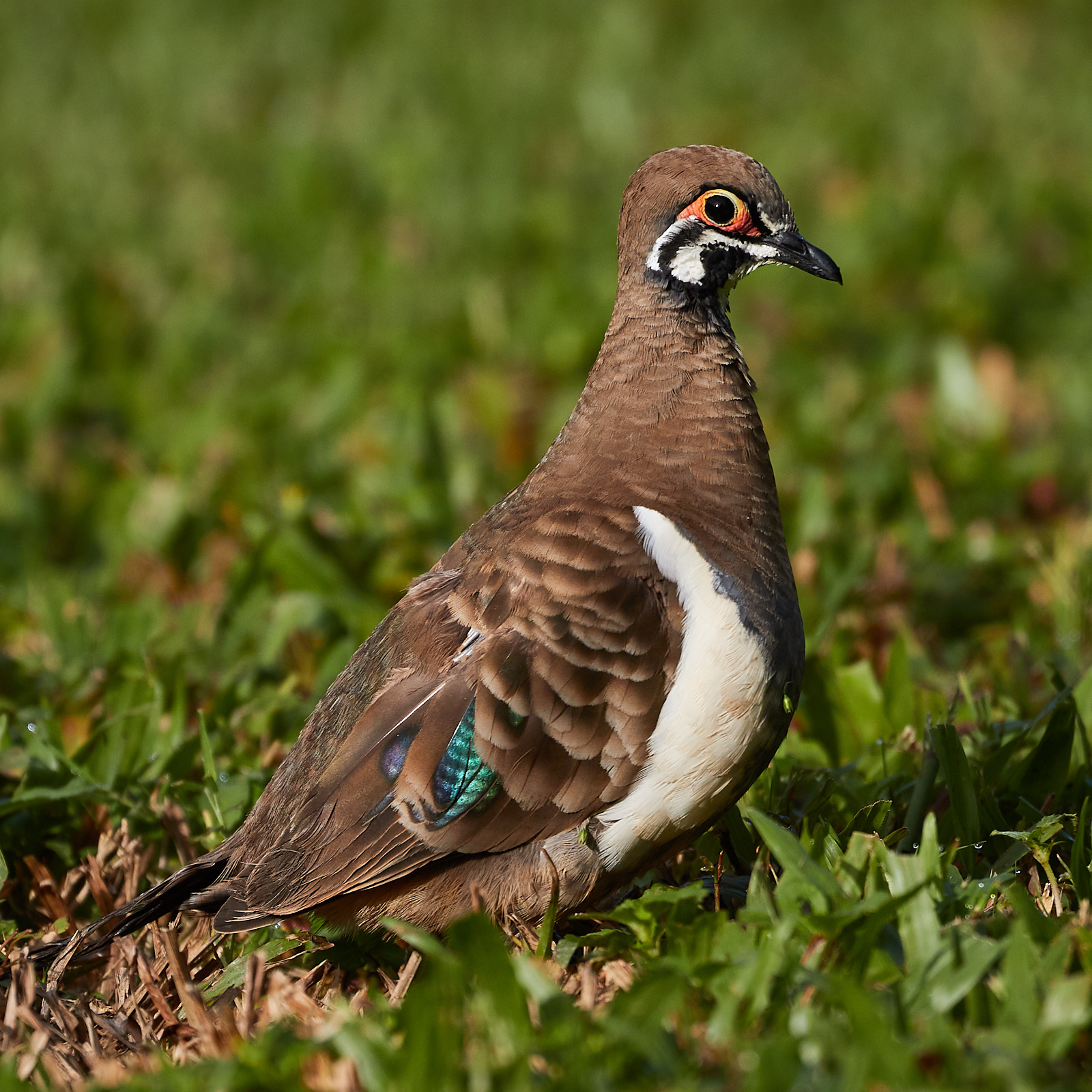
Another world, beautiful one day perfect the next, where education is so lacking that beer is spelt XXXX and the premier can’t even pronounce her own name. But beautiful nonetheless, even in the rain. First priority in South East Queensland was the endemic Black-breasted Buttonquail. I recruited expert help in the form of Roy Sonnenberg, bird guide extraordinaire. We found many good things …
but we did not find the Buttonquail. As they feed they clear away the leaf litter leaving cleared circular areas called platelets. Roy regaled me with tales of the many occasions he had watched them at work rapidly churning out platelet after platelet. He found me excellent examples of platelets. The Buttonquails themselves were not to be found.


















 bobmcgee