Banana Well …

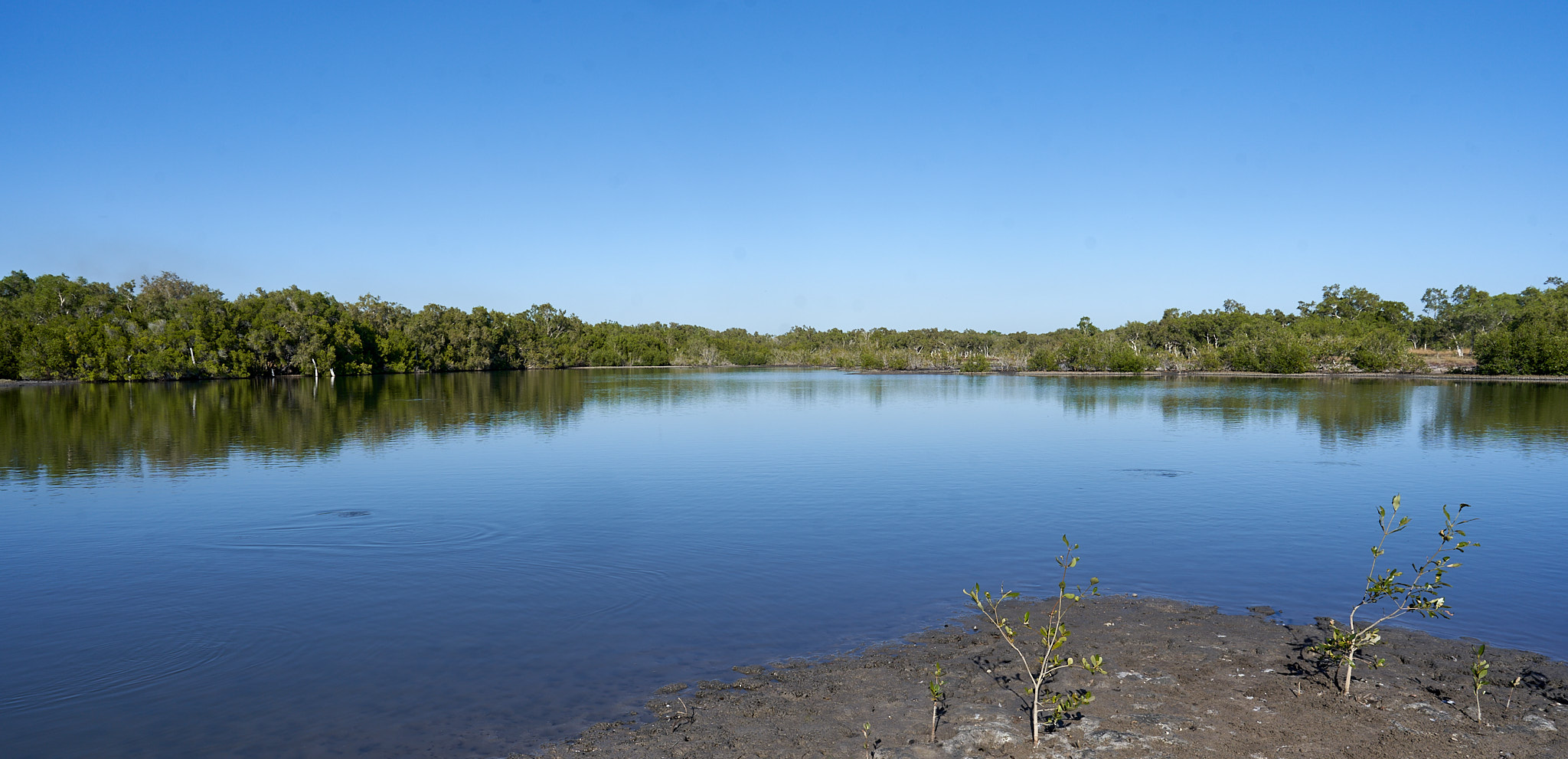
About half way between Cygnet Bay and Broome, close to the community of Beagle Bay, there is a turnoff to the west that leads to Banana Well. The road is unmade and presently the last 4km is pretty rough. The camp site is grassed and the facilities are adequate. There are some ponds adjacent to the camping area. It’s a couple of kilometres from the “beach” across tidal flats that are not without hazard. It’s a great spot for the birdo, hopeless for a family beach holiday, seems popular with some fisher folk but would be a bugger of a place to launch a boat.

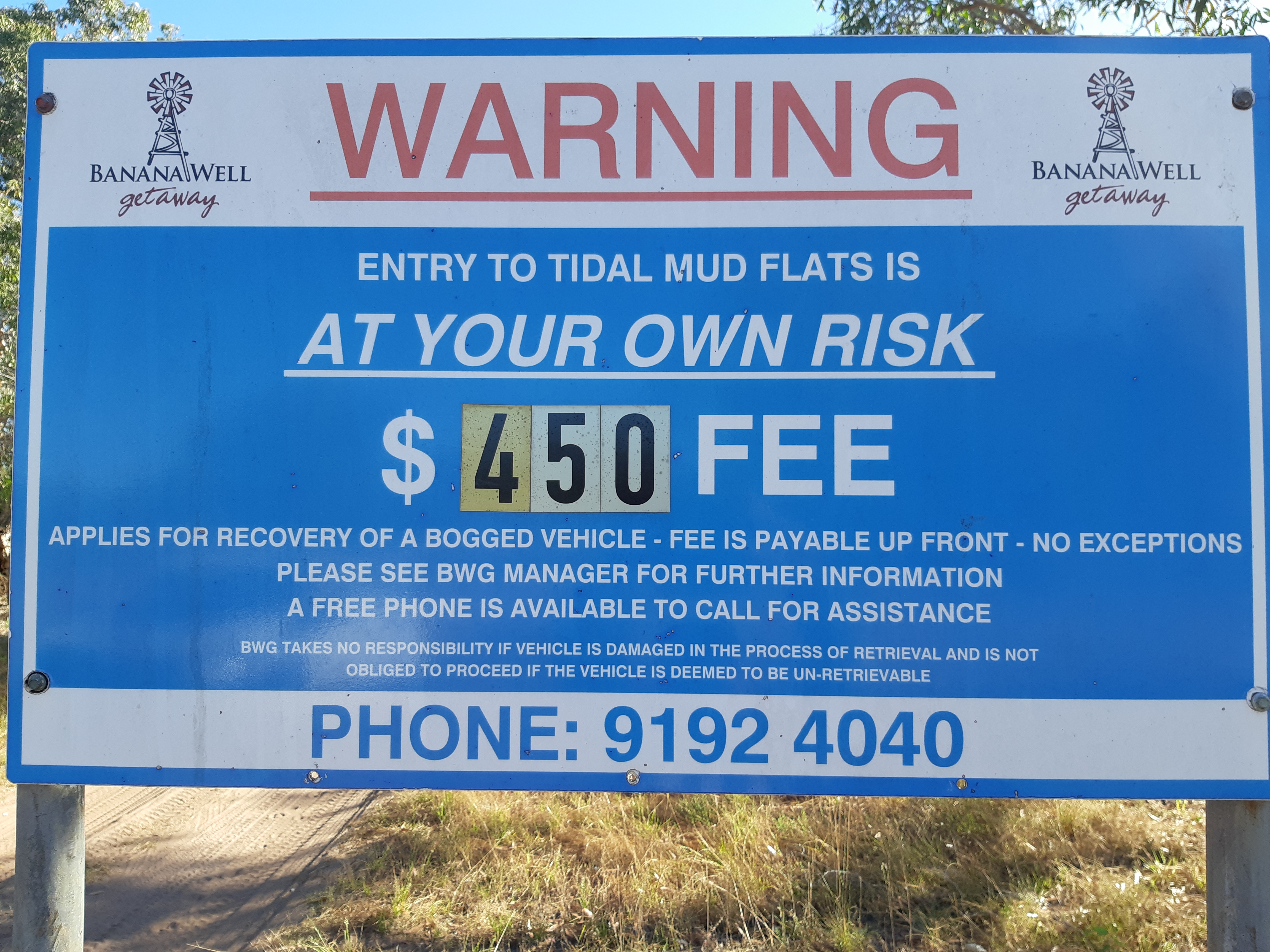
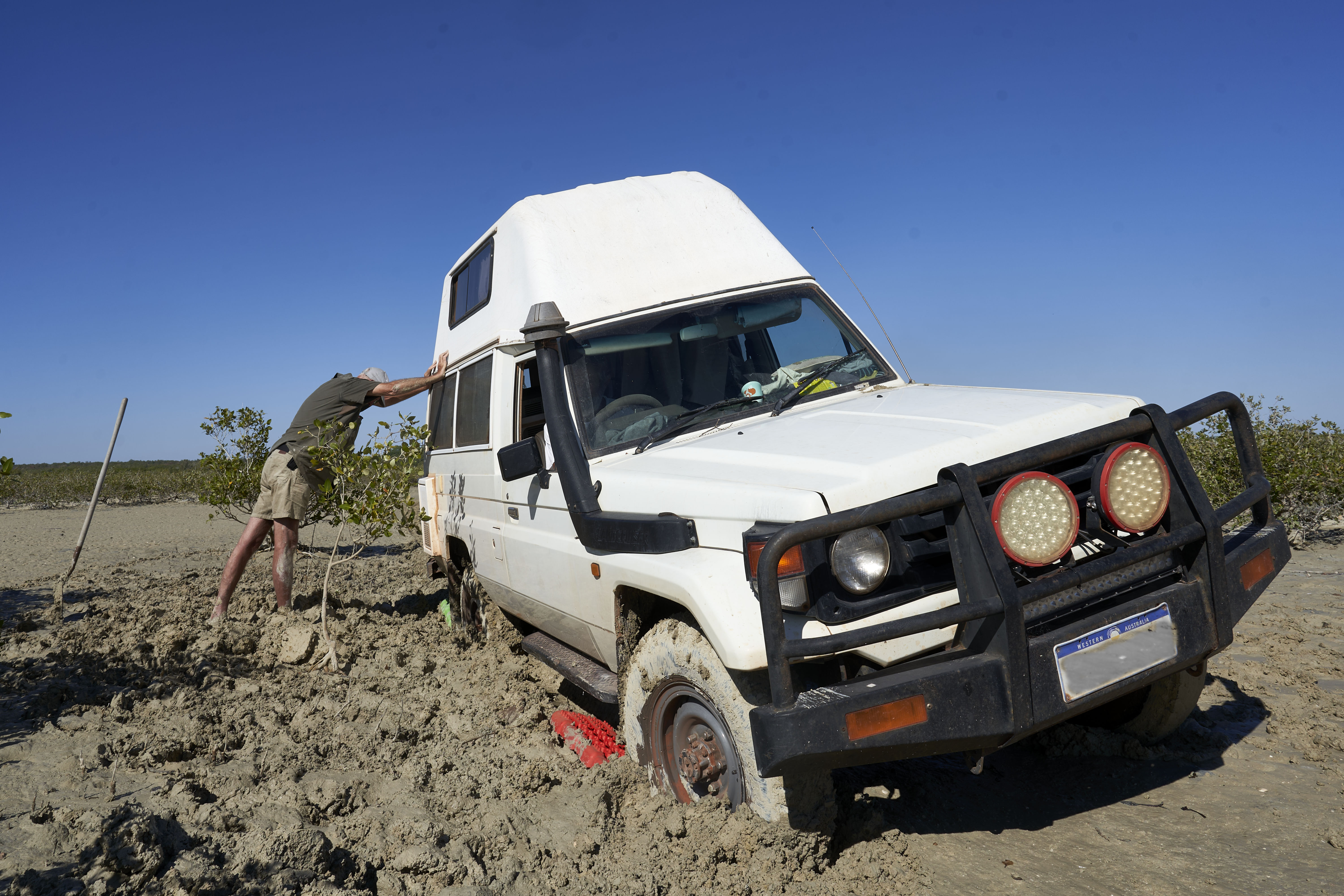
It’s not hard to get into this situation but expensive to get out. I’m pleased to say that’s not me. I took the photo on a previous visit. Had he taken his foot off the accelerator when the wheels started to slip we could have pulled him out. He gunned it and managed another 150 metres ending up well beyond solid ground. The momentum system of four wheel driving has its drawbacks!

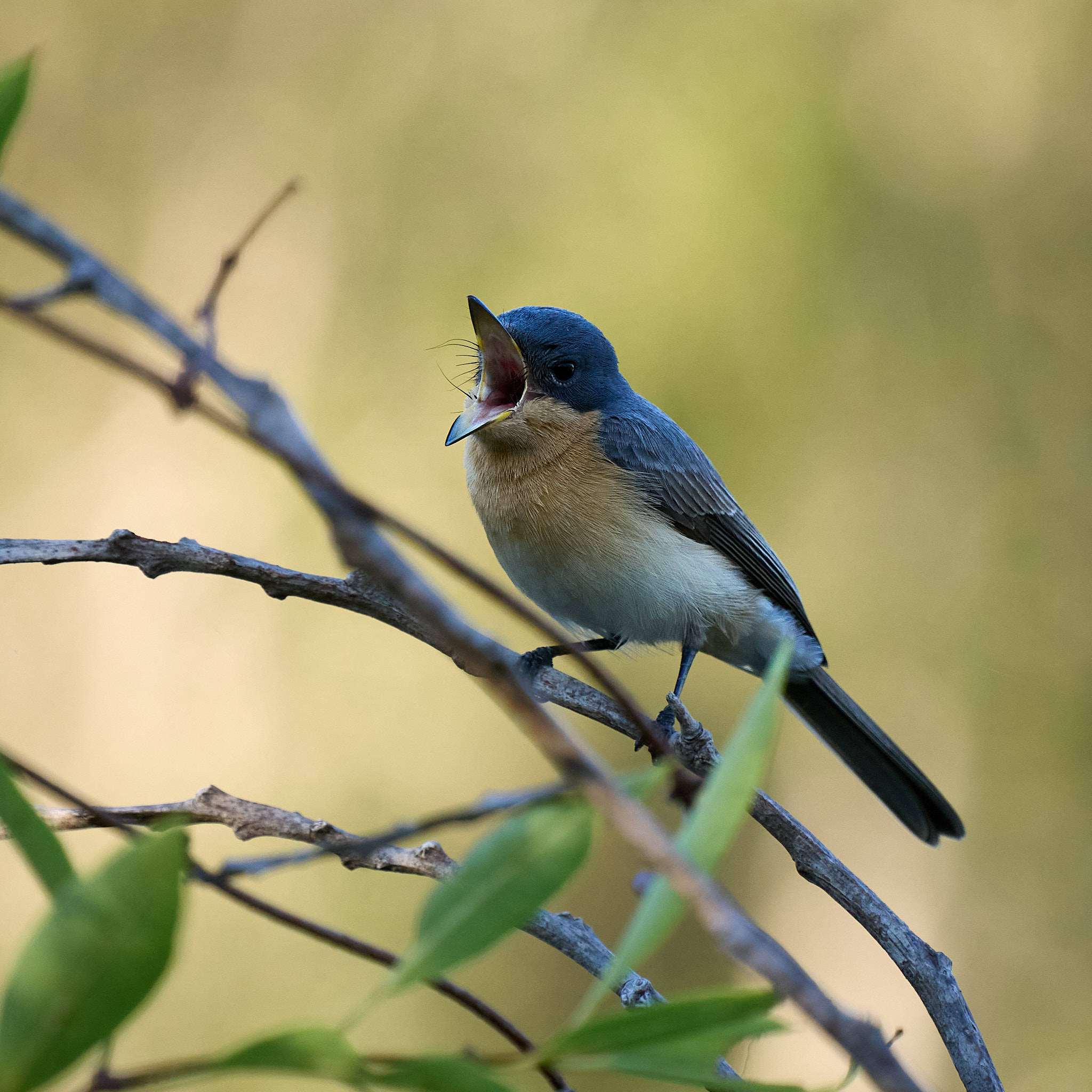
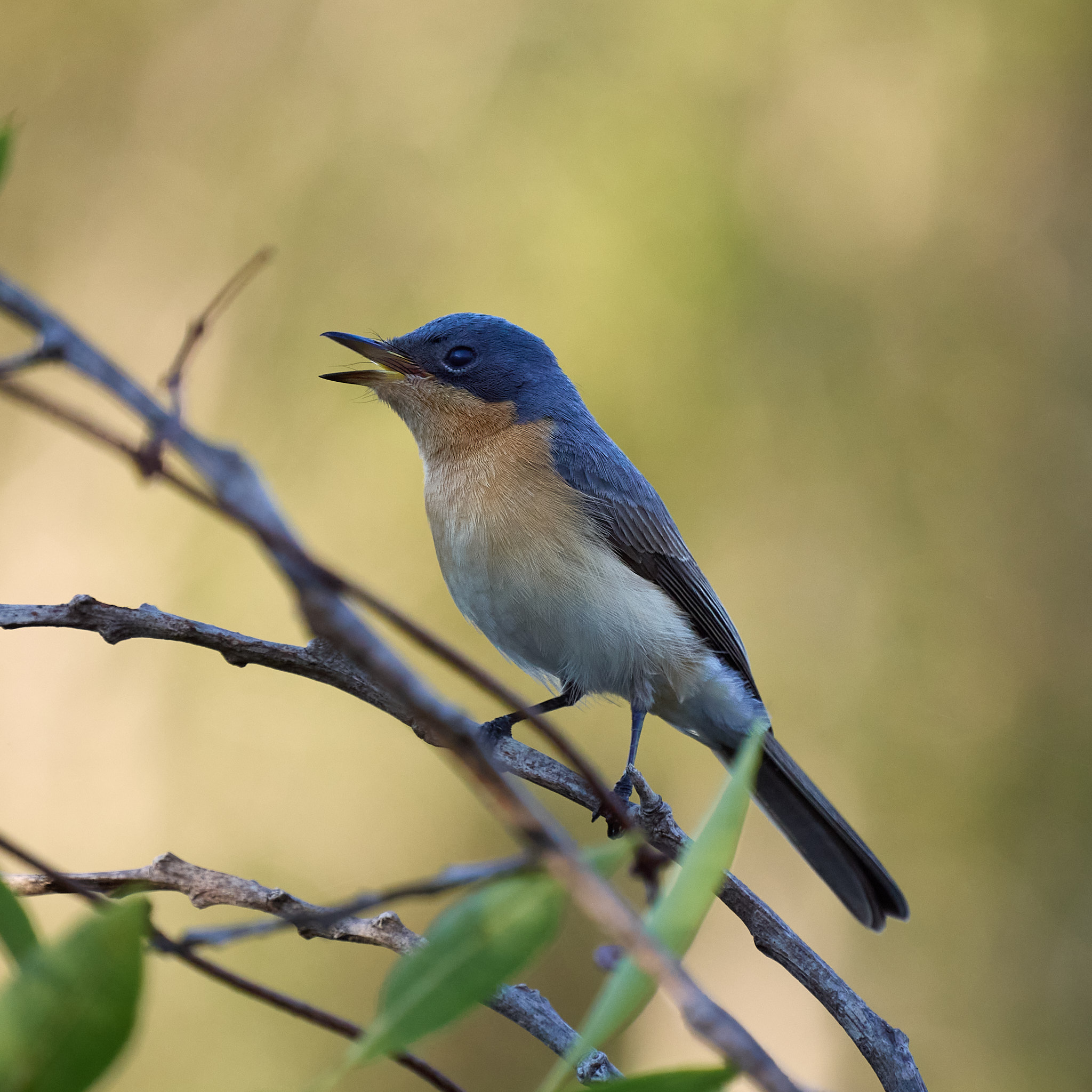
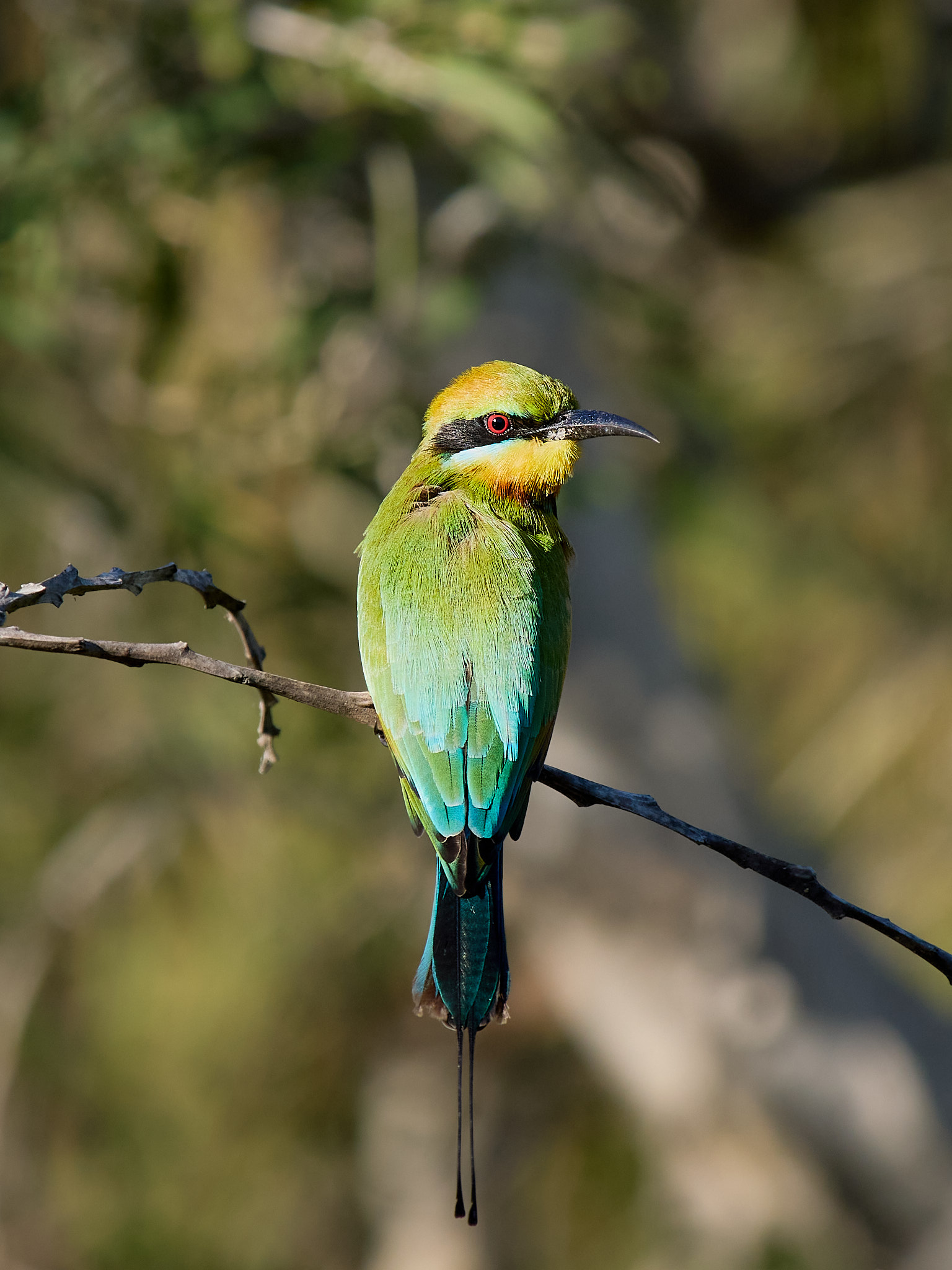
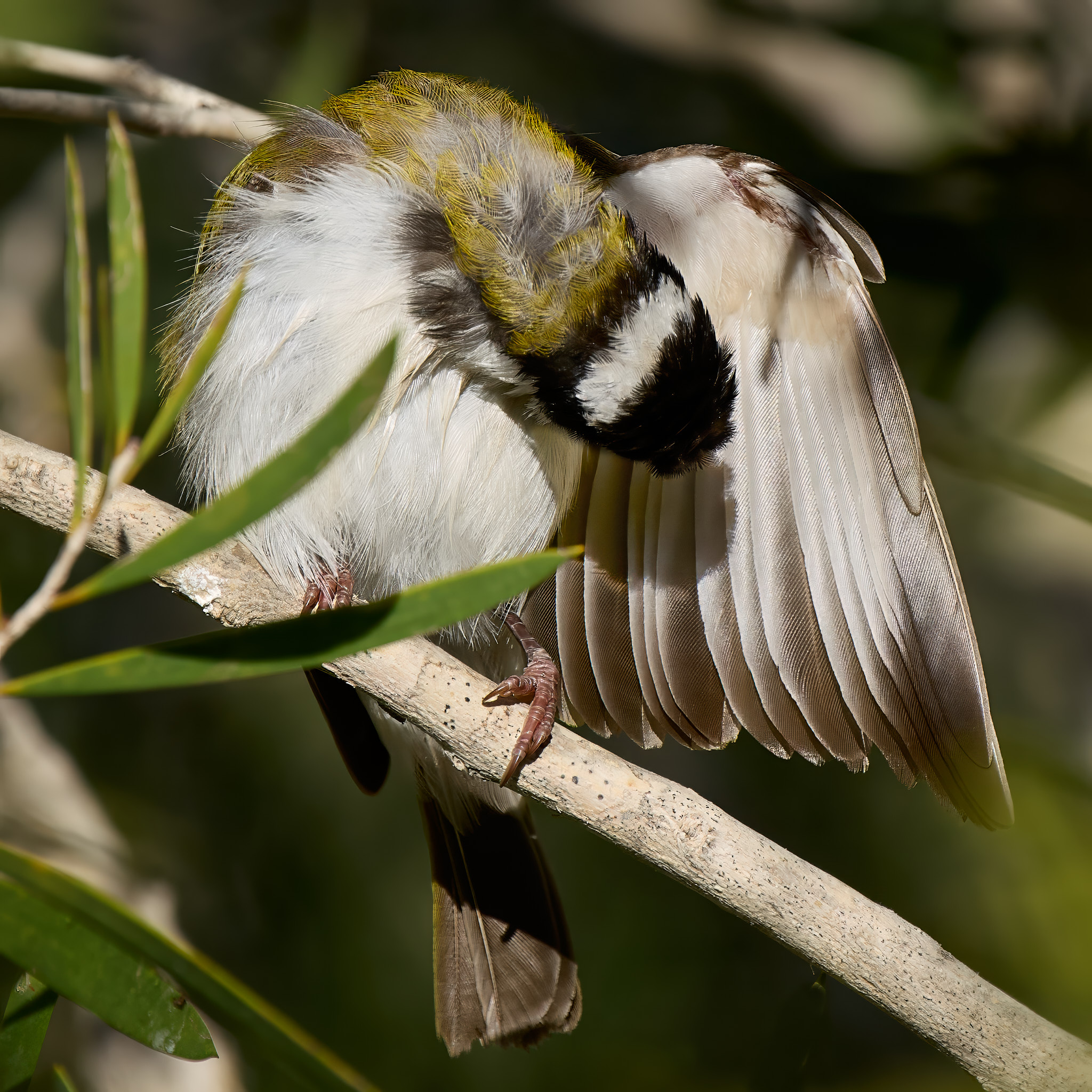
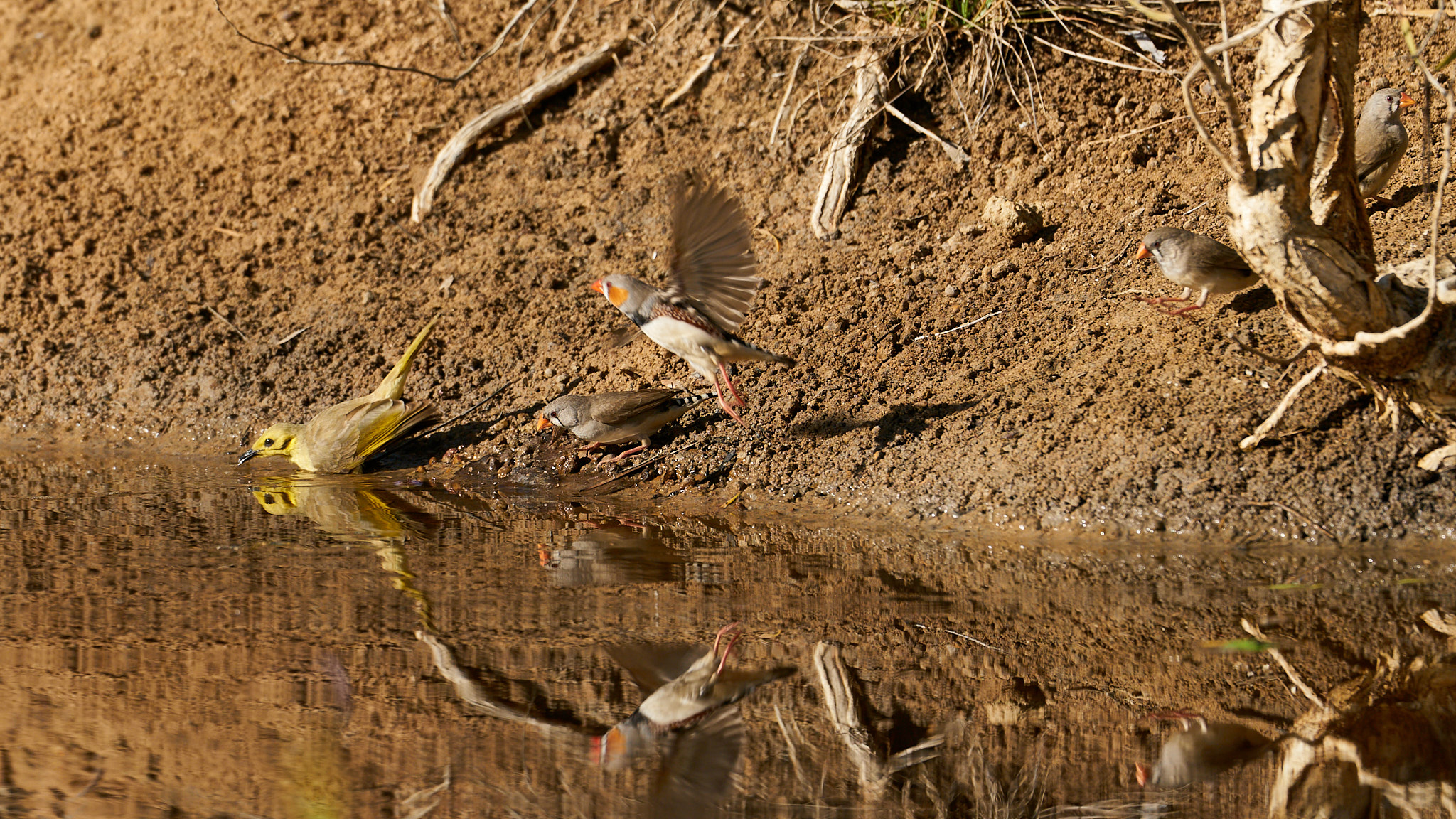
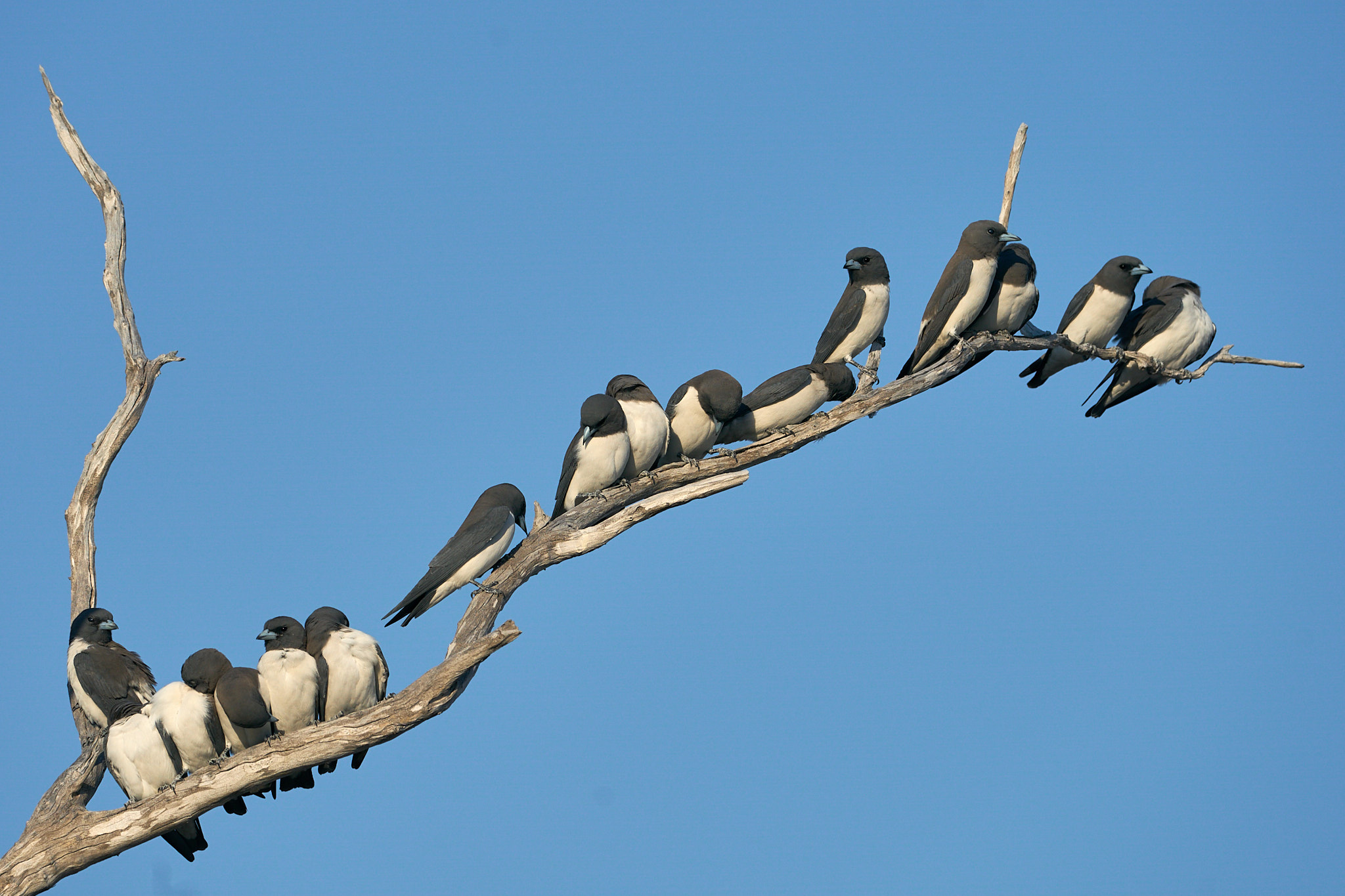
There is a marked walking trail starting from the camp ground that visits the ponds, some savanna woodland, tidal flats, mangroves and some fairly dense Melaleuca. Birding is excellent around the ponds.

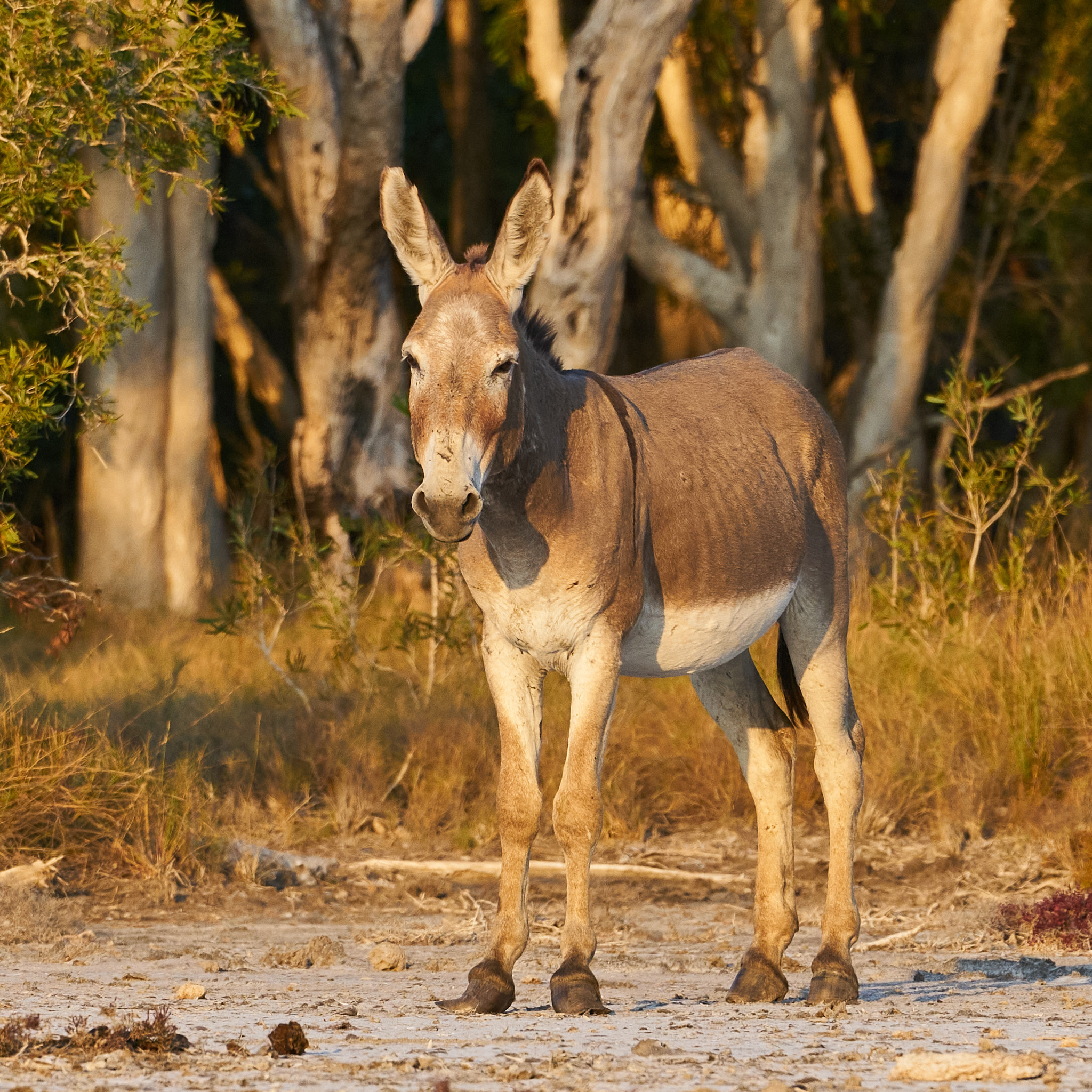
There is a large population of feral Donkeys in the neighbourhood.

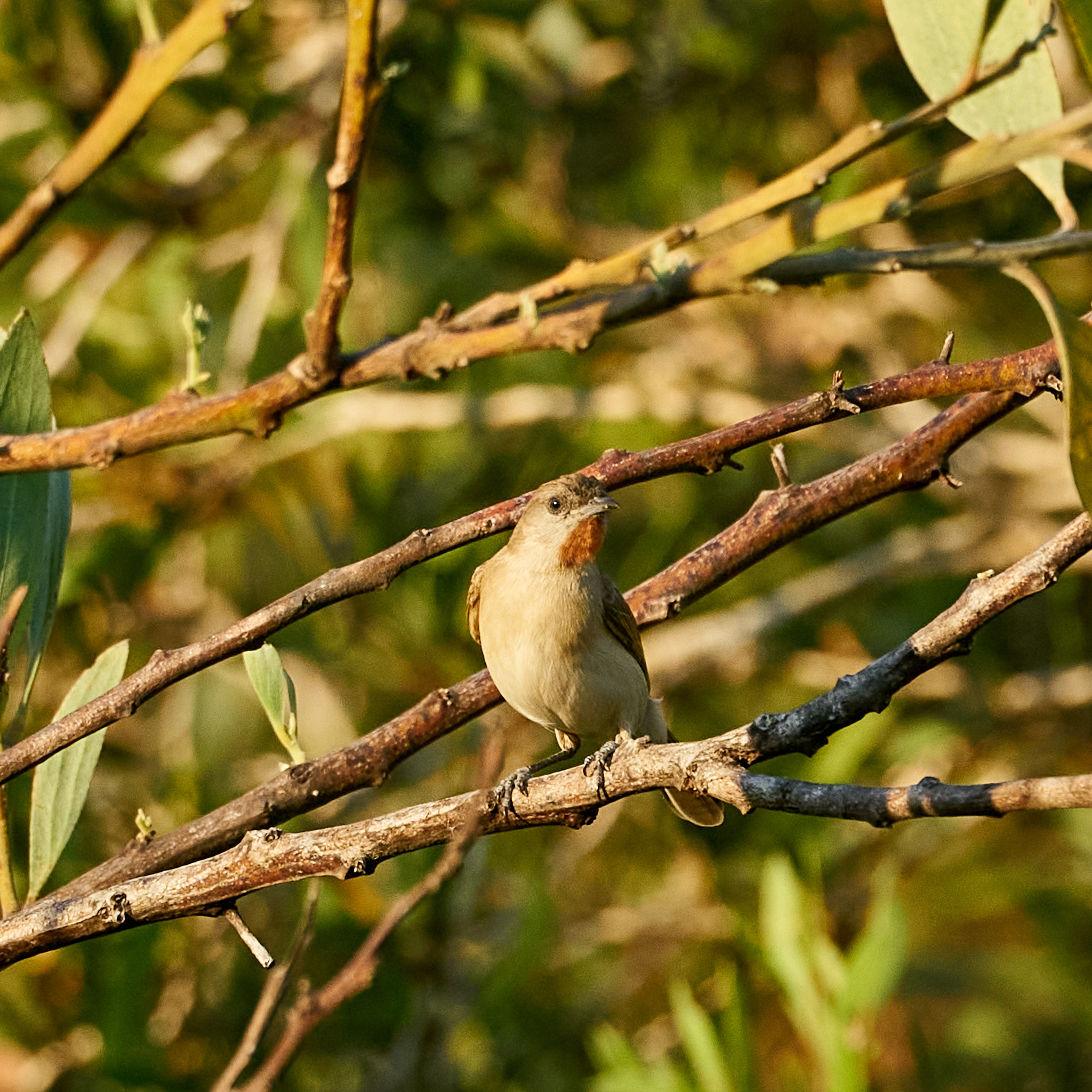
The Grey-crowned Babblers were busily building a nest but this doesn’t necessarily mean it’s breeding season for them. They build dome shaped nests for roosting as well as for egg laying.

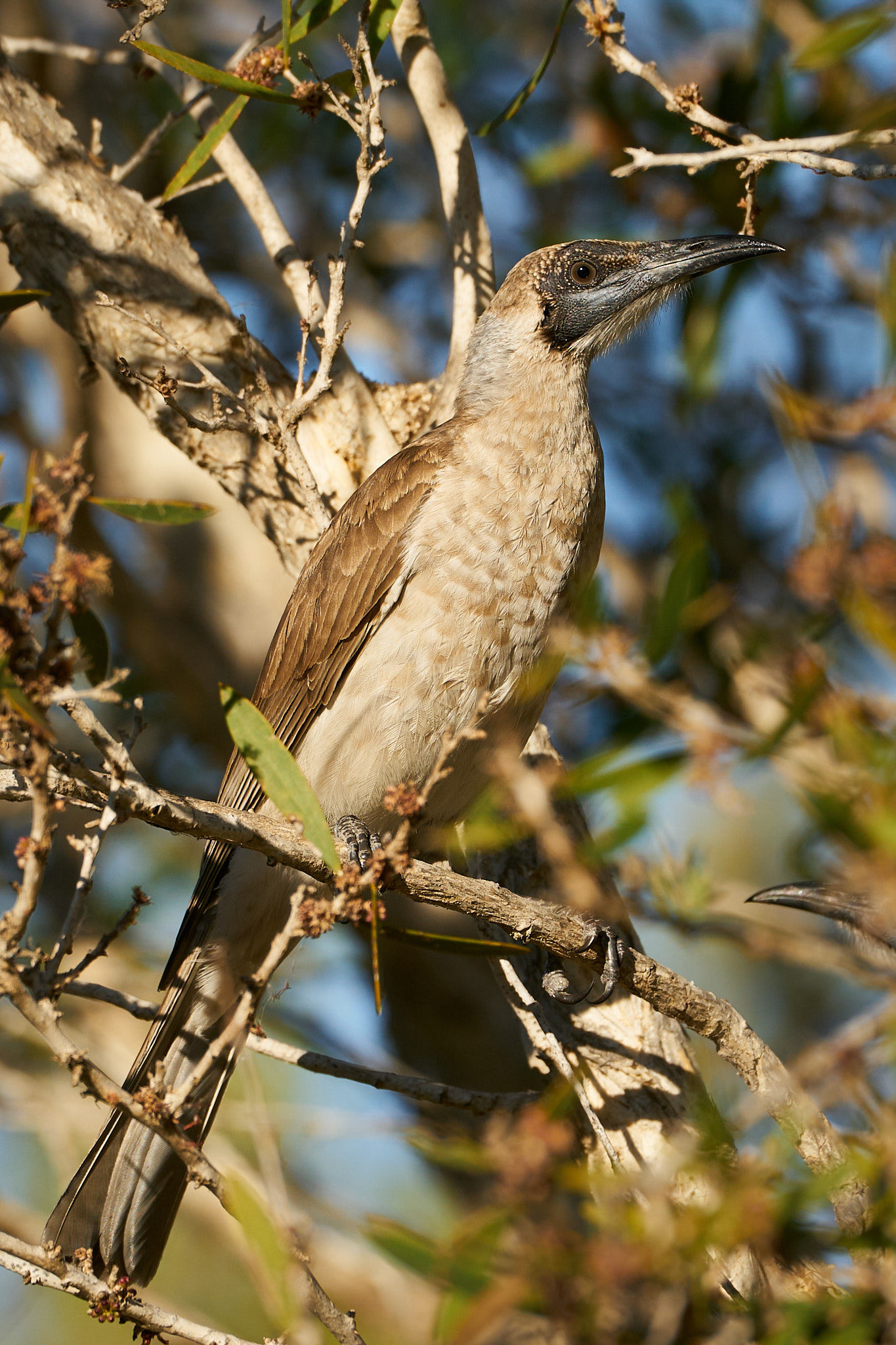
I finished the gallery with the two noisy ones. The Donkeys seemed less shy this visit and the Kookaburras are never shy.

Oh the Irony …

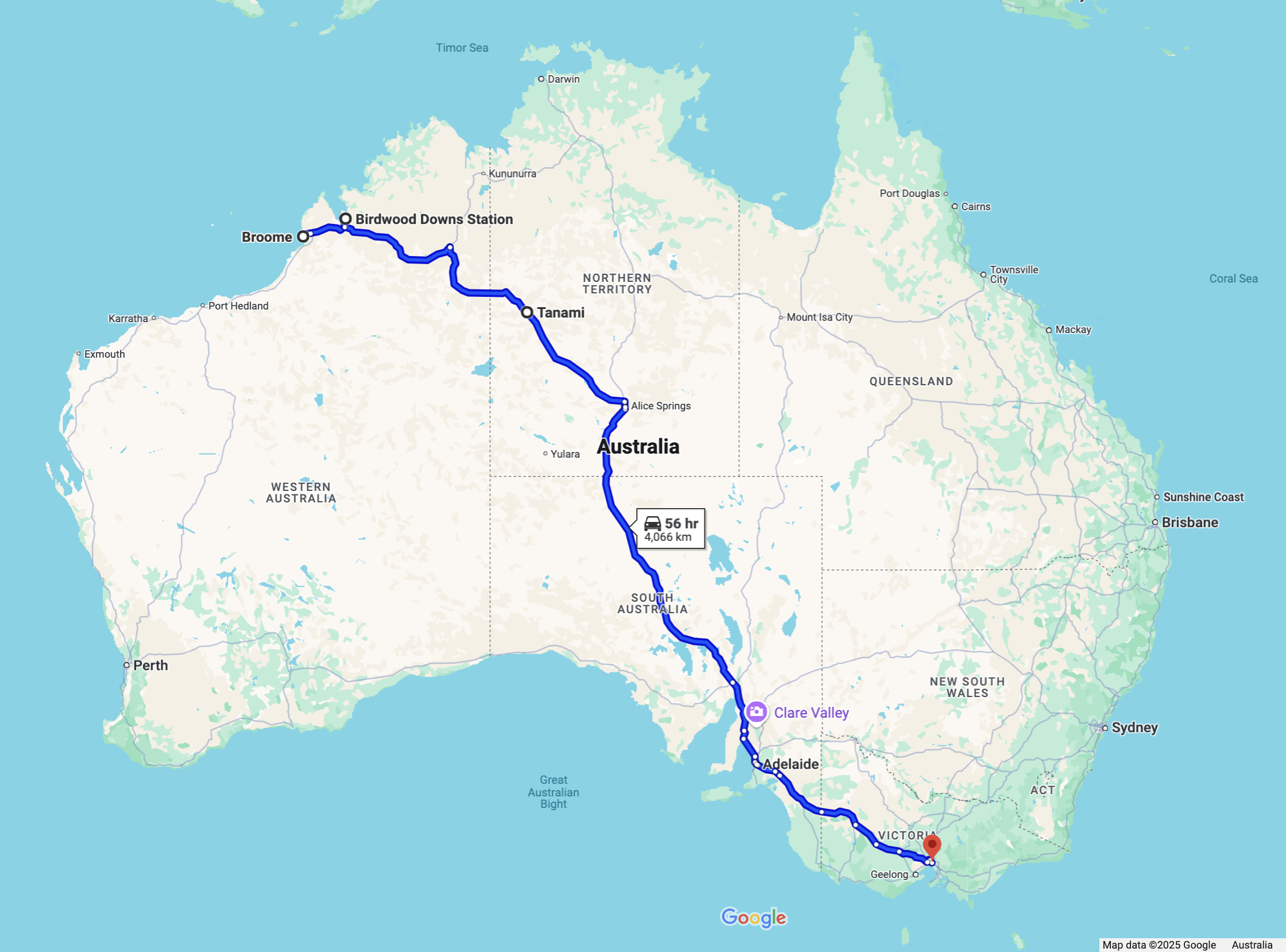
Tomorrow the journey home begins in earnest. Australia is the driest inhabited continent, about 35% is full-on desert. I’m sitting in Victoria which is parched (although none of it really desert). The proposed route home …

… about half of the route is closed due to flooding.

It takes in the Oodnadatta Track and the Tanami Desert. It would be the shortest but certainly not the quickest way home. Much of the journey would be on unsealed roads. It would probably count as the route less traveled in the guide books and in my view is the route most interesting.

I have prepared two other routes. Decision time will be in the Flinders Ranges four or five days hence.

Banana Well …

In recent years the road from Broome to the tip of the Dampier Peninsula has been sealed. About 16km off the highway about half way up the peninsula there is a quiet camping spot called Banana Well. It’s where I spent the last few days.

The campsite itself is in open woodland adjacent to some ponds fed from underground. From there to the sea is about a two and a half kilometre drive, 4wd only on a sandy track and across some mud flats. The adventurous can also visit the Burrguk Creek, keep your dog away from the crocodile and your wheels away from soft mud.

The facilities are somewhat run down but certainly not overcrowded. It’s a great spot for the birder and it also attracts some fishing enthusiasts. Other than that maybe hermits might like it. Mosquitos and Sandflys abound. I discussed the fishing prospects with some other campers. They had launched a boat the day before, a process they described as “Not for the faint-hearted”, caught nothing and got bogged retrieving their vessel. Fortunately they had gone with two vehicles and one was able to tow the other out. They had no intention of doing that again.

For the birdo there is a lot on offer, Melaleuca woodland around the ponds, Savanna woodland, mangroves and at low tide extensive mud flats.

At night the sounds of feral donkeys ring through the camp ground but you rarely get to see them.

Other noises through the night included Barking Owls, Bush Stone-curlews and the crazy calls of the Brain Fever Bird, Brush Cuckoo – do they never sleep?

Here are some of the scenic shots, as always, clicking on a gallery opens it up for a better look …

The mud flats are inundated on king tides and some areas on moderate tides. One way to get into trouble is to venture into areas covered by yesterday’s tide. This guy was heading east on our last morning. The sun was in his eyes. He made another 150m after the wheels started slipping! More than enough to ensure that no one could get near enough to tow him out.

Remember the warning sign at the top of the post? It’s out of date. We were unable to extricate the vehicle despite a lot of digging and the deployment of the rescue boards (I have only seen them work on one occasion – much over-rated bit of kit). When the futility of our efforts was eventually acknowledged a tow truck was summoned. The quote was $5,000. There was no way that it could arrive before the next high tide which will have reached above the bottom of the doors but probably not far up the engine. The poor guy was sure his wife was going to kill him.

Summing Up …

The big trip west was a big success. A lot of places on the journey we had visited before, some of them only by flying and then renting a vehicle. The route joined  a lot of familiar dots and it was the first time that we had driven across the Nullarbor.

We chose to take the dog which excluded us from National Parks and some other reserves that we would like to have visited. More on that later.

We were 43 days on the road and covered 14,243km (8,900 miles).

The total cost was in the order of $9,000 which includes our food which we would have had to buy if we’d stayed home and a couple of bits of camping kit which we will enjoy for a while longer. So in comparison to a 6 week trip over seas for two it was a cheap holiday.

The planning for our trips is usually done by one of us working largely on their own. On this occasion it was me and it was a pretty detailed plan which we were able to stick to quite closely. There were a couple of unscheduled stops for repairs. We were able to resume where we left off, we did skip a couple of our intended campsites to make up a little time.

Flexibility is a great asset, we substituted some intended campsites for others for three reasons, to shorten the day’s drive, to extend the day’s drive or because Gayle found better options (on the net or in a book that she recently won in a competition … Camps Australia Wide, edition 10, by Heatley & Gilmore which came in handy).

Too much flexibility though can lead to raised tensions in the vehicle at 4pm, middle of nowhere and no idea where to camp. We know from past experience that this is best avoided. It didn’t happen on this trip.

The kit we took was a Toyota FJ Cruiser and a Kwik Kampa by Stockman. Into which went the necessities that have been honed by years of experience. Overall I’m very satisfied with the performance of both major items.
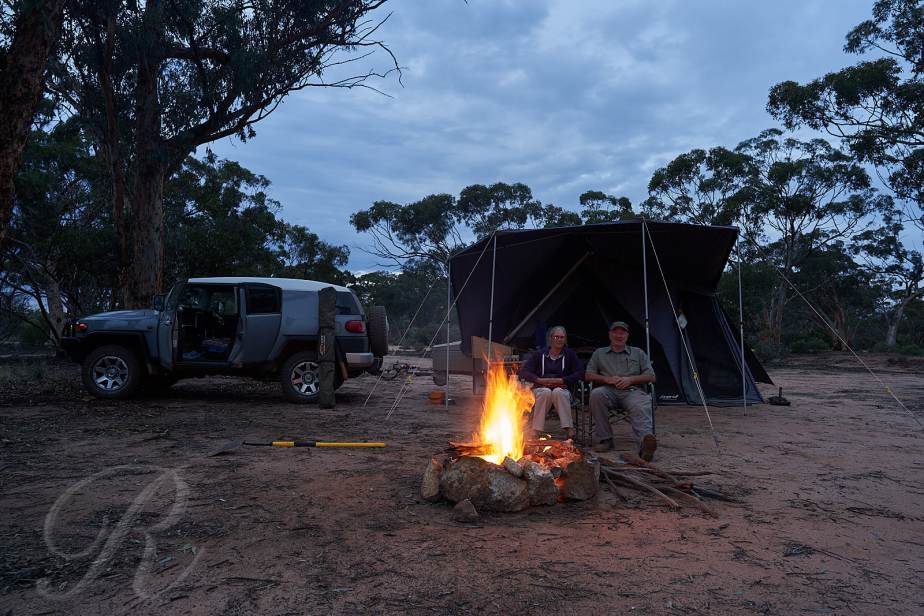
The hole in the transmission cooler was probably due to impact with a stone and might have been avoided if I’d driven slower on a corrugated gravel road. Just one of those things. I love my FJ.

Total fuel cost was $3,390.37 which bought us 1,897 litres of petrol. That works out at 13.3 litres per 100km. In remote places fuel is expensive. Mt Barnett on the Gibb River Road holds the record at $2.15 a litre, we paid $1.99 at Ceduna on the Nullarbor. The cheapest fuel was in the settled districts of South Australia, a mere $1.35.

The Kwik Kamper, one of the pod campers to come out of the Stockman stable has been with us for a while. It’s the second one we’ve owned. We bought it for the ease and speed with which it goes up and down. The other great virtue that it has is its light weight, it doesn’t greatly affect the handling of the car and it has only a small impact on economy.

Camping gear choices are by necessity a compromise. The Kwik Kampa tends to accumulate a lot of water on the roof  when it rains and inside when the temperature drops below the dew point. If you are considering a camper-trailer and you are usually on the move rather than staying in one place for two weeks you should put it on your short list. It’s a case of continuing evolution at Stockman and the present offerings may be even better.

Fifi McGee came with us. She is a Fox Terrier. She adds something to our lives every single day. On the odd occasion something has to be left out. She travels and camps really well and is no trouble at night. She’s noisy when we first arrive at our campsite but soon settles.

We try to give her plenty of exercise first thing in the morning before the drive and we stop for her benefit every 90 minutes or so. And it’s not to our disadvantage to have a short walk and a stretch at the same time. She has a strong attachment to the car and camper but doesn’t seem to care where they  are … so long as they’re in the same place she is.

It means no restaurant meals, no national parks and some places just have to be left off the itinerary. We weigh up the pros and cons for each trip. This time it seemed a good idea to take her along and it was.

What will we take forward to future trips? Number one is take more time. Number two is match the destination to the season. Our next trip to the south of WA will be in spring for the wild flowers. Future winter trips will be spent north of the Tropic of Capricorn.

There’s service …

and there’s service.

Our last stop before leaving Byron Bay was Singhs Tyre Service. You may recall that we blew a tyre on the way up. That was approaching Condobolin just south-west of the geographic centre of New South Wales. It was a Saturday morning. In the olden days every little town had its blacksmith, these days it has a tyre service. In Condobolin they have the Central West Tyre Service. They close at noon on Saturdays … or they knock off early if they feel like it and on that day they clearly felt like it. They do have an emergency number should you need it. We rang it, discussed our needs and were told to come back Monday morning.

It’s an uncomfortable feeling, driving without a spare but we made it to Byron where our first priority was fixing that little gap in our confidence. Sadly the tyre was stuffed. The spare that we’d put on was also at the end of its useful life and a look at the other three led us to the conclusion that this horse needed five new shoes.

The FJ Cruiser doesn’t have a particularly popular wheel size, there were no suitable tyres on hand. No problem we will get them in. Our stay would be just two more nights. No problem, we will get them in urgently. In the meantime they lent us a brand new Micky Thompson mud terrain for a spare. We all hoped it would never touch the bitumen but if it had to it had to. They were comfortable with that.

So there we were, first thing in the morning, making that all important decision. Should the white writing on the B F Goodrich all terrains be in or out. It’s a 4WD myth that having the white out increases the risk of a puncture but gee it looks snappy.

Quickly and efficiently, Singh’s recovered their tyre and fitted ours, washed our wheels and we drove off looking very very snappy indeed.

Moral of the story … Singhs Tyre Service in Byron Bay does offer service. You can find them at 1 Jonson Street, 02 6685 7696.

If you find yourself needing service in Condobolin tough luck.

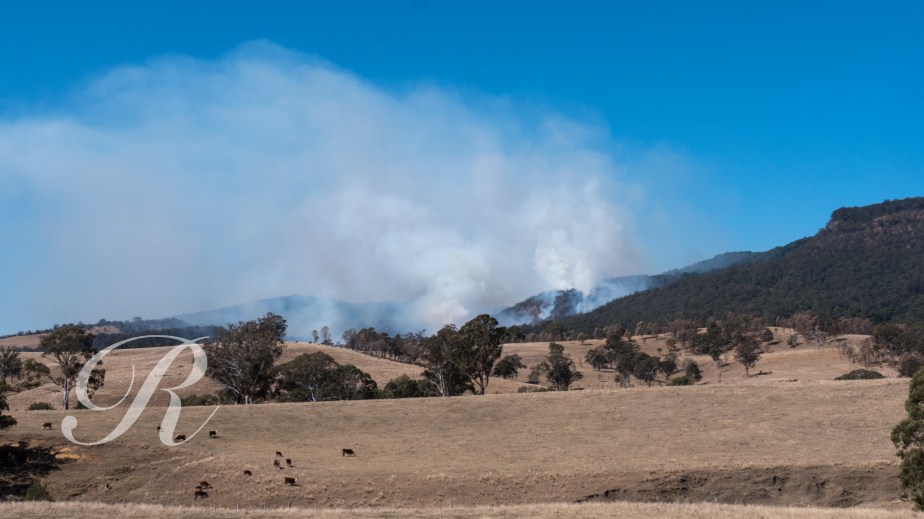
Destination Nindigully, Queensland and almost immediately we were driving through country that was tinder dry and ready to burn …

Stranded …

A story that was recently in the news is worth a review.

You can read it at PerthNow where you can also watch a film clip. To summarise, a couple travelling on the Canning Stock Route, one of Australia’s more demanding 4WD tracks in remote Western Australia got bogged and weren’t able to get their vehicle out.

So they reached for their satellite phone, well no they didn’t, no mention of a satellite phone. So they separated and set off walking. Worked well enough for the girlfriend, she walked into a campsite where she was able to raise the alarm. The search started on Friday morning, the boyfriend was found on Sunday …

The Perth man who almost perished in the WA outback has credited skills he learnt on Bear Grylls TV shows for his survival.

Anthony Collis says he ate flowers and bugs during the three days he spent lost in the Pilbara.

The press run this sort of story every chance they get, if I’m ever rescued from the bush I am going to say I survived by eating spiders. It raises the game to a whole new level. He didn’t survive by eating bugs and flowers, he survived despite eating bugs and flowers. Going without food is very uncomfortable but it would take him three or four weeks to die from starvation. He was intending to travel quite a distance up the track, there are no McDonalds on the route so surely there was food in the ute.

How long you can last without water is another issue. It could be just a few hours of heavy exercise in the hot sun, probably three days in shade rigged by the ute, a week at room temperature in comfortable surroundings. And, surely there was more water in the ute than he could carry.

It is winter and it was difficult to keep warm. So Mr Collis buried himself in the sand just like Bear Grylls did in his show. An unexpected side effect of that was to make him invisible to the heat seeking device the police, in their helicopter, were using to locate him.

As always the starting point for the search was the car. Had he been there it would have been a very short search. He wasn’t there. He was three kilometres away. What is the point of being three kilometres away?

You can bury yourself just as well at the car, we know the sand was soft, the car was bogged in it. Three days, three kilometres. It defies logical explanation.

Good preparation for a 4WD trip includes a means of communication, some self rescue equipment, water and food. Both of these people are lucky to have escaped with little damage. Caroline Grossmueller wasn’t so lucky.

It’s a pity that Bear Grylls didn’t tell them to stay with the vehicle, I guess that doesn’t make for spectacular TV.

McGee  … not bogged

Thought for fuel …

The last thing you need on a holiday is anxiety.

If you plan well then the trip is likely to go well. If  you have considered what might go wrong and you have a strategy ready it may not seem so bad if it happens.

How much fuel will you need to cross the Simpson?

Oodnadatta to Birdsville via the French Line measured on the odometer was 640 km. We had reckoned on 750 km for the trip to Mungerannie via the Warburton Track. You need to factor in the effect of low speeds, low gear and slipping tyres. You also need to allow for side trips and diversions.

We had a petrol and a diesel vehicle in our little convoy. This meant we couldn’t share our reserve fuel but it also meant that we could compare the two. We set off from the Pink Roadhouse with full tanks plus 40 litres each in jerry cans. There was no need for anxiety regarding fuel. Both vehicles arrived in Birdsville more than half full.

Usage …

  • Toyota FJ Cruiser                        petrol    108 litres     = 17 litres/100km
  • Toyota Landcruiser series 70    diesel      82 litres     = 13 litres/100km

The difference in economy is nowhere near as great on the open road. Diesel is clearly better in the desert. (But I still love my Cruiser.)

We transferred the reserve as soon as we reasonably could. Corrugated roads are hard on containers, the last thing you need is your reserve fuel leaking into the sand.

UTFR …

We had crossed the Simpson Desert. I would do it again at the drop of a hat. It was right up there with any place I have ever been.

Is it for you?

Yes it is … provided you can tick these boxes :-

  • You have a reliable high clearance 4WD vehicle and some experience using it
  • A companion vehicle
  • Maps
  • Satellite phone (or HF Radio)
  • Dune Flag
  • Shovel
  • Winch
  • Radio
  • Snatch strap
  • Fuel
  • Water
  • Food and
  • A sense of humour

I hope to see you out there but I have a favour to ask. UTFR.

This stands for Use The Radio.

I have a pilots licence and a Marine Radio Operators Licence, I have absolutely no fear of public speaking. Give me the radio and I will give you a lecture. It’s easy for me. If you find it daunting remember they can’t see you … that’s the whole point.

On the track you will hear chatter between vehicles. Some of it is so inane you will wonder what on earth the speakers have between their ears. But you will know they are there. They are on the same one lane track as you and they may be coming toward you on the other side of the very next dune. Say hi, say where you are and which way you’re going, express an interest in where they are and which way they’re going. Don’t be shy. And if they ask, please reply.

Big Red
Big Red

Some people do it really well. I use this photo again because you see a little convoy on the right of the picture. From the top of the dune they had broadcast this …

Convoy of three vehicles departing Big Red, west bound, now.

Thank you party of three, safe journey.

Channel 10 is the channel to use in the Simpson.

The technology is not perfect. UHF is essentially line of sight and dunes do interfere with reception. If the aerial set up is different between stations it is possible that you may hear them but for them to be unable to hear you. So a dune flag and a sharp lookout are also essential. Motor bikes are not required to fly a flag and are unlikely to be using radio.

Love to hear from you.