The Classics …

Let’s start early morning …

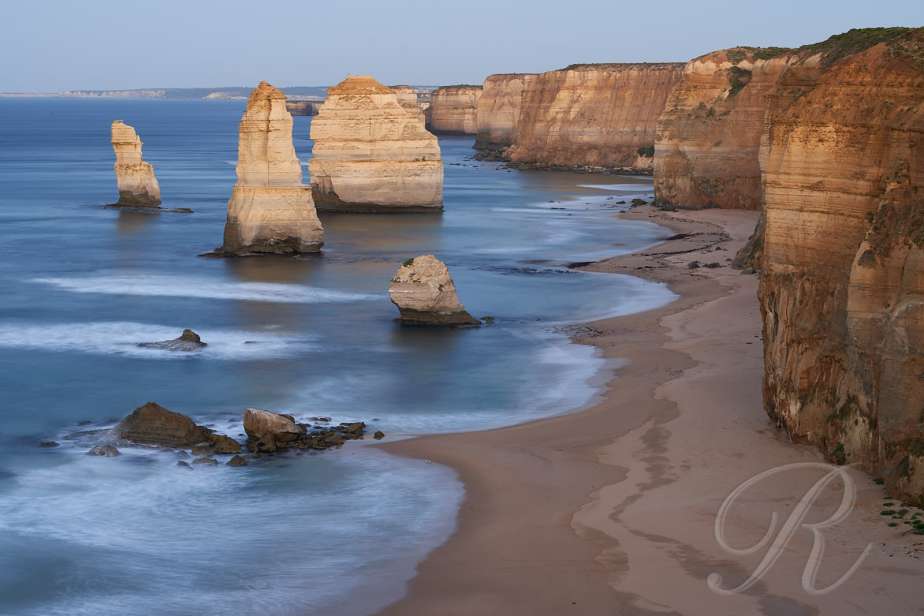
The Twelve Apostles

I didn’t even attempt a sunset – the crowd scared me off. Early morning is a better option. Not so many people are prepared to get up before dawn and some of those that do prefer the east facing lookout to watch the sun come up. I was happy with long exposure blue hour shots looking west.

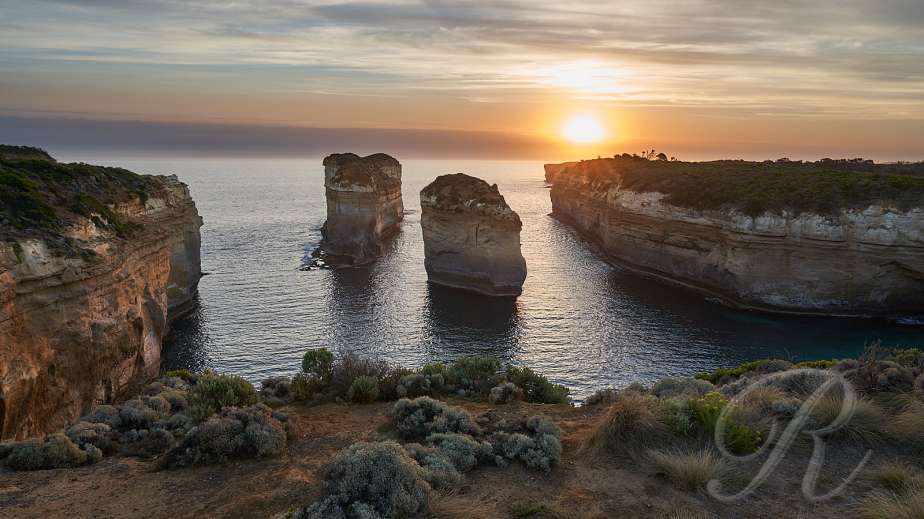
Loch Ard Gorge is not so packed. There’s plenty of room and several lookouts so to some extent you can pick the spot that best utilises the sun’s position that day.

Loch Ard Gorge

Once the sun had gone I went to an east facing lookout for another image …

Loch Ard Gorge

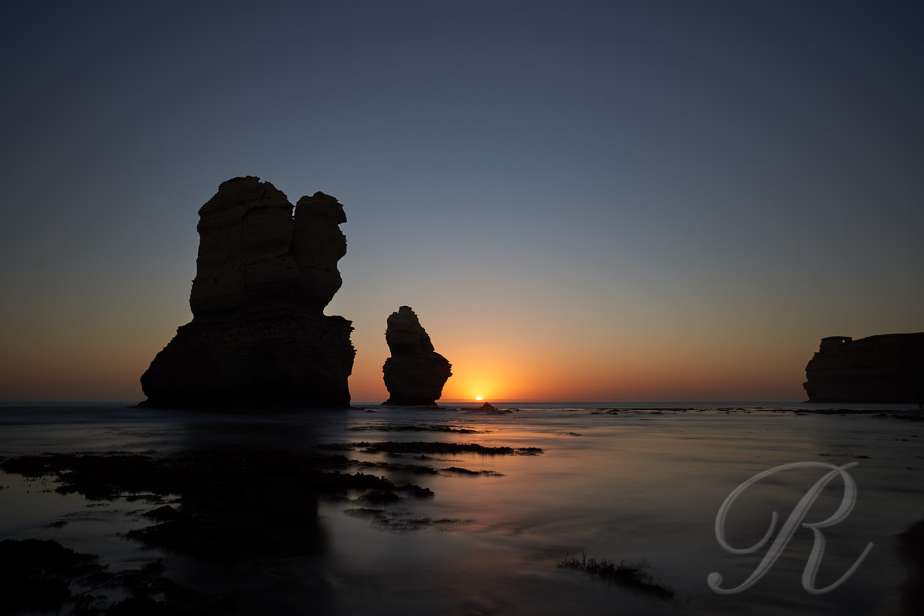
The previous evening I was on the beach at Gibson Steps for sunset. I certainly wasn’t alone but the crowd was limited to those fit enough to climb back up the cliff!

Gibson Steps

Great Ocean Road west …

This February has been an extremely busy month. I really needed a couple of days to relax so it was off to the western end of the Great Ocean Road to take a few photos of the iconic scenery. I visited the eastern end back in January and blogged about it from January 20 and following days.

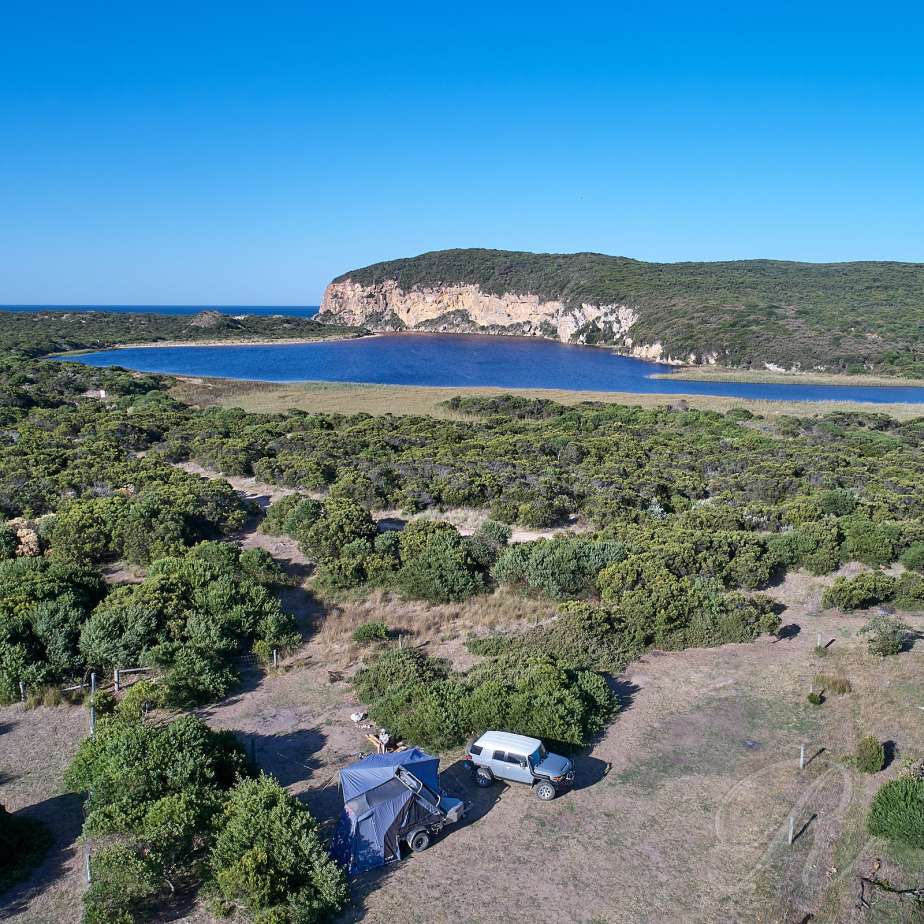
This time it was under canvas at Princetown a spot that looks like this during the day …

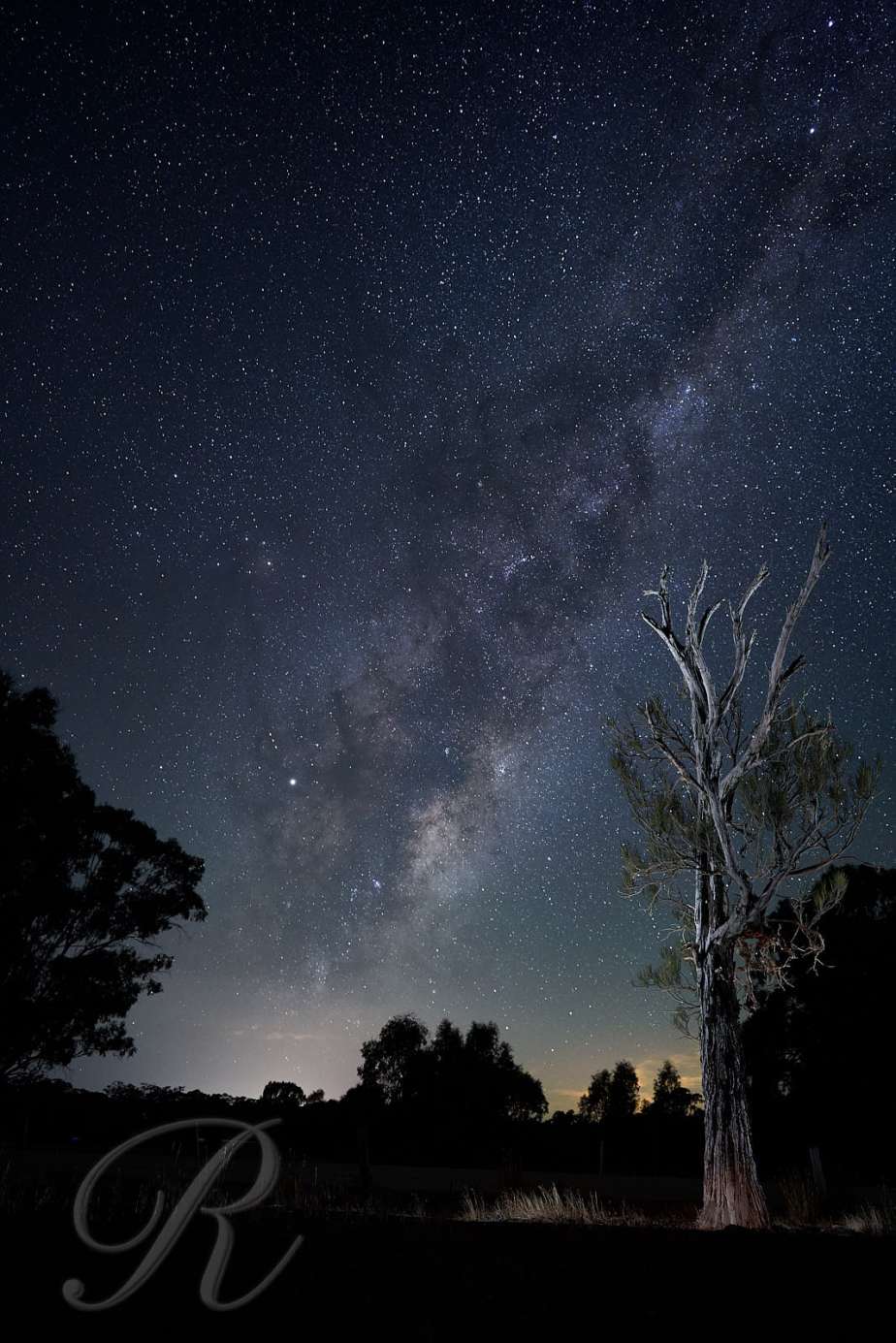
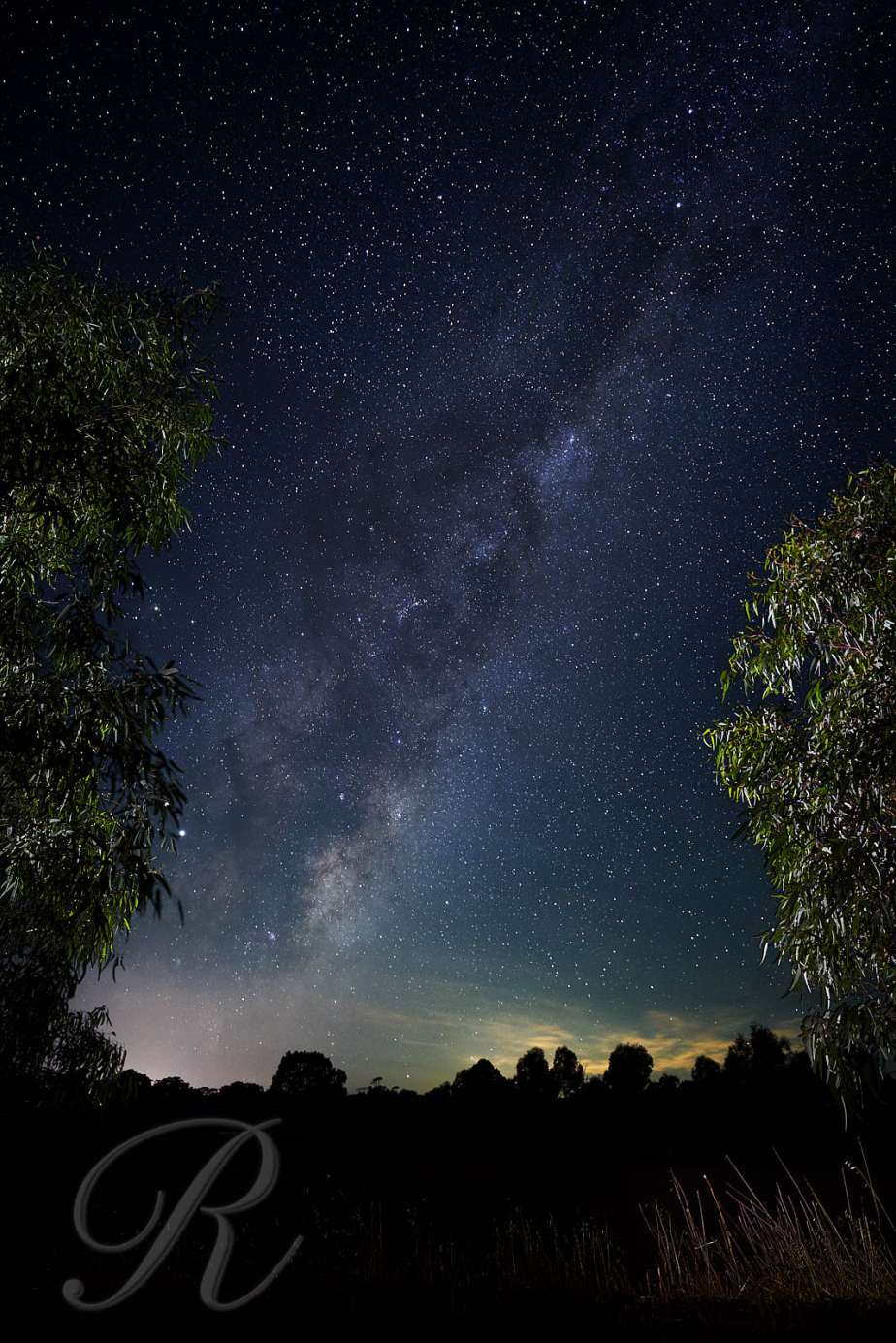
and like this (sometimes) at night …

It is very handy for getting to the Twelve Apostles and nearby attractions and I will share the photos …

Waanyarra …

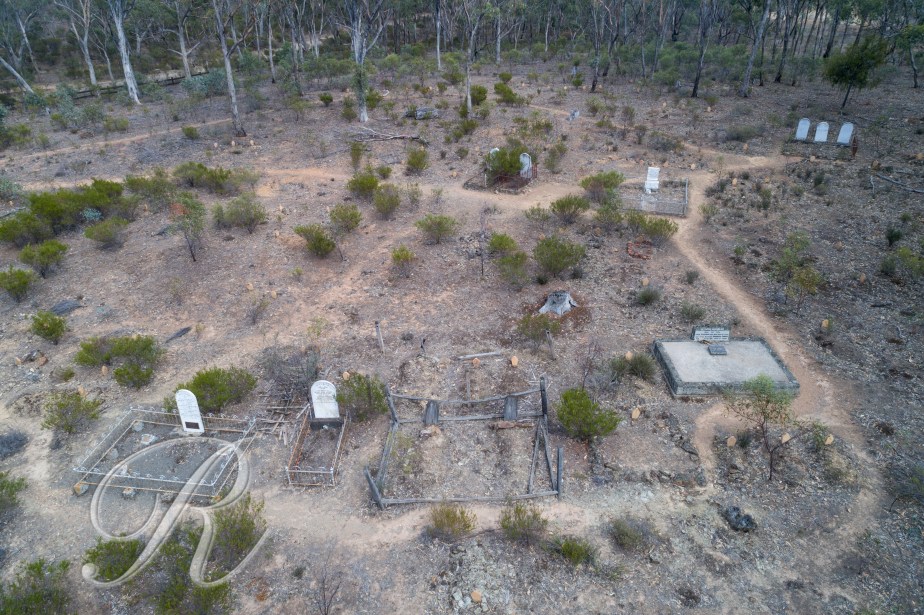
The miners of Waanyarra didn’t have far to go to Morton’s Welcome Inn. Nor did they have far to go to the cemetery.

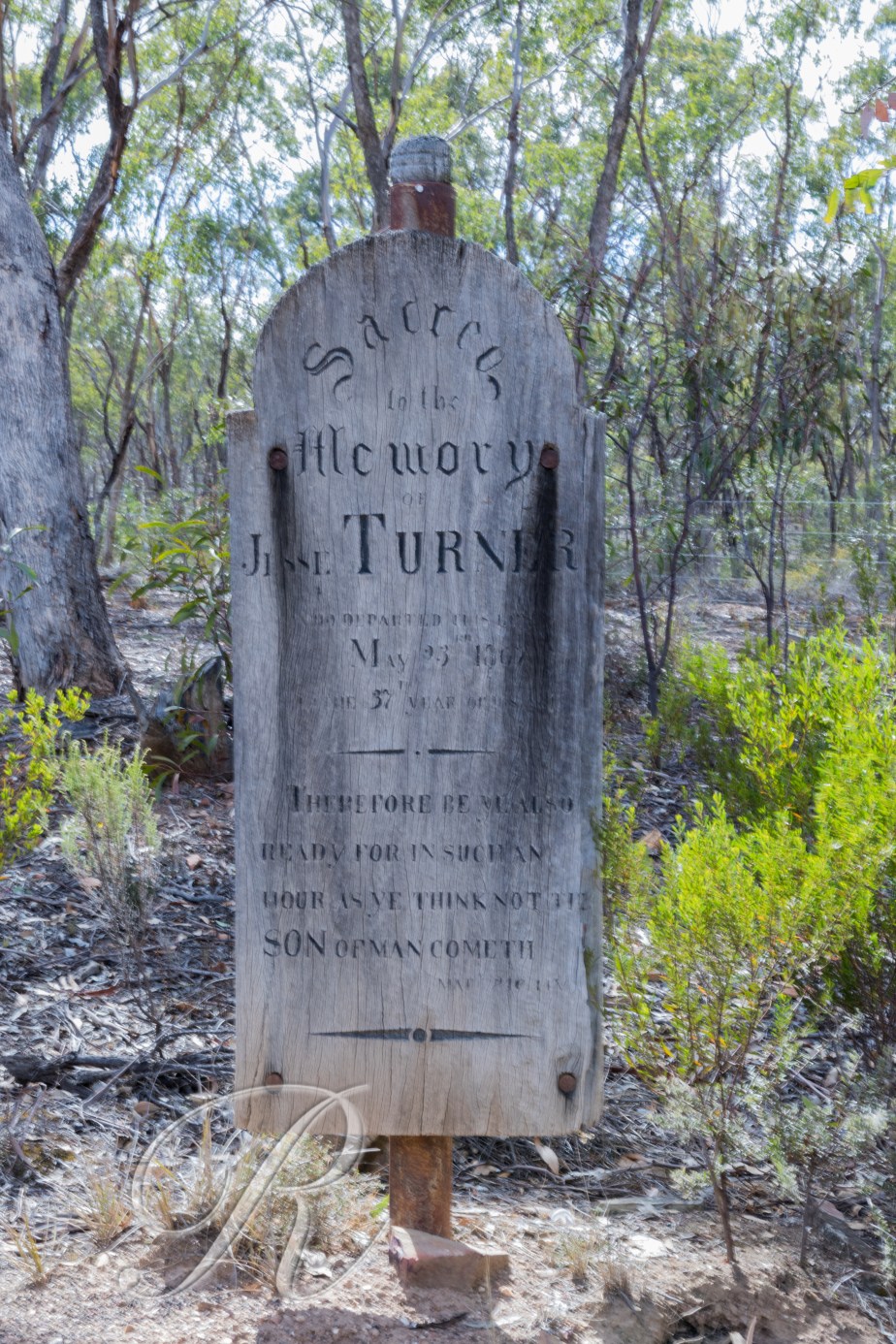
Most of the gold rush era graves were marked with wooden memorials. They have fared badly, most are gone and with one exception the remainder are illegible. Three plaques at the gate list the names and ages of the people known to be buried here although the exact locations are unknown. Very young children figure prominently.

Therefore be ye also ready: for in such an hour as ye think not the Son of man cometh.       Matthew 24:44 – King James Bible

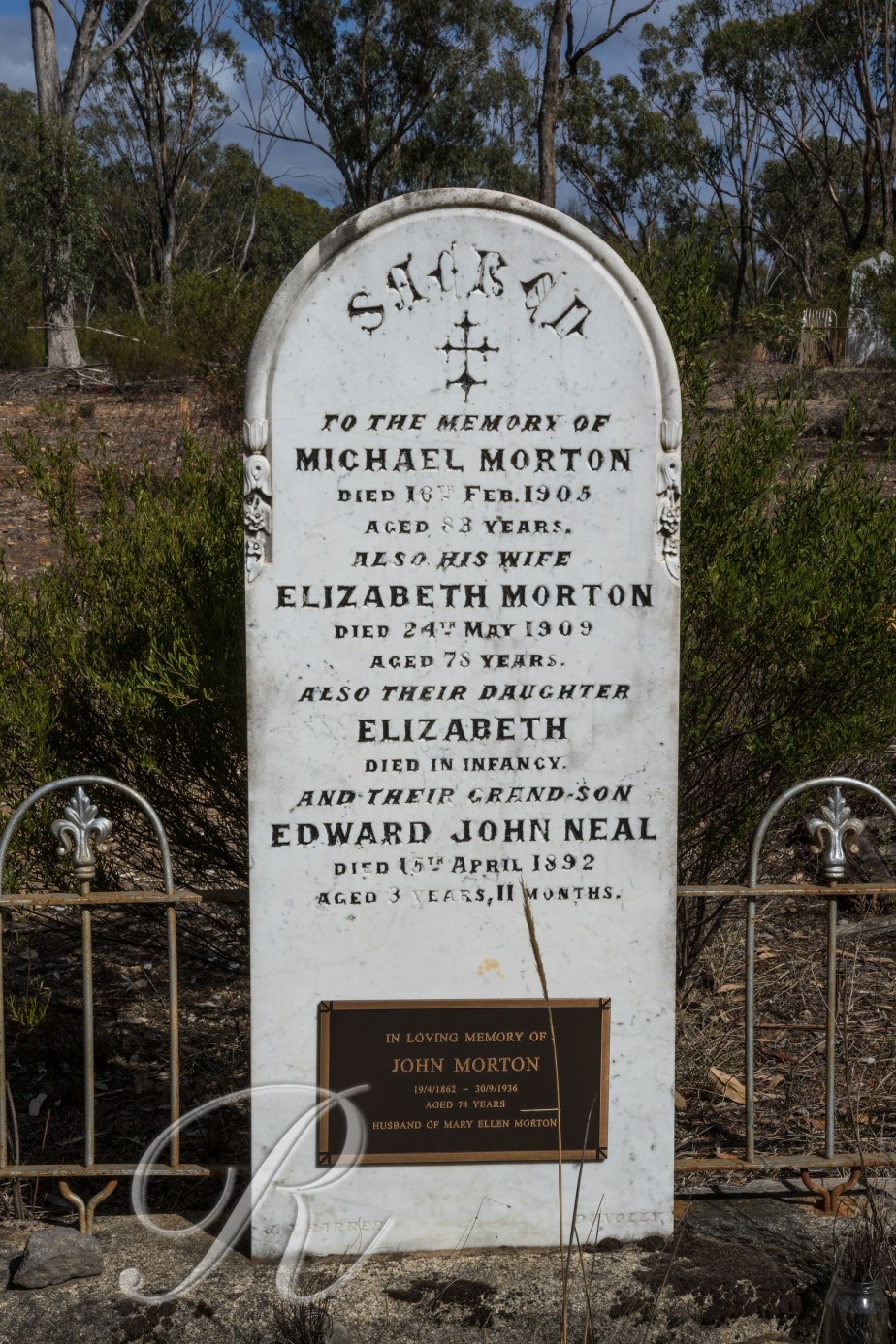
Among the few headstones there is one for Michael Morton. This is likely the man who built the old Welcome Inn. The name is right, the place is right, the era is right. There is an inconsistency in the age however. What I know of Mr Morton was gleaned from a descendant writing <HERE>  which gives him as 19 years of age in 1847 therefore  77 in 1905.

More Large Marsupials …

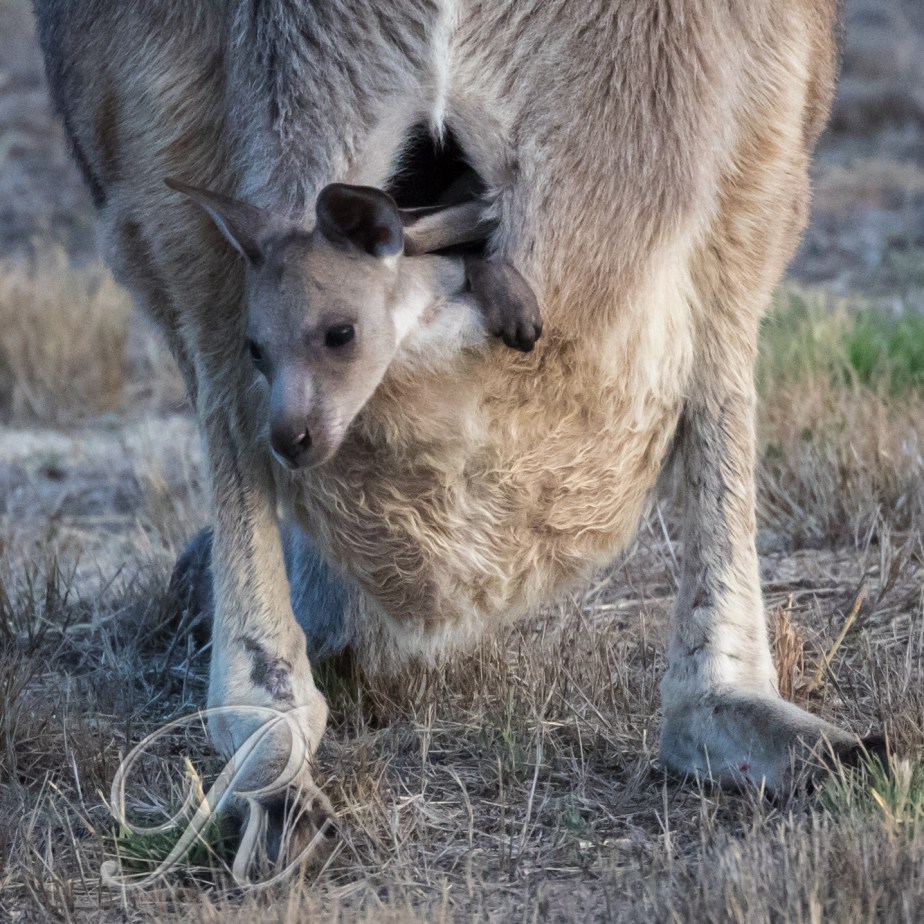
Kangaroos tend to lay up during the day, often in a wooded area, and move to their grazing area late in the afternoon. Evening and early morning are the times when drivers have to be particularly careful. The road sense of a kangaroo is fairly minimal although natural selection is working on it.

A mob of about a dozen adults plus pouch young came across my little farm the other evening. They were grazing as they came. I was accurate in my prediction of the route they would take. I hid in a large bush and they slowly made their way up to me.


They are shy. They compete directly with the local sheep for the currently scanty grass – they have no friends among the farming community.

This one discovered me …

and they were gone in an instant.

Morton’s Welcome Inn …

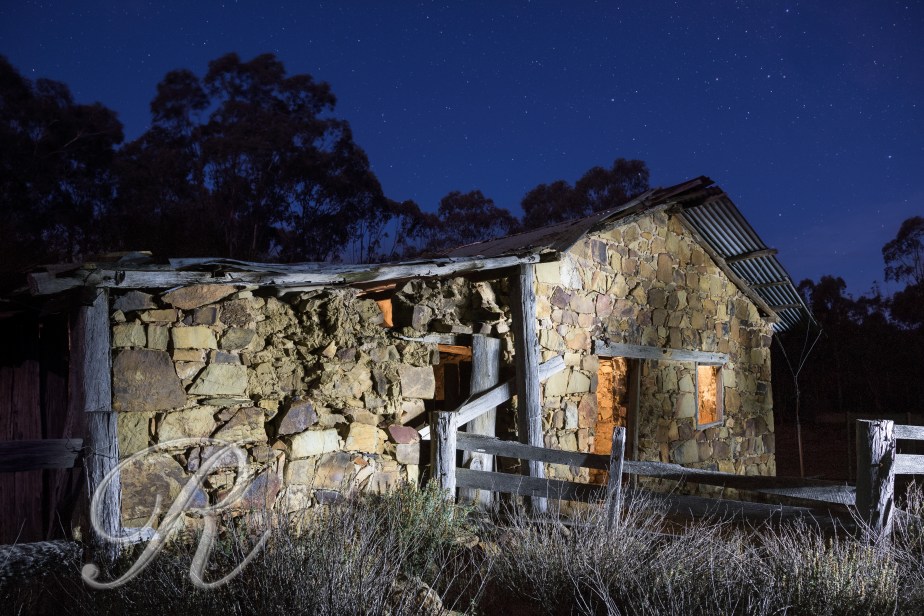
On a lonely road in Victoria’s Golden Triangle there stands an old stone building. It once provided a warm welcome to the diggers in the Waanyarra gold field.

Morton’s Welcome Inn

Michael Morton was 19 years old when he was found guilty of cow stealing in 1847 in Tipperary, Ireland. He was sentenced to be transported. He was 5 feet 7 inches tall with brown hair and a fresh complexion. He was single, a labourer and couldn’t read or write. The journey took him via Bermuda and the Cape of Good Hope eventually fetching up in Van Dieman’s Land in April 1850 where he and almost all of the convicts coming off the good ship Neptune were given a pardon on the condition that they not return to the old country.

In 1852 he crossed Bass Strait and joined the gold rush. And soon after he built a pub that also served as a store. It held a license from 1866 – 1883 which doesn’t mean it wasn’t in business before that!

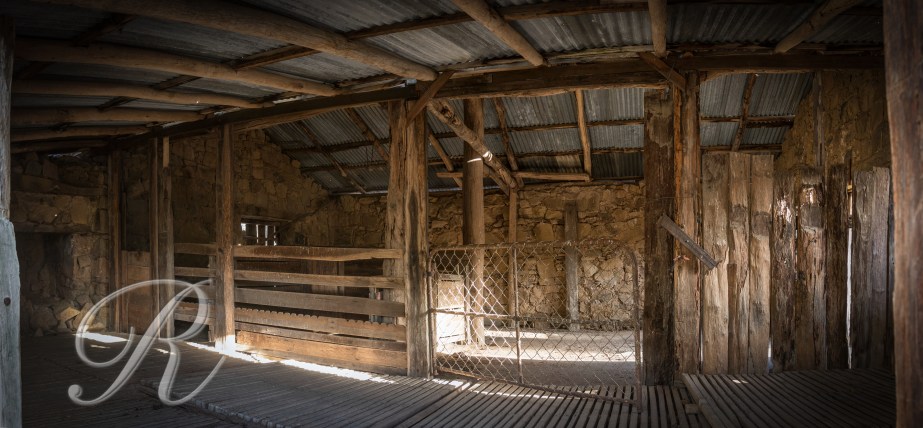
interior

It was not a large space. It had to house his growing family, eventually eight strong as well as his patrons. Since the last digger was fleeced the building has  at some time done duty as a wool shed.

Imagine it on a cold winter’s night after a hard day’s yacker, a fire in the hearth, good company and a beer.

The Morning Macropods …

There are two members of the Kangaroo family that are fairly common around the country estate and I encountered both of them on my morning walk. Swamp Wallabies are always around. Eastern Grey Kangaroos come and go. They’re present in fair numbers presently. Brought in, I suspect, by the water that’s available.

Swamp Wallaby
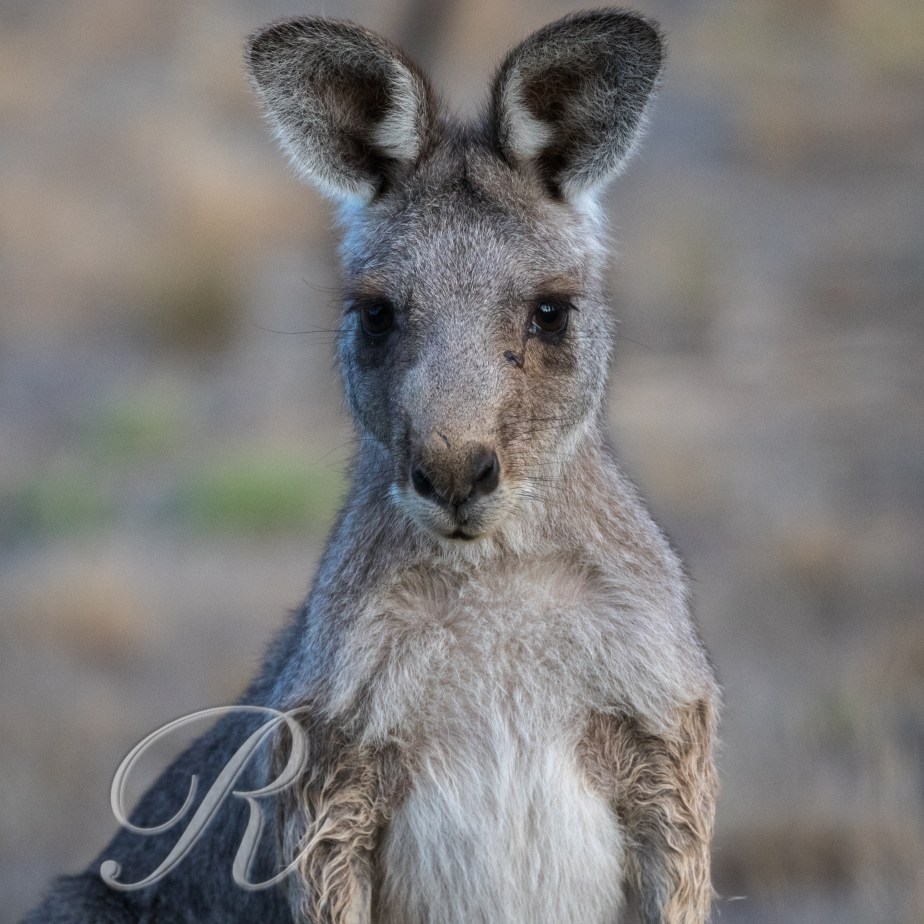
Eastern Grey Kangaroo

You can see the claws on this big male. One recent night the trail camera caught a couple of roos in a dispute. Thick fur is a useful asset on such occasions …

Kooyoora …

This is the view through the skylight in Melville’s Cave in the Kooyoora State Park in western Victoria.

Captain Melville was a notorious bushranger. He rates his own entry in the Australian Dictionary of Biography. Born Francis McNeiss McNiel McCallum he was well known to police, as they say, back in Scotland where they finally sentenced him to transportation to Van Diemen’s Land for burglary at 15 years of age.

He arrived on 29 September 1838 and in October was placed at Port Arthur in the Point Puer institution for juvenile convicts. In 1839-48 he came before the police magistrate twenty-five times. In 1841 his sentence was extended by two years for felony in February and to life for burglary in July; in September he was sent to Port Arthur for five years. Recommended in 1846 for a year’s probation, he absconded and lived with the Aboriginals for a year. After recapture he was given nine months’ hard labour in chains, an experience repeated in January and August 1850.

Quite how he got to Victoria I don’t know but he arrived in the goldfields in about October 1851 posing as a gentleman and calling himself Captain Melville. Gold was attractive but wielding a pick and shovel wasn’t. He became a bushranger and eventually sufficiently notorious for a reward of £100 to be offered for his capture.

Our Francis boasted of this during a visit to a Geelong brothel and a lady turned him in. Astounding what a woman will do for money. Back to jail.

It was the old Melbourne jail this time where on 12 August 1857 a warder found him strangled by a red-spotted blue scarf. It was never determined if it was murder or suicide.

Plenty of gold came out of the Kooyoora district, Melville’s caves have a commanding view and are surrounded by dense bush, excellent habitat for a bushranger. Whether he spent time here or not though is open to debate. He is known to have made use of a cave on Mt. Arapiles further west.

I spent a little time in the park yesterday evening chasing the landscape. It has been dry and windy and there was a lot of dust in the atmosphere. I found myself on a granite tor up behind the Crystal Mine.

Kooyoora State Park
Kooyoora State Park

The dust haze is quite obvious. Late in the afternoon someone off to the east was lucky enough to see a drop of rain.

Kooyoora State Park

Over in the west there was a fair bit of cloud but the horizon was clear. The dust had detracted from the photography during the day but I hoped it would make up for it as the sun went down. Would the sky catch? Oh, yes.

Crested Pigeon …

Crested Pigeon

Back in the 1840s John Gould, who was so important in the early cataloguing of Australia’s birds, described  the Crested Pigeon as one of the “loveliest in its tribe … not surpassed in beauty by any other form from any part of the world”. This could be overstating it a bit.

But rare birds do tend to be admired more than the common ones and in those days he said that it could only be seen by “enterprising countrymen … prepared to leave the haunts of civilised man and wander in the wilds of the distant interior”. And the best parts of that distant interior were the marshes and ephemeral lakes of the Murray-Darling and Eyre Basins where they followed a nomadic lifestyle to cope with the frequent droughts.

Its range began to increase in the 1920s and since then it has arrived in most of the major cities of Australia and is now a fairly common bird in areas where it was formerly unrecorded. The reasons for this success have been much discussed. Climate change has got a good run and since the temperature has been slowly rising since the Little Ice Age it may have played a part. Other more major changes have occurred however. The reduction of tree cover, creation of permanent watering places and the introduction of exotic weeds all associated with pastoral activity have greatly changed the environment in its favour.

The Crested Pigeon showed great flexibility in its food requirements, consuming seeds and some leaves of many pastoral plants and weeds, notably Paterson’s Curse/Salvation Jane, Echium plantagineum, and with native plants of little importance in its diet. See Andrew Black

I came across a pair the other day that were quite confiding. This is unusual in pigeons because, as a rule, they make good eating. Perhaps they recognised me as a well educated human likely to have read the verdict of Charles Sturt, one of Australia’s great explorers, that their flesh is neither tender nor well flavoured.

Crested Pigeon
Crested Pigeon