Byron Bay …

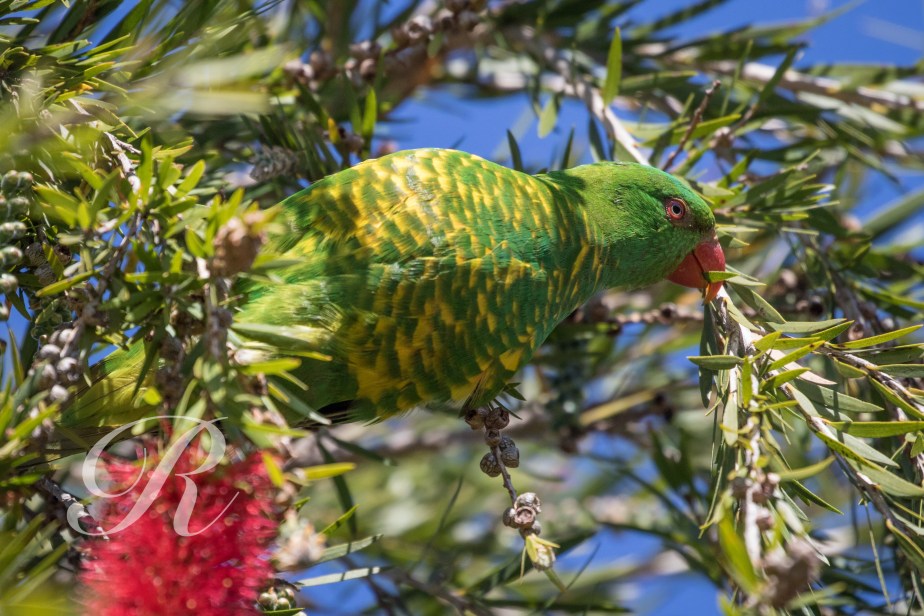
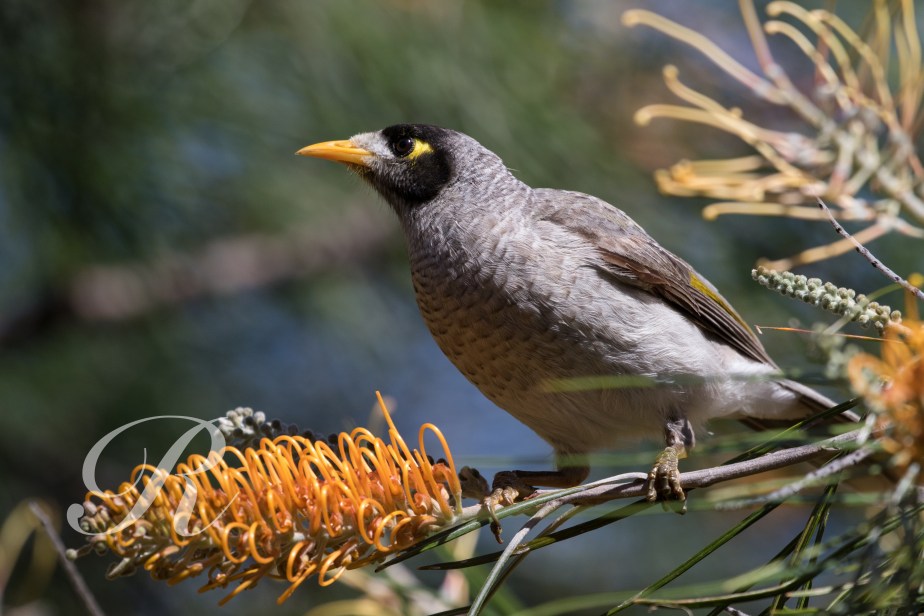
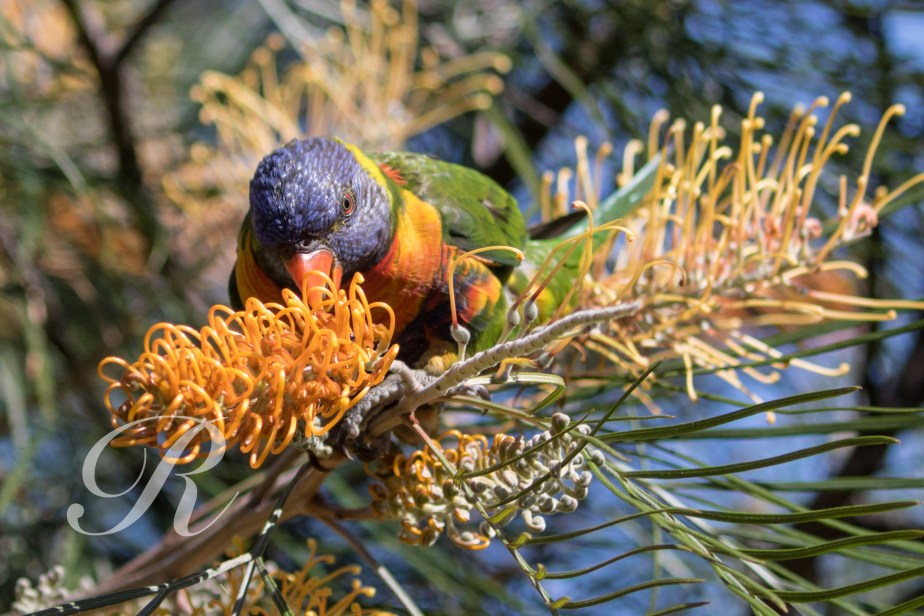
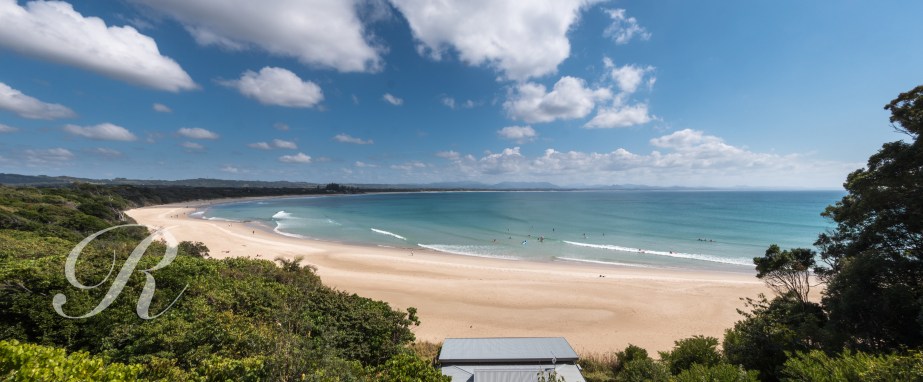
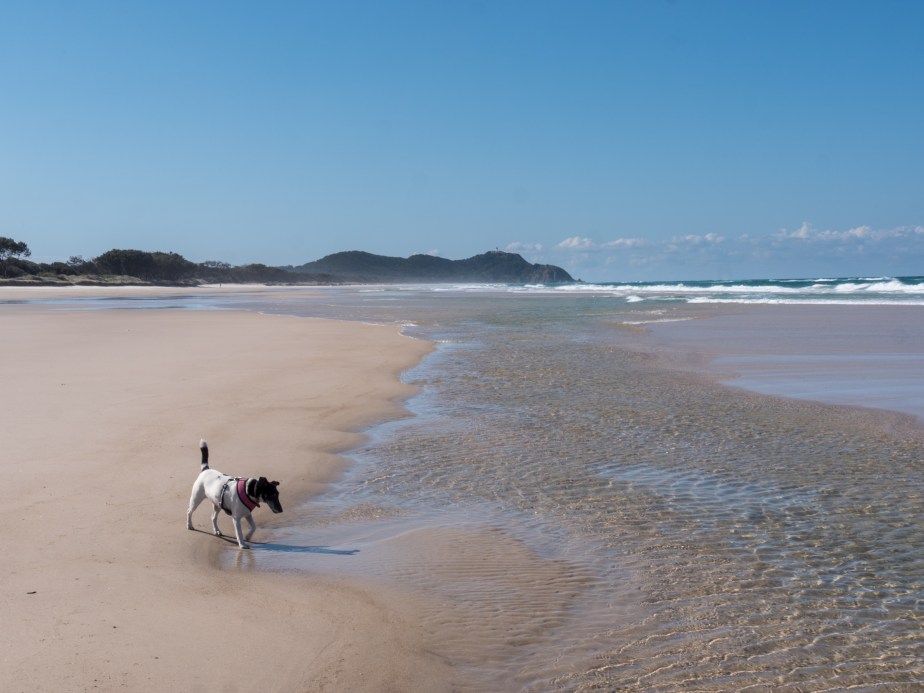
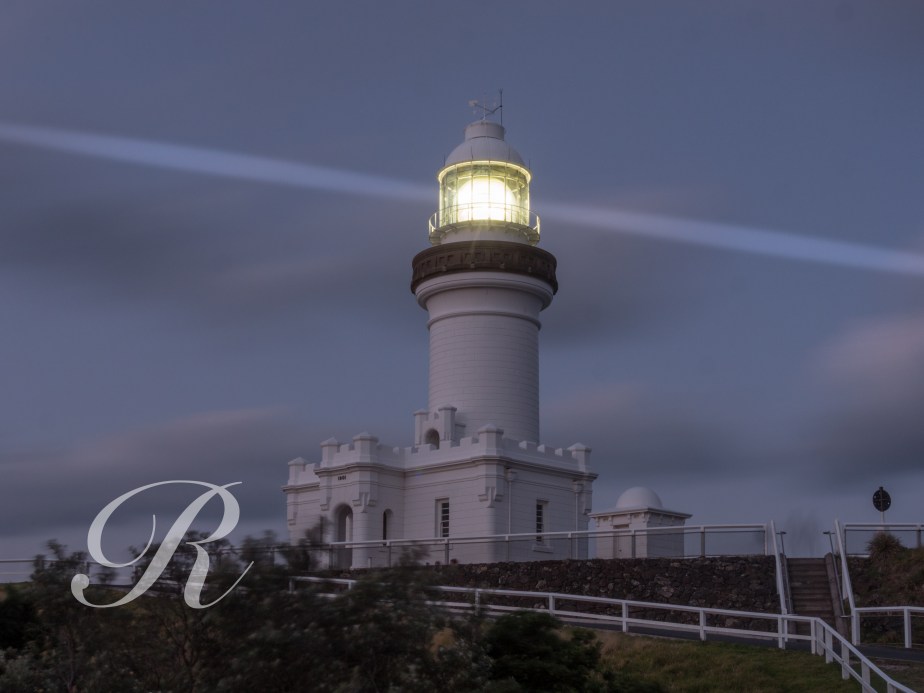
Captain James Cook was the first tourist here and he started quite a trend. He could hardly miss the most easterly point of the mainland which he named after John Byron a mariner of note (and the grandfather of the overrated poet). Early European settlers developed serious pursuits such as timber getting and gold mining but these days it’s all about hedonism, sun-worship, yoga, coffee any style and very expensive houses. There are little pockets of residual rainforest and extensive areas of heath dominated by Banksias.

It is very different from the country on the inland side of the ranges.

Byron Bay
Tallows Beach
Byron Bay Lighthouse

Collarenebri …

It was dark and raining when we drove into town. We were hoping to camp at the Primitive Camp Site just out of town. It’s free, has a toilet block and made camp sites spaced around it. It was full and a quagmire. The suggested alternative was the sports ground. The locals were having a party there to celebrate the rain, a very raucous party.

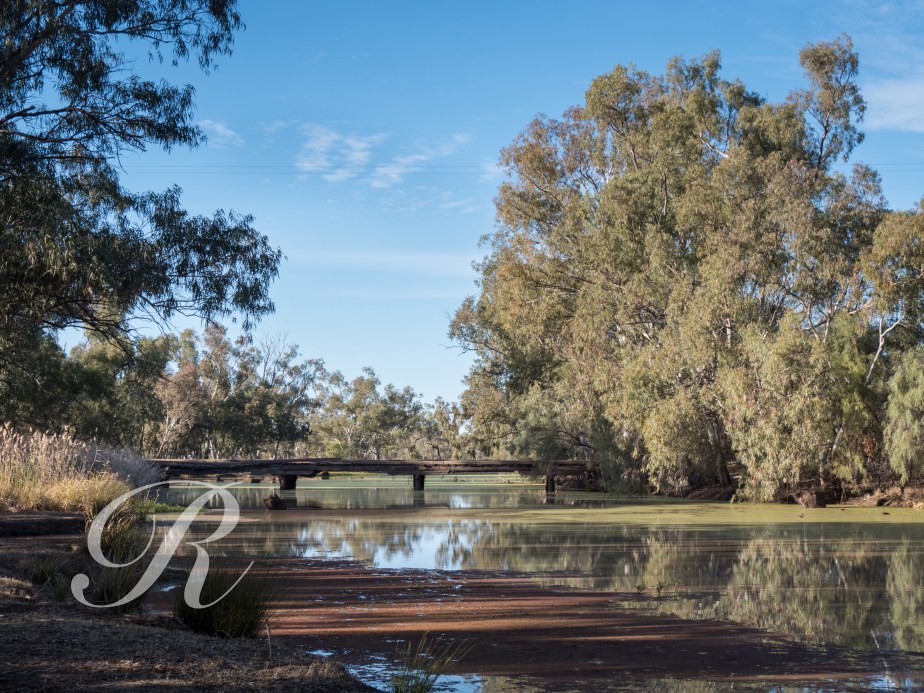
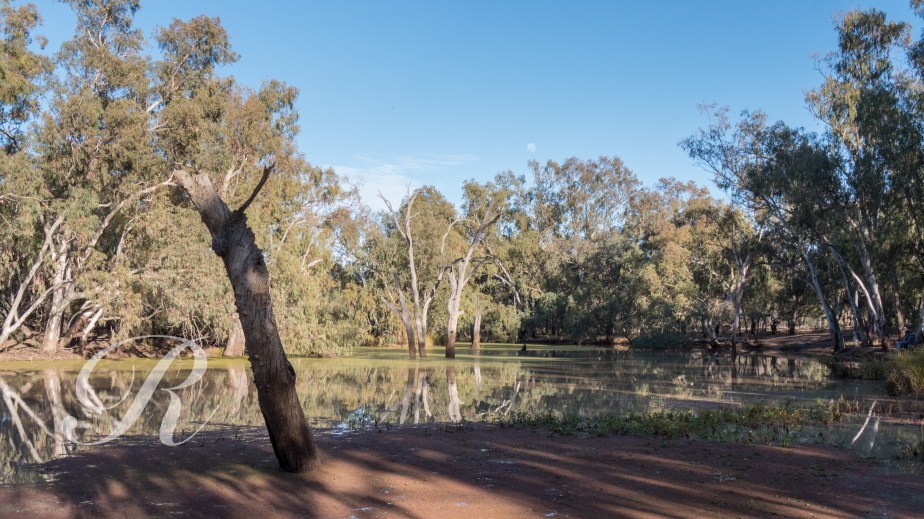
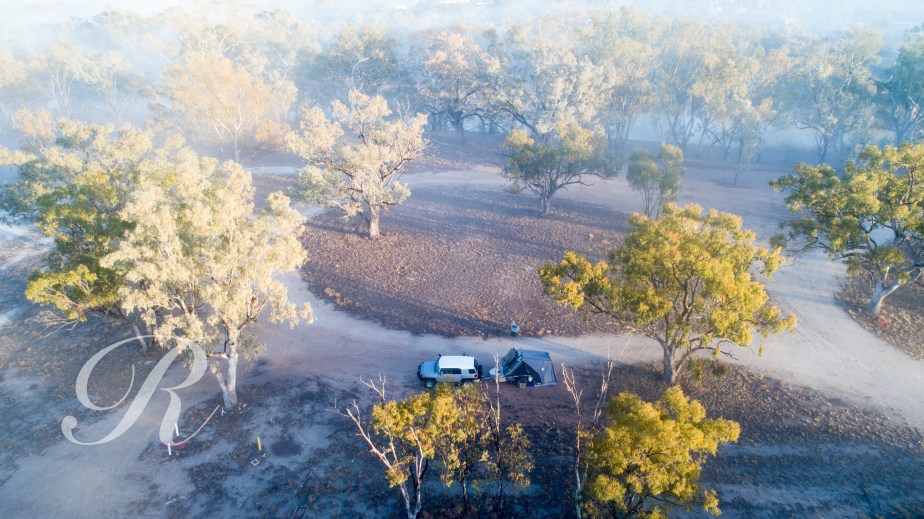
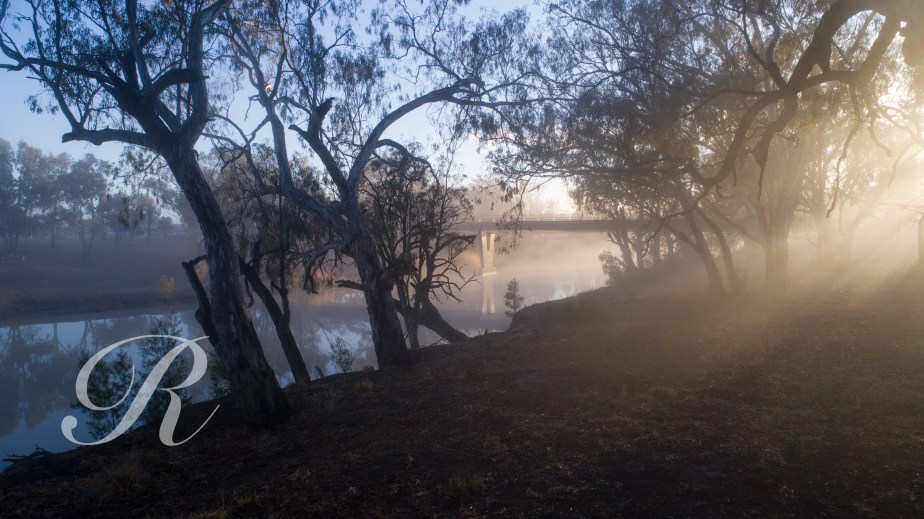
We camped instead on the banks of the Barwon River. When we woke up we could still hear the party going strong. Our campsite was bathed in mist.

the Pod camper
Barwon River, Collarenebri
our nearest neighbours

The Geographic Centre …

Of New South Wales, that is.

We left Weethalle bright and early with Collarenebri our destination. The road less travelled would take us through Tottenham the geographic centre of the state. Yes, you could balance NSW on a pin placed beneath a point just 33km north-west of town.

We didn’t make the 33km detour to that particular landmark because we got a flat not far from Tullibigeal. It took a little while to change the wheel and more time was wasted in Condobolin trying to get the tyre repaired, a wasted effort.

So onward ever onward. The countryside was very dry but the sky overhead black with cloud. A lot of the paddocks had been prepared for sewing and then left waiting for a rain that hadn’t come. Livestock were in good condition. Farmers out here know that there will be a drought in every decade and have already made the decision to destock or hand feed. It’s tough but so are they.

The native wildlife is not being hand fed. Kangaroos are attracted to the green pick along the roadsides where the camber delivers just a bit more water to the vegetation. Whilst they’re not dying of starvation a lot have fallen victim to the passing traffic.

At Warren we ran into the rain. The heavens opened.

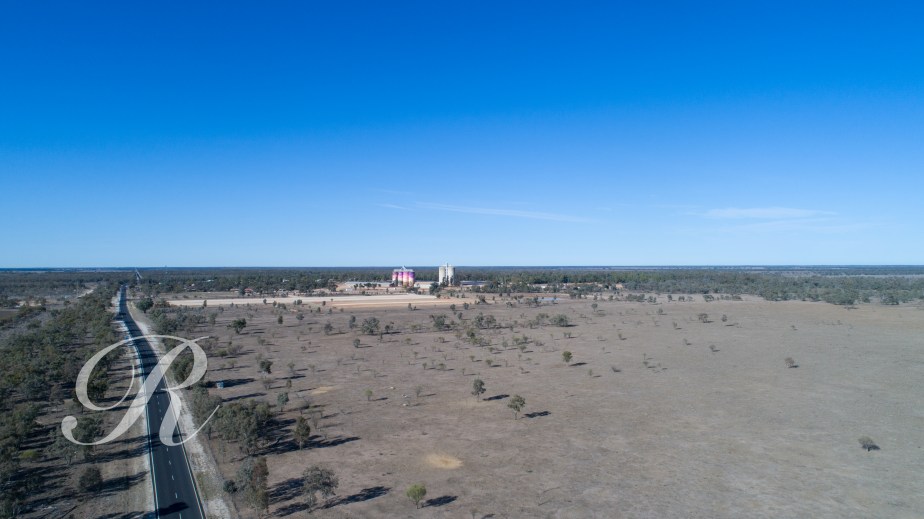
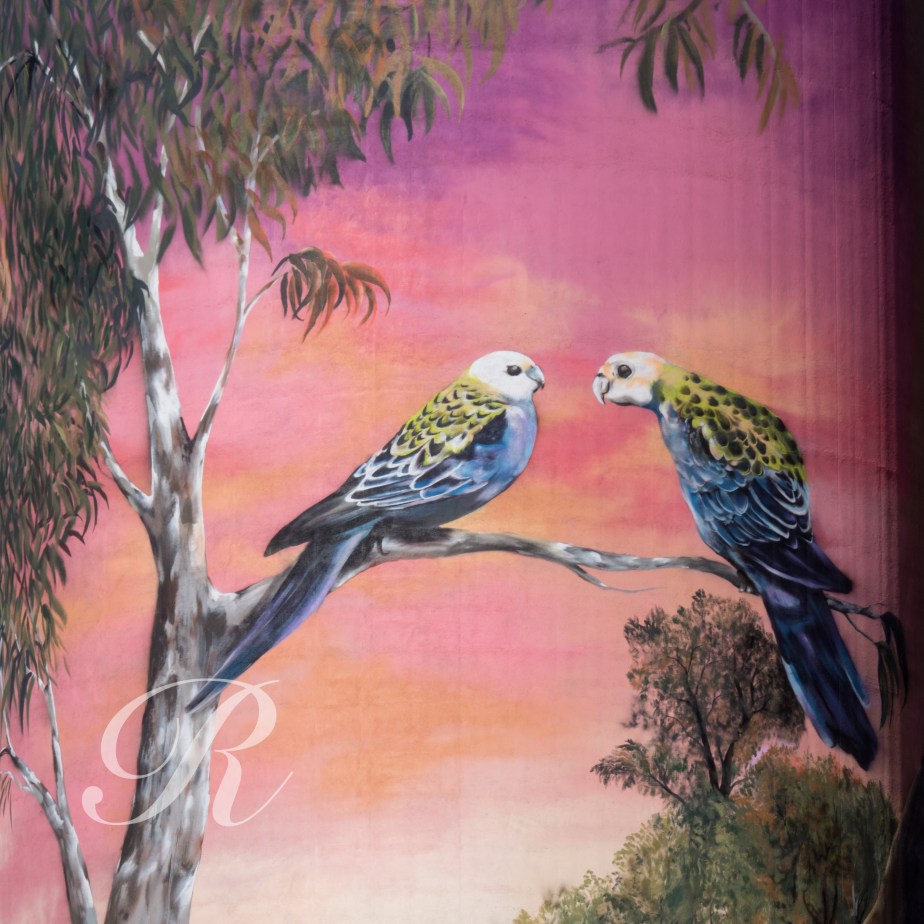
At Coonamble we chanced upon this …

Coonamble, NSW

a water tower rather than a silo which a bit of research reveals was painted by John Murray of Lightening Ridge and Sooty Walsh a local aboriginal artist.

We arrived at Collarenebri after dark.

First foreign silo …

The general trend of this little jaunt is north-east to hit Australia’s coast at the most easterly point of the mainland. Joining a few dots along the way adds to the interest. The first dot was Goorambat the second is Weethalle in NSW.

This little town came into existence in the early 1920’s. Wheat started rolling out on the railway in 1923. Having nothing better to argue about the lovely Gayle and I speculated on the origin and pronunciation of the name as we drove. Clearly it’s from a Germanic/Nordic language meaning White Hall and pronounced with a hard T and the final E Weet-haller. Gayle begged to differ (actually insisted rather than begged). Take the V out of weevil and put in the TH from that and you have Weethell. Australians do some amazing things to words.

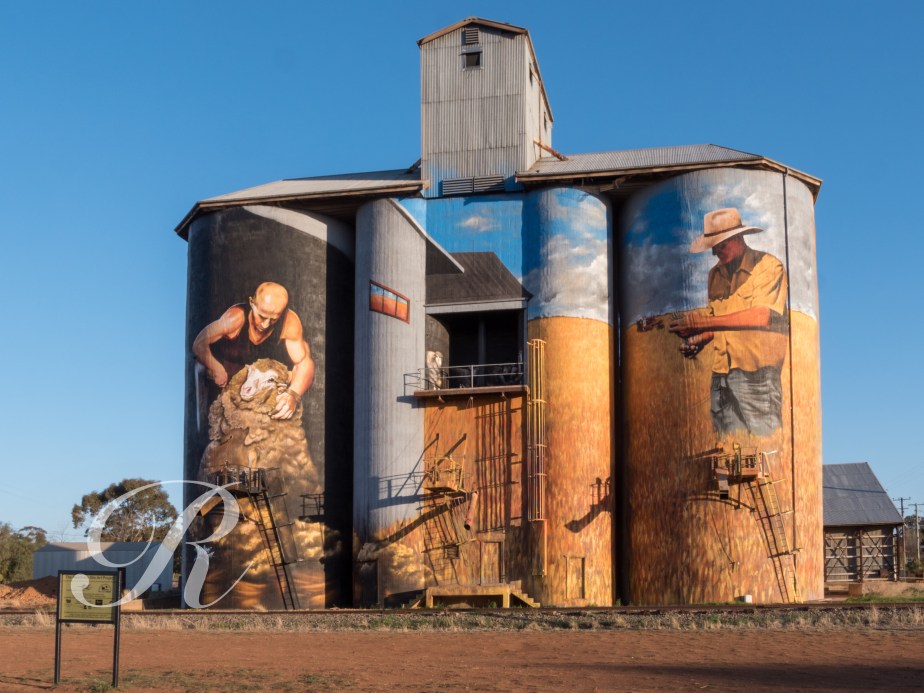
On our arrival we accosted a local who put us straight. It’s from an Aboriginal word for drink and it’s pronounced Wee-Tharlie. She ran off a list of mis-pronunciations that visitors had tried. Anyway it boasts a painted silo …

Weethalle, NSW.

It’s the work of Melbourne-based artist Heesco Khosnaran who, it is said, used 200 litres of Haymes paint and 300 spray paint cans in the process.

We spent the night camping at the showgrounds. It’s $10 a night, instructions on how to make that small contribution are posted outside the toilet block. There is plenty of room and the toilets were nice and clean.

The annual Weethalle show was on the week before. Sadly, with the whole of New South Wales declared drought affected, it was rained out.

First cuckoo of spring …

On a day that feels nothing like spring, bleak, cold windy and wet, snowfalls down to 600 metres …

Horsfield’s Bronze-Cuckoo

Birdlife tells us …

It usually parasitises bird species that build dome nests such as fairy-wrens and thornbills, but may also parasitise the open cup nests of other species, such as the White-fronted Chat.

Around here that means the Superb Fairywrens need to look out.

Another Day, Another Silo …

Rochester this time, a small town on the Campaspe River in northern Victoria.

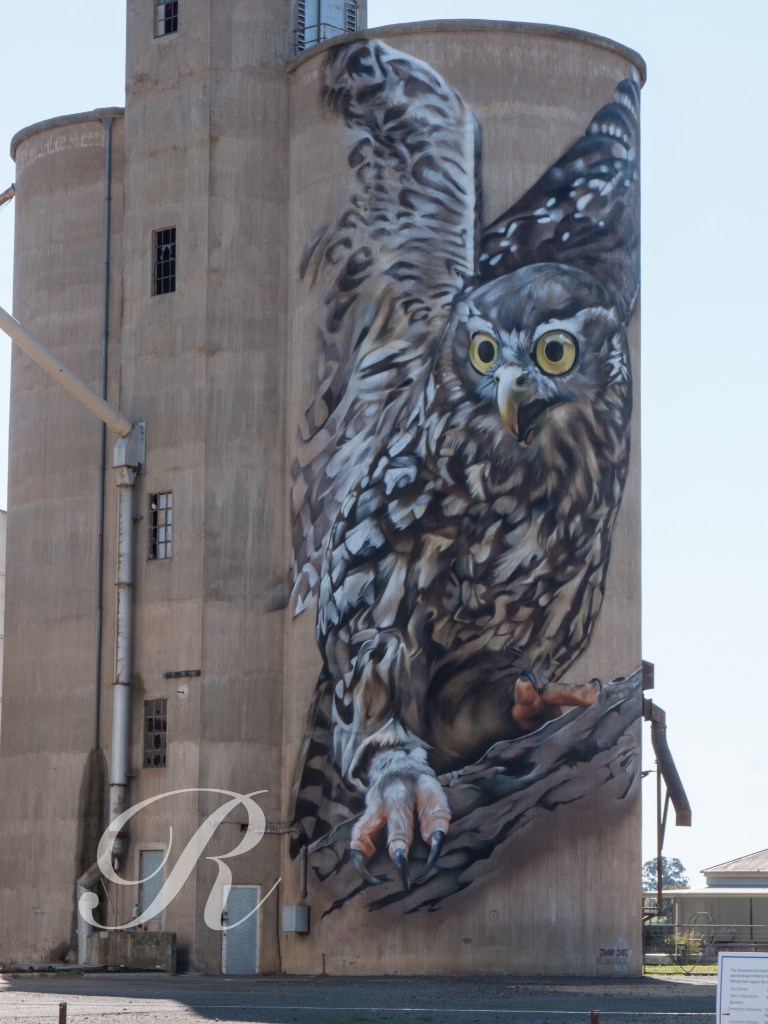
Rochester, Vic

The artist is Jimmy Beattie aka Dvate and the subjects are a Squirrel Glider and a Sacred Kingfisher. The glider is a rare resident in the woods along the Campaspe while the kingfisher is a fairly common and colorful summer visitor. The medium is acrylic on silo.

Rochester, Vic

Dvate has painted another silo near Benalla which I hope to catch up with soon.

Many more places possessed of silos are queueing up for a painting. As an art critic I am entering a burgeoning field. I hear there are some north of the border as well.

August …

The odd Wood Duck is wandering around the Victorian Goldfields with a trail of little Wood Ducks in tow. Little Ravens are gathering nesting material. The nice days of late winter really are nice. Spring has served notice of its intentions.

The winter visitors are leaving. Over in Newstead 45km away Geoff Park  reports the departure of the Flame Robins. They are heading for the hills now. It was a good year for them over there. We have had none overwinter on the McGee country estate this year and few in the neighbourhood but I did run into a flock on the move through Paddys Ranges State Park the other day.

Other birds are also on the move. It’s a good time to turn up species that are just passing through. They all add to the fun. Cuckoos will soon be here. The bad days are still wintry, however, and the last couple have let us know that it’s too soon to plant anything that is not frost hardy.

The other day I was surprised to find a solitary Barcoo Bantam rushing past as I worked (no, slaved) in the garden. It was a first for the property list. Their correct name is Black-tailed Native Hen. They are denizens of lignum swamps and have a knack of turning up out of the blue after rain even in places that have been dry for years. One on its own is unusual so I have no idea why it was passing through. Other parts of Australia though are in serious drought so it may not be the only refugee we see. Another influx of Budgerigars would be nice.

And bear in mind that most of the western half of the continent is desert anyway.

Our dryish part of Victoria is in better shape. The estate is pretty much on the average for winter rain, our tanks are full (we can shower and wash our clothes, drink water in stead of wine) and the paddocks are green. If it keeps up there will be a good crop of hay. The view westwards yesterday tells the story …

Was it about to rain? Indeed it was, but only briefly.

In a couple of weeks time I will be driving through the heart of the drought. I’m sure the photos I take there will be in stark contrast to this one.

Big Picture …

Another silo beautified, this one in a more urban setting. It is the old cement works overlooking Fyansford on the outskirts of Geelong, Victoria. The artist is Rone who has done great things in New York and London and has come home to Geelong for this project. The subjects are local folk. From left to right we have Corinna Eccles, a Wadawurrung elder, Cor Horsten who worked at the site for 35 years and Kelly Cartwright, an athlete who won gold in the long jump and silver in the 100 metres at the London Paralympics in 2012.

bobmcgee.live

Windy today …

Here is the wattle emblem of our land

you can stick it in a bottle

or hold it in your hand.           Bruce (Monty Python).

The driveway on the country estate was lined with wattle trees which gave a splendid display of yellow as winter faded. They are short lived trees and the seasonally gaudy phase of their existence came to an end ten years or so ago.

I replanted with Red Ironbark which are coming along nicely. The wattles were allowed to stand proud but leafless, nice perches and productive of insects. My feathered friends have appreciated them.

It was windy today …

We had a visitor at the time. They discovered the wreckage blocking the drive as they tried to leave.

Soon fixed.