Bachsten Gorge (2) …

Faint-hearted we were not, adequately prepared was another story.

We set off early from Turkey Creek and made good progress to about 35 km from the gorge. At Filter Creek the crossing proved difficult. A fallen log in the stream constrained every vehicle to the same path. The wheel ruts had become rather deep, too deep for our stock standard Prado. We bottomed out and stuck fast. We were in a convoy of one with no winch. The jacking points were not only under water, they were in contact with the stream bed. Attempts to feed logs under the wheels were predictably futile. Self rescue was not going to happen.

At 10am we put the satellite phone to use and rang Mount Elizabeth Station. They would inform the camp at the gorge in the next radio conversation. Because of limited power at the gorge there are two radio calls each day … the next would be at 5 pm. Rescue would not happen that day unless someone came up from behind, the station were not aware of anyone likely to do that. Would we please ring back at 5.30 pm.

We went bird watching then set up our tents. We had food for ten days and, as for water, our car was up to its doors in the stuff. No worries.

We called again at 5.30. They’d forgotten us. Not to worry, there would be another radio call at 6 next morning.
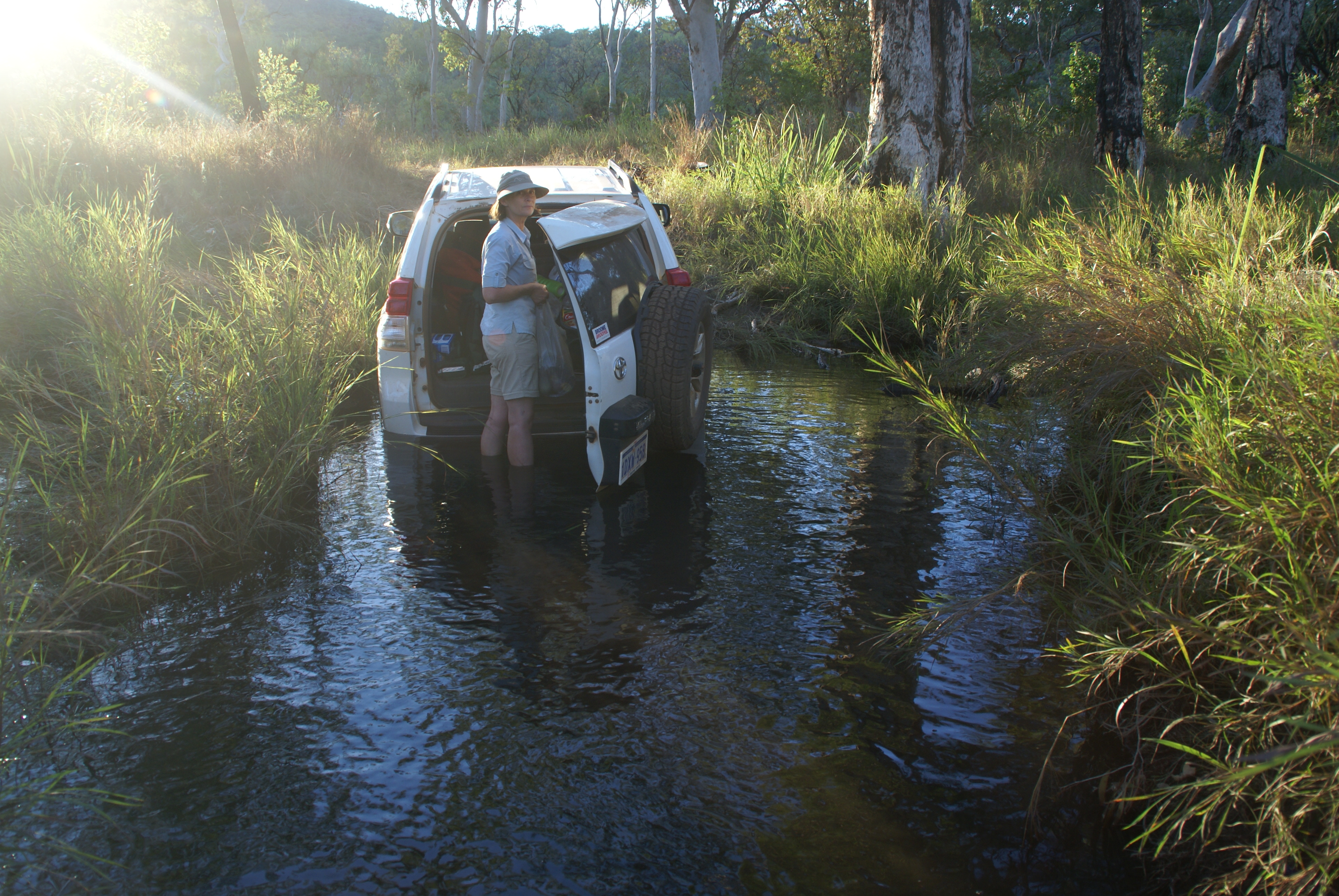
Gayle retrieves the evening meal.

The following morning we were not forgotten. Rick would come from the camp and tow us out. He’d be there at 10 am. He was early. Our rescue was quickly executed. Rick then turned his attention to the offending log and carried out some deft underwater chain sawing. The rescued party meanwhile set about digging away some of the bank so that the crossing could be moved upstream enough to make our return journey easier.
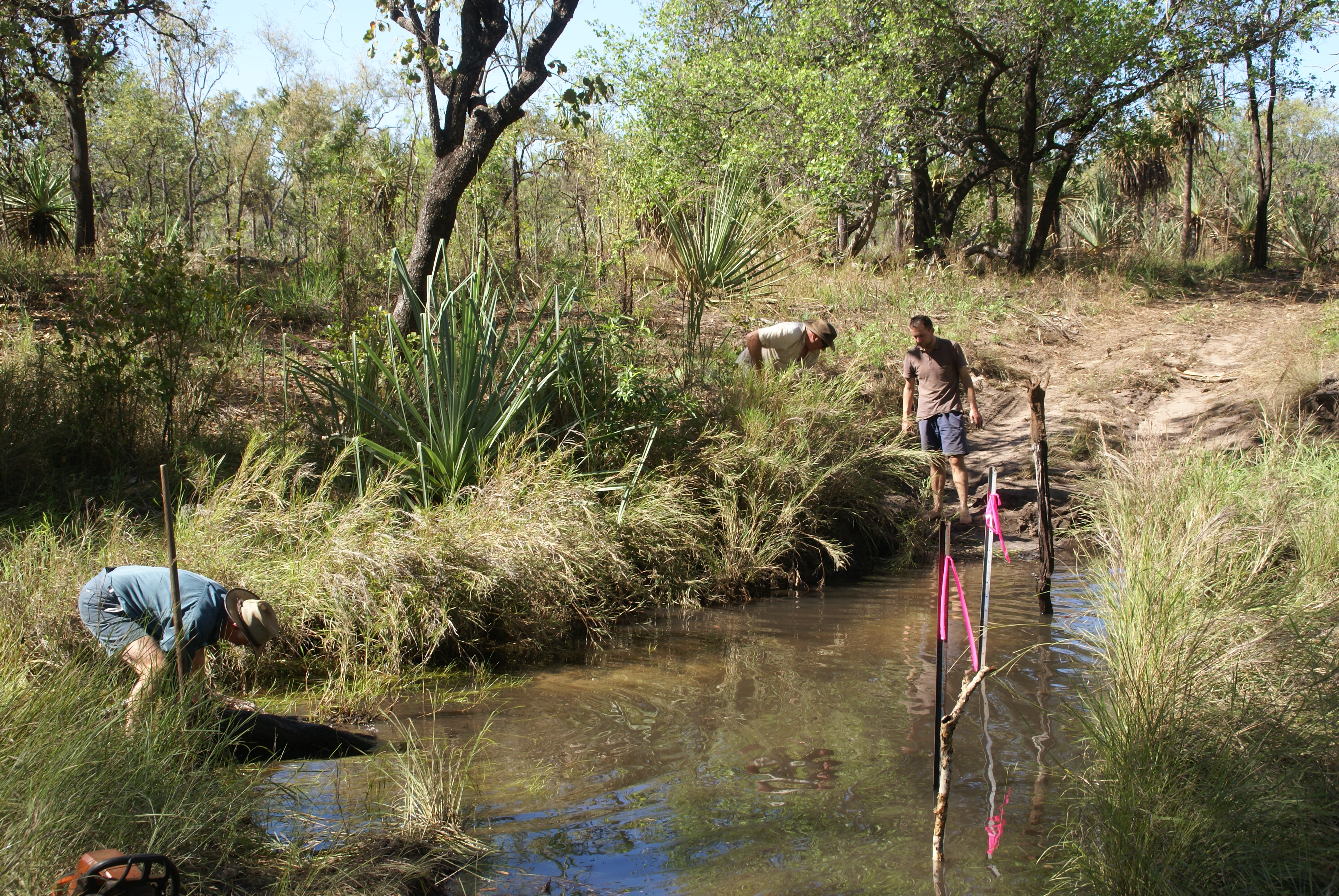
Fixing Filter Creek.

The last 35 km took another couple of hours and involved a few more creek crossings and the passage of a particularly viscous bog.

But we got there, could we now find the elusive Black Grasswren?

<NEXT>
Bachsten Gorge (1) …

Leaving Windjana Gorge quite early we headed east. The first port of call was the Mount Barnet Roadhouse to fill with diesel. For people living in settled districts fuel is never far away. Out here there can be three hundred kilometres between service stations. Our intended side trip meant we had to have twice that range plus prudent reserves.

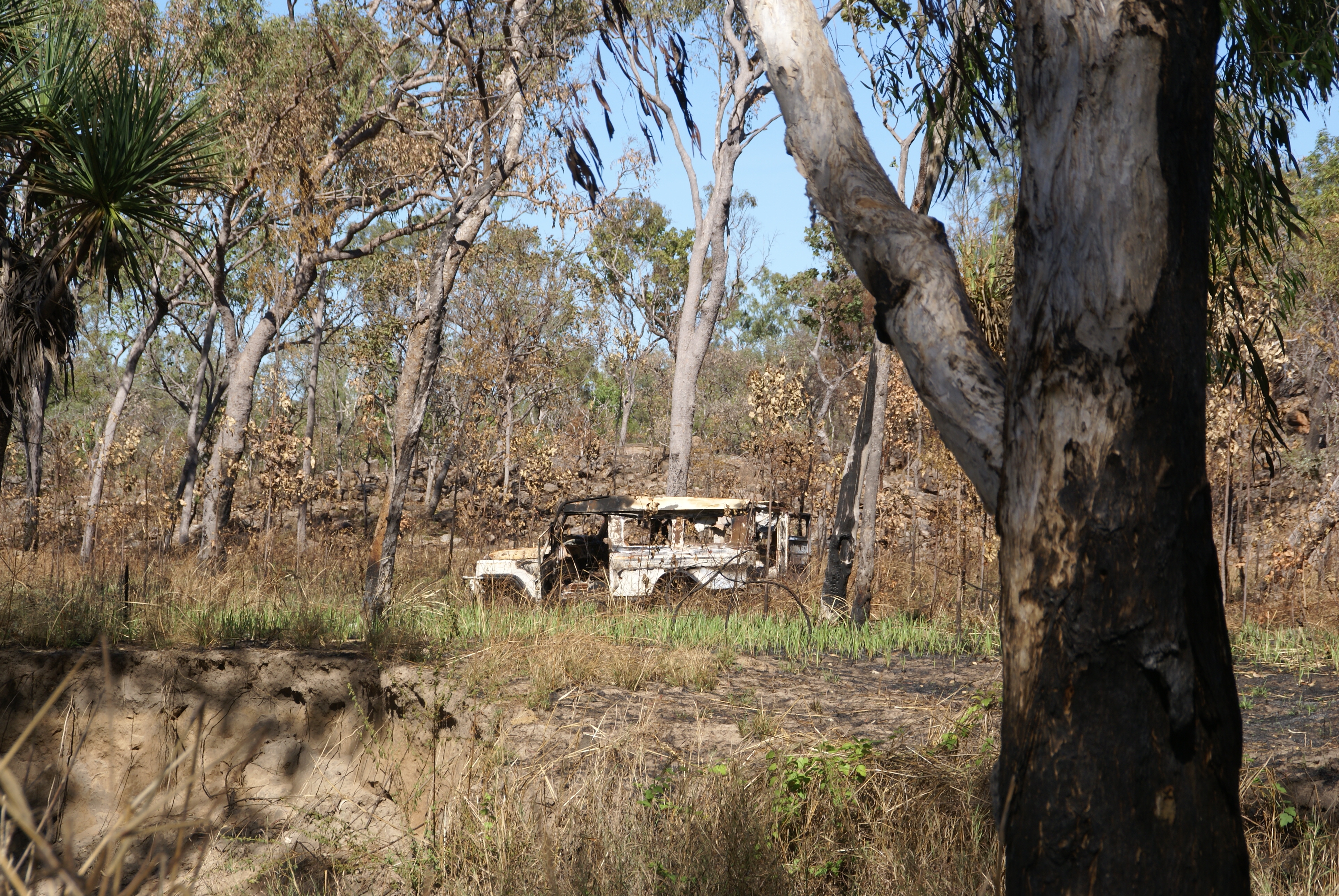
At Mount Elizabeth Station we turned left. The road to Bachsten Gorge is a private one crossing a cattle lease or two. The road use fee is $100 per vehicle. Half goes to the station half to the owners of the camp at Bachsten Gorge, Rick and Anne Jane. Maintenance of the road is done by Rick. Driving it is not for the faint-hearted or ill prepared. Considerable sections are extremely rocky, early season river crossings can be quite deep, there are some very steep sections and there are bogs. I would recommend travelling in pairs of vehicles or having a winch. At about half way you descend the Magpie Jump-up, if you’ve skiied double diamond slopes the incline will not seem unfamiliar. The trip in is a bit over 150 km of sustained concentration, allow seven hours. There are some very nice campsites along the way, take a couple of days on the journey. Not everyone comes back …

SONY DSC

SONY DSC

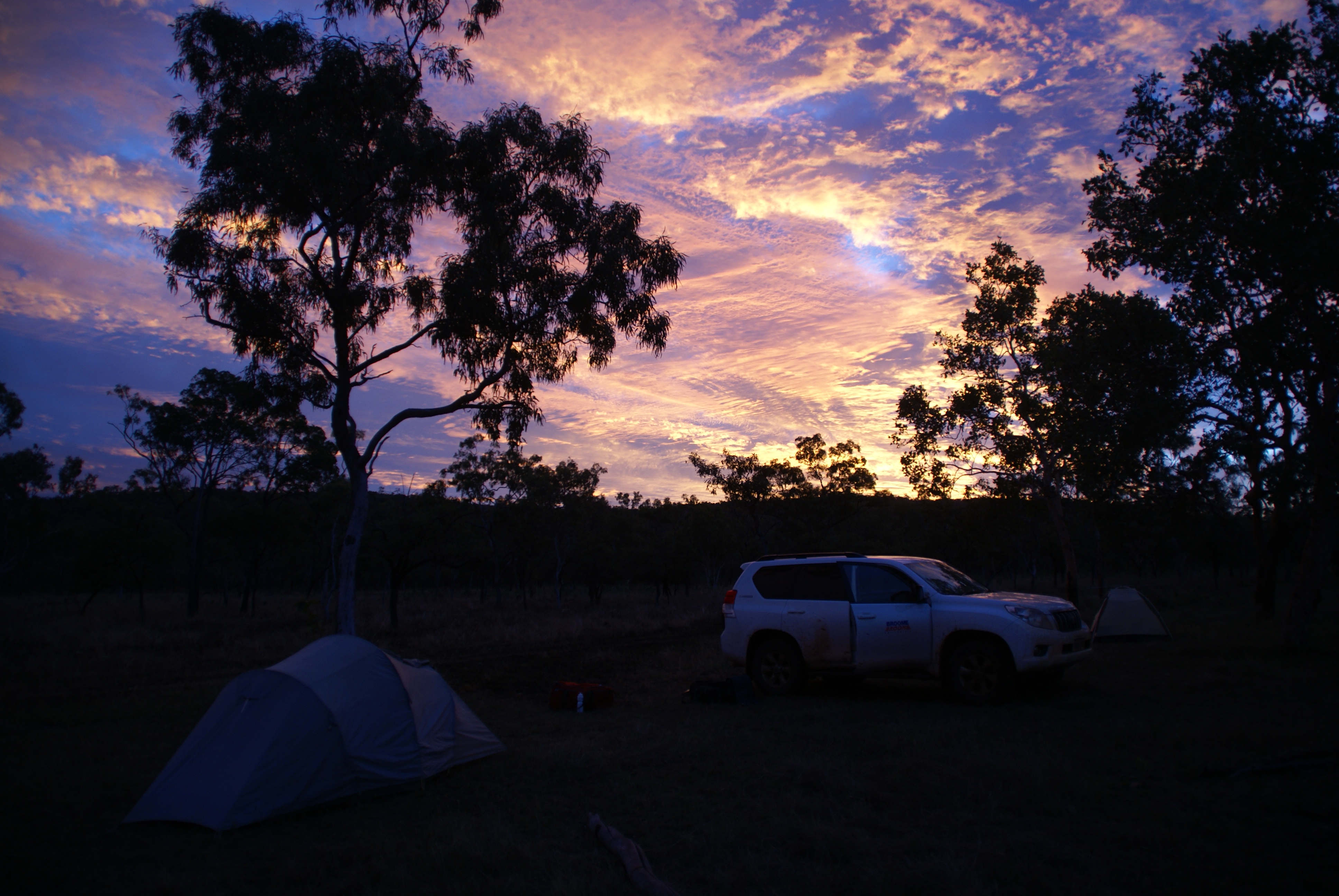
We camped at Turkey Creek, the camp was investigated by a very hungry dingo as soon as we retired.

SONY DSC<NEXT>

Windjana Gorge …

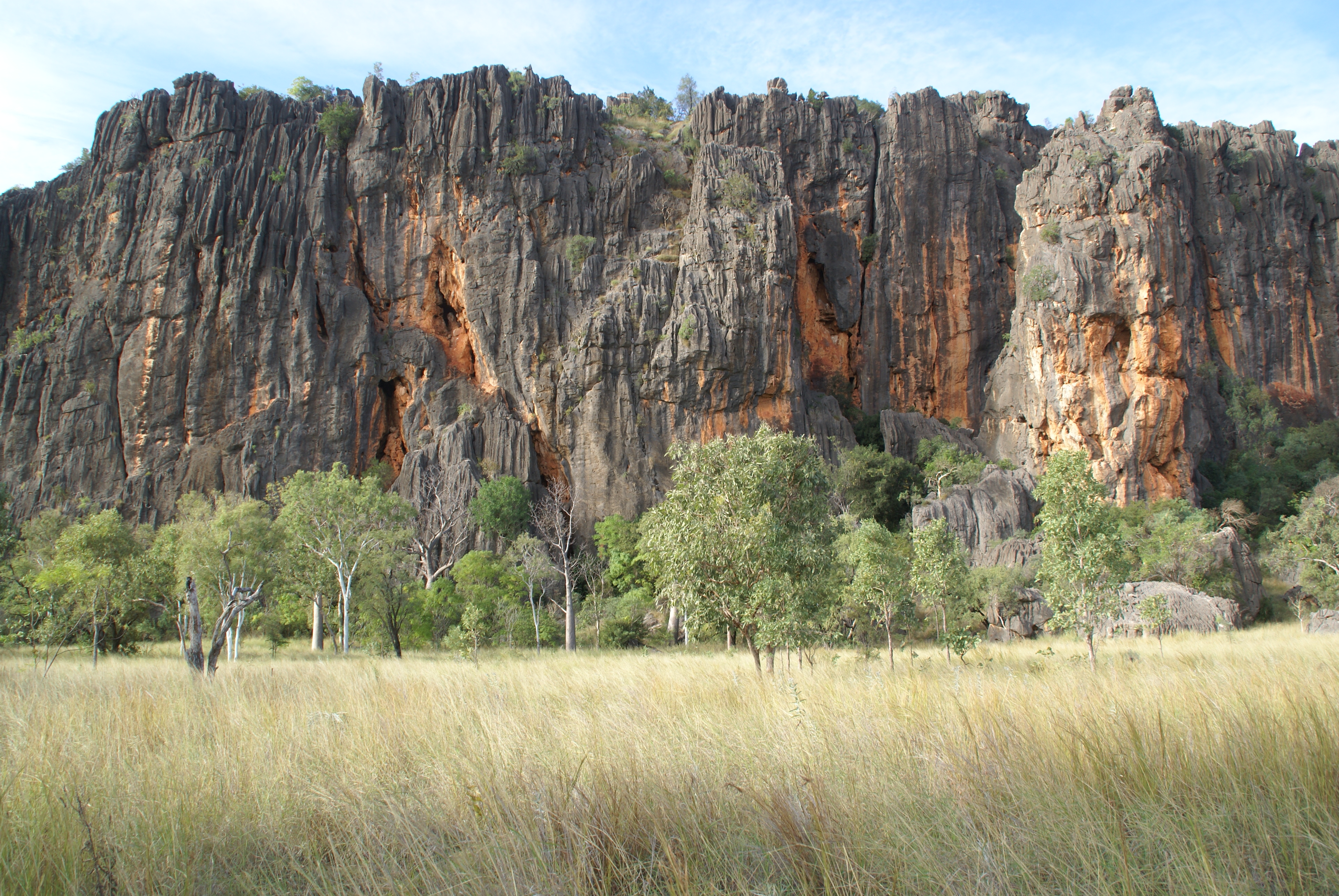
Limestone walls rise starkly from the flood plain of the Lennard river, this is the remnants of the Napier Range formed over 300 million years ago. Windjana Gorge runs through the centre.

It is spectacular and it’s popular, it’s 360 km from Broome and can be reached in about 5 hours. It was the busiest camp site on our Kimberley trip.

SONY DSC

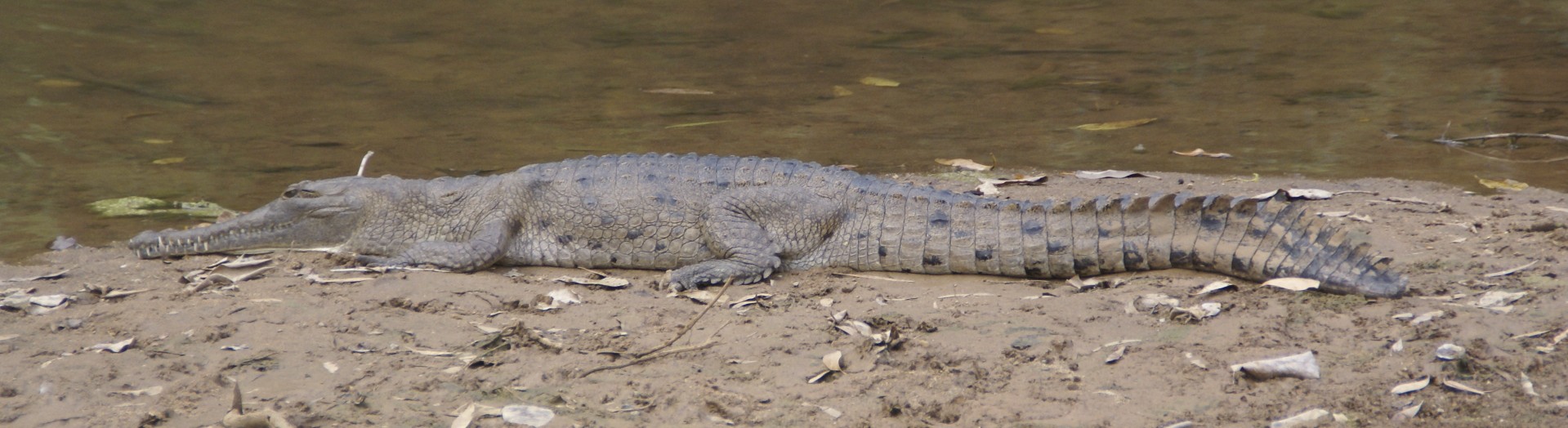
This is crocodile territory although only the fresh water variety. They are happiest when there is a big flying fox camp in the gorge. The bats take to the air at dusk and the first thing they do is take a drink. Flying in circles they dip their mouths to the water. The crocodiles line up across the stream and snap at whatever comes near.

On this visit there were just a couple of small camps but the crocs were still smiling.

SONY DSC

Freshies are not man eaters but can be aggressive especially females guarding their nests. Always take care

SONY DSC<NEXT>.

The Kimberley …

A fabulous and fabulously remote part of Australia.

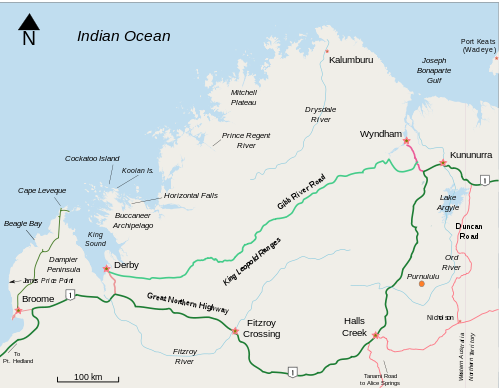
It is the northernmost portion of WA, it is entirely north of the tropic of Capricorn. It has a wet season, the southern hemisphere summer and a dry, the winter. It is scenically splendid, and among many other wonderful creatures it is the home of the Black Grasswren. The McGee Australian birdlist hadn’t had an addition for a couple of years, an expedition was in order. Enquiry revealed that the only “accessible” places where it might be sought with a reasonable chance of success are Bachsten Gorge and the Mitchell Plateau. Early in the dry was tipped as the best time, swollen rivers close many of the roads in the wet. Access to both sites is from the infamous Gibb River Road.


500px-Kimberleys,_Western_Australia_map,_labelled.svg

The western half of the Gibb River Road provided access from Derby to cattle stations as far as, you guessed, the Gibb River. It was completed in 1956. Subsequently it was pushed further east and is now the scenic route from Derby to Kununurra. It is a reasonably well graded dirt road, 4WD is recommended. Almost all the car hire companies prohibit using the Gibb River Road. Broome is a very civilised place to begin and end, a circular tour can be completed via the Great Northern Highway, which is sealed and has the added advantage of taking you past the Purnulu National Park, better known as the Bungle Bungles.

This year has seen very late and heavy rainfall, as the time to go approached none of the roads were open. Two hundred millimetres of rain fell on Broome just before we arrived, but the outlook further west was encouraging. McGee and two intrepid companions left Broome on the 7th of June. The Gibb River Road was open, but for access to the Mitchell Plateau the King Edward River needed to drop a fair bit. It had a few days to do it.

In Derby we visited the wetlands and sewage works, a fair test of the 4WD capability of our Toyota Prado. The covering of red mud that it acquired made us look especially authentic. We headed for Windjana Gorge for our first camp site … <NEXT>.


Place …

As a kid growing up in the east end of London, places like Epping Forest had an almost magical effect on me.

Australia is rich in places that have much the same ability, a little shiver and a sudden sense of smallness within a vast universe, others might say numinous but that would admit the supernatural.

My place in the country finds ways of doing it to me again and again.

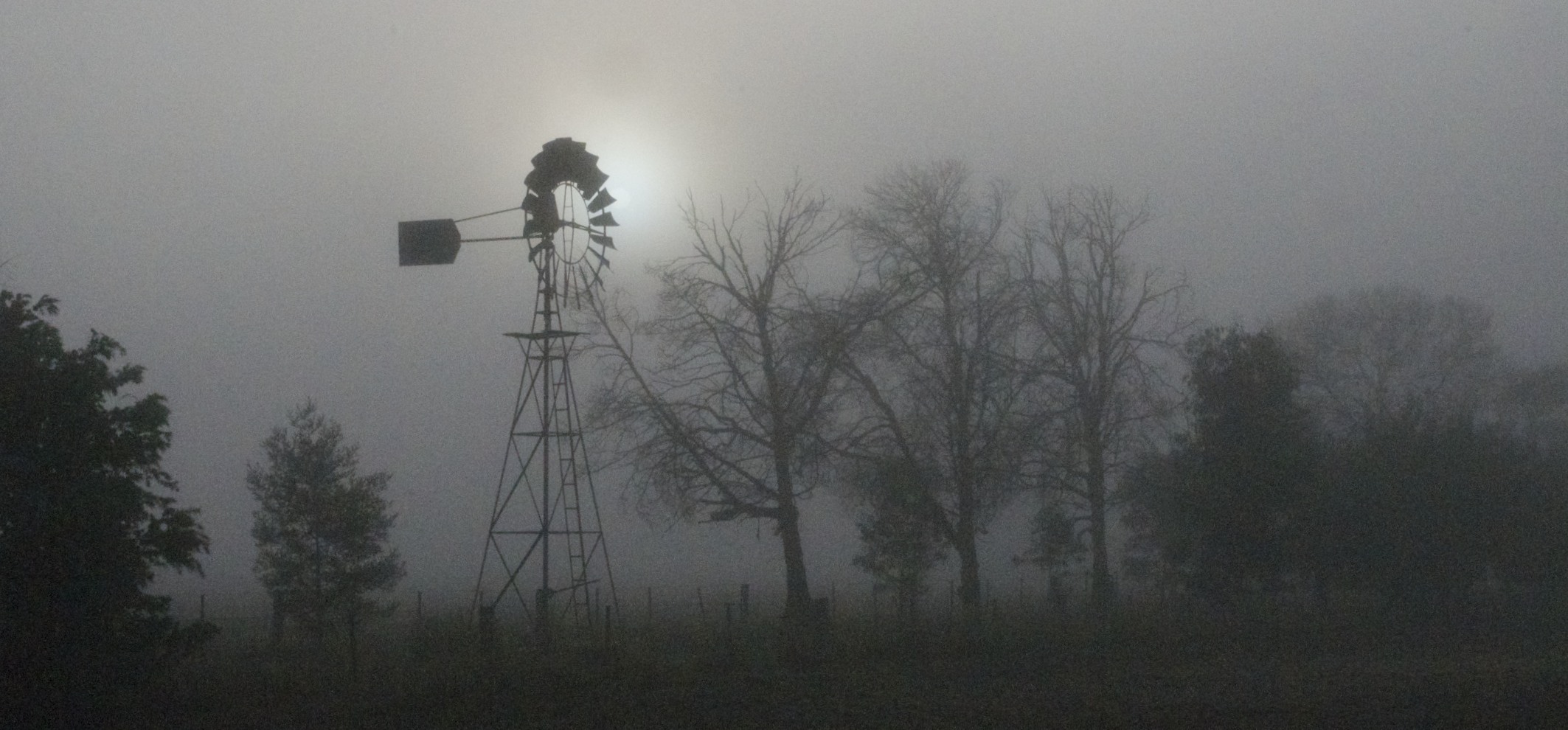
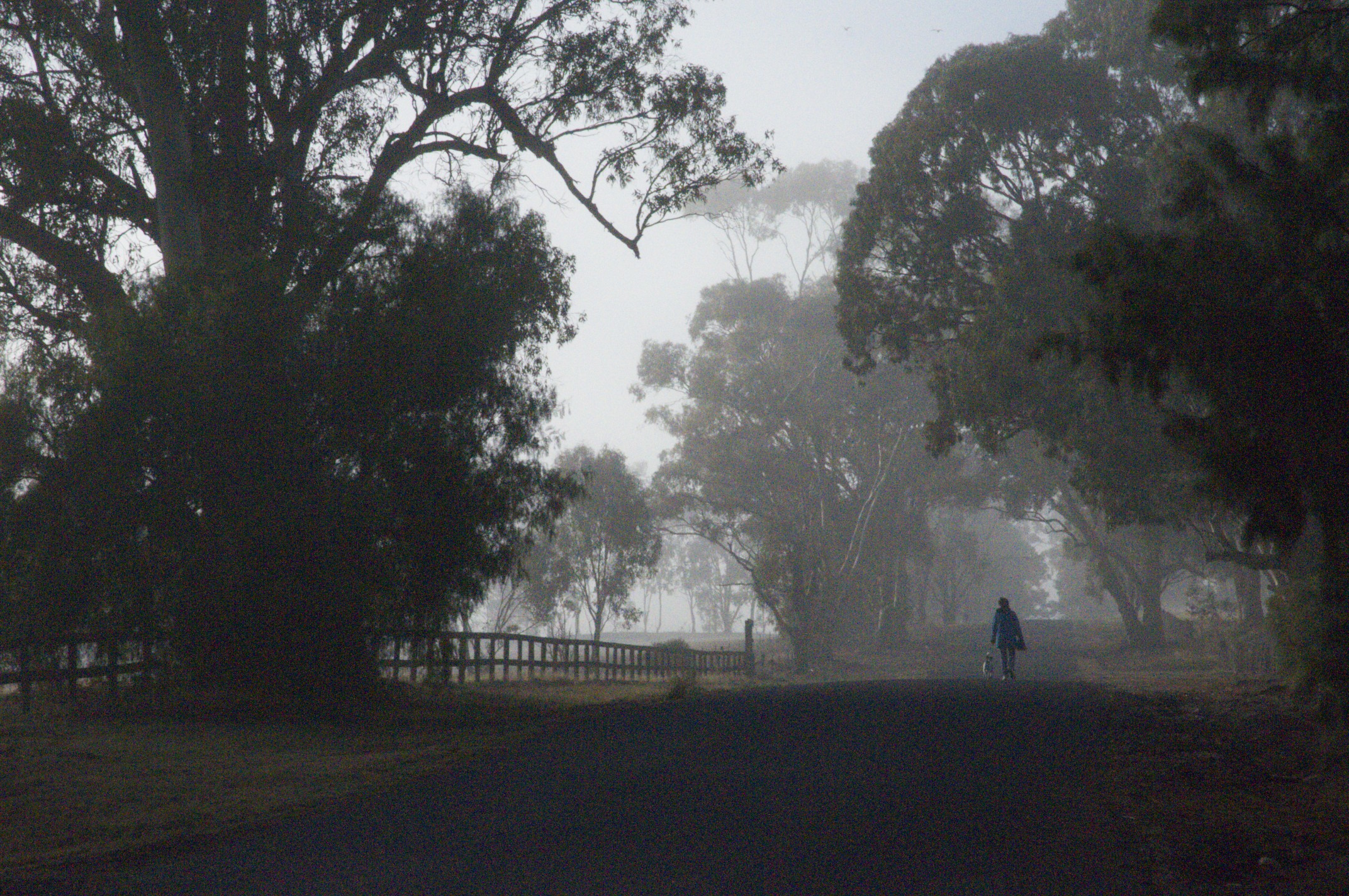
Saturday morning we had our first frost for the year, as the sun gots its edge over the trees along the creek it highlighted a mist suspended on an inversion about 20 metres above the ground with a red sky backdrop, by the time I got the camera the whole place was enveloped in fog.

DSC_9431My morning walk …

DSC_9422

DSC_9444

DSC_9453

DSC_9469

Birding …

Got back late last night from a quick jaunt to north central Victoria.

First stop was the Warby Ranges. I camped at Wenhams, which has had a bit of a face lift since I was last there, new toilets and some level camp sites. Some space has been lost in the process but level is good … I can only imagine the thought processes of the person who laid out the prior version.

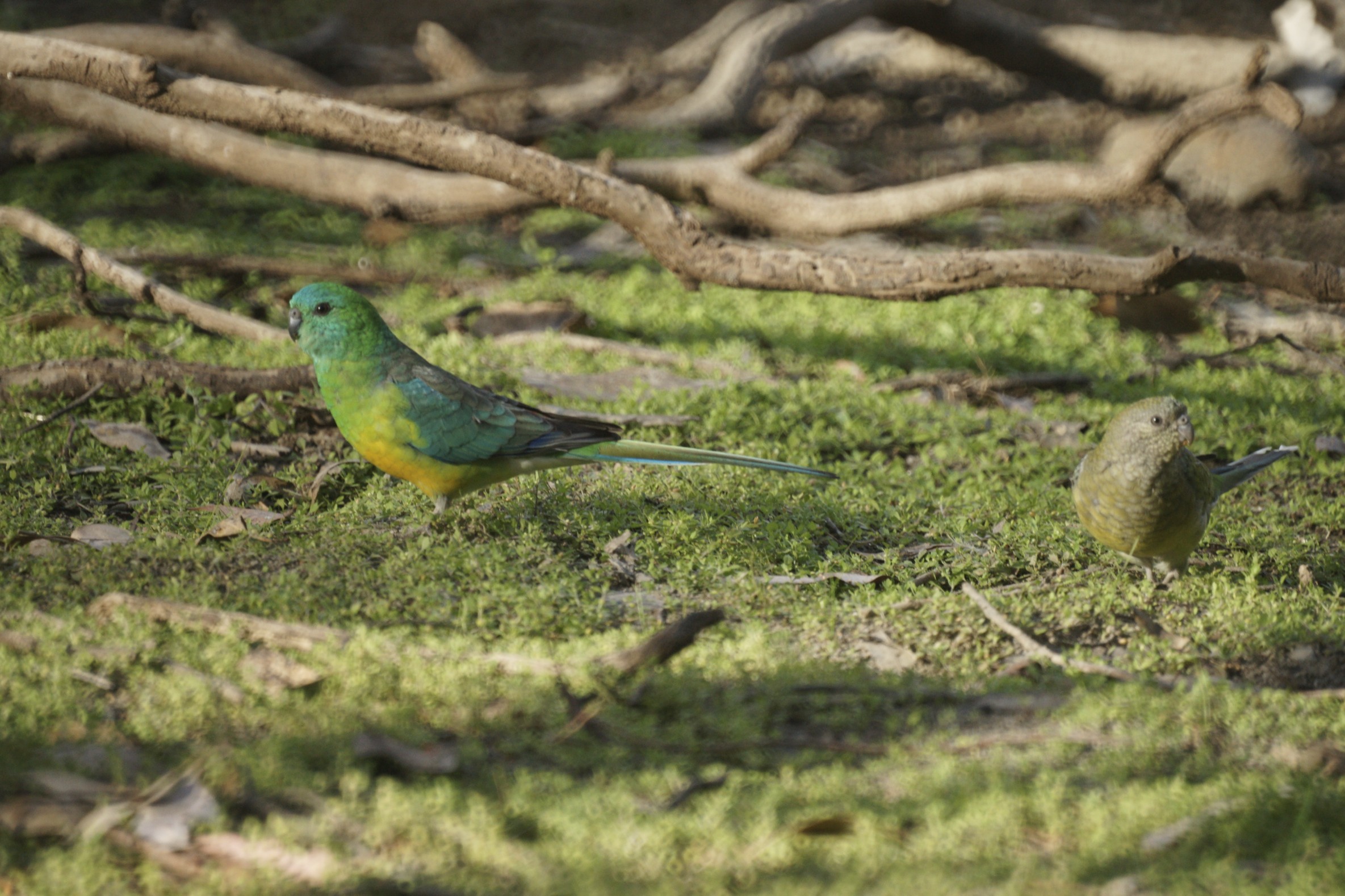
The weather was kind and the birding magnificent. The Warby Range is a granite outcrop on the inland side of the divide, which gives it a lot in common with the inland slopes of New South Wales. Spurwing Wattle and some orchids are found in NSW and Warby but nowhere else in Victoria. Some of the birds too, are hard to find elsewhere in Victoria, Warby is a reliable place for Speckled Warbler. It is also the Victorian stronghold of the Turquoise Parrot. This is an absolutely gorgeous parrot, bright yellow breast, bright blue in the wings. It seemed destined for extinction between 1880 and 1920, perhaps due to competition with introduced stock in times of drought. It may have been introduced weeds that enabled it to recover.

The next day I headed about 30 km north to have lunch in the Lower Ovens Regional Park. This adds a few water birds to the list and it’s a spot that I particularly associate with Dollarbird. No Dollarbirds this trip, they are summer migrants, the adults leave as soon as the young are fledged, the youngsters follow when they can. It’s too late in the year this far south. The Ovens river floods here, the banks are forested with River Red Gums on black soil, best avoided in wet weather.

After lunch another 40 km and you’re in the Chiltern forest. Ironbark country with lots of Red Box and Red Stringybark thrown in. In spring this is the place to find the endangered Regent Honeyeater, not this week though. But plenty of Noisy Frairbirds, Little Lorikeets, White-throated Treecreepers and half a dozen honeyeaters.

Not only the common ones, at Cyanide dam I came across a flock of Black Honeyeaters. This is a bird that seems to be sparsely distributed throughout the arid region and irruptive into adjacent areas at the fringes. Your chances of finding it where it’s supposed to be are never high but if you’re in the right place at the right time you can’t avoid it in places where it may not be seen again for years. Cute bird.

And it’s not all about the rare ones, nice as it was to add Black Honeyeater to my Vic list (now 381) it’s always a pleasure to see old friends …

Red-rumped Parrot
Red-rumped Parrot
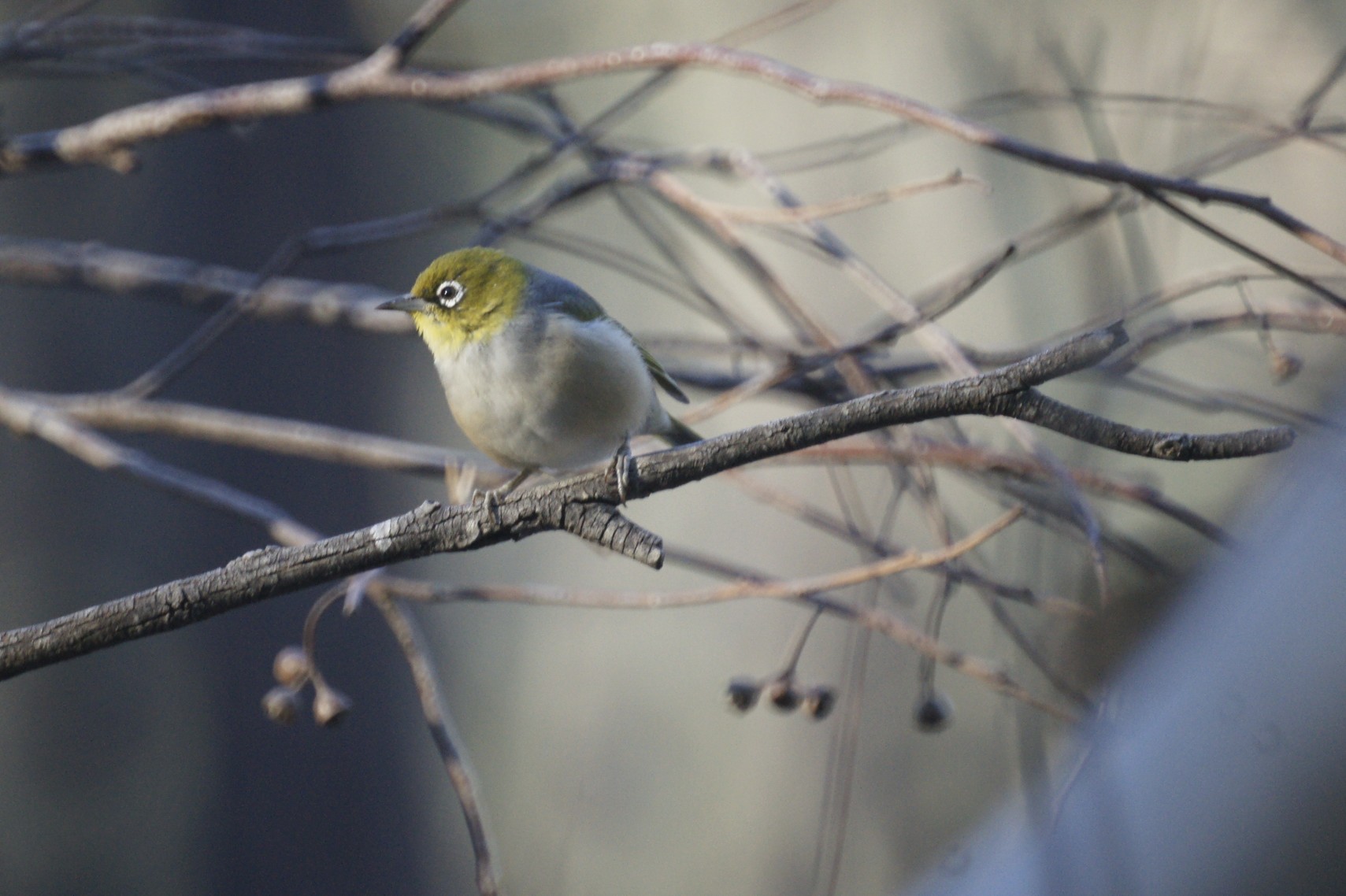
Silvereye
Silvereye
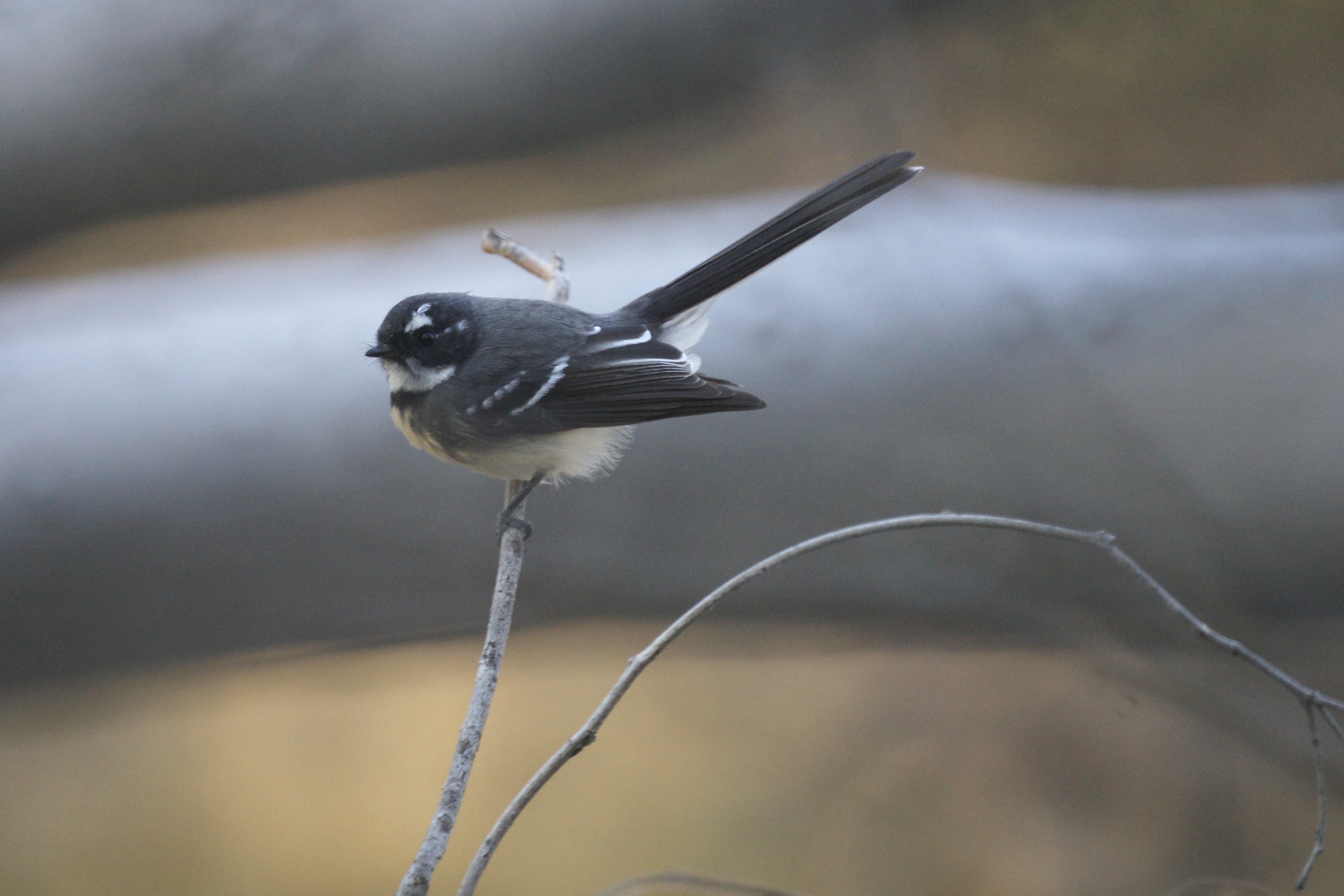
Grey Fantail
Grey Fantail


Cruise ship adrift …

Latest report from the Costa Gillardia …

Food and water running out, the toilets are flooded, the electricity cut off, Where are the tugs?

It seems the navigator, Aurora, has been making up the coordinates, several of the crew have abandoned ship, today they can’t find Scotty McClelland. Will there be any lifeboats left for the rest of us.

Nonetheless, Mr Swan, the first mate, is still promising to make port on time even though the fuel is all gone.

Captain Julia hopes to raise everyone’s spirits with a pass close to the shore … as soon as the engines are running.


Australia Day …

The anniversary of the arrival of the First Fleet at Sydney Cove in 1788 since when there has been a continuous colony of people descended from Picts, Scots, Angles, Saxons, Romans, Jutes, Danes and Normans and goodness knows what else.

It is fashionable in some quarters to put on the black armband and lament the fate of the original inhabitants, wail about the crimes of the invaders. An apology on my behalf for crimes I did not commit to people who were not alive to be the victims strikes me as an absurdity. Better, it seems to me, to celebrate the fact that the average modern day Australian, no matter their genetic past, lives a more secure, orderly and enriching life than those inhabitants of this land in 1788.

No doubt, the day will throw up the line about the oldest nation on earth once again. Australia was not organised as a nation, it was a conglomerate of groups with between 350 and 750 distinct languages and dialects. A quick look at a language map shows that the diversity is far greater in the far north, consistent with successive waves of colonisation. And remember that Torres Strait did not exist until about 8,000 years ago, so add another few hundred languages since lost from the pool by that separation.

Aboriginal implies from the beginning. The truth is that no one was here from the beginning, modern man has its origins in Africa. Part of the evidence for this is found among the fossils but not every fossil has descendants roaming the earth today. On the other hand, if you’re roaming around today you had ancestors roaming around at every moment of human history. The relationships of those ancestors can be inferred from our DNA. The result can be seen very nicely by visiting The Journey of Mankind, take a break from me and click it now, I’ll wait …

The crucial moment is found at 85,000 years ago. All non-African humans alive today descend from that group.

We are one species, your ancestors are my ancestors, my ancestors are yours. Lets make the most of it.

Celebrate Australia day, the anniversary of the day that families, separated for 85,000 years, were reunited.

How to die in the bush …

Mutawintji National Park, NSW.

A 24-year-old woman telephoned emergency services about noon on Tuesday to say the group, from country Victoria, were lost, after the Hyundai Excel the trio were travelling in crashed.

Her Triple-0 call cut out, with little to no reception in the rugged terrain. Emergency crews used GPS co-ordinates to trace the call to inside the national park, but by the time they located the car about 8pm, the group had abandoned it. Police, SES and paramedics called off the search at nightfall and resumed it yesterday morning.

At 9.40am, after walking about 20km, the woman arrived at a sheep station in Acacia Downs and raised the alarm. She appeared to be in “reasonable health” according to police, telling officers she had left the two men at a water hole.

The men were found five hours later about 15 km apart, one was dead the other seriously dehydrated. The dead man was 33.

Remember this … all three were alive when their car was found and would probably have remained so if they had not left it.

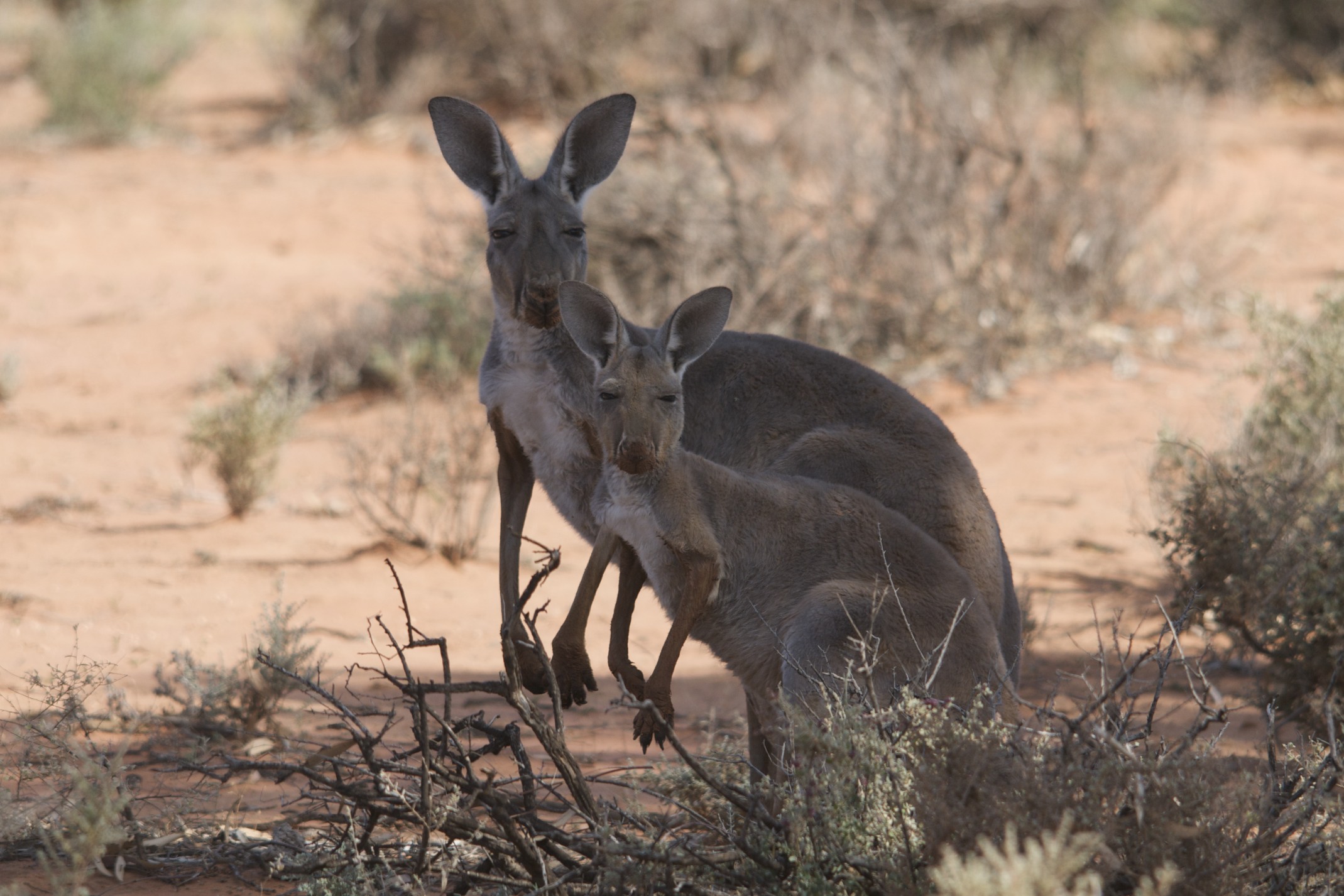
Even the Red Kangaroo must take shelter and conserve moisture during the heat of the day.