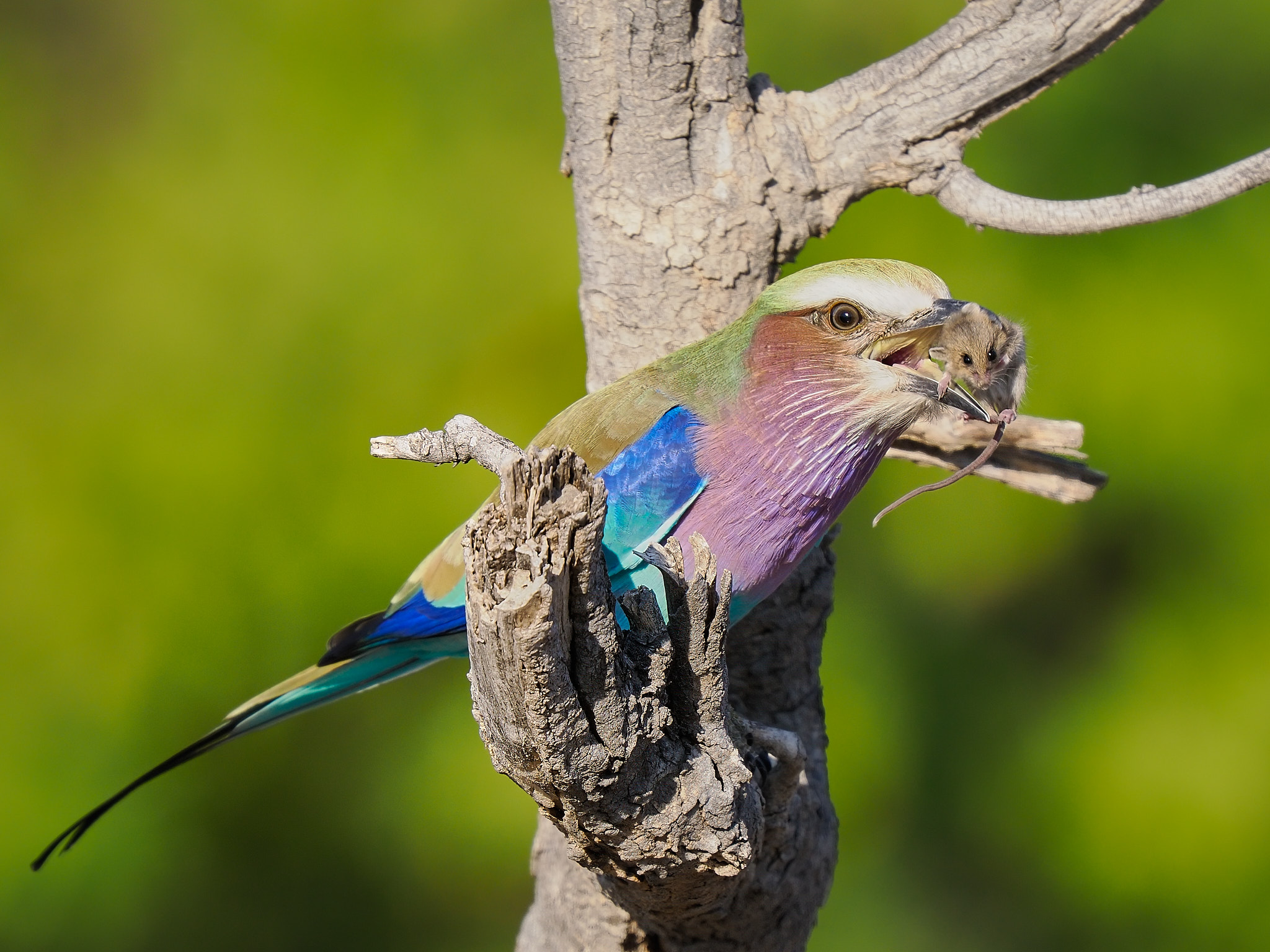
Kes …

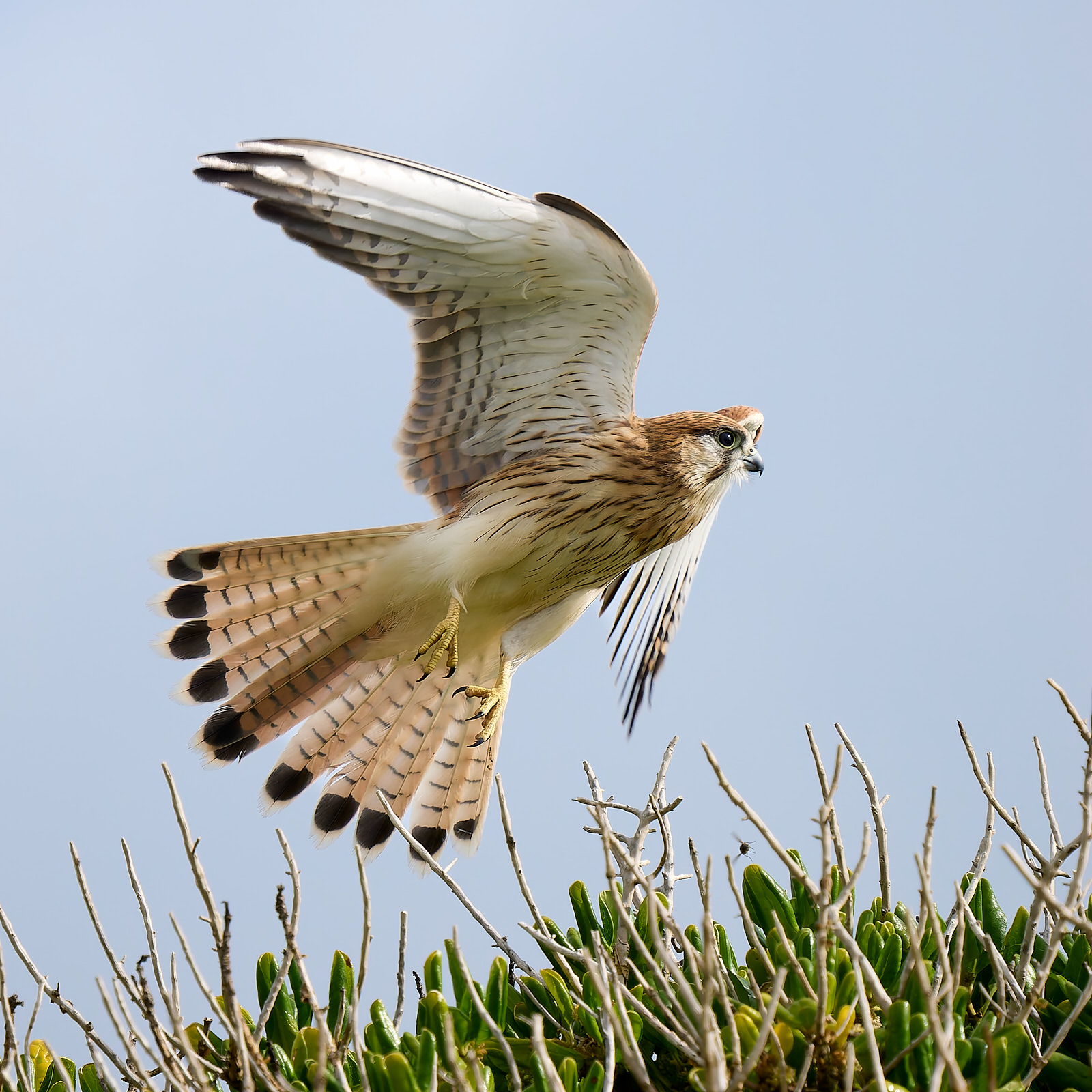
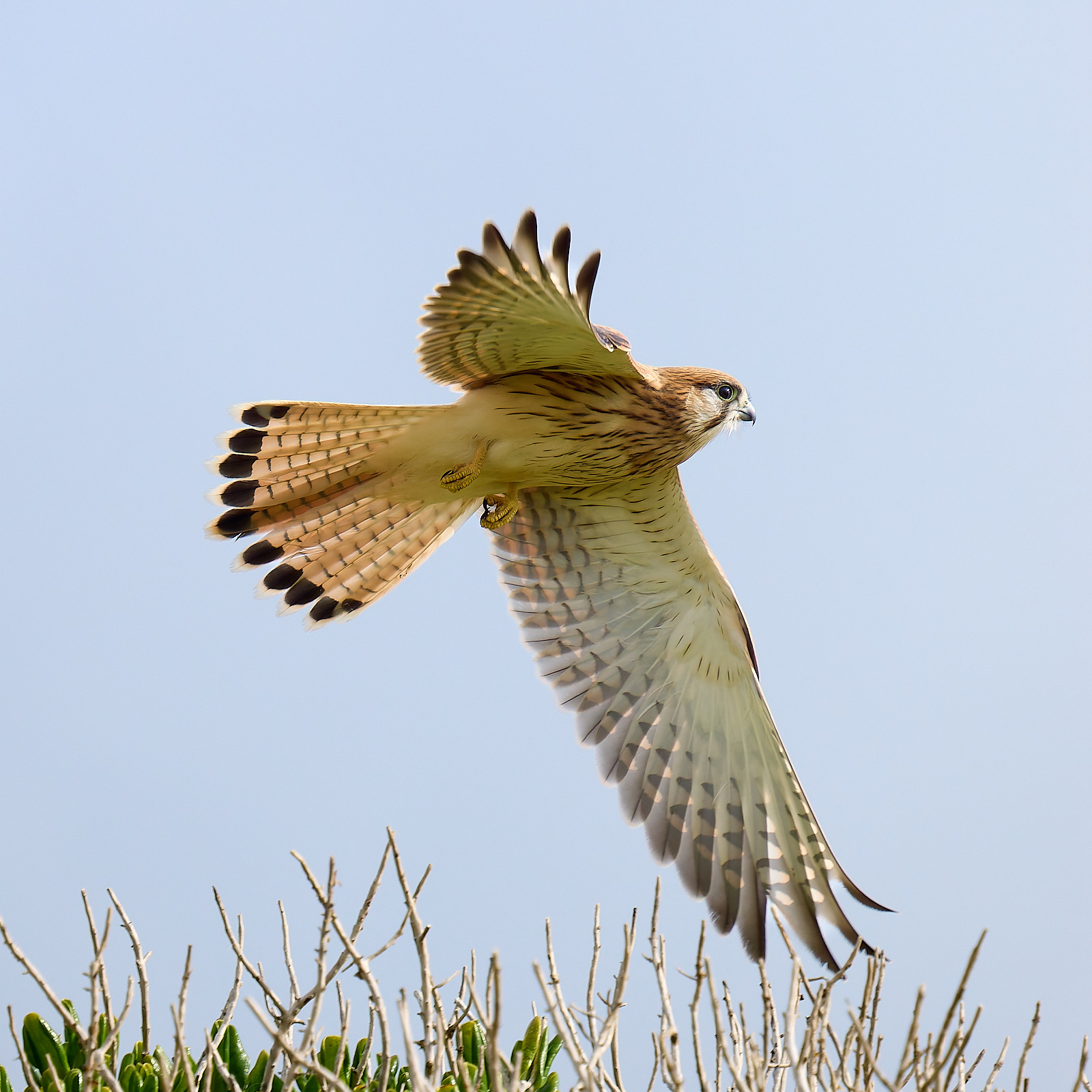
In old colonial times there was a cheap cloth imported from China and sold in Oz as Nankeen. You could have any colour you wanted so long as you wanted a reddish brown. In time it became a handy descriptor of reddish brown and found its way into the name of two Ozzie birds, The Nankeen Kestrel and the Nankeen Night Heron. These names have survived the attempts of august committees to erase them and I hope they endure forever.

The Nankeen Kestrel is found throughout Australia and further afield in the Pacific. It is one of two Australian raptors that are really proficient at hovering, the other being the Black-shouldered Kite. I encountered this one on Griffiths Island.

Basalt …

Port Fairy is surrounded by volcanoes. The nearest and most recent at about 35,000 years is Tower Hill. To the north a bit further away and older there are Mt Rouse and Mt Eccles. Western Victoria has many other volcanoes which together constitute the Newer Volcanics. They are dormant, which is good, but not necessarily extinct which would be better perhaps.

Mt Rouse has made a major contribution to Port Fairy. It went off about 50,000 years ago and it’s about 60km away as the lava flows. And it flowed in abundance. Many of the older buildings, including our home here, are built of the stuff and the beaches are littered with it.

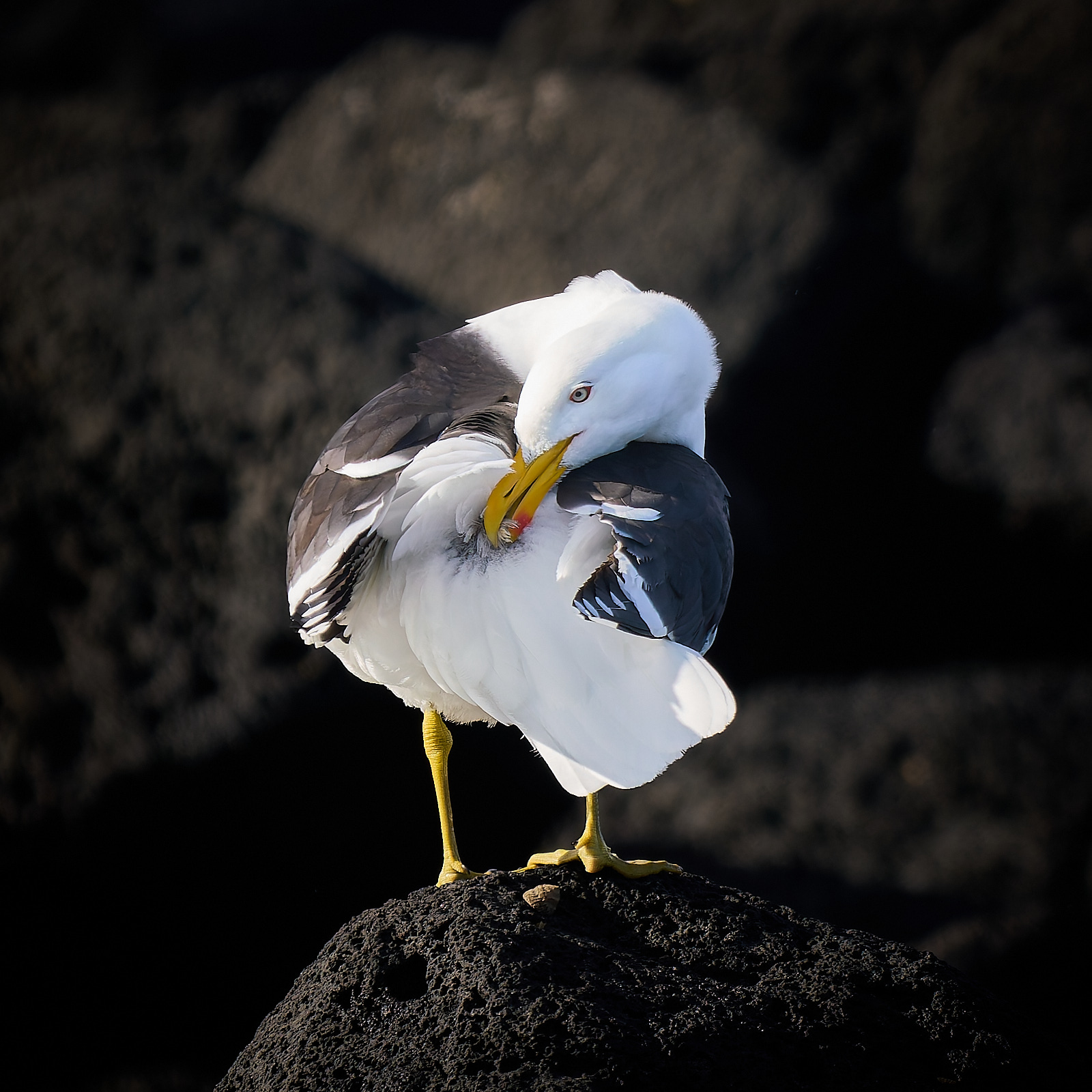
It comes in really handy for the bird photographer aiming for some low key shots – just frame up your subject against the basalt.

It’s a set-up …

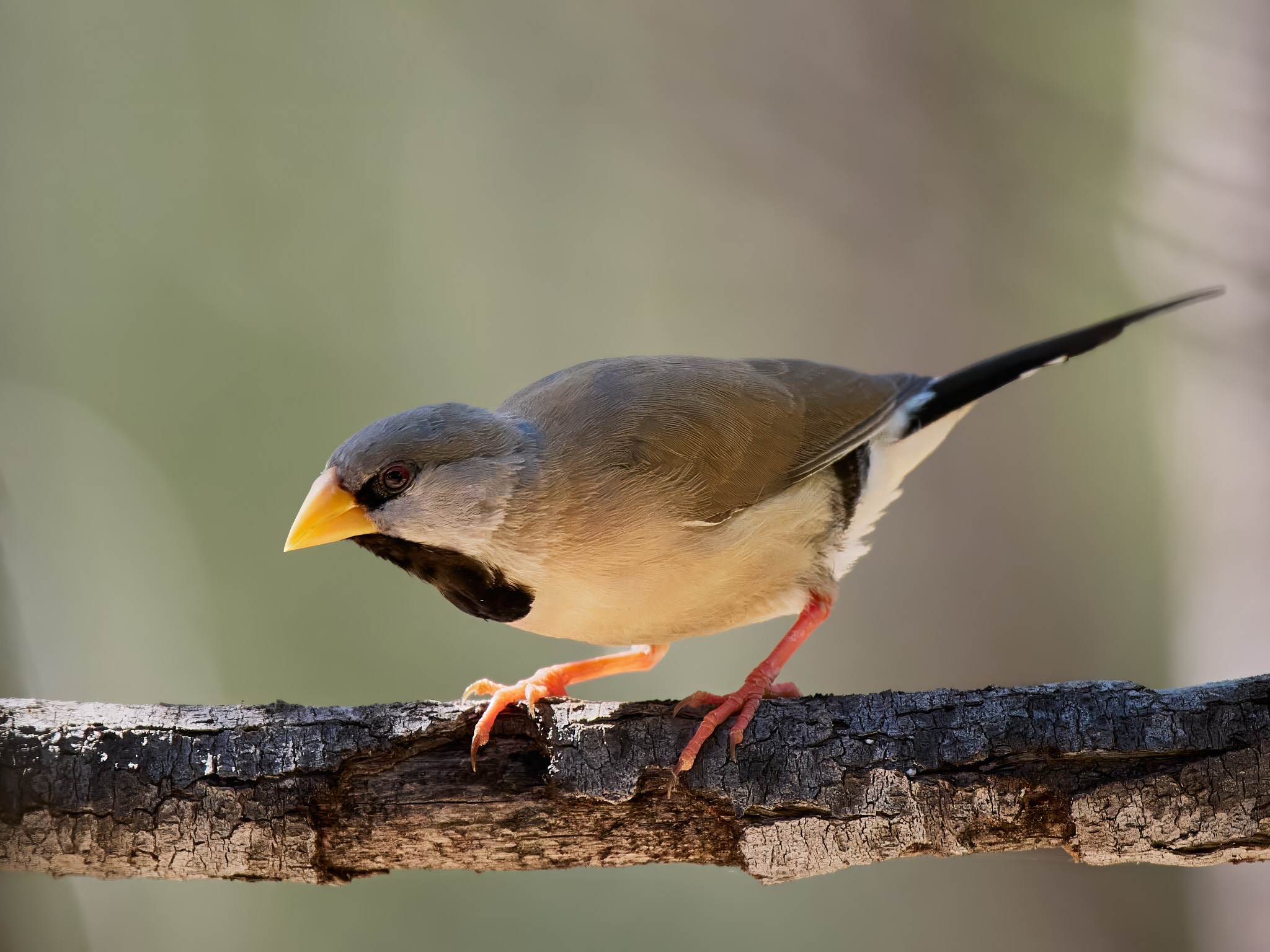
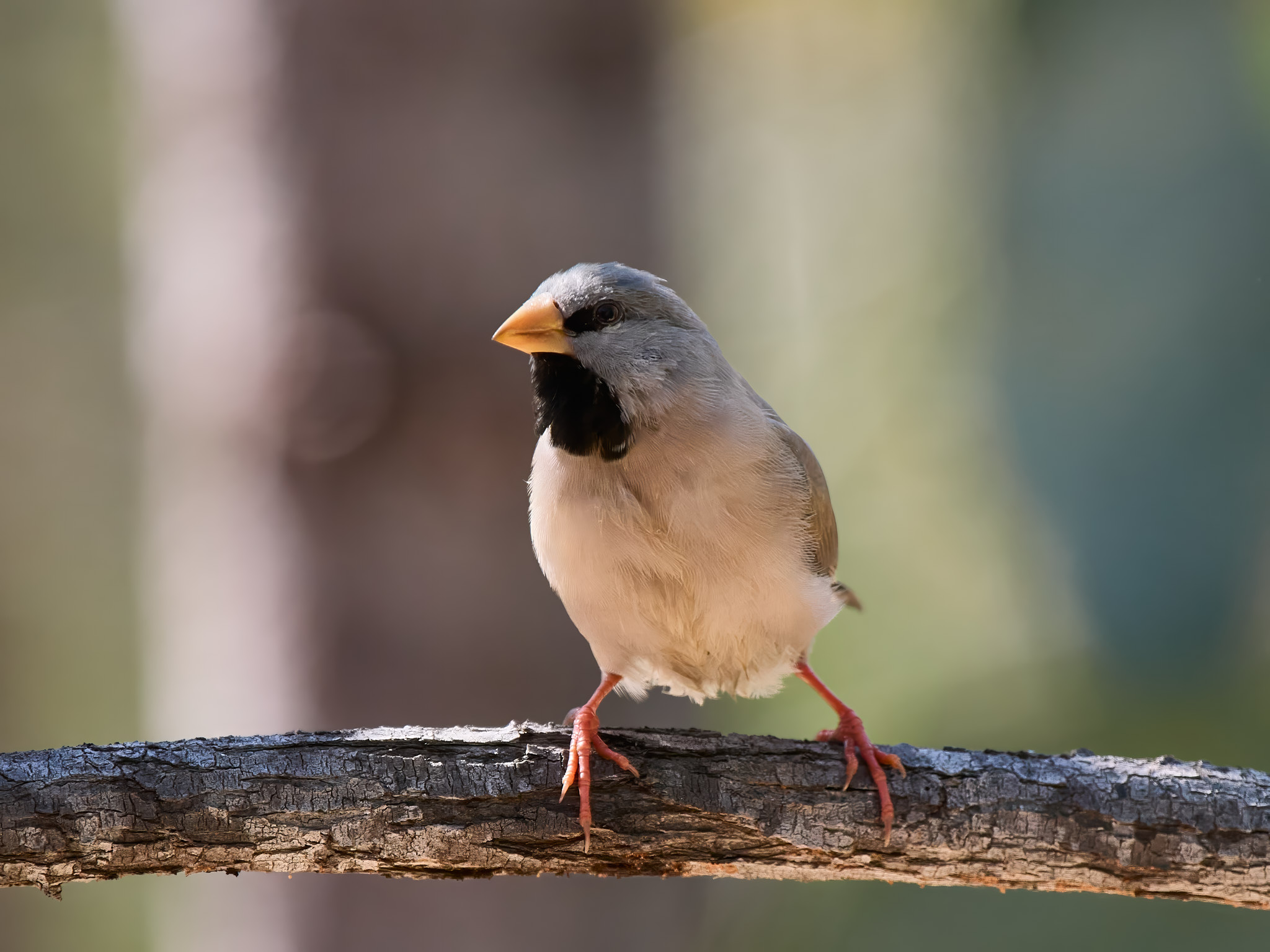
Friends have a little dog. He’s only young but he’s had a very tough life, brought to death’s door by thrombocytopenia. Saved by a blood transfusion and a lot of medication, he is very precious to them. They’ve recently had a well deserved holiday and rather than put little Wilco in a kennel they opted to have people that he knows look after him in his own home. That’s Gayle and me. It just happens that they live on a bush block and routinely put out water for the birds. So much birdier than in town. Volunteering was a no brainer.

Then came some unexpected rain, very high tides and a steady wind that delivered hordes of ravenous mosquitoes. All of which reduced the opportunity to wander around enjoying the outdoors.

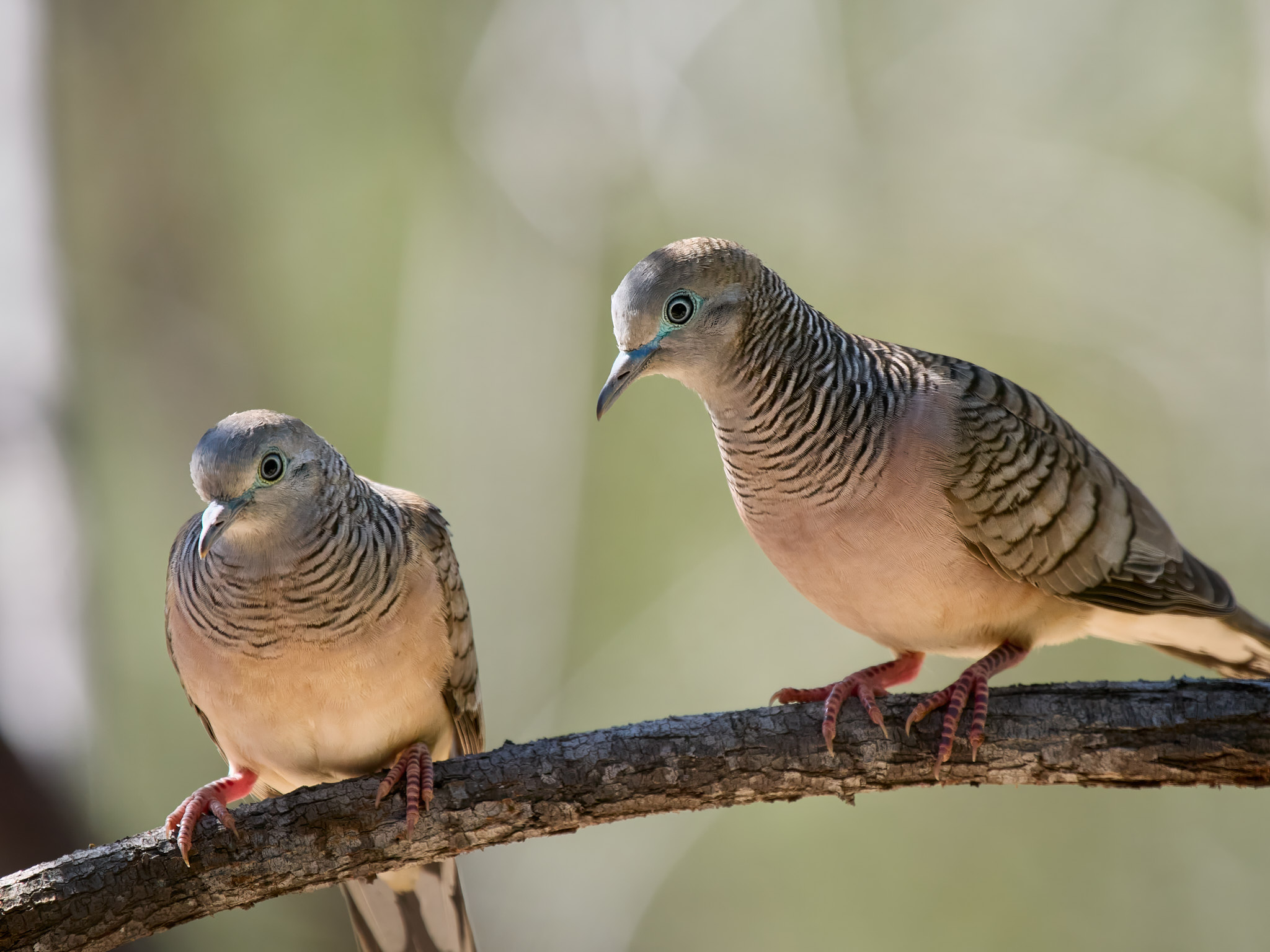
My usual mode of bird photography is to go for a walk and take photos opportunistically. I enjoy it but backgrounds are often messy. Branches intrude on the subject or twigs seem to grow out of their heads. The alternative is to build a set-up and entice the birds to come to you. In a dry country water is usually a sufficient bribe to bring in some birds. If the background is uniform and well behind the subject it will produce a nice creamy bokeh. You can even scour the countryside looking for a particularly photogenic perch.

So I set up close to the house, offered water and took some photos standing at the kitchen sink straight through the window. The frustrated mosquitoes queued up at the door.

Speccy …

We are still ensconced on our hill above Agnes Water. The weather has been terrible. An intense low pressure system centred off to our north has been wreaking havoc on the coast of Queensland. We have got off quite lightly compared to Townsville where flooding has caused mass evacuation and, sadly, loss of life. We have explored the nearby country and made the most of our time.

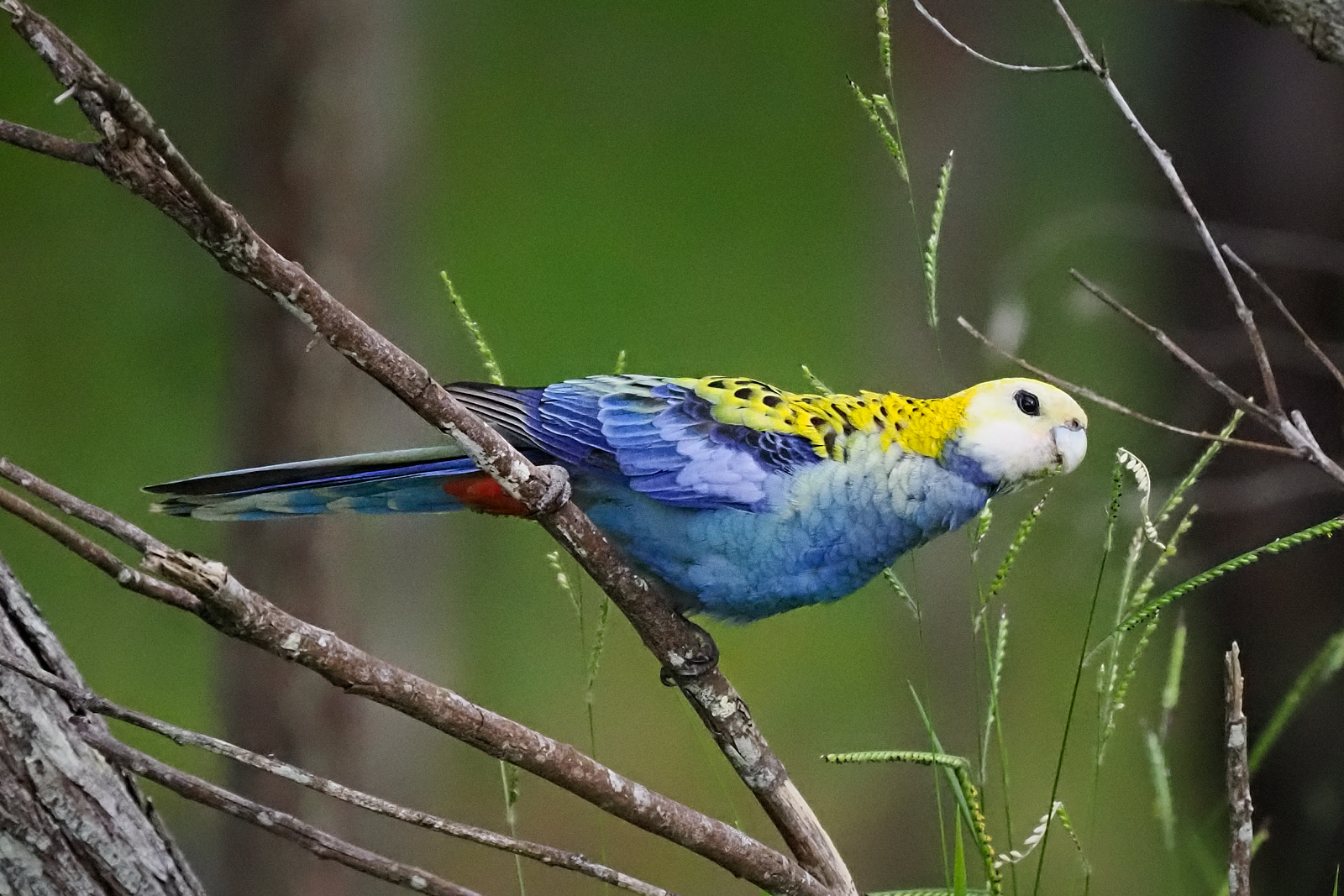
I had to take just a few steps from the van to take these shots of a beautiful Pale-headed Rosella.

It’s all there, honest. You just have to click on the gallery.

This is a species restricted to eastern Queensland and north-eastern New South Wales. They usually move about as pairs and they are fond of grass seed. They are rarely as confiding as this one.

Sandgrouse …

Inhabitants of dry open country, sixteen species spread across Africa, Asia and just making it across the Mediterranean into Spain. They are primarily seed eaters. They are well camouflaged and usually seen exploding out of close by vegetation and flying quickly away. Their belly feathers are adapted to absorb and transport water enabling them to raise chicks at some distance from the drinking supply.

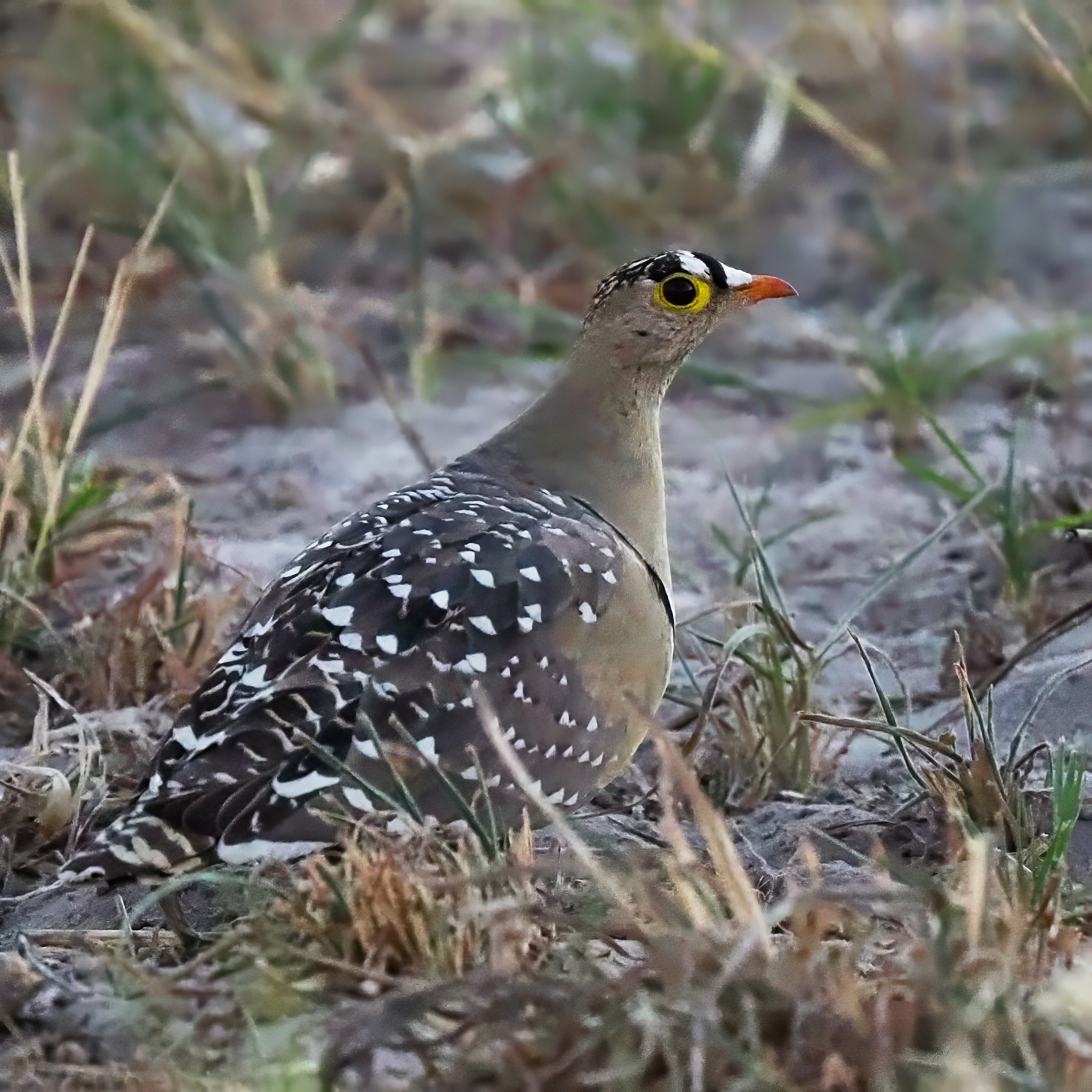
Got lucky with this pair of Double-banded Sandgrouse. They stuck around long enough for a couple of shots, male on the left …