Naturally …

Where my interest in nature came from is anybody’s guess, none of my family shared in it. It was evident very early, by age eight I was off on my own making lists of the birds I came across. Whipps Cross was my patch.

When I was older and got a bike I could venture further afield. I tended to concentrate on larger birds, I didn’t own any binoculars until much later.

I counted it a particularly successful outing if I managed to see a Jay or a Great Crested Grebe.

Great Crested Grebe

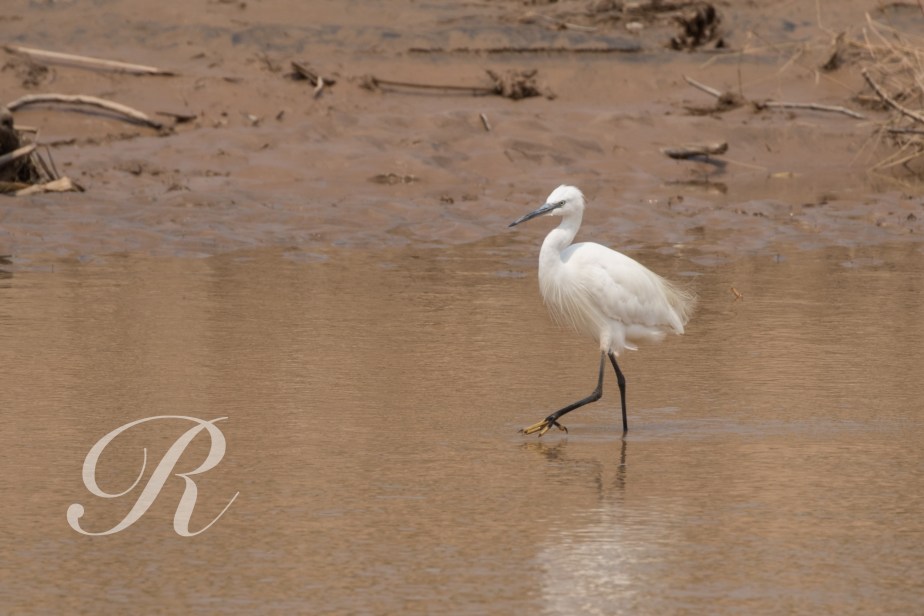
So, naturally, I managed to fit a little birding in between seeing the sights of London, starting with Whipps Cross where I saw both a Jay and a Great Crested Grebe plus a couple of birds that were not present in my young days, Little Egret and Egyptian Goose. Interestingly I didn’t come across Chaffinch or Yellowhammer.
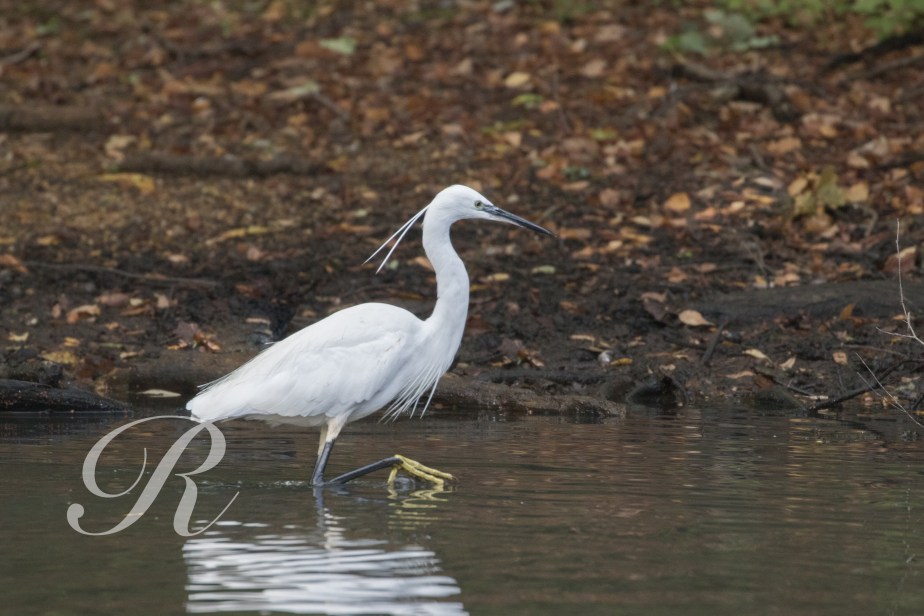
Little Egret
Egyptian Goose

Other spots that I visited included Fisher’s Green near Waltham Abbey. This was a place that I used to fish at. It’s changed a great deal since then. Some old powder mills are gone. Gravel extraction has produced extensive shallow lakes. It’s now a great place to see water birds and even an otter if you’re very lucky.

Another old favourite was the Lea Valley reservoirs running from the back of Hackney Marshes out to Tottenham. Arriving there I found that Europe’s most extensive urban wetland was in development and would open October 20th. The place where I saw my first Smew was being recycled as Walthamstow Wetlands.

Although it wasn’t yet open it wasn’t all that closed either so I found my way in and had a wander and found perhaps the most exciting bird of the UK trip …
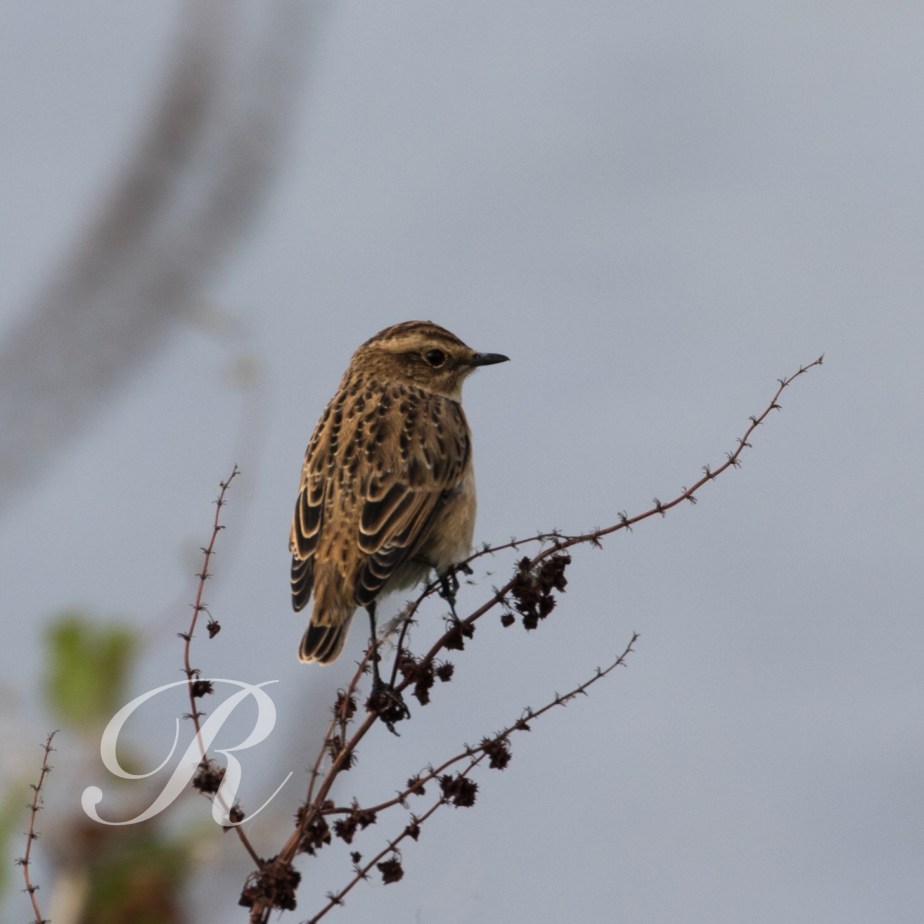
In flight it showed triangular white patches at the base of the tail. The photo shows the patterned plumage and the white supercilium. It’s a Whinchat, exciting because quite unexpected on the outskirts of London. It’s a summer visitor to Britain, I may just have been lucky to see it as it made its migration southwards.

But it’s not all about the novel or the rare. It’s nice to spend time with old friends.

Mute Swan
Mute Swan
Grey Heron

Not Really Sparrows …

I prepared for my American trip by flicking through the National Geographic Society’s Field Guide to the Birds of North America, 2nd edition 1987, a wonderful book in its day but superseded by The Sibley Guide to Birds which I’m saving up for.

As I browsed I came across the New World Sparrows and thought to myself “I’m going to have trouble with these”. In 1987 the index contained 35 sparrows, one of which is the good old House Sparrow described in Wikipedia as …

a symbol of lust, sexual potency, commonness, and vulgarity.

Fortunately for the remaining 34 are not they are not tainted by close association. The House Sparrow is the lustworthy centerfold of the Passeridae whilst the New World Sparrows are in the family Emberizidae, the Buntings and New World Sparrows, members of the nine primaried oscines along with the wonderful warblers though, sadly, nowhere nearly as exciting. They tend to live on the ground and most are nicely disguised for life in dry grass.

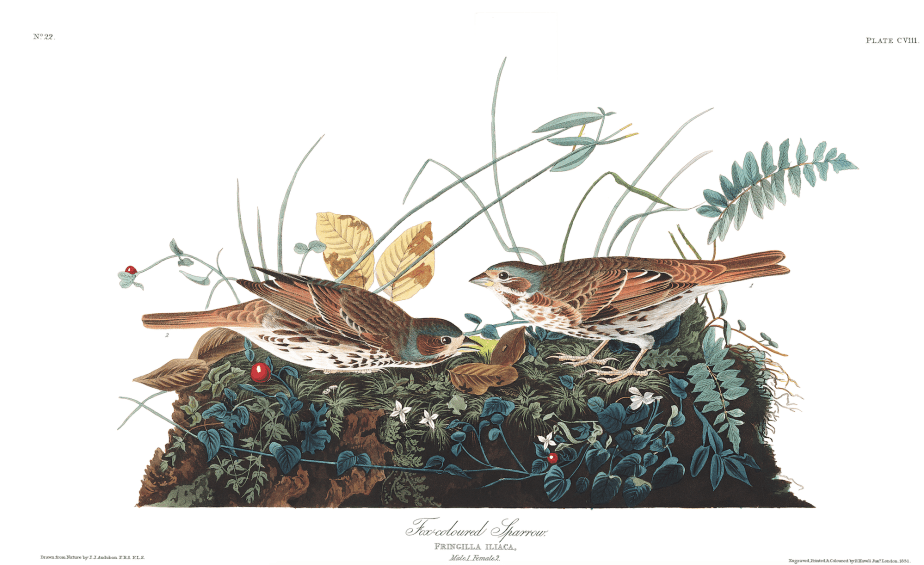
Things have changed over the years. In Audubon’s day you went bird watching with a fowling-piece and came back with creatures you could stuff or draw …

In 1987 you took your binoculars, now you need a genetics laboratory, the advent of DNA studies has tossed the taxonomy of birds into total chaos. Audubon’s Foxcoloured Sparrow of 1831 was the Fox Sparrow in 1987 and is now four separate species according to the Handbook of the Birds of the World. Things did not get easier and plumages vary from individual to individual.

There is a site on the web that is of some use to the beginner, or visiting expert (the same thing) Birdzilla. It offers a key based on three field marks

  • Is the breast streaked or clear?
  • Does the bird have wing bars ?
  • Is there an eye ring?

Based on these you can get in the ballpark where the remainder of your observations will nail your bird. Maybe. Bear in mind though that wing bars and eye rings vary with the freshness of the plumage and the angle of the light.

So here we go …

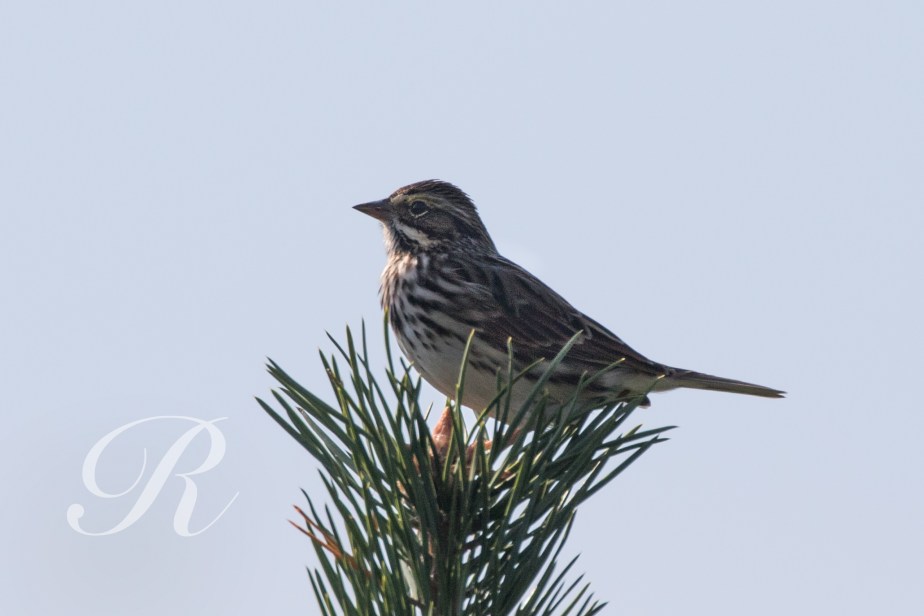
Streaks – yes, eye ring – yes, wing bar – faint at best. Note the yellow supercilium. Oh dear, the key ain’t working. It’s a Savannah Sparrow. That eye ring is leading us towards Vesper Sparrow – saved by the yellow.

The eye ring won’t get us this time …

because the Song Sparrow is included in the eye ring positive and negative groups. It’s the other details that get us home, central spot in the breast, grey above and below the eye.

So the key has to be used with caution and it’s no use here either because it only works for adult birds and this one is a juvenile …

Field Sparrow (juv)

There is no alternative to practise and critical analysis. I got all these wrong but my friend who has had the practice sorted me out. If you disagree please tell me  why and I’ll take it up with him!

Michigan …

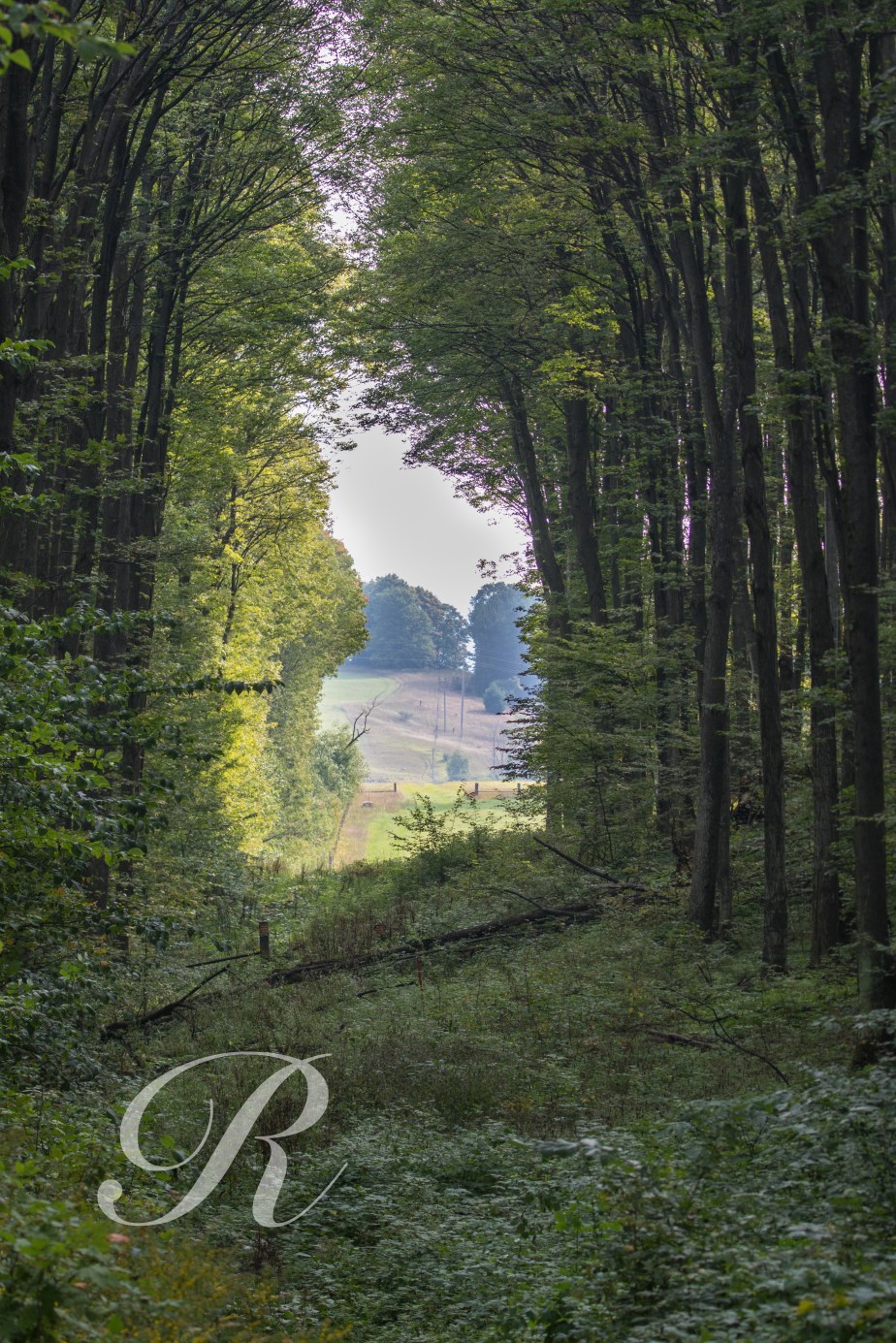
We bypassed Detroit and headed north up the peninsula. Population density fell away as we went, northern Michigan has some of the least populated areas in the eastern half of the US and some absolutely gorgeous forests.

Our destination was Boyne City where we would be staying with very generous friends for a few days. En route we stopped at Shiawassee National Wildlife Refuge. This is open to the public from June to October from an hour before sunrise until sunset. It’s a one way six and a half mile drive (10.4 km) mostly along an embankment giving good views over fields and wetlands. Views of the wildlife tend to be quite distant but it’s a good place to make the acquaintance of a few ducks, Sandhill Crane and Bald Eagle. Well worth putting on your travel plans next time you’re passing through Saginaw County.

Boyne City sits at the end of the north arm of Lake Charlevois an off shoot of Lake Michigan. We would get a cruise on both in our host’s very nice 40 footer. We also got to explore some nearby state forests and the Darnton Family Nature Preserve. Some of the highlights …

Green Heron
Common Merganser
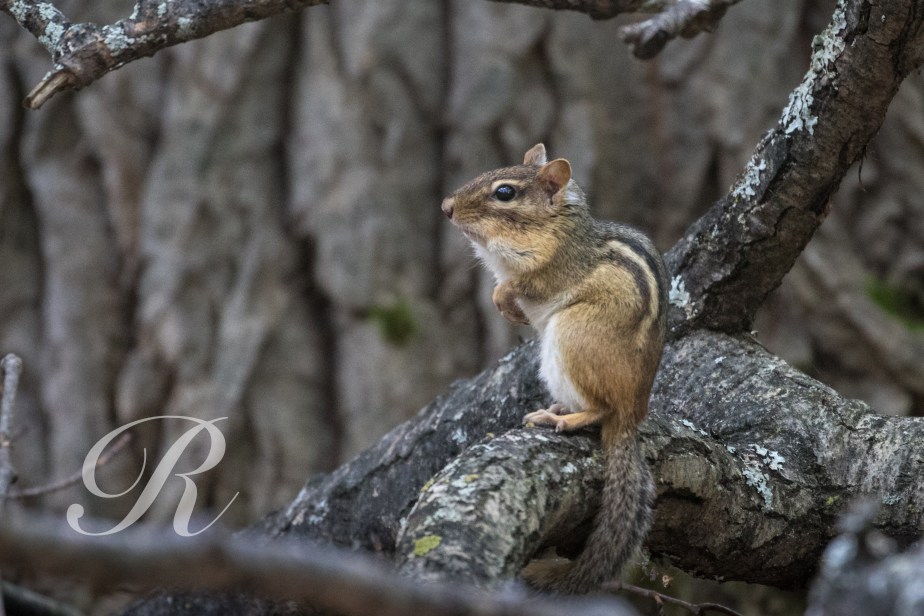
Eastern Chipmunk
Red Squirrel

Eastern Grey Squirrels were also quite common, a good proportion of them were black in colour, the melanistic form.

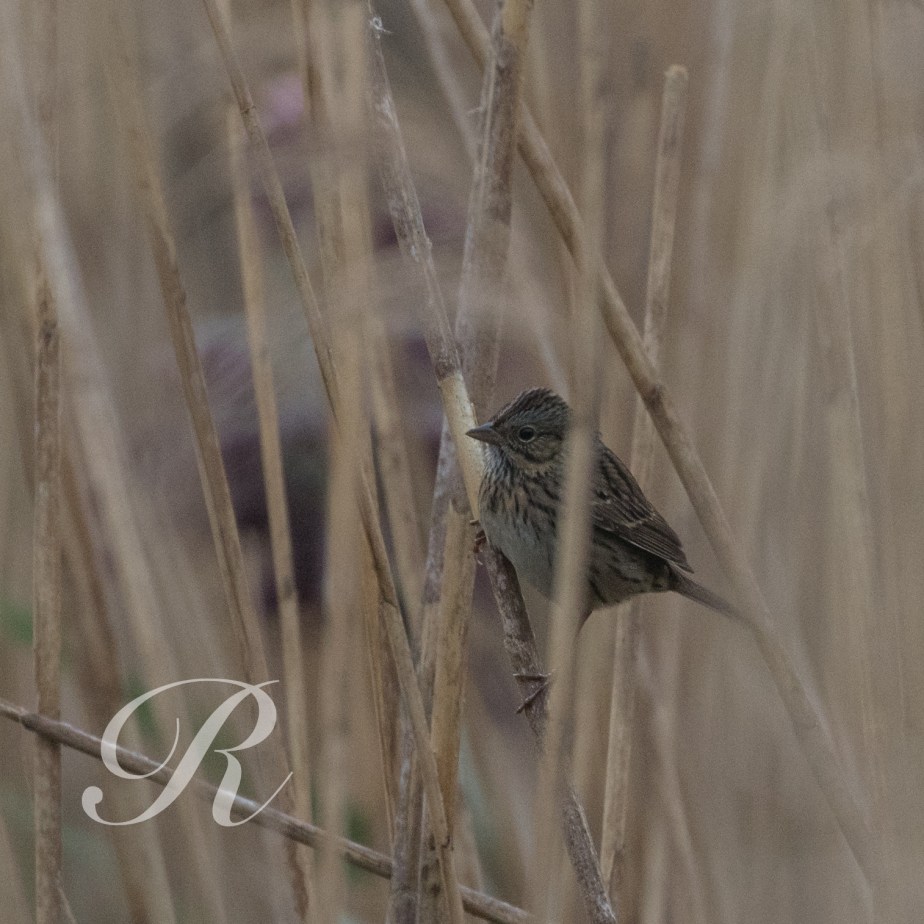
The American Sparrows are nearly as much fun as the Warblers. I might have to revisit them. One to keep you going …

Savannah Sparrow

The Warblers …

Specifically the New World Warblers of the family Parulidae, if it’s opera singers you’re after you should head <HERE>.

The Warblers have something for everyone. For the bird watcher they are very close to addictive. For the taxonomist they provide a lesson in total chaos and for the superstitious their entry in The Handbook of the Birds of the World Vol 15 starts on page 666. Scary.

Authors have written books on them, dozens of books. Mt favorite is The Warbler Guide by Tom Stephenson and Scott Whittle. No voyage to the New World should sail without it. On the journey it will serve as ballast, once landed it will serve as a deterrent to theft … no one will steal your suitcase with a copy inside, they won’t be able to lift it.

Currently the Americas are home to 116 species, at other times the family has been submerged in a much larger family, the Coerebidae, or itself enlarged, or reduced, or in the immortal words of the HBW …

… which had contained, among others, the Neotropical honeycreepers, and placed the Conebills (Conirostrum) and the Bananaquit with the New World Warblers and …

If you’d just hold my beer for a moment there will be a new arrangement by the time you give it back. The one thing that does remain certain is that they are not closely related to the Old World Warblers or the Australian Warblers.

Identification is a challenge not made any easier by their frenetic activity, their changes in plumage through the seasons and their habit of taunting you from high in the canopy. I managed to capture a few presentable images which I offer here along with my suggestion as to identification. Should it be the case that you disagree please state your case for an alternative ID in the comments.

Cape May Warbler
Tennessee Warbler

One particularly confusing duo comprises the Blackpoll and Bay-breasted Warblers. The spring males are easily distinguished but in fall plumage things become challenging. Some folks simply record them as Baypolls. A very useful article by Tom Schultz can be found on ebird.

There is a little ochre on the flanks and the legs are black which indicates that this is Bay-breasted (against that is the streaking on the breast which points to Blackpoll but the ochre shows well in other photos and clinches it for me).

Bay-breasted Warbler

For some really stunning Warbler photos you should head to Glenn Bartley’s site <HERE>.

Maumee Bay …

Australia’s national parks are actually managed by the states with grant money from the commonwealth. In Victoria a State Park has exactly the same level of protection as a National Park and is governed by the National Parks Act.

In the USA National Parks are Federal affairs while State Parks are run quite independently by the States. American State parks are quite different from Victorian State Parks. You are likely to find a golf course and tennis courts, you can take your dog, there is likely to be a full service camp ground and there may even be a nice hotel.

Maumee Bay boasts all of the above, although the dog can’t stay in the hotel (but there are dog-friendly cabins – prior notification required).

Natural values aren’t totally neglected. There is a boardwalk through marsh and woodland. It extends for a couple of miles and is an excellent way to work up an appetite for breakfast.

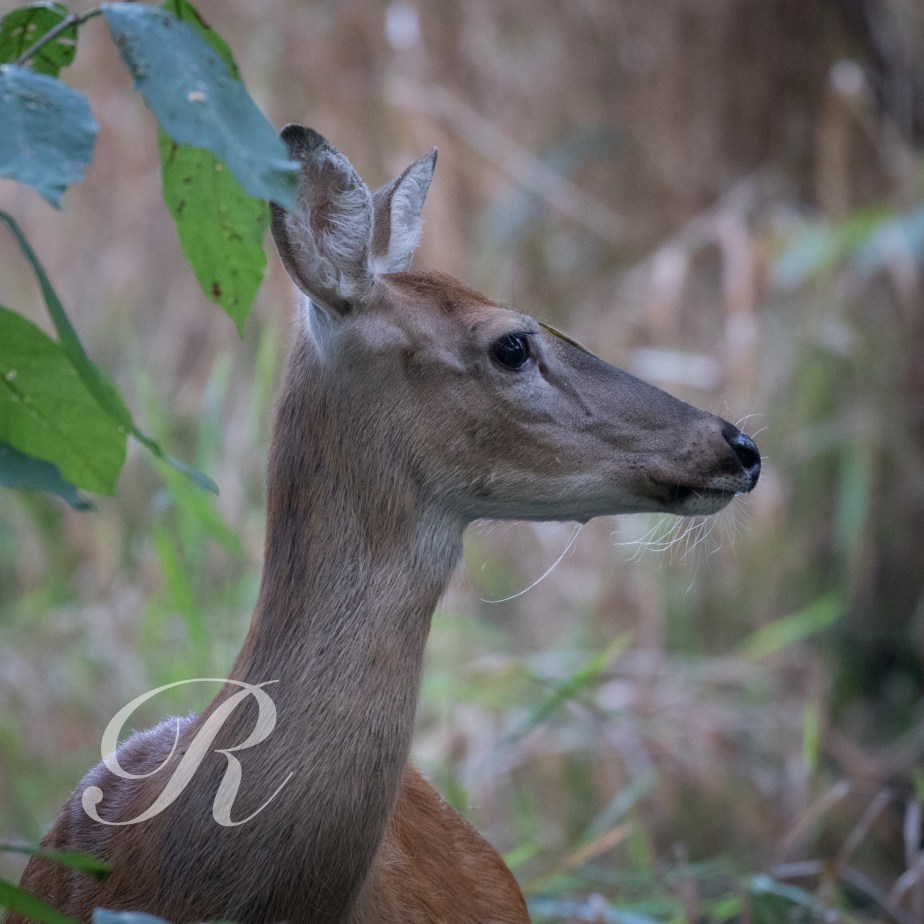
White-tailed Deer

Here’s the front end of an Eastern Fox Squirrel …

Eastern Fox Squirrel

… although it’s the rear end that earned it its name.

A night walk is sure to turn up a Racoon or three and there are Muskrat present as well.

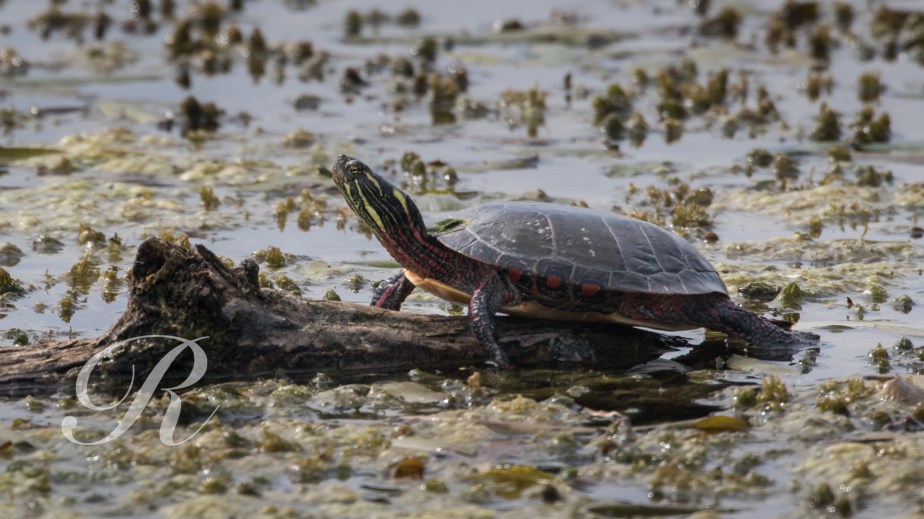
When the sun is a bit higher turtles might sit out to enjoy the warmth.

Midland Painted Turtle

There is plenty of bird activity. Red-winged Blackbirds are abundant, woodpeckers are plentiful, there is the odd sparrow. This Heron was intent on finding its breakfast and took no notice of me at all …

Great Blue Heron

Erie Shore …

Magee Marsh and the surrounding region offer a mix of habitat that is attractive to birds and other wildlife. Throw in the fall migration and the chances are good that a bird watcher from another continent is going to have a very frustrating time trying to identify lots of half seen, hyperactive, totally uncooperative little brown jobs. It’s so much fun.

There’s only one road into Magee Marsh, pity about the spelling, so navigation is pretty easy. The first obvious land mark is the visitor centre. It’s an attractive building set behind a small lake. Adjacent to it is a trail that takes a loop through the woods around some more water ways. The visitor centre didn’t open during the three days we were there and the nature trail desperately needed some pruning. The area wasn’t getting the love it deserved.

Continuing on that single road the woods give way to genuine marsh some of which has been mowed for the benefit of Sandhill Cranes.

Sandhill Cranes

And leads to an extensive parking area on the lake shore. Back from the shore there is a boardwalk through the woods again. This is in good condition. So, excellent access, shore birds on the shore, long-legged birds in the marsh, swimming birds on the water and bewilderment on the board walk.

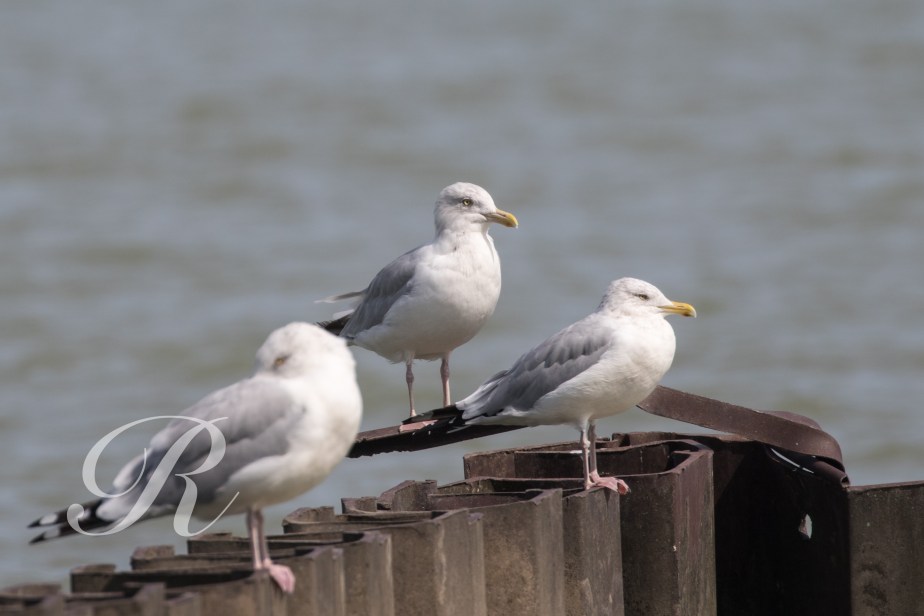
Herring Gull

The Warblers are one particular group of American birds that offer excitement and challenge to all. They are migratory, so no matter where you live in the US you are likely to have some pass through your neighbourhood twice a year and if you’re lucky there will be a few that spend a whole season with you. There is a little book by Chris G Early that has advice for the beginner – start with the spring males. Cool, it’s autumn, I’ll come back next spring.

Well no, I’ll put the camera to good use and email the photos to my good friend from St Simon’s Island who is currently living in a motor home in Virginia. It’ll help to keep his mind off what hurricane Irma is doing to his house.

Heading west along the Erie shore the next birding spot is Ottawa National Wildlife refuge, this is more open habitat mainly in the form of shallow ponds.

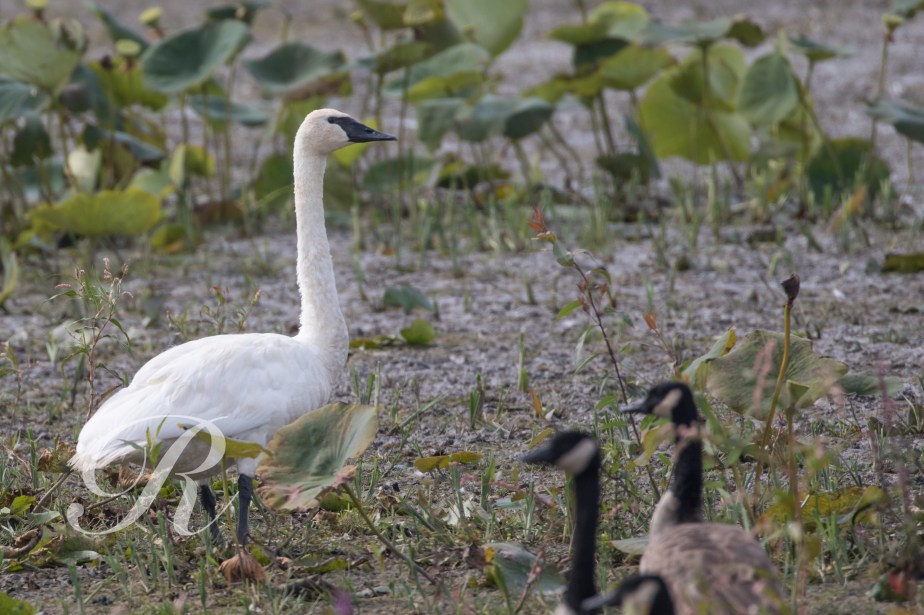
Trumpeter Swan

Further west there is Metzger Marsh, then Maumee Bay State Park and if you keep going a little further there is Pearson Metropark which is mainly forest. Plenty to keep the visitor entertained.

Ohio …

The impressive skyline of Cincinnati welcomed us to the midwest.

You will recall that our departure from Florida coincided with the evacuation brought about by Irma’s impending visit. We were four days on the road. On this fourth day the proportion of Florida number plates finally tailed off. We hadn’t done justice to the states we’d passed through but it was our intention to spend the next few days on the shores of Lake Erie. It was time to get off the Interstate and hit the back roads of Ohio.

Our first stop was Fort Loramie.

It’s a pretty country town. Its heyday was back in the late 1800’s as a canal town. The Miami and Erie Canal made it possible to navigate from the Ohio River at Cincinnati to Lake Erie at Toledo. Almost 250 miles (400km) long, it boasted 19 aqueducts and 106 locks. Loramie is situated at its highest point 512 feet (156m) above the Ohio River. It was open end to end from 1827 until the new fangled railway put it out of business in the early 1900’s.

The Ohio countryside is fairly flat, open agricultural land dotted with big barns that hint at severe winters.

We stopped for a little birding at nearby Lake Loramie. Bird watchers do tend to be somewhat obsessive and Gayle is no exception. Tattooed down her side are the names of all the birds that she has seen and I have not. In Georgia she caught up with the Black-and-white Warbler and I did not. Fortunately we hadn’t passed a tattoo parlour en route.

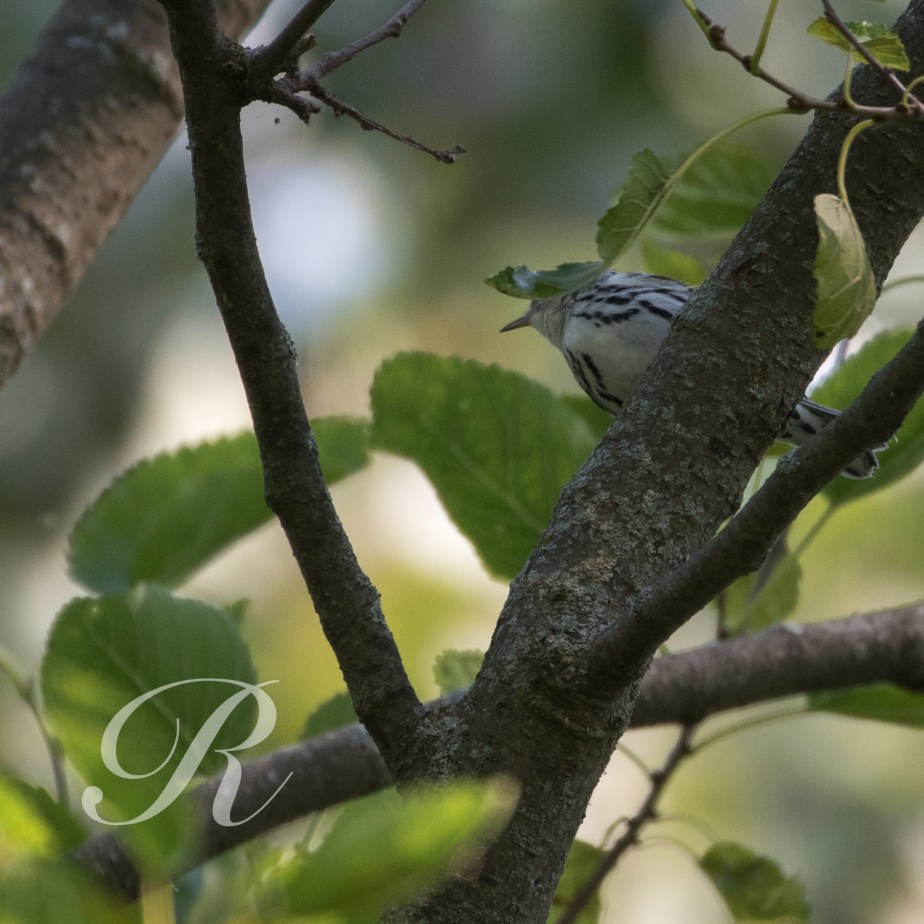
The fall migration was just getting underway. At the lake we caught up with a few warblers including this little guy. It’s not a prizewinning photo but gee it was a sweet moment …

Black-and-white Warbler

Our destination that day was Maumee Bay State Park. Where there is an almost luxurious hotel conveniently close to the world famous birding spot, Magee Marsh.

Birding Glynn County …

At the start of the year I had no intention of pursuing a big year. However an unusually busy travel schedule has provided an interesting opportunity. My bird tally will break no records except my own but I arrived in Georgia having seen about 900 species so far this year.

Glynn County, Georgia includes St Simon’s Island, Jekyll Island and nearby Brunswick. I birded with the local A team, Eugene Keferl, Bob Sattelmeyer and Sterling Blanchard. A hundred more birds? No problem. In fact I don’t think I could have left the county until we’d got them.

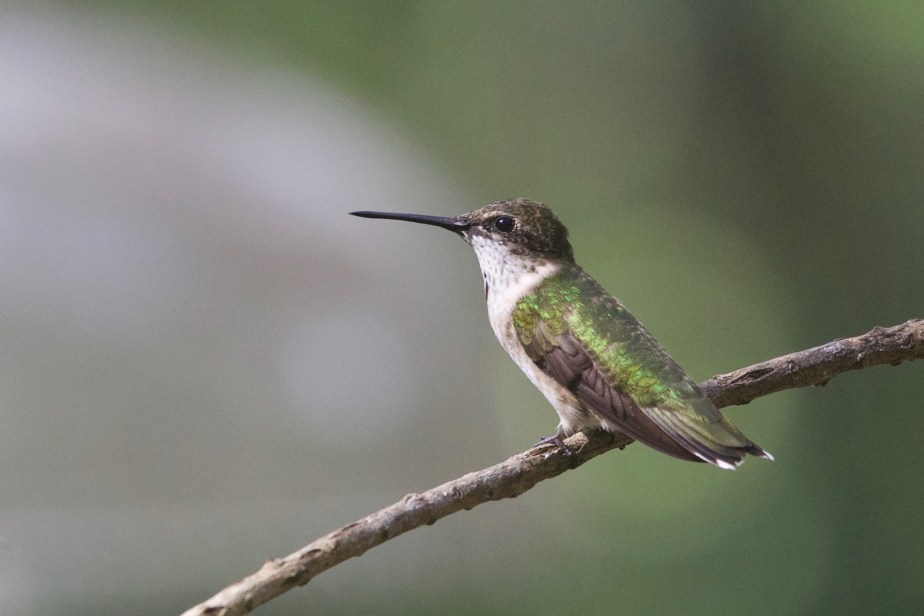
Ruby-throated Hummingbird
Red-bellied Woodpecker
White Ibis
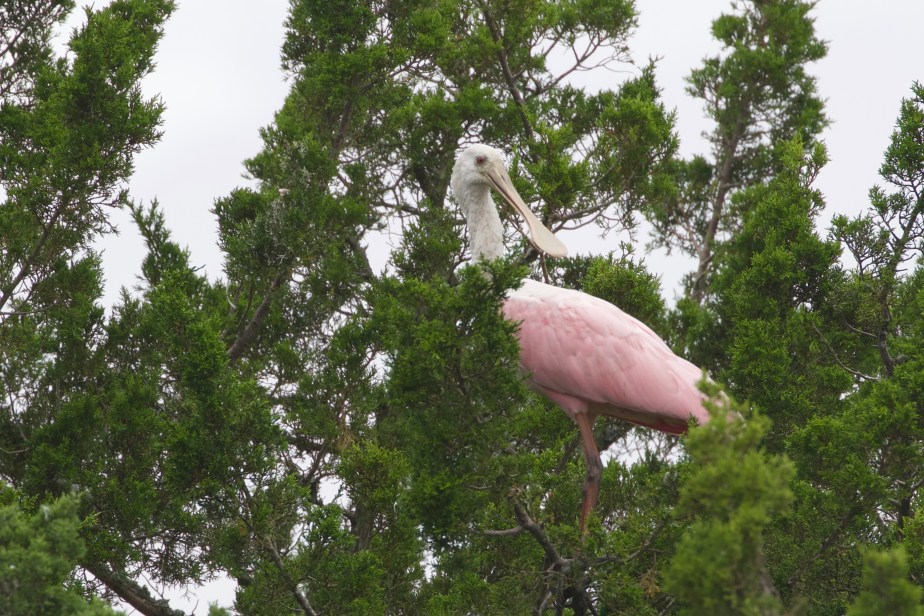
Roseate Spoonbill

Sterling Blanchard made sure that we got out to the outer limits of the barrier islands with Brooks Good of Coastal Outdoor Adventures. Brooks knows his birds and where they hang out. We went around Little St Simon’s to Egg island picking up shore birds and more …

Black Skimmer
Forster’s Tern
Royal Tern
Long-billed Curlew
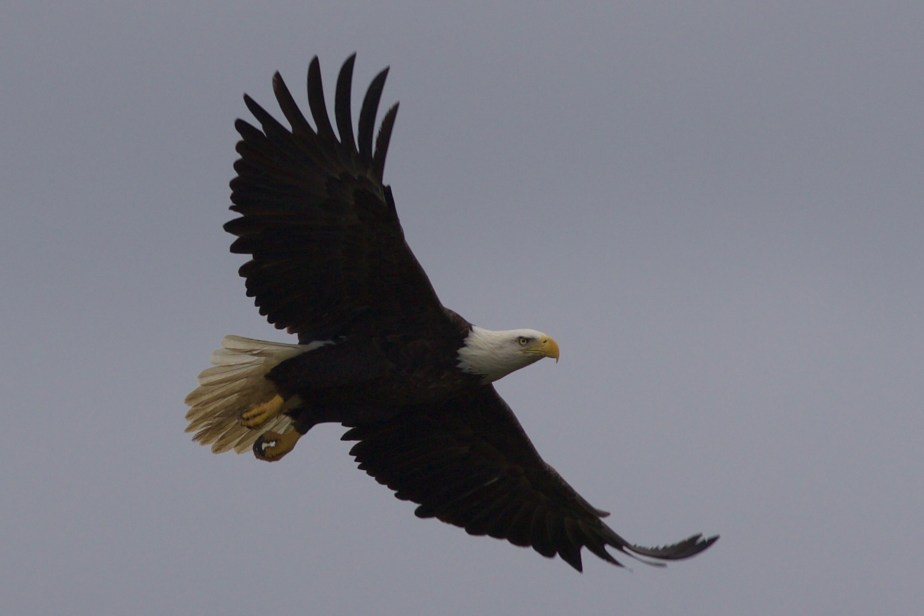
Bald Eagle

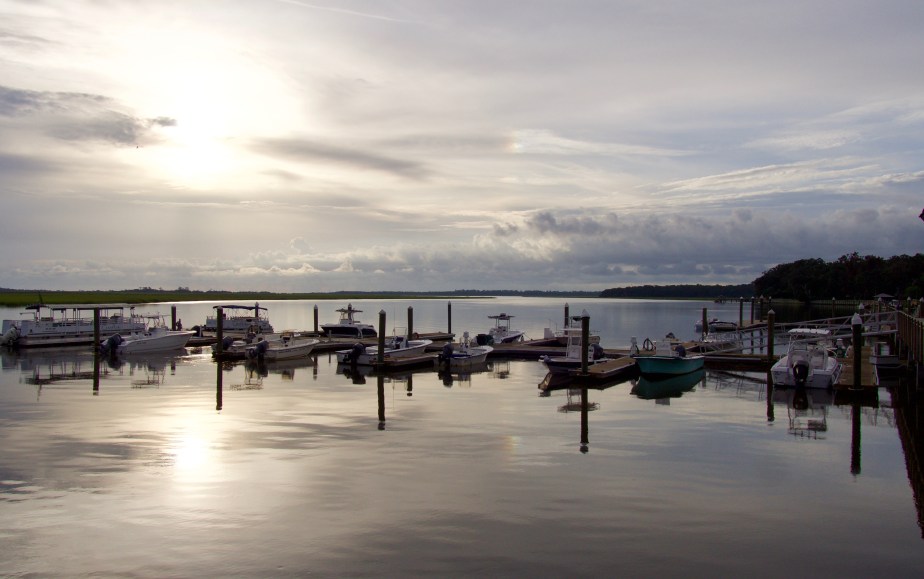
We had beautiful morning on the water. Brooks was taking his boats out of the water right after he finished with us and putting them under cover until Irma passes.

Irma has taken out the jetty. I hope Brooks can get back to business quickly.

“I now belong to a higher cult of mortals, for I have seen the albatross!” – Robert Cushman Murphy, 1912.

Murphy, ornithologist, ecologist, conservationist, was writing to his wife from the whaling brig Daisy in the vicinity of South Georgia. He describes the Albatrosses “Lying on the invisible currents of the breeze” which beautifully portrays their flight in light airs but it’s when the wind rises to a gale that I find them most impressive. When your hands are clasped tightly on the ship’s rail and you hope your pyloric sphincter will maintain an equally strong grip on your gastric contents, the Albatross passes elegantly by demonstrating a complete mastery of its elements. I saw my first Wandering Albatross just outside Sydney Heads and I remember it well.

The Albatross family is one of the four (extant) families making up the order Procellariiformes. When you go to the seaside you encounter numerous seabirds, gulls, cormorants, and gannets for instance, but most of them don’t venture too far out to sea. The procellariiiforms are true ocean goers, they may spend years at a time without coming ashore something that they usually do only to mate.

To get amongst them you have to go to sea. This weekend I did exactly that sailing about 30 nautical miles south of Port Fairy to the edge of the continental shelf.

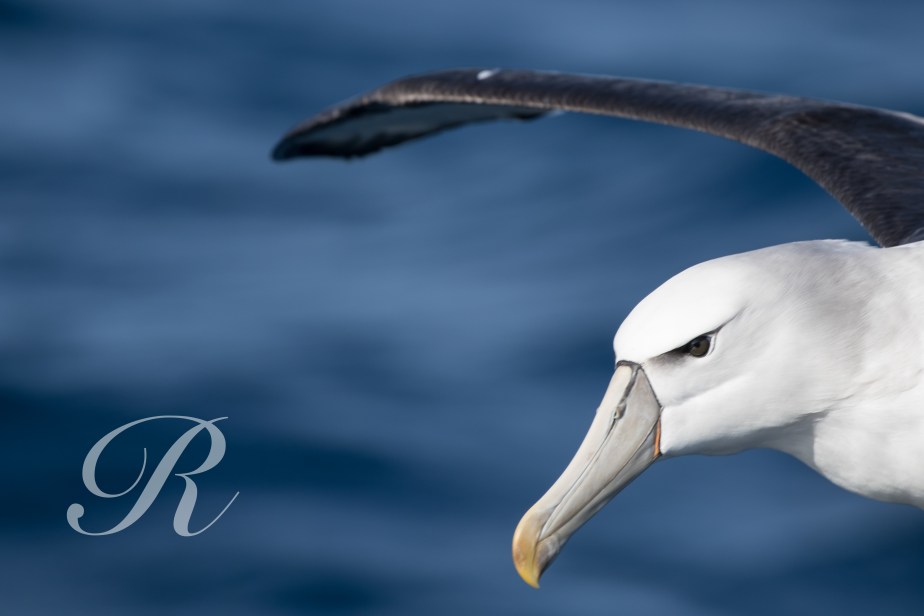
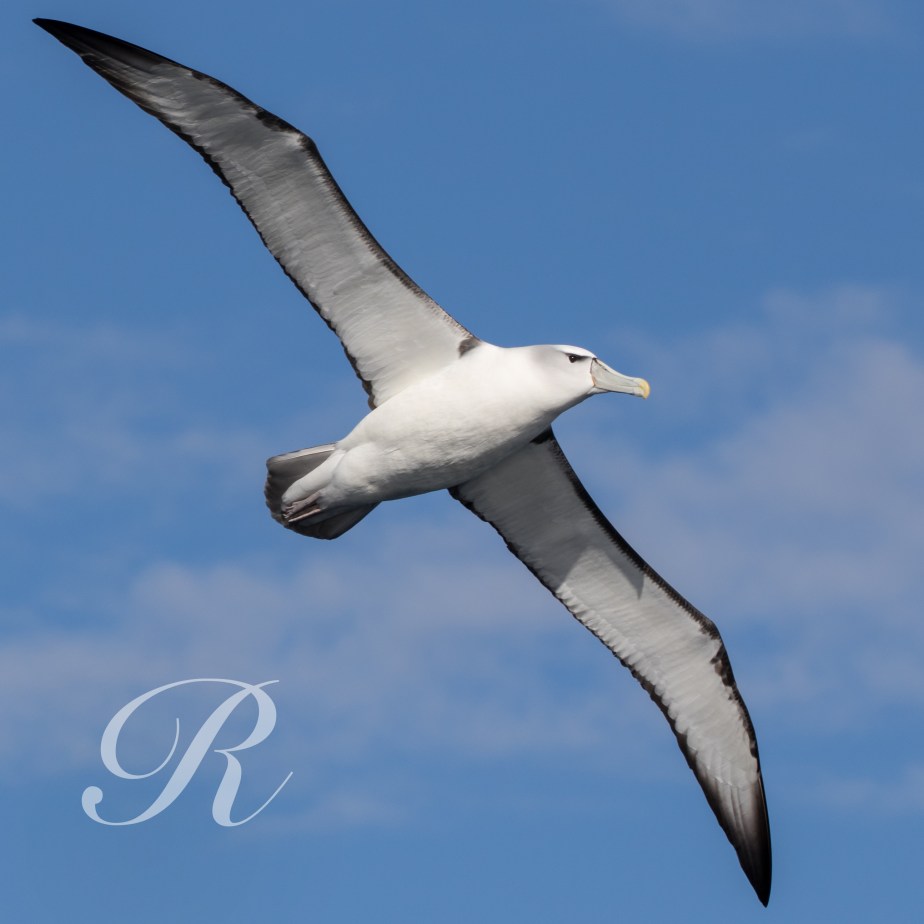
Shy Albatross

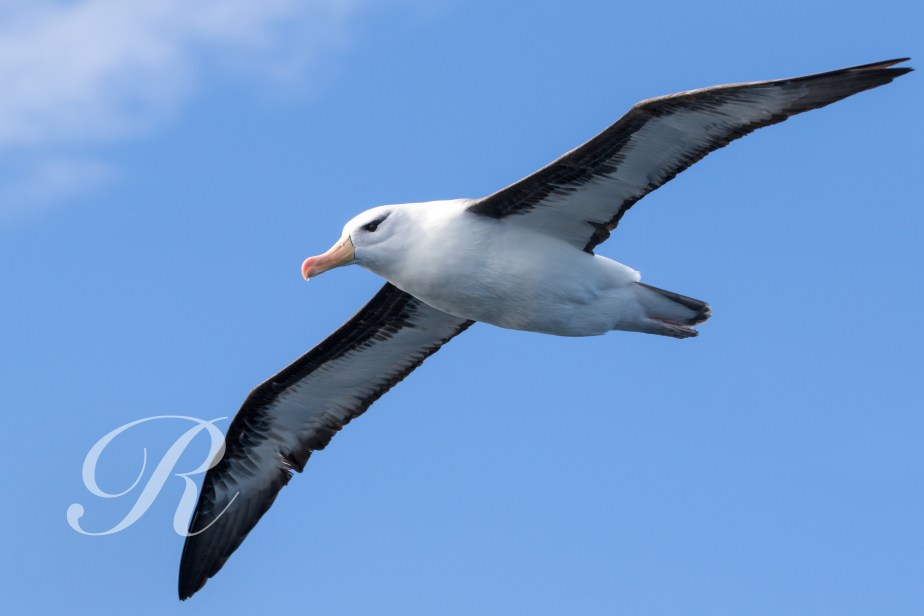
The largest albatrosses are the Wanderers and the Royals but they didn’t put in an appearance this time out. The largest on this occasion were the Shy Albatross. They were present in good numbers and not at all shy. Slightly smaller and rather more numerous were the Black-browed Albatross …

Black-browed Albatross

The black margin on the underwing is broader, the bill a different colour. They come in two subspecies (full species according to some) which can be distinguished by the colour of the iris, yes you do need to get reasonably close. One has a dark eye, the other is honey coloured, both were present.

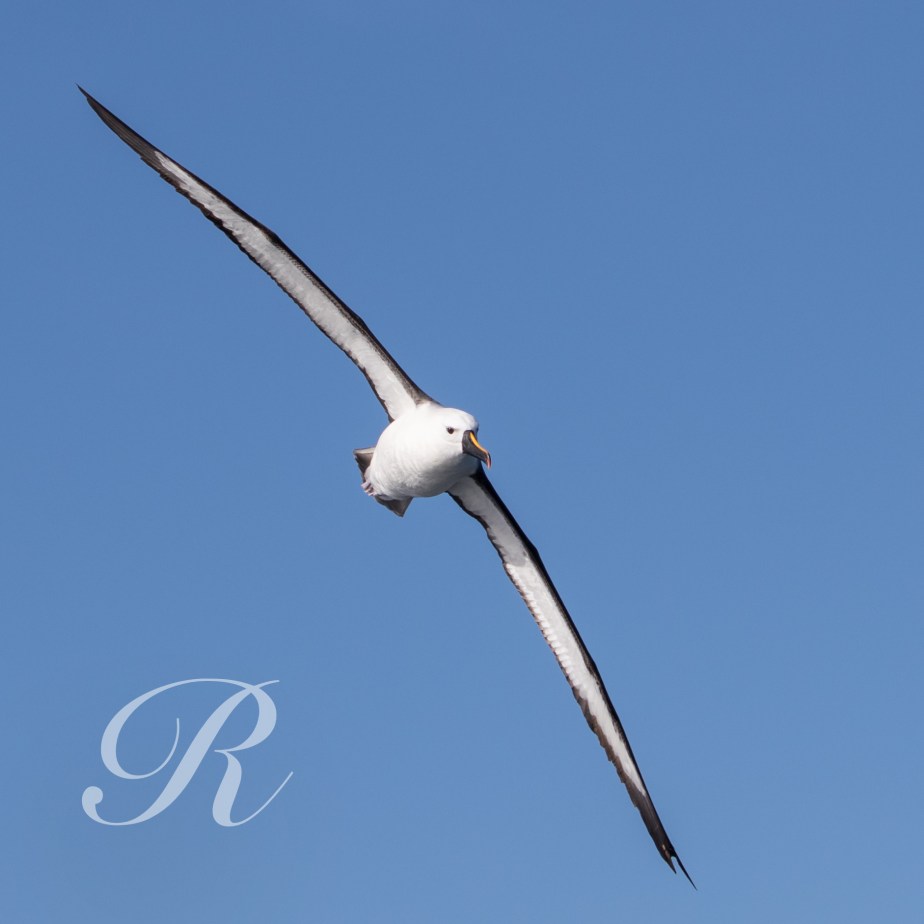
Smaller still is the Yellow-nosed Albatross …

Yellow-nosed Albatross

Sea birds tend to be black, white, gray or combinations of black, white and grey! Diagnosis has its challenges. Albatrosses are actually the easy ones.

All the procellariforms have tubes leading to their external nose. If you look at the top close up of a Shy Albatross you can see that there is a small nostril on the side of its beak. The Albatrosses all have two quite small nostrils, in all the other families that make up the order the tubes merge into a single opening on top of the beak.

The four families are :-

  • Family Procellariidae (shearwaters, fulmarine petrels, gadfly petrels, and prions)
  • Family Diomedeidae (albatrosses)
  • Family Hydrobatidae (storm petrels)
  • Family Pelecanoididae (diving petrels)

and at least one member of each family turned up. Here are a few of them …

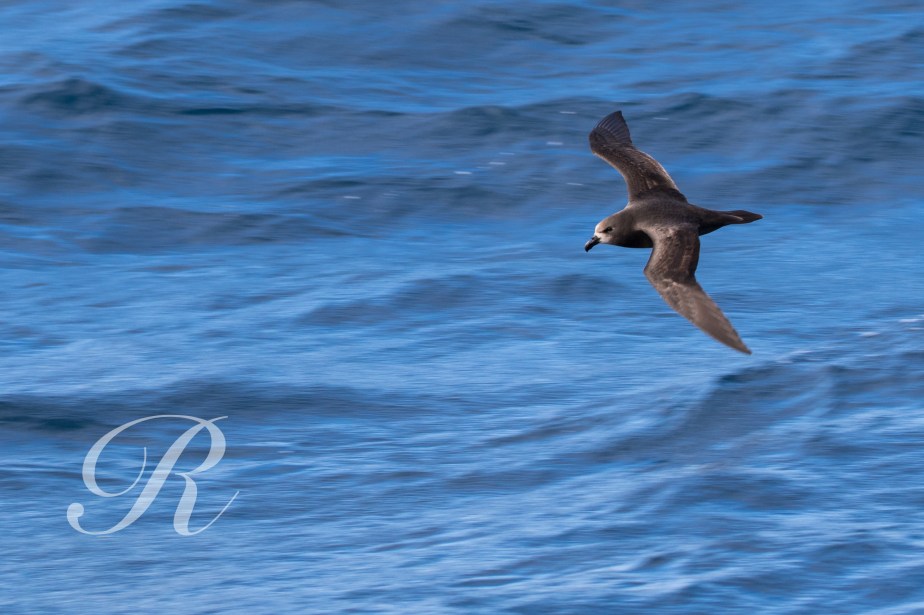
Grey-faced Petrel
Southern Giant Petrel
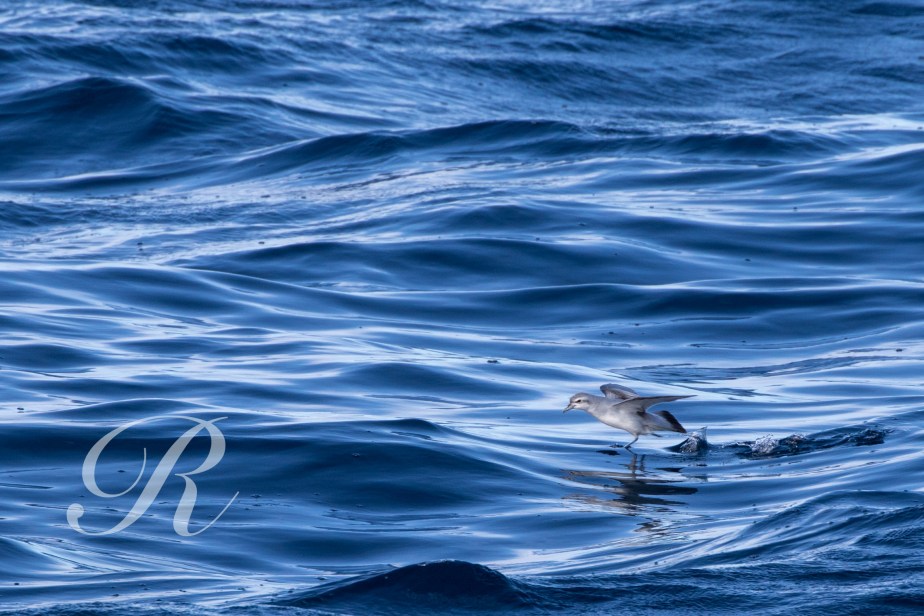
Fairy Prion

Wild Kigali …

Although we were now in the big city our quest for wildlife isn’t quite at an end. The city boundary is, in part, formed by the Nyabaronga River and just over that is the Bugasera Swamp. The river is home to Hippos which you can find with diligent searching, they are just around the next bend. And although the banks are intensively cultivated the birding is excellent.

Hammerkop
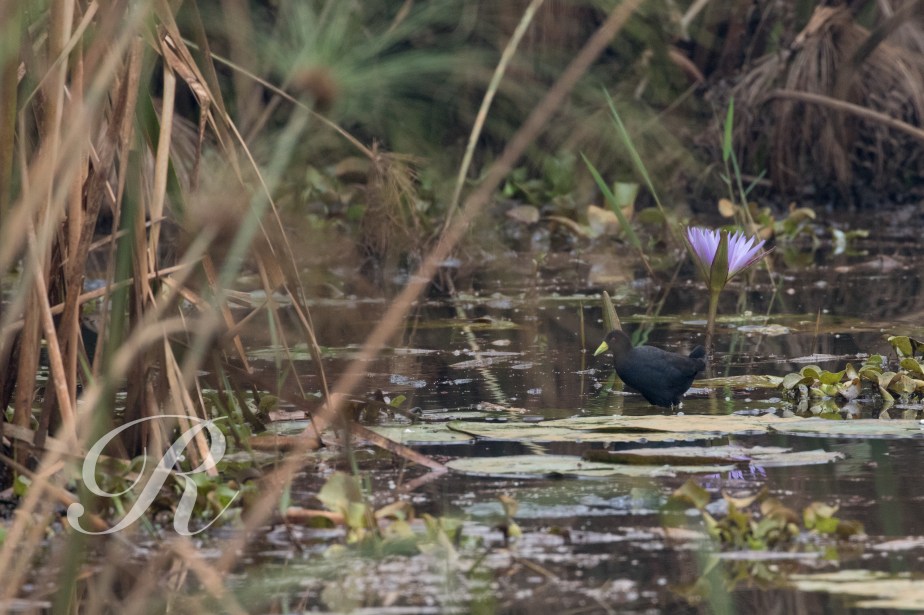
Black Crake

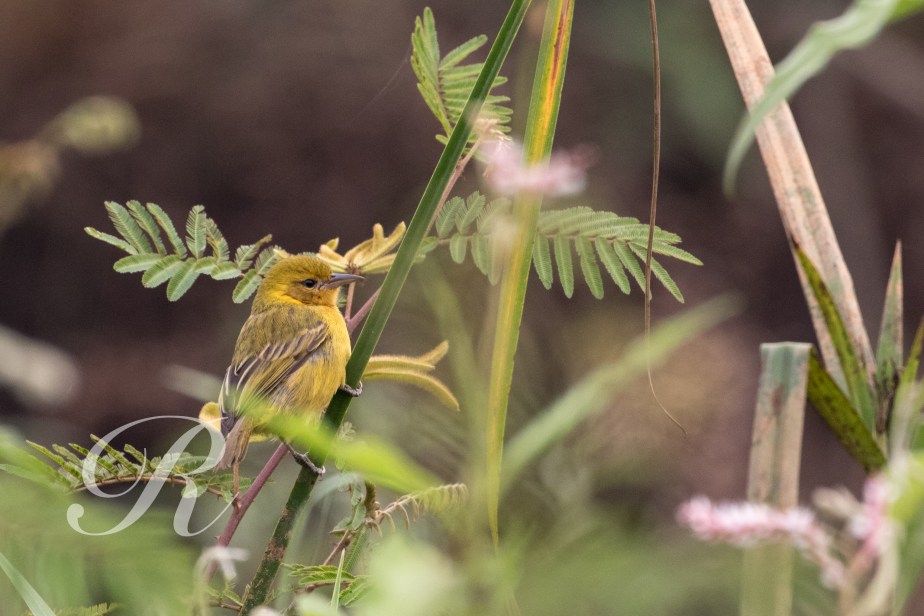
Perhaps because the farming is mostly labour intensive by hand implement the birds permit quite close approach, a chance to sort out some Weavers, generally a challenging group …

Holub’s Golden Weaver
Slender-billed Weaver
Spectacled Weaver

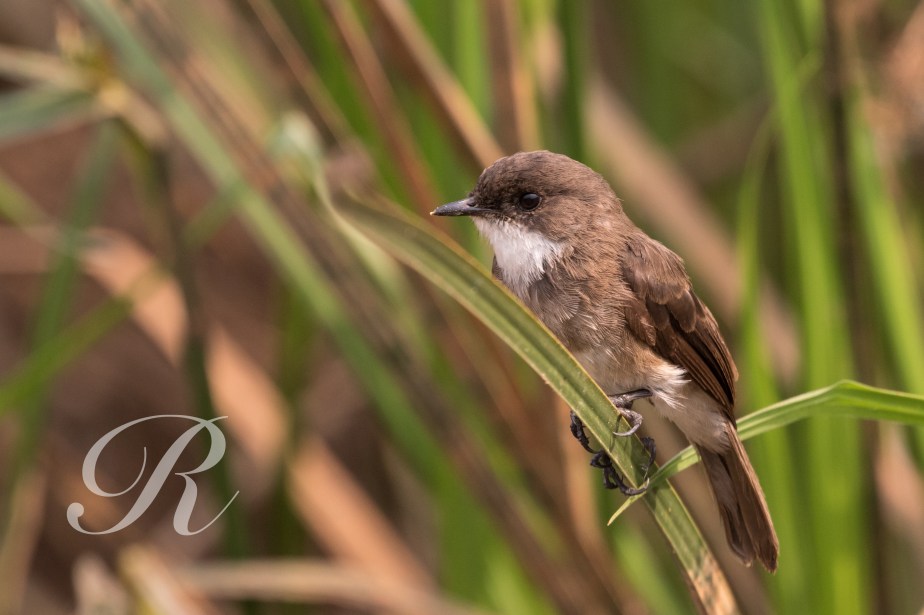
Other denizens of the marsh include …

Speckled Mousebird
Swamp Flycatcher

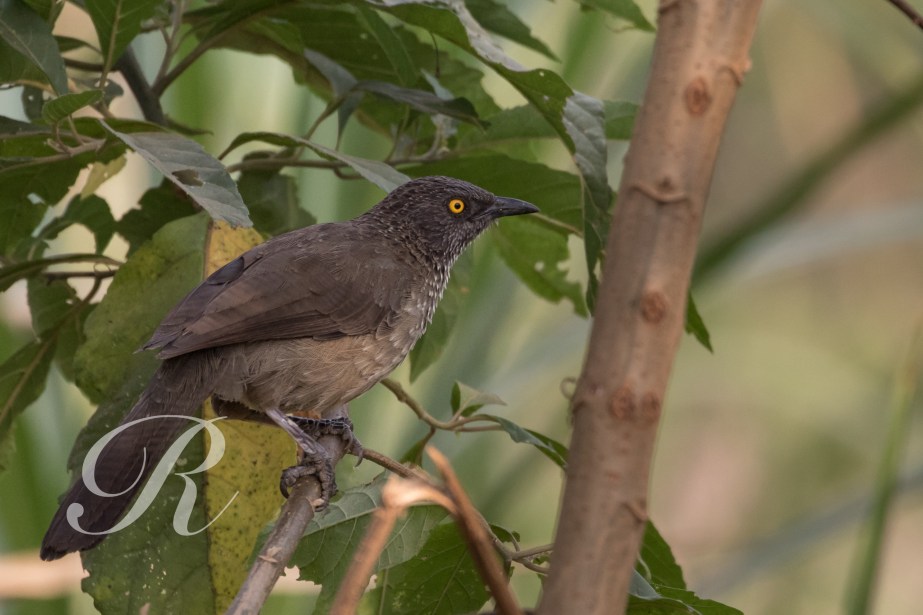
Whilst in a vegetated area we encountered two of the African Babblers …

Arrow-marked Babbler
Black-lored Babbler

and along the river some Herons …

Little Egret
Grey Heron

To keep the hippos out of their crops the locals dig a trench between the river and their field. It only needs to be about two feet deep and two feet wide to keep the hippos out.