Mary Pool to Wyndham …

480 km. Sealed all the way. Top temperature 37°C (98.6°F).

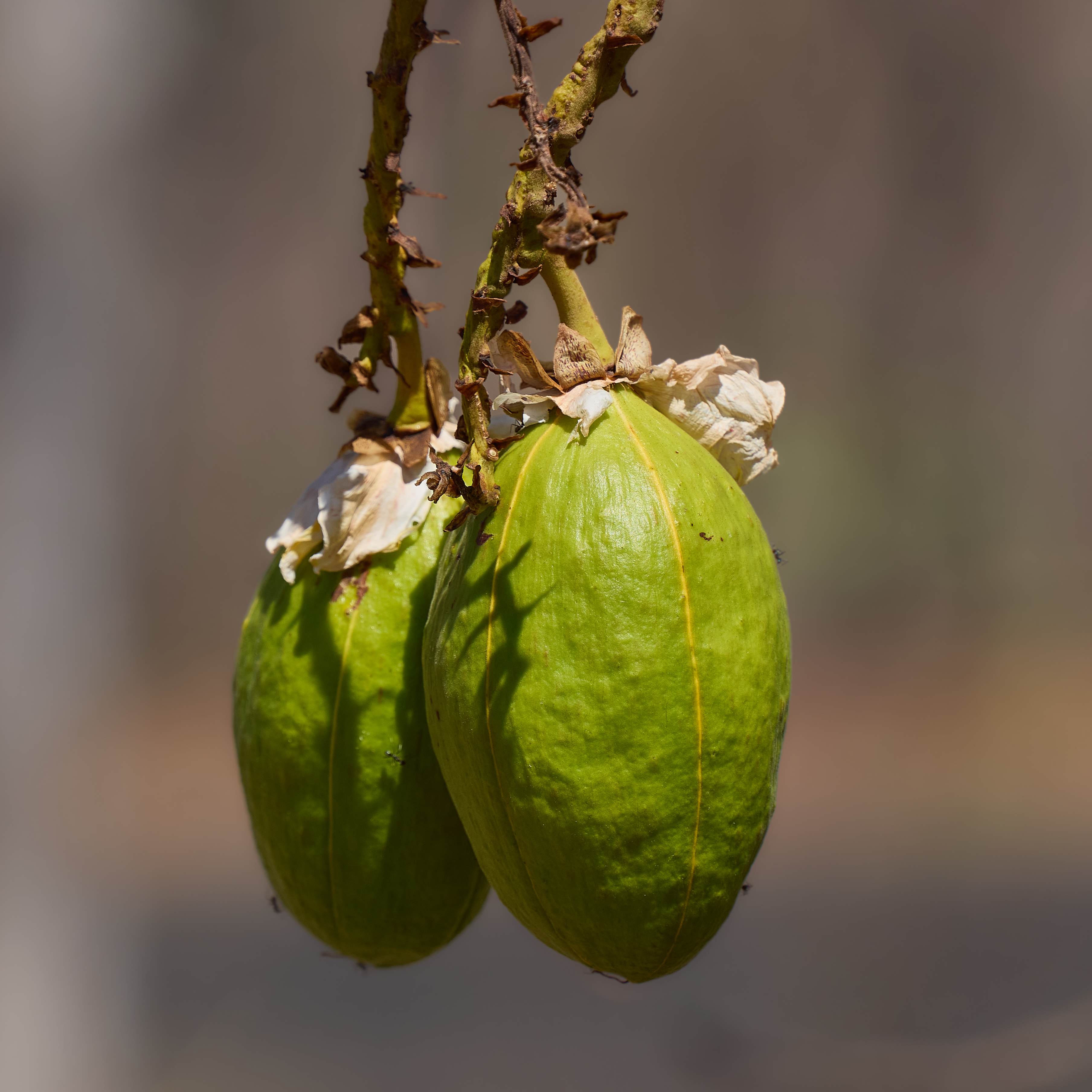
Like it says on the label, the Savannah Way runs through a lot of savanna. Today we saw some rugged ranges, plenty of impressive Boab trees and spindly Kapok Trees in brilliant yellow flower.

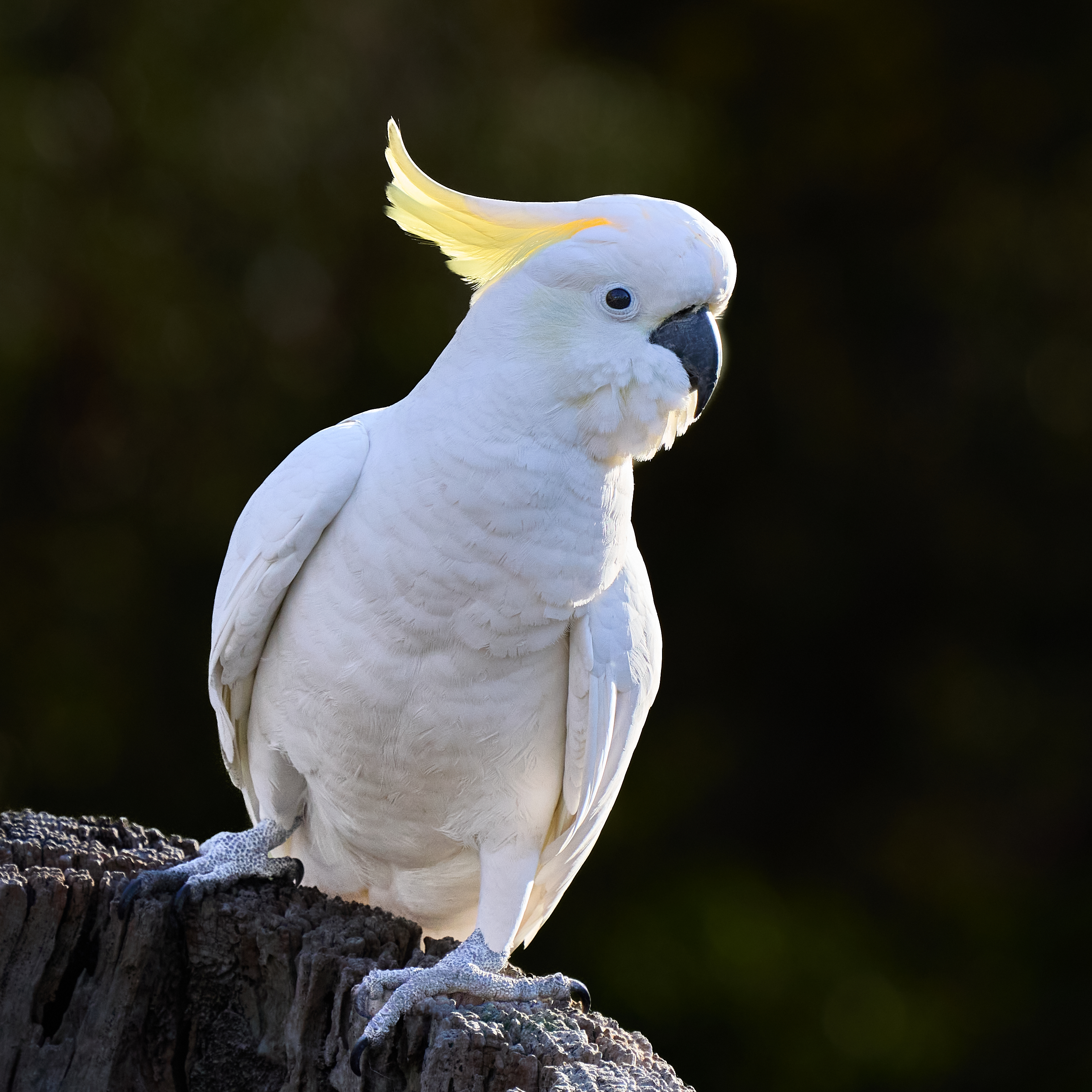
An Australian icon that you rarely see in Broome is the Sulphur Crested Cockatoo. Encountered one at Mary Pool.

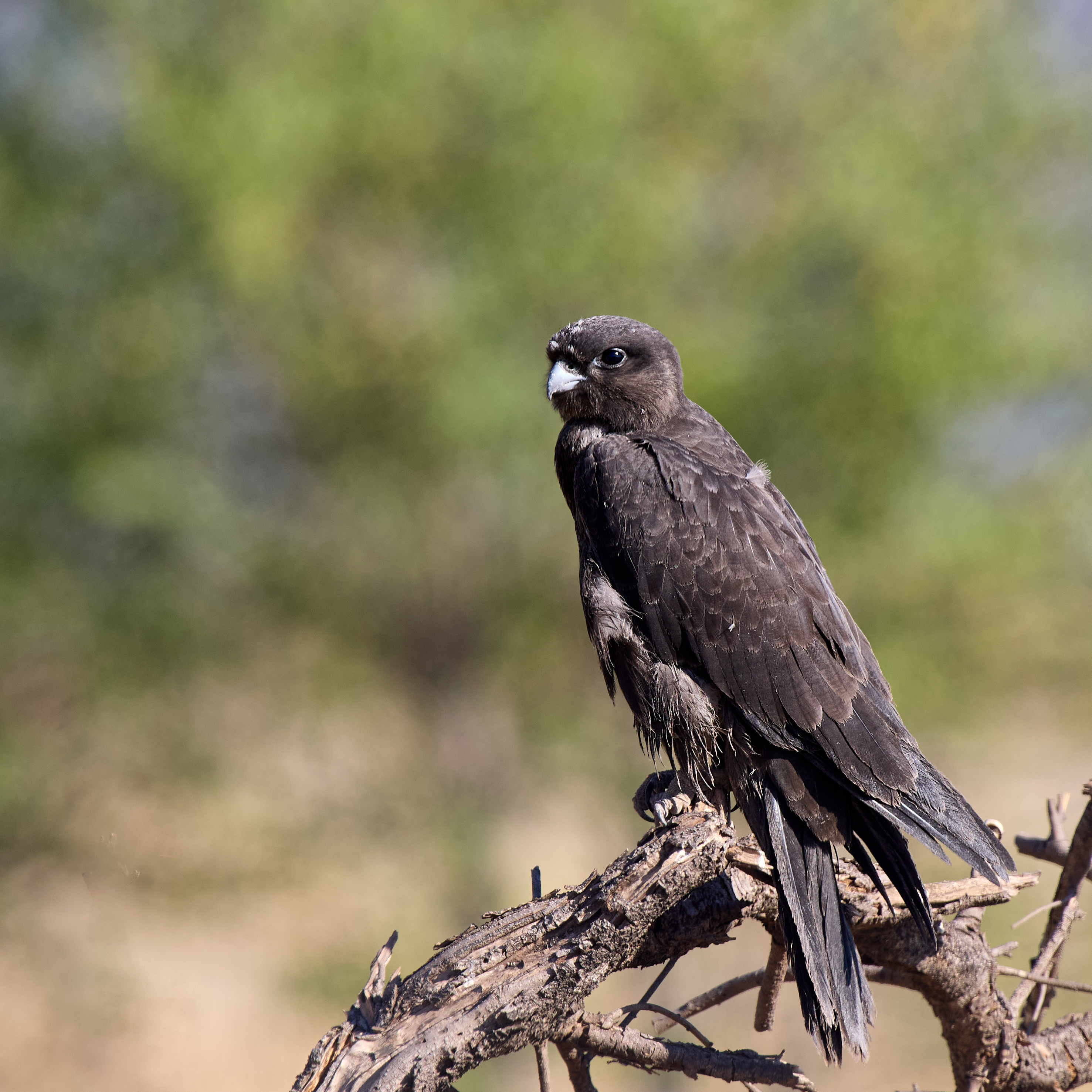
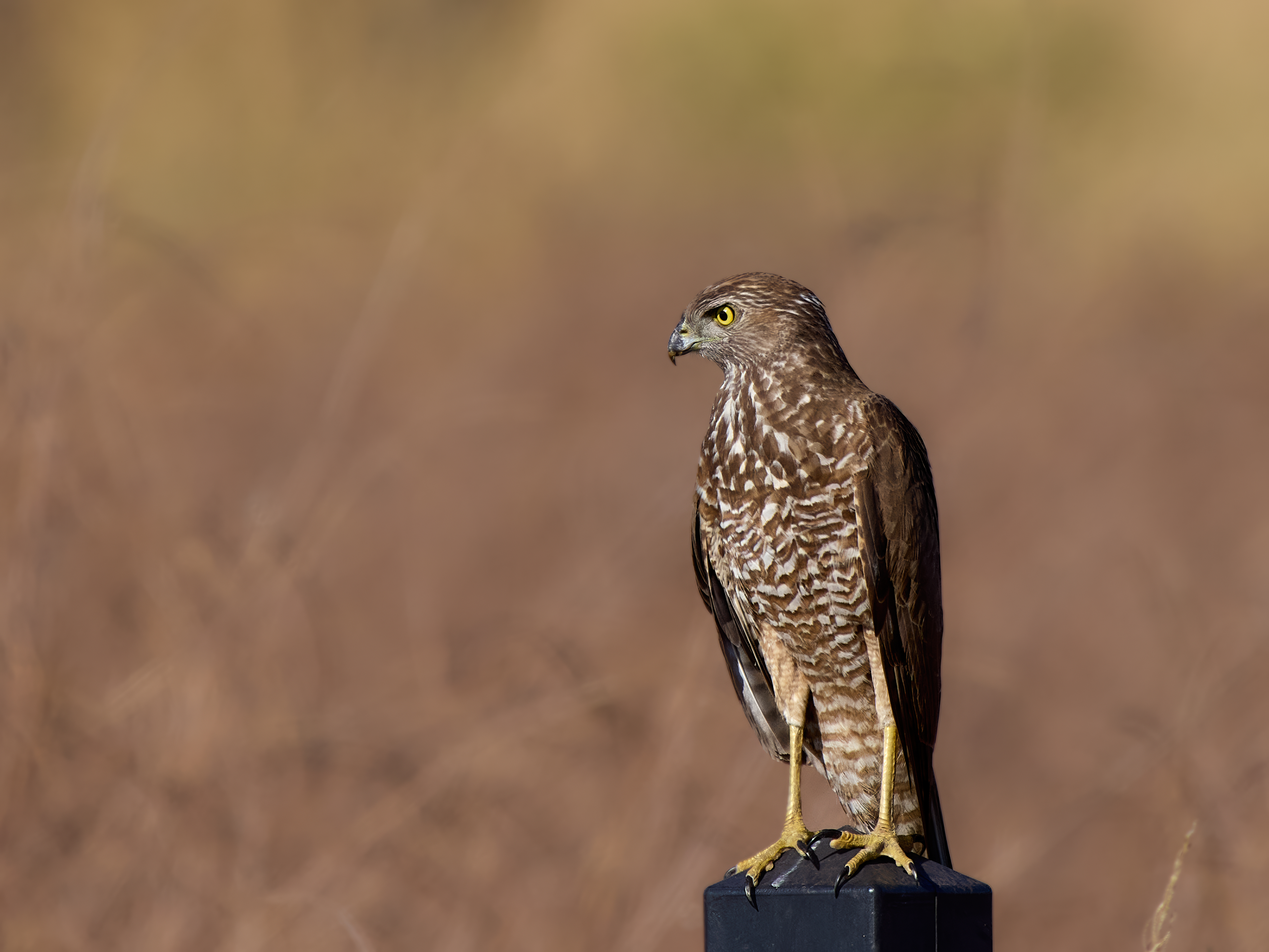
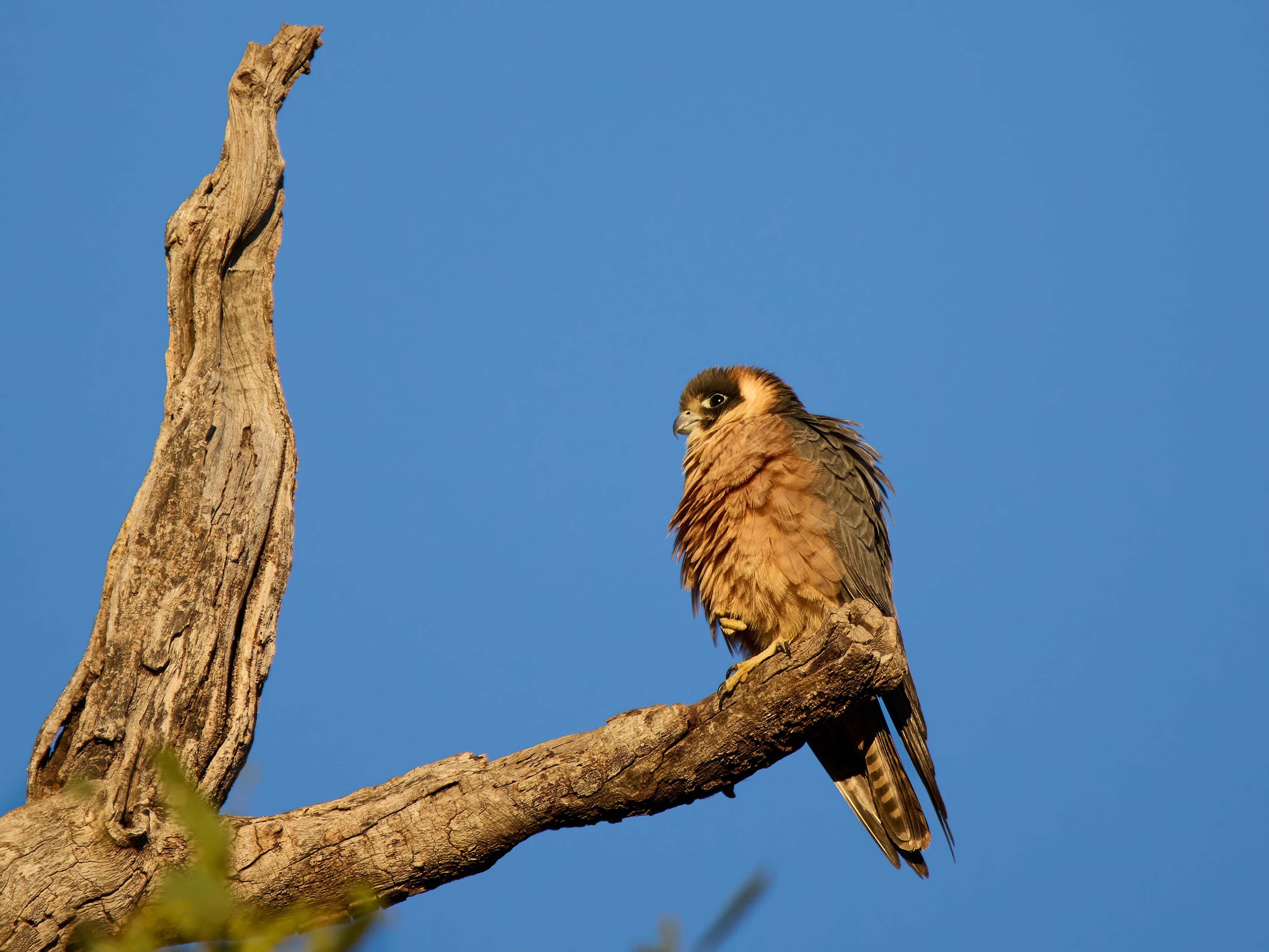
Open grassy woodland suits birds of prey. The most numerous today were the Whistling Kites (We are camped right under an occupied Kite nest). Also a Hobby, some Black Kites and a Black-breasted Buzzard.

We would normally be staying at Parry’s Creek Farm but unfortunately they have shut up shop. So its the Wyndham Caravan Park. We’ll stay two nights. Tomorrow holds a visit to Parry’s Lagoon.

Camp 1 …

The road trip is under way. Broome to Mary Pool, 580km. This late in the dry season the countryside is extremely dry. Vast swathes of bush have burned this year, the willy willies are black with soot rather than the standard light grey.

Top temperature today was 35°C (95°F).

The camp site is on the bank of a dry river. There is usually a sizeable pool here. At the moment that is completely dry. I did manage to find a puddle up stream by following some Corellas that were going in to land.

Best bird today – Wedge-tailed Eagle.

A Road Trip …

Yes, I feel the need for a road trip. Seems like ages since I finished the last one (goodness, is it 6 months already?). Sit here much longer and I’ll take root. Origin Broome, WA, destination Broome. Pick somewhere in between, say Port Fairy, Vic. We like Port Fairy and summers are coolish there. A loop then. How big a loop? Let’s go for the max. Anywhere special on the way?

The classic Highway 1 loop covers roughly 15,000 km (9,400mi). This is Australia, there will be any number of special places on the way, unavoidably. But there is one place the lovely Gayle and I have not visited. It’s been on proposed itineraries but the weather has denied us every time. In this dry, dry continent nothing stops outback traffic faster than rain. Borroloola, NT, population 755. Setting off towards the end of the dry we have a fairly good chance of making it this time. It’s not flooded at the moment. An early start to the wet, though, could soon fix that!

That determines the direction of travel. It will be clockwise again this time. The journey breaks down into four major legs. The journey across the top, Broome to Cairns, is the Savannah Way. It can be completed on sealed road but there are a couple of alternate sections. If Borroloola is included then it would be remiss not to include Hell’s Gate and then Burketown, 365km of corrugated suffering. Tape your beer cans so they don’t rub through. It gets easier from there to Normanton. At that point you choose to take the Burke Development Road via Chillagoe, once again shaking your teeth out of their sockets or the bitumen via Croydon. We’ve traveled both before and unless overtaken by a bout of masochism I suspect we will opt for the latter (and a soak in the Innot hot springs).

Before dropping into Cairns we will pause on the Atherton Tableland, our first opportunity for a flurry of new (for the year) birds. Then up to Cooktown.

The next leg is the east coast, but all in good time. First you will need to endure heart wrenching bulletins of the trip to Hells Gate.

Oyk …

On a more serious ornithological note, the fair city of Broome (population 15,000) looks out over Roebuck Bay, Australia’s most important site for the waders, outnumbering the humans many times over. In Australian (and English) usage waders are birds in the order Charadriiformes. Americans tend to prefer the term Shorebirds and if you say wader they think of herons and such and it’s possible they might have a point. Herons do a lot of wading. Some waders do no wading at all, not all shorebirds live on the shore, but most do. But I digress. The Broome Bird Observatory is the hub of considerable research into the charadriiforms. So it was that on 1st December 2002 members of the Australian Wader Studies Group were in the field (on the beach, actually) using cannon nets to catch birds.

Among the catch that day was an Australian Pied Oystercatcher. It was weighed, measured and closely examined. It was in its third year of life or older. Smart ornithologists can age first and second year Oystercatchers by their moult. It went from being an anonymous Oyk to Oystercatcher 101-07877. Thus if it were encountered again something would be learnt about its movements and survival.

I was not in the field with the AWSG that day in 2002 although I have enjoyed that privilege on other occasions. I was on Gantheaume Beach on the 11th of August 2025 when I met 101-07877. When it faced west I was able to make out the first three band numbers, when it faced east I was able to get the last three. I had no luck getting two numbers in between.

I reported my sighting to the Australian Bird and Bat Banding Scheme. They had records of two Pied Oystercatchers 101-XX877 but the other one is also carrying a coloured flag. Thus we know the identity of this particular little bird, found alive and well just 20km from where it was banded 22 years 8 months and 10 days earlier. Its age is now 25 years or more.

A Little Chat …

More specifically a little chat about the calendar game. Readers in for the long haul know all about the calendar game. For those not familiar with it, it starts on January 1st and you are in the game so long as you have seen more birds in the year than days have elapsed. If you fall behind the calendar you are out. So on January 1st at Taylors Scrape, ~70km from Broome, at 5.31 am I pressed the button “Start New List” on eBird mobile and the game commenced. By the end of the day I was safe well into February.

There is, in birding, a concept called the Big Year. It’s like a super calendar game where you chase all over a region of your own choice, twitch every rarity, get on every birding boat trip, visit every habitat, spend a fortune on travel, stay awake through every very long drive, sleep rough, eat poorly and pay no heed to your impending divorce.

The calendar game is more genteel. One endeavours to see ordinary birds in ordinary places. Travel will still be necessary and novelty will still be welcome. But it’s just a game.

So to summarise. A Big Year is for lunatics. A Calendar Game year is for under achieving lunatics, those of us who are past peak obsession.

So how is it going? I began the year with a big trip across the top of Oz and then south through outback Queensland and NSW to Victoria. On the 16th of March I was in Melbourne with 274 avian species on the list. 75 days in, 199 species ahead. The return trip to Broome was up through the red centre. Our overdue library books were returned to the Broome Public Library on the 18th of April. 309 species were in the bag, 108 days elapsed. The librarian was thrilled to hear that the buffer was holding steady around the 200 mark.

But of course it gets harder. Broome is a great place for birding. Every Australian birder really must get here. I’d rank it number two after Cairns and the Atherton Tablelands. And it is a place where the odd vagrant turns up. But they don’t rain down. Five months of local birding have added only 20 extra species. 249 days into the year 329 species up. The buffer is shrinking, failure beckons. It must be time for another road trip.

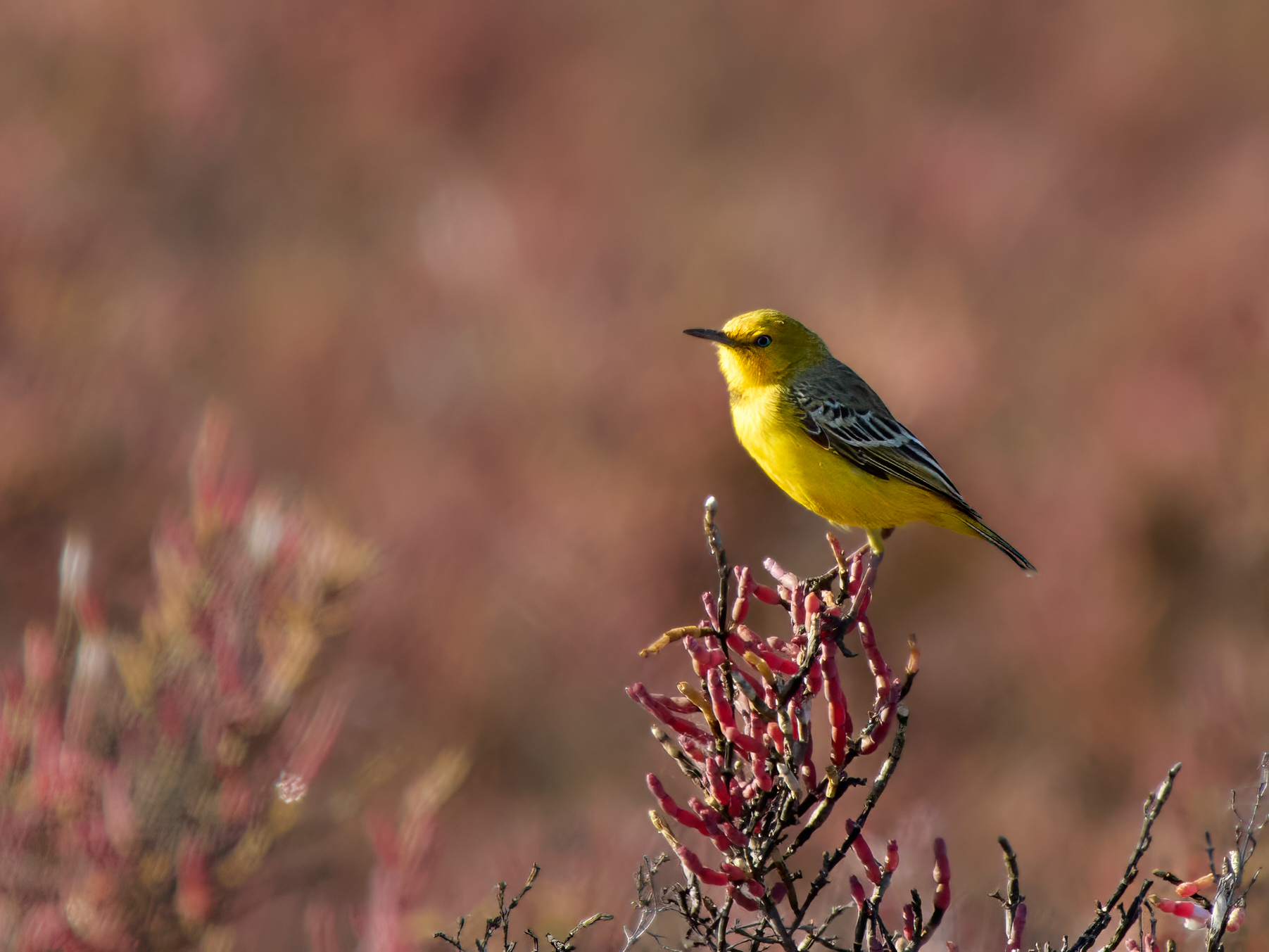
We are well into the dry now. The ground has dried out enough to venture out into low lying parts of Roebuck Plains, to Kidney Bean and Duck Lake. This is home to the Yellow Chat. They are beautiful and not easy to find elsewhere. I added it to the list this morning.

I have so enjoyed this little chat.

Bush Birding …

Birding and photography began for me in primary school but as quite separate activities. An uncle was a professional photographer and it was in his darkroom that I first saw the magic appear in the bottom of a dish, then be moved to the fixer and then get pegged up to dry. Quite where the birding came from is much harder to fathom, school friends perhaps. I put the two together during a period when I was getting out on pelagic trips regularly and it grew from there.

When I’m out birding the camera is around my neck but what I most like to do is wander around making a list of birds, taking photographs only opportunistically. Some days I don’t take a shot, others are really productive. I don’t go out to take a photo of one particular species but that’s not to say that there is not a target list tucked away in my head. A good shot of Gouldian Finch has been on that wish list for a long time.

Gouldian Finch are found in grassy woodland across the top of Australia from the Dampier Peninsula in the west to Cairns in the east. They are not especially common or reliable. The juveniles are quite drab but the adults give the Many-colored Rush Tyrant a run for its money. And wait, there’s more. Their faces need not be black, there are red ones and gold ones usually all present in the same flock.

If the Crocodiles …

… or the Irukandji don’t get you watch out for the Pied Oystercatchers.

I’m just back from Cygnet Bay at the top of the Dampier Peninsula. It’s a very beautiful spot, the birding was good and the weather was, of course, perfect. I enjoyed long walks on the beach. Some of the migratory waders are on their way back. Common Sandpipers are here, early Sand-plovers have been seen. It’ll soon be buzzing. Not to mention the resident waders like Red-capped Plover and Pied Oystercatcher. Apple Mangrove was in flower, Kingfishers and Herons were about.

In my bird banding days I put a ring or two on Oystercatchers, they are timid in the field and docile in the hand. Adorable. One foraging on the sand started giving a ticking alarm call. It was quickly joined by its mate and they were up and away in hot pursuit of a White-bellied Sea Eagle. They dived at it, pecked at it and harassed it until it was gone from their happy place. The character in the photo above subsequently began ticking away at me. It then led me off in a distraction display. I was happy to play along – I was going that way anyway.

I did some bush birding too. That can be the next episode.

Willie Creek …

One of the experiences we always inflict on our visitors is the tour at the Willie Creek Pearl Farm. It’s really interesting, I love it. Our current visitor took a pass on the tour but had heard it was a great place to fish. Intelligence was, low tide. So we headed out first thing this morning. He caught nothing … should have taken the tour.

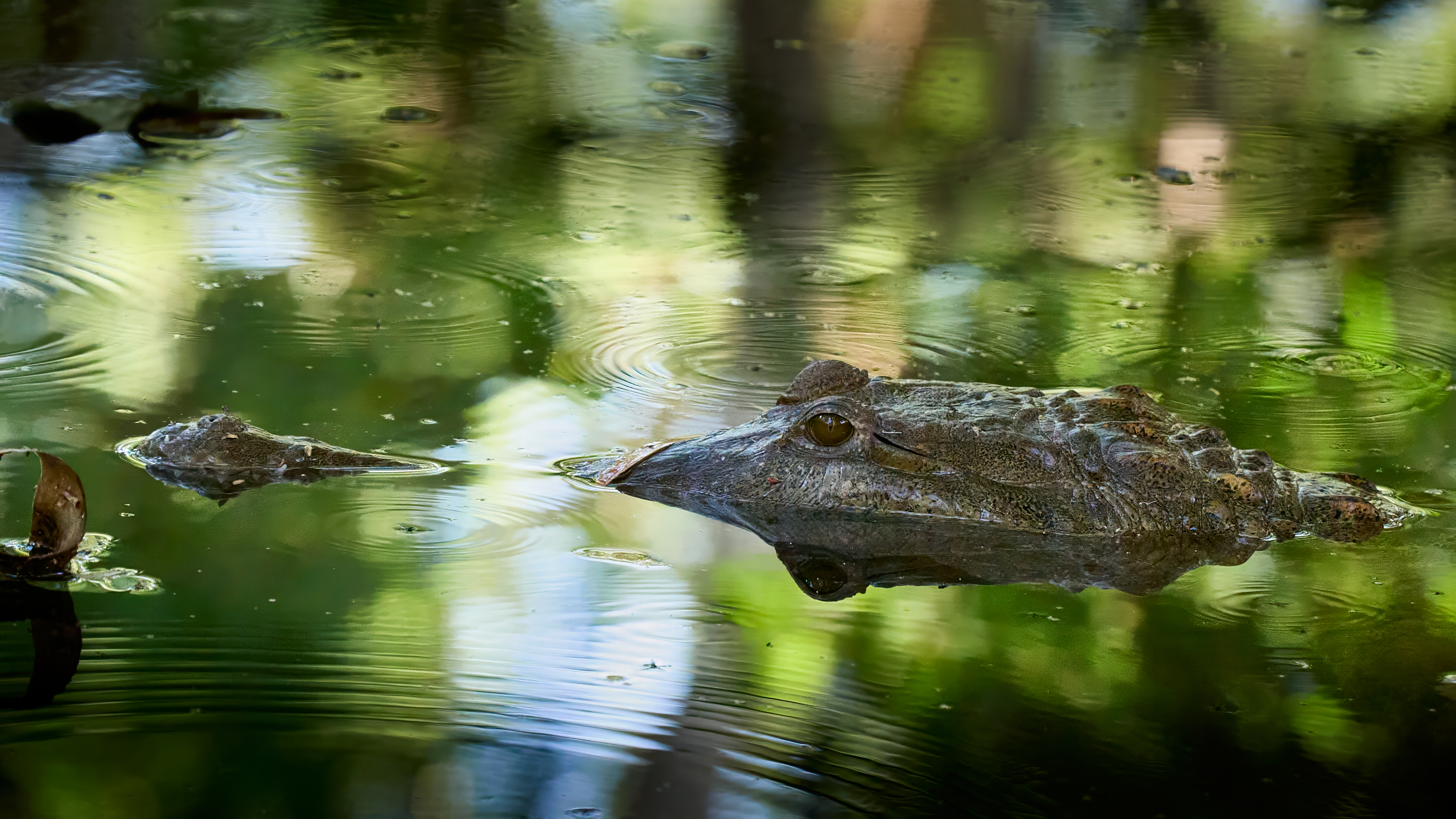
I went for a wander and soon had the perfect view of a crocodile hauled out on the beach. Not, perhaps perfect for a photo, but perfect for an encounter. The best place for closer encounters is the Malcolm Douglas Wildlife Park. We were there recently. A top priority for a croc farm is ensuring the visitors are not eaten by the residents. Photography is not a high priority at our croc farm, too many fences … but you can hold little crocodiles (adorable). So, compare and contrast crocodile photography wild versus captive (you shouldn’t have any trouble working out which is which) …

I took my dearly beloved to the Willie Creek Pearl Farm on her birthday once. You’ll never guess what I bought her. It was a hot day and she really appreciated it. The ice cream that is.

Bush Point …

As I point out from time to time Roebuck Bay is the Shorebird Capital of Australia. The shores are in part accessible by car from Broome. Other parts are more of a challenge to reach and are therefore less well studied and less frequently disturbed. Bush Point is 22km due south of the Port of Broome and not easily accessible except by boat. That’s not to say that other means have never been employed. Over the years hovercraft and 4WD vehicles have been used but boat is the most practicable. However boat does have the drawback of limiting time ashore to about one hour on each side of high tide. It’s the 10 metre tides that expose the mud that feeds the birds that make the bay the Shorebird Capital of Australia. Deal with it.

The other day I had the enormous privilege to accompany a party of keen volunteers ably led by Chris Hassell of the Australian Wader Studies Group on the regular winter count at Bush Point. The project has been running for 24 years. Parks and Wildlife provided the boat, a landing craft style catamaran that ripped along effortlessly at 25 knots across the bay. The front was lowered and we stepped off into a few inches of water, not a crocodile in sight.

A winter count is revealing. A migratory shorebird with any intention of breeding is somewhere between here and Siberia. Birds on the beach are mostly too young to breed. The age that they reach maturity varies from species to species. Some species will return north in their first year others spend one or more years in the southern sunshine before going. As a rule the bigger birds wait longer than the smaller ones. If summer counts are available comparing the two gives some indication of breeding success over the recent past.

Our priorities were straight forward. First and foremost to count the migratory shorebirds, secondly the resident shorebirds and we were to avert our gaze from anything not a member of the Charadriformes. This is ornithology, guys, not merely bird watching. We were divided into two groups and sent forth to count. Easy …

Well, easier when they’re on the ground and keeping them on the ground means a little stealth and maintaining a considerable distance. Identification and counting is done with telescopes.

Opportunities for photography were very limited. If a group flew by you might just get a shot …

An hour after high tide the volunteers reconvened for the journey home.
So what did we find? Two parties covered about 4km of beach amassing a total of 13,400 individual migratory waders representing 20 species. Red-necked Stints were the most numerous and these would be in their first year of life. Whimbrel and Great Knot were well represented.

In the few minutes before being put on a short leash and obliged to trudge for miles through soft sand while being sun burnt and bitten by sand-flies (Gallipoli and Normandy were worse, I believe) I did get to point the camera at non-target or low priority species …

Sula …

There is an anecdote, apocryphal I’m sure, relating to the days when Bird Week was a thing at the resort on Fraser Island, Queensland. The leaders were on the ferry. Our hero is a well known birder, author and broadcaster. As the boat neared the shore he started dancing with excitement calling out, “Boobies, boobies”. His fellow bird nerds were in in-principle agreement but more restrained. Quite what the tourists made of it is a matter of speculation.

There are nine members of the Sulidae. Three temperate species are called Gannets, the remainder prefer warmer waters and these are the Boobies. They all have similar body forms and feed on fish and squid by plunge diving. They are restricted to marine habitats and for the most part stay fairly close to shore.

The species I see most often is the Brown Booby. It is found near tropical shores all around the globe with the exception of the west coast of South America. They can often be found at the Port of Broome or the nearby Entrance Point. They loaf on rocks or floating navigation aids when they’ve nothing better to do. They are quite happy to feed close to shore. They patrol up and down and plunge onto their prey. They tend to do this singly or in pairs or a trio. It’s good to watch and each one does the best it can but it’s not the spectacle of a frenzied mob turning the surface to foam that flocks of Gannets occasionally provide.

The scientific name is Sula leucogaster, the sulid with the white belly which doesn’t advance your identification at all because all the sulids have white bellies. The common name, Brown Booby, doesn’t help greatly either. At anything greater than arms length they look black and white. They are the only sulid with a dark hood cut off sharply across the upper breast.