Farina …

The Flinders was as dry as a chip. We took the scenic route through the Parachilna Gorge – not as scenic as Glass Gorge but gentler on the trailer. Then north up the Outback Highway. There was some green pick after Leigh Creek, then some surface water and by the time we pulled into Farina actual grass and even some mud. And by all accounts there’s a lot more of that ahead of us.

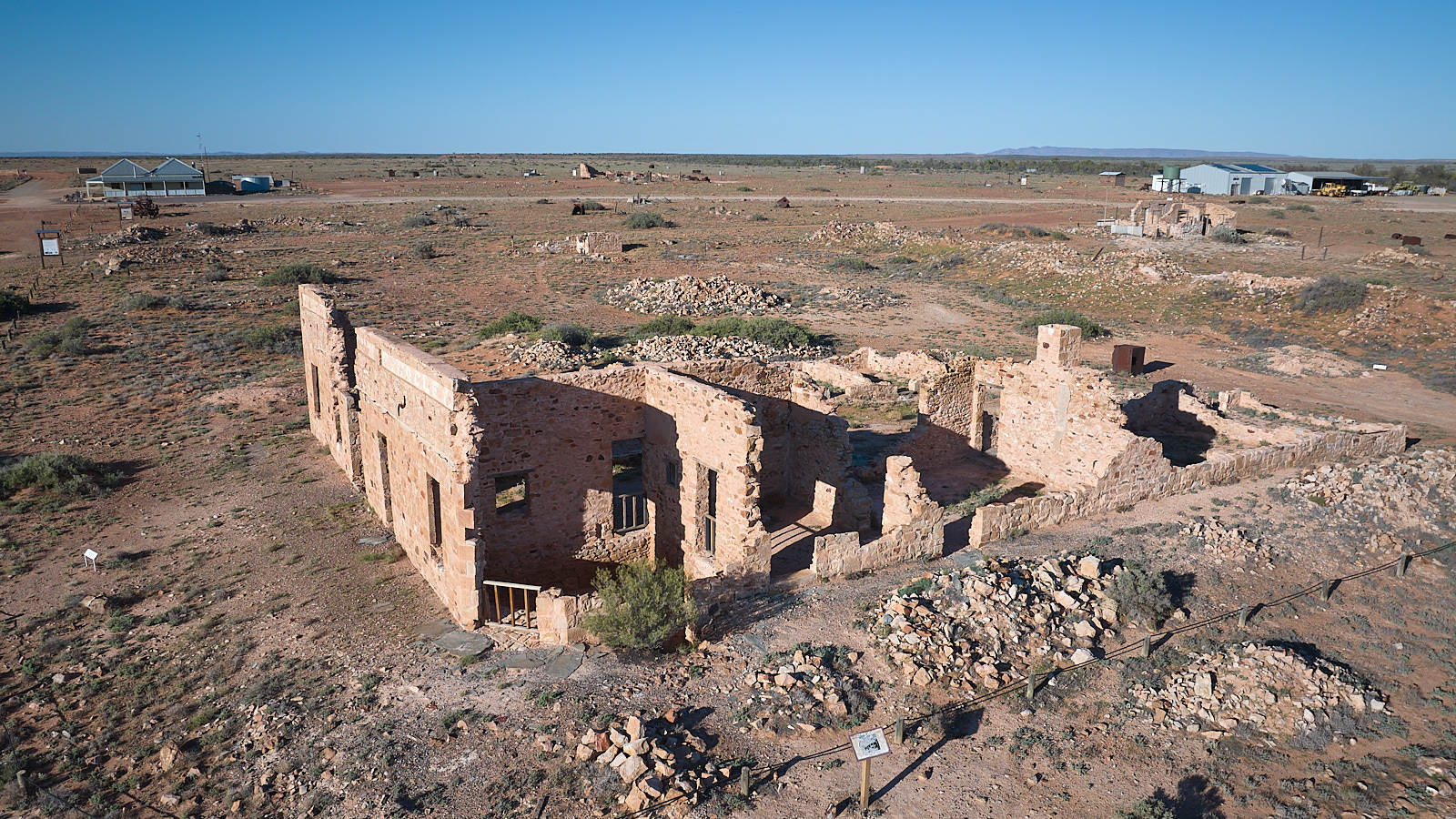
This route north brings you face to face with history, John McDouall Stuart followed by the Overland Telegraph, then the Ghan, the birth and death of little towns like Farina. How could you not love this country?

A number of things had conspired to draw people north from Adelaide. As dry as it is, cattle and sheep can be grazed in the hinterland. The railway provided a good way to transport them to market. The telegraph and the railway provided employment. And of course, at the time it was thought that the rain would follow the plough. Plant your crops and the rain would come, a theory promoted by scientists of the day such as the noted American climatologist Cyrus Thomas. The settlement here was founded in 1878 as Government Gums. Its name was changed to Farina to reflect the intention to grow wheat. It grew to reach a peak population of approximately 600 in the late 1800s. It was the rail head for a time. In its heyday, the town had two hotels (the Transcontinental and the Exchange) and an underground bakery, a bank, two breweries, a general store, an Anglican church, five blacksmiths, a school and a brothel. Wild oats were sewn but no wheat was grown. All that remains today are the ruins and the cemetery.

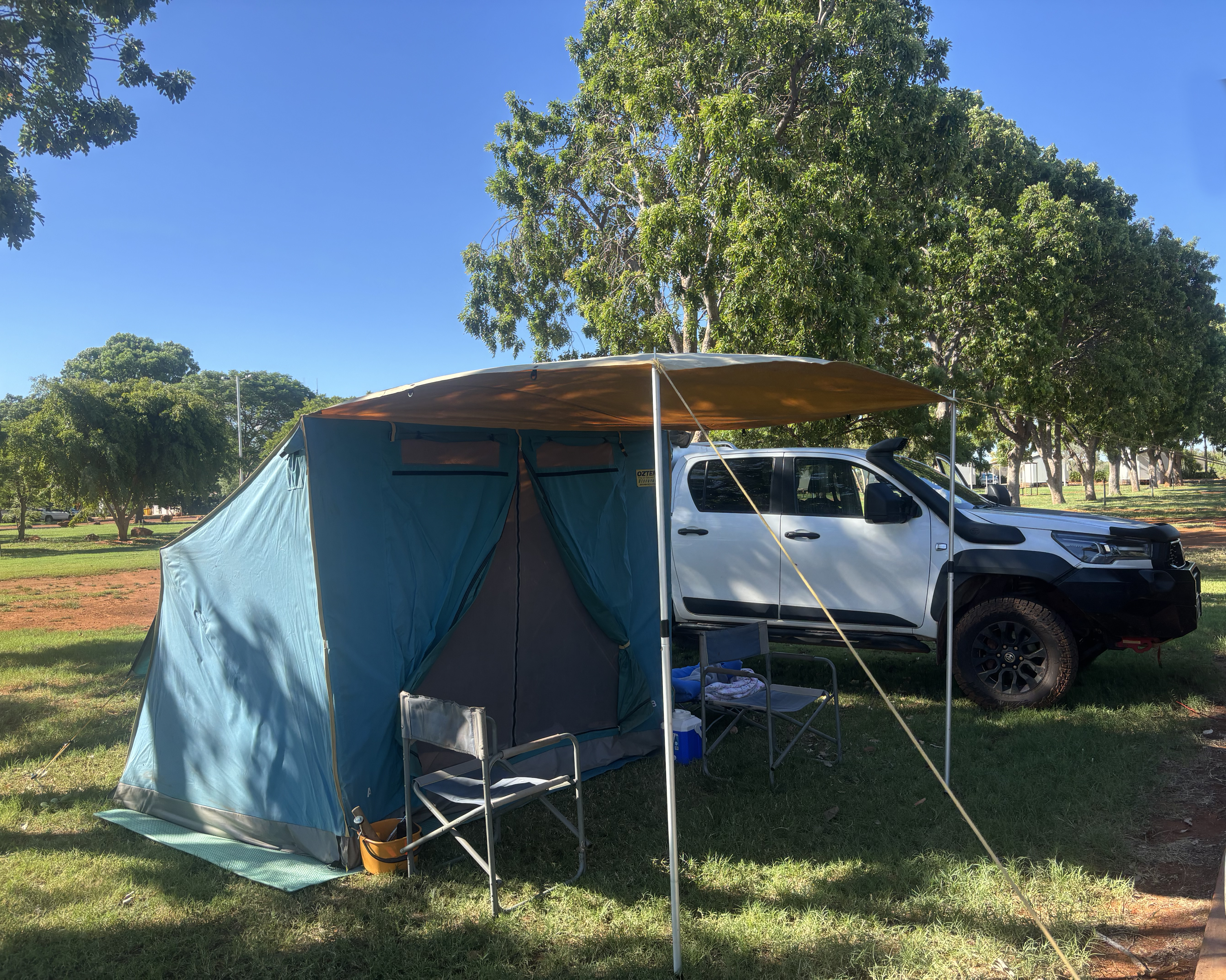
It’s a great camp site and an excellent spot for birding. Inflation has hit, the fee is now $10 per person per night, a 100% increase in 9 years. The bakery has been restored and is in action during the winter months when the camp is busy. At the moment we have it almost to ourselves.

Day 3 …

Manbulloo to Barkly Homestead 865km.

Cyclone Sean is boiling the waters south west of Broome, the Victoria Highway is under water behind us (150mm of rain in 24 hours). There is no retreat! For the moment though there is no need to retreat. Today has been blue sky all day. It seems churlish to complain about the heat … a mere 41ºC (105.8ºF). Just enough to dry out the tent. We are about half way to the east coast.

Day 3 in our lexicon has a specific meaning. Gayle and I have done many a road trip and on the odd occasion harsh words have been spoken. After a while it dawned on us that mostly that would be on day three. We can have a day 3 on day 2 or on day 4 or any day on the journey really.

Barkly Homestead is a pleasant road house in the middle of absolutely nowhere. The surrounding country is a beautiful green at the moment but it won’t be in the dry. There is a bar. Gayle and I are off to have a beer. So far no harsh words but she does get violent after a few drinks. Wish me luck.

Another Glass of Red …

Cheers.

It’s from 2017 grown and made in our own little slice of paradise.

We enjoyed another little sojourn in the bush. We live in splendid isolation and prefer to camp in splendid isolation. The only other human that we came close enough to talk to was at the fuel stop going and coming back and that is the one closest to home in any case.

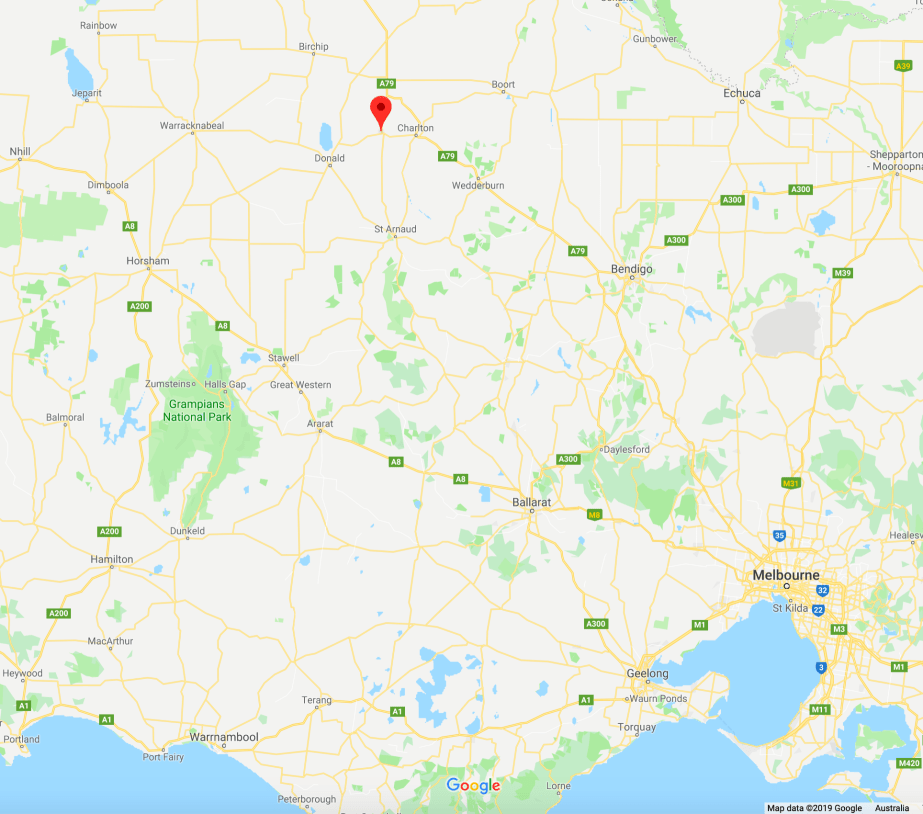
How isolated is isolated? This is the map of a morning ride. It’s 13km from the bottom to the top of that red line so a swathe of country about 50km wide. There’s not a town or a named feature on it, one of the things I love about Australia.

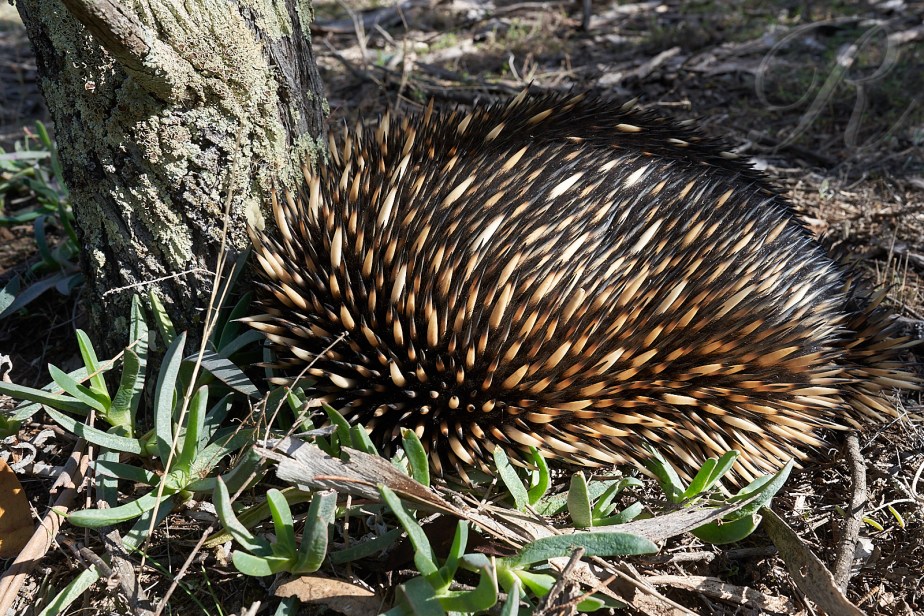
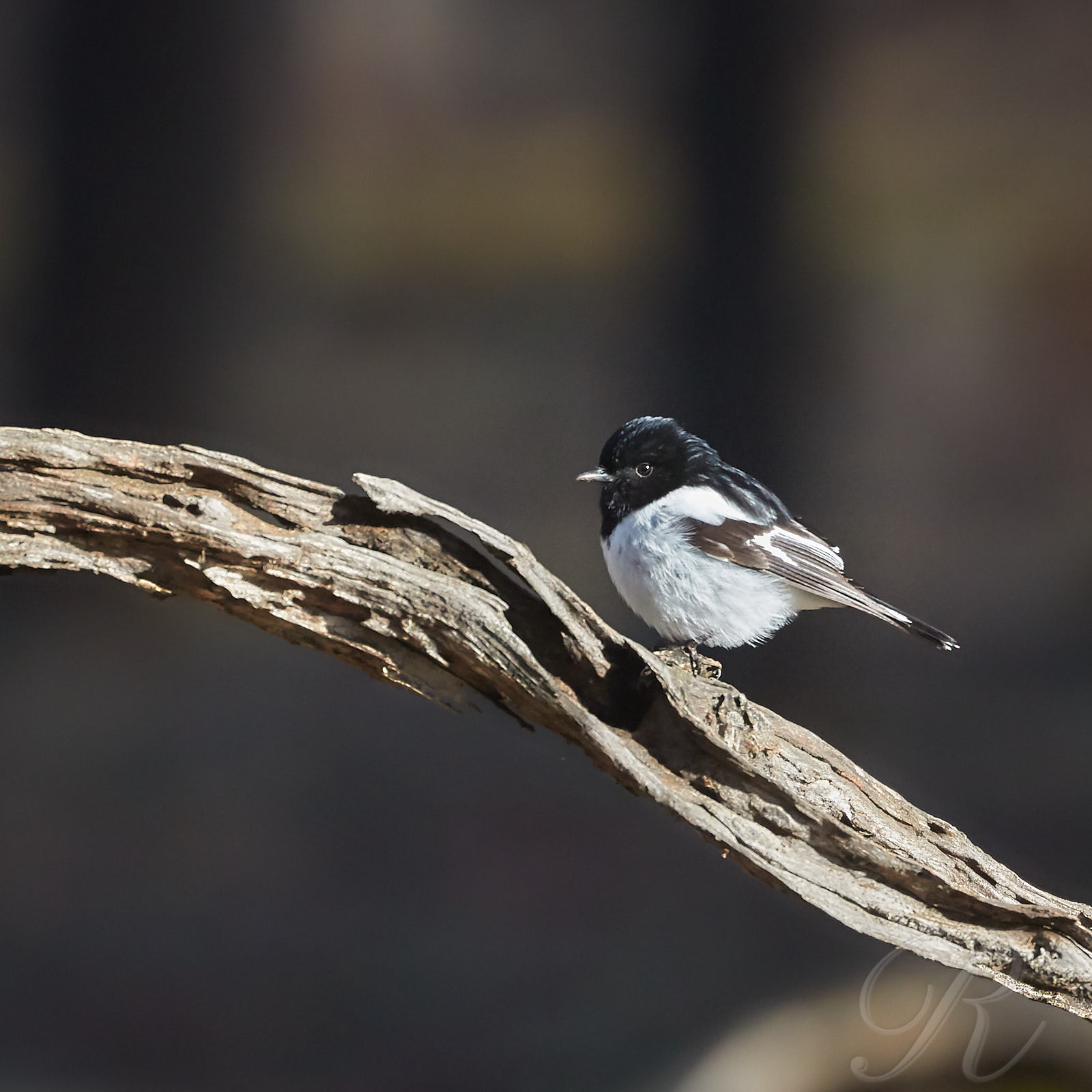
Best bird in the couple of days was Gilbert’s Whistler and we came across this little guy …

We also came across the Shire of Hindmarsh Ranger, his job is to enforce the local laws …


Wooroonook Lakes …

Worth a visit if only to say you’ve been there. But practice first …

The lakes are 263 km north-west of Melbourne.

There are three lakes, the middle and east lakes are in the care of Parks Victoria and are frequently and presently dry. The other lake is managed for recreation, water is purchased when needed to keep the enterprise afloat. No prize for guessing where the wildlife can be found.

Camping is inexpensive, powered sites are available for the softies. There is a playground for the kids, a boat ramp and clean toilets and showers. It’s a popular spot with the fishing fraternity, families and the grey nomads. It’s close enough to my home to use as a picnic spot. I have just camped there for the first time.

I took my cue from this guy and spent a lot of my time sitting quietly on the bank.

Australian Shelduck

It’s amazing what you see …

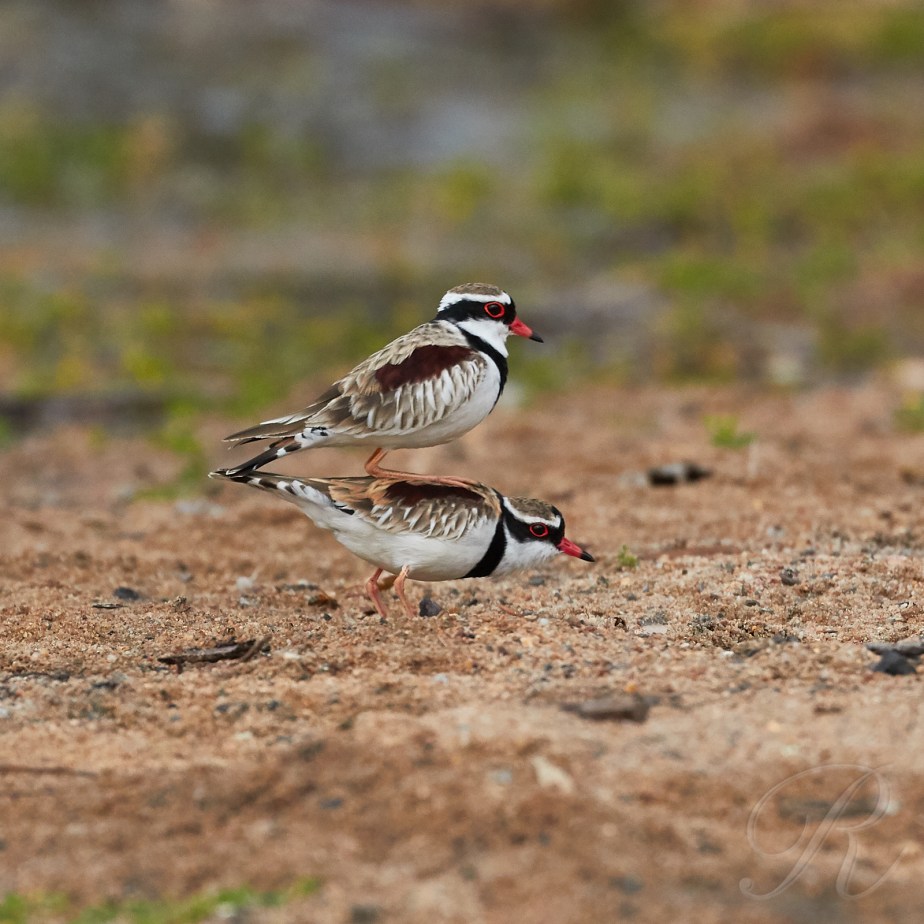
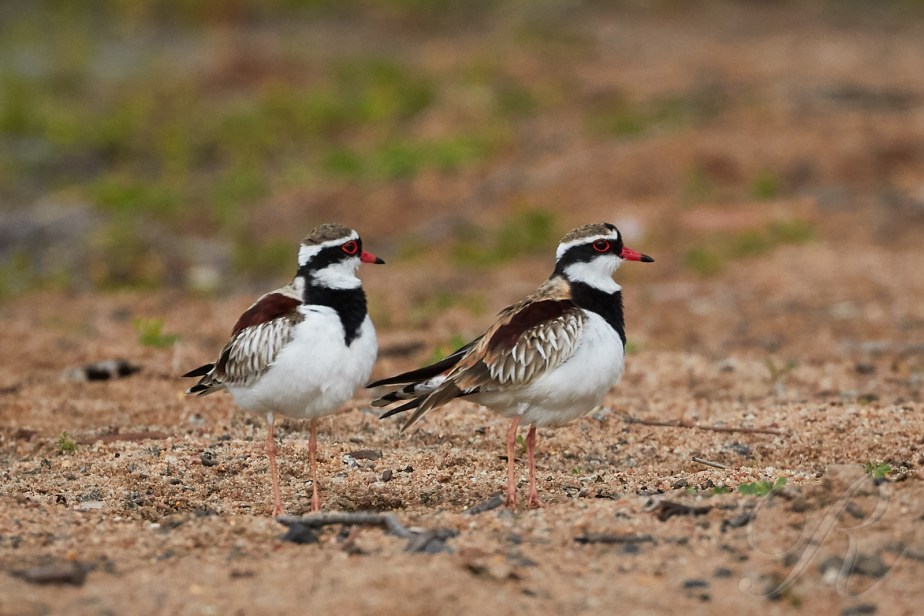
Black-fronted Dotterel

Then for a moment they stand side by side

Then a quick shower and back to work as if nothing happened …

All very familiar, really.

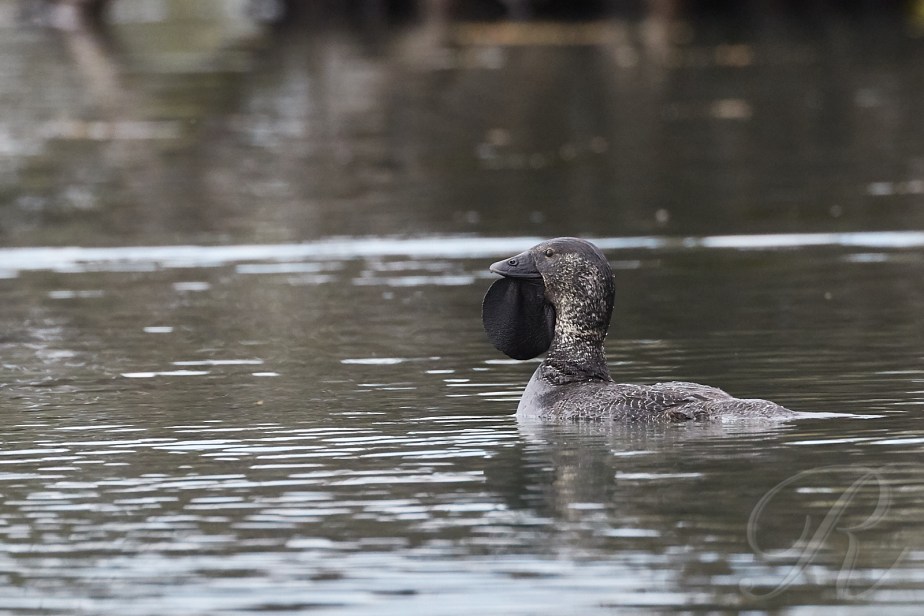
Entertainment was also provided by the Musk Ducks. The males have quite a peculiar appearance with something resembling a scrotum hanging from their chins. At this time of year they are extremely intolerant of other males. When one wanders into their territory there is a rapid rush from the owner. This guy is the victor …

Musk Duck

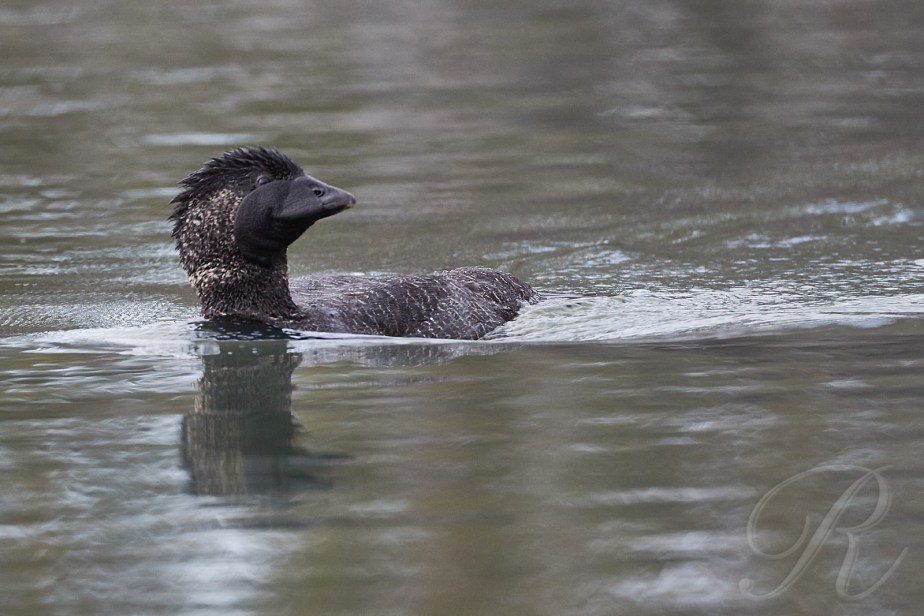
and this the vanquished. His “scrotum”  has ended up plastered on the side of his face in his rush to get to safety …

Australasian Grebes are in their breeding finery.

Australasian Grebe

The freshly returned summer migrants were calling loudly. Rufous Songlarks and the Australian Reedwarblers (formerly known as Clamorous) were making themselves known by calling almost continuously. This guy just makes an occasional “kek kek kek” but then he has the benefit of good looks …

Sacred Kingfisher

The White-browed Woodswallow is another stunner. Or at least the male is.

White-browed Woodswallow

And the influx of inland species into Victoria continues. Crimson Chats at Wooroonook, who’d have guessed?

Crimson Chat

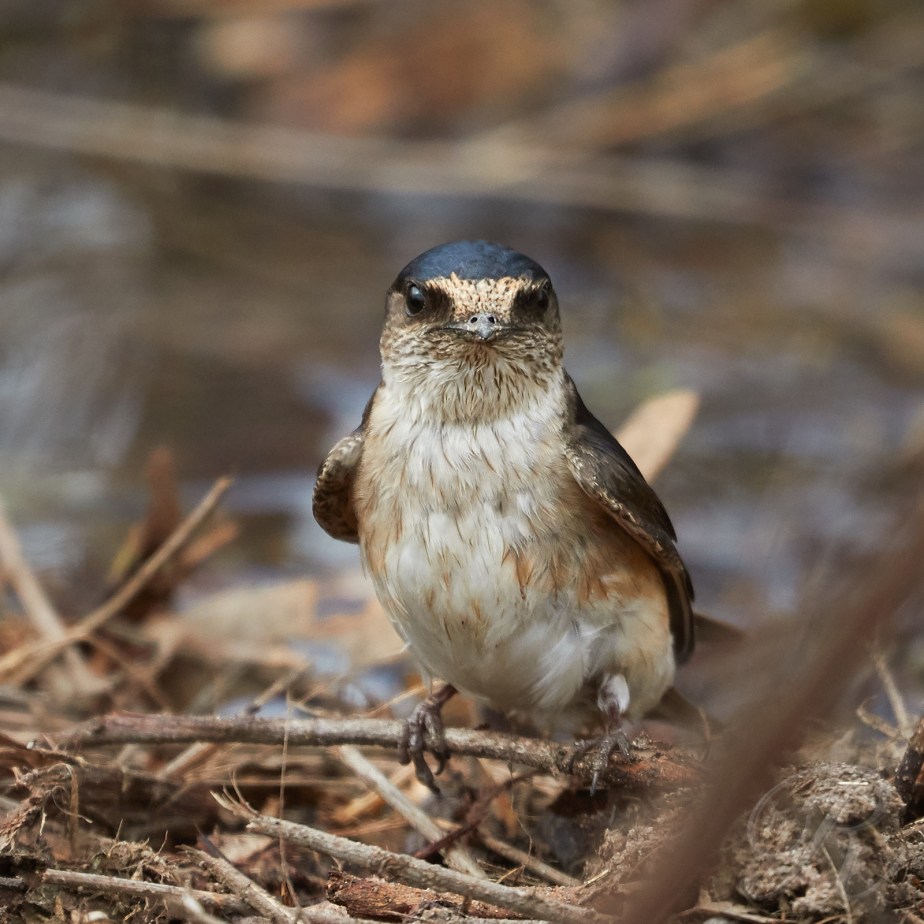
Tree Martin


I noticed that some Tree Martins were  collecting nesting material from one particular spot at the water’s edge so I took my chair and sat with the sun behind me in the hope that they would continue despite my presence. After a while they did.

I was keeping very still with the camera always raised, they were landing practically at my feet. While this was going on a Baillon’s Crake emerged just a few degrees to the left. These birds are so cryptic and so nervous that even a glimpse is unusual. A photograph like this is an absolute bonus.

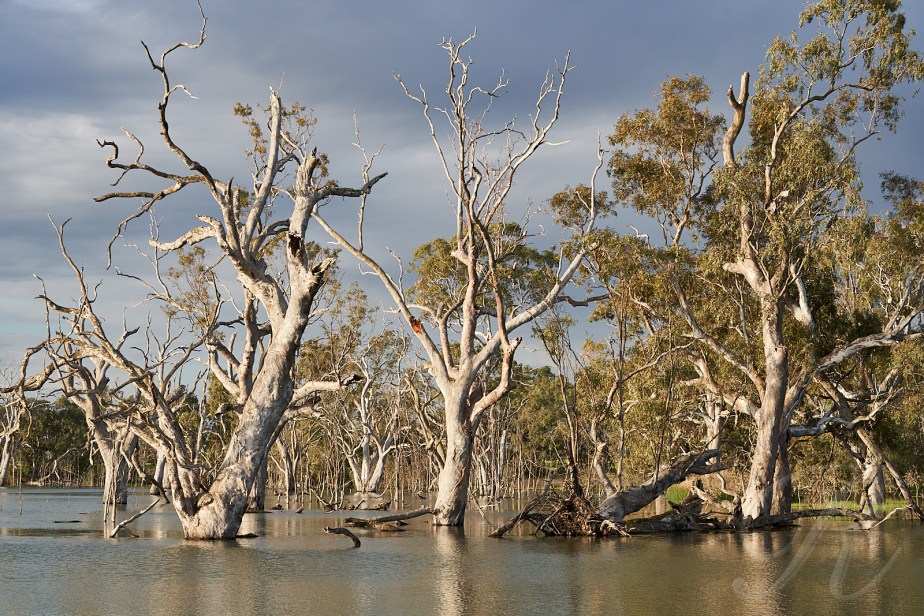
To cap off the day the late afternoon sun side lit the River Red Gums right in front of my camp site. All I had to do was put down my glass of red and raise the camera one more time.

Summing Up …

The big trip west was a big success. A lot of places on the journey we had visited before, some of them only by flying and then renting a vehicle. The route joined  a lot of familiar dots and it was the first time that we had driven across the Nullarbor.

We chose to take the dog which excluded us from National Parks and some other reserves that we would like to have visited. More on that later.

We were 43 days on the road and covered 14,243km (8,900 miles).

The total cost was in the order of $9,000 which includes our food which we would have had to buy if we’d stayed home and a couple of bits of camping kit which we will enjoy for a while longer. So in comparison to a 6 week trip over seas for two it was a cheap holiday.

The planning for our trips is usually done by one of us working largely on their own. On this occasion it was me and it was a pretty detailed plan which we were able to stick to quite closely. There were a couple of unscheduled stops for repairs. We were able to resume where we left off, we did skip a couple of our intended campsites to make up a little time.

Flexibility is a great asset, we substituted some intended campsites for others for three reasons, to shorten the day’s drive, to extend the day’s drive or because Gayle found better options (on the net or in a book that she recently won in a competition … Camps Australia Wide, edition 10, by Heatley & Gilmore which came in handy).

Too much flexibility though can lead to raised tensions in the vehicle at 4pm, middle of nowhere and no idea where to camp. We know from past experience that this is best avoided. It didn’t happen on this trip.

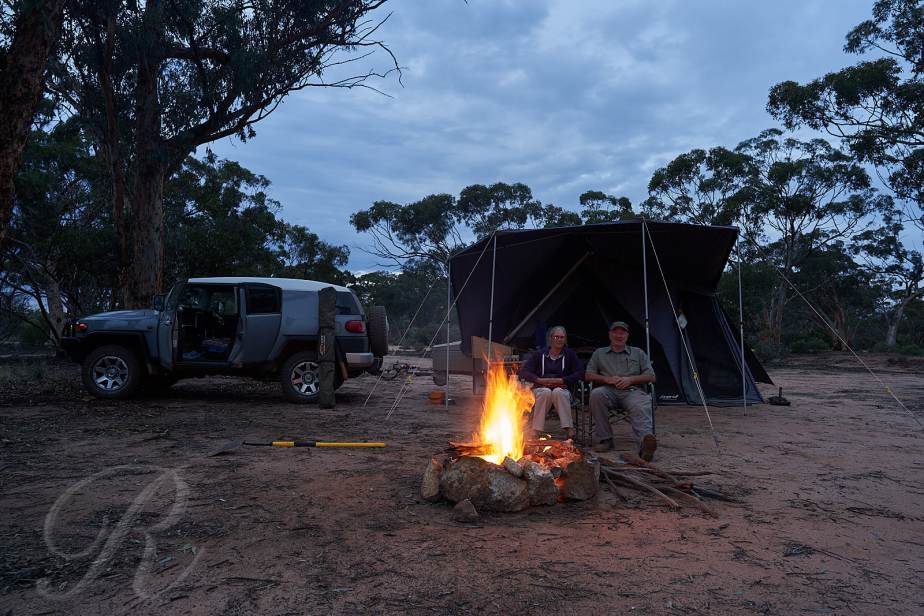
The kit we took was a Toyota FJ Cruiser and a Kwik Kampa by Stockman. Into which went the necessities that have been honed by years of experience. Overall I’m very satisfied with the performance of both major items.
The hole in the transmission cooler was probably due to impact with a stone and might have been avoided if I’d driven slower on a corrugated gravel road. Just one of those things. I love my FJ.

Total fuel cost was $3,390.37 which bought us 1,897 litres of petrol. That works out at 13.3 litres per 100km. In remote places fuel is expensive. Mt Barnett on the Gibb River Road holds the record at $2.15 a litre, we paid $1.99 at Ceduna on the Nullarbor. The cheapest fuel was in the settled districts of South Australia, a mere $1.35.

The Kwik Kamper, one of the pod campers to come out of the Stockman stable has been with us for a while. It’s the second one we’ve owned. We bought it for the ease and speed with which it goes up and down. The other great virtue that it has is its light weight, it doesn’t greatly affect the handling of the car and it has only a small impact on economy.

Camping gear choices are by necessity a compromise. The Kwik Kampa tends to accumulate a lot of water on the roof  when it rains and inside when the temperature drops below the dew point. If you are considering a camper-trailer and you are usually on the move rather than staying in one place for two weeks you should put it on your short list. It’s a case of continuing evolution at Stockman and the present offerings may be even better.

Fifi McGee came with us. She is a Fox Terrier. She adds something to our lives every single day. On the odd occasion something has to be left out. She travels and camps really well and is no trouble at night. She’s noisy when we first arrive at our campsite but soon settles.

We try to give her plenty of exercise first thing in the morning before the drive and we stop for her benefit every 90 minutes or so. And it’s not to our disadvantage to have a short walk and a stretch at the same time. She has a strong attachment to the car and camper but doesn’t seem to care where they  are … so long as they’re in the same place she is.

It means no restaurant meals, no national parks and some places just have to be left off the itinerary. We weigh up the pros and cons for each trip. This time it seemed a good idea to take her along and it was.

What will we take forward to future trips? Number one is take more time. Number two is match the destination to the season. Our next trip to the south of WA will be in spring for the wild flowers. Future winter trips will be spent north of the Tropic of Capricorn.

The Terricks …

The lovely Gayle and I are soon to embark on a road trip and I used the weekend to iron out any problems with the camper trailer which has recently undergone some modifications. Terrick Terrick National Park is a couple of hours drive from home. It’s 65km north of Bendigo, 225km north-west of Melbourne.

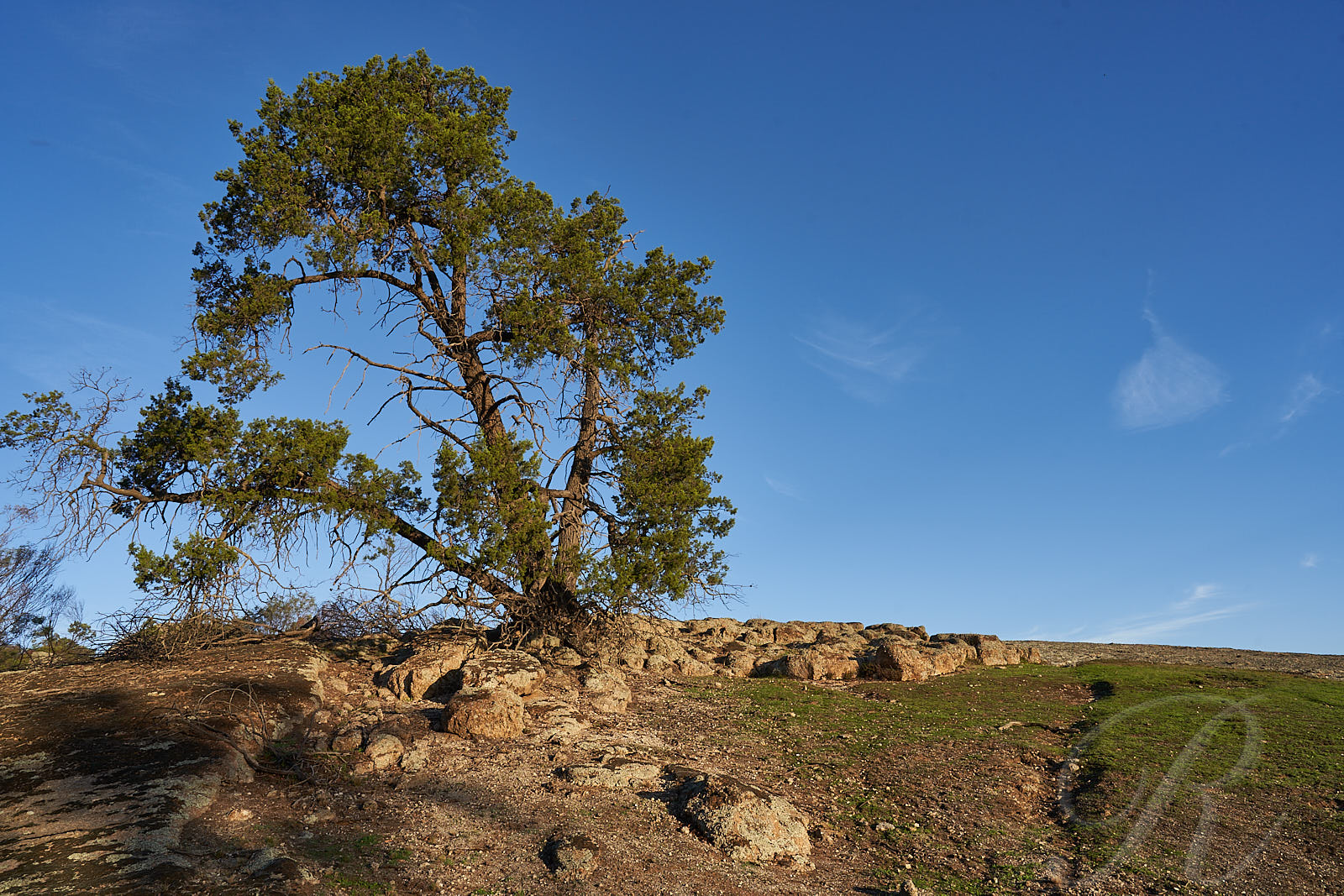
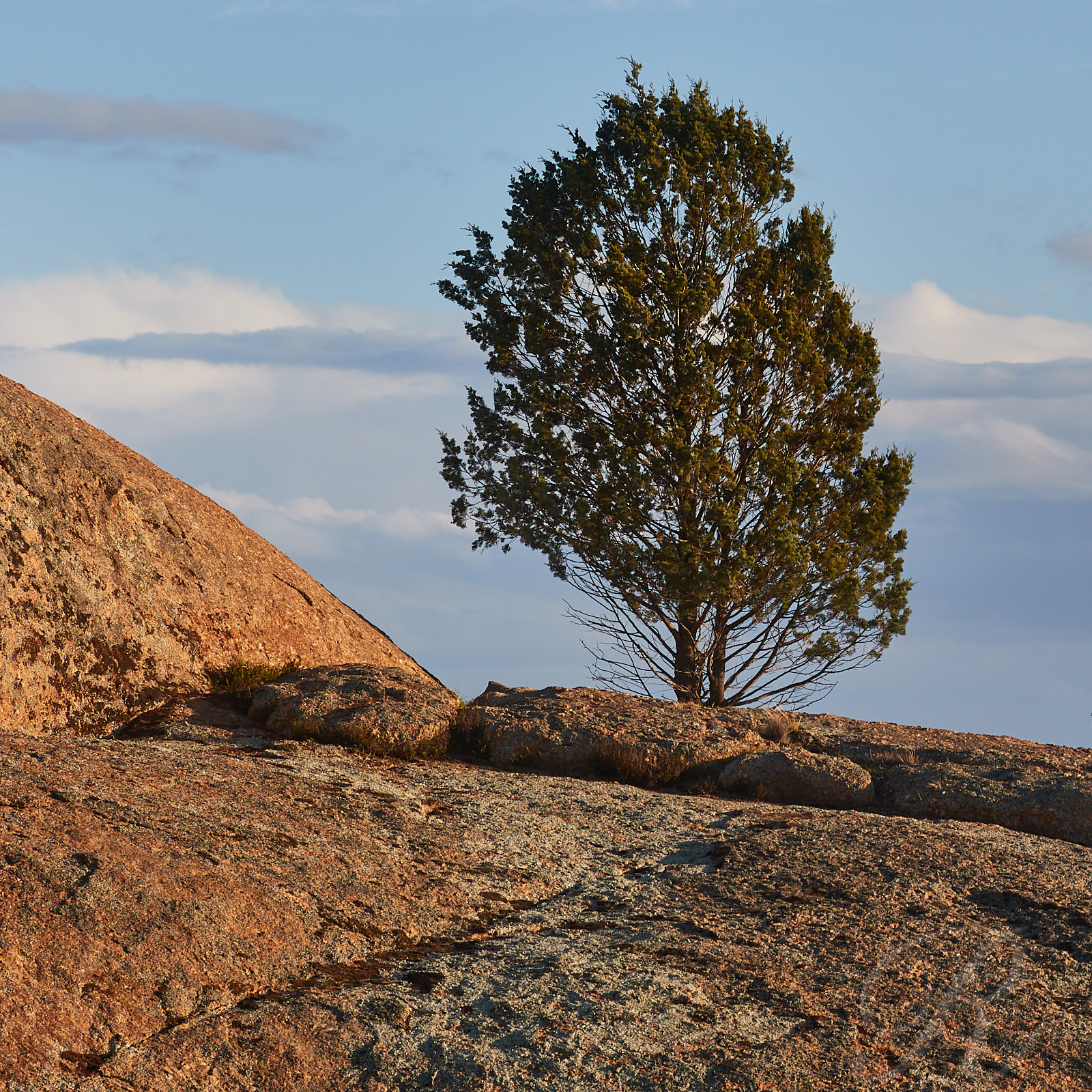
The park protects four quite heavily wooded blocks, the two eastern blocks include some impressive granite outcrops while the western blocks are home to a rapidly recovering forest of Callitris pines. The surrounding grasslands were lightly grazed sheep country in the past, the land management favoured the rare and endangered Plains Wanderer. Indeed it was their Victorian stronghold.  A patchwork of old farms has been added to the park for its protection. Despite this the odd one still turns up occasionally.
The campsite is at the foot of Mt Terrick Terrick which is probably the most visited feature of the park. In its great wisdom Parks Vic put it on a slope that enjoys a flash flood every time it rains, this in a park where 75% of the terrain is flat. They do provide a composting toilet which is very pleasant after cleaning which I think happens sometime in June. Do remember to take your own toilet paper.

The weather forecast was dire but it was fine when I arrived and I explored the granite boulders with camera in hand.

But before sunset the cloud rolled in rapidly and a rainy night followed. The following morning was misty and somewhat atmospheric …

Some good birds turn up in the Terricks but on this occasion I encountered nothing out of the ordinary. Still, Galahs and Hooded Robins are always good to see.

Then it was a case of packing a wet tent and heading for another spot – the Barmah National Park.