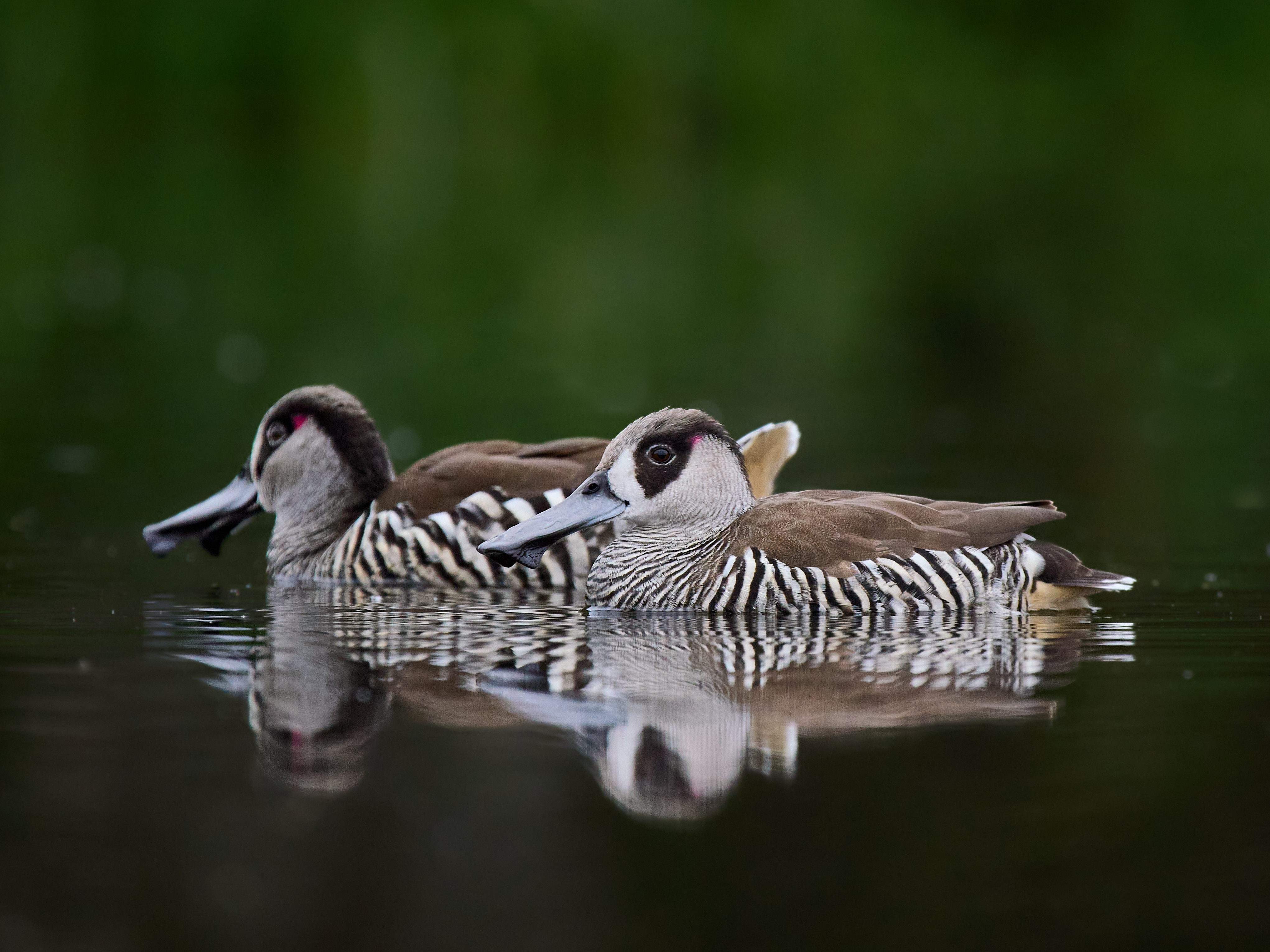
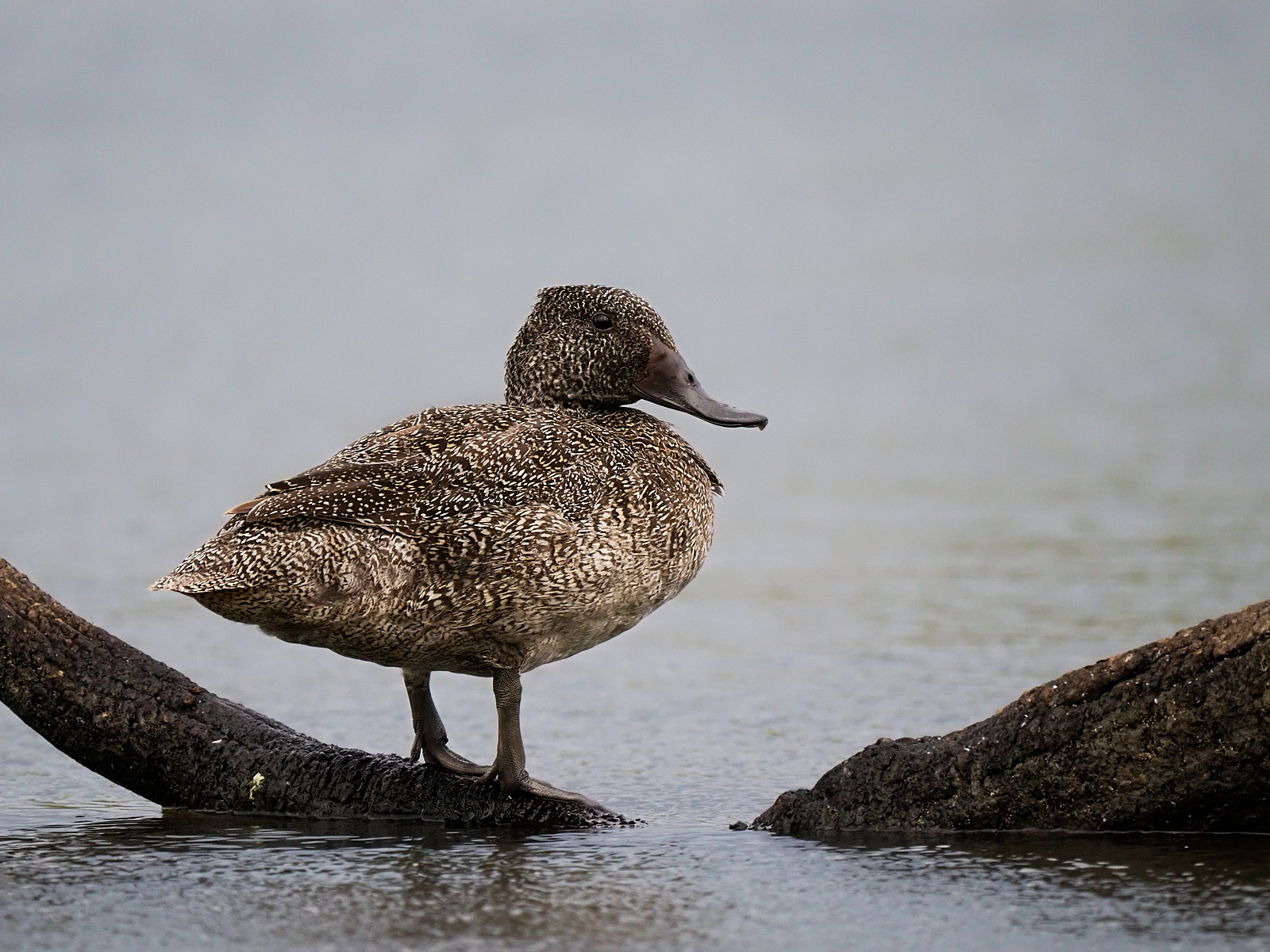
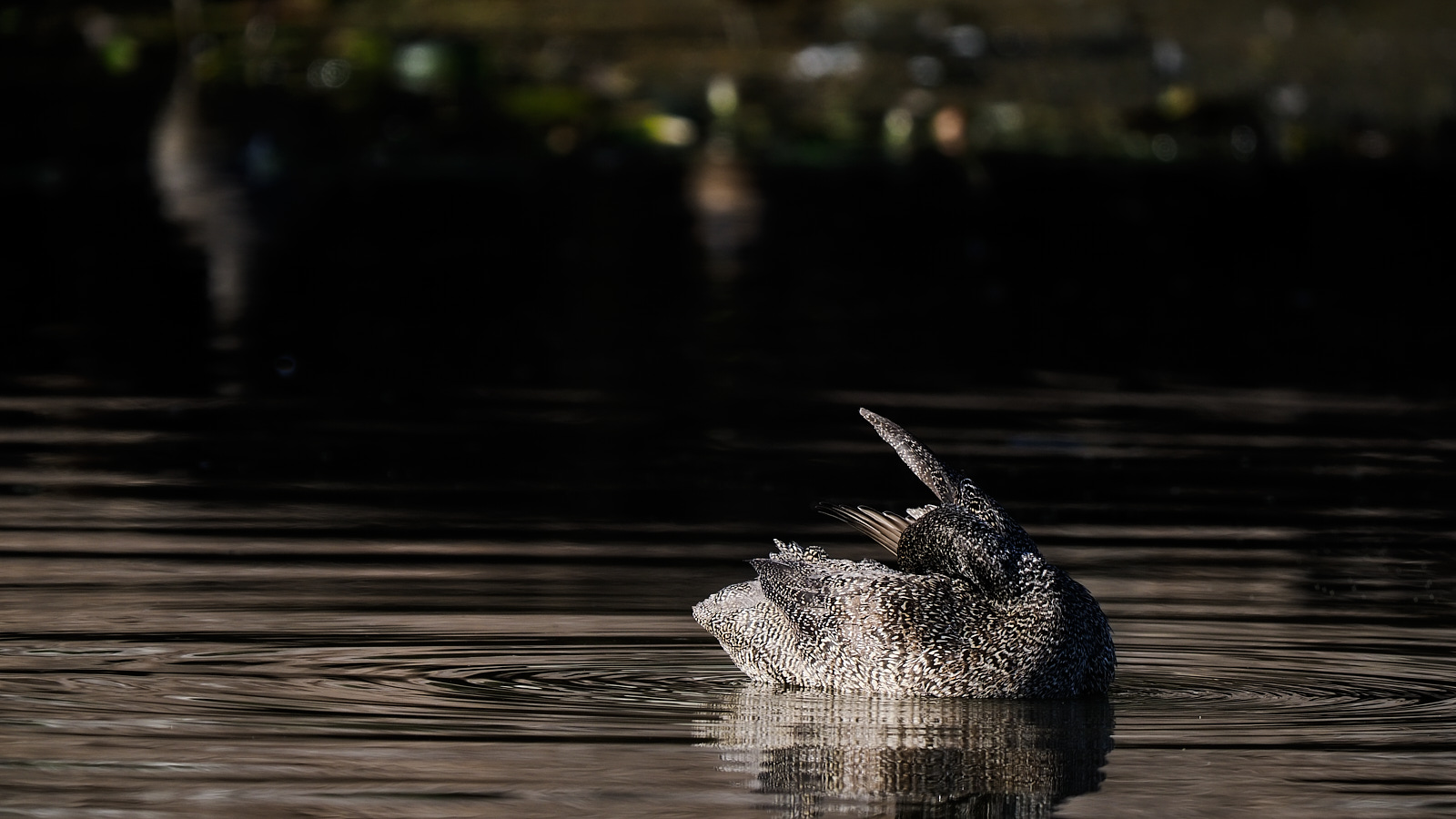
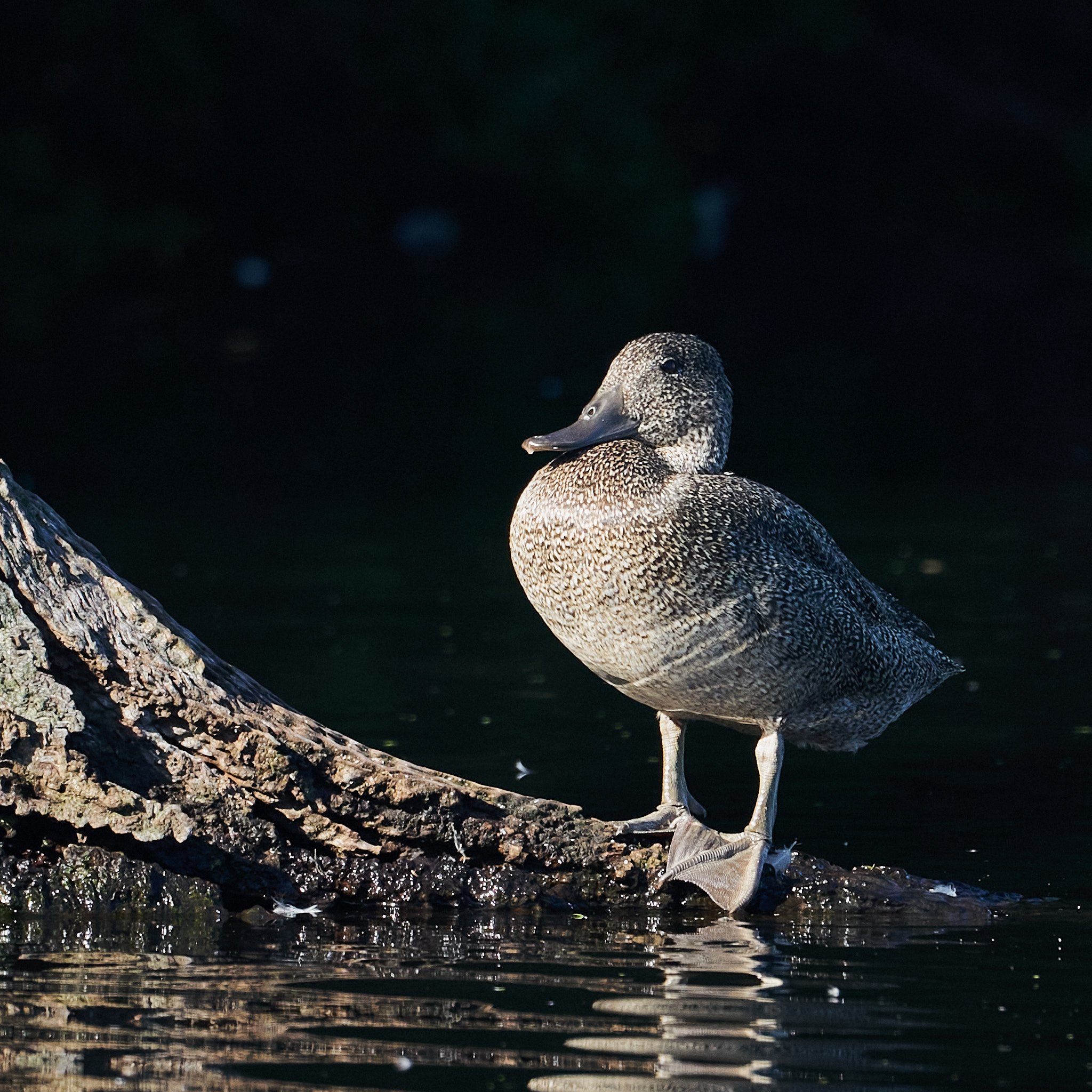
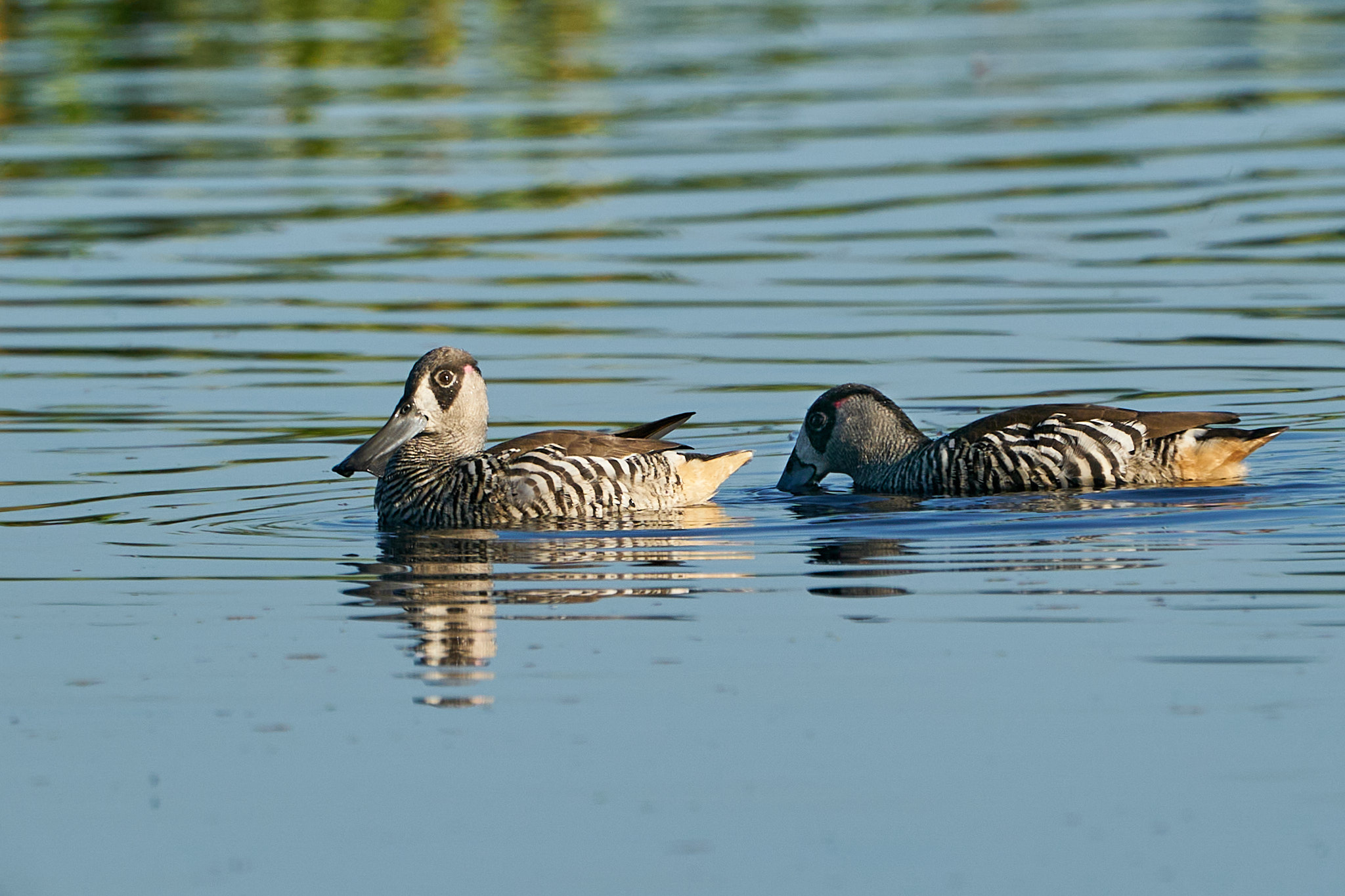
And when in Melbourne head to Braeside Park which is host to Freckled and Pink-eared Duck and even some Magpie Geese at the moment. Gentle light before the rain that’s now falling. A chance to lie in the wet grass and shoot contre jour at some Pink-ears.
It was the 2nd of April 1989, opening day of the new metropolitan park. It was extremely busy. In I drove through the northern gate. I followed the road which ringed the picnic area. Traffic was nose to tail, moving at a snail’s pace. Each of the carparks were full and having completed the circuit I was decanted back onto Lower Dandenong Road. I found a carpark at the second attempt.
In the early days I coordinated bird counts in the park and I was involved in a long running banding project. The bird list grew apace. A walk around the park’s 310ha (770 acres) would yield about 50 species in about 3 hours at a bird watcherly pace. According to eBird the list now stands at 188 species.
Braeside Park is one of the first places I head to when back in Melbourne. The number of bird watchers is up, the number of bird species is down. Many of the birdos are carrying cameras with very long lenses. It seems that the advances in photography have attracted many more people to the hobby.
The decline in species is probably due to a number of causes. There has been considerable development surrounding the park. Previously raptors such as Swamp Harrier could range over the park and extensive grasslands outside the fence. Now they just have the park which may not be enough for full time habitation. In addition Melbourne has had a very dry summer which may have caused some species to go looking elsewhere. And it’s autumn, the summer migrants have gone.
Nonetheless the park remains an outstanding place to watch birds.
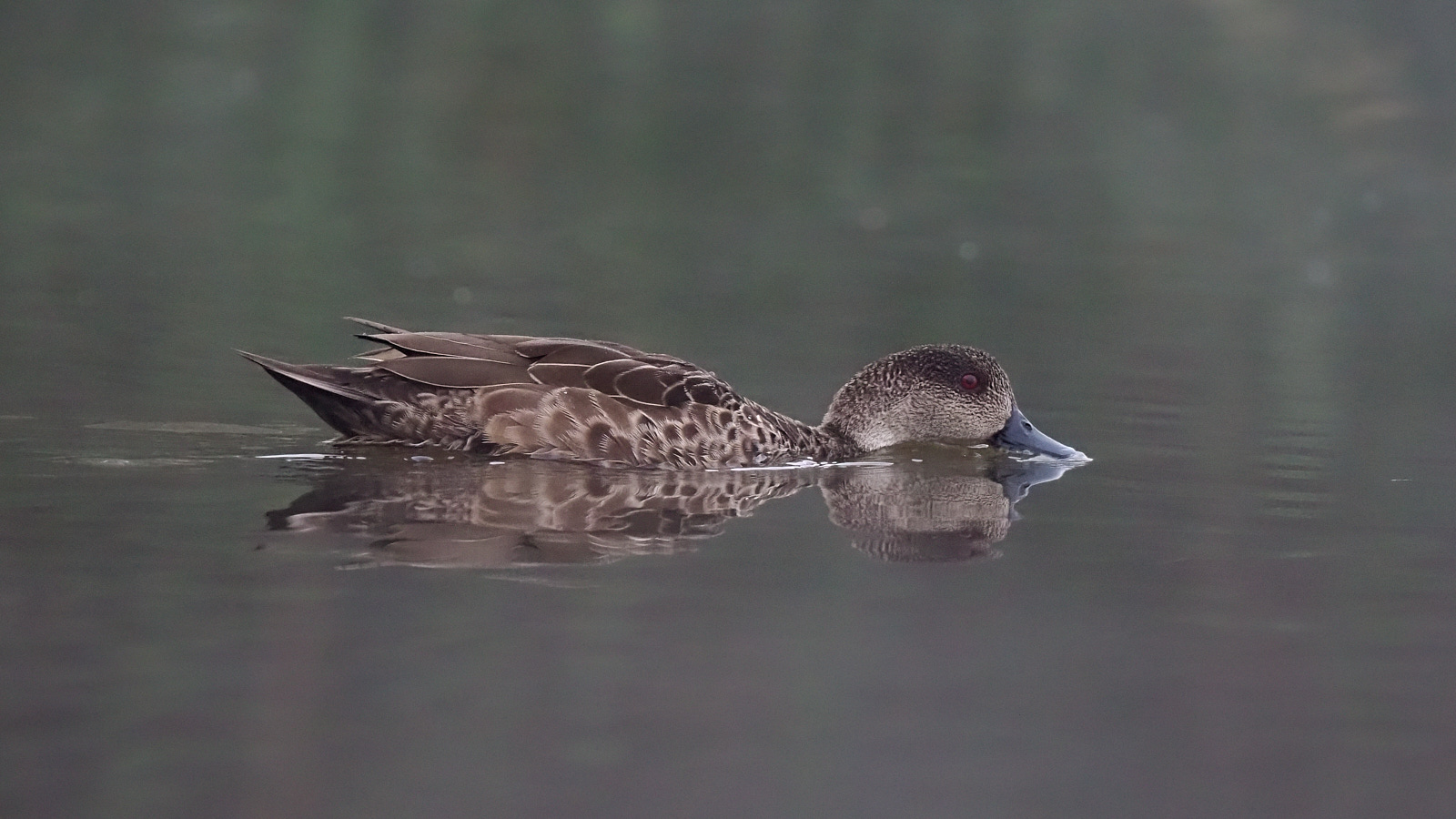
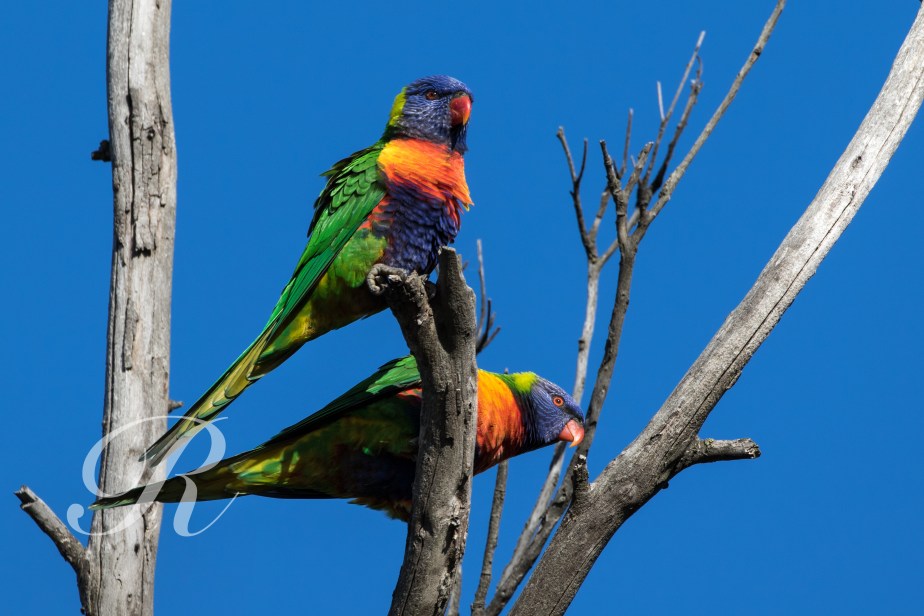
Australasian ShovelerPink-eared Duck with chicksFreckled DuckRainbow Lorikeet
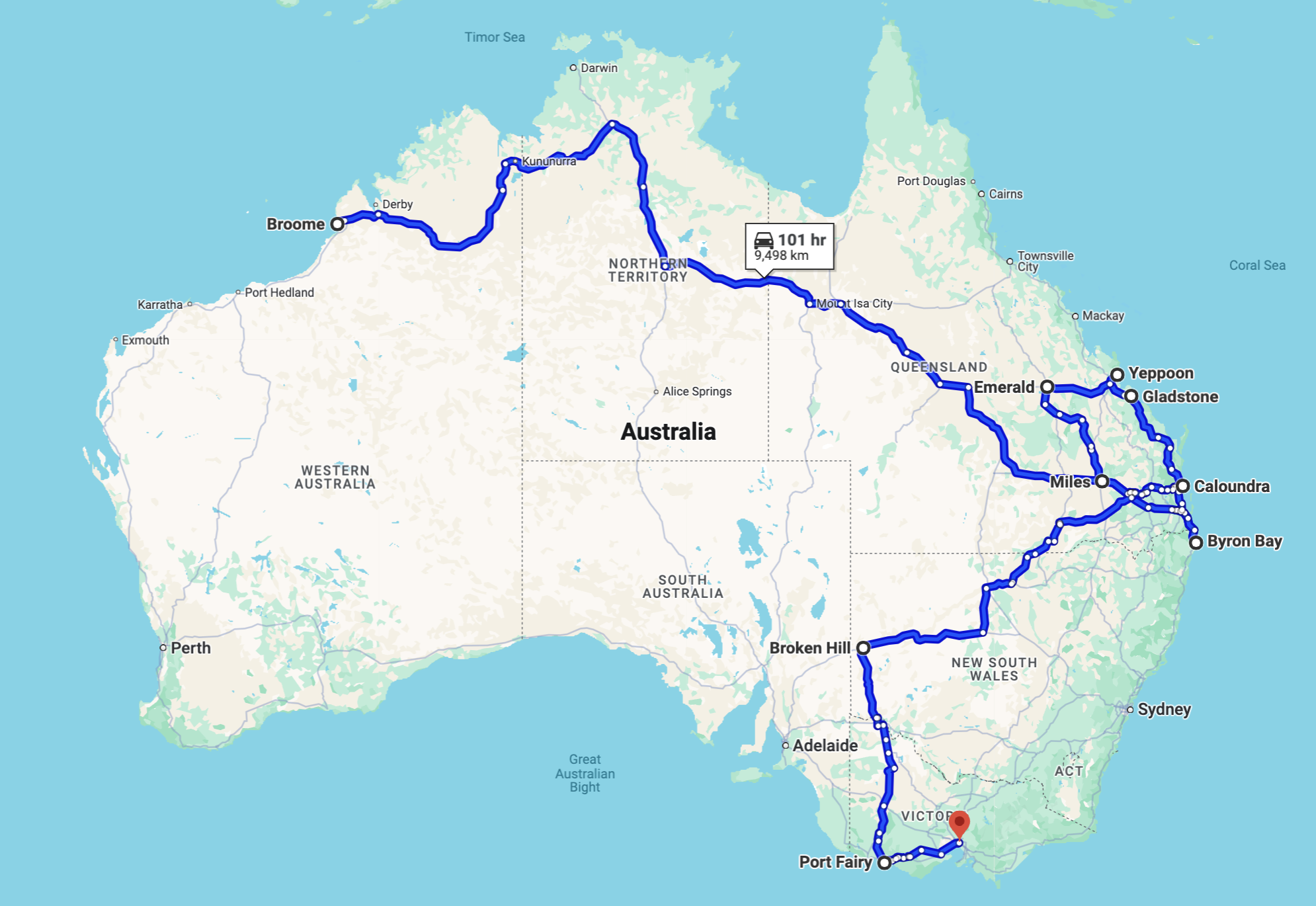
A simplified map of the road trip so far looks like this …
There is a considerable discrepancy between the distance shown on the map and the trip metre in the car which stands at more than 15,000km. Simplification does that sort of thing. We have been exploring!
Marvelous Melbourne is where I spent the largest part of my working life, it’s where my small family lives and it’s also en route to becoming the most populous city in Australia and bankrupt. Each to his or her own, I can see many advantages to living in Broome, beautiful beaches, little traffic, warm winters but of course there’s a but. Medical facilities are very limited. Getting to see a doctor takes ages and you’re unlikely to see the same doctor twice. Anything sophisticated is a 2000km journey to Perth. Melbourne continues to be where I take care of the routine side of my medical care. I’ll be here until my new glasses are ready.
Meanwhile it’s great to catch up with my family and my friends and to go birding in old haunts such as Braeside Park and Phillip Island. The year list is up to 274 species (safe until October 1 in the calendar game but finding new birds is getting much harder).
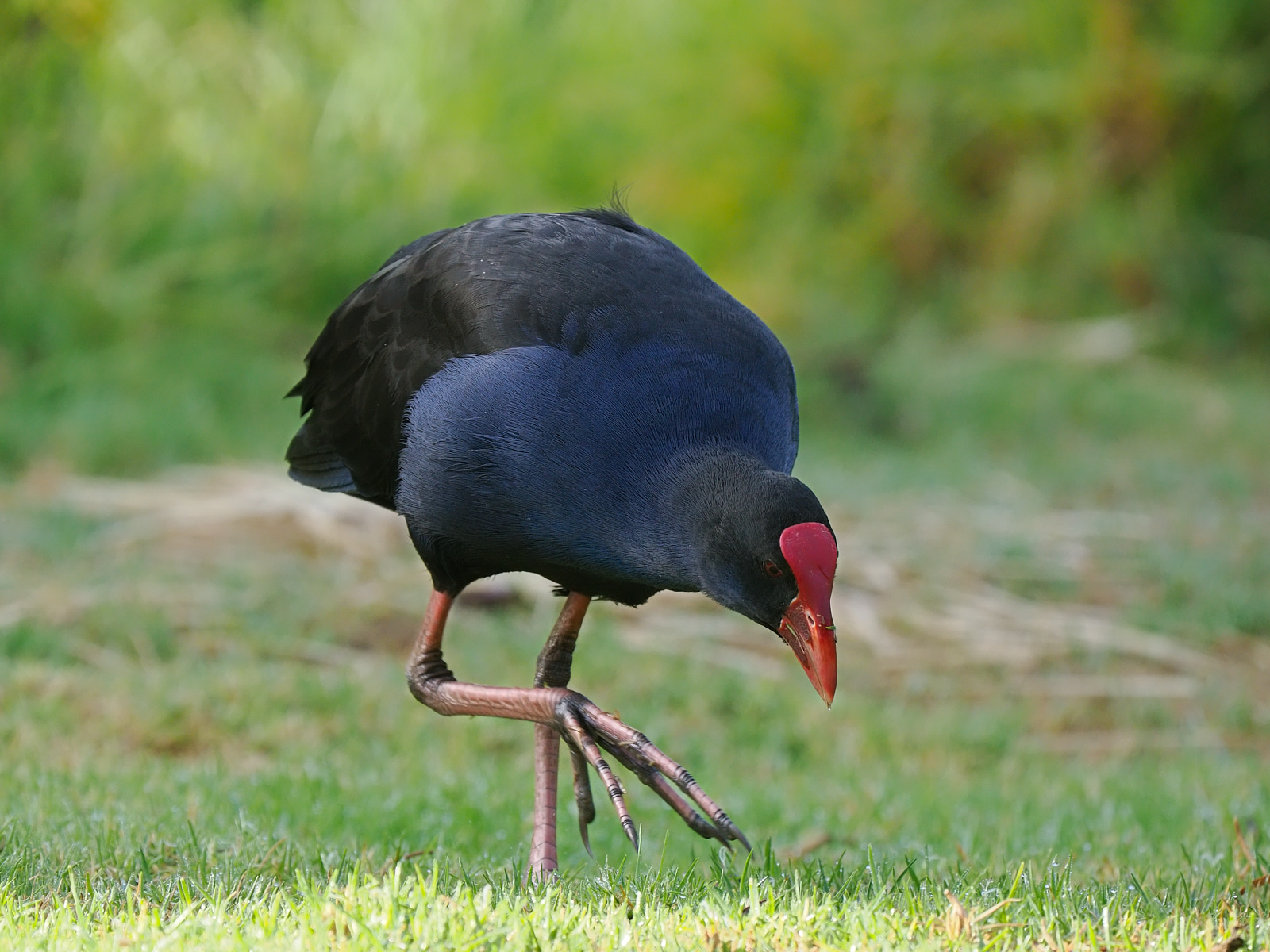
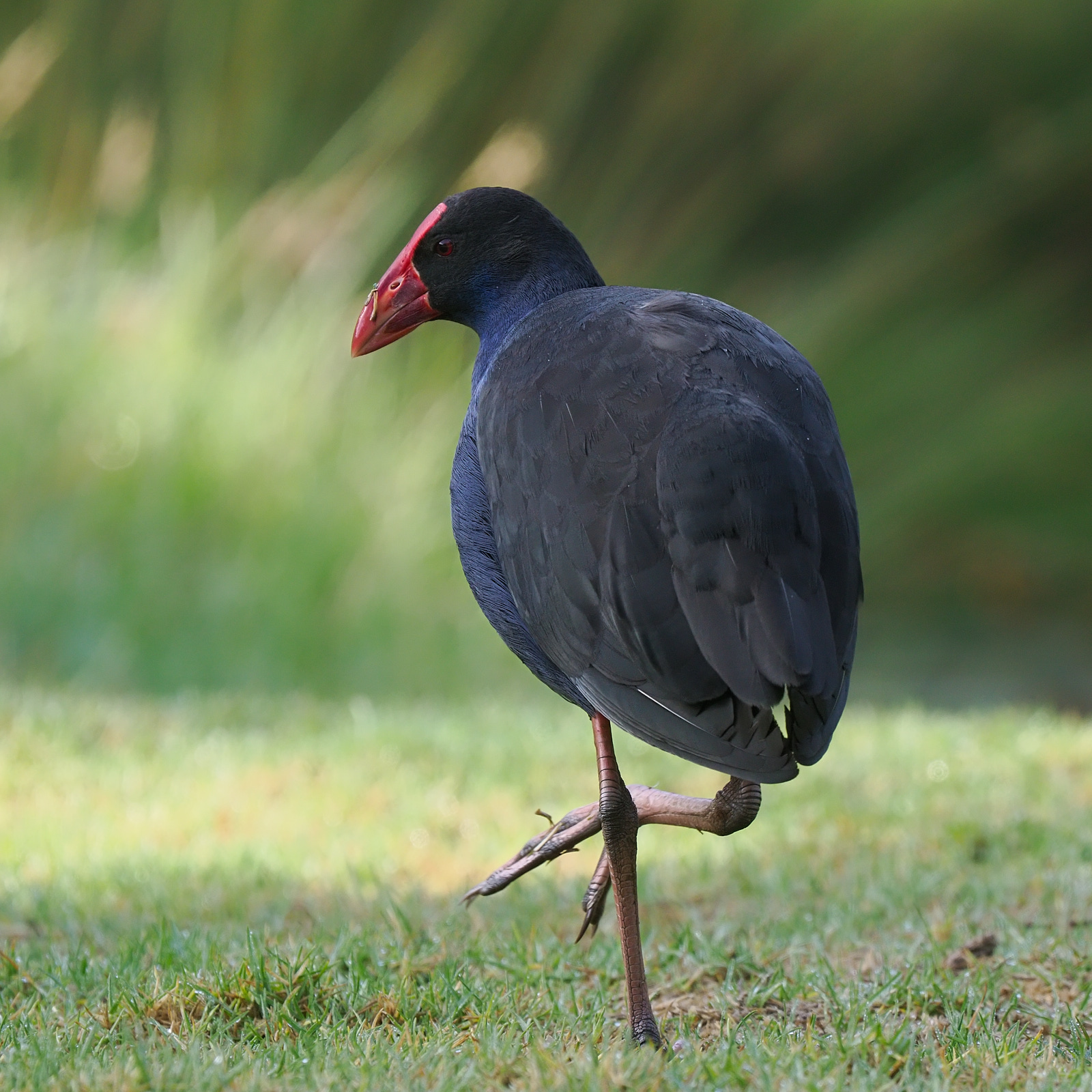
Australasian SwamphenAustralasian SwamphenCape Barren GooseLittle PenguinNankeen Night HeronFreckled DuckChestnut TealGreat EgretFreckled DuckWhite-eared HoneyeaterPink-eared DuckRoyal SpoonbillAustralasian GrebePacific Black Duck
I was born in a big city, I’ve lived most of my life in a big city but me and the big city are not a match made in heaven. I’m currently dagging about in Melbourne looking forward to the day when I can set off home to Broome.
My spell checker is objecting to dagging and some of my non-Australian readers are probably equally mystified – in this context just substitute hanging. It’s complicated. The noun dag refers to the lump of wool and feces that tends to form at the rear end of a sheep, best removed if you want to avoid fly strike. It’s also used, affectionately, believe it or not, for someone who is not smartly dressed or a little odd, your wife or husband may be a bit of a dag. If you’re working you are not dagging about, if you’re bored you probably are.
To relieve the boredom this morning I headed off bright and early to Braeside Park, one of the best places for bird watching in the eastern suburbs. I made a circuit of the main lake. The birding was good.
Braeside Park was a regular haunt when I lived in Melbourne. It’s located in the eastern suburbs not far from the bay. The land has been used for a sewage treatment plant and then for horse agistment and training. There was a beautiful old stable there years ago. Every time I drove past I would say to myself “must take a photo of that”. I never did, can’t now. It burnt down. Let that be a lesson.
These days it’s an oasis of nature sandwiched between residential and commercial development. It preserves some River Red Gum grassland, some heathy woodland on an old sand dune and a wetland rich in swamp paperbark. It’s great place to watch birds. A three hour circuit will generally turn up at least 50 species.
This morning I concentrated on the wetland.
Great Egret
Royal Spoonbill
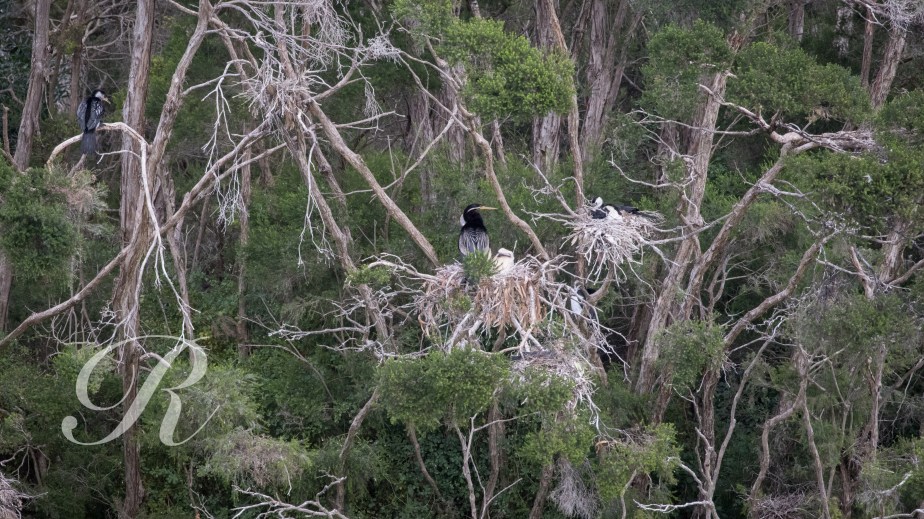
Darters and Little Pied Cormorants are nesting in the Paperbarks out on an island.
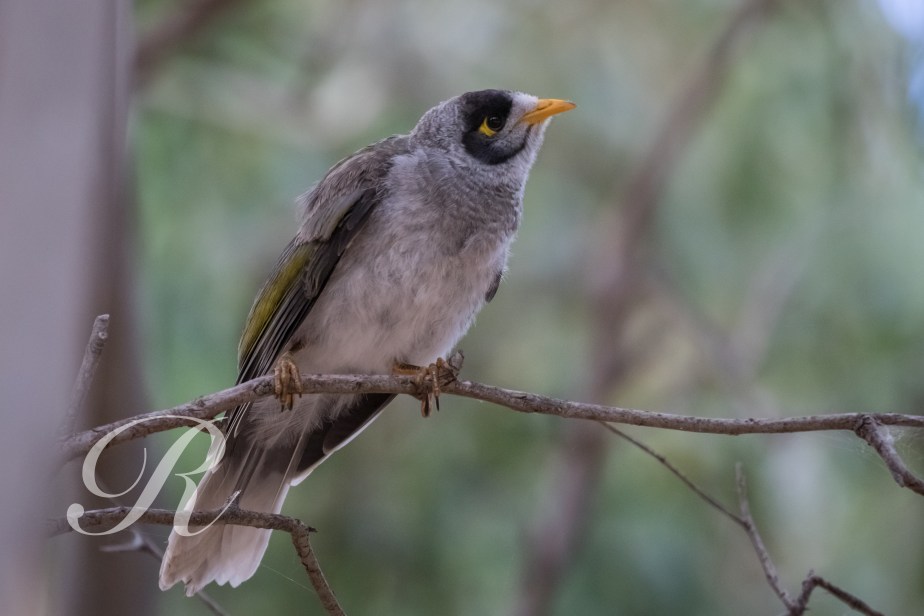
The woodland is home to a number of species. The ubiquitous and aggressive Noisy Miner and a bird that can hold its own against a pack of them were kind enough to pose …
Noisy Miner
Grey Butcherbird
The highlight, however, was a bird that I rarely get to see. It is probably more common than we think but it mainly skulks in the reeds. When it does venture out it is always ready to bolt at the slightest alarm. Photos … forget it , you won’t get close and you won’t get time … unless luck is really on your side.
Yesterday I took the dog for a walk along the Beaumaris cliff top from the Motor Yacht Squadron to Table Rock. For the uninitiated this is a Melbourne suburb south east of the city on the edge of Port Phillip Bay.
The cliff is a deep red and way below our feet is …
… The fossils paint a vivid picture of life below a sea that once covered parts of Melbourne. They comprise remains of ancient whales, seals, dolphins, sharks, fishes and sea birds, crabs, shells, corals and sea urchins.
An added distinction of Beaumaris is that it is one of the only sites known in Australia where we find evidence of our ancient land mammals in rocks formed in the shallows of an ancient bay.
As land animals died, their carcasses were washed out to sea by what was an ancestral Yarra River. This co-occurrence of land and marine animals is world famous, enabling precise dating of the evolution of Australia’s unique marsupial fauna.
The Beaumaris Motor Yacht Squadron has already covered a part of this site, public land of inestimable value, with a carpark and would like to develop a commercial marina. Enriching for them, impoverishing for a landscape that inspired a couple of generations of Australian painters. Let’s hope the council has the wit to deny them that opportunity.
On the journey we pass a sign …
‘At this site in the summer of 1886 the artists Tom Roberts and
Frederick McCubbin first met Arthur Streeton. Together with Charles Conder these men were the founders of the Heidelberg School.’
Fine art has been made at virtually every lookout on the way, not only by Roberts, McCubbin, Streeton and Condor but also by John Perceval, Alfred Coleman, Clarice Beckett and many less famous artists. You can find more detail <HERE>.
It’s a place that has managed to retain a bit of bush and a little wildness despite the proximity of a busy road. For me it offers a chance to enjoy some of the local birds. I shot all of these within 45 minutes with the dog waiting patiently at my side …
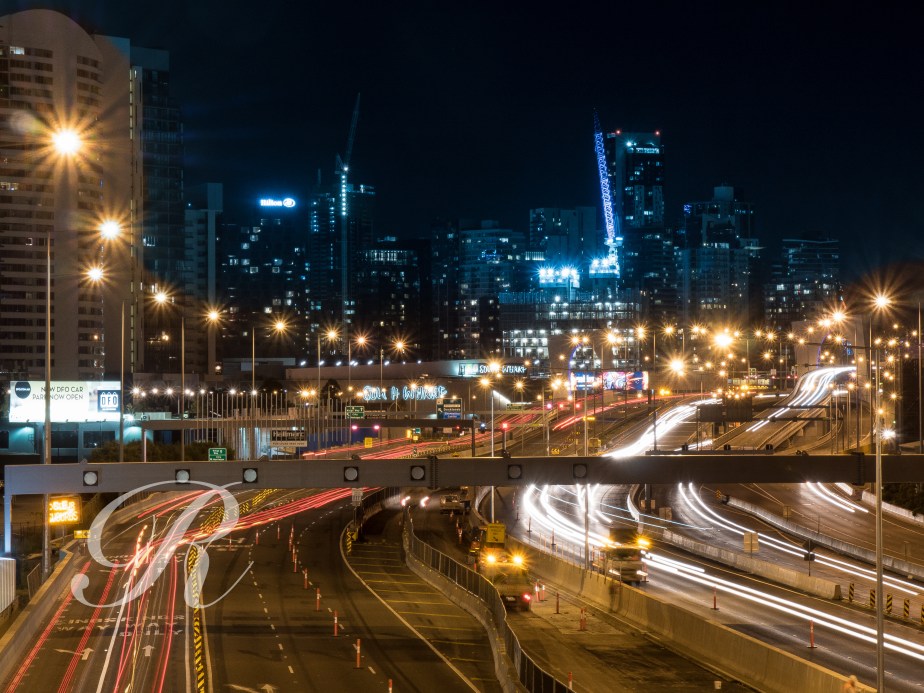
I’m stuck in Melbourne for a couple of days for rehearsals. That means little to do during the day, practising the saxophone would be too much to ask. Last night I took the camera out late at night and added to my night portfolio. Today I rejigged the blog and added the gallery. It will grow in due course …
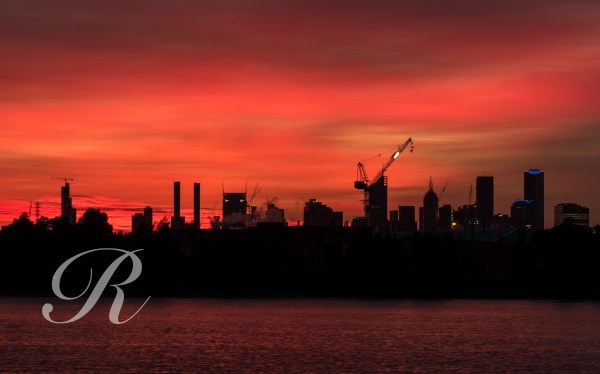
The Photographer’s Ephemeris revealed that a spot on the Yarra River near the Westgate Bridge would give me a great view of the sun coming up over good old Melbourne Town and this time, the ephemeris had much better control over the weather. Just before sunrise …
The glow intensified and I was rewarded for my efforts by this …
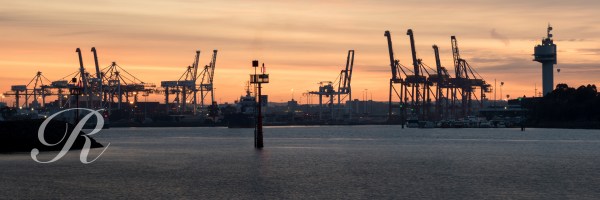
A short walk gives a better view of the docks …
and if you look very carefully you can see a number of hot air balloons (and you can always get a better view by clicking on the photos, the back arrow on your browser returns you to this page), I wasn’t the only one saying good morning Melbourne. I retraced my steps and caught them as they crossed the city skyline …
What an adventure they were embarked on …
Nine passengers have jumped from a hot air balloon hovering over Melbourne’s Port Phillip Bay onto a police boat below following fears the balloon, which was low on fuel, would ditch into the water.
While the drama unfolded over the bay, a second hot air balloon crashed into a suburban street in nearby Aspendale Gardens.
No one was hurt from either balloon. The one over the bay was sufficiently buoyant, once the passengers had jumped off, to fly on and land ashore.
The City of Melbourne has many trees, all as it should be in the World’s most liveable city. People can get very attached to trees. This can make it very hard for the city when it wants to cut some down. Whether to better manage their trees, or more likely, to better manage its citizens the city has a fine webpage all about its urban forest.
When you dial down to the individual tree level you have the option to email any tree that takes your fancy. And so I chose a tree that I was familiar with and wrote …
Dear Ulmus
I used to work very near to you and see you as I came in and out of the Royal Melbourne and Royal Dental Hospitals.
It is sad to see that your life expectancy is now so short (6-10 years) but you have outlived the poor old Dental Hospital and you may well outlive me. You have certainly done better than many of the gums I used to see around there.
Perhaps the increase in carbon dioxide, so necessary for a tree’s survival, will give you a boost.
All the best
Bob
and, would you believe it, the tree replied …
Hi Bob,
Thanks very much for your email, it’s nice to hear that you remember me!
Feel free to stop for a hug next time your passing by!
Love Green Leaf Elm, Tree ID 1019519
A good effort for a tree despite the your instead of you’re, (I doubt that a Quercus would make that mistake).





















 bobmcgee