Over two days. First night Timber Creek. 327 km, all sealed. Population 278 slightly more than half are Aboriginal. Augustus Charles Gregory and a party explored the area in 1855 and bestowed the name Timber Creek on one of the creeks. That was adopted for the name of the settlement when the opening of a police station put the “town” on the European map in 1898.
Gregory’s party included Baron Sir Ferdinand Jacob Heinrich von Mueller, a bit of a botanist. Well perhaps the most important of Australia’s pioneering botanists. It was he that described and named Adansonia gregorii, the Boab. (And for one of my faithful readers it was he that described and named the genus Macadamia.)
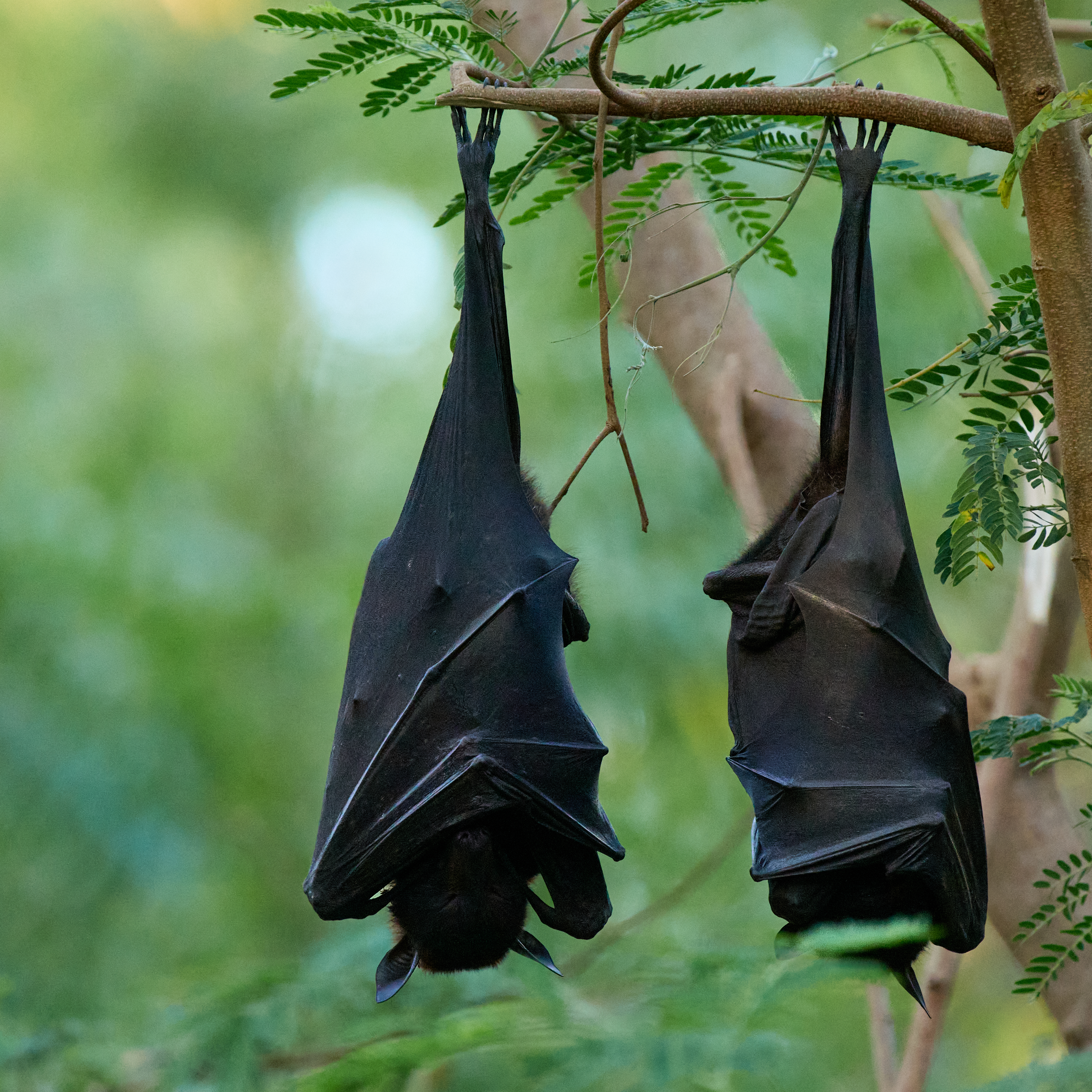
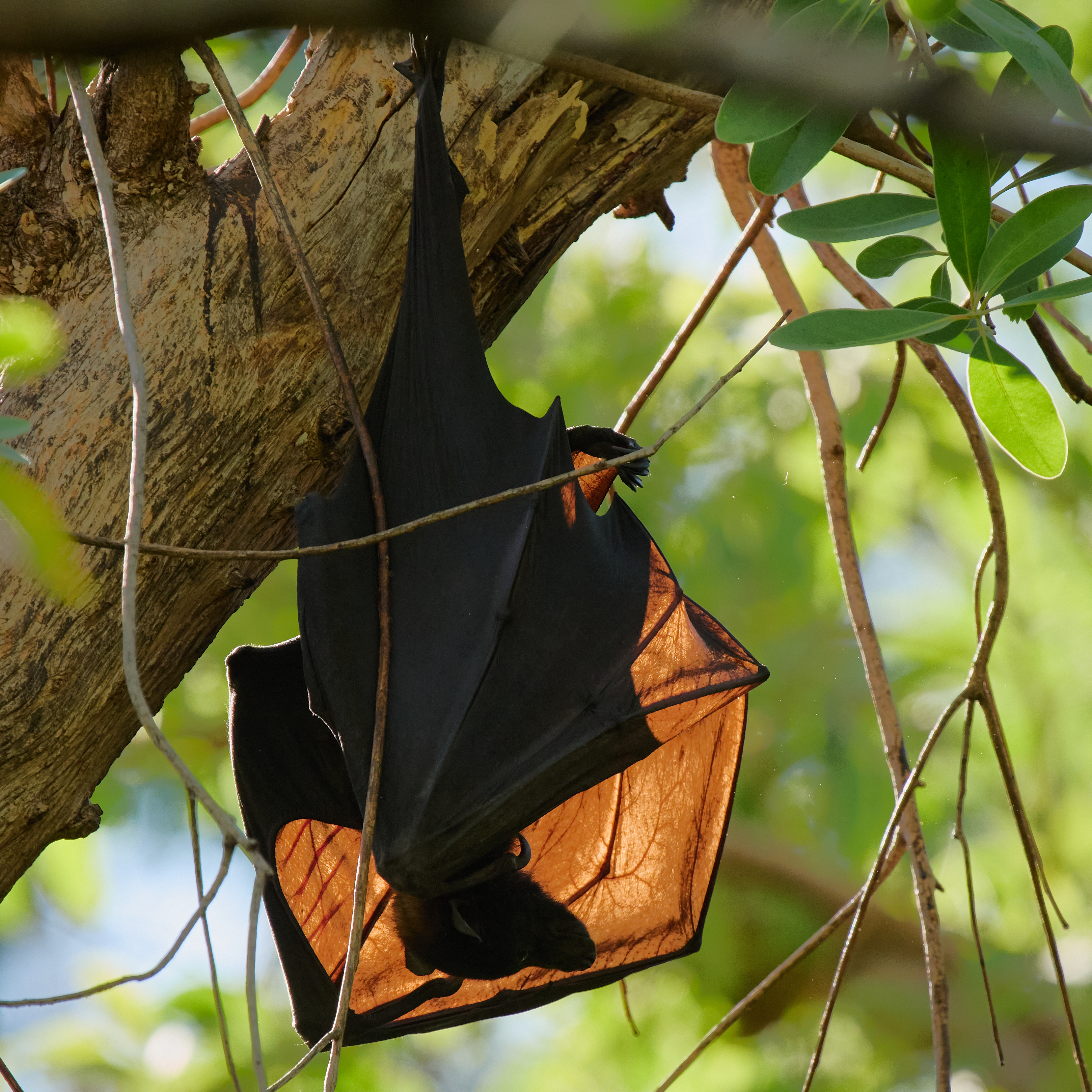
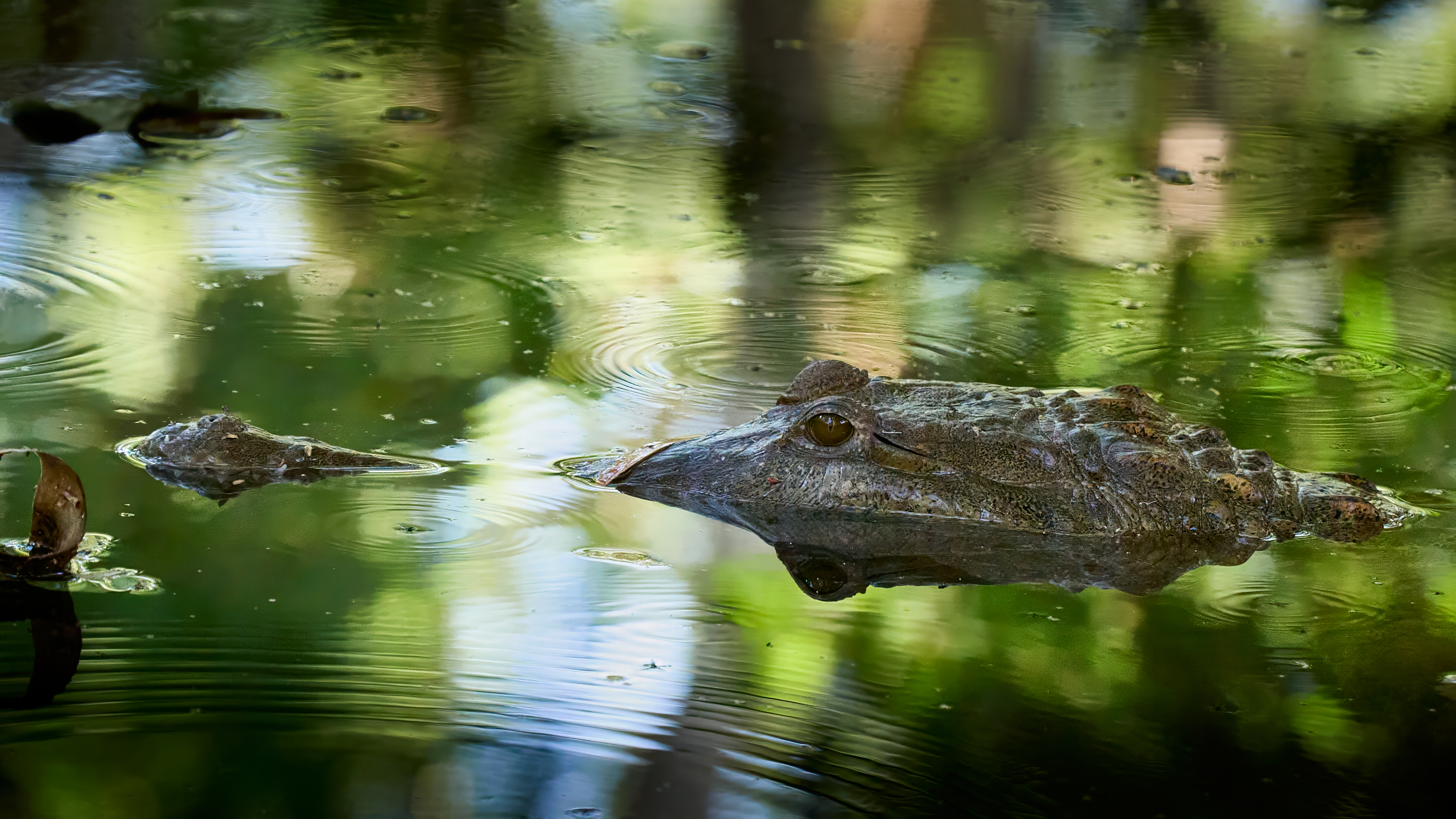
The camp ground is behind the well-stocked store. There is a swimming pool, a creek at the bottom of the garden and plenty of shady trees. There are freshwater crocodiles in the creek and a large Flying Fox camp overhanging the creek.
The camp ground, the airstrip, the race course and Policeman’s Point on the Victoria River are well known birding spots. The airstrip can be very productive but alas fire had been through and for the time being it will be quiet.
Timber Creek to Katherine is 289 km, all sealed. We are camped at Manbulloo (the local aboriginal name of the Crested Pigeon) about 10 km short of Katherine, on the bank of the Katherine River. The campsite is well shaded which is much appreciated as the temperature hits 37°C (98.6°F).
The most northerly town in Western Australia, population 941, slightly more than half Aborigines. Founded as a port to serve the Halls Creek goldfields in 1886, it kicked on on the back of meat processing and export until the 1960s. It’s now a pleasant sleepy hollow with some iron ore passing through the port.
The Wyndham caravan park gets a tick of approval. It doesn’t have quite the natural values of Parry’s Creek Farm but for an urban van park it is well above average. Spinifex Pigeons walking around the campsite can’t be bad! Gouldian Finch are also on the list but weren’t in evidence during our stay.
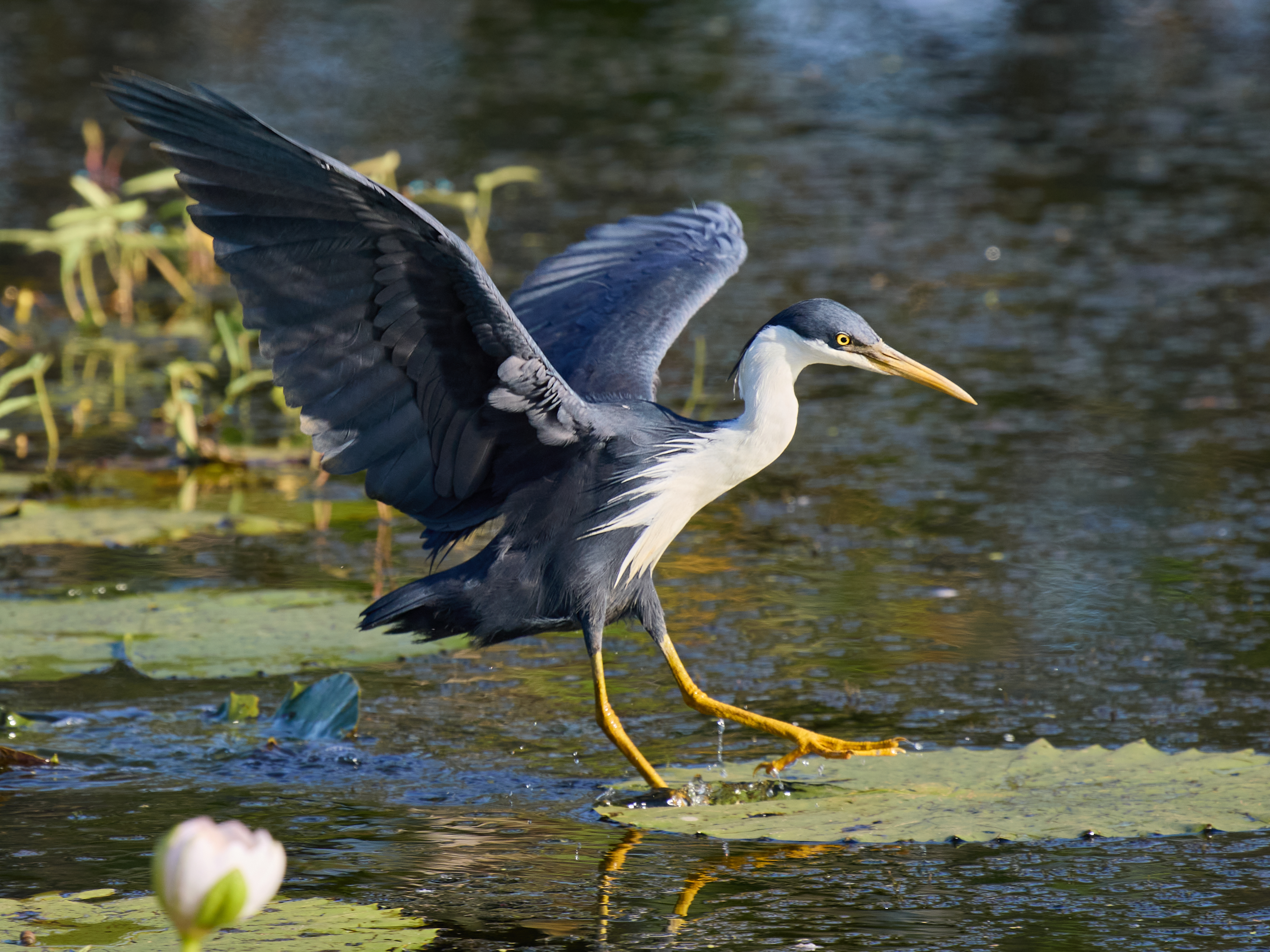
Parry’s Lagoon is one of my favourite wetlands and did not disappoint.
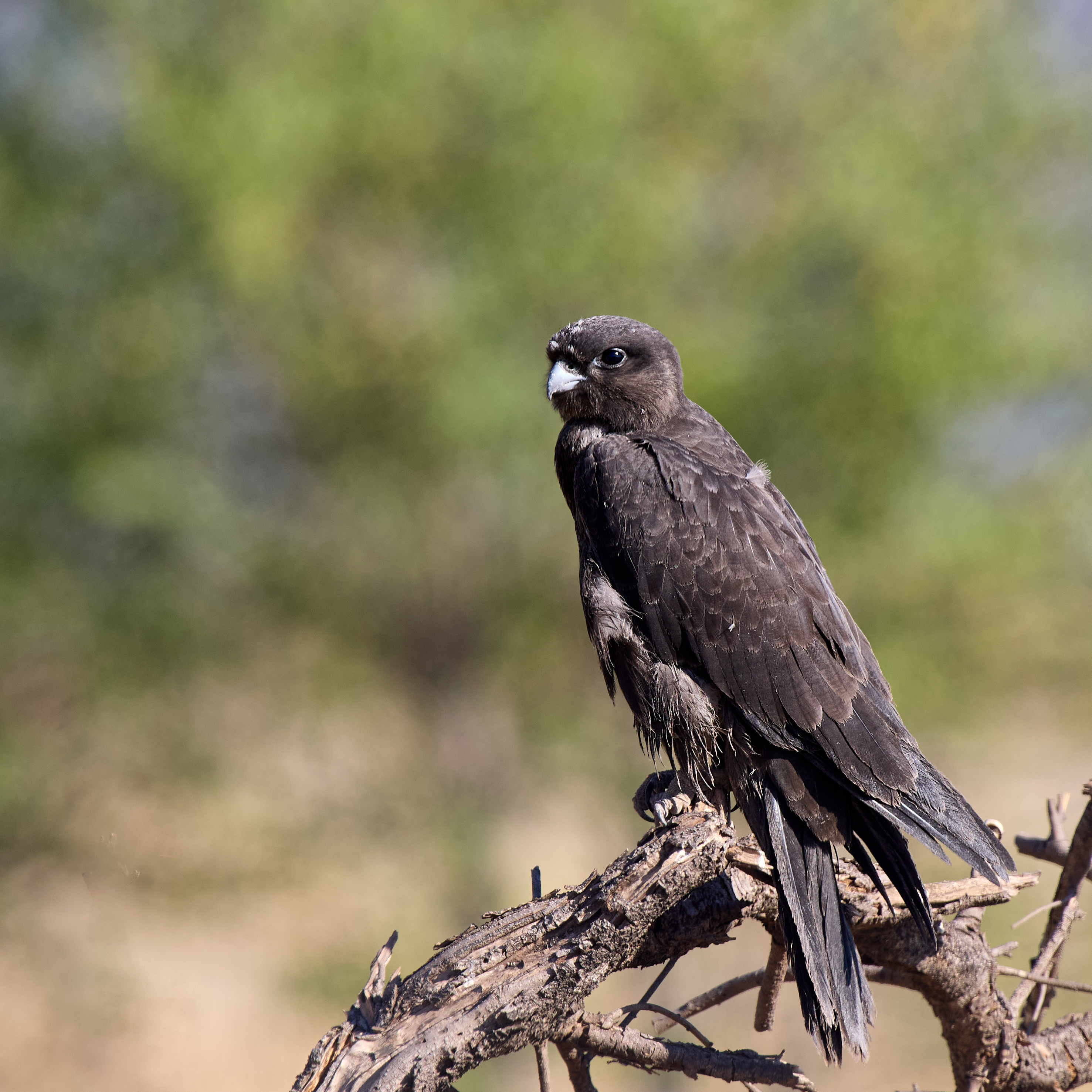
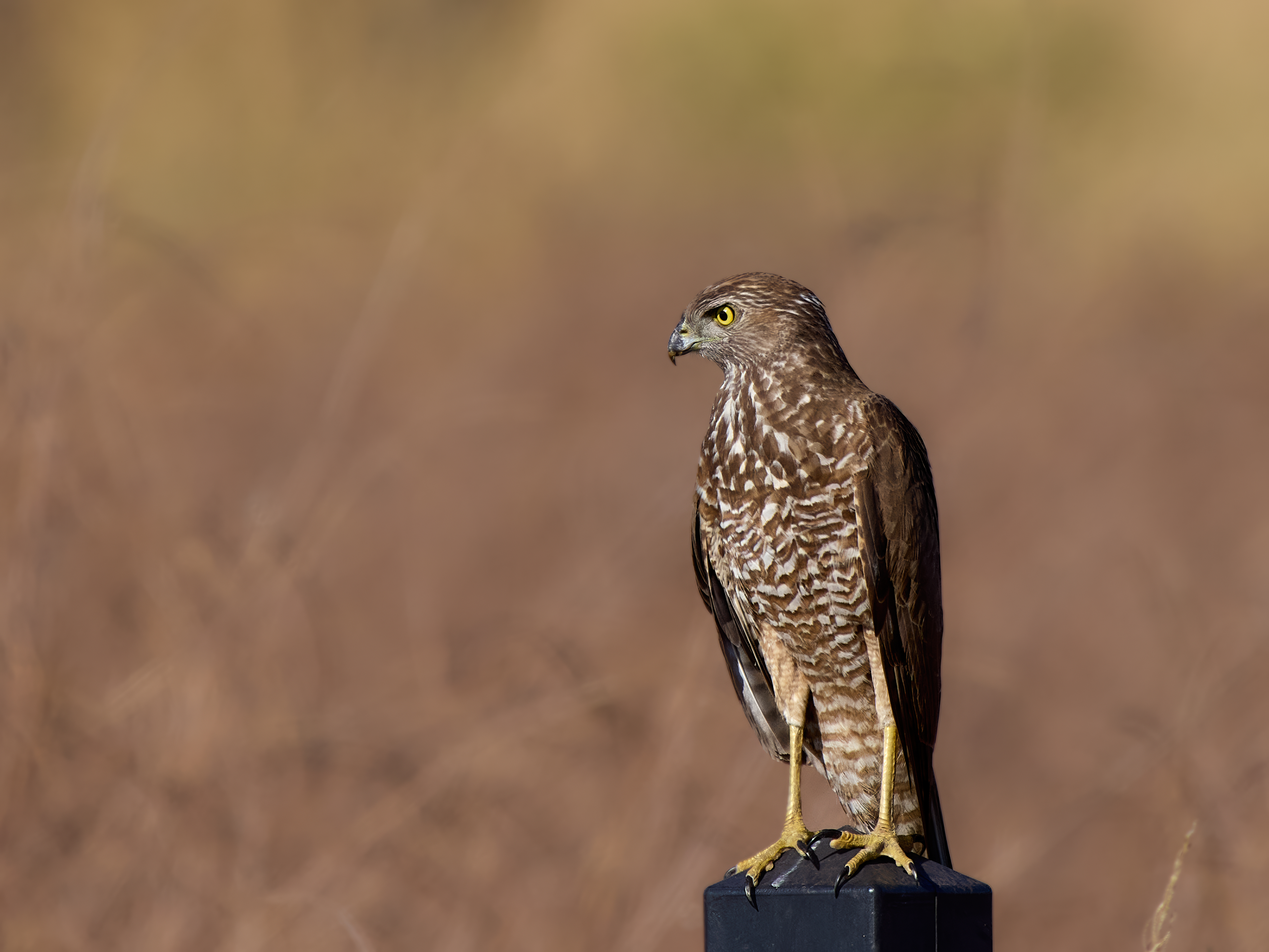
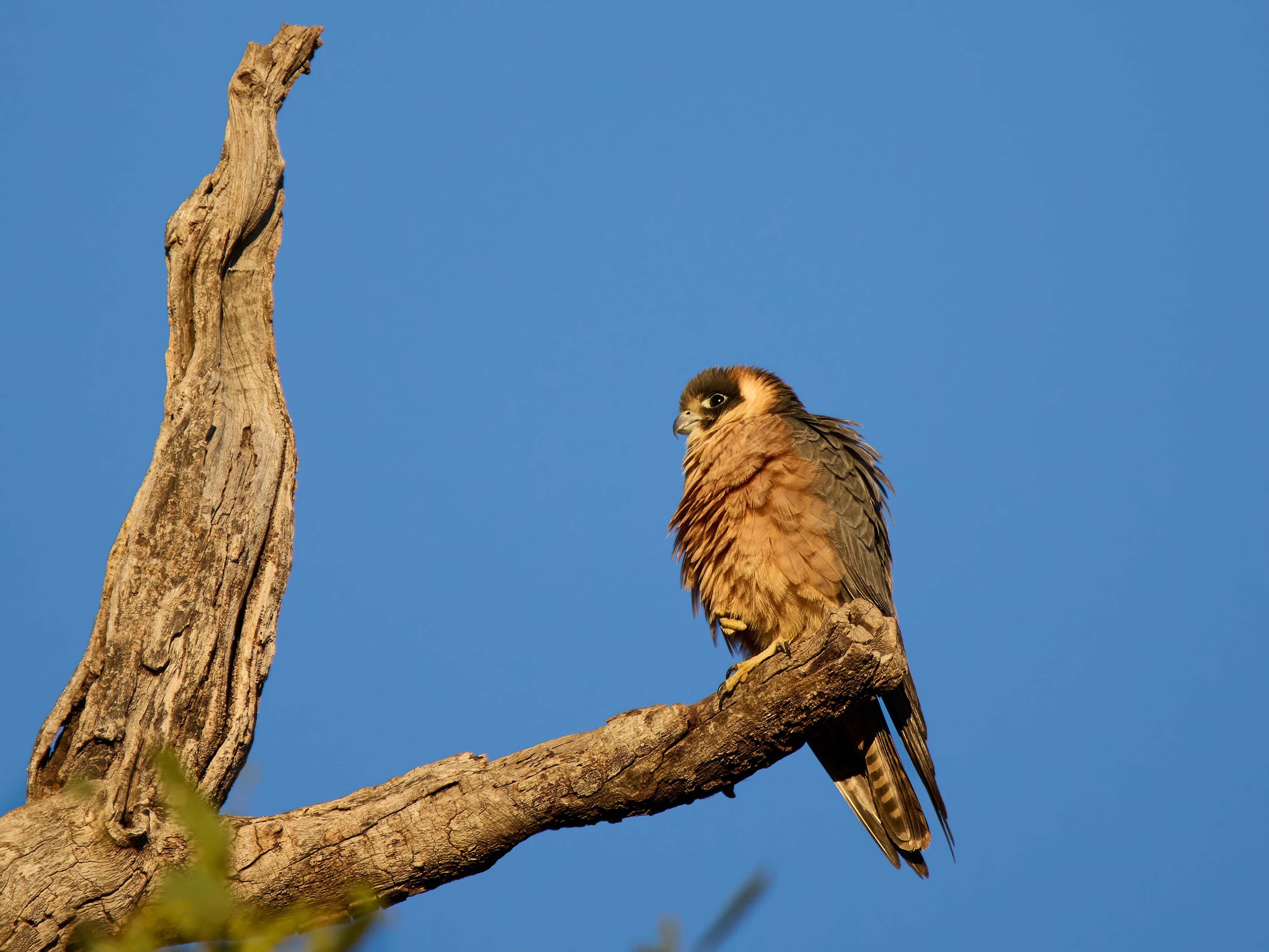
A couple of raptors gave me a chance with the camera.
Black FalconCollared Sparrowhawk
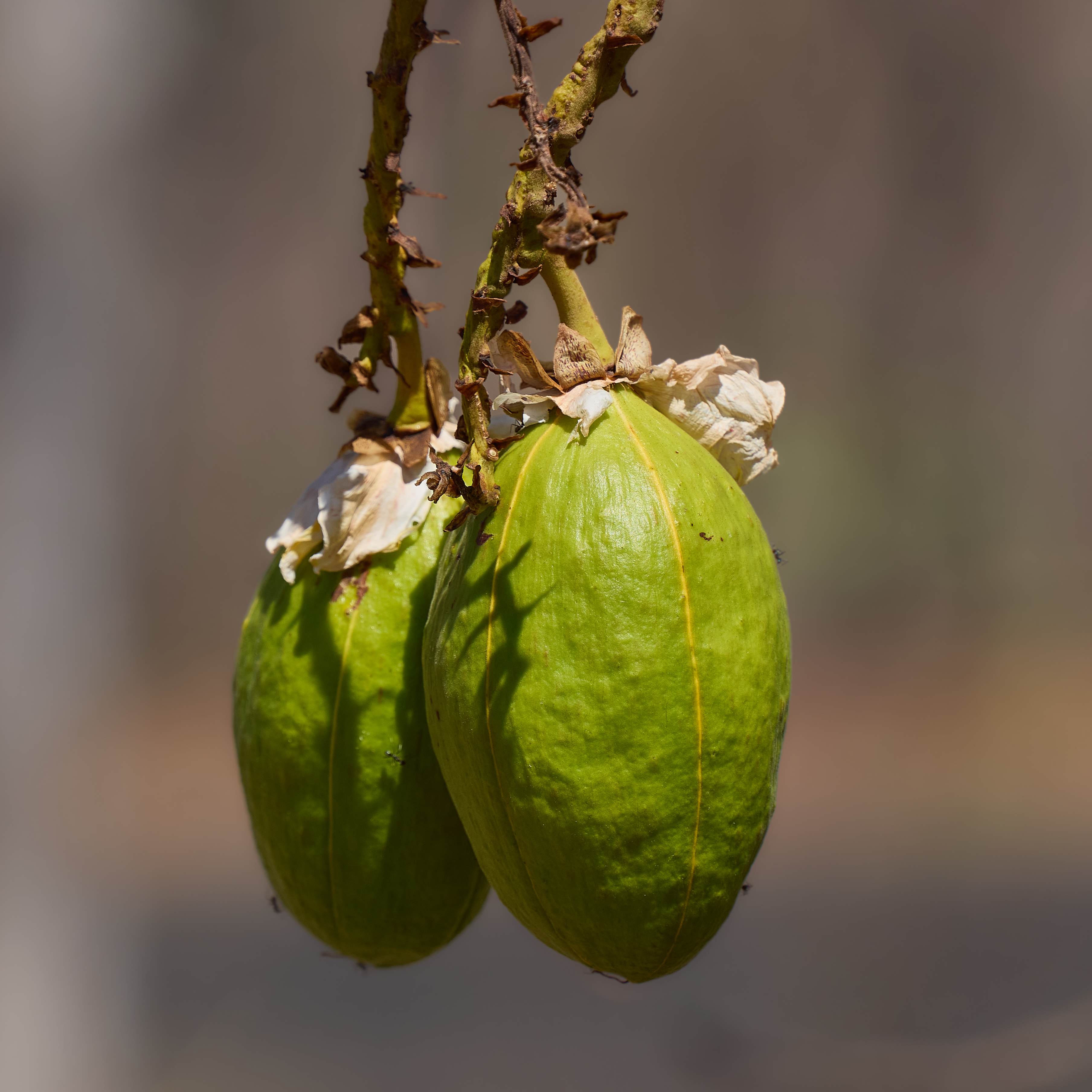
I mentioned the Kapok Trees in the last post. It’s not the real Kapok that was used to stuff pillows in the olden days. Its Cochlospermum fraseri, given the same common name because the seed pods are stuffed with similar cotton-like fibres. When the flowers are out it’s time to collect Freshwater Crocodile eggs, I don’t think the occupational health and safety officer will be impressed. It’s found in the Kimberley and Top End of NT. Large shrub to small tree.
480 km. Sealed all the way. Top temperature 37°C (98.6°F).
Like it says on the label, the Savannah Way runs through a lot of savanna. Today we saw some rugged ranges, plenty of impressive Boab trees and spindly Kapok Trees in brilliant yellow flower.
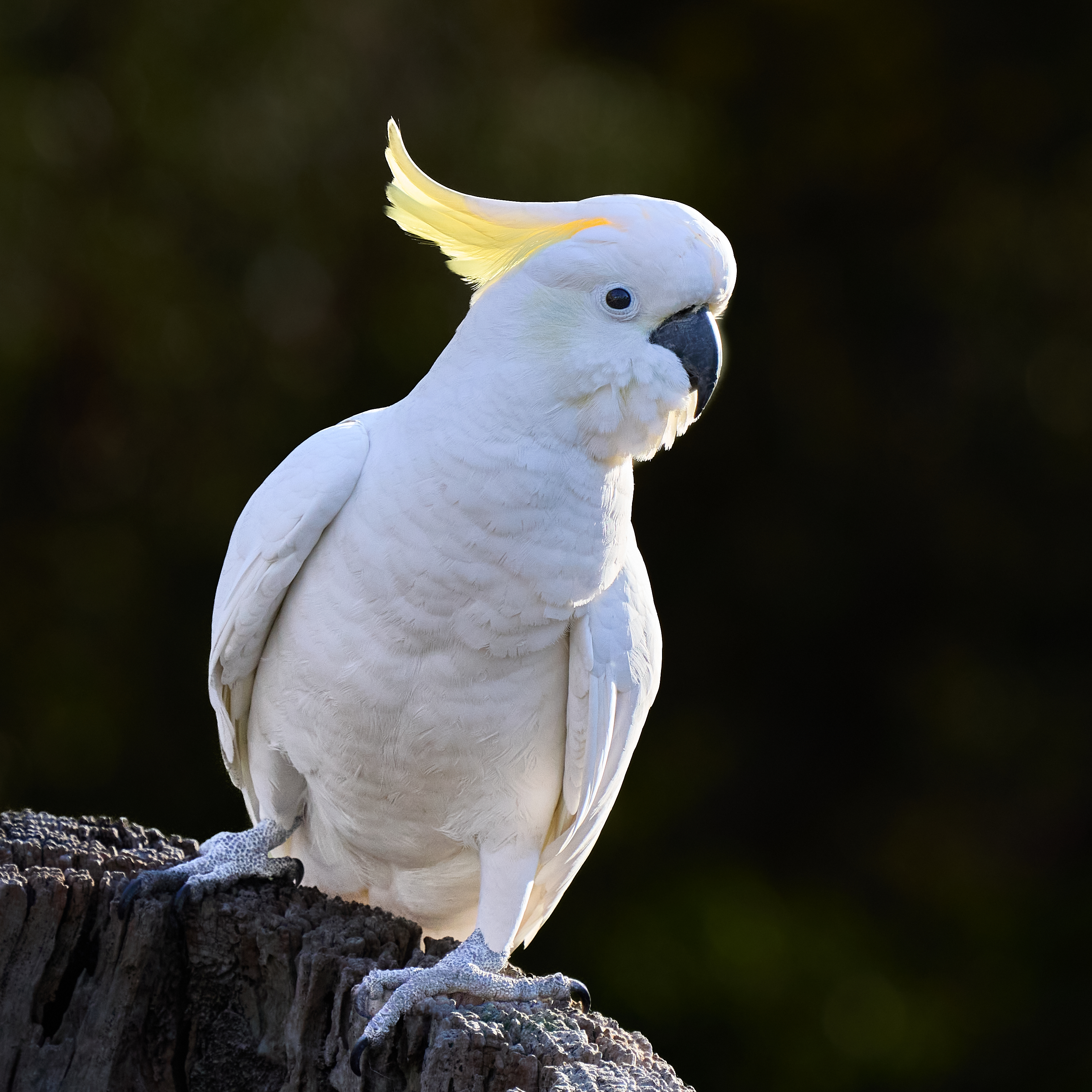
An Australian icon that you rarely see in Broome is the Sulphur Crested Cockatoo. Encountered one at Mary Pool.
Sulphur Crested Cockatoo
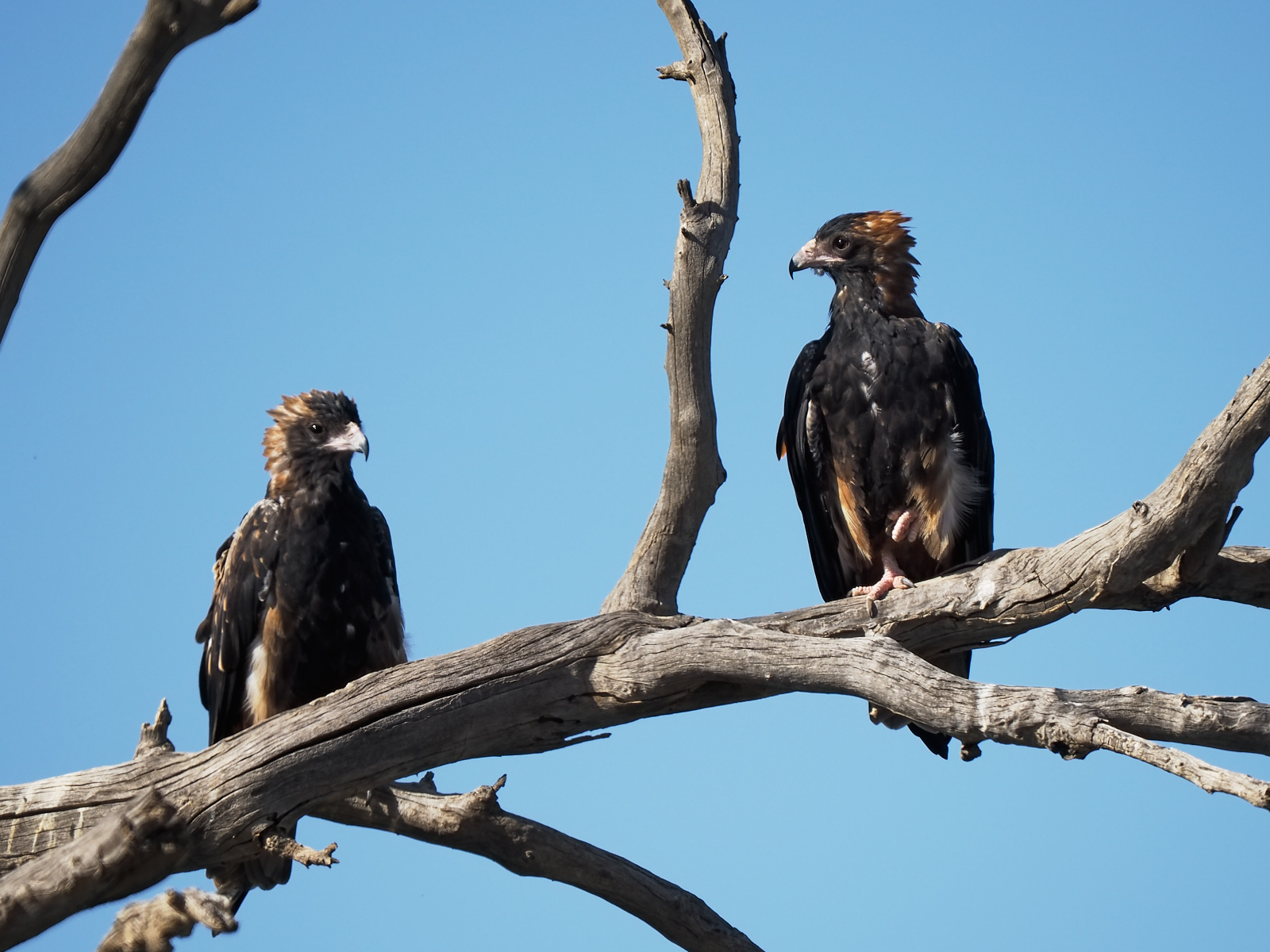
Open grassy woodland suits birds of prey. The most numerous today were the Whistling Kites (We are camped right under an occupied Kite nest). Also a Hobby, some Black Kites and a Black-breasted Buzzard.
Whistling KiteAustralian Hobby
We would normally be staying at Parry’s Creek Farm but unfortunately they have shut up shop. So its the Wyndham Caravan Park. We’ll stay two nights. Tomorrow holds a visit to Parry’s Lagoon.
The road trip is under way. Broome to Mary Pool, 580km. This late in the dry season the countryside is extremely dry. Vast swathes of bush have burned this year, the willy willies are black with soot rather than the standard light grey.
Top temperature today was 35°C (95°F).
The camp site is on the bank of a dry river. There is usually a sizeable pool here. At the moment that is completely dry. I did manage to find a puddle up stream by following some Corellas that were going in to land.
The road trip comes safely to its end. The trip meter ticked over to 23,258km. The new van performed admirably. The binoculars feasted on 305 species of bird. It was a hugely enjoyable journey. The final few days looked like this …
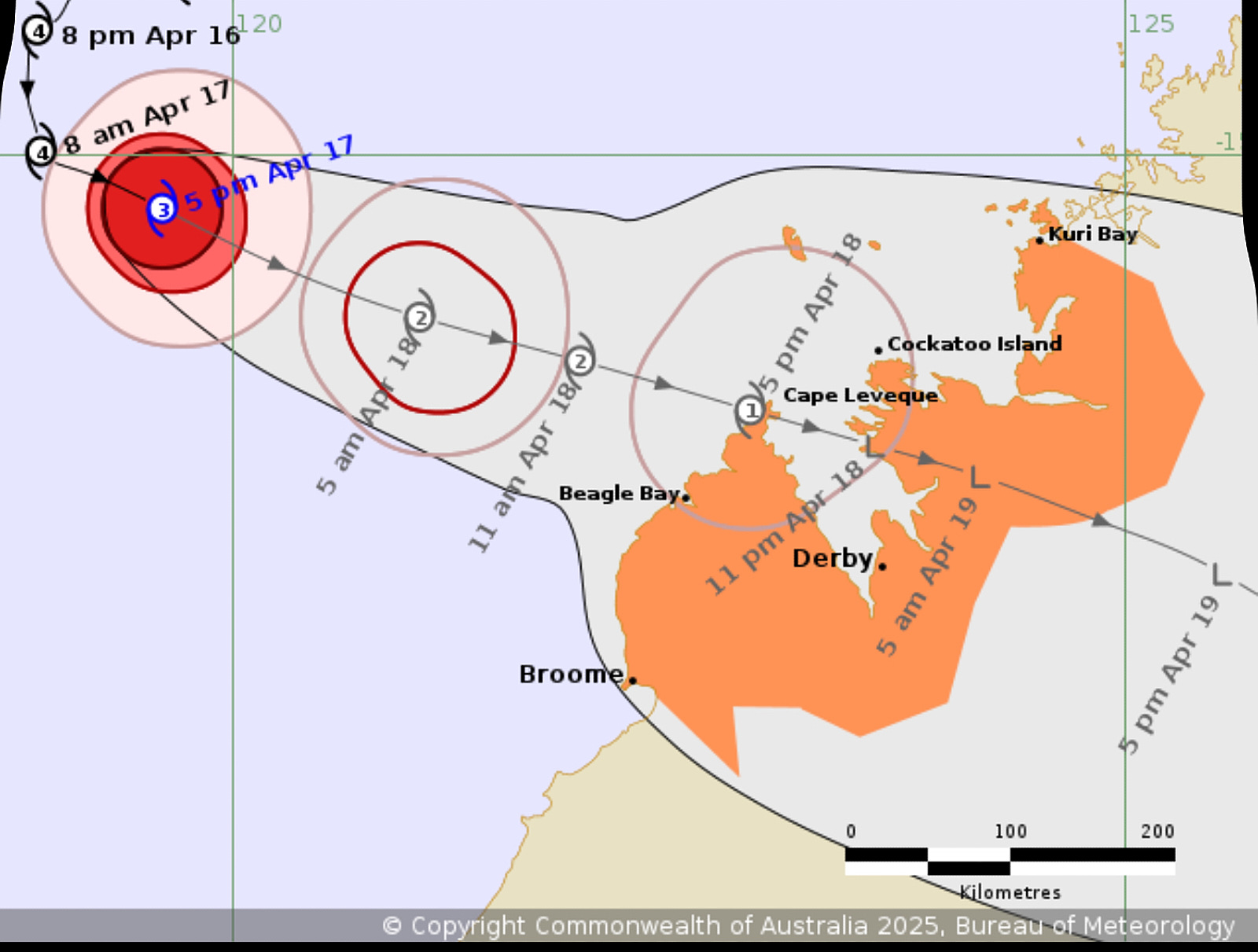
Cyclone Errol did eventually fall in line with predictions (not hard for it. Just about every possible scenario had been predicted over the last few days). It had reached category 4 strength but was weakening as it headed for the coast north of Broome. We were bracing for possibly damaging winds and heavy rain but have only had overcast skies, moderate winds and high humidity. The top of the Dampier Peninsula was expected to take the brunt of it. Hopefully it has done little damage there.
It’s good to be home. Now to plan my next road trip.
The Flinders was as dry as a chip. We took the scenic route through the Parachilna Gorge – not as scenic as Glass Gorge but gentler on the trailer. Then north up the Outback Highway. There was some green pick after Leigh Creek, then some surface water and by the time we pulled into Farina actual grass and even some mud. And by all accounts there’s a lot more of that ahead of us.
This route north brings you face to face with history, John McDouall Stuart followed by the Overland Telegraph, then the Ghan, the birth and death of little towns like Farina. How could you not love this country?
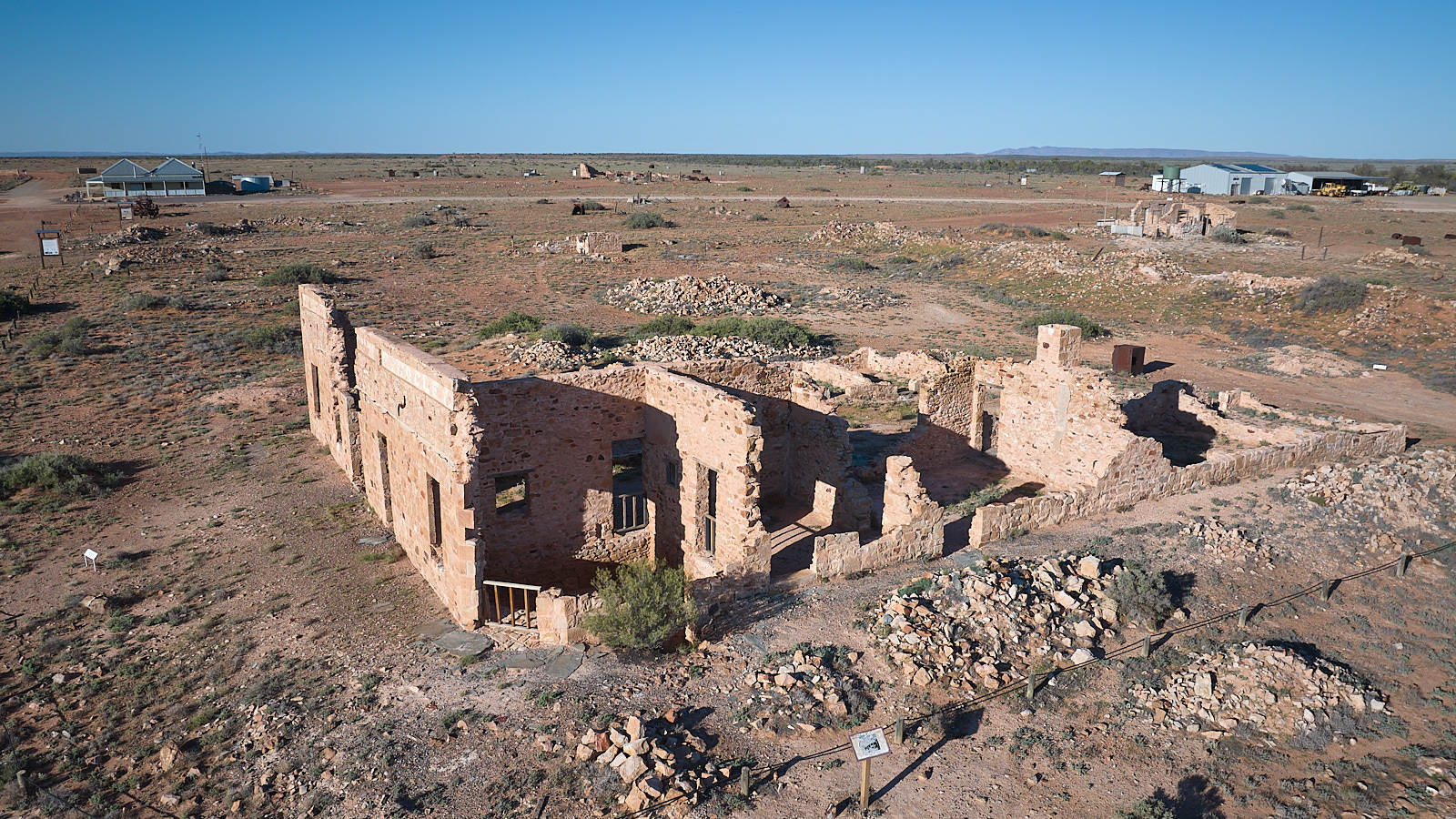
A number of things had conspired to draw people north from Adelaide. As dry as it is, cattle and sheep can be grazed in the hinterland. The railway provided a good way to transport them to market. The telegraph and the railway provided employment. And of course, at the time it was thought that the rain would follow the plough. Plant your crops and the rain would come, a theory promoted by scientists of the day such as the noted American climatologist Cyrus Thomas. The settlement here was founded in 1878 as Government Gums. Its name was changed to Farina to reflect the intention to grow wheat. It grew to reach a peak population of approximately 600 in the late 1800s. It was the rail head for a time. In its heyday, the town had two hotels (the Transcontinental and the Exchange) and an underground bakery, a bank, two breweries, a general store, an Anglican church, five blacksmiths, a school and a brothel. Wild oats were sewn but no wheat was grown. All that remains today are the ruins and the cemetery.
It’s a great camp site and an excellent spot for birding. Inflation has hit, the fee is now $10 per person per night, a 100% increase in 9 years. The bakery has been restored and is in action during the winter months when the camp is busy. At the moment we have it almost to ourselves.
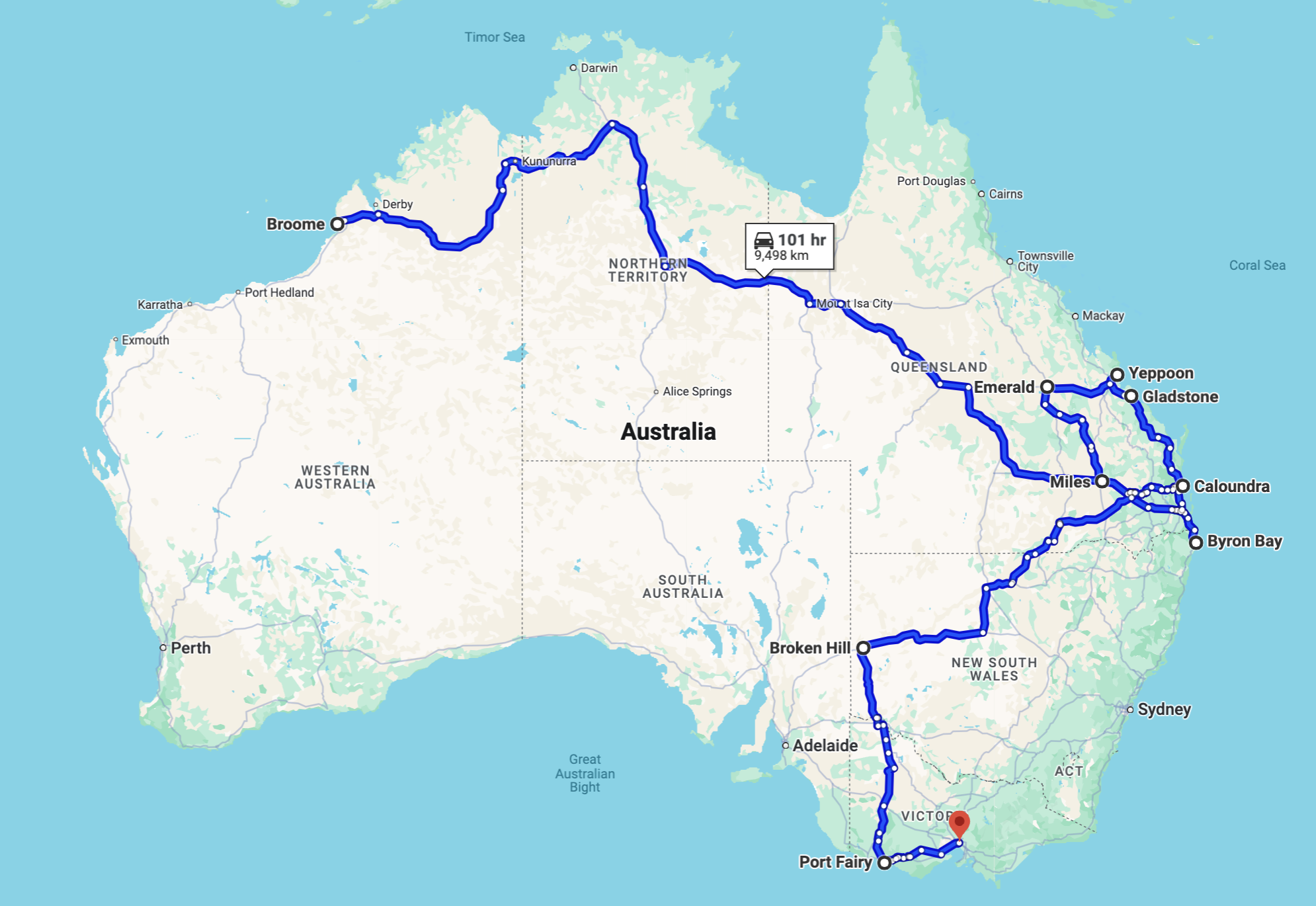
A simplified map of the road trip so far looks like this …
There is a considerable discrepancy between the distance shown on the map and the trip metre in the car which stands at more than 15,000km. Simplification does that sort of thing. We have been exploring!
Marvelous Melbourne is where I spent the largest part of my working life, it’s where my small family lives and it’s also en route to becoming the most populous city in Australia and bankrupt. Each to his or her own, I can see many advantages to living in Broome, beautiful beaches, little traffic, warm winters but of course there’s a but. Medical facilities are very limited. Getting to see a doctor takes ages and you’re unlikely to see the same doctor twice. Anything sophisticated is a 2000km journey to Perth. Melbourne continues to be where I take care of the routine side of my medical care. I’ll be here until my new glasses are ready.
Meanwhile it’s great to catch up with my family and my friends and to go birding in old haunts such as Braeside Park and Phillip Island. The year list is up to 274 species (safe until October 1 in the calendar game but finding new birds is getting much harder).
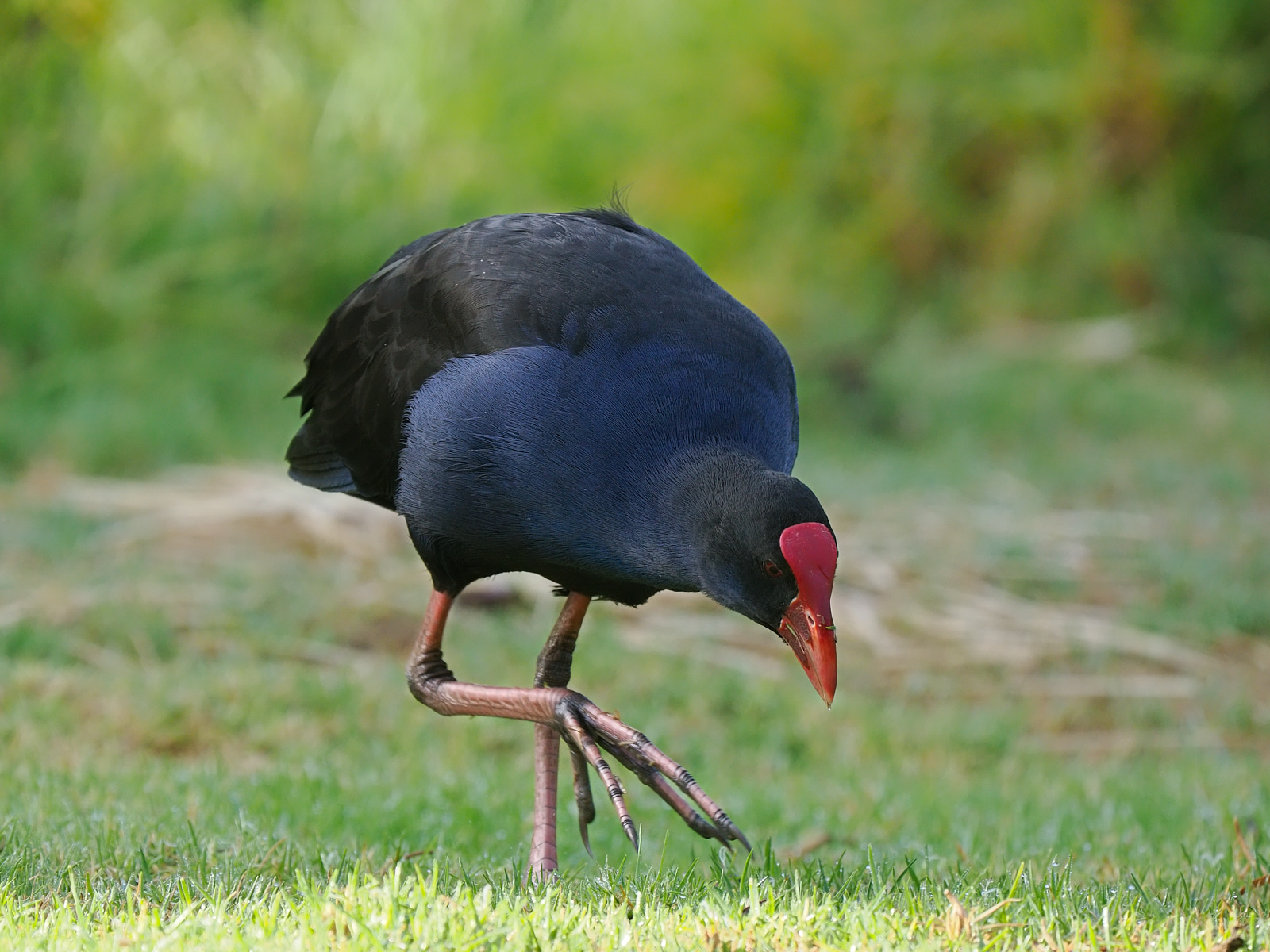
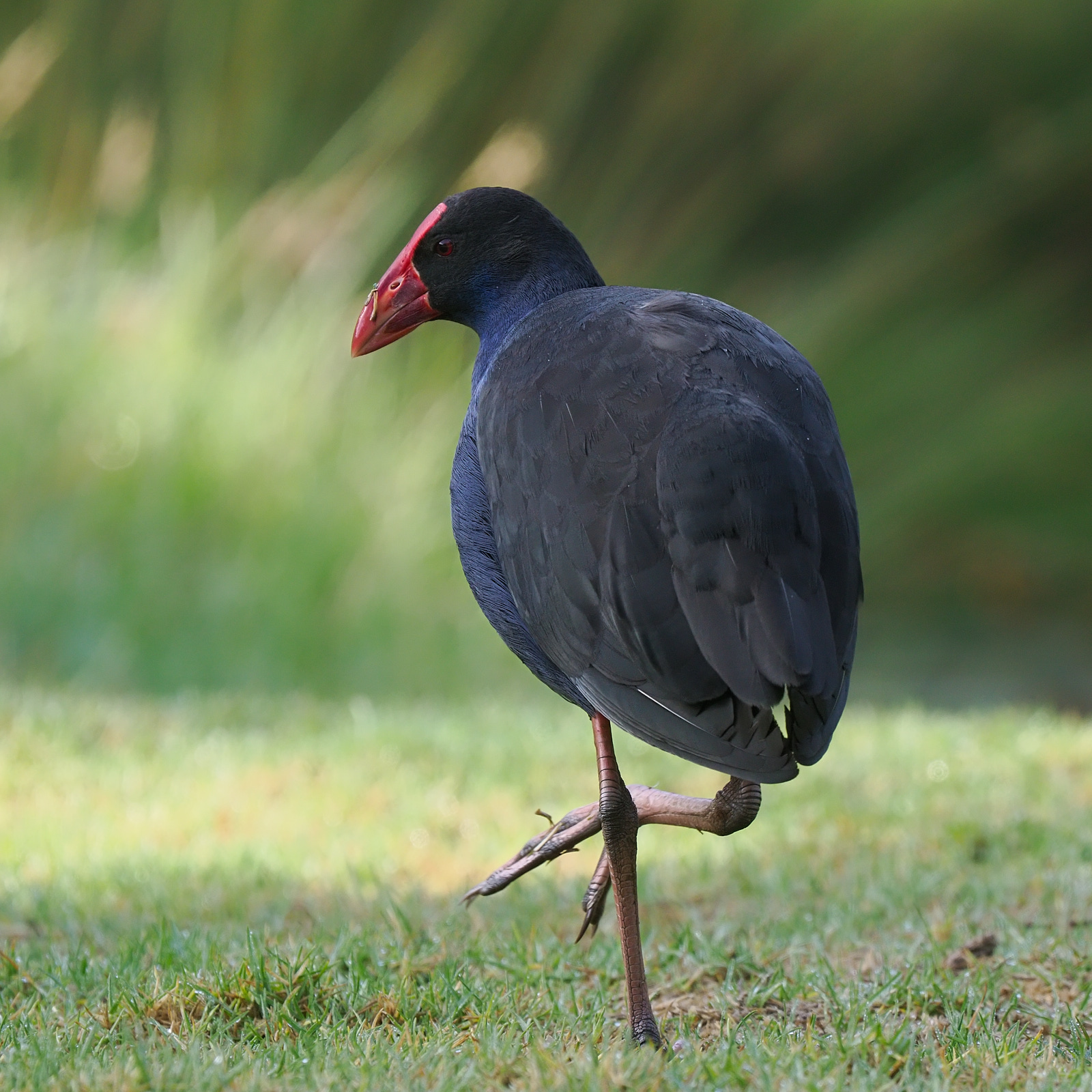
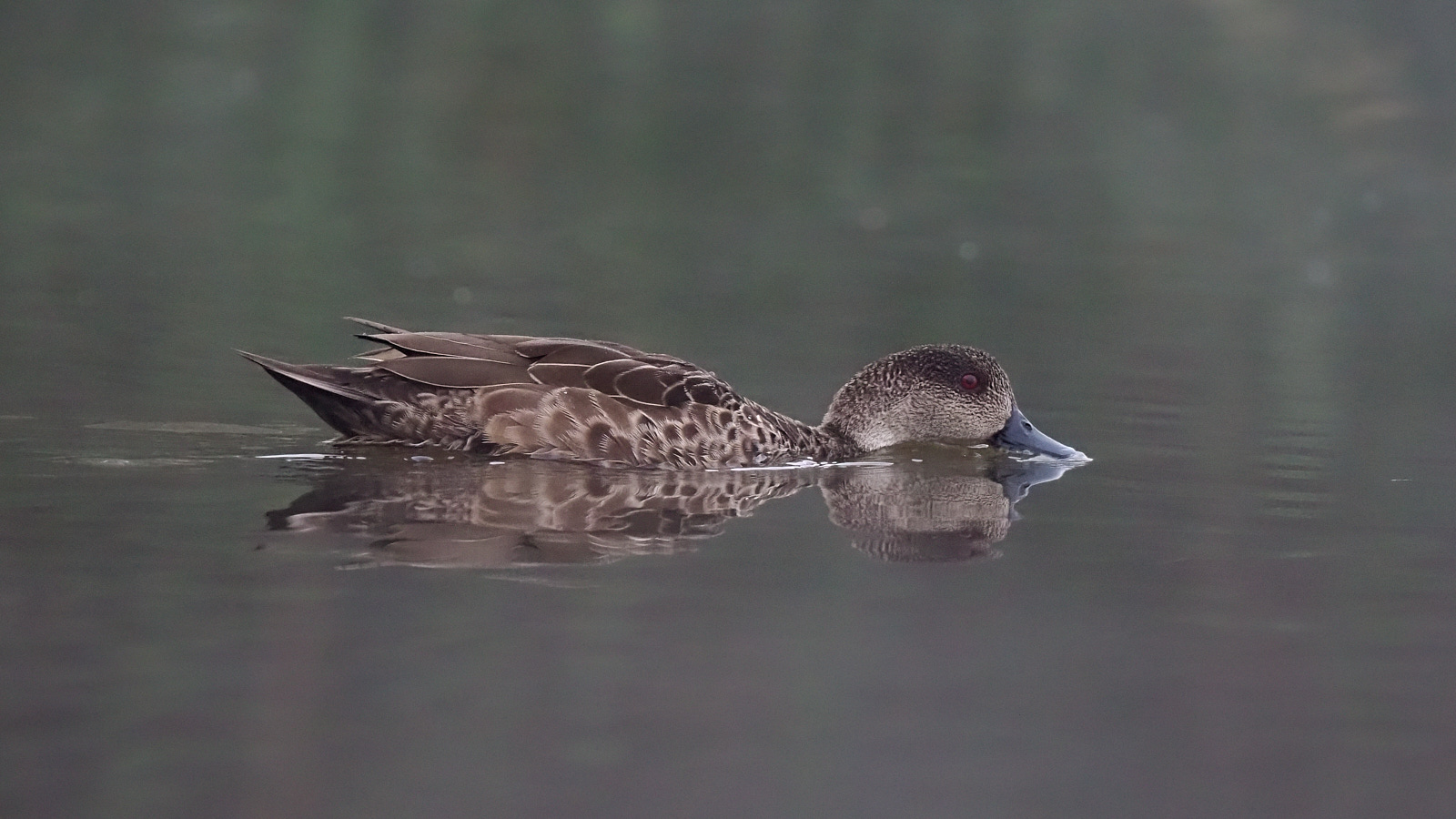
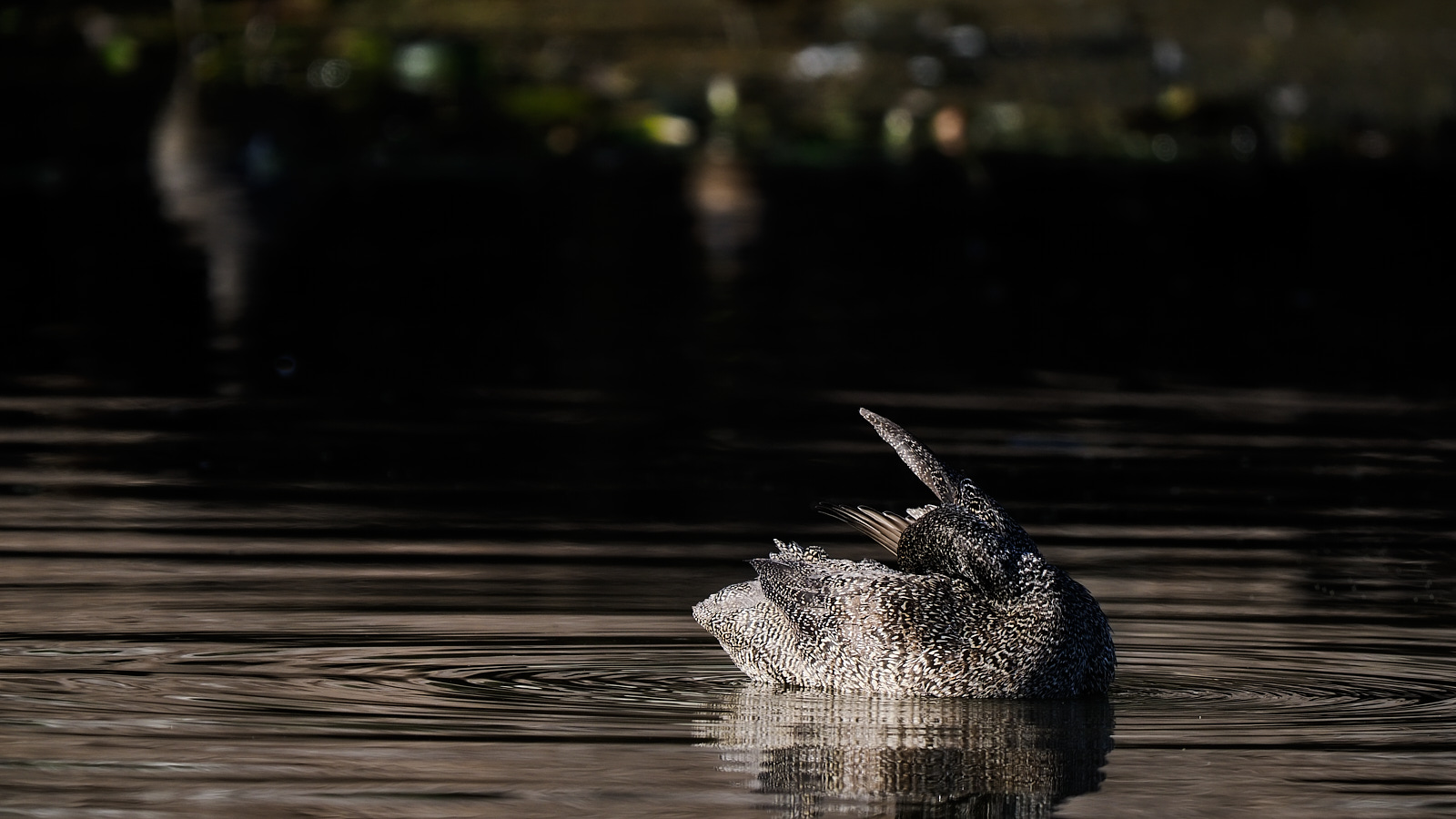
Australasian SwamphenAustralasian SwamphenCape Barren GooseLittle PenguinNankeen Night HeronFreckled DuckChestnut TealGreat EgretFreckled DuckWhite-eared HoneyeaterPink-eared DuckRoyal SpoonbillAustralasian GrebePacific Black Duck
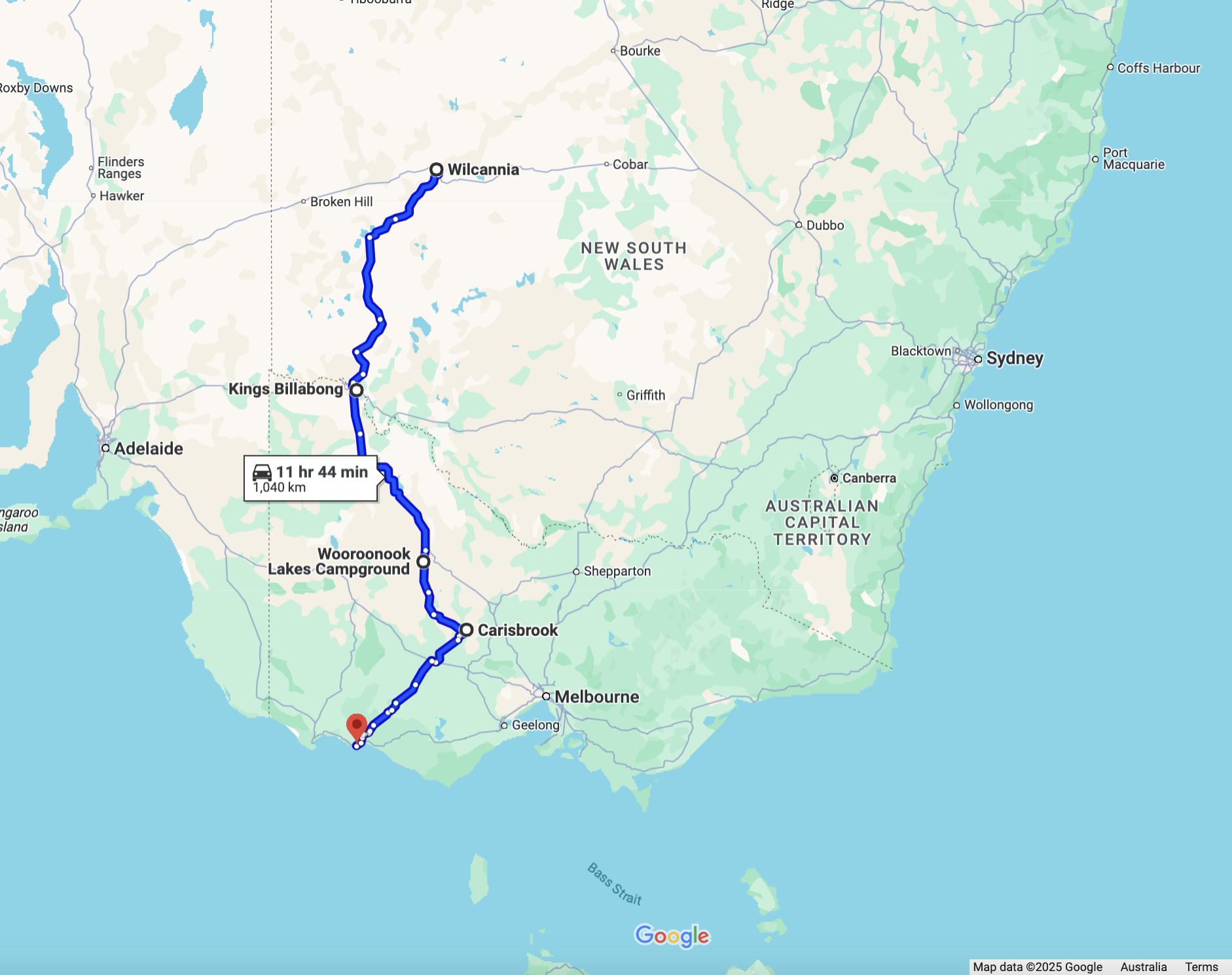
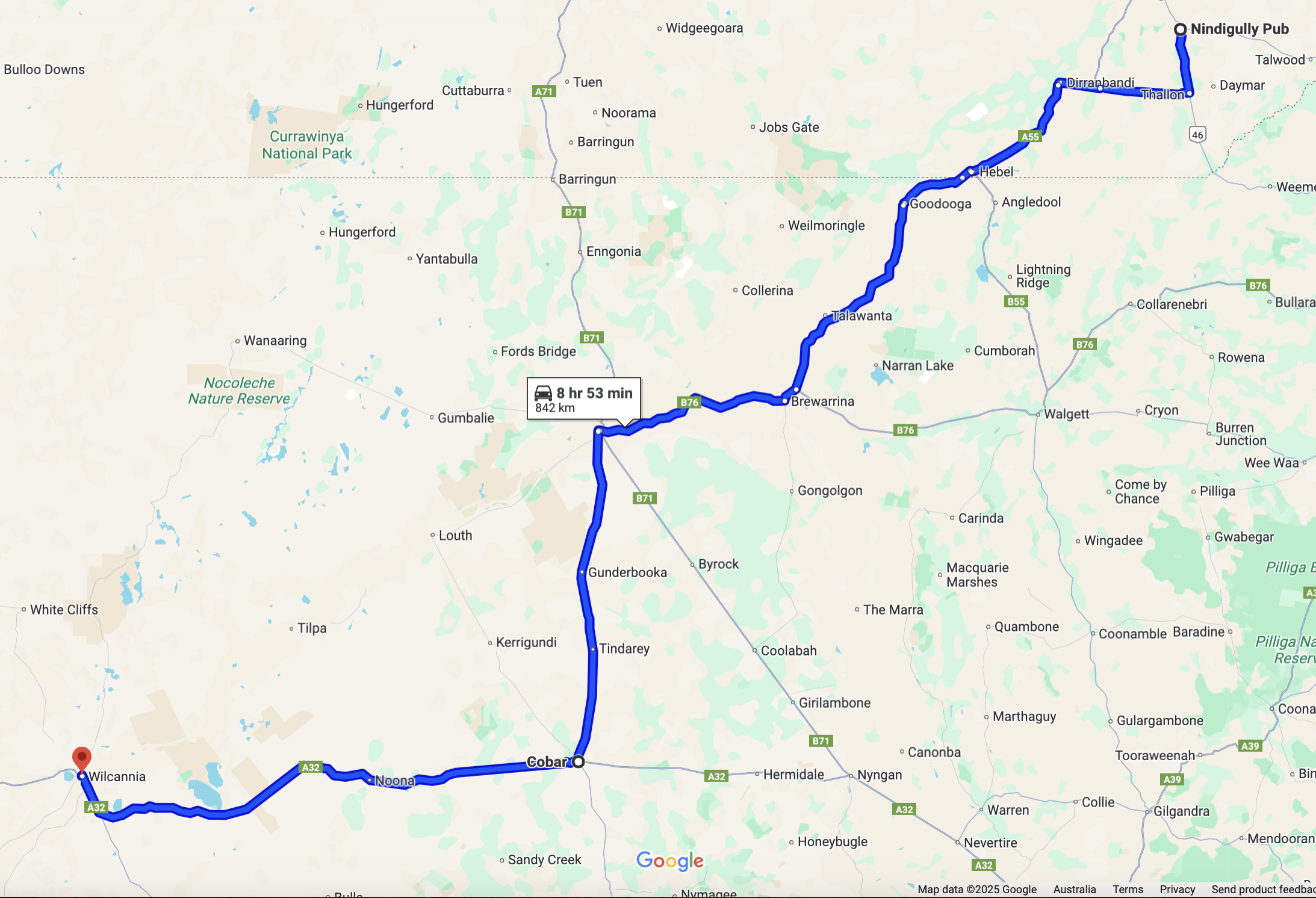
Yesterday we arrived in Port Fairy on Victoria’s south west coast and here we shall pause for a week . We will taking bracing walks in what passes for the summer heat and look for goldfinch and greenfinch to bolster our year list! Here is a simplified map of progress since Wilcannia. Simplified because since crossing the Victorian border we have been flitting about like flies on a cow pat visiting favourite places, favourite people and a caravan repair yard for a bit of plumbing work.
Rainfall in the interior of Australia and much of the west coast is unpredictable and usually sparse. For the north and east coastal fringes, north of Brisbane, summer rainfall is the norm. From Brisbane south and around the south coast and for a triangle in the south of Western Australia winter rainfall predominates. This pattern has held up on this trip, indeed it may be somewhat exaggerated this year. Since leaving Queensland the country has been as dry as a chip.
In Wilcannia the bird watcher should stay at Warrawong on the Darling. The camp ground is adjacent to a couple of billabongs. These are usually productive but on this occasion one had little water and the other was dry. The river Darling itself had plenty. There are some 4WD tracks across open plains to patches of River Red Gum woodlands along the banks and if clean toilets and warm showers are of any interest it even has those.
From there it was on to the banks of the mighty Murray not far from Mildura and then various much loved locations in the Victorian Goldfields. And now Port Fairy which is unique in Victoria in very nearly being quaint. The surrounding countryside, the Western District of Victoria, is brown and dry, drier than we have ever seen it.
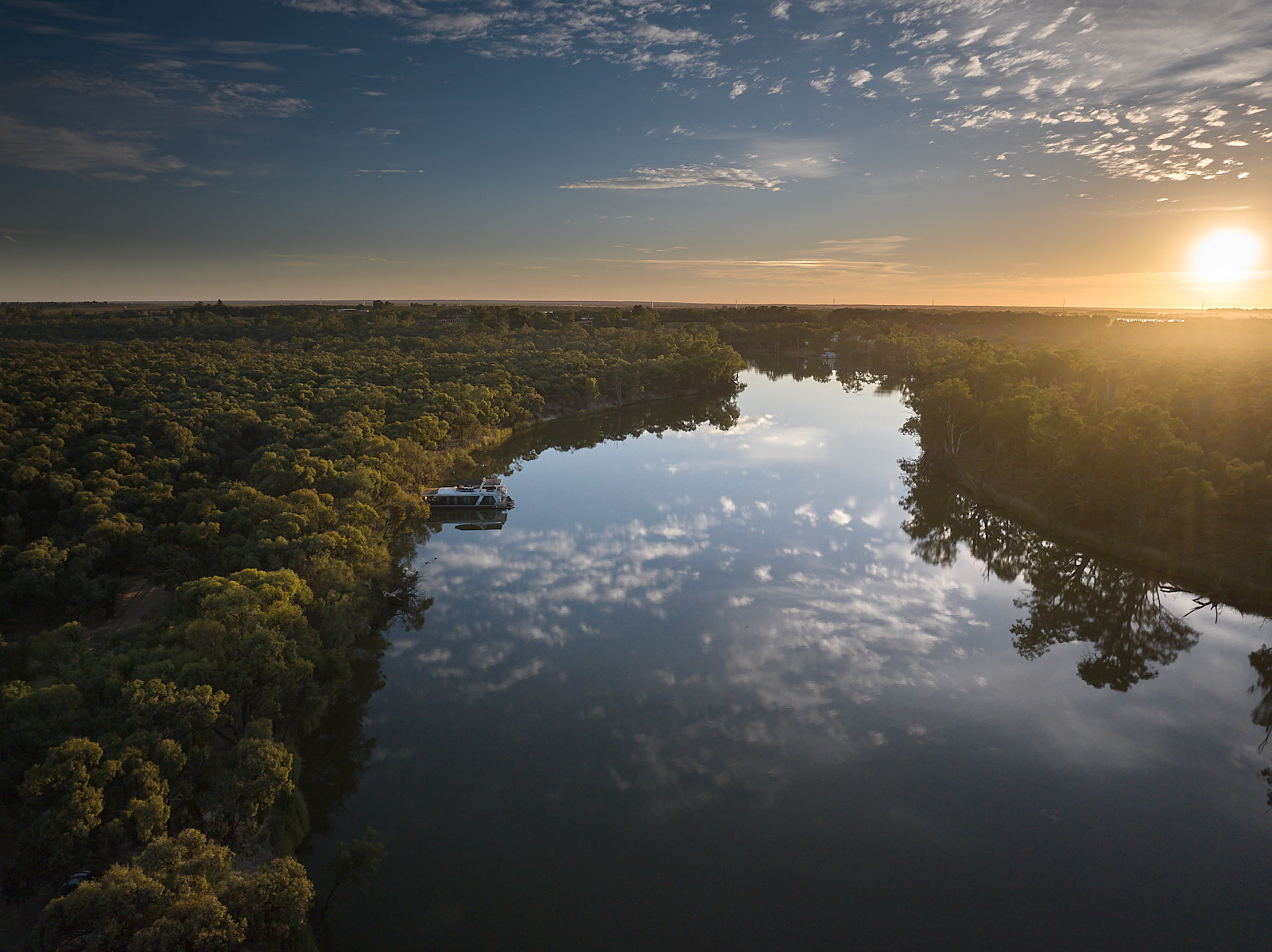
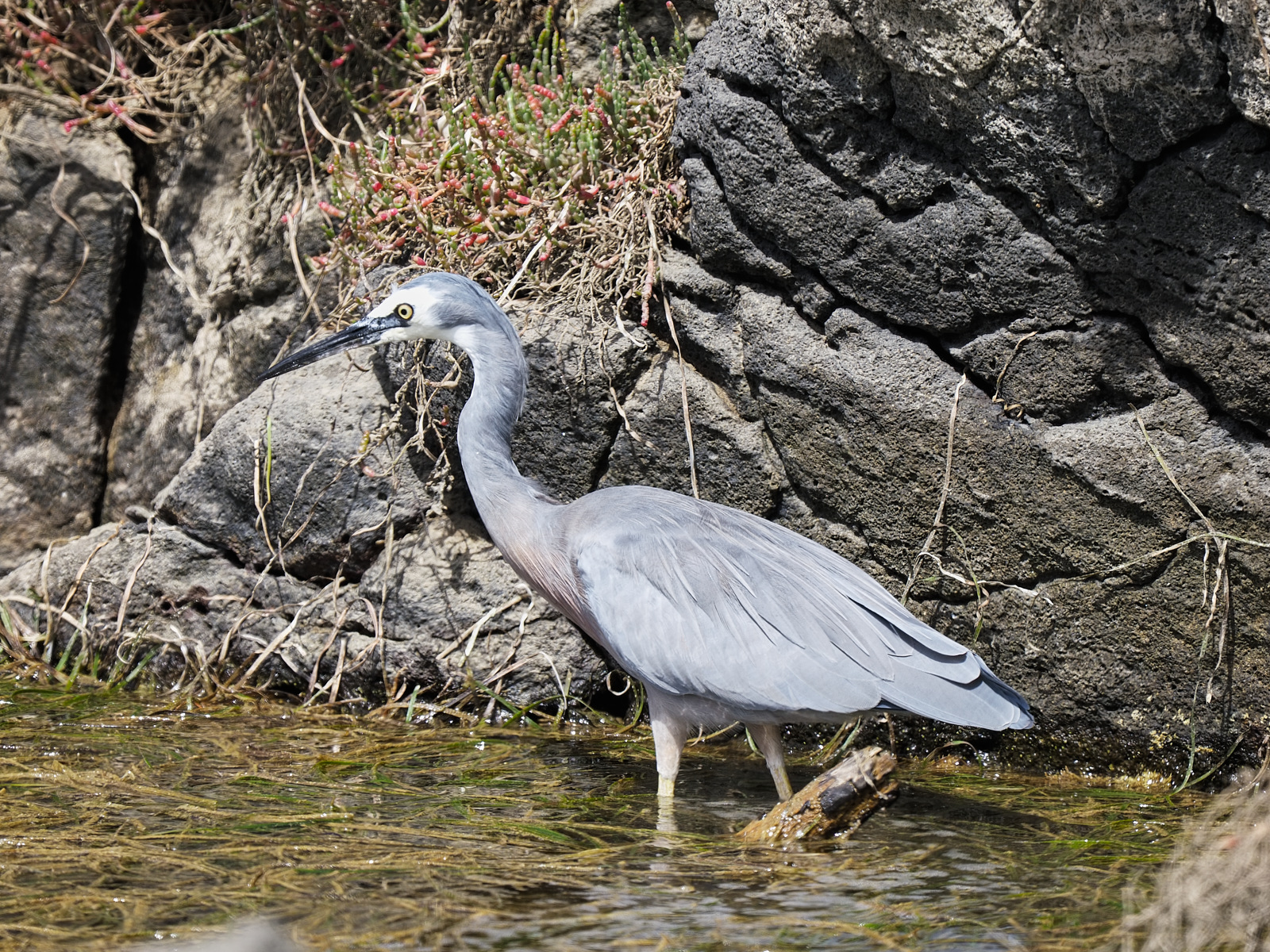
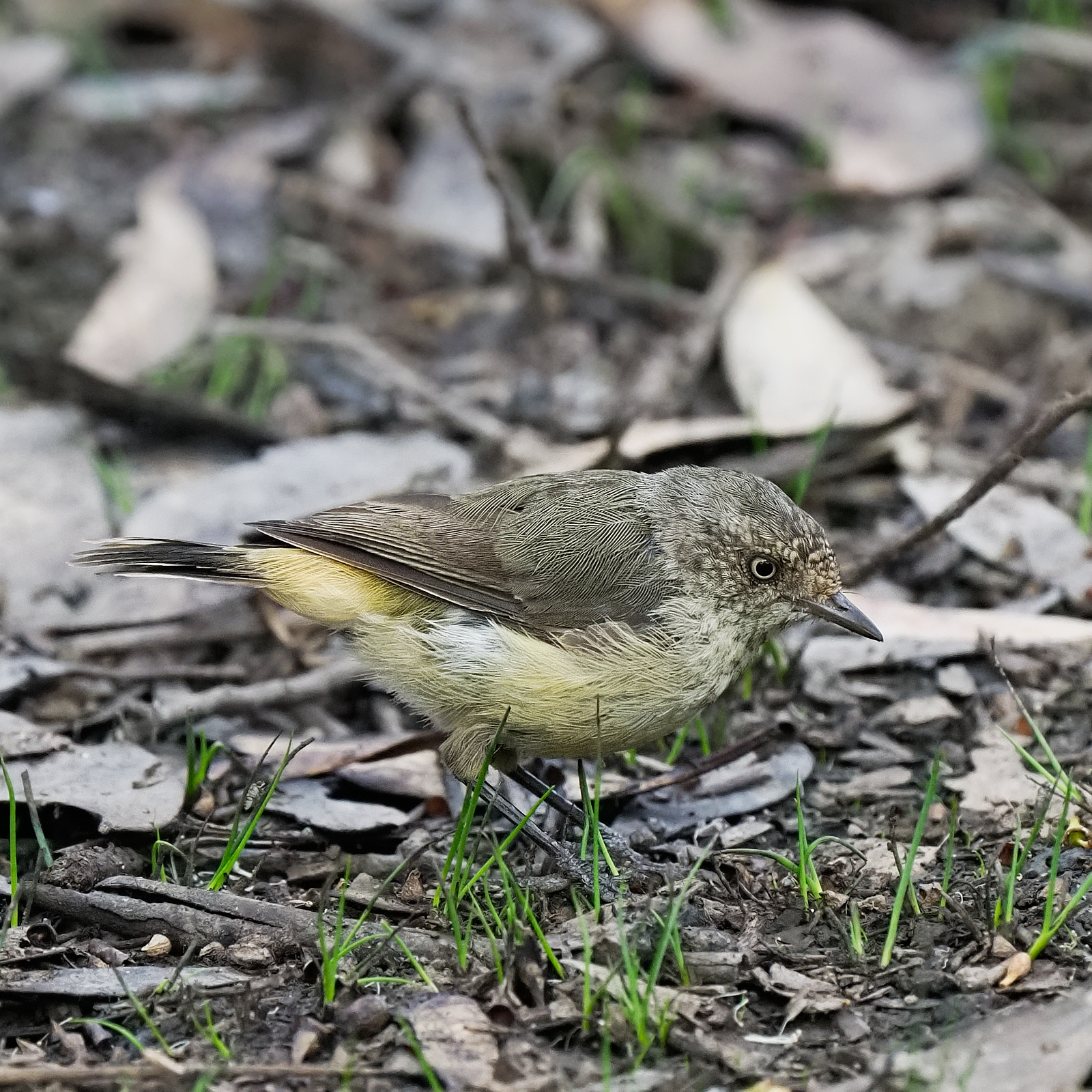
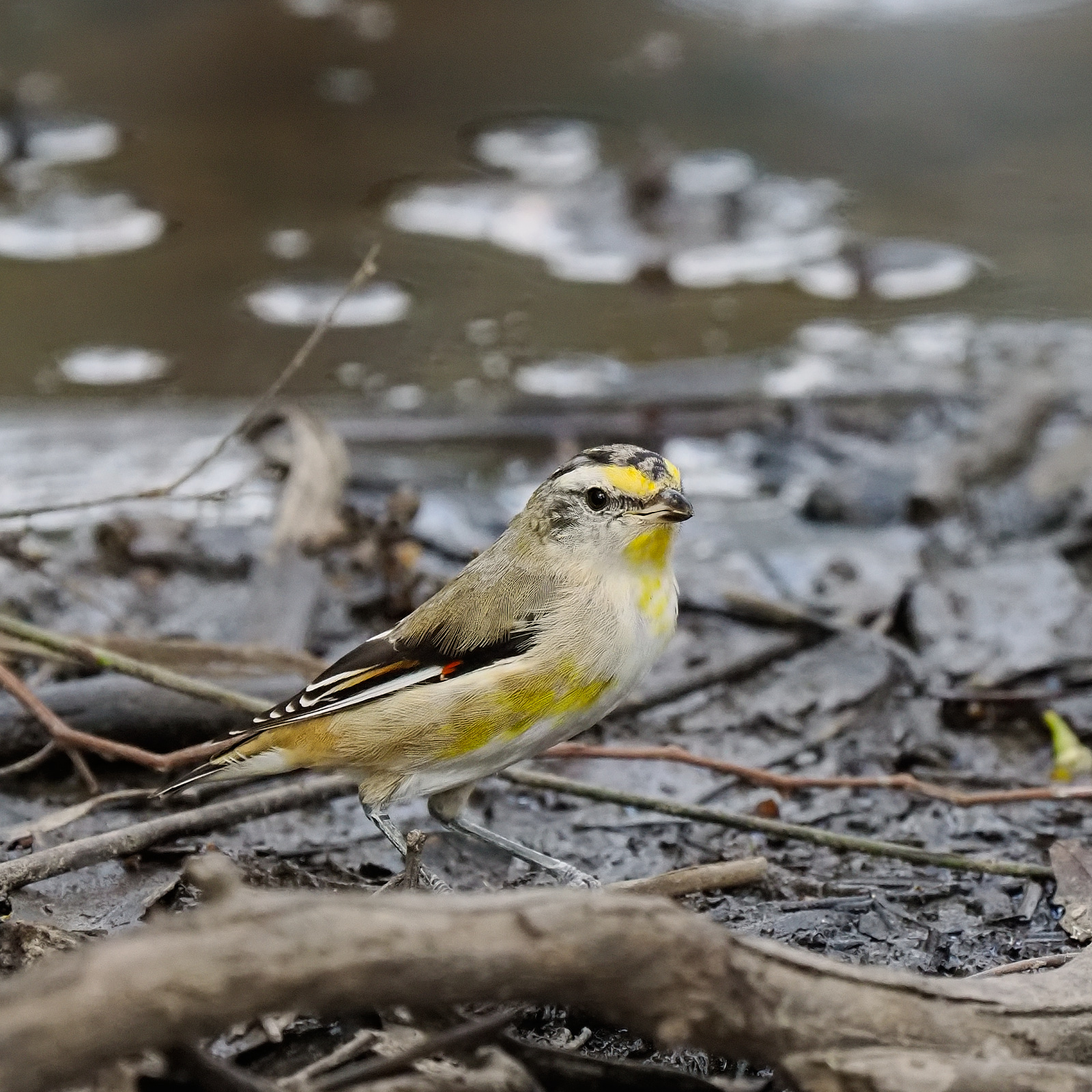
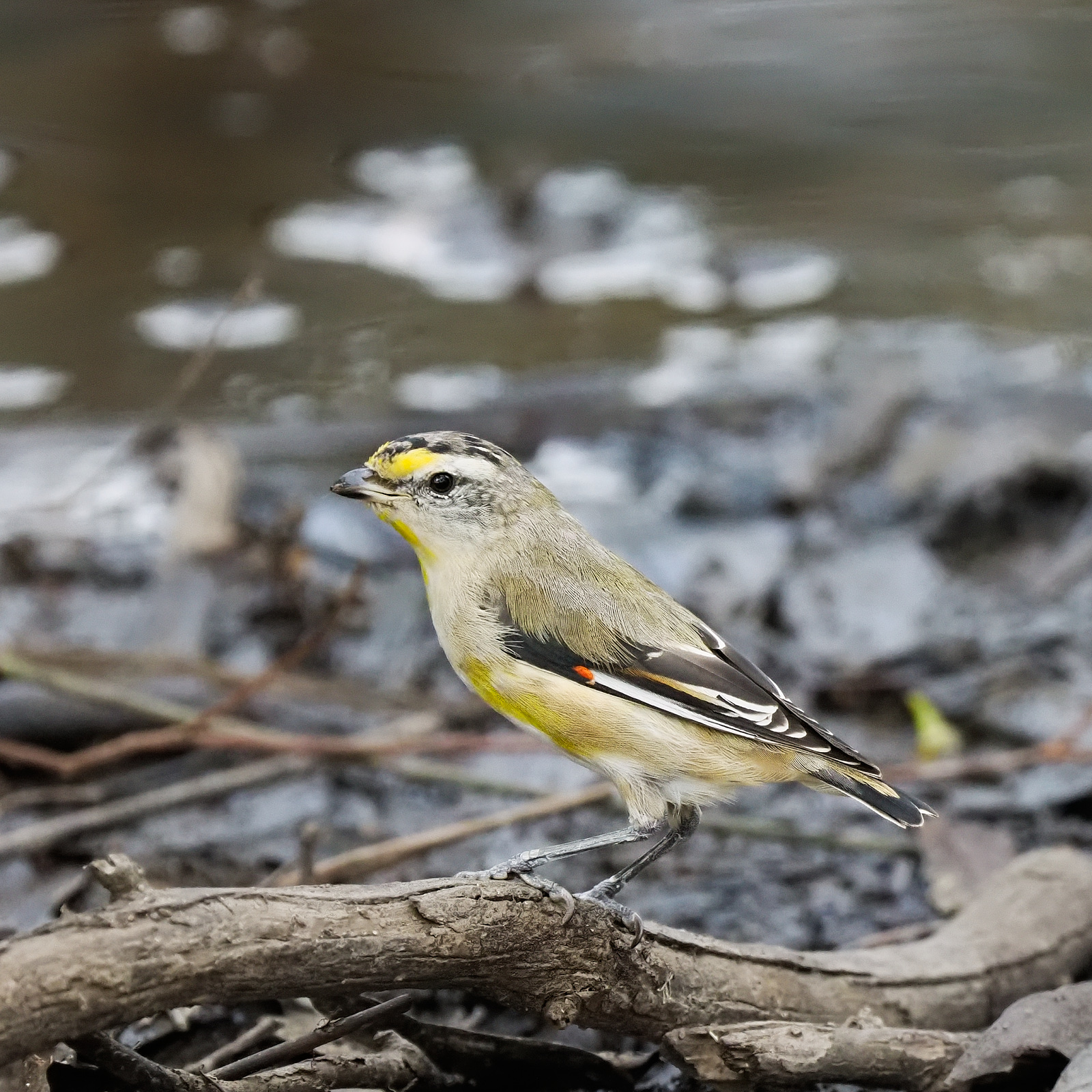
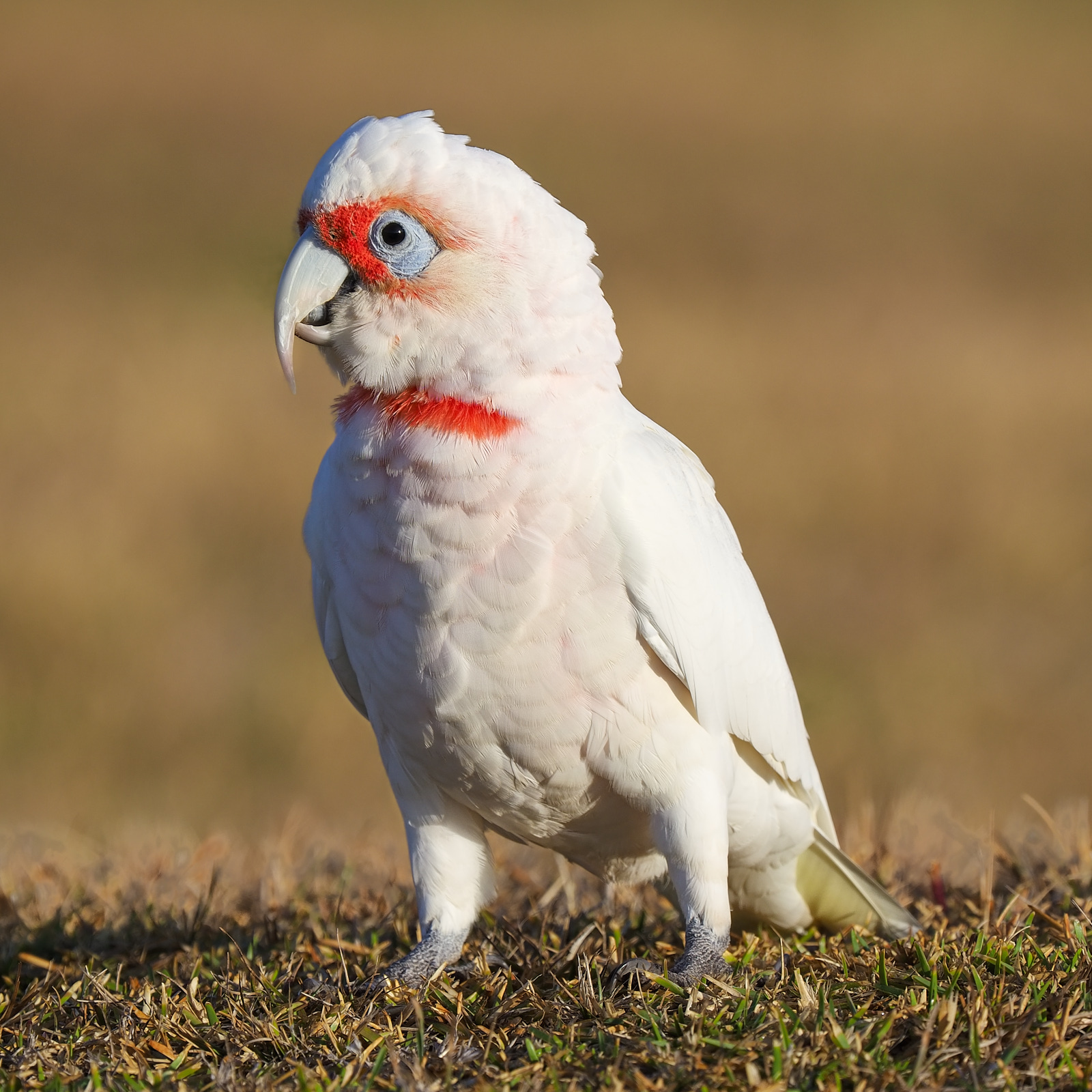
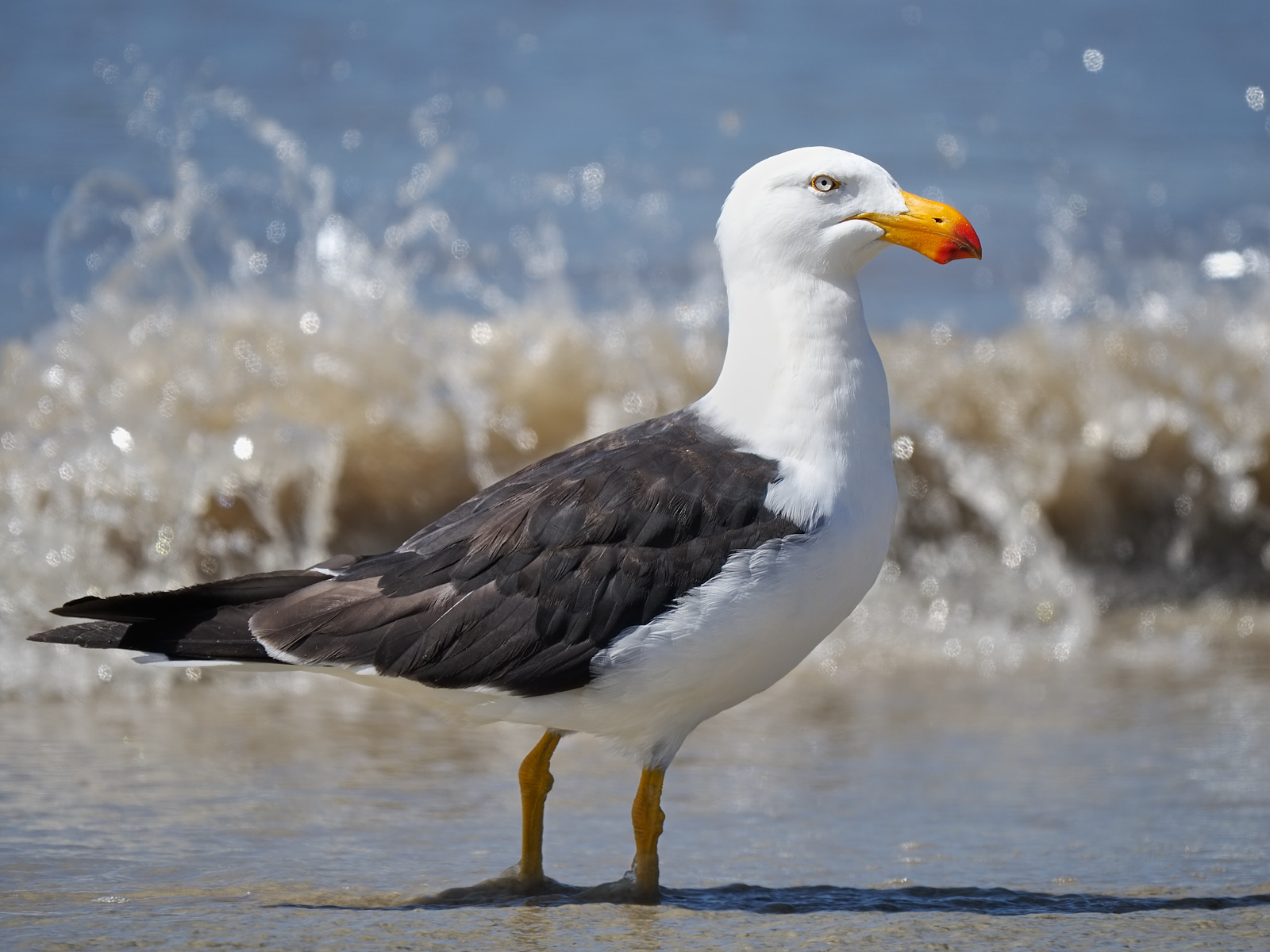
the Darling RiverMurray River at dawnfirst light on the Murrayat Wooroonookat WooroonookWhite-faced HeronSwamp WallabyBrown-headed HoneyeaterBuff-rumped ThornbillStriated PardaloteStriated PardaloteBrown-headed HoneyeaterLong-billed CorellaKelp GullPacific Gull
There is a Short-tailed Shearwater colony in Port Fairy and I’ve just got back from watching the Shearwater parents returning to feed their chicks. They come in just after dark, land near their burrows and then run to the waiting chicks. It is a wonderful experience to sit in the colony and have them flying in around you.
With our freshly serviced van we headed from Coloundra to Nindigully. By the time we got there the pull out fridge was firmly stuck in place. A phone call to AOR and the exercise of a little leverage under instruction and out it came. A cold beer was back on the menu.
The Nindigully Pub is a favorite and we had the free campground pretty much to ourselves. It was founded in 1864 and for a while it was a coach stop. Despite the fact that it’s in the middle of nowhere it continues to thrive. The food may have something to do with it, it’s great, but it’s also to do with the ambience, the Moonie River and the free camping. There is a good article on it <HERE> and you can find a blog of mine from a previous visit <HERE>.
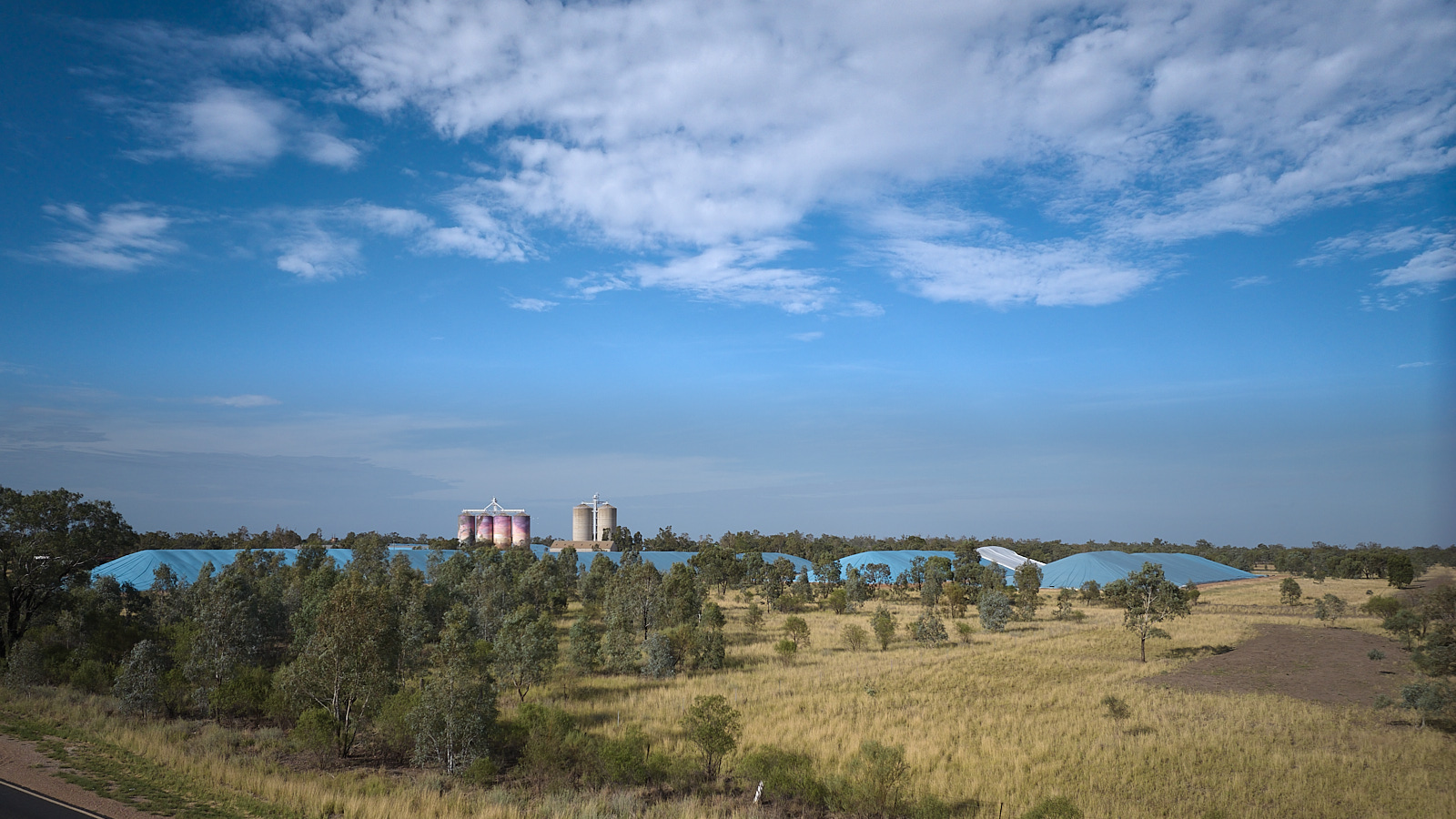
A little over 30km away is the wheat belt town of Thallon with some painted silos.
Our intentions for the next three nights involved following the Darling River down some black soil roads. They are just impassable after rain so we put in a big day through Bourke, the back of which is the proverbial outback, to spend the night just out of Cobar. And that’s where we discovered a leak under the van. Facetime with AOR, flat on my back under the van. I was talked through the process of isolating the affected plumbing. For the moment there is no water to the tap on the drawbar but everything else is working. It’s a brand new van, this series of irritations should not be happening. But the response from AOR has been very supportive.
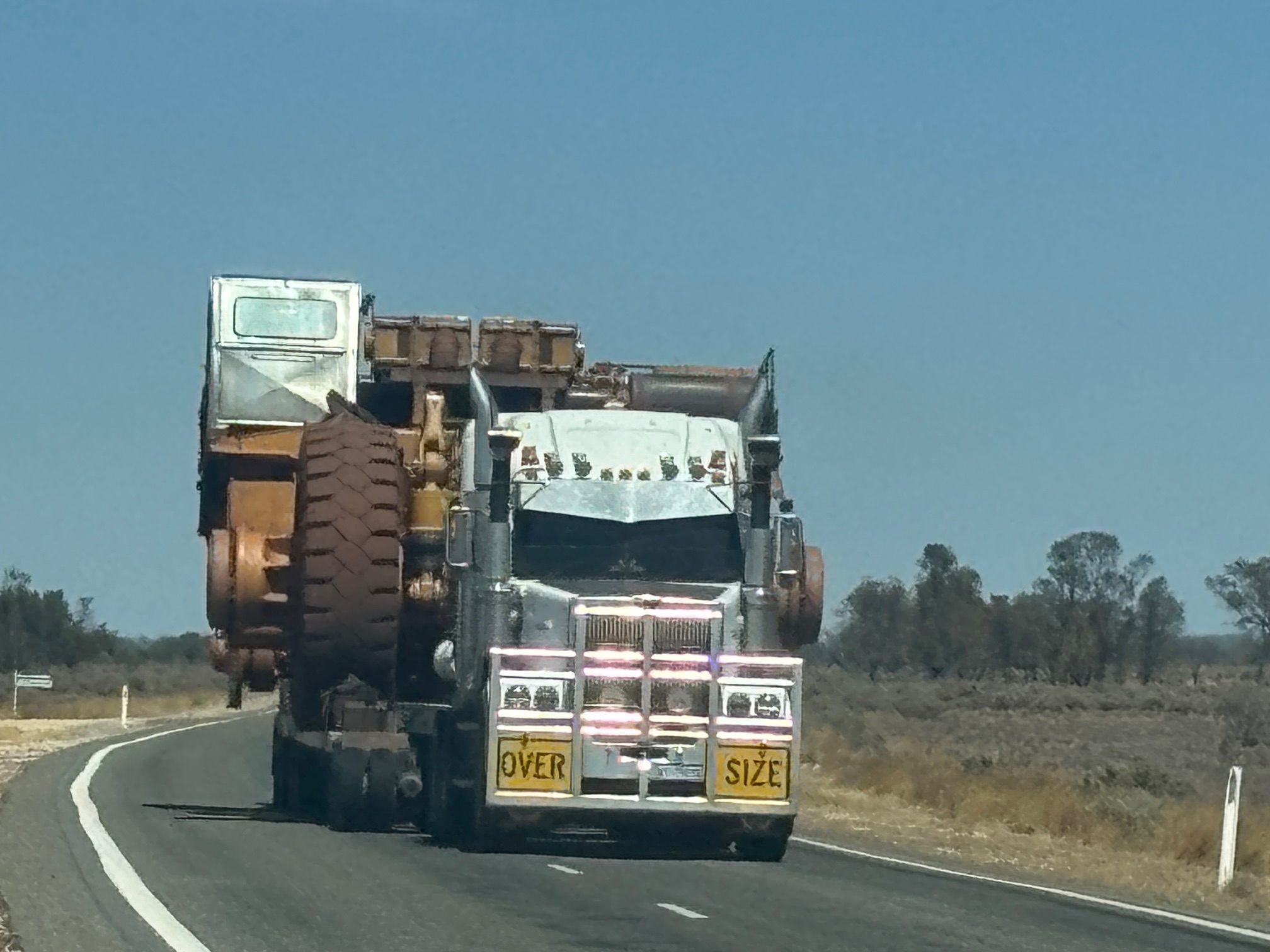
Then it was the Barrier Highway to Wilcannia. Once again on the Darling River but on a sealed road – not trying to teach a caravan to skate. There were some very big loads on the move. Once again the radio came in handy and the standard of pilotage was high. The instruction “One at 6 metres. Take a spot” means get right off the road and wait until it passes. We passed half a dozen at 6m and one at 8.
Along the way we crossed the border into NSW. Back in my Melbourne days we occasionally saw cars with NSW number plates. It was obvious from the way they were driven that NSW stood for No Sense Whatever. Out here in the far west of New South Wales the locals tell me that it stands for Newcastle, Sydney and Wollongong which is where the state government focuses all its attention.
The last hamlet in Queensland was Hebel, home to another classic outback pub.
The birding around Wilcannia is excellent although paradoxically the billabongs don’t have a lot of water in them.
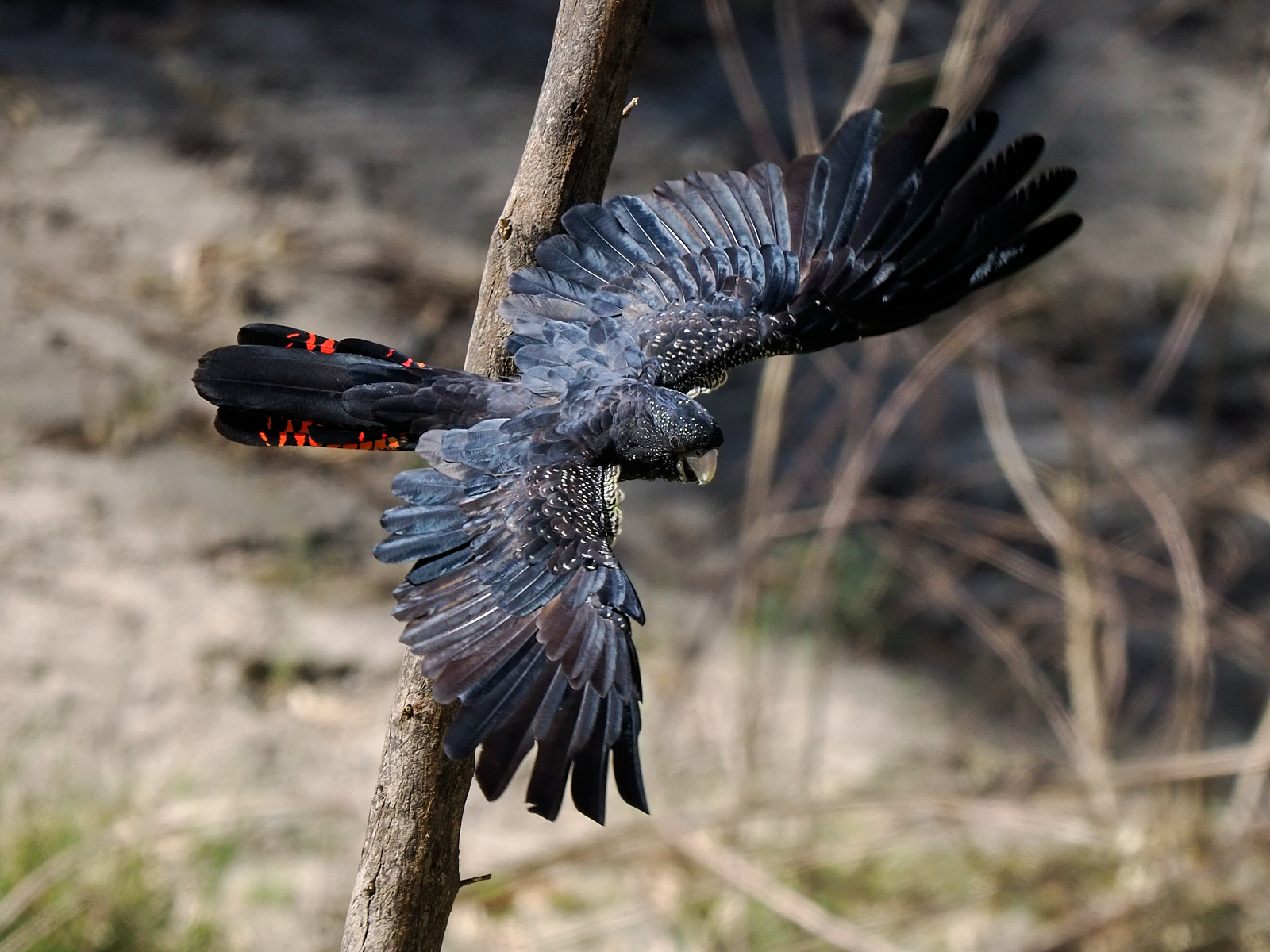
Nindigully PubRed-tailed BlackcockatooRed-tailed BlackcockatooThallonThallonPub at Hebel, Qld.One at 6 metres take a spotGrey-crowned BabblerGalah
Back home in Western Australia the coast just north of Port Hedland has been battered by Cyclone Zelia. Homes have been lost, livelihoods have been wiped out, stock are swimming for their lives. We are told that Broome got off lightly but the road in is closed. The supermarket shelves will soon be bare. If you’re flying there take a sandwich or two and a roll of toilet paper.
… is complete. The AOR Quantum plus has had its first trial and its first service. Tomorrow we cut the umbilical cord and head into the outback.
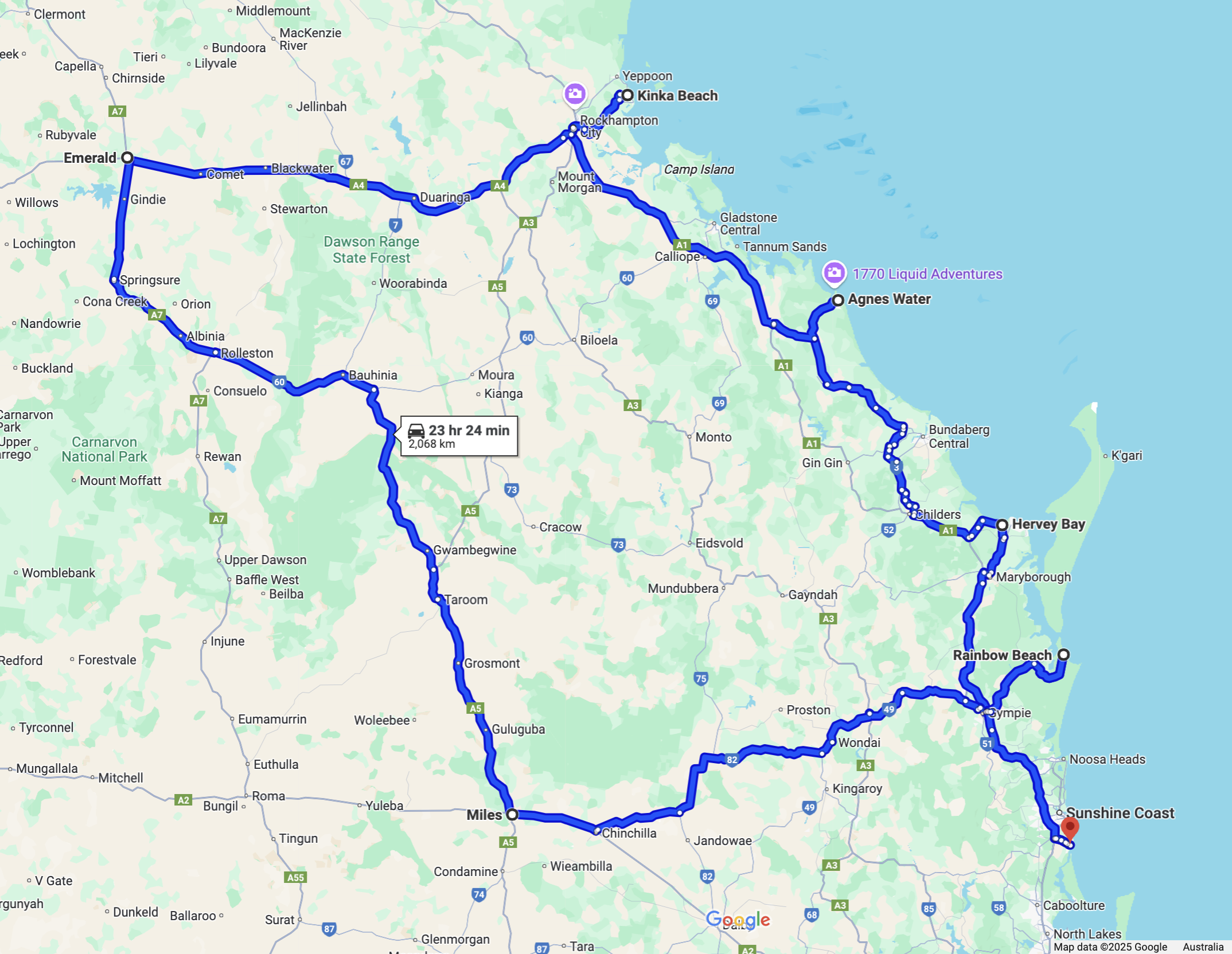
The tour took in a circuit of south east Queensland, covered just over 2000km of towing over two weeks and looked something like this …
The Quantum plus passed with flying colours. Minor teething troubles have been fixed. The three burner stove was fixed before leaving Caloundra. A stabiliser leg needed minor attention and a shock absorber was replaced on our return. I have tried to avoid a millimetre by millimetre account of the rainfall but the weather has been dreadful. The Quantum+ does not leak and the awning can withstand some hefty gusts.































 bobmcgee