Roebuck Roadhouse …

If you arrive in Broome by road you will pass the Roebuck Roadhouse. establishments like this lend so much character to outback travel.

There is a pleasant caravan park attached. You can get a meal or a beer, friends speak very highly of the Big Breakfast.

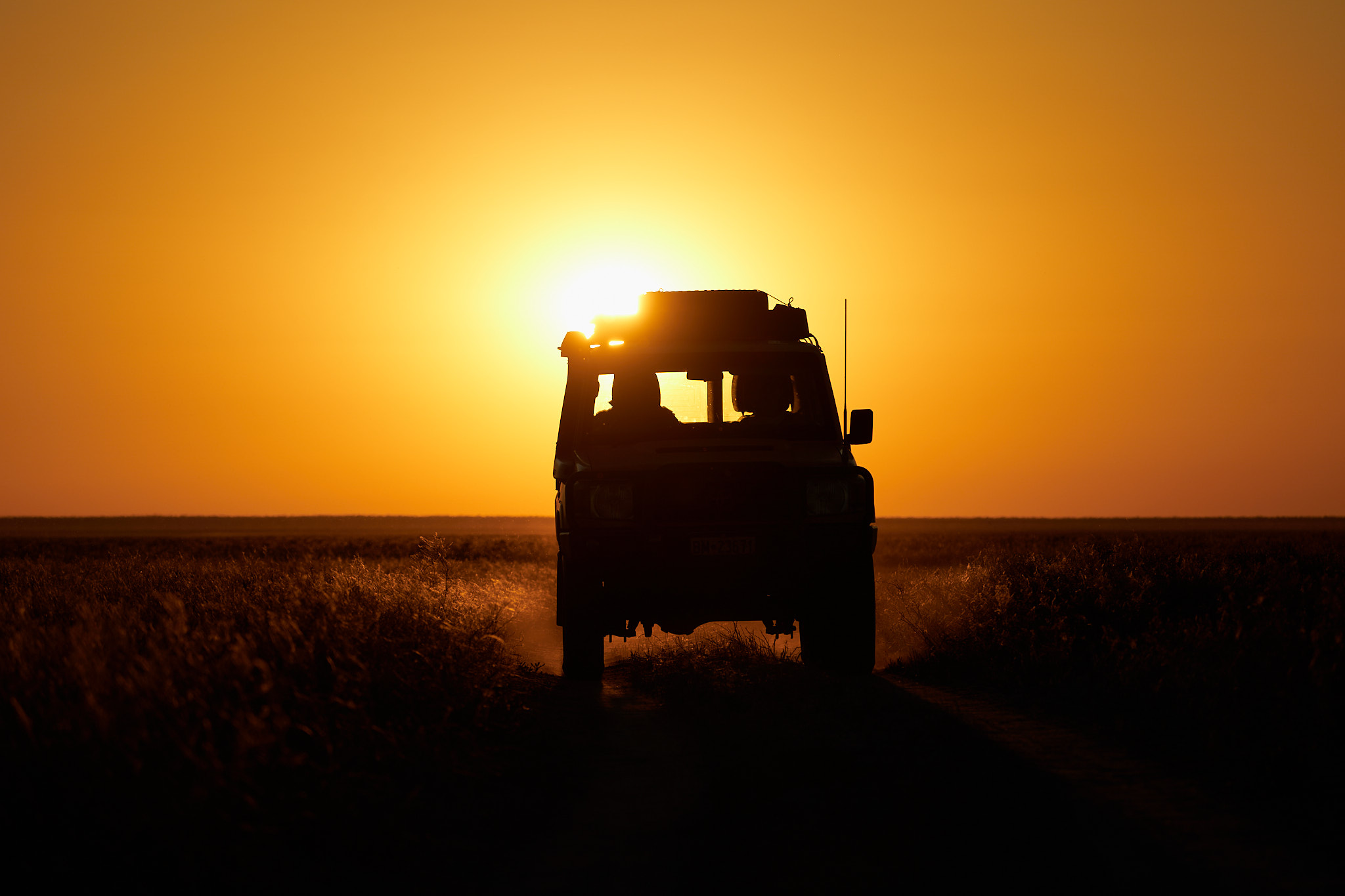
I stopped to take that shot on my way home from the middle of nowhere away from city lights where I took this shot. Putting the new lens through its paces.

Crocodile …

We stopped shooting them in 1970. According to an Australian Geographic article they went from fewer than 3000 to 100,000 by 2016 in the Northern Territory alone. There are probably half as many again in the adjacent states, WA and Queensland. They are becoming more numerous and, as the population ages , they are getting bigger.

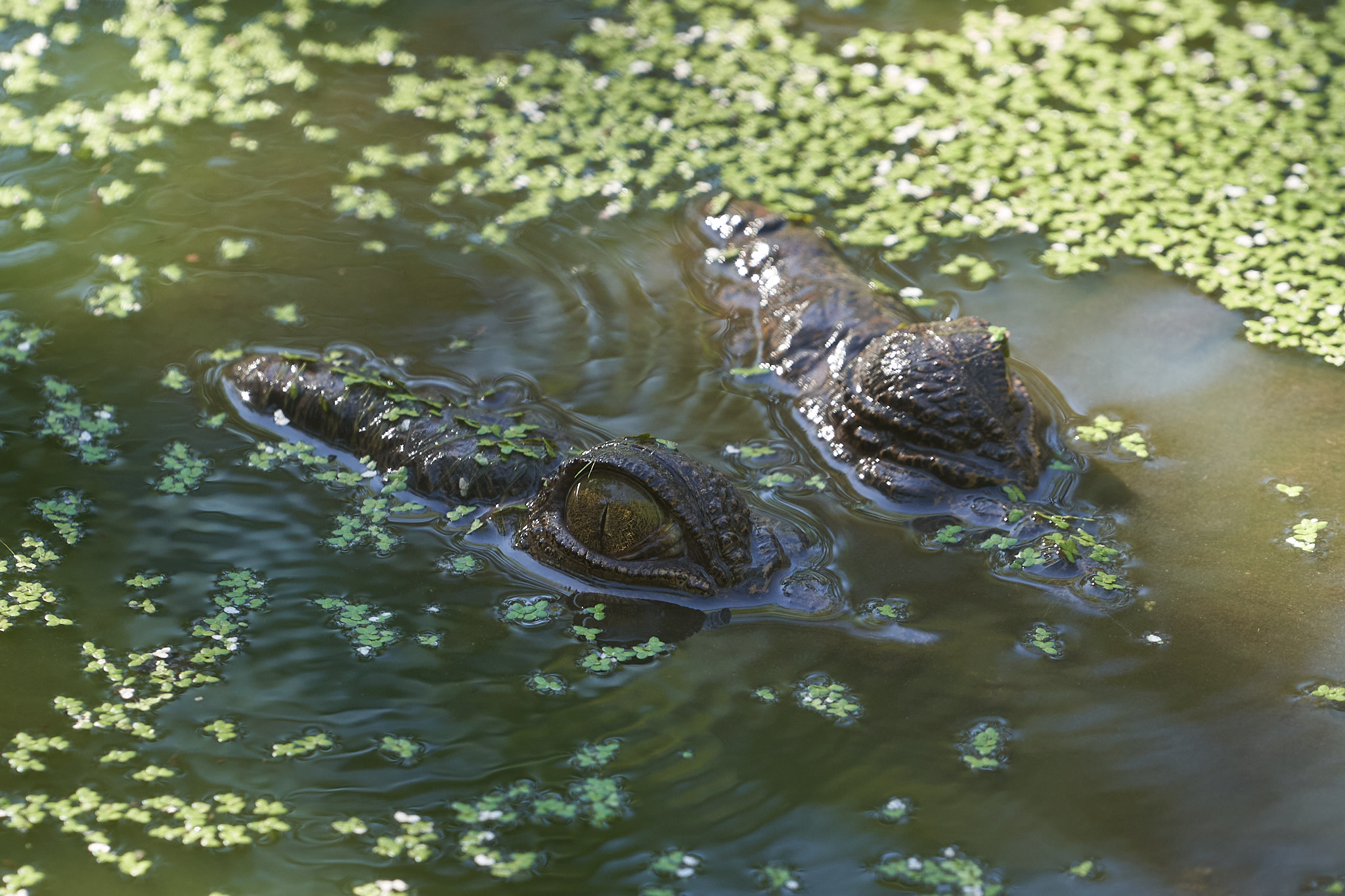
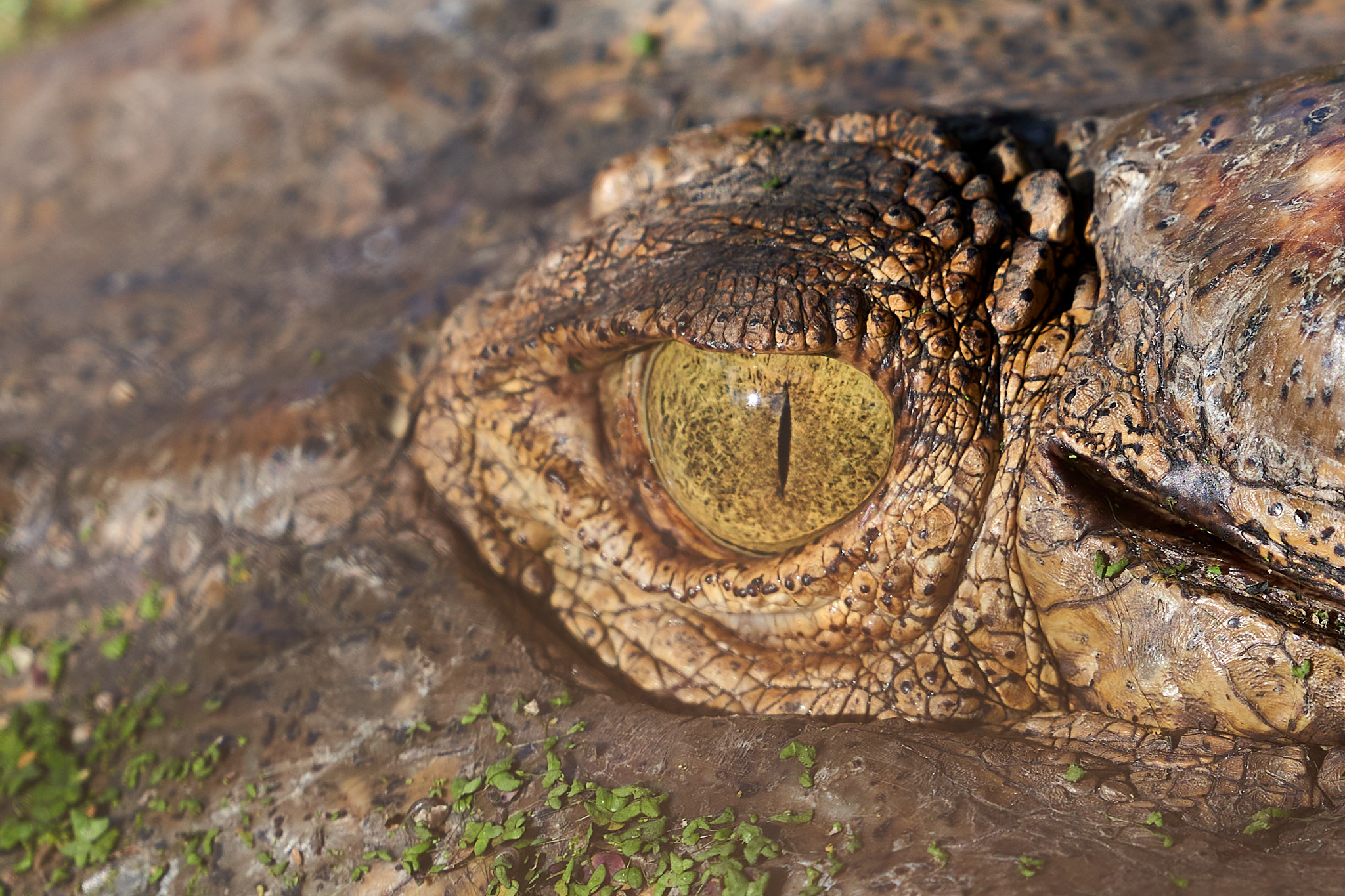
Broome’s Cable Beach has been closed a couple of times in the last couple of months because of croc sightings. Town Beach is another spot that gets the occasional visit. Beaches, though, are not their preferred habitat, when they are seen there they are just traveling through. It’s in the mangroves, creeks and near coastal lakes that you need to keep a sharp look out. Not that they advertise. The top photo shows just eyes and nostrils. They can hold that position indefinitely. If they want to be really sneaky they can submerge and still see you perfectly well. A crocodile can hold its breath for an hour or more.

Estuarine Crocodiles Crocodylus prosus live up to 70 years, grow up to 6 metres in length and weigh more than half a tonne. They will eat any animal they find in the water or at the water’s edge, so mainly fish with the odd cow, dog or human. Males are territorial and extremely aggressive. They are not gentle with their partners when they mate.

If you are visiting Broome take care near the water.

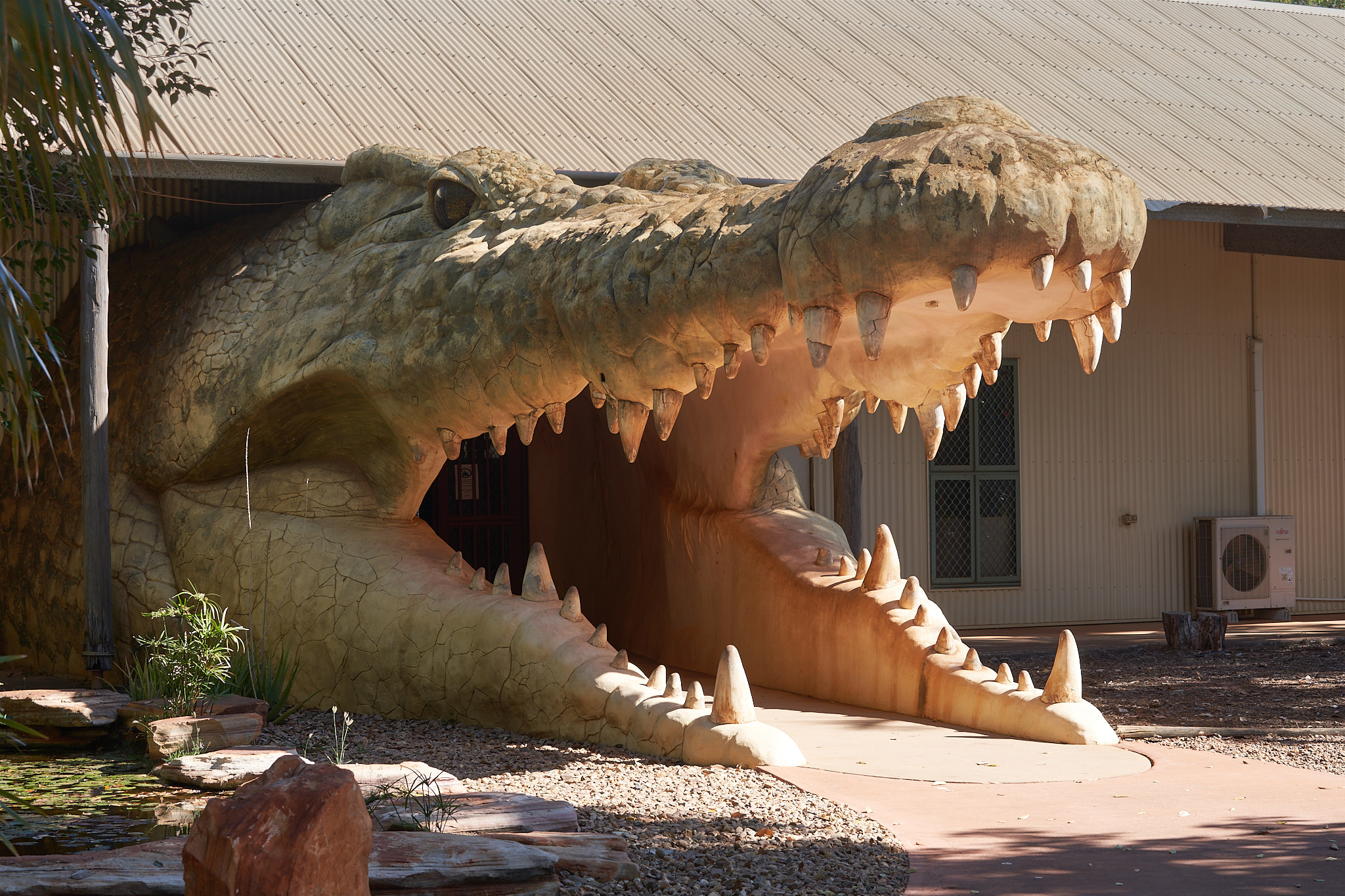
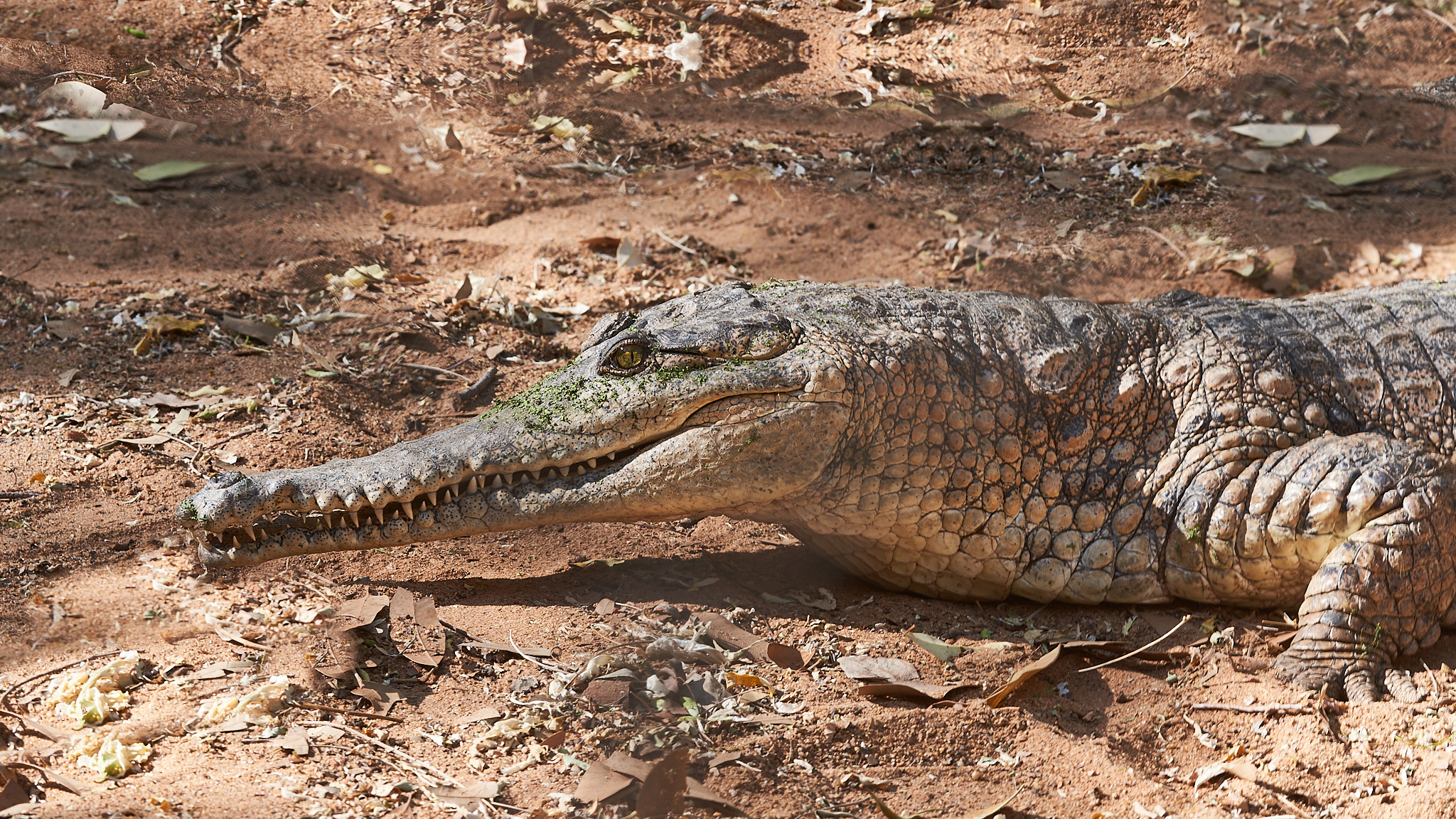
The safe way to see crocodiles is at the Malcolm Douglas Crocodile Park where all the photos in this post were taken. The way in is through the only crocodile mouth you want to enter … ever. In the park there are plenty of Salties and a collection of other crocodilians including Australian Freshwater Crocodiles, North American Alligators, South American Caimans and a New Guinean freshwater croc. The tour is included in the entry price, feeding is at 3 pm and you can play with a baby croc if that takes your fancy. I enjoyed my visit but would say that it is not well set up for the photographer.

Banana Well …

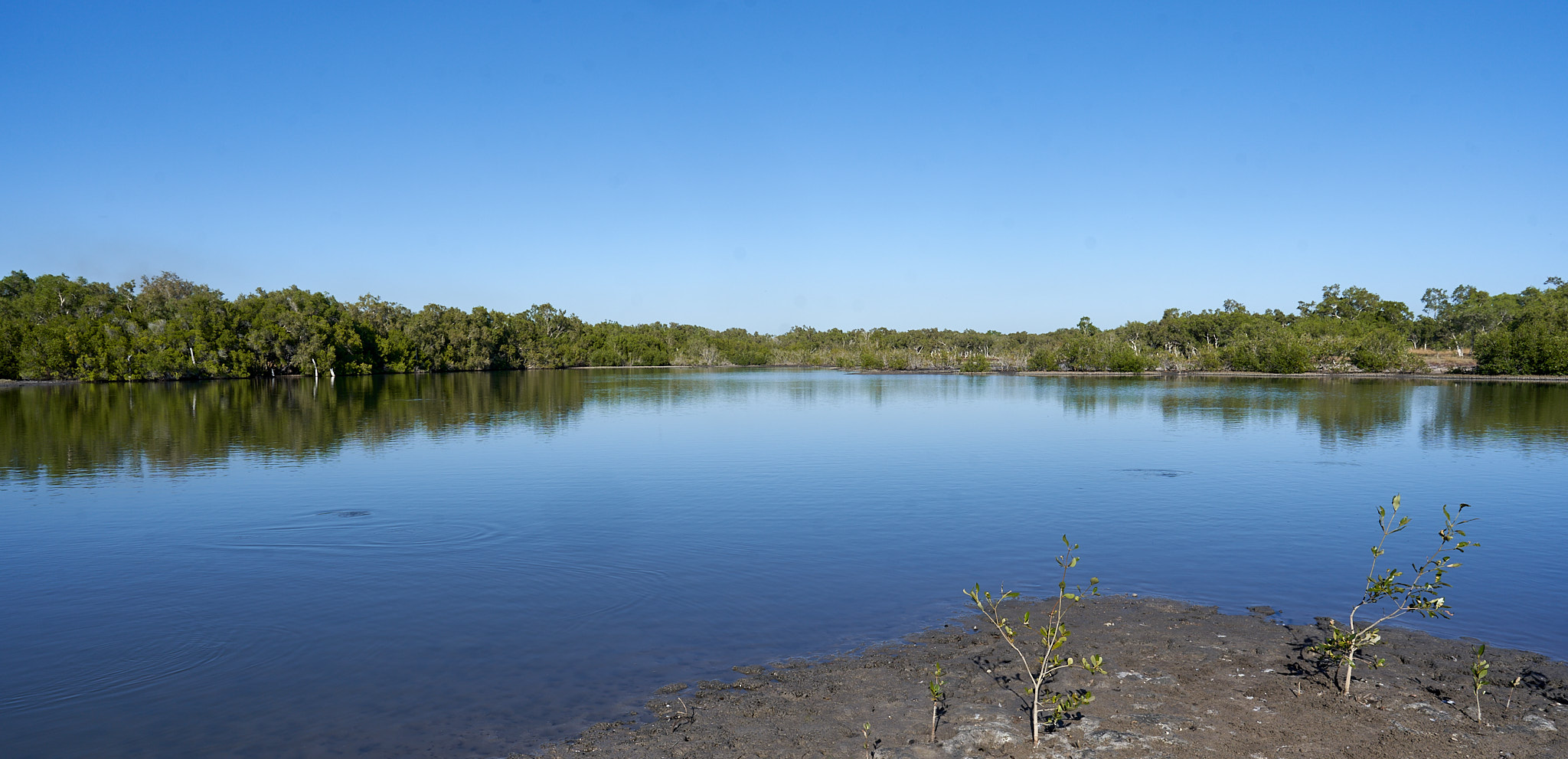
In recent years the road from Broome to the tip of the Dampier Peninsula has been sealed. About 16km off the highway about half way up the peninsula there is a quiet camping spot called Banana Well. It’s where I spent the last few days.

The campsite itself is in open woodland adjacent to some ponds fed from underground. From there to the sea is about a two and a half kilometre drive, 4wd only on a sandy track and across some mud flats. The adventurous can also visit the Burrguk Creek, keep your dog away from the crocodile and your wheels away from soft mud.

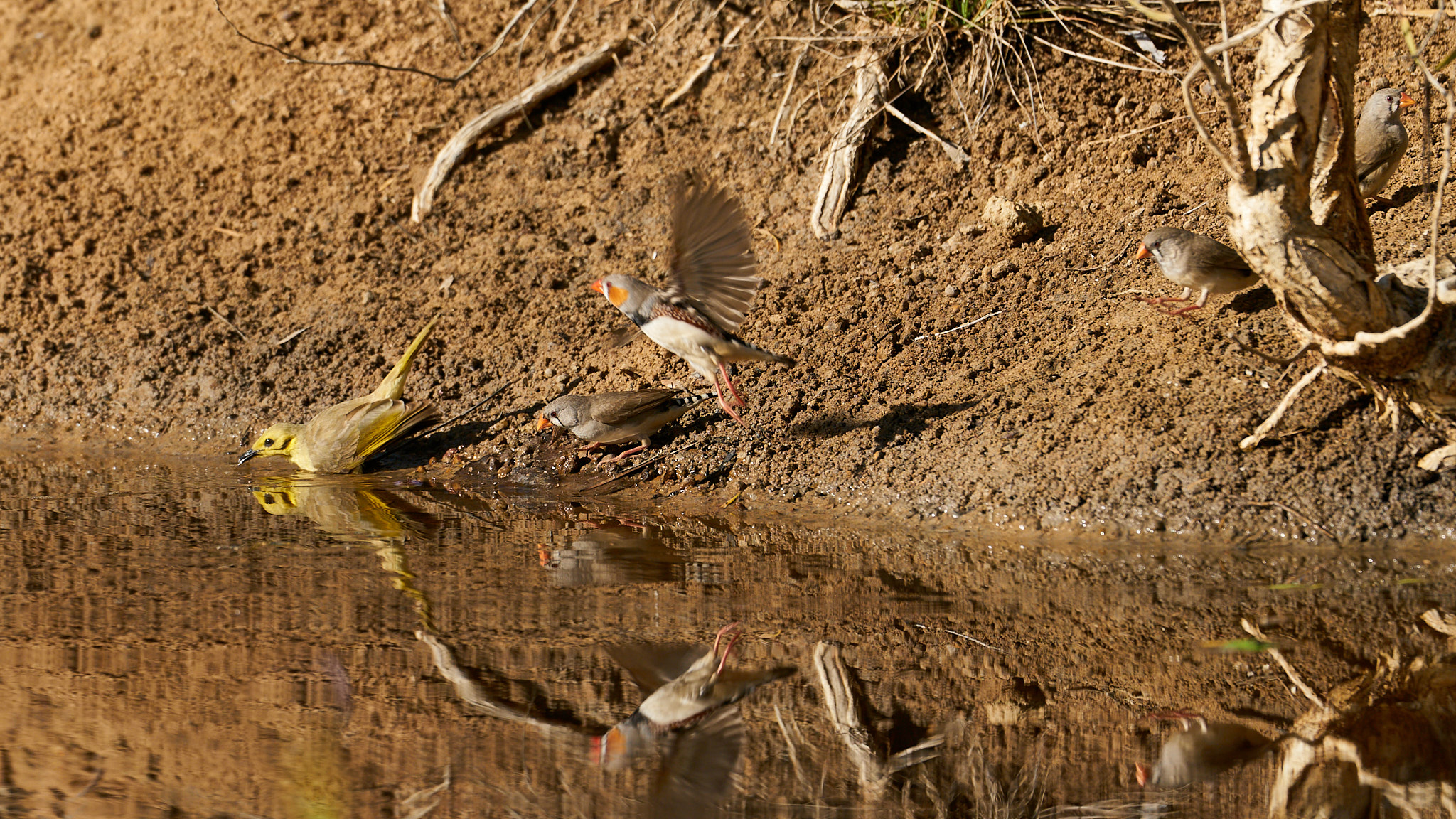
The facilities are somewhat run down but certainly not overcrowded. It’s a great spot for the birder and it also attracts some fishing enthusiasts. Other than that maybe hermits might like it. Mosquitos and Sandflys abound. I discussed the fishing prospects with some other campers. They had launched a boat the day before, a process they described as “Not for the faint-hearted”, caught nothing and got bogged retrieving their vessel. Fortunately they had gone with two vehicles and one was able to tow the other out. They had no intention of doing that again.

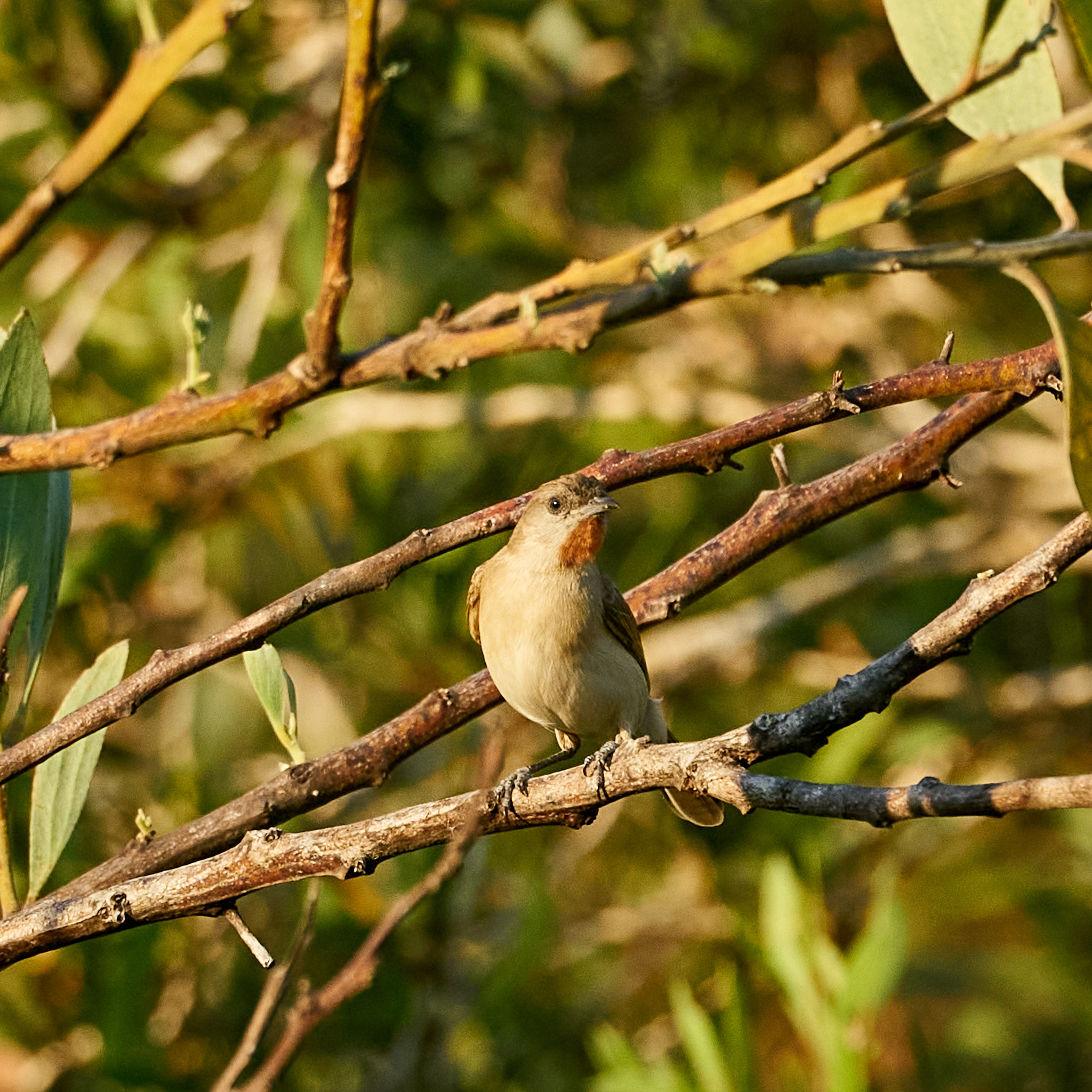
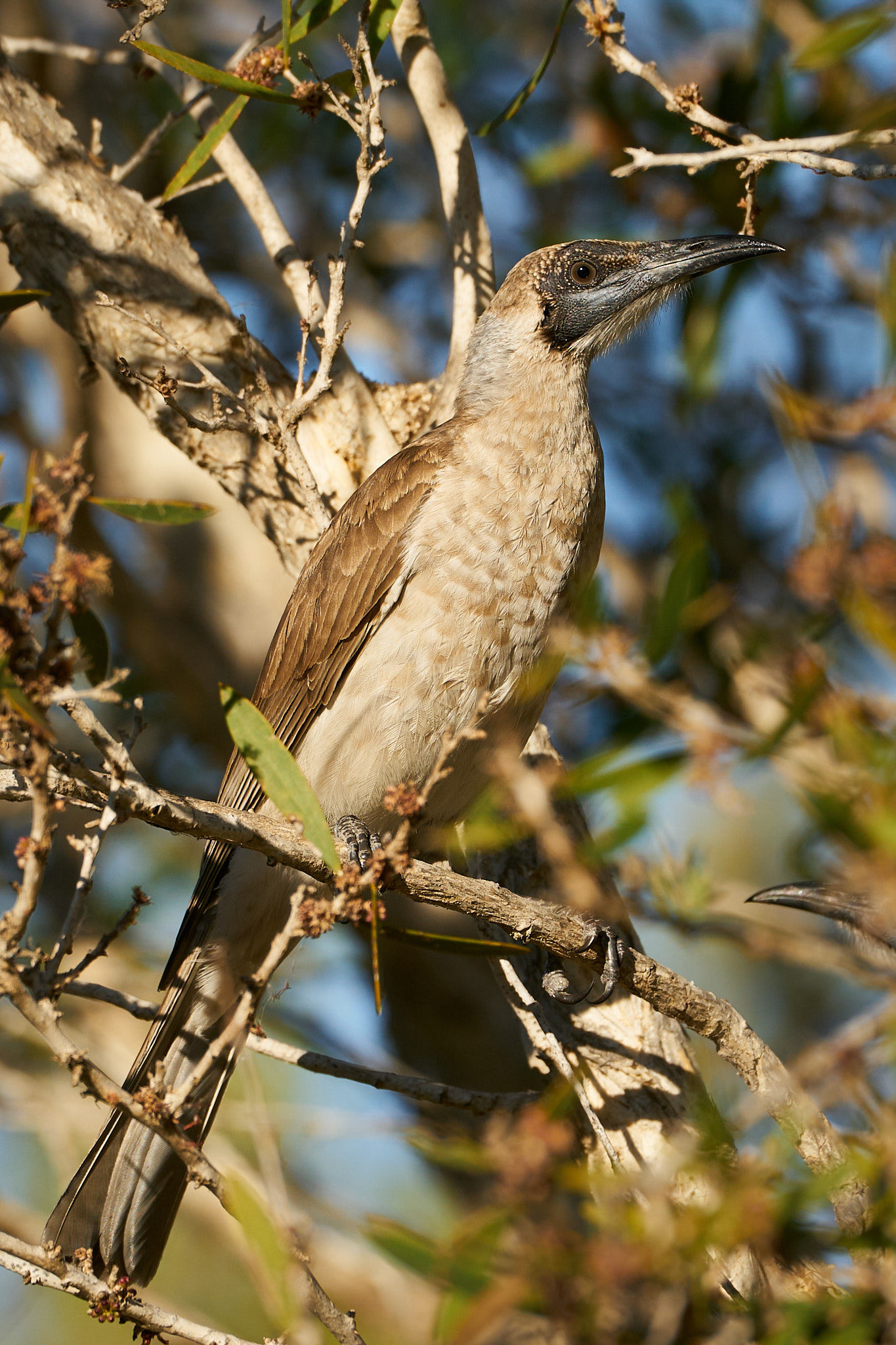
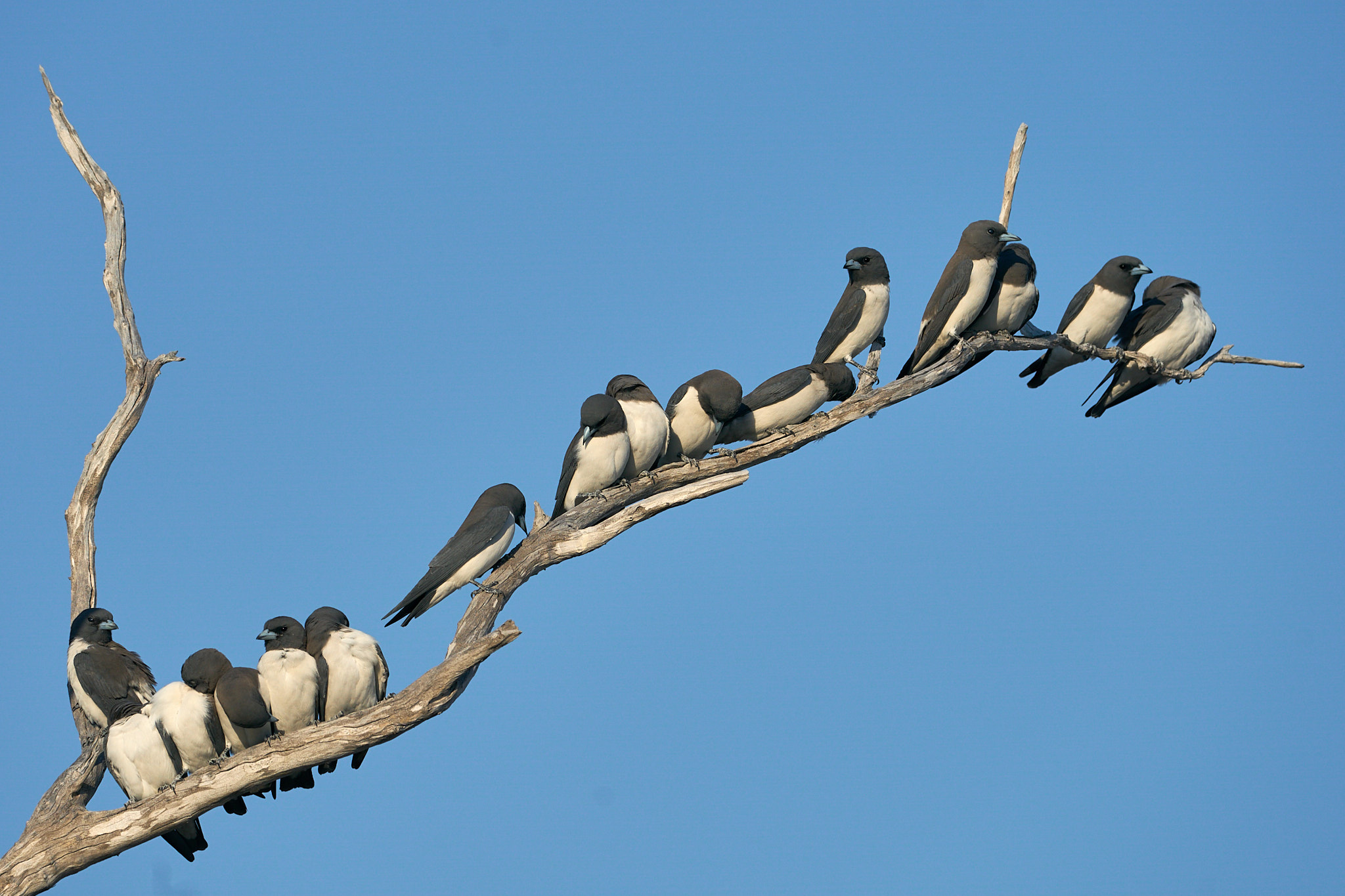
For the birdo there is a lot on offer, Melaleuca woodland around the ponds, Savanna woodland, mangroves and at low tide extensive mud flats.

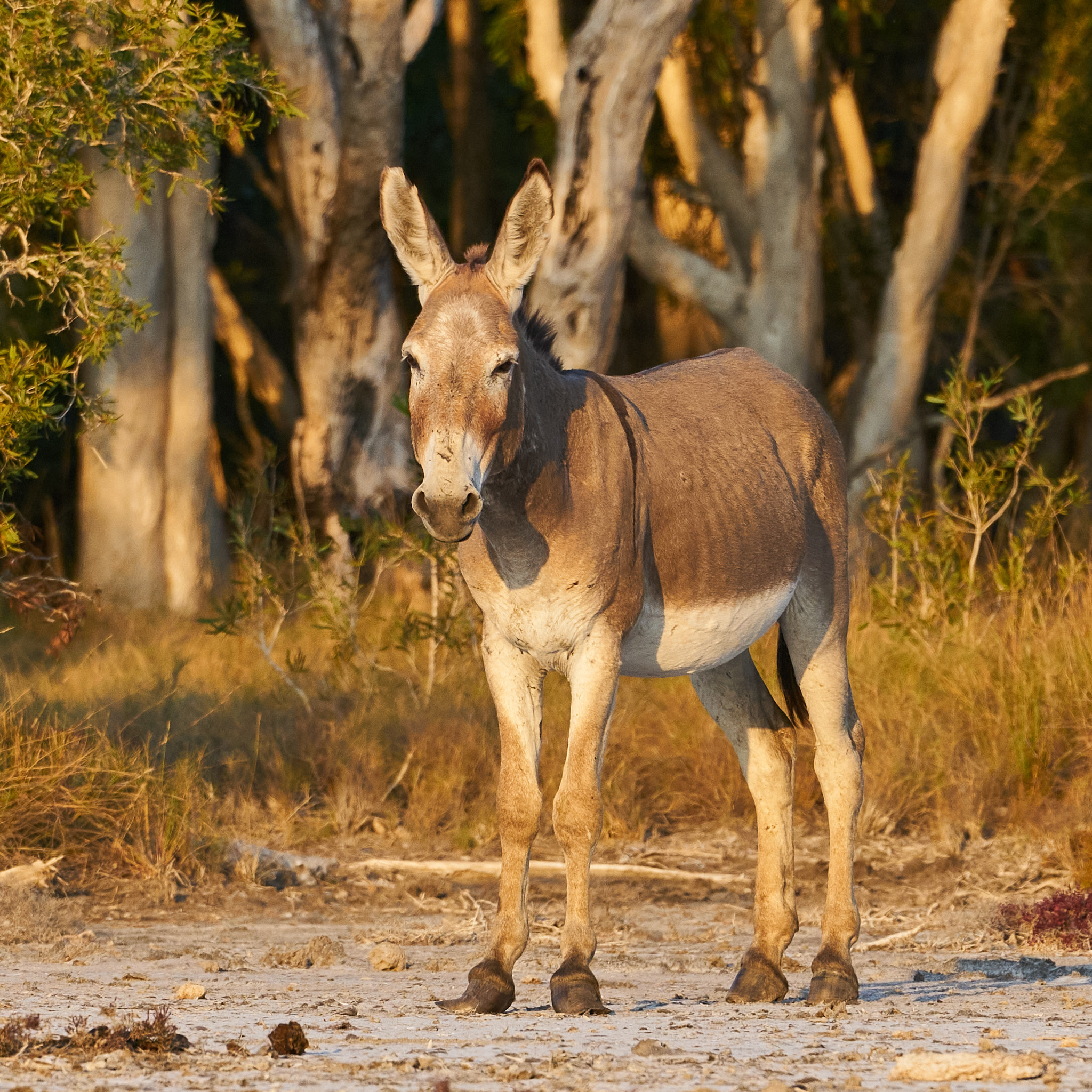
At night the sounds of feral donkeys ring through the camp ground but you rarely get to see them.

Other noises through the night included Barking Owls, Bush Stone-curlews and the crazy calls of the Brain Fever Bird, Brush Cuckoo – do they never sleep?

Here are some of the scenic shots, as always, clicking on a gallery opens it up for a better look …

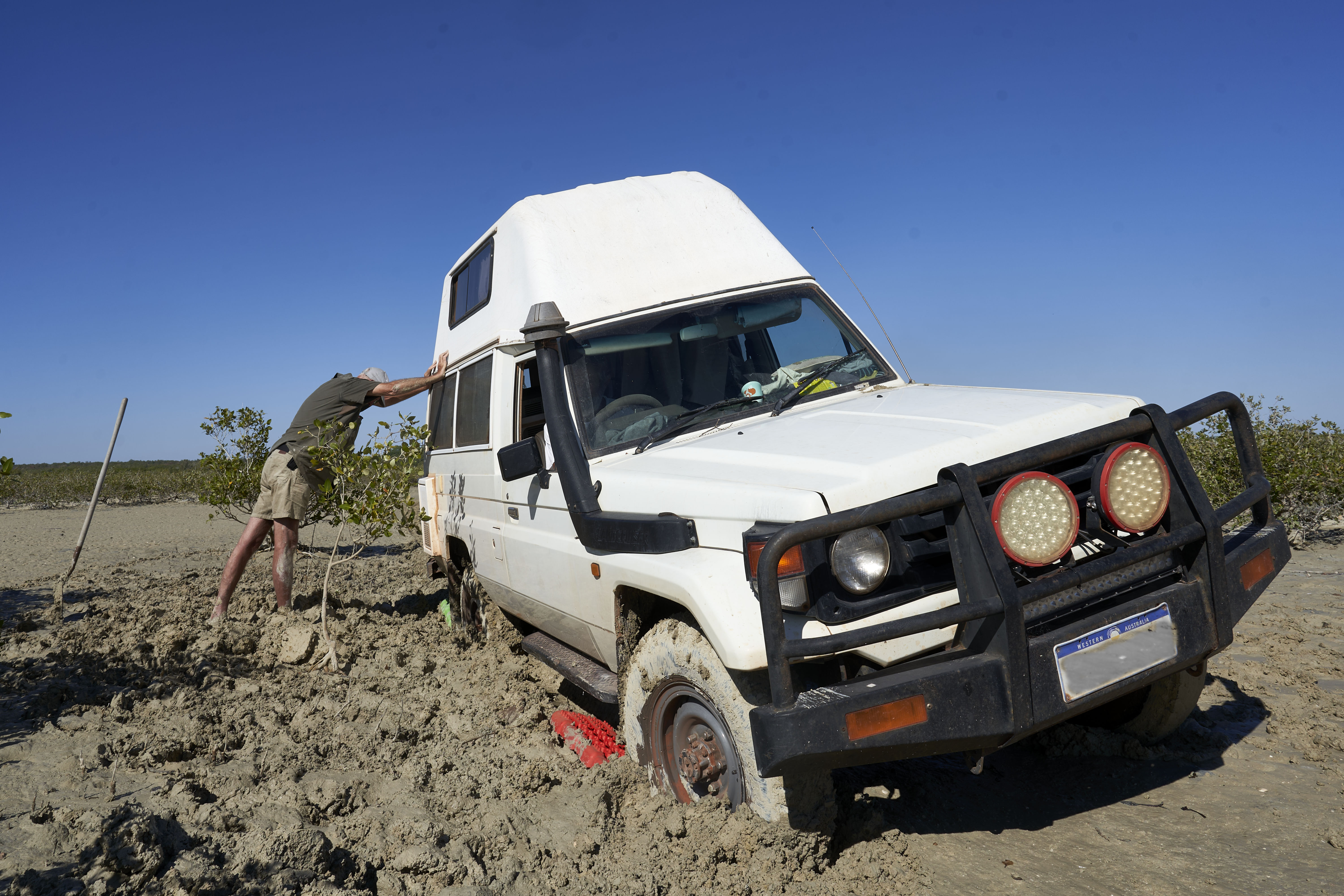
The mud flats are inundated on king tides and some areas on moderate tides. One way to get into trouble is to venture into areas covered by yesterday’s tide. This guy was heading east on our last morning. The sun was in his eyes. He made another 150m after the wheels started slipping! More than enough to ensure that no one could get near enough to tow him out.

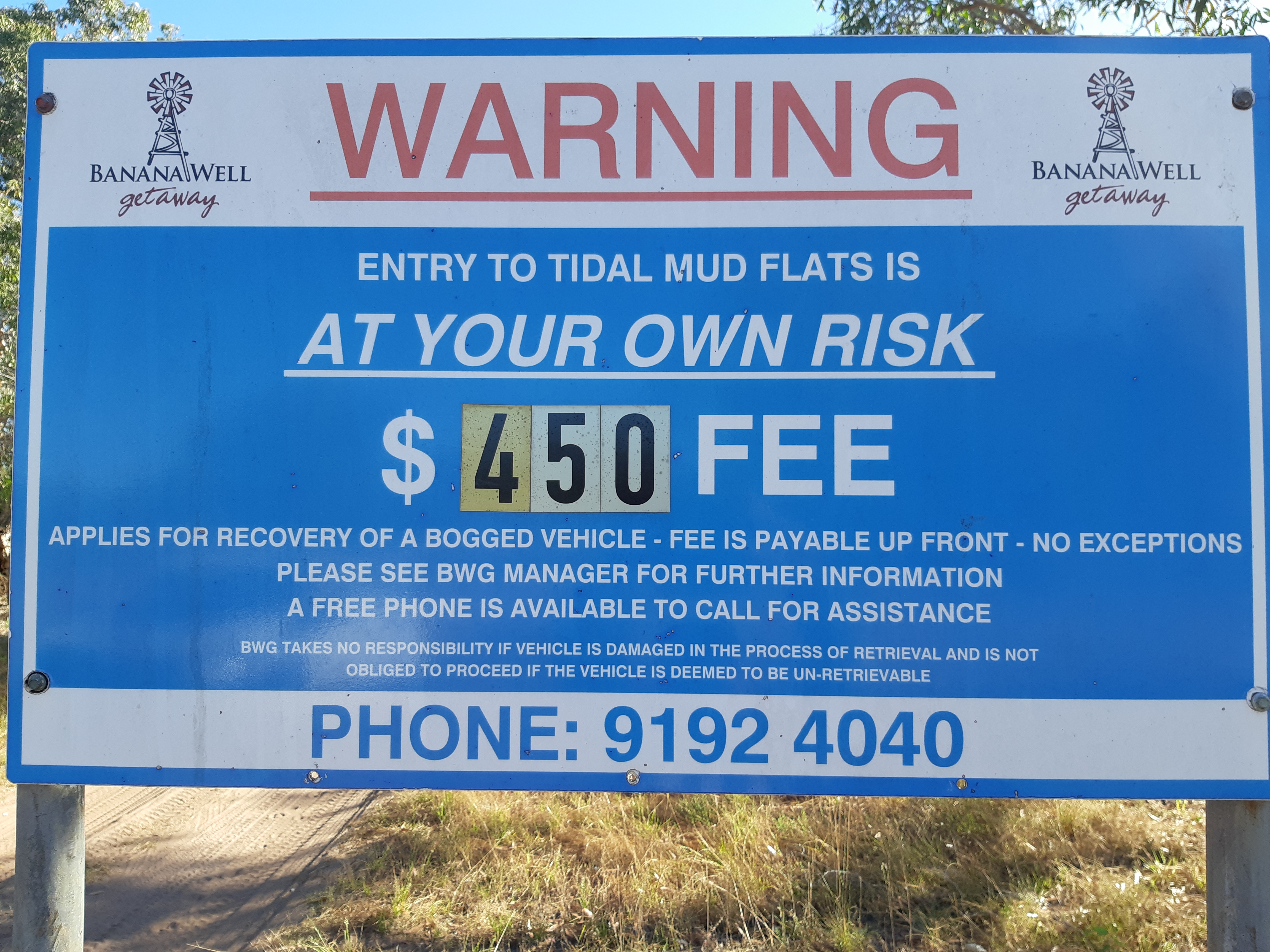
Remember the warning sign at the top of the post? It’s out of date. We were unable to extricate the vehicle despite a lot of digging and the deployment of the rescue boards (I have only seen them work on one occasion – much over-rated bit of kit). When the futility of our efforts was eventually acknowledged a tow truck was summoned. The quote was $5,000. There was no way that it could arrive before the next high tide which will have reached above the bottom of the doors but probably not far up the engine. The poor guy was sure his wife was going to kill him.

Stonefish …

Evolution has equipped these guys with defenses so good they have no need for a flight response.

Wikipedia describes it as “the deadliest fish in the sea, with highly effective venom which can be lethal to humans.” Australia has two species, the Reef Stonefish Synanceia verrucosa and the Estuarine Stonefish S. horrida. They can be found in shallow marine environments from the Queensland NSW border around northern Australia to a little south of Shark Bay, WA. They are two of five species found throughout the warmer waters of the Pacific and Indian Oceans extending into the Red Sea and the eastern Mediterranean (probably via the Suez Canal, oops). They are in the family Scorpaenidae along with the Lionfish and Scorpion fishes.

The fun starts if you step on them or grab them. They have about 13 spines along the top surface, each is supplied by two glands. The venom is a mixture of enzymes and other proteins. Pain begins almost immediately, is excruciating and disproportionate to the apparent size of the injury. It’s followed by swelling that may affect the entire limb.

As the effects reach the rest of the body there may be fever, delirium, muscle weakness or paralysis, pulmonary edema, respiratory difficulties, hypotension, bradycardia, arrhythmia, convulsions, heart failure and death. [Saggiomo et al 2021]

All of which could certainly put you off going to the beach. But good news, The deadliest fish in the sea has not been implicated in the death of an Australian since records began. Not something that can be said for sharks, blue-ringed octopuses, irukandji and crocodiles all of which can be found around Broome. Indeed only about 10% of hospital admissions due to stinging fish are the fault of Stonefish and that amounts to about 5 cases per year for the whole of Oz.

If you are off to the beach fastening your seat belt and remaining sober eliminate most of the risks you face. Wearing footwear with reasonably robust soles in shallow water further reduces the risk from stonefish.

For first aid immersion in hot water is recommended. This is not easily organised at the beach … I’d head for the hospital if there is one in easy reach. An antivenene is available.

Above all else don’t try this at home …

The Port …

Ten metre tides, mangroves and vast expanses of mud complicated matters for the fledgeling settlement of Broome. Coastal shipping brought supplies in and the shell and cattle out. A jetty was commissioned and began operation in 1897. Even though it was 900m long ships could only arrive or leave on high spring tides. Henceforth the good people of Broome could take advantage of the West Australian Steam Navigation Company’s fortnightly mail steamer service to travel to Perth or Darwin. SS Charon and SS Gorgon of the Blue Funnel Line traveling between Perth and Singapore called at Broome en route. At low tide they sat on the mud.

The original pier was at Mangrove Point now called Town Beach. It was connected to the commercial centre in Japtown by a tramway. The port was administered by the Department of Harbours and Lights. Names were so much more romantic in those days.

On the morning of October 11th 1935 a fire broke out. It was extinguished in about half an hour but destroyed about 50 feet (15m) of the jetty. Steele Rudd died the same day. The incidents were not related.

A new port was deemed necessary and was opened in 1986. It is situated a little less than 4km southwest of the old port at Entrance Point and offers improved freight handling and deeper water. It is managed by the Kimberley Ports Authority.

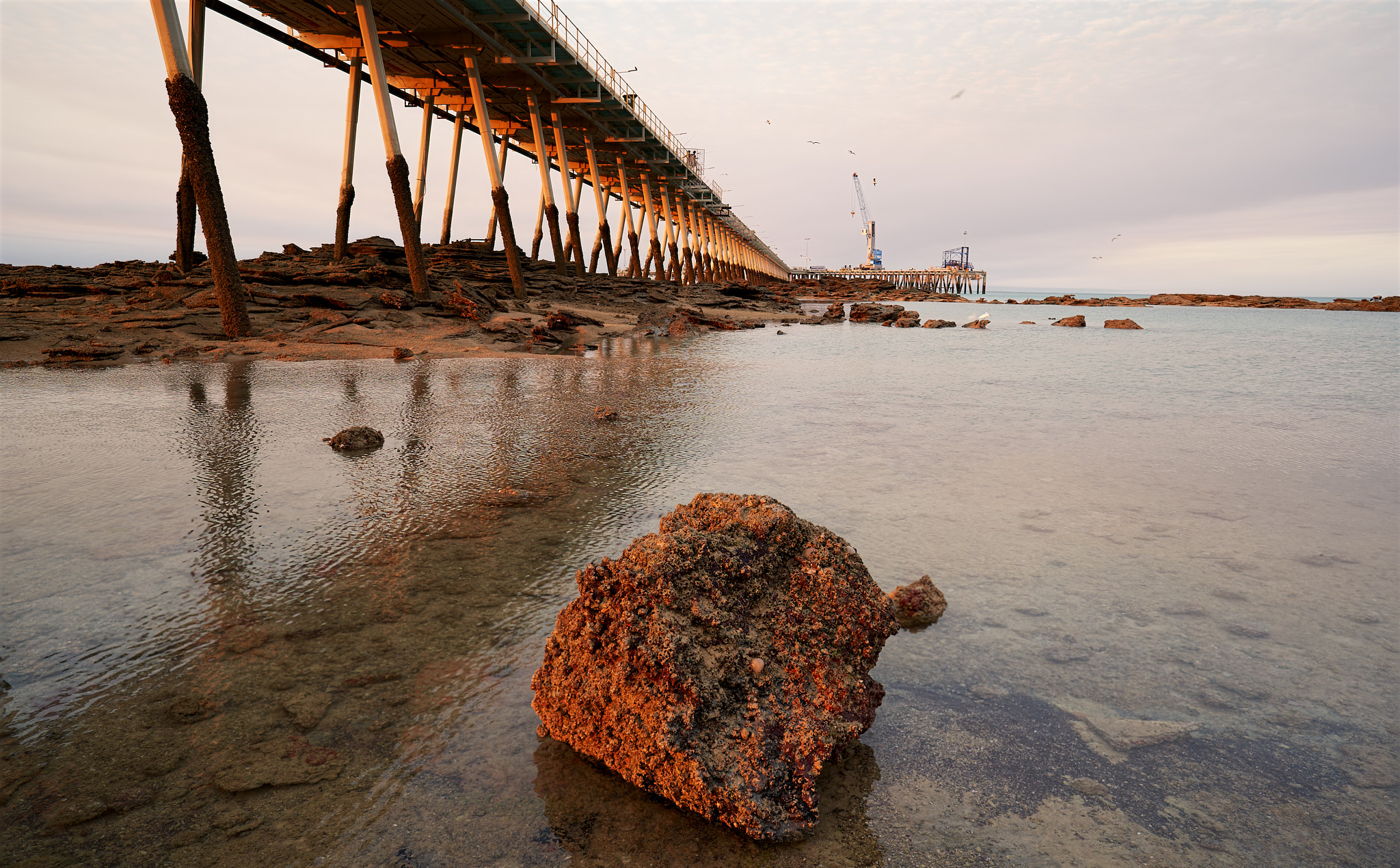
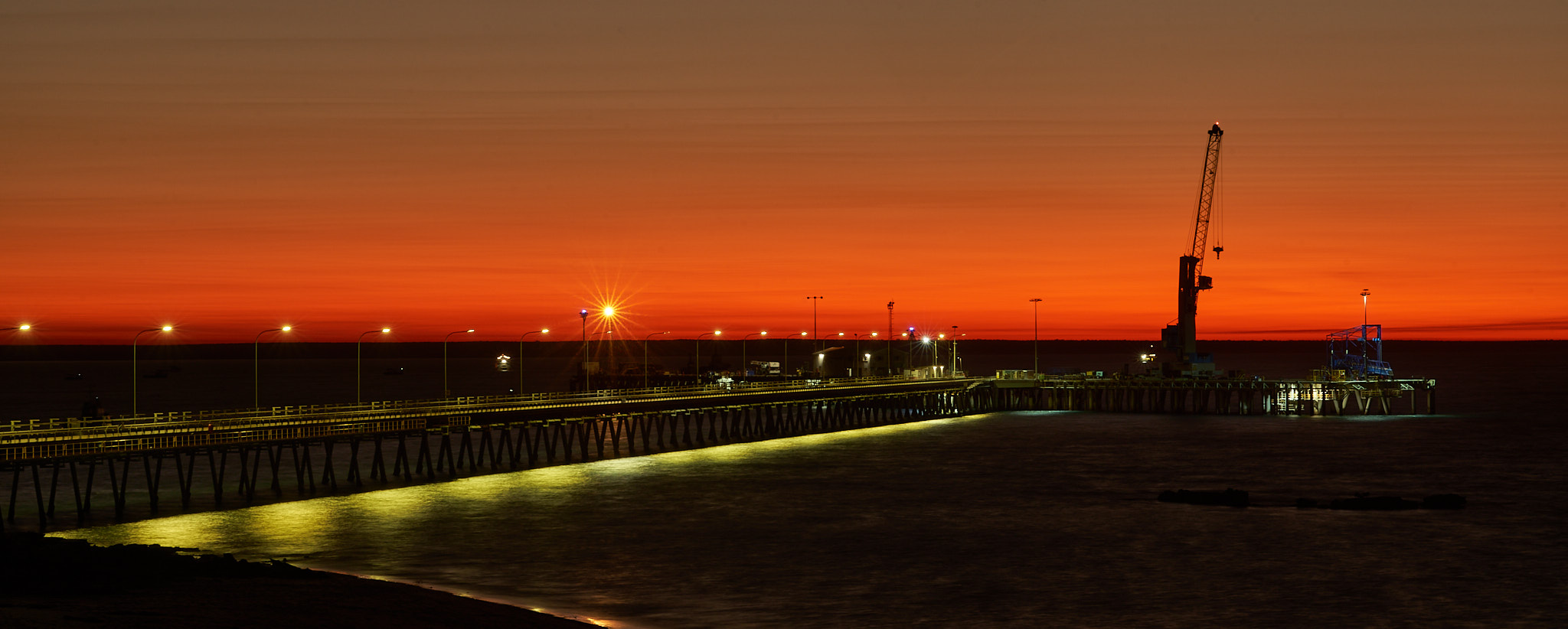
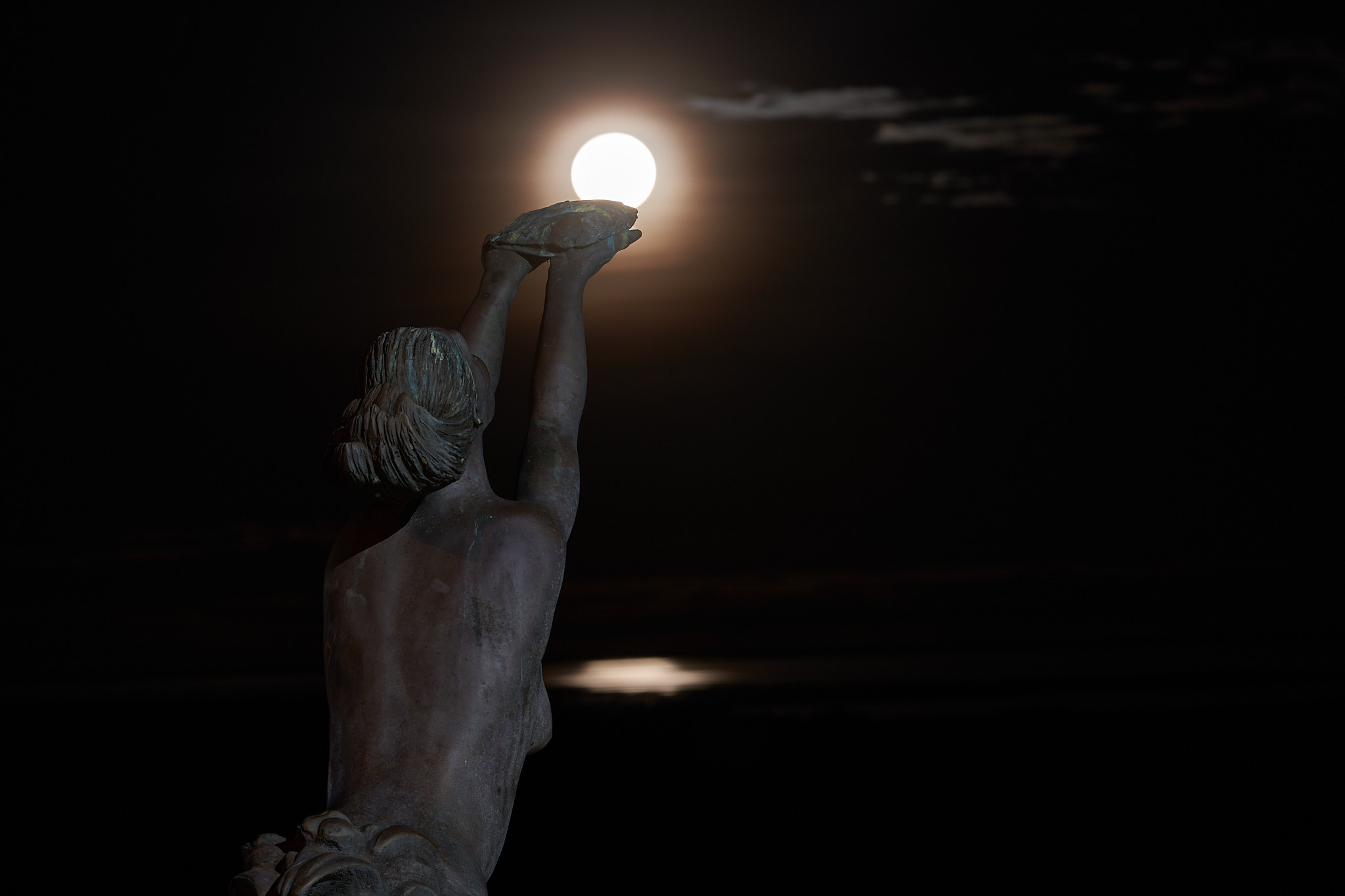
After the old port was retired the wharf was dismantled. In the last couple of years a new pier has been constructed which provides a fine promenade for tourists and somewhere for fisherpersons to reach deep water at high tide. It’s only about 200m long so high and dry at low tide. High and dry? Rather high and squishy, you can walk around it if you don’t mind muddy shoes. It makes a fine sight as the moon comes up …

Offering …

The shore of Dampier Creek offered a place where boats could be hauled out and there were fresh water soaks close at hand. It was a useful base for the pearlers. Streeter and Male founded a store nearby, a passage was cut through the mangroves and a jetty was built. It seems that the exact date is unknown but it was in existence prior to 1897. Streeters Jetty is still there and has recently been given a major facelift. It is as fine an example of a plain wooden jetty that you will find anywhere in Broome.

It had its limitations being useful only for small boats at high tide. It was underwater at very high tides and a long way from water at low tides. In 1897 a government jetty was constructed at Mangrove Point now called Town Beach. This served until the 1960’s. It was an improvement but ships still had to take the bottom between high tides.

Between Streeter’s and Town Beach there is a spot that gives a good view over the mangroves to what was then the port. There is a monument here to the womenfolk who waited here for the return of the luggers and schooners. If that gives the impression that life was a picnic spent sitting on the grass waiting for their men to turn up forget it. Think instead of the anxiety that would follow a storm. Who will return and who will not?

A fine pearl resembles the full moon …

Weather …

T’is nobler to stay in bed.

It arrived last night and a tropical downpour has been drumming on the roof ever since, a soothing and hypnotic sound. Tourists were not expecting this in the dry season. Caravan parks are overflowing – just like the gutters. By road Broome is a long way from anywhere else. City dwellers may be challenged by the notion that roads will be flooded and impassable.

The Gibb River Road winds through the remote KImberley region. If you take it easy in fine weather your 4WD will get you through, with skill and care your caravan may even survive and you can pick the contents of the cupboards up off the floor when you reach your destination. If anything goes wrong you are a long way from assistance.

This gem was posted on Facebook this morning …

“During the GRR closure, are we still able to use the road to leave? We’re currently at Drysdale River Station and urgently need to get to Derby to get our fridge fixed 🙄 “

… and pray that there’s intelligent life somewhere out in space – everybody knows you can’t get a fridge repaired in Derby!