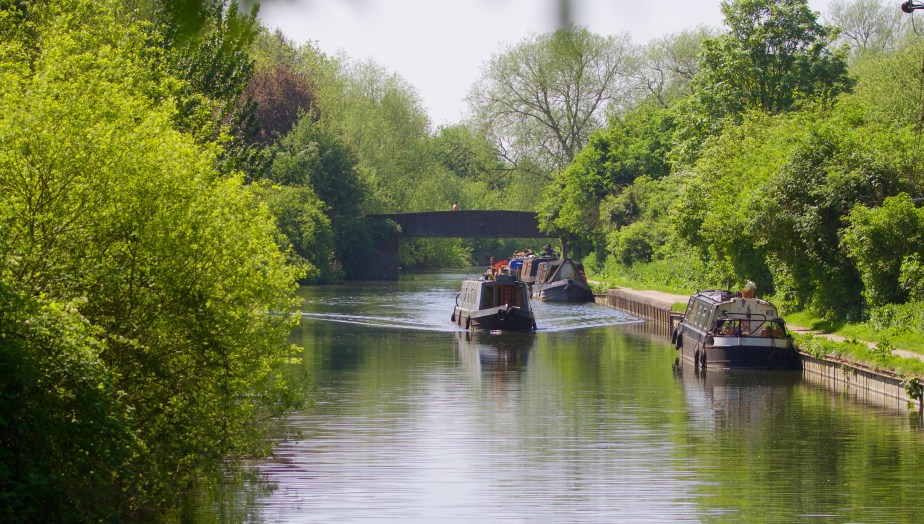
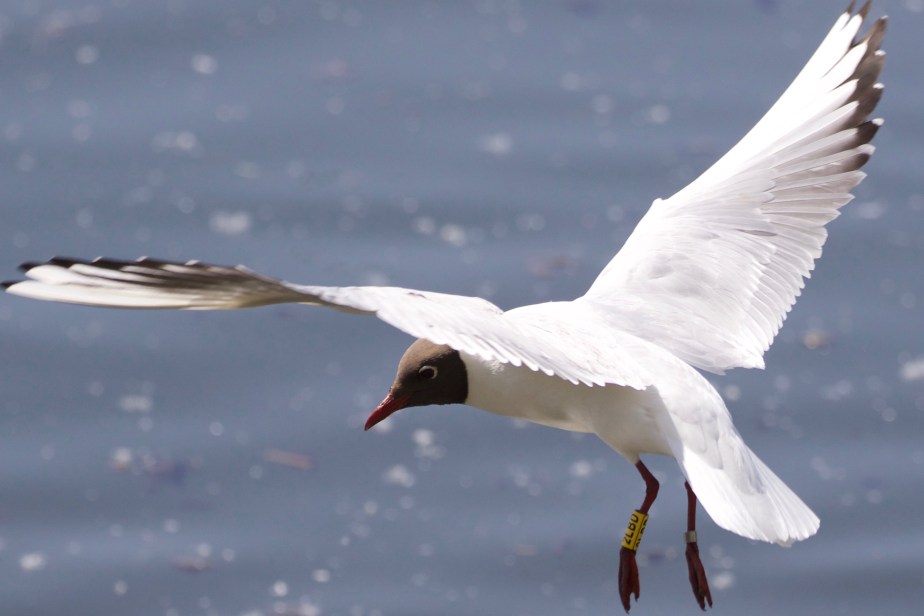
England …

The following day was eventful.

Warned that getting to the departure gate in Bangkok could take longer than the time generally allowed I was early at the check-in counter. My boarding pass was in hand because I’d checked in on-line the previous evening. The flight was cancelled.

Sri Lankan were apologetic, pleasant and optimistic. For those passengers heading to Colombo there would be a delay. Those flying on to other destinations would be re-booked on other airlines. The upshot was that I was on a Thai Airlines flight direct to London getting there two hours earlier than scheduled. Such hardship.

I’m staying with an old friend in Leytonstone. We met when I was working in a greengrocers at the top of her street. There’s not a lettuce in sight it’s now a kebab shop.

First stop was the Hollow Ponds. This was where the birdwatching all began. As a primary school kid I set off with a pen and a notebook and made a list of the birds I found. These days I take along some binoculars and a camera but essentially the activity is just the same.

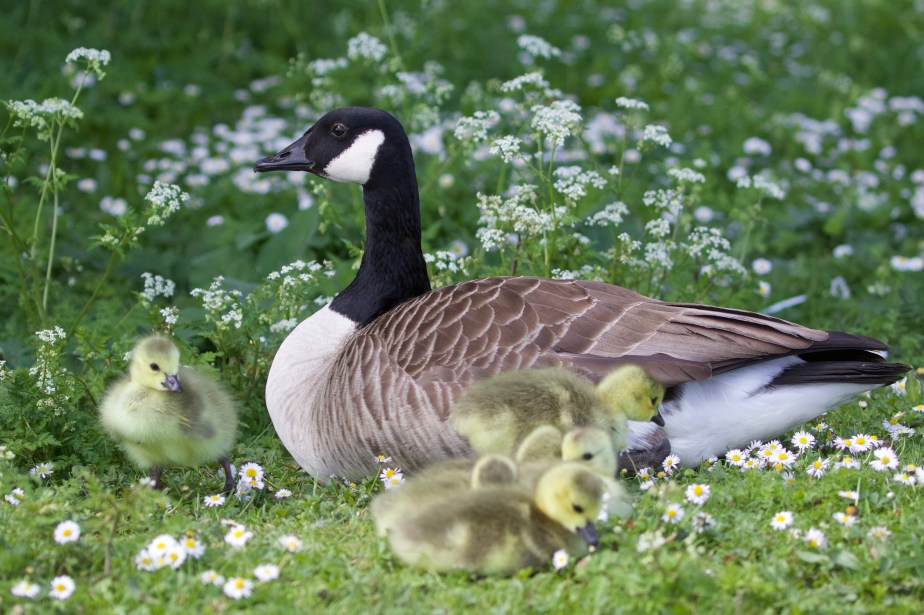
The bird population has changed a bit. Finches do seem to be down. Buzzards are up. Canada and Greylag Geese are in plague proportions. The birds I most enjoyed seeing as a kid were Great Crested Grebe and the Jay. It’s great to see that they’re still around.

And of course it’s spring, the Blackcaps are singing, the Chiffchaffs are chiffchaffing, the Coots are at their most aggressive. There is no better time to be watching tits.

The Blackcap
Canada Goose
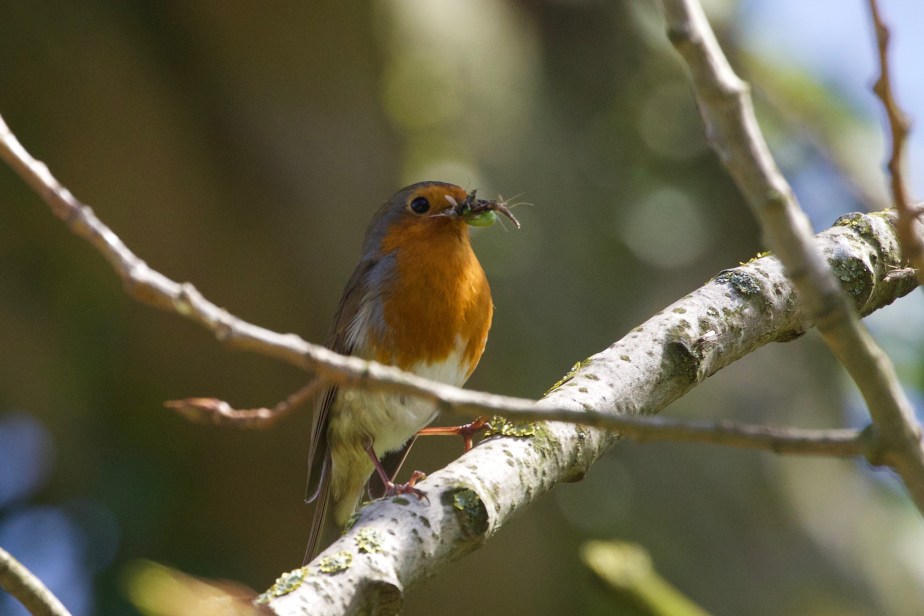
Robin
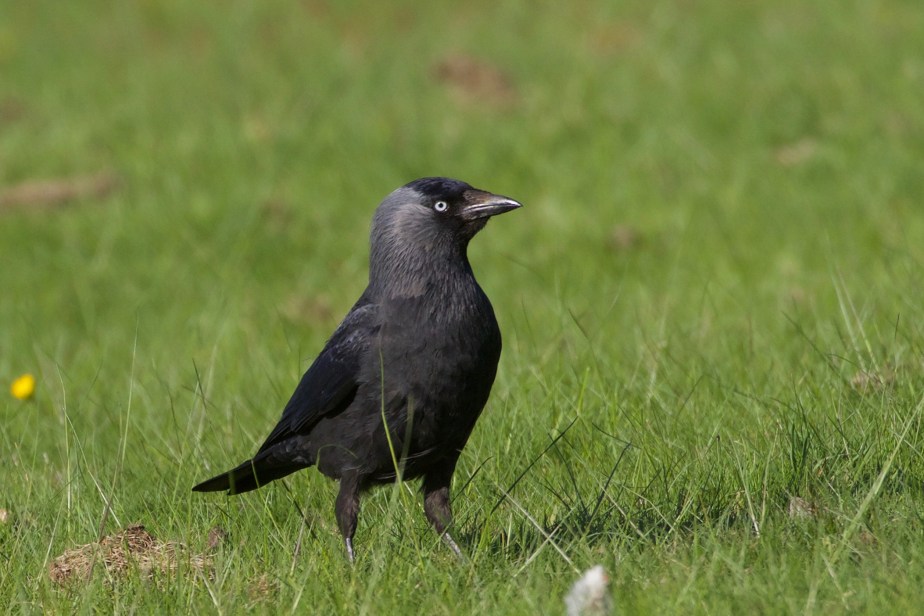
Jackdaw
Greylag Goose

Farewell Bhutan …

Drukair, otherwise known as Royal Bhutan Airlines, has flown me efficiently and luxuriously to Bangkok.

My stay in Bhutan was amazing. I went in search of birds and found so much more. The scenery was fabulous, the people warm and friendly, the history and culture fascinating.

No unaccompanied tourism is permitted, I was on a Rockjumper Birding tour. There were 12 clients in the group. As well as two Rockjumper bird guides we had a local bird guide and a local cultural guide. We also had the most amazing driver. When the driver turns up carrying binoculars and a telephoto lens birders can expect a good time. He was a keen and knowledgeable birder and a very capable driver. Both Rockjumper and the ground agent, Yangphel provided outstanding service.

One thing that was missing was bandwidth. Although the hotels I stayed in had wifi it was rarely capable of keeping up with emails let alone accessing the web.

Tonight is a night of unaccustomed luxury in the Novotel at Surarnbhumi Airport.

When I get home I will provide an account of the trip to Assam and Bhutan but that won’t be immediately. Tomorrow I fly to London, UK. The adventure continues.

Day breaks in Bhutan …

As you walk across the border from India you enter a different world. Traffic chaos is left behind. You’re greeted by people in traditional dress. You are in no doubt that you are in a Buddhist kingdom. The architecture is different, so too the faces.

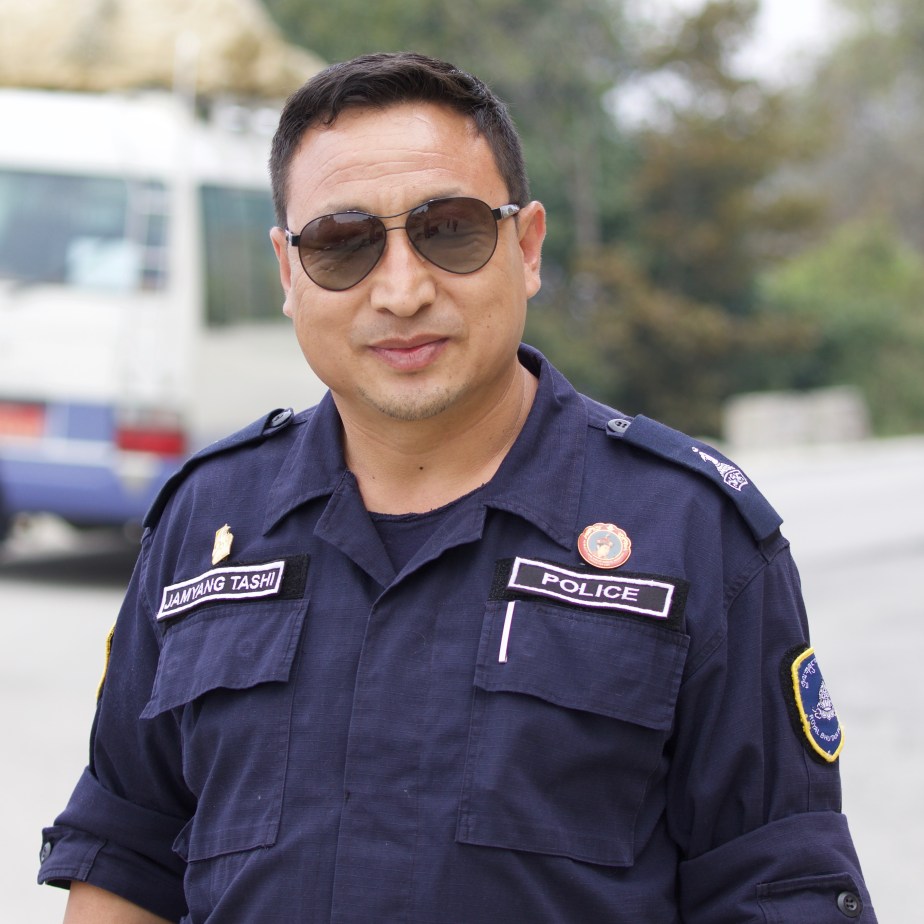
Stupas and prayer flags. Relaxed and friendly people … a policeman was happy to have his photo taken.

Land of the Thunder Dragon …

Bhutan is situated on the southern slopes of the eastern Himalayas. Tibet is to the north, India to the south. The capital is Thimphu. The population is in the order of three-quarters of a million people, mostly Buddhist. 80% of the population are engaged in agriculture. The most important crops are maize and rice.

It is governed as a constitutional monarchy placing a premium on the happiness of its people.

Steep sided valleys intersect mountains that reach to above 7000 metres. The highest is  Gangkharensum Puat 7,570 metres (24,840 ft), the highest unclimbed mountain in the world. The countryside is extensively forested. It has an impressive array of mammals and more than 770 species of bird have been recorded.

For those not satisfied with mammals and birds there are forts (dzongs) and temples.


Guwahati …

Frank Sinatra visited Australia and was greeted at the airport by the press. A reporter asked him what he thought of it so far. Under the circumstances his answer was extremely diplomatic, “You have very nice roof tops”.

Until about half an hour ago my impressions of the subcontinent was it now has very nice airports. They give the impression that middle class India (and Sri Lanka) is thriving. Cosmopolitan architecture, cosmopolitan brands, perhaps a little less bureaucracy. This is my fourth visit to this part of the world, it’s changing.

But when you get out of the airport India is still India. Traffic chaos, hooters hooting, cars going too fast and too close. Cows grazing along the roadside as well the odd goat and flock of ducks, dogs, some on leads. Messages on the back of trucks, which on my last visit were always “Horn please” this time are more diverse “Dip your lights” and “Wait for side”. Bamboo scaffolding, hazy atmosphere, busy people.

The French are quite smug about how Gallic France is. France is nowhere near as Gallic as India is unself-consciously, chaotically, noisily, delightfully and occasionally frustratingly Indian. It’s good to be back.


Time to go traveling …

One for the road. Cheers.

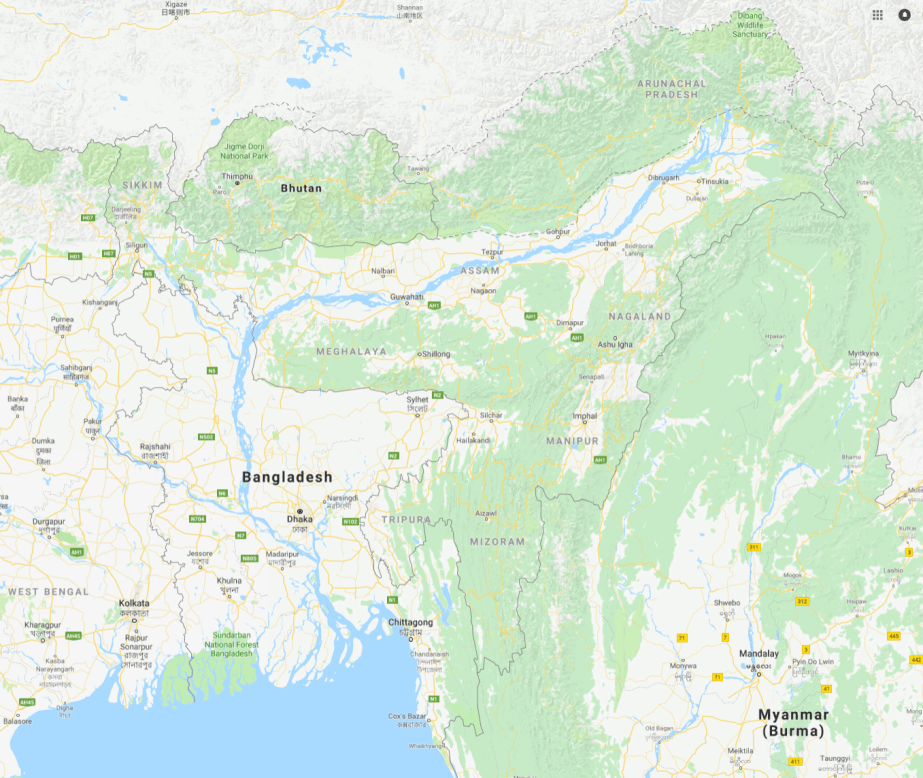
The road leads firstly to Assam. Australia and India were once neighbours in good old Gondwana. The subcontinent went off on its own about 100 million years ago. About 40 million years ago it bumped into Asia pretty much on a line that Assam stands on. The leading edge of the Indian plate went under the Asian plate. The process pushed up the Himalayas and it is still continuing making it an earthquake prone part of the world.

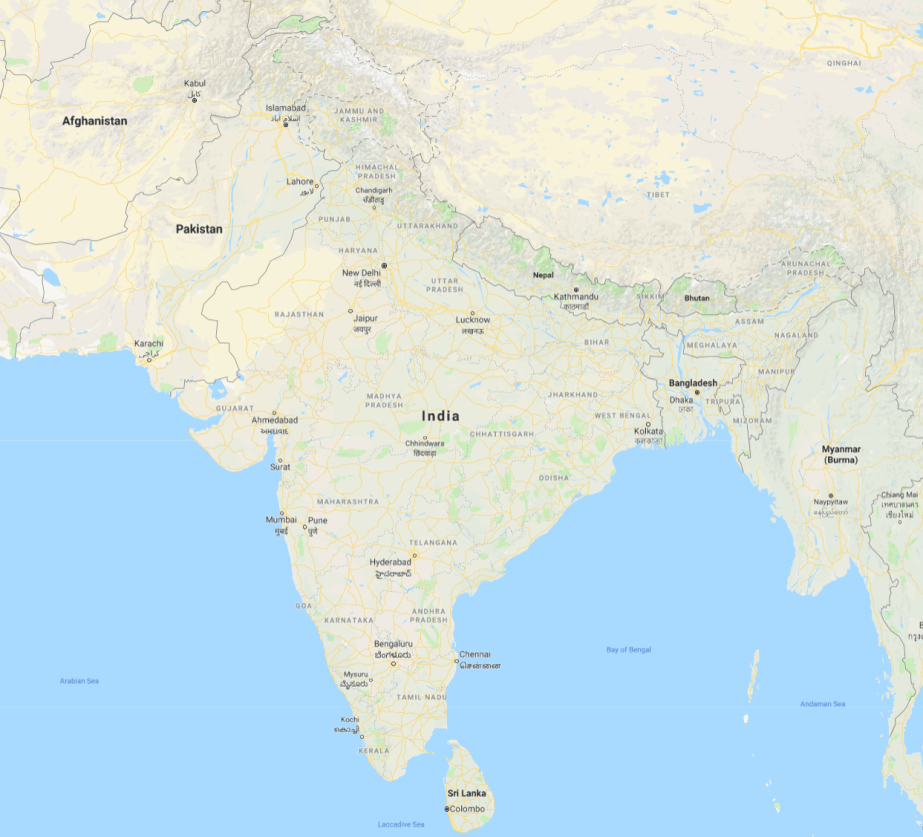
If you look at modern India on the map you can see it’s roughly diamond shape. Two sides are open to the sea. The upper left side is the long border with Pakistan. At the top of the diamond is Himachal Pradesh and above that Jammu and Kashmir, the borders up there are drawn with dotted lines. Coming down the top right side the border with Nepal is drawn as a solid line. Jump from the south-east corner of Nepal to the north-west corner of Bangladesh, follow the border to the Bay of Bengal and you’ve enclosed almost all of India.

Herniating through the gap between Nepal and Bangladesh is the state of Assam as it was in 1950, it has been subdivided somewhat since then by the creation of new states. China is off to the north-east and Myanmar to the south-east. That branch of the Silk Road that led to the Bay of Bengal ran right through it. No surprise then that it’s the part of India most subject to outside influence, it’s quite a mixing pot (which accounts for the subdivision – not all the ingredients in the pot are comfortable with each other).

The mighty Brahmaputra River arises in the north-east, flows south-west then south through Bangladesh to the Bay of Bengal.

The population of Assam is more than 31 million people, about two-thirds are Hindu, a quarter are Muslim. Christianity and indigenous religions make up the balance. Assamese is the principal but not only language spoken in the state. Most live in the countryside and most are engaged in agriculture, rice being the principal crop.

I’ll be visiting a couple of national parks.

Internet access will be irregular. When I get the chance I’ll post a bulletin but the blow by blow will have to wait until the end of the trip. It will be a long one because after Assam I will be heading to Bhutan and then …

Great Ocean …

… no road.

As beautiful as the Great Ocean Road between Lorne and Peterborough is, it does mean that there are no secluded hideaways along the coast. It’s one of Victoria’s top tourist attractions but I can’t help feeling that an inland road with dead end offshoots would have given the magnificent coastline more of a Cornwall feel. For me the adventure starts where the road stops and this road goes on and on.

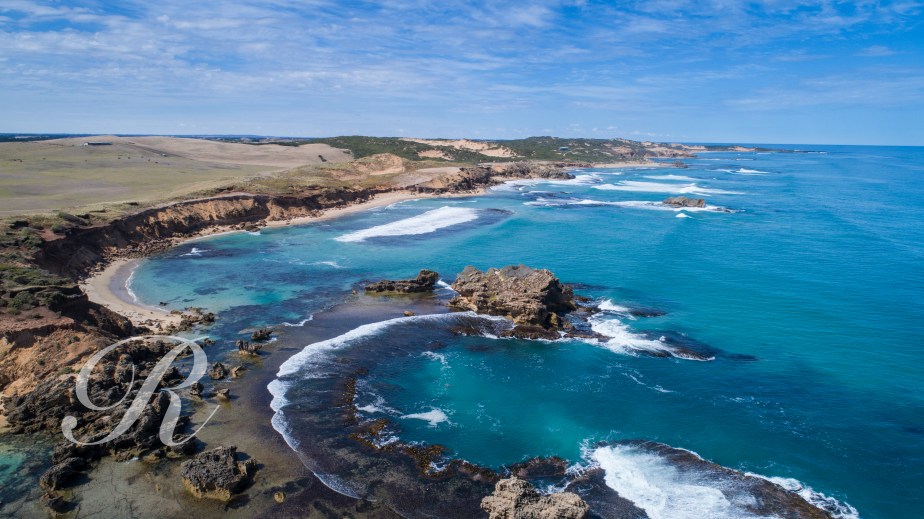
But at least there is access. Continue west beyond Peterborough and the highway ducks inland. It hits the coast at Warnambool, very settled and domesticated but a good place to see whales in the winter. You can get to the sea again at Port Fairy, more rugged and way more charming. After that access to the coast is extremely limited until you get to Portland. Tourists can look across privately owned farmland to the distant ocean and wonder what they’re missing.

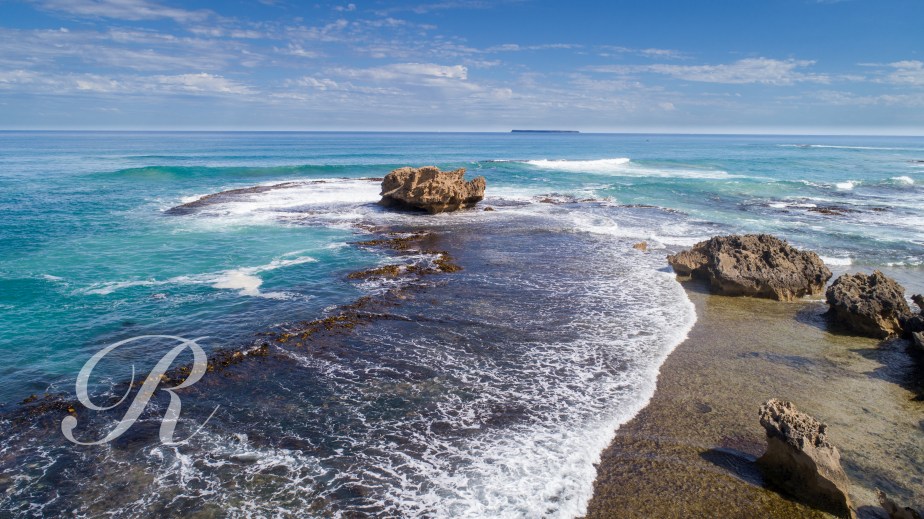
In fact they’re missing scenery that is the equal of the Great Ocean Road.

From the Crags and from Yambuk Lakes you can see Australia’s only off shore volcano, Lady Julia Percy Island. It’s been fairly quiet for the last 6 million years but you could get lucky. The island is home to Australia’s largest fur seal colony – about 27,000 strong. Sea Lions and Elephant Seals are occasional visitors. A number of different sea birds nest there. It’s the long flat topped one on the horizon …

Ship wrecks are a dime a dozen along Victoria’s coast but plane wrecks are not so common. There is a memorial at the Crags to four airmen who lost their lives in 1944. They were the crew of an Avro Anson thought to be looking for submarines. For reasons unknown it failed to return to its base in Mount Gambier. Wreckage was found on Lady Julia Percy Island and in the sea nearby. The bodies of the crew were not found.

You can visit the island by boat from Port Fairy courtesy of Southern Coast Charters. It’s a great trip.

Port Fairy Again …

In the old joke an Arab goes to Blackpool for his holiday. On his return to the desert he’s asked how it was. He replied “Perfect, it rained every day”

It hasn’t rained at home in the Goldfields for two months, three days in Port Fairy and two cold fronts later has me wondering if the grass will be green by the time I get home. I doubt it but the sea looks even more exciting in a gale …

… and the sun has been out between showers. A bit of bad weather can’t spoil Port Fairy. Stay at Doc’s at the Mill, it’s right on the wharf. You book through Langley’s (03 5568 2899), tell them I sent you and I’ll get a discount next time! A morning walk on East Beach and lunch at Rebecca’s. You can’t beat it.

The mill was built in 1860 and enjoyed a relatively brief career as a steam driven flour mill. It’s right on the wharf and the tallest building in town.

In the evening as the lights come on …

The town is situated where the Moyne River reaches the Southern Ocean. It is one of the oldest settlements in the state of Victoria and was once an important port.

If you are reading this blog in your email program you are missing out on features that are not supported in that format. Your web browser is the place to be.