A trip to the beach in the last few weeks has revealed a massive influx of jellyfish (and tourists). These particular jellyfish (and many of the tourists) have a distinct red colouration.
The third shot was achieved by getting in the water and shooting upwards including the reflection from the surface.
Calling, once again, on the amazing resource that is iNaturalist I believe that this is Crambione mastigophora common enough in the Indian Ocean and known to “bloom” from time to time. The dome grows to about 15cm in diameter. They feed on invertebrates and small fish. When prey come in contact with those tentacles they are stung and then transferred to the mouth under the dome.
The common name given by iNaturalist is Sea Tomato but that is shared by some other critters including a sea anemone in the Mediterranean. Elsewhere I have found it called Tomato Jellyfish which I think a better choice.
There is an anecdote, apocryphal I’m sure, relating to the days when Bird Week was a thing at the resort on Fraser Island, Queensland. The leaders were on the ferry. Our hero is a well known birder, author and broadcaster. As the boat neared the shore he started dancing with excitement calling out, “Boobies, boobies”. His fellow bird nerds were in in-principle agreement but more restrained. Quite what the tourists made of it is a matter of speculation.
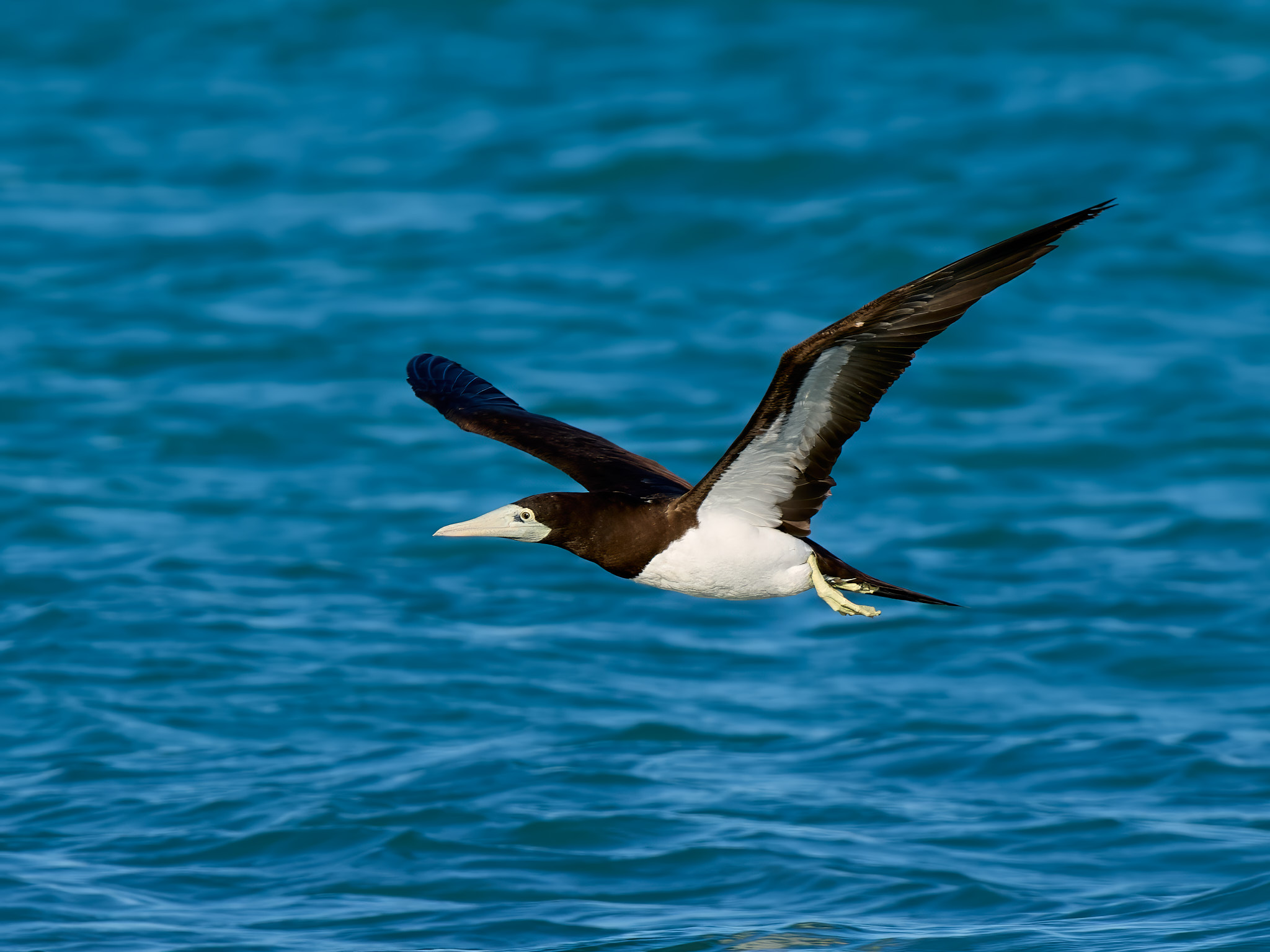
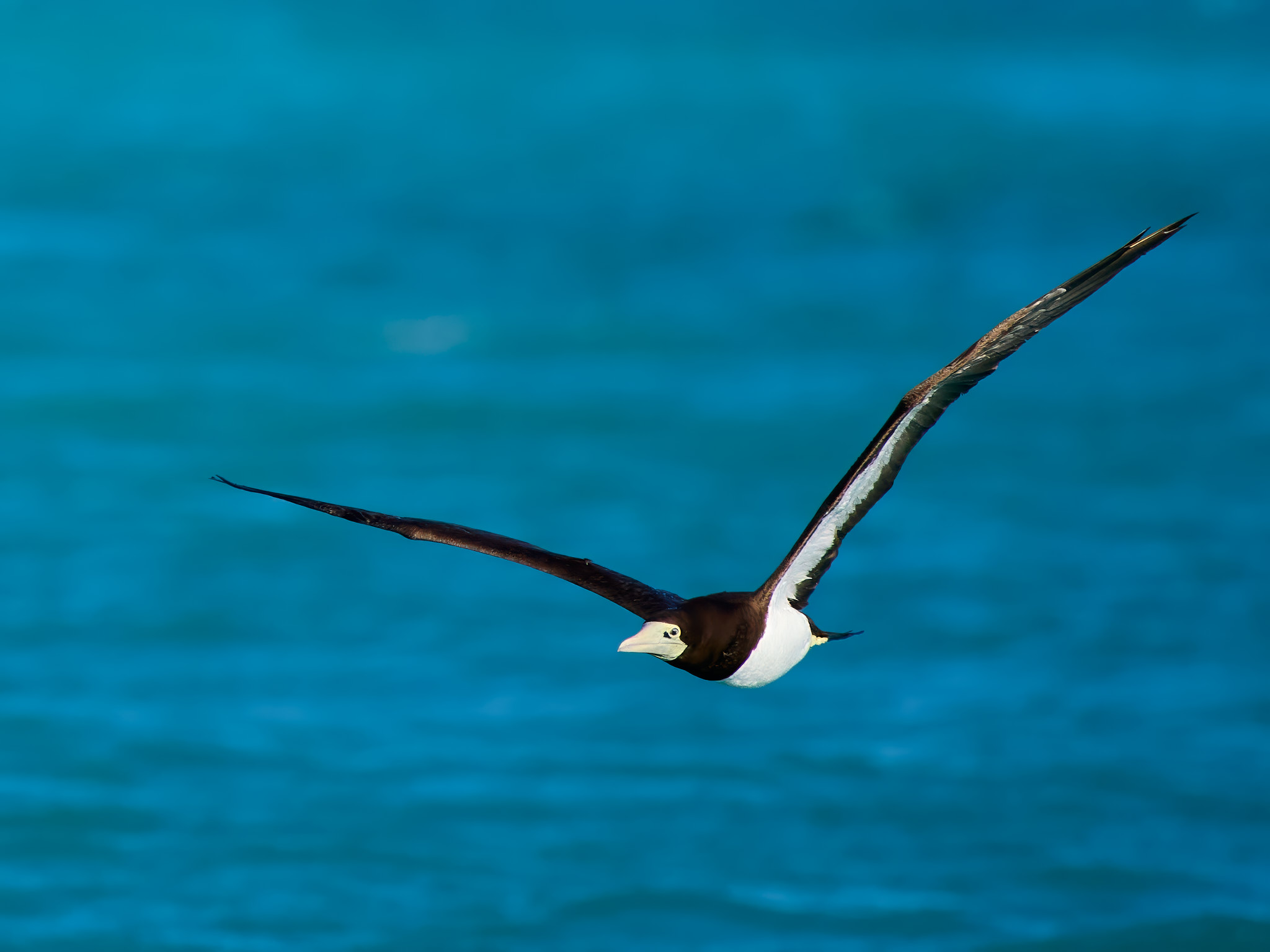
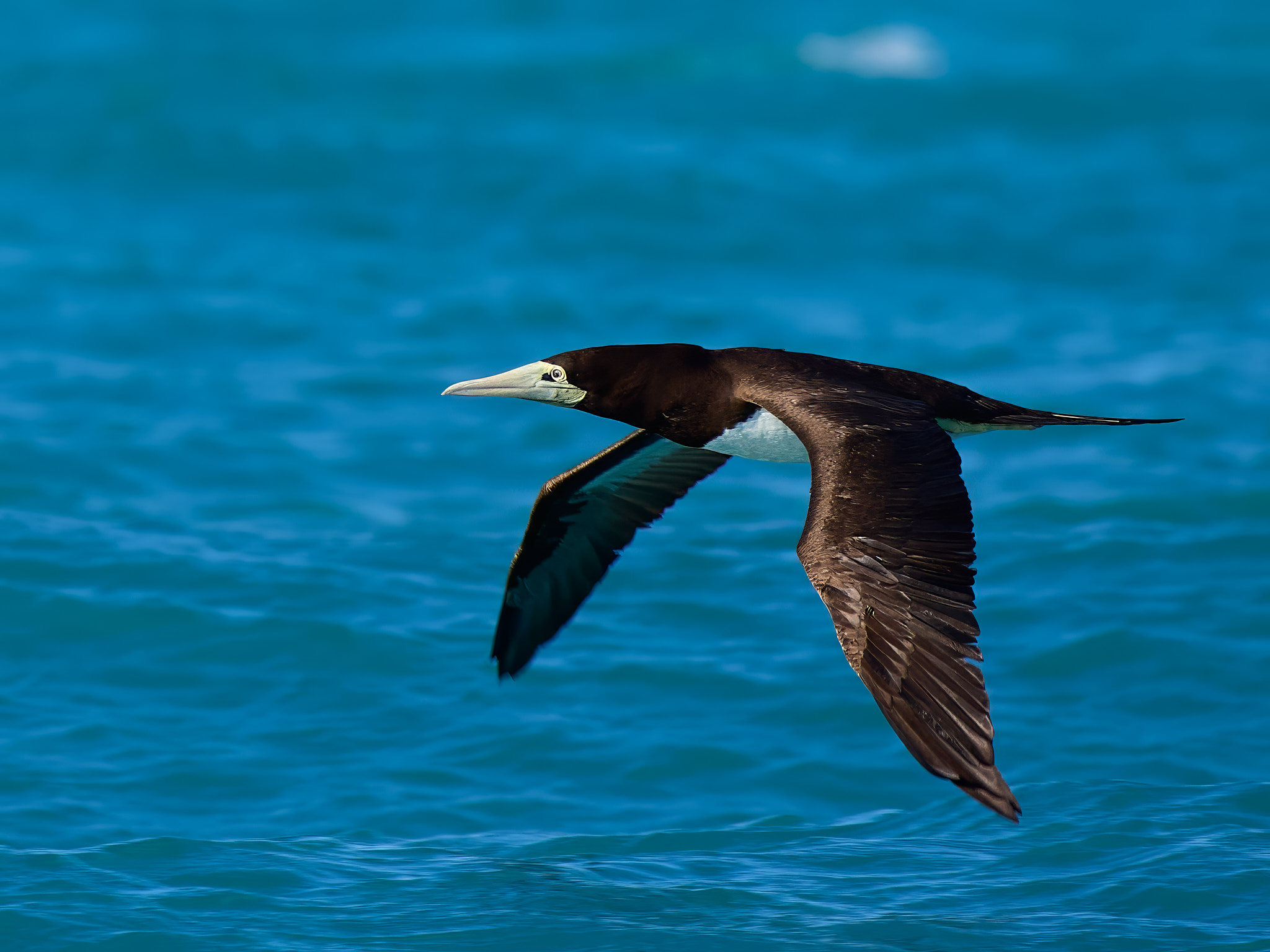
There are nine members of the Sulidae. Three temperate species are called Gannets, the remainder prefer warmer waters and these are the Boobies. They all have similar body forms and feed on fish and squid by plunge diving. They are restricted to marine habitats and for the most part stay fairly close to shore.
The species I see most often is the Brown Booby. It is found near tropical shores all around the globe with the exception of the west coast of South America. They can often be found at the Port of Broome or the nearby Entrance Point. They loaf on rocks or floating navigation aids when they’ve nothing better to do. They are quite happy to feed close to shore. They patrol up and down and plunge onto their prey. They tend to do this singly or in pairs or a trio. It’s good to watch and each one does the best it can but it’s not the spectacle of a frenzied mob turning the surface to foam that flocks of Gannets occasionally provide.
The scientific name is Sula leucogaster, the sulid with the white belly which doesn’t advance your identification at all because all the sulids have white bellies. The common name, Brown Booby, doesn’t help greatly either. At anything greater than arms length they look black and white. They are the only sulid with a dark hood cut off sharply across the upper breast.
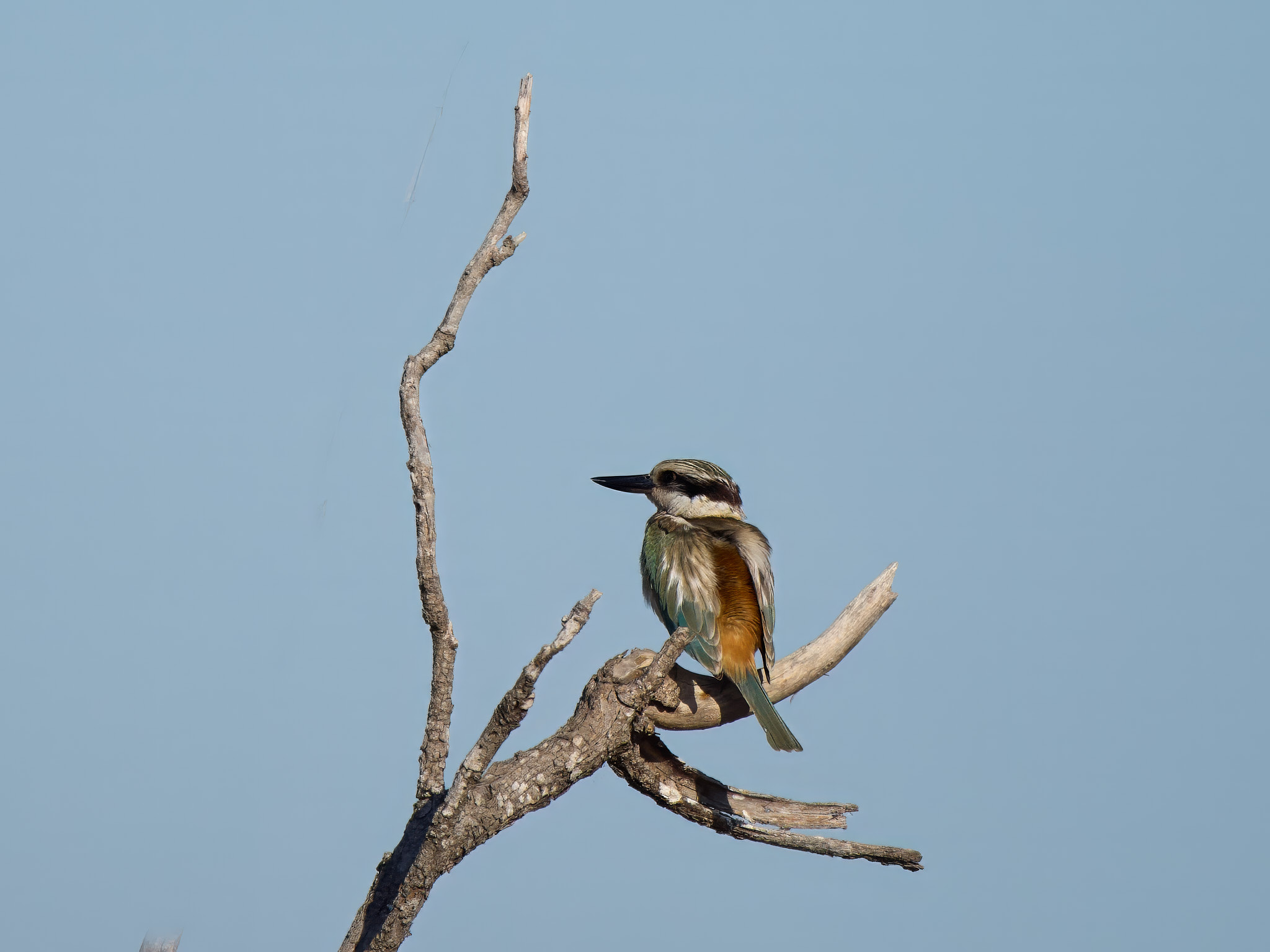
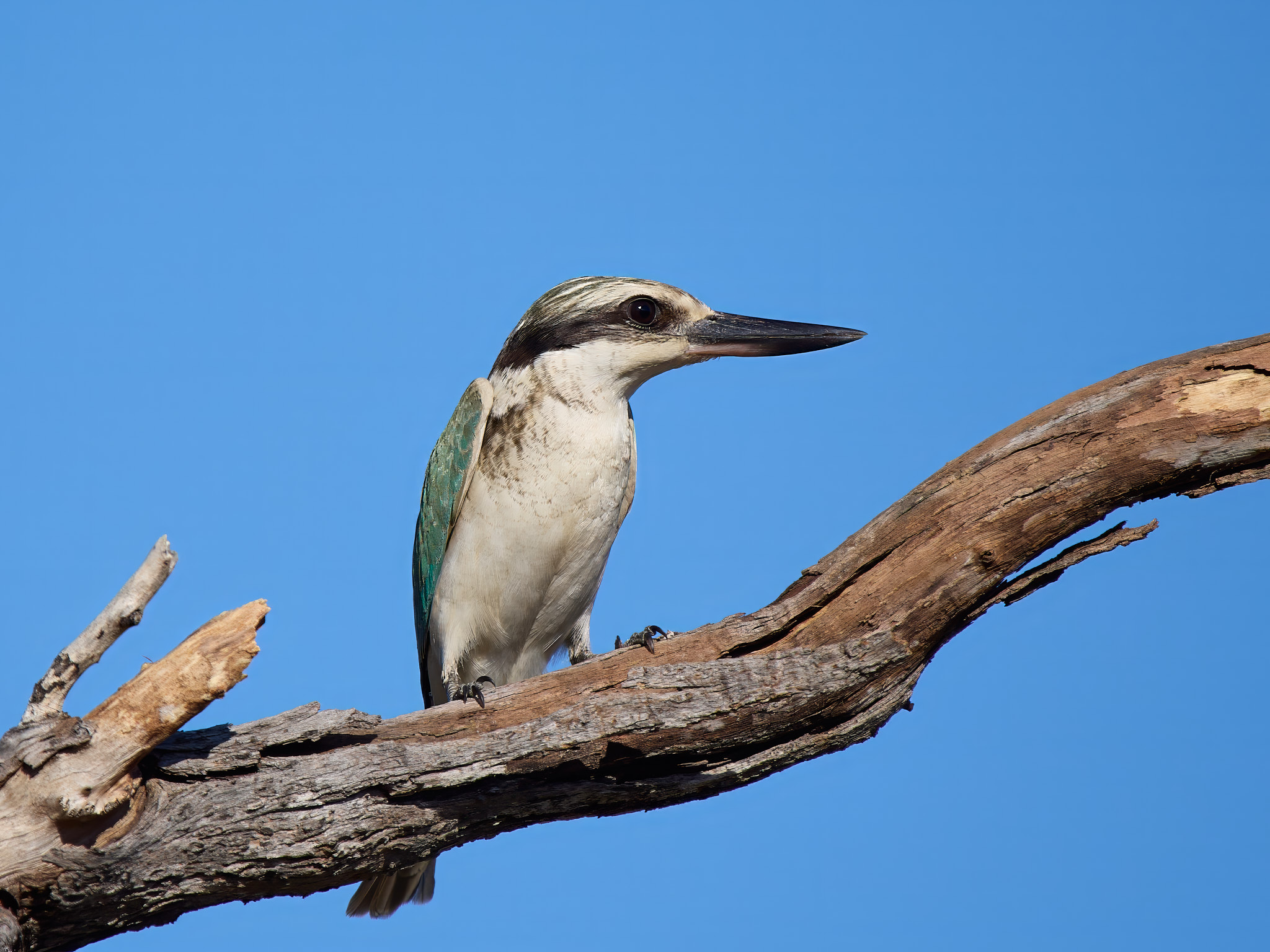
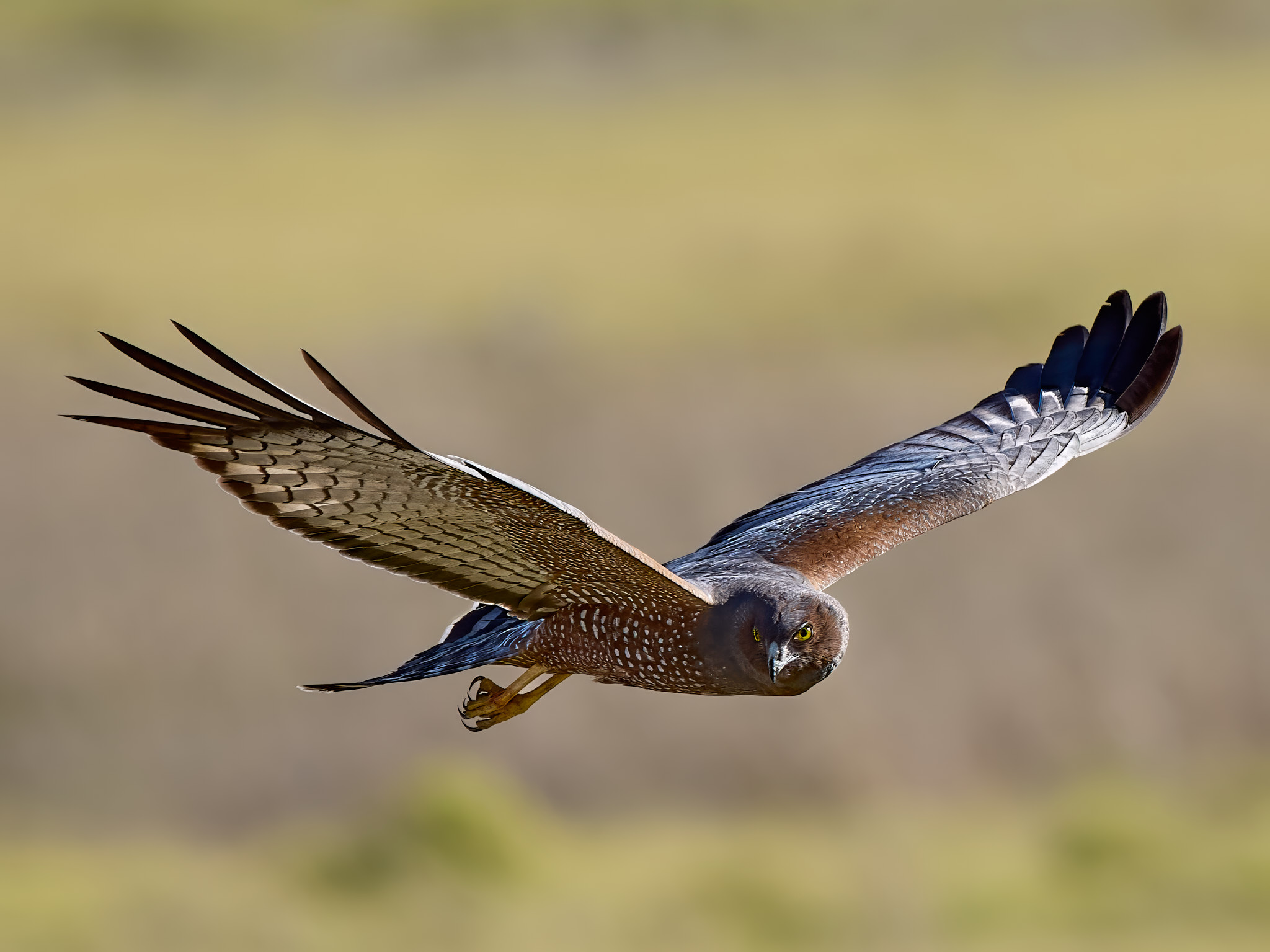
William woz here. Dampier that is. Twice, in 1688 and 1699. He left his name on the peninsula and both his ships have also been immortalised in the names Cygnet Bay and Roebuck Bay. In the latter there is a little island called Buccaneer Island in his honour. Behind Roebuck Bay the Roebuck Plains stretch off into the distance, open country, occasionally flooded, few trees. sometimes swarming with ducks and Magpie Geese, the nesting place for terns. Other times a dry grassland, home to the beautiful Spotted Harrier and the Red-backed Kingfisher. And like most of Australia’s Kingfishers the Red-back wouldn’t know what a fish is.
Dampier was a pirate, a naturalist and an author. He circumnavigated the world three times. His botanising increased the sum of human knowledge, his writing added plenty of new words to the English language and inspired Banks, Humboldt and Charley Darwin himself. He published the first English language recipes for Guacamole and Mango Chutney. Where would we be without guacamole? Living in Broome I trip over his name almost every day but on the whole he is not as well known as he should be. I recently watched a YouTube video that gives a reasonable account of the guy. You may enjoy it …
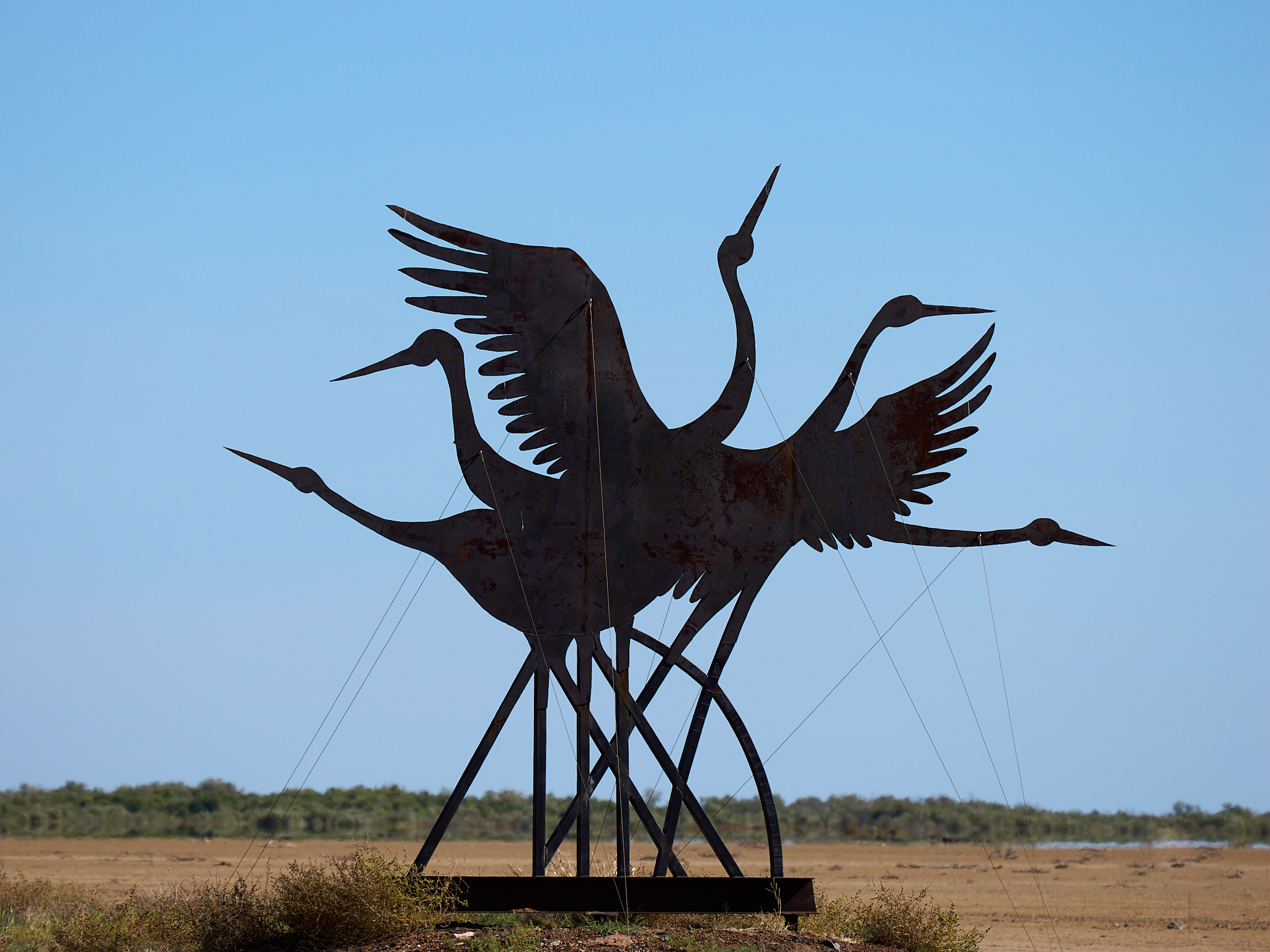
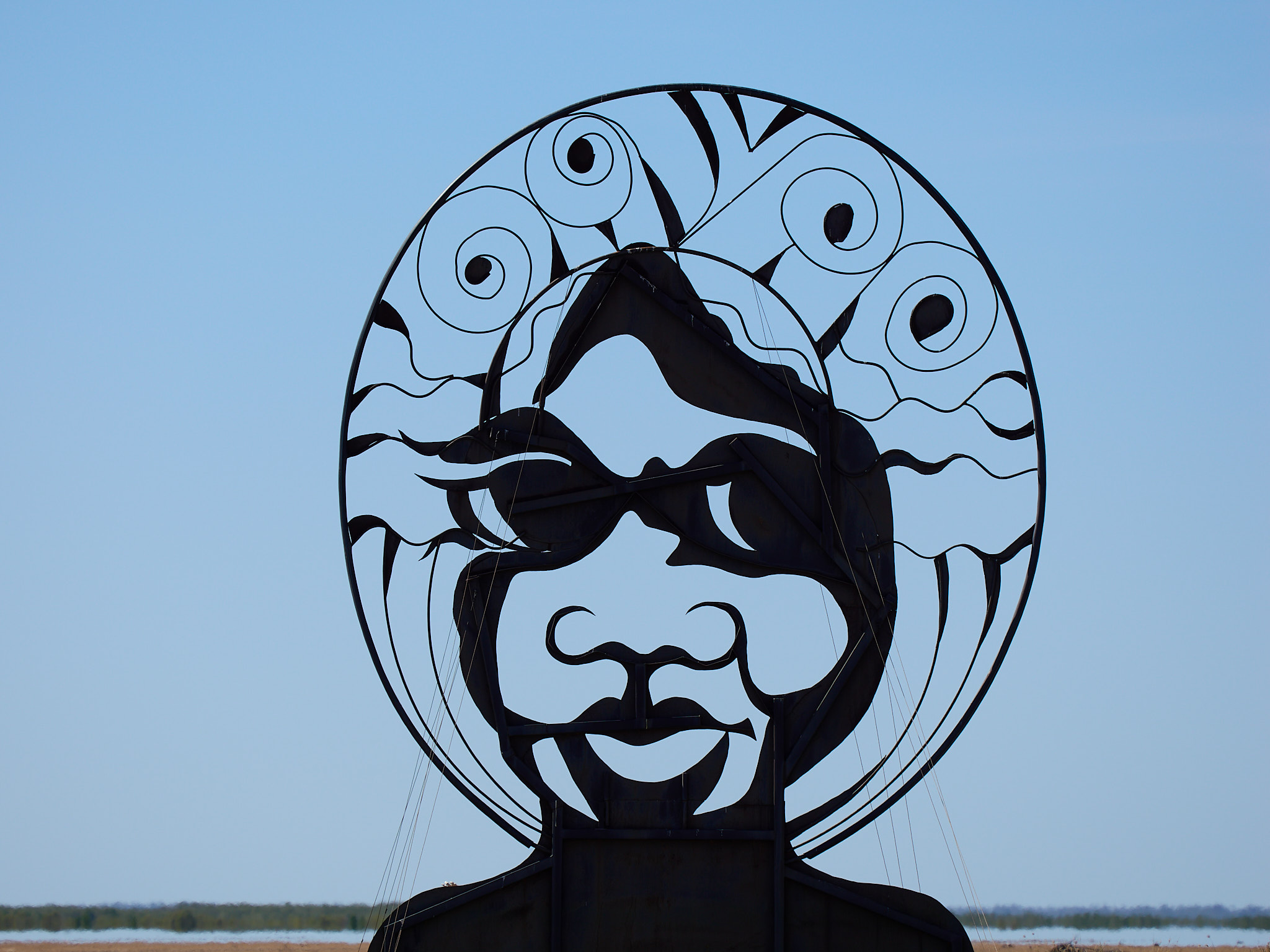
Not Ar Derby pronounced in the English style, they’ll look at you funny. This is the far north of Western Australia we’re talking about. Population 3,325 unless someone has gone to Broome for the day which is a little over 200km to the south. The main tourist attraction is the Prison Boab and it has a port and some interesting sculptures. There are no take-away alcohol sales on Sundays or Mondays. The sculptures are best seen at sunset (Tuesdays to Saturdays).
The birding is good. The number one hot spot is the water treatment plant and the adjacent wetland. Access is via Conway Street off the Derby Highway and can be interesting in wet weather. You are sure of a good list of the regular suspects and it gets more than its fair share of rarities.
The port area is also good. It lies across a causeway on the shore of King Sound famous for its 11 metre tides. A lot of mud at low tide, good for waders in the summer not so much in the dry. Always a chance of a nice crocodile. All the mangrove species are close at hand but they are easier to see in Broome (take the Broome Bird Observatory Mangrove Tour).
Munkajarra Wetlands are 21km south of town, the last couple of kilometres are on an unmade track. Easy going if the weather is dry. The lake will be on the eastern side of the track therefore best in the afternoon. Mosquito repellant, long sleeves. You know the drill.
In town the ovals and even the median strip can turn up some nice birds especially in the wet. I have seen Little Curlews running around down the main street.
For a nice quiet drive birding from air conditioned comfort start at the Pioneer Cemetery and follow Lovegrove Street south east until it meets the Gibb River Road. It’s, for the most part, a one lane sandy track through open savanna and tidal flats. It’s about 8km and I have yet to encounter another vehicle on the route.
Where to stay? Birdwood Downs Station, about 17km out of town and there is a nice walk among the Boabs and some good birding. Cabins and un-powered camp sites.
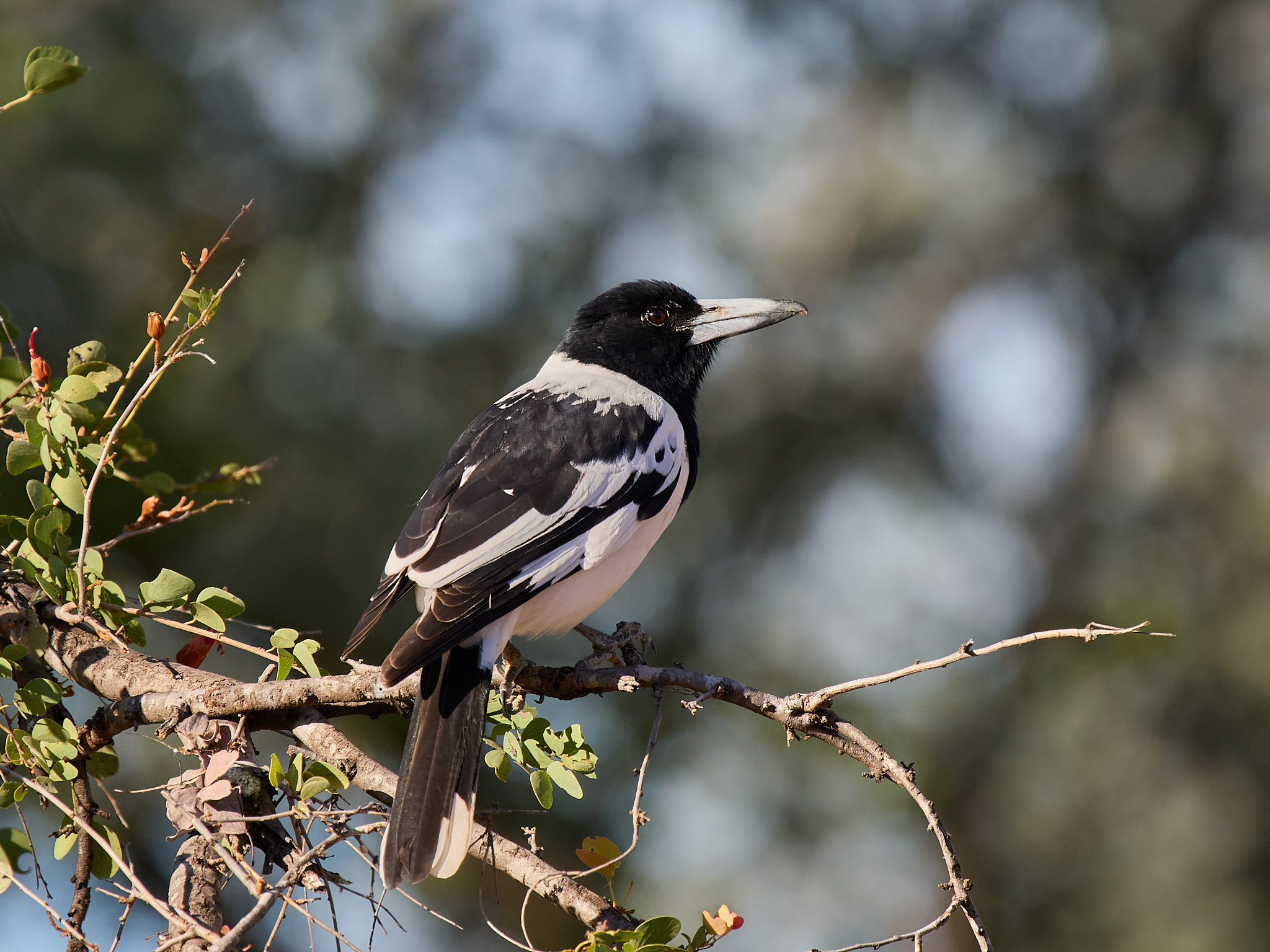
The Pied Butcherbird is sitting in a Jigal Tree Lysiphyllum cunninghamii otherwise known as the Mother-in-law tree. In Aboriginal culture a man does not talk to, or sit facing his mother-in-law. The paired leaves of the Jigal face away from each other. It has nice red flowers. Click on the gallery for a better look.
After pushing the button on the last post I received this …
This is the road to the Broome Bird Observatory and that’s the warden checking the depth to which it’s flooded. It would indeed be a great adventure and yes it would be illegal. There are big penalties for driving on closed roads. To get to that point from the highway may well have taken you through worse!
The forecast for the next few days is warm and dry. It will soon reopen but it will still be an adventure – 4WD only for a while.
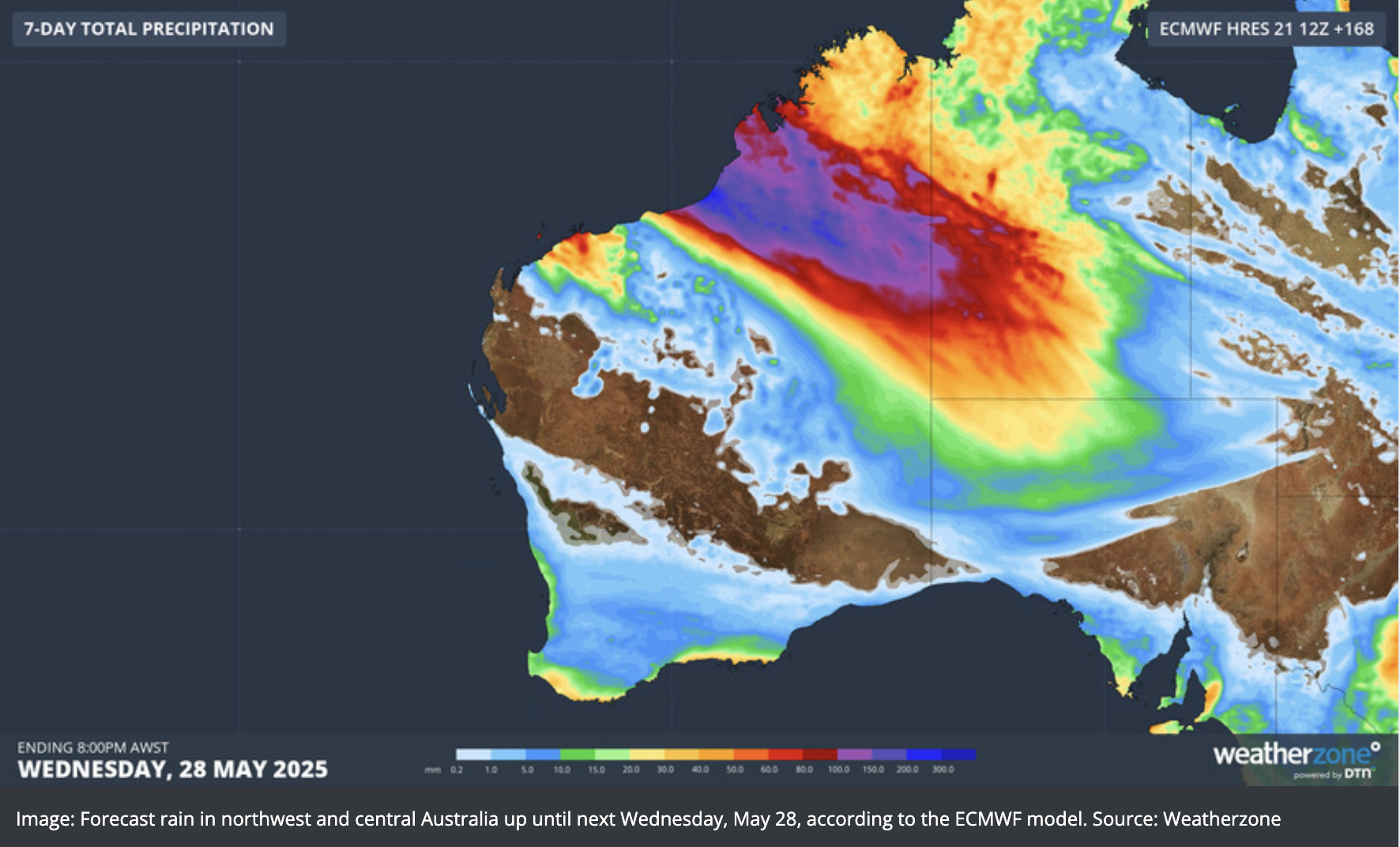
I started to get worried about a couple of days ago when Weatherzone published Unusual late May deluge for northern Australia with the news that “The coastal tourism hotspot of Broome sees just 27mm of rain in on average in the whole of May but is expecting as much as 80mm next Tuesday alone.” It was accompanied by a very colourful map …
and followed by local government warnings about driving into flood waters and a flood alert for the Great Sandy Desert. I have little faith in weather forecasts.
Just to illustrate how bad they are today’s forecast was for showers this afternoon amounting to about 4mm. I headed out for my morning ride at 0630 in a very light drizzle and made it back by 0700 looking like a drowned rat. There was at least 4mm in my left shoe alone.
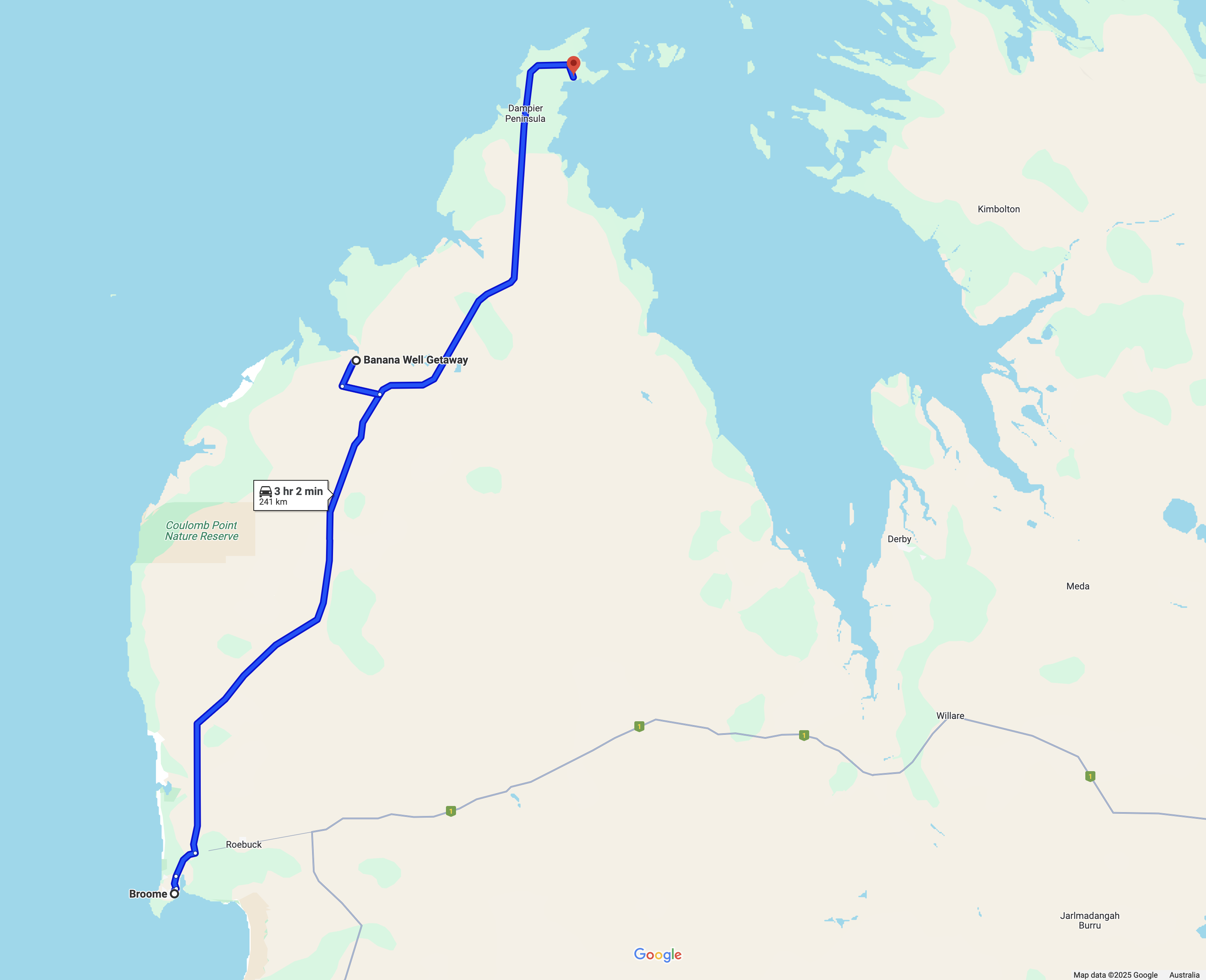
About half way between Cygnet Bay and Broome, close to the community of Beagle Bay, there is a turnoff to the west that leads to Banana Well. The road is unmade and presently the last 4km is pretty rough. The camp site is grassed and the facilities are adequate. There are some ponds adjacent to the camping area. It’s a couple of kilometres from the “beach” across tidal flats that are not without hazard. It’s a great spot for the birdo, hopeless for a family beach holiday, seems popular with some fisher folk but would be a bugger of a place to launch a boat.
It’s not hard to get into this situation but expensive to get out. I’m pleased to say that’s not me. I took the photo on a previous visit. Had he taken his foot off the accelerator when the wheels started to slip we could have pulled him out. He gunned it and managed another 150 metres ending up well beyond solid ground. The momentum system of four wheel driving has its drawbacks!
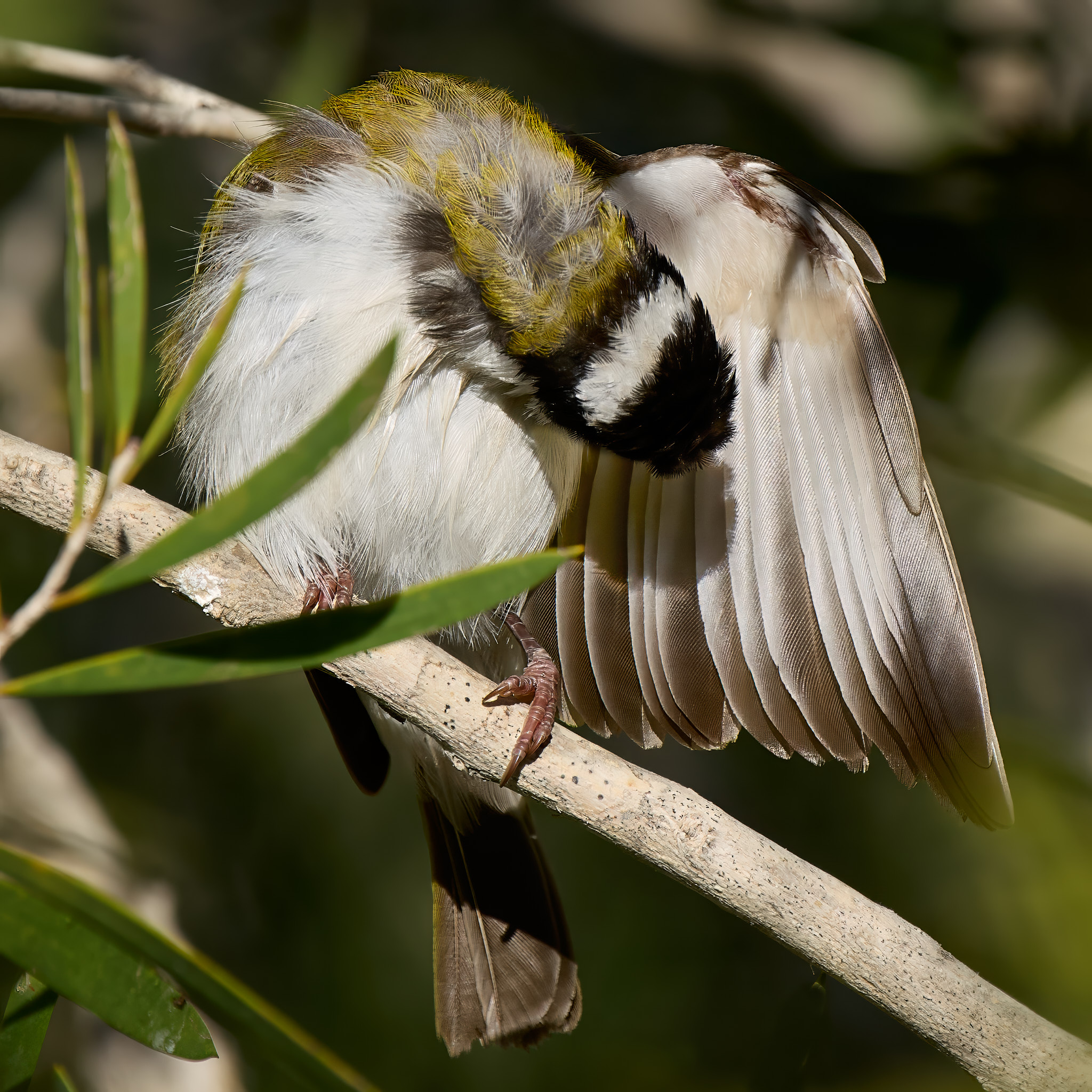
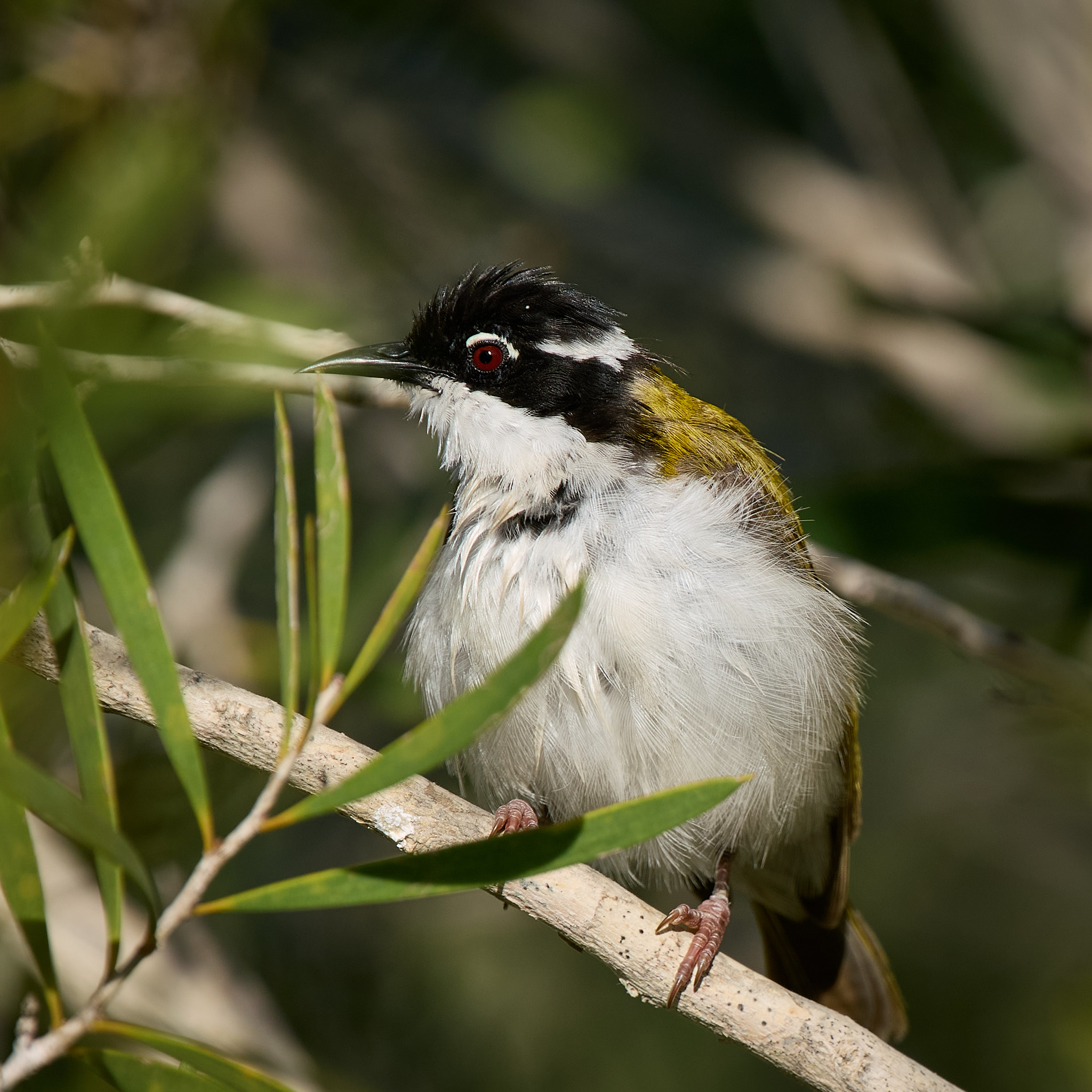
There is a marked walking trail starting from the camp ground that visits the ponds, some savanna woodland, tidal flats, mangroves and some fairly dense Melaleuca. Birding is excellent around the ponds.
There is a large population of feral Donkeys in the neighbourhood.
The Grey-crowned Babblers were busily building a nest but this doesn’t necessarily mean it’s breeding season for them. They build dome shaped nests for roosting as well as for egg laying.
I finished the gallery with the two noisy ones. The Donkeys seemed less shy this visit and the Kookaburras are never shy.
We got home to Broome. I heaved a sigh and settled into a torpor.
There is a limit to how much torpor I can do. So the van was rolled out again for a short expedition up the Dampier Peninsula. Broome is on a little peninsula hanging, – like a little boy’s tossel, off a big peninsula. The big peninsula is named for William Dampier (1651-1715), the first English man to explore Australia. In January 1688 his little ship the Cygnet was careened near the tip of the peninsula.
Off to the east of Cygnet Bay is King Sound with Derby near the southern end, an area famous for it’s 11 meter tides. The other blue stuff on the chart is the Indian Ocean. Highway 1 comes up from Perth on the left hand side of the map then curves around and heads east towards the Northern Territory. The country enclosed by the highway is the Great Sandy Desert. The peninsula is not desert and therein lies much of its charm.
Until just a few years ago the road up the peninsula was dirt. It was a great adventure for the tourist in the dry but a nightmare for the aboriginal communities in the wet. It is now a beautiful sealed road. The drive takes you through savanna, a few patches of open grassland and, in places, genuine forest. The blacktop stretches out in front of you fringed by bright red dirt. The dirt gives way to spear grass, some of it twice my height and the trees. Soon the Woollybutts (Eucalyptus miniata) will flower and the scene will go from beautiful to spectacular.
At Cygnet Bay and in other odd places on the peninsula there are patches of semi-deciduous tropical vine forest. That’s quite a mouthful, unpack it if you will or just think – jungle.
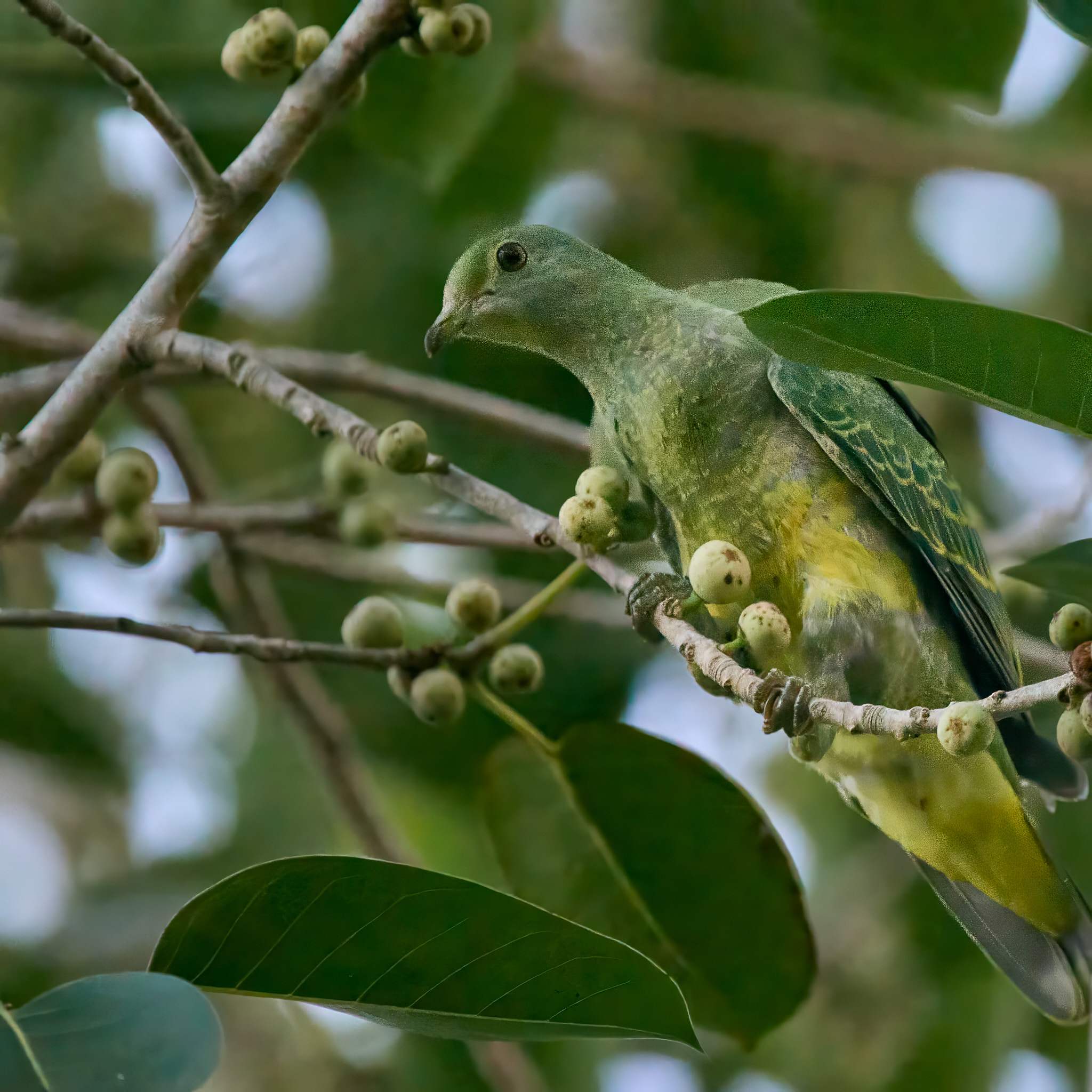
This is the western end of the north coast and the western limit of a number of north coast birds. It is still in the Shire of Broome so guess where every Broome birdo worth their salt comes to add Rose-crowned Fruit Dove, Shining Flycatcher and Mangrove Robin to their year list? Pathetic isn’t it? There is a very pleasant campground, a restaurant and a pearl shop. The Fruit Doves can be found conveniently close to the bar, and there are plenty of other birds to find as well.
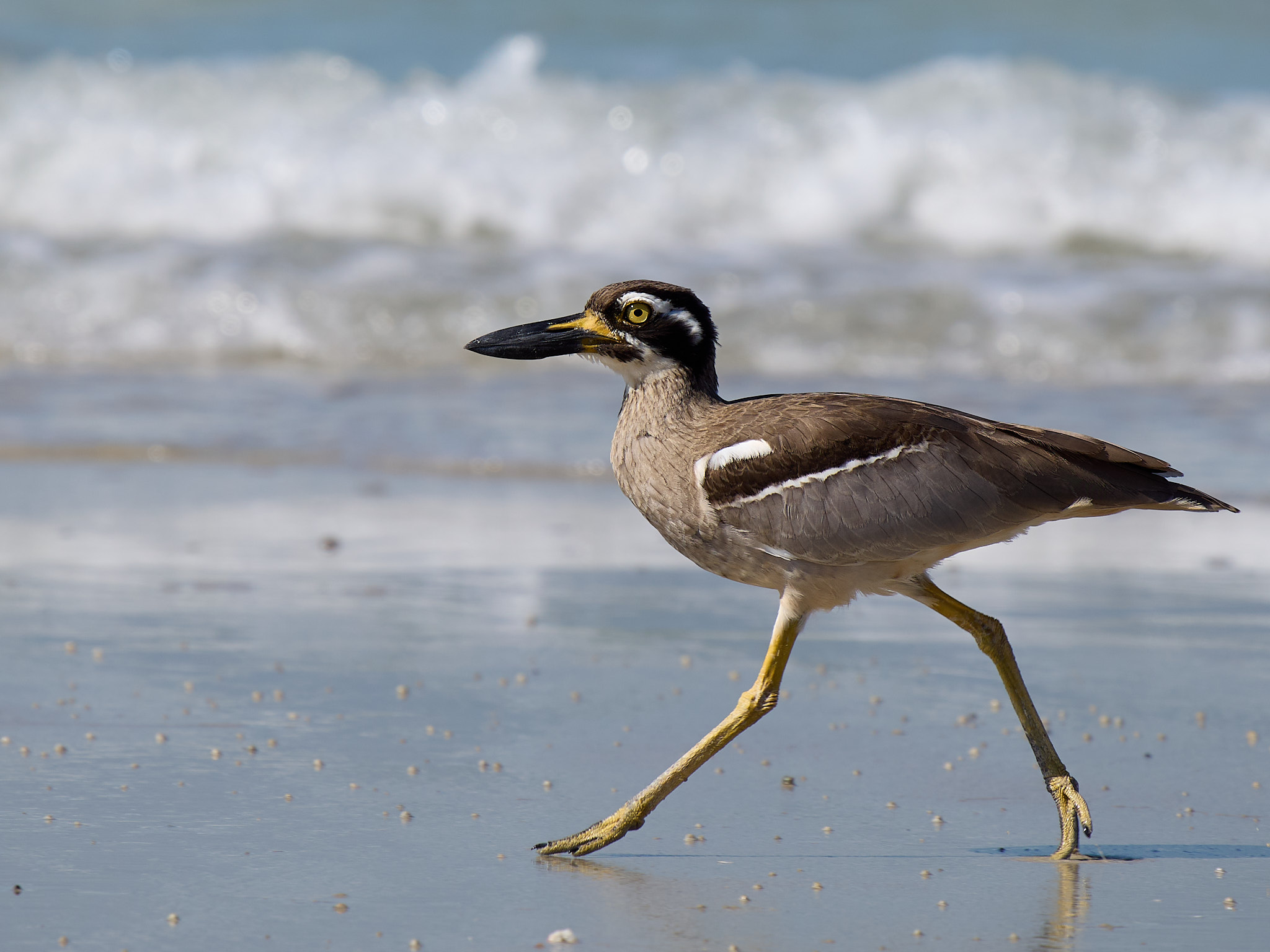
That’s a hermit crab in the Beach Stonecurlew’s grasp. I don’t know if it would crush the shell or just swallow the lot. It is a ferocious looking beak.
We spent three nights ay Cygnet Bay. On the way home we spent another night at Banana Well.
The road trip comes safely to its end. The trip meter ticked over to 23,258km. The new van performed admirably. The binoculars feasted on 305 species of bird. It was a hugely enjoyable journey. The final few days looked like this …
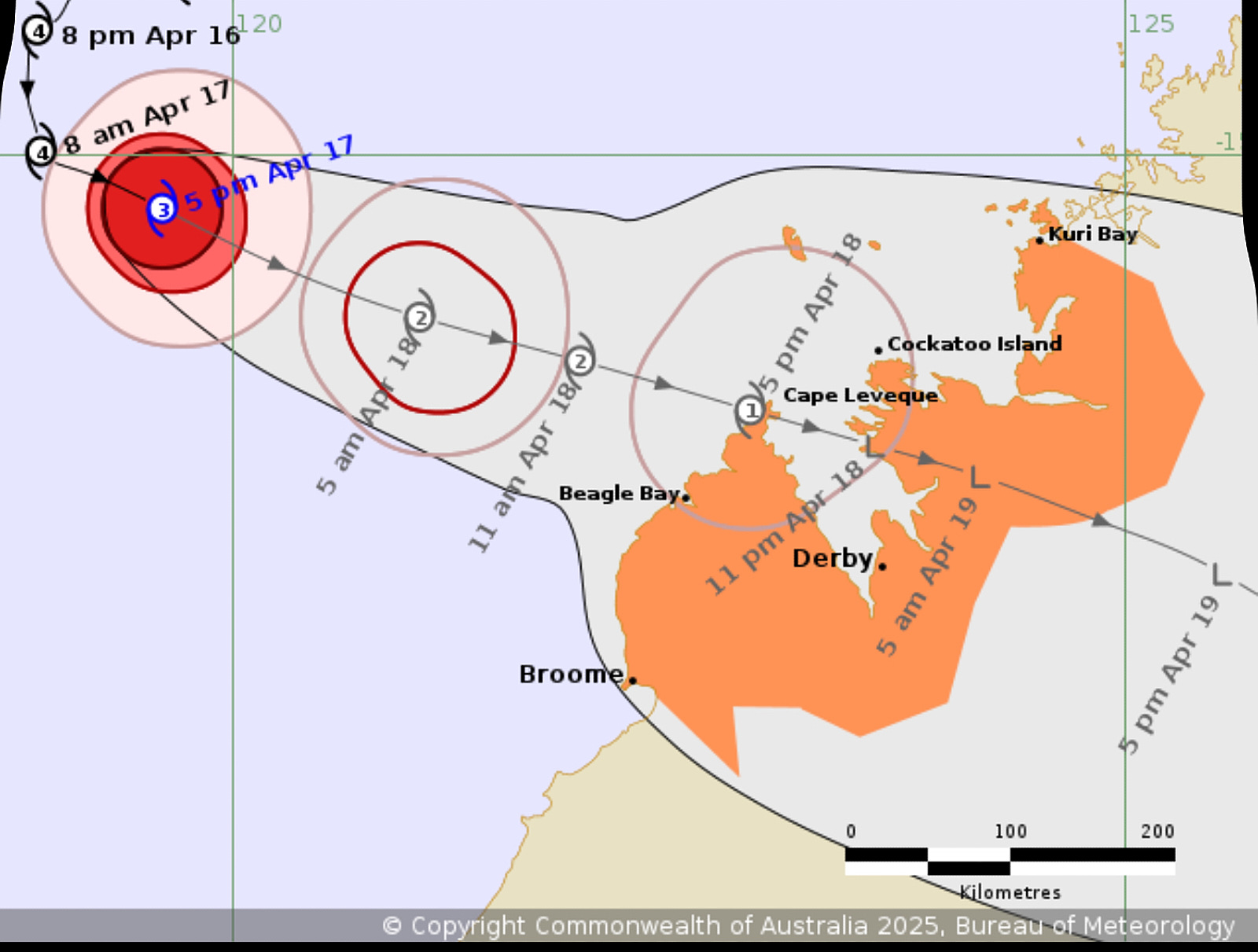
Cyclone Errol did eventually fall in line with predictions (not hard for it. Just about every possible scenario had been predicted over the last few days). It had reached category 4 strength but was weakening as it headed for the coast north of Broome. We were bracing for possibly damaging winds and heavy rain but have only had overcast skies, moderate winds and high humidity. The top of the Dampier Peninsula was expected to take the brunt of it. Hopefully it has done little damage there.
It’s good to be home. Now to plan my next road trip.
Having succumbed to the temptation of Pine Creek what’s another 200km? And when it comes to additions to the year’s tally of birds Darwin has a few absolute gimmes.
Darwin is the capital and most populous city of the Northern Territory but still a modest sized town of about 140,000 people. Charles Darwin visited Australia on the Beagle in 1836. In a subsequent voyage (1839) the Beagle visited what would become Darwin. Captain John Wickham named Port Darwin after Charles Darwin long before he became famous. On the origin of species was published in 1859. The name of the city followed in 1911.
I believe Mark Twain made a visit to Darwin and I have read that Charles Darwin was fond of Twain’s writings for bed time reading.
The Overland Telegraph and Pine Creek had a lot to do with Darwin getting off the ground. The telegraph had to reach the coast somewhere. In 1872 gold was discovered in Pine Creek and that somewhere suddenly welcomed a major influx of people.
I have visited Darwin quite a few times and have a well worn track around the birding spots. This is the first time I’ve brought a dog with me and sadly half my regular places do not allow dogs. Add to that the persistence of the wet season and a few changes had to be made to the routine. The first afternoon saw a storm deliver 35mm of rain in about 20 minutes followed by another 25mm over night. Nonetheless the list was made to grow and a few nice photos have followed over the last few days.
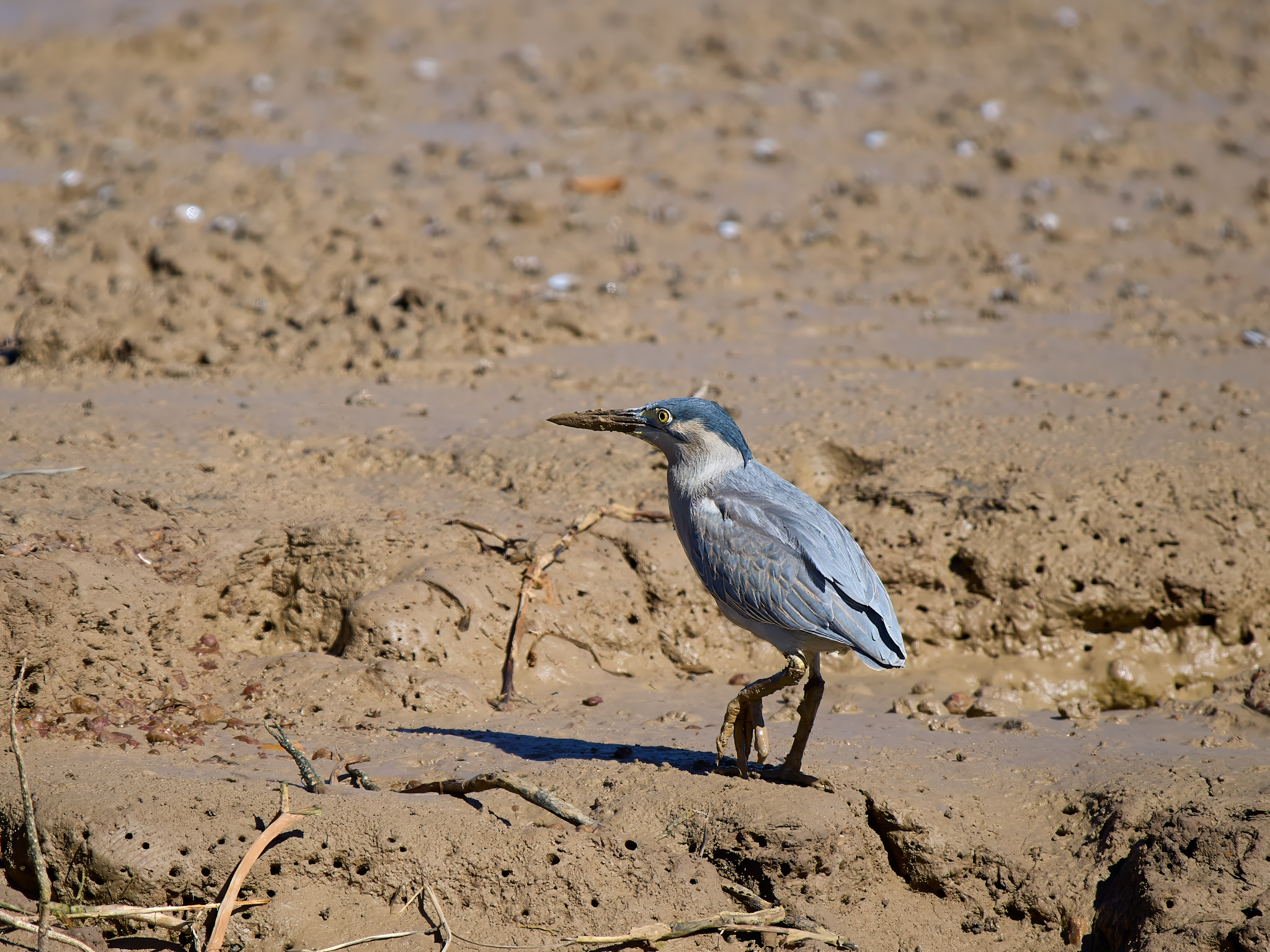
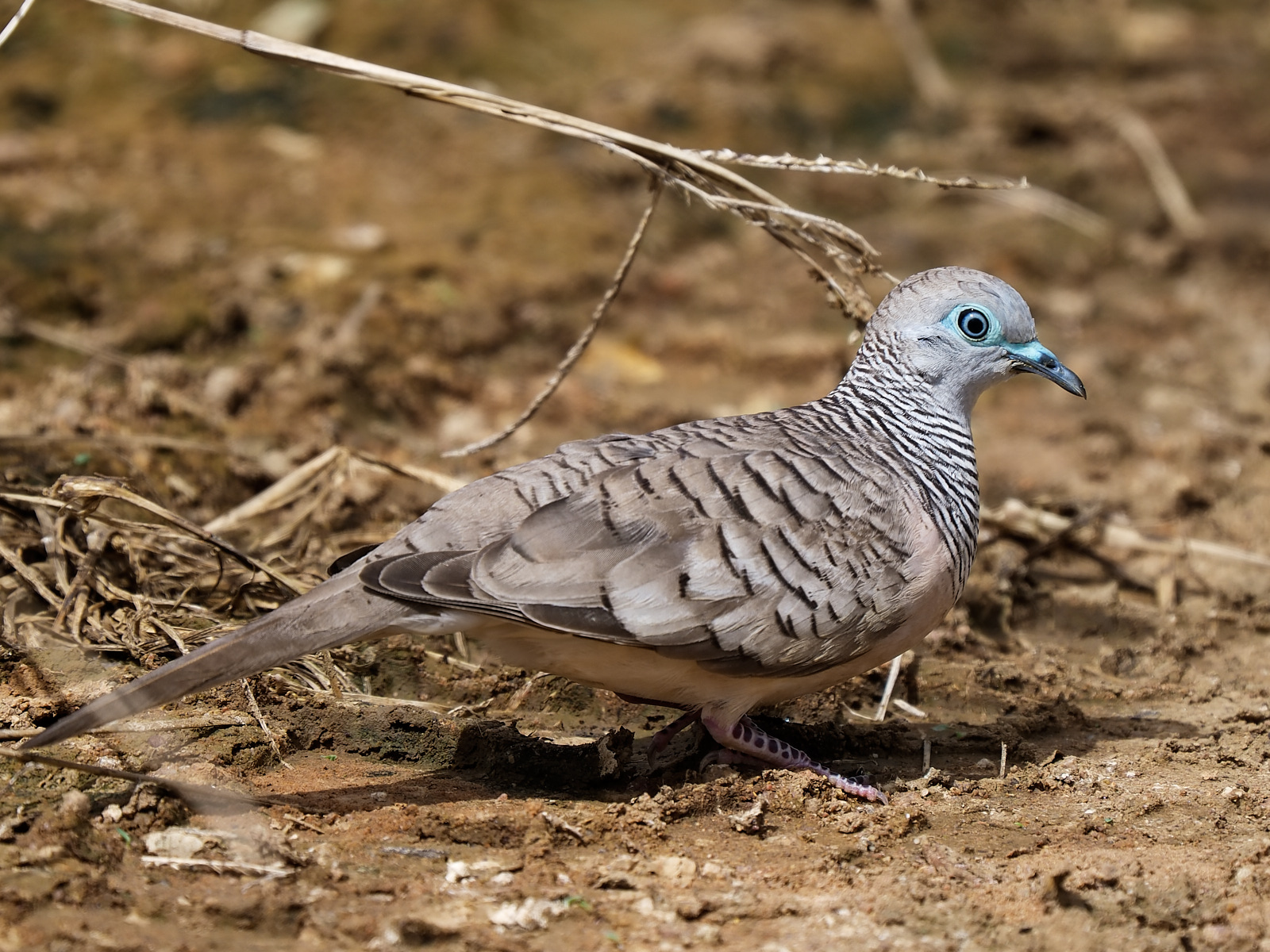
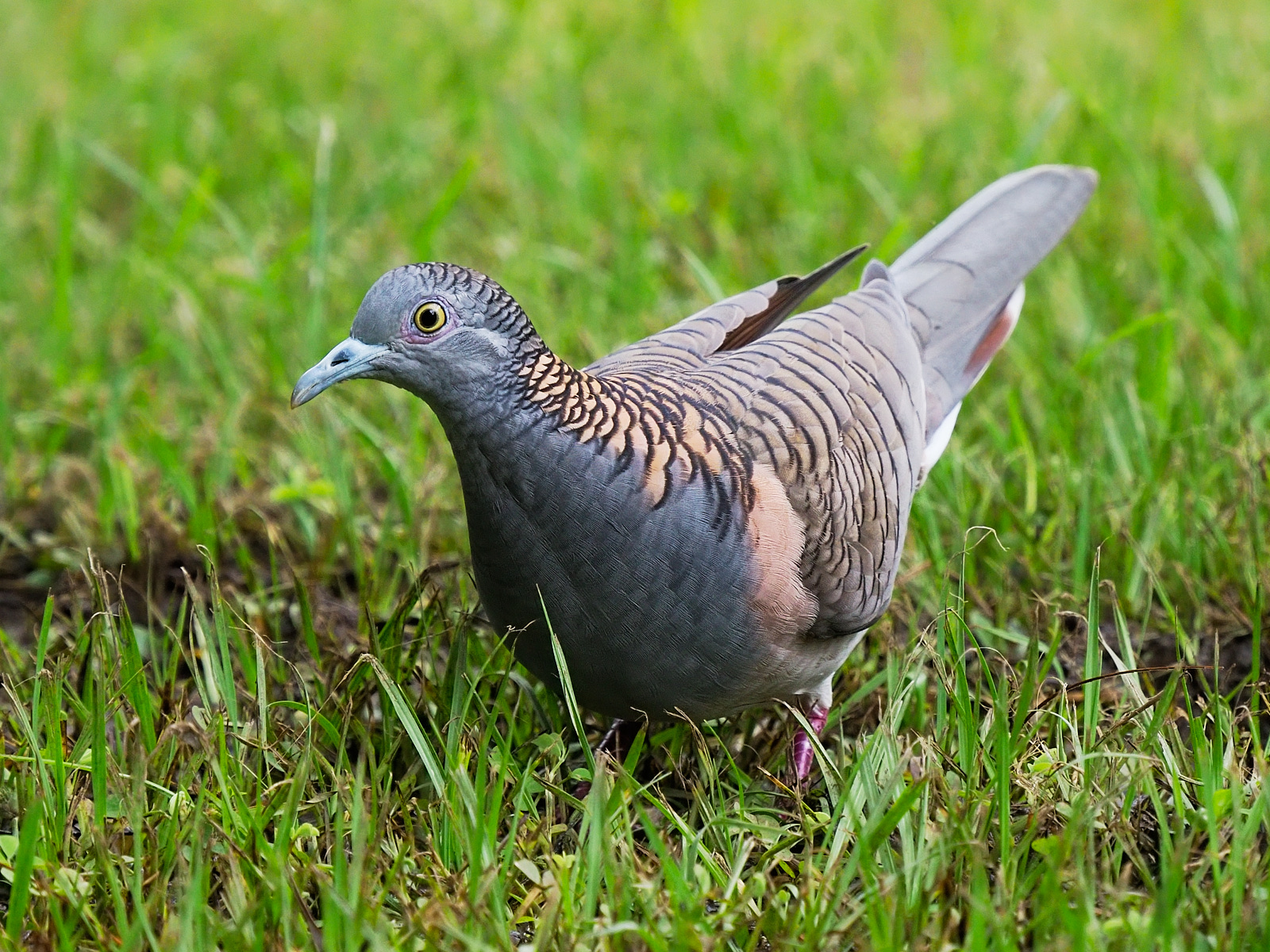
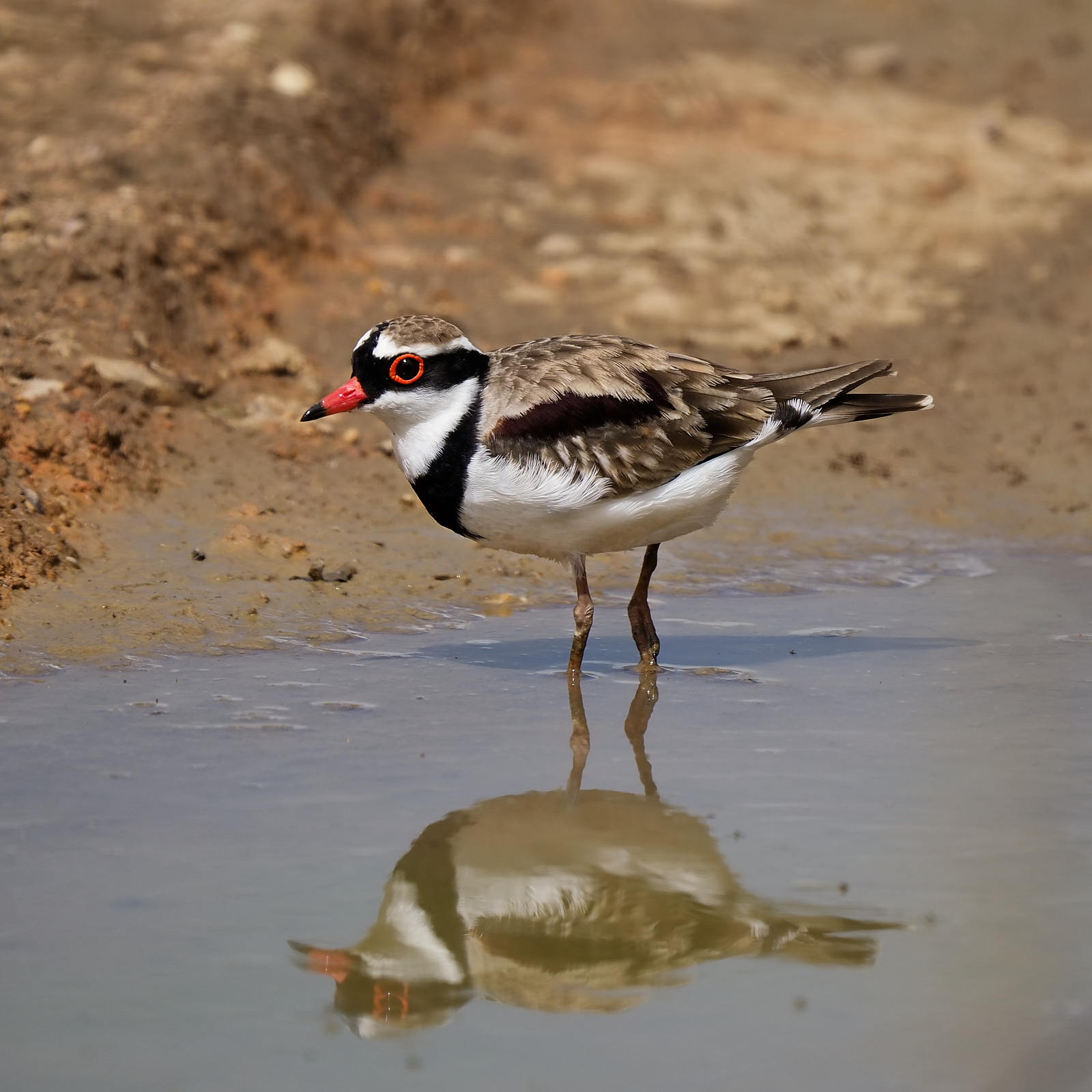
Varied TrillerSpangled DrongoNankeen Night HeronPeaceful DoveBar-shouldered DoveBlack-fronted Dotterel
Now we must head for home. Cyclone Errol may or may not complicate the journey to Broome. Predictions vary so greatly they are to all intents and purposes useless. We shall find out.


















 bobmcgee