Victoria Falls 2 …

The Zambesi thunders over the falls and makes a sharp left turn through a deep gorge. A cloud of spray ascends high into the air. Opposite the Devils Cataract and the Main Falls there is an area of luxuriant forest bathed in a steady light rain. Once you get away from this the surrounding countryside is quite arid.

The birding and botanising are quite rich in this small patch. The appropriately named Fireballs Heamanthus sp.

OLYMPUS DIGITAL CAMERA

Eastern Bearded Scrub Robin …

OLYMPUS DIGITAL CAMERA

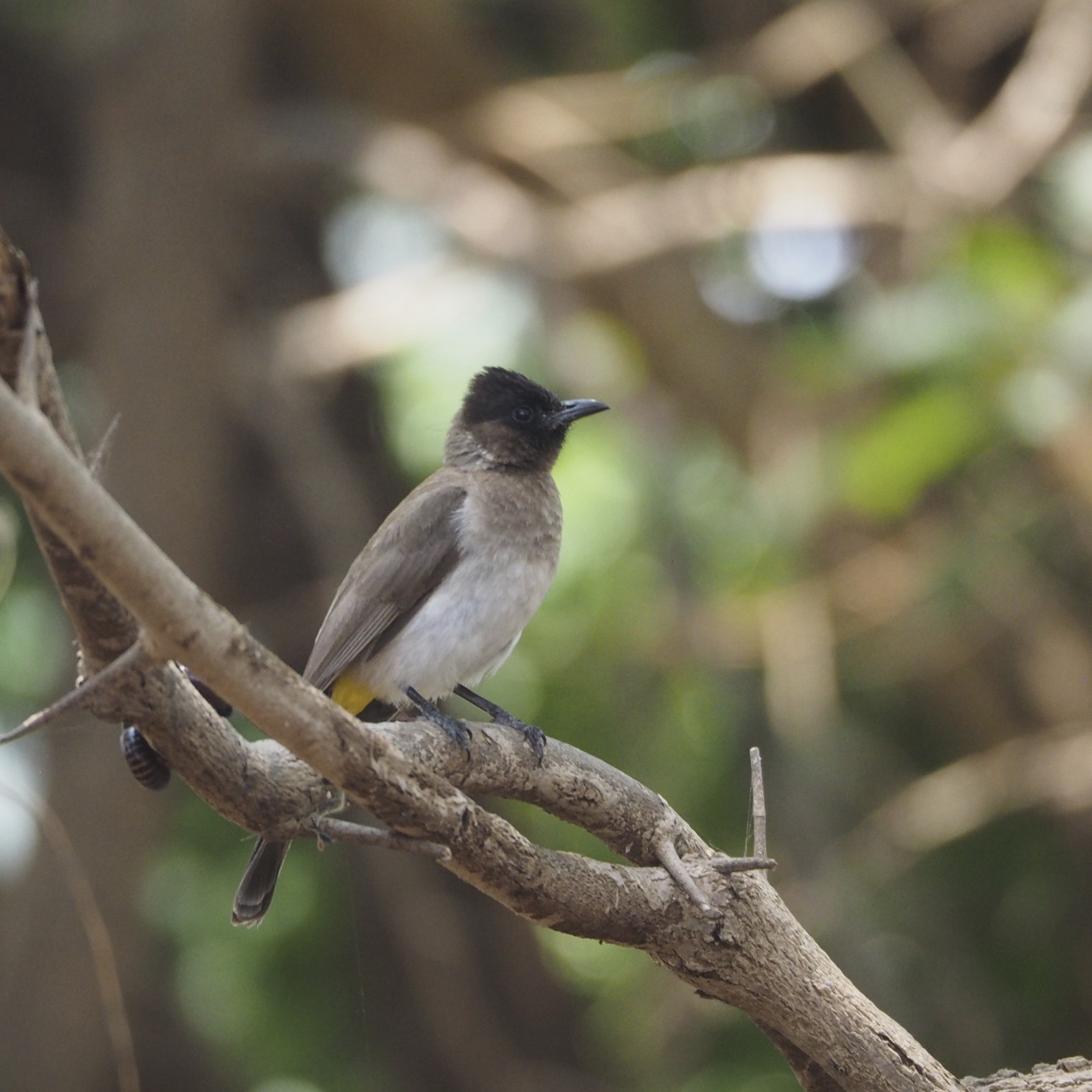
Black-eyed Bulbul …

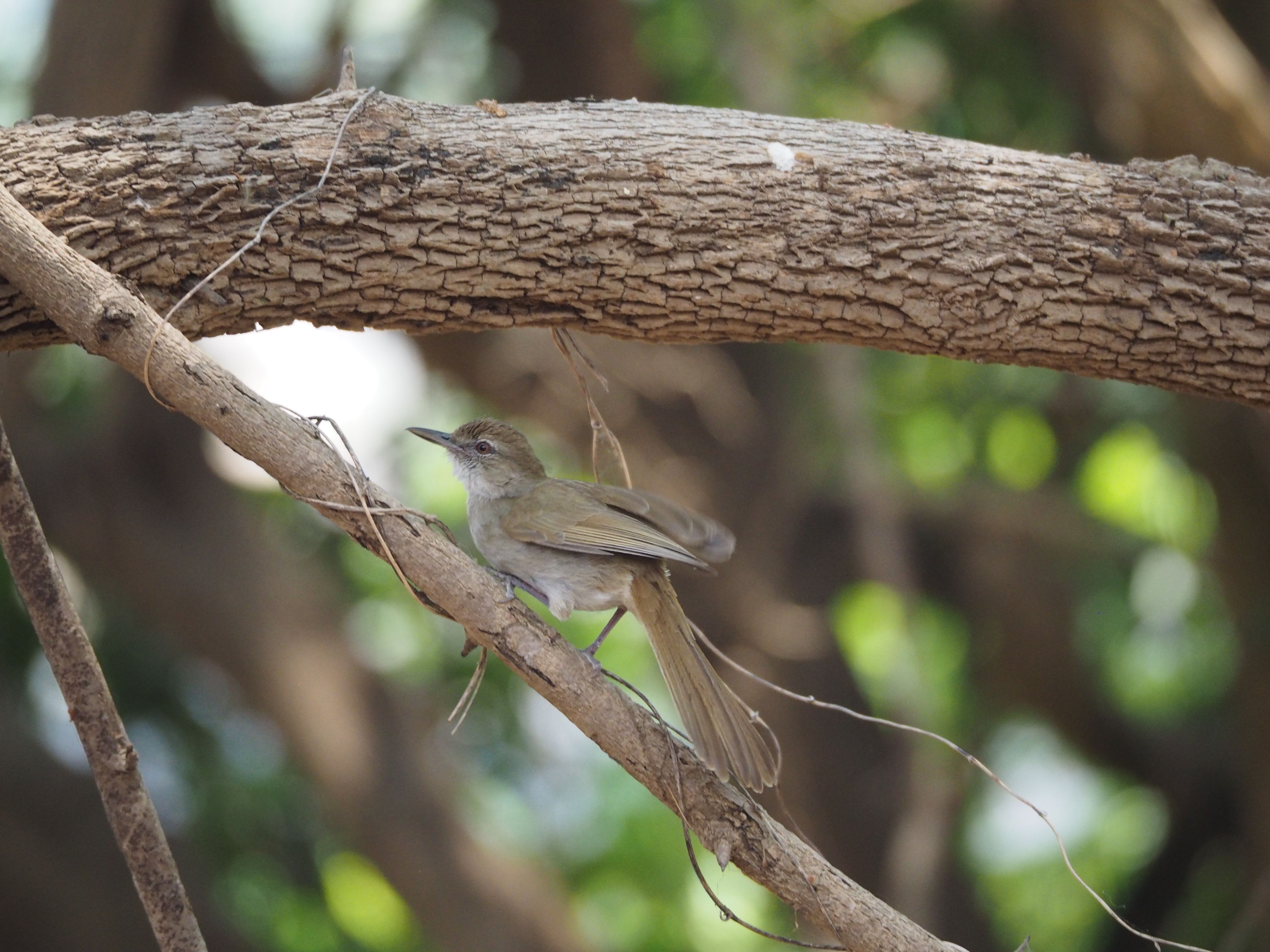
OLYMPUS DIGITAL CAMERATerrestrial Brownbul …

OLYMPUS DIGITAL CAMERA

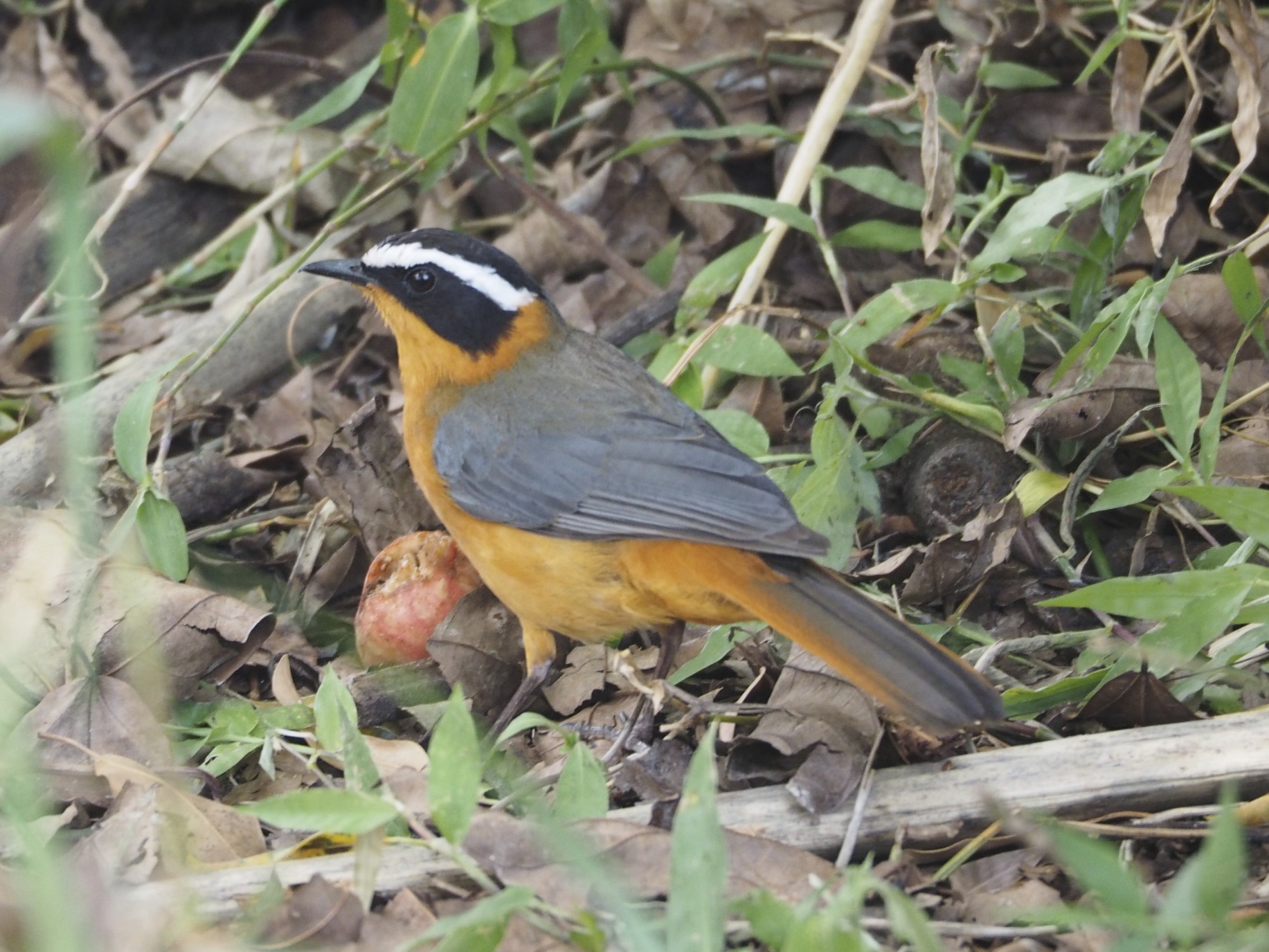
White-browed Robin Chat …

OLYMPUS DIGITAL CAMERA

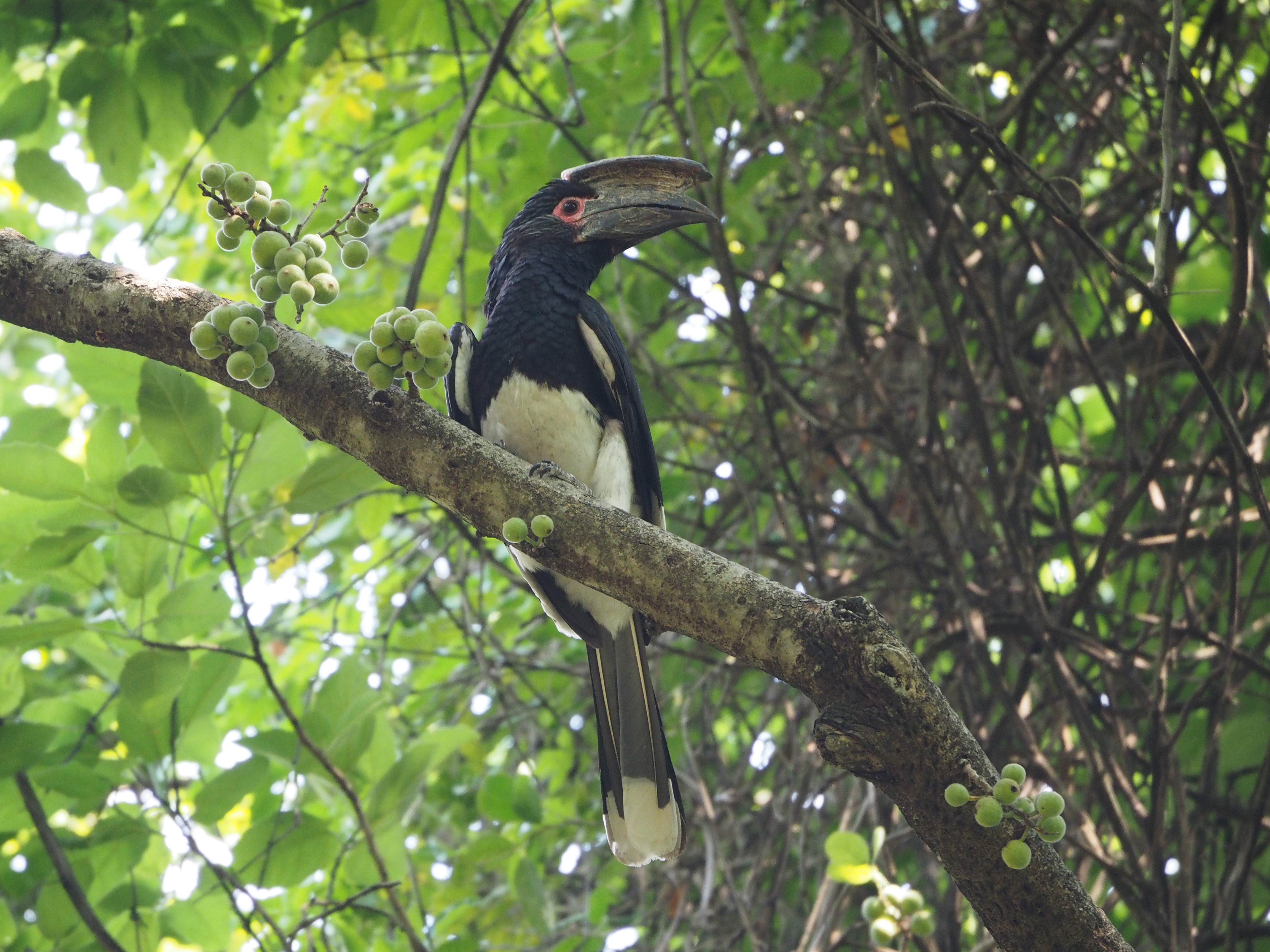
and the spectacular Trumpeter Hornbill …

OLYMPUS DIGITAL CAMERA

There is an excellent cafe where you can enjoy a local beer and watch the staff deal with unwelcome guests …

OLYMPUS DIGITAL CAMERA

OLYMPUS DIGITAL CAMERA

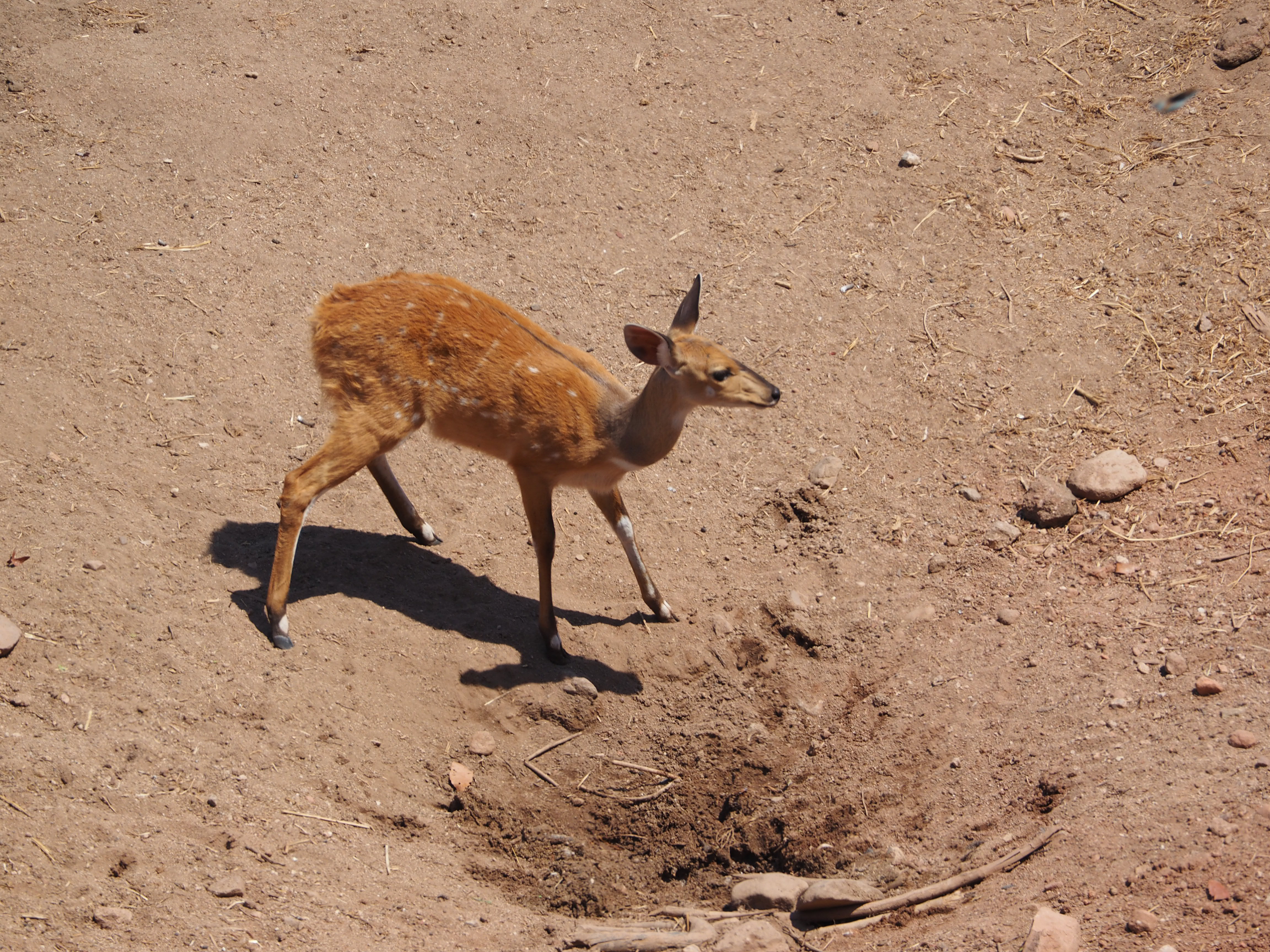
OLYMPUS DIGITAL CAMERAWe encountered Bushbuck, Warthog, Chacma Baboon and Vervet Monkeys, like this little guy waiting for his lunch, inside the fence. It was well worth spending the whole day there which gave us the best of the light for our photography, early and late.

Joseph, of course, was waiting at the gate …


Mosi-oa-Tunya …

Or in English, the smoke that thunders, otherwise Victoria Falls. It’s huge.

So big that, like Iguazu, you can’t take it all in at once. On the ground you have to move from view-point to view-point and add it all up in your head. The only way to photograph the whole thing is from the air.

Visiting in November the falls were at their minimum flow, virtually nothing was going over the eastern end. The western half remains spectacular. It may not be the worst time to visit however, in April, peak flow, the spectacle is obscured by the spray rising out of the gorge, hiding the foot of the falls and soaking visitors and their cameras. Even in November the spray rising above the falls can be seen from kilometres away.

Mark and I left Ilala lodge bright and early. A short distance down the hill there is a broad footpath sweeping away to the right. There is no signage on it but it is the most direct route to the falls. Joseph and a cabal of carving sellers were waiting for us there. They were only able to accompany us as far as the gate because you have to pay to go in. It’s $30 US for foreigners, somewhat less for locals.

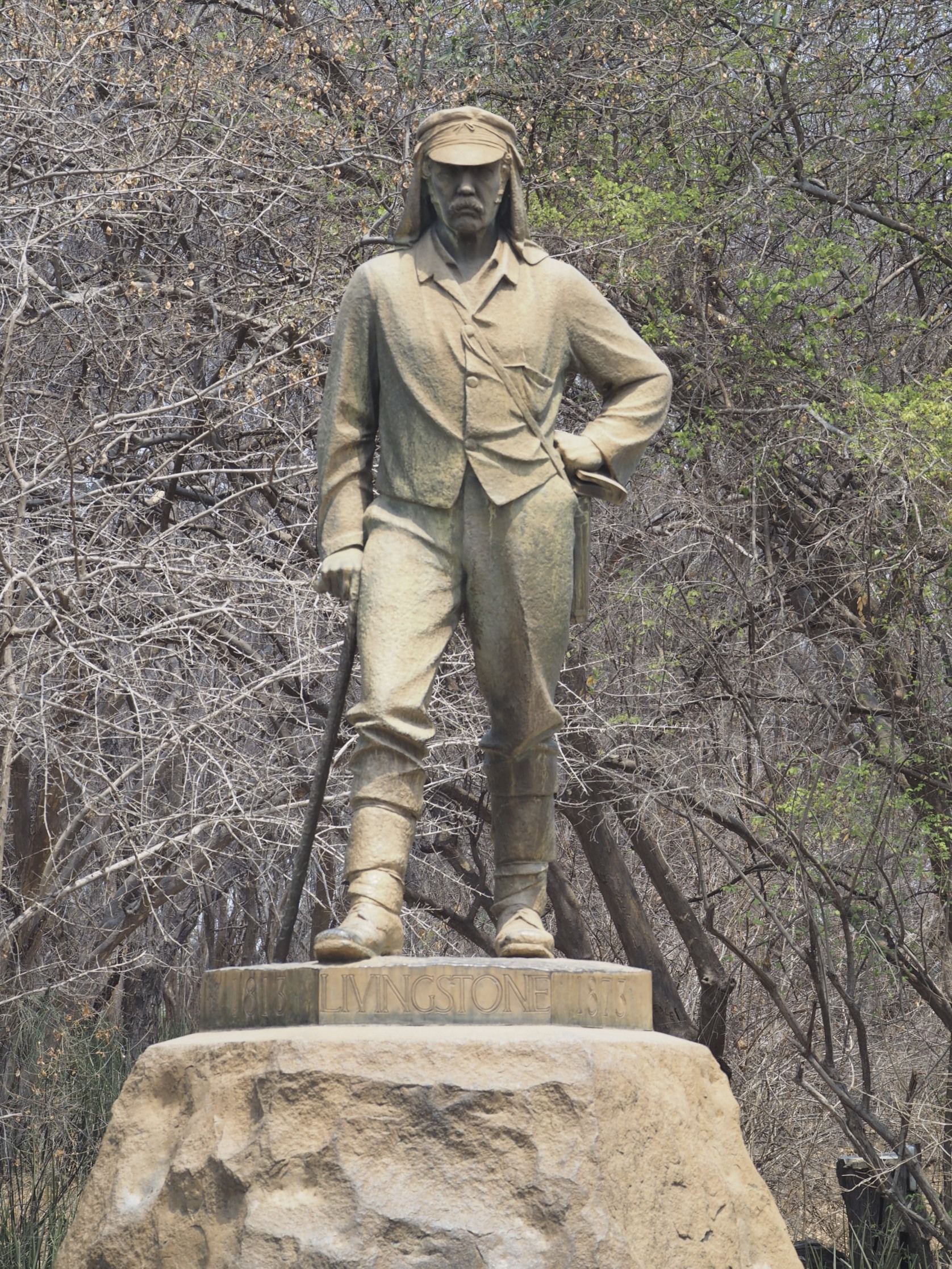
It’s probably best to make your way to the west end first. Here you will find Livingstone’s Statue. A Scot, he went to Africa in 1841 as a medical missionary with the London Missionary Society. In 1855 he was supposedly the first white fellah to see the falls which he named after his queen. He spent most of his adult life in Africa and it was a life far more beneficial than say the King of the Belgians or the present führer of Zimbabwe.

OLYMPUS DIGITAL CAMERA

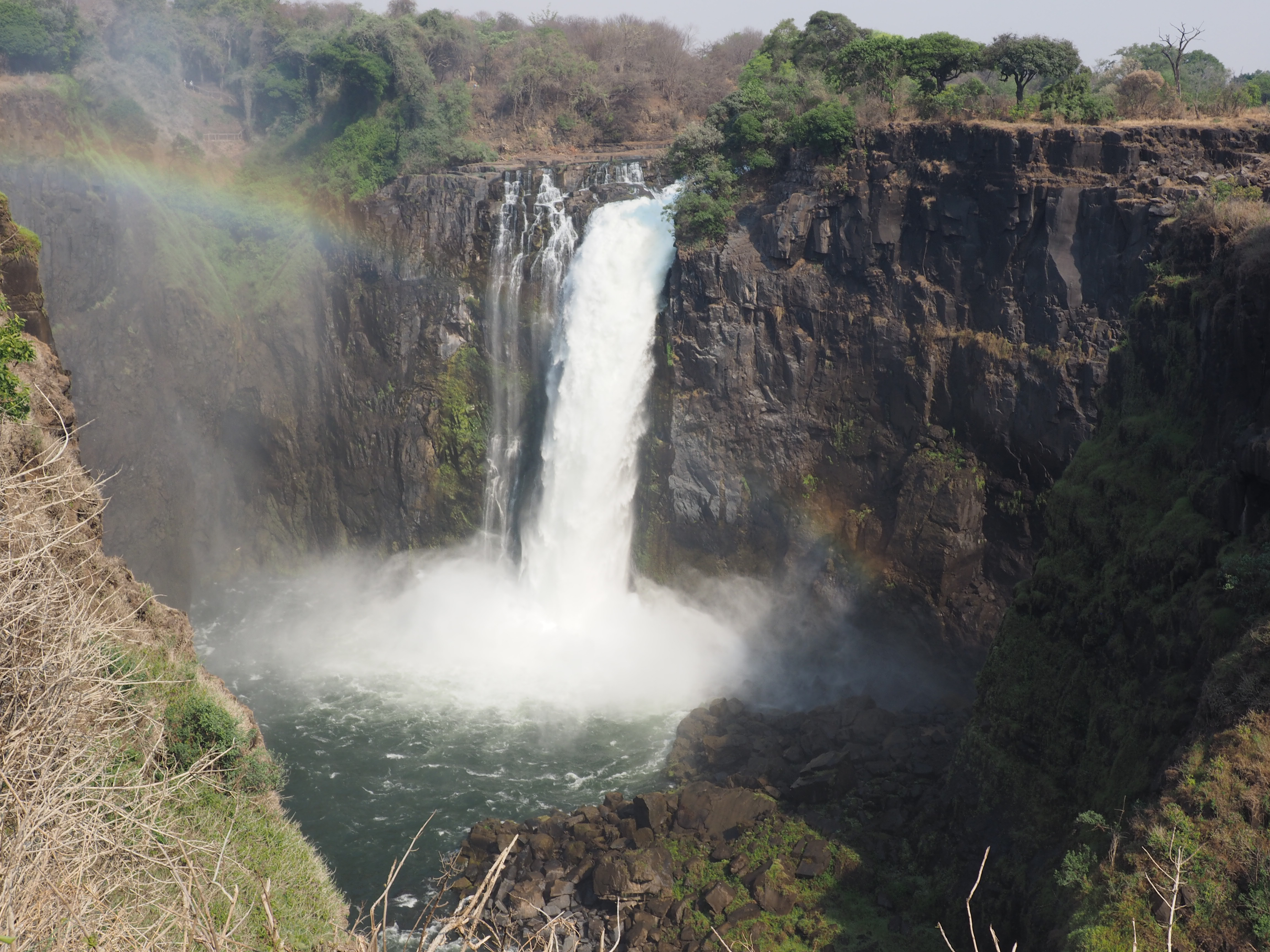
Not far from the statue you can stand above the western end of the falls. From here the far end of the falls is 1,708 metres away. The water drops 108 metres in the centre. The first chute is called the Devils Cataract. It is separated from the next broad expanse, the Main Falls, by Boaruka Island. Then comes Livingstone Island, from where the good doctor first saw the falls, then  Rainbow Falls (the highest) and the Eastern Cataract.

The waters of the Zambesi pour into a gorge which sweeps around a number of horse shoe bends before heading off towards the Indian Ocean. When the water level is low you can get down into the gorge but not to a position that will give you a great view. Your $30 gives you a number of splendid views from above. The Devils Cataract …

OLYMPUS DIGITAL CAMERA

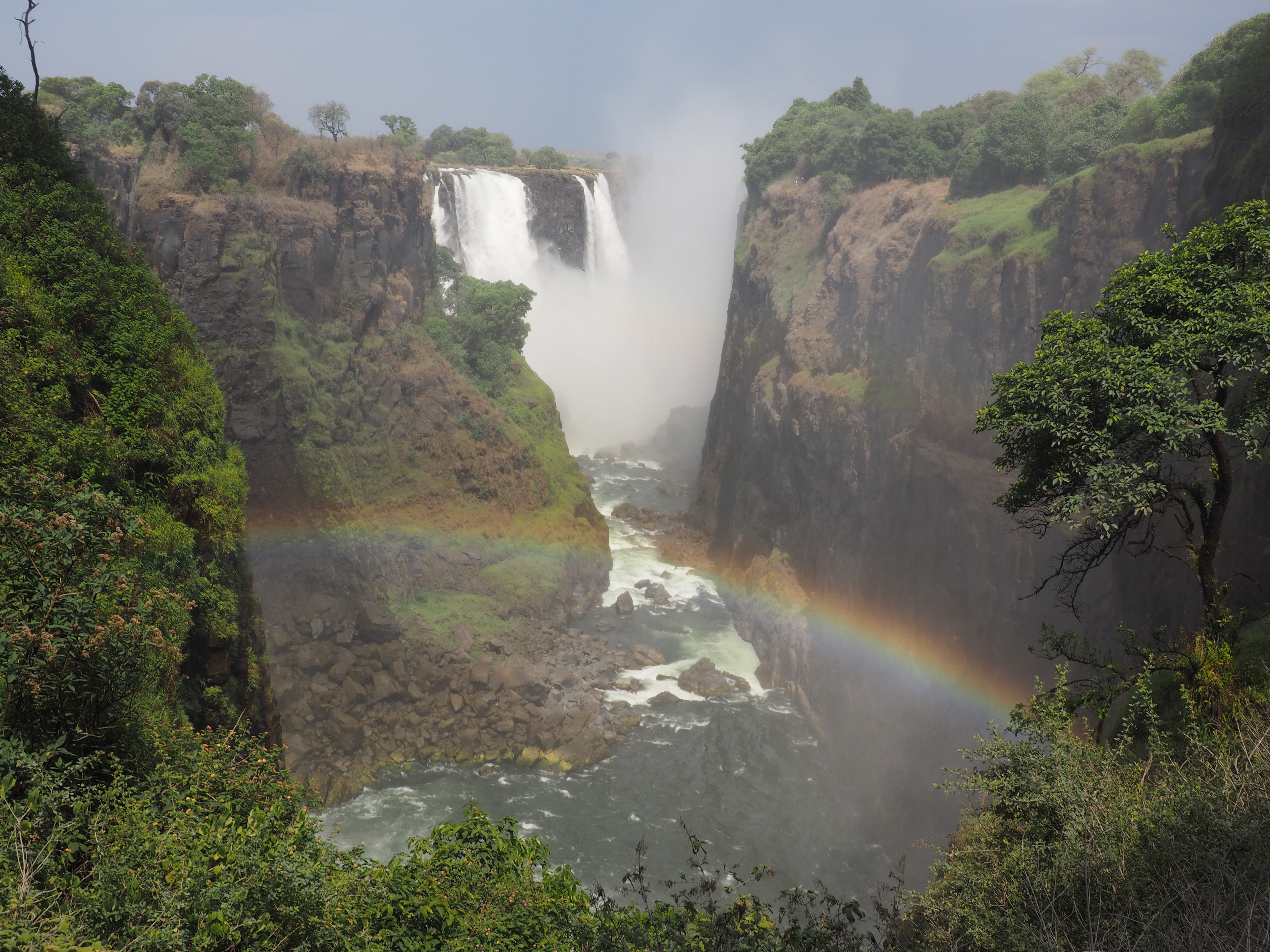
The Main Falls, looking west …

OLYMPUS DIGITAL CAMERA


Rainbow Falls looking from the east, a small party on the Zambian side are getting ready to swim in the Devil’s Pool. Only a tiny minority are swept to their death.


OLYMPUS DIGITAL CAMERA

You could spend the day there, and we did …

Sadly Zimbabwe …

Every man gotta right to decide his … own destiny

After lunch we left Leon Varley and were driven to the little Zimbabwean town of Victoria Falls.

After checking into the luxurious Ilala Lodge we headed out for a quick look around. We decided to save the falls for the following day but headed in that general direction. We were soon approached by a group of men with things to sell. You could buy the big five immortalised in wood or the complete set of the former Zimbabwean bank notes and who wouldn’t want a trillion dollar note for a bookmark? Well, no thank you, no, no thank you, no …

No, it wasn’t going to be that easy. One particularly engaging young man switched tack and assumed the role of guide. Joseph was fifteen, what he really needed was a job. He was very willing to work, he said, could we take him to Australia and he would work for us. He took us to the gorge, was suitably patient while we wasted our time photographing and sorting out the identity of various little brown birds and explained the problems that he, an Ndebele speaker faces at the hands of the Shona.

Zimbabwe is a land divided and made poor.

Robert Mugabe came to head the resistance movement that would eventually become the ZANU-PF in 1975. The independent state of Zimbabwe came into being in 1980 with him as prime minister. It rose out of the ashes of the former Rhodesia. At that time it was a fairly rich country and a net exporter of food. The wealth, though was not shared particularly fairly. The newly independent country was greeted with a great deal of optimism by Australia’s then prime minister, Malcolm Fraser and celebrated by none less than Bob Marley.

Malcolm Fraser’s little mate is still in power, now the president. He has managed that by intimidation, violence and fraud. One of his early efforts was to unleash the Fifth Brigade on the supporters of his rival Joshua Nkomo. Mugabe’s power base was in the east amongst the Shona speaking people, Nkomo’s was in the west amongst the Ndebele. Between 1984 and 1987 the Fifth Brigade, trained by North Korea, mounted a campaign of terror and rape. They executed about 20,000 civilians in the west of the country. To the victor the spoils, the Shona are first in line for the jobs. The Ndebele are last in line for scarce food.

Not that there are plenty of jobs. Mugabe found it expedient to toss the white farmers off their productive farms which ended up in the hands of his cronies. The farms now produce next to nothing. When private ownership ceased to have any meaning, not only the farmers left so did the investors. Hyperinflation made impoverished billionaires out of everyone. By 2008, the inflation rate was 231 million percent. The true victors were Mugabe and a small clique. New wealth came from diamonds and other resources, the nouveau riche are the ones that control the mines or take a slice of the profits from outsiders for access to the resources.

Mugabe is in his nineties, currently he is setting up his much younger wife, Grace, to continue the dynasty. She was his mistress, he married her after his first wife died. She is commonly known as Dis Grace, or the First Shopper. She is on to at least her third palace. She qualified as Dr Grace PhD after only two months of study at the University of Zimbabwe although apparently her thesis is unavailable from the University archives.

All in all a stable and successful kleptocracy.

This bridge spans the mighty Zambesi, the border with Zambia is in the centre … you’ll be able to spot where.

OLYMPUS DIGITAL CAMERA

Walk … ?

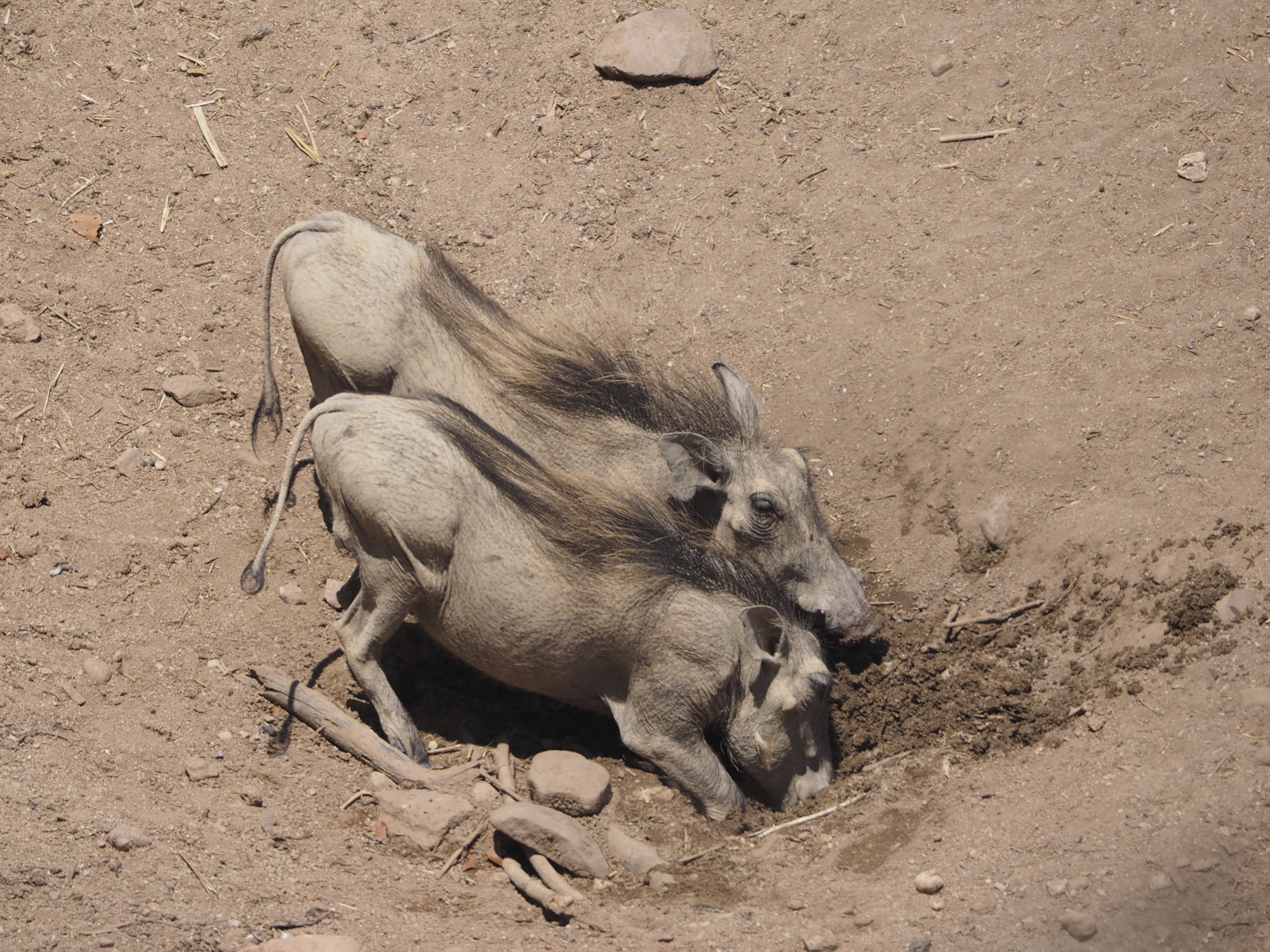
We were five days with Leon Varley. I developed a considerable respect for him and Obeid, the tracker and especially for the large wild animals that we encountered. The bird list mounted up and I added Honey Badger to my life list of mammals. Leon made sure we got our 20 km a day, three square meals and a drink. Our lunch time vigil overlooking the little water hole paid dividends. We learnt that in the animal world’s game of rock paper scissors warthog beats baboon. No matter how large the baboon, time at the water was up as soon as a warthog arrived. The poor birds had to wait until all else had vacated.

OLYMPUS DIGITAL CAMERA

OLYMPUS DIGITAL CAMERA

That’s a Bushbuck above. We encountered elephant and giraffe every day. We saw Lions on two days. On only one occasion did we get close to Burchell’s Zebra.

OLYMPUS DIGITAL CAMERA

On a couple of occasions we encountered fresh tracks of Black Rhino but we could never find the beast itself. Perhaps just as well, the last few years have seen many rhino killed by poachers. There are possibly as few as nine left in Hwange, the future looks very bleak for impotent Chinese, they may have to switch to Viagra.

On the other side of the coin the park is overburdened with elephant. They are doing considerable damage to the Baobab trees which are soft enough for elephants to eat. Leon predicts that there will be next to no mature Baobabs in the park within a few years.

The most interesting piece of botany was represented by this very attractive flower …

OLYMPUS DIGITAL CAMERA

This is Strophanthus kombe, it’s one of the poison arrow plants. An arrow coated with a paste containing just three seeds will kill a giraffe.

So, is a walking safari for you?

The accommodation is a tent with an outdoor shower and toilet en suite. Luxury no, but you will survive so long as you don’t walk off the cliff in the dark. Food is pretty good for camp cooking. Alcoholic beverages are included.

You need to be fit enough to back up a few long hot dry days of walking with enough in reserve to run on demand.

It’s not for you if you will spend all your time frightened that the animals might kill you. They might … we all have to die some time.

Leon delivers what Leon delivers, that is a lot of walking and as many of the big five as he can find. I think if you said to him at the outset that you were only interested in hairy caterpillars he would go out of his way to deliver a lot of walking and as many of the big five as he can find! He really has no idea why hairy caterpillars or, for that matter, little brown birds are of any interest to anyone.

If you are primarily interested in photographing the wildlife you would do better from a vehicle. Animals permit closer approach of vehicles and a good guide will anticipate an animal’s movements and put you in position, sun over your shoulder for that perfect shot. On foot you have to take what the situation permits.

I loved it.


Don’t run …

There is something very special about Africa, the cradle of mankind, the hint of danger, the landscape, large fierce animals. Life is so real … and so fragile.

My companion on this occasion is Mark*, a professional biologist whose work in Australia mainly concerns wildlife monitoring. He is a joy to travel with, he is fascinated by everything, whinges about nothing and can shed light into every corner of the natural world.

First step was Hwange National Park in Zimbabwe and a Leon Varley Walking Safari.

OLYMPUS DIGITAL CAMERA

The accommodation was a base camp on the edge of a cliff. Leon picked us up in Victoria Falls and was keen to get the three hour drive done before dark so that we could appreciate the importance of not wandering over the cliff. We would not have been the first to do so.

The following morning we went for our first stroll. Leon gave the safety briefing …

All the big five are here and they can all do you serious harm or kill you.

Don’t run unless I tell you to run, especially with Lion. Your instinct is to run, theirs is to chase. I’ve had to shoot three lions in the last 24 years, twice it was because someone ran. I’m not going to do it again, run and I’ll let nature take its course.

If I do tell you to run, keep me between you and the animal and stay on your feet. Follow direction.

Most charges are mock charges, except for buffalo. If a buffalo charges it’s coming all the way …

If we come across poachers get down on the ground and stay there until I sort something out.

Obeid, the tracker leads the way. He is armed with a hand gun. Leon follows with a bolt action rifle across his shoulders, it has a cartridge in the breech and two more in the magazine. Then comes Mark, I’m in the rear. There is an old saying about not needing to outrun the lion, just your nearest companion. I look around and for the first time in my life come to the conclusion that I’m the slowest in the group.

The route took us through Mopane woodland to a lake which we then skirted to where we were picked up and taken to camp for lunch. It was the very end of the dry season, if the country had a tongue it would have been hanging out. The Mopane can grow into a fairly substantial tree putting the leaves out of reach for all but giraffe. The elephants seem determined not to let that happen. Large areas of Mopane were broken off or of no great age, bringing the browse line down to a level that smaller animals can reach.

The bushes in the foreground are Mopane just coming into leaf.
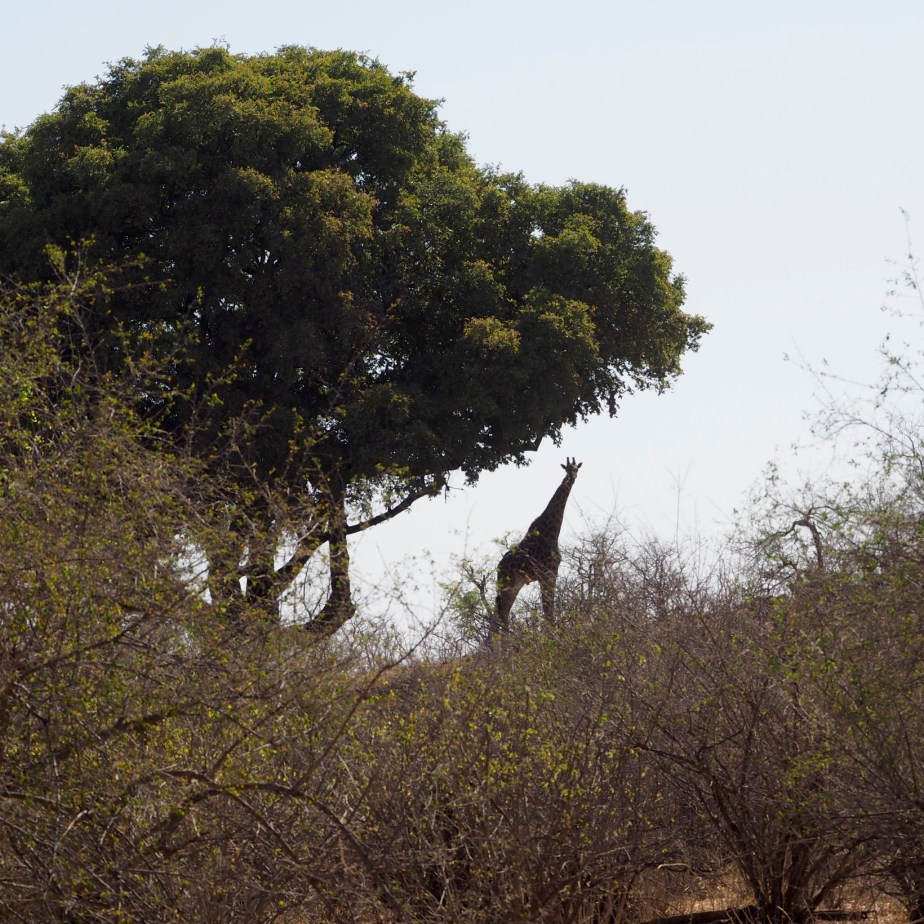
OLYMPUS DIGITAL CAMERA

A large herd of Cape Buffalo are also heading to the lake. They are quite strung out, the females and young make the pace and get the best of the feed. The males bring up the rear, over time the poorer feed causes them to lose condition and drop off the back. The front of the herd is well ahead of us, we can’t beat it to the lake. Nor can we pass through it. Since we need to get from the right flank to the left we must pass behind it. Cautiously, because that’s where those grumpy old men are. Of the large animals only hippos kill more people than buffalo, elephant follow in third place. You can’t entirely forget about the carnivores but do show respect for the vegetarians.

Along the way Leon pauses to give us the good oil on the life and death of elephants …

OLYMPUS DIGITAL CAMERA

At the lake it’s all happening, as well as the buffalo there are elephants, impala, chacma baboon, warthog, impala, crocodiles, hippos and four people on foot. Welcome to the real Africa, stay alert, think about where the wind is taking news of your presence, watch how the animals are reacting and have a nice day.

We had walked about 12 km for the morning by the end of which it was becoming very hot. Lunch was basic but good. At 3pm we headed off again for a further 8km or so. This was the pattern for the next few days. The dining tent was pitched at the cliff edge, from its shade we could watch a water hole that the local wildlife had scraped in the bed of the dry creek below, not a moment of daylight need be wasted.

OLYMPUS DIGITAL CAMERA


* Name changed to preserve his privacy.

Farewell Madagascar …

There is this awful sense that if you don’t see it soon you won’t see it at all. Madagascar, a crucible of evolution in isolation, is losing its distinct suite of habitats. Virtually every lemur species is endangered.
Threats to Madagascar’s biodiversity and ecosystems
  1. Deforestation and habitat destruction.
  2. Agricultural fires.
  3. Erosion and soil degradation.
  4. Overexploitation of living resources including hunting and over-collection of species from the wild.
  5. Introduction of alien species.

You can read all about it at wildmadagascar.org

How did it come to this?

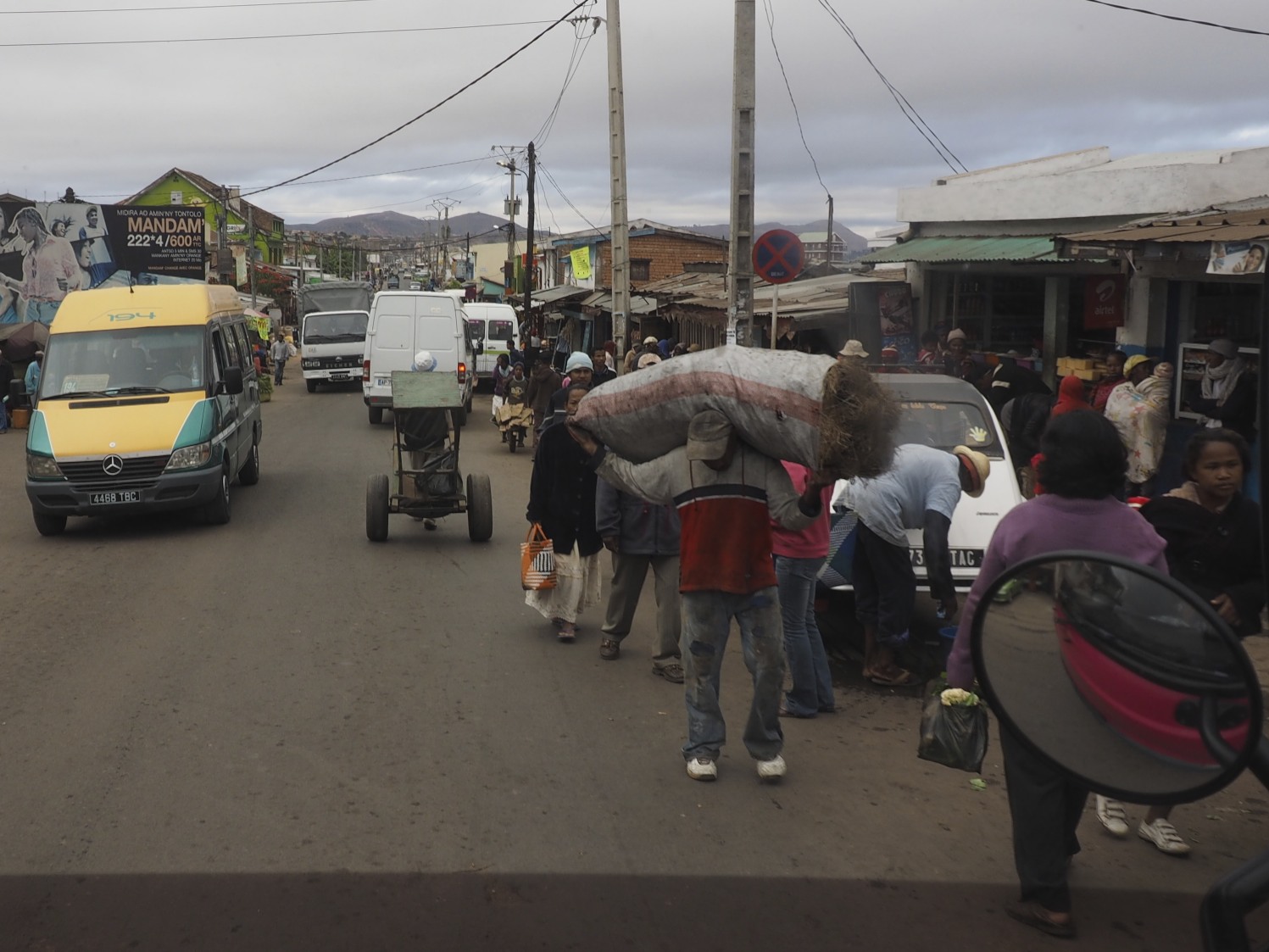
The industrial revolution has hardly touched this place. At every turn you see people at work, not machines at work. People dig fields with shovels, not tractors. They carry or pull their loads. They make crushed rock by taking a hammer and cold chisel to large chunks of granite.
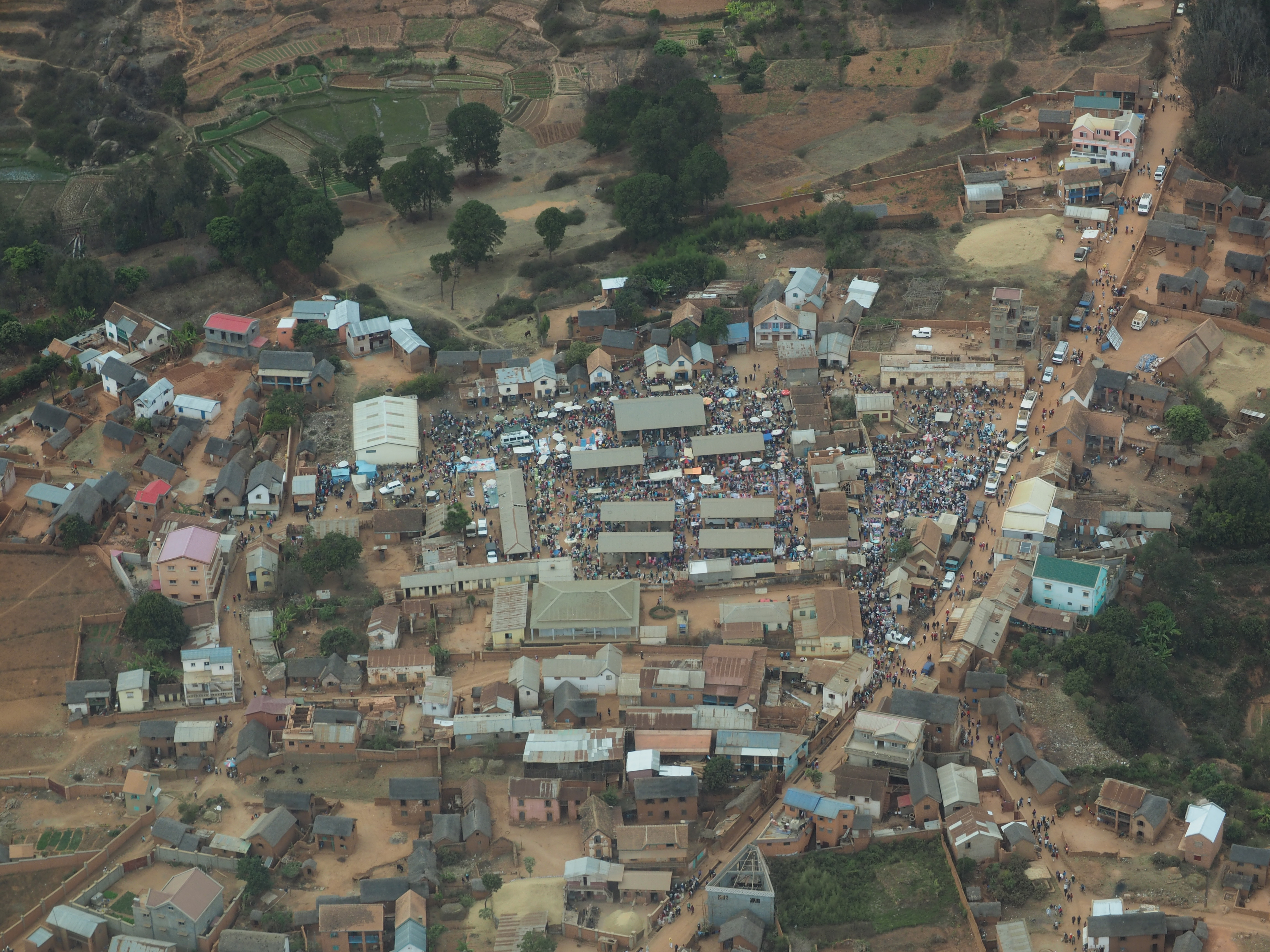
P1030006
OLYMPUS DIGITAL CAMERA

The majority of homes are not connected to an electricity supply.

When it comes to their carbon footprint the Malagasy lead exemplary lives. Their environment is going to hell in a handcart.

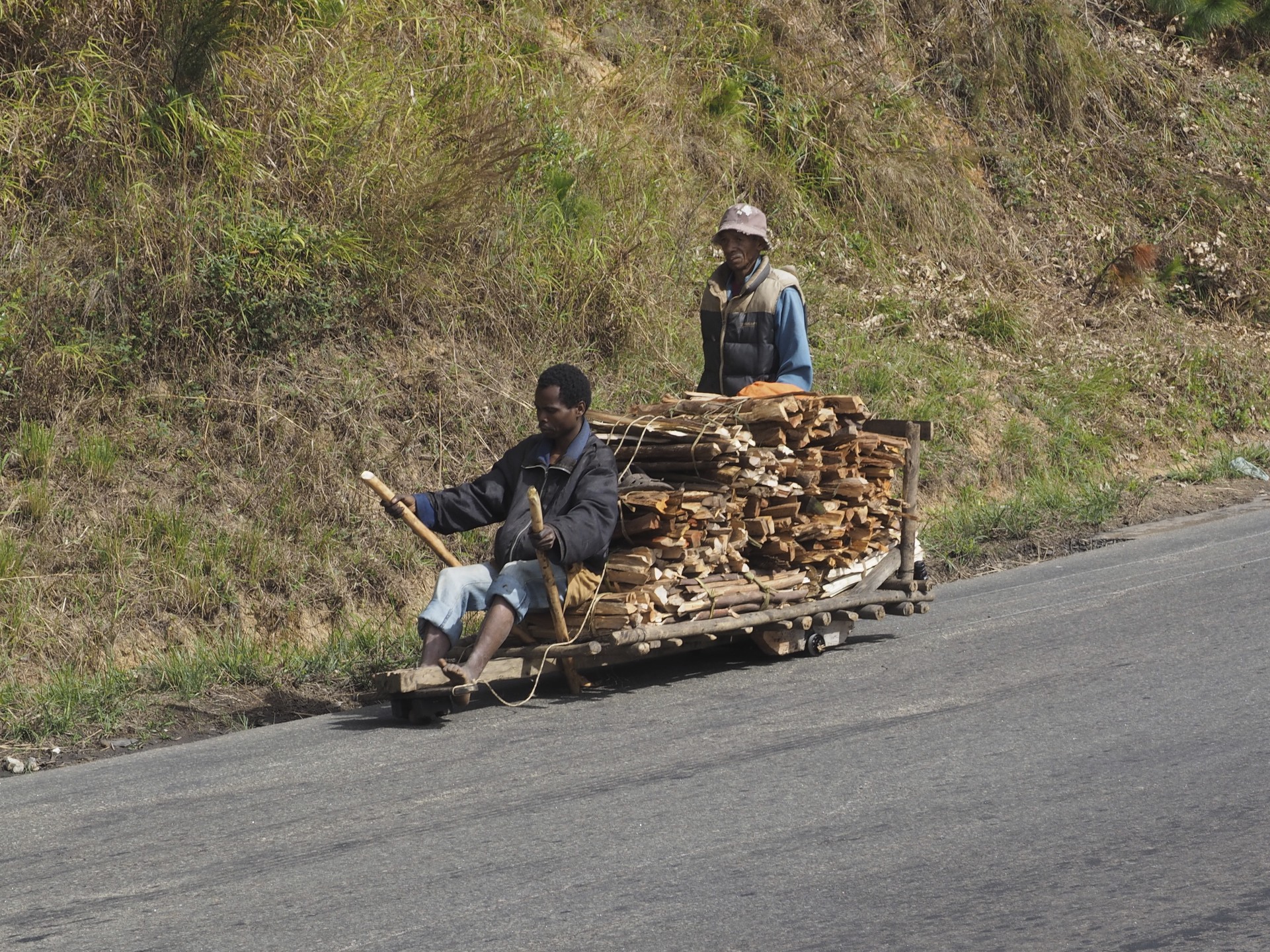
It is worth noting that the main source of cooking fuel is charcoal. That’s what the guy has on his back in the sack capped with grass to stop it falling out. That’s what the wood in the photo below is destined to become. The two men have dragged the three wheel cart up the hill. The journey down is gravity assisted and not without hazard.
OLYMPUS DIGITAL CAMERACharcoal is a renewable.

The European Union gives its blessing to burning an American forest in one of England’s power stations. Renewable … but it would require the consumption of the entirety of British forests to keep it going and it would not be renewed in our grandchildren’s lifetime.

Conservation is the privilege of affluent nations. For poor nations survival is the only priority. Energy poverty is not the saviour of our world.

Birds of Madagascar …

Travel without a purpose entails all the hassle, expense, risk and inconvenience as travel directed at some specific end. The results though are a matter of chance. Here, on my country estate in the goldfields region of Victoria, Australia, the nearest neighbours to my south have just returned from a tour of British farms. They found the chance to compare their own farming with agriculture in a place where it rains fascinating. We had a chat about it all yesterday and they were radiant in the telling of their story.

My principal reason for travel is birdwatching. Trip accounts from birdwatchers can easily turn into a series of lists. I try to avoid that, although if I’d had succumbed to that on this trip the lists would have been mercifully brief. Seventeen days in Madagascar produced a list of just 85 species, the busiest day was 31 species, most days were less than 20. A single day out in Victoria would turn up more than the entire trip.

The paucity versus other tropical sites is worth some thought. The way to ratchet up the numbers is to visit as many habitats as you can. We did that. Forests of various types, mangroves, agricultural areas, wetlands, seashore, higher altitude, mid-altitude and sea-level. Madagascar’s long isolation will have played a role. Islands tend to have a subset of the birds of the nearest continent. Africa is extremely rich but its contribution to Madagascar is quite small (the prevailing wind is from the east). The total list for Madagascar is not much more than 250 species, some 115 are endemic. Five bird families are found nowhere else.

Nor was it a case of beating a handful of common species off with a stick. The population density was low. For a tropical destination birds were surprisingly scarce.

My best guess is that this is due to competition from those pesky mammals. The lemurs can reach every inch of the trees all the way to the outermost leaves and they work in shifts 24 hours of the day. They must take a good part of the available resource.

Here are a few examples of what is on offer.

A male Madagascar Magpie-robin.

OLYMPUS DIGITAL CAMERA

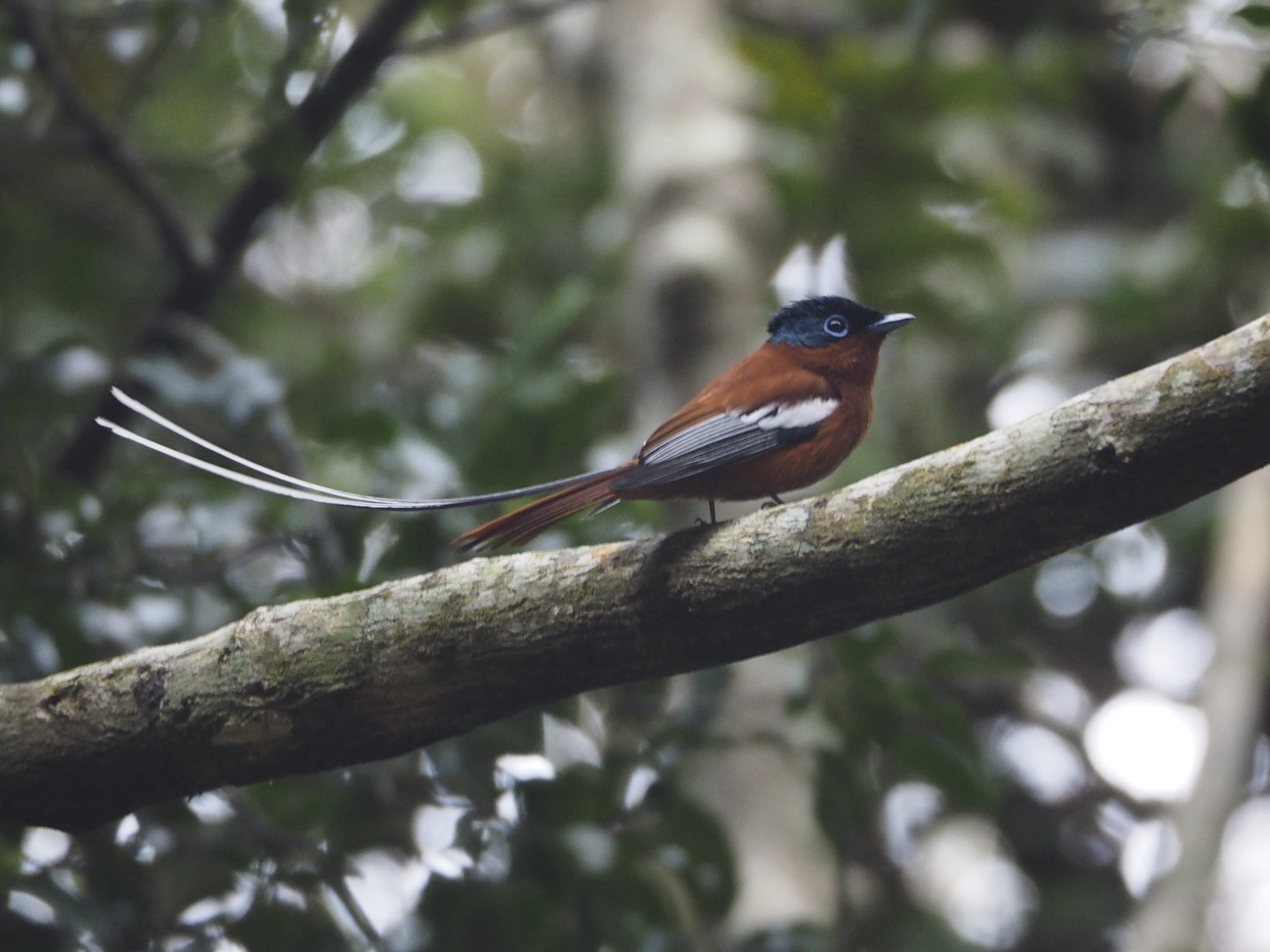
A male Madagascar Paradise-Flycatcher.

OLYMPUS DIGITAL CAMERA

A Common Sunbird-Asity.

OLYMPUS DIGITAL CAMERA

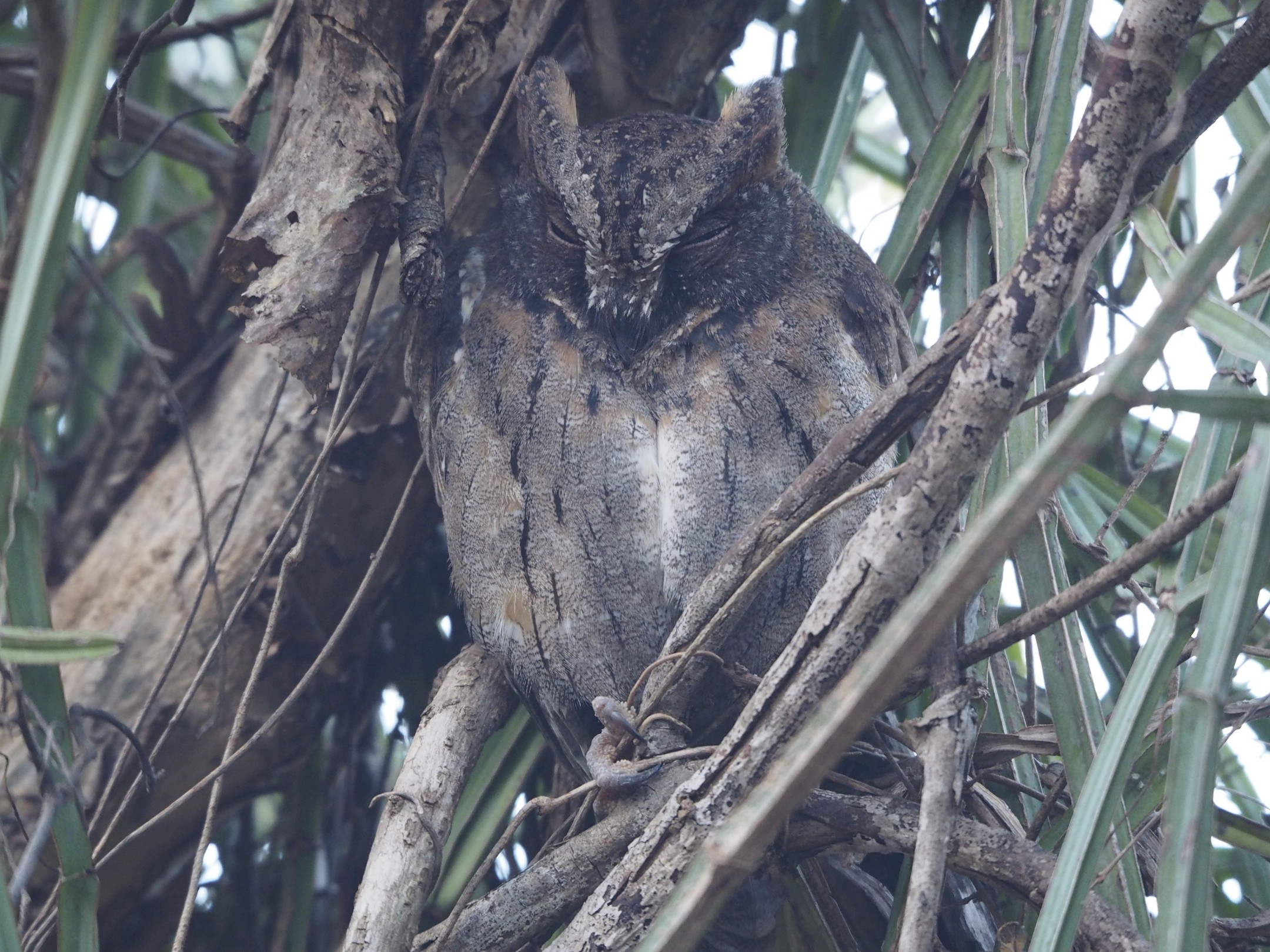
Madagascar Scops Owl.

OLYMPUS DIGITAL CAMERA

Dimorphic Egret, the grey form is more common at the coast, the white form more common inland.

OLYMPUS DIGITAL CAMERA

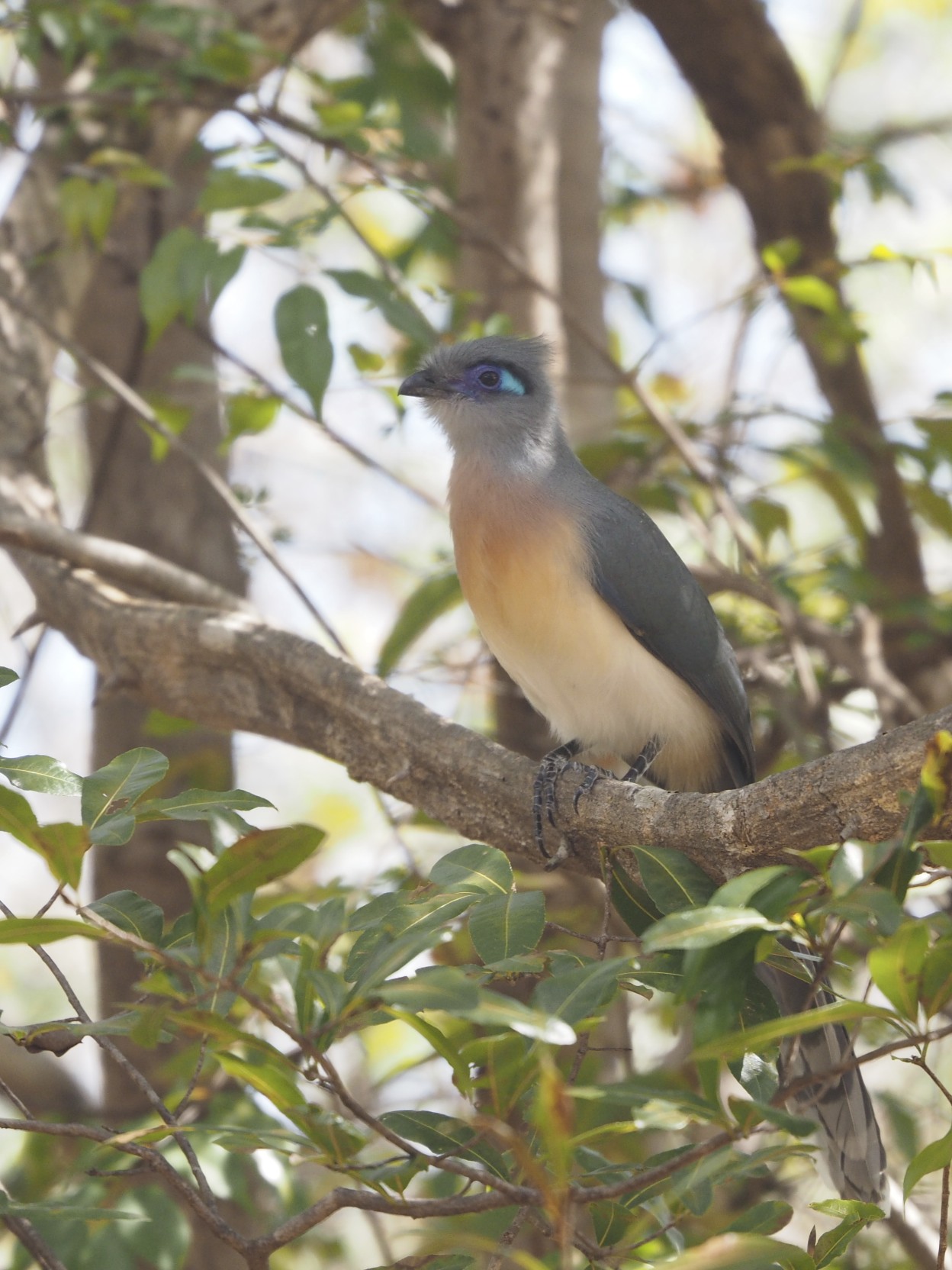
CrestedCoua.

OLYMPUS DIGITAL CAMERA

Blue Coua.

OLYMPUS DIGITAL CAMERA

Sickle-billed Vanga.

OLYMPUS DIGITAL CAMERA

Madagascar Kingfisher.

OLYMPUS DIGITAL CAMERA

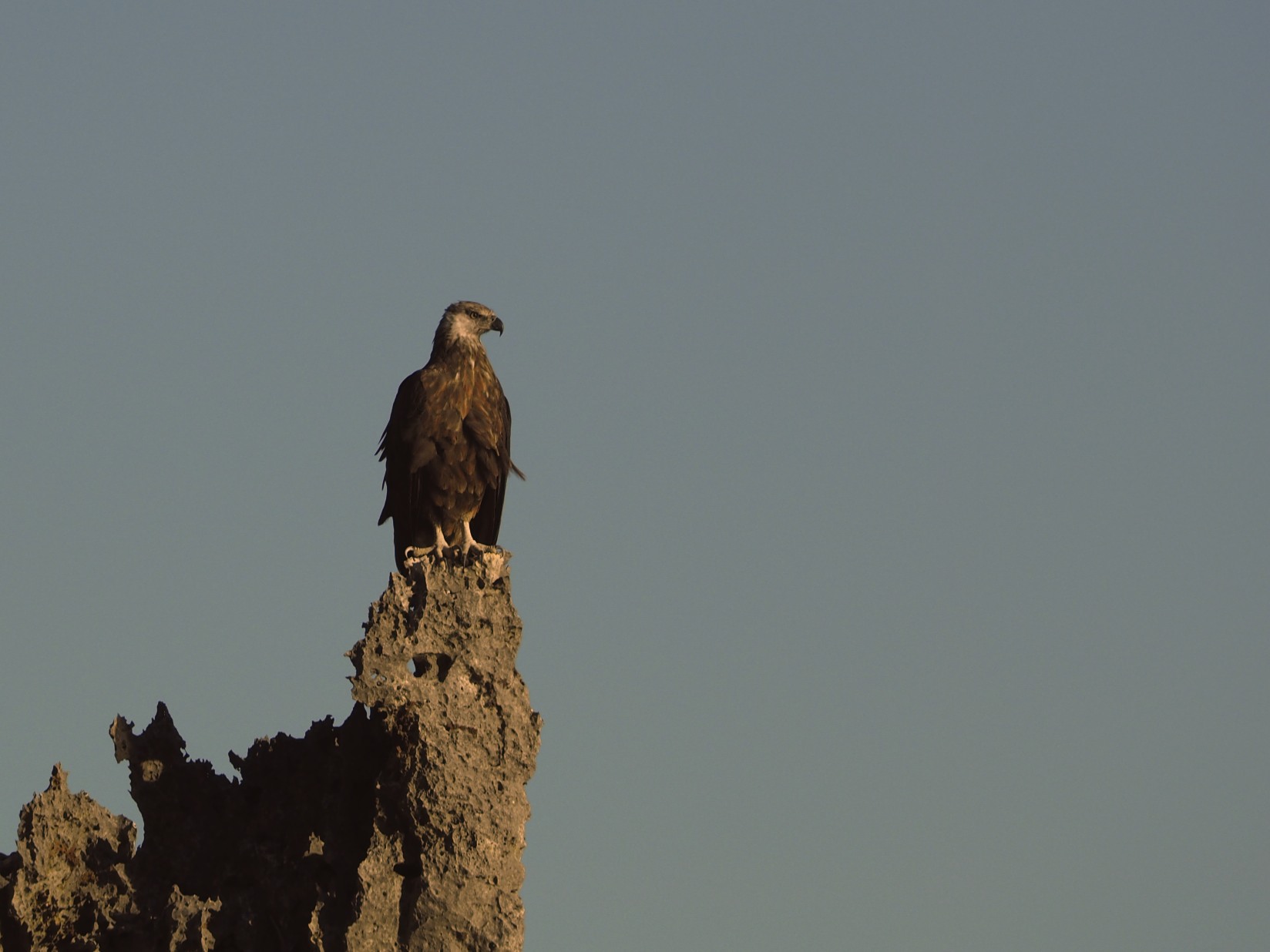
Madagascar Fish Eagle.

OLYMPUS DIGITAL CAMERA


Lemur …

Lemurs are our very distant relatives although you would have to climb a very long way up our family trees before you found our last shared ancestor perhaps about 65 million years ago. That is when the Haplorhini and the Strepsirrhini went their separate ways. You and I, the monkeys and the apes are haplorhine.

Not too long after that the ancestors of today’s Lemurs made their split with the ancestors of the other Strepsirrhini, the Lorises and Galagos, by the not so simple means of migrating to Madagascar. That was somewhere in the vicinity of 60 million years ago. Madagascar was already an island having split from Africa about 100 million years  prior and from India about 30 million years prior. (There is, incidentally, a nice animation of the breakup of Gondwana <HERE> . You can drag the pointer through time and take in the break up at your own pace).

Nowadays such a journey would mean swimming, against the current, at least 560 km from Mozambique. 60 million years ago Africa and Madagascar were just as far apart but further south and ocean currents were likely to have been more favourable to animals washed out to sea on a raft of floating vegetation. Representatives of only five orders of terrestrial mammals established populations in Madagascar so it can’t have been too easy. It is considered most likely that the arrival of just one raft load gave rise to all the various lemurs.

The taxonomy is, of course, in a state of utter chaos. In 1994 there were 33 species, by 2008 there were about 100. DNA analysis is finding splits especially in the nocturnal species where the outward appearance is fairly uniform. I filched the version below from Wikipedia and modified it slightly …

The extant Lemurs comprise five families (and there are three extinct families)

  • Family:Daubentoniidae: aye-aye
    • Genus: Daubentonia (1 extant species, 1 extinct species)
  • Family:Cheirogaleidae
    • Genus: Allocebus: hairy-eared dwarf lemur (1 extant species)
    • Genus: Cheirogaleus: dwarf lemurs (6 extant species)
    • Genus: Microcebus: mouse lemurs (21 extant species)
    • Genus: Mirza: giant mouse lemurs (2 extant species)
    • Genus: Phaner: fork-marked lemurs (4 extant species)
  • Family:Indriidae
    • Genus: Avahi: woolly lemurs (9 extant species)
    • Genus: Indri: indri (1 extant species)
    • Genus: Propithecus: sifakas (9 extant species)
  • Family: Lemuridae
    • Genus: Eulemur: true lemurs (12 extant species)
    • Genus: Hapalemur: bamboo lemurs (5 extant species, 3 extant subspecies)
    • Genus: Lemur: ring-tailed lemur (1 extant species)
    • Genus: †Pachylemur (2 extinct species)
    • Genus: Prolemur: greater bamboo lemur (1 extant species)
    • Genus: Varecia: ruffed lemurs (2 extant species, 3 extant subspecies)
  • Family:Lepilemuridae: sportive lemurs
    • Genus: Lepilemur (26 extant species)

I was lucky enough to see and photograph at least one representative of every family except the Daubentoniidae … the Aye-aye is very hard to find in the wild.

Family: Cheirogaleidae represented by a Mouse Lemur

OLYMPUS DIGITAL CAMERA

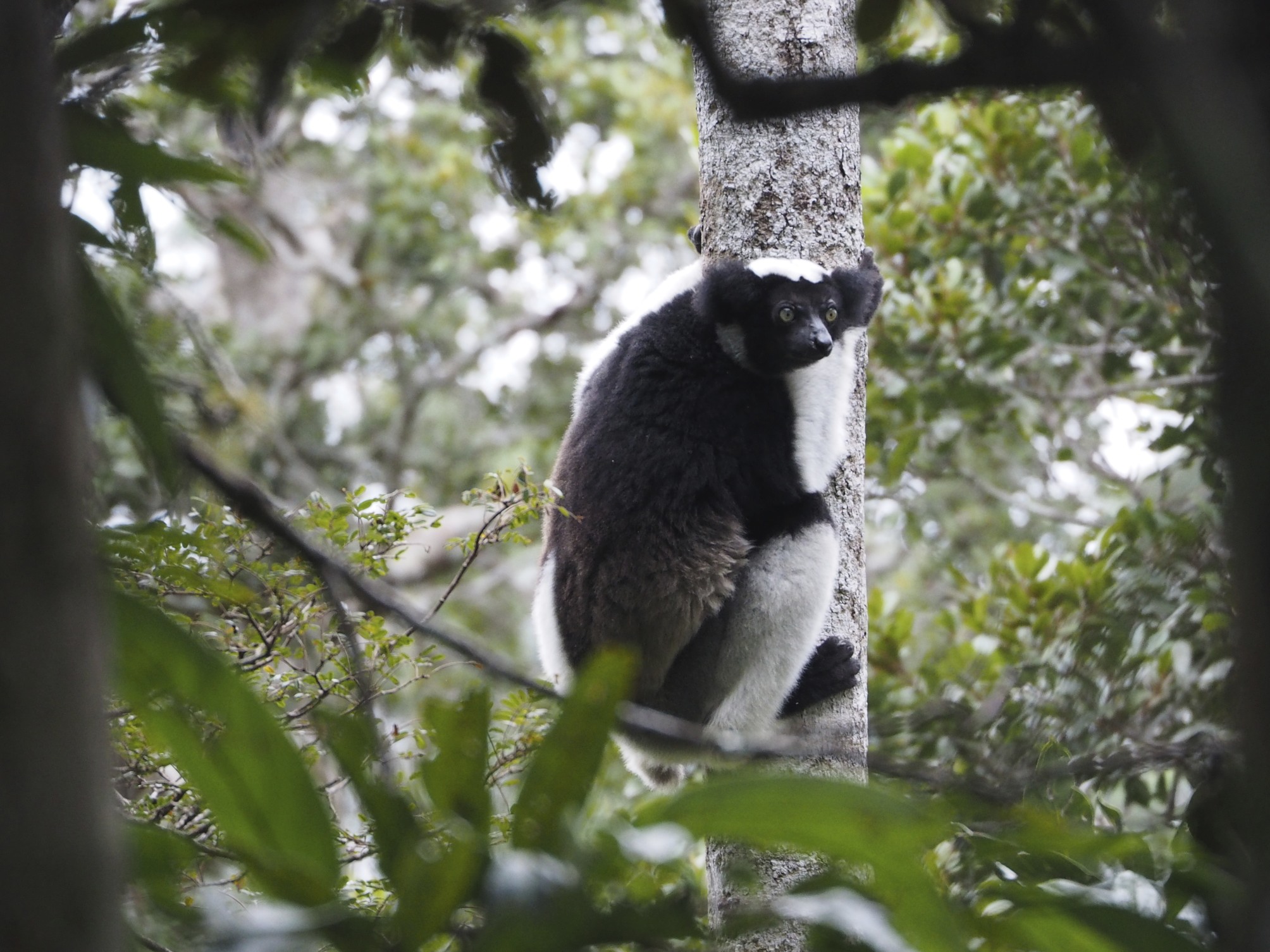
Family: Indriidae represented by the Indri

OLYMPUS DIGITAL CAMERA

Family: Lemuridae represented by the Common Brown Lemur

OLYMPUS DIGITAL CAMERA

Family: Lepilemuridae represented by the White-footed Sportive Lemur

OLYMPUS DIGITAL CAMERA

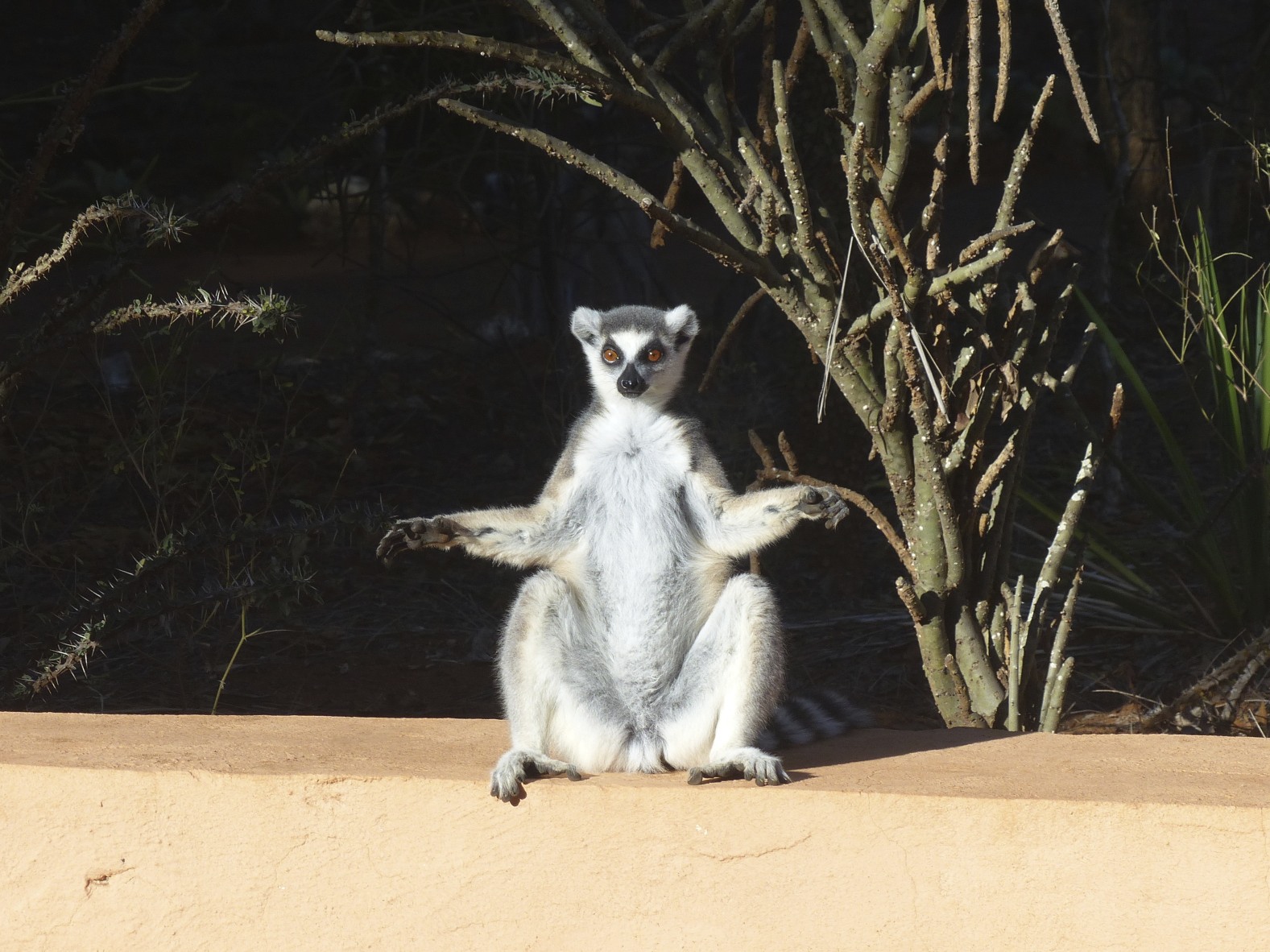
Lemurs have a low basal metabolic rate, as much as 20% below the values predicted for mammals of similar body mass. This may have been a trait that enabled the founding population to survive their time on the raft. It may also be as much as they can manage on their fairly energy poor diet, the larger lemurs mainly subsist on leaves, the smaller ones mainly on fruit. Various behaviours such as huddling and opening themselves to the morning sun serve to increase their body temperature …

P1030046

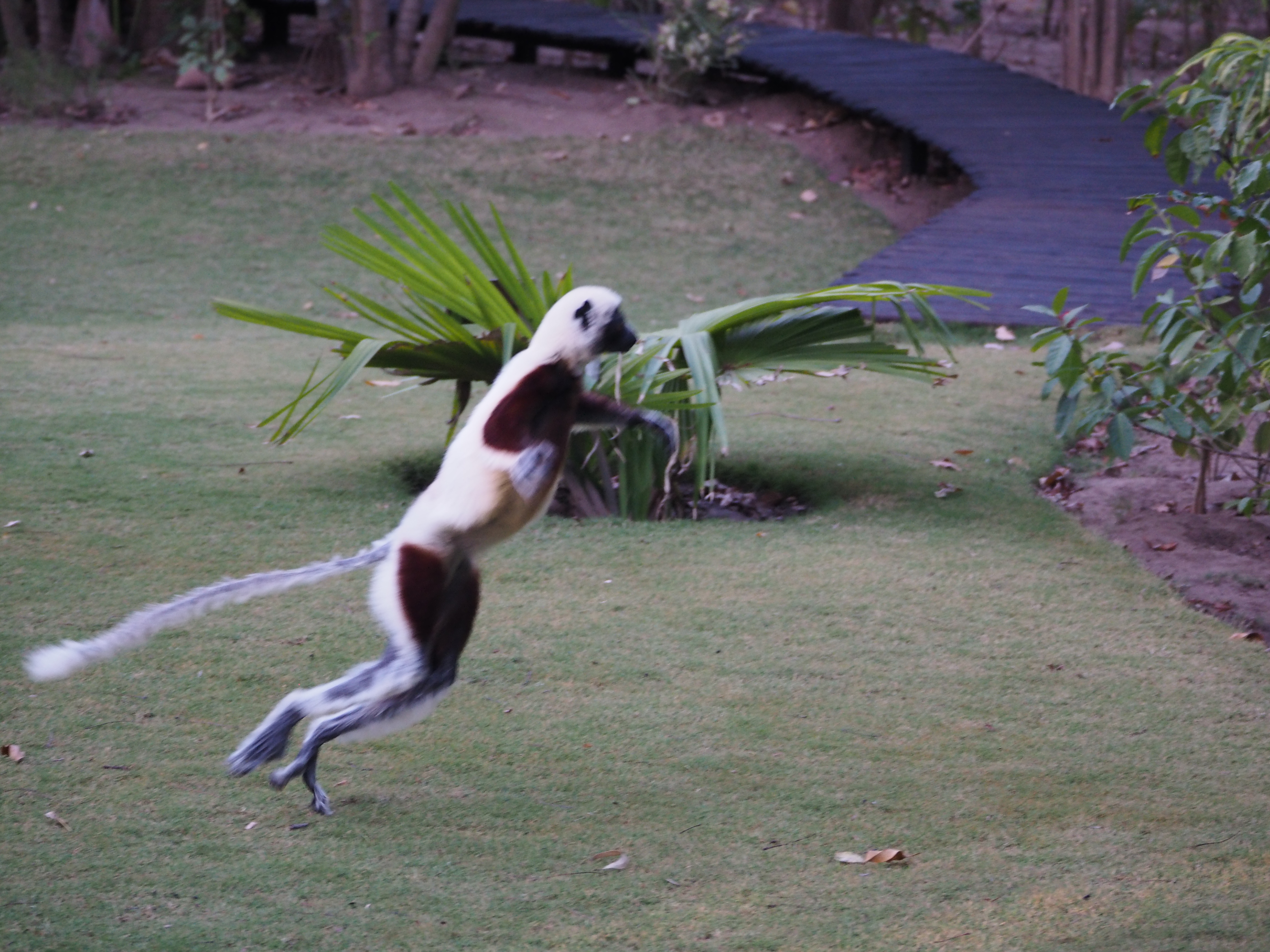
Nonetheless they are extremely agile and athletic. When Sifakas cross open ground they do so by bounding on their hind legs and are likely to finish the journey by bounding well up the trunk of the tree they are heading for.

OLYMPUS DIGITAL CAMERA

And if the trees are close together why not fly?

OLYMPUS DIGITAL CAMERA

An Australian is inclined to compare a lemur with the Koala, similarly arboreal, similar diet but one a gymnast and the other a couch potato. Why? The quick answer is the Fosa (pronounced Foossa – long O soft S). This is Madagascar’s largest carnivore, it is somewhat catlike but with a longer body. It will climb trees and it does take lemurs. Thus they need the agility to evade predation.

There is a major flaw in this argument. The DNA studies show that the Aye-aye split from the other lemurs early after colonisation. The radiation that brought about the diverse forms seen today occurred between 42 million years ago and 30 million years ago. Madagascar was without mammalian predators until about 20 million years ago. The Fosa may have sharpened their skills but the skill set existed for more than 10 million years before the Fosa arrived.

A bird’s eye view …

Anjajavy, a luxurious hotel in a spectacular setting, was the ideal place to finish a tour of Madagascar.

From there it was back into the Cessna Caravan for the flight to Antananarivo and the farewell Madagascar by South African Airlines to Johannesburg.

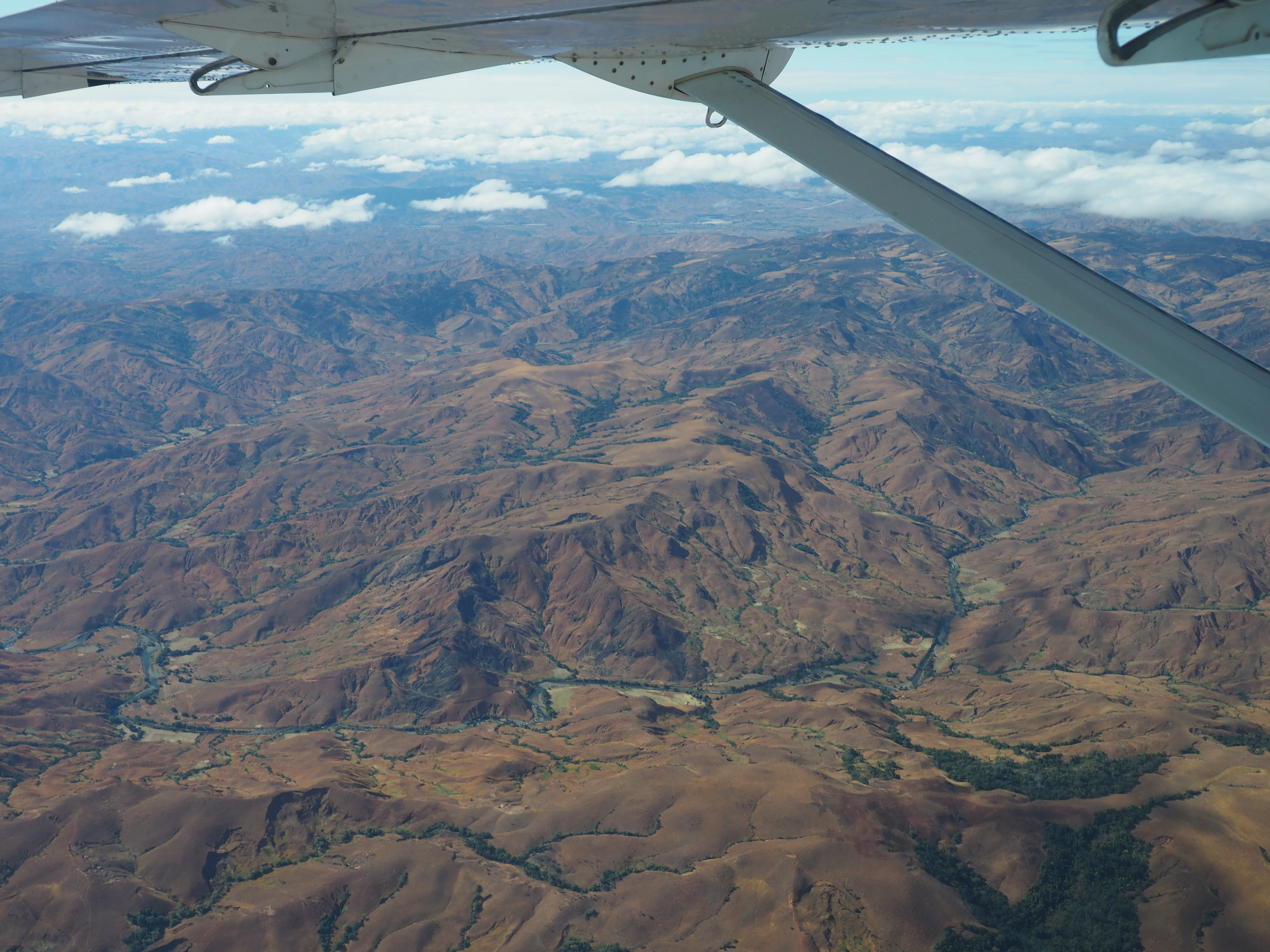
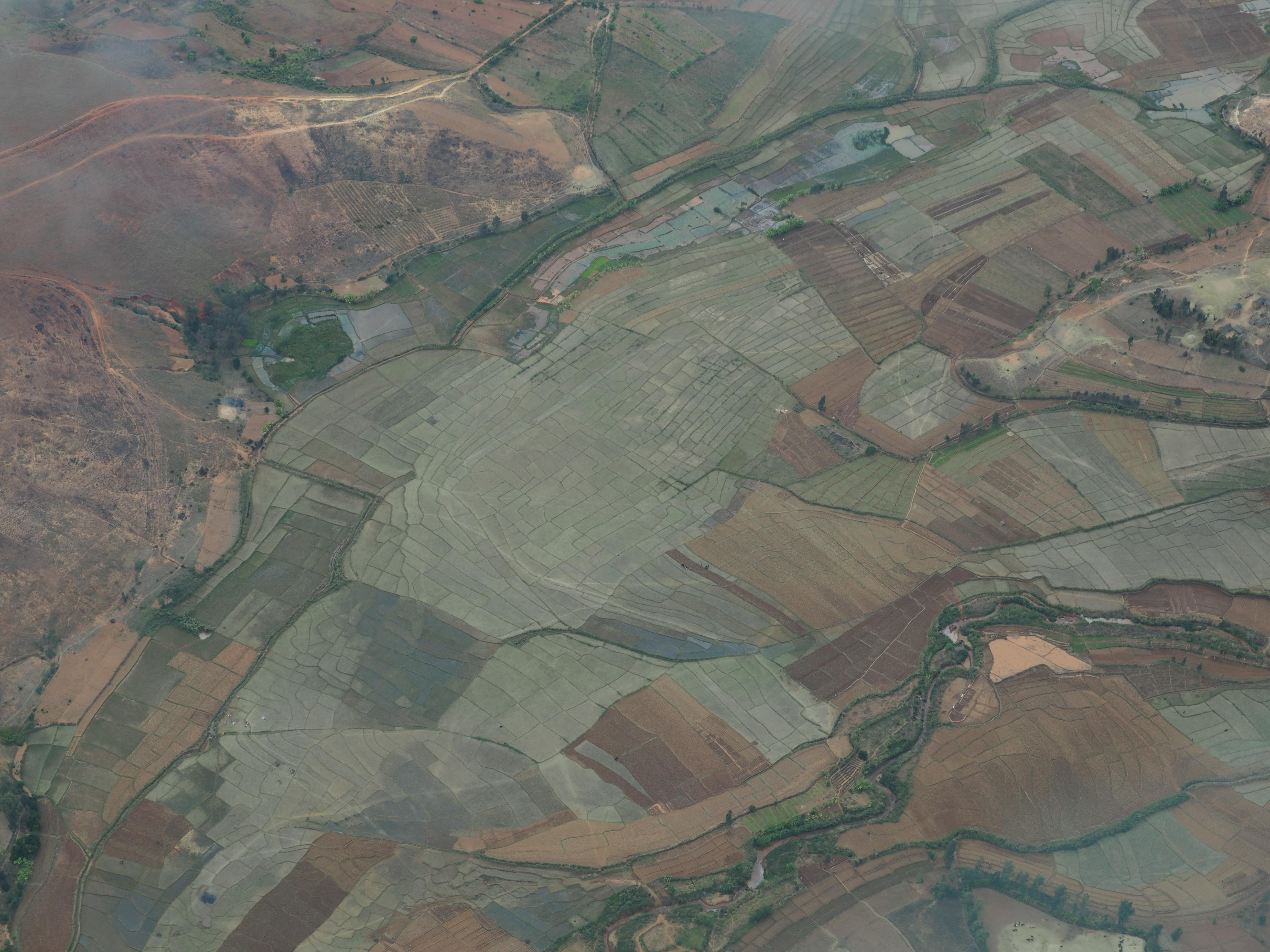
The two trips across country in the Cessna gave opportunities for some aerial photography …

OLYMPUS DIGITAL CAMERA

Starting from the west coast in the vicinity of Anjajavy.  Then leaving the coastal strip and climbing onto the central plateau.

OLYMPUS DIGITAL CAMERA

OLYMPUS DIGITAL CAMERA\

OLYMPUS DIGITAL CAMERAApproaching Antananarivo

OLYMPUS DIGITAL CAMERA

OLYMPUS DIGITAL CAMERA

In the last view we are looking almost exactly due south across the Ivato Airport, Antananarivo. In Google maps the tower behind the terminal is shown as the Sheraton Hotel, but a quick search of Antananarivo Hotels will not turn up a Sheraton. To the immediate right of the tower is the Madagascar International Conference Center built in 2008 for the African Union summit which was to be held in Madagascar the following year. The hotel was to have housed the visiting dignitaries. The 2009 coup put an end to Madagascar hosting the summit. The extravagant facilities have had very little use.

Cuvier’s Oplure …

The Anjajavy webpage burbles thus …

The forest sheltering rosewoods and baobabs is home to many animal species such as the famous Verreau lemur (Coquerel’s Sifaka), birds of paradise, the chameleon, the Cuvier oplure (a type of iguana)…

The range of Verraux’s Sifaka brings it nowhere near Anjajvy. It is reasonable to suppose that Coquerel’s Sifaka was inserted as a correction. The nearest bird of paradise is on an entirely different island – New Guinea, but considerable licence has to be allowed when dealing with common names. But what to make of the Cuvier Oplure? A google search turned up 358 results most of which bore a striking similarity to each other, this creature has an entirely new mode of reproduction, not sexual, not parthenogenesis but by an asexual means known as cut and paste.

In Madagascar Wildlife a Visitors Guide from Bradt Guides we find that “The presence of iguanids (family Iguanidae) is unexpected as the stronghold of the group is Central and South America“. There are no iguanas in Africa, nor have any fossils turned up there. The Madagascan representatives, seven species in two genera, were included in the Iguanidae on morphological grounds. DNA sequencing has opened up a whole new approach to working out patterns of descent and relationship and, as a result, taxonomy is undergoing considerable revision. The Madagascans now get a family of their own, the Opluridae. The genetic distance between them and the Iguanidae indicates that they shared a common ancestor well before the break up of Gondwana. It is likely that they rafted to their present position on Madagascar the Ark rather than by swimming.

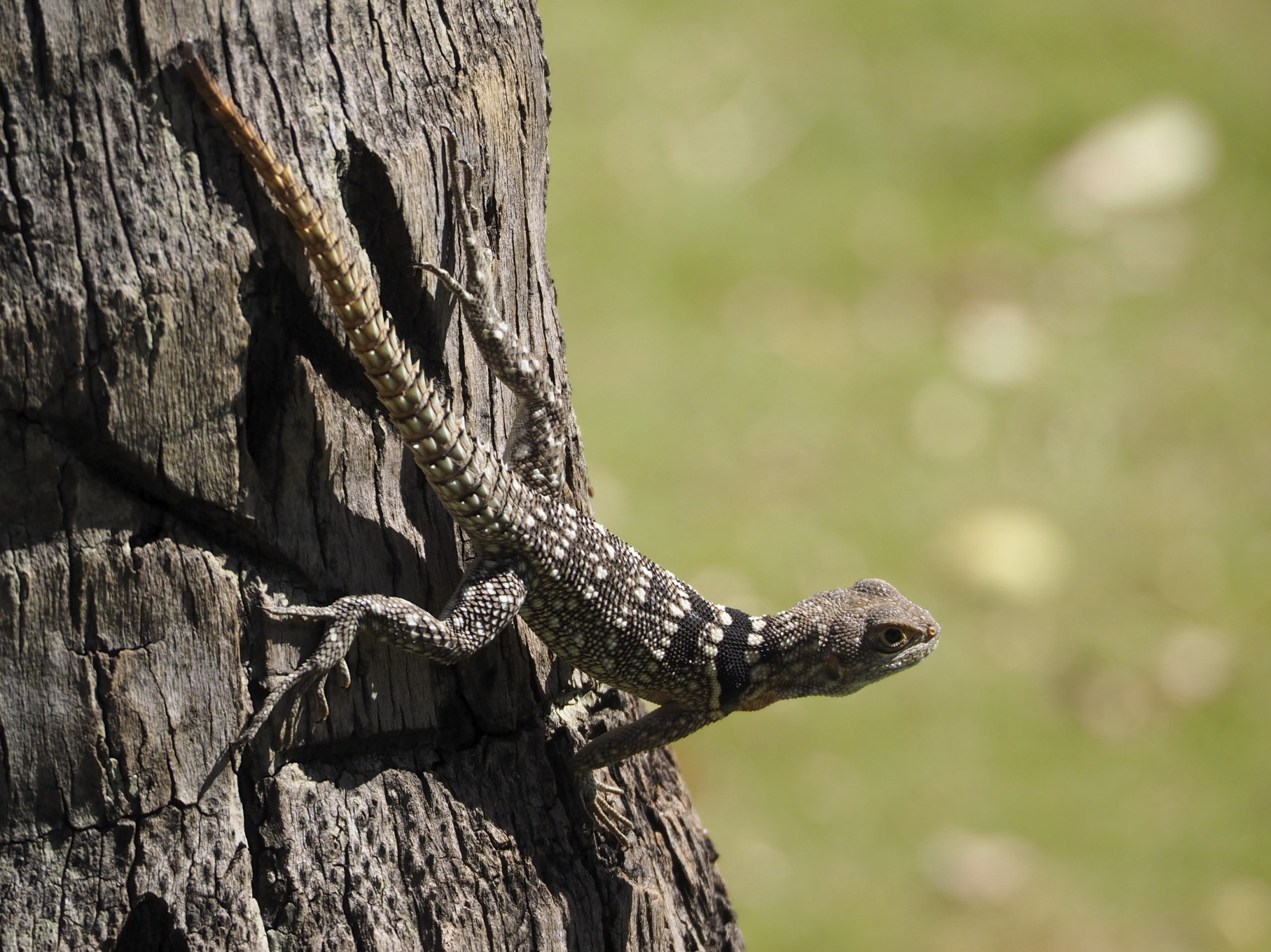
Georges Cuvier (1769-1832) was to all intents and purposes the founder of modern vertebrate paleontology, the guy who demonstrated the reality of extinction by the careful comparison of fossil forms with modern animals and was the first to describe a number of Iguanid taxa. He thoroughly deserves to be remembered in the name of a reptile and so I present to you Cuvier’s Oplure, Oplurus cuvieri

OLYMPUS DIGITAL CAMERA

Or in English English (and as we have seen, not quite accurately) the Black-collared Iguana. It may be found on the ground or climbing trees and is common around Anjajavy.