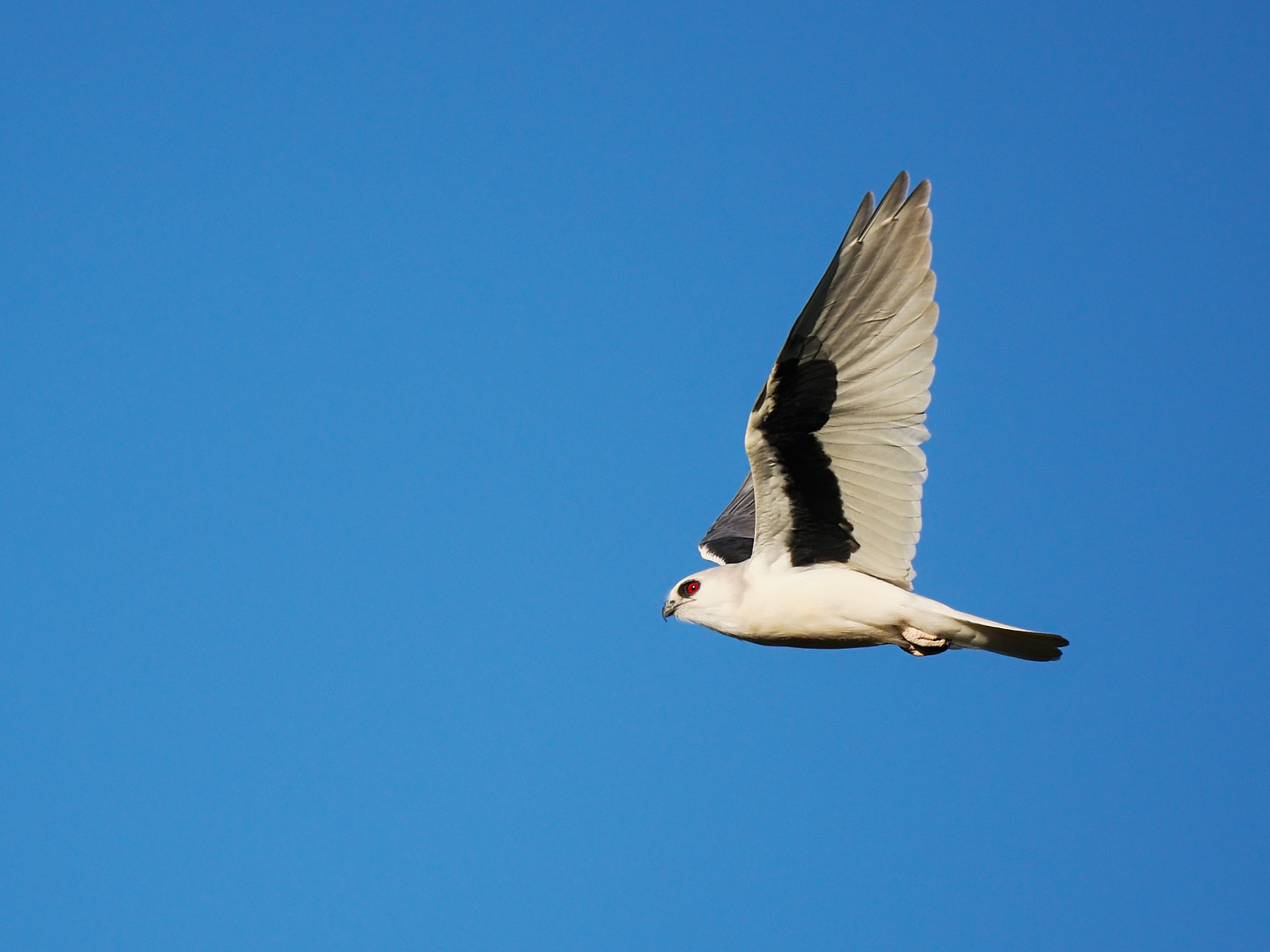
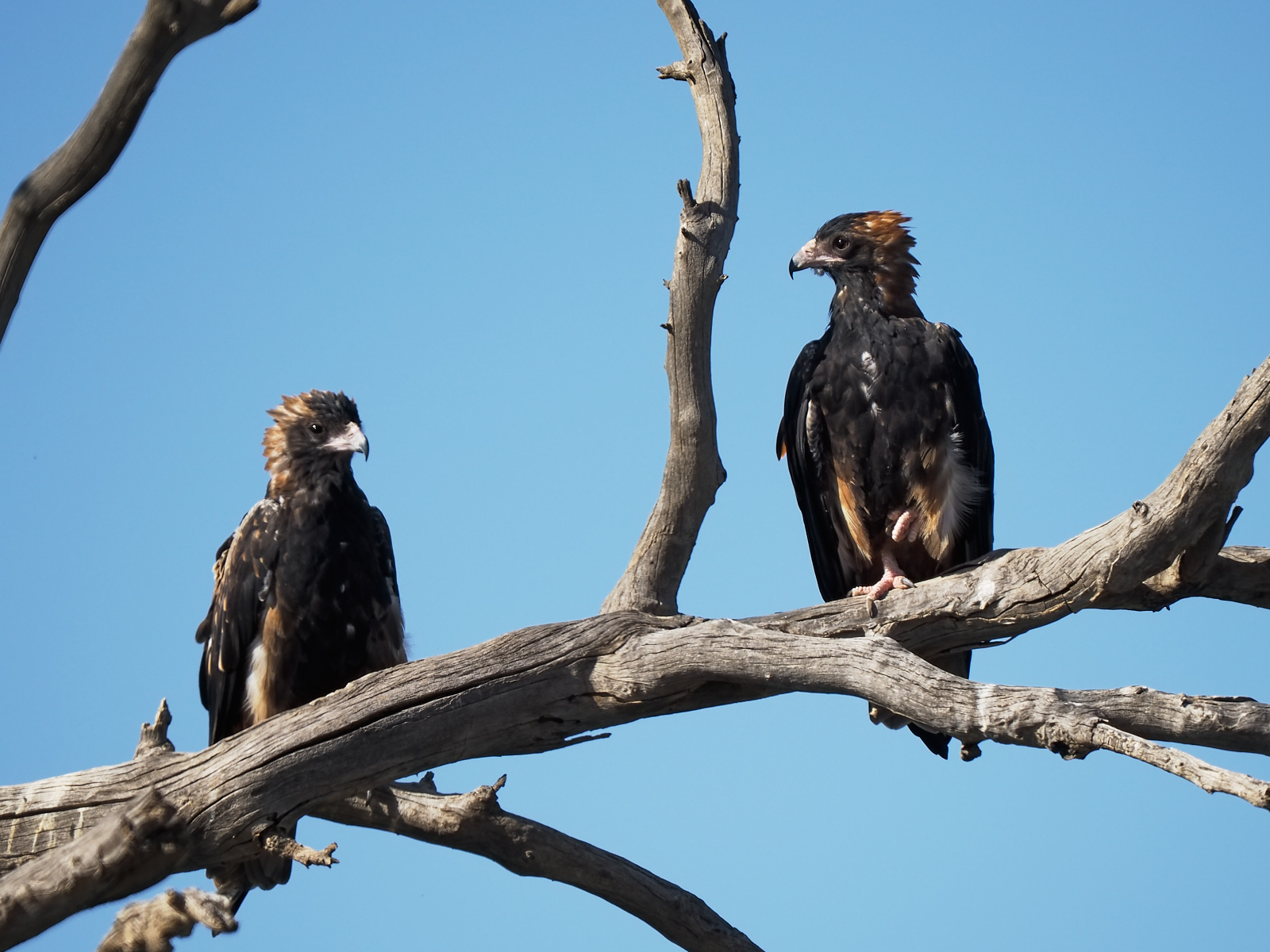
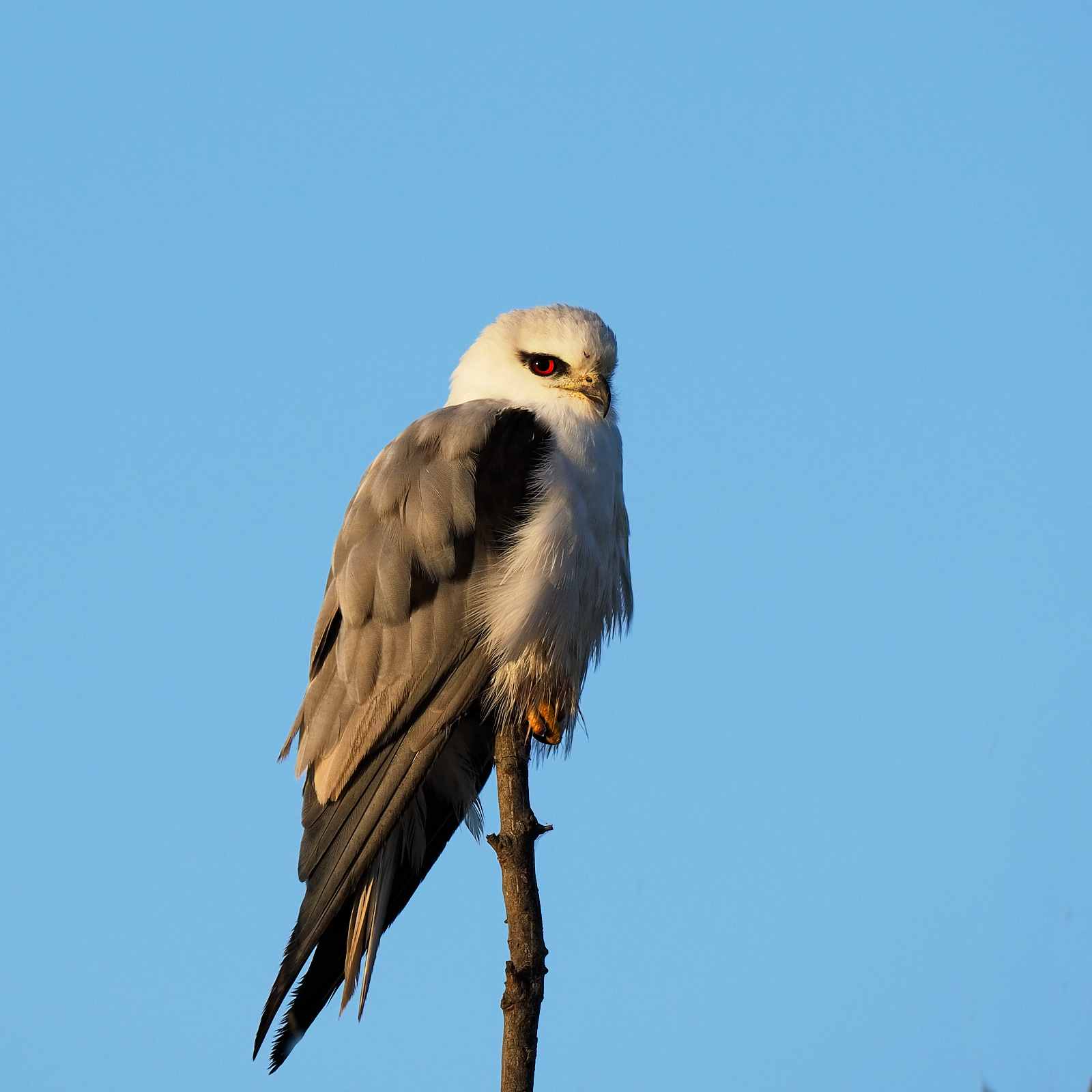
I saw the the gorgeous and rare Letter-winged Kites at the Athelle Outback Hideaway where we stayed the night. Nice place, 28km off the Stuart Highway north of Alice. Naturally I posted the sighting on eBird. I got a phone call today from the owner of the camp ground to tell me that her phone had been running hot and asking for more information.
These birds are usually confined to a small area in central Oz where they enjoy a diet of rodents, especially the Long-haired Rat. If the rat population booms they boom. When the rat population goes bust they wander far afield in search of food and can even turn up at the coast.
If you’re in the neighbourhood click the link above and get out there before they are completely depixelated.
Flies can be a problem in Australia, always have been in fact. During the Sydney Test of 1932, the infamous bodyline series (I’m talking cricket for readers in particularly foreign countries) the supercilious Pommy captain was trying to drive away the flies when an Aussie fan nicknamed Yabber called out from the hill “Leave our flies alone, Jardine. They’re the only friends you’ve got …”
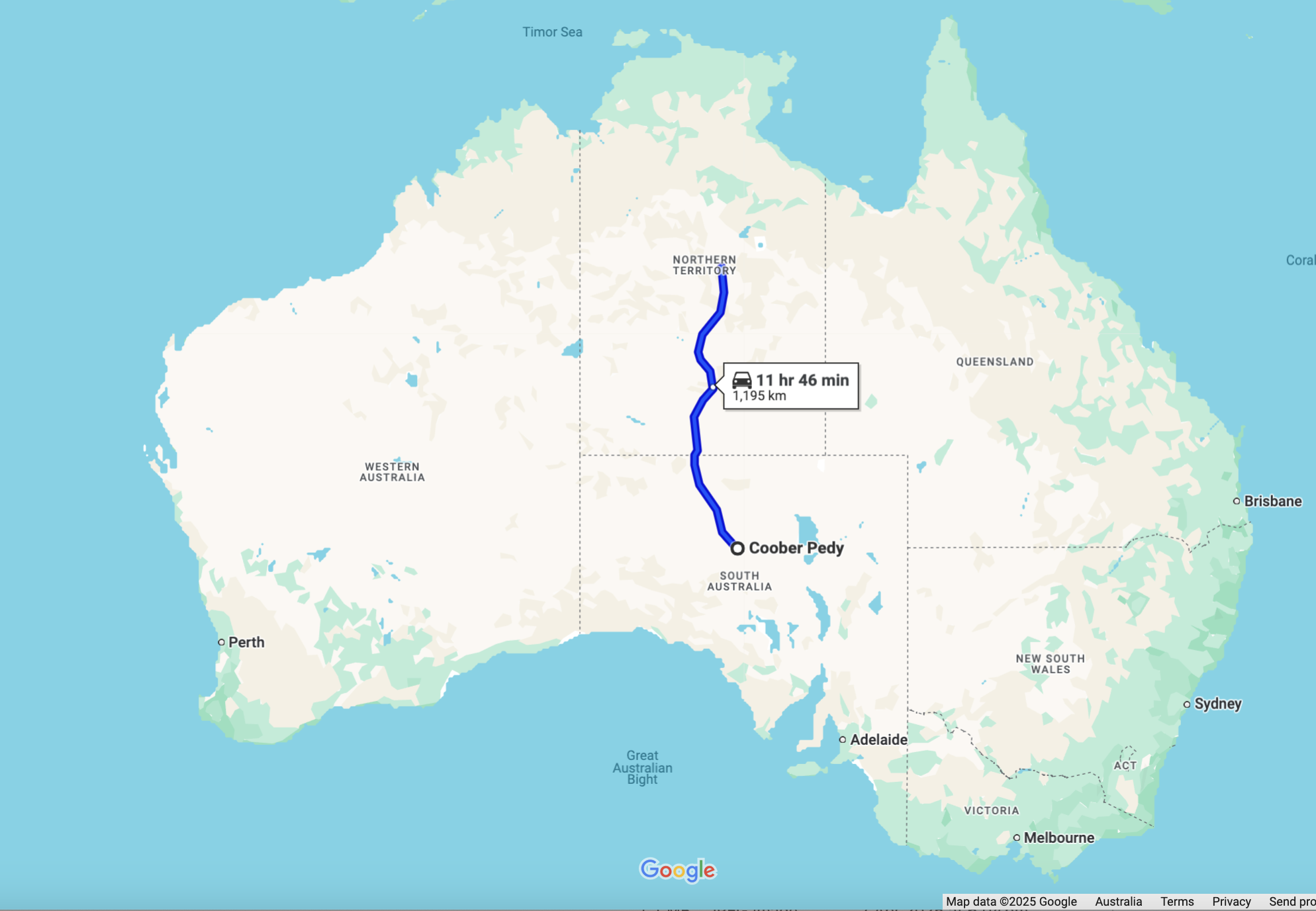
In the last few days we’ve driven from Coober Pedy to Tennant Creek crossing the South Australia, Northern Territory border and then the Tropic of Capricorn (not guarded by a goat this time).
And friends we’ve had in abundance. Open the car door and in they flood. In complete contradiction to the principles of osmosis they quickly reach a density of one fly per cubic centimetre inside whilst outside there are probably no more than one per litre. Clearly there is some attractive force in play. I suspect it’s the accumulated residue of a thousand dog farts, or perhaps it’s simply because I haven’t showered lately.
The remedy is to roar off with all windows open. This quickly gets rid of the dumb ones. The smart ones hide in corners until the windows are closed before coming out to invade your nose, your mouth or, their favorite, the corners of your eyes. Under your sunglasses where they can safely ignore your hand swishing past. You chase them around until they land on the window, quickly open it, and with luck out they go. Or they disappear into the back of the car. Initially a few at a time then one by one you win the battle. By about 200km you think you’ve done it. Just in time to change drivers for which you must open the doors.
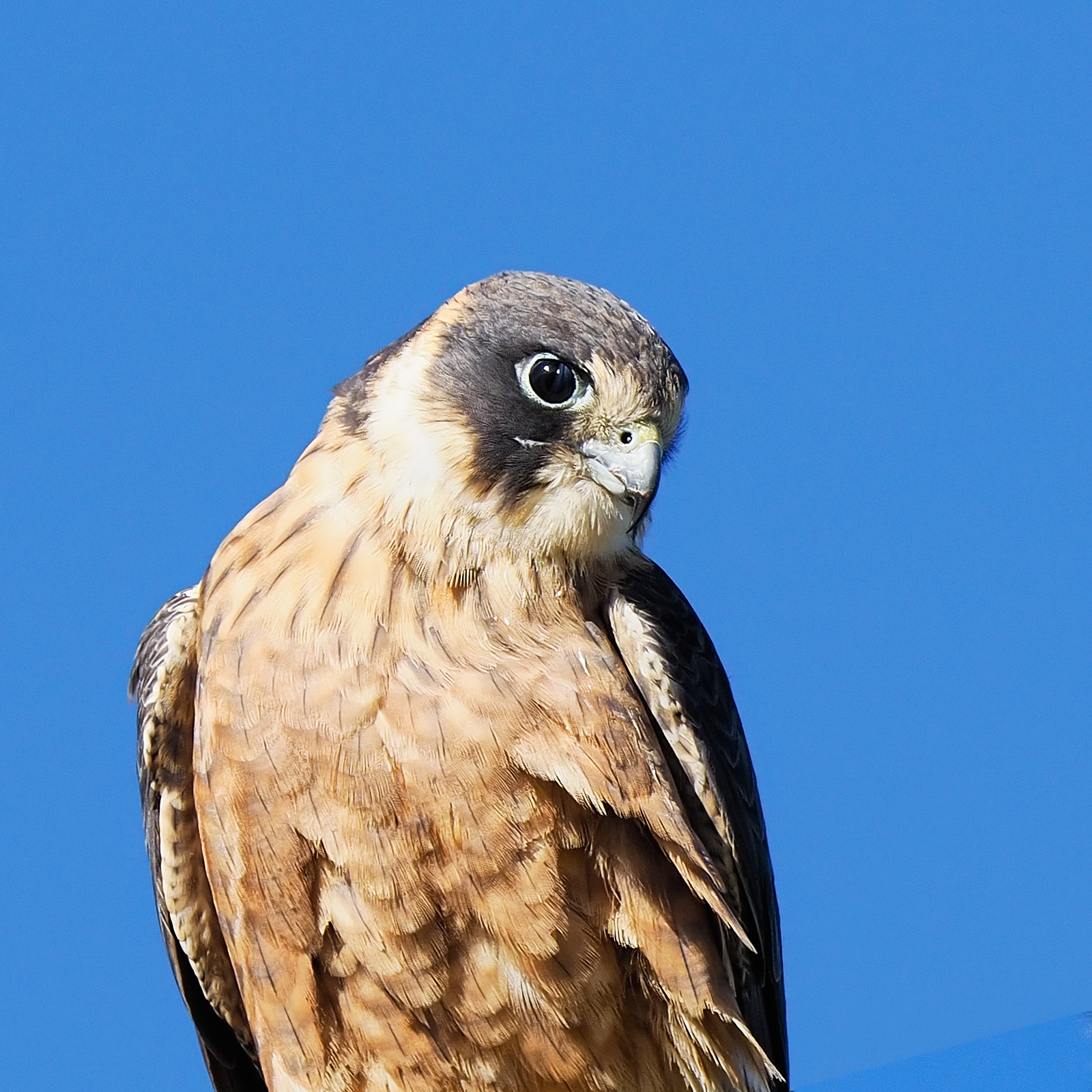
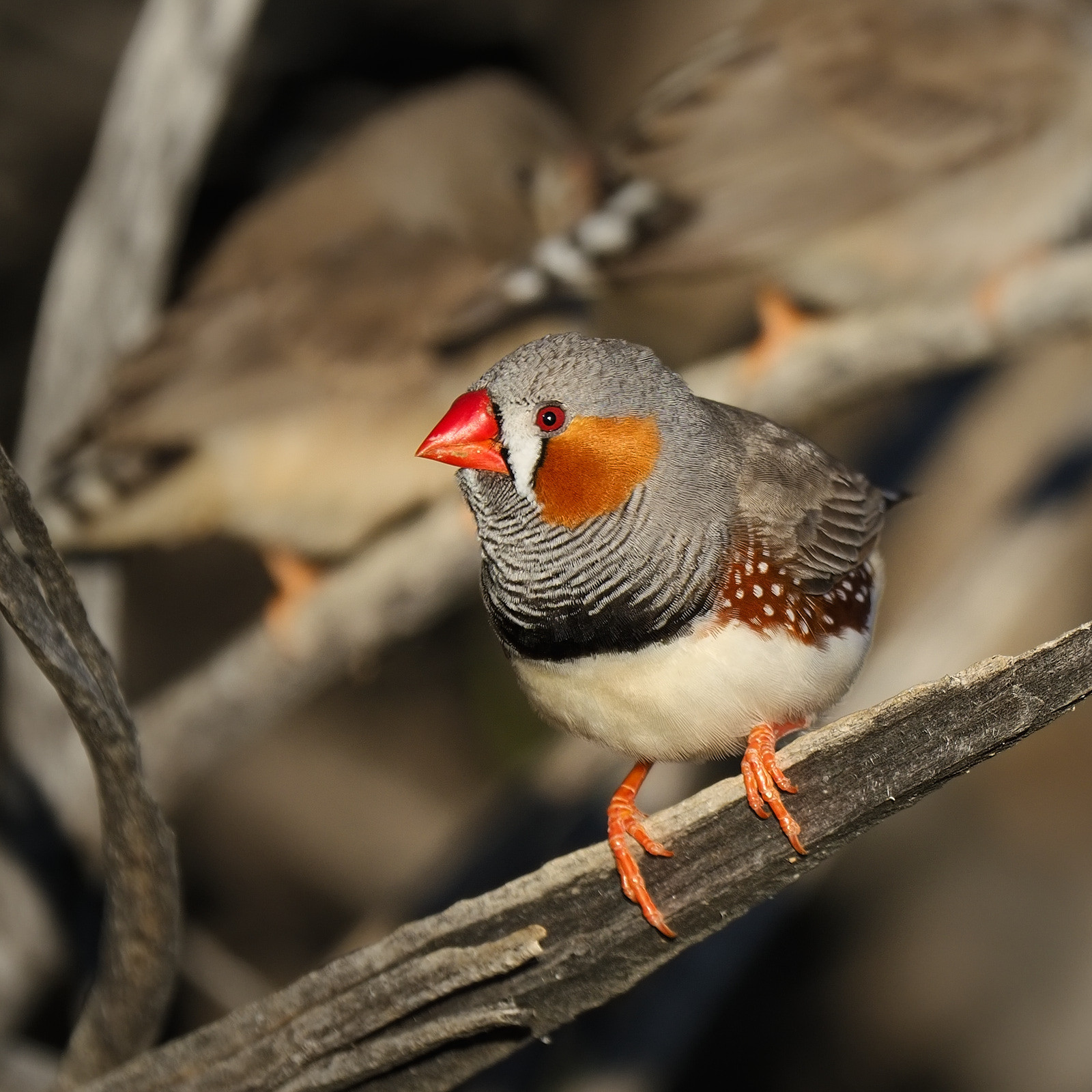
We’ve camped at a couple of spots along the way and tonight we are tucked away in the spinifex just outside Tennant Creek. This morning we found a trio of Letter-winged Kites, a tick for Gayle and this afternoon we encountered some Spinifex pigeons. And I’ve had some success with the camera.
Australian HobbyLetter-winged KiteZebra Finch
We came through Alice Springs. We had no need to stop. Rain has closed a lot of the minor roads around Alice and the country side from then on was extraordinarily green. There were small flocks of Budgerigars passing all day. With so much water about they will soon be big flocks.
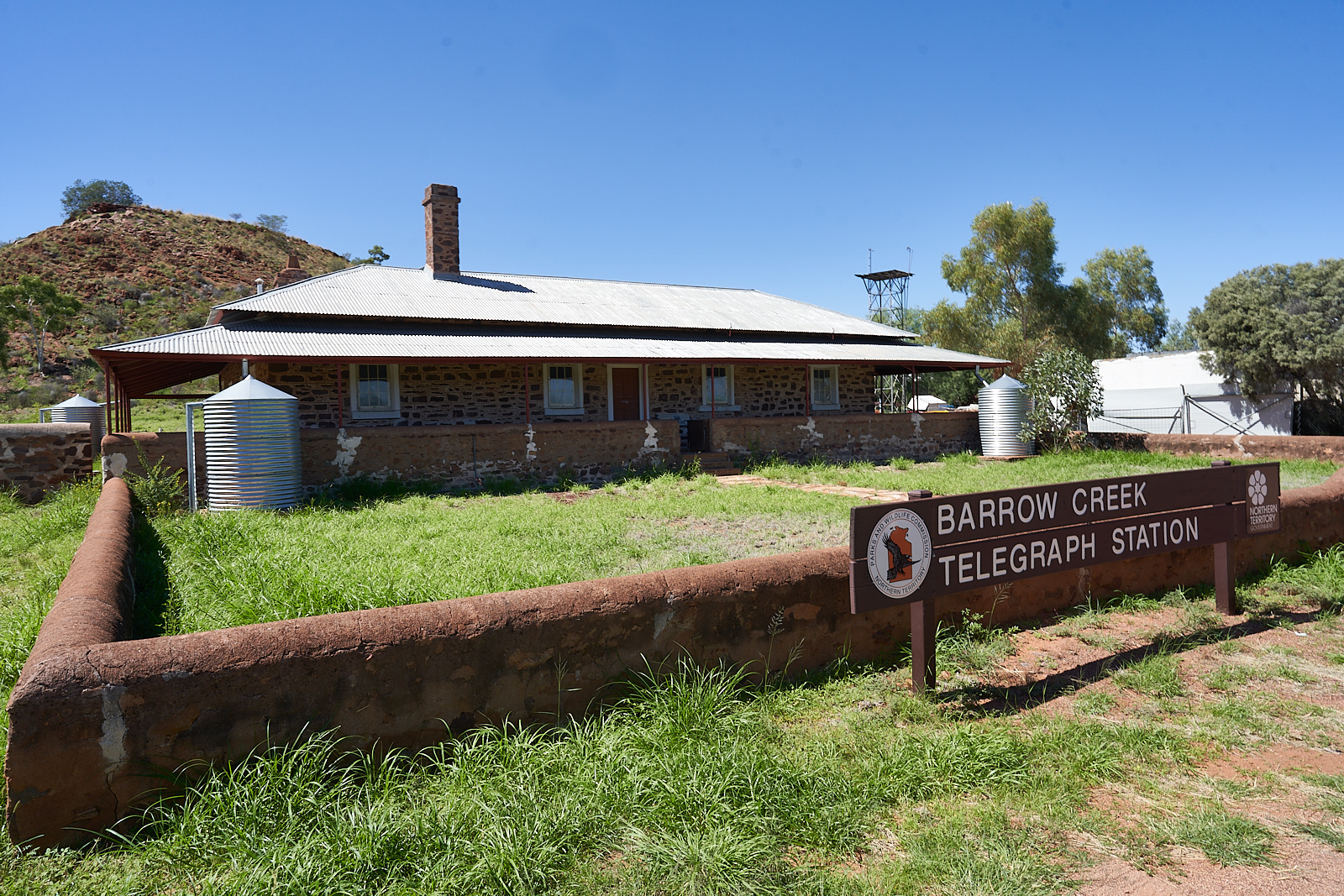
We are still following the line of the Overland Telegraph. News from the rest of the world reached Australia by under sea cable to Darwin and then by telegraph to Adelaide. It was completed in 1872 and served its purpose until the 1970’s. We paused at the Barrow Creek Telegraph Station today, one of only four that are still intact.
Tomorrow the road trip will pass the 20,000km mark and we will rejoin our outward track. The year’s bird list stands at 288.
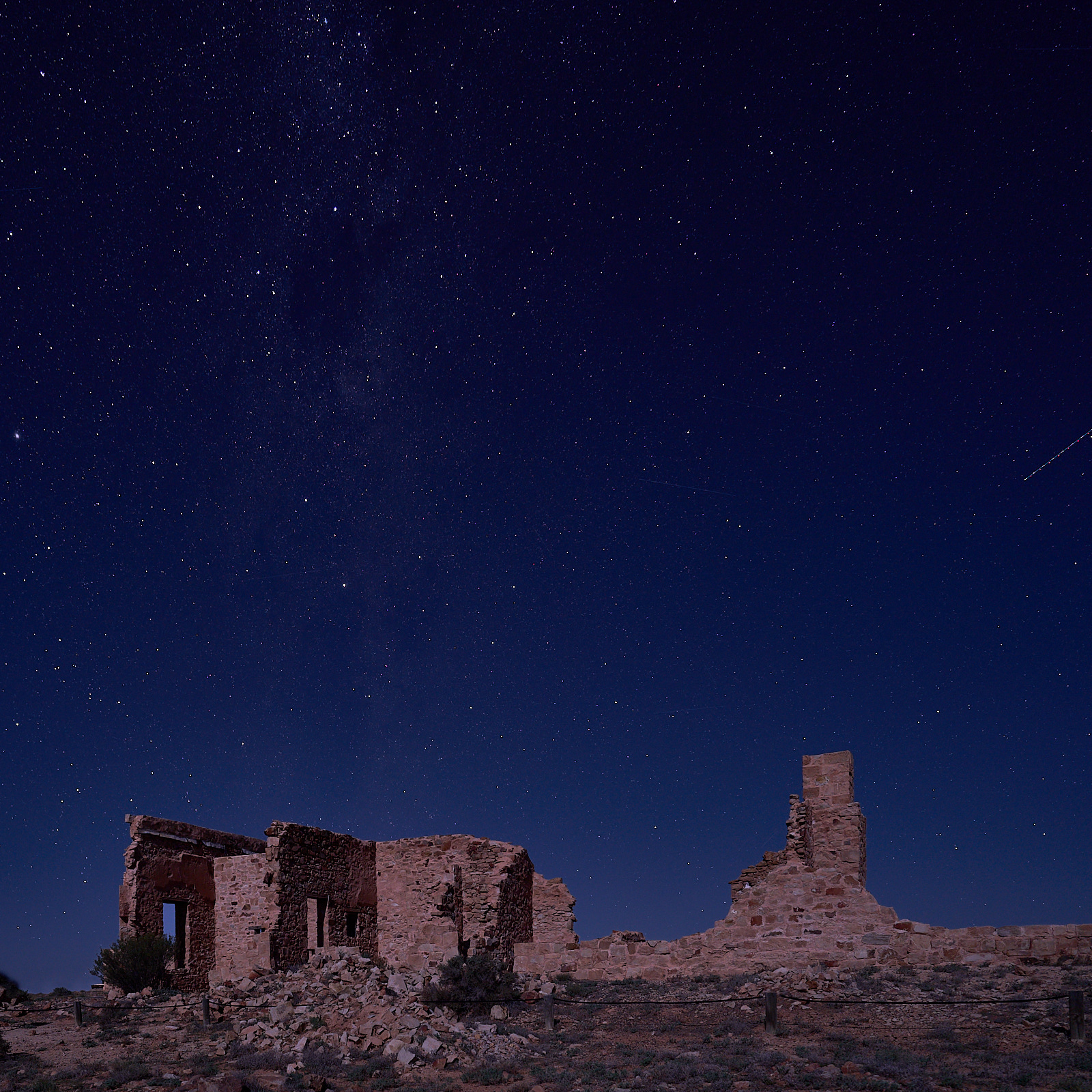
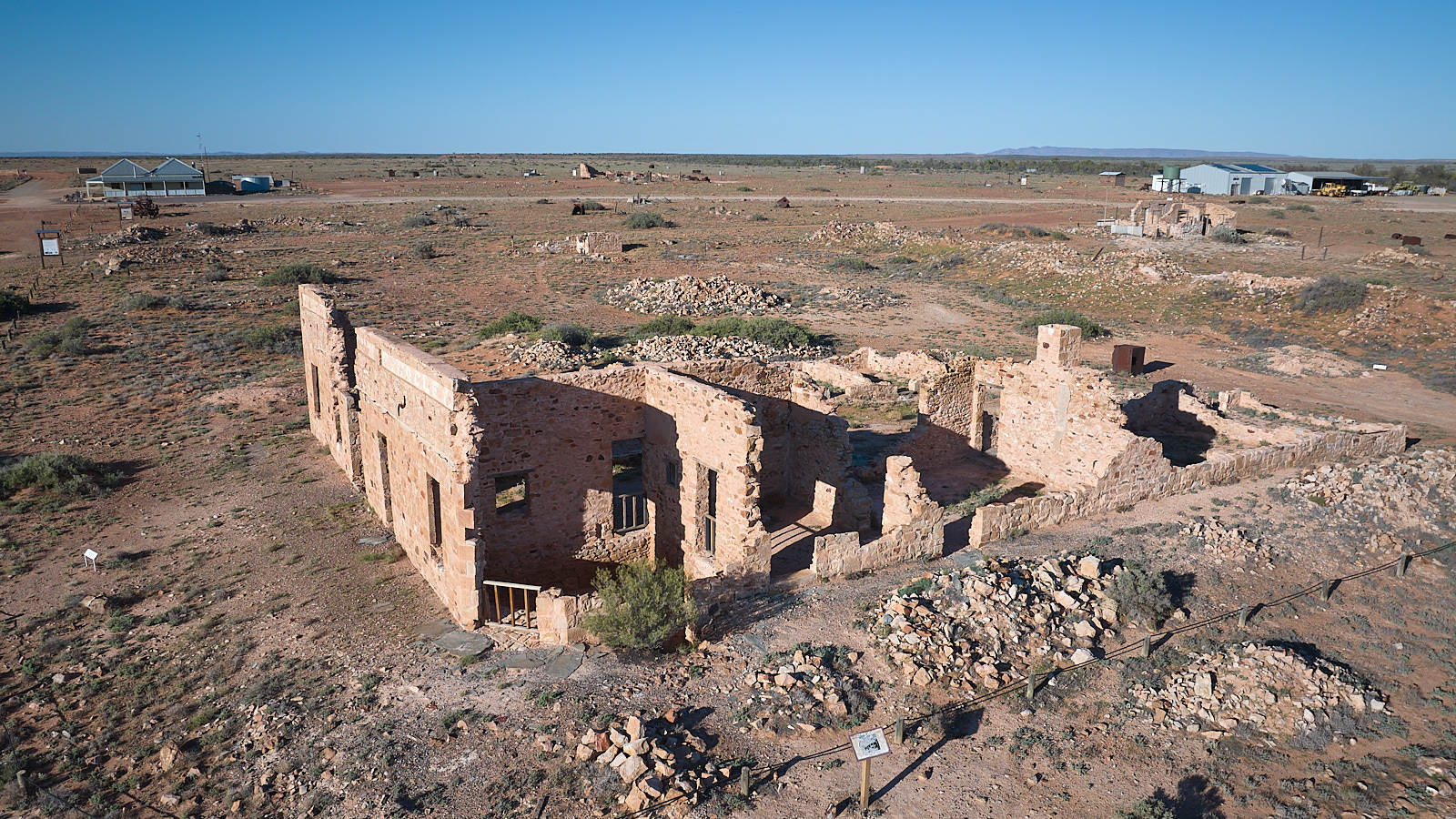
I never seem to visit Farina at New Moon. These shots were taken with a first quarter moon behind me …
Poor old Farina is north of Goyder’s Line and south of the Great Artesian Basin. It had a big problem with fresh water. Once the Ghan was rerouted and the Telegraph fell into disuse it became a ghost town.
Goyder was the Surveyor-General of the then colony of South Australia. In 1865 he made a journey on horseback crossing some 3200km to come up with a line demarcating land suitable for agriculture from land prone to drought. This followed the 10 inch isohyet which Goyder determined mainly by reference to the vegetation. Settlers ignored his advice to their cost – the buildings at Farina are accompanied by numerous abandoned farm houses north of the line.
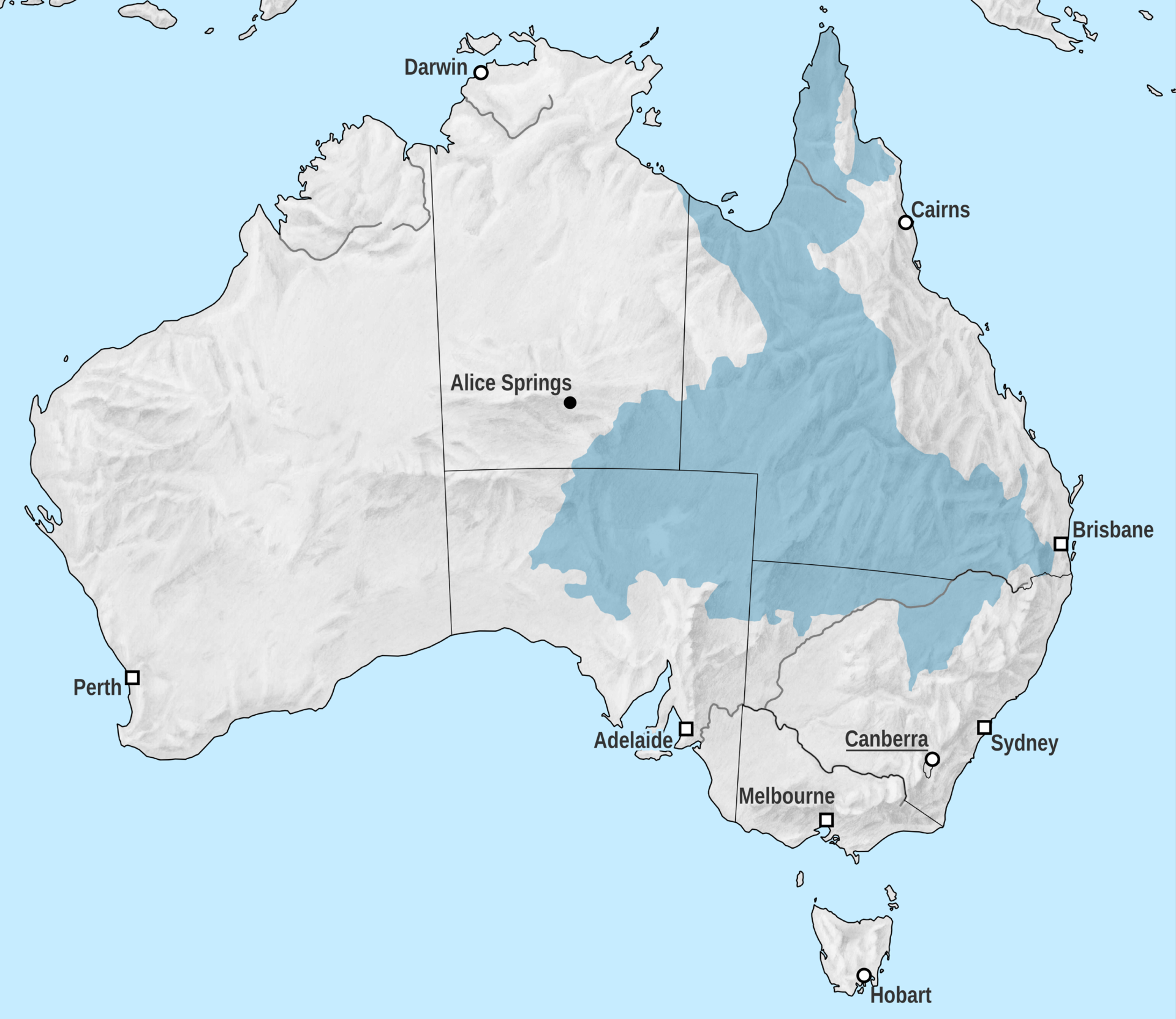
A number of wells were dug at Farina with minor success. Sixty kilometres north and plenty of water lies just below the surface. The Great Artesian Basin underlies about 22% of the continent .
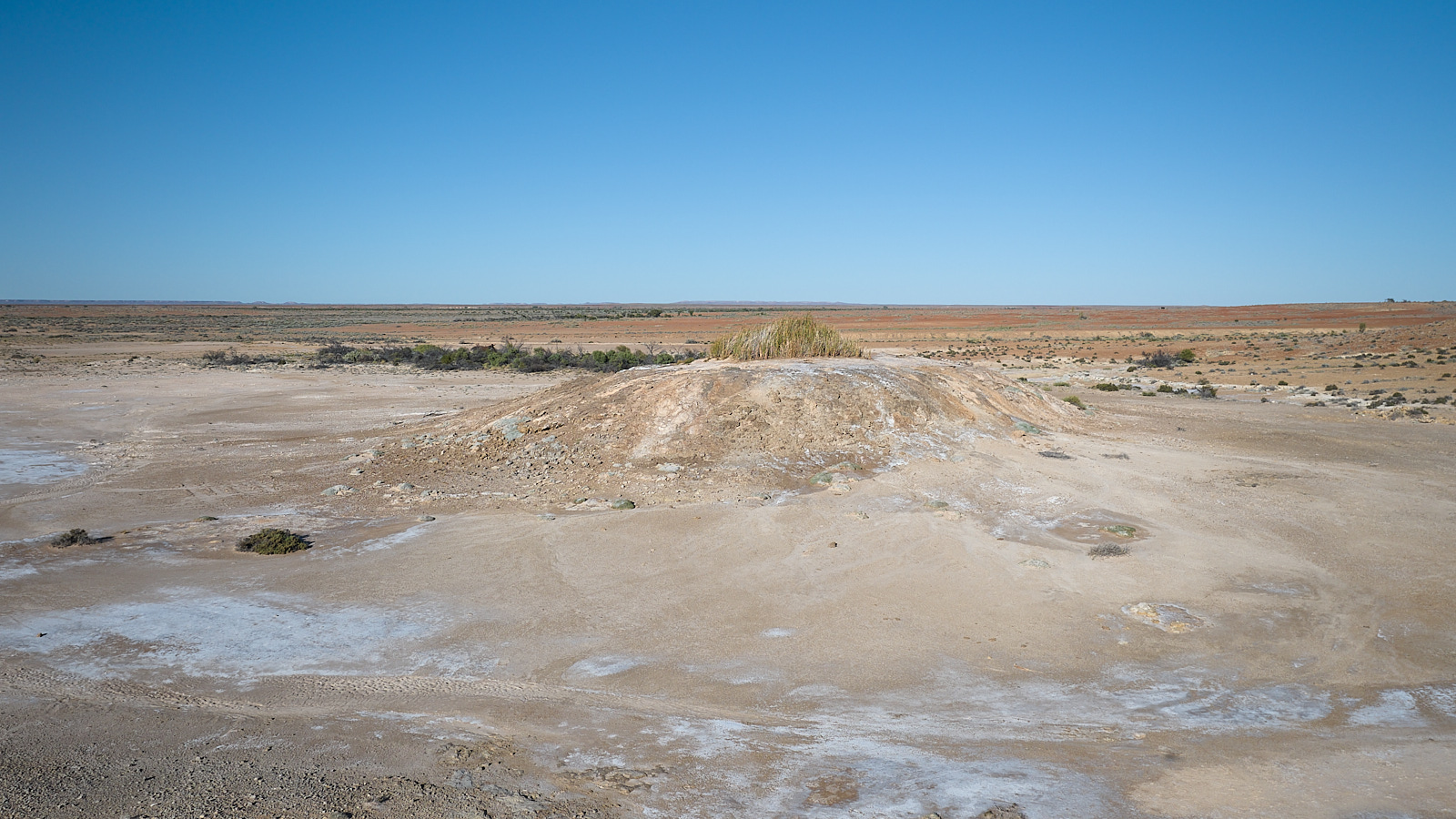
From Farina we traveled up the Oodnadatta Track to William Creek passing Lake Eyre South and spending the night at Coward Springs. There are quite a few springs along the southern edge of the Great Artesian Basin. As they bubble out of the ground they bring minerals that eventually produce a mound with a small pond on top. If the flow is strong enough a small wetland forms at the base. One can find water birds such as Spotted Crake right out here in the desert. Notable mound springs along the track are Blanche’s Cup and the Bubbler. I photographed a small, so far as I know, unnamed one just north of Coward Springs.
Lake Eyre SouthMound SpringMound Spring
The Oodnadatta north of William Creek was closed to towing vehicles so we made a left turn and headed to Coober Pedy where there are opal mines and spoil heaps dotted across the landscape. A warning sign advised of open holes and sternly admonished the traveler “Never Walk Backwards”.
The road had not been as rough as we had expected. Cober Pedy is on the bitumen, the Stuart Highway. The next few days will be far less exciting than the last few days.
The Flinders was as dry as a chip. We took the scenic route through the Parachilna Gorge – not as scenic as Glass Gorge but gentler on the trailer. Then north up the Outback Highway. There was some green pick after Leigh Creek, then some surface water and by the time we pulled into Farina actual grass and even some mud. And by all accounts there’s a lot more of that ahead of us.
This route north brings you face to face with history, John McDouall Stuart followed by the Overland Telegraph, then the Ghan, the birth and death of little towns like Farina. How could you not love this country?
A number of things had conspired to draw people north from Adelaide. As dry as it is, cattle and sheep can be grazed in the hinterland. The railway provided a good way to transport them to market. The telegraph and the railway provided employment. And of course, at the time it was thought that the rain would follow the plough. Plant your crops and the rain would come, a theory promoted by scientists of the day such as the noted American climatologist Cyrus Thomas. The settlement here was founded in 1878 as Government Gums. Its name was changed to Farina to reflect the intention to grow wheat. It grew to reach a peak population of approximately 600 in the late 1800s. It was the rail head for a time. In its heyday, the town had two hotels (the Transcontinental and the Exchange) and an underground bakery, a bank, two breweries, a general store, an Anglican church, five blacksmiths, a school and a brothel. Wild oats were sewn but no wheat was grown. All that remains today are the ruins and the cemetery.
It’s a great camp site and an excellent spot for birding. Inflation has hit, the fee is now $10 per person per night, a 100% increase in 9 years. The bakery has been restored and is in action during the winter months when the camp is busy. At the moment we have it almost to ourselves.
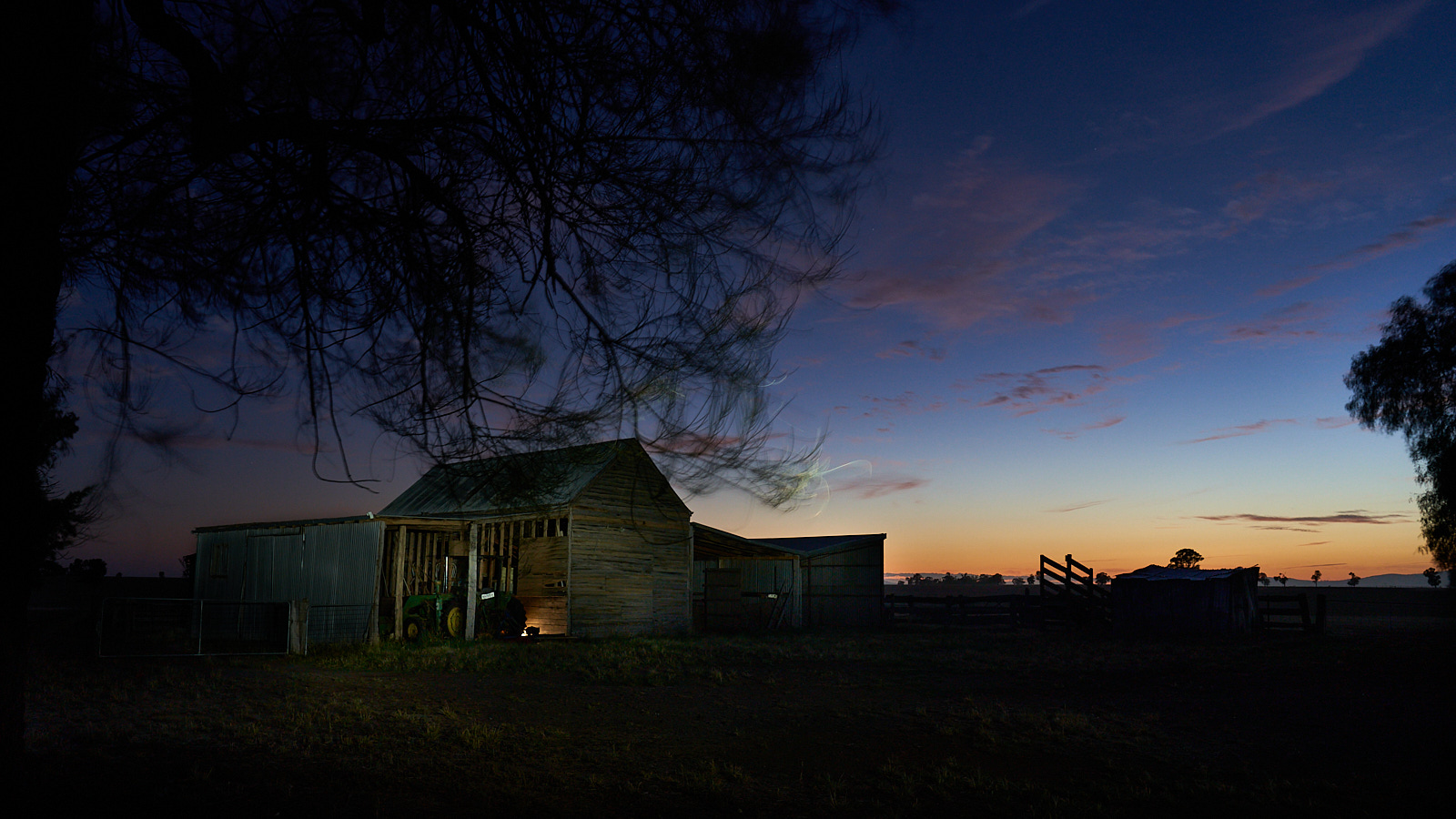
A few days ago We saw in the day on a friends property in the Victorian Goldfields …
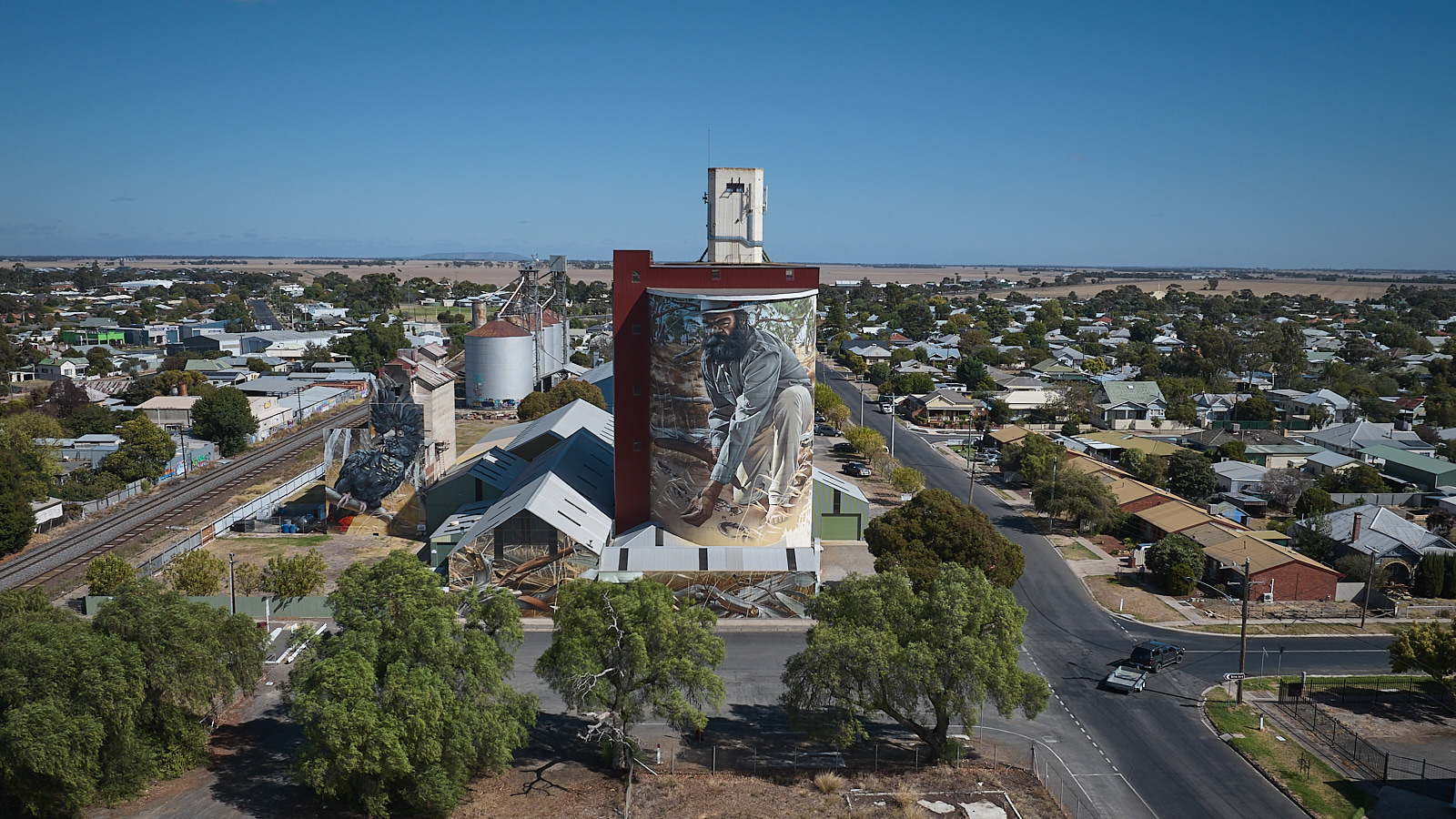
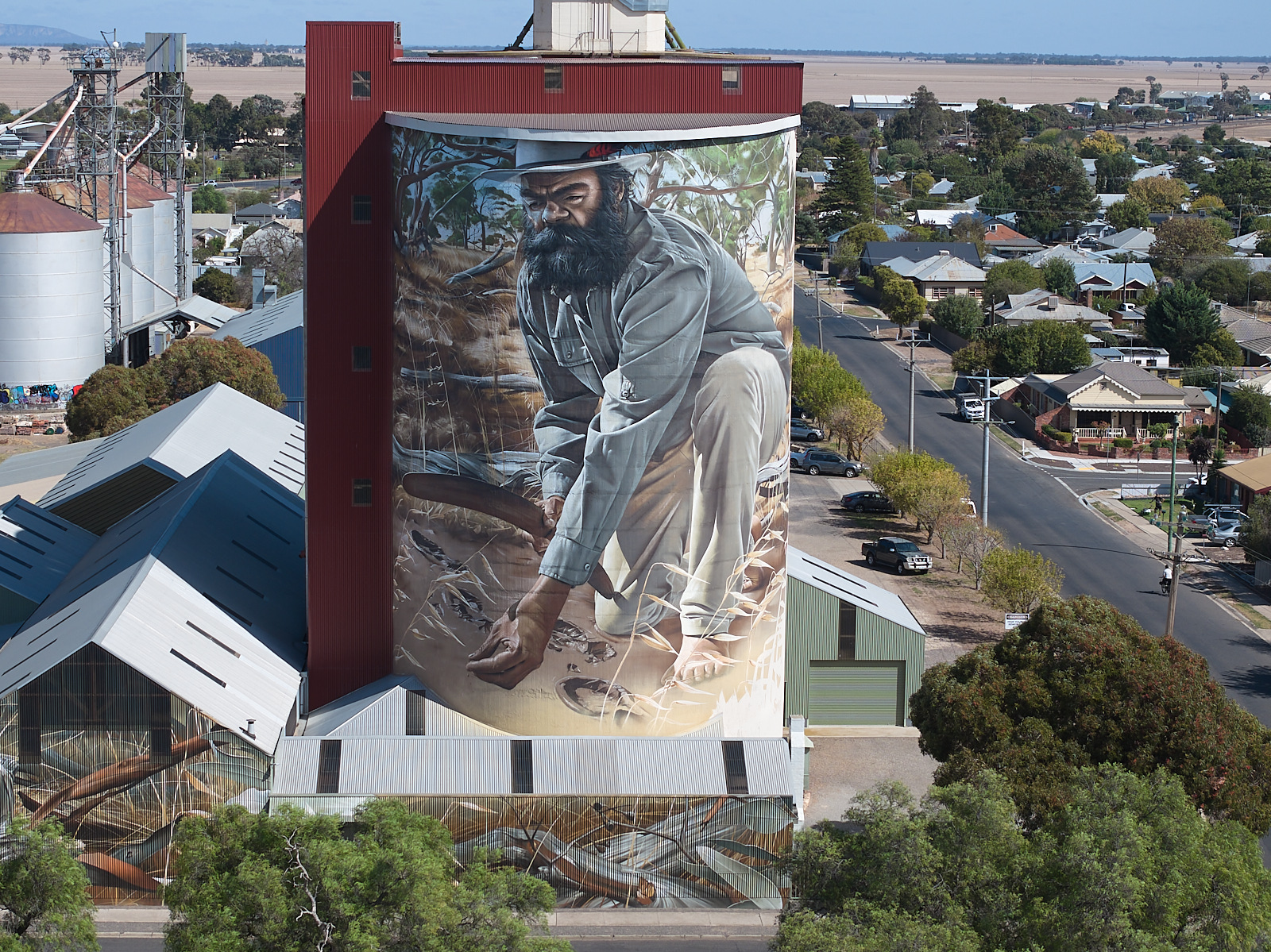
and then headed west passing through Horsham which has grown some silo art since we were last there …
Horsham
After a couple of nights in the west of Victoria it was on to South Australia and the Flinders Ranges. Matthew Flinders was the first to circumnavigate Australia and was also influential in having the name Australia adopted for good old New Holland. He sailed up into Spencer Gulf in March of 1802 and landed a party that were the first Europeans to encounter the rather spectacular mountain range now named after him.
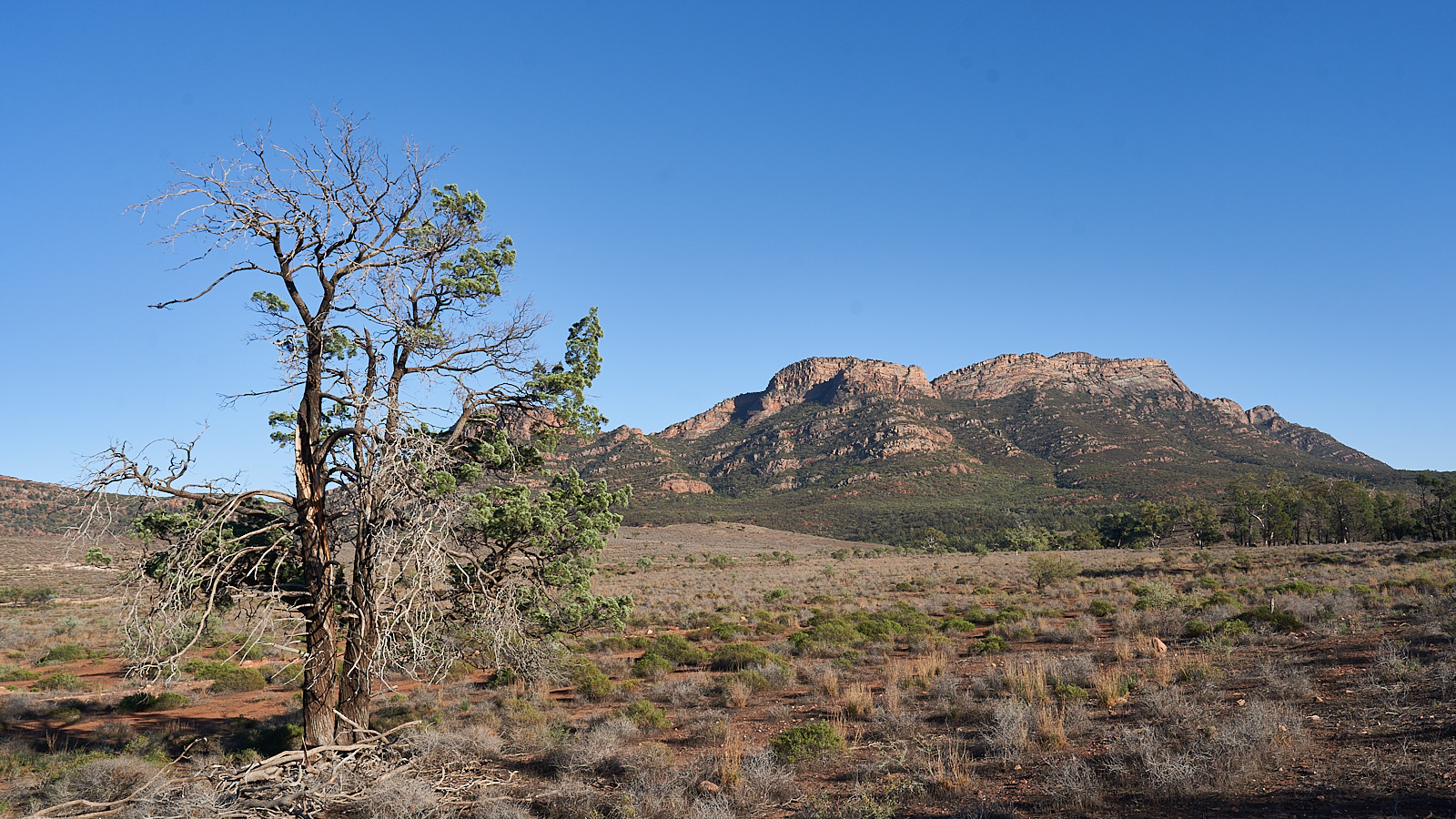
This little party, two Australians and a Fox Terrior, have spent the day touring around spectacular landscapes and fighting off some spectacular birds. Wilpena Pound is perhaps the most famous spot in the range but we can thoroughly recommend the Glass Gorge route from Blinman to Parachilna and the Morelana Scenic Drive.
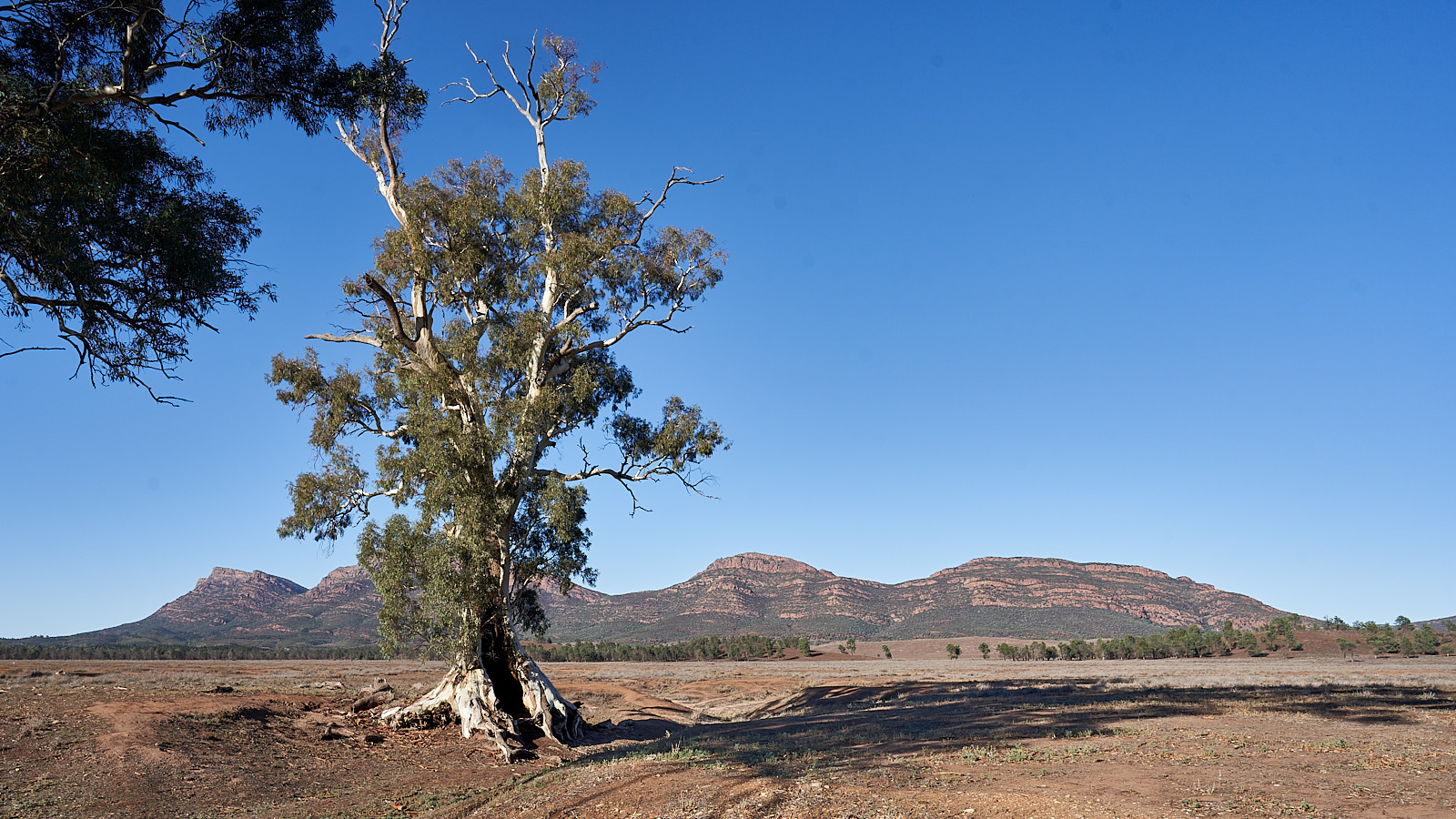
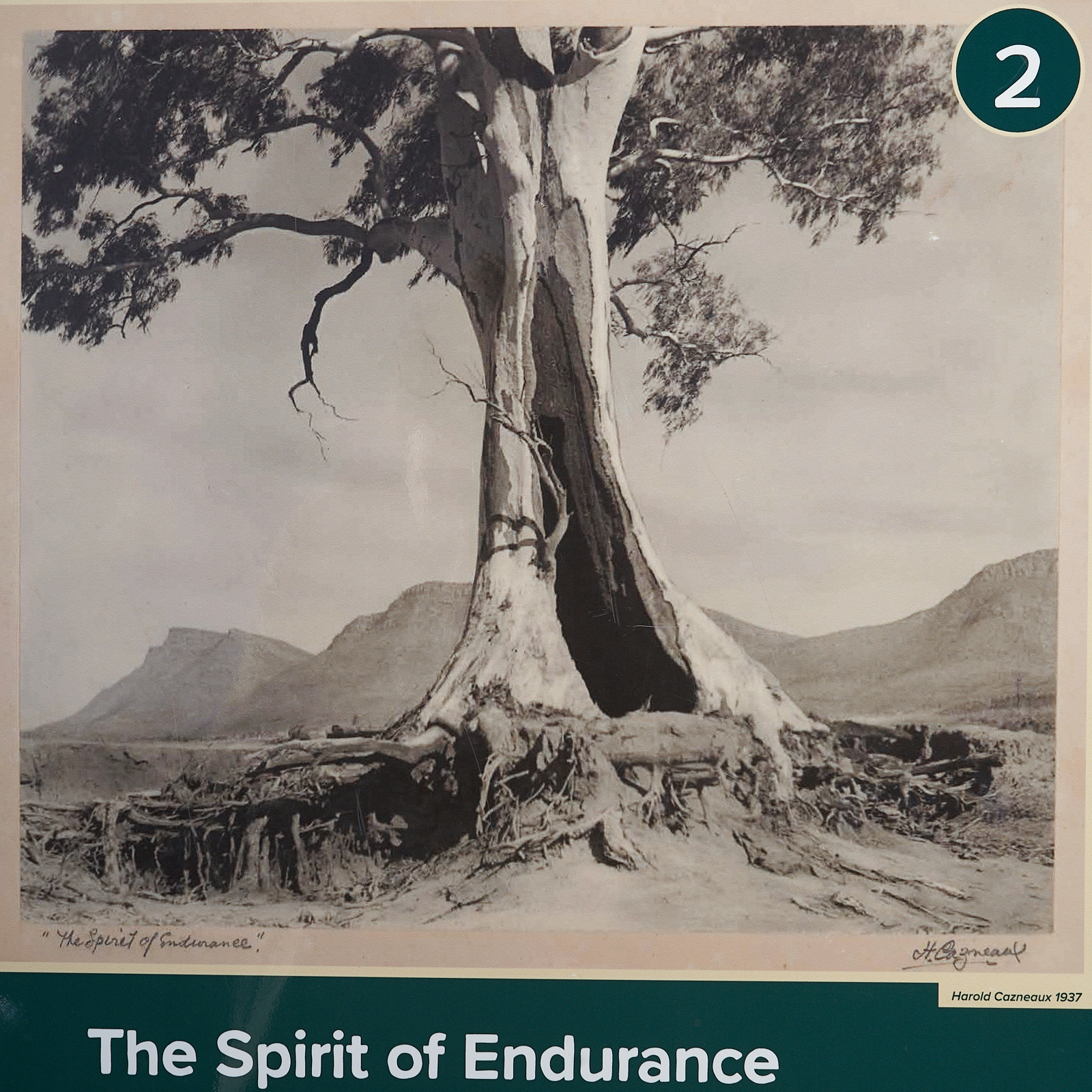
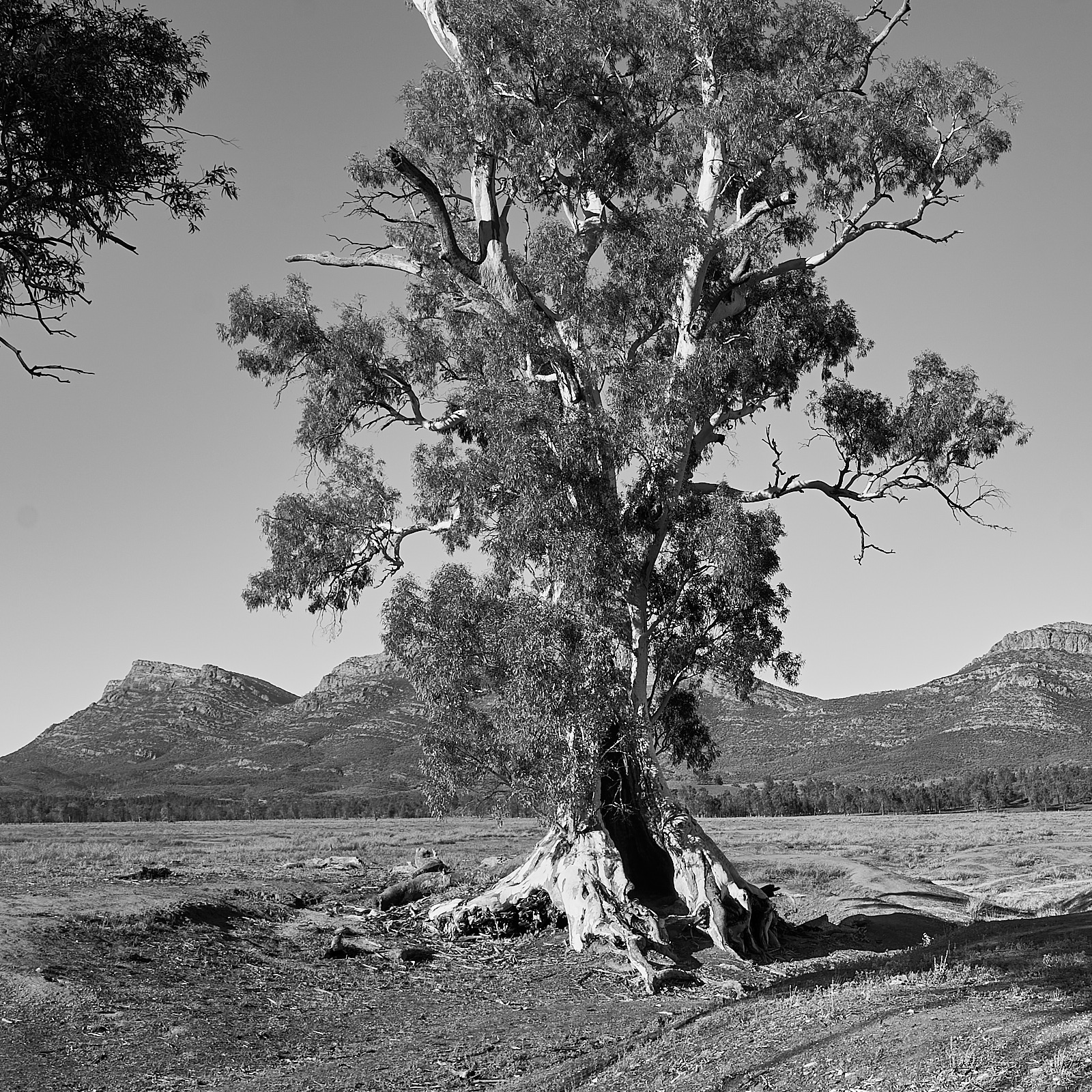
Along the way we stopped at the tree where Harold Cazneaux took a photo in 1937 that he titled Spirit of Endurance. It won him numerous prizes in photographic competitions. Unless you are prepared to climb a fence you can no longer stand down in the creek bed where Harold took his photo but I had a go at reproducing the shot. Here is my homage to Cazza …
Homage to Cazza
Tomorrow we head north. Modifications are needed to plan A but according to a very helpful man at the William Creek Hotel we will probably be able to negotiate the southern section of the Oodnadatta Track but will have to divert to Coober Pedy at William Creek. The problem is not so much the flooding but the damage caused by people driving on it when it was wet and plastic.
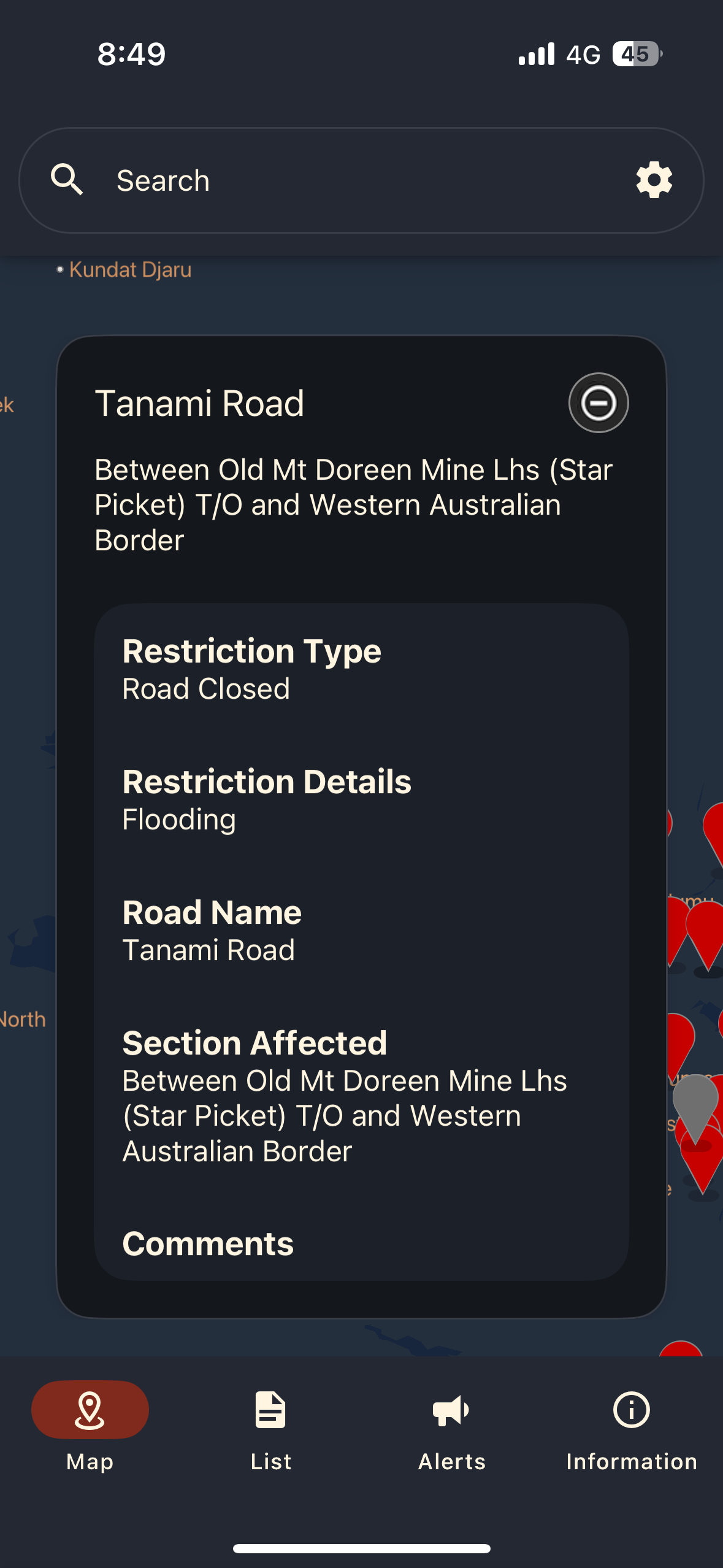
The Todd River at Alice Springs actually has water in it – it does happen occasionally. While the Tanami is under water! Further modifications to our plan will need to be made in due course.
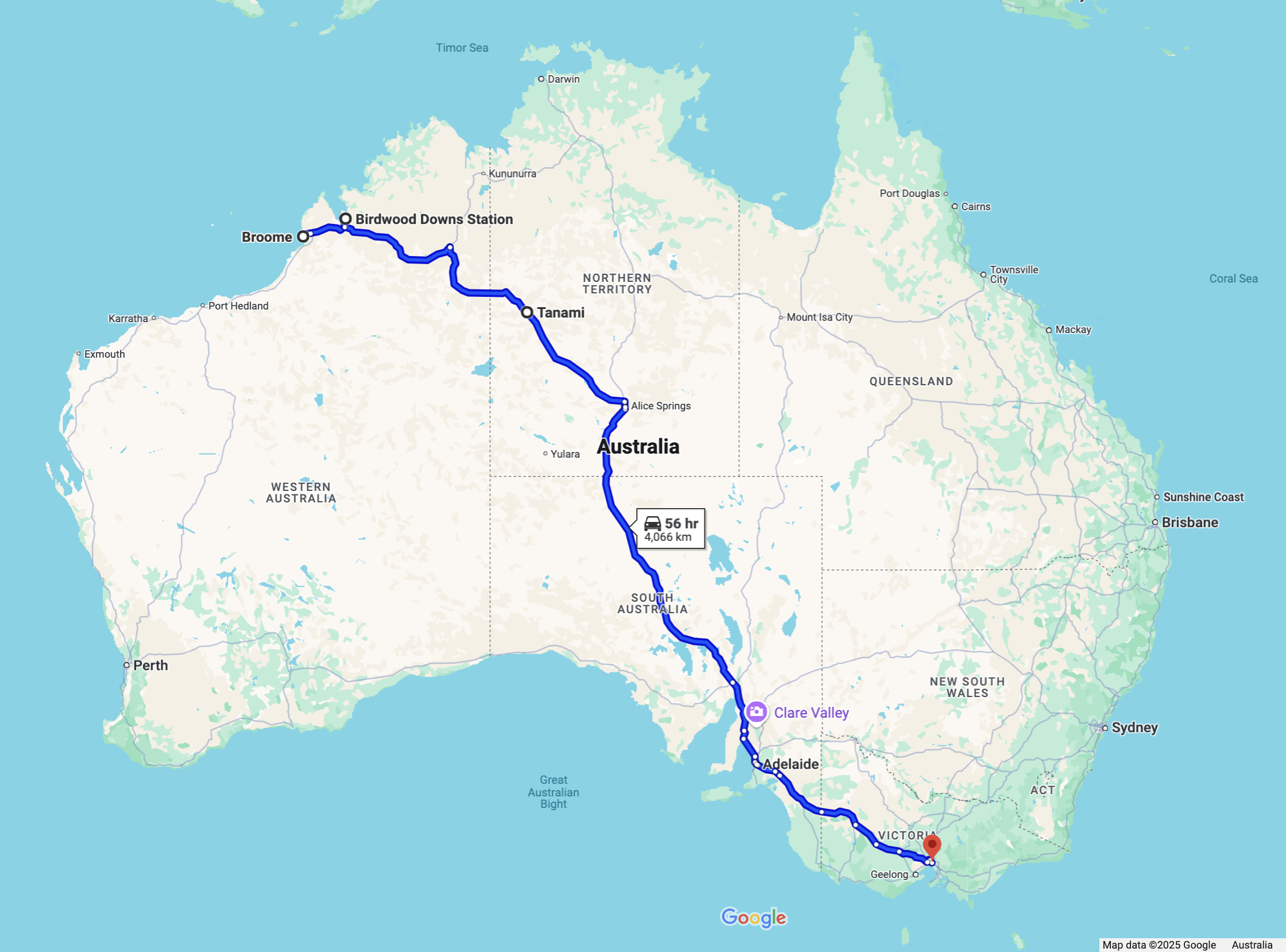
Tomorrow the journey home begins in earnest. Australia is the driest inhabited continent, about 35% is full-on desert. I’m sitting in Victoria which is parched (although none of it really desert). The proposed route home …
… about half of the route is closed due to flooding.
It takes in the Oodnadatta Track and the Tanami Desert. It would be the shortest but certainly not the quickest way home. Much of the journey would be on unsealed roads. It would probably count as the route less traveled in the guide books and in my view is the route most interesting.
I have prepared two other routes. Decision time will be in the Flinders Ranges four or five days hence.
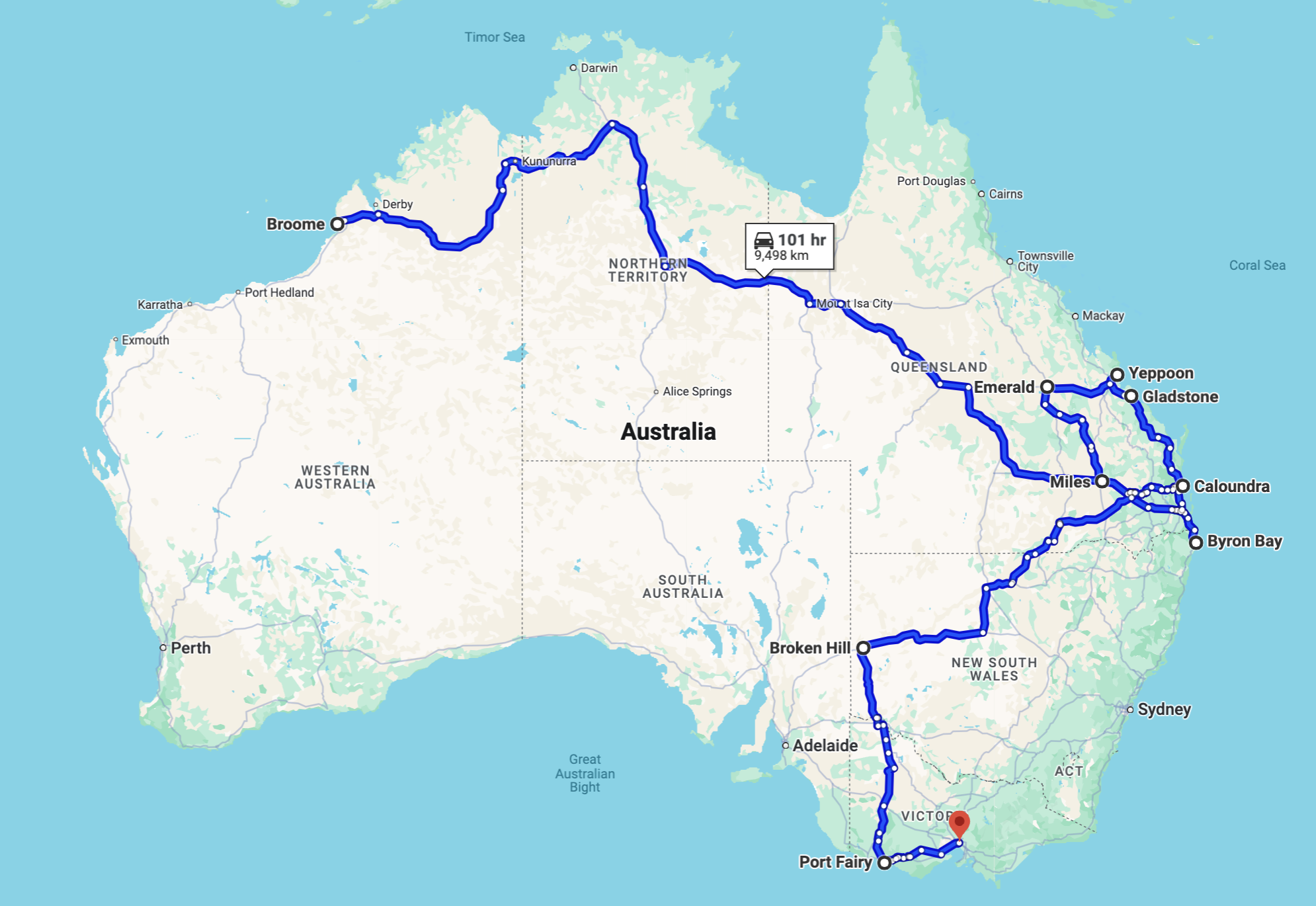
A simplified map of the road trip so far looks like this …
There is a considerable discrepancy between the distance shown on the map and the trip metre in the car which stands at more than 15,000km. Simplification does that sort of thing. We have been exploring!
Marvelous Melbourne is where I spent the largest part of my working life, it’s where my small family lives and it’s also en route to becoming the most populous city in Australia and bankrupt. Each to his or her own, I can see many advantages to living in Broome, beautiful beaches, little traffic, warm winters but of course there’s a but. Medical facilities are very limited. Getting to see a doctor takes ages and you’re unlikely to see the same doctor twice. Anything sophisticated is a 2000km journey to Perth. Melbourne continues to be where I take care of the routine side of my medical care. I’ll be here until my new glasses are ready.
Meanwhile it’s great to catch up with my family and my friends and to go birding in old haunts such as Braeside Park and Phillip Island. The year list is up to 274 species (safe until October 1 in the calendar game but finding new birds is getting much harder).
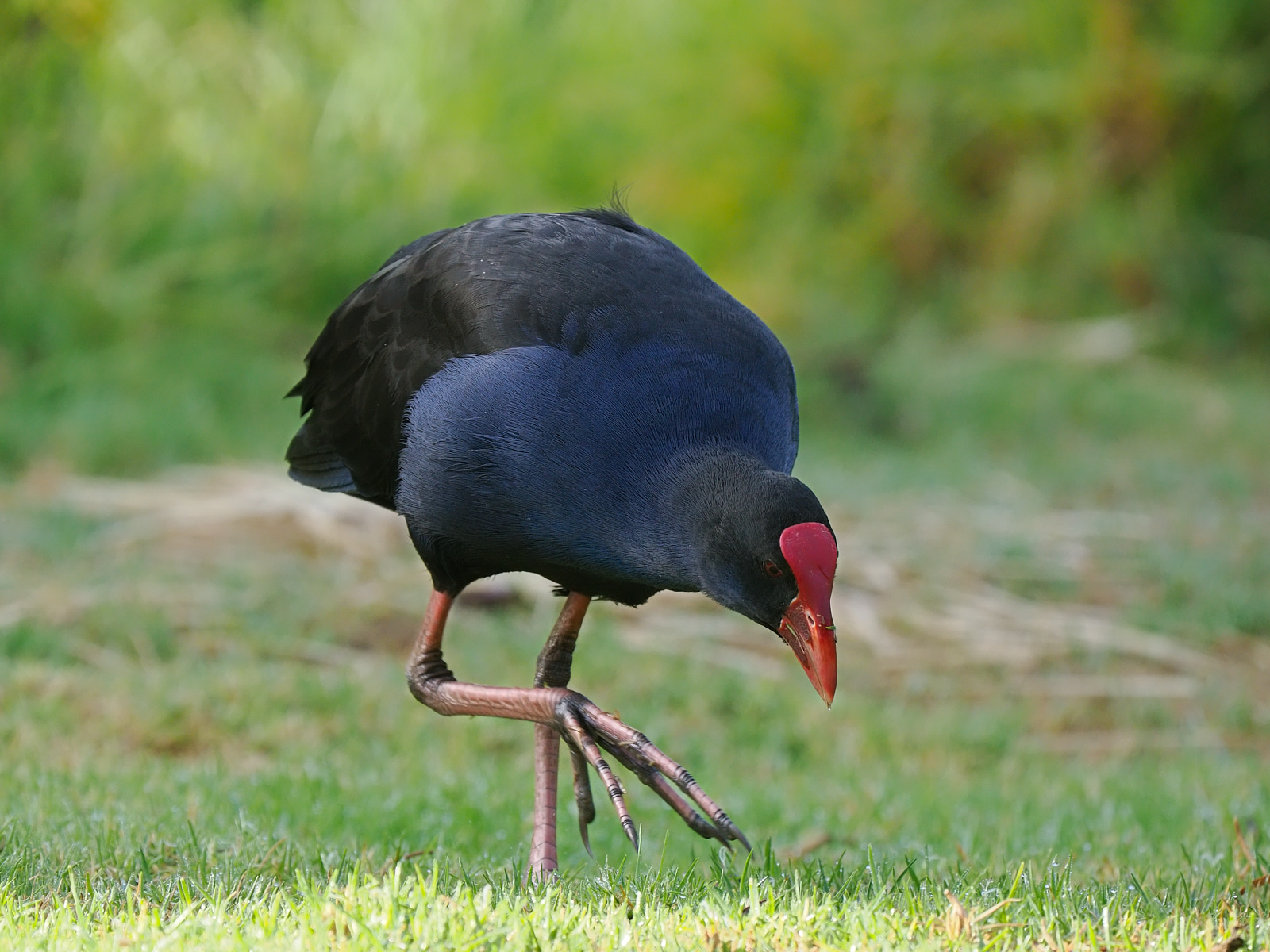
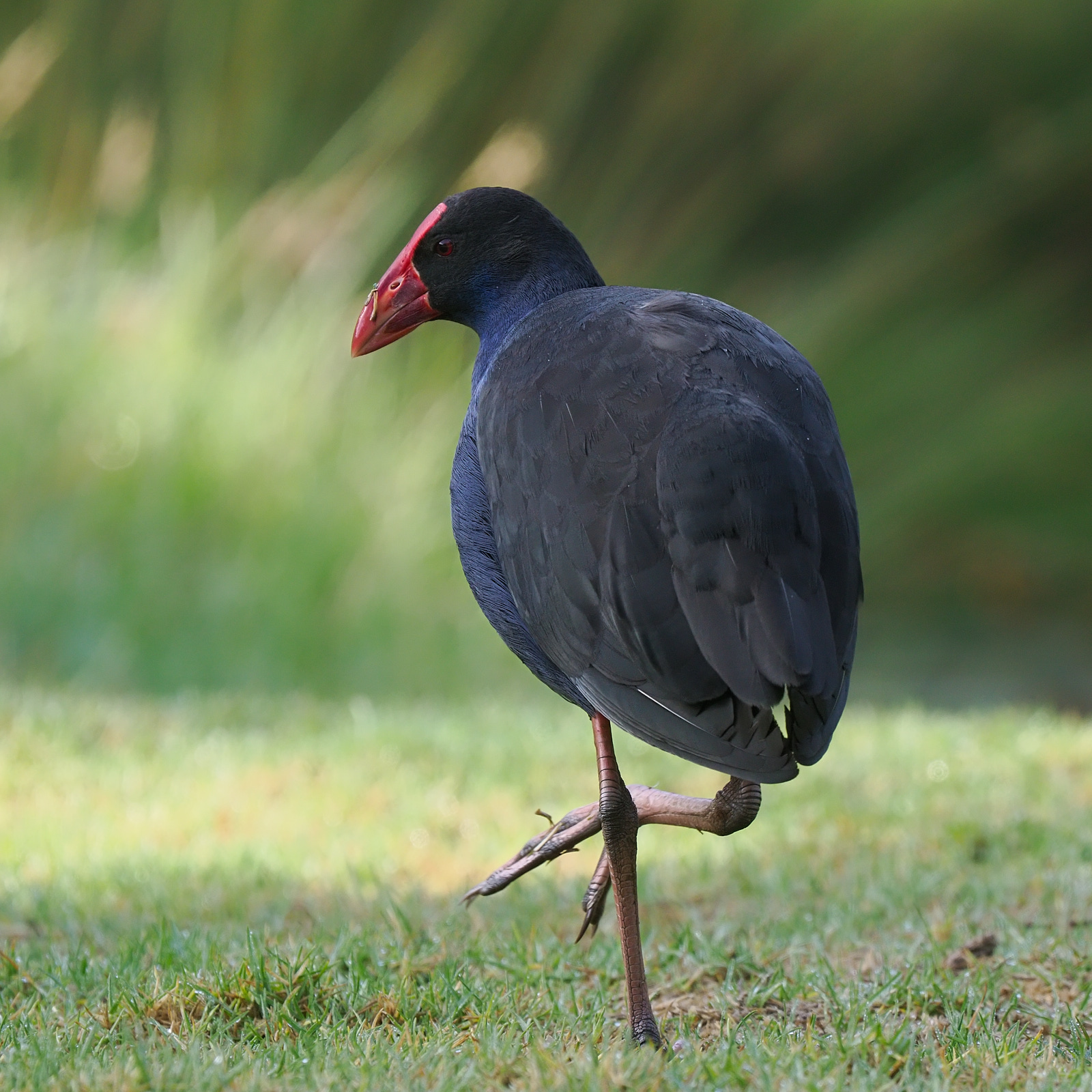
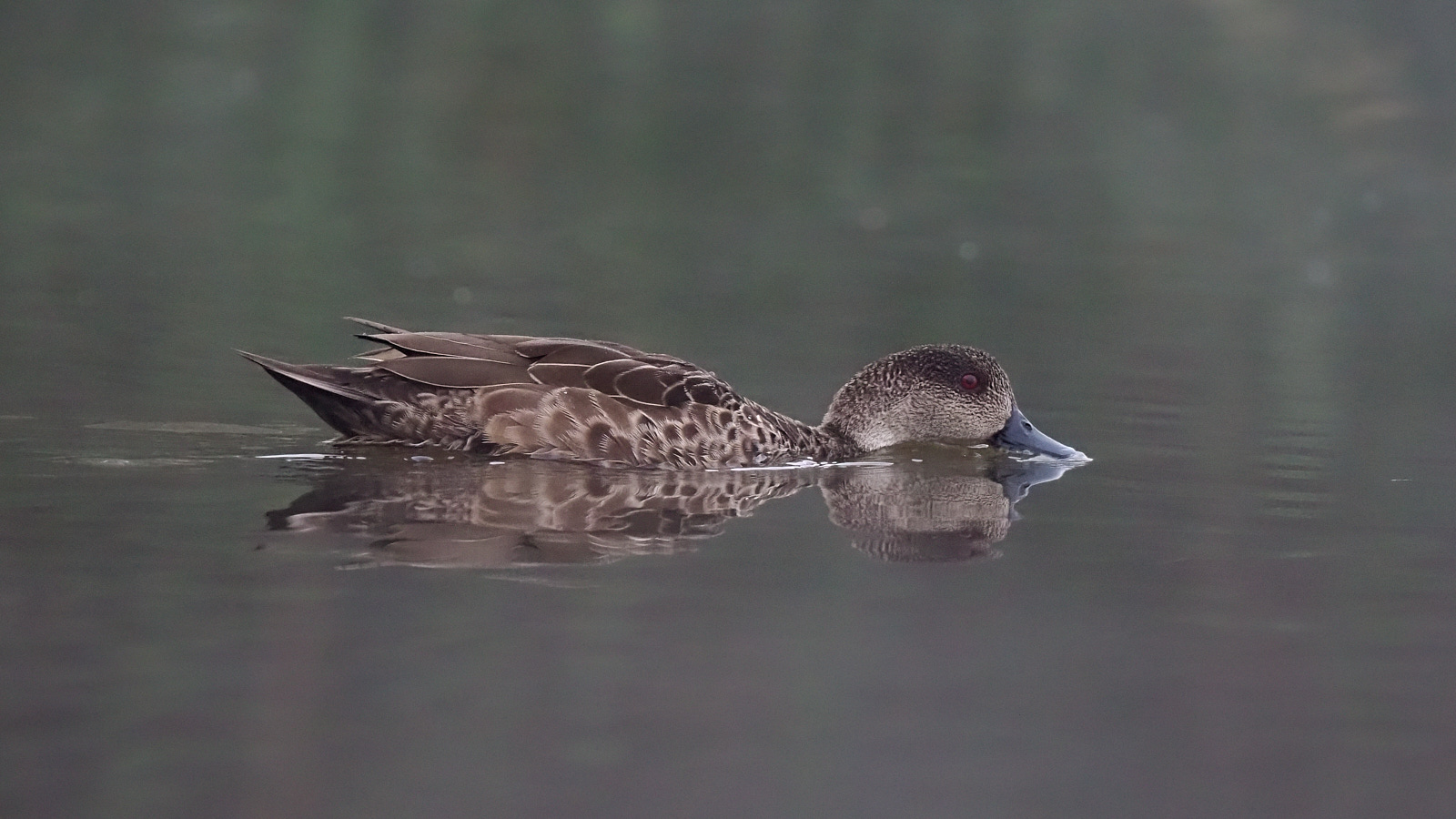
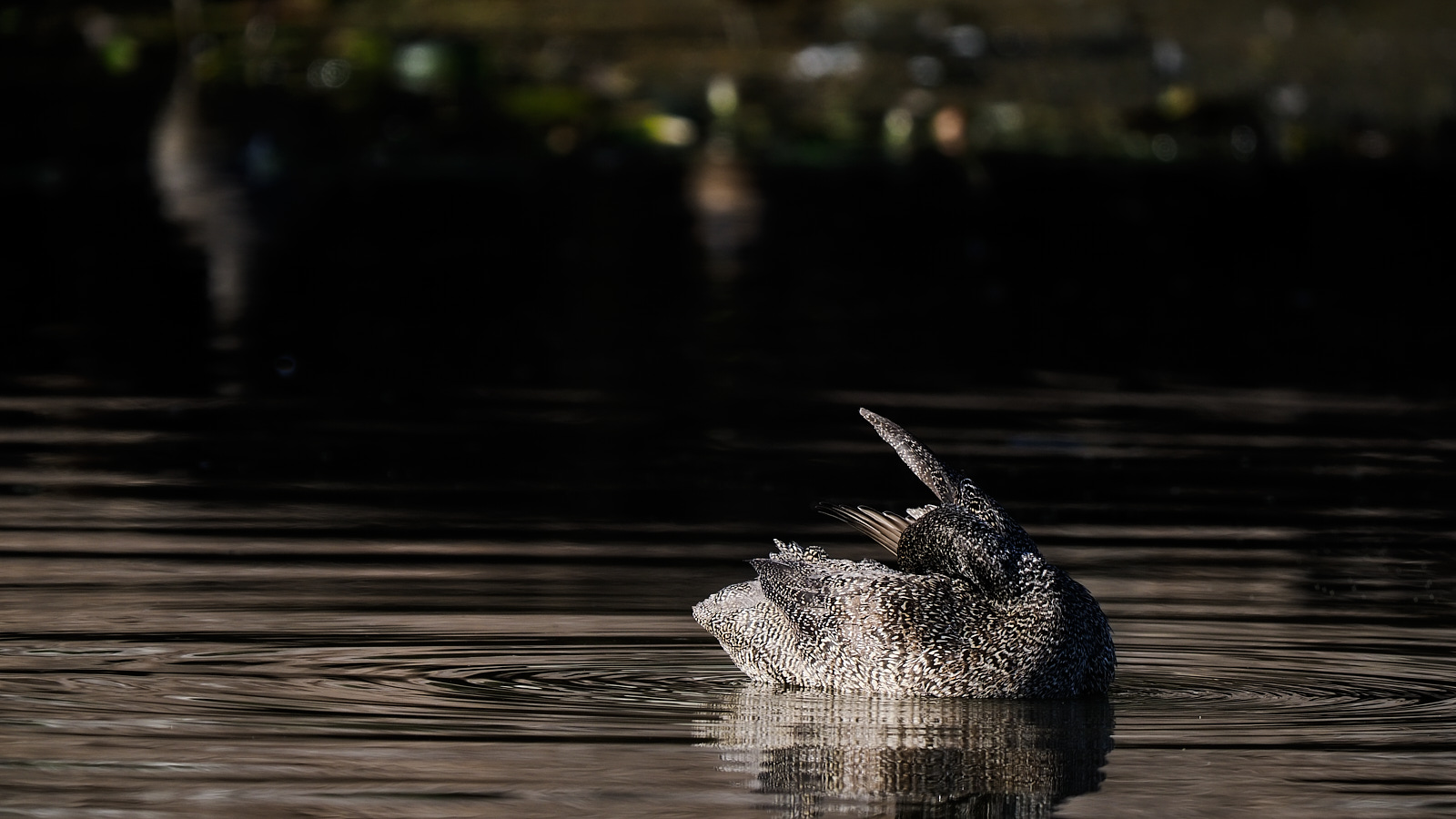
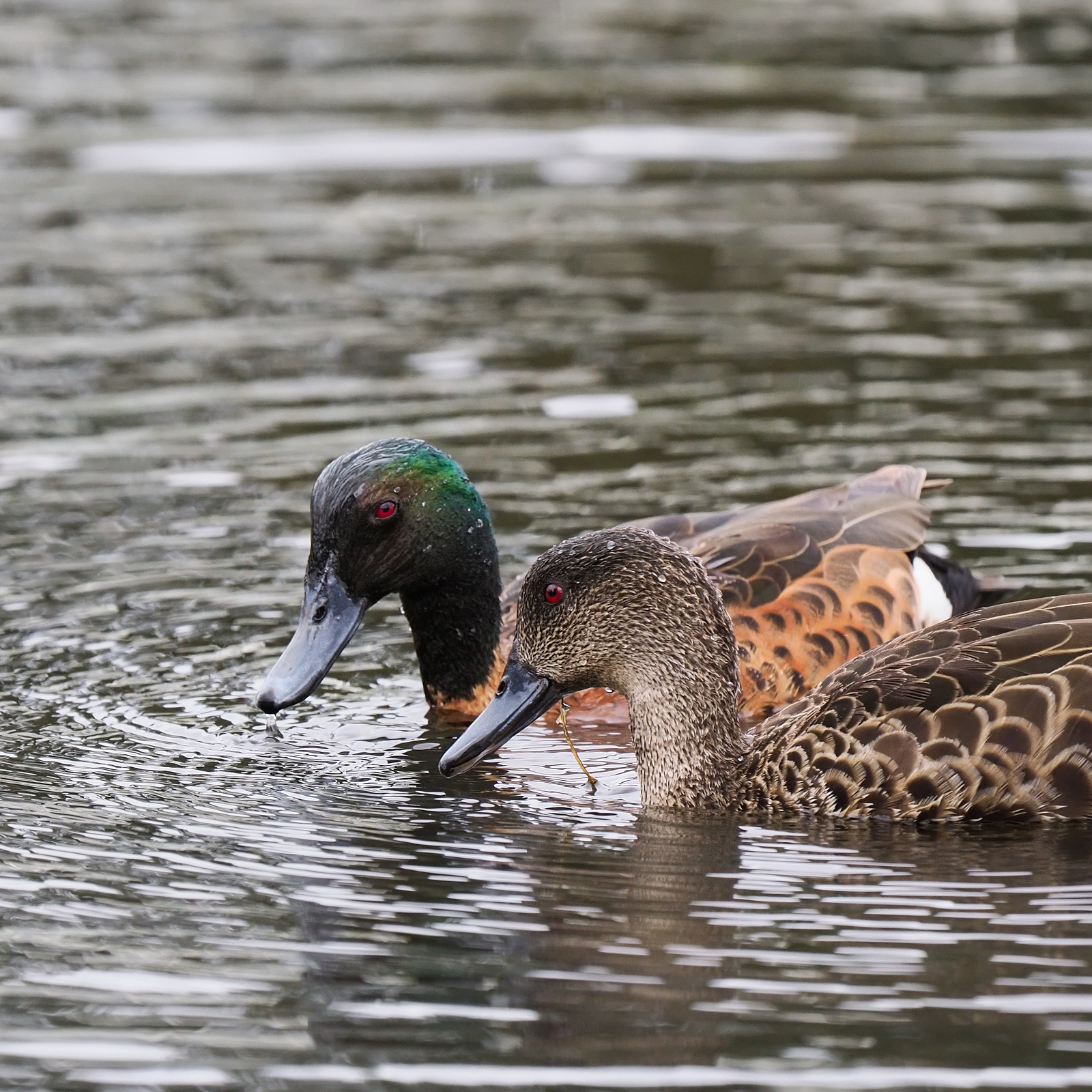
Australasian SwamphenAustralasian SwamphenCape Barren GooseLittle PenguinNankeen Night HeronFreckled DuckChestnut TealGreat EgretFreckled DuckWhite-eared HoneyeaterPink-eared DuckRoyal SpoonbillAustralasian GrebePacific Black Duck
As I recall Statistics is something you can do with independent observations taken at random and assembled into a sufficiently large sample. It’s a dark art, lies, damn lies and statistics etc. Bird watching stretches it even further into the kingdom of the devil. Bird watchers choose their sites to generate large lists, large list are more fun. Will we turn left or right? Depends where the Red Goshawk’s nest is or the owl’s roost. It’s called bias. Bird watching and citizen science make for a turbulent marriage
The year list is coming along very nicely, thank you for asking. Bird watchers tend to disparage introduced species, the plastics, but we do make sure to get them on our lists. If numbers give you an inner glow then they all count. I have my Goldfinch for the year. Port Fairy is very good for Goldfinch. But where is my Greenfinch? If I don’t get it here I am unlikely to get it this year.
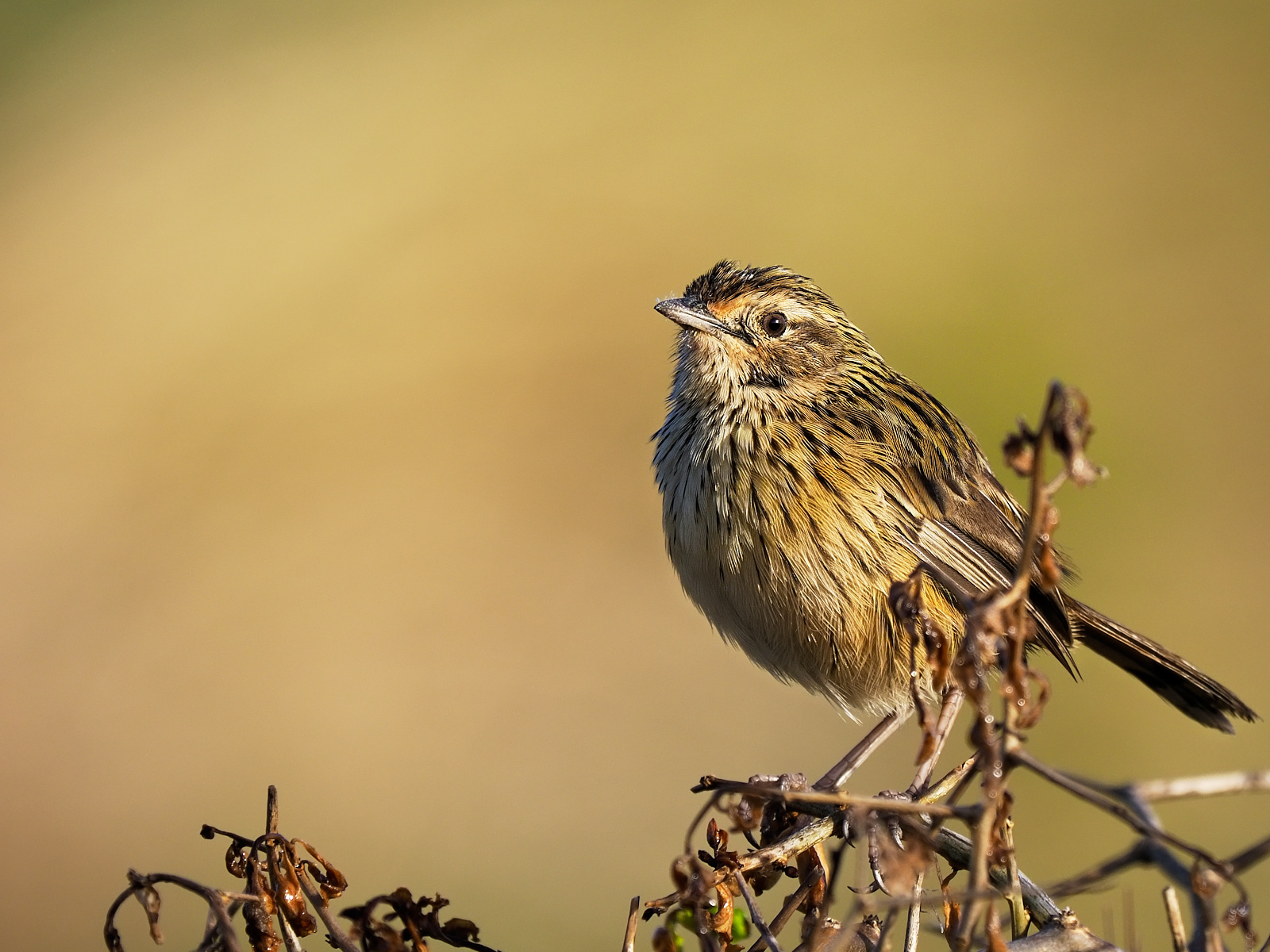
Port Fairy is also a very good place to find the Striated Fieldwren. They live in rank vegetation and low scrub. In spring the males get up on rocks or taller plants and sing their little hearts out. The rest of the time they are a challenge. It’s not spring but this visit they have been very cooperative. I even have photographs! (Notice they all face to the left, n=2, the sample size is too small, p is nowhere near significant).
Striated FieldwrenStriated Fieldwren
That thing they do with their tail is very endearing. Shame the one in the better light didn’t do it.
Port Fairy is not only famous for Fieldwrens it is also home of the Port Fairy Folk Festival. Secombe Park has been transformed into a reasonable facsimile of the Field of the Cloth of Gold. The town benefits greatly from the revenue raised. Fortunately I will have left before the festivities reach full swing.
Just over a day to find the furtive finch. I haven’t connected with the snipe either, it may be too late in the season for them. I may have to come back in the spring. But the birding has been excellent …
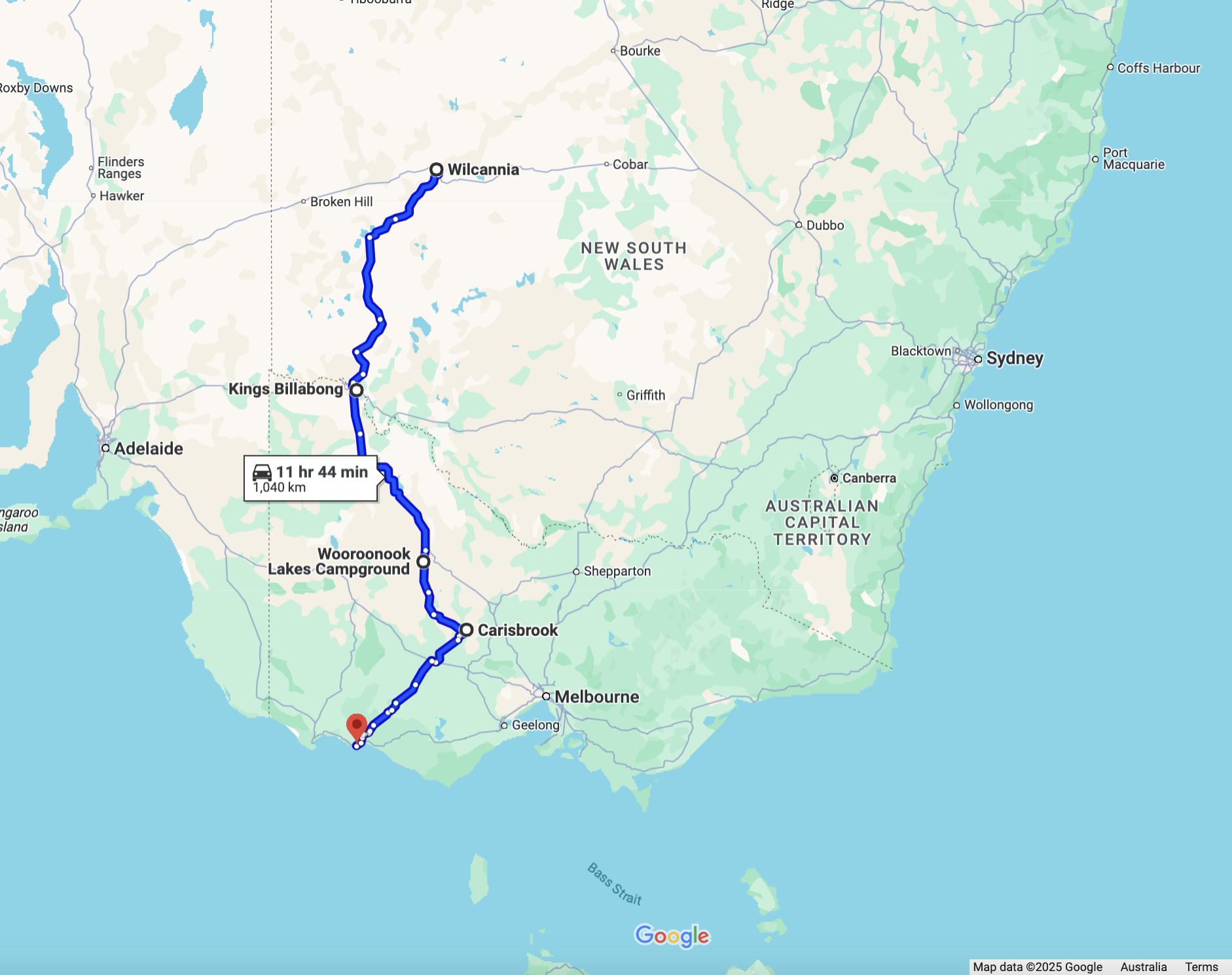
Yesterday we arrived in Port Fairy on Victoria’s south west coast and here we shall pause for a week . We will taking bracing walks in what passes for the summer heat and look for goldfinch and greenfinch to bolster our year list! Here is a simplified map of progress since Wilcannia. Simplified because since crossing the Victorian border we have been flitting about like flies on a cow pat visiting favourite places, favourite people and a caravan repair yard for a bit of plumbing work.
Rainfall in the interior of Australia and much of the west coast is unpredictable and usually sparse. For the north and east coastal fringes, north of Brisbane, summer rainfall is the norm. From Brisbane south and around the south coast and for a triangle in the south of Western Australia winter rainfall predominates. This pattern has held up on this trip, indeed it may be somewhat exaggerated this year. Since leaving Queensland the country has been as dry as a chip.
In Wilcannia the bird watcher should stay at Warrawong on the Darling. The camp ground is adjacent to a couple of billabongs. These are usually productive but on this occasion one had little water and the other was dry. The river Darling itself had plenty. There are some 4WD tracks across open plains to patches of River Red Gum woodlands along the banks and if clean toilets and warm showers are of any interest it even has those.
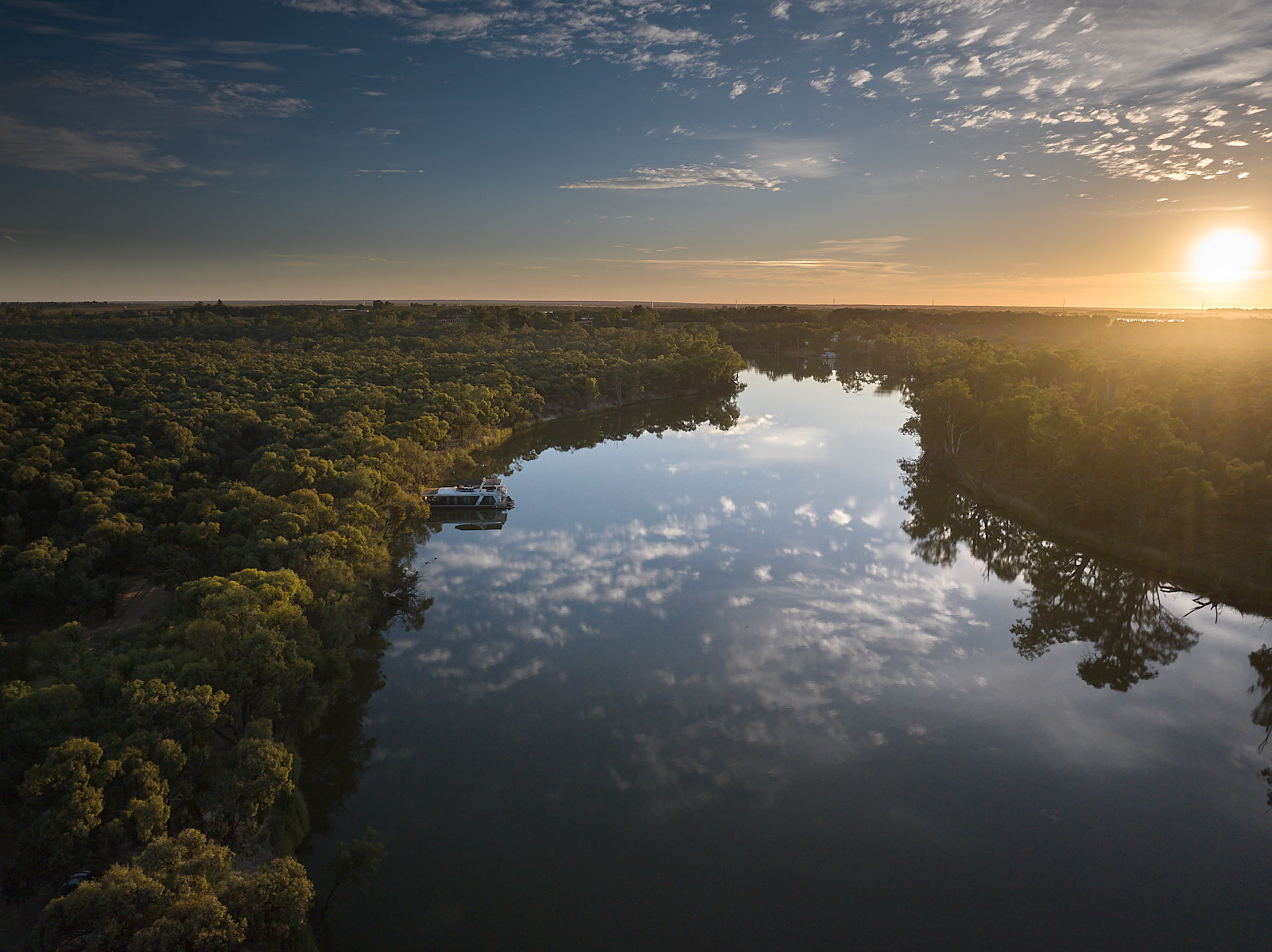
From there it was on to the banks of the mighty Murray not far from Mildura and then various much loved locations in the Victorian Goldfields. And now Port Fairy which is unique in Victoria in very nearly being quaint. The surrounding countryside, the Western District of Victoria, is brown and dry, drier than we have ever seen it.
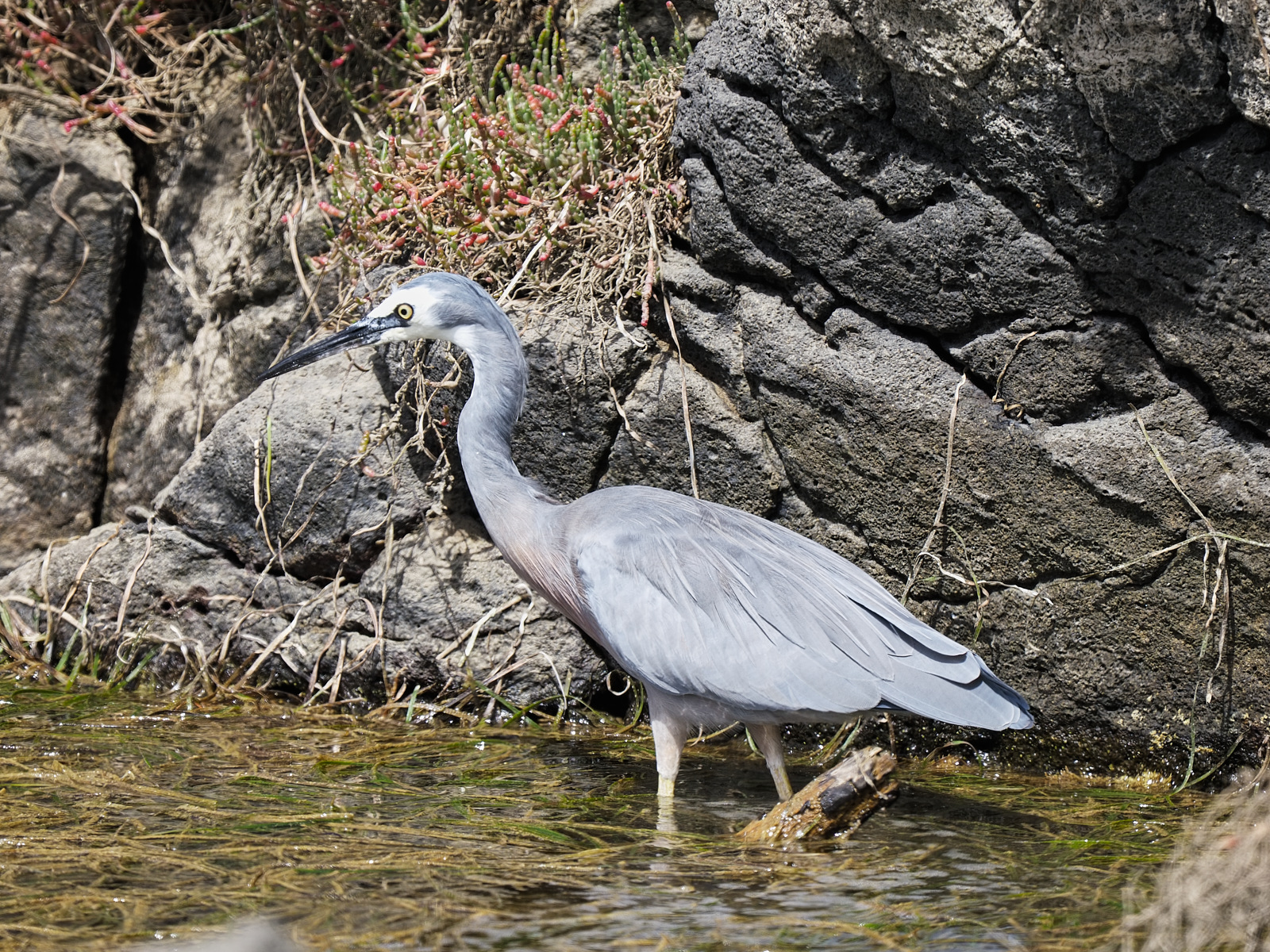
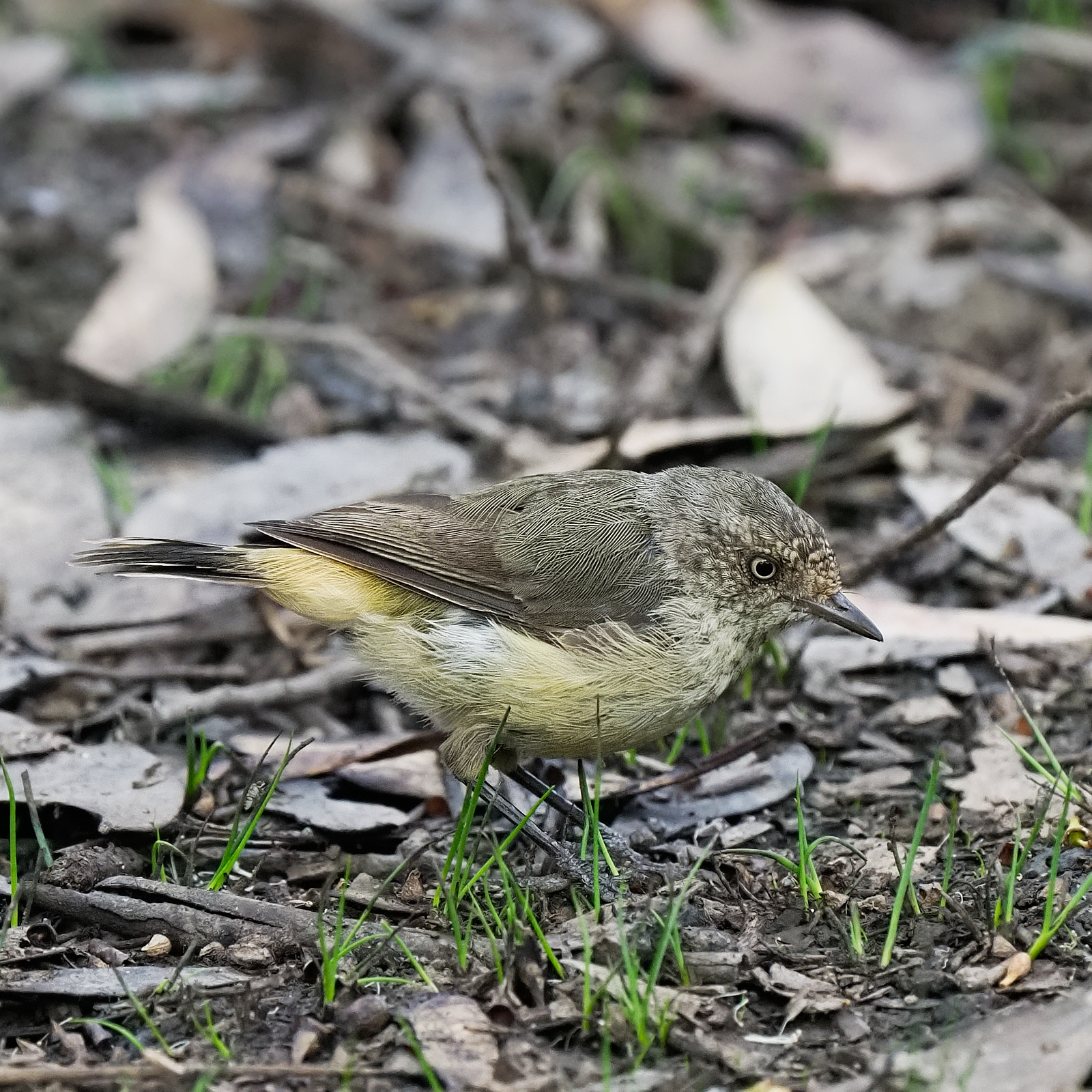
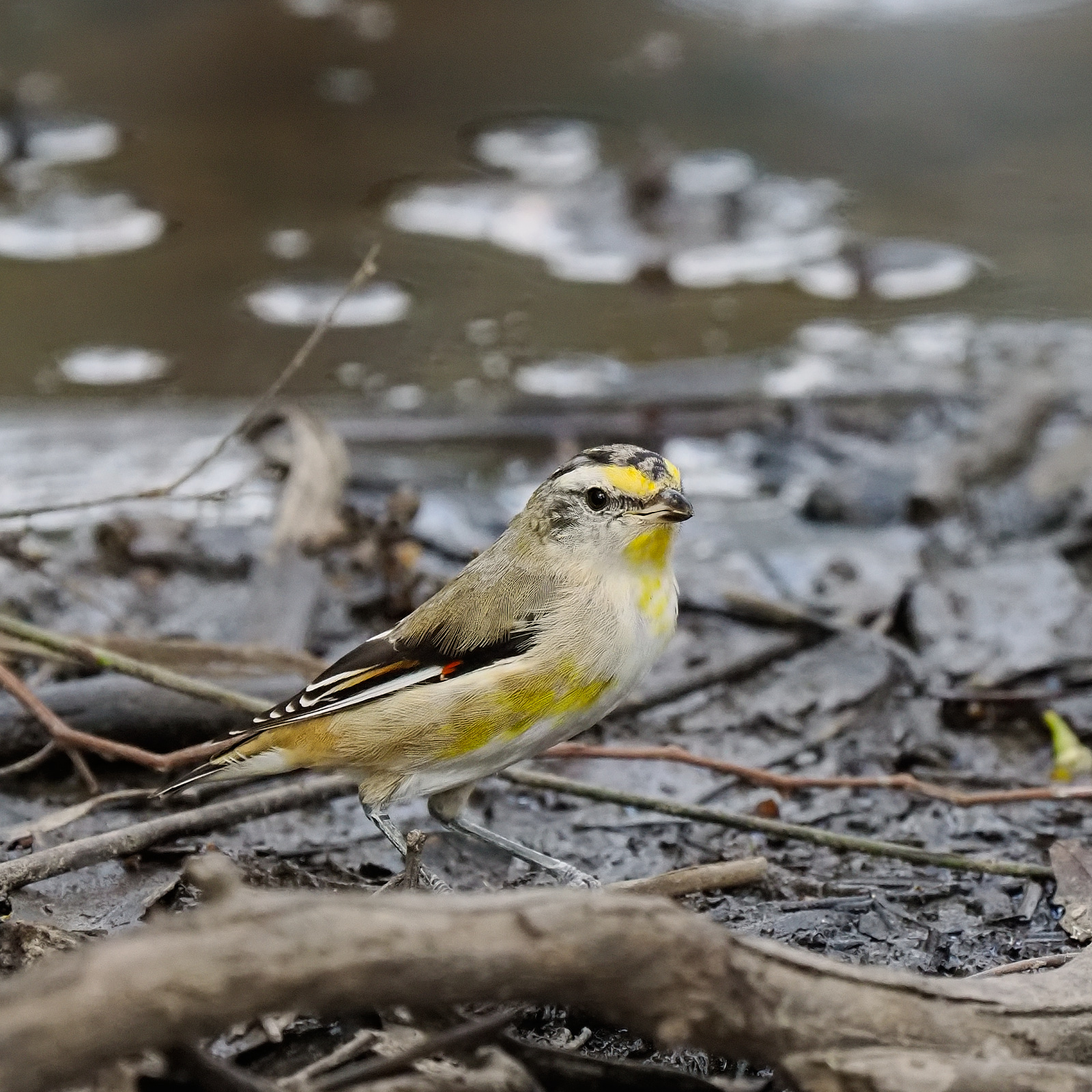
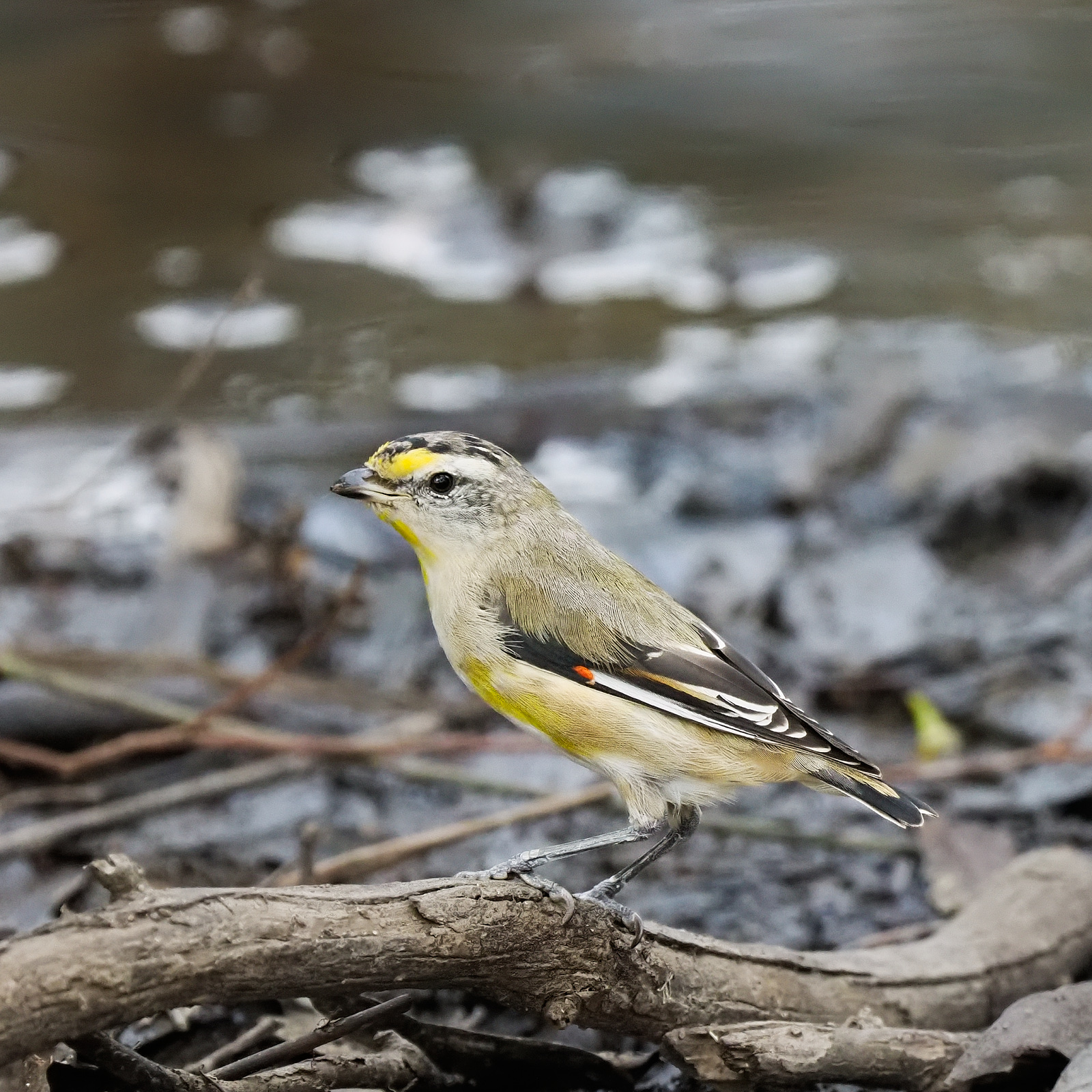
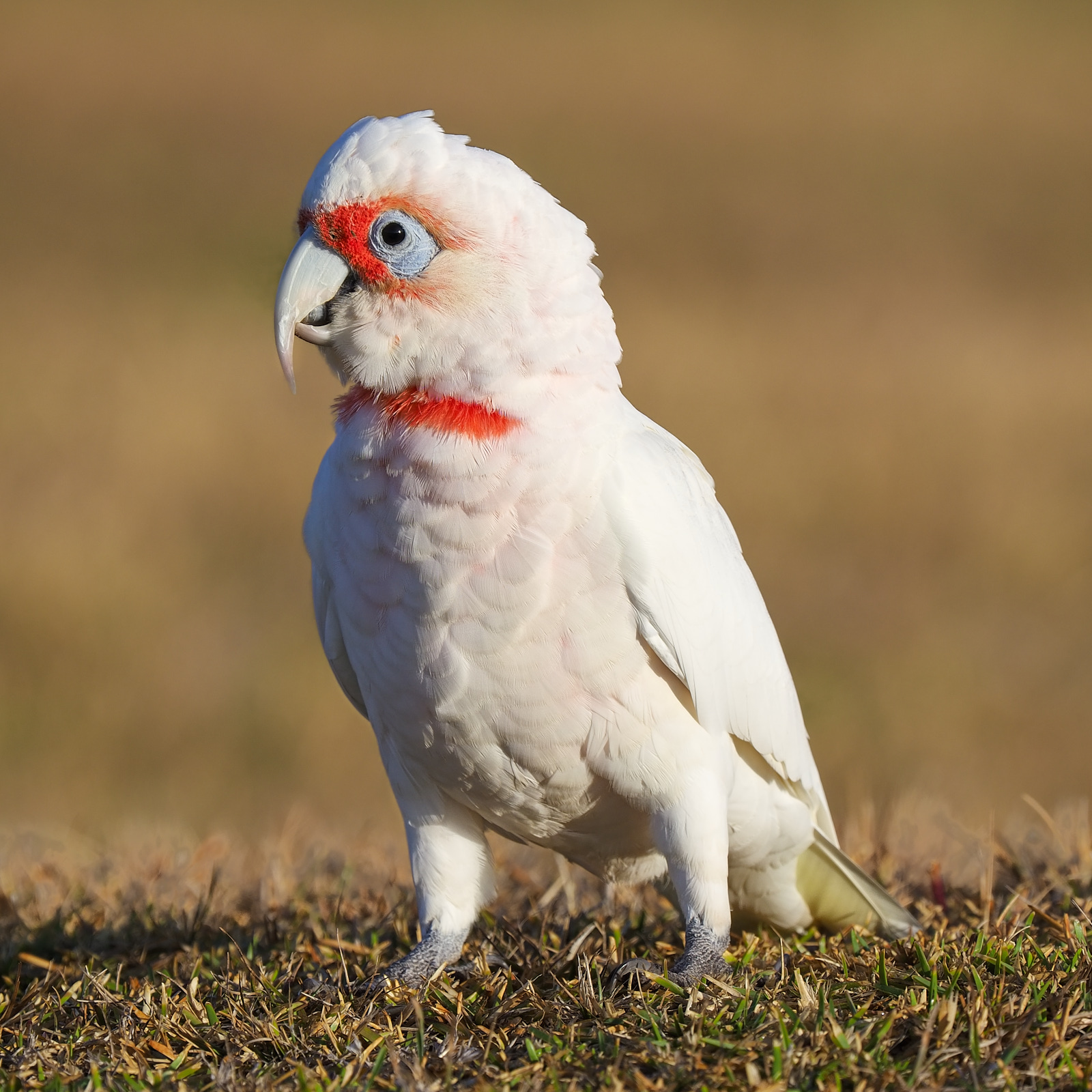
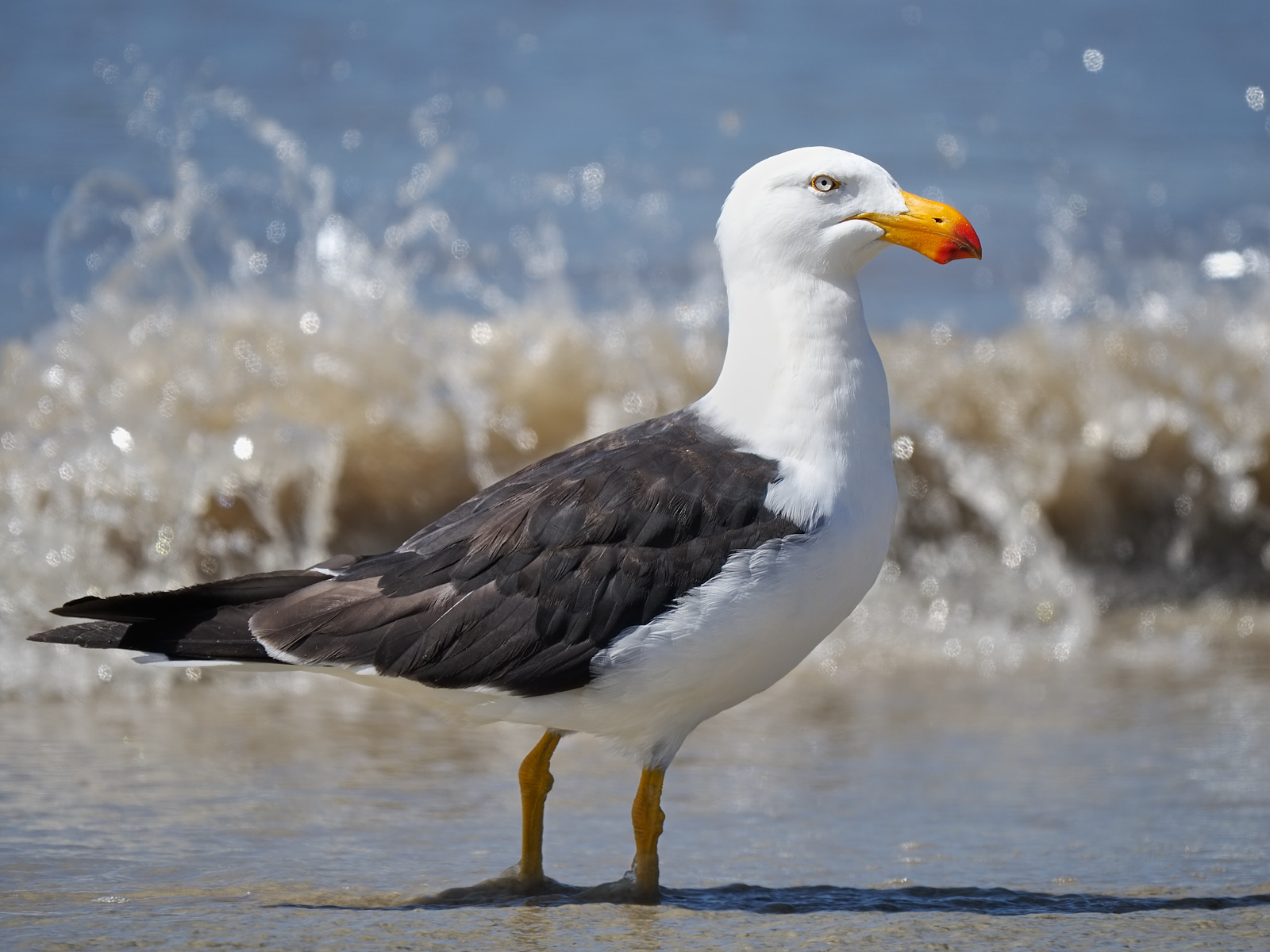
the Darling RiverMurray River at dawnfirst light on the Murrayat Wooroonookat WooroonookWhite-faced HeronSwamp WallabyBrown-headed HoneyeaterBuff-rumped ThornbillStriated PardaloteStriated PardaloteBrown-headed HoneyeaterLong-billed CorellaKelp GullPacific Gull
There is a Short-tailed Shearwater colony in Port Fairy and I’ve just got back from watching the Shearwater parents returning to feed their chicks. They come in just after dark, land near their burrows and then run to the waiting chicks. It is a wonderful experience to sit in the colony and have them flying in around you.




























 bobmcgee