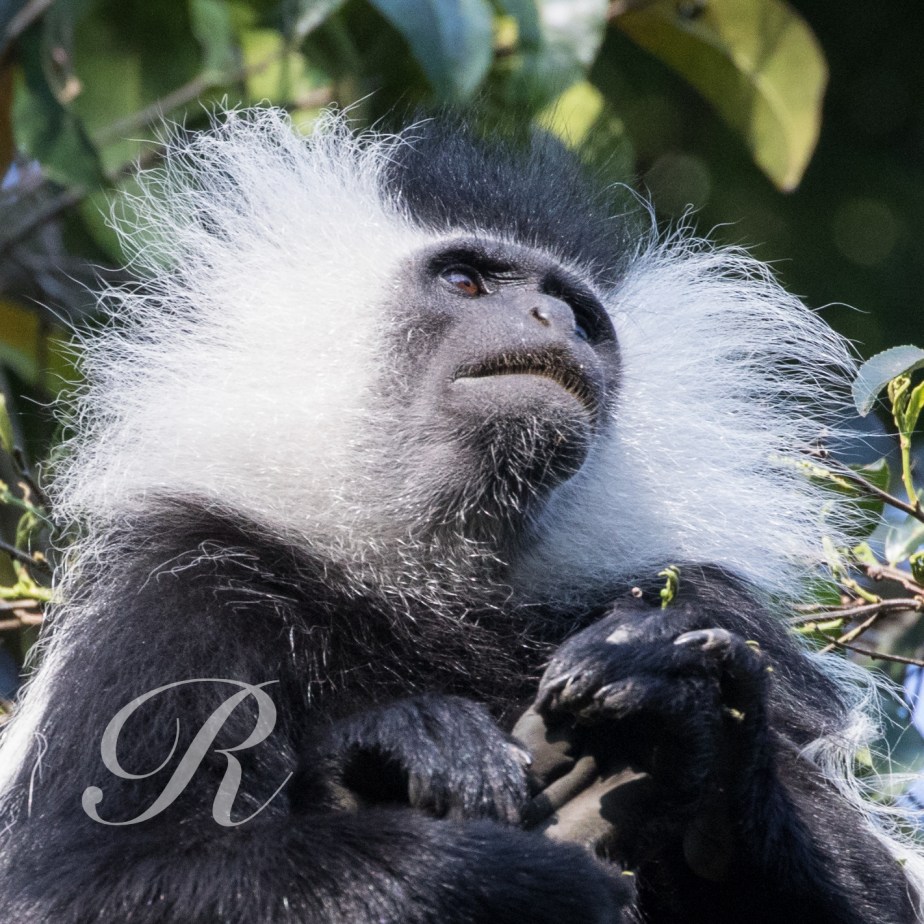
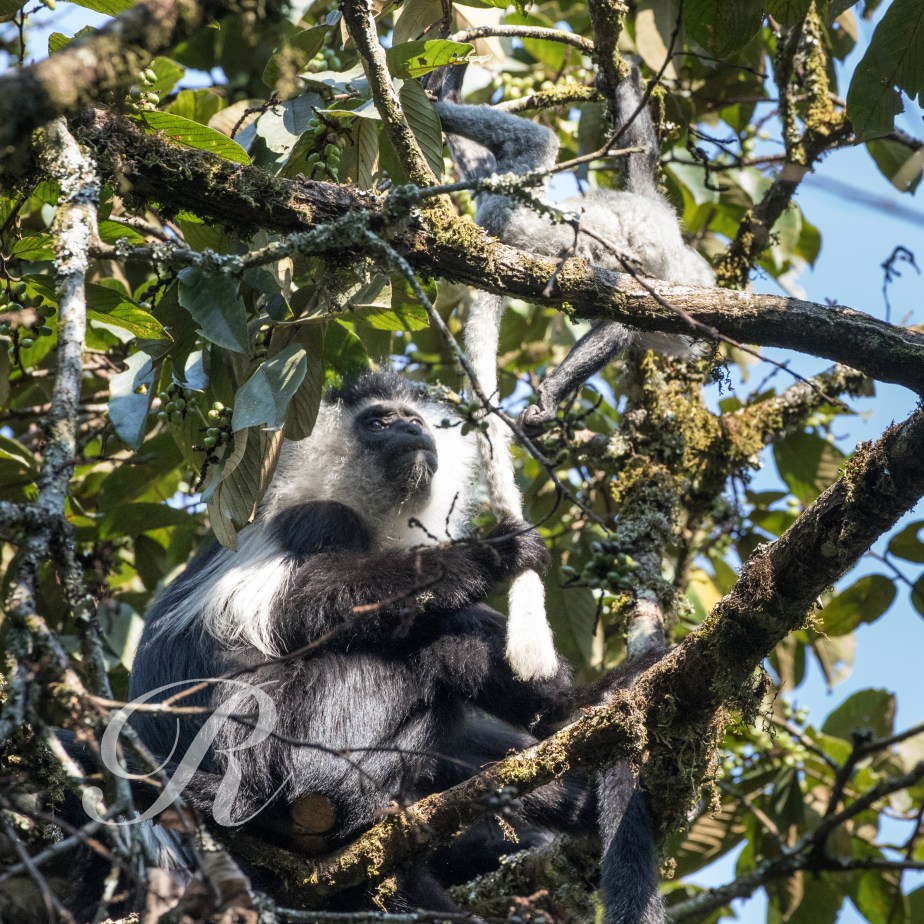
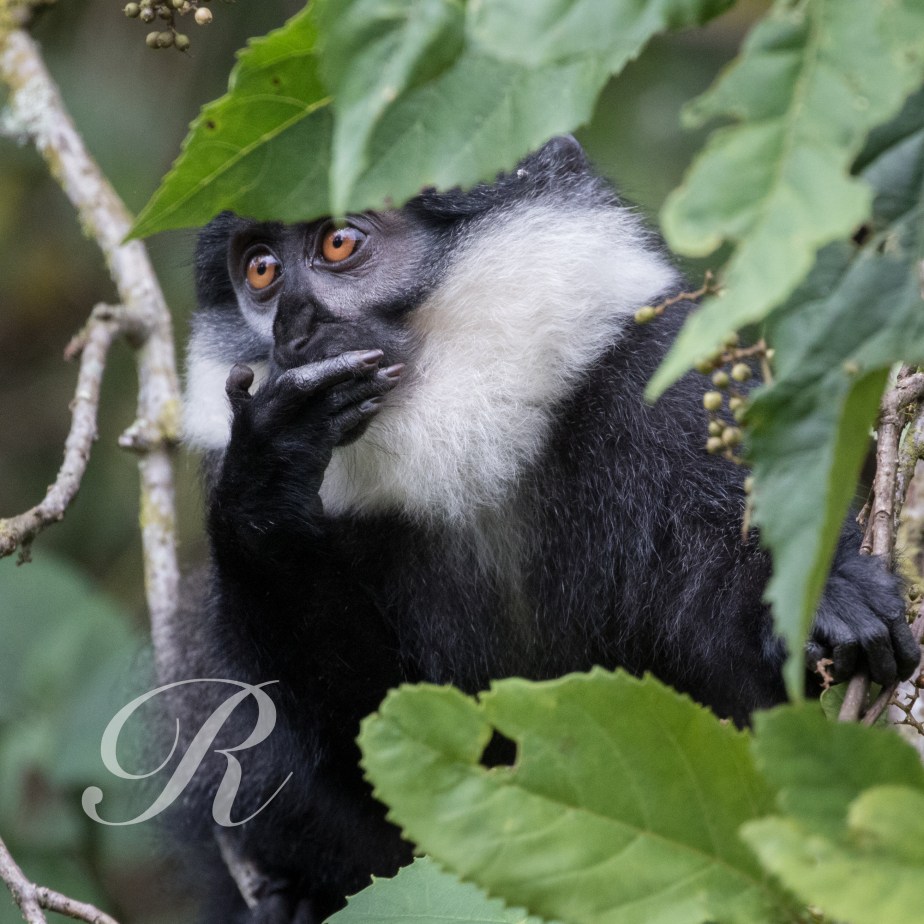
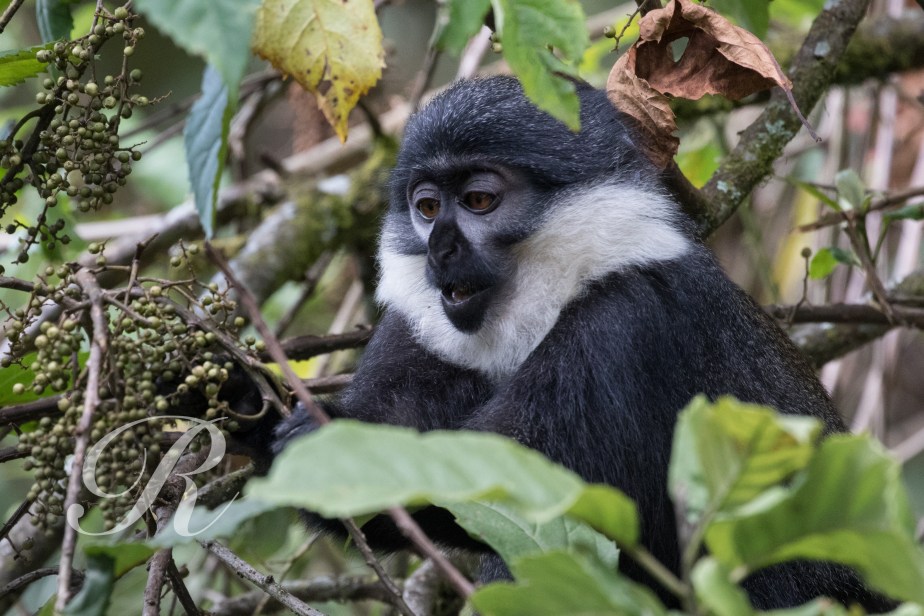
Nyungwe …

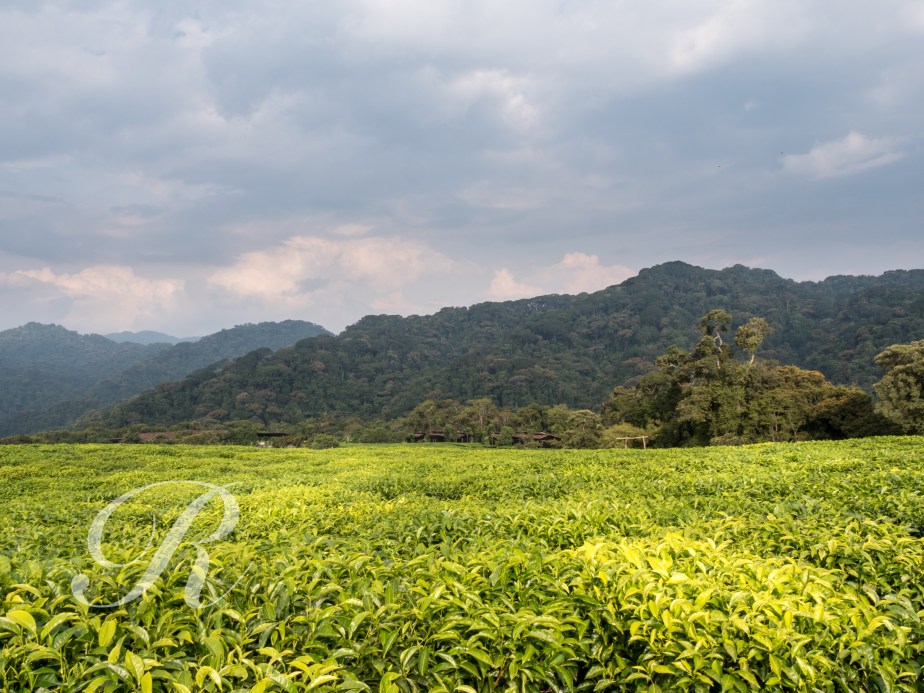
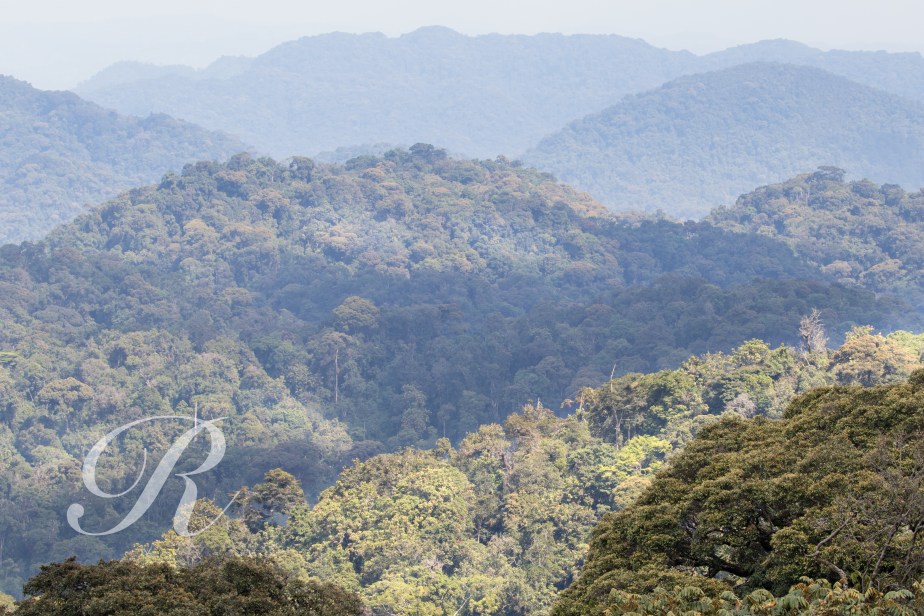
The largest single block of montane forest in Africa lies at the southern end of Lake Kivu protected by the Nyungwe National Park, a little over 1000 square kilometres in area and ranging from 1600 to almost 3000 metres above sea level.

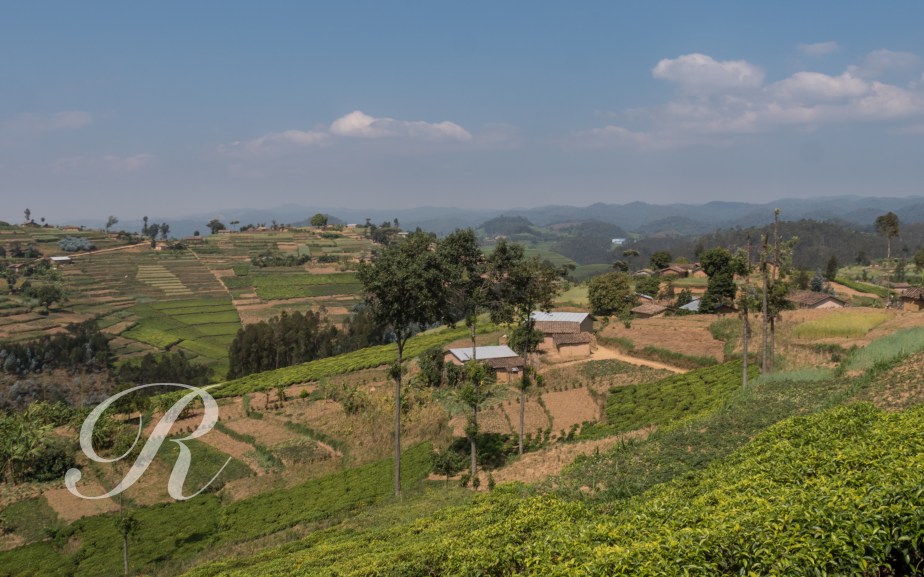
It is stunningly beautiful. From a high point such as at Uwinka you can see range after range receding into the mist …

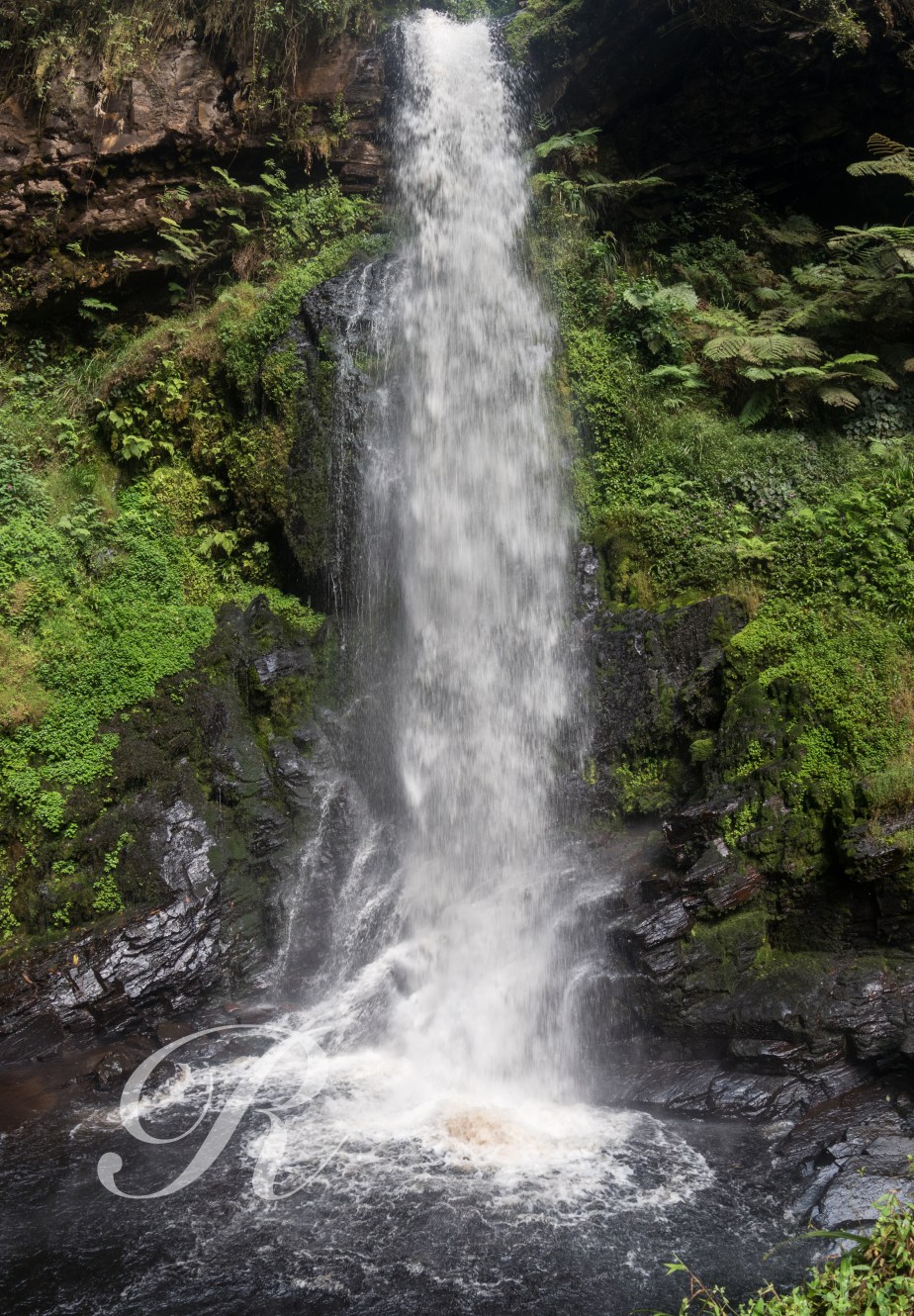
and once you get into the folds between the hills you find streams and waterfalls,


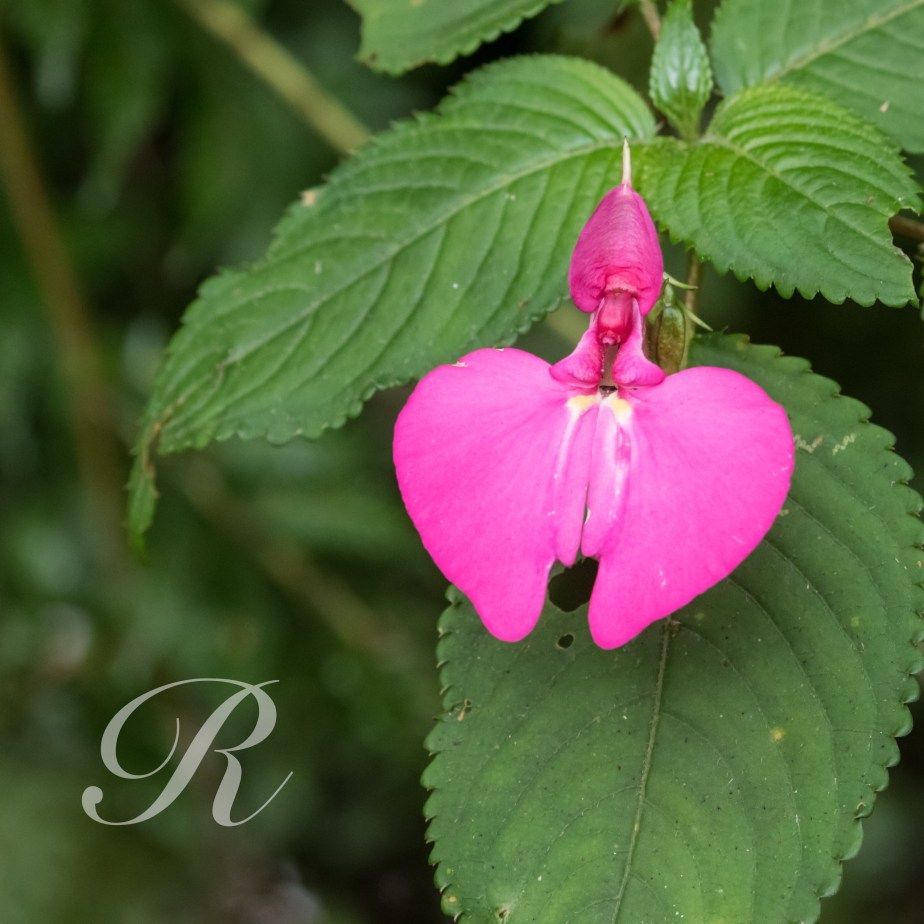
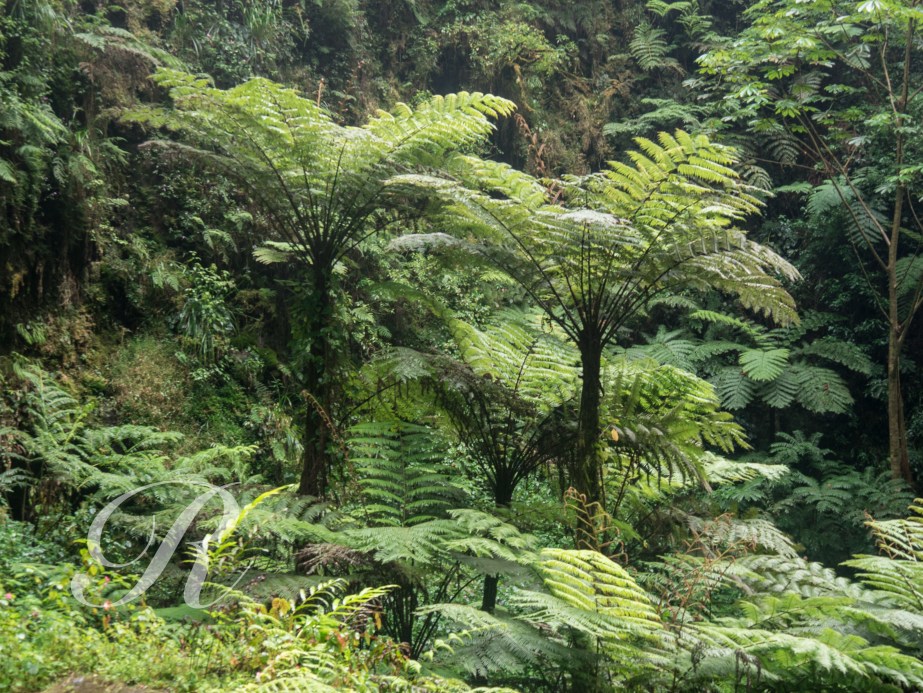
flowers and treeferns,

We would have three nights here. The place to stay is the Gisakura Guesthouse. This is situated near the forest edge and the garden is planted with flowers that are attractive to the various sunbirds of the area. One can take tea on the lawn and tick off Albertine Rift Endemics from your chair.

Despite the fact that we’d booked and paid for exactly that we found ourselves checking into the Gisakura Family Hostel half way up a dusty hill with not a native tree in sight. You’ve got to love Africa. The hostel was clean and comfortable, the staff extremely friendly but Pied Crows are no match for Sunbirds.

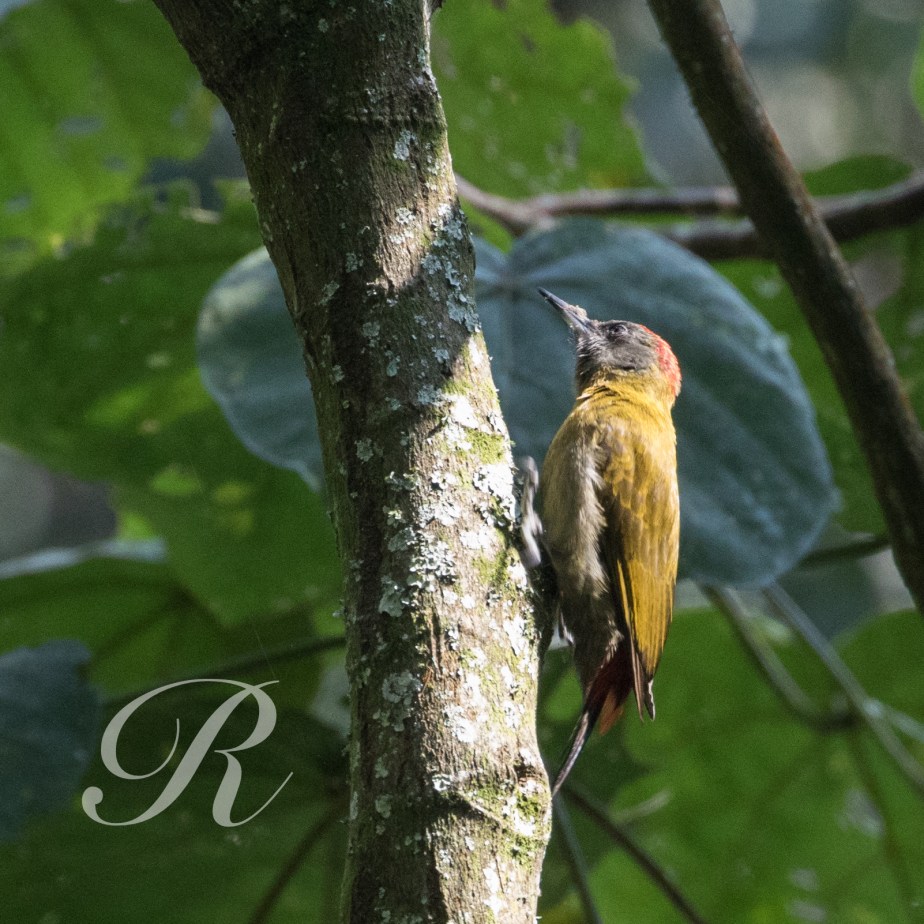
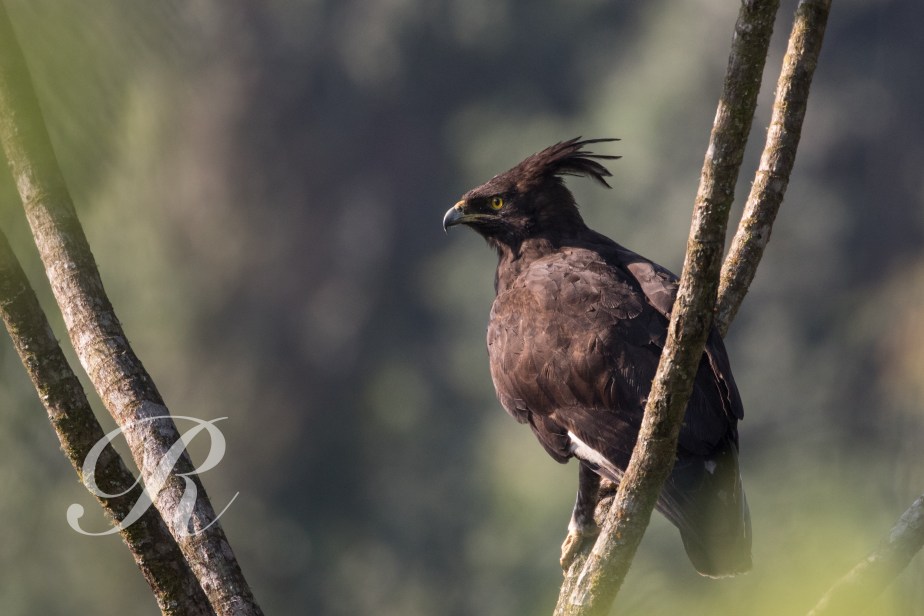
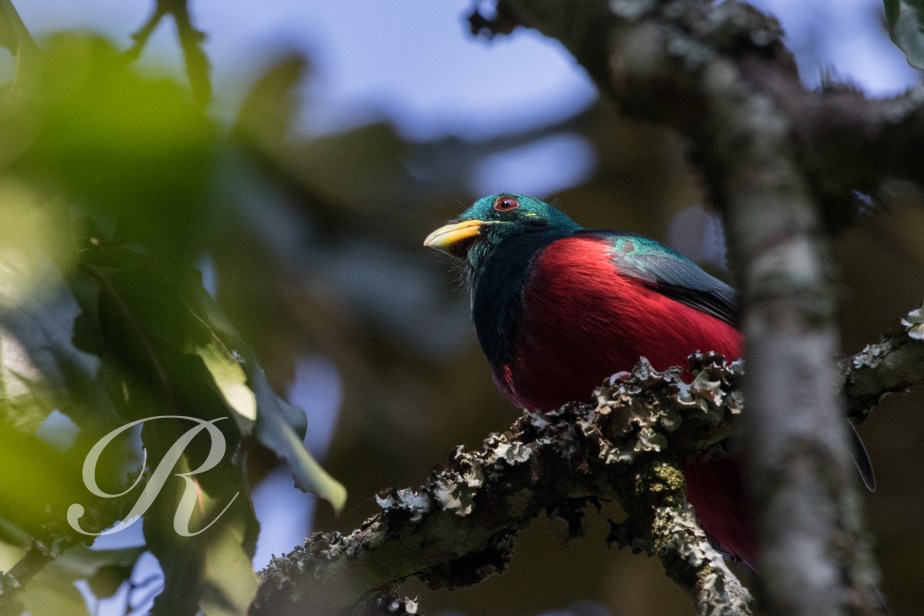
We had a day of birding with the local expert, Klaver Ntoyinkima, and a day chasing mammals. Klaver took us for a higher altitude walk from Uwinka in the morning and to the Kamiranzovu Marsh in the afternoon. Both extremely productive, more time would have been better.

Olive Woodpecker
Long=crested Eagle
Narina Trogon
Rwenzori Double-collared Sunbird
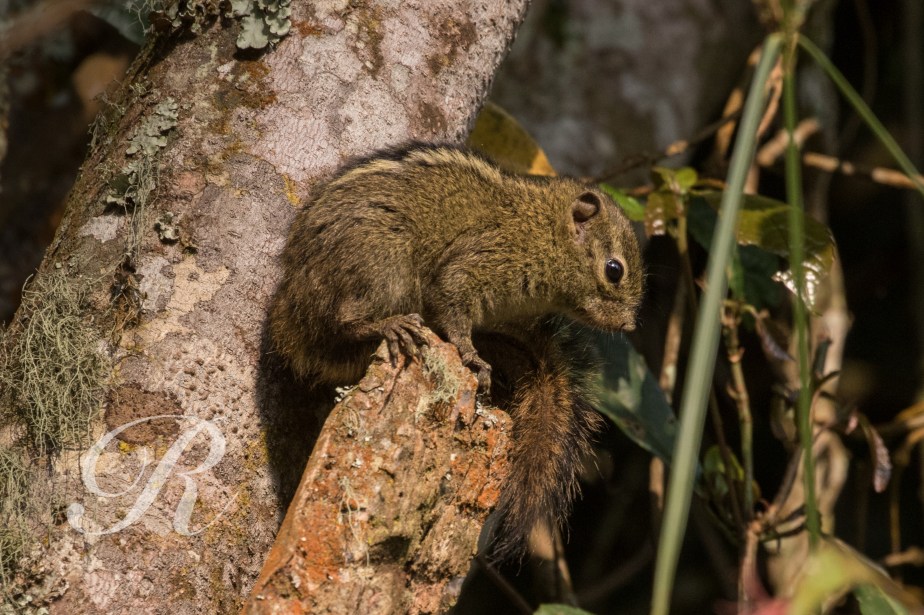
Boehm’s bush squirrel

We also had good views of  Rwenzori Sun Squirrels, a fleeting glimpse of a Black-fronted Duiker and the odd monkey …

Stay tuned for the next episode featuring the primates of Nyungwe.

Death of a Toenail …

After breakfast it was time to leave the boiling lava lake of Mt Nyirigongo and head down hill.

As always walking steeply down hill is easy on the lungs but hard on the legs and also the feet. Long before reaching the park headquarter it was evident that toenails would be lost . As we reached the car park we passed a group about to make their ascent, a gaiters and glove brigade … must have been gorilla trekking.

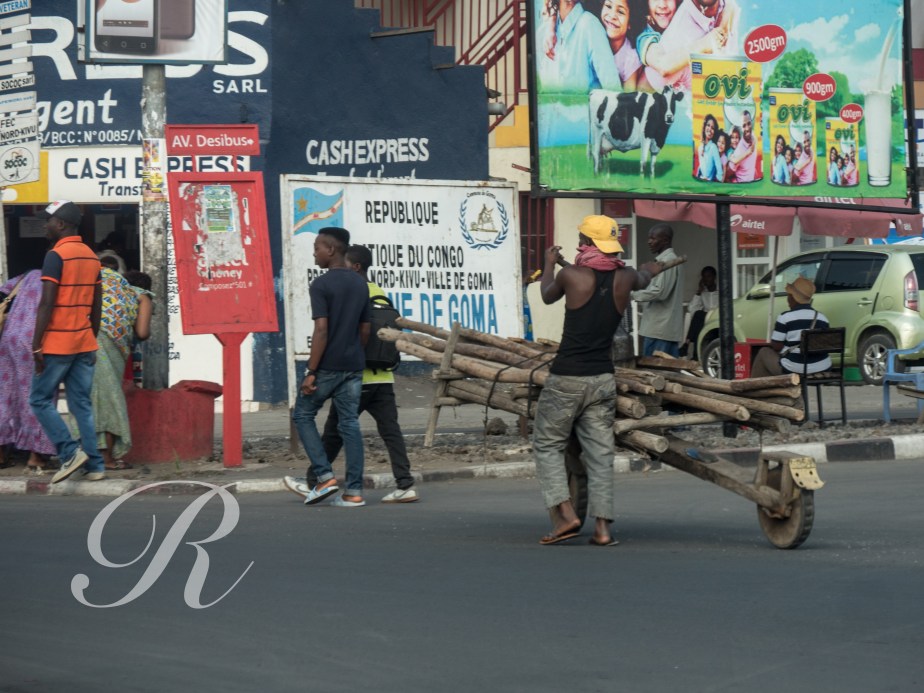
Back through Goma with its busy noisy streets and wooden bicycles (Chukudu), used for transport of whatever goods can be balanced on them) …

Chukudu, Goma

Our driver suggested that we only take photos from the moving vehicle (and only when it was likely to keep moving).

White vehicles with UN in big black letters were prominent among the traffic.

We had East Africa multi-entry visas which you would expect granted multiple entries into the three country East Africa bloc, Uganda, Rwanda and Kenya. It does not. It allows a single entry into the bloc, you can then wander from member to member until it expires. Visit DRC and you must buy a new visa $30.

And then you can emerge from the border post into the relative safety of Rwanda, perhaps casting a nervous look at Lake Kivu straight in front of you.

So what about all that gas. There isn’t a top on the bottle. Why doesn’t it just bubble out all the time. Well some of it does but it’s complicated …

There is a pressure gradient in the lake, well of course there is, every diver knows that. In sea water that amounts to one atmosphere every ten metres. Lake Kivu is fresh, well the surface waters are, they are recharged by surface run off. The deep springs, of volcanic origin, are saline. Saline waters are heavier, the fresh sits on top producing a stable stratification.

Gasses are more soluble at high pressure and low temperature so carbon dioxide, of volcanic origin, injected into the cold deep waters is quite happy to stay there. Bacteria convert some of it to methane, also derived from the breakdown of organic debris and a little hydrogen sulphide is also produced. The upper and lower waters aren’t mixing so the gasses just accumulate until the lower levels are saturated or an earthquake, landslide or volcanic eruption stir the waters enough to bring saturated water to a depth where the gas will no longer remain in solution. The water bubbles as though it were boiling bringing about more mixing and a catastrophic outgassing, a limnic eruption.

What if you pumped gas laden water up a pipe to the surface, extracted the methane as fuel to generate electricity, vented the carbon dioxide, returning the waste water to the lake? Great idea, but the waste water is salty and the lake has a delicate ecosystem and an important fishery. Not only are they at risk, if you bring enough salt into the upper layer the stable stratification will break down and the day will come that the limnic eruption happens anyway.

Solution, return the waste water to the deep zone.

The KivuWatt power station is doing exactly that. Here’s a link to an excellent article on the process <MIT Technology Review>. It was written in 2015, the power station has been commissioned since then and is currently producing electricity. It’s rated to produce about 26 megawatts. If all goes to plan the system should be able to provide 100 megawatts of capacity in perpetuity. It is agreed that the gas  will be shared equally with the DRC, although they haven’t as yet built a power station to make use of it.

The only alternative fuel for thermal power stations in Rwanda is imported diesel. Although, even that is cheaper than electricity in <South Australia>.

The <Paradis Malahide> is right on the lake shore. The accommodation is nice, the ambience is very nice, the service is even nicer, the gardens are lovely. If pulling the top off a beer reminds you of a limnic eruption drinking the contents helps to dispel the resulting anxiety.

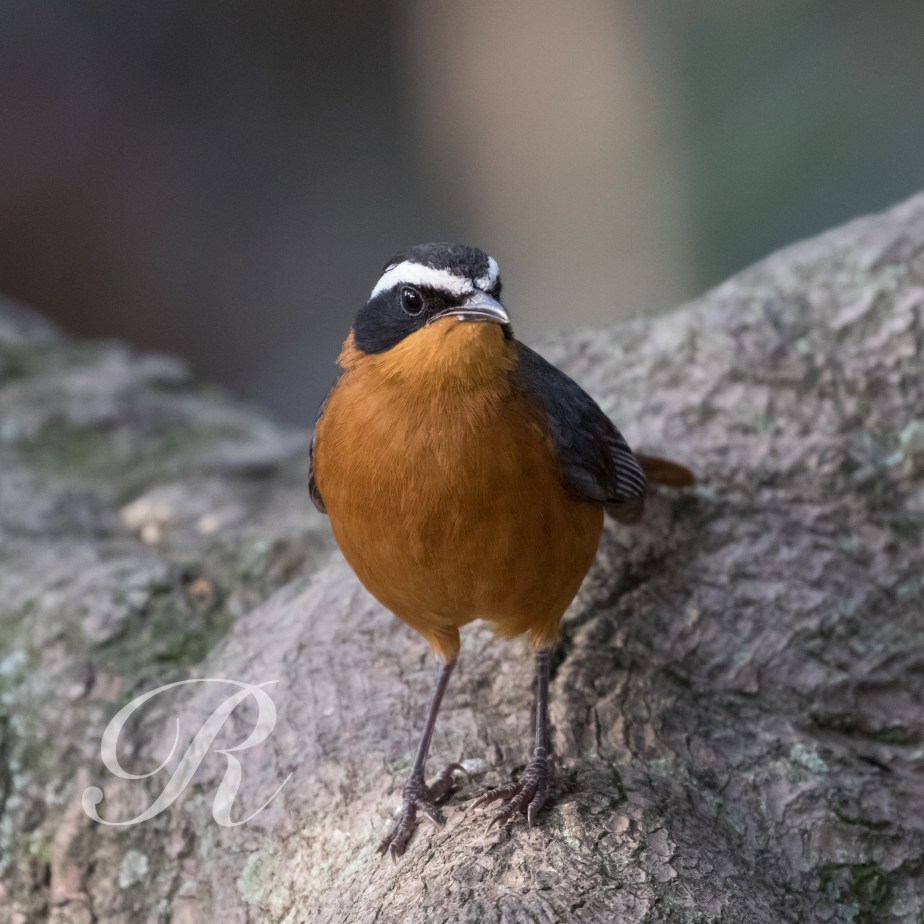
We took breakfast the next morning on a little point jutting out into the lake. A Spotted-necked Otter swam past. Kites, cormorants and herons put in an appearance. A White-browed Robin-Chat approached boldly …

and the fishing boats returned from their night’s work.

At that moment all was right with the world, and it remained so until I had to get up and walk.

Nyiragongo …

To say that the Democratic Republic of the Congo has a troubled history is an understatement.

It is a vast country with immense natural resources. It could be wealthy but internal division made worse by instability in neighbouring countries has led to a civil war that has cost the lives, directly or indirectly, of about 6 million people.

The warning signs are obvious, the word Democratic is on the label and if that doesn’t tell you there’s a problem the presence of a UN Peace Keeping Force surely does. And whilst that tells you there’s a problem the UN presence gives no reassurance, their track record is abysmal.

You’d have to be nuts to visit.

Since I’m nuts, why not visit Virunga National Park where 150 Park Rangers have been killed by insurgents in the past decade <National Geographic>. Five more would be killed in combat shortly after I left <defenceWeb>.

And let’s throw in the ascent of an 11,000 ft volcano sometimes called <The most dangerous volcano in the world>. Why so dangerous? Because of the active lava lake, the height of the mountain and the fact that the lava is much less viscous than lava elsewhere. In the 1977 eruption the lava traveled at speeds of up to 60 km/h (40 mi/h) the fastest lava flow ever recorded. Typically lava flows at about walking pace.

In 2002 …

A 13 km fissure opened in the south flank of the volcano, spreading in a few hours from 2800 m to 1550 m elevation and reaching the outskirts of the city of Goma, the provincial capital on the northern shore of Lake Kivu. Lava streamed from three spatter cones at the end of the fissure and flowed in a stream 200 to 1000 m wide and up to 2 m deep through Goma.        <Wikipedia>

About 15% of Goma, a city of about 1 million people, was destroyed and has since been rebuilt (about 12 feet higher than previously).

The group assembled at the Virunga National Park office at the foot of the mountain where some old shell cases had been cutely recycled.

Nous vous souhaitons une agréable  ascension

There would be twelve tourists, about ten porters and two well armed rangers to reduce the risk that our “agréable  ascension” would be to heaven.

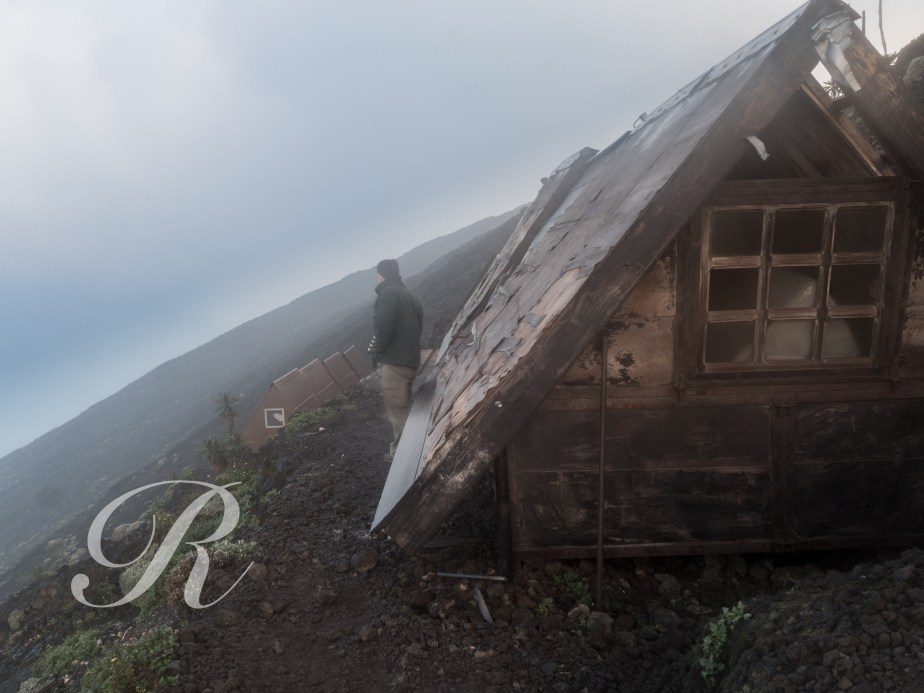
Five hours later I was counting 50 steps before allowing myself ten deep breaths. Then fifty more steps. Our accommodation was in sight …

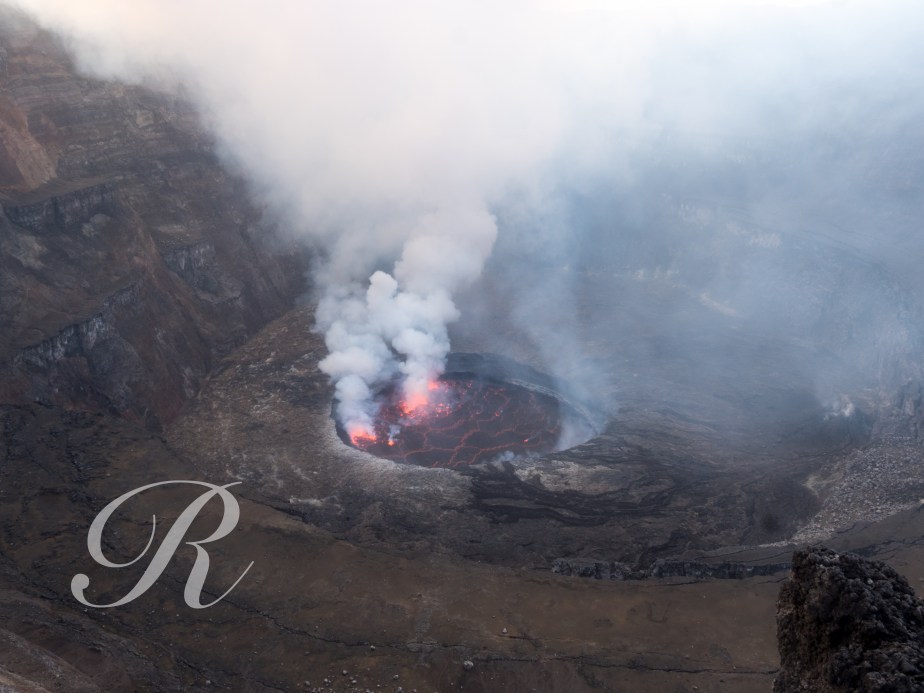
The last few steps were accompanied by a miracle. It was repeated every time a new person arrived. The haggard face of an exhausted mountaineer (we’d earned the title, I’m sure) would turn to wonder, their eyes would light up and an expletive would tumble from their lips.

You could warm your hands on it.

Let’s pull back on the focal length for a wide-angle view into the crater …

The hot spots played across the surface, geysers of hot lava occasionally spewed into the air, the smoke became denser or lighter. If you’ve ever lost yourself in contemplation of a fire it was a fraction of the experience that Nyirongongo’s crucible has to offer.

We dragged ourselves away for our evening meal. It was cooked in pots that had been carried up, on charcoal that had been carried up and eaten off plates etc. And tomorrow everything would be carried down again. The huts and mattresses on the floor was all that stays on the mountain.

After dark it was back to the crater rim to shoot a time lapse …

It was a cold night but the sleeping huts were not as well ventilated as the kitchen hut.

The morning brought some mist

and a beautiful sunrise over Mt Karisimbi …

Lake Kivu …

The end of our hour with the gorillas was approaching, taking a last photo became urgent.

The hike down to our vehicle was a lot easier on the lungs although still an interesting experience for the legs. Porters were tipped, souvenirs resisted. Then it was a drive to the south. Our destination was Gisenyi on the northern shore of Lake Kivu.

Lake Kivu’s  90 km long axis runs approximately north south, its maximum width is about 50 km but it’s mostly narrower. The Rwandan – DRC border runs roughly down the middle giving DRC slightly more than half the lake.

It has a maximum depth of 475 m and a mean depth of 220 m. And the deeper waters are supersaturated with carbon dioxide and methane, the result of being situated in a tectonic hotspot,

Just like Lake Nyos in Camaroon.

On 21st August 1986 Lake Nyos degassed. If you shake a carbonated drink prior to handing it to your friend the resultant surprise is a small scale model of the event. The trigger in the Nyos event is unknown but it resulted in the release of about 1.2 cubic kilometres of gas. Being heavier than air the gas cloud hugged the ground as it flowed away. It suffocated people and livestock as far as 23 km away.

1,756 people were killed.

Lake Kivu is about 2000 times larger than Lake Nyos, about 2 million people live around its shores, many make their living from fishing. Geological evidence suggests that catastrophic outgassing occurs about once every thousand years.

As I lay me down to sleep I pray the Lord my soul to keep …

In the evening the local fishermen paddled their three hulled vessels out in pursuit of sambaza, small fish that are reputedly delicious. A choir could be heard from a church as they left. A beautiful scene, beautiful music and a seemingly timeless way of life.

After dark there was an orange glow in the northern sky, the erupting Mt Nyiragongo, 20 km away in the DRC.

Gorilla …

We left the Golden Monkeys and returned to the Muhabura Hotel. It was the first time we’d seen it in daylight. On the wall was a painted sign inviting the world to sleep in the same room that Dian Fossey had been in the habit of using on her trips to town for supplies. It had been kept just as she’d left it.

Fossey was born in San Francisco in 1932 and murdered in the Volcanoes National Park in 1985. She left a career in occupational therapy to become a primatologist, and became the world’s leading authority on Mountain Gorillas. She wrote the famous book Gorillas in the Mist. and was celebrated in the movie of the same name.

She loved her gorillas and if they didn’t love her they should have, she fought tooth and nail for their protection and for the preservation of their habitat, often against what was once a corrupt park service and foreign zoos.

Her research began in the Congo. When that became too dangerous a place she moved to Rwanda. As a person the word enigmatic barely begins to not describe her! She smoked and drank heavily and was reputedly extremely racist. Some how she has become the patron saint of Gorilla tourism to which she was utterly opposed. On the other hand there is no doubting her courage and conviction.

The final entry in her diary was …

When you realize the value of all life, you dwell less on what is past and concentrate more on the preservation of the future.

There would be no future for her but she has played a major part in securing a future for the gorilla.

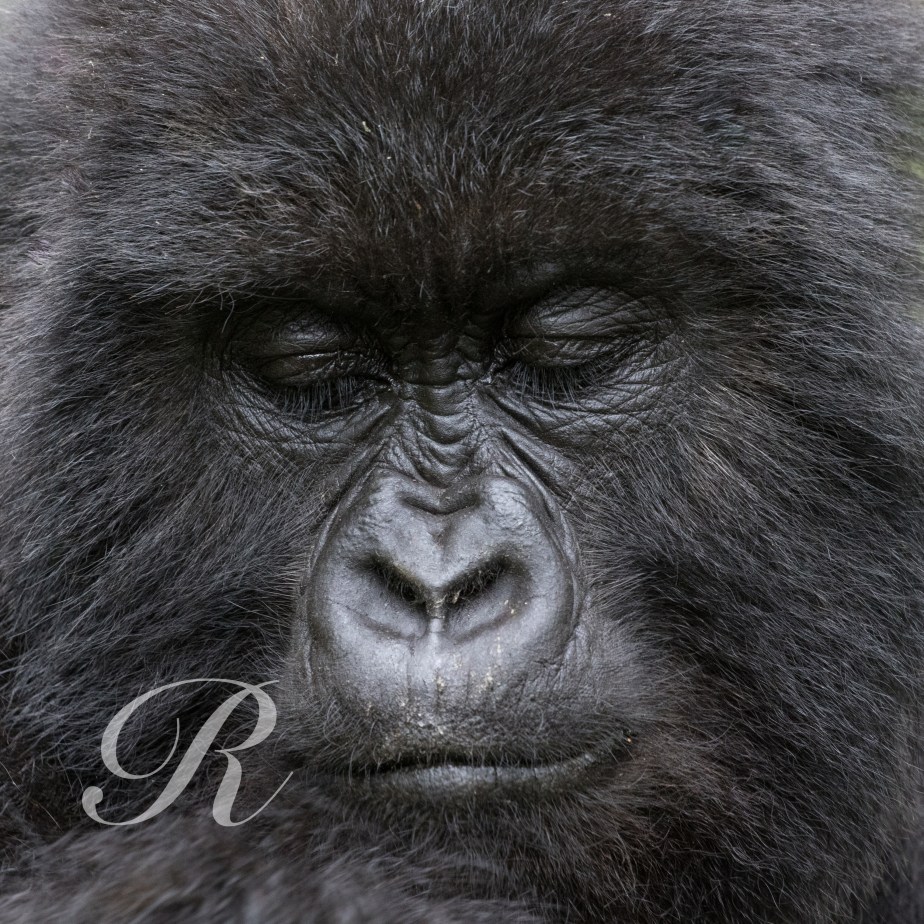
I didn’t get to spend the night in room 12. But I did get to look into these eyes …

My friend Mark Antos has described the gorilla as the thinking man’s primate. I think that fits nicely with their mostly quiet demeanour. They seem to manifest sincerity, a stark contrast to chimpanzees who seem noisy and selfish. These guys are watching us and I can’t help wondering whether humans are the thinking gorilla’s primate. I doubt it.

It has been a two hour hike on a very steep hillside, to reach the group. Almost all the walk was outside the park where the forest has been cleared to make way for subsistence crops and pyrethrum cultivation.

Along the way we have passed children begging for money, one little boy with a very swollen abdomen and a fever was clearly ill, our guide urged his mother to take him to a doctor.

It was a group of eight tourists, three Australians and an American family, Mum, Dad, a daughter in her early teens and two older brothers. They are dressed, like a lot of the tourists visiting the park, in gaiters and gloves. The gaiters are brand new and they hadn’t a clue how to put them on.  By the time we reached the forest the gloves had been put away and the gaiters were falling apart .

The last few hundred metres was off trail, a tracker cutting the way with a panga (a Swahili word , machete from Spanish has found wider use). Stinging nettles were abundant, this is where the gloves would have saved some discomfort. (The Swahili for gloves is kinga).

Arriving at the gorillas the Aussies settled down and studied gorillas. Our American companions pulled out their mobile phones, turned their backs to the gorillas, pulled faces, made signs with their fingers and took selfies. The admission fee is $1,500 each. A family of five = $7,500, about a dollar a neurone. It kept them busy for all of five minutes after that they fidgeted and talked about golf.

Nonetheless, for me it was a magnificent hour.

The gorilla group consisted of two silver back males, a female with a very young baby, and some younger males and females. They were resting after an encounter with a neighbouring group that had resulted in a fight. Most of them were lying together in a clearing. The alpha male was laying on his back with a female resting her head on his belly. The secondary male seemed to be taking things badly, he had lost some fur from his shoulder, had a bleeding wound on his back and had an injury to his left eye (although possibly an old injury). He was keeping to himself at the top of the slope. The female with the baby also remained separate a few metres downslope from the group with the baby clasped to her belly.


Volcanoes …

We spent the balance of the night at Musanze (formerly Ruhengeri) and dragged ourselves out of bed to get to the Volcanoes National Park head quarters by 7 am. So that we could hurry up and wait.

The capital of Rwanda is Kigali. Volcanoes N P is about 2 hours drive to the north-east. The first impression we had of Rwanda was the road quality, way better than Uganda. This impression would be reinforced on our travels by encountering a lot more road construction in progress.

The park has an area of about 160 square kilometres in mountainous country on the border with Uganda and the Democratic Republic of the Congo. The scenery is spectacular but the major drawcard is the Mountain Gorilla not the volcanoes.

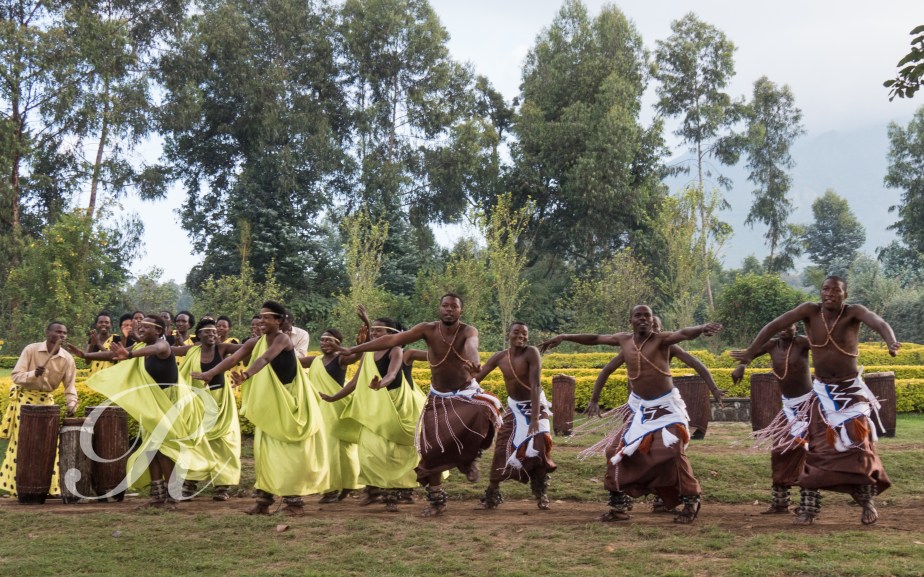
The waiting was made a little easier by free tea and coffee and the appearance of a troop of drummers and dancers who put on a spirited performance against the rather incongruous back drop of eucalyptus trees.

We were then marshalled into groups and briefed on the habits of Golden Monkeys before setting off to find them.

Then a short drive. A queue of uniformed would-be porters awaited us. We could hire one to carry our day pack if we wanted. Walking sticks and attention were lavished upon us.

It was steep going but not a long hike, the monkeys are found only in the bamboo zone which circles the mountain at an altitude not much above our starting point.

Our guide was not only knowledgeable he was also very likeable. He had studied Golden Monkeys for his honours research. Once we found them we could enjoy their company for one hour.

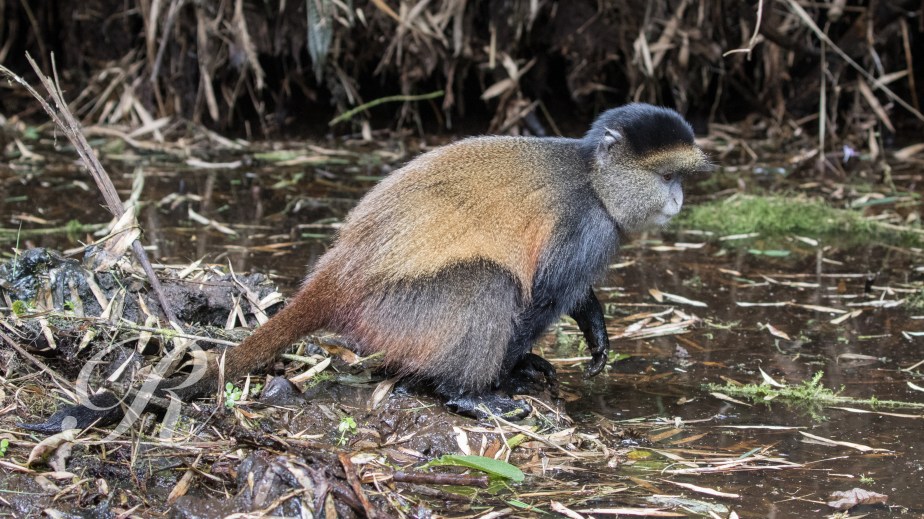
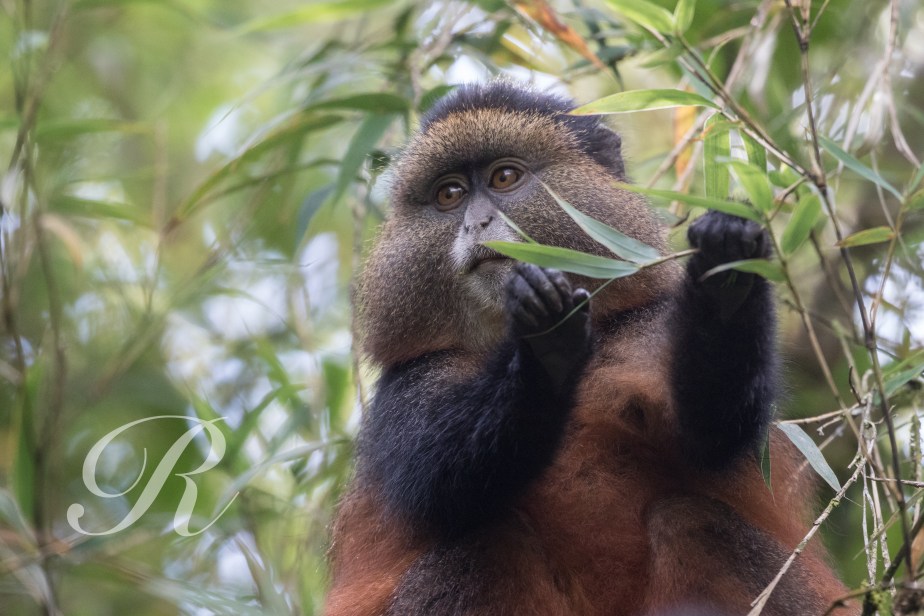
Golden Monkey Cercopithecus kandti
Golden Monkey

They live in male dominated hierarchical groups and mainly eat young leaves. There is precious little in the way of fruit available to them in their habitat. Perhaps to broaden their otherwise narrow diet this group were very interested in tadpoles in a small pond.

They intently followed the tadpoles’ every movement and would occasionally lunge at them. From time to time they would eat what they’d grabbed but it wasn’t possible for me to determine if this was tadpole or leaf.

Let me leave you with a quote, to which I hope to return …

When you realize the value of all life, you dwell less on what is past and concentrate more on the preservation of the future.

Farewell Uganda …

Prossy, our birding guide for the last couple of days dropped us back at the Boma.

You can’t beat local knowledge. Having a guide to help us find birds and to identify them makes a huge difference to the rate at which the list grows. Local ears are even more important than local eyes.

It brought an end to our stay in Uganda, a stay that we had thoroughly enjoyed.

There was a photo close by that we just had to take …

The burning question was … when the guy got the modelling gig, did anyone tell him what his photo would be used for? Or did they just say let your eyes light up like you’ve just received a nice surprise.

And then to the airport for a late night flight to Kigali, Rwanda, followed by a very late night drive to the Volcanoes National Park. In the next couple of posts I will share with you some photos of Golden Monkeys and Mountain Gorillas.

But whilst the blog is between countries let me editorialise for a moment. The other day, just outside Hwange National Park in Zimbabwe someone bagged themselves a lion. The lion was Xanda, he was the son of Cecil who was shot in similar circumstances two years ago. Like Cecil he was wearing a research collar and was part of a long term study.
I have photographed lions in South Africa, Botswana, very recently in Uganda and the Asian branch of the family in India. They are easily approached in a vehicle, especially if they have wandered from a national park. It is also a simple matter to conceal yourself near a kill and await their return.

I have hiked in Hwange and encountered lions on foot. It was a surprise to both parties, four humans, five lions. The lions scattered and fled.
There is no courage or skill required to kill a lion. It is the act of a coward who wishes to seem something bigger. It is beyond my understanding that someone can approach a magnificent, living and trusting animal and with a modern rifle convert it to a corpse. There is no need for it, no sense in it. It is sick.

I understand that the head will be cured and sent home to the hunter to be mounted on the wall. I do hope they leave the collar on.

way too easy – press the shutter not the trigger


Mabamba …

You sometimes hear the expression “And the food was to die for”. I don’t think that means it was poisonous, or so fatty as to instantly clog your arteries. I think the suggestion is that having eaten such delicious food life is complete, nothing will ever match the experience again, you may as well die now. Birdwatching is evidently nothing like eating.

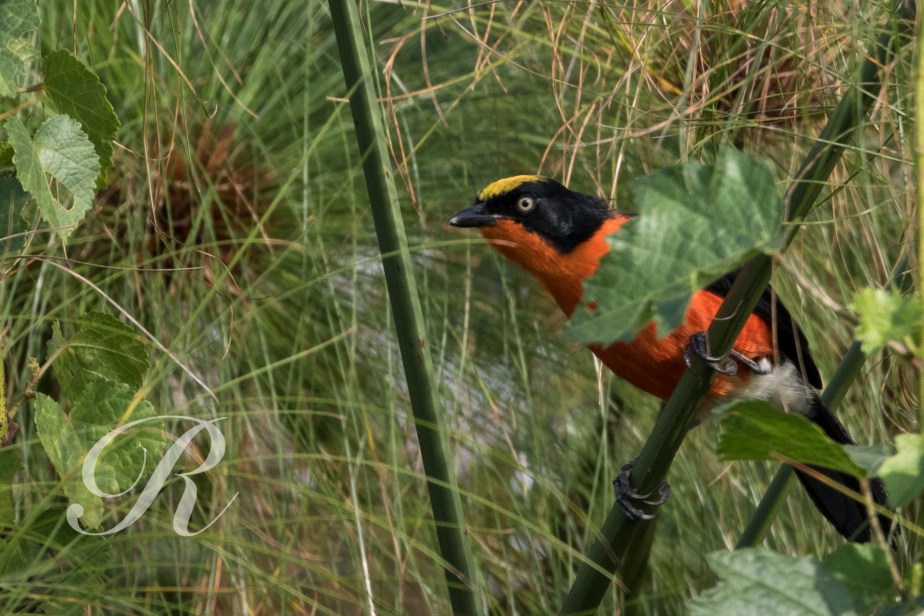
I had seen the Shoebill, I could never tick it again, but life goes on. There are other pebbles on the beach, fish in the sea, birds in the swamp. The Papyrus Gonolek would be nice.

It’s rare, has limited distribution, skulks in the papyrus and is a lot smaller than a Shoebill. And considerably prettier.

You can’t beat local knowledge, our guide for our couple of days in the Entebbe region was Nanyombi Proscovia. It would not be easy but she would do her best, she said, to find us the Gonolek.

Prossy, the bird guide.

So, Mabamba for the second morning, back into our boat and back into the swamp along with the local people going about their daily lives.

We nosed along, sometimes through narrow water ways, sometimes across more open expanses, mostly driven by outboard motor but where the vegetation was particularly dense the boatman resorted to pushing us along with a pole. It was surprising how close some of the birds would let us get.

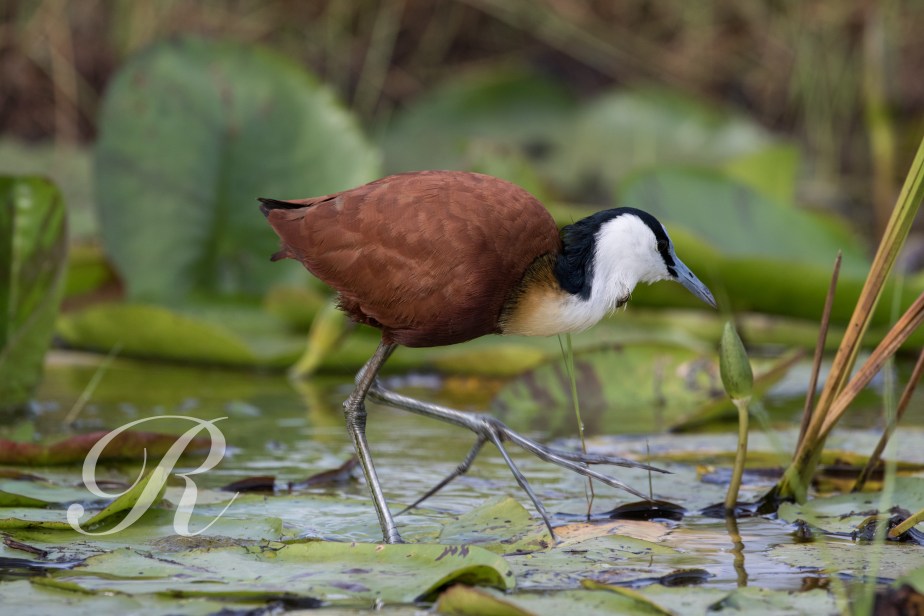
African Jacana
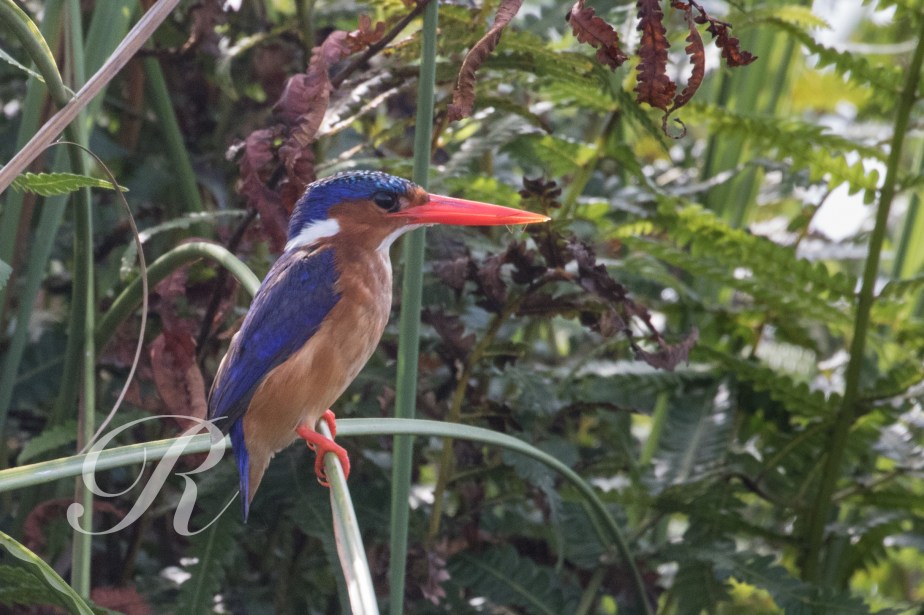
Malachite Kingfisher
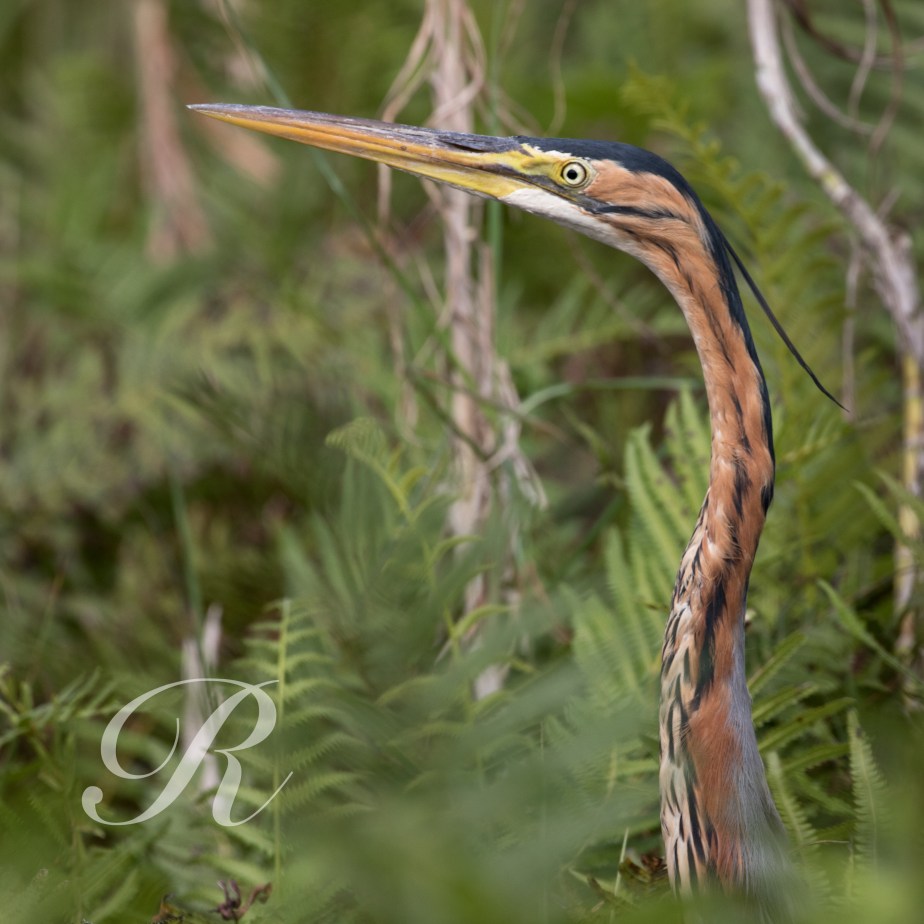
Purple Heron
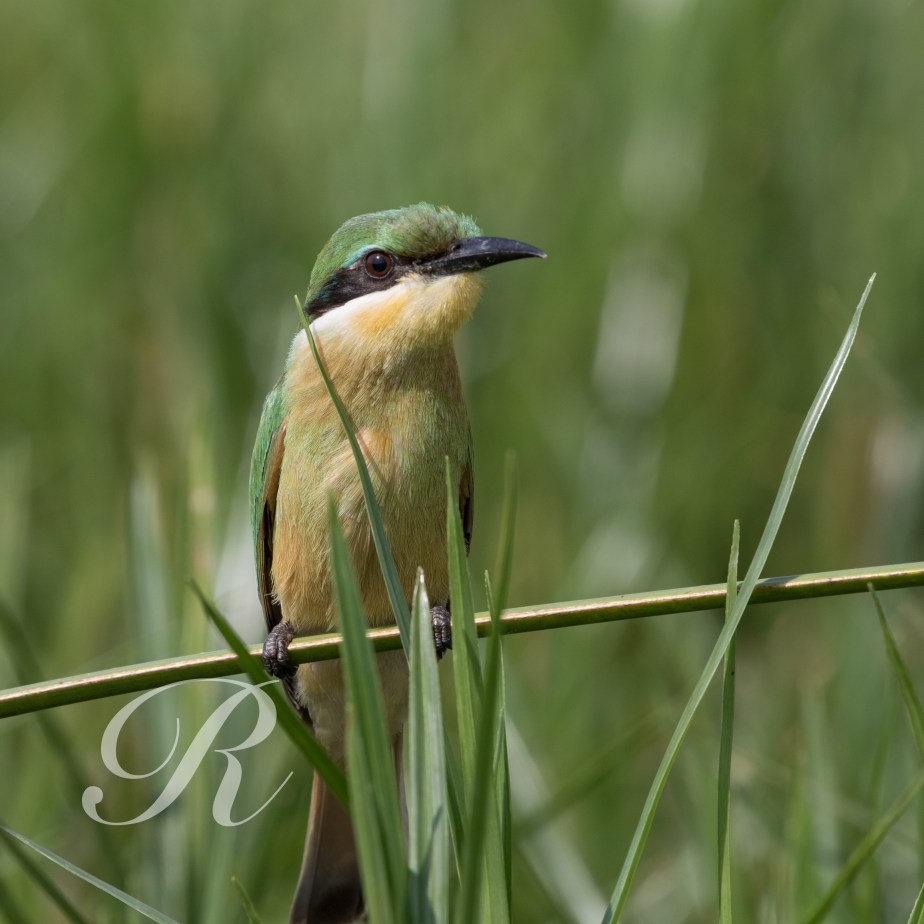
Blue-breasted Bee-eater

Where’s its blue breast? It’s an immature bird, give it time and it will develop a neat blue collar.

The Intermediate Egret has a huge range. You can even find them in Australia but it’s not often we see them in their breeding finery.

Intermediate Egret

What’s this flying past? Oh, I’ve seen them before …

What we need is …

Papyrus Gonolek

Prossy was an excellent bird guide. If you need a first class guide in Uganda you can email her at prossybirder@gmail.com or visit her Facebook page.

Let them eat fish …

A recent post, Game Drive, has been a big winner. With the tags travel and Africa it has attracted a lot of attention. Some posts are like that. This post is about a trip to the Entebbe Botanical Gardens, it’s a great destination, it gives you a chance to get at the shore of Lake Victoria, three species of monkey are well represented and there is also a fourth, it’s a great place to find birds in a big city but it really doesn’t lend itself to a sexy title.

And some of its denizens are certainly not sexy …

Marabou Stork

Others are way more attractive …

Black-headed Heron
Great Blue Turaco
Striped Ground Squirrel

The squirrel stays close to its hole in a termite mound.

The three regular monkey species are Blue Monkey, Vervet Monkey and Colobus. There is a solitary Red-tailed Monkey as well, an escapee from the nearby zoo. The Vervets are adorable …

Vervet Monkey
Vervet Monkey

Just ask them.

What on earth does all this have to do with fish? Miracles and fish have a close relationship. It’s a miracle this Pied Kingfisher could catch and then fly with this fish. If you click on the first photo you can step through the process of swallowing it. First turn it around so that it’s head points down your throat …


Shoebill …

Many years ago I went to a farewell dinner for a surgeon. Naturally he gave a speech. He was a surgeon who was retiring but he was no retiring surgeon. In the space of a few minutes he had mortally offended every catholic in the place and alienated every woman. Hospital managers, health insurance funds, nursing staff all got a serve. If he ever regretted his retirement there was little chance that he would be welcome back.

But his ultimate scorn was for birdwatchers. You could safely assume he would not be spending the twilight of his days bird watching.

I can understand that. Bird watchers are weird. They are socially awkward and compare sizes … of lists that is. Now, of course, this is a bird watcher’s blog but it’s not a birdwatching blog, if it were it would consist of endless lists and no sane person would read it. You can find such blogs.

Lists, though, are remarkably democratic. A House Sparrow, a feral pigeon and the rarest bird in the world all contribute just one to the list. But are they really all equal? Would a birder ever send a photo of some trash bird to a birding friend and say “Look what I just added to my life list”?

On the other hand if it were rare, limited in range, five feet tall and known to include crocodiles in its diet …

It was about an hour and a half’s drive from Entebbe to the papyrus swamp at Mabamba Bay. We had been advised that our chance of seeing Shoebill was about 70%. To improve our odds we would go twice.

Our transport awaited …

We sent a sharp pair of eyes up into the crow’s nest …

And after a couple of hours we found our quarry …

Balaeniceps rex

King of the whale heads. Just standing there looking down at us. Which is what they do for long periods, waiting for some unsuspecting lung fish or baby crocodile to swim within reach, or even a duck. Then it’s all action, it lunges into the water, engulfs a bill full, ejects everything that it’s not interested in swallowing before decapitating anything that it is interested in swallowing and then swallowing it. Or so they say, just finding one is hard enough, it would be a rare privilege to witness what The Handbook of the Birds of the World calls its “violent method of fishing”.

Where the Shoebill fits in the evolutionary bush is uncertain. It was once lumped with the storks, it shares some characteristics with the herons but it is more likely, though, that its nearest relatives are the pelicans. For the moment it is a single species in a unique genus in its very own family, the Balaenicipitidae.

Heads up, camera ready …

It strides to the water’s edge …

and plunges, eyes protected by a nictitating membrane …

Up it comes, spilling water. Then discards vegetation until after a few minutes working on the contents of its bill it discards everything left in its mouth. It seems to have been unsuccessful and flies off to find a better spot …

I wasted no time sending the photos to my birding friends around the world. They gnashed their teeth and howled in pain.