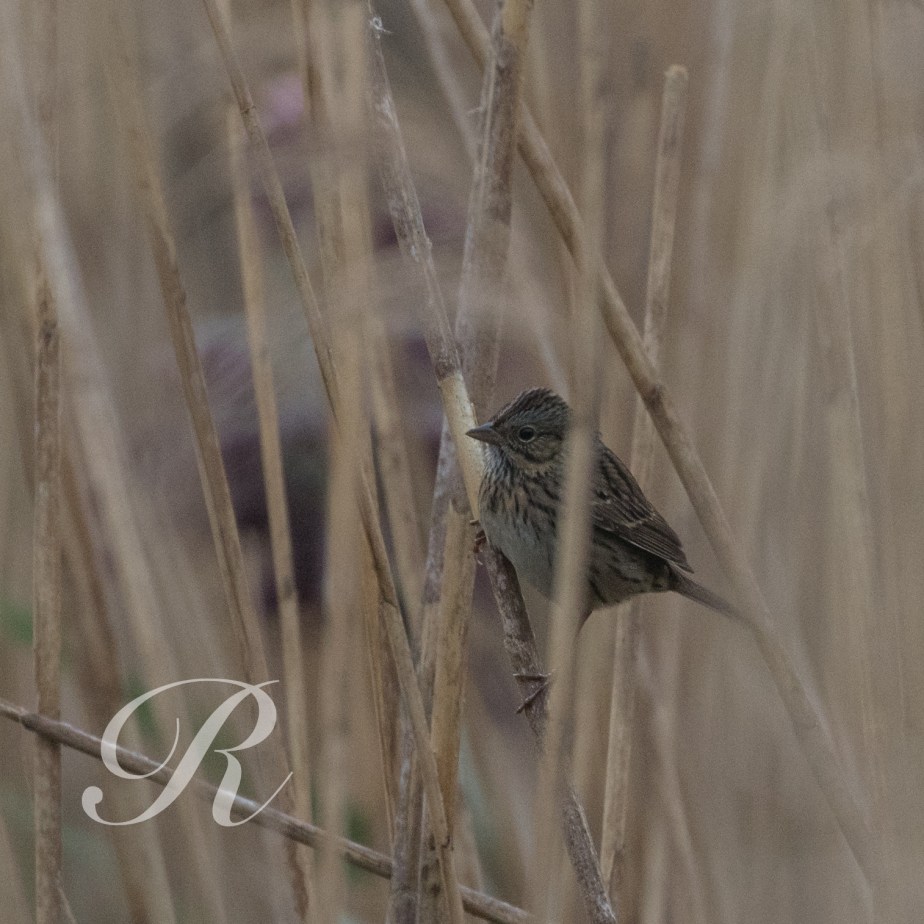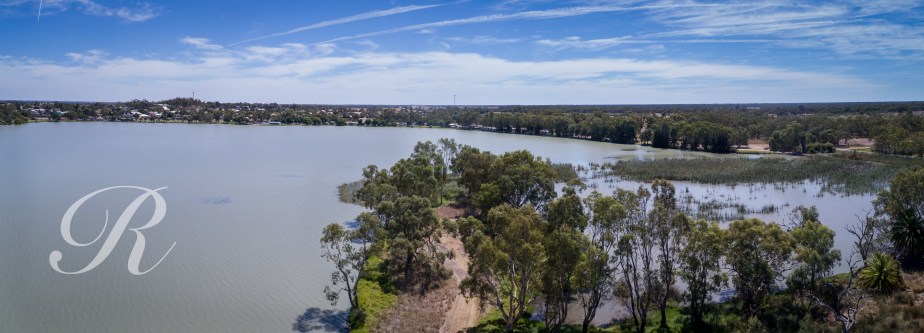
Broome – the Bird Watcher’s Guide …

Every serious Australian bird watcher will find their way to Broome. The reason above all else is Roebuck Bay and the thousands of migratory shorebirds that visit every austral summer. Whilst the Bay is the main game it’s not the only game in town. There are a few hotspots around Broome itself that are easily accessible for the visitor and you won’t need to hire a guide to reach them.

Broome is situated on a peninsula and if we start at the southern end there is …

The Port

It’s well signposted. There are two spots to check out. As you approach the end of Port Drive turn right past Toll Mermaid Logistics along Kabbarli Road and follow it to the end. The beach here is good for waders and terns. Check the navigation structures offshore for Brown Boobies. Lesser Frigatebirds are regular. The scrub behind the beach has hosted some interesting species on occasion. All manner of goodies can turn up after a cyclone. Remember Indonesia is a mere 775 km away (485 mi).

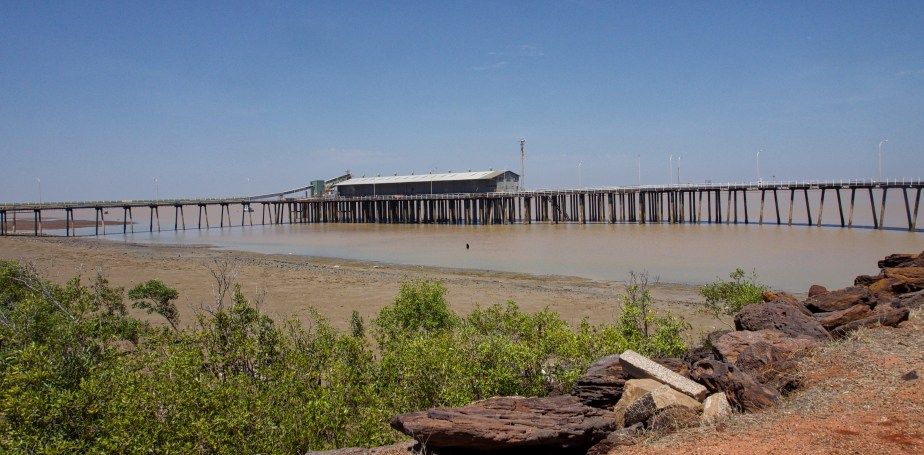
The second spot is the cafe at the base of the pier. The garden looks out over Roebuck Bay, there are some scattered mangroves fairly close. Across the road you can look out on some rocks for Reef Egrets. There is a walkway along side the pier which may be open and it is worth walking a short way. Ospreys nest on the pier.

Sewage Ponds

Taking Port Drive back towards the town centre Clementson Street is on the right. Look out for a large water tower. The Sewage Treatment Plant is tucked away behind commercial properties on the south side of Clementson St. Access is via a dirt track very close to the corner with Port Drive, or a dirt track immediately east of the commercial properties. The latter is the better option after rain. The splendid new hide is on the west side of the main ponds and works best in the afternoon. There is also a small pond on the west side of a usually dry creek that is used to provide water to the golf course that is also worth checking out. Caution is required in the wet.

Mangroves – Town Beach to Streeter’s Jetty

If you continue east on Clementson to the end it takes a right angle bend onto Dora St. 2nd on the right is Hopton Street. Right again at the end of that takes you to town beach. Next to the carpark is a groin that runs out into the sea. Looking north from here there are mangroves stretching as far as the eye can see. Access is pretty good from Town Beach to Matso’s Brewery, opposite Bedford Park for example.

Streeter’s Jetty is behind Chinatown at the end of Short Street. If you stand at the base of the jetty and look to the right you will see some pipes protruding from the wall. Birds congregate here for fresh water, an excellent spot for photography.

Red-headed Honeyeater

Various Ovals

providing they are not in use are worth checking out for Yellow Wagtail, Golden Plover and Little Curlew, including …

Father McMahon Sports Field
Behind the Aquatic Centre, 2nd on the right heading NW on Cable Beach Rd from Frederick St.

Oval on corner of Frederick & Lyons Streets near the shopping centre.
There is a gate on Lyons St opposite Miller Way.

Derby Day …

Administratively Broome is part of the Kimberley but in terms of geology and biology it doesn’t quite fit. If you drive north to Derby you cross the Boab line and then the Fitzroy River. Now you’ve got one toe in the real Kimberley.

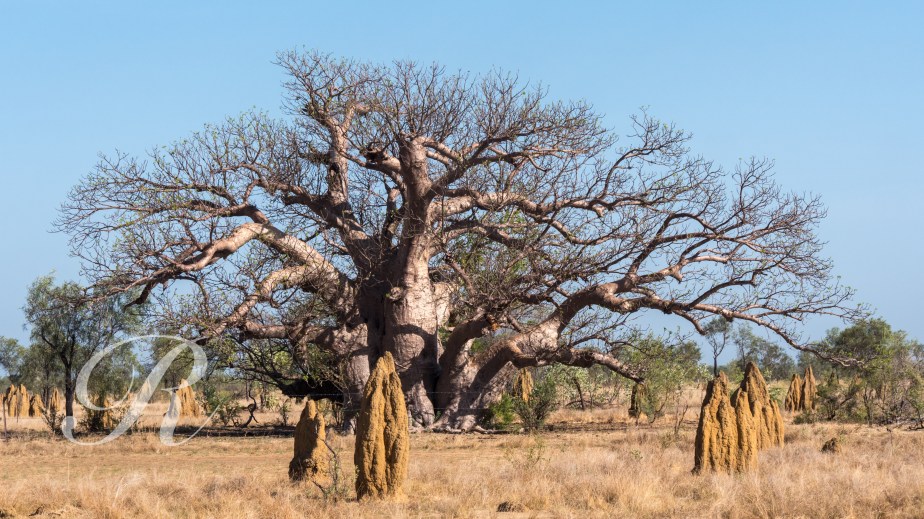
As you approach Derby the Prison Boab is off to your right. The tourist will want to have a quick look. The bird watcher will also want to stop. There is a cattle trough adjacent to the venerable tree that attracts the odd thirsty bird.

The next stop for the birdo is the sewage pond. On the left just past the speedway sign you’ll find a sign to Derby Wetland pointing down Conway Street. The road surface changes to dirt (dry season, mud in the wet). Don’t be tempted by the bitumen off to your right. At the end of Conway turn left, the ponds are now on your right, turn right again to keep them there. Shortly you encounter tracks off to the left both will take you to the wetland, the second one is usually in better condition.

The sewage plant may be the only one in the world to have a Boab tree within its boundaries. There was a fine White-bellied Sea Eagle sitting in it when I was last there. Good birds can be seen through the fence.

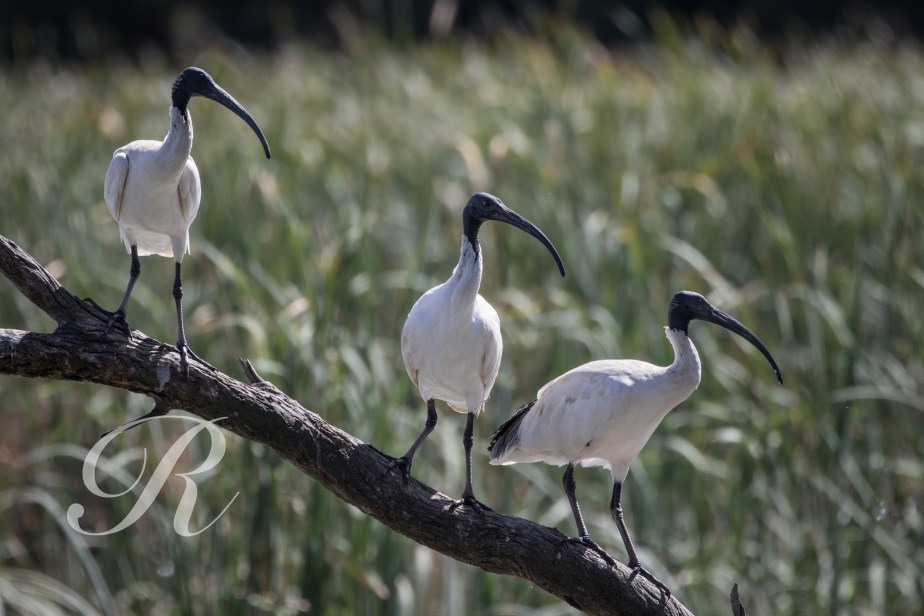
The wetland has been improved in recent years. The waste water used to run out the back making a very nice wetland where I’ve seen Ruff and other delicacies. The Golf Course coveted the water. So a pond was created to give the illusion of a wetland and the water was put to good use. It’s now an ideal place for Purple Swamphens and White Ibis. Whereas in the past every serious bird watcher in Australia found their way to Derby in the course of their career, maybe now every serious golfer treks here instead.

Then it’s into town, look out for Little Curlew on the ovals. I have even seen them on the median strip. The port is worth a visit. You can peer into the mangroves at the boat ramp. There’s a nice cafe by the pier.

photo – GHD

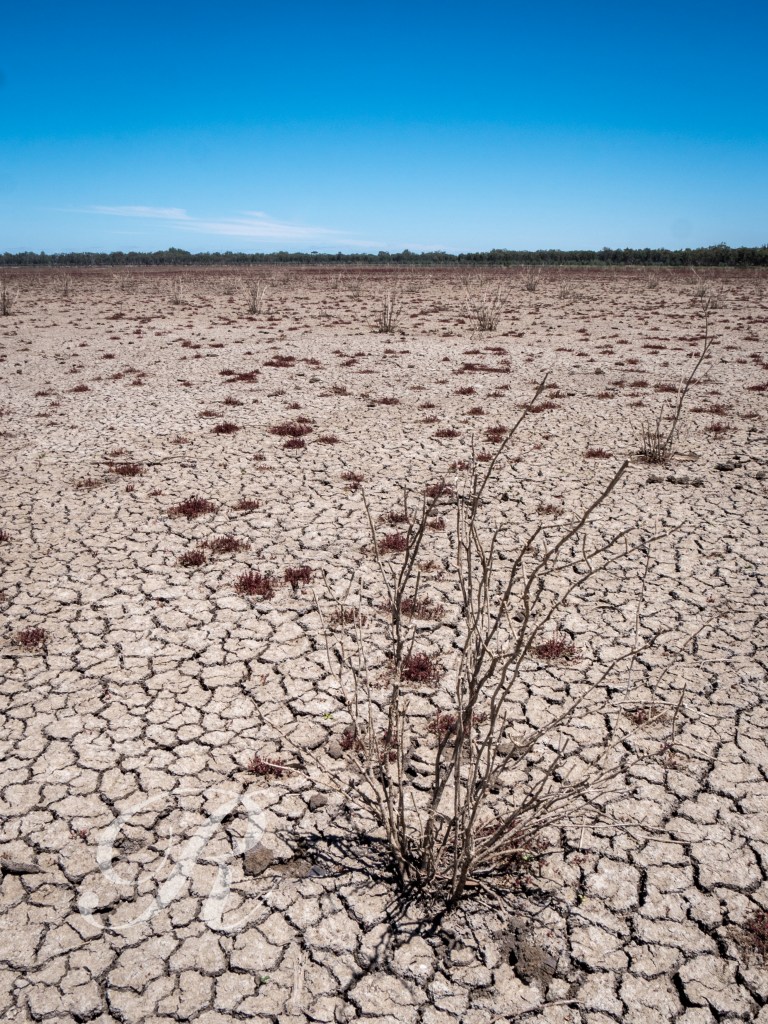
Someone in an air-conditioned office thought it would be nice to put a walkway between the port and town through the most desolate landscape you’ll find this side of the Sahara. If you’re planning to migrate to Mars you could train here.

Out on the plains …

Meet Roderick Percival Smith, all the cows out here have individual names and wear their initials in their ear …

Well no. They all have the same tag and RPS stands for Roebuck Plains Station. The point of introducing you to Roderick is simple. There’s a lot of good birding out on the plains but it is a working cattle station and private property. You will need permission to visit and it’s a huge place. Local knowledge and permission is readily available if you go with the redoubtable George Swan or with staff from Broome Bird Observatory.

George is a top bird guide and lovely guy. He can be found at <Kimberley Birding>. The link for Broome Bird Observatory is <BBO>.

What’s happening on the plains depends on the weather, it might be dust or it might be under water. Presently it’s in between, some dust and some water. It’s nice although the temperature did reach 42°C (107°F) the other day.

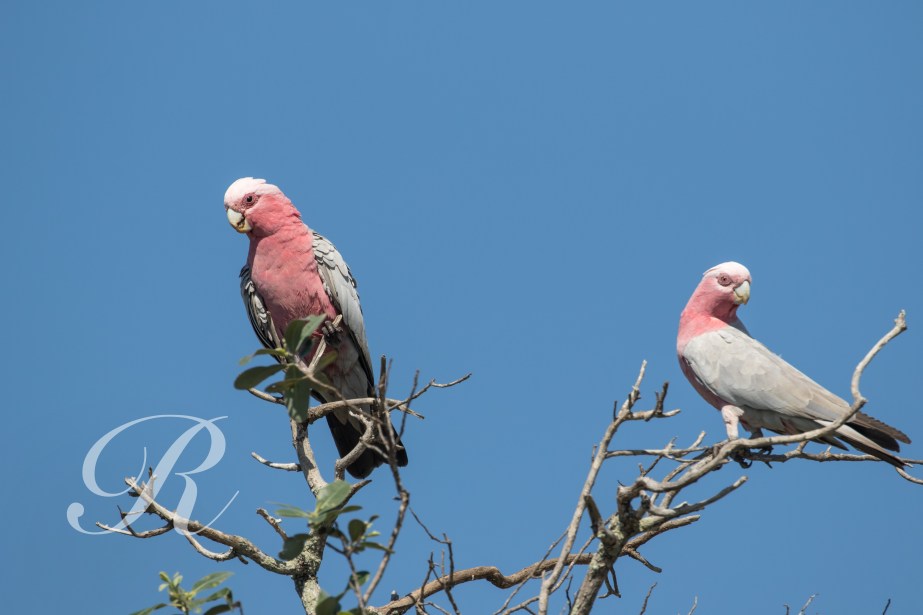
Galah
Oriental Plover
Rainbow Bee-eaters

You may be lucky enough to encounter Yellow Chat. They are not easy to find but if they’re about George Swan or the guys at the Observatory will know where they are. In breeding plumage they are a knock out. The ones I found this time were not at their finest but hey, that’s the way it goes.

Yellow Chat

The Lakes …

Last year the rain gods were very generous to Broome. The last wet was a big wet. Even after the intervening dry season, lakes out on the Roebuck Plains still hold a good amount of water. The birds are loving it.

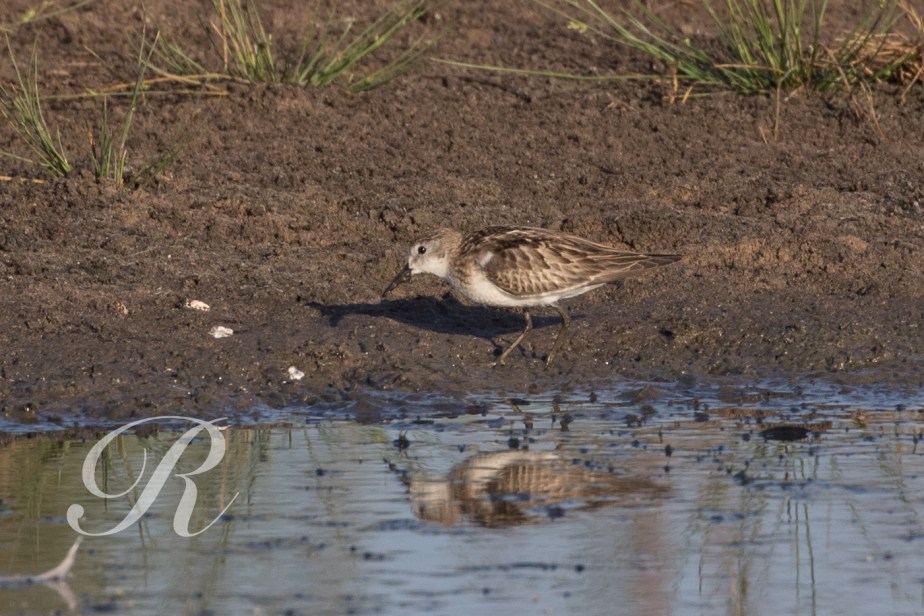
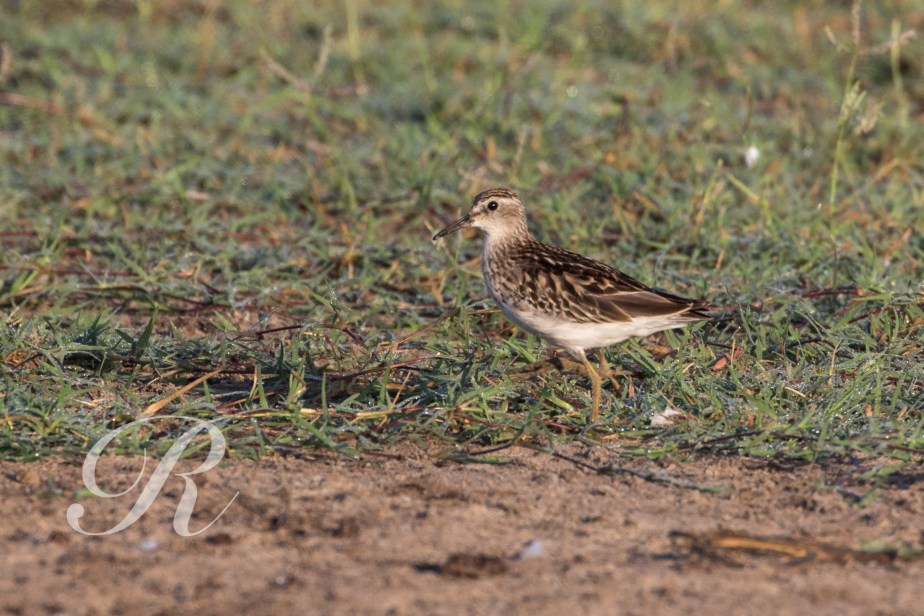
First a couple of photos for the true aficionados, answers at the bottom …

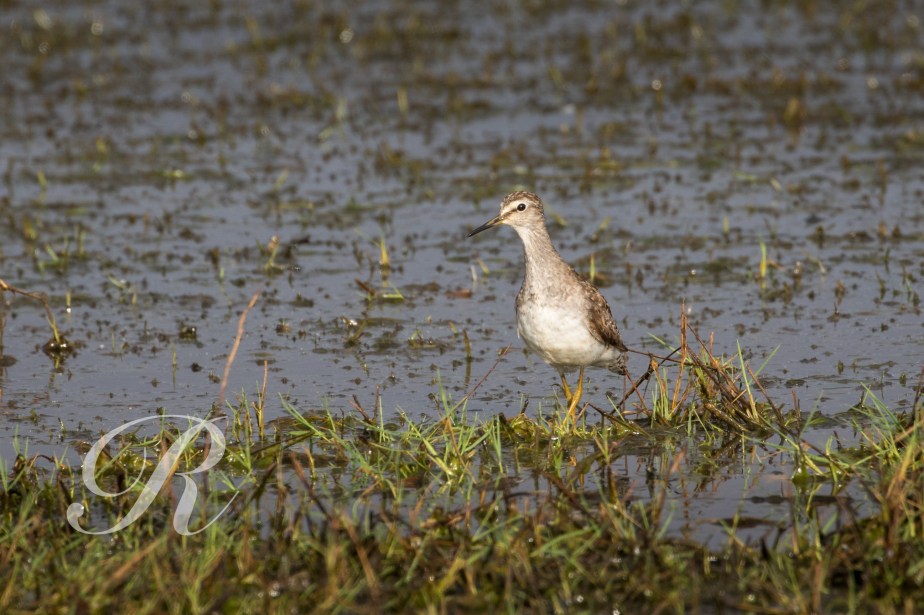
Like the two above, many of our shorebirds are very long distance migrants breeding in the far north of the northern hemisphere and coming to Australia to escape the northern winter. Dual citizens as it were …

Wood Sandpiper
Long-toed Stint

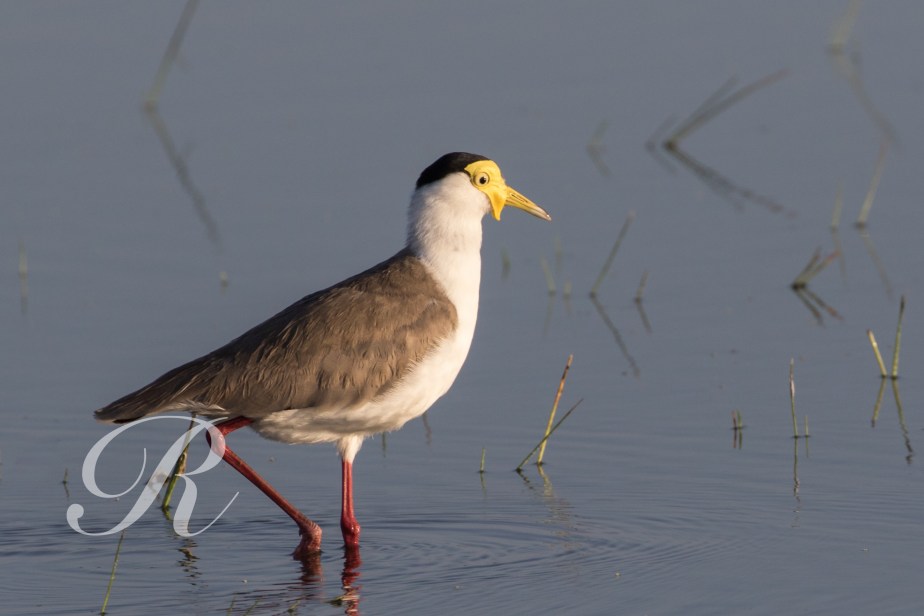
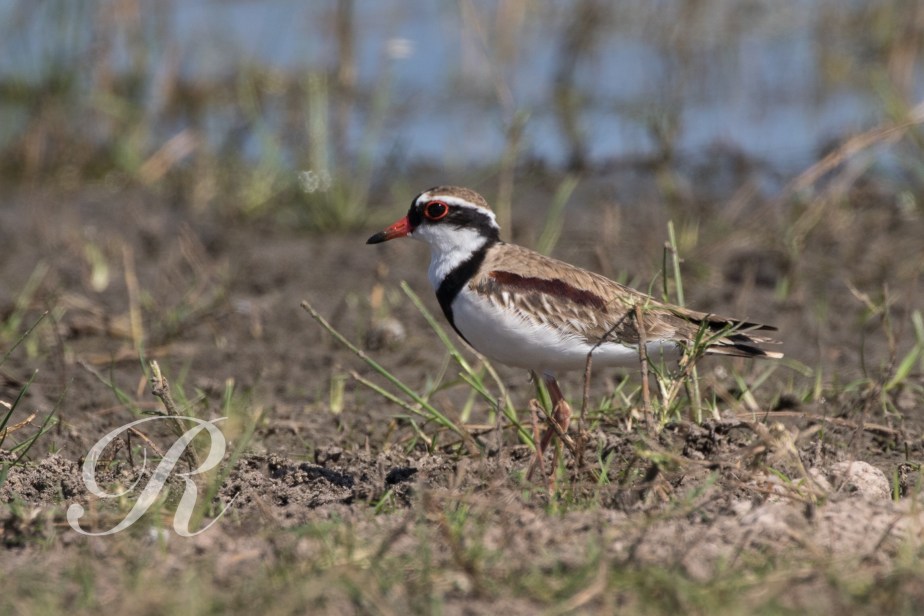
Whilst others are resident.

Masked Lapwing
Black-winged Stilt
Red-kneed Dotterel
Black-fronted Dotterel

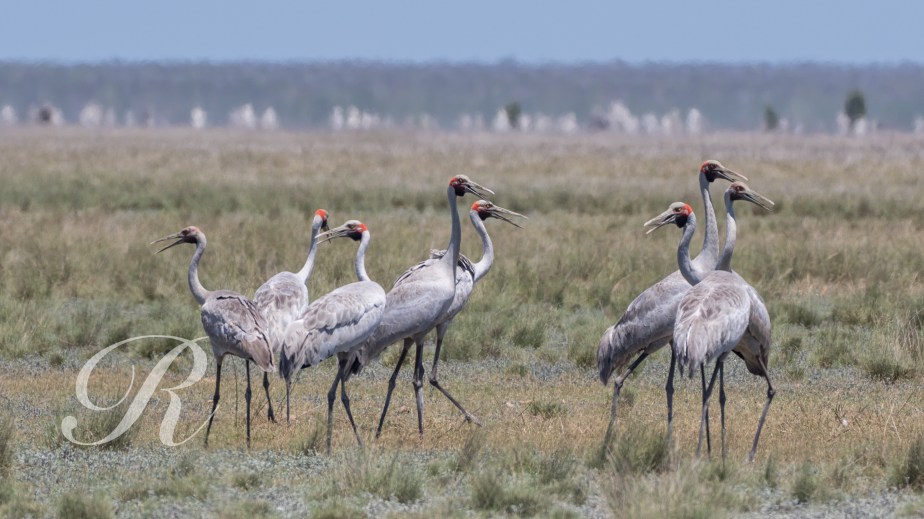
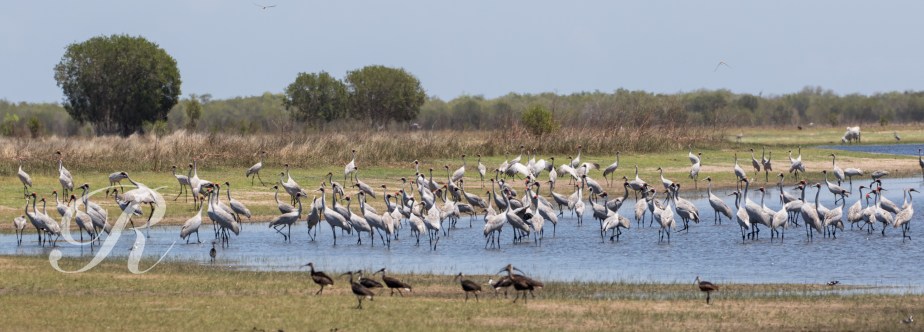
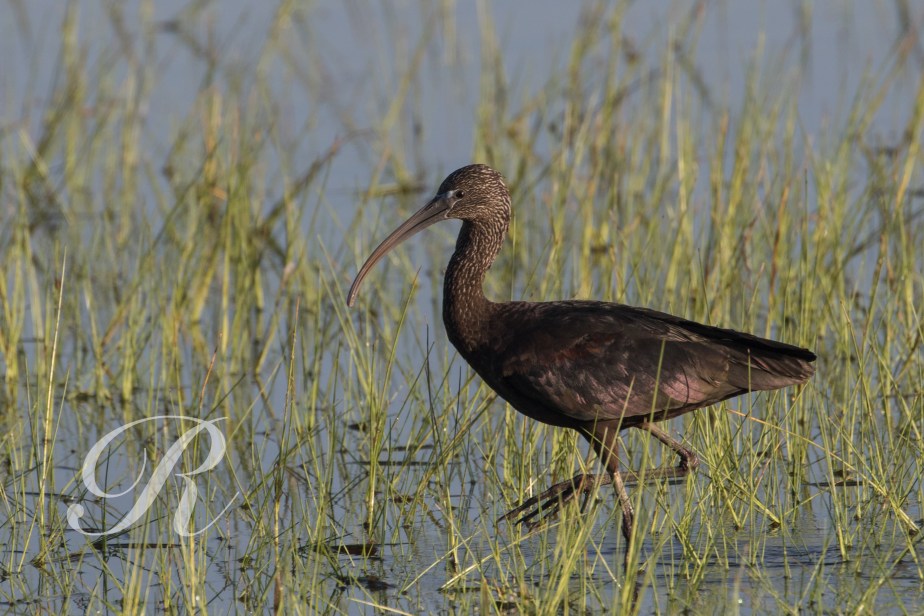
Others aren’t shorebirds at all, they just have long legs, well adapted for feeding in shallow water. This would include the Brolgas in the headline photo, herons and Ibises – waders in the American sense.

Glossy Ibis

Now the answers, these two individuals have been discovered in the last few days. The upper one is a Pectoral Sandpiper. These breed in Alaska and the Russian far east and most winter in South America. A few join the east Asian flyway and find their way to Australia or New Zealand.

The second bird is a Little Stint. Their breeding ground is in the Eurasian high arctic. Most go to Africa to escape the northern winter. A few find their way further east. It’s only a small minority that find their way to Australia.

In the Mangroves …

There are mangroves aplenty around Broome and plenty of birds that use them. There are about 19 species of mangrove up here so the habitat varies from place to place and to some extent the suite of birds varies, too.

Access to mangroves is often difficult due to deep mud and the density of the vegetation. Mosquitoes can be a little tedious as well. There are a couple of spots that are reasonably easy of access and quite rewarding to visit.

The mangroves that run from Town Beach to Chinatown can be entered in various places and are really good for Red-headed Honeyeater. Streeter’s jetty is the most famous in birding circles and is excellent. Out of town at Little Crab Creek is the place to go for Dusky Gerygone. Between the two you can find just about all of the local mangrove specialists, and it’s not only the birds …

Flame-backed Fiddler Crab

Fiddler crabs and mudskippers abound. they probably make a nice meal for some of the larger denizens. And there is plenty of invertebrate life in the mud.

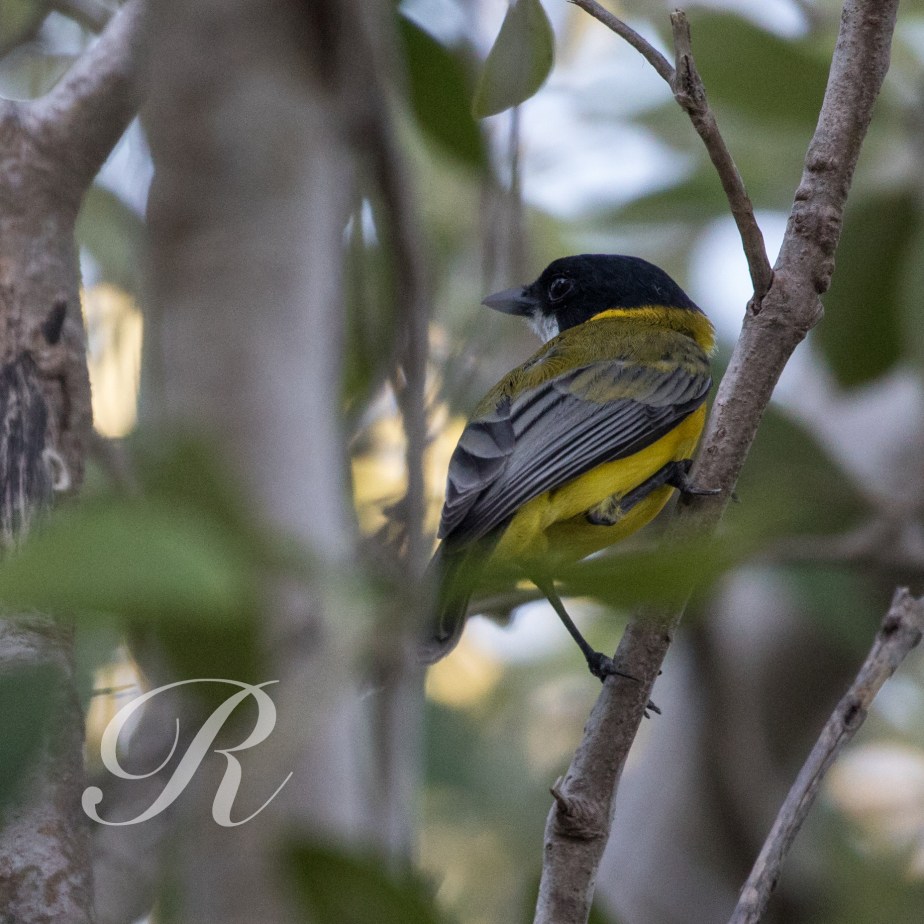
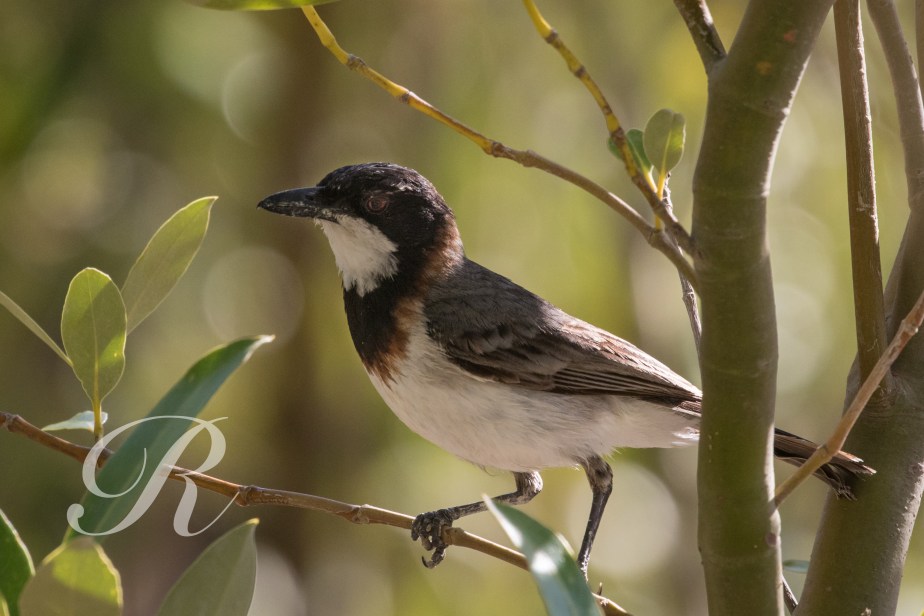
A couple of the Pachycephalidae are mangrove specialists, the Mangrove Golden Whistler and the White-breasted Whistler …

Mangrove Golden Whistler
White-breasted Whistler

Both very handsome birds.

The Honeyeaters are represented by these two …

Red-headed Honeyeater
Brown Honeyeater

The Red-headed is always found in or near mangroves, the Brown is found in a much wider range of habitats but is common in the mangroves.

Broad-billed Flycatcher

Nicely posed to show us how it got its name, the Broad-billed Flycatcher will wander into adjacent Melaleuca woodland but is essentially a mangrove species.

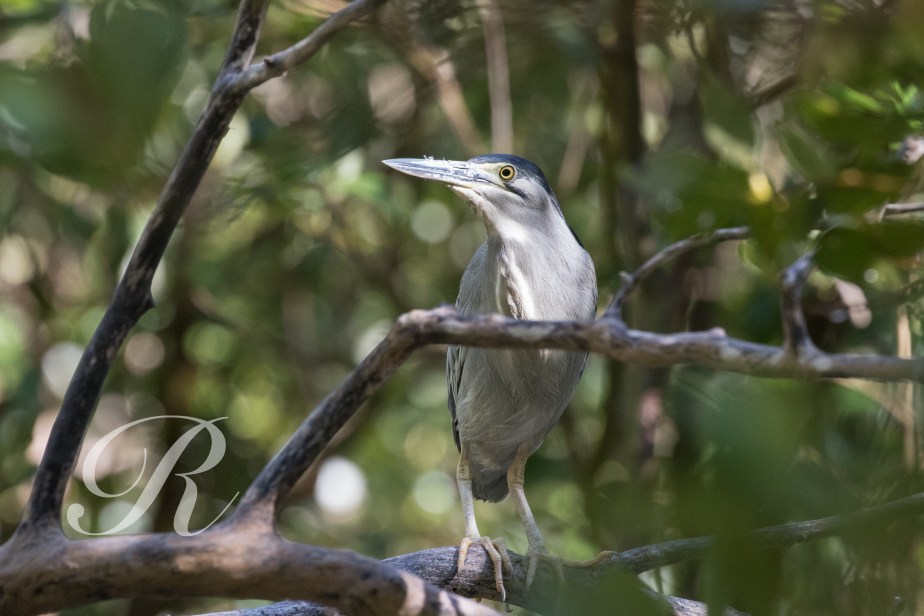
The tidal zone provides a living for the Striated Heron but it nests in the mangroves …

Striated Heron

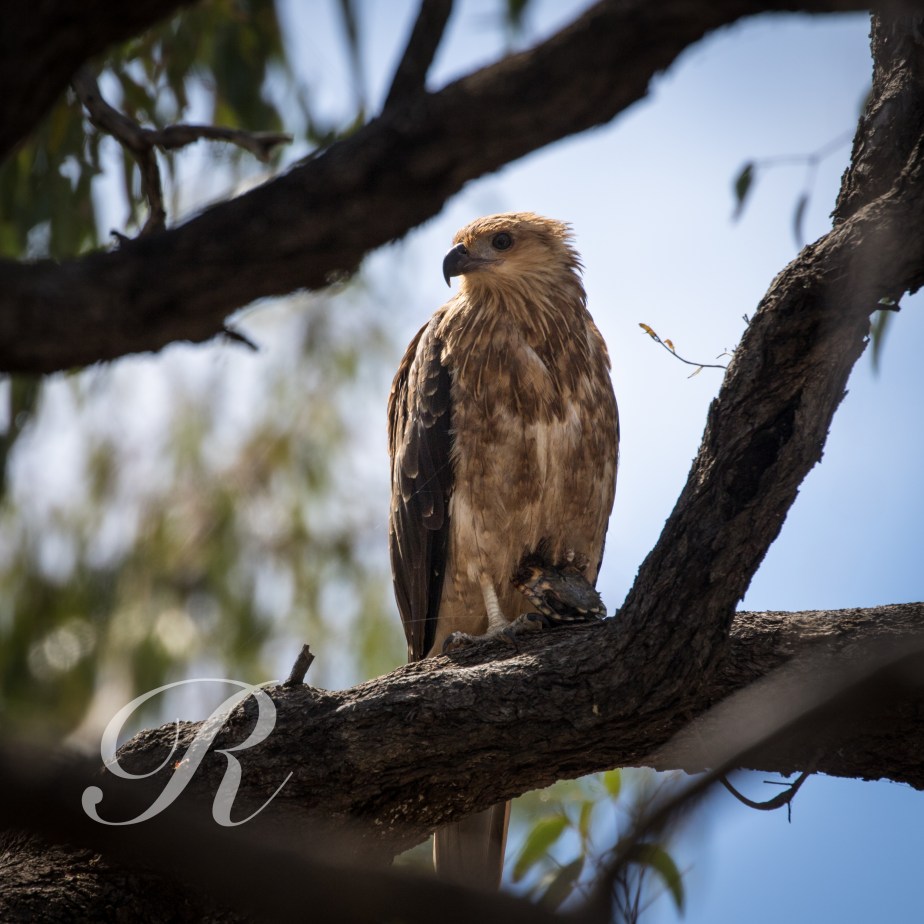
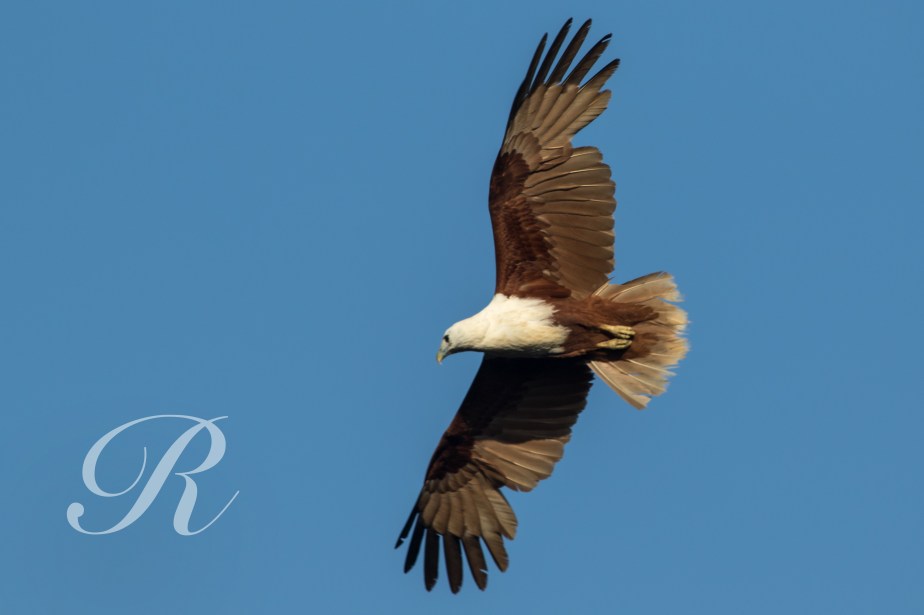
And circling above the mangroves, the Brahminy Kite.

Brahminy Kite

Naturally …

Where my interest in nature came from is anybody’s guess, none of my family shared in it. It was evident very early, by age eight I was off on my own making lists of the birds I came across. Whipps Cross was my patch.

When I was older and got a bike I could venture further afield. I tended to concentrate on larger birds, I didn’t own any binoculars until much later.

I counted it a particularly successful outing if I managed to see a Jay or a Great Crested Grebe.

Great Crested Grebe

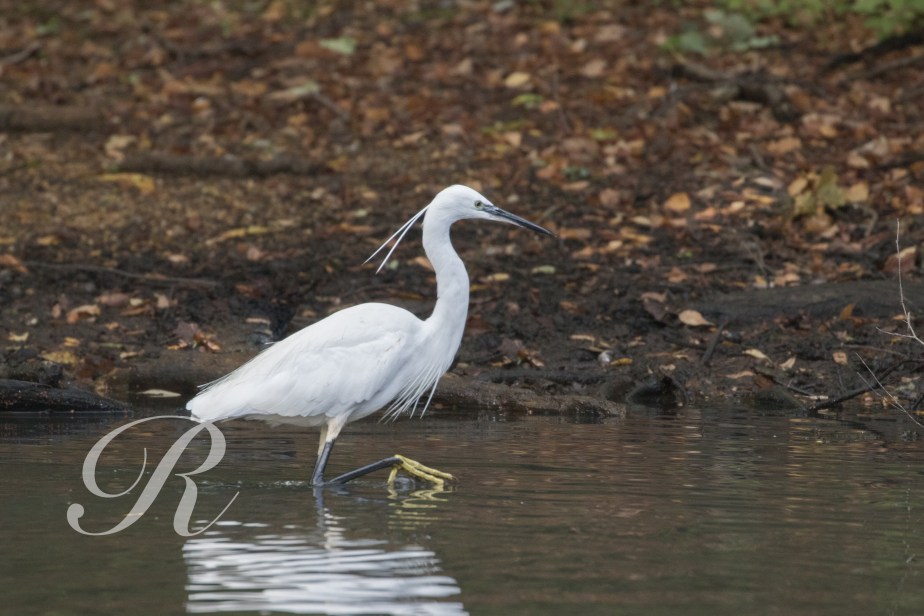
So, naturally, I managed to fit a little birding in between seeing the sights of London, starting with Whipps Cross where I saw both a Jay and a Great Crested Grebe plus a couple of birds that were not present in my young days, Little Egret and Egyptian Goose. Interestingly I didn’t come across Chaffinch or Yellowhammer.

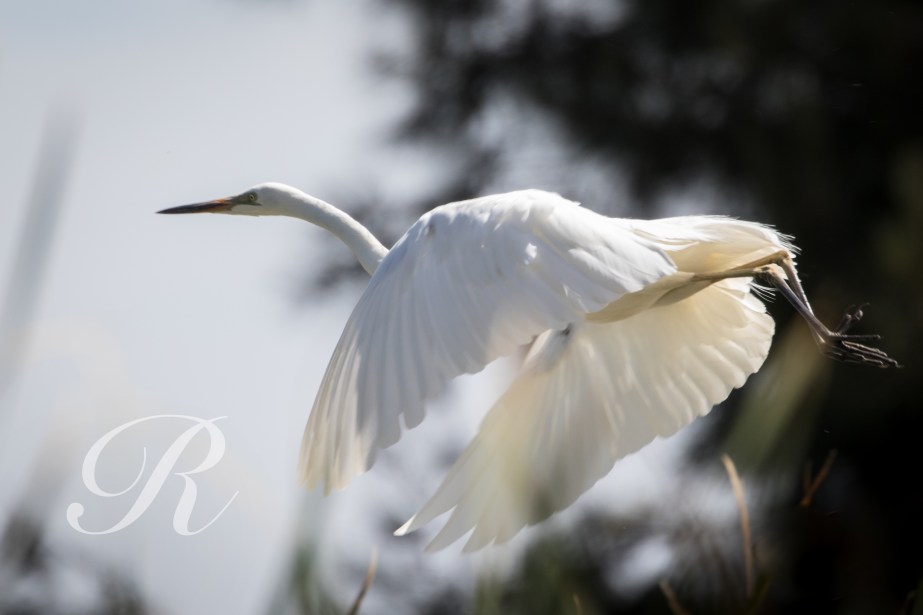
Little Egret
Egyptian Goose

Other spots that I visited included Fisher’s Green near Waltham Abbey. This was a place that I used to fish at. It’s changed a great deal since then. Some old powder mills are gone. Gravel extraction has produced extensive shallow lakes. It’s now a great place to see water birds and even an otter if you’re very lucky.

Another old favourite was the Lea Valley reservoirs running from the back of Hackney Marshes out to Tottenham. Arriving there I found that Europe’s most extensive urban wetland was in development and would open October 20th. The place where I saw my first Smew was being recycled as Walthamstow Wetlands.

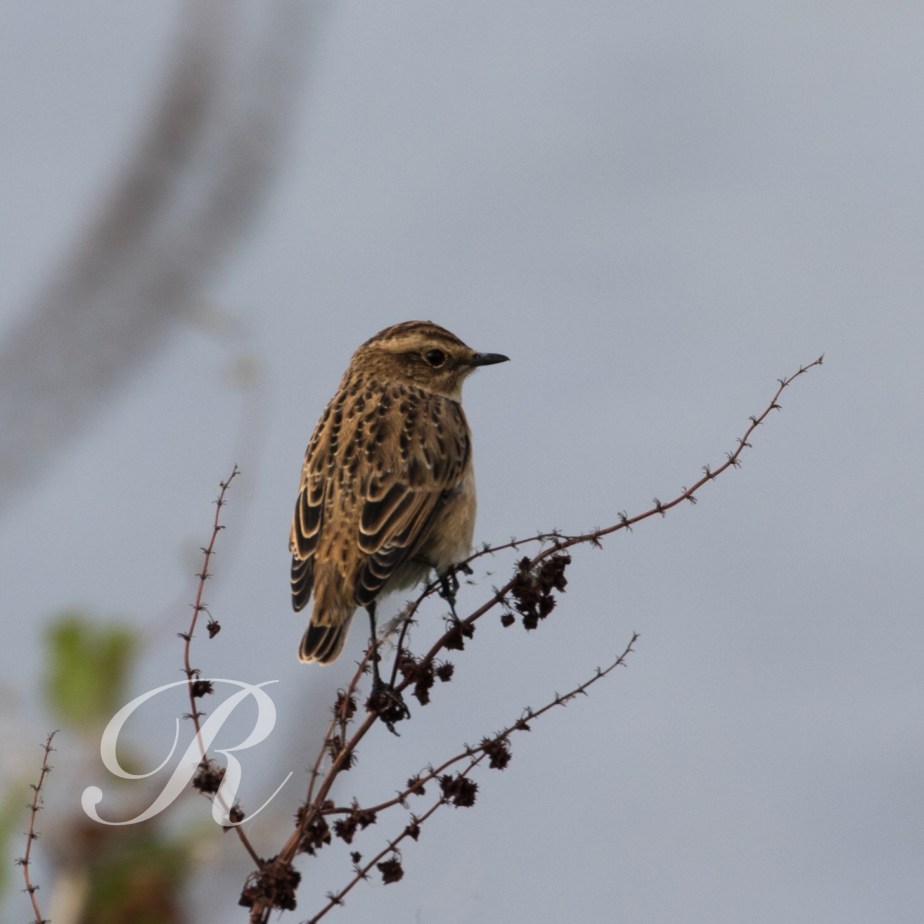
Although it wasn’t yet open it wasn’t all that closed either so I found my way in and had a wander and found perhaps the most exciting bird of the UK trip …

In flight it showed triangular white patches at the base of the tail. The photo shows the patterned plumage and the white supercilium. It’s a Whinchat, exciting because quite unexpected on the outskirts of London. It’s a summer visitor to Britain, I may just have been lucky to see it as it made its migration southwards.

But it’s not all about the novel or the rare. It’s nice to spend time with old friends.

Mute Swan
Mute Swan
Grey Heron

Not Really Sparrows …

I prepared for my American trip by flicking through the National Geographic Society’s Field Guide to the Birds of North America, 2nd edition 1987, a wonderful book in its day but superseded by The Sibley Guide to Birds which I’m saving up for.

As I browsed I came across the New World Sparrows and thought to myself “I’m going to have trouble with these”. In 1987 the index contained 35 sparrows, one of which is the good old House Sparrow described in Wikipedia as …

a symbol of lust, sexual potency, commonness, and vulgarity.

Fortunately for the remaining 34 are not they are not tainted by close association. The House Sparrow is the lustworthy centerfold of the Passeridae whilst the New World Sparrows are in the family Emberizidae, the Buntings and New World Sparrows, members of the nine primaried oscines along with the wonderful warblers though, sadly, nowhere nearly as exciting. They tend to live on the ground and most are nicely disguised for life in dry grass.

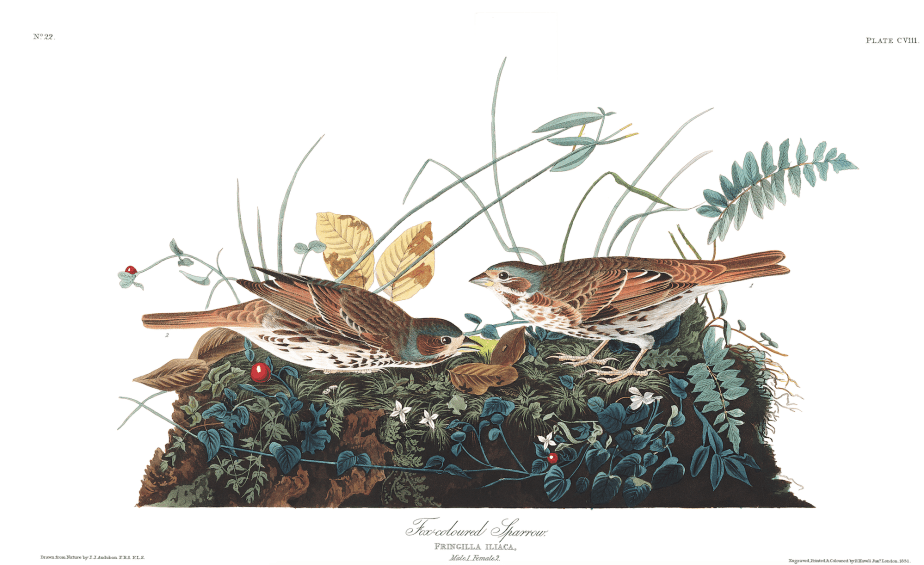
Things have changed over the years. In Audubon’s day you went bird watching with a fowling-piece and came back with creatures you could stuff or draw …

In 1987 you took your binoculars, now you need a genetics laboratory, the advent of DNA studies has tossed the taxonomy of birds into total chaos. Audubon’s Foxcoloured Sparrow of 1831 was the Fox Sparrow in 1987 and is now four separate species according to the Handbook of the Birds of the World. Things did not get easier and plumages vary from individual to individual.

There is a site on the web that is of some use to the beginner, or visiting expert (the same thing) Birdzilla. It offers a key based on three field marks

  • Is the breast streaked or clear?
  • Does the bird have wing bars ?
  • Is there an eye ring?

Based on these you can get in the ballpark where the remainder of your observations will nail your bird. Maybe. Bear in mind though that wing bars and eye rings vary with the freshness of the plumage and the angle of the light.

So here we go …

Streaks – yes, eye ring – yes, wing bar – faint at best. Note the yellow supercilium. Oh dear, the key ain’t working. It’s a Savannah Sparrow. That eye ring is leading us towards Vesper Sparrow – saved by the yellow.

The eye ring won’t get us this time …

because the Song Sparrow is included in the eye ring positive and negative groups. It’s the other details that get us home, central spot in the breast, grey above and below the eye.

So the key has to be used with caution and it’s no use here either because it only works for adult birds and this one is a juvenile …

Field Sparrow (juv)

There is no alternative to practise and critical analysis. I got all these wrong but my friend who has had the practice sorted me out. If you disagree please tell me  why and I’ll take it up with him!

Michigan …

We bypassed Detroit and headed north up the peninsula. Population density fell away as we went, northern Michigan has some of the least populated areas in the eastern half of the US and some absolutely gorgeous forests.

Our destination was Boyne City where we would be staying with very generous friends for a few days. En route we stopped at Shiawassee National Wildlife Refuge. This is open to the public from June to October from an hour before sunrise until sunset. It’s a one way six and a half mile drive (10.4 km) mostly along an embankment giving good views over fields and wetlands. Views of the wildlife tend to be quite distant but it’s a good place to make the acquaintance of a few ducks, Sandhill Crane and Bald Eagle. Well worth putting on your travel plans next time you’re passing through Saginaw County.

Boyne City sits at the end of the north arm of Lake Charlevois an off shoot of Lake Michigan. We would get a cruise on both in our host’s very nice 40 footer. We also got to explore some nearby state forests and the Darnton Family Nature Preserve. Some of the highlights …

Green Heron
Common Merganser
Eastern Chipmunk
Red Squirrel

Eastern Grey Squirrels were also quite common, a good proportion of them were black in colour, the melanistic form.

The American Sparrows are nearly as much fun as the Warblers. I might have to revisit them. One to keep you going …

Savannah Sparrow

The Warblers …

Specifically the New World Warblers of the family Parulidae, if it’s opera singers you’re after you should head <HERE>.

The Warblers have something for everyone. For the bird watcher they are very close to addictive. For the taxonomist they provide a lesson in total chaos and for the superstitious their entry in The Handbook of the Birds of the World Vol 15 starts on page 666. Scary.

Authors have written books on them, dozens of books. Mt favorite is The Warbler Guide by Tom Stephenson and Scott Whittle. No voyage to the New World should sail without it. On the journey it will serve as ballast, once landed it will serve as a deterrent to theft … no one will steal your suitcase with a copy inside, they won’t be able to lift it.
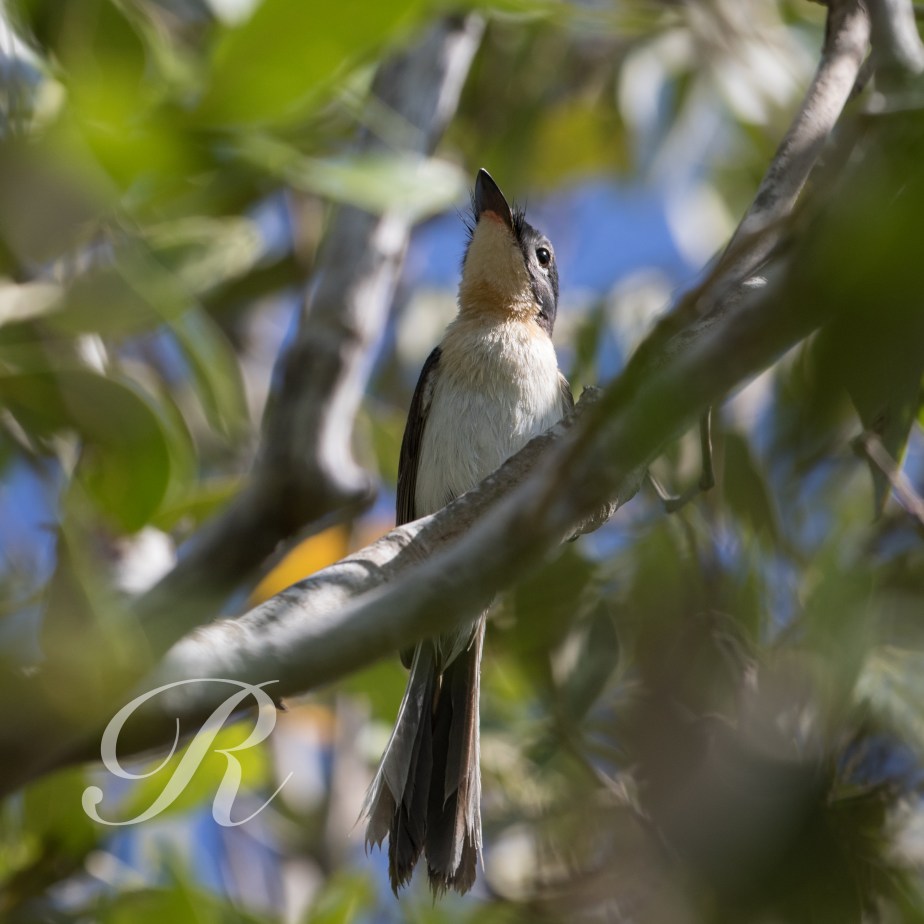
Currently the Americas are home to 116 species, at other times the family has been submerged in a much larger family, the Coerebidae, or itself enlarged, or reduced, or in the immortal words of the HBW …
… which had contained, among others, the Neotropical honeycreepers, and placed the Conebills (Conirostrum) and the Bananaquit with the New World Warblers and …
If you’d just hold my beer for a moment there will be a new arrangement by the time you give it back. The one thing that does remain certain is that they are not closely related to the Old World Warblers or the Australian Warblers.

Identification is a challenge not made any easier by their frenetic activity, their changes in plumage through the seasons and their habit of taunting you from high in the canopy. I managed to capture a few presentable images which I offer here along with my suggestion as to identification. Should it be the case that you disagree please state your case for an alternative ID in the comments.

Cape May Warbler
Tennessee Warbler

One particularly confusing duo comprises the Blackpoll and Bay-breasted Warblers. The spring males are easily distinguished but in fall plumage things become challenging. Some folks simply record them as Baypolls. A very useful article by Tom Schultz can be found on ebird.

There is a little ochre on the flanks and the legs are black which indicates that this is Bay-breasted (against that is the streaking on the breast which points to Blackpoll but the ochre shows well in other photos and clinches it for me).

Bay-breasted Warbler

For some really stunning Warbler photos you should head to Glenn Bartley’s site <HERE>.

Maumee Bay …

Australia’s national parks are actually managed by the states with grant money from the commonwealth. In Victoria a State Park has exactly the same level of protection as a National Park and is governed by the National Parks Act.

In the USA National Parks are Federal affairs while State Parks are run quite independently by the States. American State parks are quite different from Victorian State Parks. You are likely to find a golf course and tennis courts, you can take your dog, there is likely to be a full service camp ground and there may even be a nice hotel.

Maumee Bay boasts all of the above, although the dog can’t stay in the hotel (but there are dog-friendly cabins – prior notification required).

Natural values aren’t totally neglected. There is a boardwalk through marsh and woodland. It extends for a couple of miles and is an excellent way to work up an appetite for breakfast.

White-tailed Deer

Here’s the front end of an Eastern Fox Squirrel …

Eastern Fox Squirrel

… although it’s the rear end that earned it its name.

A night walk is sure to turn up a Racoon or three and there are Muskrat present as well.

When the sun is a bit higher turtles might sit out to enjoy the warmth.

Midland Painted Turtle

There is plenty of bird activity. Red-winged Blackbirds are abundant, woodpeckers are plentiful, there is the odd sparrow. This Heron was intent on finding its breakfast and took no notice of me at all …

Great Blue Heron