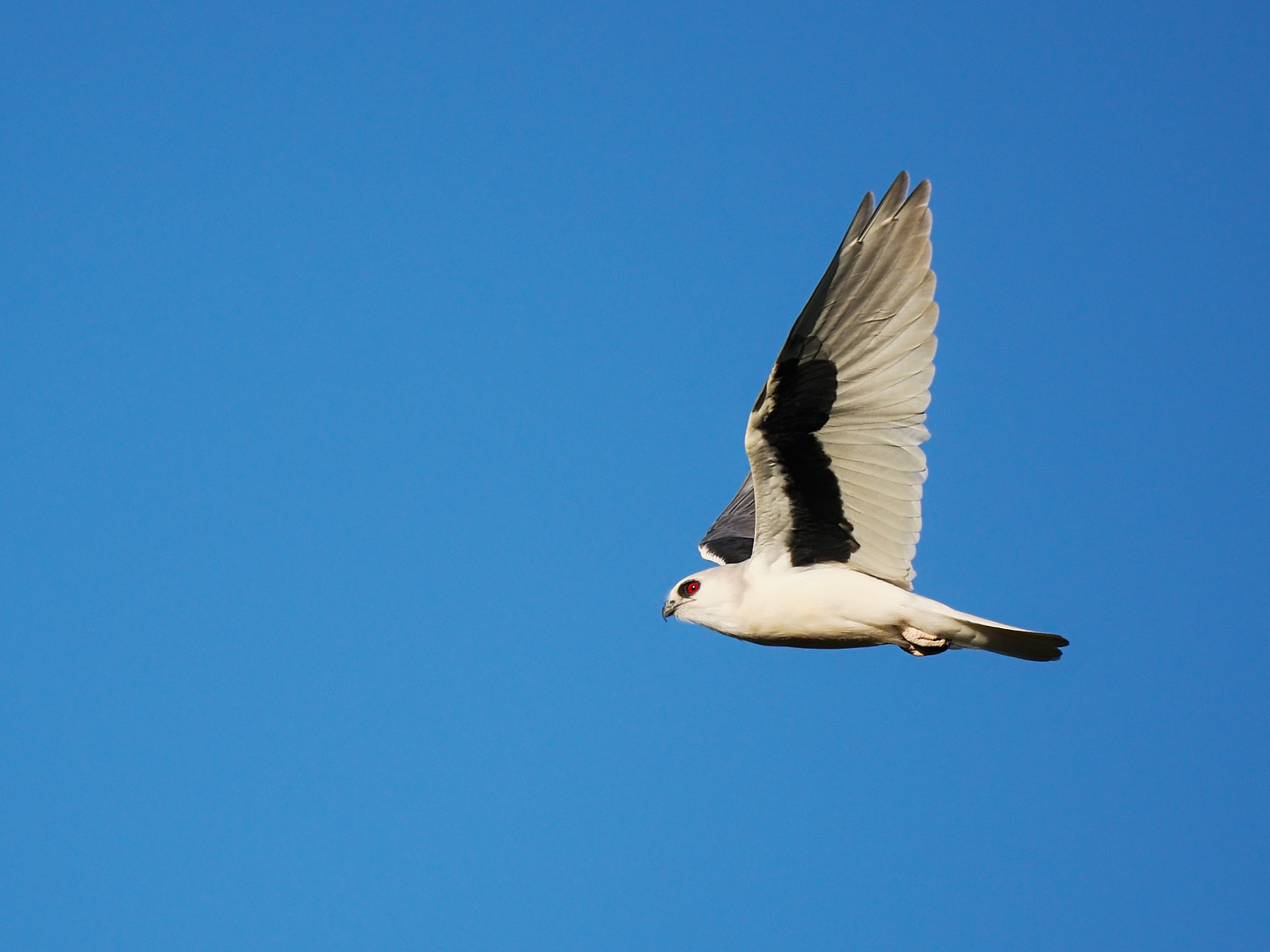
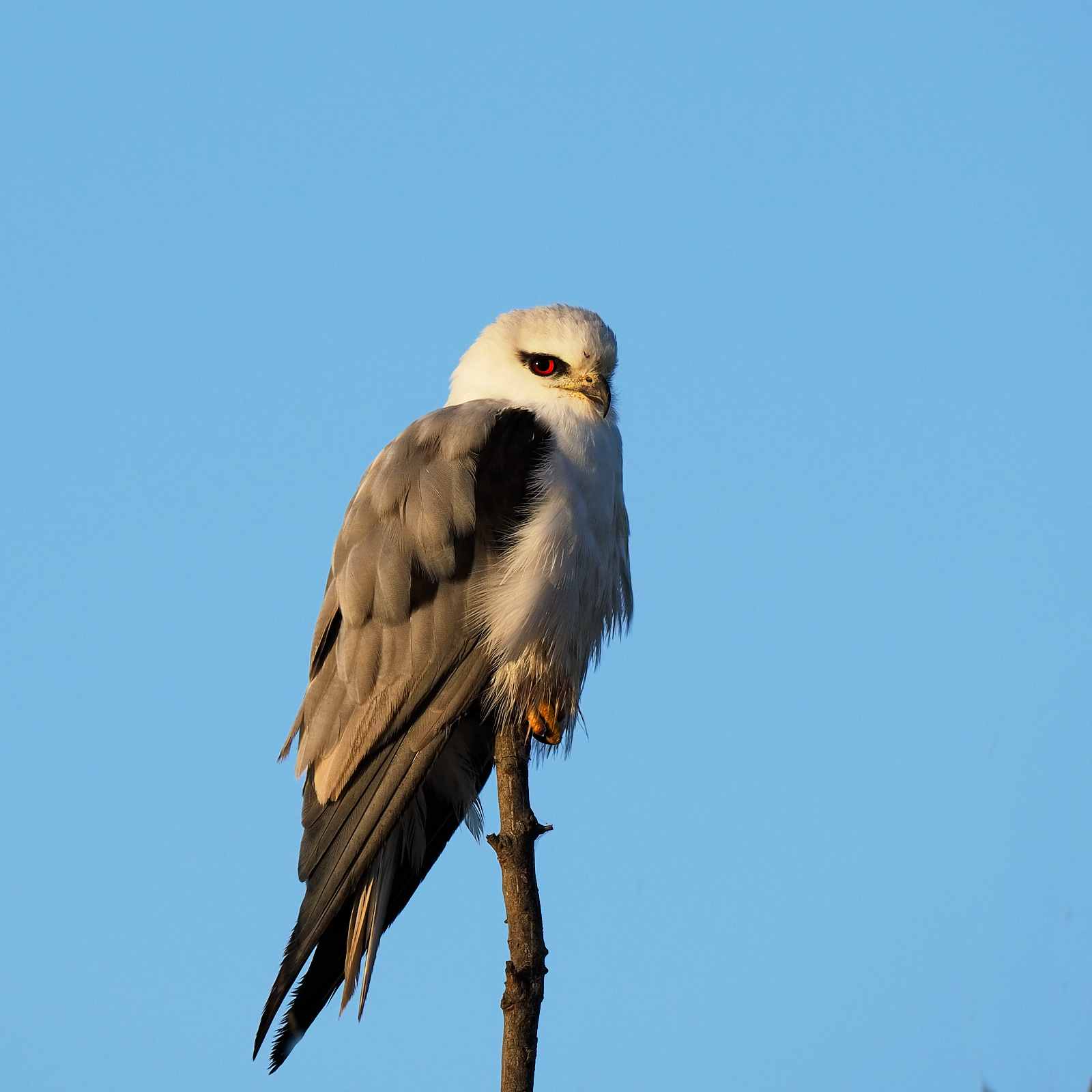
I saw the the gorgeous and rare Letter-winged Kites at the Athelle Outback Hideaway where we stayed the night. Nice place, 28km off the Stuart Highway north of Alice. Naturally I posted the sighting on eBird. I got a phone call today from the owner of the camp ground to tell me that her phone had been running hot and asking for more information.
These birds are usually confined to a small area in central Oz where they enjoy a diet of rodents, especially the Long-haired Rat. If the rat population booms they boom. When the rat population goes bust they wander far afield in search of food and can even turn up at the coast.
If you’re in the neighbourhood click the link above and get out there before they are completely depixelated.
The Flinders was as dry as a chip. We took the scenic route through the Parachilna Gorge – not as scenic as Glass Gorge but gentler on the trailer. Then north up the Outback Highway. There was some green pick after Leigh Creek, then some surface water and by the time we pulled into Farina actual grass and even some mud. And by all accounts there’s a lot more of that ahead of us.
This route north brings you face to face with history, John McDouall Stuart followed by the Overland Telegraph, then the Ghan, the birth and death of little towns like Farina. How could you not love this country?
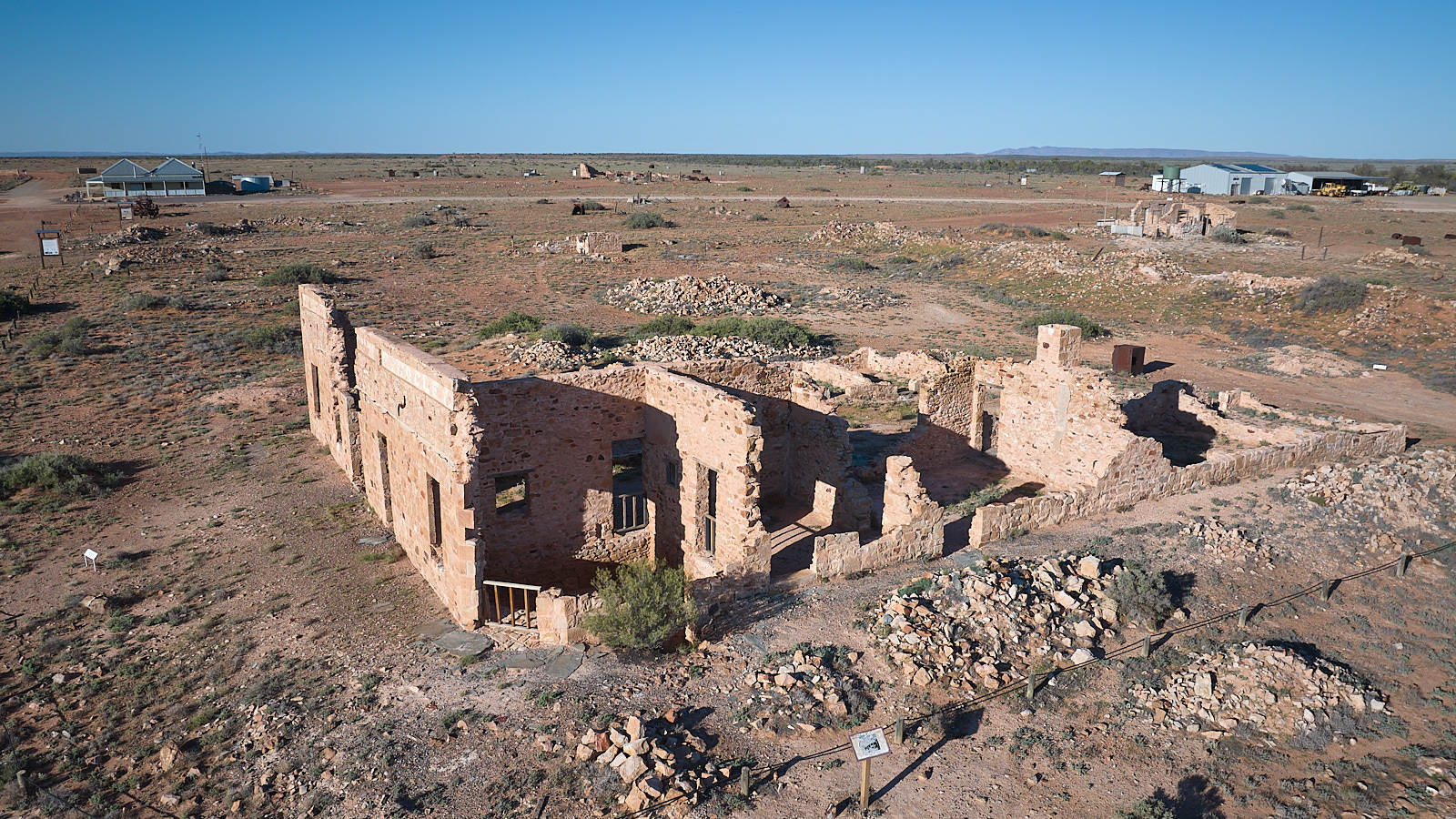
A number of things had conspired to draw people north from Adelaide. As dry as it is, cattle and sheep can be grazed in the hinterland. The railway provided a good way to transport them to market. The telegraph and the railway provided employment. And of course, at the time it was thought that the rain would follow the plough. Plant your crops and the rain would come, a theory promoted by scientists of the day such as the noted American climatologist Cyrus Thomas. The settlement here was founded in 1878 as Government Gums. Its name was changed to Farina to reflect the intention to grow wheat. It grew to reach a peak population of approximately 600 in the late 1800s. It was the rail head for a time. In its heyday, the town had two hotels (the Transcontinental and the Exchange) and an underground bakery, a bank, two breweries, a general store, an Anglican church, five blacksmiths, a school and a brothel. Wild oats were sewn but no wheat was grown. All that remains today are the ruins and the cemetery.
It’s a great camp site and an excellent spot for birding. Inflation has hit, the fee is now $10 per person per night, a 100% increase in 9 years. The bakery has been restored and is in action during the winter months when the camp is busy. At the moment we have it almost to ourselves.
It was the 2nd of April 1989, opening day of the new metropolitan park. It was extremely busy. In I drove through the northern gate. I followed the road which ringed the picnic area. Traffic was nose to tail, moving at a snail’s pace. Each of the carparks were full and having completed the circuit I was decanted back onto Lower Dandenong Road. I found a carpark at the second attempt.
In the early days I coordinated bird counts in the park and I was involved in a long running banding project. The bird list grew apace. A walk around the park’s 310ha (770 acres) would yield about 50 species in about 3 hours at a bird watcherly pace. According to eBird the list now stands at 188 species.
Braeside Park is one of the first places I head to when back in Melbourne. The number of bird watchers is up, the number of bird species is down. Many of the birdos are carrying cameras with very long lenses. It seems that the advances in photography have attracted many more people to the hobby.
The decline in species is probably due to a number of causes. There has been considerable development surrounding the park. Previously raptors such as Swamp Harrier could range over the park and extensive grasslands outside the fence. Now they just have the park which may not be enough for full time habitation. In addition Melbourne has had a very dry summer which may have caused some species to go looking elsewhere. And it’s autumn, the summer migrants have gone.
Nonetheless the park remains an outstanding place to watch birds.
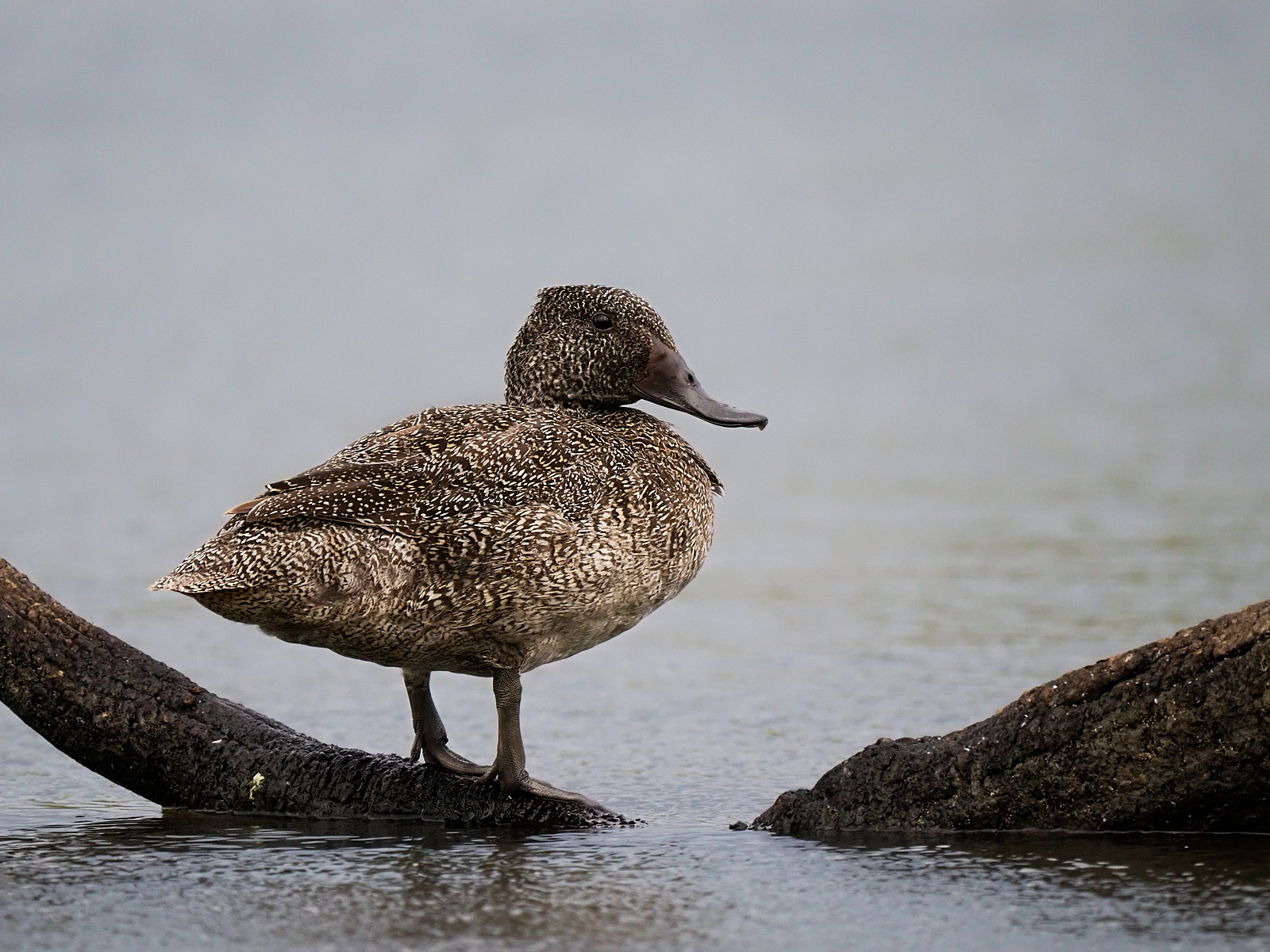
Australasian ShovelerPink-eared Duck with chicksFreckled DuckRainbow Lorikeet
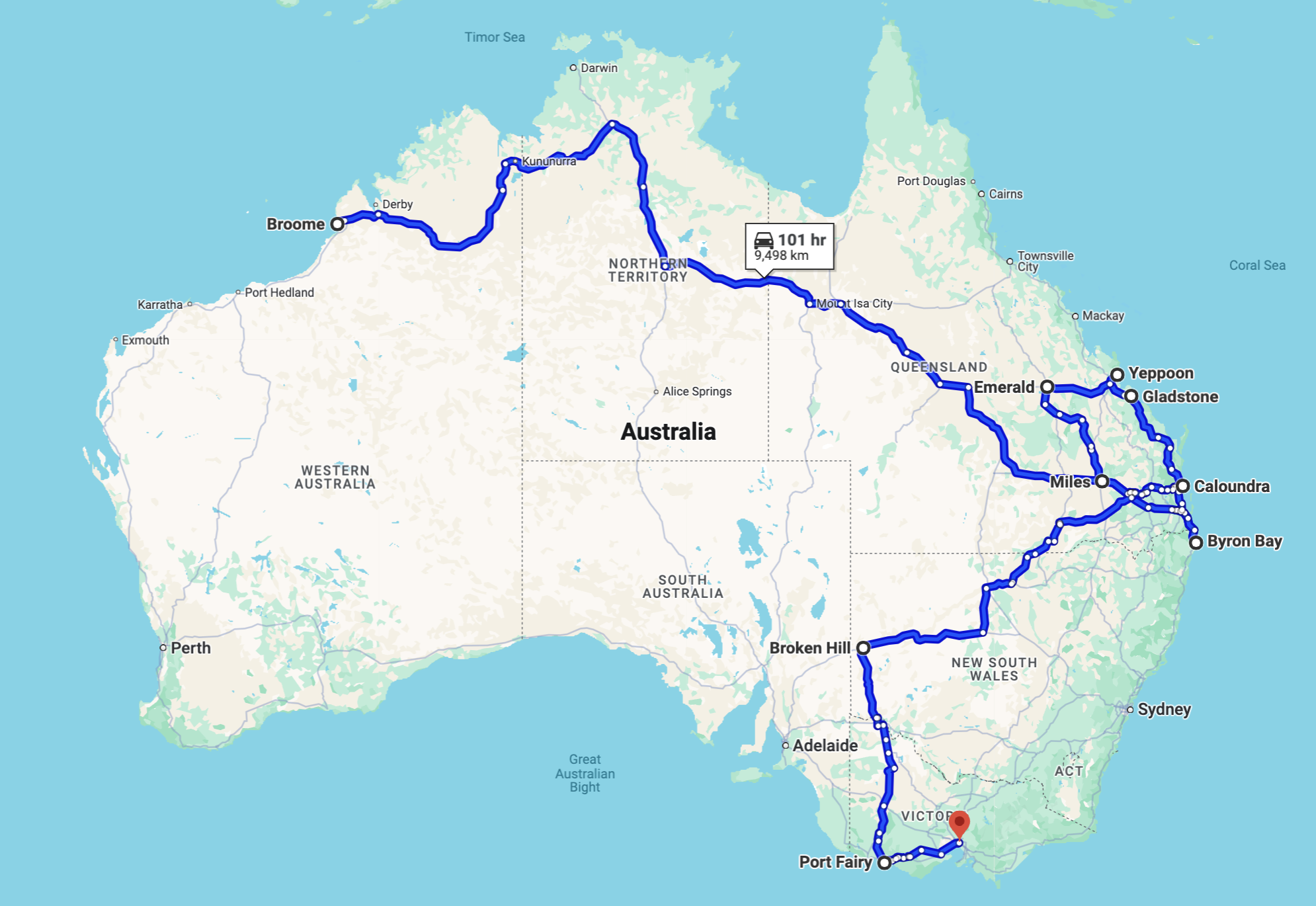
A simplified map of the road trip so far looks like this …
There is a considerable discrepancy between the distance shown on the map and the trip metre in the car which stands at more than 15,000km. Simplification does that sort of thing. We have been exploring!
Marvelous Melbourne is where I spent the largest part of my working life, it’s where my small family lives and it’s also en route to becoming the most populous city in Australia and bankrupt. Each to his or her own, I can see many advantages to living in Broome, beautiful beaches, little traffic, warm winters but of course there’s a but. Medical facilities are very limited. Getting to see a doctor takes ages and you’re unlikely to see the same doctor twice. Anything sophisticated is a 2000km journey to Perth. Melbourne continues to be where I take care of the routine side of my medical care. I’ll be here until my new glasses are ready.
Meanwhile it’s great to catch up with my family and my friends and to go birding in old haunts such as Braeside Park and Phillip Island. The year list is up to 274 species (safe until October 1 in the calendar game but finding new birds is getting much harder).
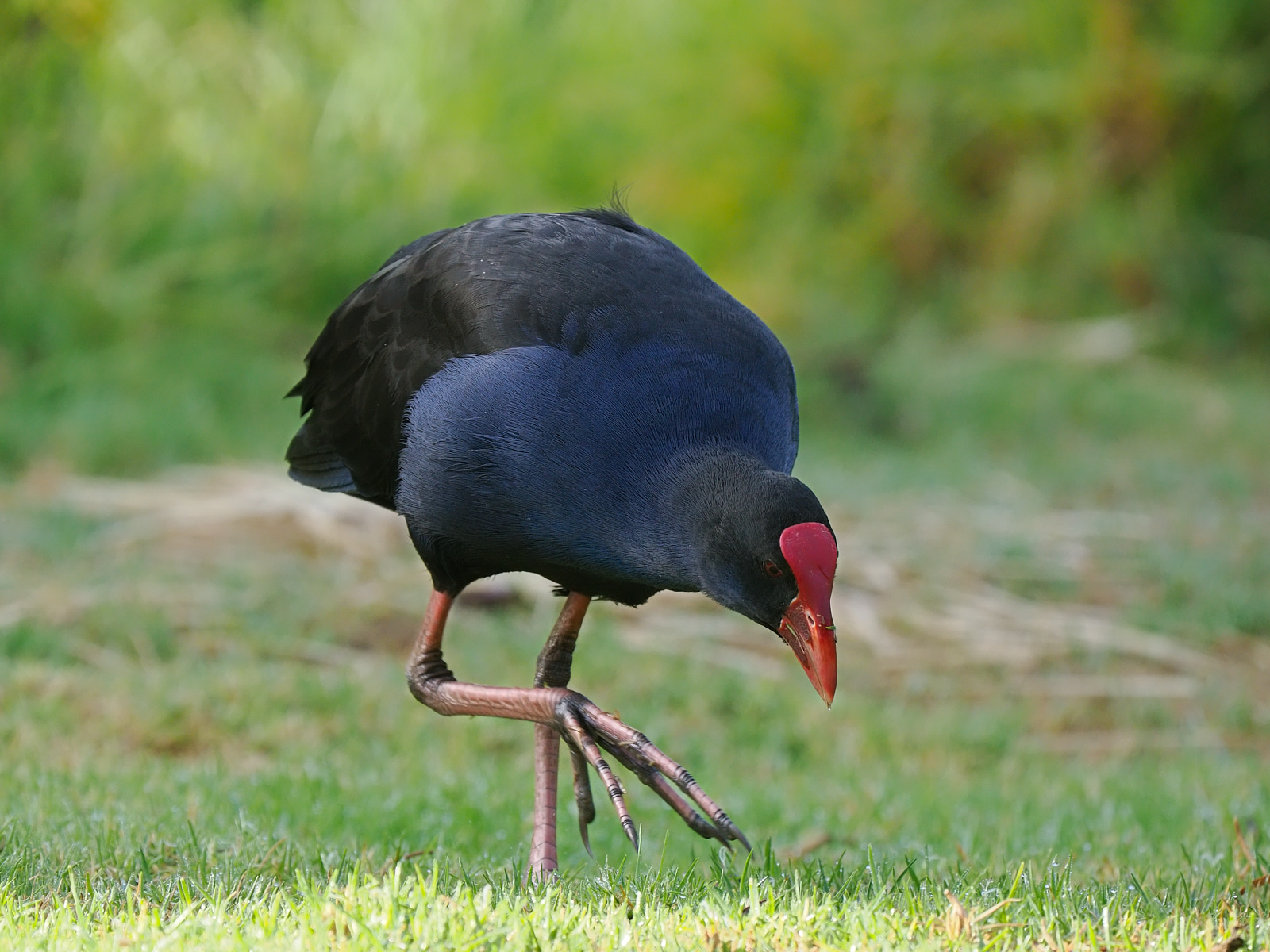
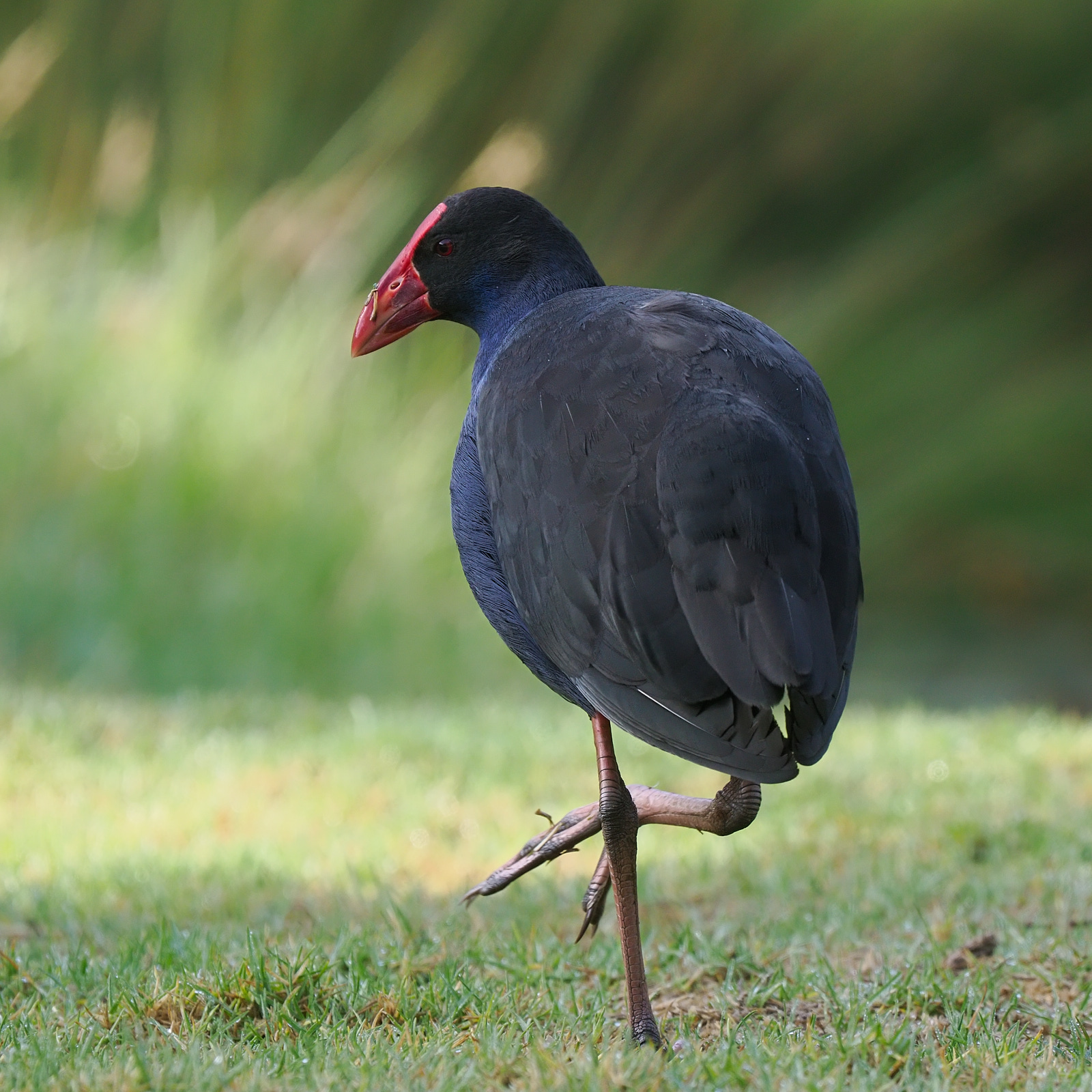
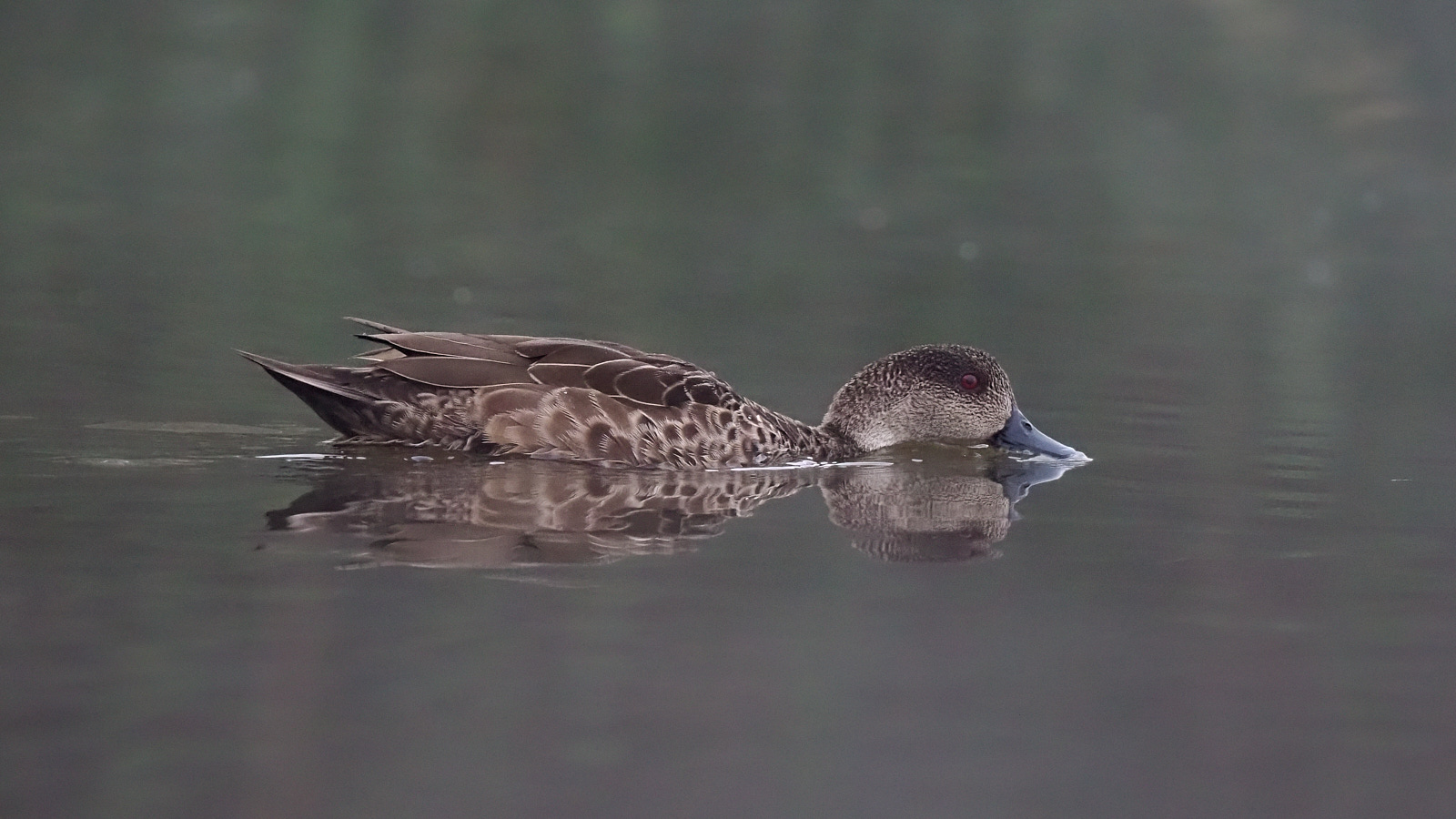
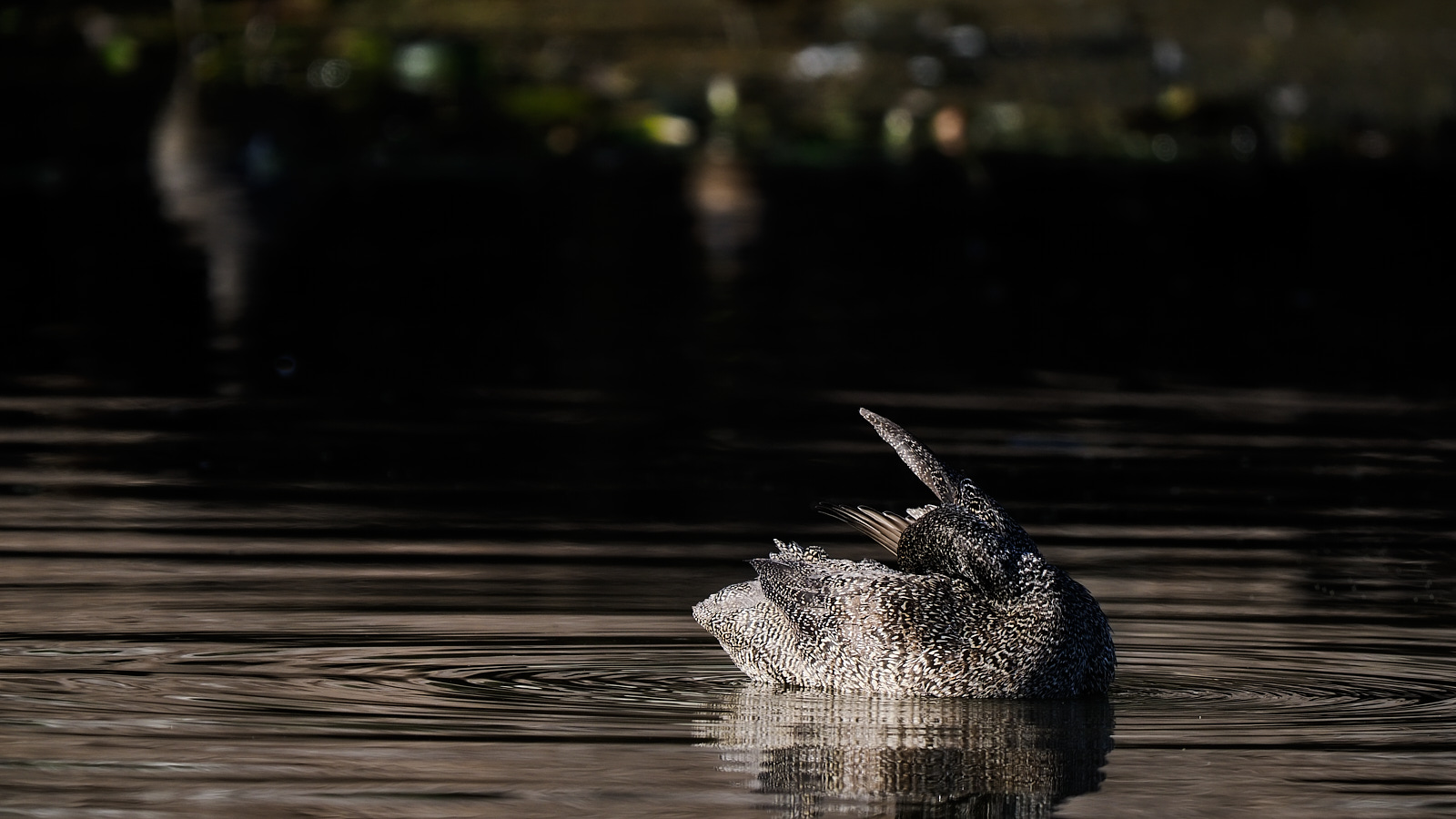
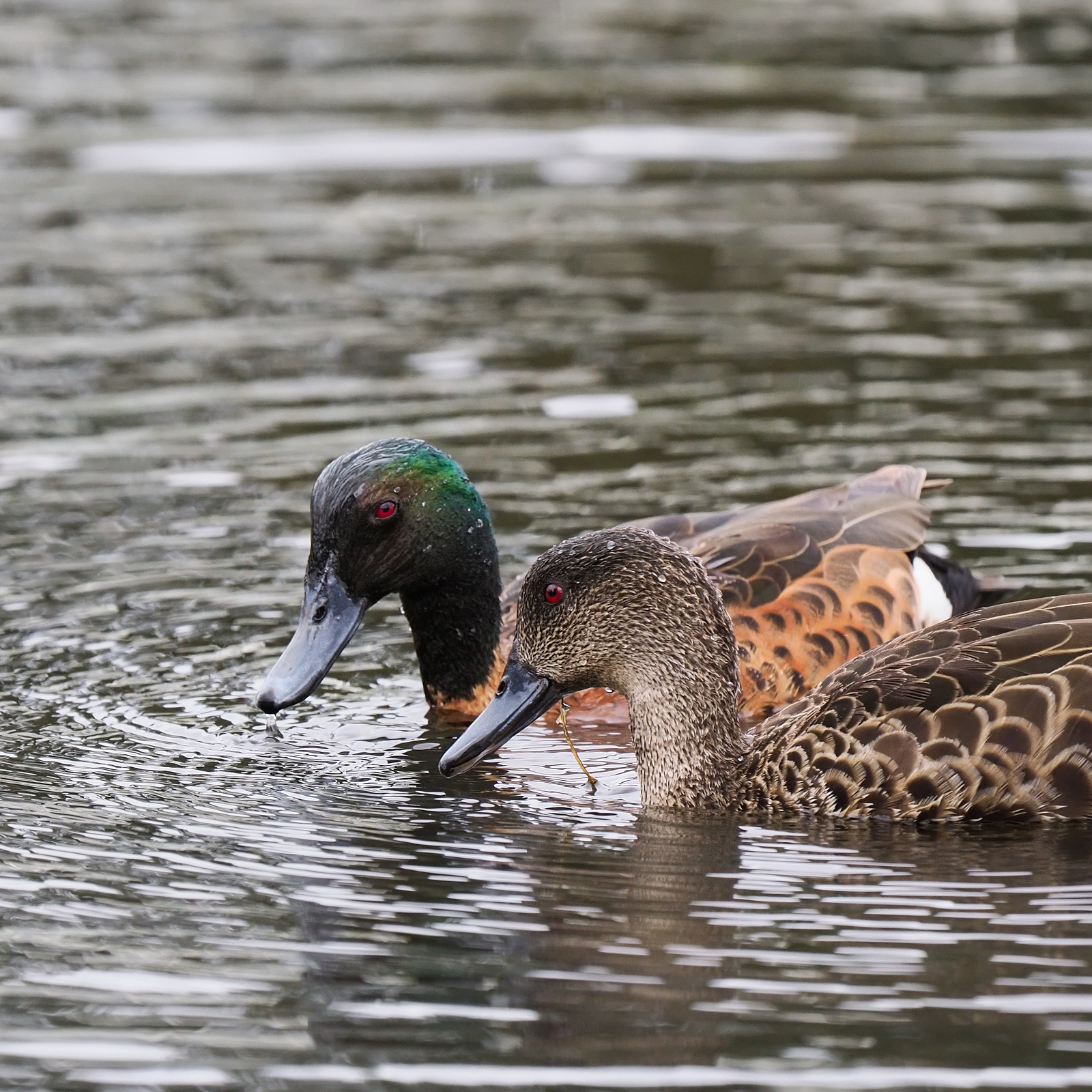
Australasian SwamphenAustralasian SwamphenCape Barren GooseLittle PenguinNankeen Night HeronFreckled DuckChestnut TealGreat EgretFreckled DuckWhite-eared HoneyeaterPink-eared DuckRoyal SpoonbillAustralasian GrebePacific Black Duck
As I recall Statistics is something you can do with independent observations taken at random and assembled into a sufficiently large sample. It’s a dark art, lies, damn lies and statistics etc. Bird watching stretches it even further into the kingdom of the devil. Bird watchers choose their sites to generate large lists, large list are more fun. Will we turn left or right? Depends where the Red Goshawk’s nest is or the owl’s roost. It’s called bias. Bird watching and citizen science make for a turbulent marriage
The year list is coming along very nicely, thank you for asking. Bird watchers tend to disparage introduced species, the plastics, but we do make sure to get them on our lists. If numbers give you an inner glow then they all count. I have my Goldfinch for the year. Port Fairy is very good for Goldfinch. But where is my Greenfinch? If I don’t get it here I am unlikely to get it this year.
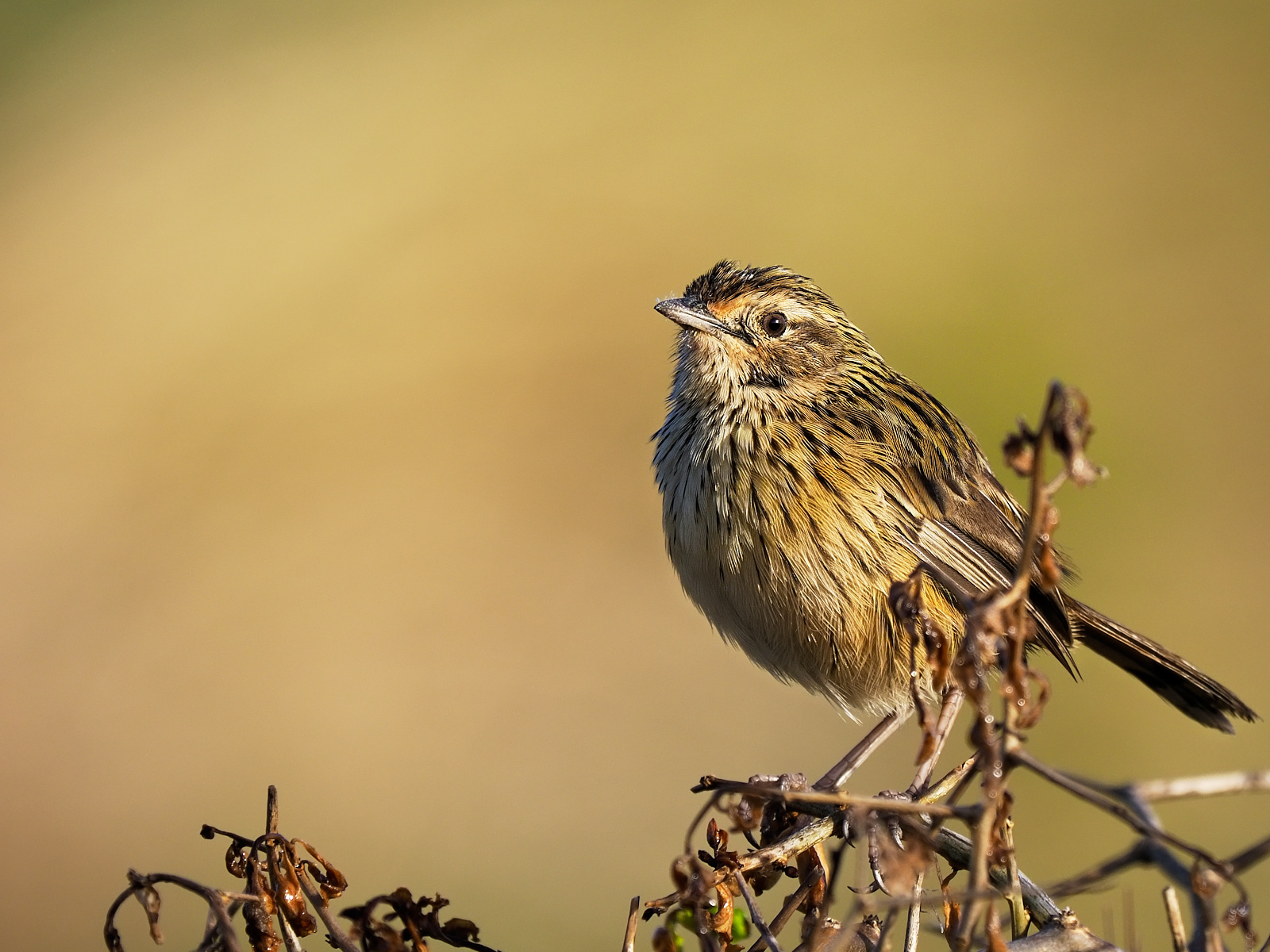
Port Fairy is also a very good place to find the Striated Fieldwren. They live in rank vegetation and low scrub. In spring the males get up on rocks or taller plants and sing their little hearts out. The rest of the time they are a challenge. It’s not spring but this visit they have been very cooperative. I even have photographs! (Notice they all face to the left, n=2, the sample size is too small, p is nowhere near significant).
Striated FieldwrenStriated Fieldwren
That thing they do with their tail is very endearing. Shame the one in the better light didn’t do it.
Port Fairy is not only famous for Fieldwrens it is also home of the Port Fairy Folk Festival. Secombe Park has been transformed into a reasonable facsimile of the Field of the Cloth of Gold. The town benefits greatly from the revenue raised. Fortunately I will have left before the festivities reach full swing.
Just over a day to find the furtive finch. I haven’t connected with the snipe either, it may be too late in the season for them. I may have to come back in the spring. But the birding has been excellent …
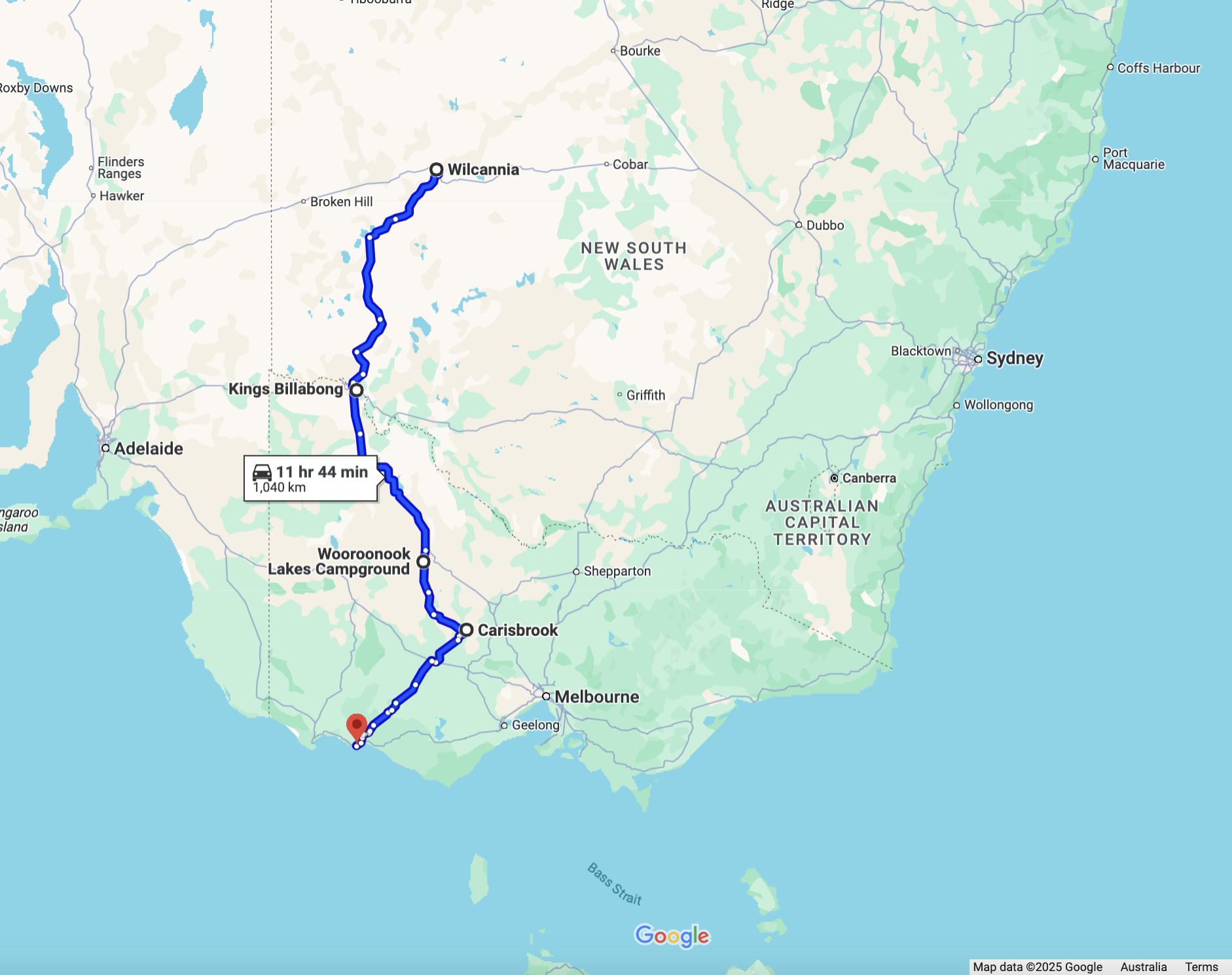
Yesterday we arrived in Port Fairy on Victoria’s south west coast and here we shall pause for a week . We will taking bracing walks in what passes for the summer heat and look for goldfinch and greenfinch to bolster our year list! Here is a simplified map of progress since Wilcannia. Simplified because since crossing the Victorian border we have been flitting about like flies on a cow pat visiting favourite places, favourite people and a caravan repair yard for a bit of plumbing work.
Rainfall in the interior of Australia and much of the west coast is unpredictable and usually sparse. For the north and east coastal fringes, north of Brisbane, summer rainfall is the norm. From Brisbane south and around the south coast and for a triangle in the south of Western Australia winter rainfall predominates. This pattern has held up on this trip, indeed it may be somewhat exaggerated this year. Since leaving Queensland the country has been as dry as a chip.
In Wilcannia the bird watcher should stay at Warrawong on the Darling. The camp ground is adjacent to a couple of billabongs. These are usually productive but on this occasion one had little water and the other was dry. The river Darling itself had plenty. There are some 4WD tracks across open plains to patches of River Red Gum woodlands along the banks and if clean toilets and warm showers are of any interest it even has those.
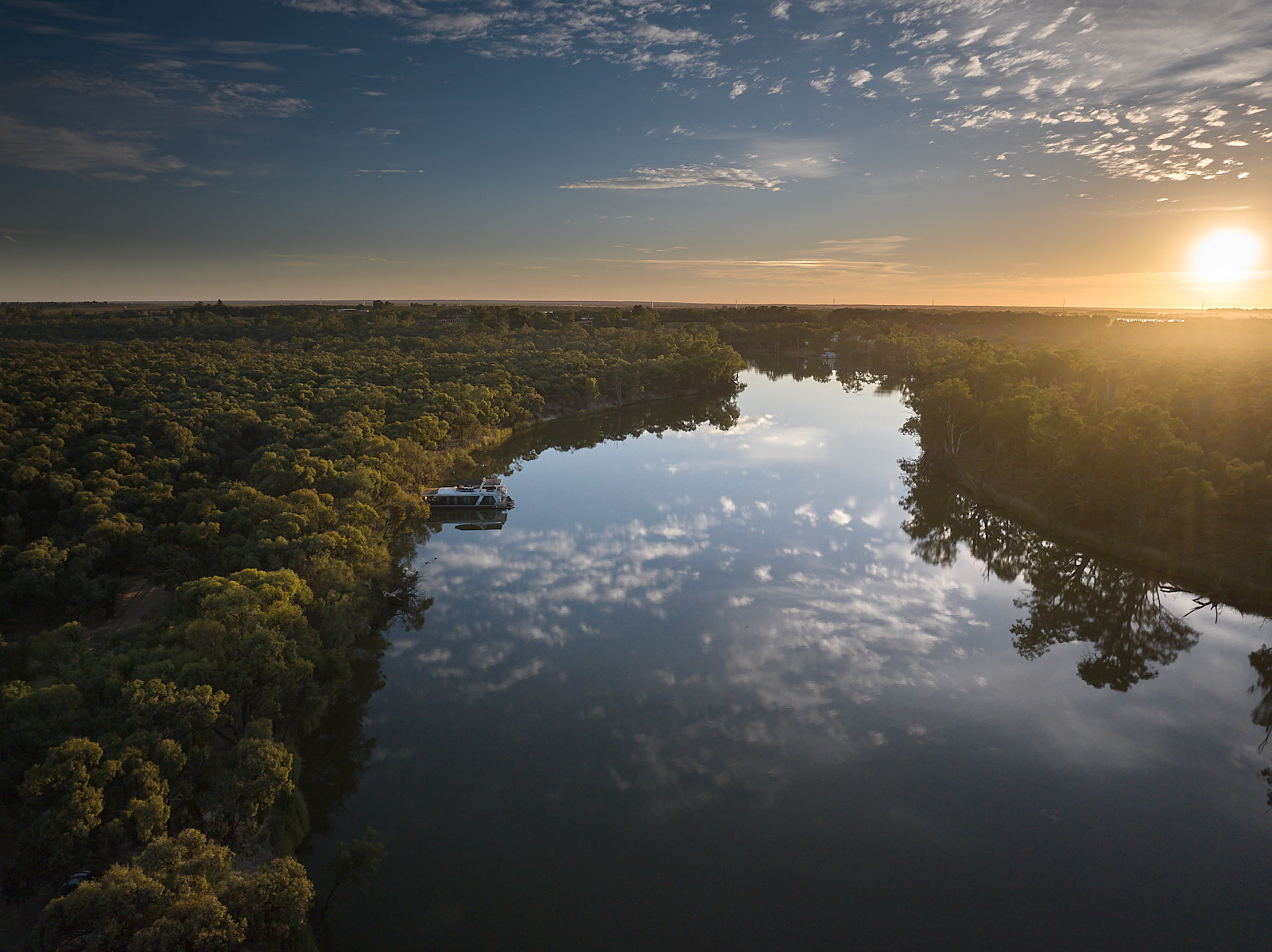
From there it was on to the banks of the mighty Murray not far from Mildura and then various much loved locations in the Victorian Goldfields. And now Port Fairy which is unique in Victoria in very nearly being quaint. The surrounding countryside, the Western District of Victoria, is brown and dry, drier than we have ever seen it.
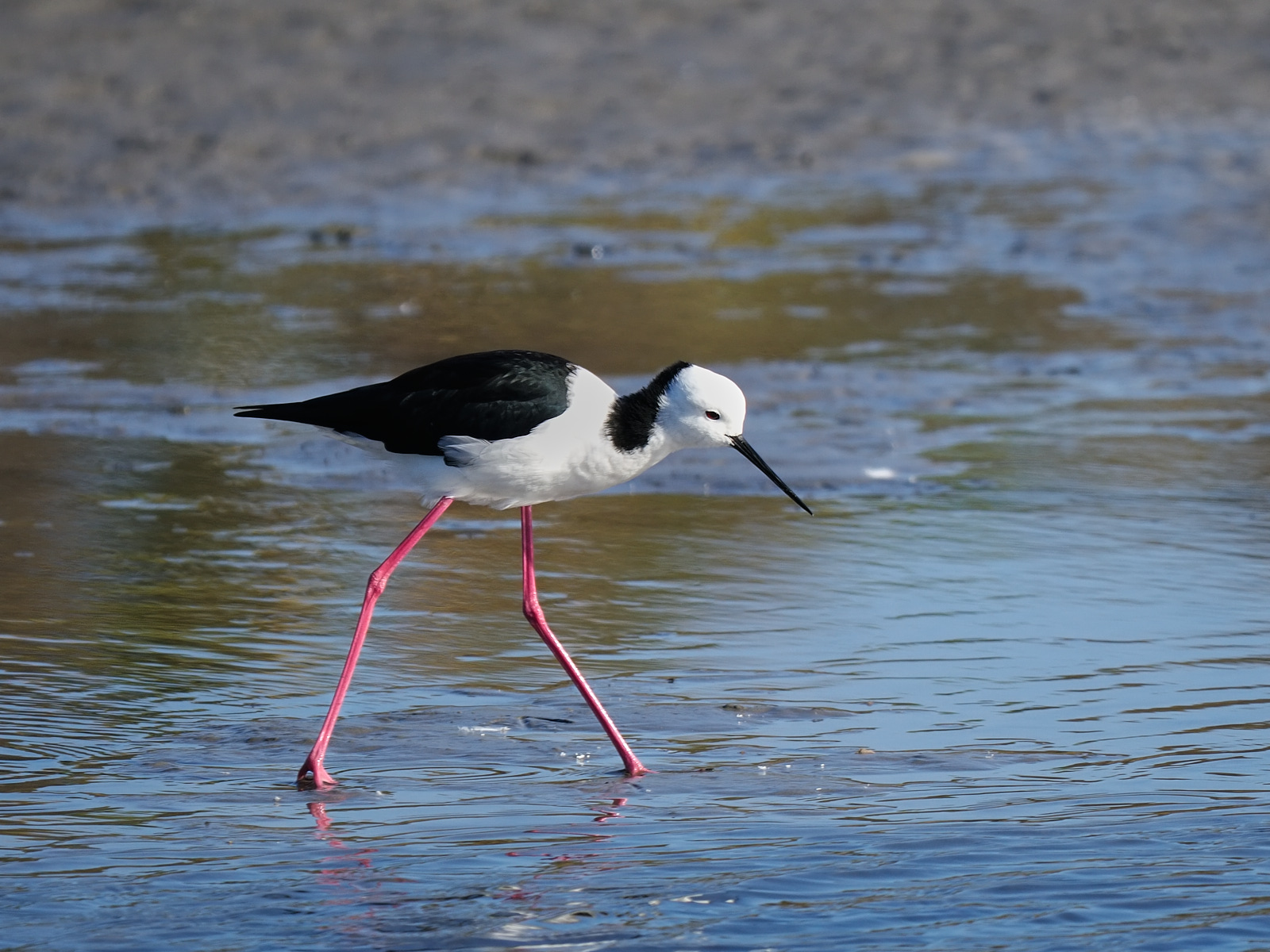
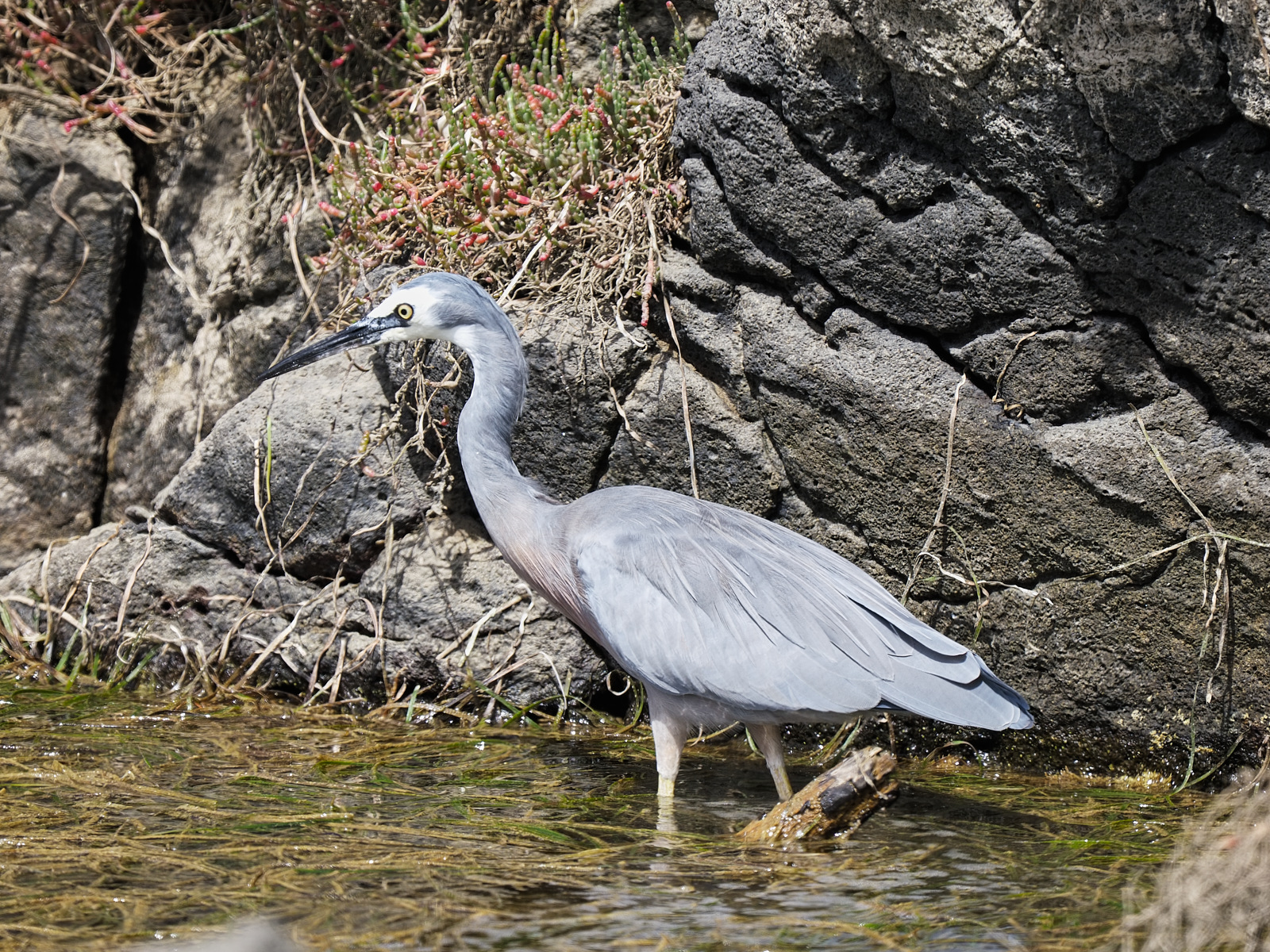
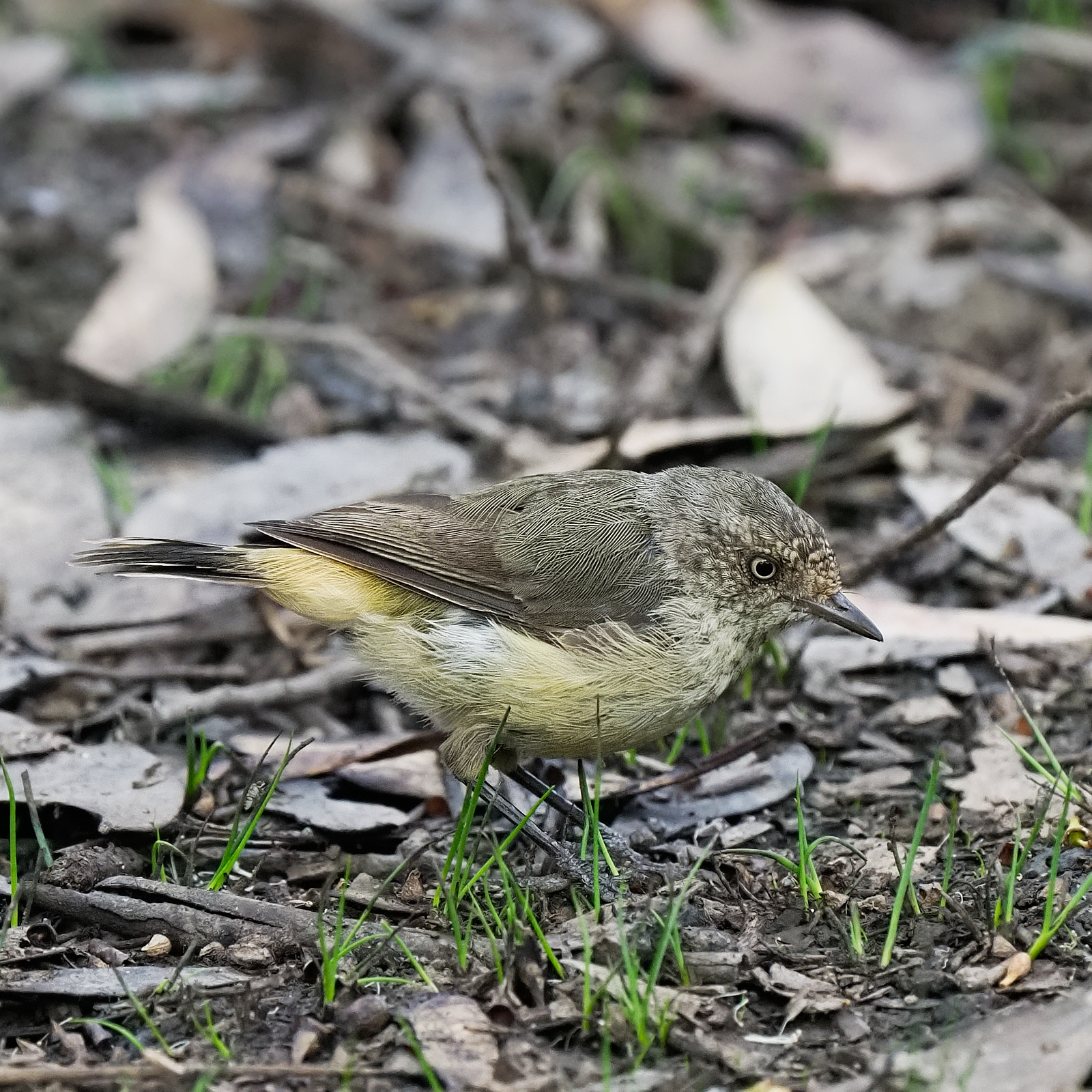
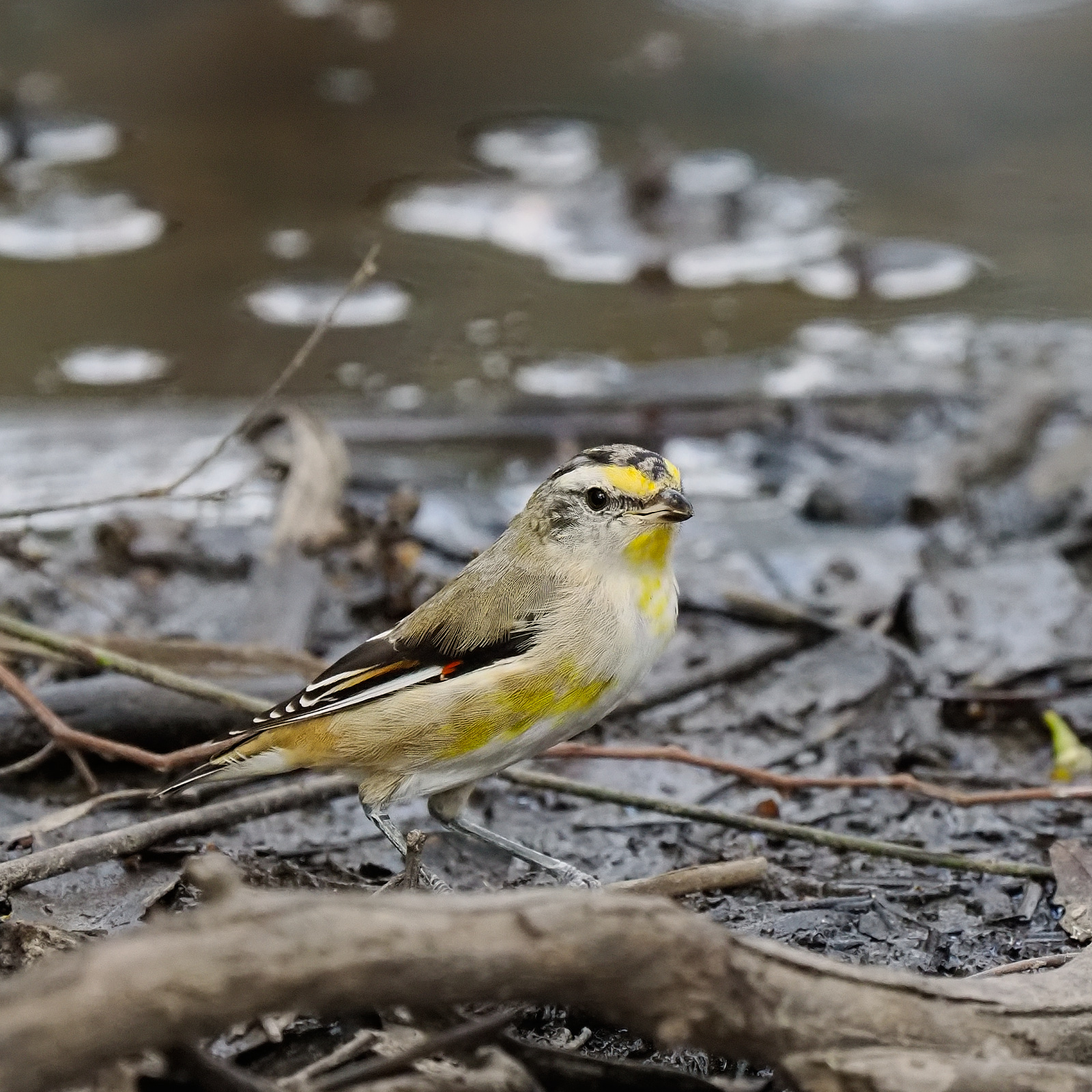
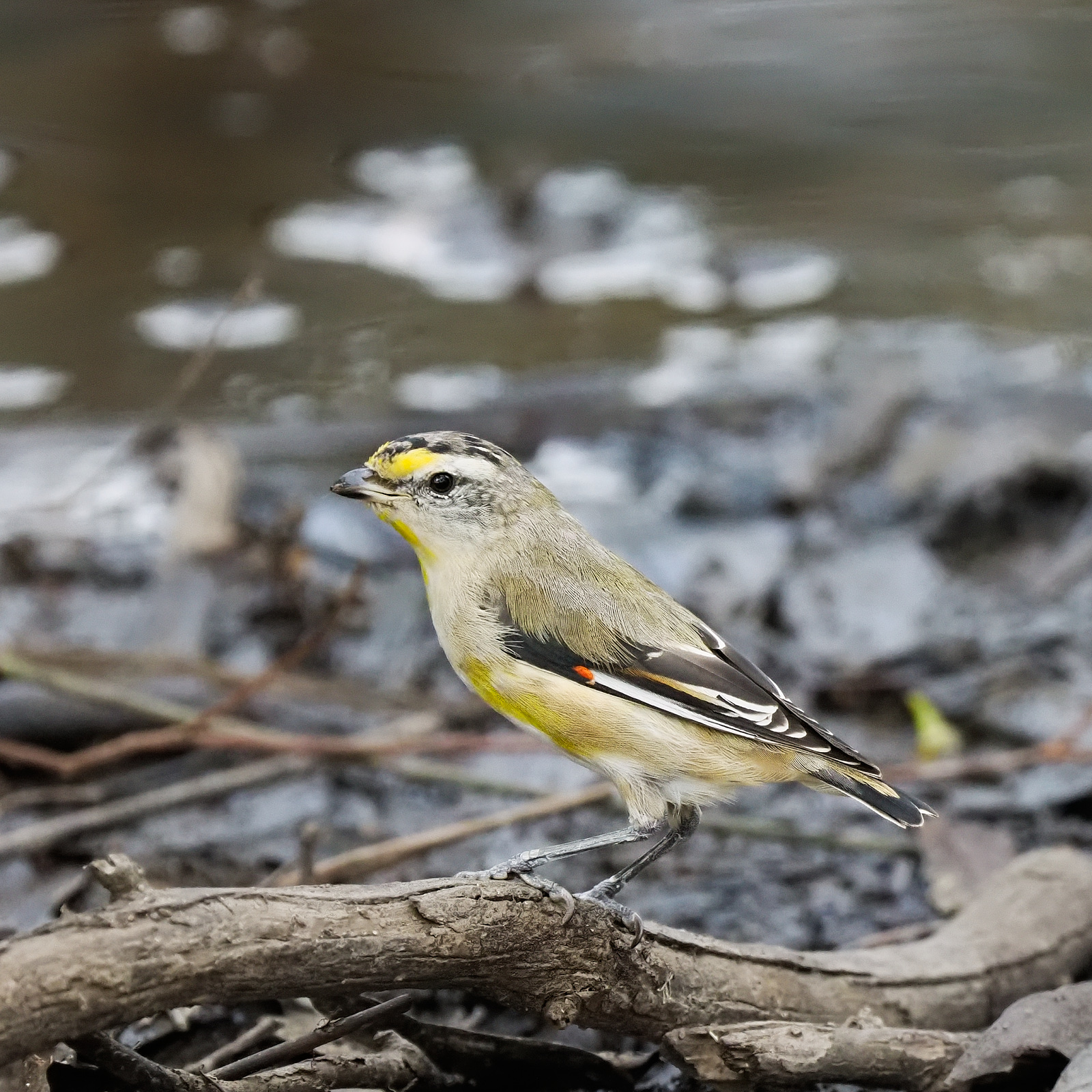
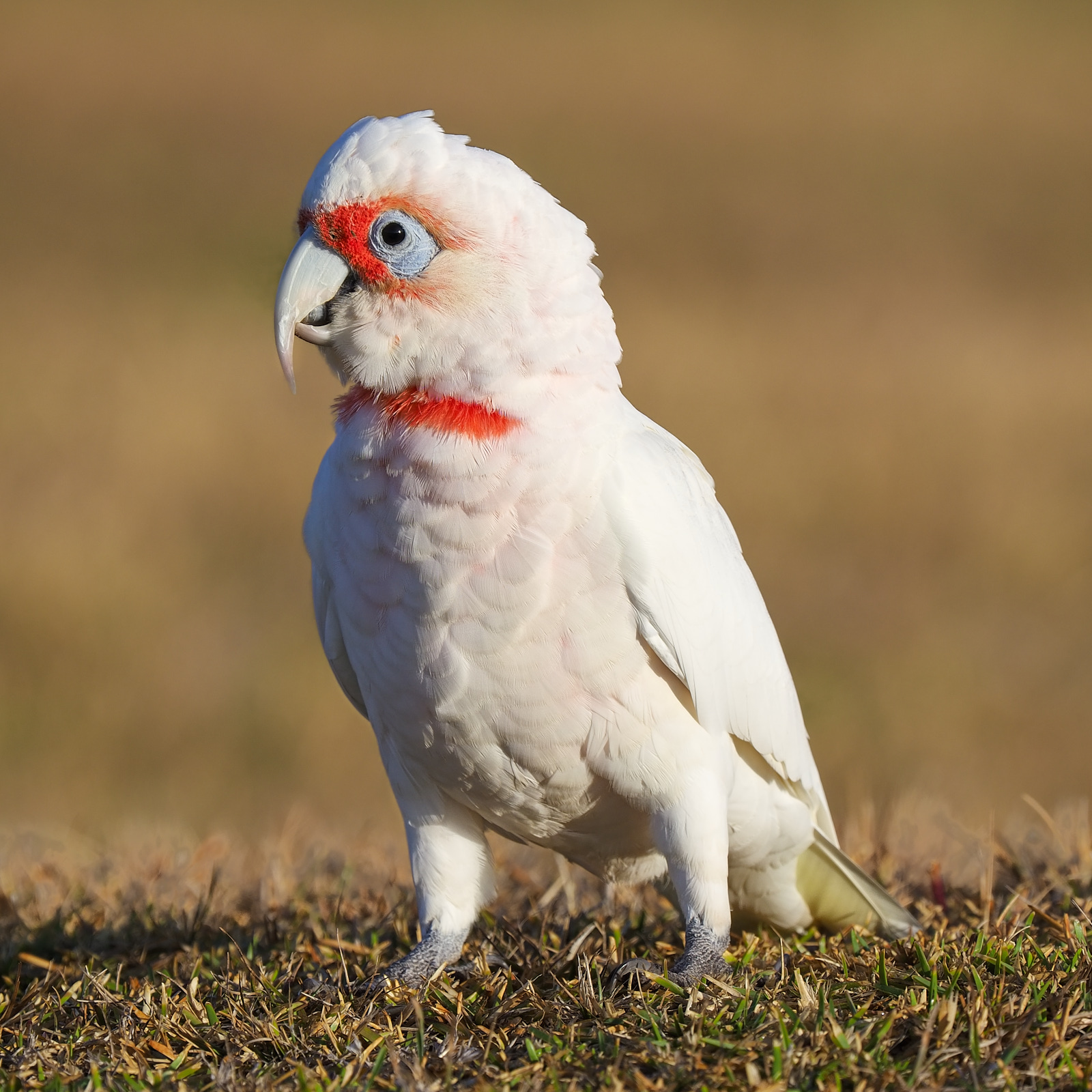
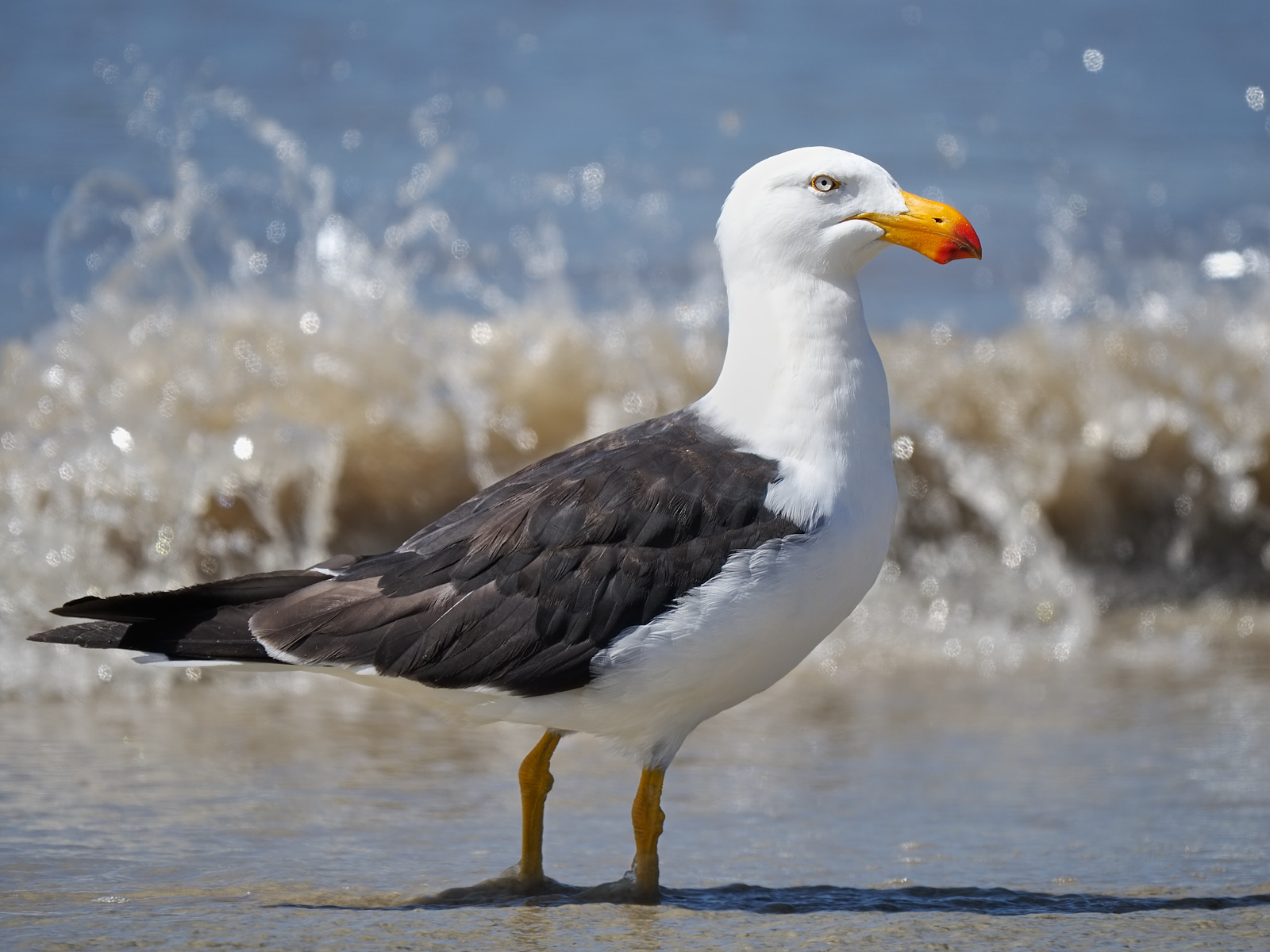
the Darling RiverMurray River at dawnfirst light on the Murrayat Wooroonookat WooroonookWhite-faced HeronSwamp WallabyBrown-headed HoneyeaterBuff-rumped ThornbillStriated PardaloteStriated PardaloteBrown-headed HoneyeaterLong-billed CorellaKelp GullPacific Gull
There is a Short-tailed Shearwater colony in Port Fairy and I’ve just got back from watching the Shearwater parents returning to feed their chicks. They come in just after dark, land near their burrows and then run to the waiting chicks. It is a wonderful experience to sit in the colony and have them flying in around you.
Just north of the Tropic of Capricorn and about 40km from the coast lies the City of Rockhampton. European settlement occurred for the grazing, the discovery of gold in 1859 gave it a push on elevating it to the city of “sin, sweat and sorrow” according to Anthony Trollope. Some of the fine Victorian buildings still survive, the population now stands at close to 79,000 and the general look of the place is more tired old lady than red light district.
It stands on the Fitzroy River which floods occasionally and the city is also subject to cyclones. Possibly the earthquake of 1918 was the most exciting thing that happened here, but give it its due, the weather is quite nice in winter.
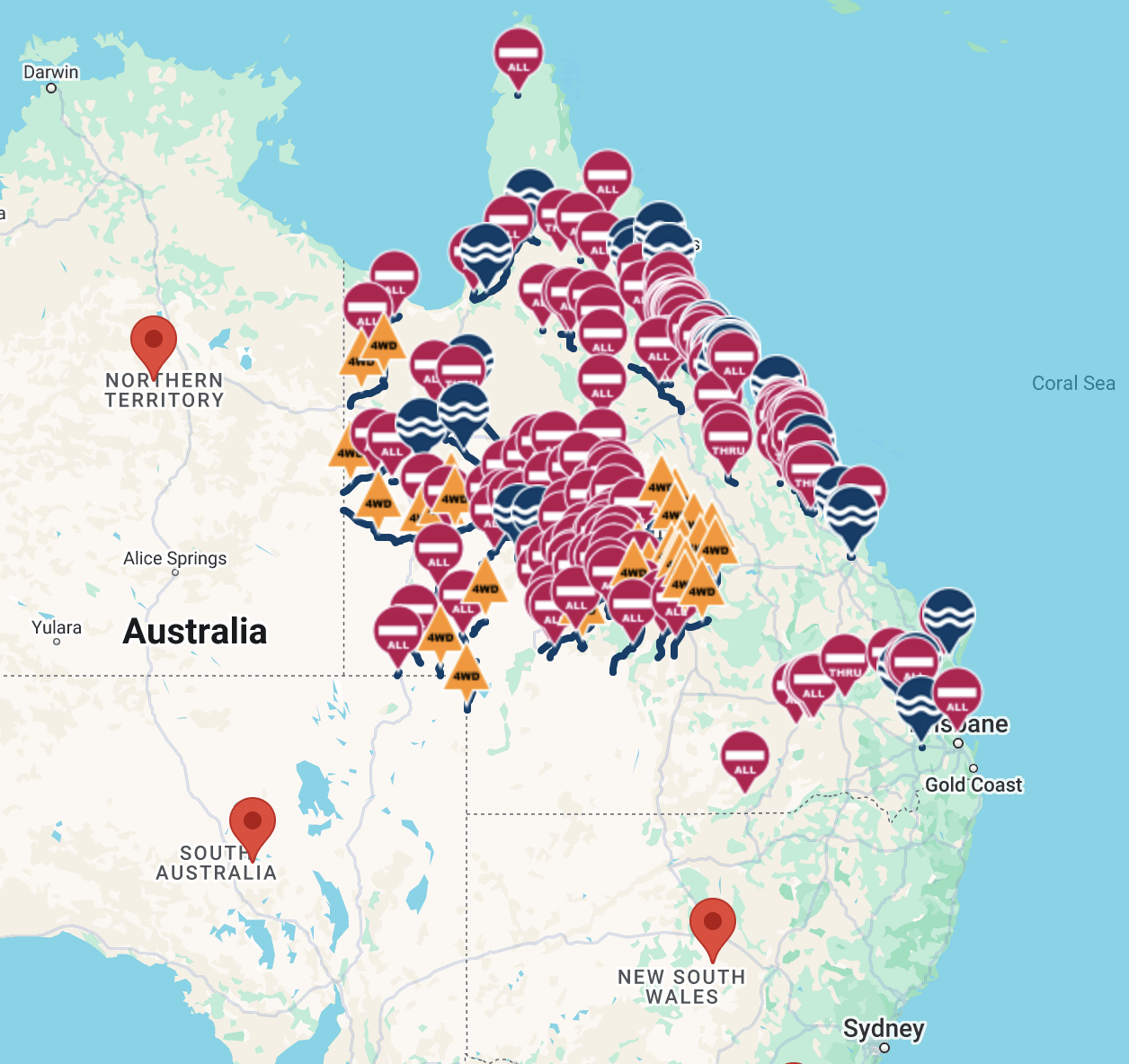
Our planned itinerary would have taken us further north but flooding has closed a few roads. The traffic Queensland map looks like this today.
This is a shakedown tour for the van, we have to be back in Caloundra for a service in a week. So time to turn. Presently we are at Kinka Beach which has been quite productive for bird watching between the showers.
The highlight was Kinka Wetland. This is about 1km off Kinka Beach Road via Young Avenue. Despite its name the alleged avenue is an unmade track currently subject to many puddles. The surface is nice and solid despite all the rain, no problem with traction but having 4WD in reserve was a source of great comfort. Kinka Beach and the Causeway Lake are also worth a look.
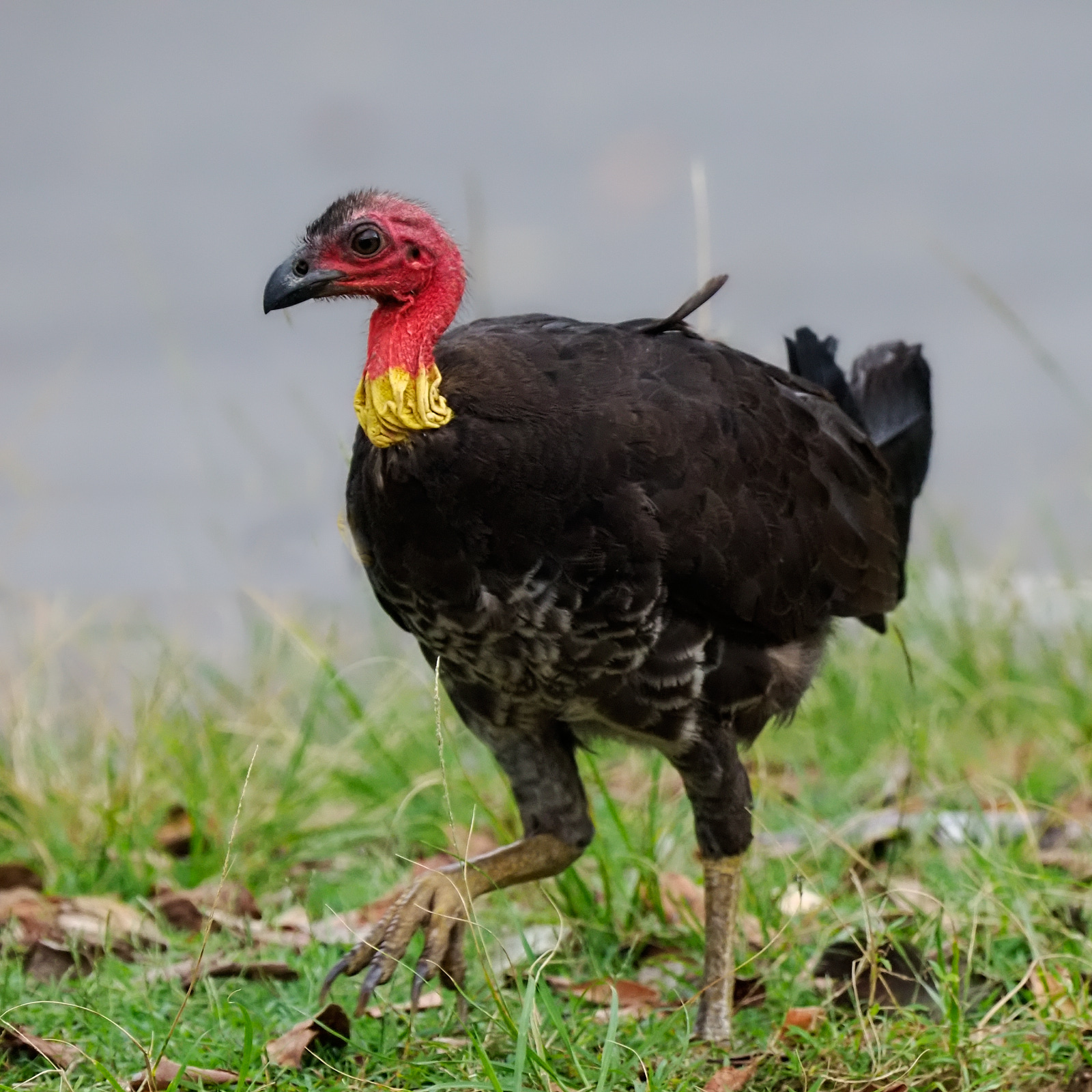
At Byron Bay we found our first Brushturkeys of the trip. They are found in rain forest of Australia’s east coast. They have large strong feet which they use to rake the leaf litter to find their food. Along with the Junglefowl and the Malleefowl they make up the Australian contingent of megapodes.
Megapodes have a very specialised mode of reproduction. The male megapode uses his big feet to create and maintain a mound which includes enough composting leaves to create heat. The females visit and once the eggs are fertilised they are laid in an excavated hole in the mound which then provides all the heat needed for incubation.
When the chicks hatch they have to dig their way out. They emerge into the domain of a father who wants nothing more to do with them and is very jealous of his territory. They must find shelter from him and from predators. Fortunately they can already fly and feed themselves. Henceforth they are on their own.
When the boys grow up they must either inherit or create a mound of their own. If they choose your back yard the petunias are in big trouble.
And just for a change torrential rain, thunder and lightning. Byron lost its electricity supply for a few hours. All in all a chance to take stock and catch up on some editing.
We are 4,800km from home. The trip bird list stands at 103 species. The symbols on the map show where I made my observations. The red symbols are places that are frequently birded, the blue ones are other spots where I found some interesting birds.
I would certainly have seen more if we could have taken our time, a lot of roses left unsmelt on the trip so far but the tempo will change.
I managed a few nice photos along the way …
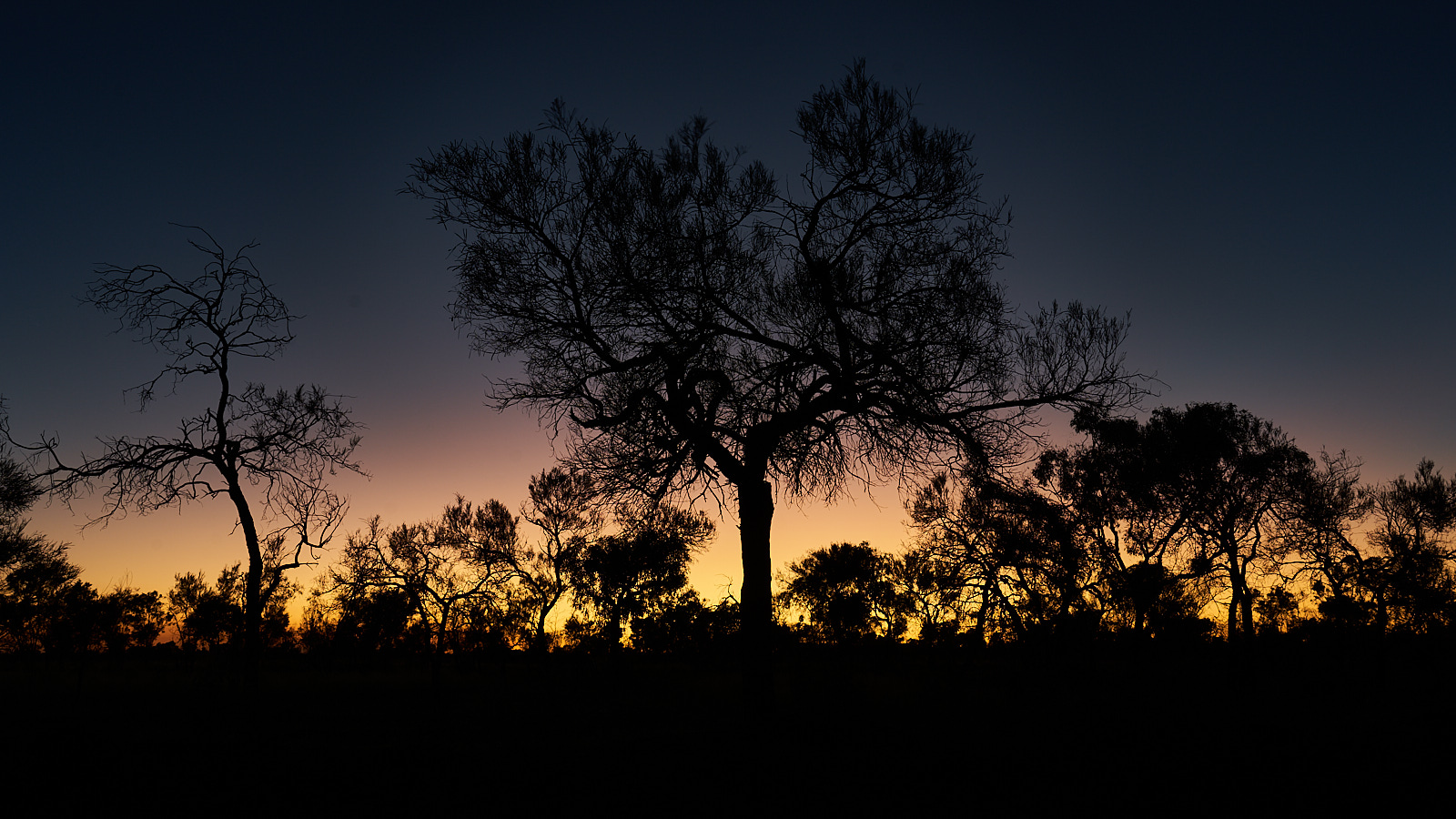
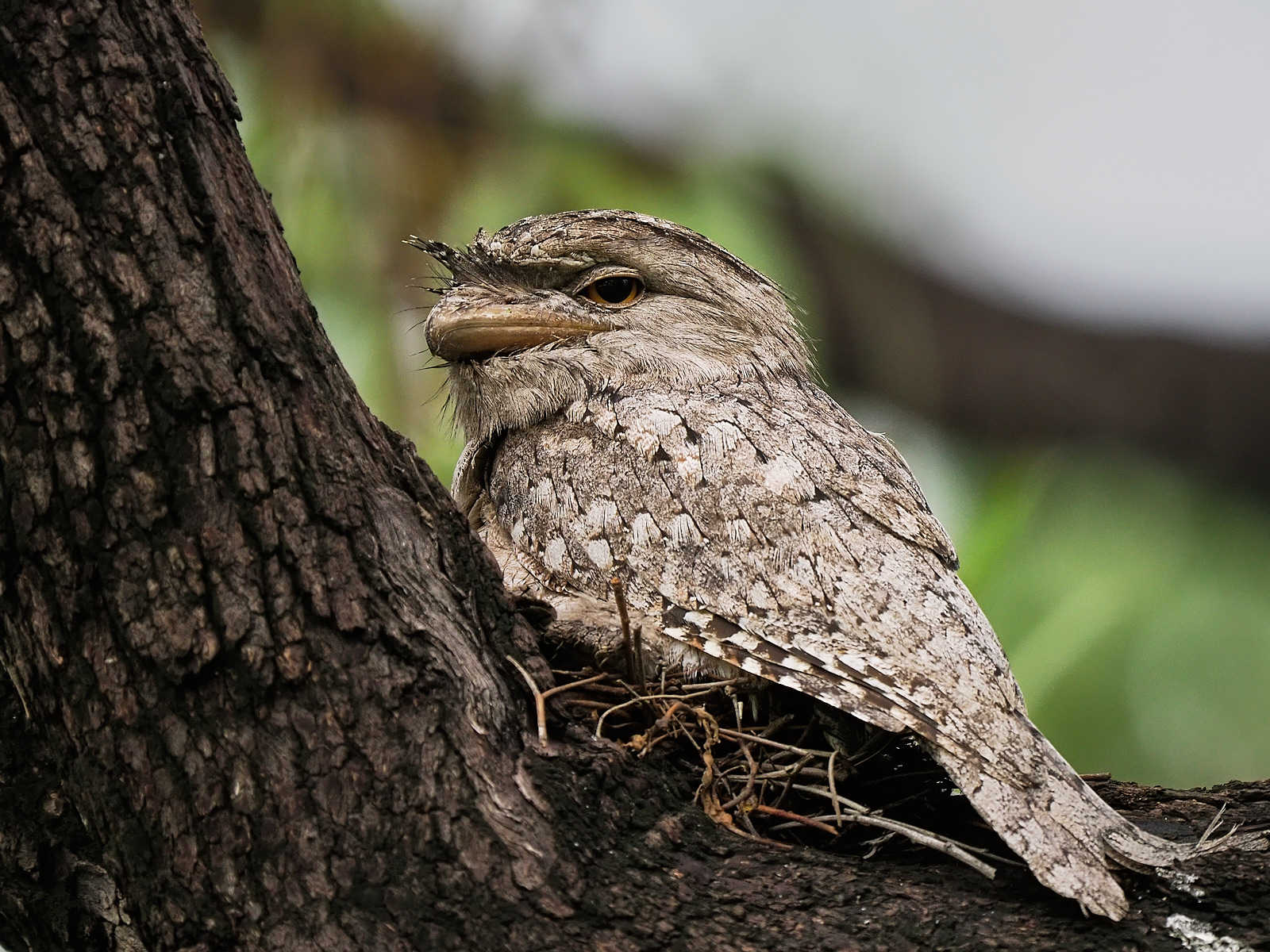
Sunrise at Barkly HomesteadMale DarterTawny Frogmouth
Gayle has gone to catch up with a friend. Their friendship began on their first day at kinder and survived despite separation whilst still in primary school. I think that’s rather special.
Fifi McGee is a Fox Terrier. She is 15 years old and she has been with us for about 13 of those. No, we did not choose the name. She is blind in one eye and partially sighted in the other, she struggles to determine how far away things are. She is totally deaf, you could let a bomb off next to her and she wouldn’t notice. On the positive side she is no longer bothered by thunder, there is little downside – she never did take any notice of verbal commands.
She is a very widely traveled little dog and a good camper. There is one problem though. After a few days on the road she starts to fart. There is nothing more potent than a dog fart in a closed car. Shame it doesn’t kill flies.
The Roma dawn chorus this morning was dominated by the Laughing Kookaburra. There are two kookaburra species in Oz. Across the top end we have the Blue-winged Kookaburra which winds up ready for a laugh but just can’t finish the job. I feel quite sorry for it. The Laughing Kookaburra is an east coast bird, (also introduced to the Perth region of Western Australia). They overlap in coastal Queensland from Brisbane northwards. An English survivalist, Ray Mears, made a film about survival in the Top End. The soundtrack features a Laughing Kookaburra that isn’t found there. What would a pom know about survival in Australia? Loony.
The Roma Bush Gardens are mainly the work of local volunteers over a quarter of a century. They have done a magnificent job. It is a great place to find a good mix of bush and water birds. Bird of the day is awarded to Plum-headed Finch.
Plum-headed Finch, photo Roksana & Terry, borrowed from the Macaulay Library
And we crossed another border. Byron Bay is in New South Wales. Clocks forward one hour because NSW has Daylight Saving Time through the summer.




























 bobmcgee