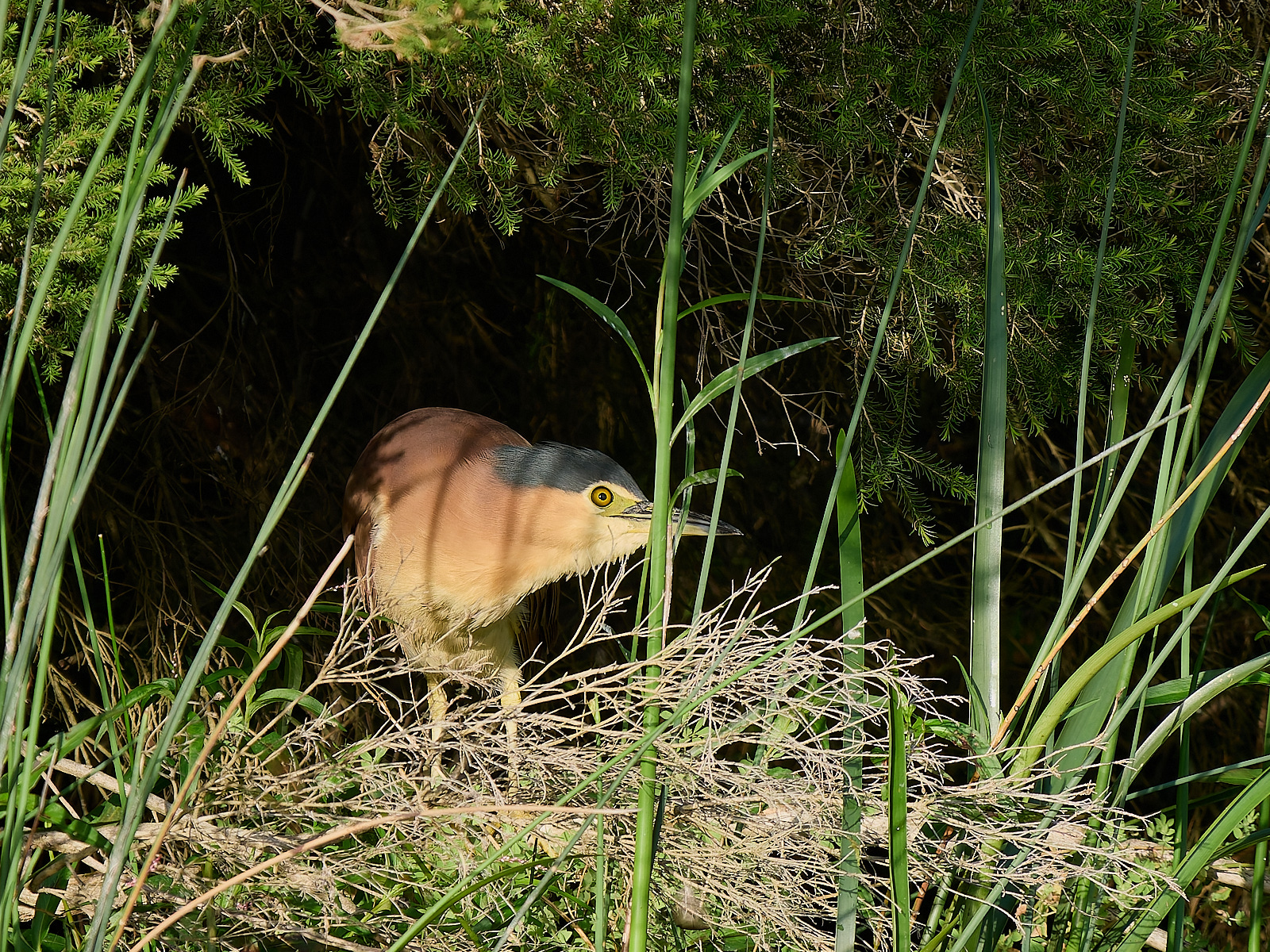
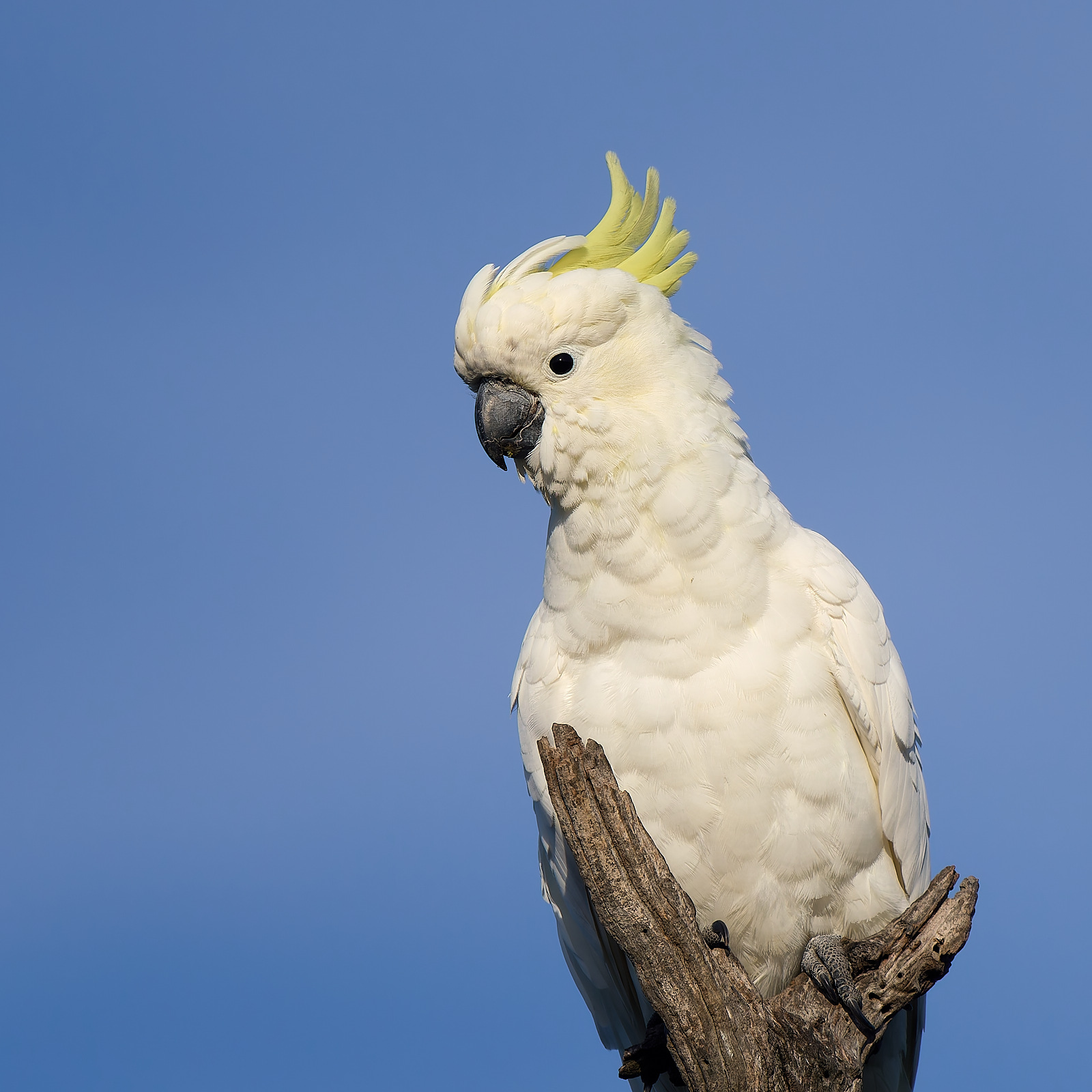
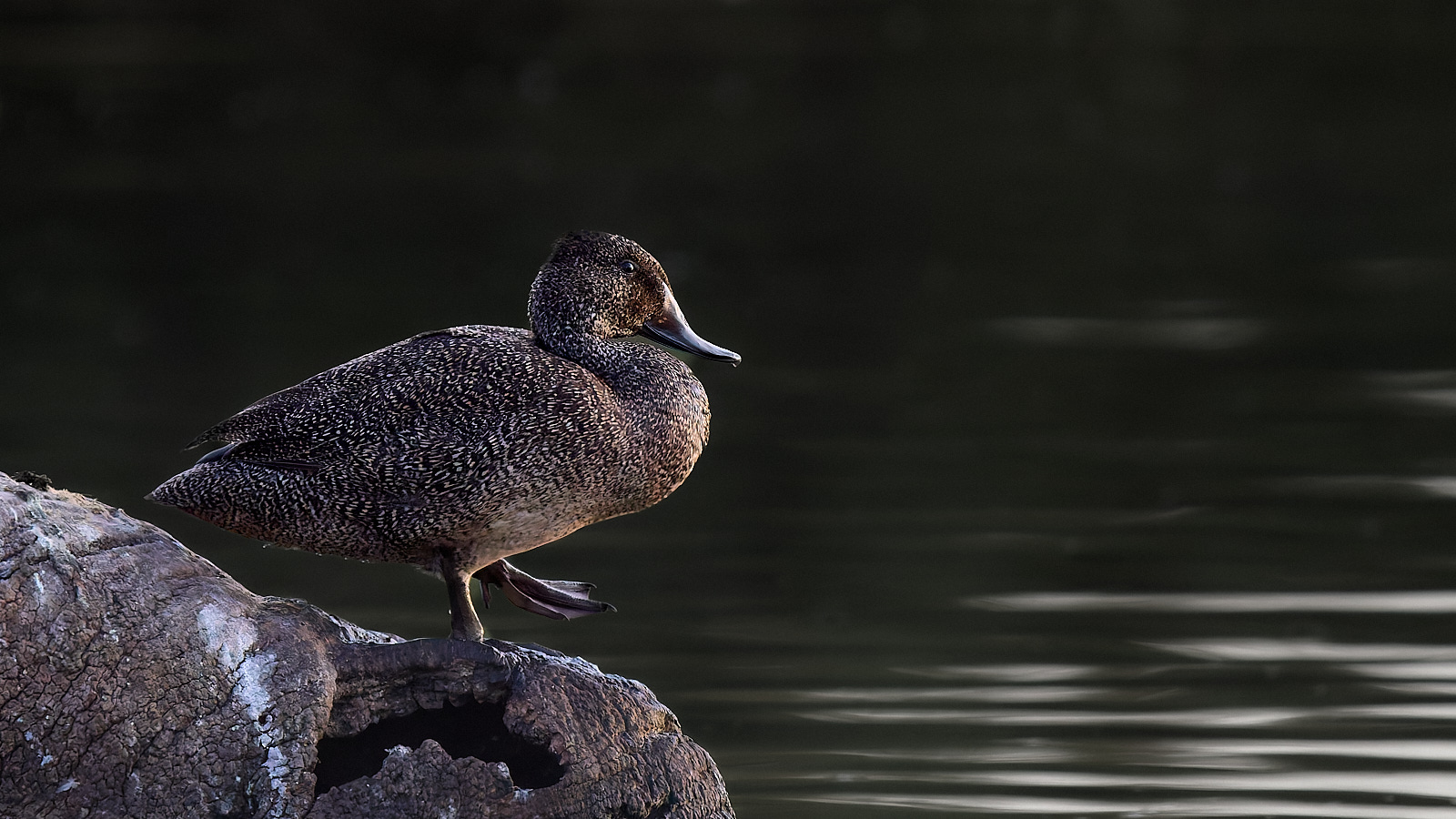
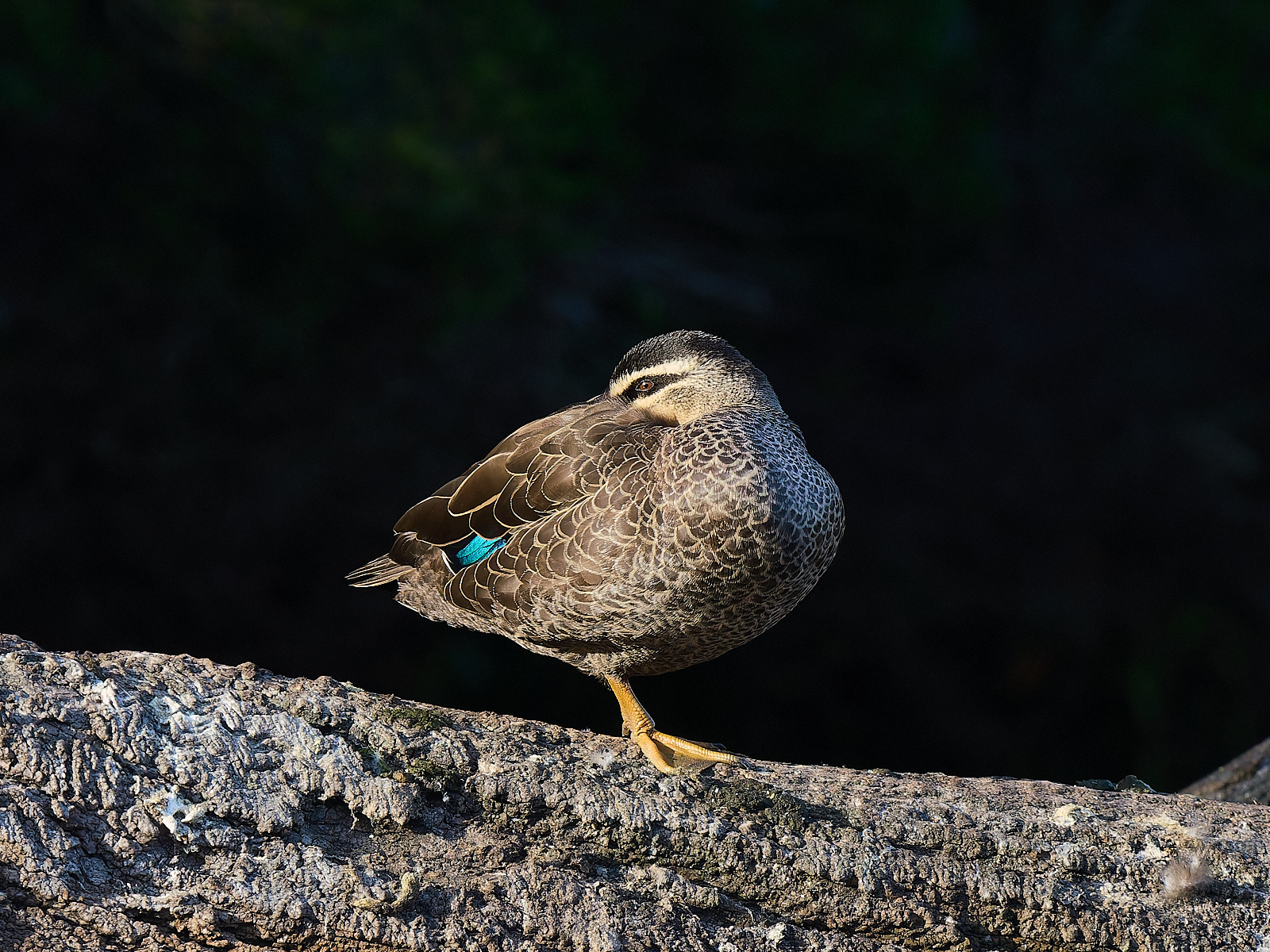
I have become a bit of a fan of dark backgrounds. At Braeside Park the other day found a few opportunities to frame a bird in the light against a background in shadow. That’s not to say I reject all other opportunities.
Australian ReedwarblerNankeen Night HeronSulphur-crested CockatooFreckled DuckPacific Black Duck
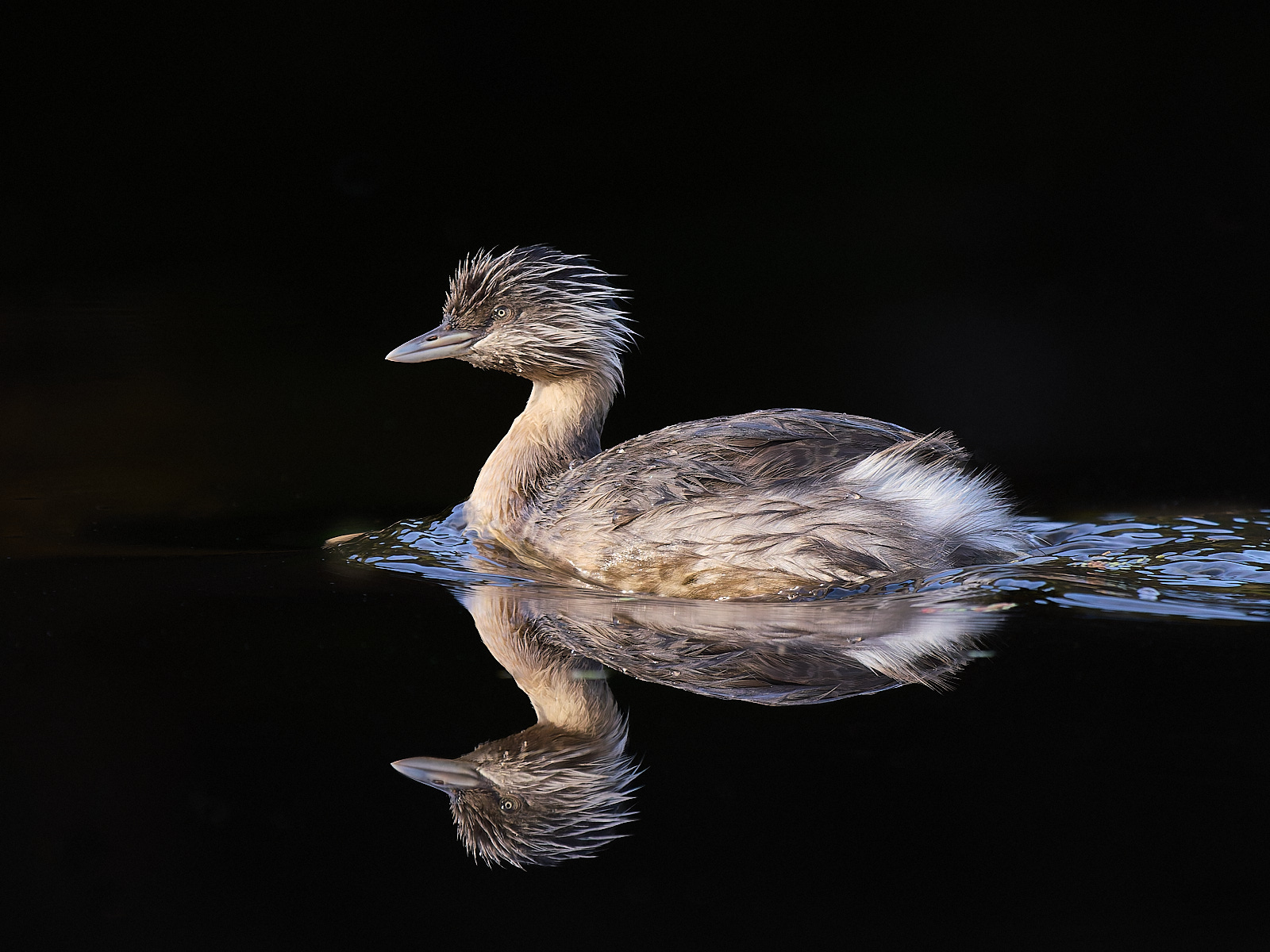
At one place I had the sun behind me, brightly lit water to my right and water in shade to my left. A Hoary-headed Grebe swam from the light into the shadow giving me the chance to shoot high key followed by low key. Which do you prefer? Let me know.
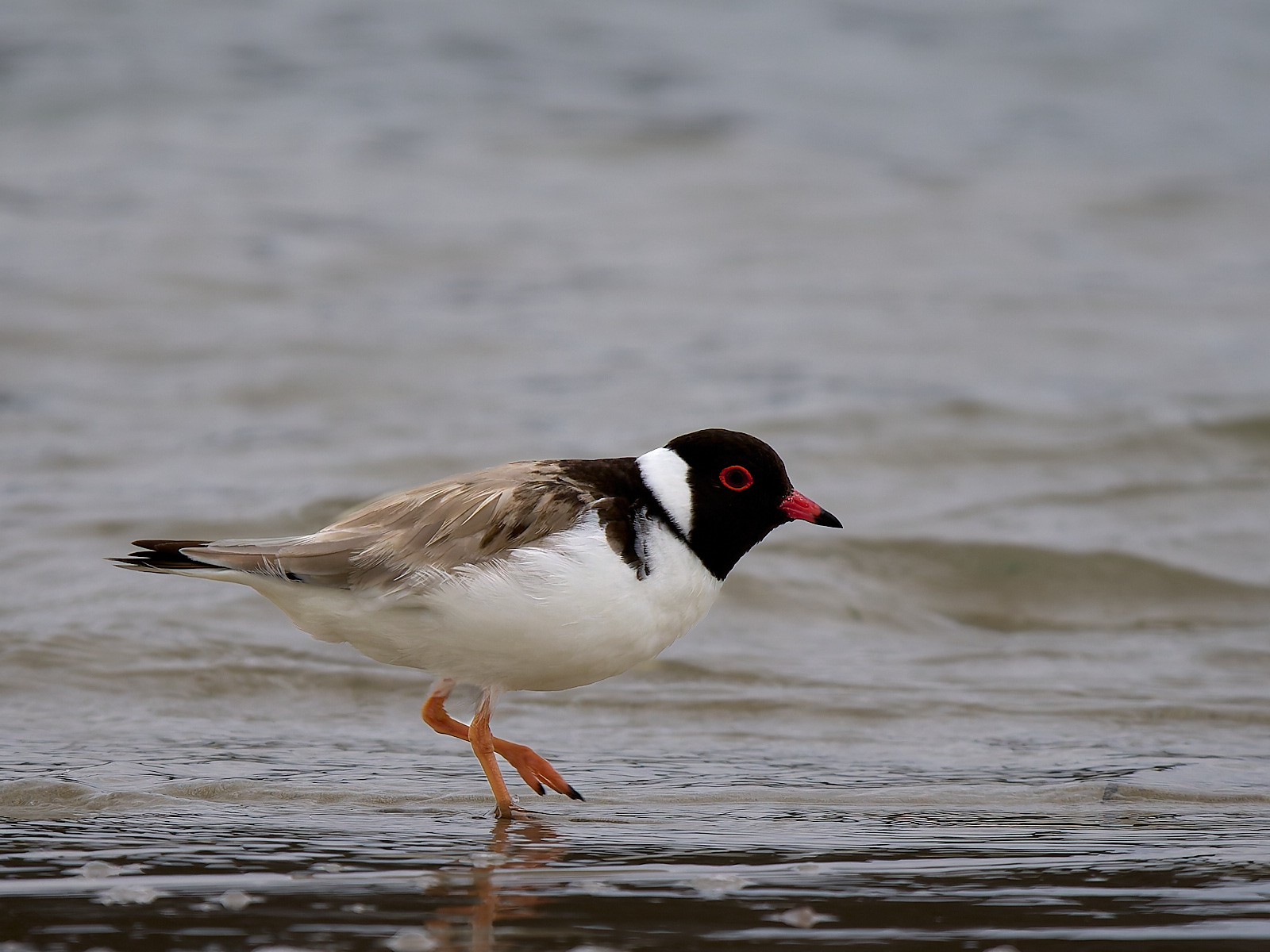
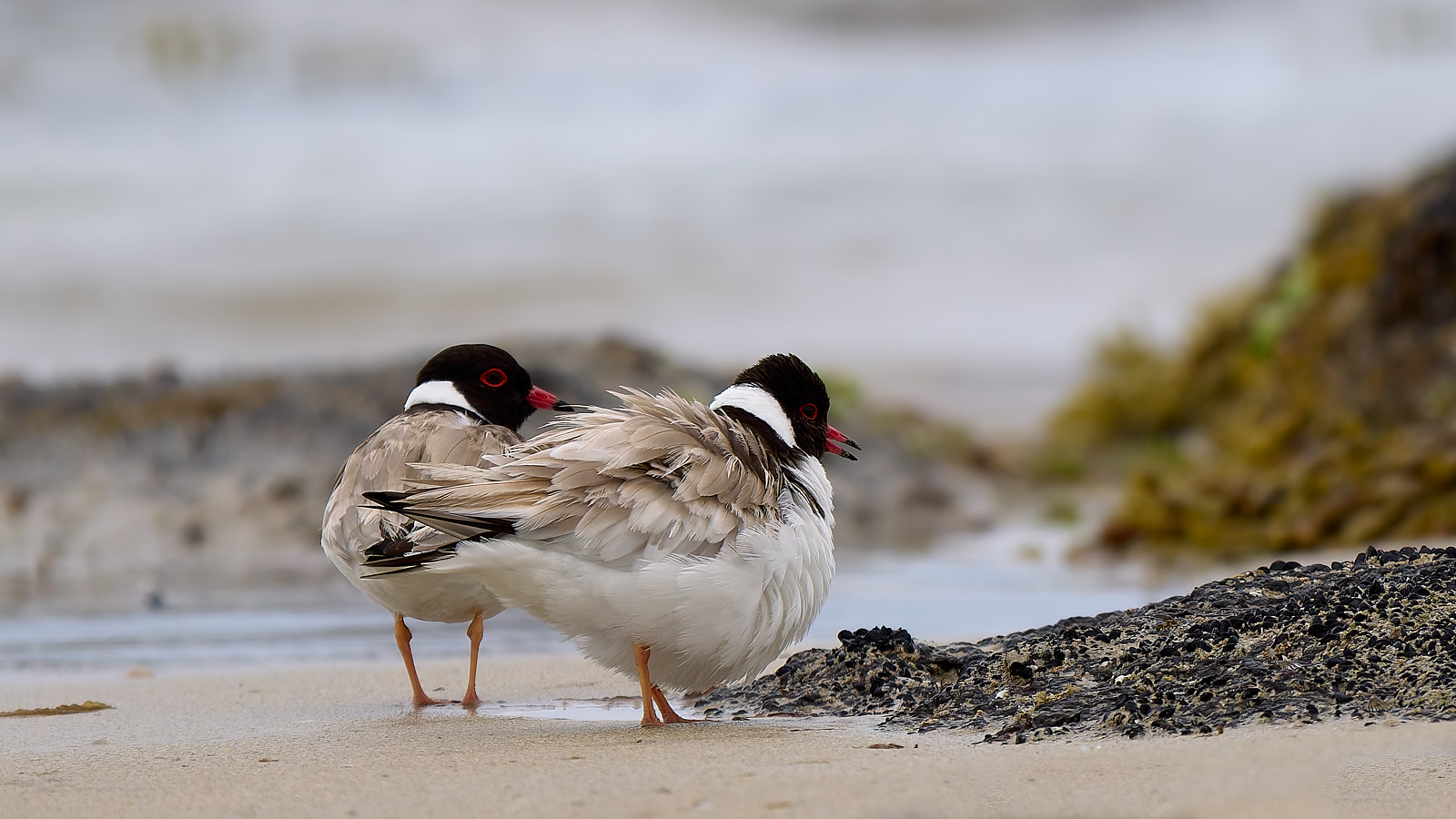
More formally the Hooded Plover, Thinorniscucullatus, surpassed in cuteness only by the Giant Panda (and even then only if the Panda is in a playful mood). There are two populations. In south-eastern Australia they are entirely coastal. The Western Australian population enjoy the coast but also wander inland onto salt lakes. They like broad beaches backed by dunes where they nest on the ground above the high tide mark.
The population is declining, the IUCN lists them as near threatened. The main problem for the Hoodies is that they breed at the same time hordes of people descend on their beaches. The adults are able to look out for themselves but the youngsters are very vulnerable especially to dogs. Very few make it to maturity.
If you come across some of the many volunteers that endeavour to protect the hatchlings do spare them an encouraging word or two. Most will soon need counselling because their charges have come to grief.
Australian Pied Oystercatcher 5B was in its first year when it was banded in 2013 so is now coming up to its 12th birthday. It has moved 286km from where it was banded and it is in a relationship!
Australian Pied Oystercatcher DV was in its second year when it was banded in 2011 so is now in its 16th year of life. It was foraging by itself 343km from where it was banded.
Sanderling LAX was banded just metres from where I found it 3 years later but far from being lazy it has probably flown further than either of the Oystercatchers because it hatched in the high Arctic and may have been to and from the breeding ground in the interim. That’s more than 11,000 km each way. They run a marathon every day as well. Their foraging style is to chase the waves out, snatch some invertebrates from the sand and run back in front of the next wave.
I found and photographed this trio within a few days of each other on the beaches around Port Fairy. They show the value of using flags that are readable in the field without catching the birds. I just fire away with the long lens as they continue about their business. Clearly the flags are not an impediment. Occasionally you can even read the numbers on the metal band for large birds.
I report the sightings with or without photos to the Australian Bird and Bat Banding Scheme. If you give them your email address they will get back to you and to the bander with the whens and the wheres. Here’s the link ABBBS. If you come across a dead bird with a band you can let them know the number on the band at the same link. It doesn’t matter if you can’t identify the bird – the band will. If you’re not in Australia there will almost certainly be another authority that you can track down on the internet.
The flags do kind of ruin the photos, they are not going to end up on the wall, but when it comes to arguing the case for conservation pretty pictures are trumped by hard data (except maybe for koalas, pandas and polar bears.)
This is my (temporary) new way of expressing temperature. In Mallacoota, Vic it’s 5am and 8°C. In Broome, WA, it’s 26°C, Of course it’s only 2am there and the humidity is 77%. So for a Broomite in exile it feels like -18°B. Which is better – snuggled under the doona frightened to come out or lying on top in a lather of sweat?
For those of you who live not far north of the Gulf formerly known as Mexico that’s 46°F, 79°F and feels like -33°B. For those in Canada I apologise for being such a woos. Heading into a winter like yours and living next to the Rufous Doofus it takes a lot of courage to be a Canadian.
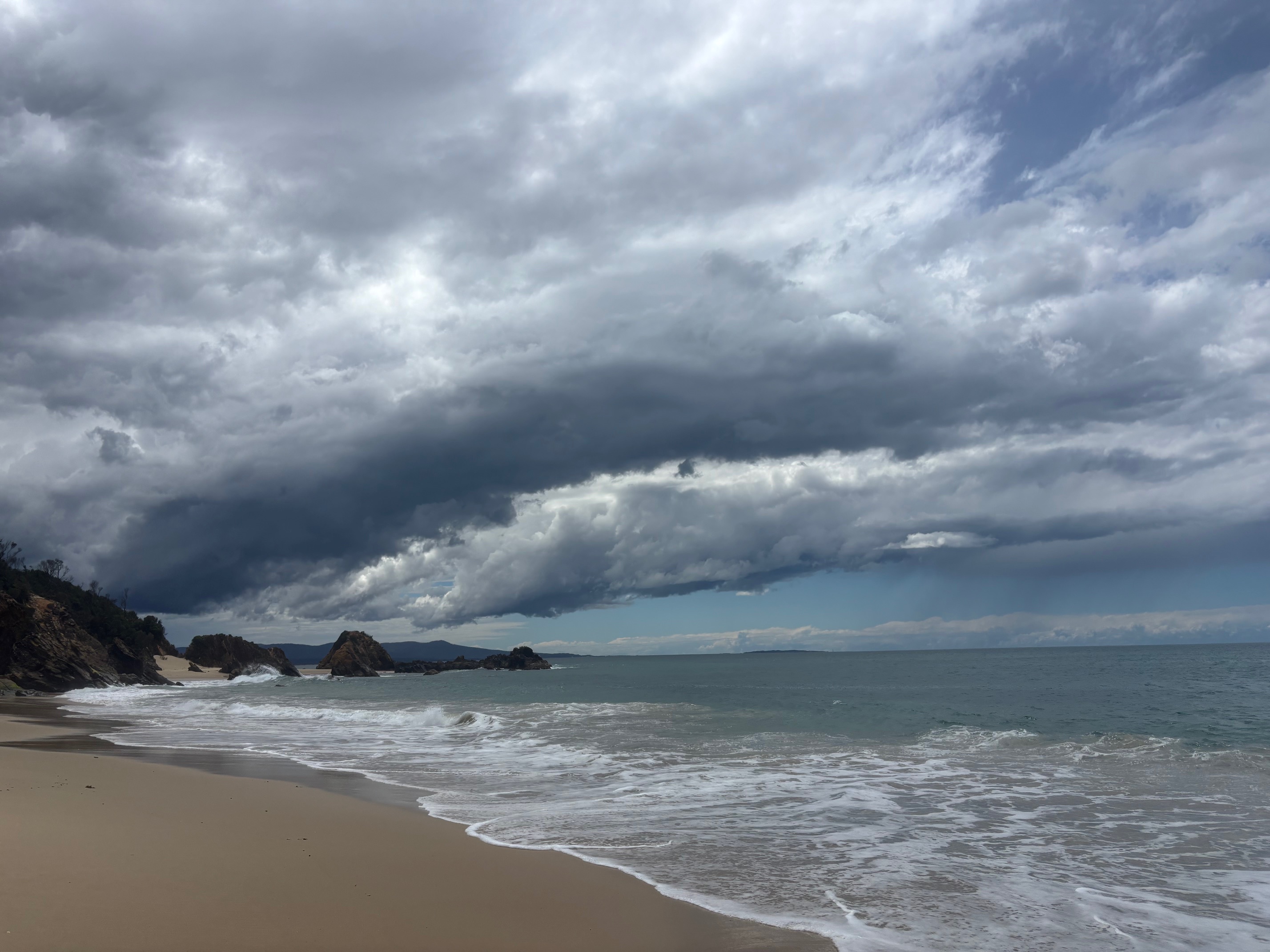
Yesterday’s weather (before the very impressive thunder storm) photographed by Gayle McGee …
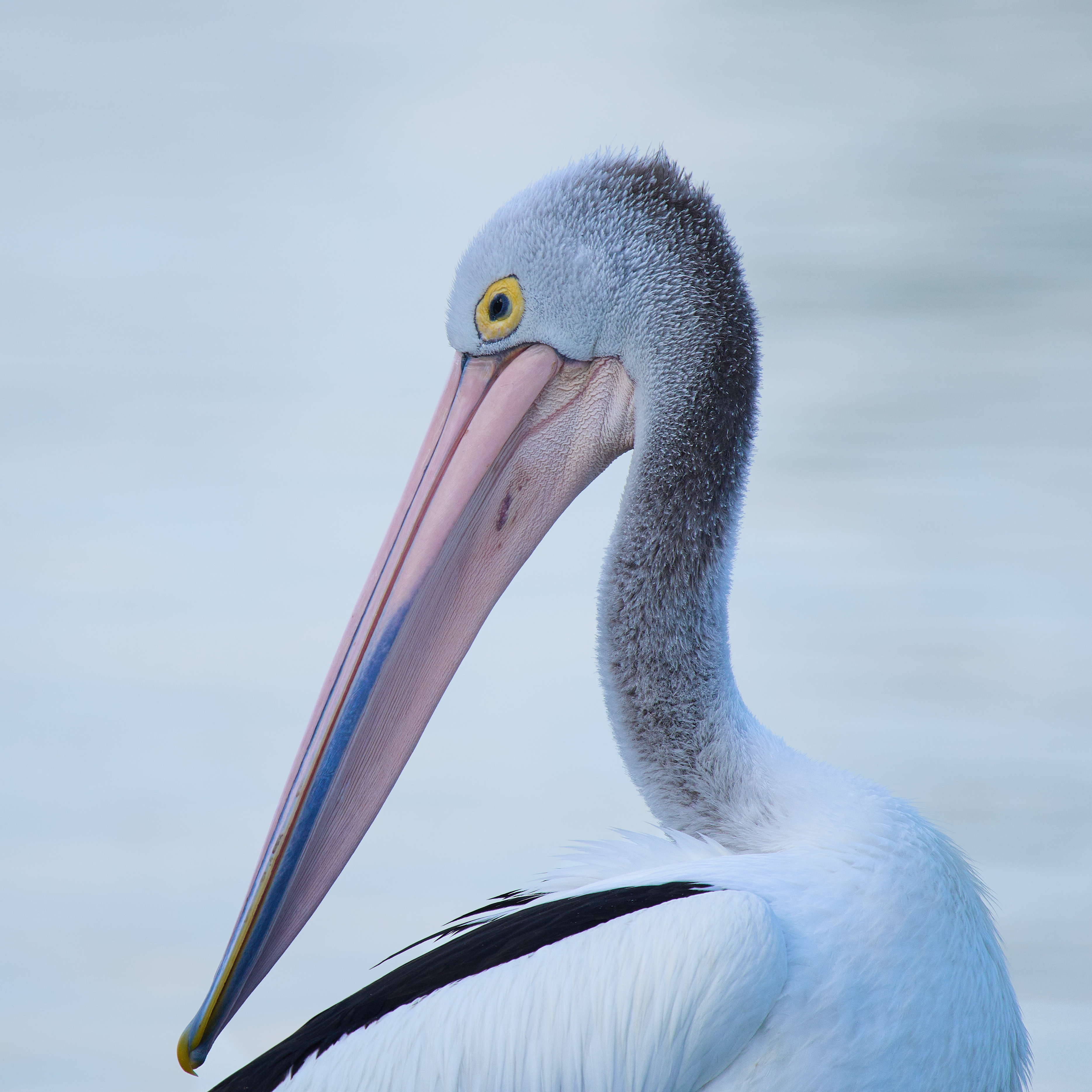
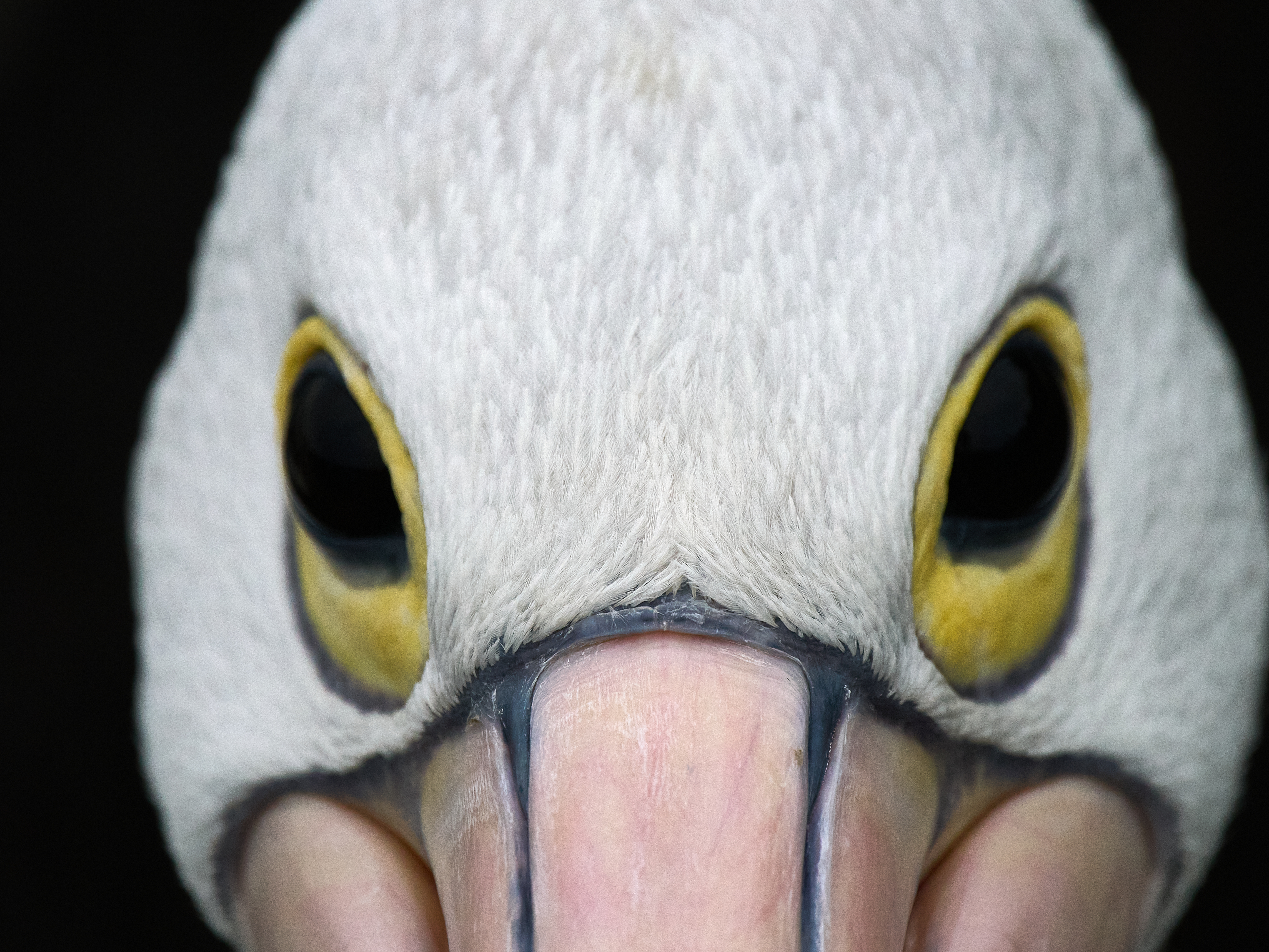
Meanwhile the long lens has been getting a workout. The Pelicans here are well educated creatures that gather where fishermen gut their catch. They too are feeding chicks.
Broome’s little peninsula points south. Roebuck Bay is to the east, the Indian Ocean to the west. Shores are rocky or sandy or covered by mangroves. Habitats galore …
The late May deluge has so far amounted to 123mm (almost 5inches in the old money) or 4.5 times Broome’s average monthly rainfall in just two days. A trip out to the Broome Bird Observatory at the moment would be a great adventure (and probably illegal). Bike riding has taken a brief holiday. It has given me a chance to review and edit some recent photos.
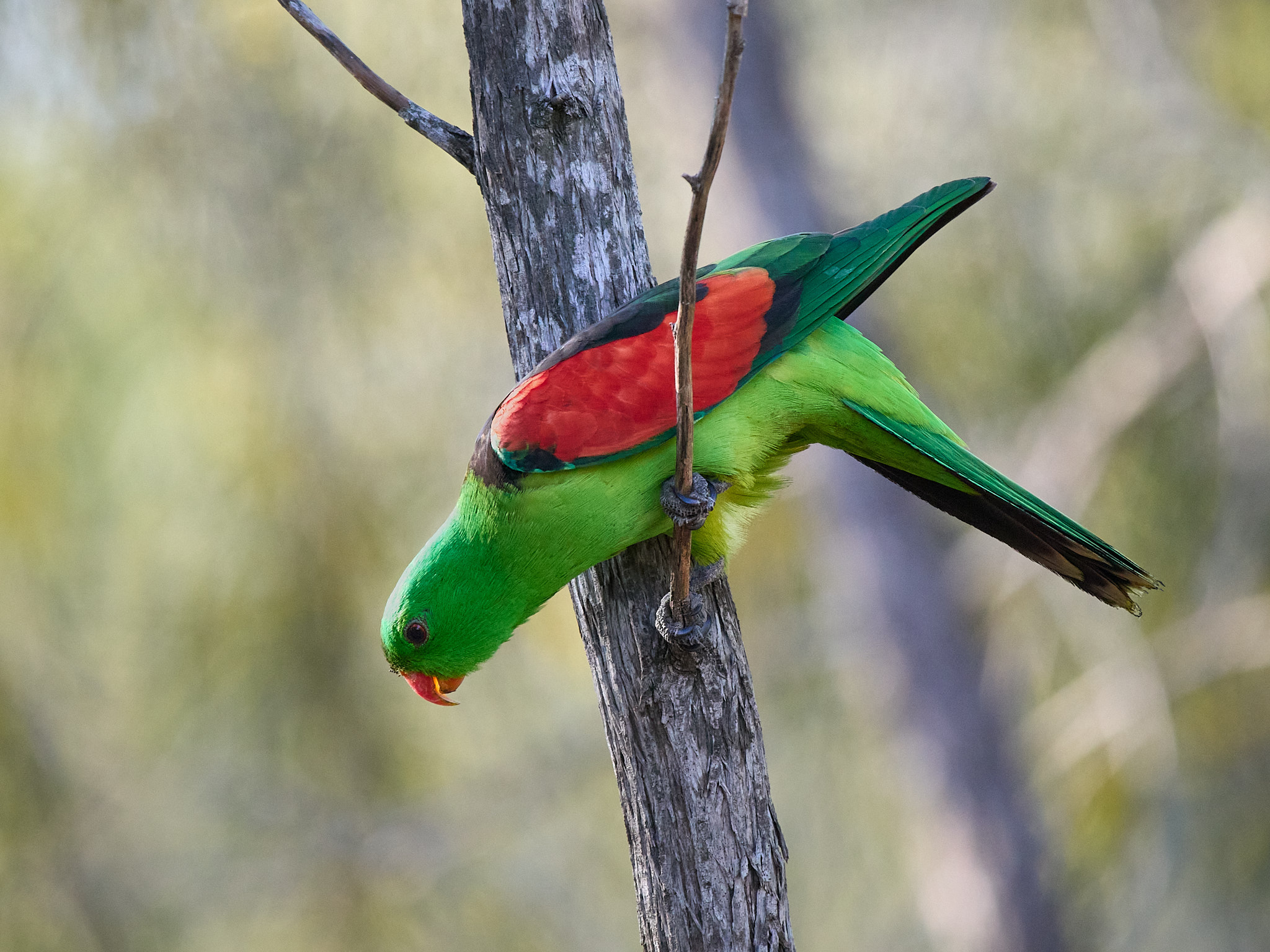
Broome is not the place to come looking for Australia’s colourful parrots. We do have Red-collared Lorikeets and occasionally Varied Lorikeets but when it comes to the larger parrots (I’m excluding Cockatoos from this discussion) Red-winged Parrots are the best we can hope for. They come and go. Just recently they have been abundant. And they are gorgeous especially the males.
They eat flowers, seeds and berries. They are mainly found in woodland and have a broad distribution. which extends northward into Papua New Guinea. Broome is close to their western limit.
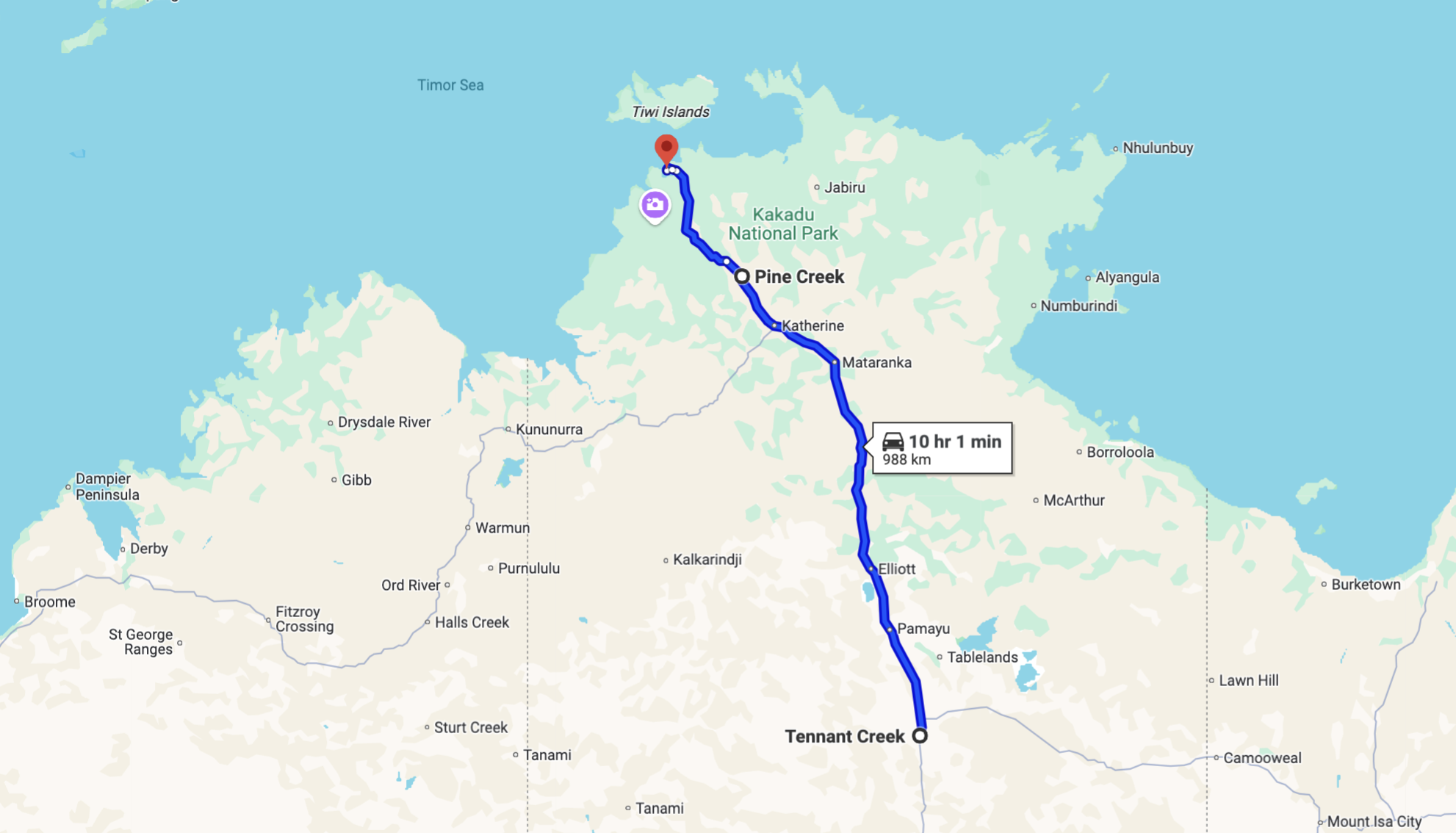
Having succumbed to the temptation of Pine Creek what’s another 200km? And when it comes to additions to the year’s tally of birds Darwin has a few absolute gimmes.
Darwin is the capital and most populous city of the Northern Territory but still a modest sized town of about 140,000 people. Charles Darwin visited Australia on the Beagle in 1836. In a subsequent voyage (1839) the Beagle visited what would become Darwin. Captain John Wickham named Port Darwin after Charles Darwin long before he became famous. On the origin of species was published in 1859. The name of the city followed in 1911.
I believe Mark Twain made a visit to Darwin and I have read that Charles Darwin was fond of Twain’s writings for bed time reading.
The Overland Telegraph and Pine Creek had a lot to do with Darwin getting off the ground. The telegraph had to reach the coast somewhere. In 1872 gold was discovered in Pine Creek and that somewhere suddenly welcomed a major influx of people.
I have visited Darwin quite a few times and have a well worn track around the birding spots. This is the first time I’ve brought a dog with me and sadly half my regular places do not allow dogs. Add to that the persistence of the wet season and a few changes had to be made to the routine. The first afternoon saw a storm deliver 35mm of rain in about 20 minutes followed by another 25mm over night. Nonetheless the list was made to grow and a few nice photos have followed over the last few days.
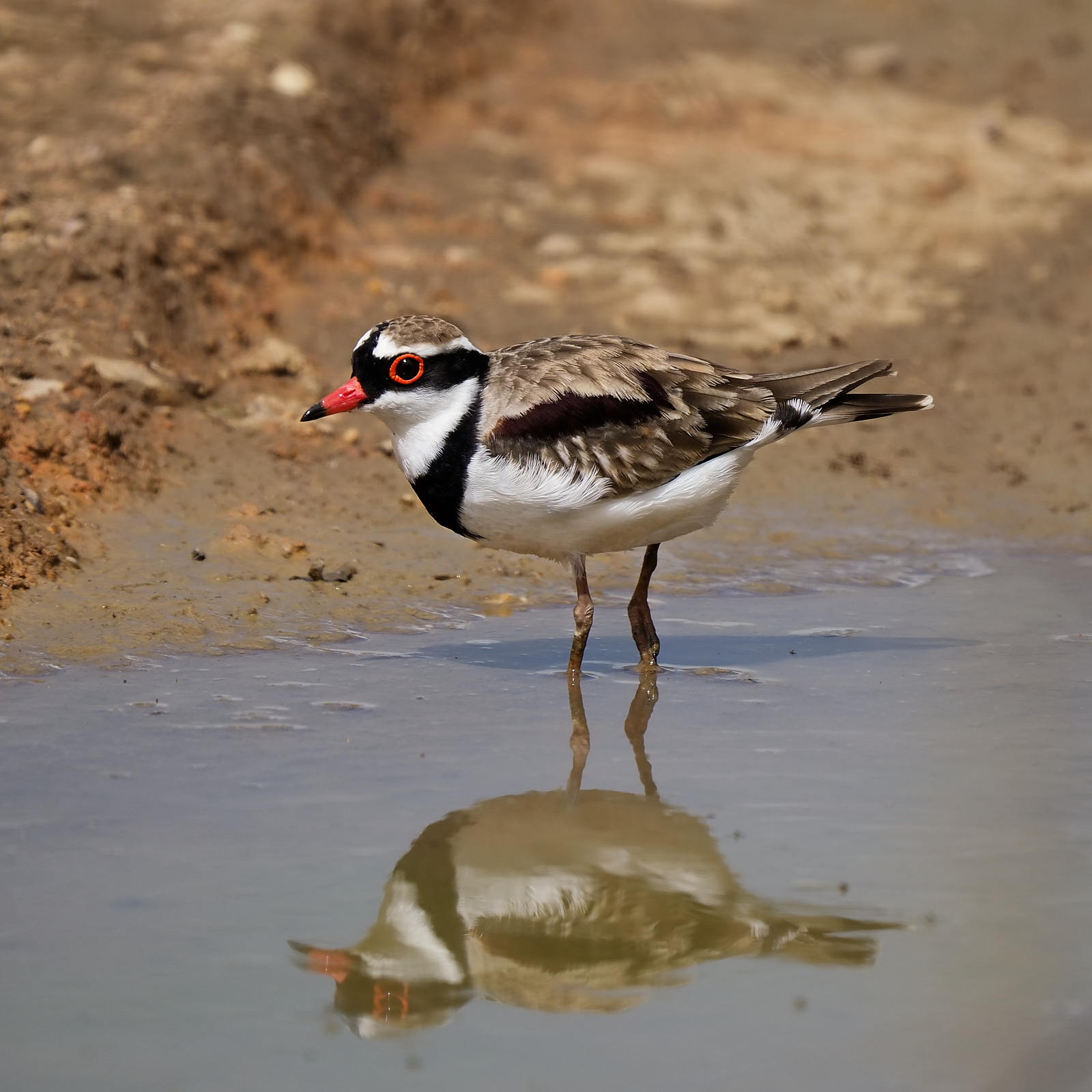
Varied TrillerSpangled DrongoNankeen Night HeronPeaceful DoveBar-shouldered DoveBlack-fronted Dotterel
Now we must head for home. Cyclone Errol may or may not complicate the journey to Broome. Predictions vary so greatly they are to all intents and purposes useless. We shall find out.
From Tennant Creek we headed north. We spent a night at Mataranka to soak in the hot springs. Hot springs were closed due to flooding. No soak. Shopping in Katherine then a diversion … to Darwin. We stopped two nights en route at Pine Creek.
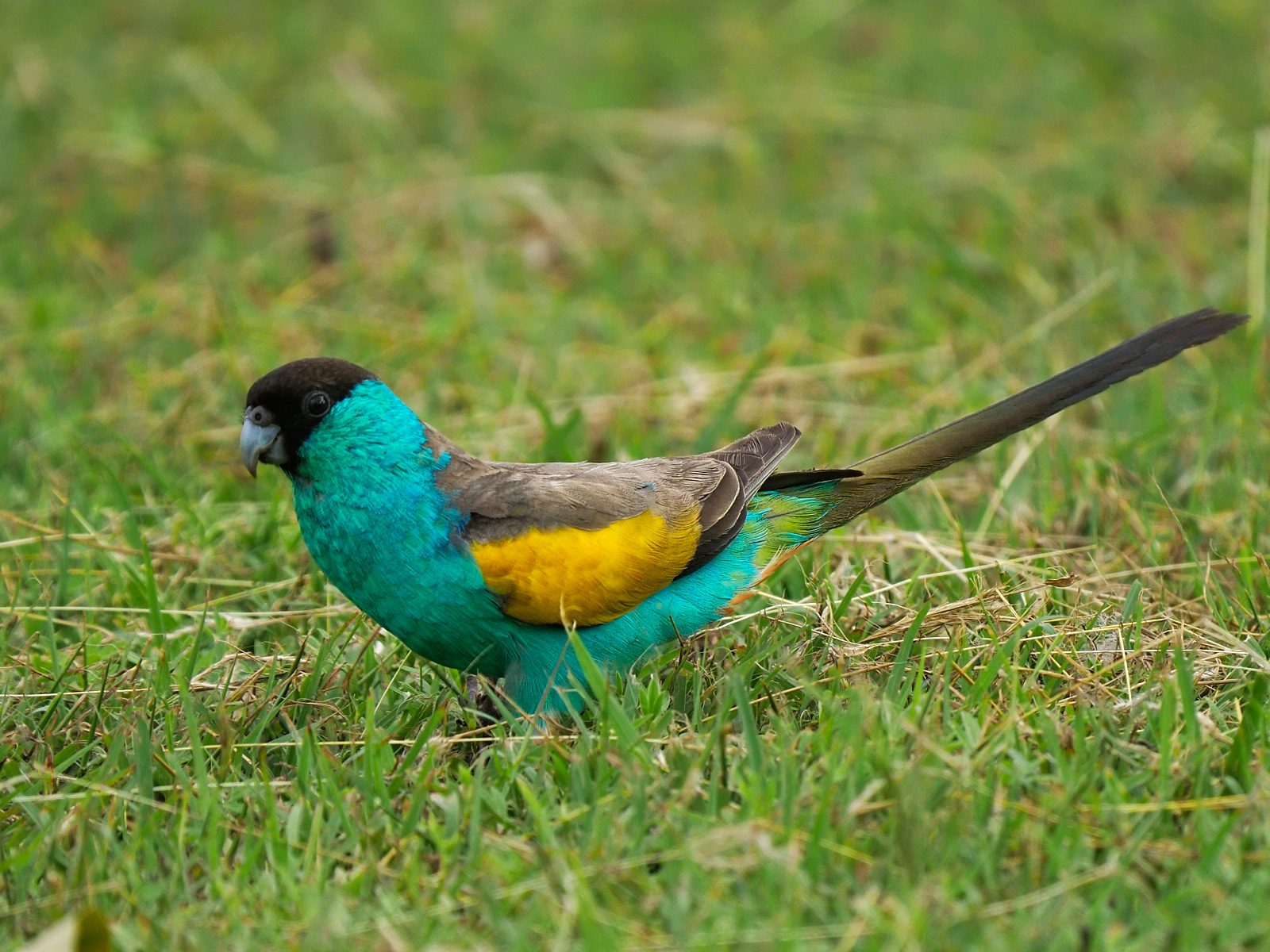
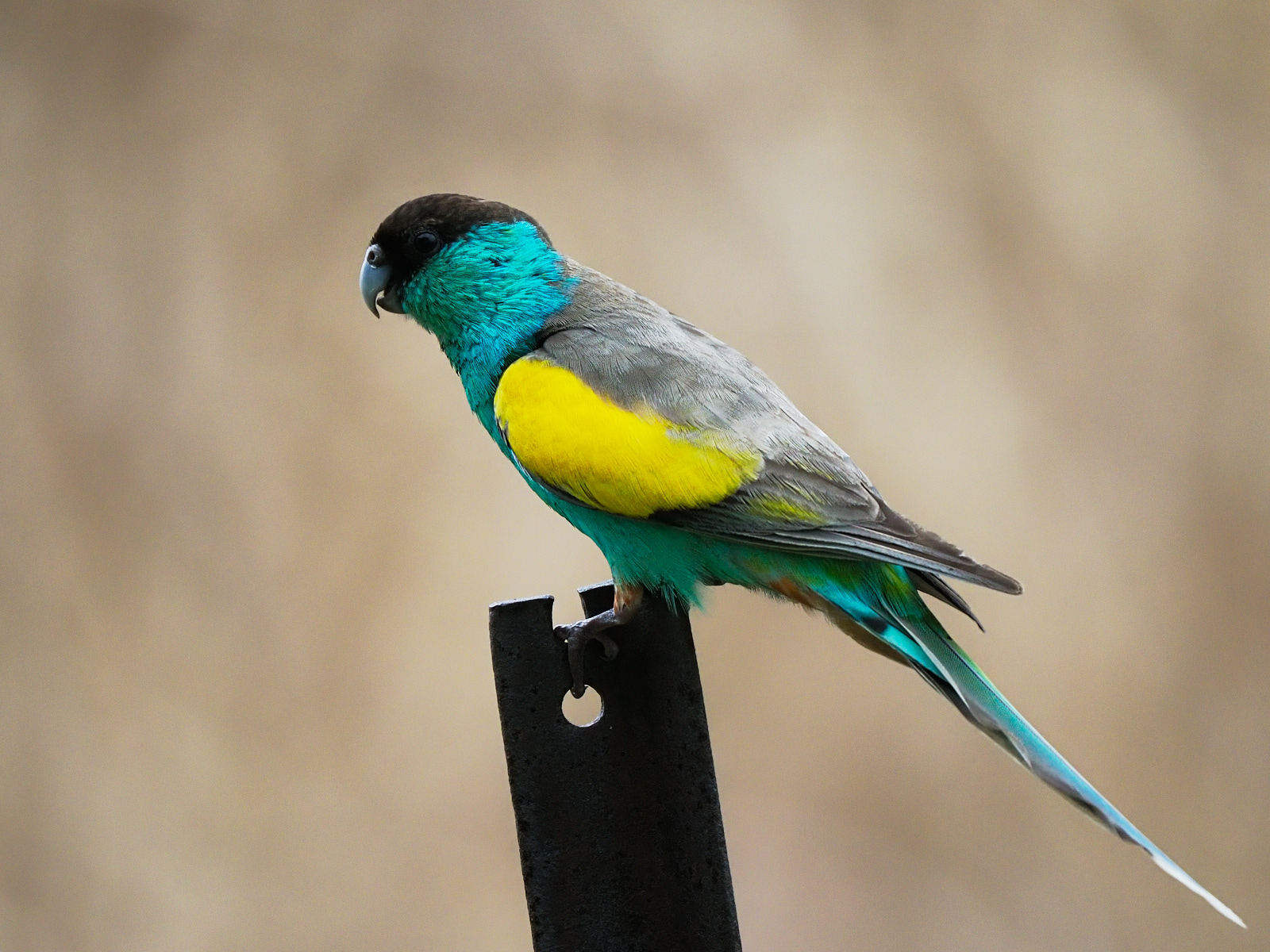
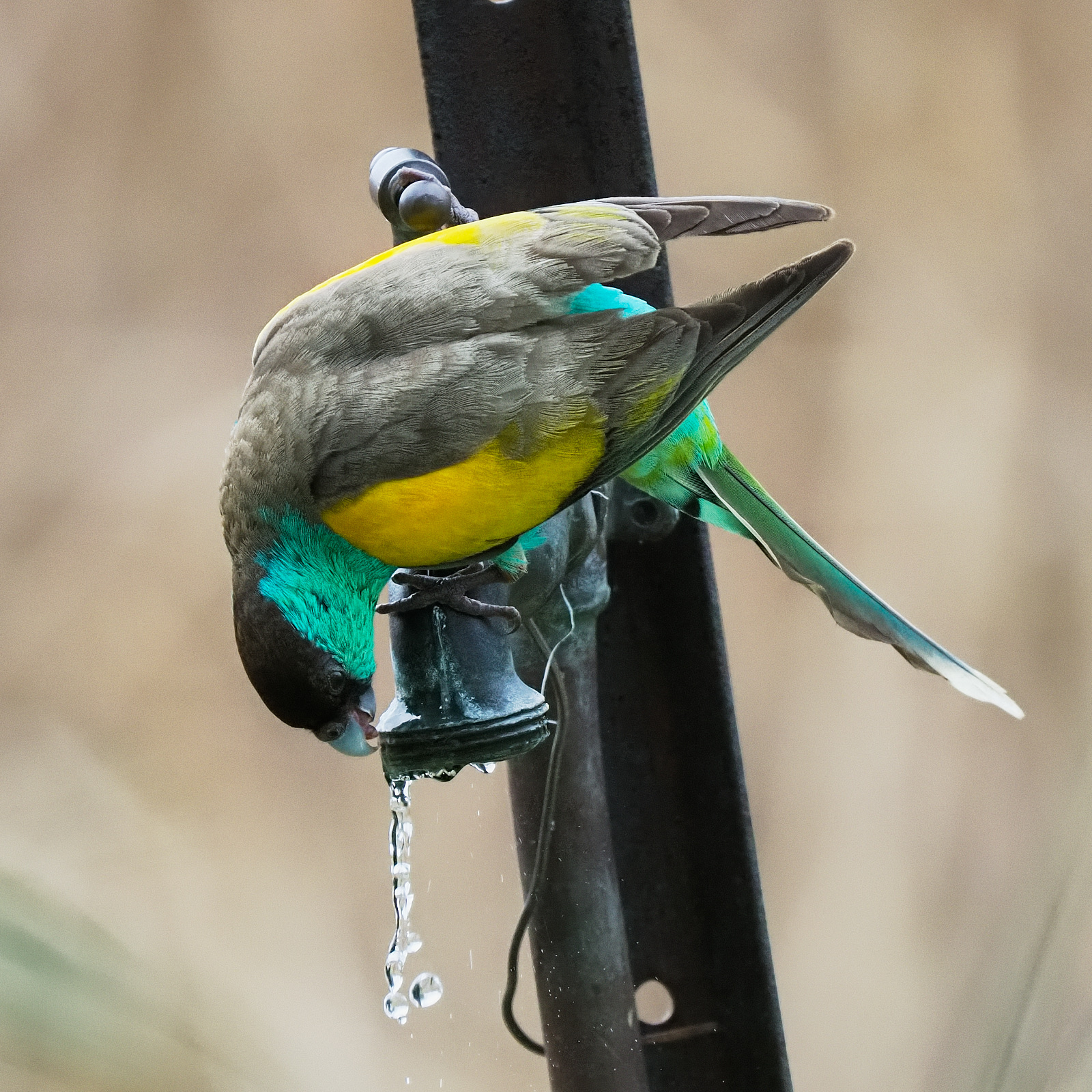
Pine Creek owes its existence to gold. It’s now a very pleasant stopping point for the traveler heading to Darwin. For the birdo it has the special sauce, Hooded Parrot. These are savanna woodland dwellers restricted to a small part of the Northern Territory. They have declined in much of their range but are secure in protected areas and are not hard to find around Pine Creek. They nest in termite mounds. The boys are far better looking than the girls.
For the aficionado (should that be afflictionado?) Pine Creek also has a very fine sewage treatment plant. Pine Creek is a place where the twitcher can listen to the Yellow Oriole by day (a mellow al ca hol) and the Barking Owl by night (wook wook) and run around wildly with the camera. Paradise.
Flies can be a problem in Australia, always have been in fact. During the Sydney Test of 1932, the infamous bodyline series (I’m talking cricket for readers in particularly foreign countries) the supercilious Pommy captain was trying to drive away the flies when an Aussie fan nicknamed Yabber called out from the hill “Leave our flies alone, Jardine. They’re the only friends you’ve got …”
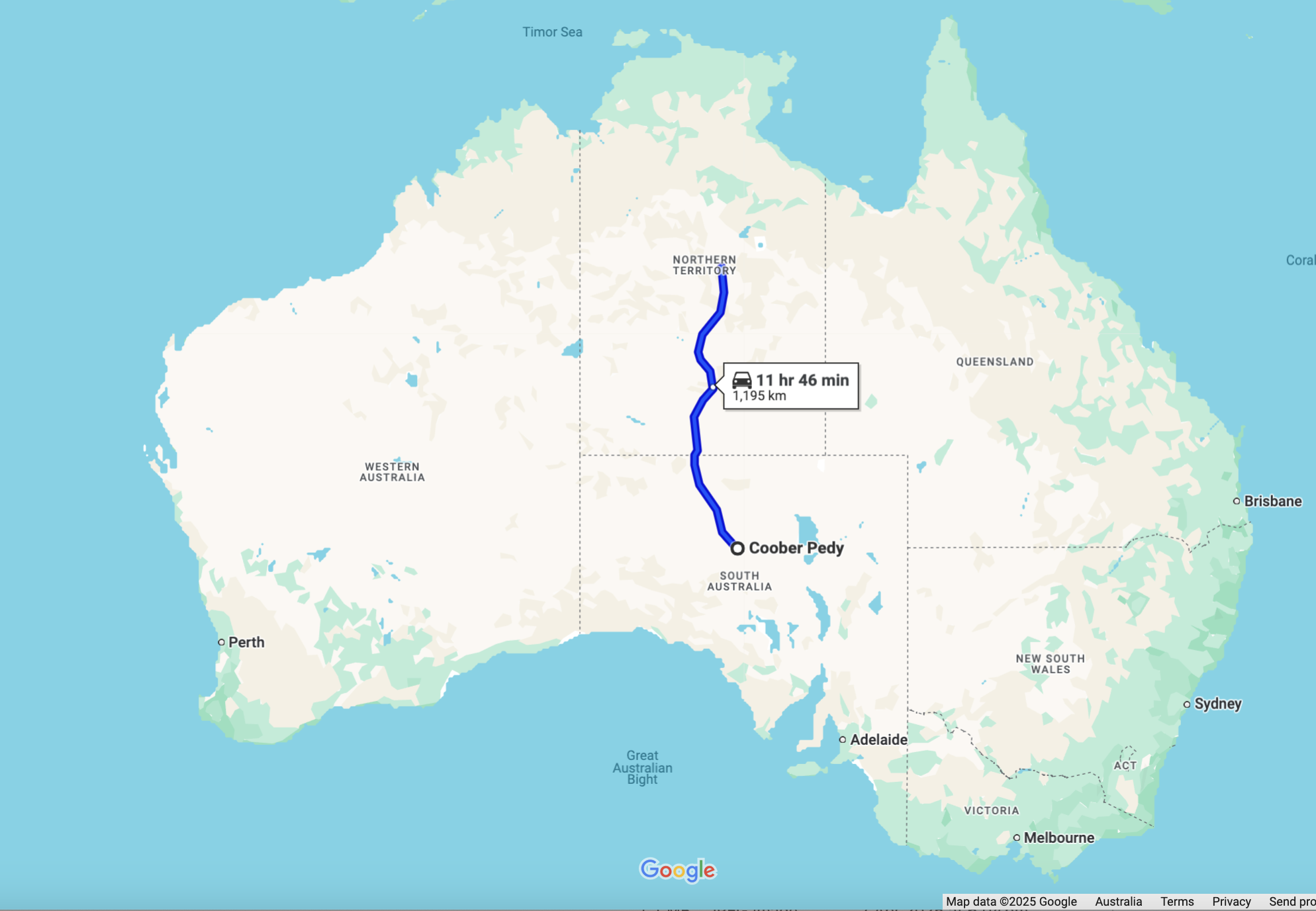
In the last few days we’ve driven from Coober Pedy to Tennant Creek crossing the South Australia, Northern Territory border and then the Tropic of Capricorn (not guarded by a goat this time).
And friends we’ve had in abundance. Open the car door and in they flood. In complete contradiction to the principles of osmosis they quickly reach a density of one fly per cubic centimetre inside whilst outside there are probably no more than one per litre. Clearly there is some attractive force in play. I suspect it’s the accumulated residue of a thousand dog farts, or perhaps it’s simply because I haven’t showered lately.
The remedy is to roar off with all windows open. This quickly gets rid of the dumb ones. The smart ones hide in corners until the windows are closed before coming out to invade your nose, your mouth or, their favorite, the corners of your eyes. Under your sunglasses where they can safely ignore your hand swishing past. You chase them around until they land on the window, quickly open it, and with luck out they go. Or they disappear into the back of the car. Initially a few at a time then one by one you win the battle. By about 200km you think you’ve done it. Just in time to change drivers for which you must open the doors.
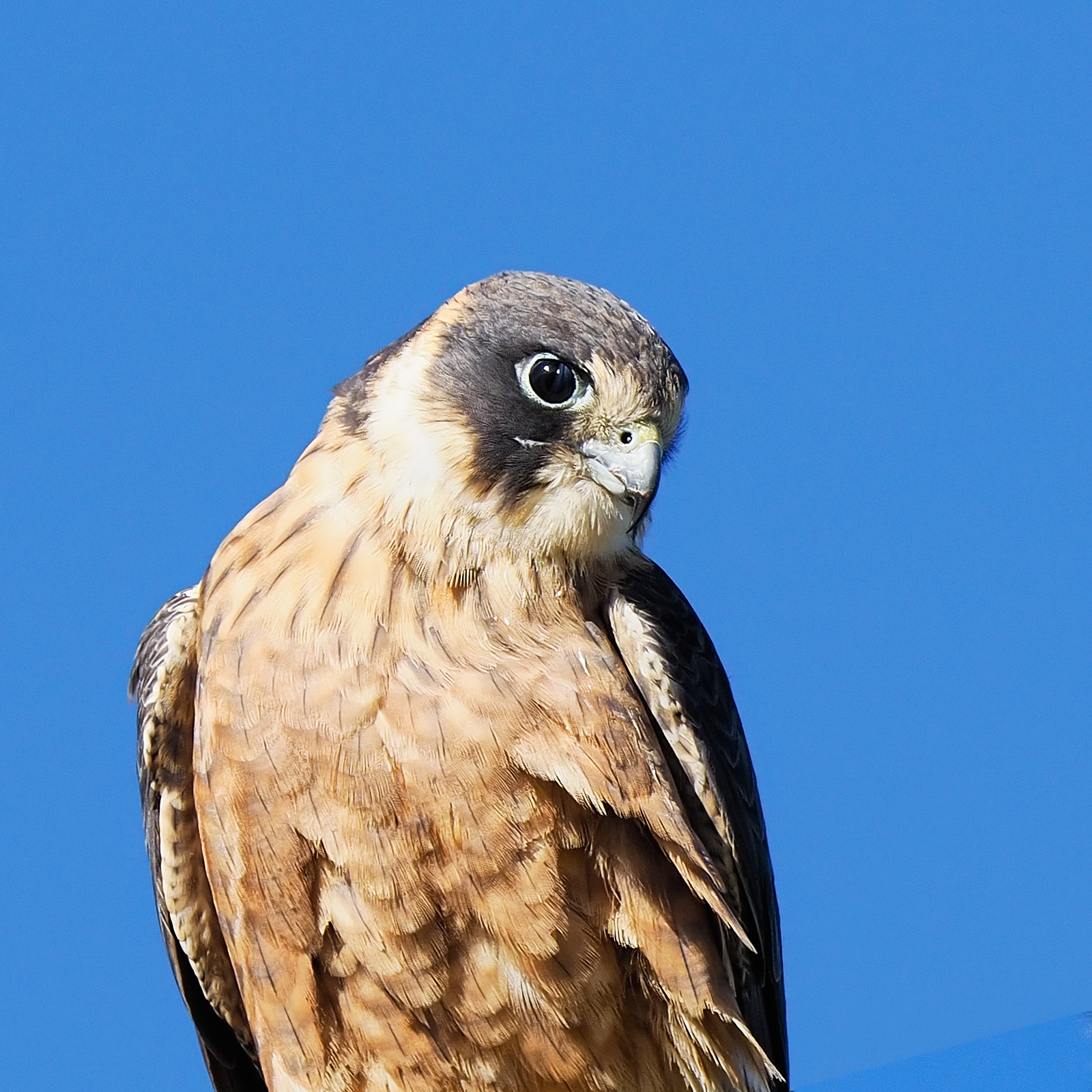
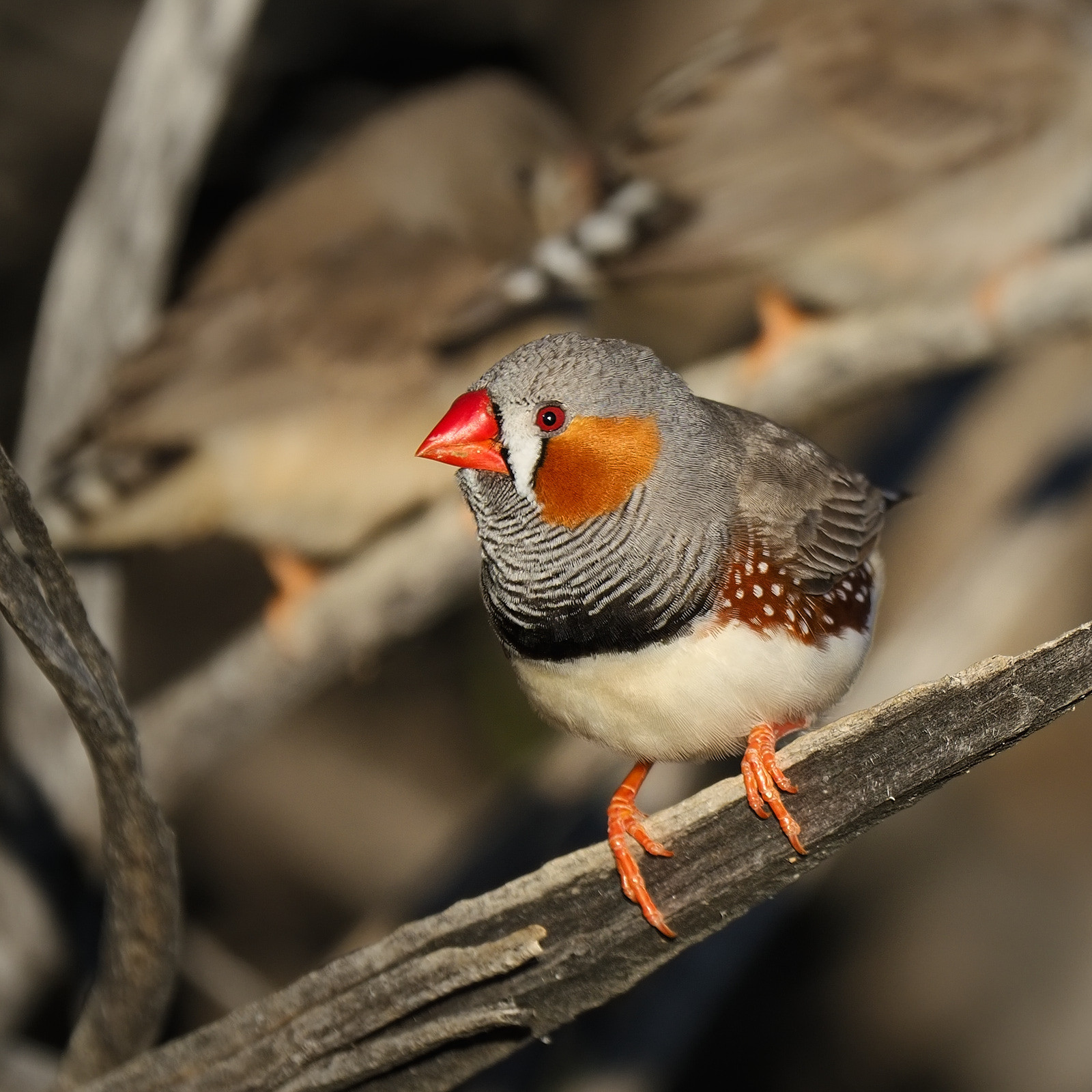
We’ve camped at a couple of spots along the way and tonight we are tucked away in the spinifex just outside Tennant Creek. This morning we found a trio of Letter-winged Kites, a tick for Gayle and this afternoon we encountered some Spinifex pigeons. And I’ve had some success with the camera.
Australian HobbyLetter-winged KiteZebra Finch
We came through Alice Springs. We had no need to stop. Rain has closed a lot of the minor roads around Alice and the country side from then on was extraordinarily green. There were small flocks of Budgerigars passing all day. With so much water about they will soon be big flocks.
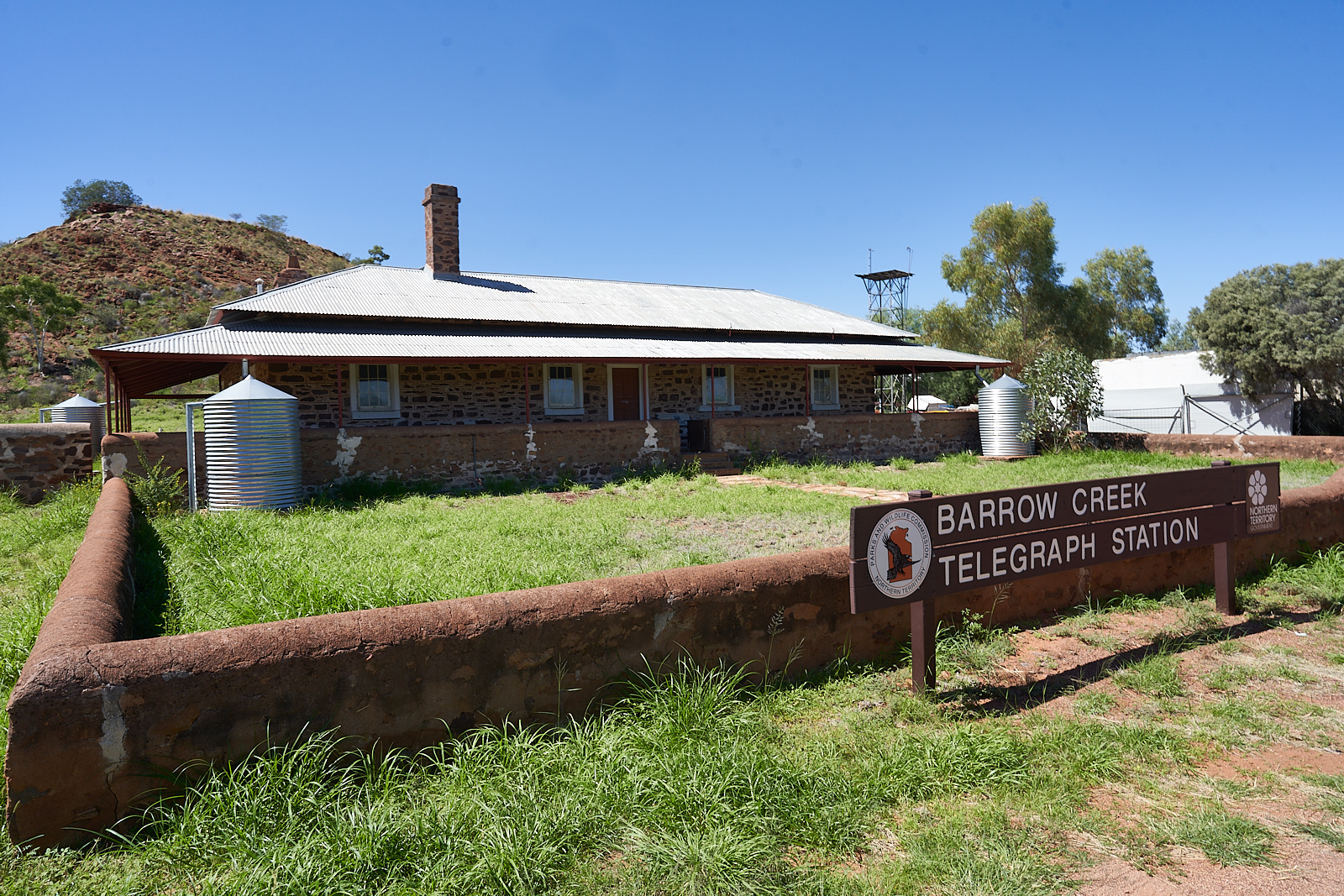
We are still following the line of the Overland Telegraph. News from the rest of the world reached Australia by under sea cable to Darwin and then by telegraph to Adelaide. It was completed in 1872 and served its purpose until the 1970’s. We paused at the Barrow Creek Telegraph Station today, one of only four that are still intact.
Tomorrow the road trip will pass the 20,000km mark and we will rejoin our outward track. The year’s bird list stands at 288.
Bird watchers around the globe have been out chasing a big day to get their year list off to a good start. Me too. I was introduced to a competition of sorts by birders on Townsville Common. It’s simple. Your list has to be bigger than the number of days elapsed in the year. Easy at first, it gets tougher as you get deeper in the year. When you fall behind you’re out. I call it the Calendar Game and play just against myself. I have lost every year since the Big Panic changed my travel habits.
So on the first of the new year I got ahead of January and February. I have a road trip coming up so the list should move along well for a while.
While having a look at Broome’s Entrance Point a couple pulled up near me and asked, had I seen it? Not only had I not seen it, I didn’t know what it was. They’d found it on the oval in town and alerted the bird watching community. I was the last birdo in town to reach the oval … not long after it had gone. The alert had come through on my watch, which was at home charging.
It was a gull. It had been very happy to hang out with other gulls especially around anybody who looked like they had food. Next stop all the other places that I knew gulls congregated starting with Town Beach …
Americans will be wondering why the fuss? A Laughing Gull, so what?
It’s the first record for WA and new for my Australia list. Thank you Clare and Grant.














 bobmcgee