Cooktown …

On the 11th of June 1770 the bark Endeavour struck a reef. The ship was in serious trouble and needed to be beached urgently. The east coast of Australia stretched away behind her but no suitable place had been passed in a very long way. The situation was dire but to the captain’s great relief the mouth of a large river was not far ahead. She limped into its sheltered waters and a suitable beach was soon found to careen her.

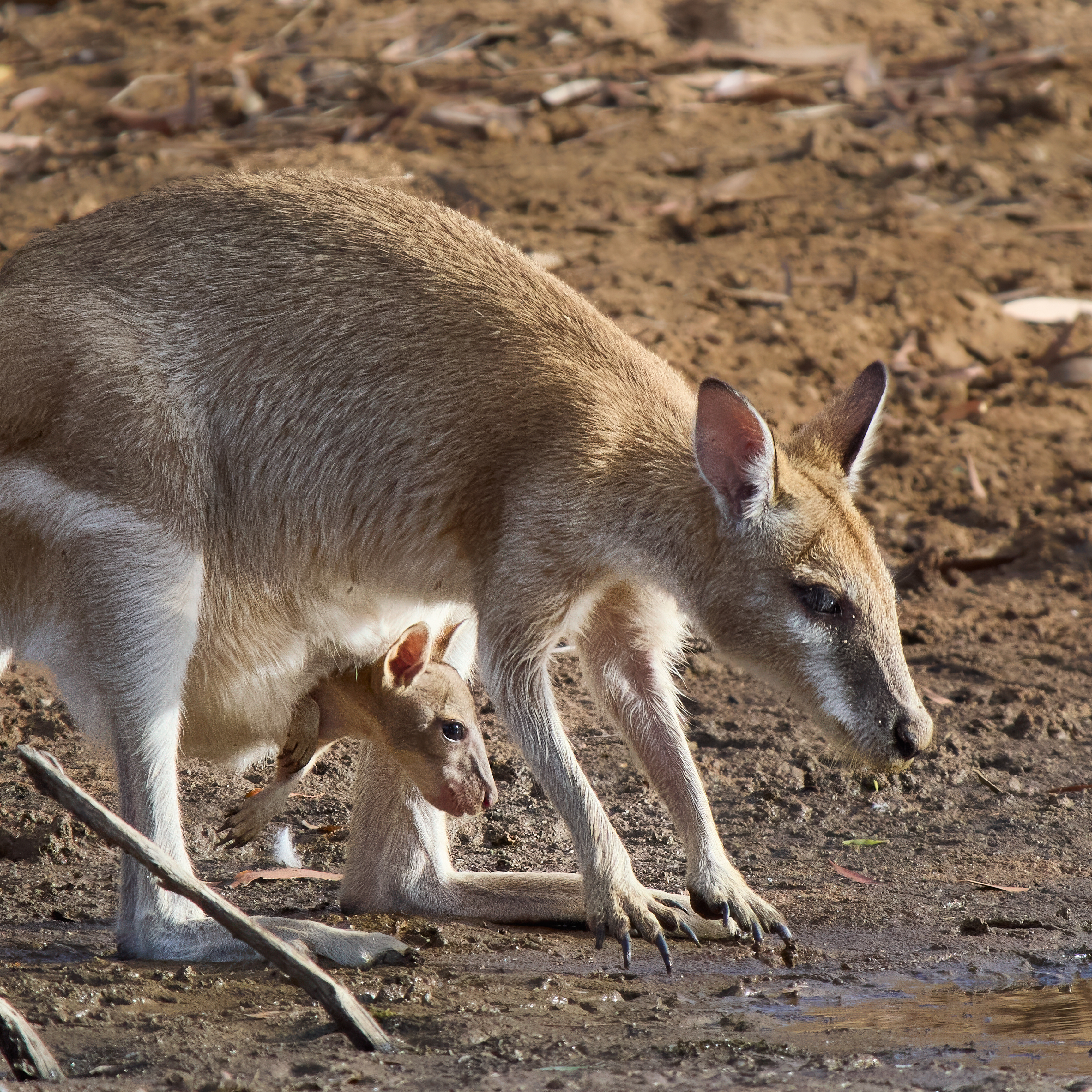
It took seven very interesting weeks to repair and reprovision the ship. The residents and the visitors represented two vastly different cultures which, in this instance, rubbed along not entirely without friction but tolerably well. For the visiting scientists, Banks and Solander, this was their best chance to run amok in a virgin ecosystem. Among the many things collected was the word Kangaroo.

These days Cooktown is a town of about 2,800 people with a very decent hardware store not that I had a bark to repair but I did need to change a tap washer, fit a new Anderson plug and replace a dead compressor.

There is a very fine botanical garden here which has a Banks and Solander collection among many other things. The cafe opens at 8.30 am and serves a very nice breakfast. Coffee and poached eggs on the veranda, binoculars and camera at the ready. The birds enjoying the flowers in the cool hours of the tropical morning. Heaven.

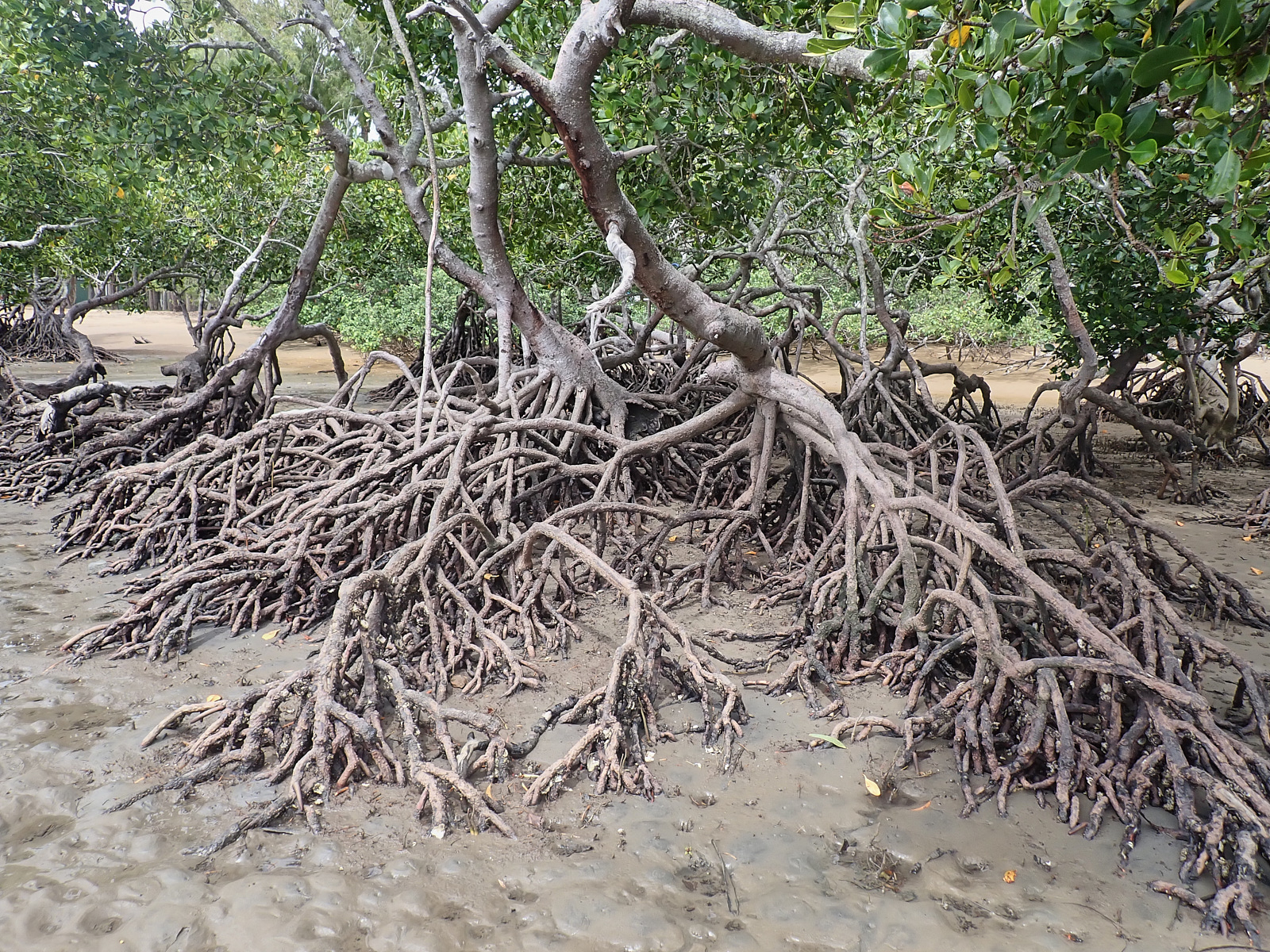
The place on the Endeavour River where the Endeavour was beached is well marked. The Green Hill where James Cook RN stood and plotted his passage through the shoals is but a short steep car ride away (demanding walk though). The bird watcher can visit Keatings Lagoon, the lagoon we had to have, mangroves, rainforest and beaches. The history buff can visit the museum and then take the 30km drive to the historic Lion’s Den Hotel where the birdo will no doubt join them for a beer.

We spent three nights here. Bird number 7 in the countdown surrendered in the Botanic Gardens – Black Butcherbird, not colourful but a lovely call. Vicious beak.

Leichardt’s Falls …

We are again in the footsteps of a great explorer, although we are going in the opposite direction. This time it’s Ludwig Leichardt. On his first expedition he and his party left Brisbane in 1844 and after traversing the Gulf of Carpentaria arrived at Port Essington (Darwin’s predecessor) in 1846. He’d been given up for dead by then. His third expedition has not yet been completed. He was last seen on 3 April 1848. I like to think he’s still out there exploring.

The journey from Hells Gate Roadhouse to Leichardt’s Falls was 249 km on a mixture of good dirt road and some made road. Easy driving in the main.

The scenery at the camp site is magnificent even though this late in the dry there is water above the falls and water below the falls but no water going over the falls. We had it all to ourselves. Access is via a downhill sandy track to a rocky area on the canyon edge. Easy. Egress is via the same track which suddenly seemed sandier and steeper. Less easy.

Getting to the water entails a fairly steep climb down the cliff on foot. I sat quietly at the water’s edge with my camera and was rewarded for my efforts.

Great-crested Grebe is rare at this location. They don’t roost in trees and they can barely shuffle along on land. They are either in the air or in the water. I couldn’t find it the following morning.

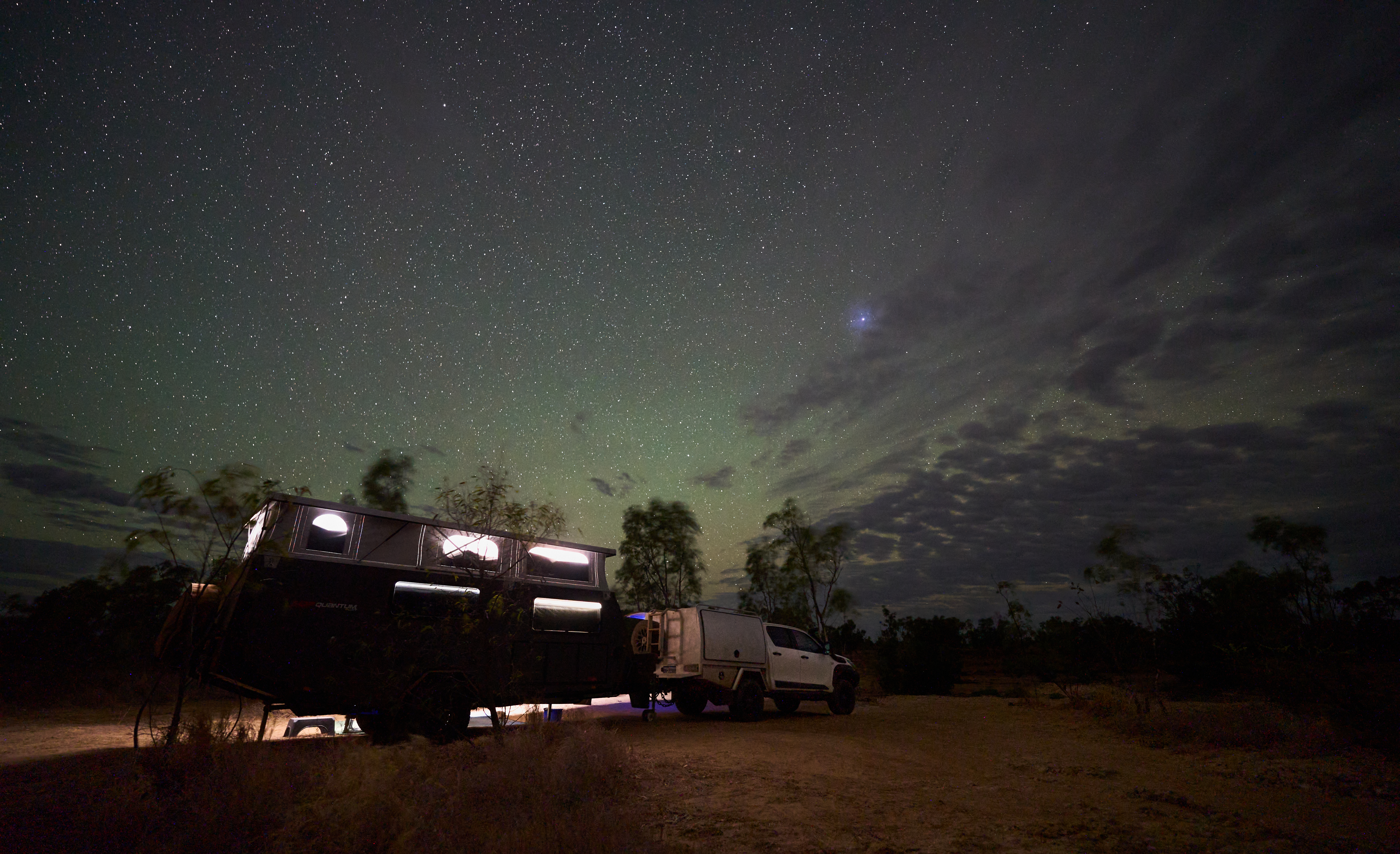
It wasn’t a great night for Milky Way photography, too much cloud and very windy. But hey, that’s not the only subject available …

Manbulloo to Daly Waters …

285 km, sealed road. Via Katherine, a real town with a supermarket and everything. Population about 6000. And a change of explorer. It has been Gregory for the last few days. Now it’s time to tip the hat to John McDouall Stuart.

Daly Waters is a pub with a campground attached. At lunch time it has a population of about 55, by tea time that’s 555. Stuart conferred the name on a chain of springs that he found on his third attempt to reach the north coast, 1861–62. The overland telegraph arrived in 1872. The town was founded in 1927. The pub got its license in 1938. There is a WWll airstrip. At the moment it seems like one of the worst places I have ever stayed. It may seem better after a few beers.

And it did.

The pizza was good too. Donkeys, horses and goats wandered among the crowd outside the pub. With them came the Apostlebirds, Gayle’s favourite bird. We have been in the territory since a little west of Katherine but this is our first contact this trip. They are bold, aggressive, hissy and unloveable. They come in groups, I hesitate to say by the dozen. If you are unwise enough to catch one the remainder attack.
The last few days we have been on the country traversed by the extraordinary Kimberley pioneers, the Duracks. Patsy and Michael drove a good sized mob of cattle and horses, leaving Thylungra, Queensland, in 1879. Nearly three years and 4,800 km later they arrived in WA where Lake Argyle has now been created. Their homestead was taken down stone by stone and rebuilt on high ground before the lake filled.

Manbulloo …

Manbulloo Homestead has good natural values, a shady campsite and good facilities. A track takes you to the Katherine River. You can pat the goats, play with the donkey and watch the cows being fed. They have a couple of Turkeys, that I hope will survive Christmas, named Camilla and Charles. Sweet.

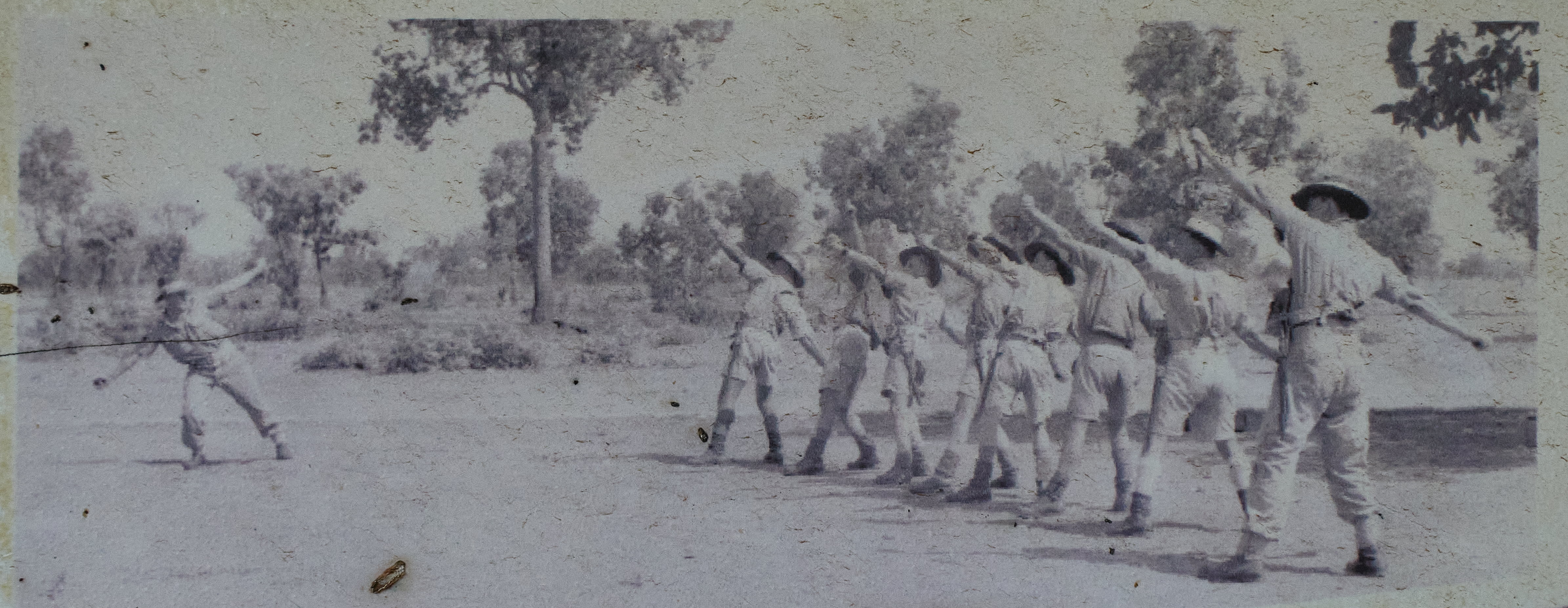
Northern parts of Australia are steeped in WWll history. Broome and Darwin were subjected to Japanese air raids. There is a memorial to the Nackeroos, essentially lookouts trained for geurrilla resistance, on the escarpment above Timber Creek. WWll airstrips dot the countryside. And Manbulloo has its own small share commemorated on an information board.

There is a military tale concerning Chinese Whispers run amok that has the punchline “Send three and fourpence we’re going to a dance”. Apocryphal I was certain … until I saw this photograph showing a squad rehearsing its dance moves with the choreographer out front.

I know, wrong war. The earliest version seems to have been published in 1914 under the title “Altered in Transit” in the “Temperance Caterer” periodical of London and various similar variations followed. Credit Quote Investigator for that bit of intelligence.

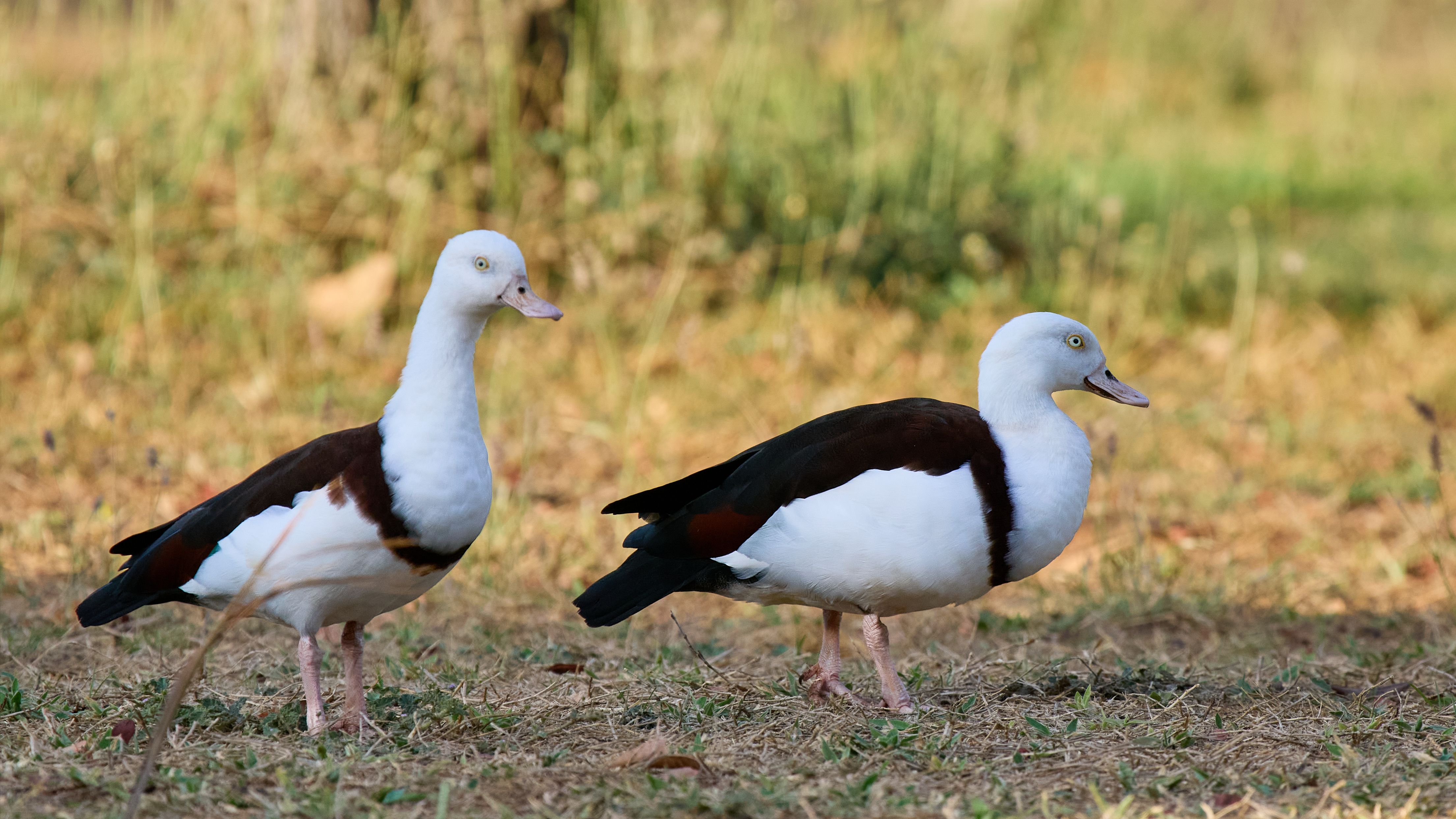
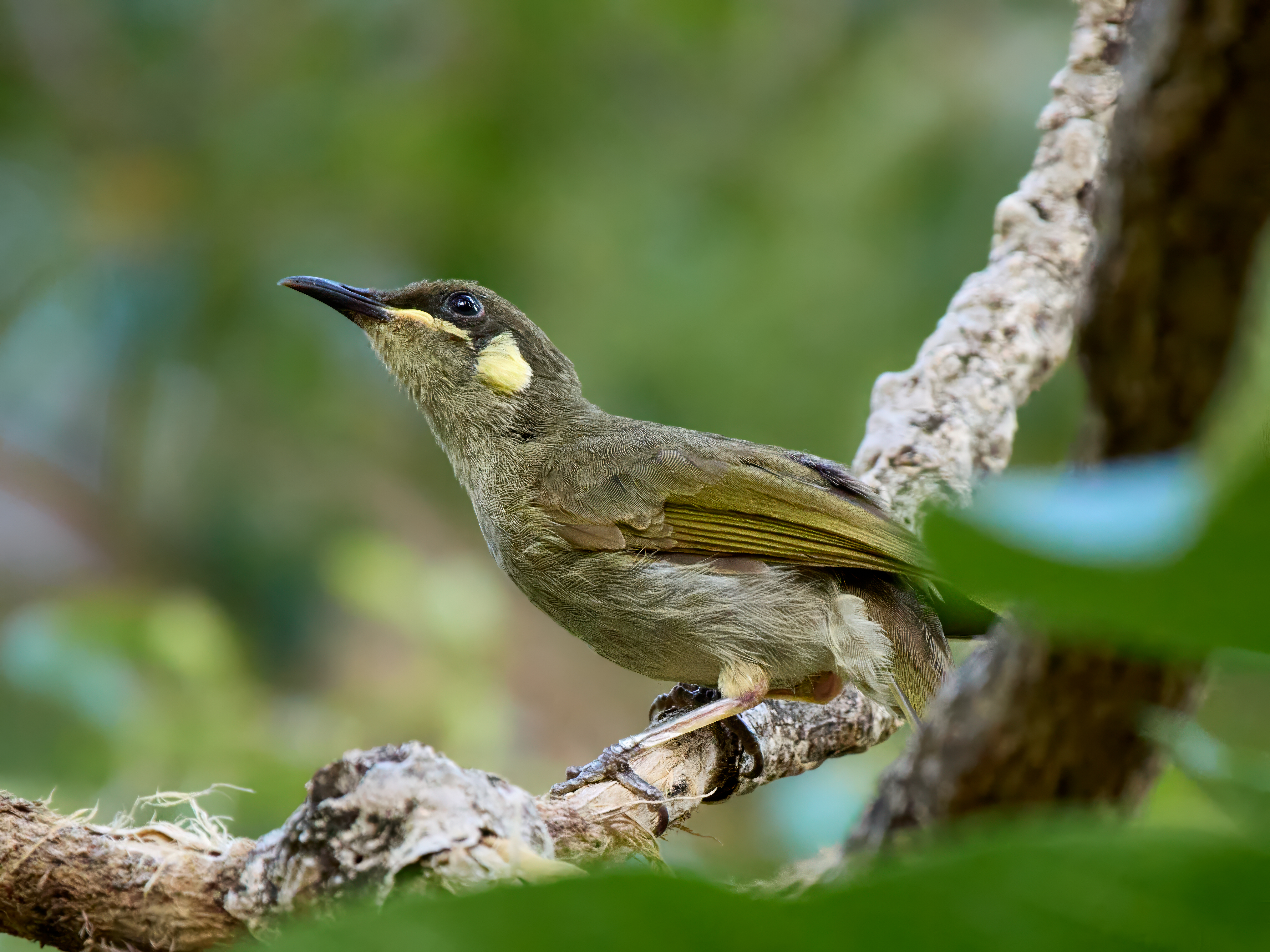
Torresian Imperial Pigeons and Yellow Orioles were calling during the day. Bush Stone-curlews were wailing during the night but the only bird lining up for a photograph was the Radjah Shelduck.

Roebuck Plains …

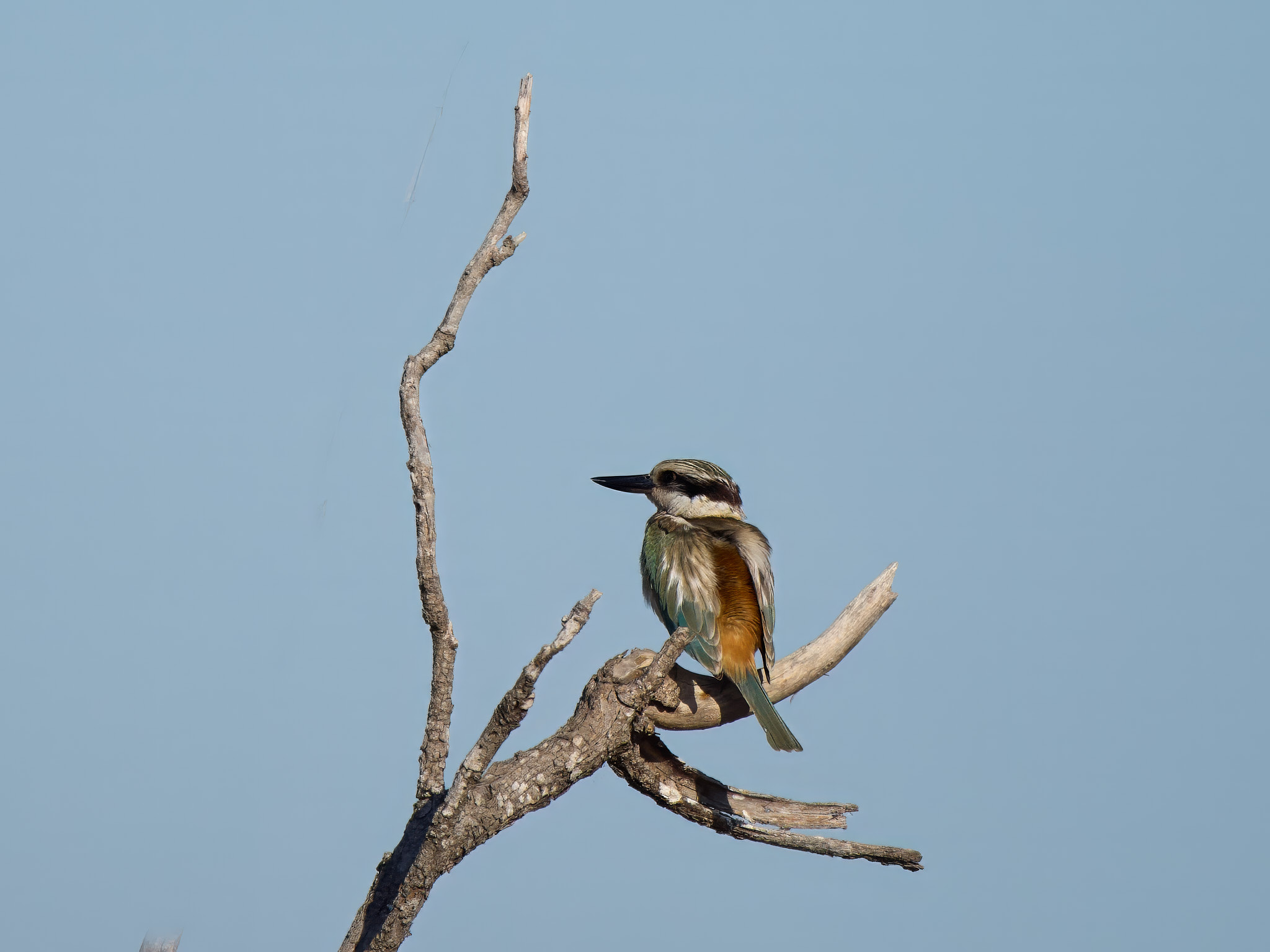
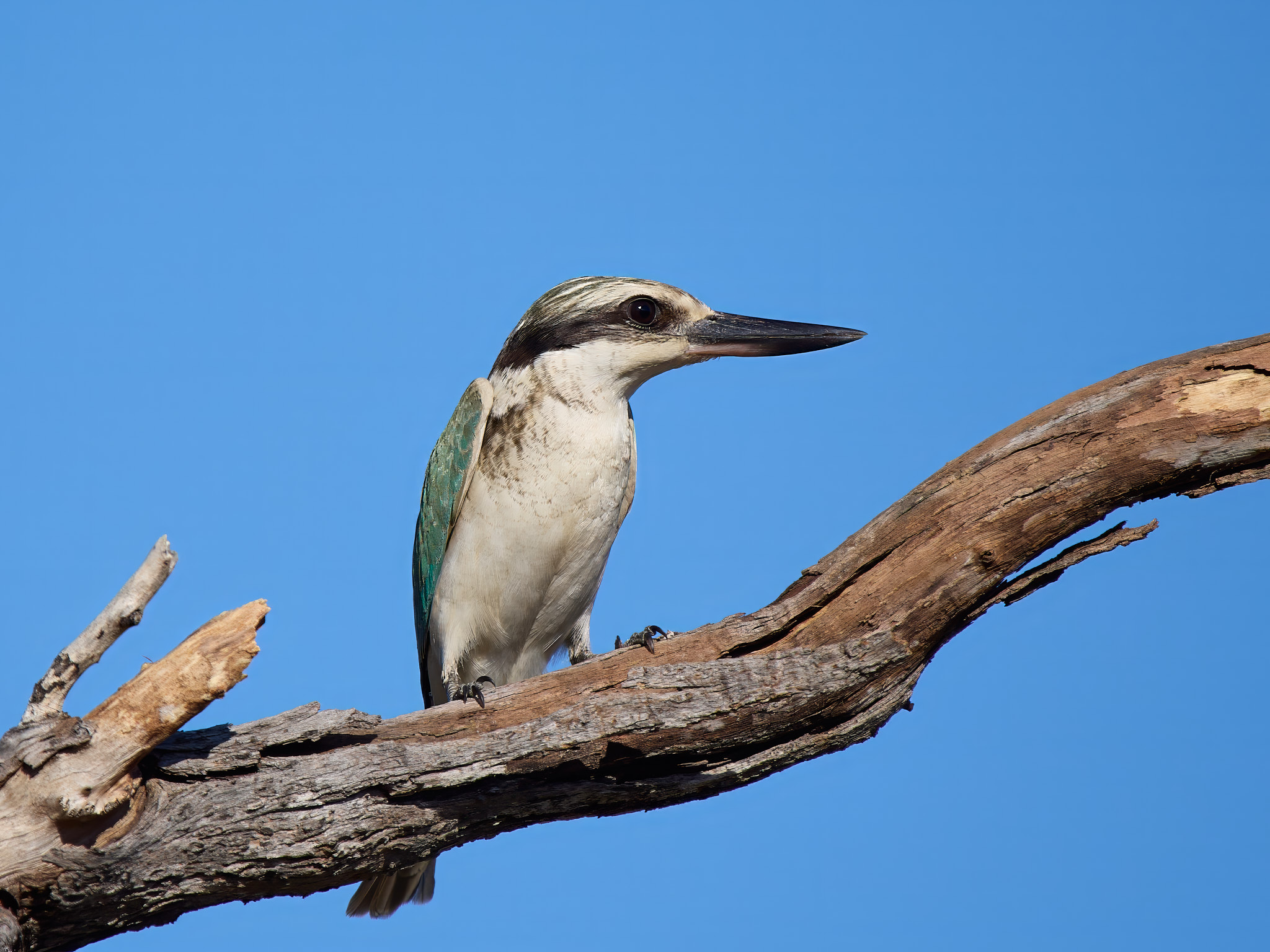
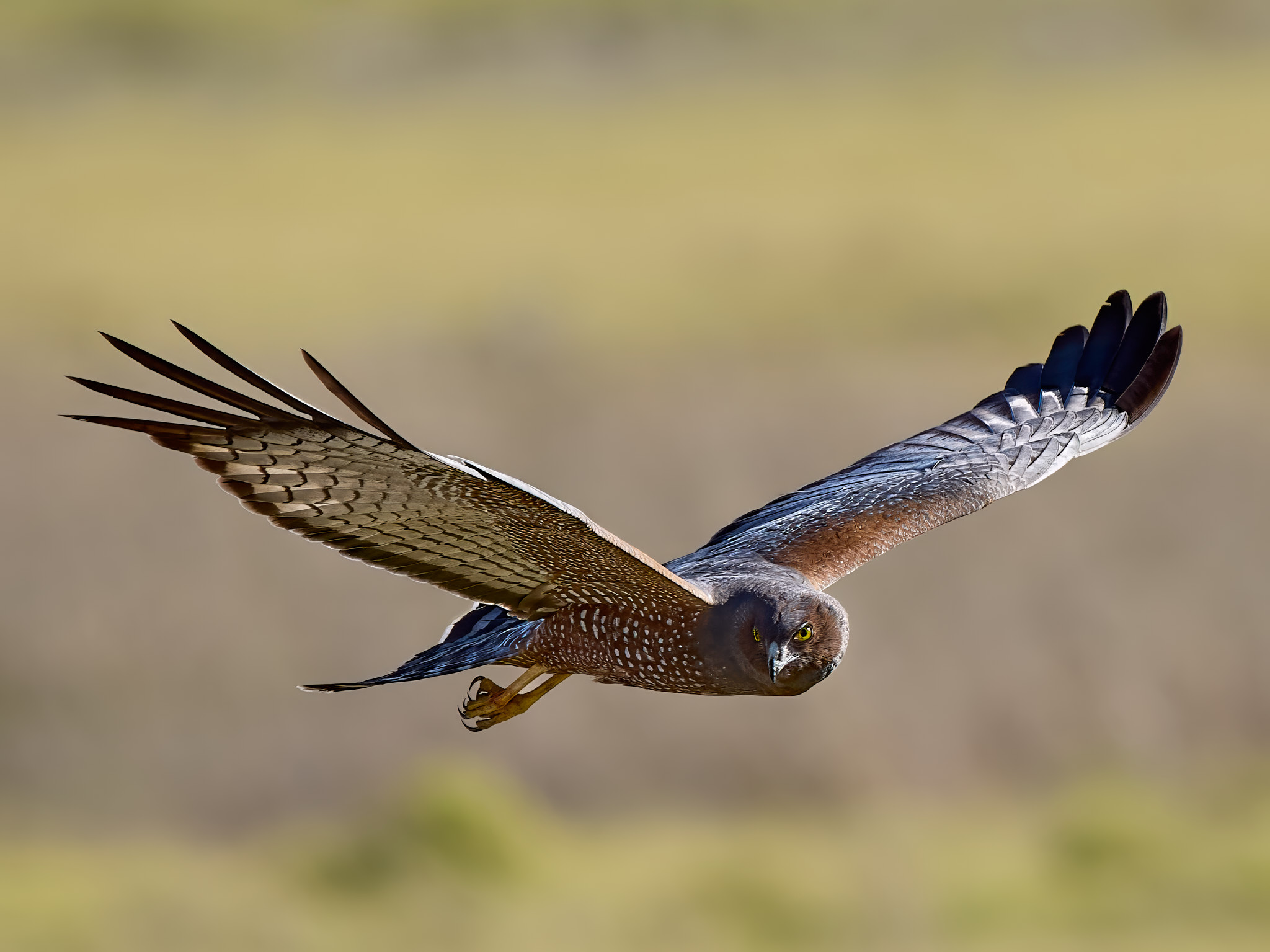
William woz here. Dampier that is. Twice, in 1688 and 1699. He left his name on the peninsula and both his ships have also been immortalised in the names Cygnet Bay and Roebuck Bay. In the latter there is a little island called Buccaneer Island in his honour. Behind Roebuck Bay the Roebuck Plains stretch off into the distance, open country, occasionally flooded, few trees. sometimes swarming with ducks and Magpie Geese, the nesting place for terns. Other times a dry grassland, home to the beautiful Spotted Harrier and the Red-backed Kingfisher. And like most of Australia’s Kingfishers the Red-back wouldn’t know what a fish is.

Dampier was a pirate, a naturalist and an author. He circumnavigated the world three times. His botanising increased the sum of human knowledge, his writing added plenty of new words to the English language and inspired Banks, Humboldt and Charley Darwin himself. He published the first English language recipes for Guacamole and Mango Chutney. Where would we be without guacamole? Living in Broome I trip over his name almost every day but on the whole he is not as well known as he should be. I recently watched a YouTube video that gives a reasonable account of the guy. You may enjoy it …

Darwin …

Having succumbed to the temptation of Pine Creek what’s another 200km? And when it comes to additions to the year’s tally of birds Darwin has a few absolute gimmes.

Darwin is the capital and most populous city of the Northern Territory but still a modest sized town of about 140,000 people. Charles Darwin visited Australia on the Beagle in 1836. In a subsequent voyage (1839) the Beagle visited what would become Darwin. Captain John Wickham named Port Darwin after Charles Darwin long before he became famous. On the origin of species was published in 1859. The name of the city followed in 1911.

I believe Mark Twain made a visit to Darwin and I have read that Charles Darwin was fond of Twain’s writings for bed time reading.

The Overland Telegraph and Pine Creek had a lot to do with Darwin getting off the ground. The telegraph had to reach the coast somewhere. In 1872 gold was discovered in Pine Creek and that somewhere suddenly welcomed a major influx of people.

I have visited Darwin quite a few times and have a well worn track around the birding spots. This is the first time I’ve brought a dog with me and sadly half my regular places do not allow dogs. Add to that the persistence of the wet season and a few changes had to be made to the routine. The first afternoon saw a storm deliver 35mm of rain in about 20 minutes followed by another 25mm over night. Nonetheless the list was made to grow and a few nice photos have followed over the last few days.

Now we must head for home. Cyclone Errol may or may not complicate the journey to Broome. Predictions vary so greatly they are to all intents and purposes useless. We shall find out.

Friends …

Flies can be a problem in Australia, always have been in fact. During the Sydney Test of 1932, the infamous bodyline series (I’m talking cricket for readers in particularly foreign countries) the supercilious Pommy captain was trying to drive away the flies when an Aussie fan nicknamed Yabber called out from the hill “Leave our flies alone, Jardine. They’re the only friends you’ve got …”

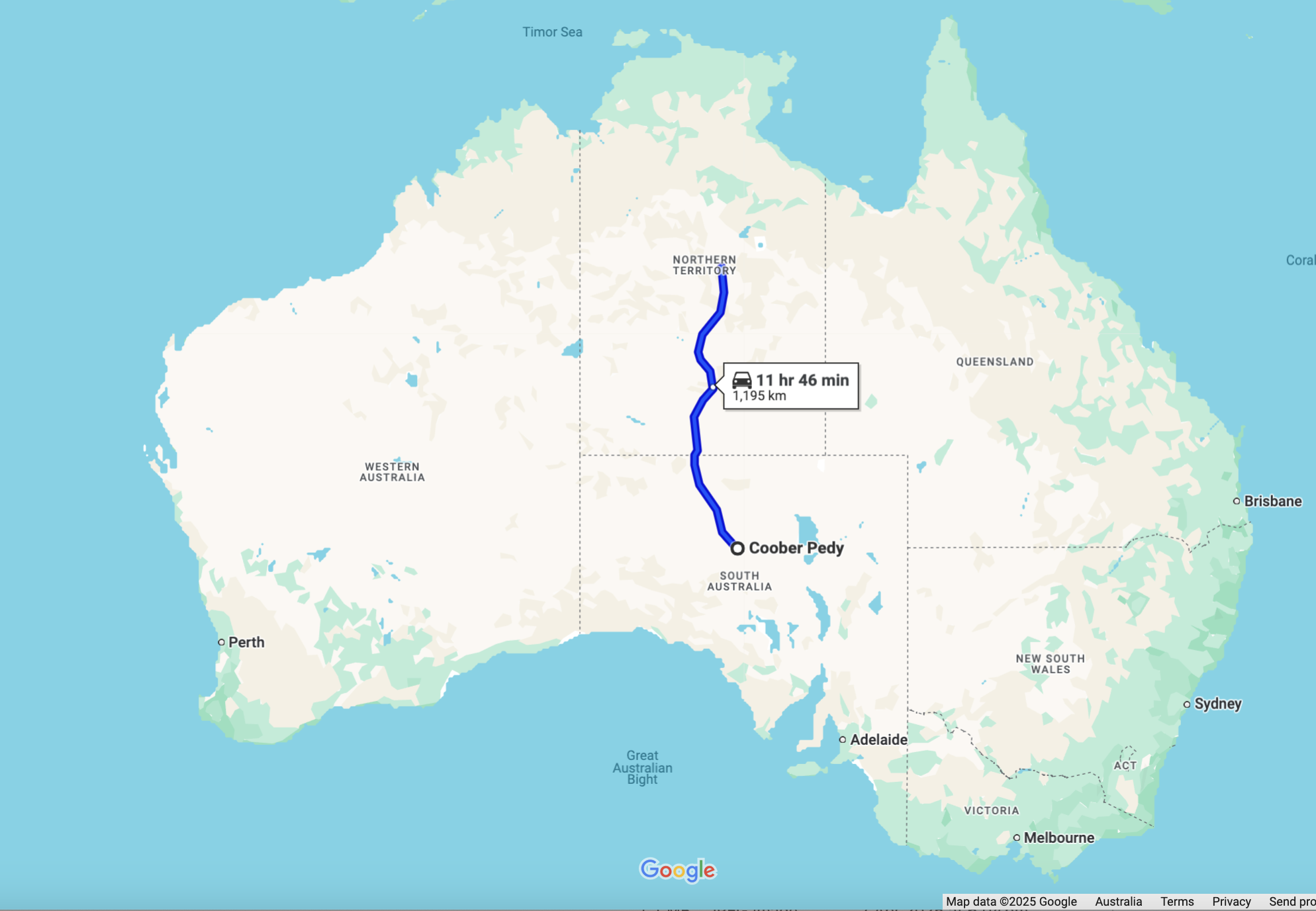
In the last few days we’ve driven from Coober Pedy to Tennant Creek crossing the South Australia, Northern Territory border and then the Tropic of Capricorn (not guarded by a goat this time).

And friends we’ve had in abundance. Open the car door and in they flood. In complete contradiction to the principles of osmosis they quickly reach a density of one fly per cubic centimetre inside whilst outside there are probably no more than one per litre. Clearly there is some attractive force in play. I suspect it’s the accumulated residue of a thousand dog farts, or perhaps it’s simply because I haven’t showered lately.

The remedy is to roar off with all windows open. This quickly gets rid of the dumb ones. The smart ones hide in corners until the windows are closed before coming out to invade your nose, your mouth or, their favorite, the corners of your eyes. Under your sunglasses where they can safely ignore your hand swishing past. You chase them around until they land on the window, quickly open it, and with luck out they go. Or they disappear into the back of the car. Initially a few at a time then one by one you win the battle. By about 200km you think you’ve done it. Just in time to change drivers for which you must open the doors.

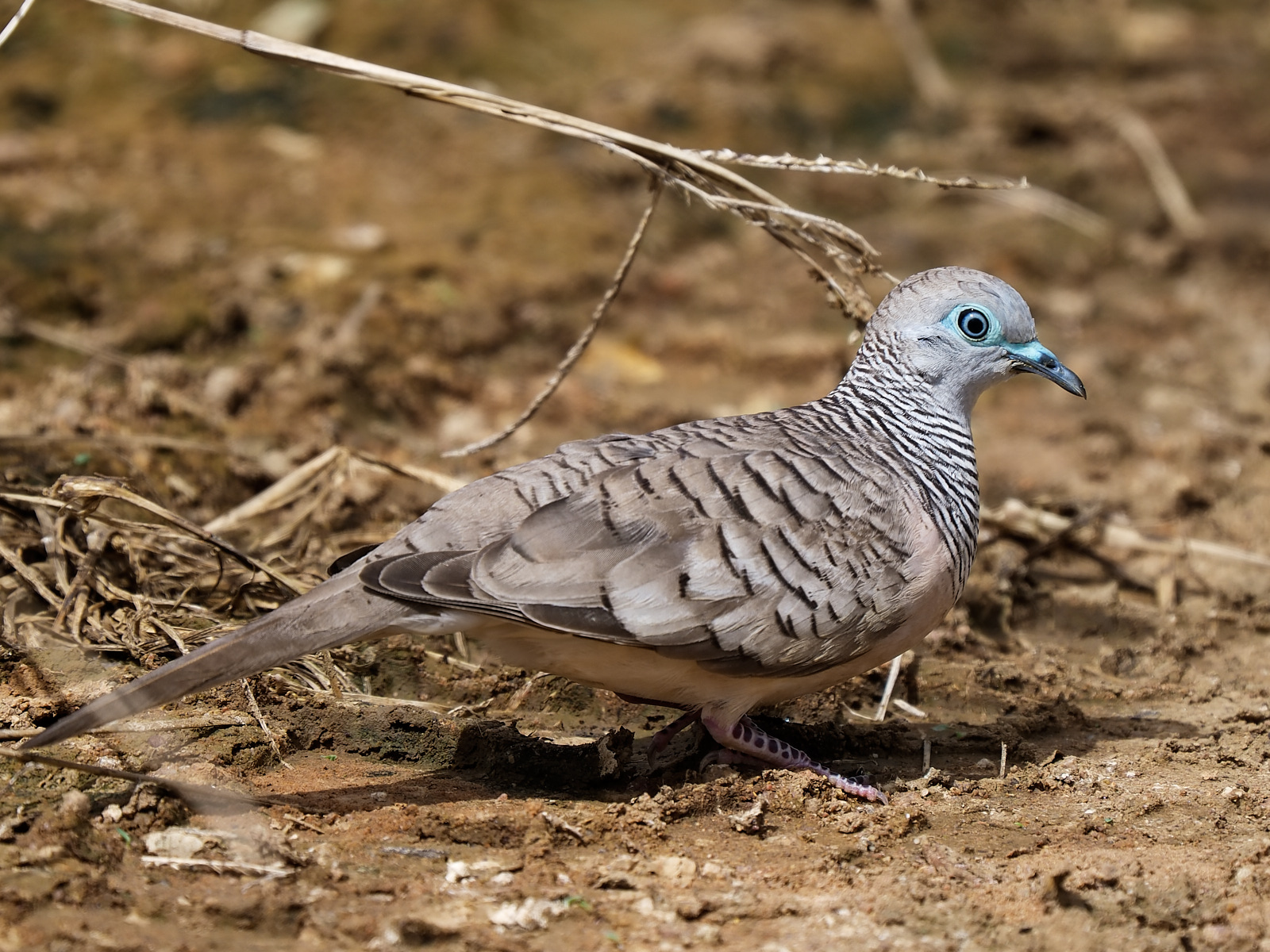
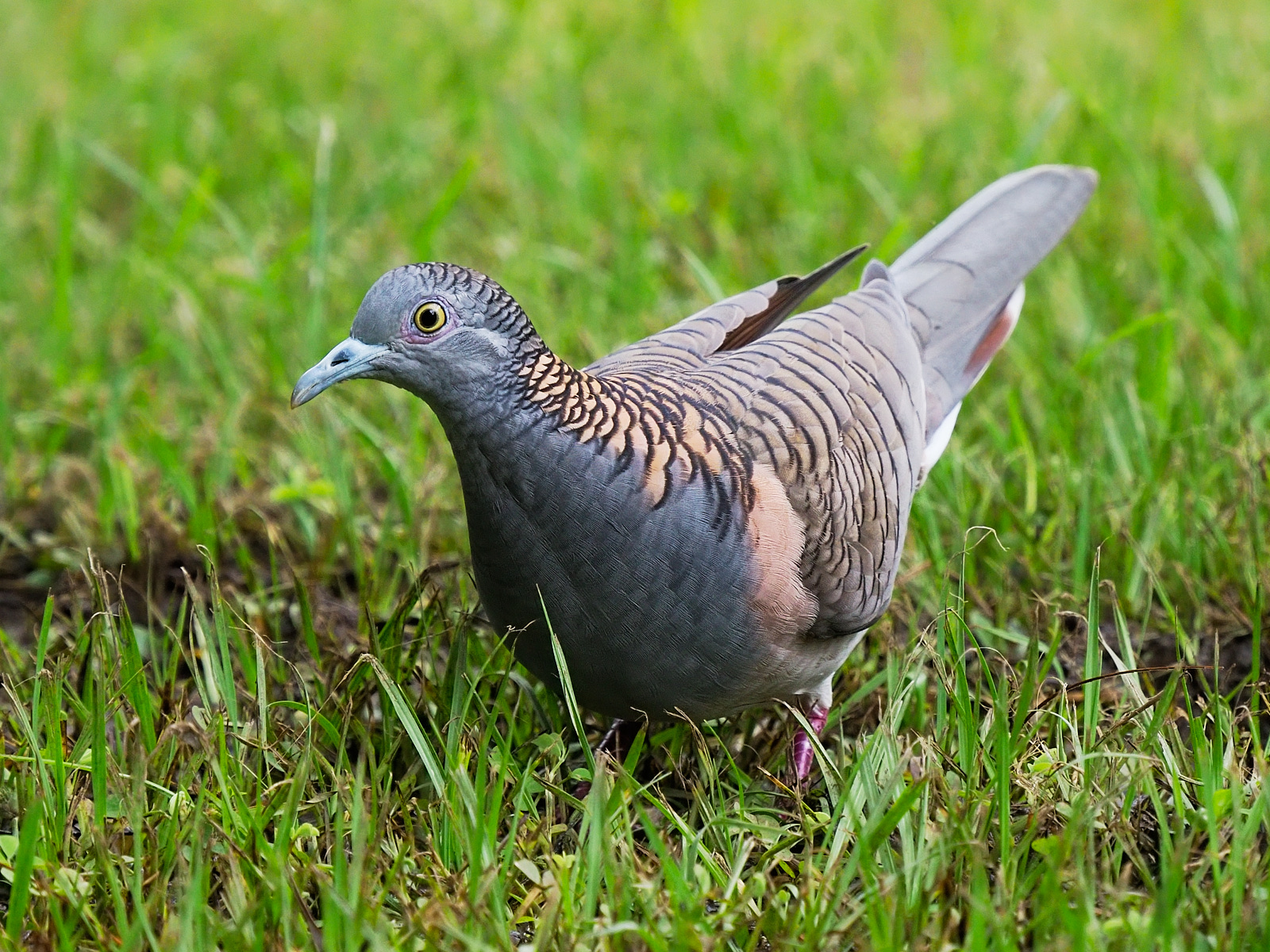
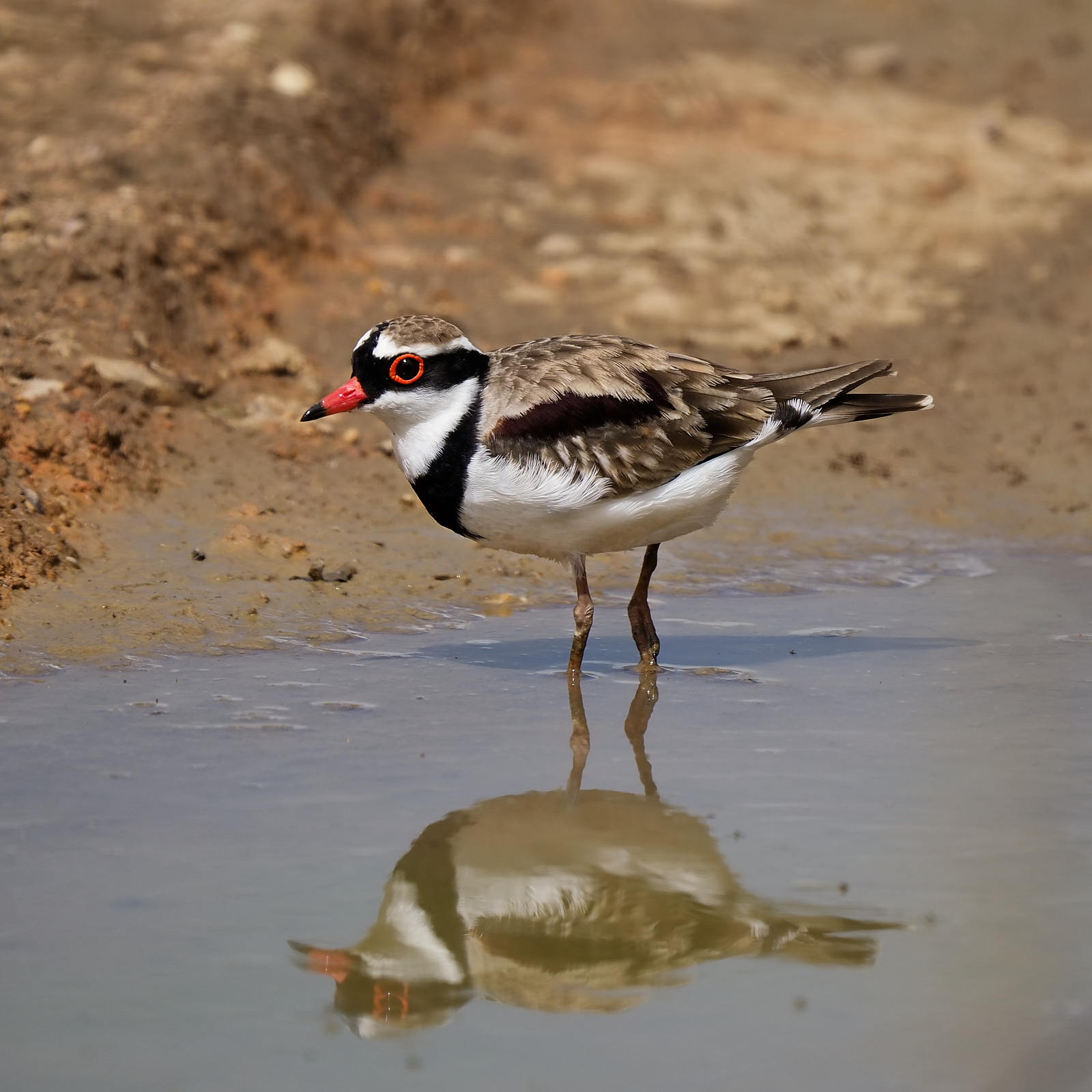
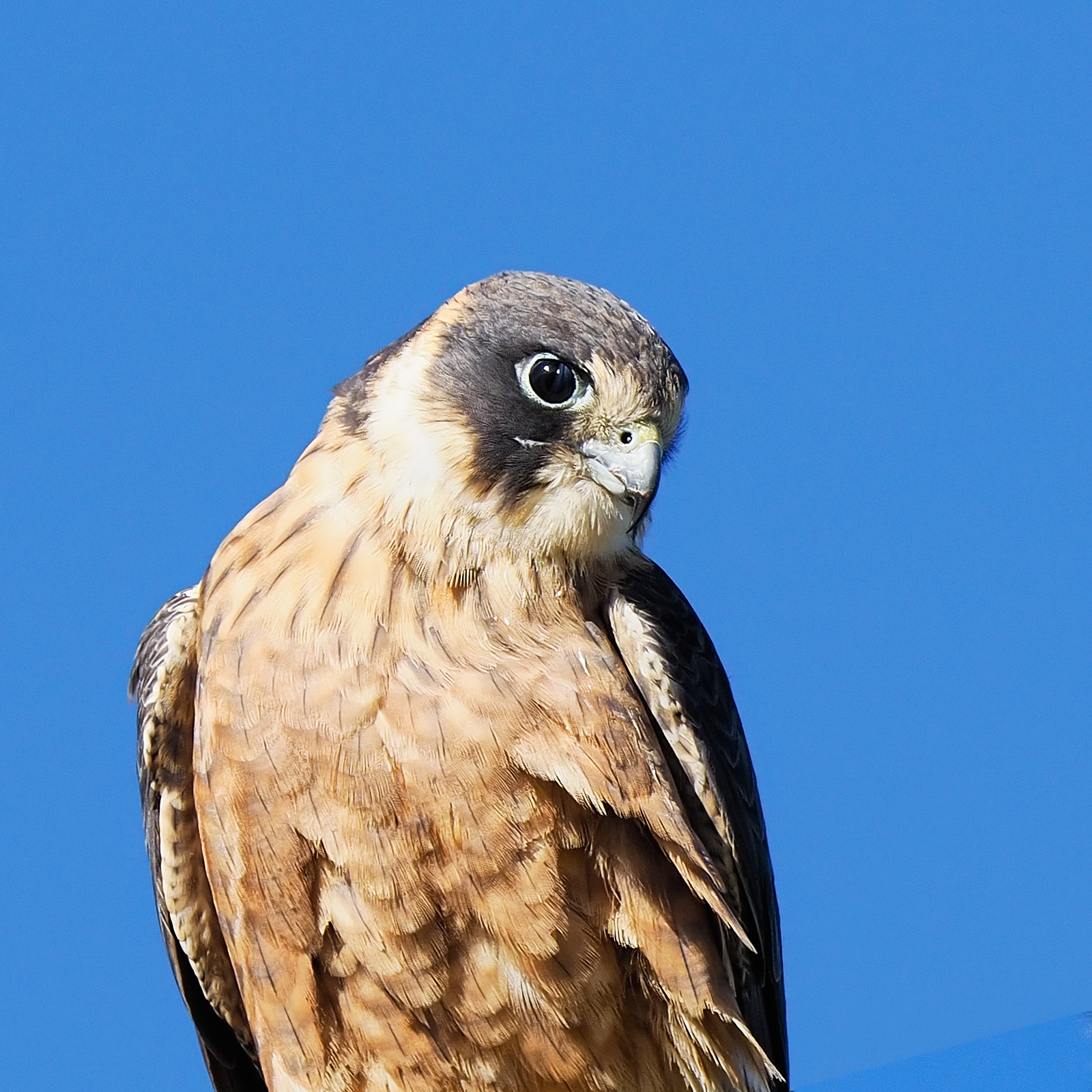
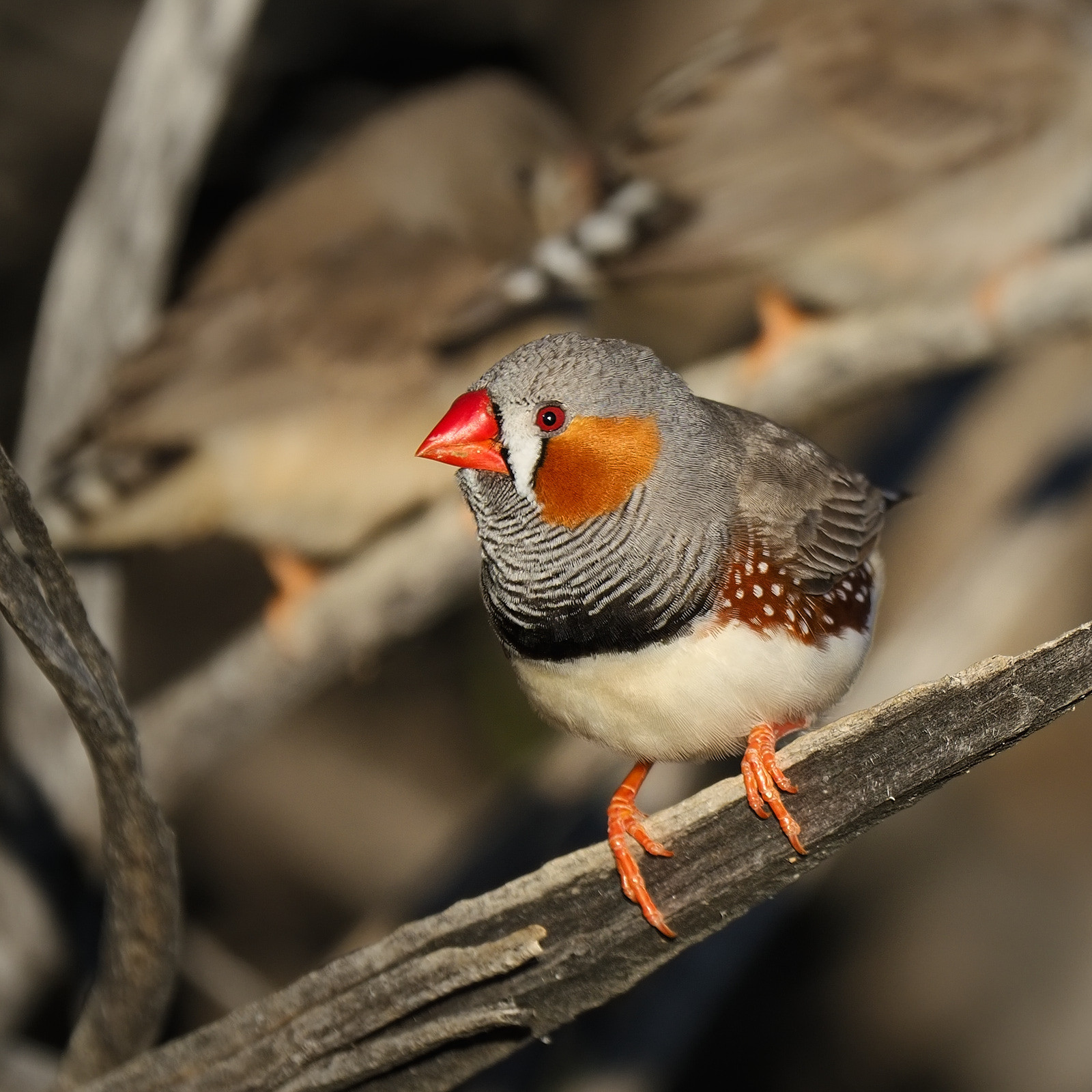
We’ve camped at a couple of spots along the way and tonight we are tucked away in the spinifex just outside Tennant Creek. This morning we found a trio of Letter-winged Kites, a tick for Gayle and this afternoon we encountered some Spinifex pigeons. And I’ve had some success with the camera.

We came through Alice Springs. We had no need to stop. Rain has closed a lot of the minor roads around Alice and the country side from then on was extraordinarily green. There were small flocks of Budgerigars passing all day. With so much water about they will soon be big flocks.

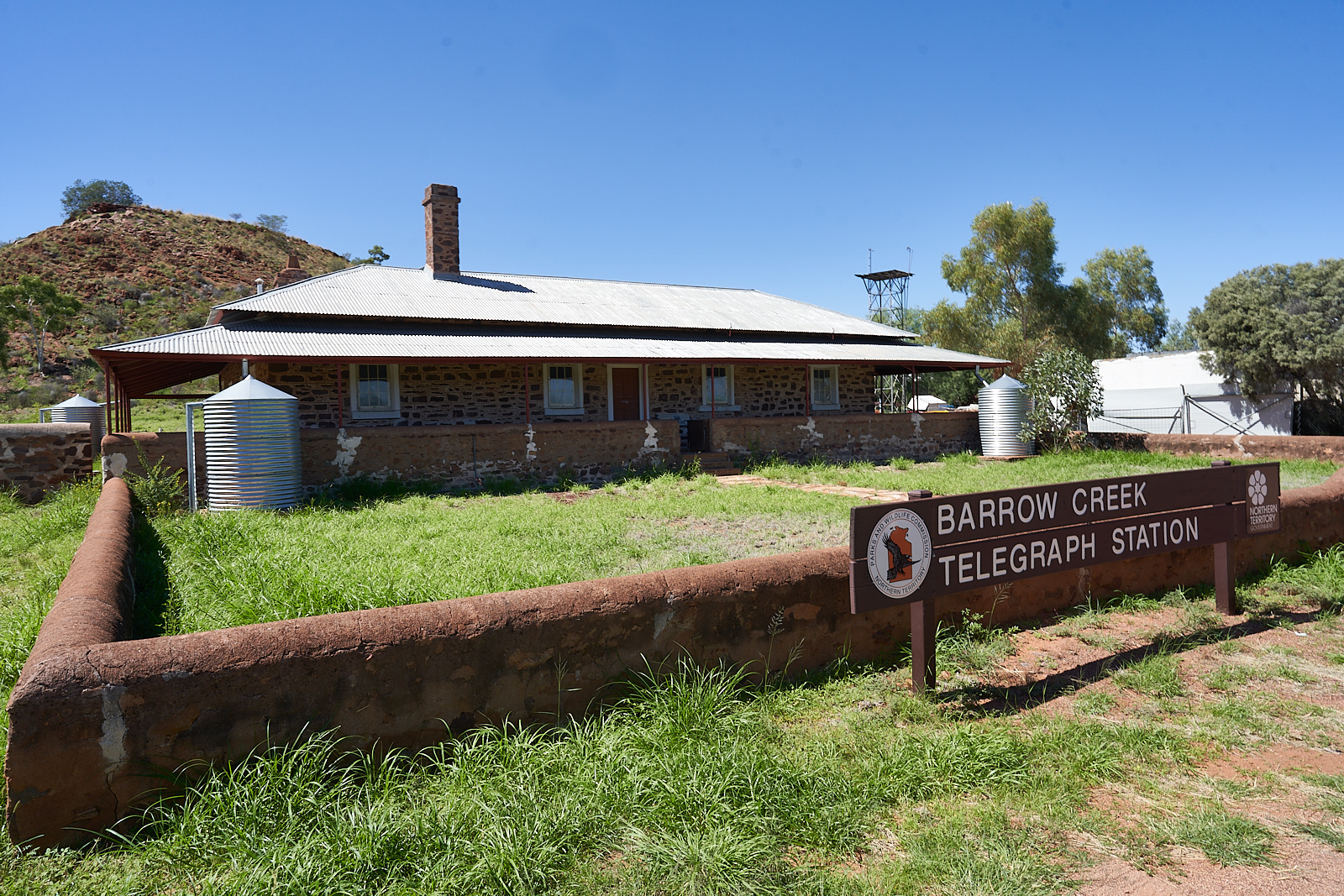
We are still following the line of the Overland Telegraph. News from the rest of the world reached Australia by under sea cable to Darwin and then by telegraph to Adelaide. It was completed in 1872 and served its purpose until the 1970’s. We paused at the Barrow Creek Telegraph Station today, one of only four that are still intact.

Tomorrow the road trip will pass the 20,000km mark and we will rejoin our outward track. The year’s bird list stands at 288.

Never Walk Backwards …

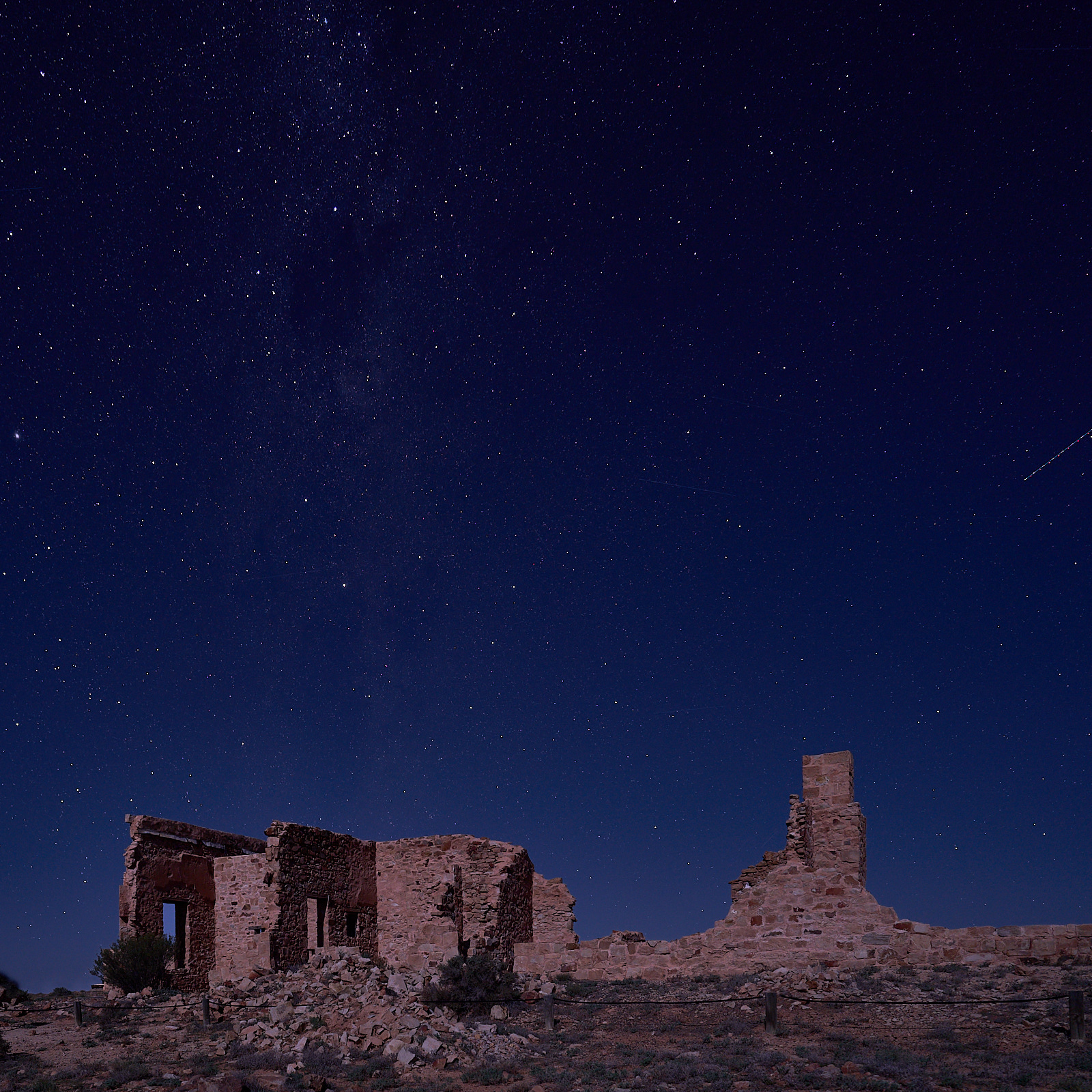
I never seem to visit Farina at New Moon. These shots were taken with a first quarter moon behind me …

Poor old Farina is north of Goyder’s Line and south of the Great Artesian Basin. It had a big problem with fresh water. Once the Ghan was rerouted and the Telegraph fell into disuse it became a ghost town.

Goyder was the Surveyor-General of the then colony of South Australia. In 1865 he made a journey on horseback crossing some 3200km to come up with a line demarcating land suitable for agriculture from land prone to drought. This followed the 10 inch isohyet which Goyder determined mainly by reference to the vegetation. Settlers ignored his advice to their cost – the buildings at Farina are accompanied by numerous abandoned farm houses north of the line.

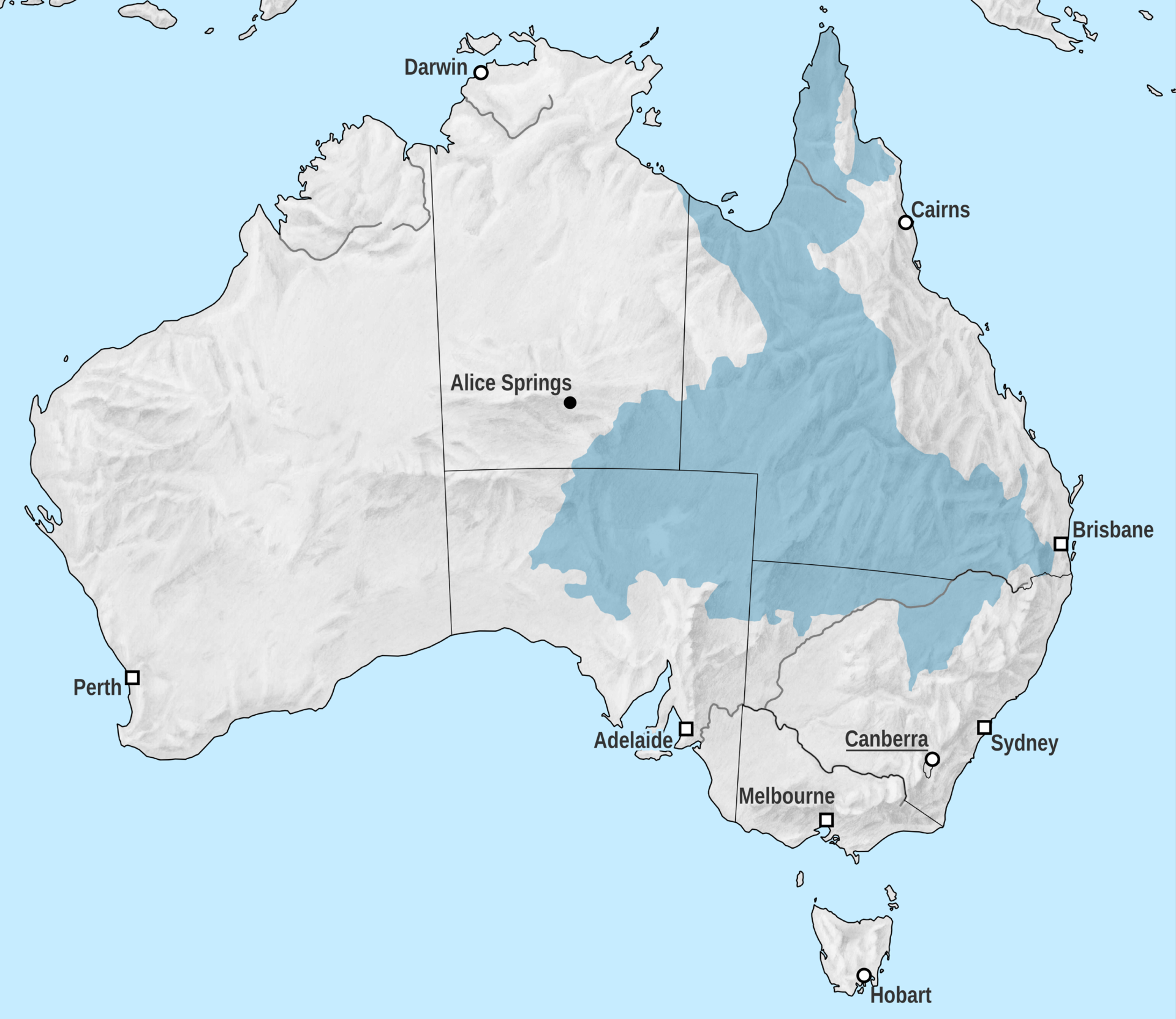
A number of wells were dug at Farina with minor success. Sixty kilometres north and plenty of water lies just below the surface. The Great Artesian Basin underlies about 22% of the continent .

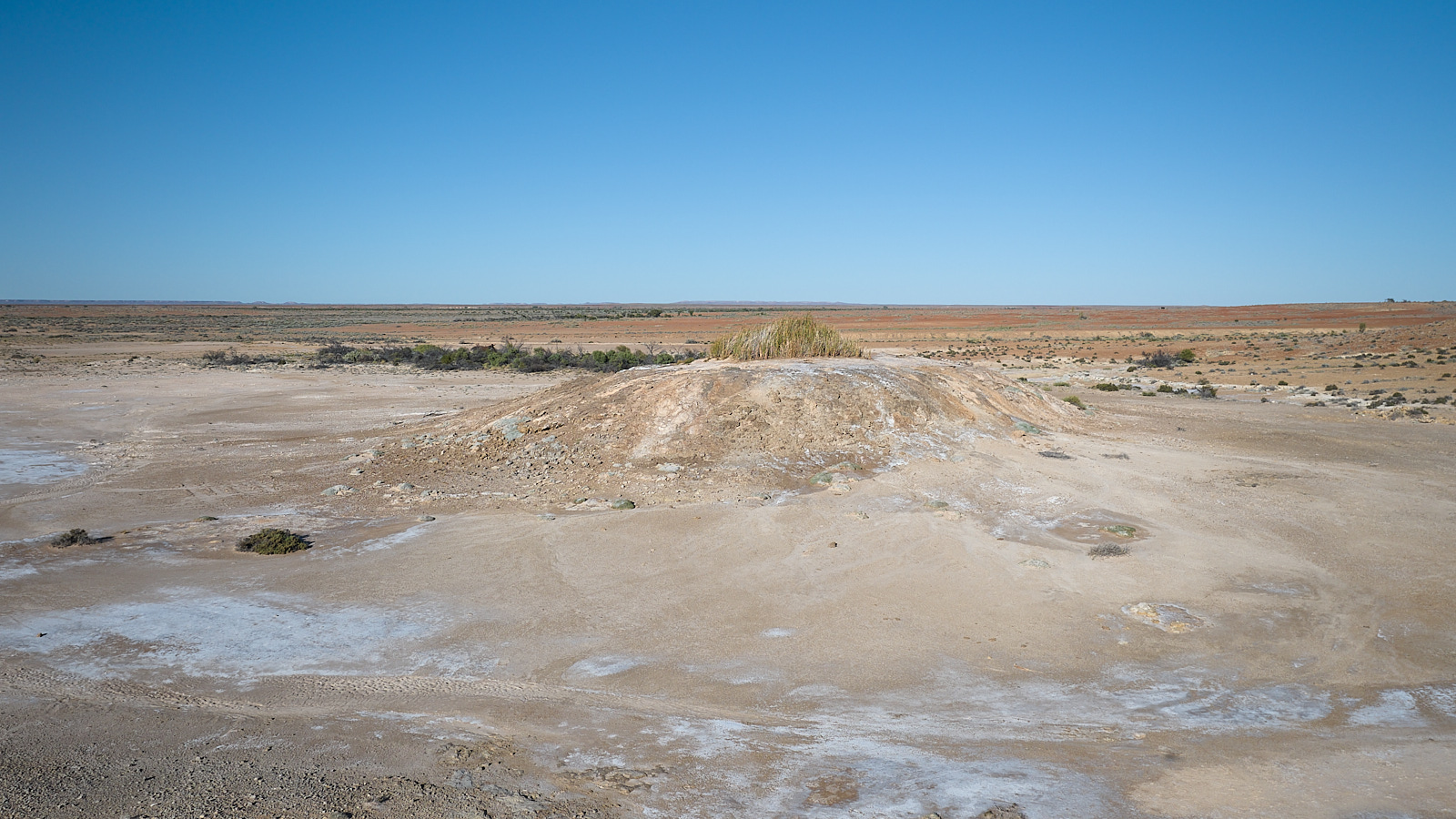
From Farina we traveled up the Oodnadatta Track to William Creek passing Lake Eyre South and spending the night at Coward Springs. There are quite a few springs along the southern edge of the Great Artesian Basin. As they bubble out of the ground they bring minerals that eventually produce a mound with a small pond on top. If the flow is strong enough a small wetland forms at the base. One can find water birds such as Spotted Crake right out here in the desert. Notable mound springs along the track are Blanche’s Cup and the Bubbler. I photographed a small, so far as I know, unnamed one just north of Coward Springs.

The Oodnadatta north of William Creek was closed to towing vehicles so we made a left turn and headed to Coober Pedy where there are opal mines and spoil heaps dotted across the landscape. A warning sign advised of open holes and sternly admonished the traveler “Never Walk Backwards”.

The road had not been as rough as we had expected. Cober Pedy is on the bitumen, the Stuart Highway. The next few days will be far less exciting than the last few days.

1770 …

Our little van is now parked on then side of a hill above Agnes Water, Queensland. Not far away is the little town of 1770. Lieutenant James Cook, captain of the good ship Endeavour made landfall in only four spots on Australia’s east coast and 1770 was one of them.

Cook’s voyage had as its first objective to make observations of the transit of Venus in June 1769 from Tahiti. Once this was completed his instructions were to unravel the problem of terra incognita australis. Having unraveled New Zealand he sailed west until Lieutenant Zachary Hicks espyed Australia on April 19 1770. Cook bestowed the name Point Hicks on the spot now in Victoria.

Hicks is one of the unsung heroes of the voyage. He was born in Stepney in the east end of London not far from where I was born, one of the reasons I have a soft spot for him. The far more famous Cook, Banks and Solander owed their lives to Hicks’ quick thinking when they were attacked by Maori in New Zealand. Sadly he died on the voyage home probably from tuberculosis.

Cook turned right, sailed up the coast and made his first landing at Botany Bay. It didn’t take him long to realise that New South Wales was a dreadful place and sail north to Queensland where he made three stops. The first was on May 17 1770 at Bustard Bay now called 1770 (AKA Seventeen Seventy and The Town of 1770 because just calling it 1770 leads to confusion). The second Queensland stop was at Cooktown in far north Queensland to repair the Endeavour after she struck the Great Barrier Reef.

His final Queensland stop was on a small island off the tip of Cape York, Posession island, where he hoisted the flag and claimed everything he’d set eyes on for His Majesty King George lll (more than adequate compensation for America).

The Port …

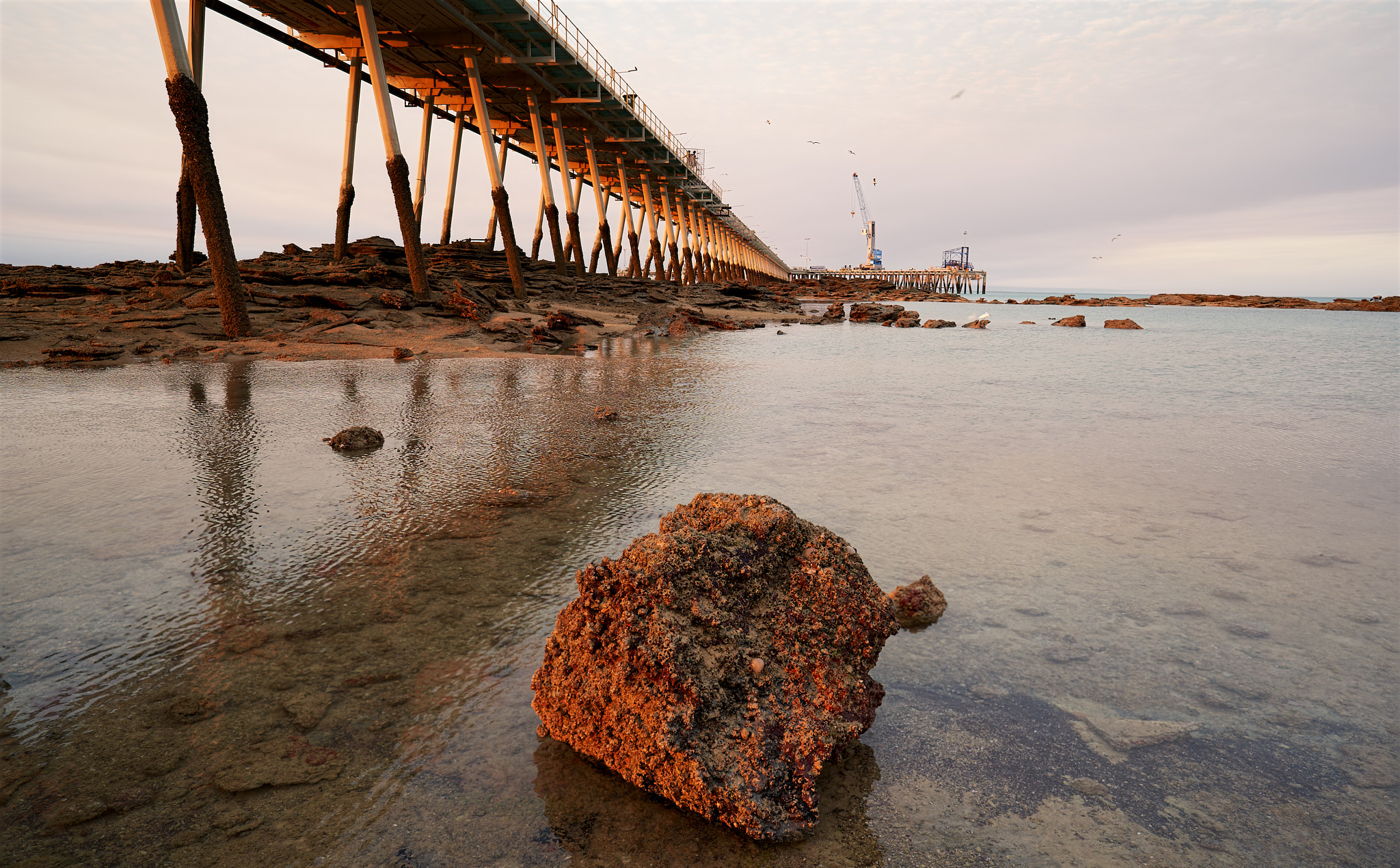
Ten metre tides, mangroves and vast expanses of mud complicated matters for the fledgeling settlement of Broome. Coastal shipping brought supplies in and the shell and cattle out. A jetty was commissioned and began operation in 1897. Even though it was 900m long ships could only arrive or leave on high spring tides. Henceforth the good people of Broome could take advantage of the West Australian Steam Navigation Company’s fortnightly mail steamer service to travel to Perth or Darwin. SS Charon and SS Gorgon of the Blue Funnel Line traveling between Perth and Singapore called at Broome en route. At low tide they sat on the mud.

The original pier was at Mangrove Point now called Town Beach. It was connected to the commercial centre in Japtown by a tramway. The port was administered by the Department of Harbours and Lights. Names were so much more romantic in those days.

On the morning of October 11th 1935 a fire broke out. It was extinguished in about half an hour but destroyed about 50 feet (15m) of the jetty. Steele Rudd died the same day. The incidents were not related.

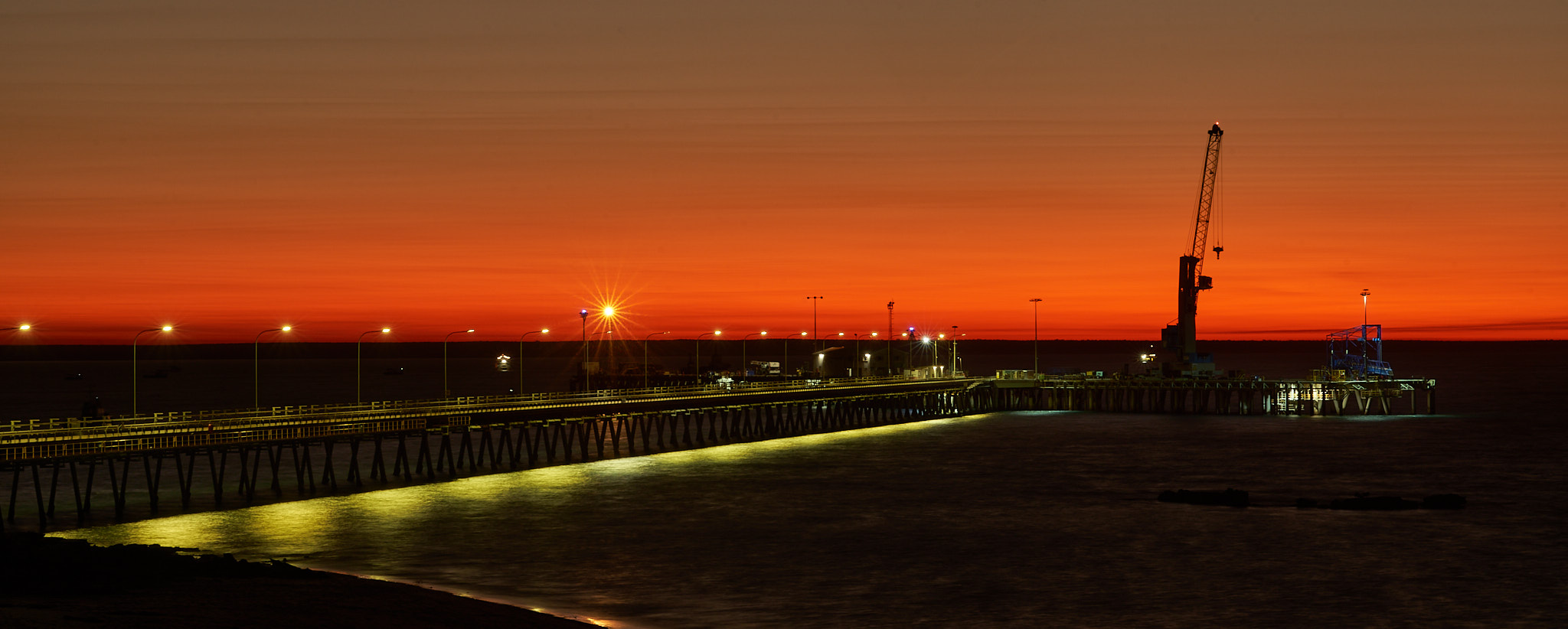
A new port was deemed necessary and was opened in 1986. It is situated a little less than 4km southwest of the old port at Entrance Point and offers improved freight handling and deeper water. It is managed by the Kimberley Ports Authority.

After the old port was retired the wharf was dismantled. In the last couple of years a new pier has been constructed which provides a fine promenade for tourists and somewhere for fisherpersons to reach deep water at high tide. It’s only about 200m long so high and dry at low tide. High and dry? Rather high and squishy, you can walk around it if you don’t mind muddy shoes. It makes a fine sight as the moon comes up …