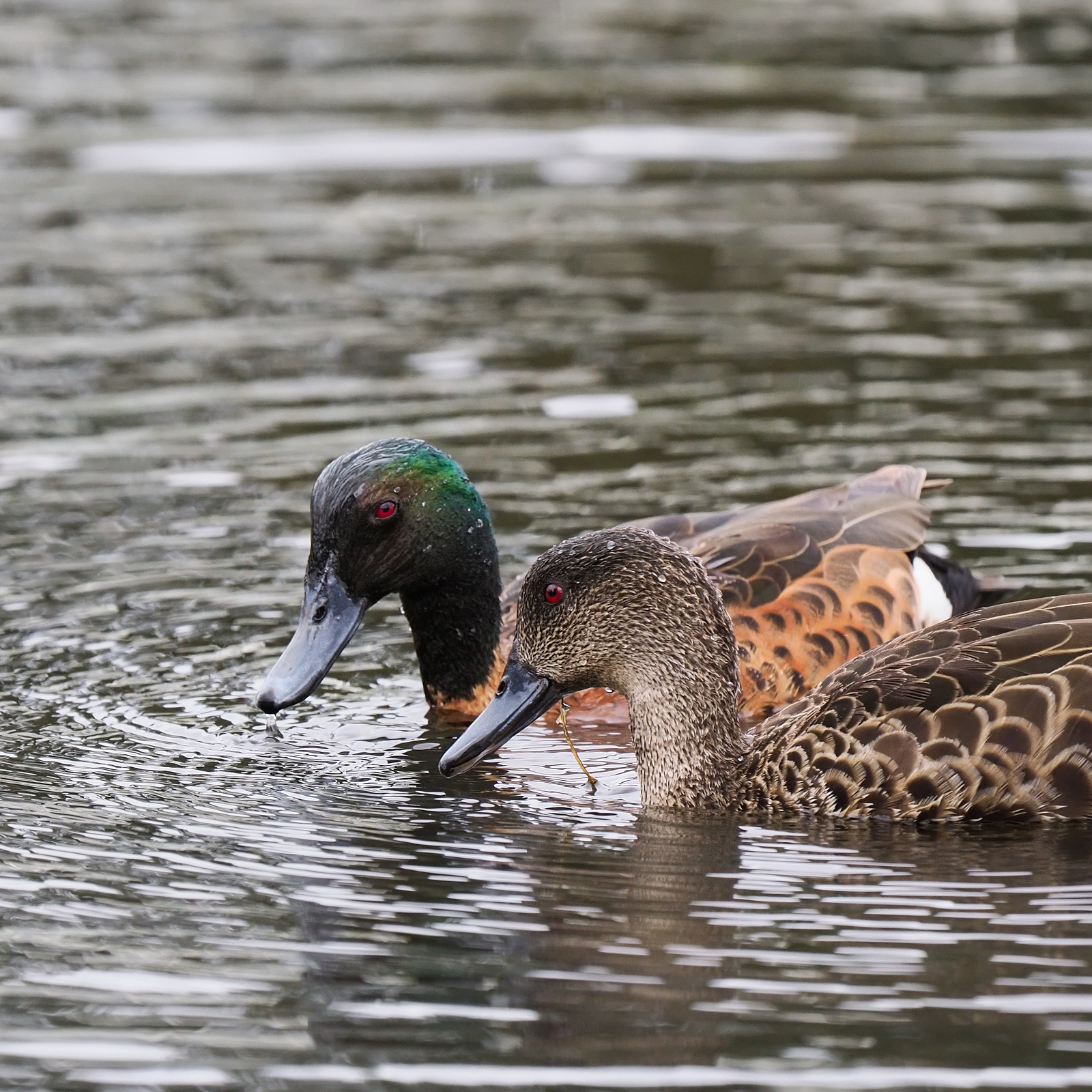
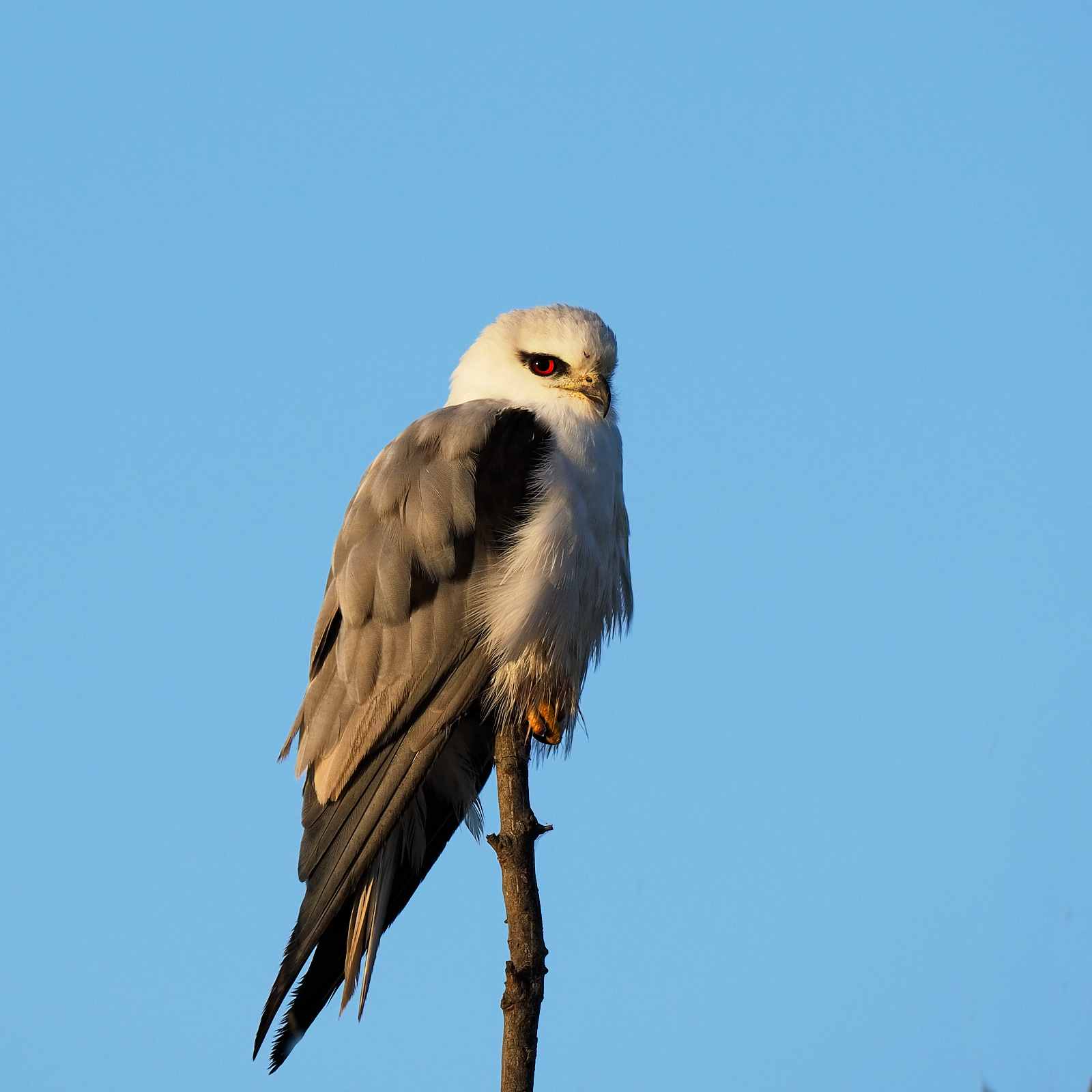
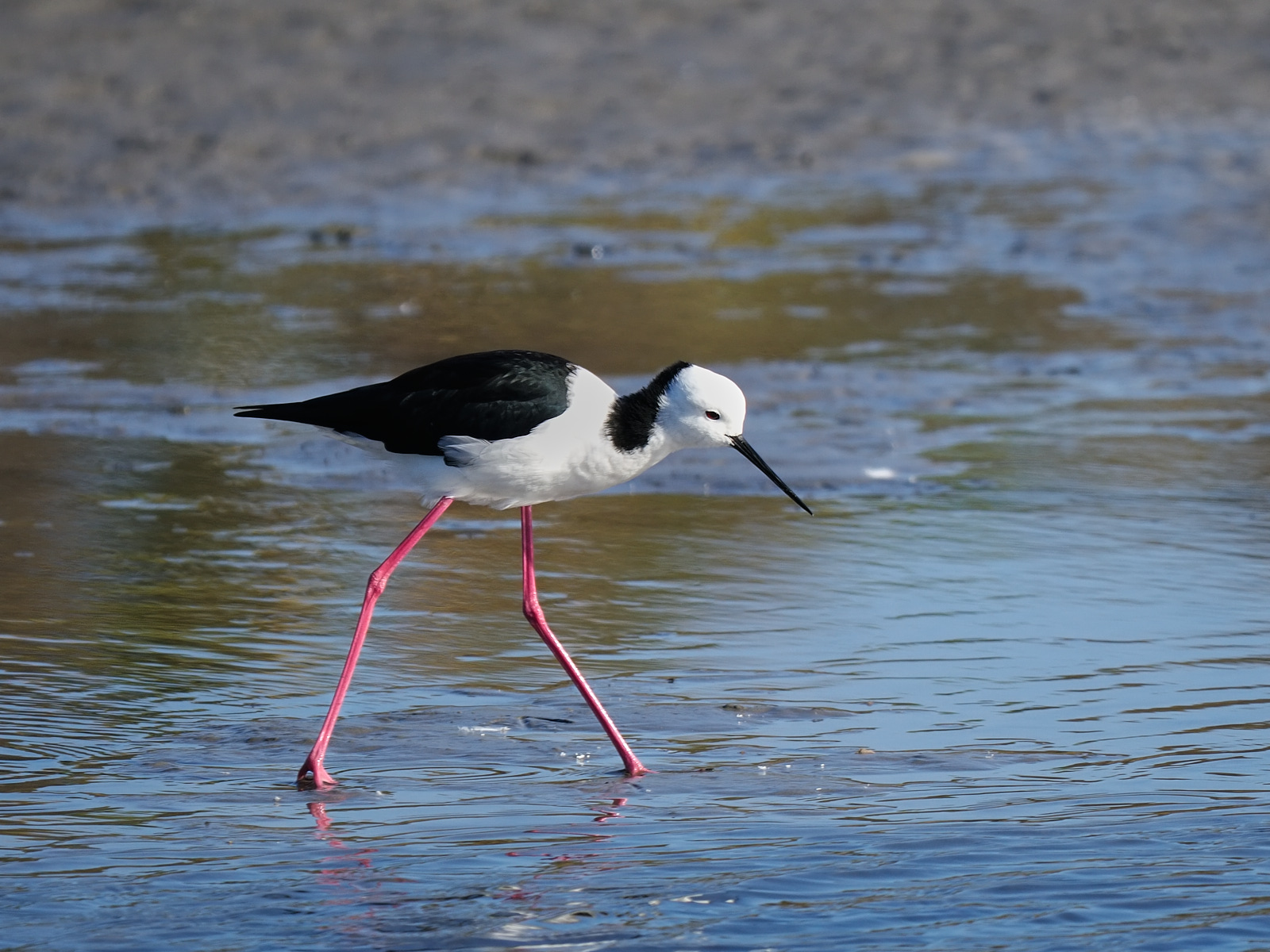
Braeside Park …

It was the 2nd of April 1989, opening day of the new metropolitan park. It was extremely busy. In I drove through the northern gate. I followed the road which ringed the picnic area. Traffic was nose to tail, moving at a snail’s pace. Each of the carparks were full and having completed the circuit I was decanted back onto Lower Dandenong Road. I found a carpark at the second attempt.

In the early days I coordinated bird counts in the park and I was involved in a long running banding project. The bird list grew apace. A walk around the park’s 310ha (770 acres) would yield about 50 species in about 3 hours at a bird watcherly pace. According to eBird the list now stands at 188 species.

Braeside Park is one of the first places I head to when back in Melbourne. The number of bird watchers is up, the number of bird species is down. Many of the birdos are carrying cameras with very long lenses. It seems that the advances in photography have attracted many more people to the hobby.

The decline in species is probably due to a number of causes. There has been considerable development surrounding the park. Previously raptors such as Swamp Harrier could range over the park and extensive grasslands outside the fence. Now they just have the park which may not be enough for full time habitation. In addition Melbourne has had a very dry summer which may have caused some species to go looking elsewhere. And it’s autumn, the summer migrants have gone.

Nonetheless the park remains an outstanding place to watch birds.

Statistics …

As I recall Statistics is something you can do with independent observations taken at random and assembled into a sufficiently large sample. It’s a dark art, lies, damn lies and statistics etc. Bird watching stretches it even further into the kingdom of the devil. Bird watchers choose their sites to generate large lists, large list are more fun. Will we turn left or right? Depends where the Red Goshawk’s nest is or the owl’s roost. It’s called bias. Bird watching and citizen science make for a turbulent marriage

The year list is coming along very nicely, thank you for asking. Bird watchers tend to disparage introduced species, the plastics, but we do make sure to get them on our lists. If numbers give you an inner glow then they all count. I have my Goldfinch for the year. Port Fairy is very good for Goldfinch. But where is my Greenfinch? If I don’t get it here I am unlikely to get it this year.

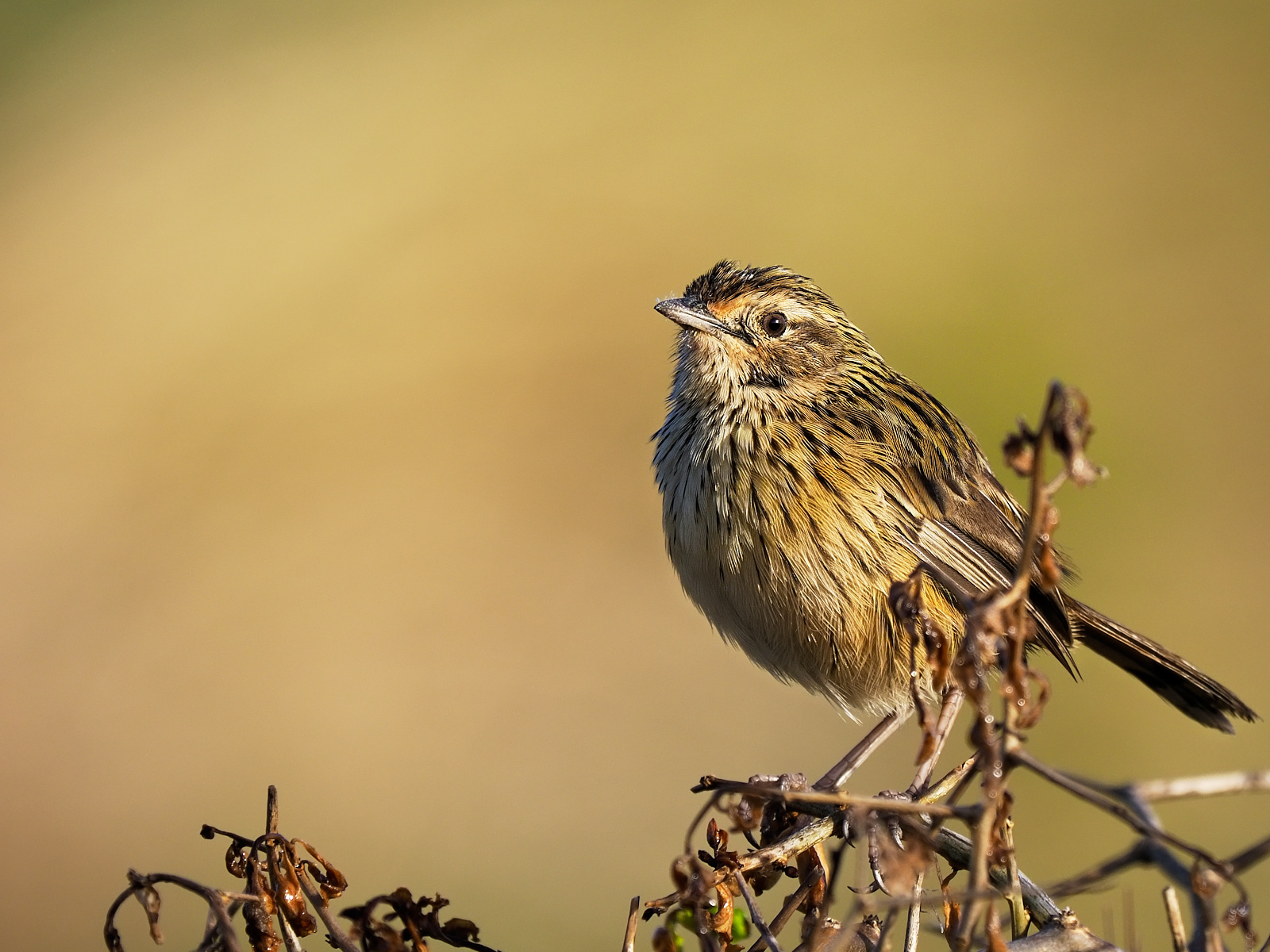
Port Fairy is also a very good place to find the Striated Fieldwren. They live in rank vegetation and low scrub. In spring the males get up on rocks or taller plants and sing their little hearts out. The rest of the time they are a challenge. It’s not spring but this visit they have been very cooperative. I even have photographs! (Notice they all face to the left, n=2, the sample size is too small, p is nowhere near significant).

That thing they do with their tail is very endearing. Shame the one in the better light didn’t do it.

Port Fairy is not only famous for Fieldwrens it is also home of the Port Fairy Folk Festival. Secombe Park has been transformed into a reasonable facsimile of the Field of the Cloth of Gold. The town benefits greatly from the revenue raised. Fortunately I will have left before the festivities reach full swing.

Just over a day to find the furtive finch. I haven’t connected with the snipe either, it may be too late in the season for them. I may have to come back in the spring. But the birding has been excellent …

The Shakedown Tour …

… is complete. The AOR Quantum plus has had its first trial and its first service. Tomorrow we cut the umbilical cord and head into the outback.

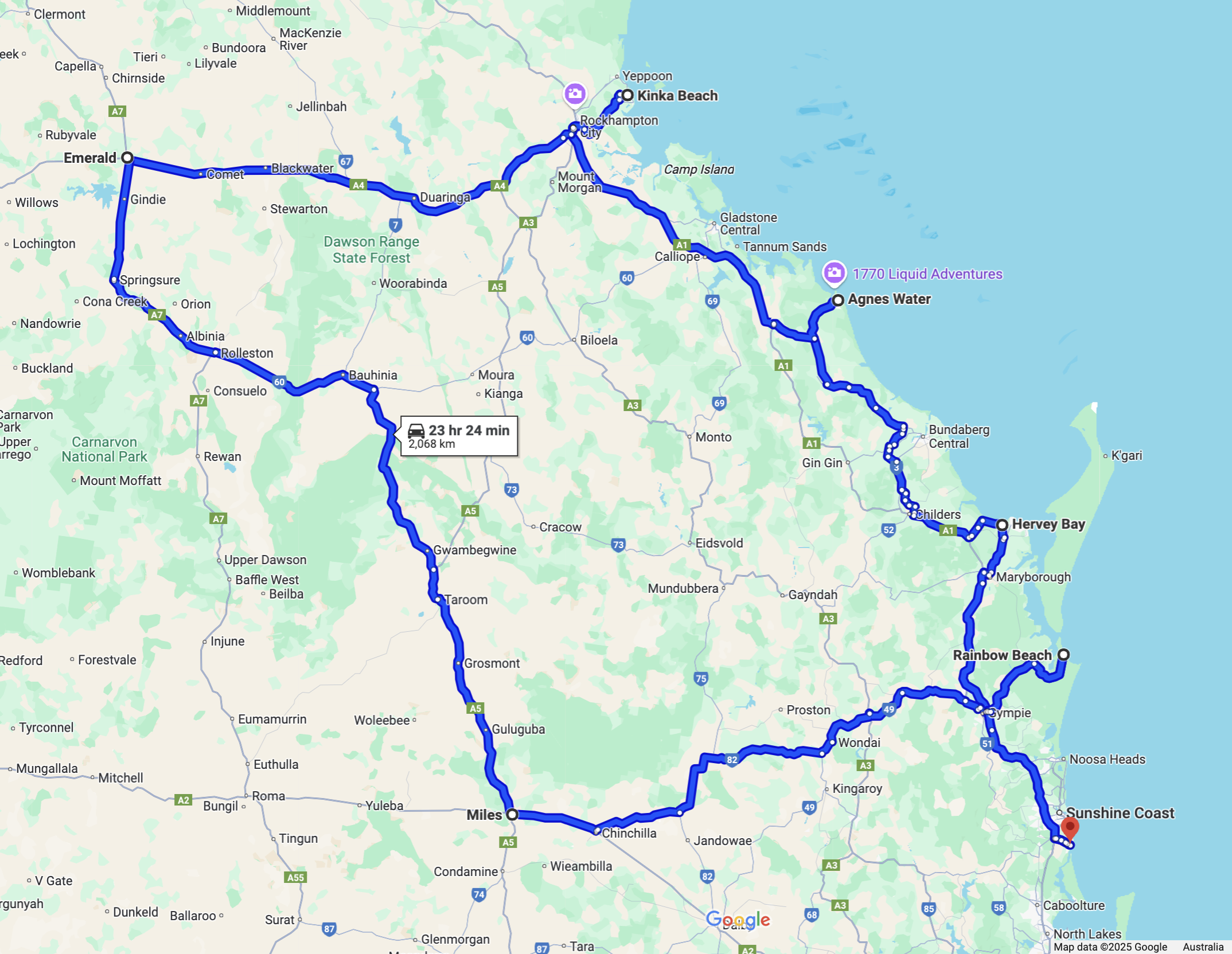
The tour took in a circuit of south east Queensland, covered just over 2000km of towing over two weeks and looked something like this …

The Quantum plus passed with flying colours. Minor teething troubles have been fixed. The three burner stove was fixed before leaving Caloundra. A stabiliser leg needed minor attention and a shock absorber was replaced on our return. I have tried to avoid a millimetre by millimetre account of the rainfall but the weather has been dreadful. The Quantum+ does not leak and the awning can withstand some hefty gusts.

Not exactly Game of Thrones …

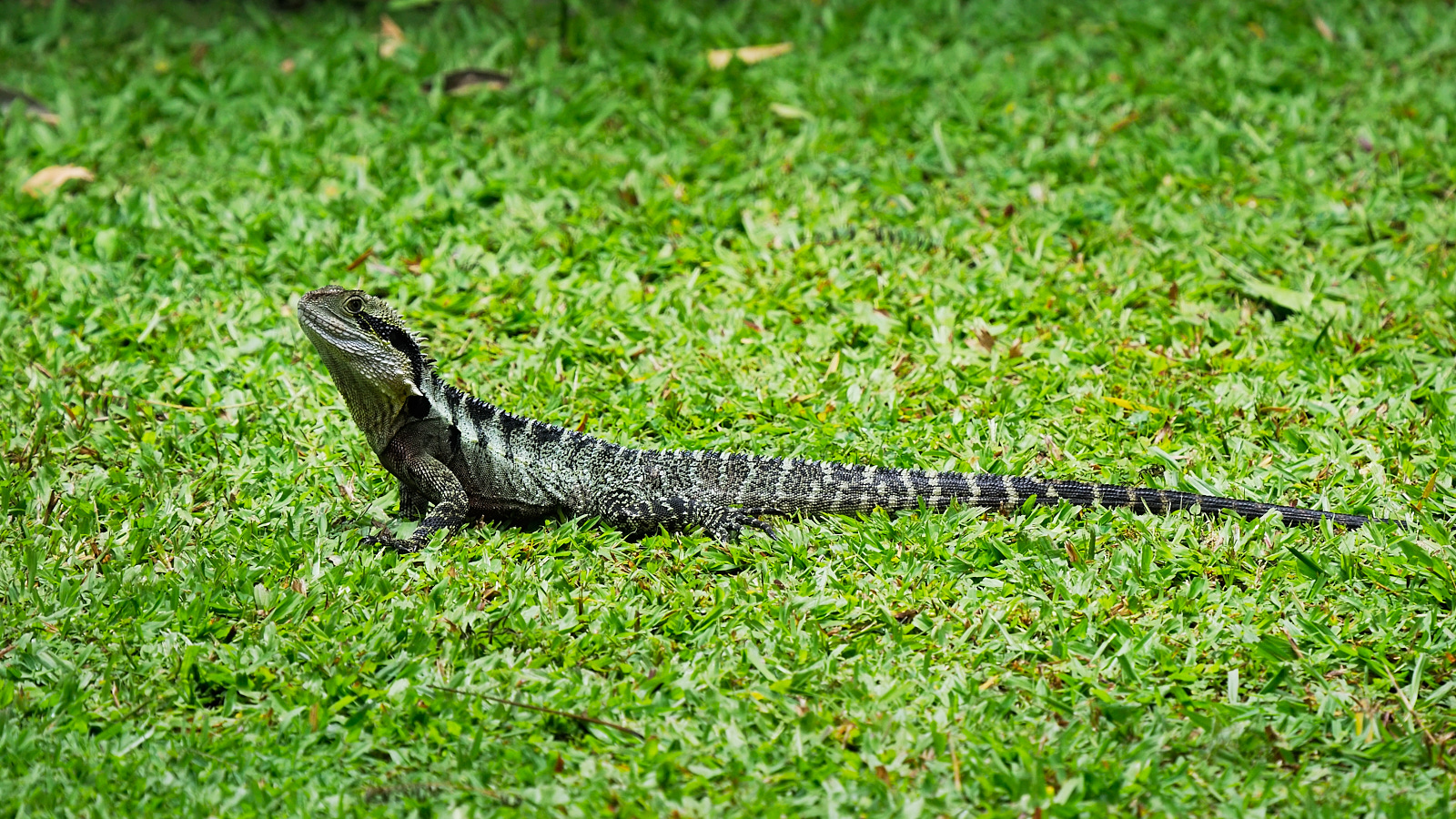
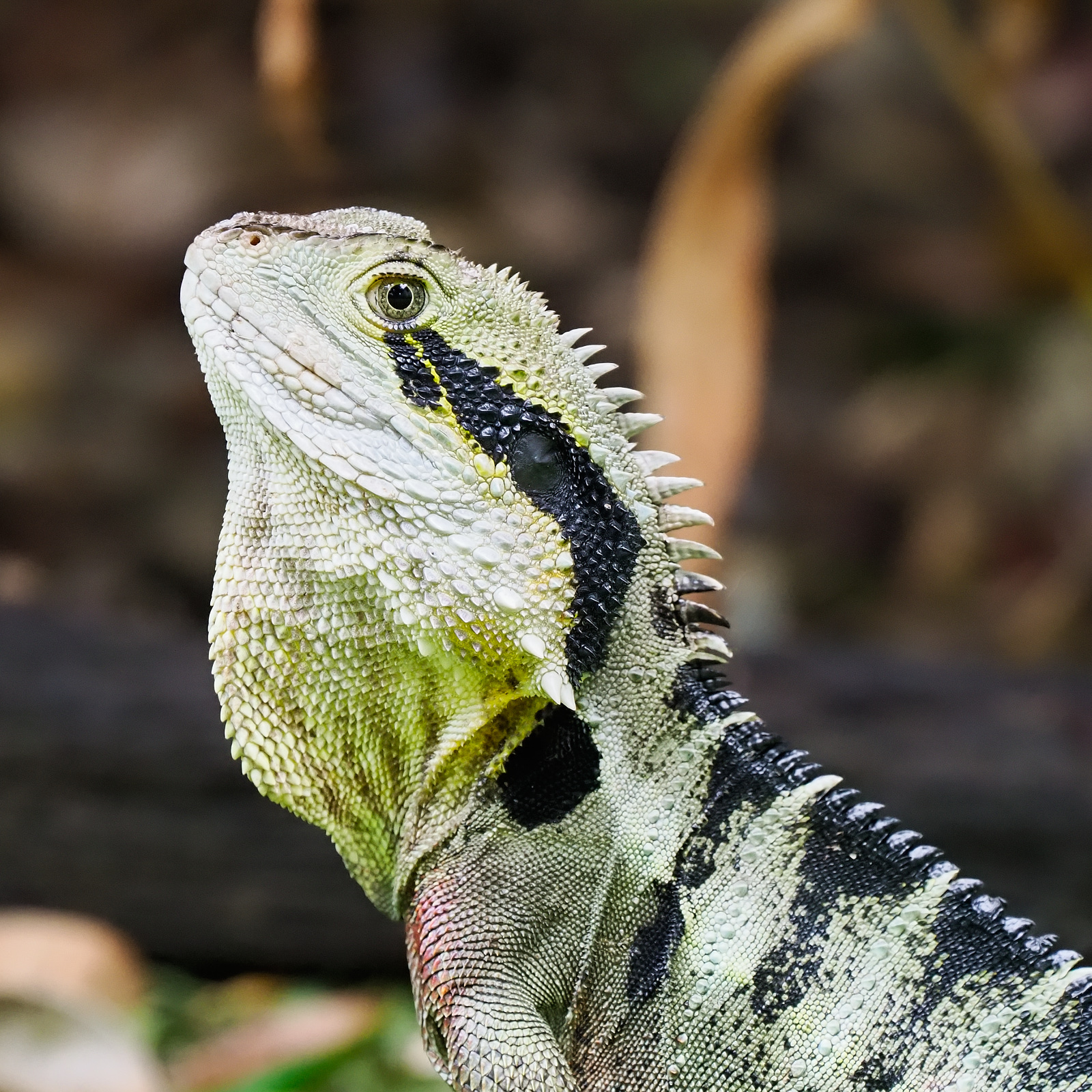
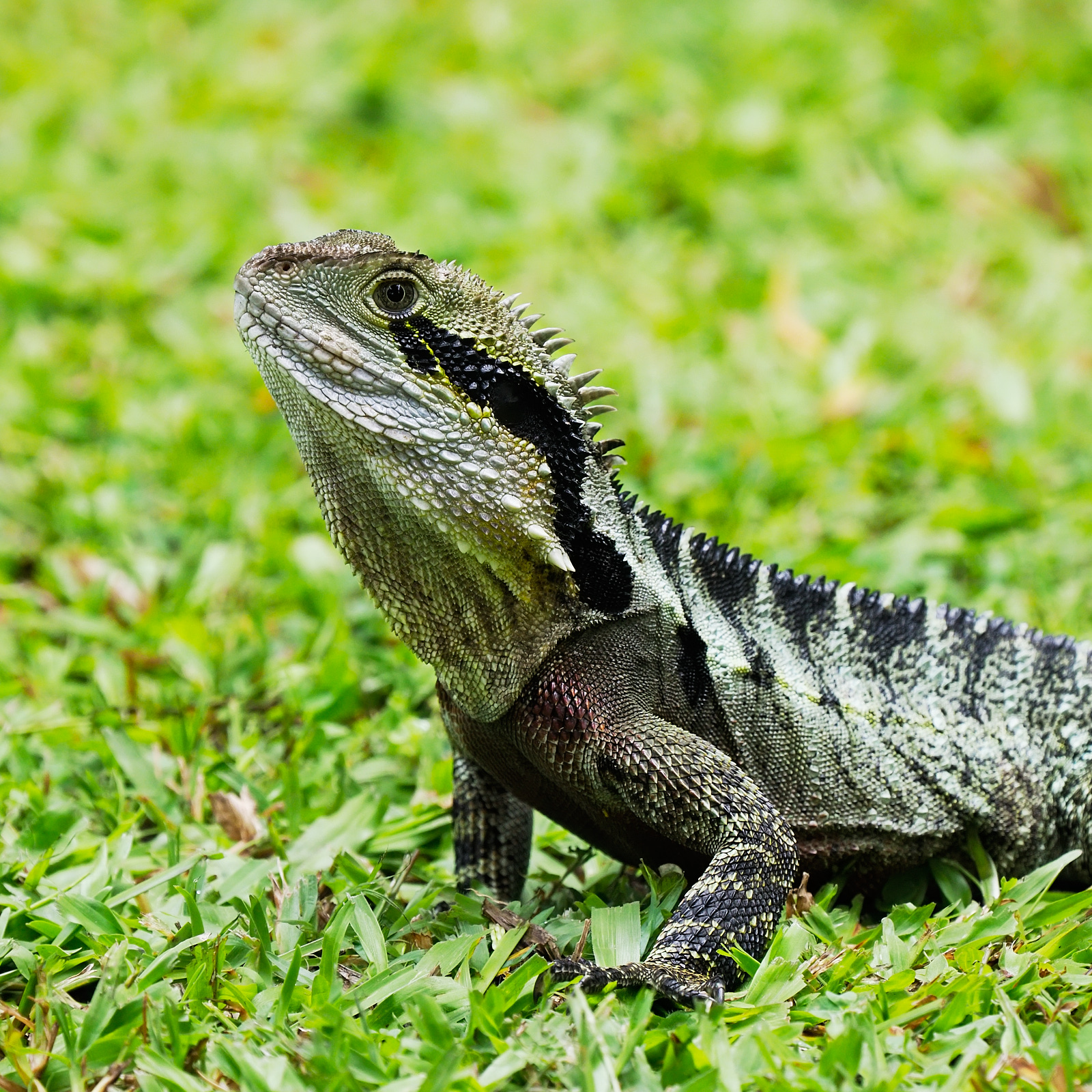
Byron Bay is full of surprises, there is a dragon in the garden.

An Eastern Water Dragon  (Intellagama lesueurii) to be precise. This guy, and it is a male because of the clarity of its markings and his size, is about a metre long and is reasonably tolerant of human presence. Thery are found along the east coast of Oz down to Gippsland in Victoria.

The guy in the first photo is all there, you just need to click on the gallery to get the whole picture.

Lazy Day in Byron Bay …

And just for a change torrential rain, thunder and lightning. Byron lost its electricity supply for a few hours. All in all a chance to take stock and catch up on some editing.

We are 4,800km from home. The trip bird list stands at 103 species. The symbols on the map show where I made my observations. The red symbols are places that are frequently birded, the blue ones are other spots where I found some interesting birds.

I would certainly have seen more if we could have taken our time, a lot of roses left unsmelt on the trip so far but the tempo will change.

I managed a few nice photos along the way …

Gayle has gone to catch up with a friend. Their friendship began on their first day at kinder and survived despite separation whilst still in primary school. I think that’s rather special.

How to Photograph Lightning …

That’s a question, don’t expect a tutorial!

You don’t know when it’s coming. By the time you find your gear it’s gone. If it hasn’t in fact gone you then need to guesstimate some camera settings. You try them and when you think you have the right ones … it’s gone.

OK, it’s not gone. Where will the next flash be?

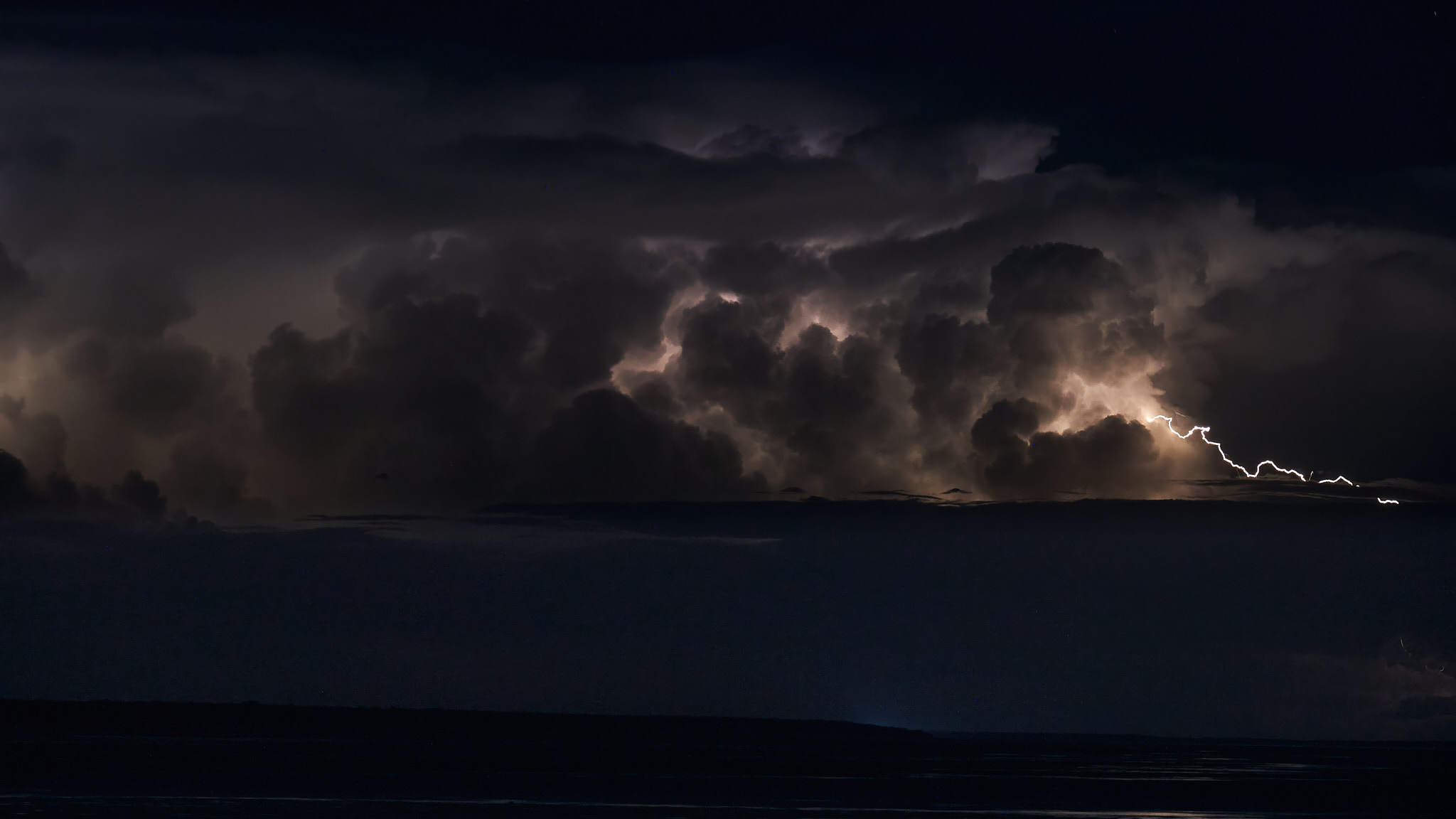
The whole sky was going off last night so I tried a wide angle lens. I got the whole storm in the frame. Actually I got the whole storm in the bottom millimeter of the frame. A fifty millimeter lens maybe. None in my bag. 70 to 200 then. Where to point it now. Mostly the wrong place.

I never have had much success with lightning. My worst effort was when I lived in the Victorian Goldfields. I dashed out chasing a storm and a half decent composition. Got nothing except soaking wet and got home to find my step daughter had a nice series of shots taken on her phone off the back verandah. Such humiliation.

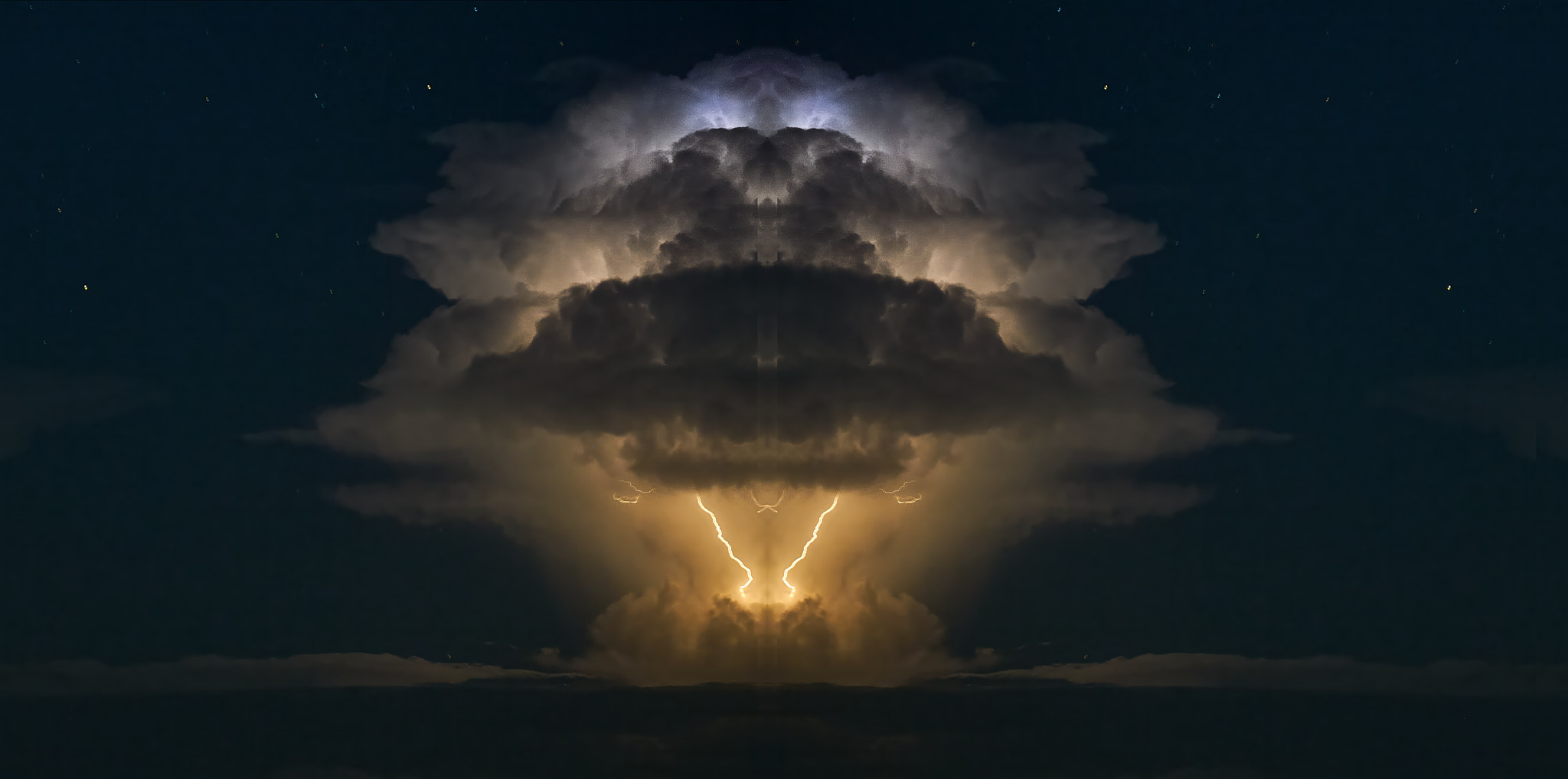
The best lightning bolt (of about 200 photos) was in a shot that had half a good flash hanging off the left side of the frame and a better half flash hanging off the right side. Black sky in the middle, oh, what could have been. One or two other frames were passable. After careful consideration I decided not to slash my wrists. Instead I took the right side of the frame and moved it to the left. Flipped a copy horizontally and moved the two halves together. I did this in Affinity Photo.

A New Year …

I do wish you a happy and trouble free 2025.

Bird watchers around the globe have been out chasing a big day to get their year list off to a good start. Me too. I was introduced to a competition of sorts by birders on Townsville Common. It’s simple. Your list has to be bigger than the number of days elapsed in the year. Easy at first, it gets tougher as you get deeper in the year. When you fall behind you’re out. I call it the Calendar Game and play just against myself. I have lost every year since the Big Panic changed my travel habits.

So on the first of the new year I got ahead of January and February. I have a road trip coming up so the list should move along well for a while.

While having a look at Broome’s Entrance Point a couple pulled up near me and asked, had I seen it? Not only had I not seen it, I didn’t know what it was. They’d found it on the oval in town and alerted the bird watching community. I was the last birdo in town to reach the oval … not long after it had gone. The alert had come through on my watch, which was at home charging.

It was a gull. It had been very happy to hang out with other gulls especially around anybody who looked like they had food. Next stop all the other places that I knew gulls congregated starting with Town Beach …

Americans will be wondering why the fuss? A Laughing Gull, so what?

It’s the first record for WA and new for my Australia list. Thank you Clare and Grant.

Macaque …

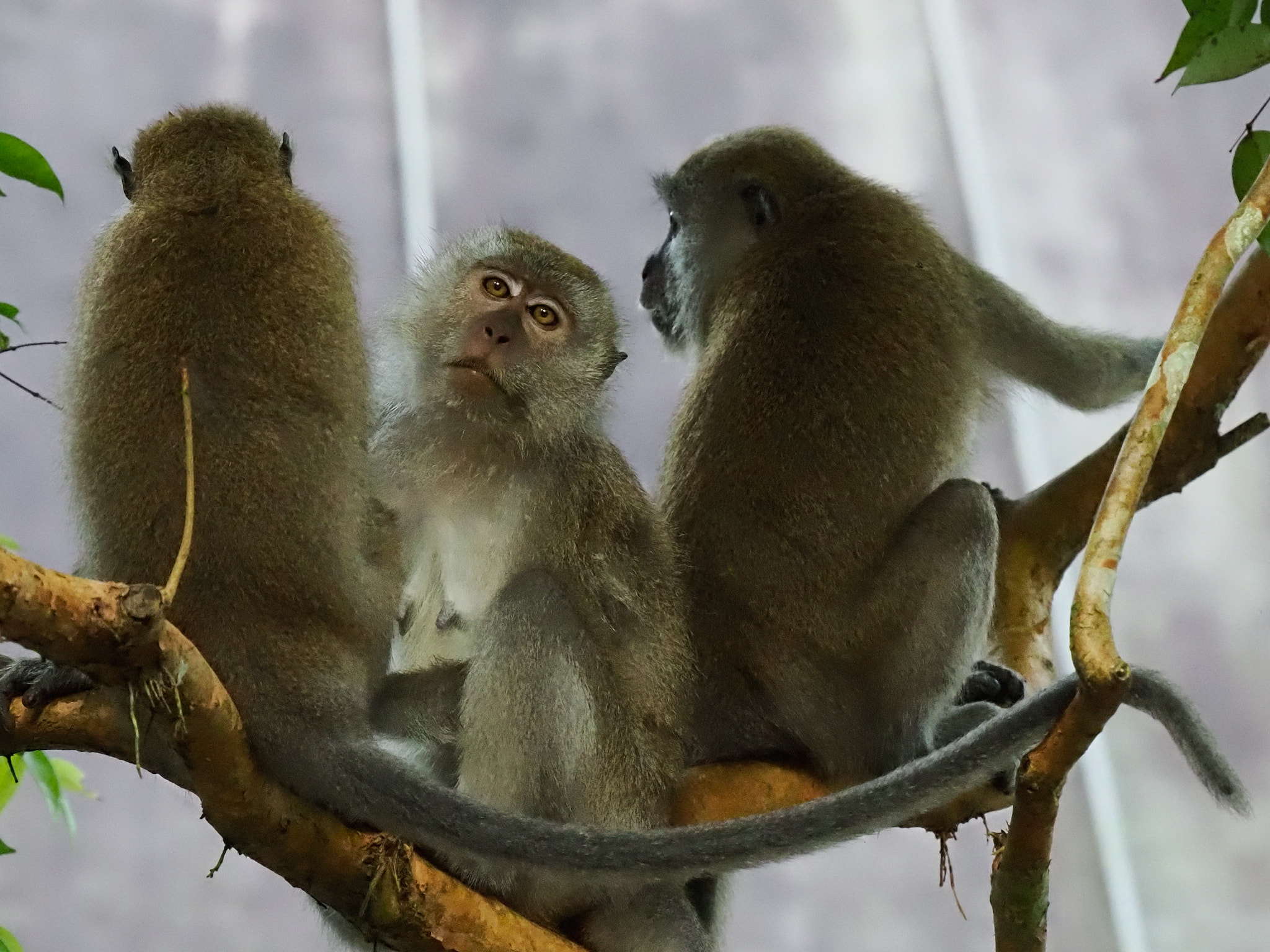
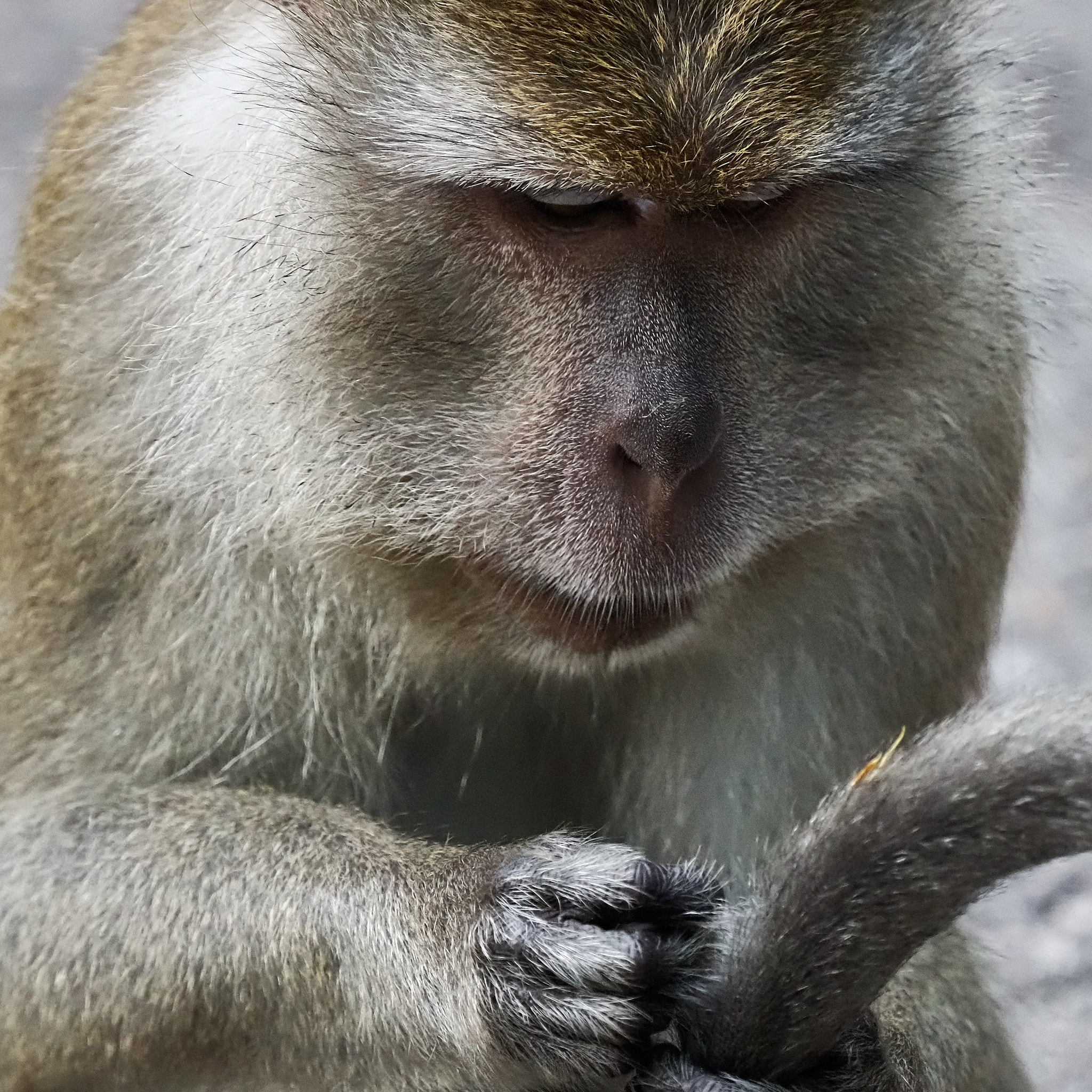
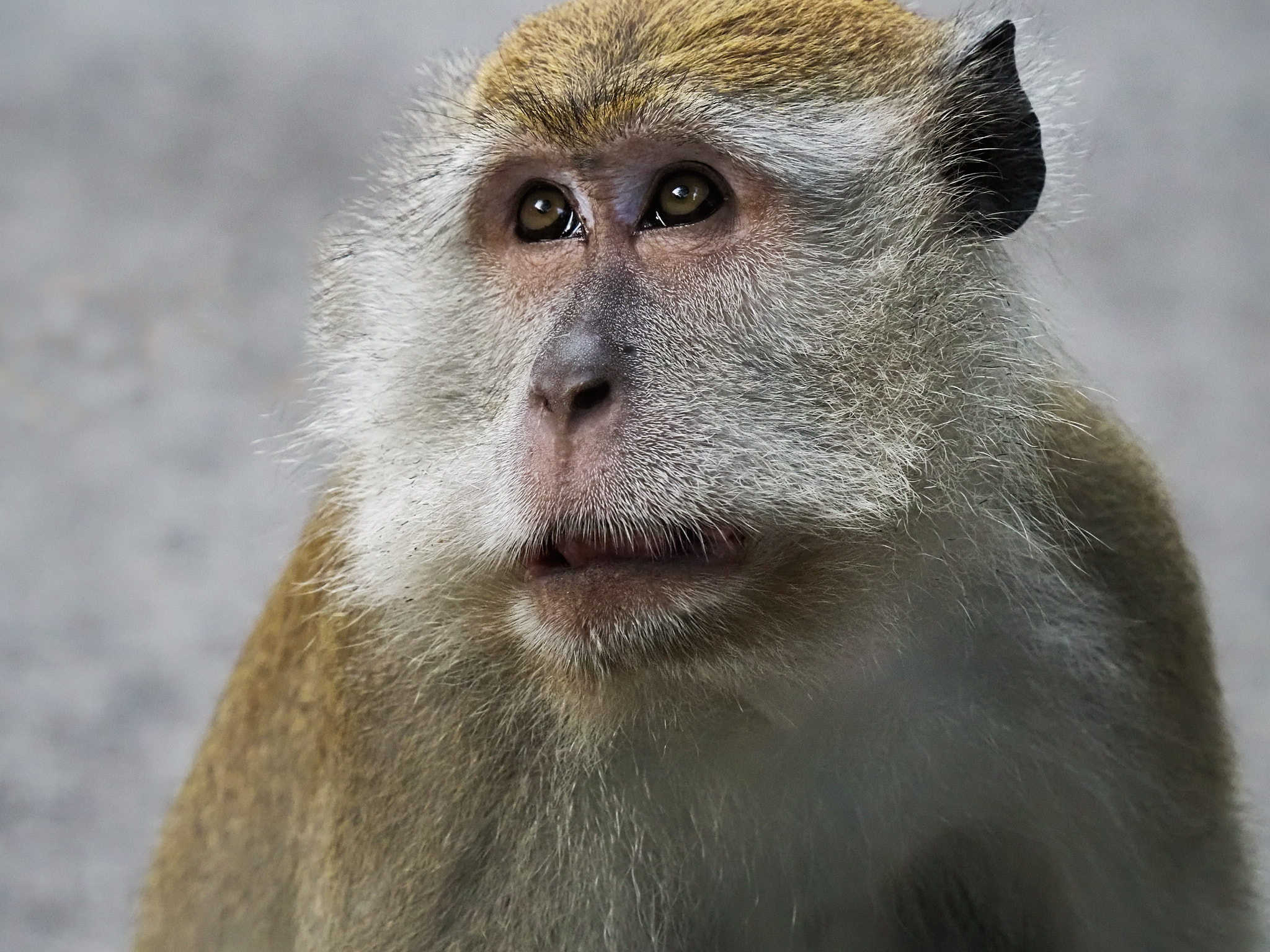
I came across a group of Long-tailed Macaques, Macaca fascicularis at Dairy Farm. This wasn’t the only encounter but it was the only occasion that they consented to a photo shoot. Some were on the footpath, others were in an adjacent tree. Some youngsters were engaged in a rough and tumble game. If otters are largely approved of, with a few detractors, monkeys elicit a much broader range of attitudes. Are they wise, are they mischievous, will they steal my phone or my Mars Bar? I find them very engaging but yes they will steal your Mars Bar. Or steal your phone and barter it for your Mars Bar. A few walkers turned around and went back the way they came, others gave them a wide berth.

Macaques are synanthropous, that is while not domesticated they are well adapted for life around people. So are bedbugs, so are House Sparrows.

There is a second monkey native to Singapore Raffles Banded Langur, Presbytis femoralis. They are not synanthropes. A population of about 70 survive in the central catchment area. I did not get to see them.

The Otter …

I grew up in the East End of London. A family outing once took us to, as I recall, The Owl, a pub in High Beech in Epping Forest. The beer garden had a nice view and a water feature, I’m tempted to say a fake well but it may have been nothing more than a big tub of murky water. If this all seems vague forgive me. It was a long time go. A sign said something along the lines of, “Pull the chain to see the Water Otter” and there was indeed a chain leading into the water. When you pulled the chain a battered old kettle came up out of the murk. It was a major disappointment.

Real live otters are never a disappointment especially when seen in the wild. Singapore is the natural home of two species of otter, the Oriental Small-clawed Otter (Aonyx cinereus), which is rare and the Smooth-coated Otter (Lutrogale perspicillata) which you have a good chance of seeing in a number of places including The Botanical Gardens, Gardens by the Bay and Sungei Buloh.

Otters live in small groups. They eat fish. Their behaviour is very engaging and best enjoyed quietly from a respectful distance especially when they have young ones.

Not everyone in Singapore is a fan of otters. There has been at least one attack on a human requiring hospital treatment. I have seen an interview with the man involved. The otters were upset when a jogger ran through their group. He kept running. They attacked the nearest person who was taken to the ground. He sustained bites to the legs and his face which he described as like having staples punched into his skin. The other group in conflict with otters are those privileged enough to have a koi pond in their back yard. Koi are expensive, long-lived and apparently people become quite attached to them.