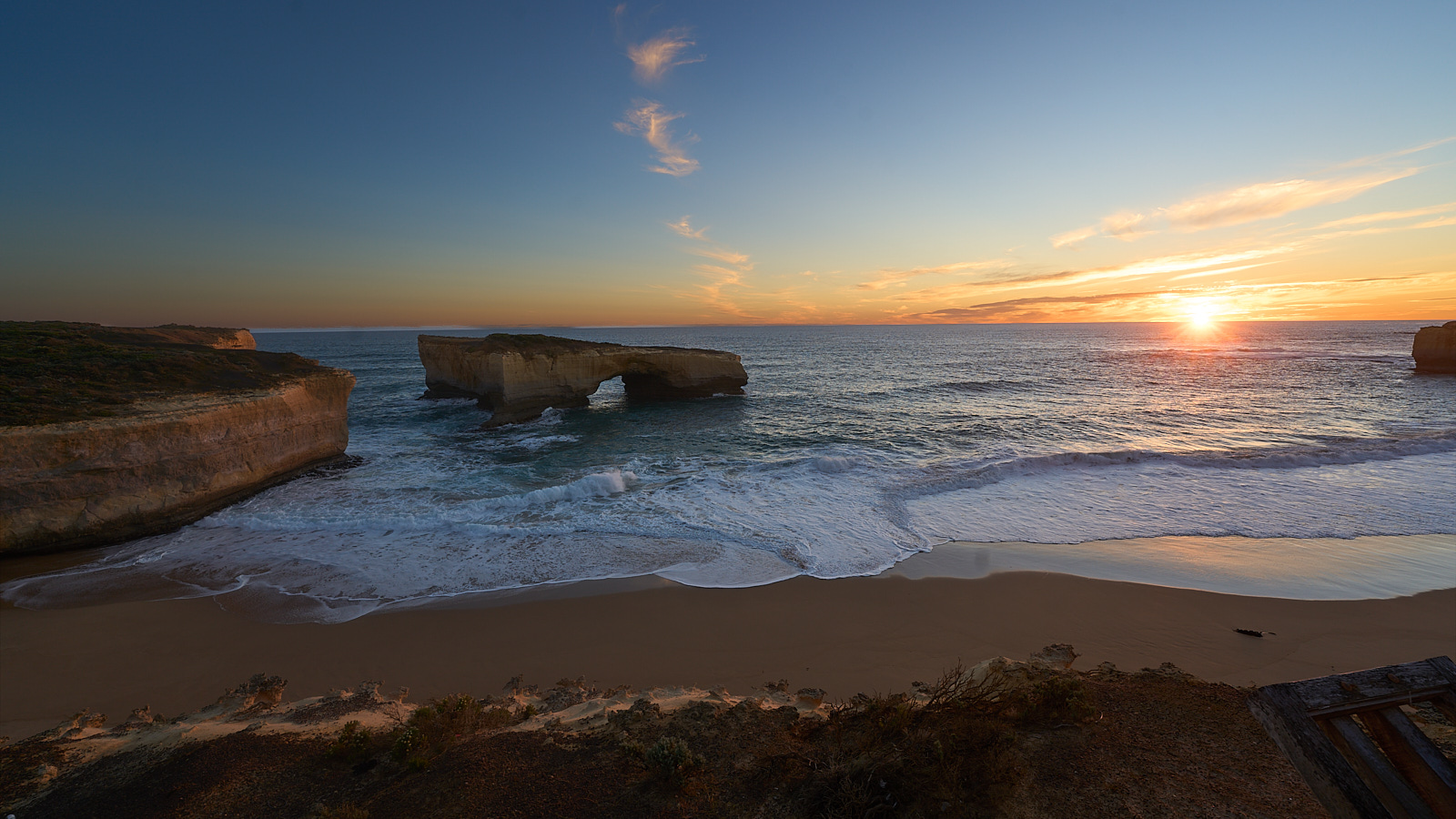
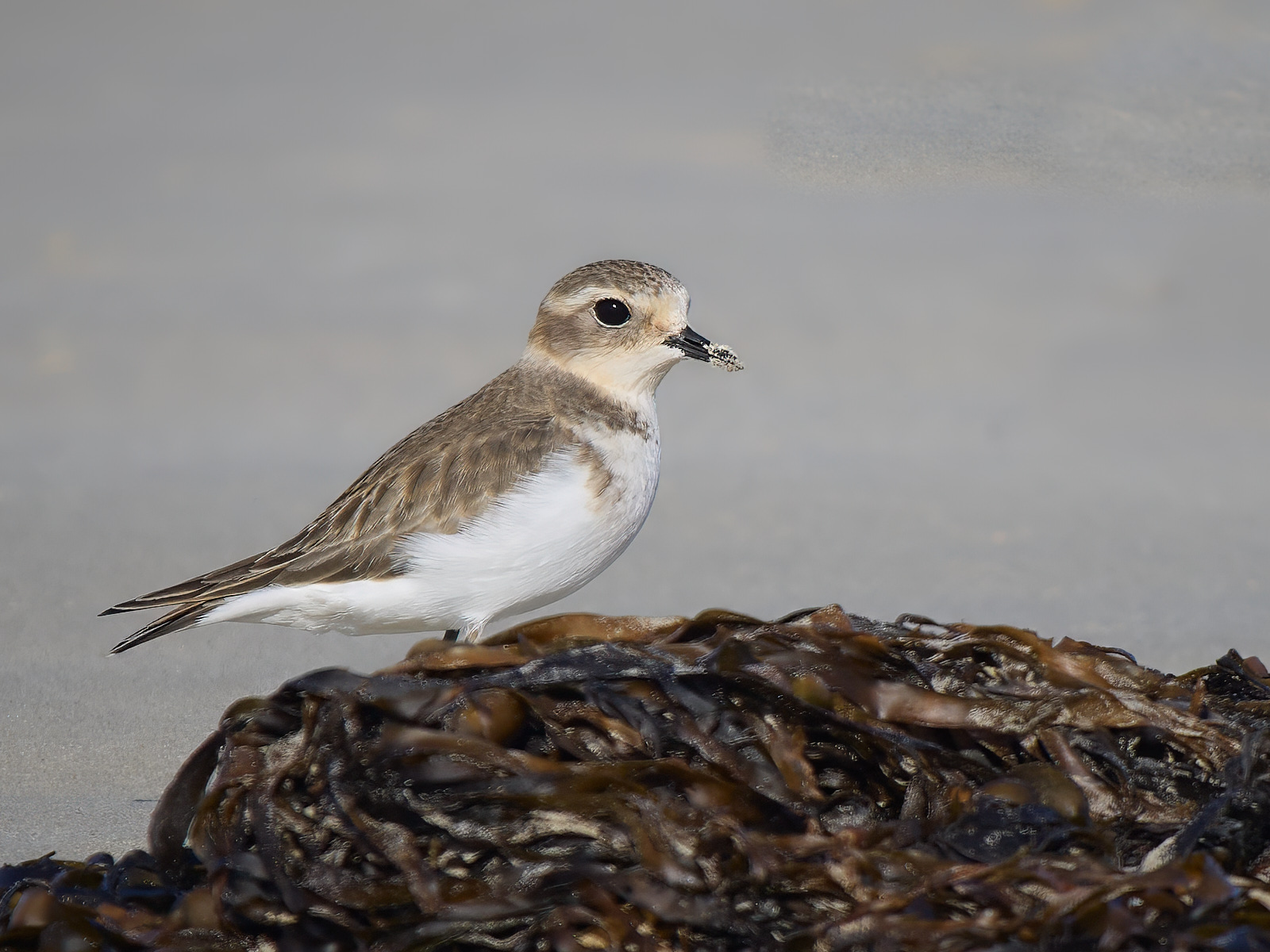
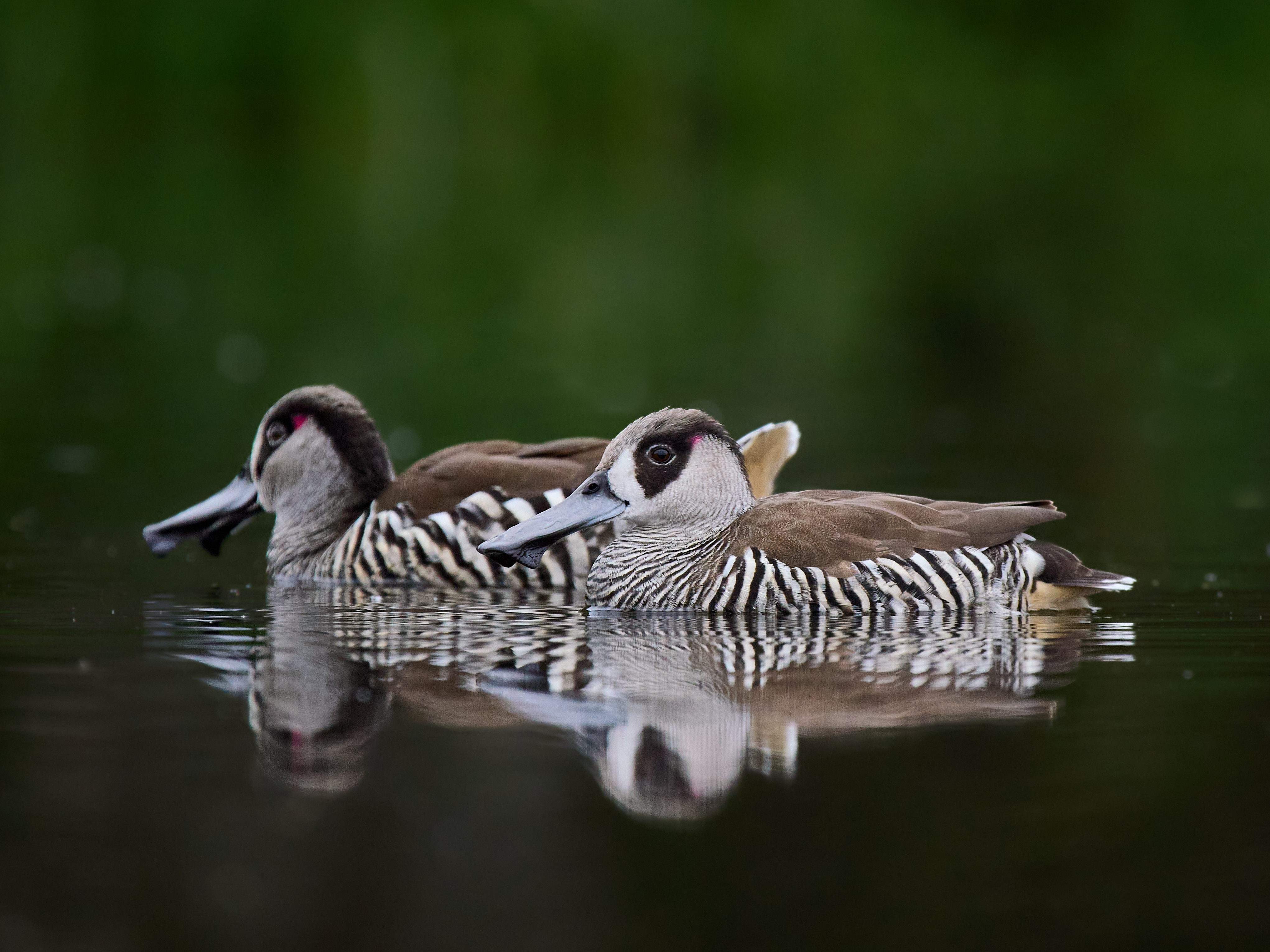
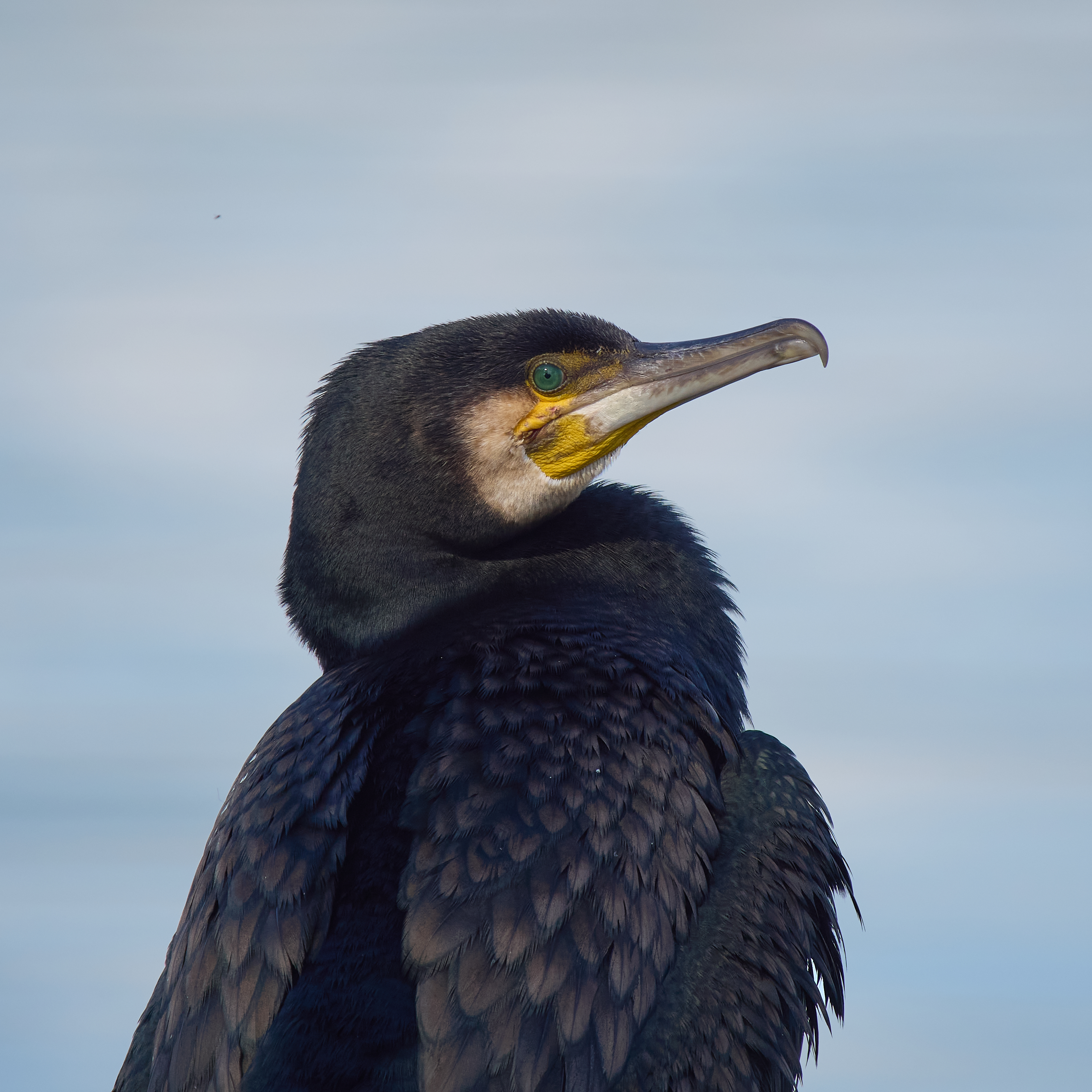
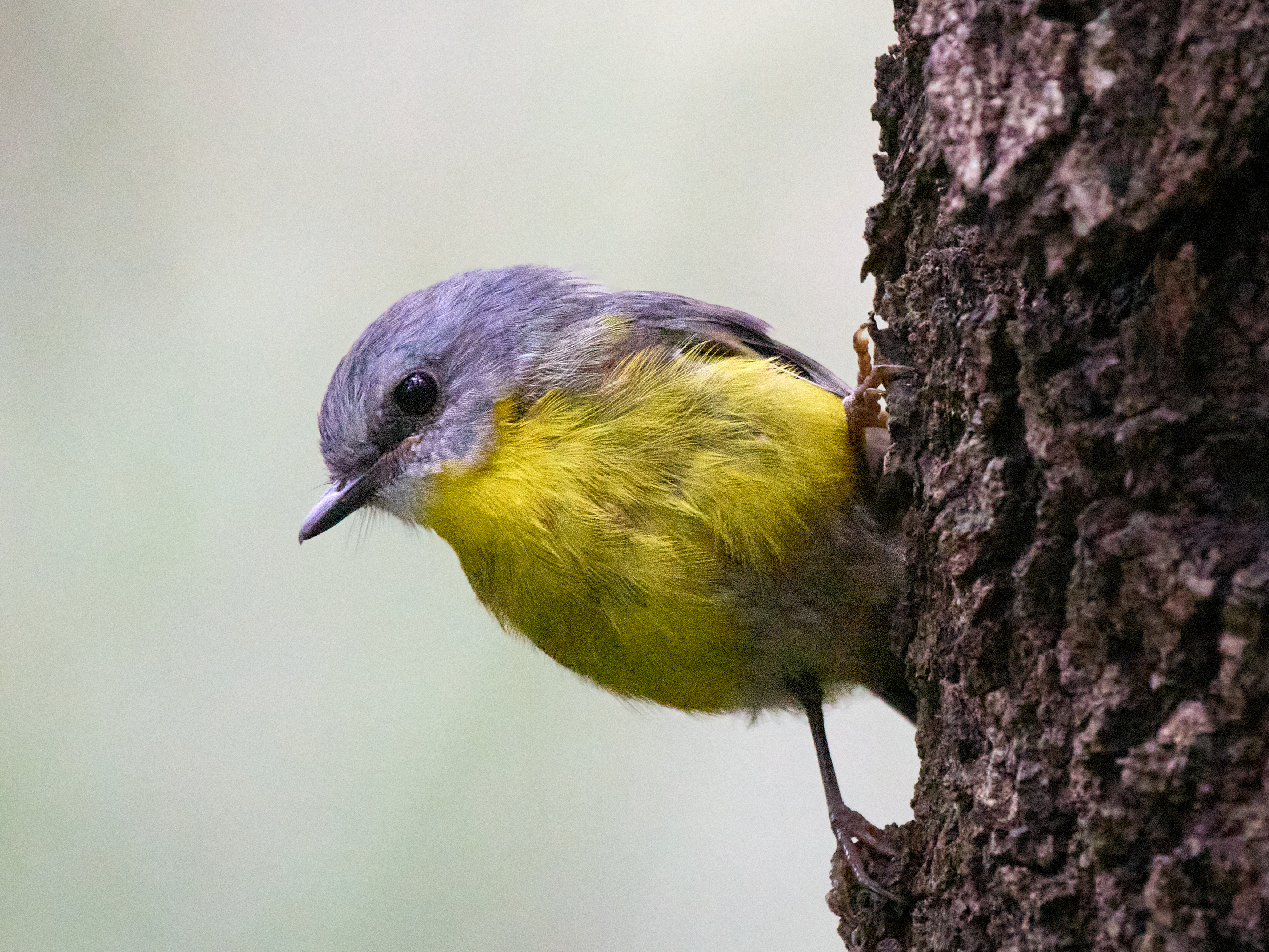
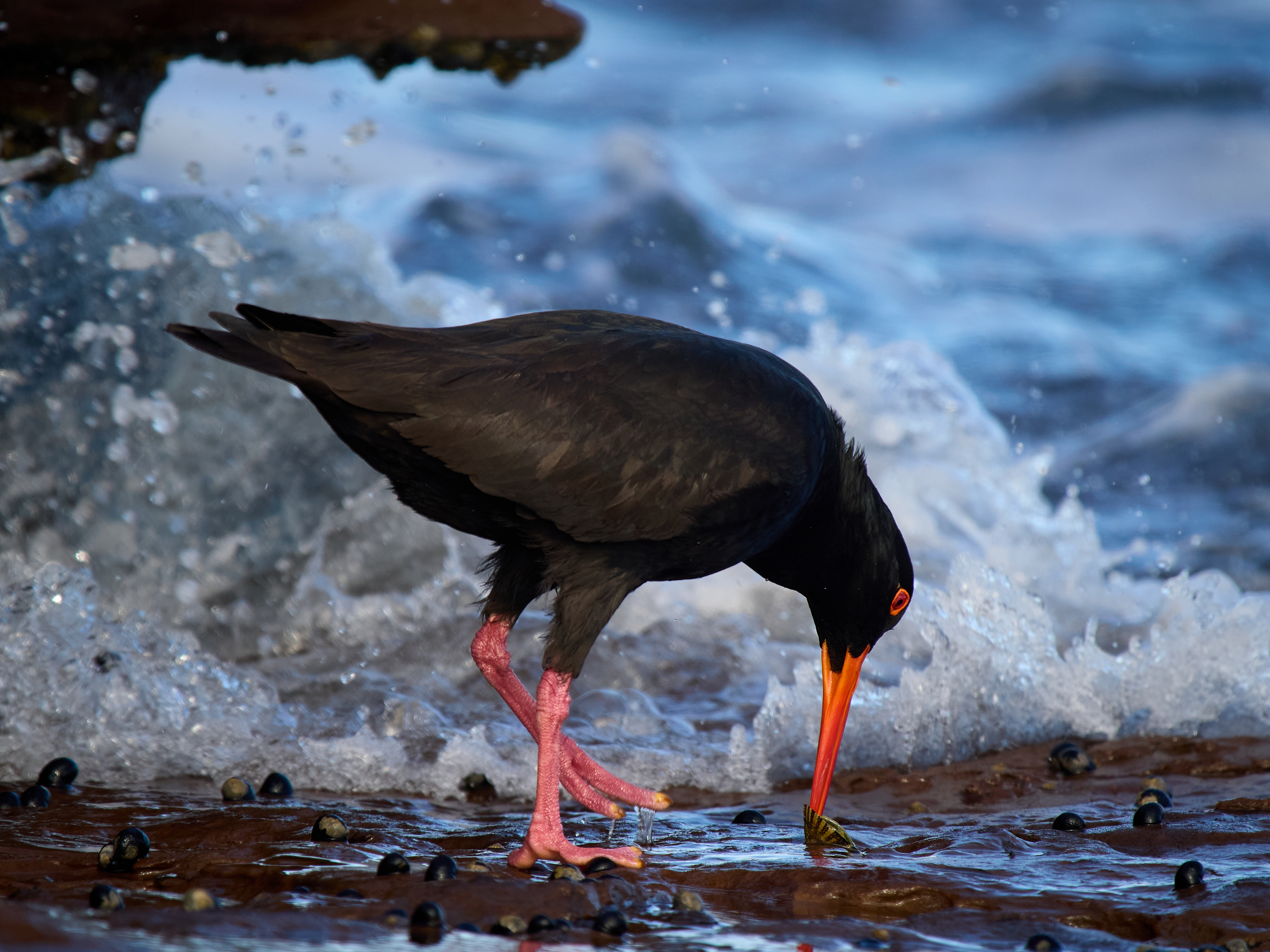
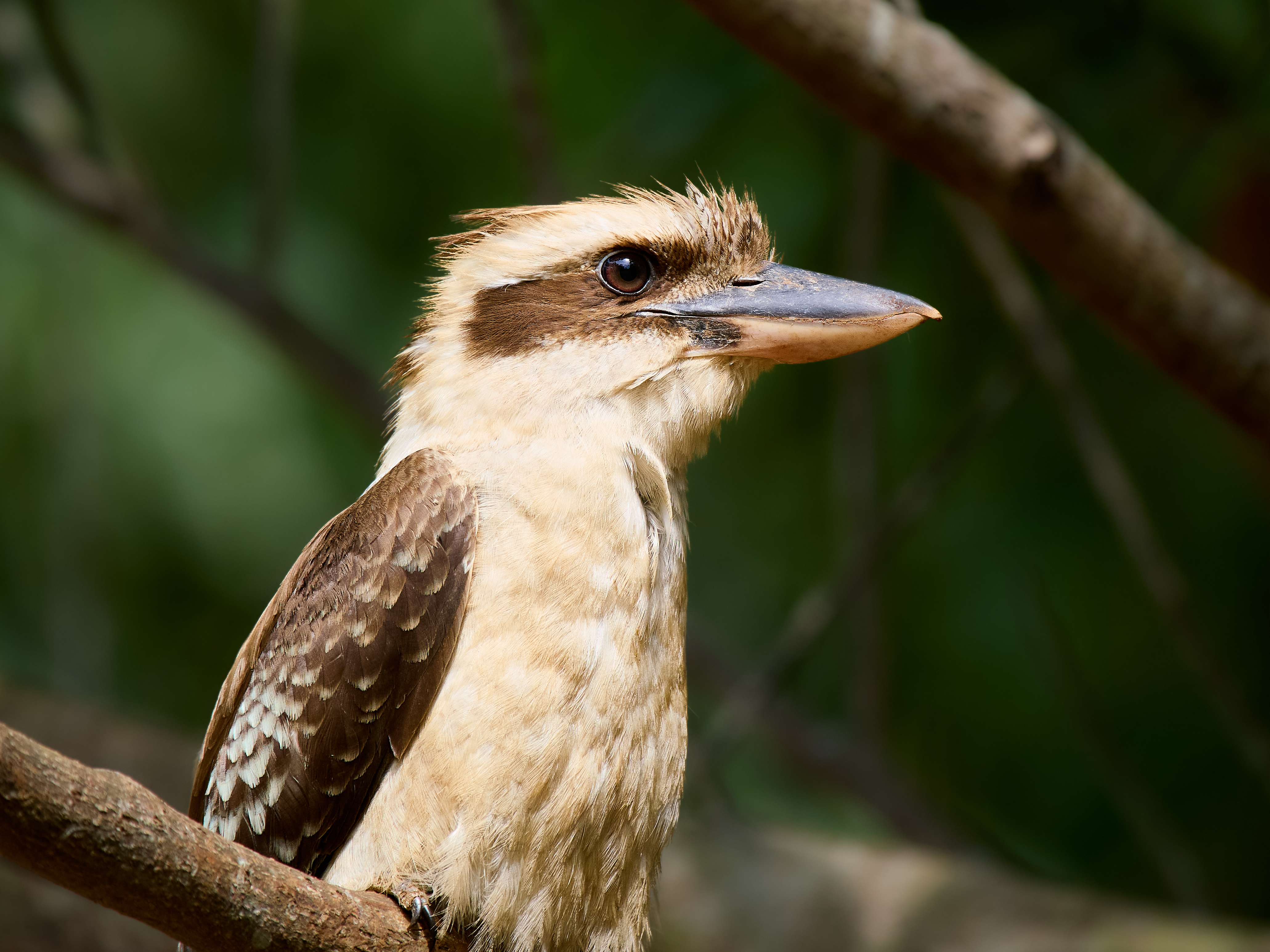
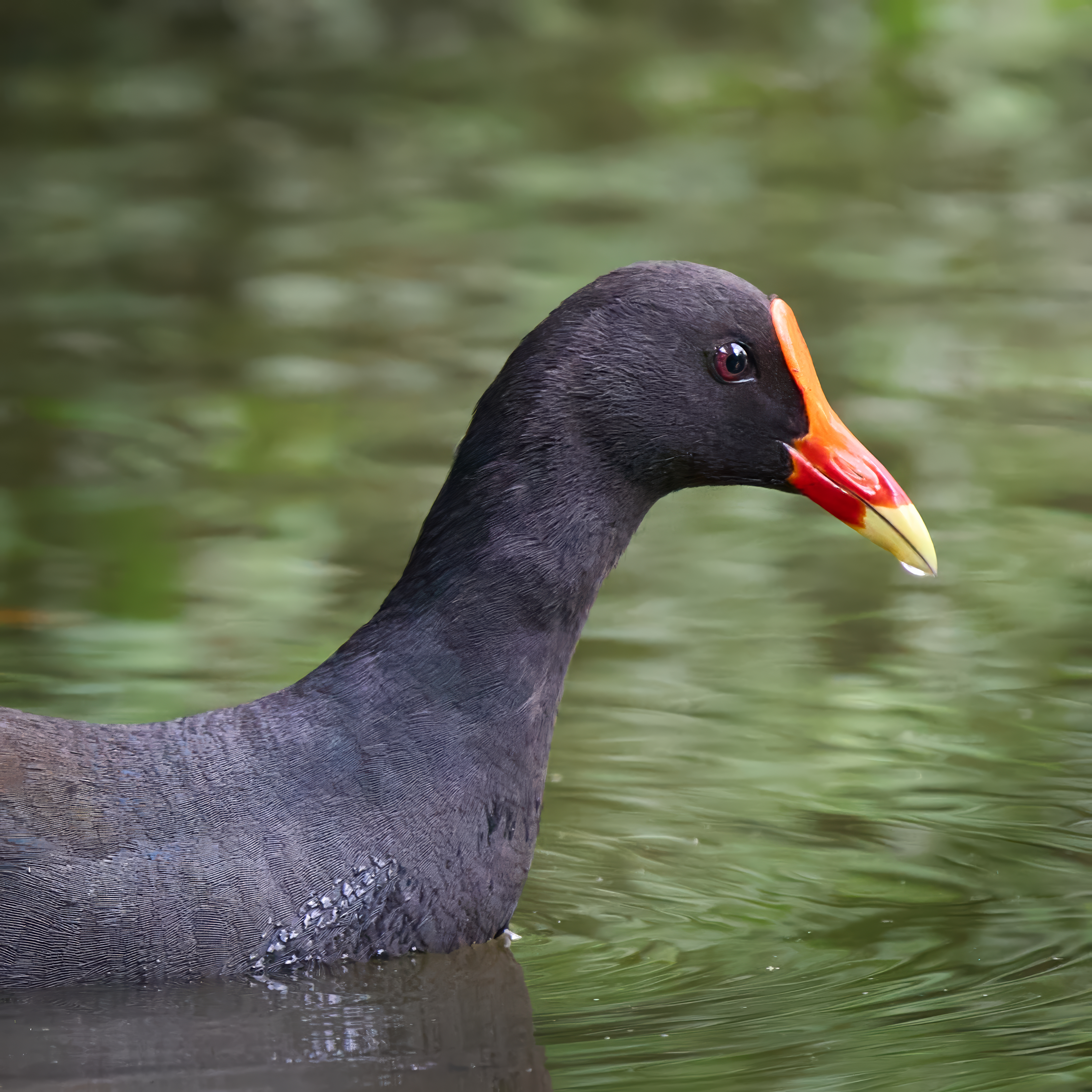
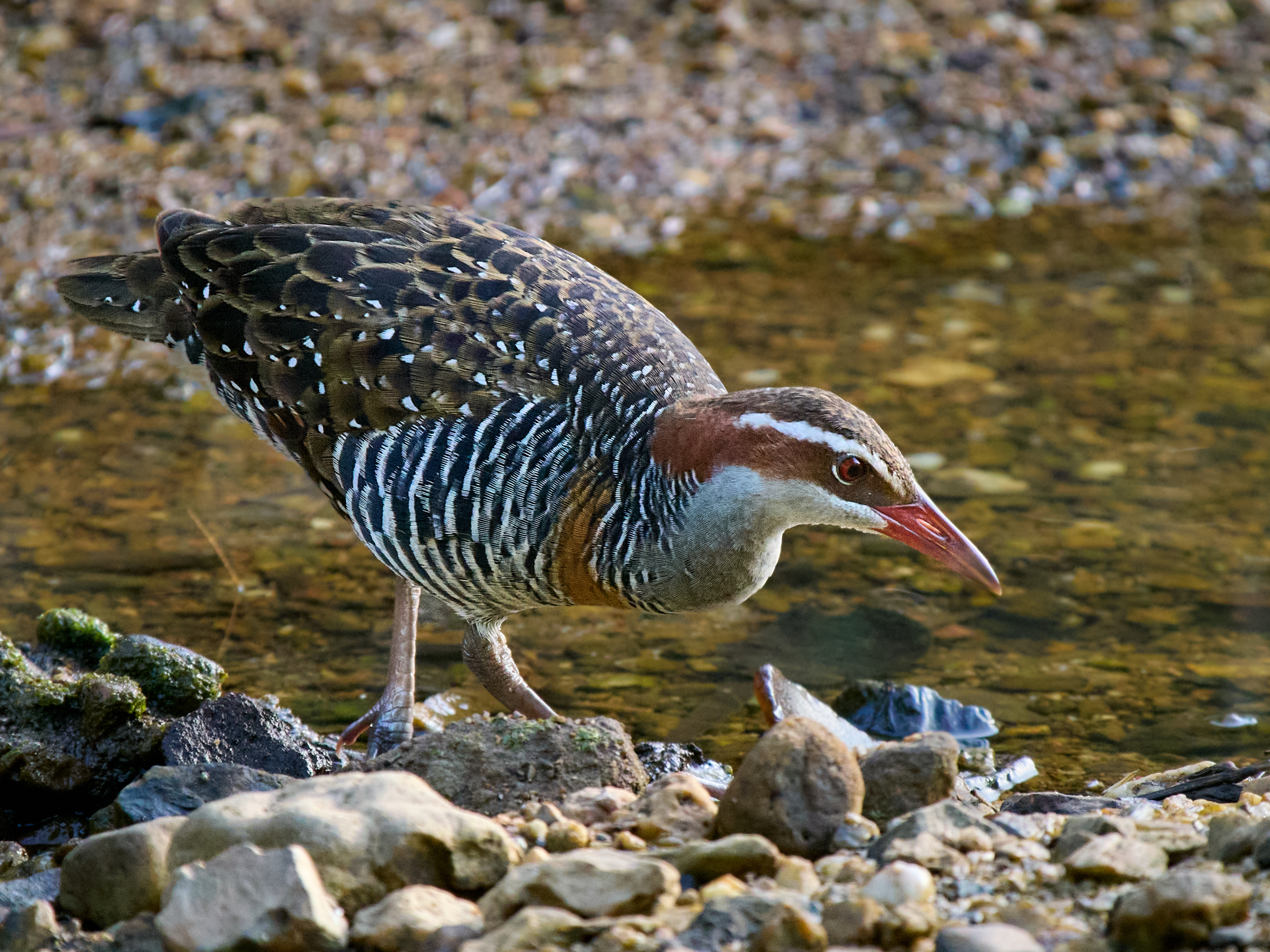
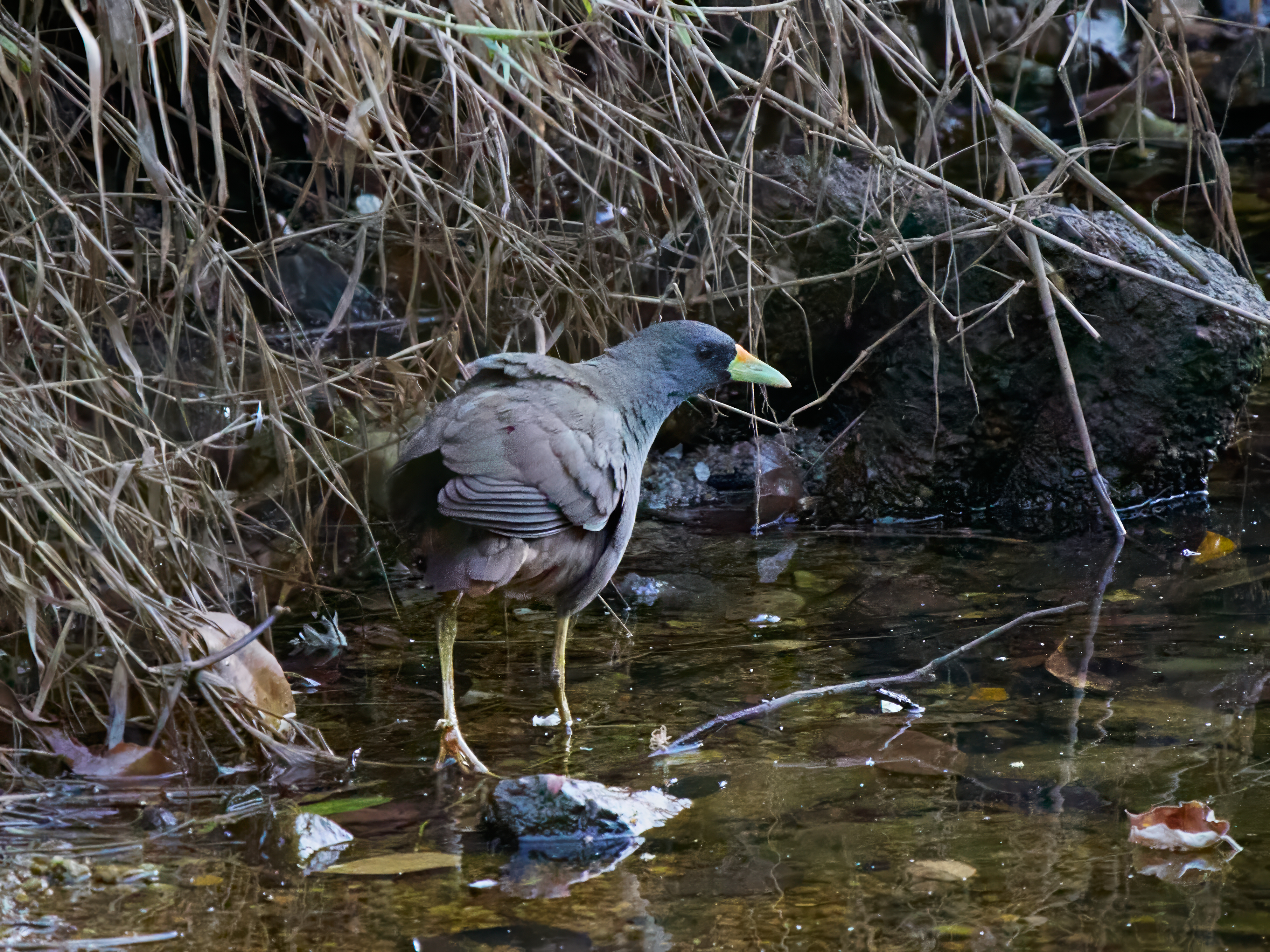
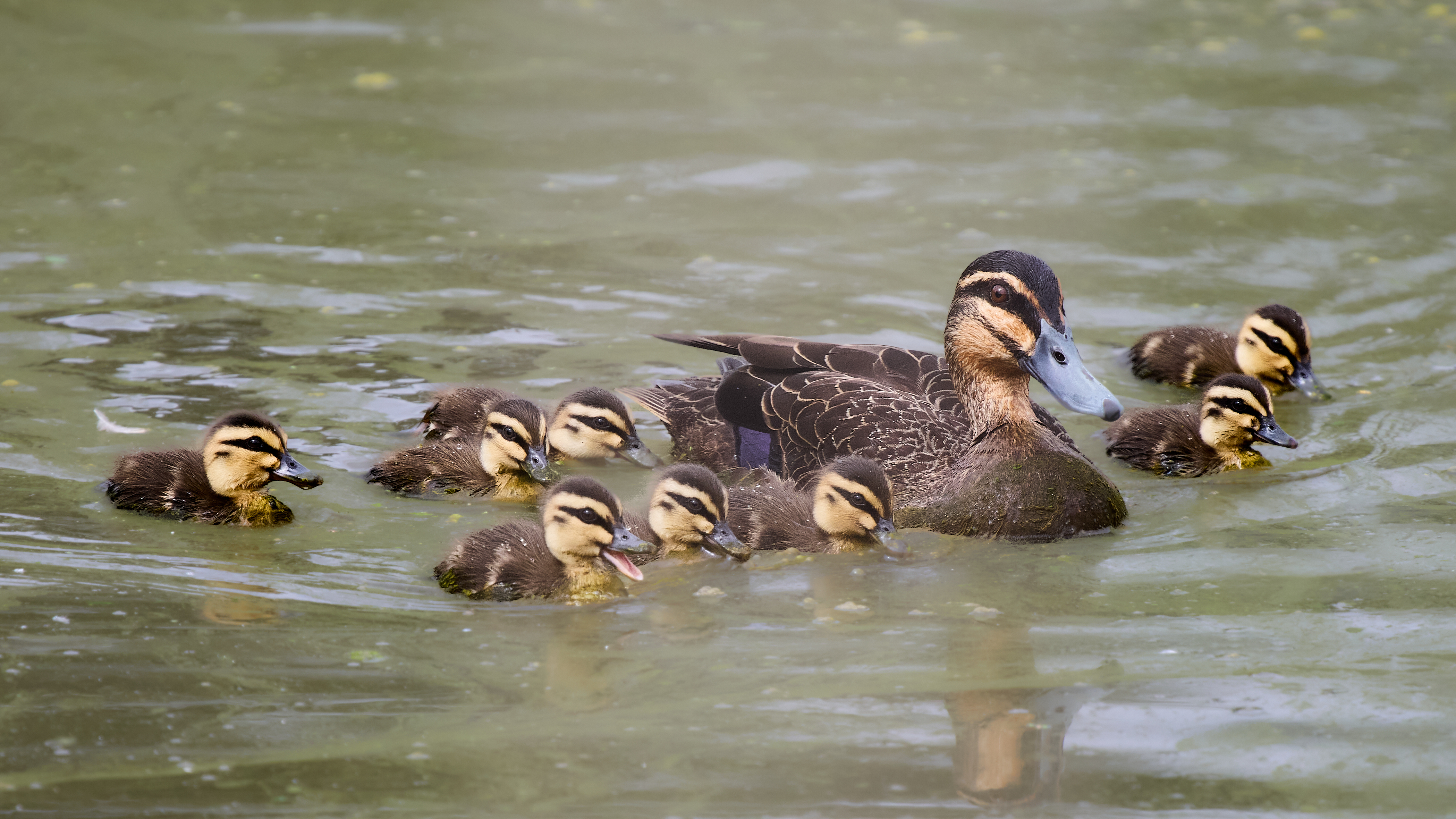
And when in Melbourne head to Braeside Park which is host to Freckled and Pink-eared Duck and even some Magpie Geese at the moment. Gentle light before the rain that’s now falling. A chance to lie in the wet grass and shoot contre jour at some Pink-ears.
The migration to our summer feeding ground is complete. What we need now is for summer to follow us.
By my reckoning the distance the van has traveled from camp site to camp site is 8,727km. Add in the running around at the longer stops and the trip meter in the car stands at 12,350km. It took 55 days. The AOR Quantum+ performed well. Some minor maintenance was required and easily accomplished. It is now agisted in a paddock between here and Warnambool. Hopefully it will get some minor workouts during the summer. It has a small wound in its side courtesy of a narrow farm gate which will be fixed when I get around to it.
En route we caught up with good friends and family and visited some places that were novel and some old favorites. I thoroughly enjoy a good road trip and that was a great road trip.
Including the day before we left Broome and two days in Port Fairy I encountered 274 species of bird and the odd mammal and reptile, surprisingly few snakes. Spring in Victoria should soon fix that deficit.
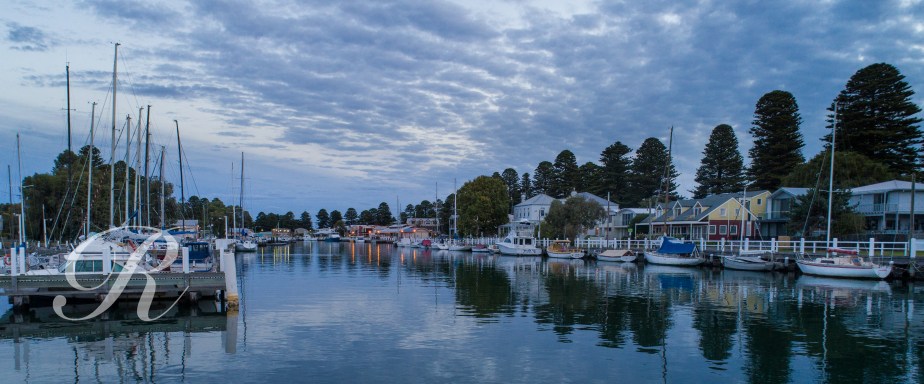
Port Fairy is a coastal town of about 3,400 people. The south coast of mainland Australia was first put to commercial use by whalers and sealers out of Van Dieman’s Land (now Tasmania). James Wishart captain of the sealing ship The Fairy gave the place its name in 1828. John Griffiths established a whaling station on what is now Griffiths Island in 1835. We are staying in an old bluestone mill dating to 1860. It has been renovated since. It’s a two minute walk to Griffiths Island.
The town is packed to the rafters with heritage listed buildings and boasts the oldest pub in Victoria (so do a couple of other places so take that with a grain of salt). The port is suitable for fishing boats. Prior to the foundation of Melbourne and Geelong it was an important point of entry for settlers coming from the old dart.
Warrnambool is about 28km away and a much larger town (33,000 people). That’s where the commercial development went, leaving Fairy to be a quaint picturesque backwater.
When the Rainbow Bee-eaters and Rufous Whistlers head north for the winter so will we. At this stage our intention is to complete the loop around the coast.
Mallacoota is a visually splendid, isolated town with a resident population of 1,183 in the last census. It is situated on a lake system and surrounded by the forest of Croajingalong National Park. Summer visitors outnumber the locals, they come to fish, bird watch, hike and for the wild flowers. The town is 25km from the Princes Highway via a narrow winding road through the forest.
In late December 2019 a lightning strike in the national park started a fire about 60km from Mallacoota. There may have been 10,000 people in the town at that time. Strong winds and high temperatures were expected in the next few days. Many people left. There were still about 4,000 people there when the road out was closed on the 30th of December.
The fire reached the town on the 31st destroying some homes and businesses. The firestorm was so fierce and the smoke so dense that the small airport could not be used for evacuation or fire suppression. After the fire had passed the roads in its wake were unusable. The Royal Australian Navy commenced evacuation by sea on the 3rd of January.
That would have been a summer holiday never forgotten.
The forest has recovered well as Australian forests will but there are still charred trunks and many dead branches emerging above the canopy. We saw Grey Kangaroos and Red-necked Wallabies and were serenaded of an evening by a male Koala. Goannas were out and about and the birding was good. We spent five nights there before taking a couple of days to drive from the far east of the state to the far west.
Bell MinerCommon BronzewingEastern Grey KangarooMasked LapwingCaspian TernGreat Egret
This is my (temporary) new way of expressing temperature. In Mallacoota, Vic it’s 5am and 8°C. In Broome, WA, it’s 26°C, Of course it’s only 2am there and the humidity is 77%. So for a Broomite in exile it feels like -18°B. Which is better – snuggled under the doona frightened to come out or lying on top in a lather of sweat?
For those of you who live not far north of the Gulf formerly known as Mexico that’s 46°F, 79°F and feels like -33°B. For those in Canada I apologise for being such a woos. Heading into a winter like yours and living next to the Rufous Doofus it takes a lot of courage to be a Canadian.
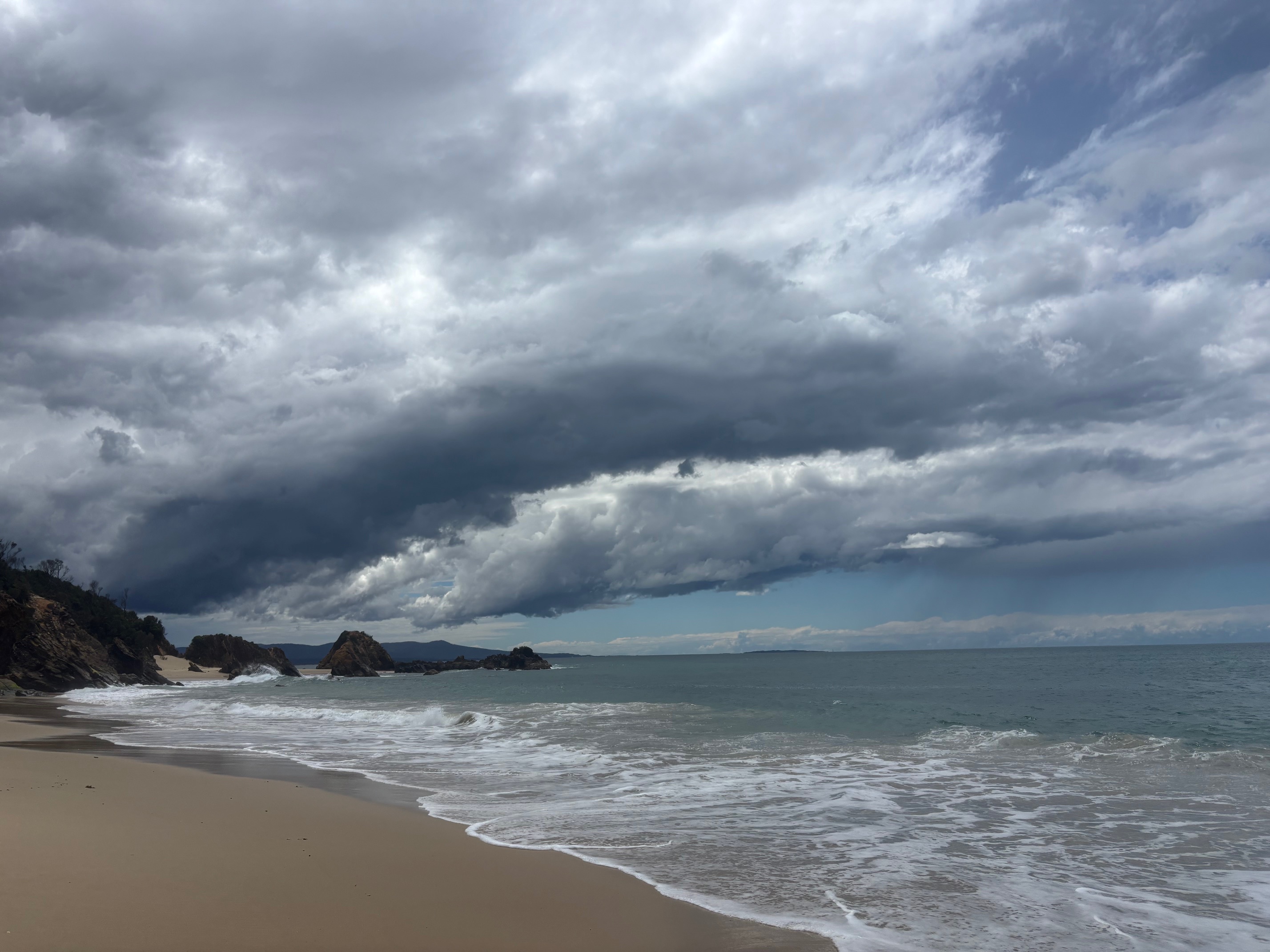
Yesterday’s weather (before the very impressive thunder storm) photographed by Gayle McGee …
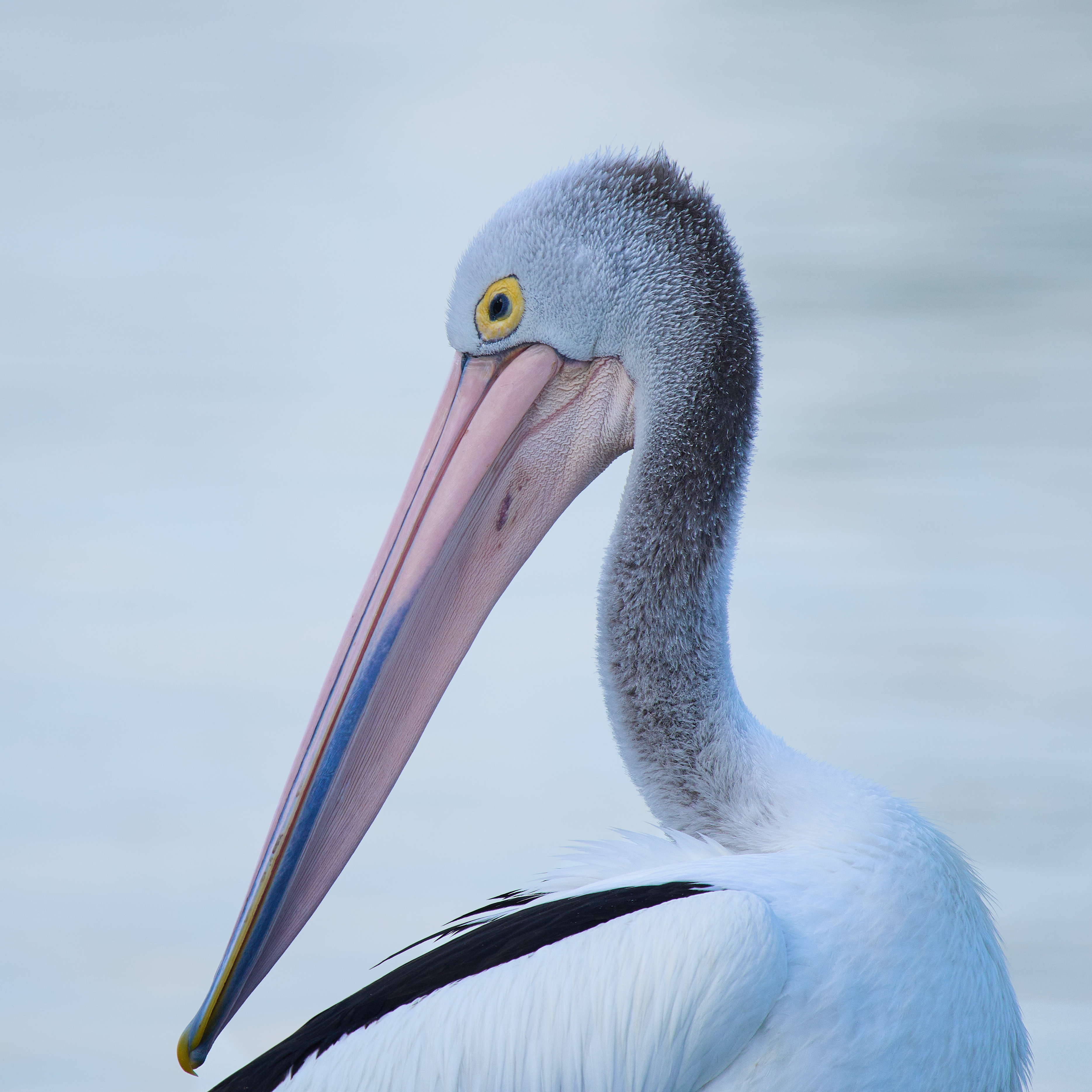
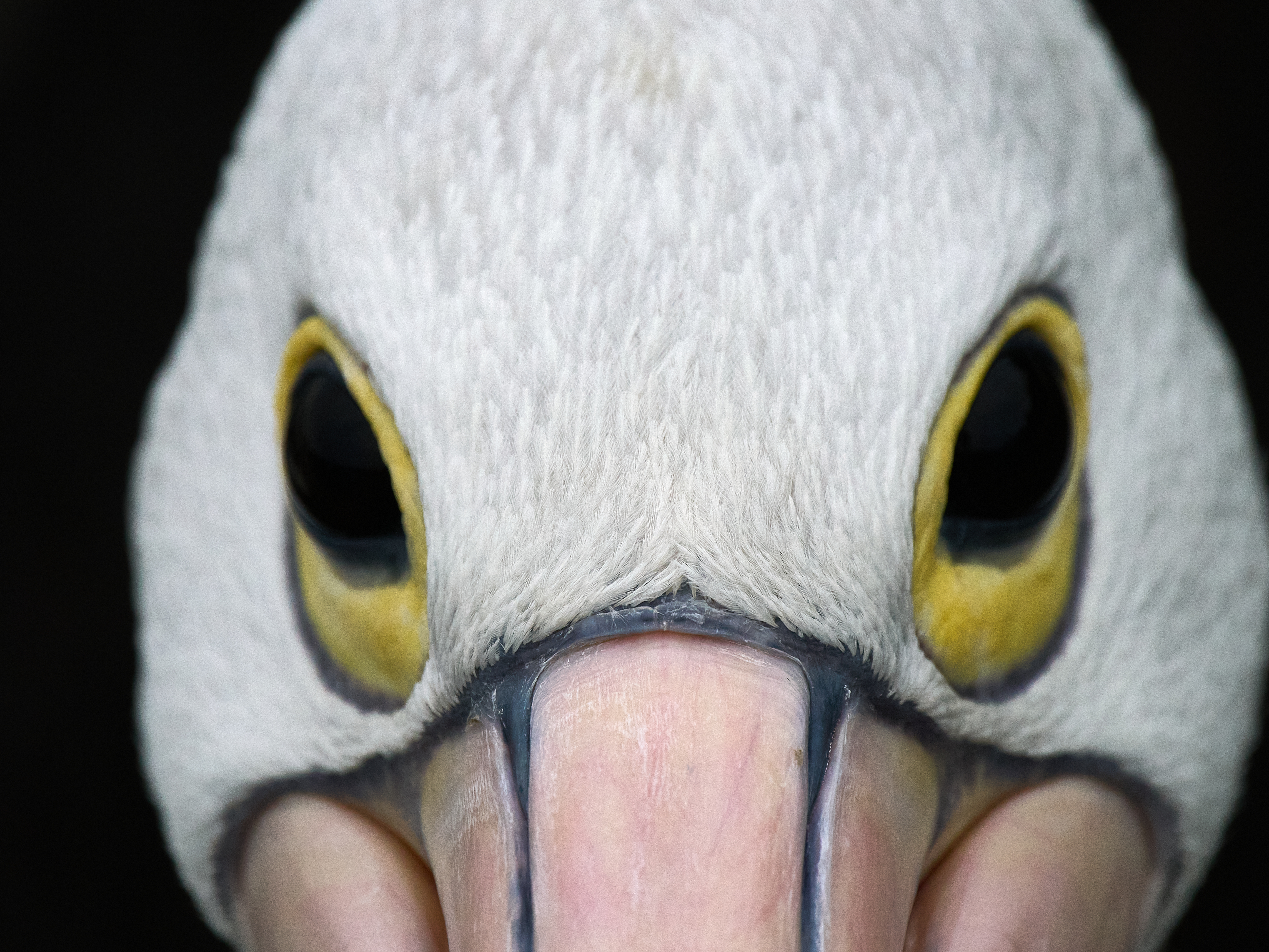
Meanwhile the long lens has been getting a workout. The Pelicans here are well educated creatures that gather where fishermen gut their catch. They too are feeding chicks.
The Victorian far east, a great spot for the bird watcher for several reasons. There is a great diversity of habitats, beach, a lake system, rivers, swamps, tall damp forest, dry forest, coastal heath. And it’s the last throw of the dice for the east coast. For anyone who keeps a Victorian state list this is the place to find birds that are common in New South Wales but don’t make it far round the corner, Figbird, White-headed Pigeon, Koel, Spangled Drongo all come to mind. The same is true for things botanical such as Bloodwoods. If only it wasn’t so bloody cold!
Spring comes late this close to the south pole and the wild flowers are doing great.
The locals are hardy, I have even seen people swimming. In Broome I tend to keep out of the sea for fear of stingers and crocodiles. Down here it’s more for fear of body parts dropping off.
But it’s beautiful. The scenery is breathtaking.
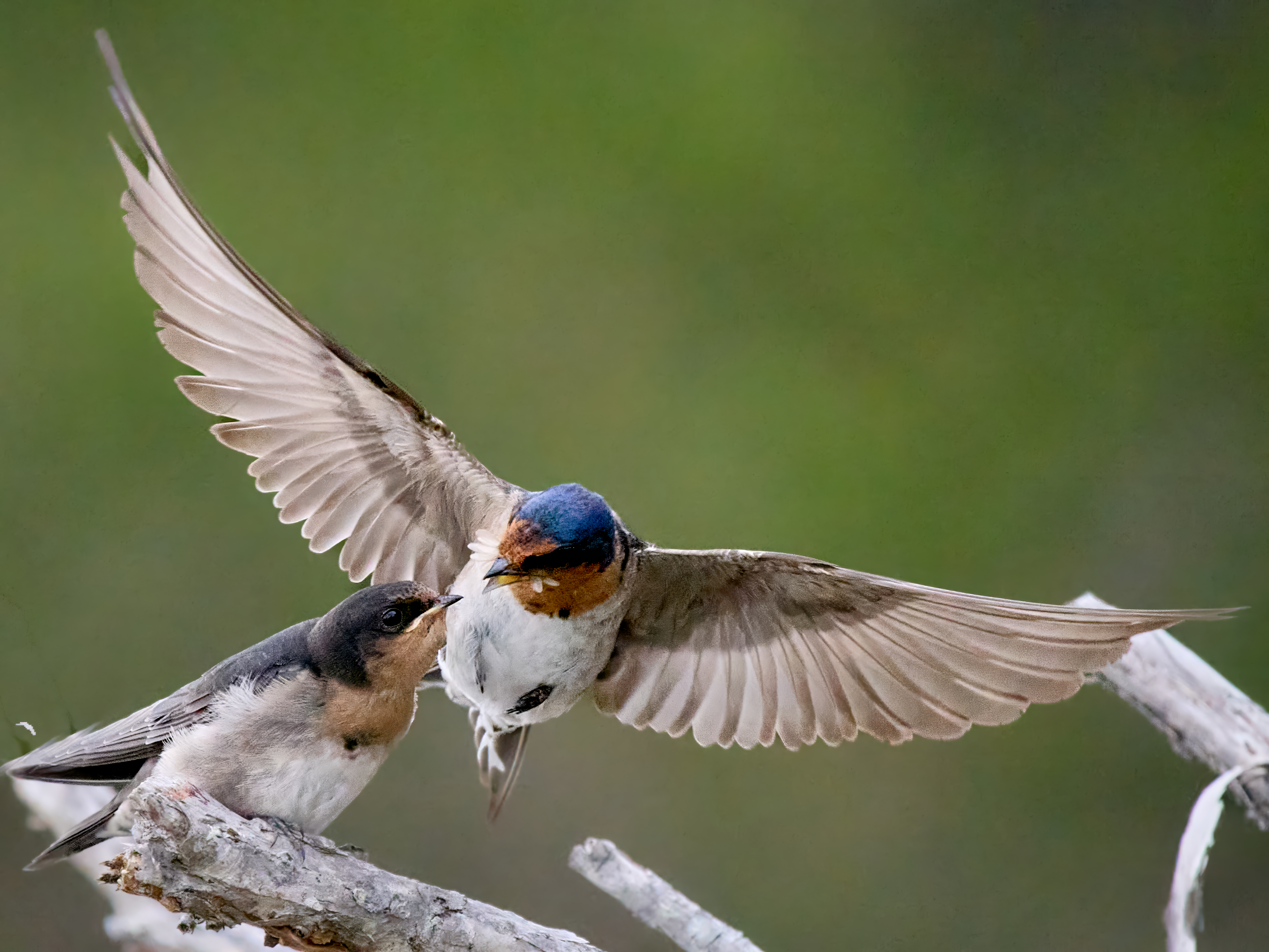
The birds know it’s spring as evidenced by these Welcome Swallows.
Dismissed in a single post. Is this the result of the old Sydney Melbourne rivalry? We made just two camp stops, Port Macquarrie and Shellharbour, each for two nights. We breezed past the Border Ranges, Alberts Lyrebird, the gorgeous Regent Bowerbird and the almost impossible Rufous Scrub-bird. Towed the van through Sydney’s nightmare traffic without any attempt at the Rockwarbler and the Eastern Bristlebird.
The journey south has slowly renewed our acquaintance with birds that will be commonplace during our stay in Victoria, Superb Fairywren, Red Wattlebird, Blackbird, Starling and New Holland Honeyeater. We haven’t caught up with Kelp or Pacific Gulls yet but it won’t be long.
We crossed the Victorian border yesterday afternoon. We are camped at Mallacoota, our last stop on the east coast. The coast turns the corner here and heads west. This means a number of east coast birds will be dropping out when we travel on.
Progress southwards has been slow over the last week or so. The reason is simple Queensland has the highest rate of intra-Australian immigration of all the Australian states. This is where some of our friends have resettled and we even have a few that were born here. We have been looked after royally by them. My last full day in the state this trip was spent minding the dog while Gayle visited a friend that she made on her first day at kinder.
Queensland is the second largest state and the third most populous. Surface area 1,723,030 square kilometres (665,270 sq mi), population 5.5 million which is roughly 3 people per square kilometre – if you spread them out evenly you’d have trouble finding them. But they are not spread out evenly. Three quarters live in the southeast mainly Brisbane, most of the rest live up the coast in the narrow strip east of the Great Dividing Range. The only town of more than 20,000 in the vast plains west of the Divide is Mount Isa.
Brisbane is the State Capital, it’s tucked away in the bottom right hand corner. The tropic of Capricorn crosses the state about 370 km further north. We entered the State in the far north west via Hell’s Gate which is 2,259km by road by the direct route, not the way we did it. We will leave via Tweed Heads. Just 103km south of Brisbane and we’re in New South Wales. Queensland is very asymmetric!
It also has a great diversity of flora and fauna and a great range of habitats. The wet tropics are very wet, the far west is usually very dry and the Gulf of Carpentaria is both alternately. The State bird list (according to eBird) stands at 667 species. Bear in mind some of those are accidentals not residents or regular visitors. I’ve seen 249 of the usual suspects this year. The closure of Mount Lewis put a dent in my expectations and if you really want to clean up you must spend time up at the tip and in Iron Range, Cape York.
We left the wet tropics a fortnight ago and since then have racked up 145 species. The map shows where the binoculars got a work out.
I’m putting the final touches to this post in Port Macquarrie, NSW. Gayle has family here. I drove through pouring rain. It was just 15°C on arrival. That was in daytime, I can’t remember an overnight low as cold as that in Broom’s winter. But there’s no such thing as bad weather it’s just bad clothing. Shame that’s all I’ve got. I may lose a finger or two. Even the birds are laughing at me.
Capital of Queensland, 2.8 million souls, third most populous city in Australia. Perhaps the most pleasant of the state capitals, it retains some natural values but despite that it’s too congested, confusing and too bloody urban for me to actually reside in.
I’m sure normal visitors can find a great variety of wonderful and fulfilling things to do but let’s cut straight to the important thing …
Where to watch birds in Brisbane
Tinchi Tamba Wetland
Sandy Camp Road Wetlands
Nudgee Beach
Banks Street Reserve
Kalinga Park (Wooloowin)
There are many more but I can vouch for these spots.
Rum, Ginger Beer, Sugar of course, macadamia plantations, the Burnett River and 73,747 people. Plus a dog friendly botanic gardens with rather more wildlife than the average, nesting birds, turtles and Eastern Water Dragons in abundance.
Pluymed Whistling DuckEastern Short-necked TurtlePlumed EgretEastern Water DragonEastern Water Dragon
We left Ingham in the rain but arrived at Finch Hatton in bright sunshine. The caretaker at the Show Grounds was complaining about the heat and we were pleased to take advantage of the shade offered by some large fig trees. Cane harvesting was under way with trucks bringing in cages of cut cane for transfer to the trains which are such an interesting feature of the sugar country.
Finch Hatton is a good base to visit Eungella National Park, Eungella Dam, Kinchant Dam, Finch Hatton Gorge and a new find for us, De Moleyns Lagoon. If you search Google Maps for it you will find it in two places. Being a lagoon the one with the blue patch associated with it is the one you want which didn’t stop my in-car navigation system from directing me straight across a cane field to the other one. I ignored the advice. The one true lagoon can be found by taking Brand Road to what appears to be its end at the Council Tip. Keep the tip on your right and continue on a gravel track to a locked gate. The astute bird watcher will quickly solve the problem posed by the gate and drive on to the water’s edge. It is worth the effort.
That night we went to bed to the sound of a raucous argument between a Little Red Flyingfox and a Ring-tailed Possum over who owned the figs above our heads. We woke the next morning to the equally raucous and persistent calls of a Channel-billed Cuckoo.
The next camp site was 213km south at St. Lawrence adjacent to another excellent wetland birding place.
Today we made another step down the Bruce Highway, crossed the Tropic of Capricorn near Rockhampton and tonight we are are camped at Tannum Sands near Gladstone. It feels so urban after our sojourn in the less densely populated north and northeast of the country.