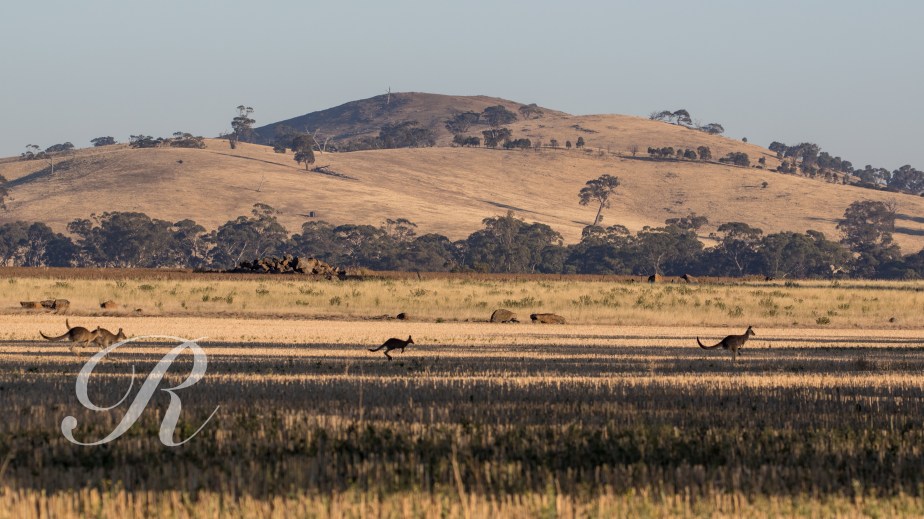
A morning walk …
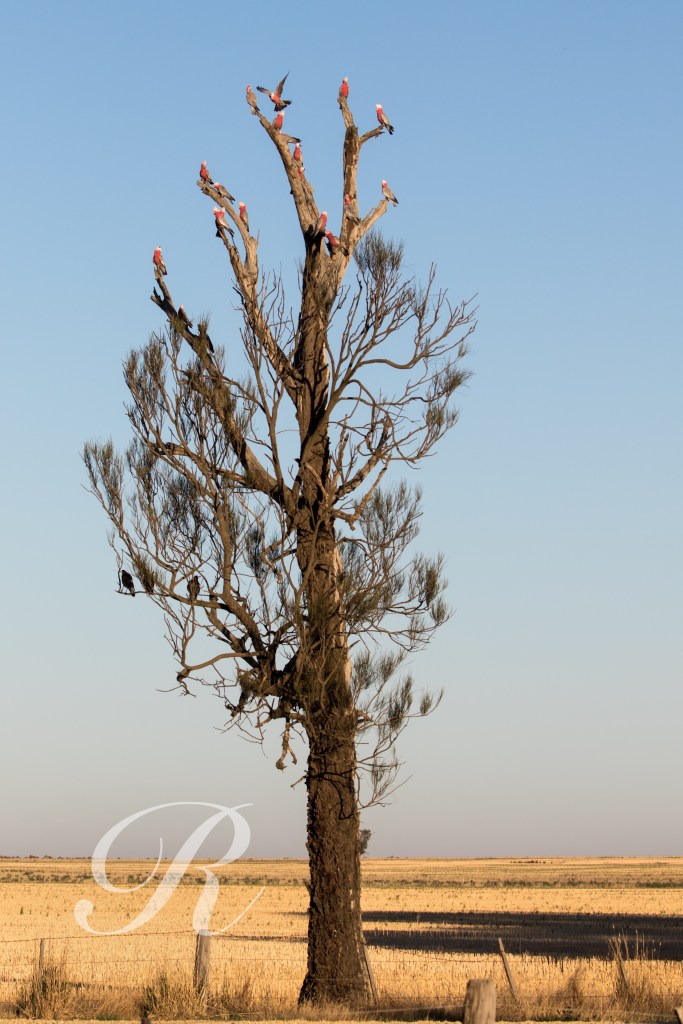

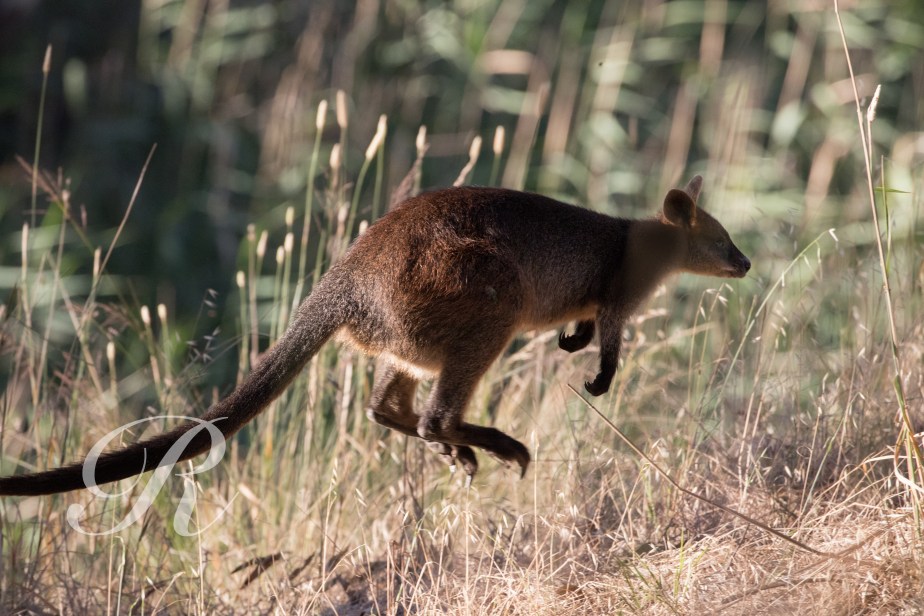
Meanwhile for friends in Boyne City, Michigan, it’s still Christmas day.


and pray that there's intelligent life somewhere out in space
A morning walk …
Meanwhile for friends in Boyne City, Michigan, it’s still Christmas day.
This is what Christmas eve looks like in the back blocks of the Victorian Goldfields.
Wherever you are in the world I wish you peace and happiness.
Please send me photos of your Christmas.
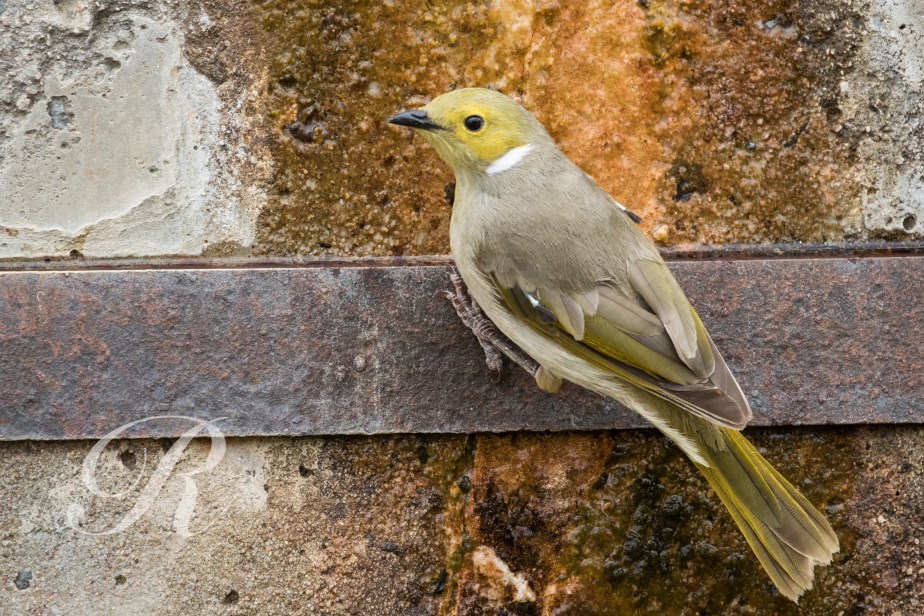
One of my concrete water tanks has a minor leak. It was 30°C (86°F) yesterday which is slightly below average, some of the locals are finding it a very convenient place to get a drink.
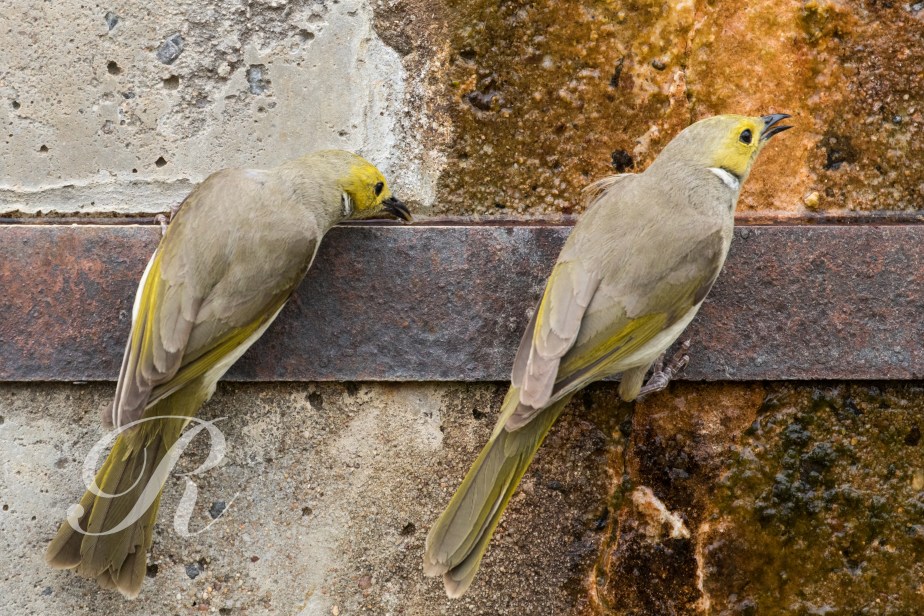
Today I saw the dragon-fly
Come from the wells where he did lie.
An inner impulse rent the veil
Of his old husk: from head to tail
Came out clear plates of sapphire mail.
He dried his wings: like gauze they grew;
Thro’ crofts and pastures wet with dew
A living flash of light he flew.Alfred Lord Tennyson
Well something like that although this one was encountered in dry woodland devoid of grass and certainly devoid of dew.
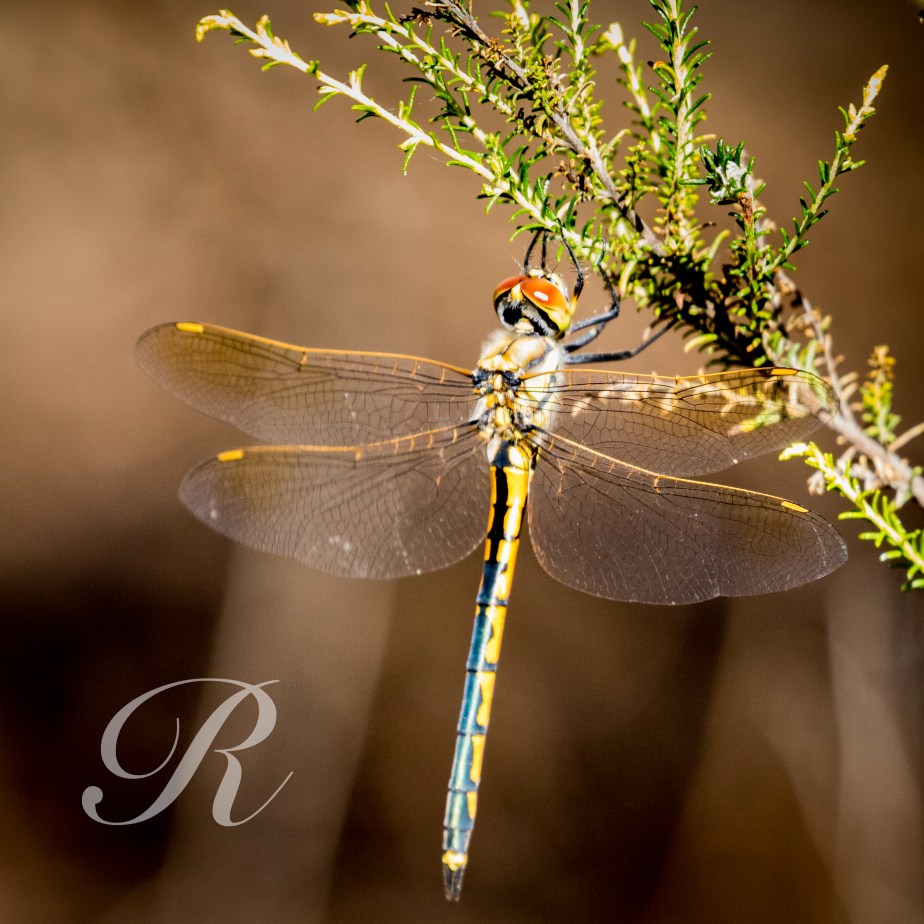
There is a handy key to Australian Dragon and Damselflies <HERE> from which I learnt that this is a Tau Emerald (Hemicordulia tau).
On occasions a walk in the woods seems to be brought to a halt at the space between every tree or bush. There is something unsettling about a face full of spider web … perhaps it’s the thought of a mouth full of spider.
This guy is the Australian Jewel Spider AKA the Christmas Spider because it’s especially common at this time of the year.
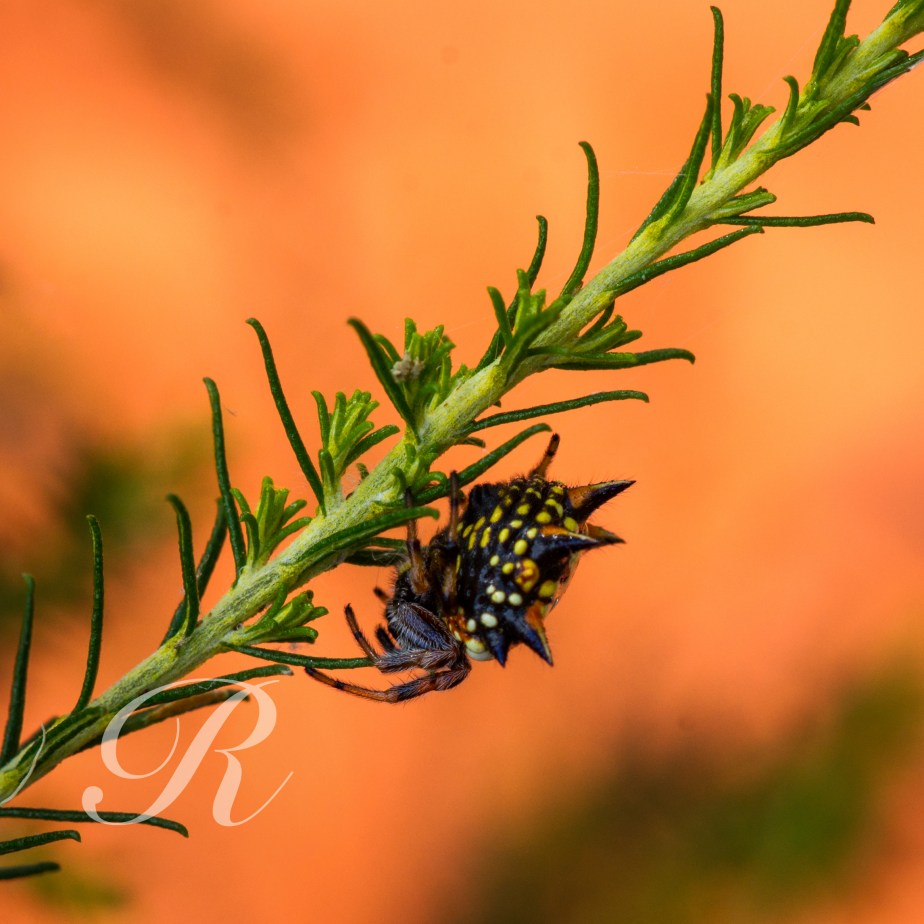 Austracantha minax
The female is larger and usually more colorful than the male. They weave webs that are very effective at catching flying insects. The webs may be the work of a single spider or a group effort of up to 30 spiders with shared support threads.
Here’s one in its web …
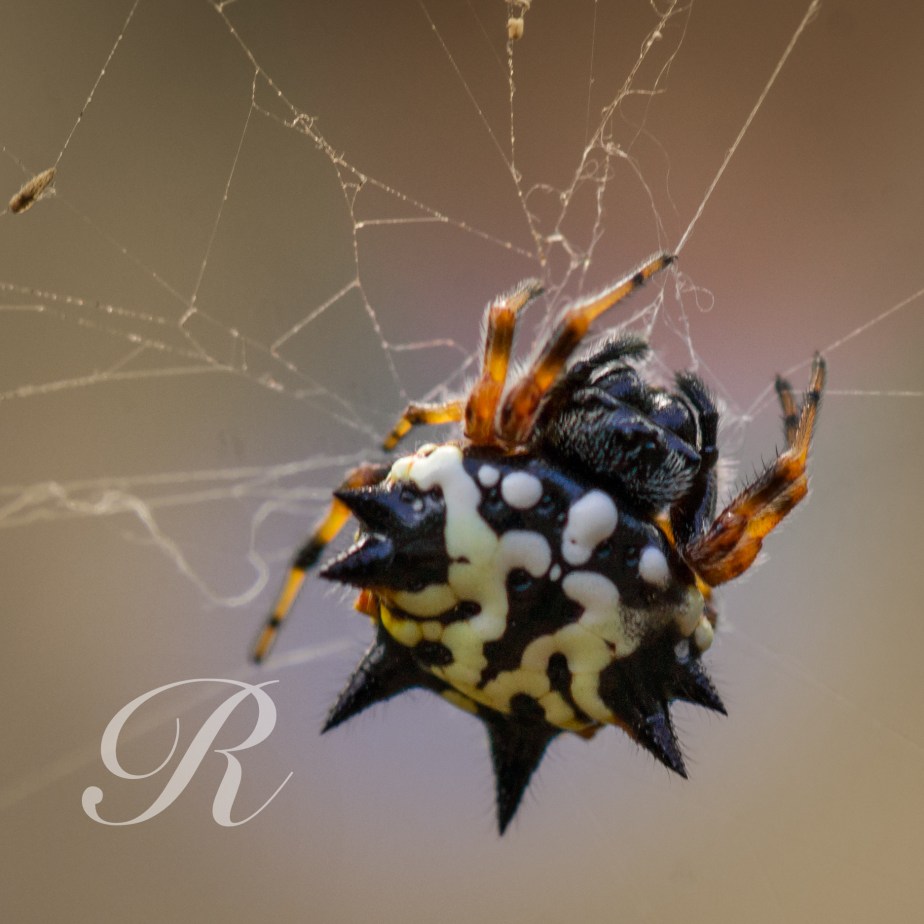
They can be found throughout Australia, males grow to about 3mm long, females 7 to 10 mm.
And turkeys everywhere are trembling.
My favorite Christmas carol is easy to pick, choosing which version is much harder. Here are a couple that I like, take your pick (or point me to a better one) …
Interestingly, it was totally unfamiliar to me until I was called on to play it about three years ago.
I was a lad in the era of the girl groups, no not like the Spice Girls, the classics such as the Ronettes and the Crystals. It’s music that I absolutely love. Behind the groups that I gave as examples was the producer Phil Spector.
Spector produced the “wall of sound“, thought of the studio as the instrument and to him the girls were interchangeable. He’s a rebel for example was recorded by Darlene Love and released as a Crystals record for whom it was a great hit. Nor did Spector bother to tell Ms Love that he’d done it.
After that magic era he worked with such artists as John Lennon, George Harrison and Leonard Cohen. He co-wrote and produced the song that received the greatest amount of US airtime of the twentieth century You’ve Lost That Lovin’ Feelin’ with the Righteous Brothers.
Where is he now? In jail for murder, oops.
I had the enormous pleasure of performing this song the other day …
… not with Darlene Love but with Wendy Stapleton and the Australian Women’s Choir. Look out for what happens at 1.19 into the clip. I was playing the bari sax but I didn’t get the thrill of descending from on high. Next year I hope.
So this is how it started, a walk on the beach, more in an effort to calm the nerves than to take a photograph. Managed to take a photo but it did little for the nerves.
Why nervous? Tonight I get to play with this guy.
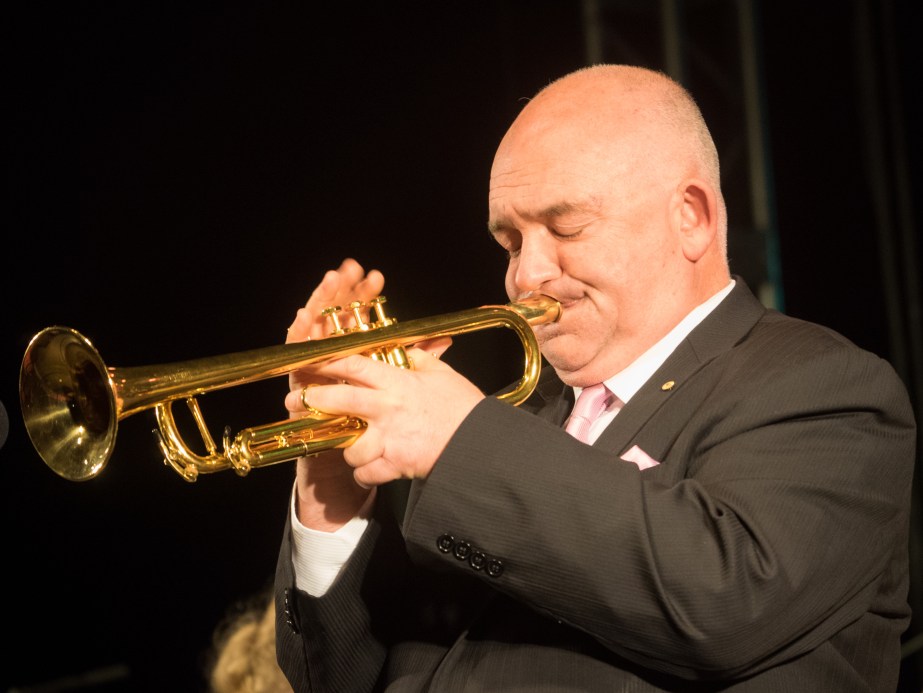
James Morrison, one amazing musician, admittedly my part was as a humble member of the sax section. He goes in my CV … played with James Morrison, I doubt that I will go in his. Here I am …
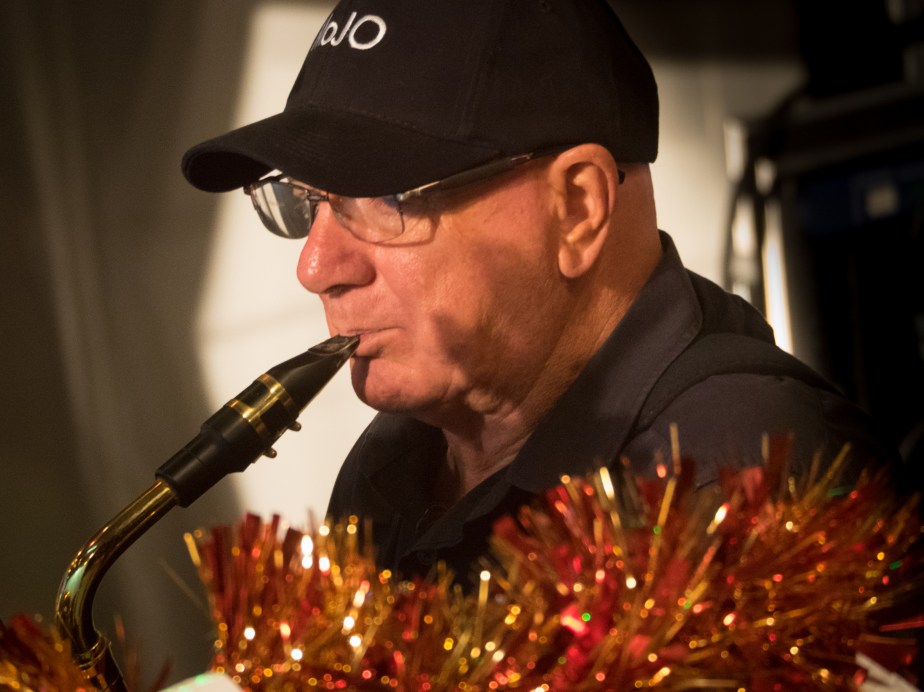
… both photos by Gayle from tonight’s show. It was followed by the fireworks,

and a glass of champagne.
Not long ago I managed to trim down the weight of my camera kit. The ever tightening stance of the airlines caused me concern. I even managed to get a lighter pair of binoculars. But …
Inevitably the weight has crept up again. I currently carry two cameras when I travel, one for landscape and time-lapse, a Lumix GH4, and a Cannon 7d mark ll with a telephoto for wildlife. At home I leave a full frame Sony with a nice macro lens. Of course none of them talk to each other, three different sensor sizes, incompatible lenses. Why? Because no one just buys a whole kit in one go and times change.
I’m thinking ahead to another big trip. Do I buy a bunch of lenses for just one of my much-loved cameras? What happens if it fails in the time I’m away? It is so hard but fortunately there is a flow chart …
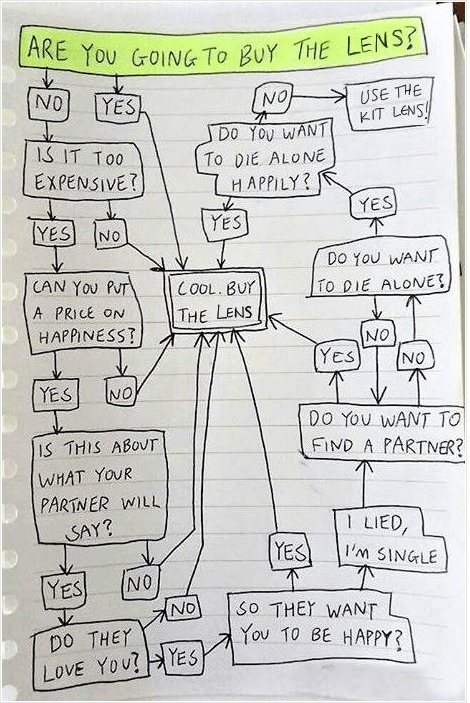
It doesn’t solve the problem but it does amuse you while you ponder.
Some birds are residents, some are migrants. Some birds just wander around in response to conditions, none of them care a fig about state boundaries. So if you hang out near the borders of your state or territory your list will grow.
I live in the western half of Victoria where sooner or later you can expect to find Budgerigars, Diamond Doves, Black and Pied Honeyeaters and other occasional visitors. These are birds that spill out of the more arid interior.
Over in the east of the state their counterparts are birds of the east coast forests that wander around the corner from New South Wales, usually in summer. There have been reports recently of a few congregating in one particular front yard in the little town of Metung. It seemed a good time to put in some time in the Gippsland Lakes region. The weather gods thought it might be a good time to visit the same area.
The Fig Trees of Mairburn Road deserve to be as famous as the Flame Trees of Thika. In the space of half an hour I saw Koel, Channelbill Cuckoo, Topknot Pigeon, White-headed Pigeon and Figbird. All in or close to two enormous Morton Bay Figs thoughtfully planted as ornamentals in somebody’s front garden. Thanks, mate.
These three were new to my Victorian list …
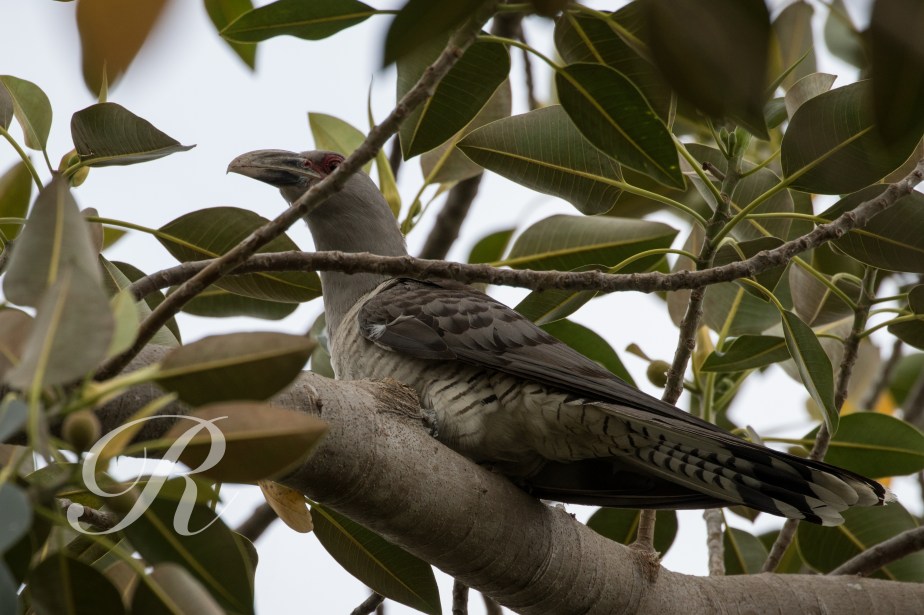


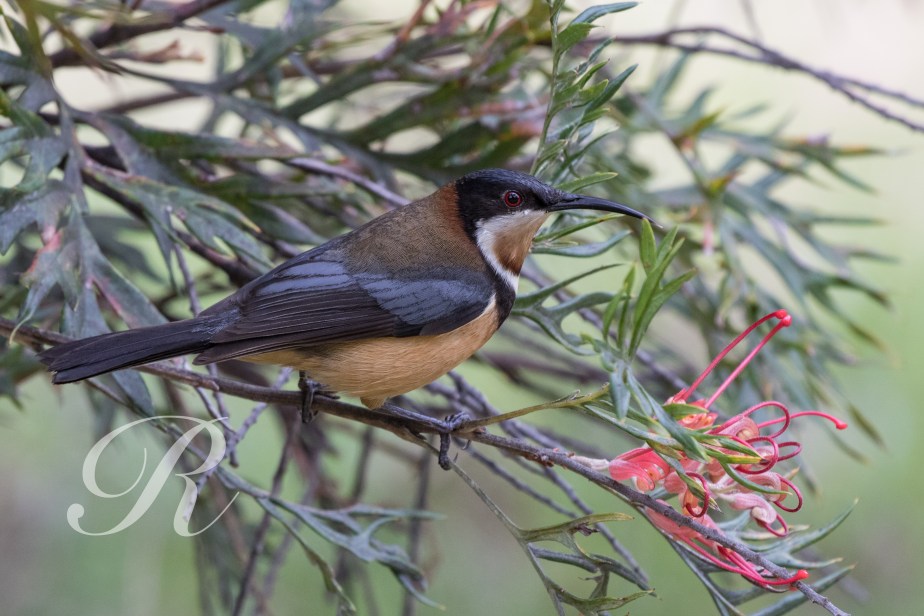
You can’t spend all your time pointing your binoculars and telephoto lens into fig trees in people’s front gardens. You have to consider the Grevilleas in their back gardens …

and maybe even wander into the forest …


 bobmcgee